






Biotechnology Bulletin ›› 2026, Vol. 42 ›› Issue (10): 293-304.doi: 10.13560/j.cnki.biotech.bull.1985.2025-0969
LI Rong-rong1, CAI Rui2( )
Received:2025-09-10
Online:2026-10-26
Published:2026-10-15
Contact:
CAI Rui
E-mail:cairui0104@163.com
LI Rong-rong, CAI Rui. Microbial Mechanisms of Promoting Humification and Carbon-Nitrogen Transformation of Sheep Manure Composting under Functional Membrane Covering[J]. Biotechnology Bulletin, 2026, 42(10): 293-304.
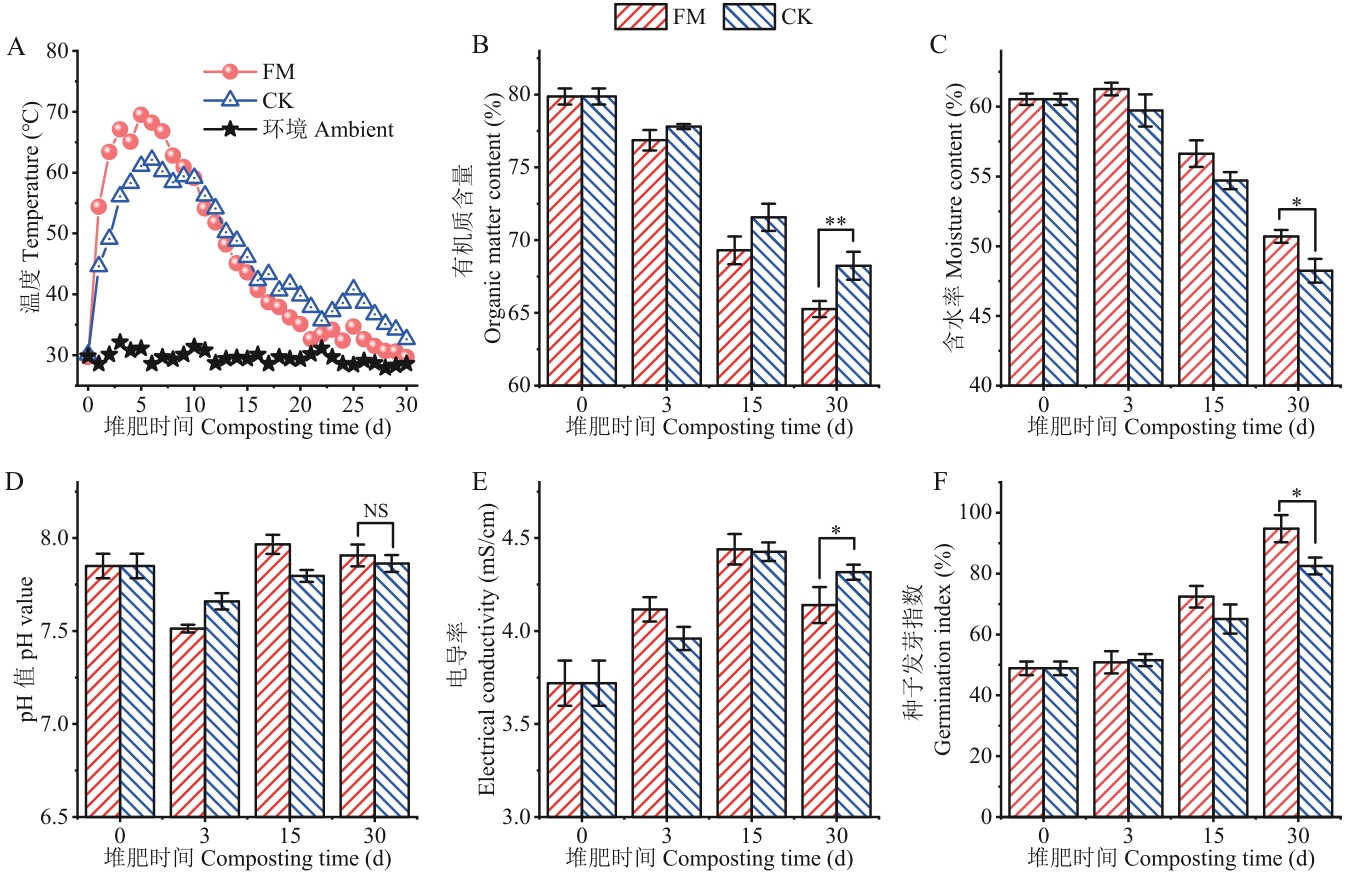
Fig. 1 Changes in basic physical and chemical indicators during the composting process
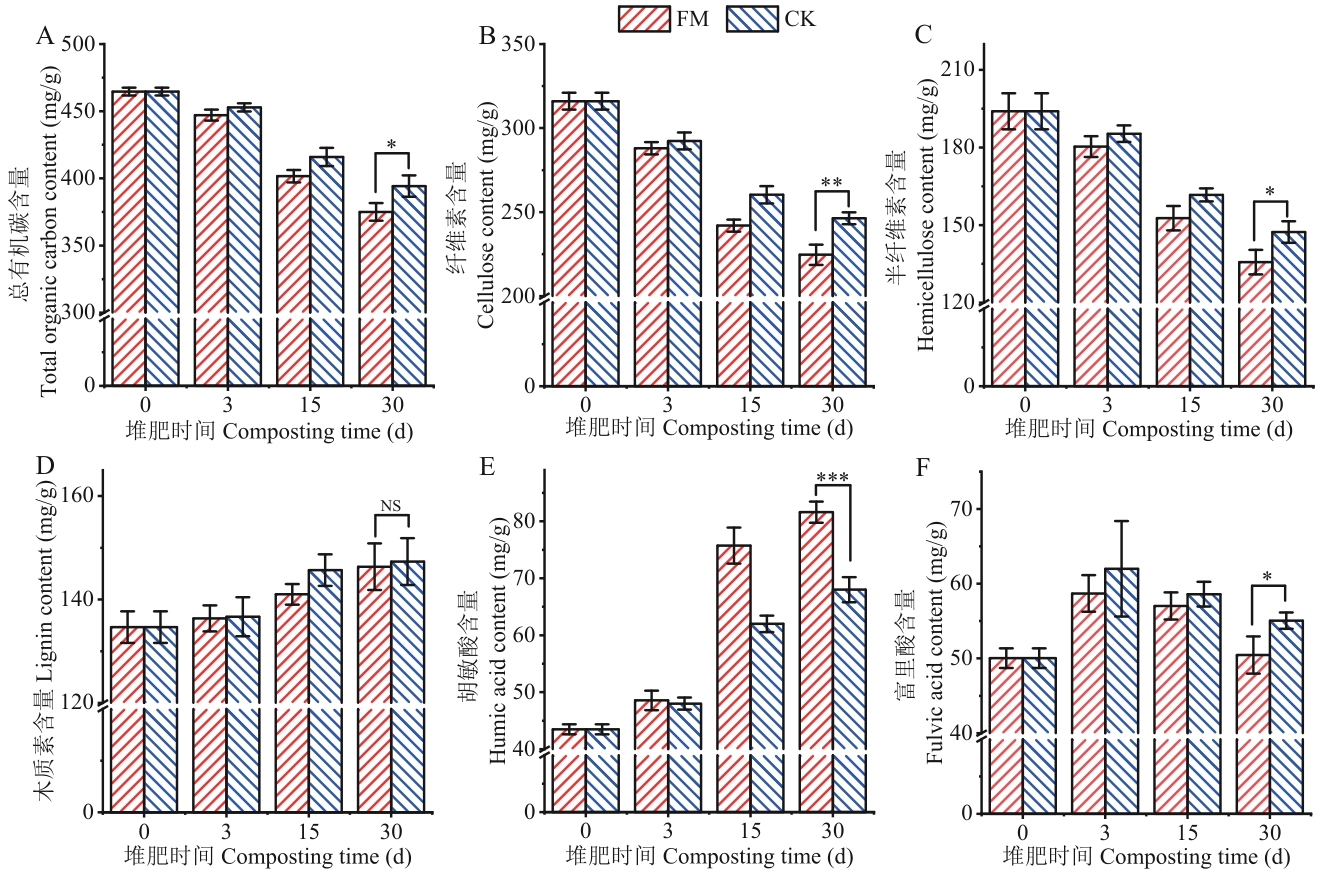
Fig. 2 Changes in carbon composition during the composting process
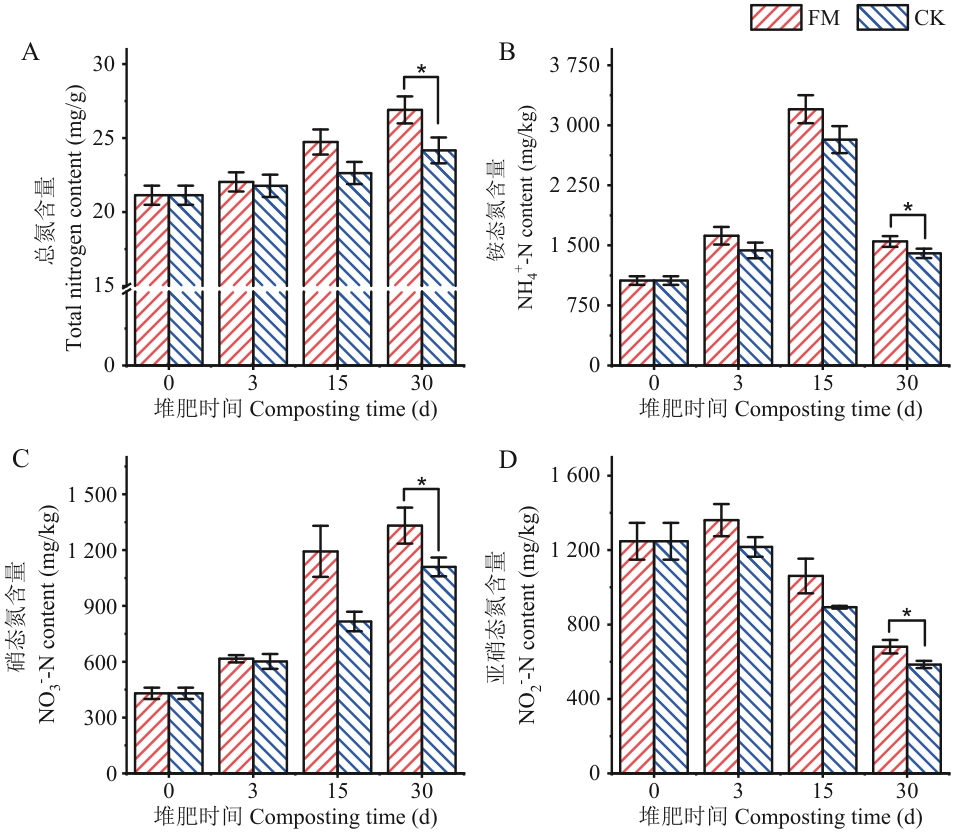
Fig. 3 Changes in nitrogen components during the composting process
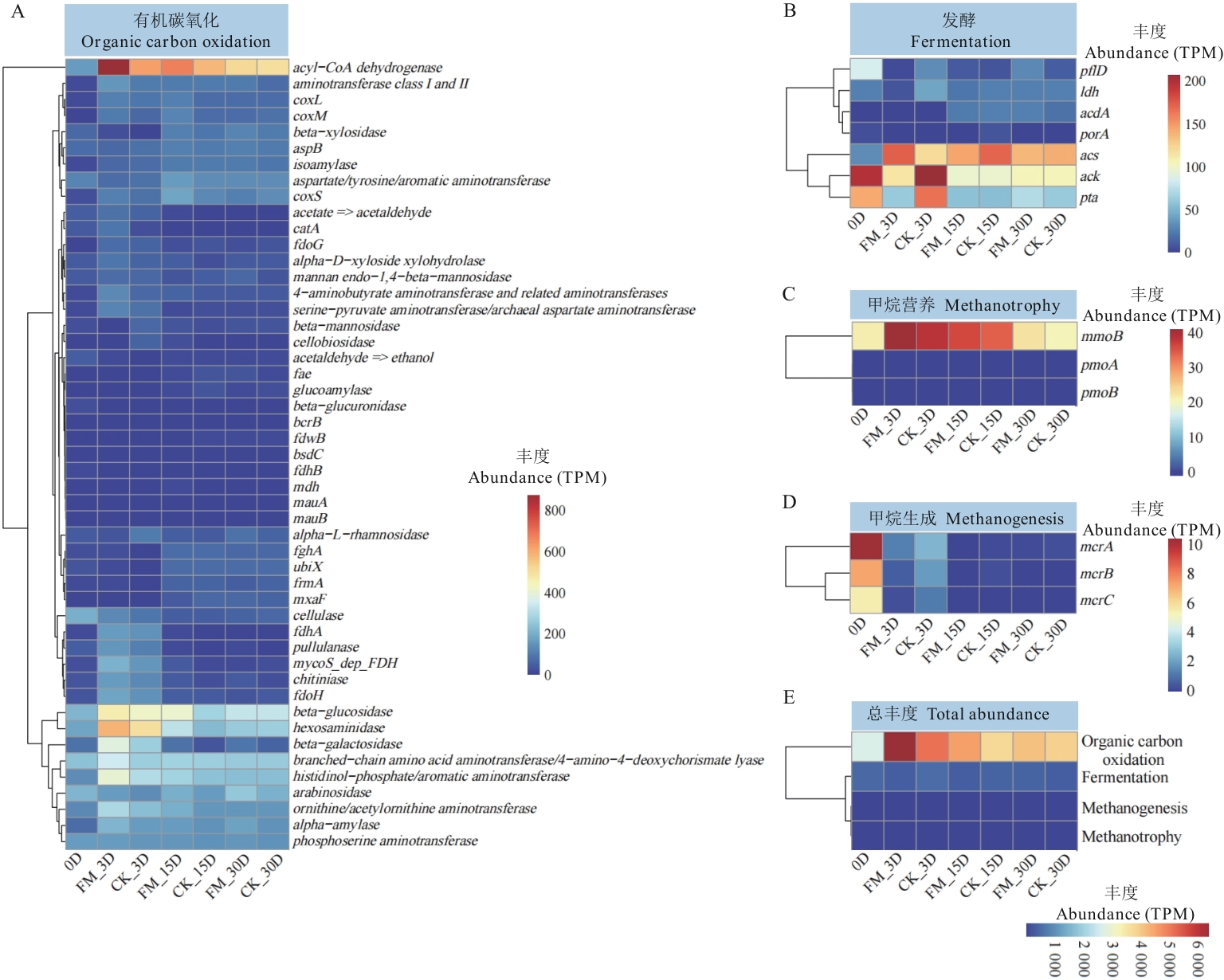
Fig. 4 Changes in the abundance of function genes of carbon conversion
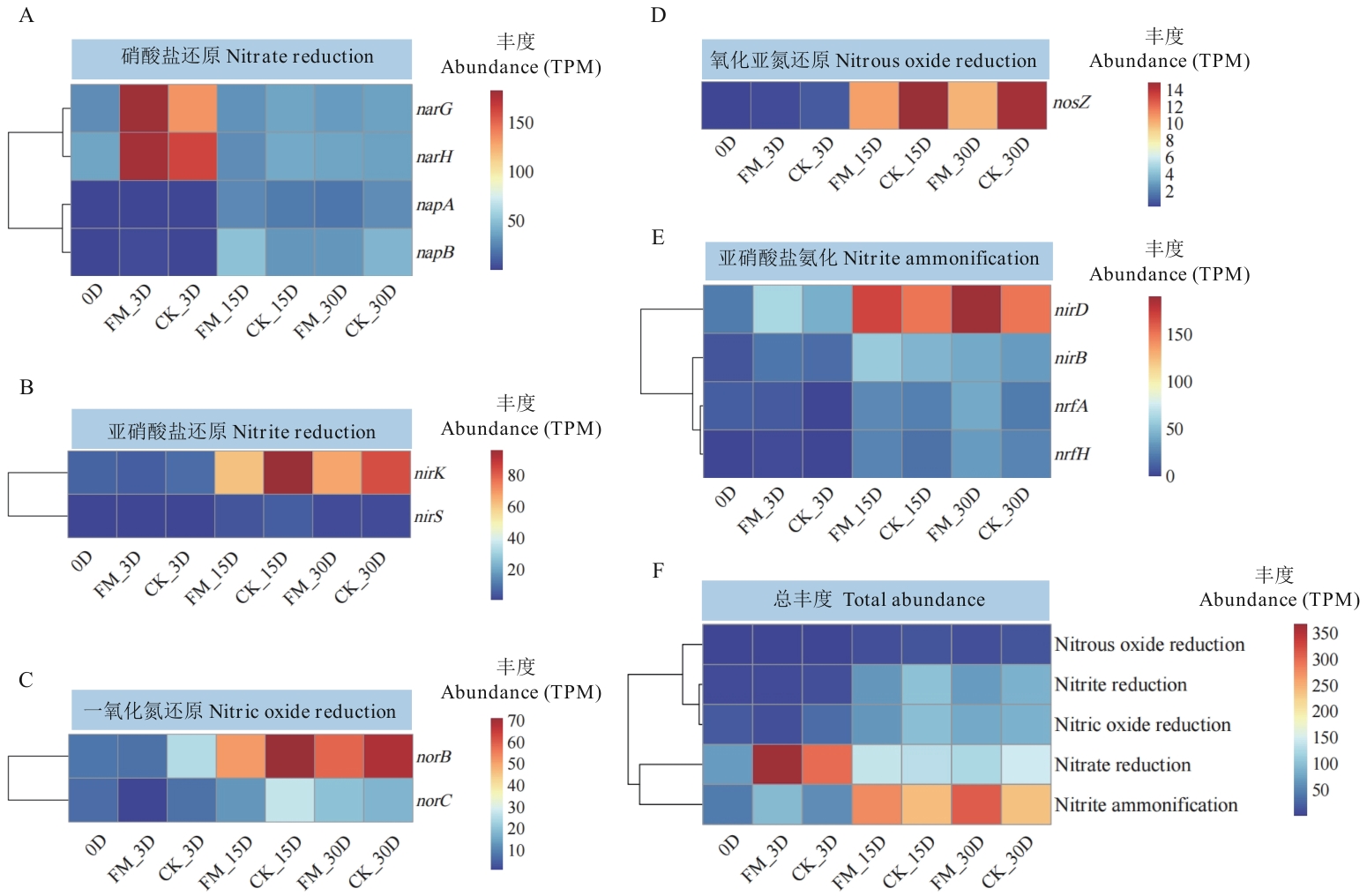
Fig. 5 Changes in the abundance of function genes of nitrogen conversion
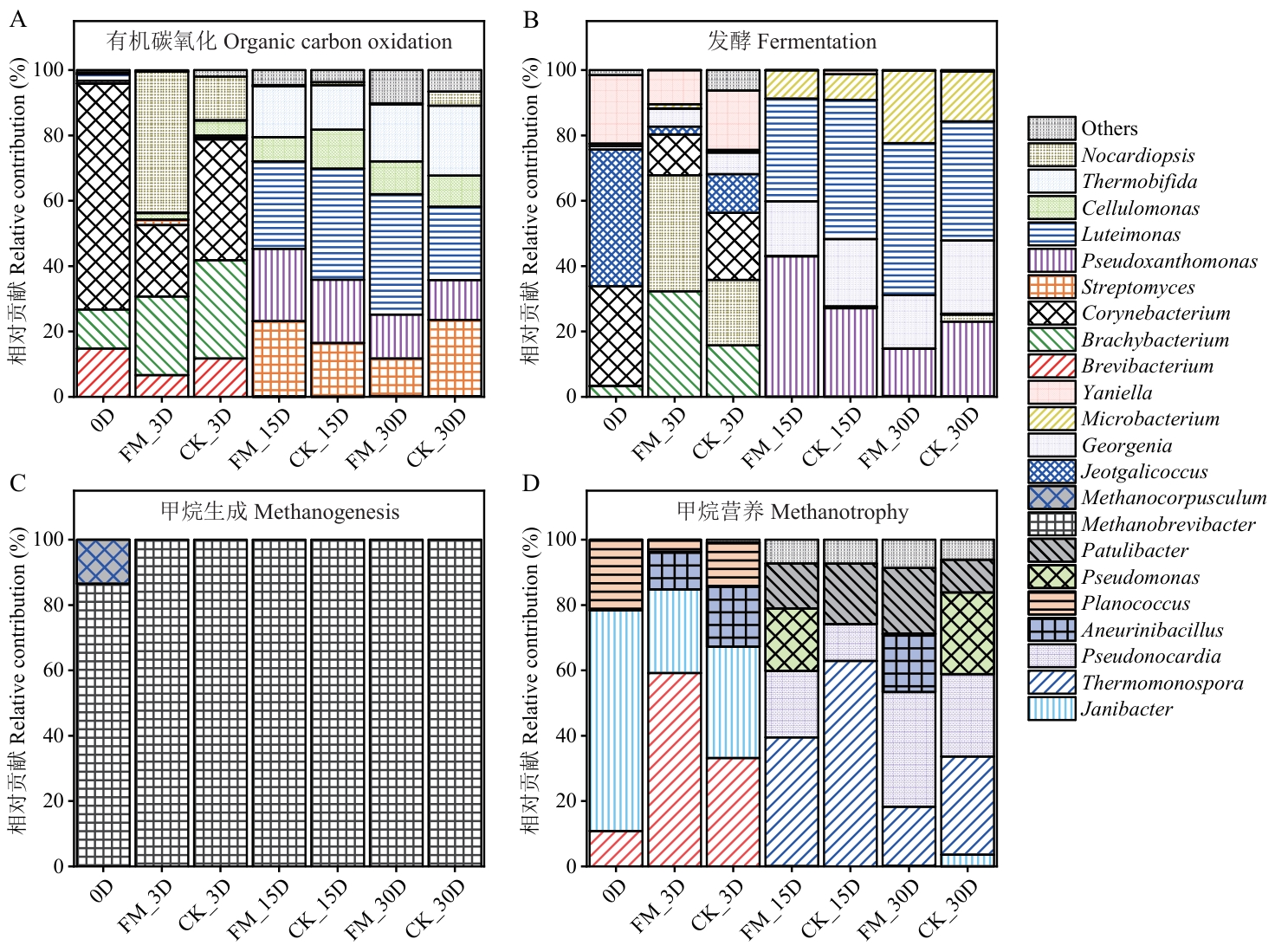
Fig. 6 Changes in the contribution of functional microorganisms of carbon conversion
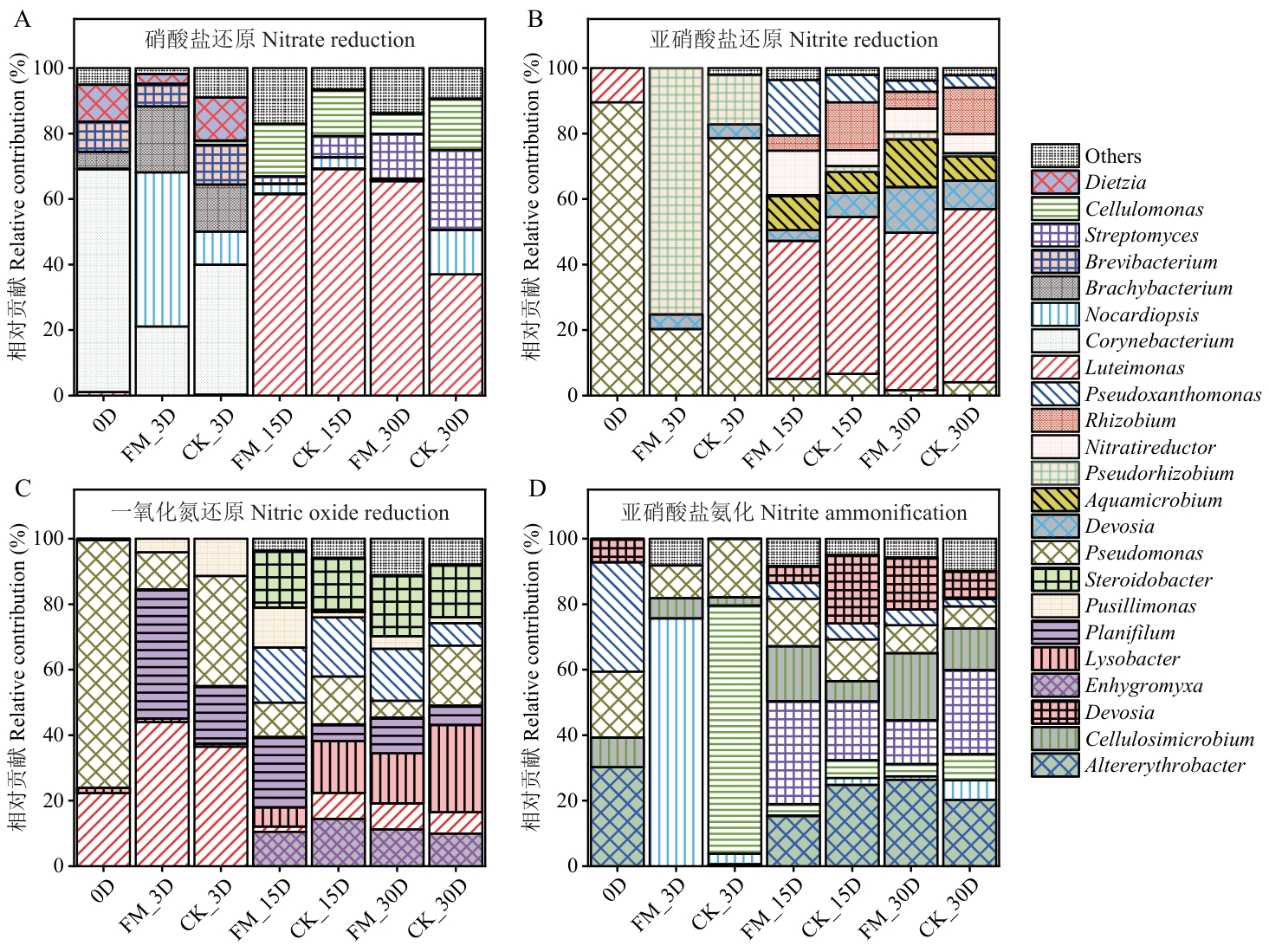
Fig. 7 Changes in the contribution of functional microorganisms of nitrogen conversion
| [1] | Cai R, Cui XY, Cao XH, et al. Crushing combined with high-frequency turning can promote material degradation of sheep manure compost on the Qinghai-Tibet Plateau by improving the microbial metabolic function [J]. J Environ Chem Eng, 2023, 11(2): 109535. |
| [2] | 李荣荣, 蔡瑞. 添加油菜秸秆对青藏高原羊粪堆肥病原菌及抗生素去除效果的影响 [J]. 中国土壤与肥料, 2024(11): 214-221. |
| Li RR, Cai R. Effects of rape straw addition on pathogenic bacteria and antibiotic removal efficiency of sheep manure compost on the Qinghai-Tibet Plateau [J]. Soil Fertil Sci China, 2024(11): 214-221. | |
| [3] | Guo N, Wu QF, Shi FY, et al. Seasonal dynamics of diet-gut microbiota interaction in adaptation of yaks to life at high altitude [J]. npj Biofilms Microbiomes, 2021, 7: 38. |
| [4] | Cai R, Xu Q, Luo X, et al. Influence of turning frequency on removal of pathogens and antibiotic resistance genes from full-size sheep manure composting on the Qinghai-Tibet Plateau [J]. Biochem Eng J, 2025, 222: 109845. |
| [5] | Xiong JP, Su Y, Qu HW, et al. Effects of micro-positive pressure environment on nitrogen conservation and humification enhancement during functional membrane-covered aerobic composting [J]. Sci Total Environ, 2023, 864: 161065. |
| [6] | Fang C, Qu HW, Yang SW, et al. Micro-positive pressure significantly decreases greenhouse gas emissions by regulating archaeal community during industrial-scale dairy manure composting [J]. J Environ Manag, 2024, 360: 121163. |
| [7] | Xiong JP, Su Y, He XQ, et al. Effects of functional membrane coverings on carbon and nitrogen evolution during aerobic composting: Insight into the succession of bacterial and fungal communities [J]. Bioresour Technol, 2023, 369: 128463. |
| [8] | 徐文倩. 奶牛粪覆膜堆肥过程碳氮气体排放影响及调控机制研究 [D]. 北京: 中国农业科学院, 2024. |
| Xu WQ. Study on the characteristics of carbon and nitrogen gas emissions and regulation mechanism of dairy manure membrane-covered composting process [D]. Beijing: Chinese Academy of Agricultural Sciences, 2024. | |
| [9] | Cui P, Bai YD, Li X, et al. Enhanced removal of antibiotic resistance genes and mobile genetic elements during sewage sludge composting covered with a semi-permeable membrane [J]. J Hazard Mater, 2020, 396: 122738. |
| [10] | Li YC, Liu YD, Yong XY, et al. Odor emission and microbial community succession during biogas residue composting covered with a molecular membrane [J]. Bioresour Technol, 2020, 297: 122518. |
| [11] | González I, Robledo-Mahón T, Silva-Castro GA, et al. Evolution of the composting process with semi-permeable film technology at industrial scale [J]. J Clean Prod, 2016, 115: 245-254. |
| [12] | Robledo-Mahón T, Silva-Castro GA, Kuhar U, et al. Effect of composting under semipermeable film on the sewage sludge virome [J]. Microb Ecol, 2019, 78(4): 895-903. |
| [13] | Cai R, Zuo SS, Cao XH, et al. Carbon and nitrogen transformation mechanism and functional microorganisms of sheep manure composting on the Qinghai-Tibet Plateau under different moisture content [J]. J Environ Chem Eng, 2023, 11(6): 111341. |
| [14] | Li X, Wang AC, Wan WJ, et al. High salinity inhibits soil bacterial community mediating nitrogen cycling [J]. Appl Environ Microbiol, 2021, 87(21): e01366-e01321. |
| [15] | Li G, Zhu QH, Niu QQ, et al. The degradation of organic matter coupled with the functional characteristics of microbial community during composting with different surfactants [J]. Bioresour Technol, 2021, 321: 124446. |
| [16] | 蔡瑞, 张帅, 崔欣雨, 等. 添加高温期堆料对青藏高原羊粪堆肥有机成分降解及酶活性的影响 [J]. 中国畜牧兽医, 2022, 49(7): 2831-2841. |
| Cai R, Zhang S, Cui XY, et al. Effect of adding high temperature period compost on degradation of organic components and enzyme activity of sheep manure composting on Qinghai Tibet Plateau [J]. China Anim Husb Vet Med, 2022, 49(7): 2831-2841. | |
| [17] | 蔡瑞, 张帅, 郑猛虎, 等. 复合菌剂对青藏高原羊粪堆肥腐熟的影响 [J]. 家畜生态学报, 2023, 44(6): 71-78. |
| Cai R, Zhang S, Zheng MH, et al. Effects of compound microorganisms on maturity of sheep manure composting on Qinghai-Tibet plateau [J]. J Domest Anim Ecol, 2023, 44(6): 71-78. | |
| [18] | Arias O, Viña S, Uzal M, et al. Composting of pig manure and forest green waste amended with industrial sludge [J]. Sci Total Environ, 2017, 586: 1228-1236. |
| [19] | Zeng ZT, Guo XY, Xu P, et al. Responses of microbial carbon metabolism and function diversity induced by complex fungal enzymes in lignocellulosic waste composting [J]. Sci Total Environ, 2018, 643: 539-547. |
| [20] | Guo R, Li GX, Jiang T, et al. Effect of aeration rate, C/N ratio and moisture content on the stability and maturity of compost [J]. Bioresour Technol, 2012, 112: 171-178. |
| [21] | Zhou ZC, Tran PQ, Breister AM, et al. METABOLIC: high-throughput profiling of microbial genomes for functional traits, metabolism, biogeochemistry, and community-scale functional networks [J]. Microbiome, 2022, 10: 33. |
| [22] | Ma SS, Fang C, Sun XX, et al. Bacterial community succession during pig manure and wheat straw aerobic composting covered with a semi-permeable membrane under slight positive pressure [J]. Bioresour Technol, 2018, 259: 221-227. |
| [23] | Cai R, Zhang S, Cui XY, et al. Reasonable water replenishment strategies can improve the fermentation efficiency and bacterial community of sheep manure composting on the Qinghai-Tibet Plateau [J]. J Mater Cycles Waste Manag, 2023, 25(2): 1204-1215. |
| [24] | Barje F, El Fels L, El Hajjouji H, et al. Biodegradation of organic compounds during co-composting of olive oil mill waste and municipal solid waste with added rock phosphate [J]. Environ Technol, 2013, 34(21): 2965-2975. |
| [25] | Unuofin FO, Mnkeni PNS. Optimization of Eisenia fetida stocking density for the bioconversion of rock phosphate enriched cow dung-waste paper mixtures [J]. Waste Manag, 2014, 34(11): 2000-2006. |
| [26] | Cai YY, He YH, He K, et al. Degradation mechanism of lignocellulose in dairy cattle manure with the addition of calcium oxide and superphosphate [J]. Environ Sci Pollut Res, 2019, 26(32): 33683-33693. |
| [27] | Wei YQ, Zhao Y, Xi BD, et al. Changes in phosphorus fractions during organic wastes composting from different sources [J]. Bioresour Technol, 2015, 189: 349-356. |
| [28] | Xu JQ, Jiang ZW, Li MQ, et al. A compost-derived thermophilic microbial consortium enhances the humification process and alters the microbial diversity during composting [J]. J Environ Manag, 2019, 243: 240-249. |
| [29] | Tang YF, Dong B, Dai XH. Hyperthermophilic pretreatment composting to produce high quality sludge compost with superior humification degree and nitrogen retention [J]. Chem Eng J, 2022, 429: 132247. |
| [30] | Zhou Y, Selvam A, Wong JWC. Evaluation of humic substances during co-composting of food waste, sawdust and Chinese medicinal herbal residues [J]. Bioresour Technol, 2014, 168: 229-234. |
| [31] | Gao X, Zhang J, Liu GL, et al. Enhancing the transformation of carbon and nitrogen organics to humus in composting: Biotic and abiotic synergy mediated by mineral material [J]. Bioresour Technol, 2024, 393: 130126. |
| [32] | Saratale GD, Oh SE. Production of thermotolerant and alkalotolerant cellulolytic enzymes by isolated Nocardiopsis sp. KNU [J]. Biodegradation, 2011, 22(5): 905-919. |
| [33] | Ozturkoglu-Budak S, Wiebenga A, Bron PA, et al. Protease and lipase activities of fungal and bacterial strains derived from an artisanal raw ewe’s milk cheese [J]. Int J Food Microbiol, 2016, 237: 17-27. |
| [34] | Yu HY, Xie BT, Khan R, et al. The changes in carbon, nitrogen components and humic substances during organic-inorganic aerobic co-composting [J]. Bioresour Technol, 2019, 271: 228-235. |
| [35] | Giri NC, Wedasingha L, Manicke N, et al. Reversible interconversion of nitrate and nitrite catalyzed by periplasmic nitrate reductase from Campylobacter jejuni [J]. J Am Chem Soc, 2025, 147(16): 13243-13250. |
| [36] | Lycus P, Soriano-Laguna MJ, Kjos M, et al. A bet-hedging strategy for denitrifying bacteria curtails their release of N2O [J]. Proc Natl Acad Sci U S A, 2018, 115(46): 11820-11825. |
| [37] | Jiang JS, Wang Y, Guo FQ, et al. Composting pig manure and sawdust with urease inhibitor: succession of nitrogen functional genes and bacterial community [J]. Environ Sci Pollut Res, 2020, 27(29): 36160-36171. |
| [38] | Zhang X, Li SZ, Cheng WT, et al. Oxytetracycline stress reconstruct the core microbial community related to nitrogen transformation during composting [J]. Bioresour Technol, 2021, 319: 124142. |
| [39] | Lei LS, Gu J, Wang XJ, et al. Effects of phosphogypsum and medical stone on nitrogen transformation, nitrogen functional genes, and bacterial community during aerobic composting [J]. Sci Total Environ, 2021, 753: 141746. |
| [40] | Zhong XZ, Zeng Y, Wang SP, et al. Insight into the microbiology of nitrogen cycle in the dairy manure composting process revealed by combining high-throughput sequencing and quantitative PCR [J]. Bioresour Technol, 2020, 301: 122760. |
| [1] | BAO Wu-yin,ZHANG Yang,LIN Peng-cheng,NAN Peng,HUANG Yan-yan,JIN Hao-fei,ZHONG Yang. Phylogeography of Gymnadenia conopsea from the Qinghai-Tibet Plateau [J]. Biotechnology Bulletin, 2016, 32(12): 96-102. |
| Viewed | ||||||
|
Full text |
|
|||||
|
Abstract |
|
|||||
