







生物技术通报 ›› 2026, Vol. 42 ›› Issue (9): 196-209.doi: 10.13560/j.cnki.biotech.bull.1985.2026-0115
• 植物发育生物学专题 • 上一篇
谭澍, 沈红建, 高晓磊, 尹倩, 邹锋( )
)
收稿日期:2026-01-24
出版日期:2026-09-26
发布日期:2026-09-16
通讯作者:
邹锋zoufeng06@126.com基金资助:
TAN Shu, SHEN Hong-jian, GAO Xiao-lei, YIN Qian, ZOU Feng()
Received:2026-01-24
Published:2026-09-26
Online:2026-09-16
摘要:
目的 鉴定油茶(Camellia oleifera)MYB基因家族成员,解析其花药发育的分子调控网络,为阐明油茶生殖发育机制提供理论依据。 方法 基于油茶基因组数据,通过生物信息学方法鉴定MYB基因家族成员,解析其序列特征、理化性质、进化关系,并预测亚细胞定位;利用转录组与RT-qPCR技术,分析候选MYB基因在不同组织和不同发育阶段的表达模式,筛选关键基因,以烟草叶盘法异源过表达基因,验证候选基因功能。 结果 从油茶基因组鉴定到137个MYB基因,其氨基酸长度为102-1 752 aa,分布于45条染色体中,大多数成员的亚细胞定位预测定位在细胞核中。存在55次片段复制事件,共有44对有效基因,38对基因受纯化选择影响,5对基因受正选择影响。与拟南芥存在95对共线性基因对。系统发育分析显示,油茶与拟南芥的MYB家族可分为26个亚家族。启动子顺式作用元件主要与光响应、激素响应和胁迫应答相关,与激素相关的顺式作用元件主要有赤霉素、脱落酸和茉莉酸元件。转录组数据与RT-qPCR表达模式分析发现,8个基因在花药中呈现特异性高表达特征。此外,蛋白互作网络预测提示,CoMYB107、CoMYB55和CoMYB136基因可能参与特定的蛋白互作调控网络;CoMYB107过表达烟草的花粉活力显著下降、花丝长度伸长和花药延迟开裂。 结论 CoMYB107可能通过GA-JA信号通路调控雄蕊发育,表现为促进花丝伸长、延迟花药开裂以及降低花粉活力。
谭澍, 沈红建, 高晓磊, 尹倩, 邹锋. 油茶MYB转录因子家族鉴定及CoMYB107基因在雄蕊发育中的功能分析[J]. 生物技术通报, 2026, 42(9): 196-209.
TAN Shu, SHEN Hong-jian, GAO Xiao-lei, YIN Qian, ZOU Feng. Genome-wide Identification of the MYB Transcription Factor Family in Camellia oleifera and Functional Analysis of CoMYB107 in Stamen Development[J]. Biotechnology Bulletin, 2026, 42(9): 196-209.
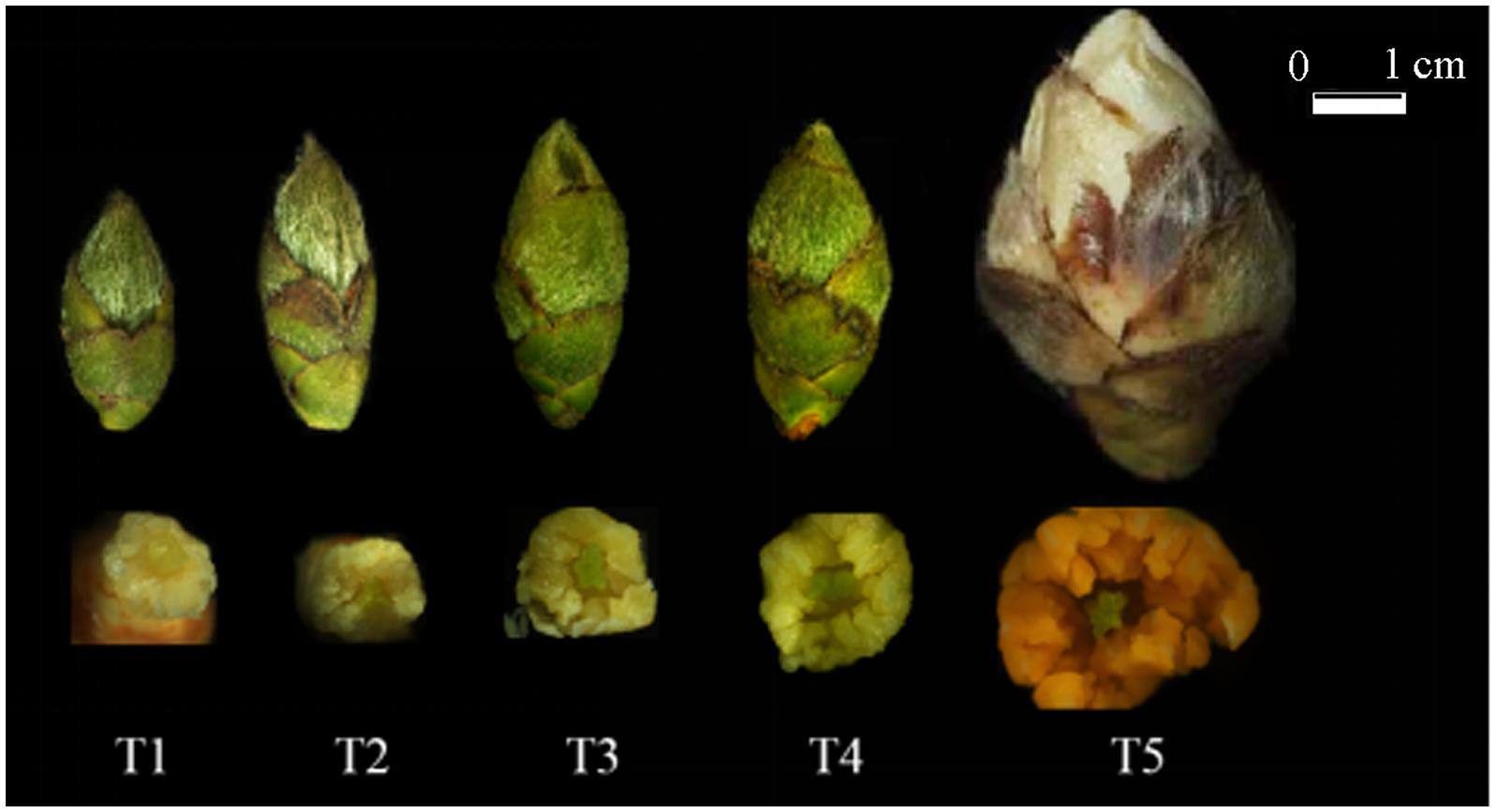
图1 不同时期油茶花芽外观形态T1-T5表示花芽采集日期(2024年);T1:9月5日;T2:9月20日;T3:10月5日;T4:10月20日;T5:11月4日。下同
Fig. 1 The morphology of flower buds in different periods of C. oleiferaT1-T5 represent the dates of flower bud collection (2024). T1: September 5. T2: September 20. T3: October 5. T4: October 20. T5: November 4. The same below
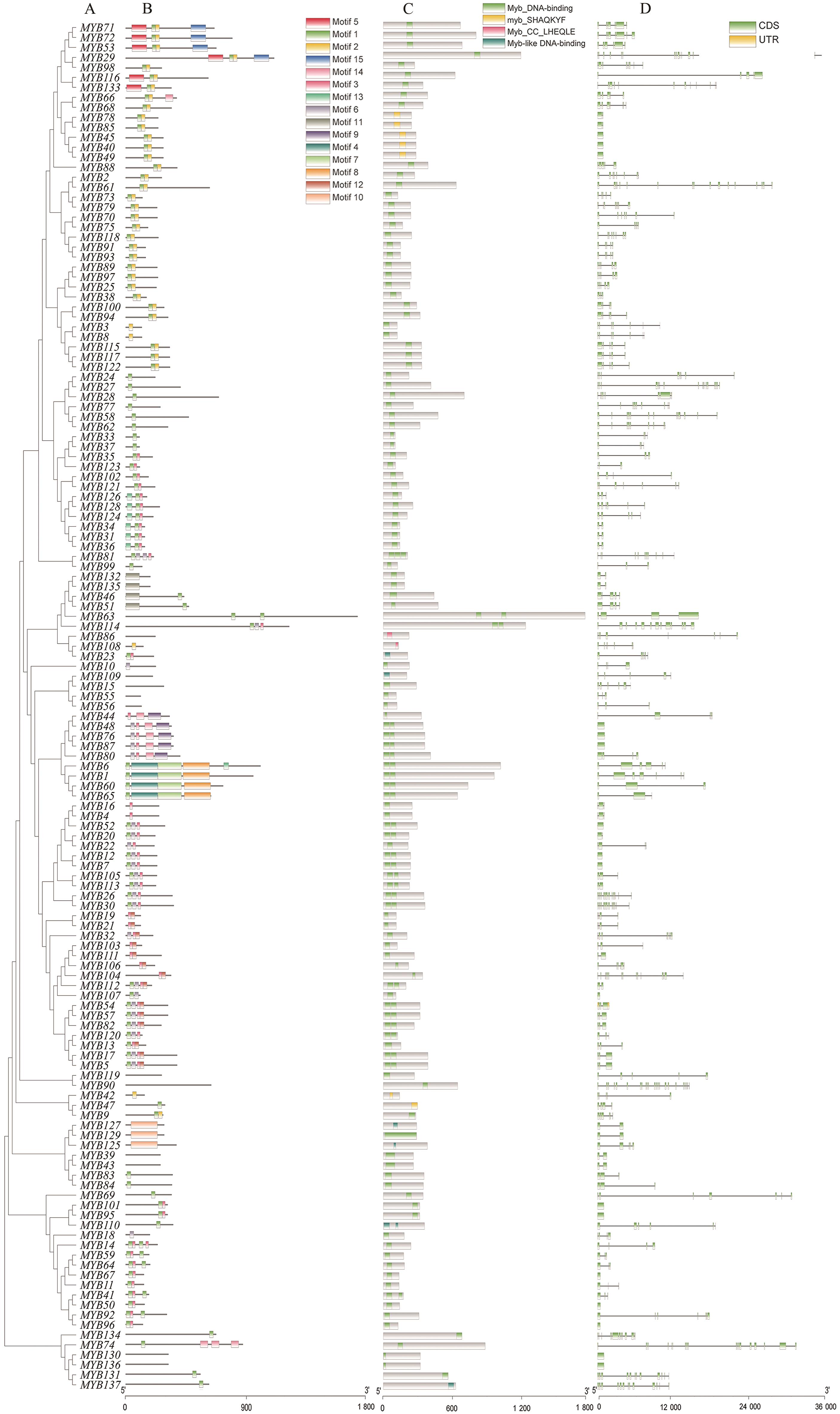
图2 油茶MYB基因结构分析A:进化树;B:motif结构;C:保守结构域;D:UTR和CDS
Fig. 2 Structural analysis of C. oleiferaMYB genesA: Phylogenetic tree. B: Motif structure. C: Conserved domain. D: UTR and CDS
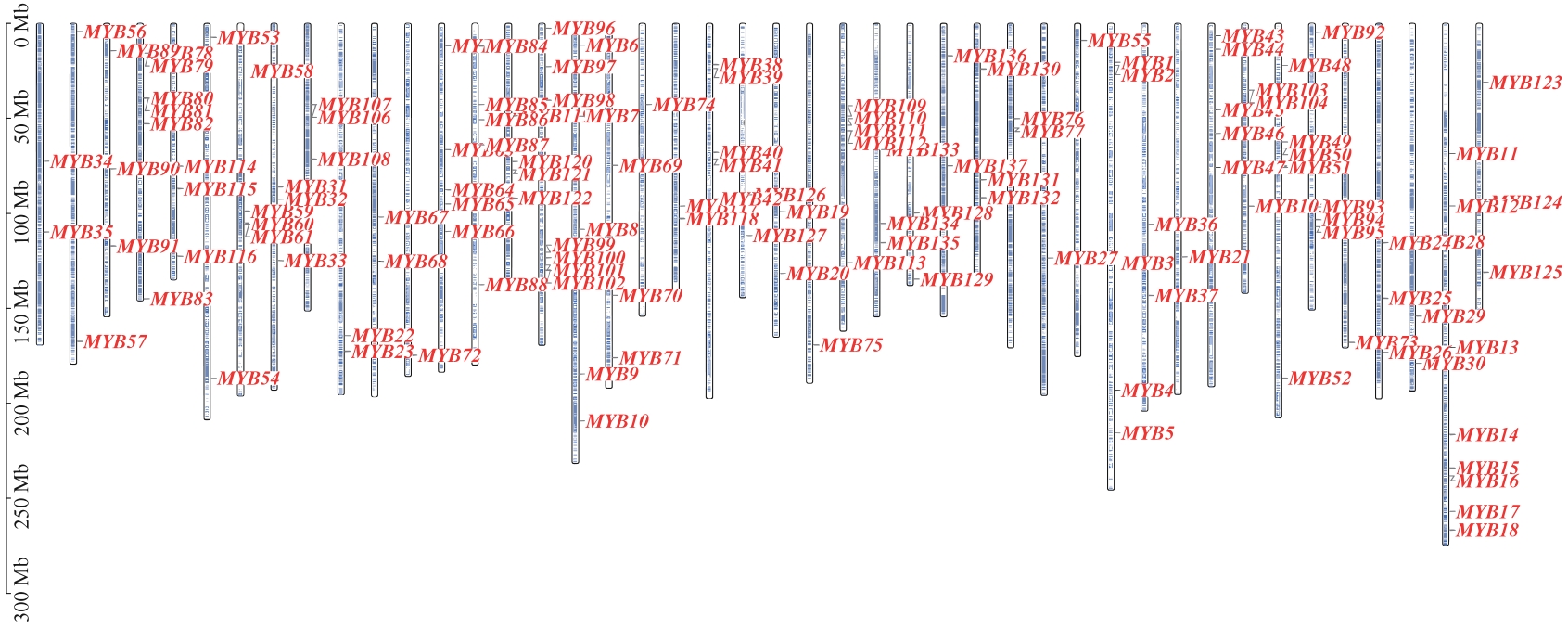
图3 油茶MYB基因染色体定位
Fig. 3 Chromosomal localization of C. oleiferaMYB genes
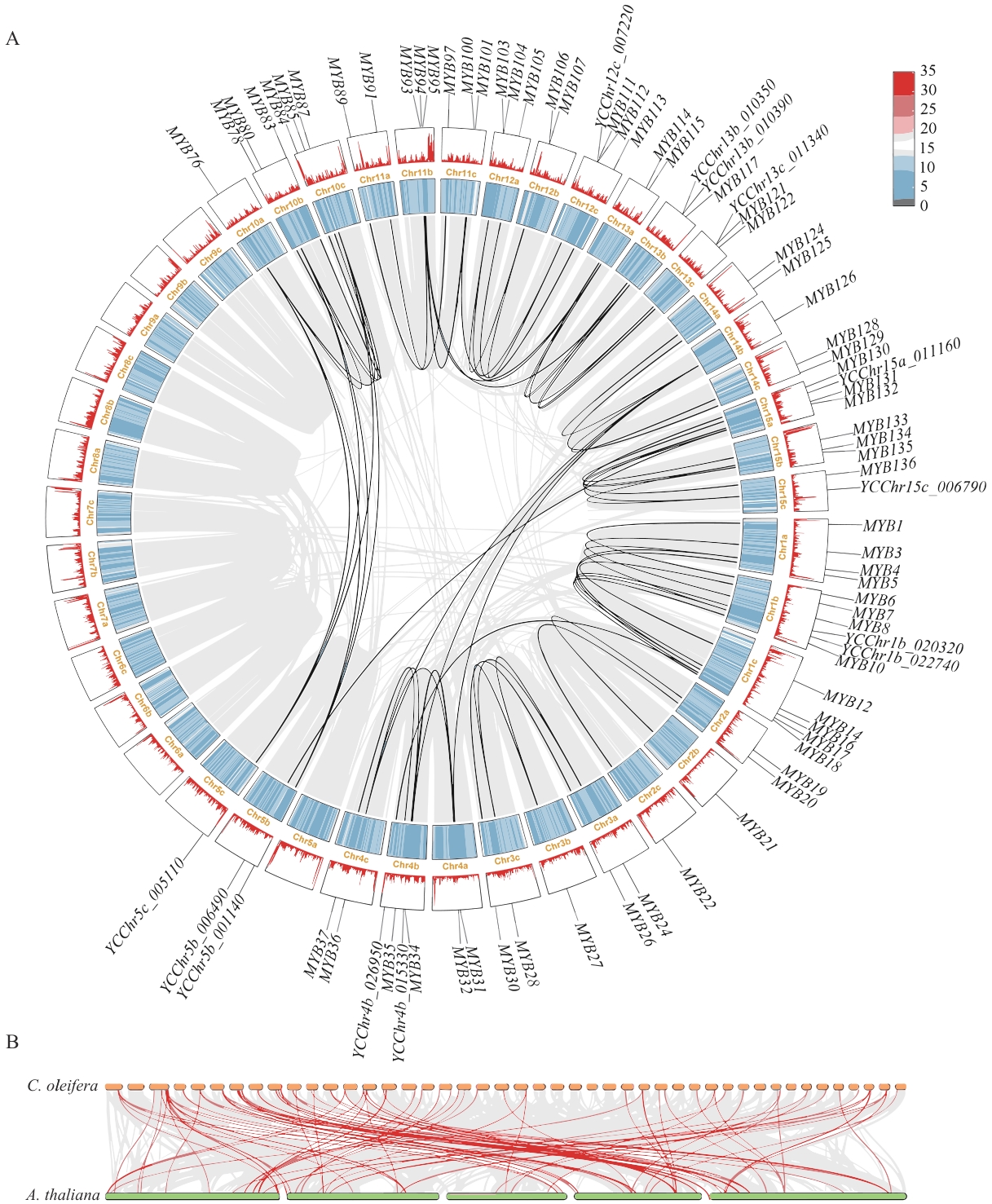
图4 MYB基因共线性分析A:油茶MYB基因共线性分析;B:拟南芥MYB与油茶MYB基因共线性分析
Fig. 4 Collinearity analysis of MYB genesA: Collinearity analysis of C. Oleifera MYB genes. B: Collinearity analysis of A. thaliana MYB and C. oleifera MYB genes
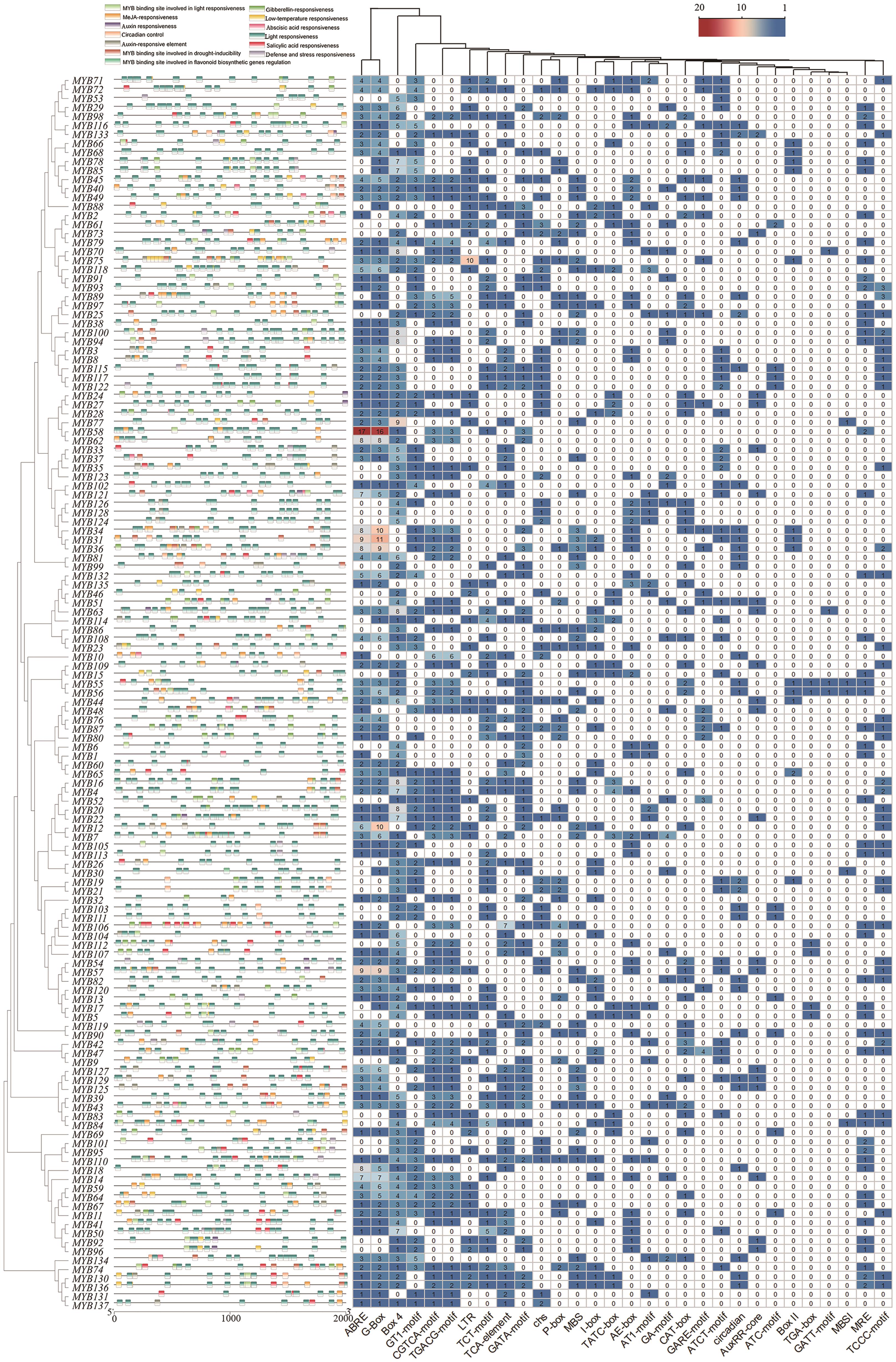
图5 油茶MYB基因启动子分析
Fig. 5 Analysis of C. oleiferaMYB gene promoters
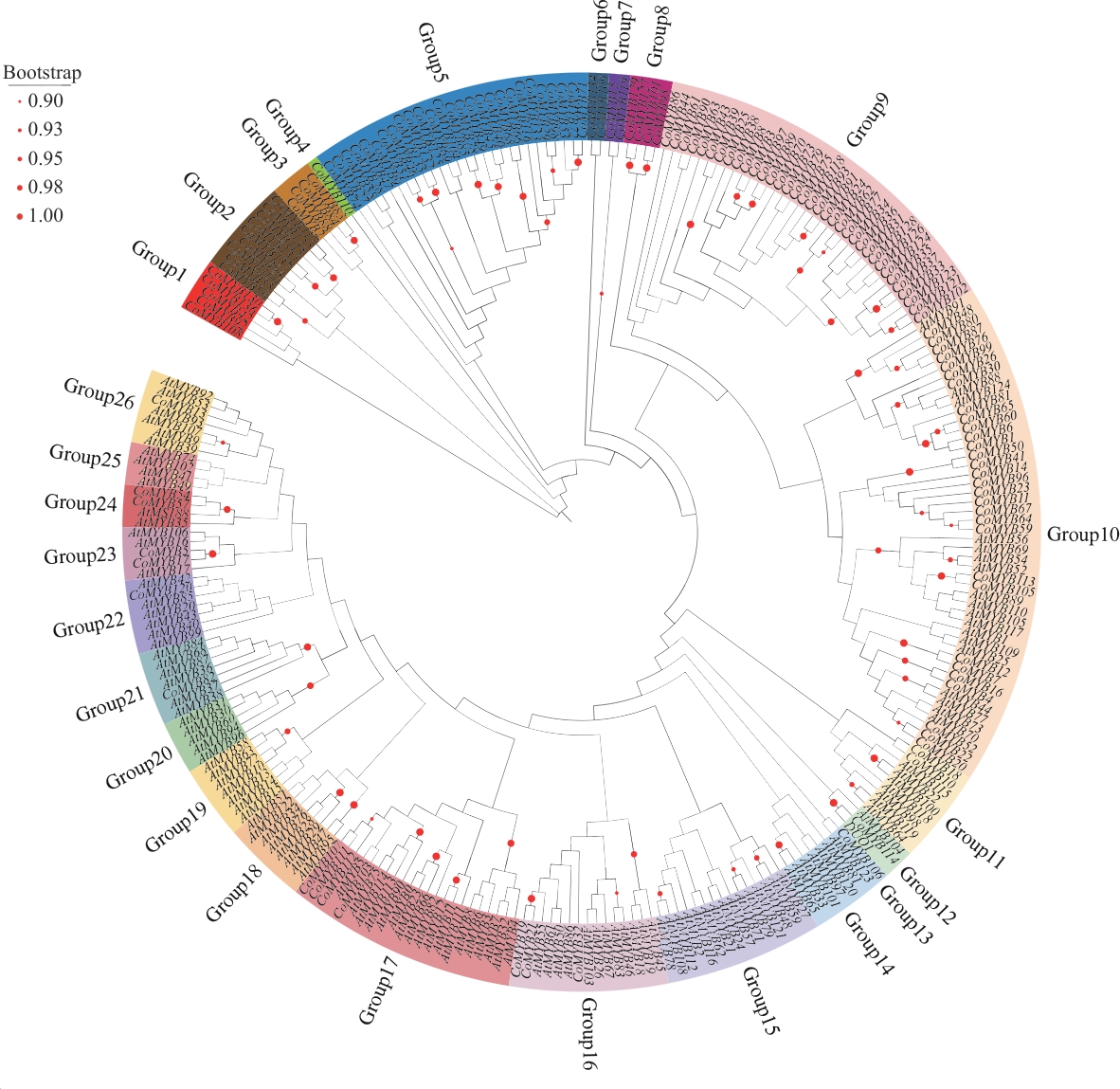
图6 拟南芥和油茶MYB蛋白的系统发育树
Fig. 6 Phylogenetic tree of MYB proteins from A. thaliana and C. oleifera
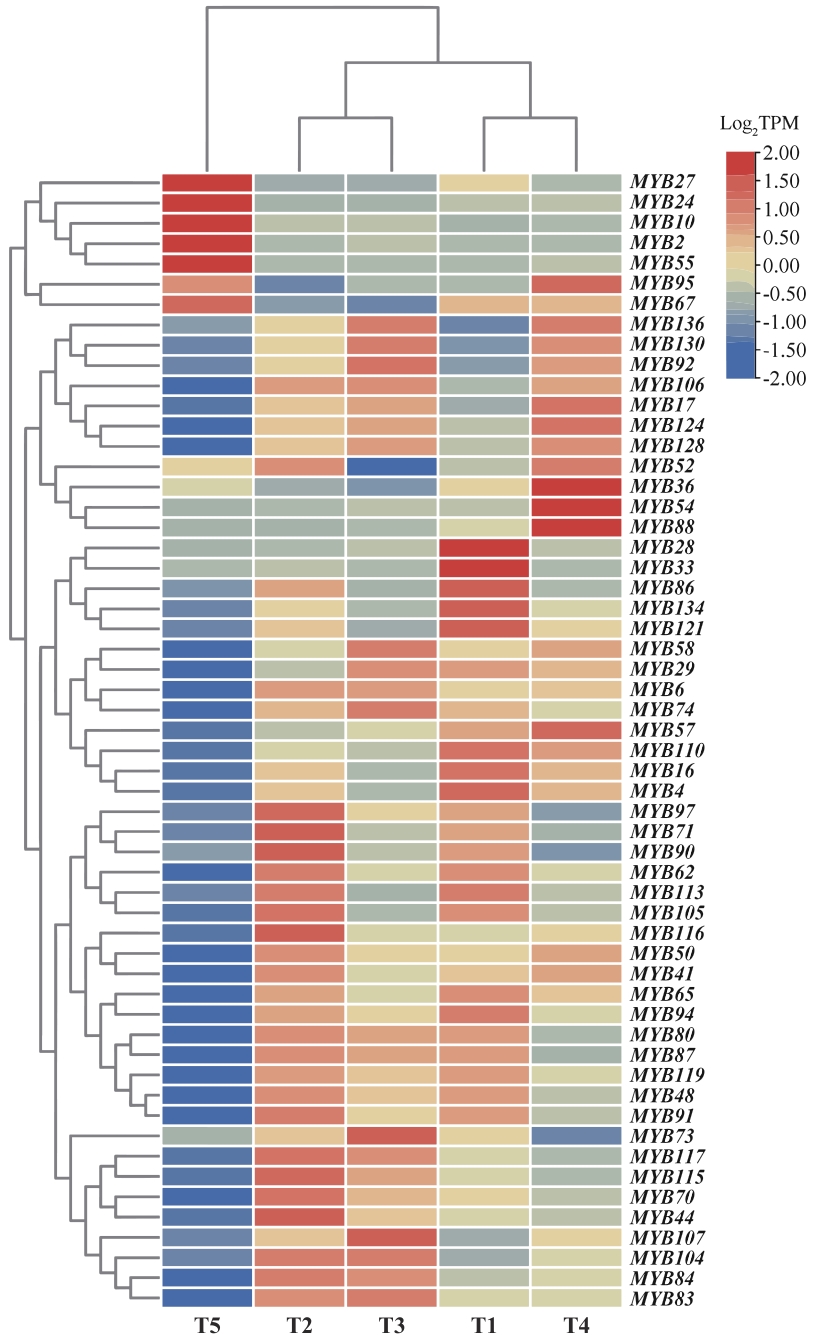
图7 CoMYB基因不同时期表达量热图
Fig. 7 Heatmap of CoMYB gene expression levels in different periods
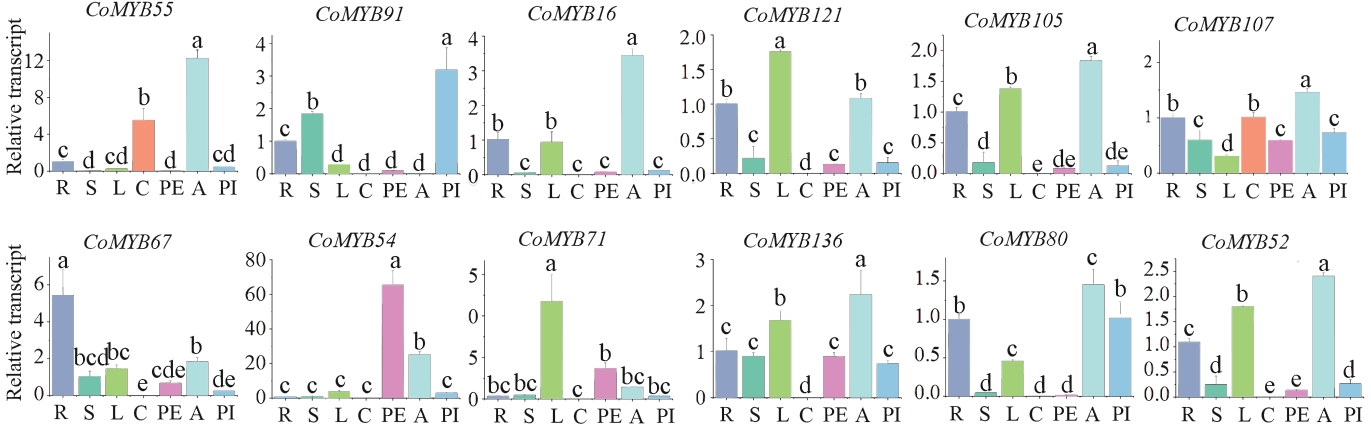
图8 油茶MYB基因在不同组织中的相对表达量R:根;S:茎;L:叶;C:花萼;PE:花瓣;A:花药;PI:雌蕊;数据为3个生物学重复(n=3)的均值±标准误(SE)。不同小写字母表示差异显著(P<0.05)。下同
Fig. 8 Relative expression analysis of C. oleifera MYB genes in different tissueR: Root; S: stem; L: leaf; C: calyx; PE: petal; A: anther; PI: pistil. Data are presented as the mean ± standard error (SE) of three biological replicates (n=3). Different lowercase letters indicate significant differences (P<0.05). The same below
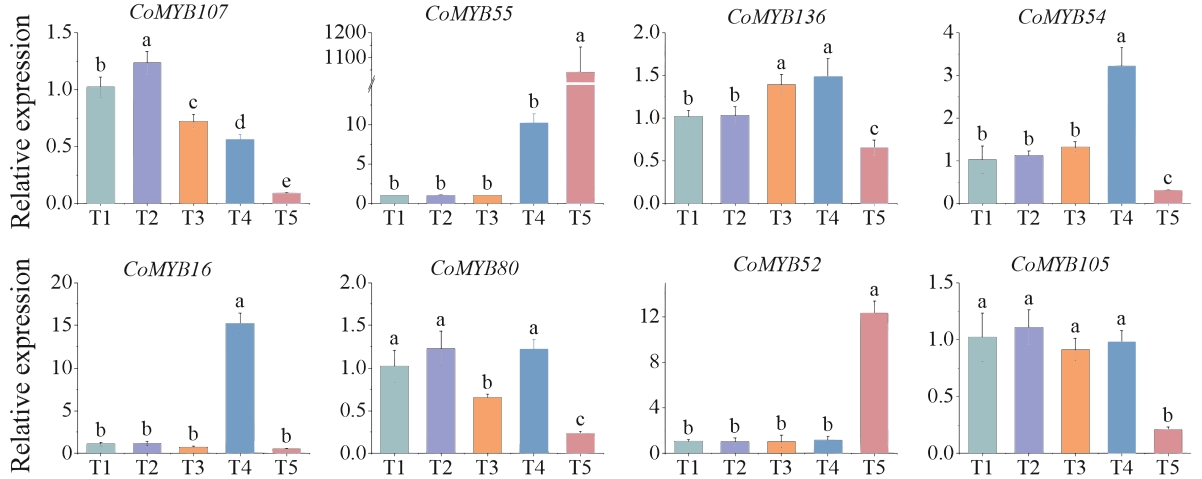
图9 油茶MYB基因在不同发育时期表达分析
Fig. 9 Expression analysis of C. oleiferaMYB genes at different developmental stages
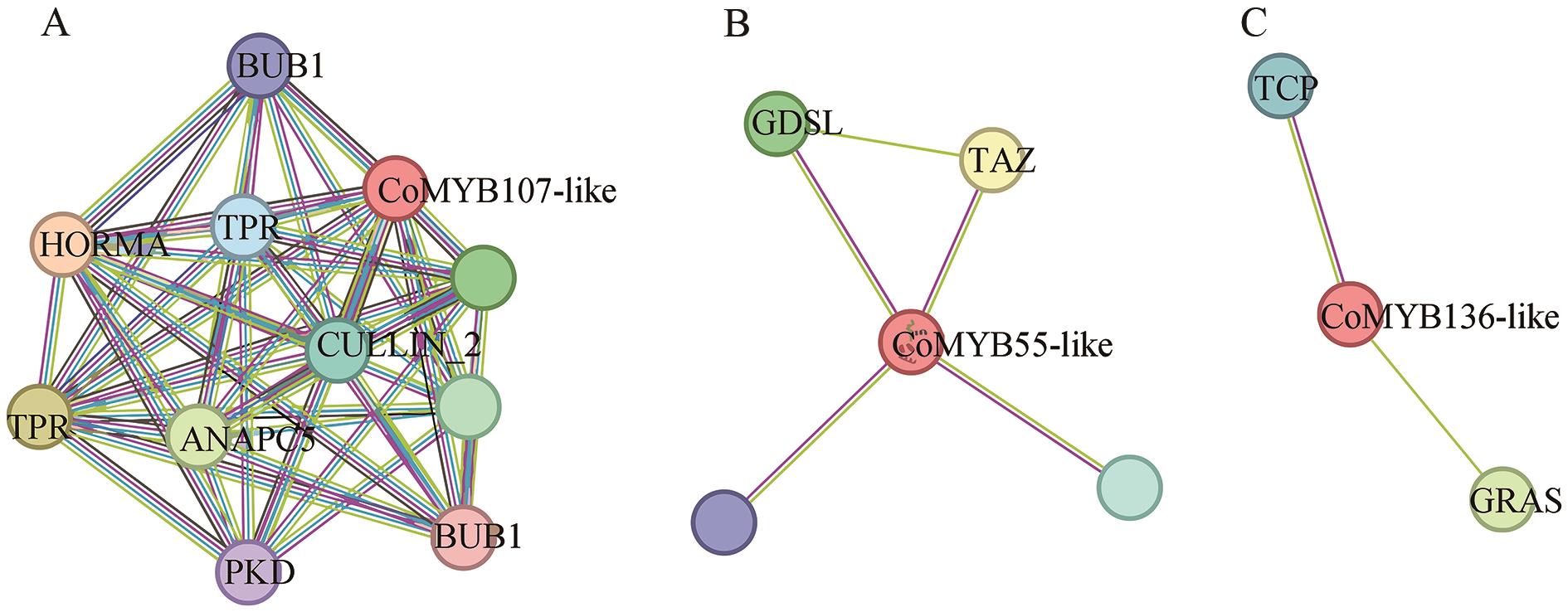
图10 蛋白质互作网络预测
Fig. 10 Protein interaction network prediction
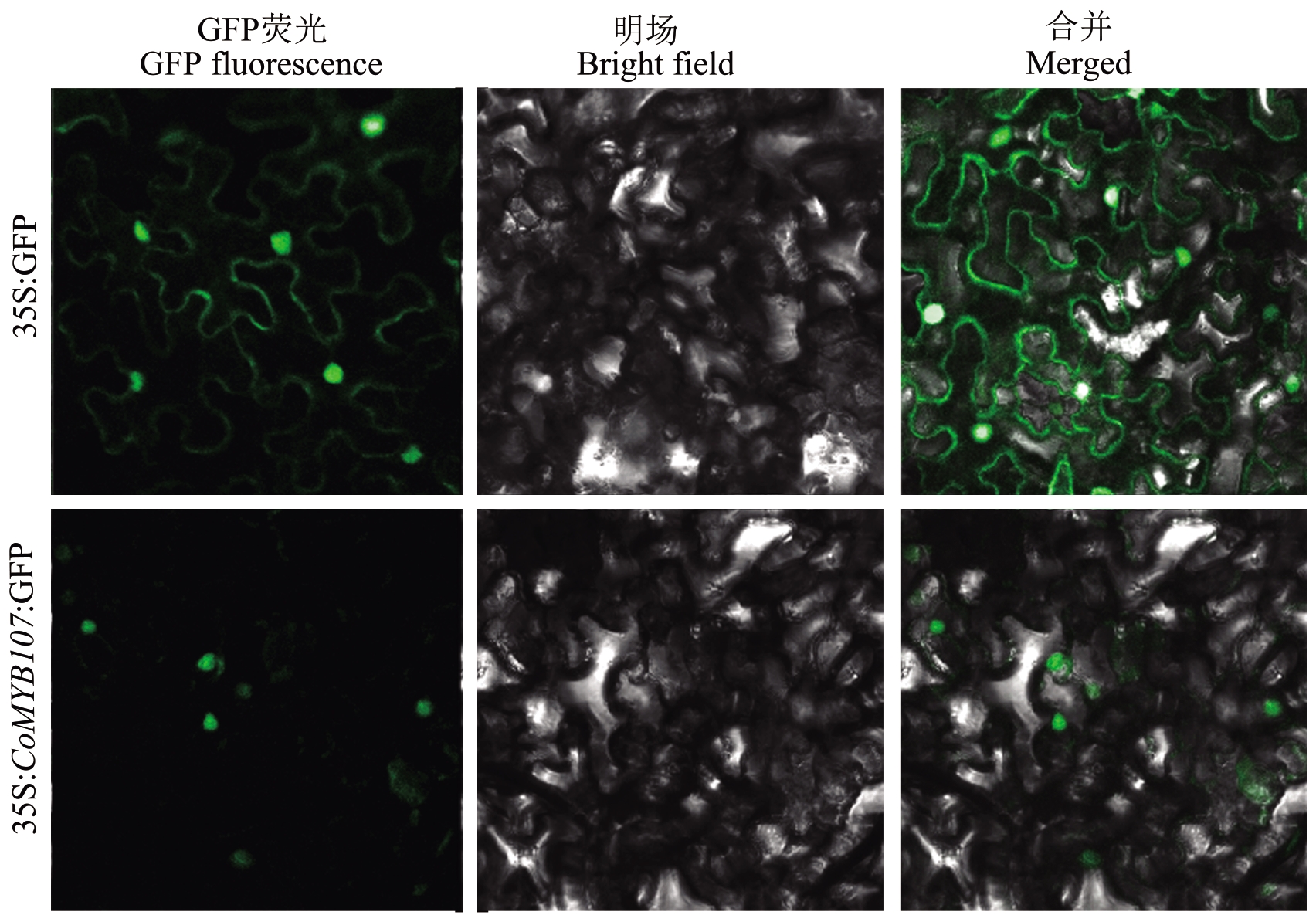
图11 CoMYB107蛋白的亚细胞定位
Fig. 11 Subcellular localization of CoMYB107 protein
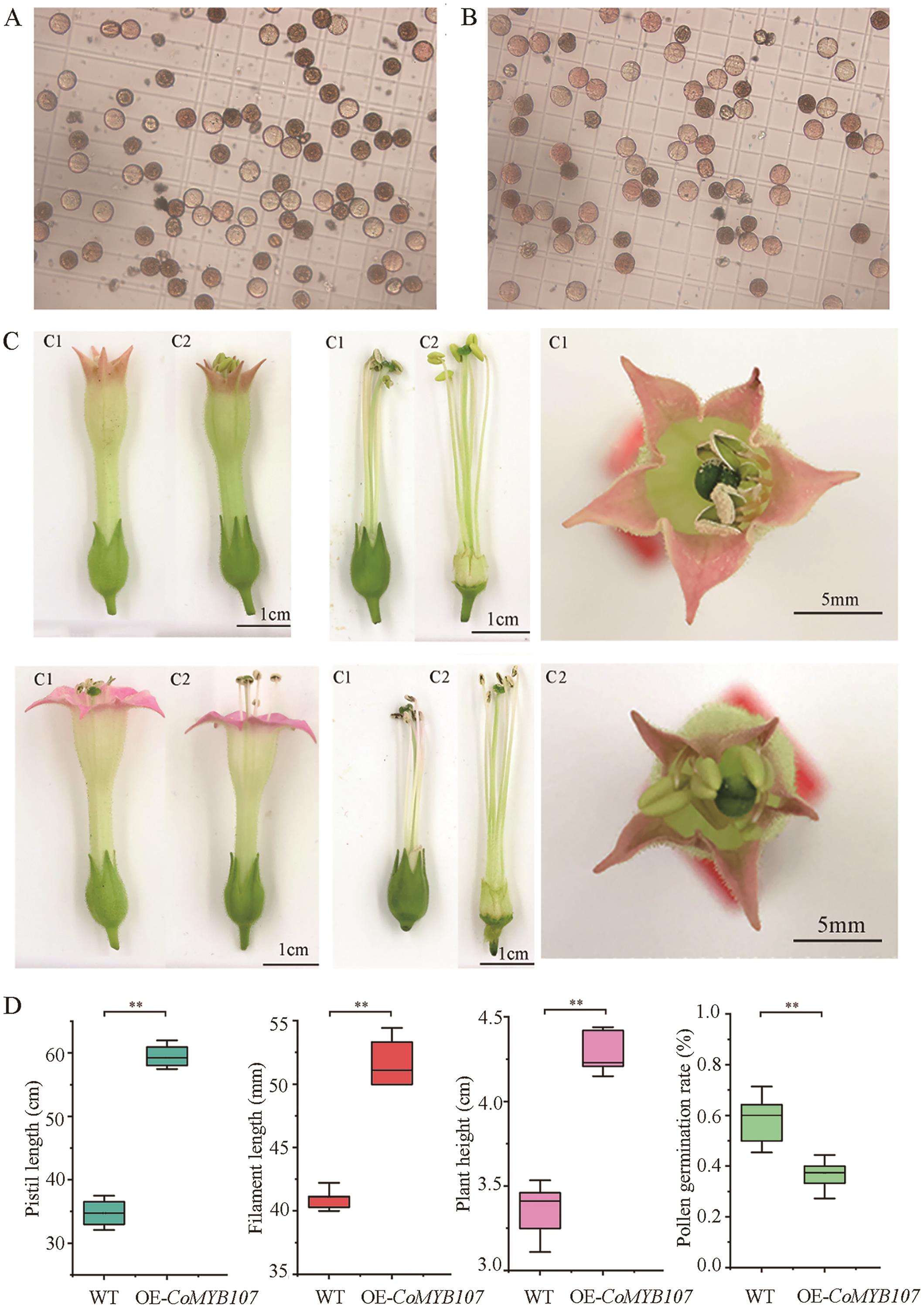
图12 过表达CoMYB107转基因烟草表型A:野生型烟草花粉活力;B:CoMYB107转基因烟草花粉活力;C:烟草雄蕊表型(C1:野生型烟草;C2:CoMYB107转基因烟草);D:野生型与CoMYB107转基因烟草表型统计;** P<0.01,下同
Fig. 12 Phenotype of OE-CoMYB107Nicotiana tabacumA: Pollen viability of wild-type N. tabacum. B: Pollen viability of CoMYB107 transgenic N. tabacum. C: N. tabacum stamen phenotype (C1: Wild-type N. tabacum. C2: CoMYB107 transgenic N. tabacum). D: Statistics of pollen viability in wild-type and overexpression N. tabacum. ** P<0.01. The same below
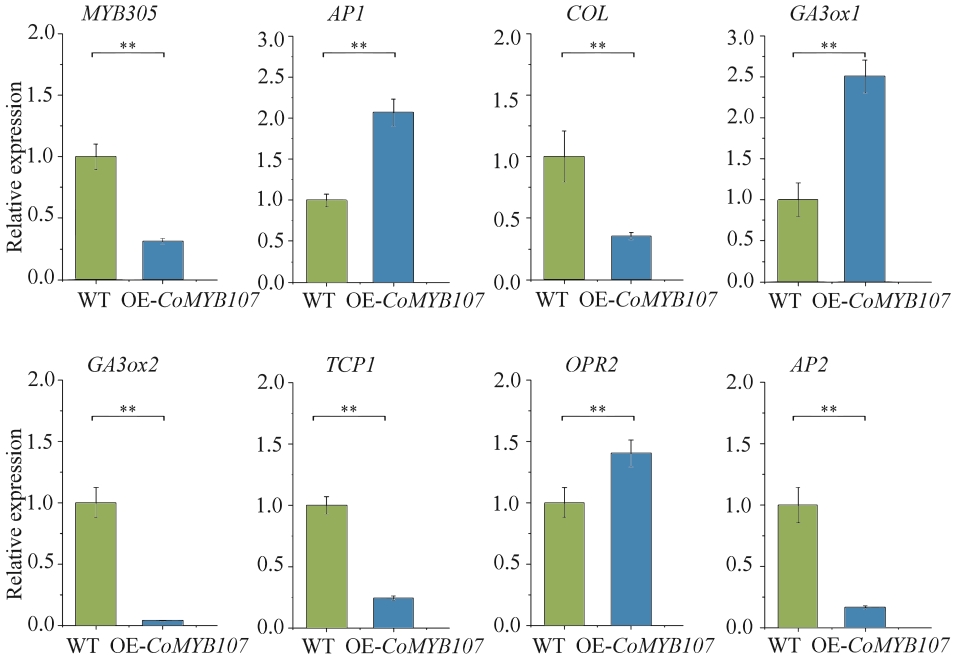
图13 8个花发育相关基因在烟草花中的表达分析
Fig. 13 Expression analysis of 8 flower development-related genes in tobacco flowers
| [36] | Lescot M, Déhais P, Thijs G, et al. PlantCARE, a database of plant cis-acting regulatory elements and a portal to tools for in silico analysis of promoter sequences [J]. Nucleic Acids Res, 2002, 30(1): 325-327. |
| [37] | Love MI, Huber W, Anders S. Moderated estimation of fold change and dispersion for RNA-seq data with DESeq2 [J]. Genome Biol, 2014, 15(12): 550. |
| [38] | Reiser L, Bakker E, Subramaniam S, et al. The Arabidopsis information resource in 2024 [J]. Genetics, 2024, 227(1): iyae027. |
| [39] | Kumar S, Stecher G, Suleski M, et al. MEGA12: molecular evolutionary genetic analysis version 12 for adaptive and green computing [J]. Mol Biol Evol, 2024, 41(12): msae263. |
| [40] | Felsenstein J. Confidence limits on phylogenies: an approach using the bootstrap [J]. Evolution, 1985, 39(4): 783. |
| [41] | Schmittgen TD, Livak KJ. Analyzing real-time PCR data by the comparative CT method [J]. Nat Protoc, 2008, 3(6): 1101-1108. |
| [42] | 宋志波, 刘敏, 贾宝光, 等. 油茶总RNA的提取与内参基因的初选 [J]. 经济林研究, 2014, 32(2): 93-98. |
| Song ZB, Liu M, Jia BG, et al. RNA extraction and primary screening of reference genes in Camellia oleifera [J]. Nonwood For Res, 2014, 32(2): 93-98. | |
| [43] | 杨晨欣, 李梦秀, 姜唐, 等. 美人蕉R2R3-MYB基因家族的鉴定及与花青素相关成员的表达分析 [J]. 生物技术通报, 2025, 41(12): 201-213. |
| Yang CX, Li MX, Jiang T, et al. Identification and expression analysis of anthocyanin-associated R2R3-MYB genes in Canna indica [J]. Biotechnol Bull, 2025, 41(12): 201-213. | |
| [44] | Abdullah-Zawawi MR, Ahmad-Nizammuddin NF, Govender N, et al. Comparative genome-wide analysis of WRKY, MADS-box and MYB transcription factor families in Arabidopsis and rice [J]. Sci Rep, 2021, 11: 19678. |
| [45] | Chen XJ, Wang PJ, Gu MY, et al. R2R3-MYB transcription factor family in tea plant (Camellia sinensis): Genome-wide characterization, phylogeny, chromosome location, structure and expression patterns [J]. Genomics, 2021, 113(3): 1565-1578. |
| [46] | Li YT, Zhang J, Wang SJ, et al. Genome-wide identification of the Pyrus R2R3-MYB gene family and PhMYB62 regulation analysis in Pyrus hopeiensis flowers at low temperature [J]. Int J Biol Macromol, 2024, 257: 128611. |
| [47] | Du JH, Zhang QQ, Hou SJ, et al. Genome-wide identification and analysis of the R2R3-MYB gene family in Theobroma cacao [J]. Genes, 2022, 13(9): 1572. |
| [48] | Li J, Guo SK, Min Htwe Y, et al. Genome-wide identification, classification and expression analysis of MYB gene family in coconut (Cocos nucifera L.) [J]. Front Plant Sci, 2024, 14: 1263595. |
| [49] | Cannon SB, Mitra A, Baumgarten A, et al. The roles of segmental and tandem gene duplication in the evolution of large gene families in Arabidopsis thaliana [J]. BMC Plant Biol, 2004, 4: 10. |
| [50] | Nevill PG, Howell KA, Cross AT, et al. Plastome-wide rearrangements and gene losses in carnivorous Droseraceae [J]. Genome Biol Evol, 2019, 11(2): 472-485. |
| [51] | Battat M, Eitan AS, Rogachev I, et al. A MYB triad controls primary and phenylpropanoid metabolites for pollen coat patterning [J]. Plant Physiol, 2019, 180(1): 87-108. |
| [52] | Millar AA, Gubler F. The Arabidopsis GAMYB-Like genes, MYB33 and MYB65, are microRNA-regulated genes that redundantly facilitate anther development [J]. Plant Cell, 2005, 17(3): 705-721. |
| [53] | Lu JY, Xiong SX, Yin WZ, et al. MS1 a direct target of MS188 regulates the expression of key sporophytic pollen coat protein genes in Arabidopsis [J]. J Exp Bot, 2020, 71(16): 4877-4889. |
| [54] | Mitchum MG, Yamaguchi S, Hanada A, et al. Distinct and overlapping roles of two gibberellin 3-oxidases in Arabidopsis development [J]. Plant J, 2006, 45(5): 804-818. |
| [55] | Hsieh KT, Wu CC, Lee SJ, et al. Rice GA3ox1 modulates pollen starch granule accumulation and pollen wall development [J]. PLoS One, 2023, 18(10): e0292400. |
| [56] | 马浩森, 朱婷, 王淑婷, 等. 普通小麦CONSTANS-LIKE(COL)基因家族的鉴定和表达分析 [J]. 麦类作物学报, 2024, 44(11): 1365-1376. |
| Ma HS, Zhu T, Wang ST, et al. Identification and expression pattern analysis of CONSTANS-LIKE (COL) gene family in wheat (Triticum aestivum L.) [J]. J Triticeae Crops, 2024, 44(11): 1365-1376. | |
| [1] | Ito M. Conservation and diversification of three-repeat Myb transcription factors in plants [J]. J Plant Res, 2005, 118(1): 61-69. |
| [2] | Dubos C, Stracke R, Grotewold E, et al. MYB transcription factors in Arabidopsis [J]. Trends Plant Sci, 2010, 15(10): 573-581. |
| [3] | Bhatt PA, Gurav TP, Kondhare KR, et al. MYB proteins: Versatile regulators of plant development, stress responses, and secondary metabolite biosynthetic pathways [J]. Int J Biol Macromol, 2025, 288: 138588. |
| [4] | Wu XY, Xia M, Su P, et al. MYB transcription factors in plants: a comprehensive review of their discovery, structure, classification, functional diversity and regulatory mechanism [J]. Int J Biol Macromol, 2024, 282: 136652. |
| [5] | Xu XF, Wang B, Feng YF, et al. AUXIN RESPONSE FACTOR17 directly regulates MYB108 for anther dehiscence [J]. Plant Physiol, 2019, 181(2): 645-655. |
| [6] | Xu Y, Iacuone S, Li SF, et al. MYB80 homologues in Arabidopsis, cotton and Brassica: regulation and functional conservation in tapetal and pollen development [J]. BMC Plant Biol, 2014, 14: 278. |
| [7] | Liu ZH, Bao WJ, Liang WQ, et al. Identification of gamyb-4 and analysis of the regulatory role of GAMYB in rice anther development [J]. J Integr Plant Biol, 2010, 52(7): 670-678. |
| [8] | Zhang Y, Zhang XL, Liu B, et al. A GAMYB homologue CsGAMYB1 regulates sex expression of cucumber via an ethylene-independent pathway [J]. J Exp Bot, 2014, 65(12): 3201-3213. |
| [9] | Ghelli R, Brunetti P, Napoli N, et al. A newly identified flower-specific splice variant of AUXIN RESPONSE FACTOR8 regulates stamen elongation and endothecium lignification in Arabidopsis [J]. Plant Cell, 2018, 30(3): 620-637. |
| [10] | 李文超, 张艺, 赵淑青. 拟南芥RUS4基因沉默对花药药室内壁次生加厚的影响 [J]. 中国细胞生物学学报, 2019, 41(4): 619-626. |
| Li WC, Zhang Y, Zhao SQ. Silencing of Arabidopsis RUS4 impairs anther endothecium secondary cell wall thickening [J]. Chin J Cell Biol, 2019, 41(4): 619-626. | |
| [11] | Yadav S, Jalan K, Das S. Comparative functional characterization of nst1, nst2, and nst3 in Arabidopsis thaliana uncovers previously unknown functions in diverse developmental pathways beyond secondary wall formation [J]. Plant Mol Biol Rep, 2025, 43(1): 165-179. |
| [12] | Zhu J, Lou Y, Xu XF, et al. A genetic pathway for tapetum development and function in Arabidopsis [J]. J Integr Plant Biol, 2011, 53(11): 892-900. |
| [13] | Yao XZ, Hu W, Yang ZN. The contributions of sporophytic tapetum to pollen formation [J]. Seed Biol, 2022, 1(1): 1-13. |
| [14] | Ghelli R, Brunetti P, Marzi D, et al. The full-length Auxin Response Factor 8 isoform ARF8.1 controls pollen cell wall formation and directly regulates TDF1, AMS and MS188 expression [J]. Plant J, 2023, 113(4): 851-865. |
| [15] | Hua MY, Yin WZ, Fernández Gómez J, et al. Barley TAPETAL DEVELOPMENT and FUNCTION1 (HvTDF1) gene reveals conserved and unique roles in controlling anther tapetum development in dicot and monocot plants [J]. New Phytol, 2023, 240(1): 173-190. |
| [16] | 田娟, 马容, 付万祥, 等. 钙锌硼叶面喷施对三个油茶品种生长和品质的影响 [J]. 植物生理学报, 2026, 62(1): 109-124. |
| Tian J, Ma R, Fu WX, et al. Effects of foliar spraying of calcium, zinc and boron on growth and quality of three Camellia oleifera varieties [J]. Plant Physiol J, 2026, 62(1): 109-124. | |
| [17] | Yang Y, Gao XL, Xiong H, et al. Cytological and transcriptomic analyses reveal the regulatory mechanisms of flowering and petaloid-anther development in Camellia oleifera [J]. Physiol Plant, 2025, 177(3): e70345. |
| [18] | 严茂林, 郭丹, 周晓亮, 等. 中国油茶增产格局及其贡献因素分析 [J]. 中国油料作物学报, 2025, 47(1): 9-19. |
| Yan ML, Guo D, Zhou XL, et al. Analysis on the pattern and contributing factors of increasing Camellia oleifera production in China [J]. Chin J Oil Crop Sci, 2025, 47(1): 9-19. | |
| [19] | 华余琴. 油茶生态化栽培技术经济效益研究 [J]. 现代农业科技, 2021(14): 130, 140. |
| Hua YQ. Study on technical and economic benefits of ecological cultivation of Camellia oleifera [J]. Mod Agric Sci Technol, 2021(14): 130, 140. | |
| [20] | 刘兴慧, 胡英杰, 吴俊涛, 等. 栽植密度对湖南主栽油茶品种幼林生长及油脂品质的影响 [J]. 经济林研究, 2025, 43(1): 271-281. |
| Liu XH, Hu YJ, Wu JT, et al. Effects of planting density on the growth and oil quality of main planted Camellia oleifera varieties in Hunan province [J]. Non Wood For Res, 2025, 43(1): 271-281. | |
| [21] | Hu ZC, Yang KJ, Yu AL. The extraction technologies, nutritional compositions, and health benefits of Camellia oleifera seed oil A review [J]. J Oleo Sci, 2025, 74(10): 859-878. |
| [22] | Qin PJ, Shen JJ, Wei J, et al. A critical review of the bioactive ingredients and biological functions of Camellia oleifera oil [J]. Curr Res Food Sci, 2024, 8: 100753. |
| [23] | Shi H, Zhou XY, He XE, et al. Camellia oil enhances plasma antioxidant metabolism and improves plasma lipid metabolism in high-fat diet-fed rats [J]. Nat Prod Commun, 2022, 17(3): 1934578X221081368. |
| [24] | 王悦. 侗族传统油茶产业的本土知识及其价值研究 [D]. 吉首: 吉首大学, 2022. |
| Wang Y. Research on the local knowledge and value of traditional Camellia oleifera industry of Dong ethnic group [D]. Jishou: Jishou University, 2022. | |
| [25] | Yang CY, Liu XM, Chen ZY, et al. Comparison of oil content and fatty acid profile of ten new Camellia oleifera cultivars [J]. J Lipds, 2016, 2016: 3982486. |
| [26] | 陈展图, 马青霞, 卫艺佳, 等. 乡村振兴战略背景下非物质文化遗产产业化保护——以恭城油茶为例 [J]. 当代农村财经, 2023(10): 39-43. |
| Chen ZT, Ma QX, Wei YJ, et al. Industrialization protection of intangible cultural heritage under the background of rural revitalization strategy—taking Gongcheng Camellia oleifera as an example [J]. Contemp Rural Finance Econ, 2023(10): 39-43. | |
| [27] | 朱阳. 非物质文化遗产瑶族油茶习俗的保护传承研究 [J]. 中国茶叶, 2024, 46(8): 76-81. |
| Zhu Y. Research on the protection and inheritance of Yao people’s oil tea custom as intangible cultural heritage [J]. China Tea, 2024, 46(8): 76-81. | |
| [28] | Yan JD, Liu Q, Guo PR, et al. Time-course transcriptome analysis unveils the CoFKF1-CoMYB4-CoFT1 regulatory module in flowering control of Camellia oleifera Abel [J]. Plant Cell Environ, 2025, 48(8): 6153-6169. |
| [29] | Zhu HG, Wang FQ, Xu ZP, et al. The complex hexaploid oil-Camellia genome traces back its phylogenomic history and multi-omics analysis of Camellia oil biosynthesis [J]. Plant Biotechnol J, 2024, 22(10): 2890-2906. |
| [30] | Wang YZ, Wu XY, Sun Q, et al. Genome-wide identification and transcriptomic analysis of MYB transcription factors in seashore Paspalum under salt stress [J]. Int J Mol Sci, 2026, 27(2): 1068. |
| [31] | Yang J, Sun SQ, Sun N, et al. HMMER-Extractor: an auxiliary toolkit for identifying genomic macromolecular metabolites based on Hidden Markov Models [J]. Int J Biol Macromol, 2024, 283: 137666. |
| [32] | Chauhan R, Prabhakaran S, Taj G, et al. Structural and functional characterization of an amino acid transporter in Amaranthus hypochondriacus using bioinformatics tools [J]. J Adv Biol Biotechnol, 2024, 27(8): 280-288. |
| [33] | Horton P, Park KJ, Obayashi T, et al. WoLF PSORT: protein localization predictor [J]. Nucleic Acids Res, 2007, 35(): W585-W587. |
| [34] | Chen CJ, Chen H, Zhang Y, et al. TBtools: an integrative toolkit developed for interactive analyses of big biological data [J]. Mol Plant, 2020, 13(8): 1194-1202. |
| [35] | Wang YP, Tang HB, DeBarry JD, et al. MCScanX: a toolkit for detection and evolutionary analysis of gene synteny and collinearity [J]. Nucleic Acids Res, 2012, 40(7): e49. |
| [57] | 赵雪. 转录因子MYC2和MYB305对烟碱合成基因的表达调控研究 [D]. 北京: 中国农业科学院, 2020. |
| Zhao X. Roles of MYC2 and MYB305 in regulating nicotine synthesis genes [D]. Beijing: Chinese Academy of Agricultural Sciences, 2020. | |
| [58] | 李文燕. 植物OPR基因家族系统发育分析及水稻OPR家族基因分子生物学功能研究 [D]. 广州: 中山大学, 2010. |
| Li WY. Phylogenetic analysis of OPR gene family in plants and study of molecular biological functions of OPR family genes in rice [D]. Guangzhou: Sun Yat-sen University, 2010. | |
| [59] | Gan H, Wang SY, Yang ZS, et al. Molecular decoding of phytohormone crosstalk: JA-mediated key regulatory nodes and signal integration [J]. Plants, 2025, 14(17): 2647. |
| [1] | 范丽金, 宋晓飞, 李晓丽, 闫立英, 谢洋. 基于转录组与代谢组解析黄瓜雌花花冠延迟开放的关键调控通路[J]. 生物技术通报, 2026, 42(9): 147-156. |
| [2] | 王鑫, 陈炜, 孙博. 植物花分生组织活性的调控机制[J]. 生物技术通报, 2026, 42(9): 1-13. |
| [3] | 秦少敏, 苗晗, 董邵云, 官健涛, 顾兴芳, 李森, 刘小萍, 张圣平. 黄瓜CAD家族基因介导木质素沉积调控叶柄夹角建成[J]. 生物技术通报, 2026, 42(9): 137-146. |
| [4] | 陈萃, 兰丽霞, 苏梦雨, 翁年东, 张震. 苹果蛋白磷酸酶基因MdPP2C24的克隆及功能鉴定[J]. 生物技术通报, 2026, 42(8): 153-161. |
| [5] | 申瑞雪, 郭子卿, 庞星辰, 李志远, 丁炜, 董琦, 李森, 宋红霞. 转录组和代谢组联合解析‘泽州芹菜’露地越冬的机制[J]. 生物技术通报, 2026, 42(8): 251-262. |
| [6] | 刘佳, 孟宇, 荆晓艳. 单细胞拉曼光谱揭示聚球藻PCC7942对无机碳源的利用偏好性[J]. 生物技术通报, 2026, 42(8): 331-340. |
| [7] | 吕正, 连如赢, 刘怡德, 刘易科, 宁强, 王书平. 小麦HD-Zip基因家族的鉴定及对禾谷镰刀菌的响应[J]. 生物技术通报, 2026, 42(8): 123-132. |
| [8] | 秦娟, 卢蔚雯, 李佳徽, 李晨, 李斌, 王治业. 红花2个G6PDH基因的克隆与表达特征分析[J]. 生物技术通报, 2026, 42(8): 217-228. |
| [9] | 陈义焰, 张冬儿, 张涛, 刘育灏, 唐杰, 盛夏冰, 胡远艺, 艾治勇, 李应将, 刘小林. 水稻OsSULTR2;2基因功能及调控苗期耐盐性分析[J]. 生物技术通报, 2026, 42(7): 116-125. |
| [10] | 危潇, 黎妍妍, 袁勤峰, 姚经武, 曹春霞, 黄大野. 一株分离自烟草根际的生防菌株鉴定及其生防潜力研究[J]. 生物技术通报, 2026, 42(7): 279-291. |
| [11] | 辛晴, 郑永杰, 李雨华, 涂白连, 刘新亮, 张月婷, 伍艳芳. 樟树MYC转录因子的全基因组鉴定与表达分析[J]. 生物技术通报, 2026, 42(7): 214-225. |
| [12] | 阎晓光, 杜艳伟, 马志远, 王彬, 王国梁, 胡丹珠. 玉米ZmDIR基因家族的全基因组鉴定与表达模式分析[J]. 生物技术通报, 2026, 42(7): 126-137. |
| [13] | 王鸿睿, 赵怡如, 饶书培, 陈金焕. 黑果枸杞 LrCYP78A5 基因在干旱与盐胁迫响应中的功能研究[J]. 生物技术通报, 2026, 42(7): 182-192. |
| [14] | 董亚茹, 修妤, 赵东晓, 朱红, 朱琳, 刘惠芬. 基于转录组的桑树GRAS基因家族鉴定及MnGRAS22盐胁迫响应分析[J]. 生物技术通报, 2026, 42(7): 193-203. |
| [15] | 段雅馨, 李成晨, 潘玉玲, 王丽, 安康, 李小波, 祝光涛, 刘计涛. 马铃薯LEA_2基因家族鉴定及响应低温与激素功能分析[J]. 生物技术通报, 2026, 42(6): 40-52. |
| 阅读次数 | ||||||
|
全文 |
|
|||||
|
摘要 |
|
|||||
