







Biotechnology Bulletin ›› 2026, Vol. 42 ›› Issue (10): 108-121.doi: 10.13560/j.cnki.biotech.bull.1985.2025-1287
WANG Ming-zhu1, SUN Lin-tao1, CHANG Ying-ying1, ZHANG Jiang-li1, GAO Jin1,2( ), WANG Rui-fei1,2, ZHANG Hao1,2, LI Ming-jun1, YANG Qing-xiang1,2()
Received:2025-11-26
Online:2026-10-26
Published:2026-10-15
Contact:
GAO Jin, YANG Qing-xiang
E-mail:gaojin@htu.edu.cn;yangqx@htu.edu.cn
WANG Ming-zhu, SUN Lin-tao, CHANG Ying-ying, ZHANG Jiang-li, GAO Jin, WANG Rui-fei, ZHANG Hao, LI Ming-jun, YANG Qing-xiang. Role of the WRKY Gene Family in Dioscorea alata L. in Response to Nematode Stress Response and Hormonal Signal Regulation[J]. Biotechnology Bulletin, 2026, 42(10): 108-121.
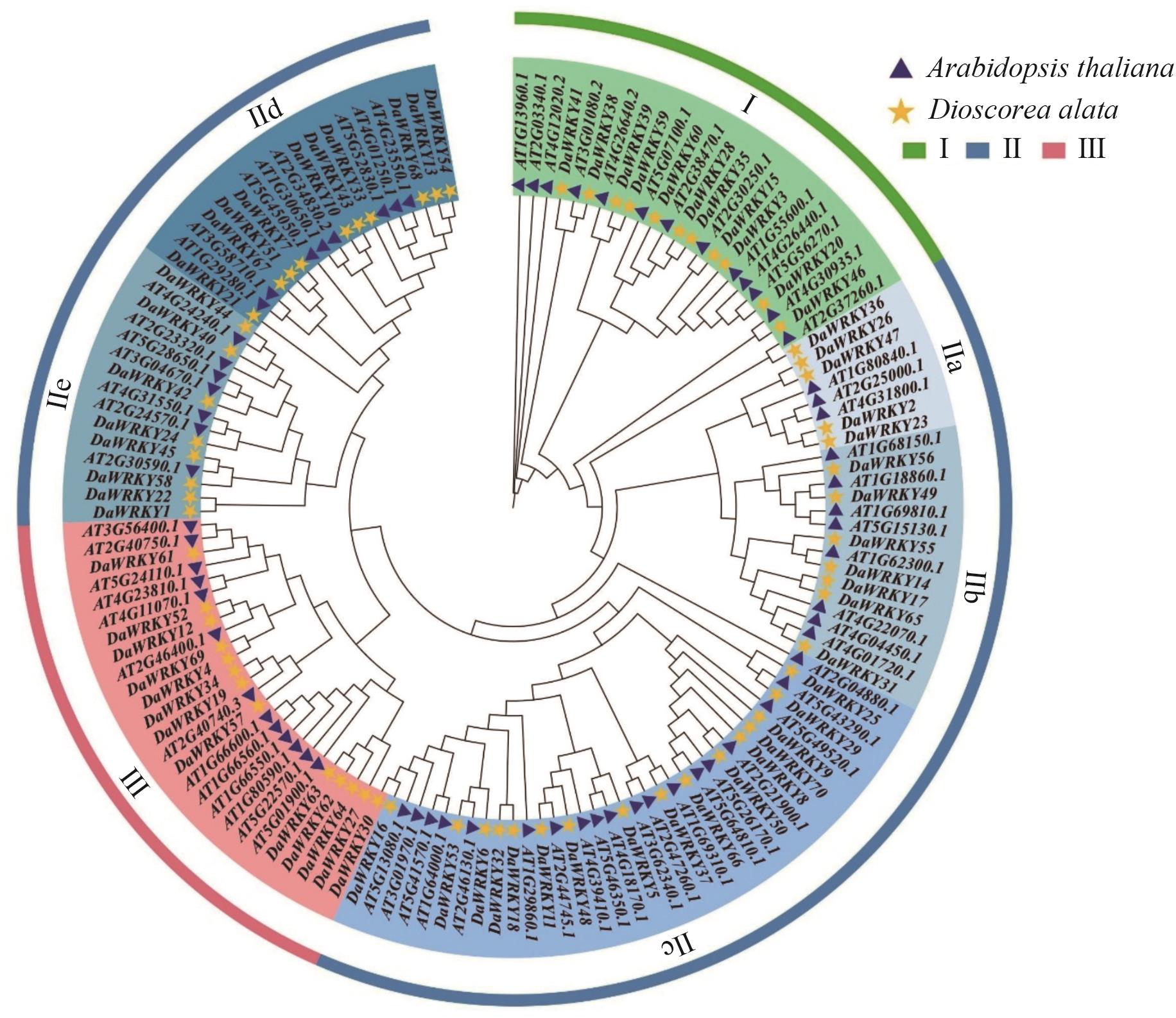
Fig. 1 Phylogenetic tree of WRKY gene family in D. alata and A. thaliana
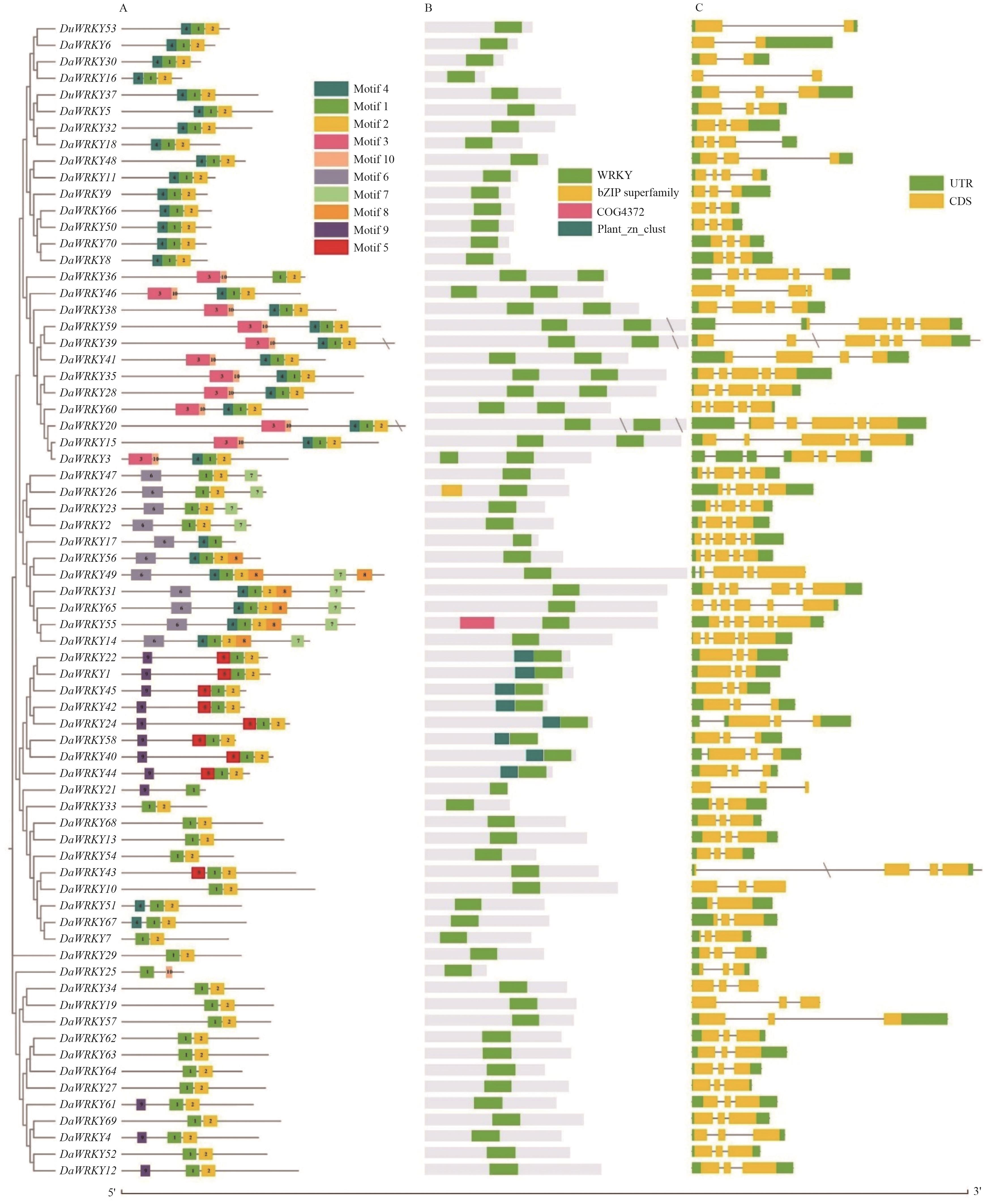
Fig. 2 Motif distribution (A), conserved domain (B), and gene structure (C) analysis of DaWRKYFor typesetting purposes, longer genes have been partially truncated (indicated by \). The schematic diagram only shows the relative positions of motifs, domains, and CDS regions, and does not indicate their absolute locations in the gene or protein
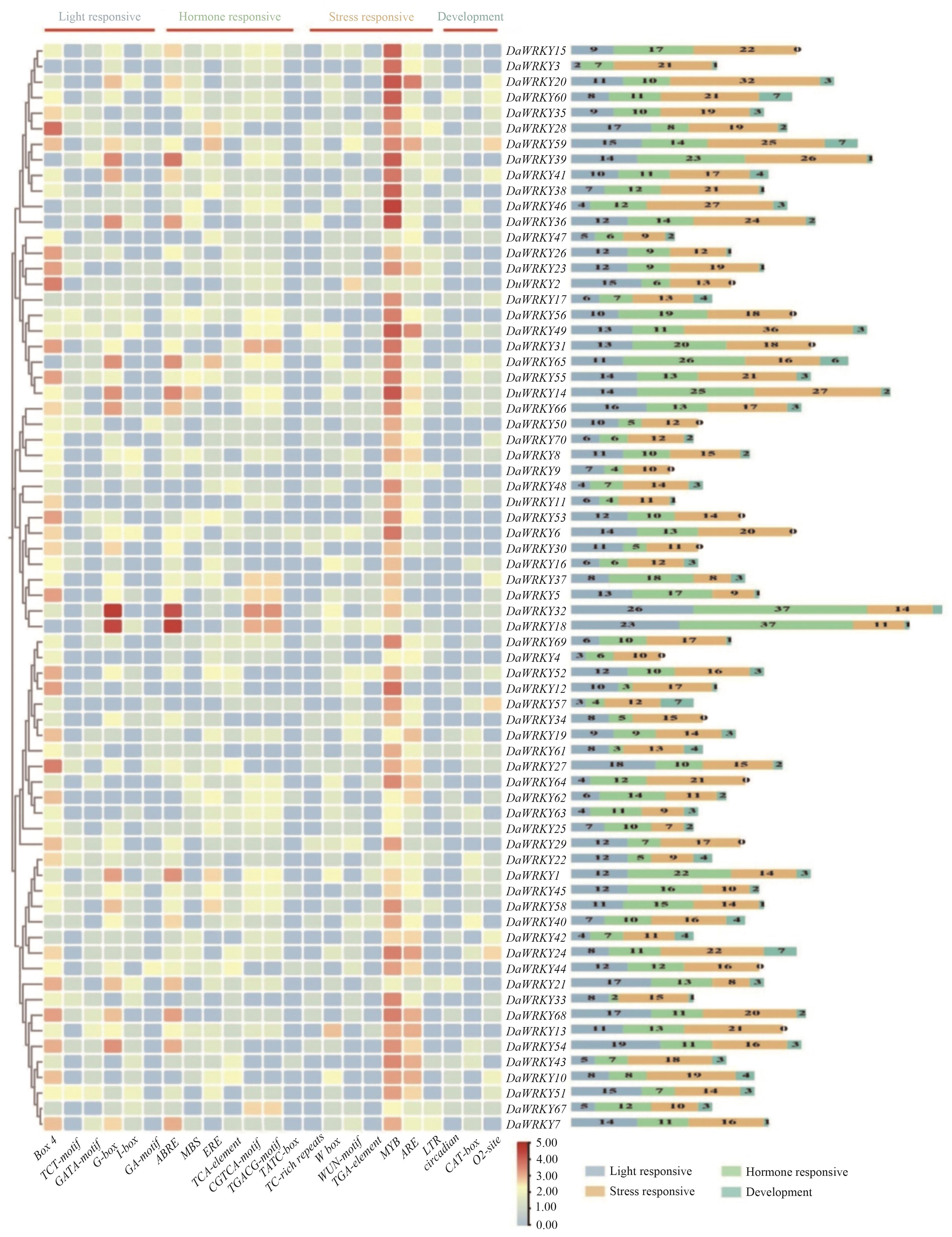
Fig. 3 Analysis of the cis-acting elements of the DaWRKY geneThe central panel is a heatmap displaying the enrichment levels of cis-acting elements. The stacked bar chart on the right illustrates the abundance of cis-acting elements: blue rectangles represent light-responsive cis-acting elements; green rectangles, hormone-responsive cis-elements; yellow rectangles, stress-responsive cis-elements; while cyan rectangles denote cis-elements associated with growth and development
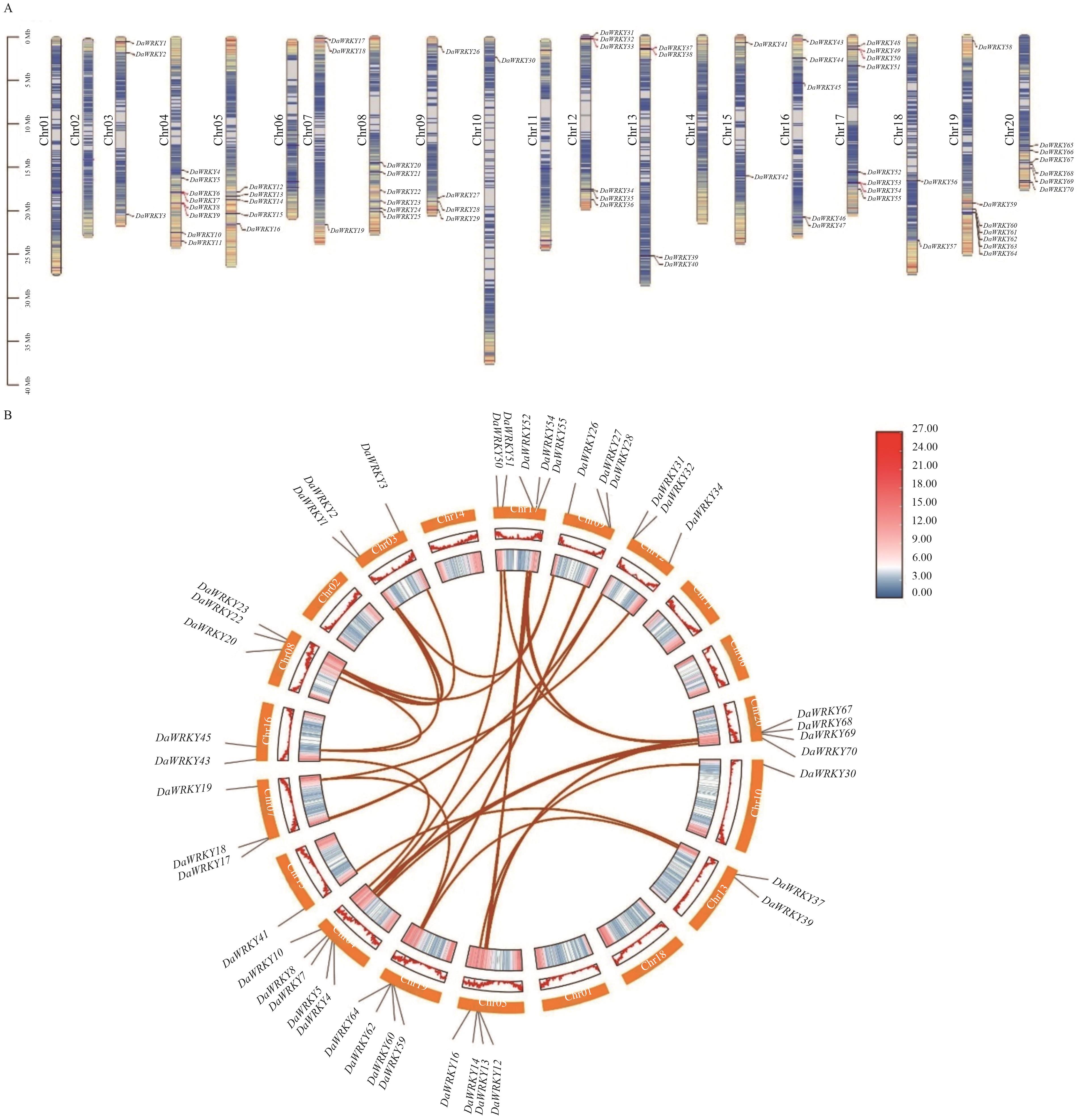
Fig. 4 Chromosomal location (A) and collinearity analysis (B) of DaWRKY gene family in D. alataA: Colored rectangular bars represent the chromosomes of D. alata; Chr1-20 indicate the corresponding chromosomes; the red thick outlines indicate gene tandem duplications, and the scale bar of 0-40 Mb represents the chromosome length. B: Red lines indicate segmental duplications, and the two genes connected by red lines are homologous. Gene density is represented by heatmap (inner circle), the outer circle shows the chromosome length, and the black line segments on the outermost circle indicate the gene locations on the chromosomes
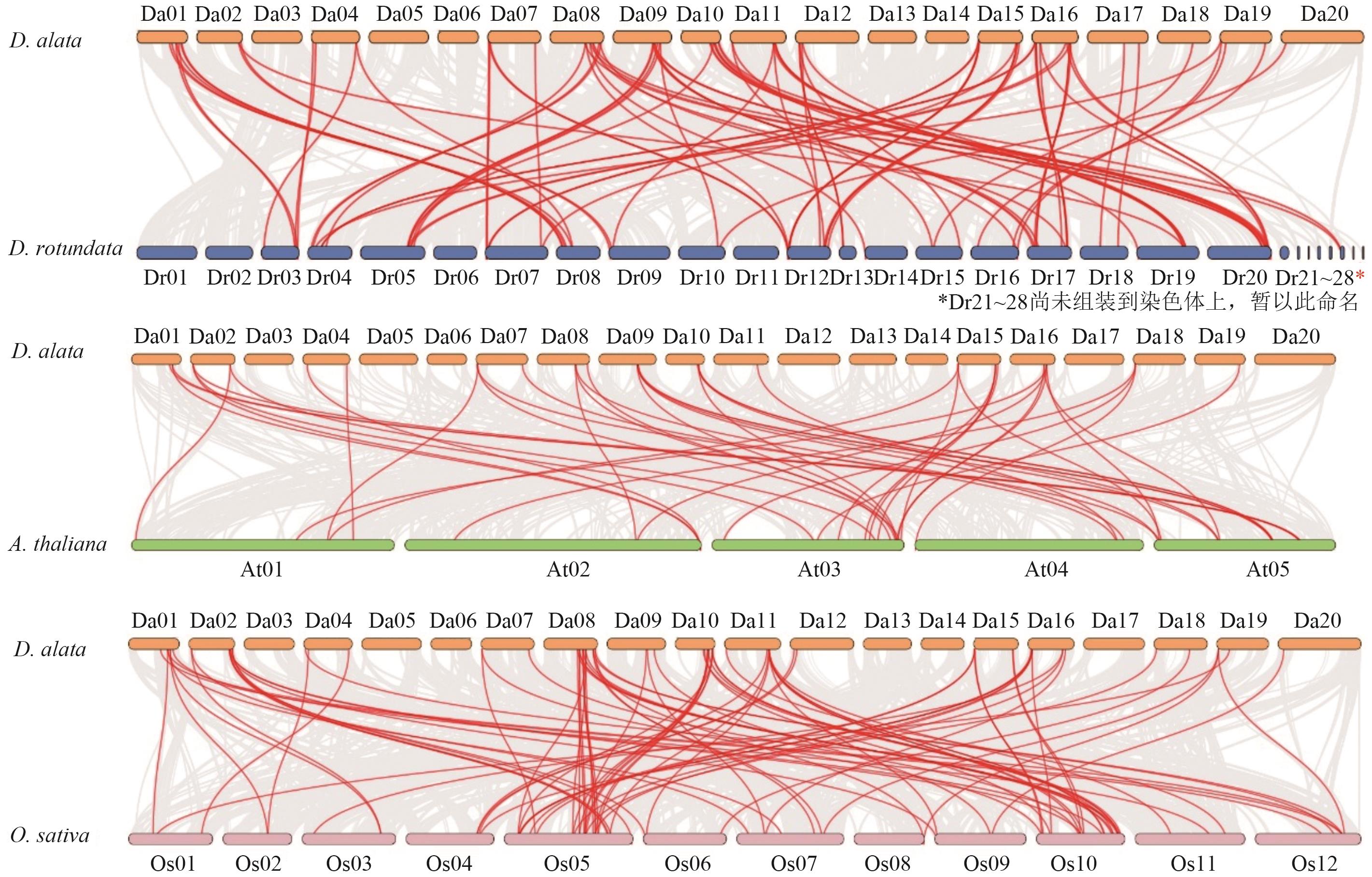
Fig. 5 The collinearity analysis of WRKY genes in D. alata, D. rotundata, O. sativa, and A. thaliana
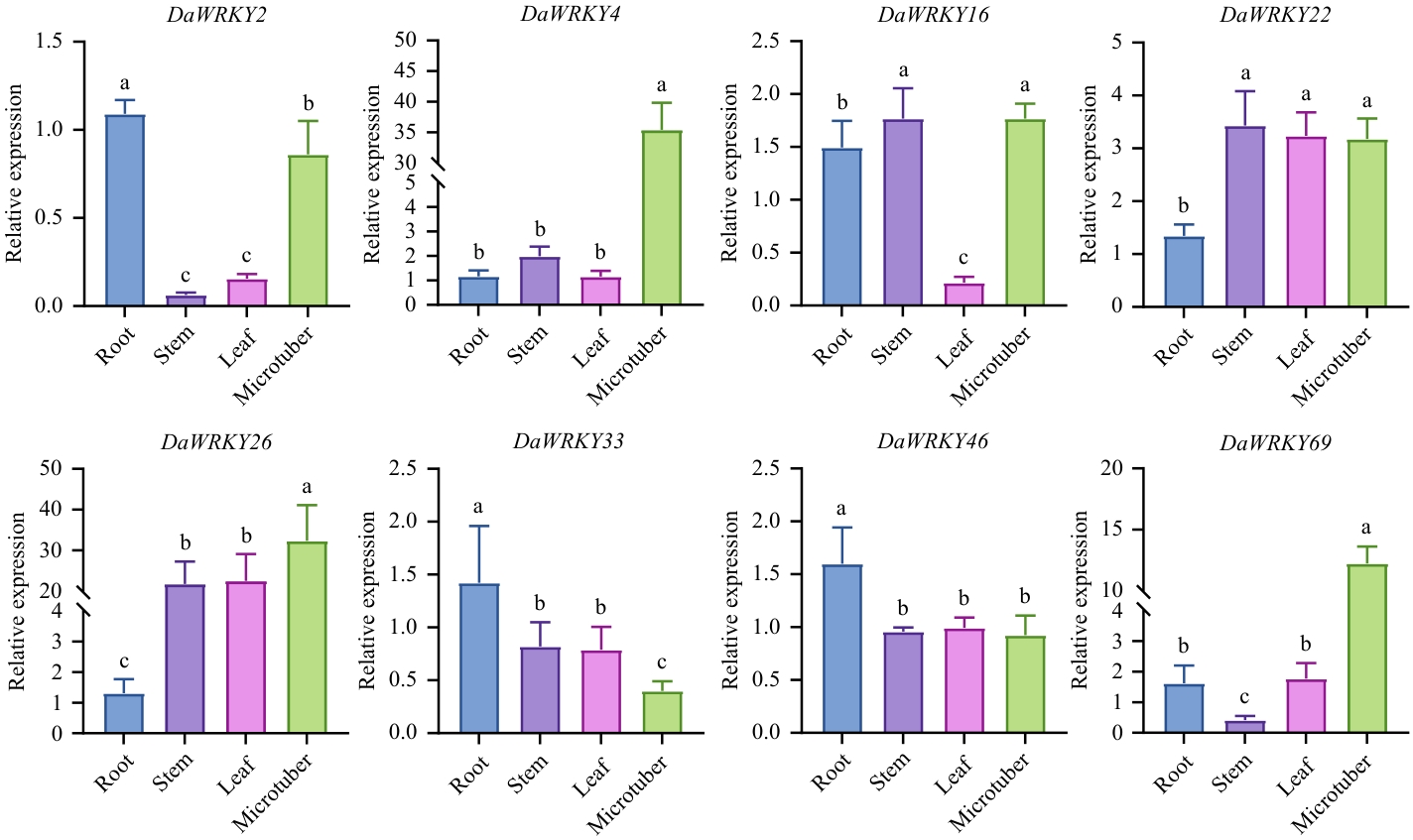
Fig. 6 Relative expression of DaWRKY in different tissuesDifferent lowercase letters indicate significant differences among groups (P<0.05). The same below
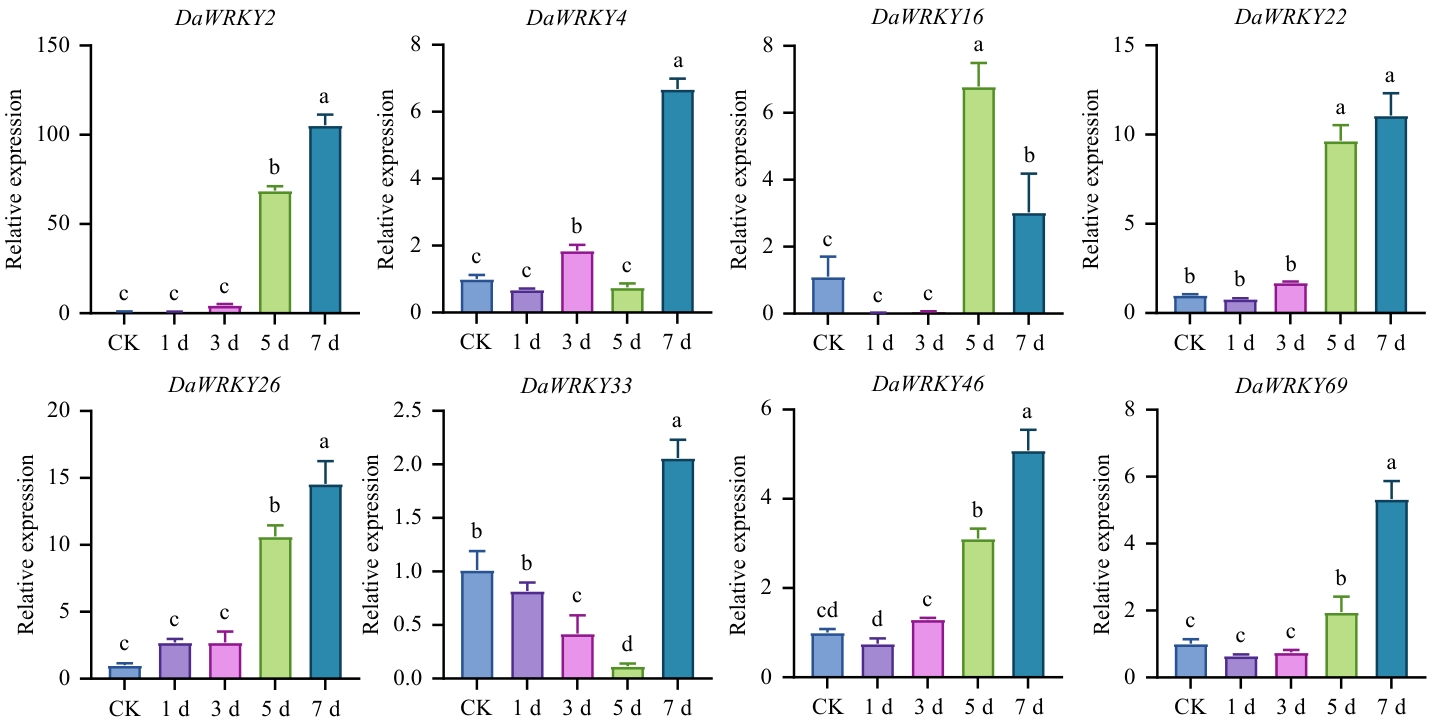
Fig. 7 Relative expression of DaWRKY genes at different stages after M. incognita inoculation
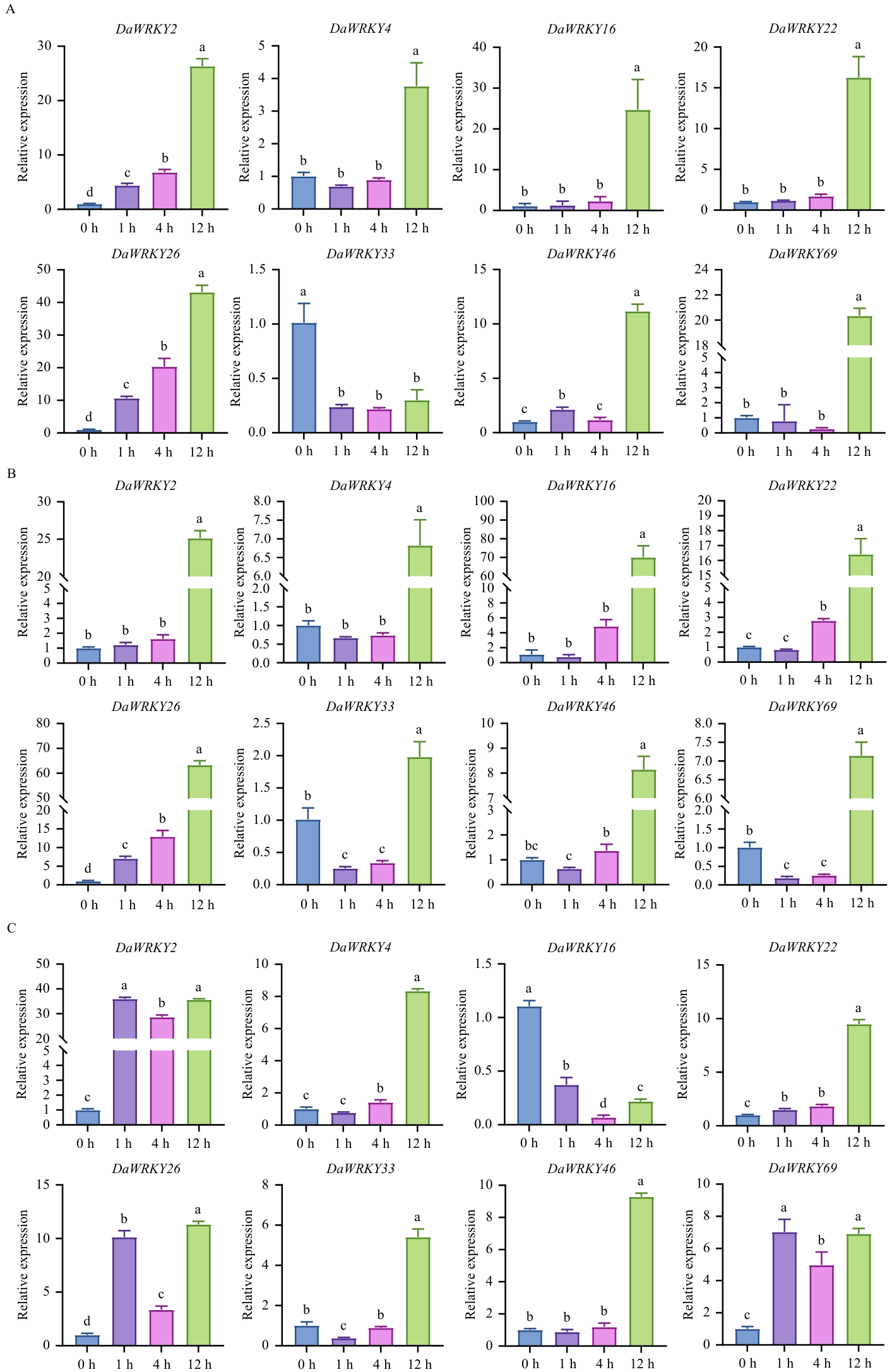
Fig. 8 Relative expression of the DaWRKY gene at different time under various hormonal treatmentsA: Treatment with ABA. B: Treatment with MeJA. C: Treatment with SA
| [1] | 索宁宁, 张艳芳, 高圆丽, 等. 山药块茎膨大期淀粉积累及淀粉合成相关基因表达分析 [J]. 中国瓜菜, 2023, 36(3): 69-76. |
| Suo NN, Zhang YF, Gao YL, et al. Analysis of starch accumulation and starch synthesis-related gene expression during tuber expansion stage of yam [J]. China Cucurbits Veg, 2023, 36(3): 69-76. | |
| [2] | Tareen MBK, Saeed N, Sultan M, et al. Yam as functional food: bioactive properties, health benefits, and applications [J]. Food Nutr Health, 2025, 2: 16. |
| [3] | Ma FY, Wang RJ, Zhang Y, et al. Polysaccharides from Dioscorea opposita Thunb.: isolation, structural characterization, and anti-inflammatory and anti-tumor effects against hepatocellular carcinoma [J]. Chem Biol Technol Agric, 2023, 10: 43. |
| [4] | Sukumari Nath V, Kumar Mishra A, Kumar A, et al. Revisiting the role of transcription factors in coordinating the defense response against Citrus bark cracking viroid infection in commercial hop (Humulus lupulus L.) [J]. Viruses, 2019, 11(5): 419. |
| [5] | Jiang JJ, Ma SH, Ye NH, et al. WRKY transcription factors in plant responses to stresses [J]. J Integr Plant Biol, 2017, 59(2): 86-101. |
| [6] | Khoso MA, Hussain A, Ritonga FN, et al. WRKY transcription factors (TFs): Molecular switches to regulate drought, temperature, and salinity stresses in plants [J]. Front Plant Sci, 2022, 13: 1039329. |
| [7] | Yu XQ, Niu HQ, Zhang YM, et al. Transcription factor PagWRKY33 regulates gibberellin signaling and immune receptor pathways in Populus [J]. Plant Physiol, 2024, 197(1): kiae593. |
| [8] | Chen W, Huang BR. Cytokinin or ethylene regulation of heat-induced leaf senescence involving transcriptional modulation of WRKY in perennial ryegrass [J]. Physiol Plant, 2022, 174(5): e13766. |
| [9] | Zhang F, Wang F, Yang S, et al. MdWRKY100 encodes a group I WRKY transcription factor in Malus domestica that positively regulates resistance to Colletotrichum gloeosporioides infection [J]. Plant Sci, 2019, 286: 68-77. |
| [10] | Wang XH, Guo RR, Tu MX, et al. Ectopic expression of the wild grape WRKY transcription factor VqWRKY52 in Arabidopsis thaliana enhances resistance to the biotrophic pathogen powdery mildew but not to the necrotrophic pathogen Botrytis cinerea [J]. Front Plant Sci, 2017, 8: 97. |
| [11] | Chinnapandi B, Bucki P, Braun Miyara S. SlWRKY45, nematode-responsive tomato WRKY gene, enhances susceptibility to the root knot nematode; M. javanica infection [J]. Plant Signal Behav, 2017, 12(12): e1356530. |
| [12] | Chinnapandi B, Bucki P, Fitoussi N, et al. Tomato SlWRKY3 acts as a positive regulator for resistance against the root-knot nematode Meloidogyne javanica by activating lipids and hormone-mediated defense-signaling pathways [J]. Plant Signal Behav, 2019, 14(6): 1601951. |
| [13] | Ling J, Liu R, Hao YL, et al. Comprehensive analysis of the WRKY gene family in Cucumis metuliferus and their expression profile in response to an early stage of root knot nematode infection [J]. Front Plant Sci, 2023, 14: 1143171. |
| [14] | Bredeson JV, Lyons JB, Oniyinde IO, et al. Chromosome evolution and the genetic basis of agronomically important traits in greater yam [J]. Nat Commun, 2022, 13: 2001. |
| [15] | Finn RD, Clements J, Eddy SR. HMMER web server: interactive sequence similarity searching [J]. Nucleic Acids Res, 2011, 39(): W29-W37. |
| [16] | Marchler-Bauer A, Bo Y, Han LY, et al. CDD/SPARCLE: functional classification of proteins via subfamily domain architectures [J]. Nucleic Acids Res, 2017, 45(D1): D200-D203. |
| [17] | Zhang D, Gao FL, Jakovlić I, et al. PhyloSuite: an integrated and scalable desktop platform for streamlined molecular sequence data management and evolutionary phylogenetics studies [J]. Mol Ecol Resour, 2020, 20(1): 348-355. |
| [18] | Ronquist F, Teslenko M, van der Mark P, et al. MrBayes 3.2: efficient Bayesian phylogenetic inference and model choice across a large model space [J]. Syst Biol, 2012, 61(3): 539-542. |
| [19] | Wang YP, Tang HB, DeBarry JD, et al. MCScanX: a toolkit for detection and evolutionary analysis of gene synteny and collinearity [J]. Nucleic Acids Res, 2012, 40(7): e49. |
| [20] | Chen C, Chen H, He Y, et al. TBtools, a toolkit for biologists integrating various biological data handling tools with a user-friendly interface [PP/OL]. BioRxiv, 2018, 289660(10.1101): 289660. |
| [21] | Bailey TL, Boden M, Buske FA, et al. MEME Suite: tools for motif discovery and searching [J]. Nucleic Acids Res, 2009, 37(): W202-W208. |
| [22] | Lescot M, Déhais P, Thijs G, et al. PlantCARE, a database of plant cis-acting regulatory elements and a portal to tools for in silico analysis of promoter sequences [J]. Nucleic Acids Res, 2002, 30(1): 325-327. |
| [23] | 陈芝华, 陈木兰, 李丽红, 等. 参薯‘明淮1号’组培快繁技术研究 [J]. 云南农业大学学报: 自然科学, 2017, 32(3): 564-569. |
| Chen ZH, Chen ML, Li LH, et al. Study on rapid propagation technology of tissue culture of Dioscorea alata ‘minghuai No.1’ [J]. J Yunnan Agric Univ Nat Sci, 2017, 32(3): 564-569. | |
| [24] | Abd El-Aal EM, Shahen M, Sayed S, et al. In vivo and in vitro management of Meloidogyne incognita (Tylenchida: Heteroderidae) using rhizosphere bacteria, Pseudomonas spp. and Serratia spp. compared with oxamyl [J]. Saudi J Biol Sci, 2021, 28(9): 4876-4883. |
| [25] | Zhu SR, Estévez JM, Liao HD, et al. The RALF1-FERONIA complex phosphorylates eIF4E1 to promote protein synthesis and polar root hair growth [J]. Mol Plant, 2020, 13(5): 698-716. |
| [26] | 刘锐, 赵建龙, 谢丙炎, 等. 根结线虫诱导的巨型细胞及其形成机制 [J]. 生物技术通报, 2024, 40(3): 62-74. |
| Liu R, Zhao JL, Xie BY, et al. Giant cells induced by root-knot nematodes and its formation mechanisms [J]. Biotechnol Bull, 2024, 40(3): 62-74. | |
| [27] | 陈雪峰, 肖坤, 朱翔, 等. 抗南方根结线虫新疆野生樱桃李巨细胞的发育及CCS52B基因的作用 [J]. 园艺学报, 2015, 42(5): 843-852. |
| Chen XF, Xiao K, Zhu X, et al. Development of giant cells and roles of CCS52B gene work in Meloidogyne incognita resistant Prunus sogdiana [J]. Acta Hortic Sin, 2015, 42(5): 843-852. | |
| [28] | Xiong RQ, Peng ZH, Zhou H, et al. Correction: Genome-wide identification, structural characterization and gene expression analysis of the WRKY transcription factor family in pea (Pisum sativum L.) [J]. BMC Plant Biol, 2024, 24: 141. |
| [29] | Wu X, Li N, Wang B, et al. Genome-wide identification of WRKY gene family and expression analysis of key WRKY genes in response to Fusarium solani infection in Lycium barbarum [J]. Front Plant Sci, 2025, 16: 1543373. |
| [30] | Zheng LL, Qiu BL, Su LL, et al. Panax notoginseng WRKY transcription factor 9 is a positive regulator in responding to root rot pathogen Fusarium solani [J]. Front Plant Sci, 2022, 13: 930644. |
| [31] | Liu DM, He J, Li Q, et al. A WRKY transcription factor confers broad-spectrum resistance to biotic stresses and yield stability in rice [J]. Proc Natl Acad Sci U S A, 2025, 122(10): e2411164122. |
| [32] | Wang CT, Ru JN, Liu YW, et al. The maize WRKY transcription factor ZmWRKY40 confers drought resistance in transgenic Arabidopsis [J]. Int J Mol Sci, 2018, 19(9): 2580. |
| [33] | Huang H, Ma XC, Sun LL, et al. SlVQ15 recruits SlWRKY30IIc to link with jasmonate pathway in regulating tomato defence against root-knot nematodes [J]. Plant Biotechnol J, 2025, 23(1): 235-249. |
| [34] | Xing LN, Zhang YF, Ge MR, et al. Identification of WRKY gene family in Dioscorea opposita Thunb. reveals that DoWRKY71 enhanced the tolerance to cold and ABA stress [J]. PeerJ, 2024, 12: e17016. |
| [35] | 周建婵. 菊叶薯蓣WRKY转录因子的克隆及功能研究 [D]. 广州: 华南农业大学, 2020. |
| Zhou JC. Cloning and preliminary function analysis of WRKY transcription factors in Dioscorea composita [D]. Guangzhou: South China Agricultural University, 2020. | |
| [36] | 王丽娜, 王丰青, 智惊宇, 等. 盾叶薯蓣WRKY转录因子的鉴定和生物信息学分析 [J]. 中草药, 2016, 47(22): 4062-4071. |
| Wang LN, Wang FQ, Zhi JY, et al. Identification and bioinformatic analysis on rhizomes of Dioscorea zingiberensis WRKY transcription factor [J]. Chin Tradit Herb Drugs, 2016, 47(22): 4062-4071. | |
| [37] | 丁夏威, 田沺, 陈健文, 等. 甘薯WRKY基因家族鉴定及其响应茎腐病侵染的表达分析 [J]. 江苏农业科学, 2024, 52(21): 25-39. |
| Ding XW, Tian T, Chen JW, et al. Identification of WRKY gene family and their expression analysis in response to stem rot infection in Ipomoea batatas [J]. Jiangsu Agric Sci, 2024, 52(21): 25-39. | |
| [38] | 刘欣童, 陈慧杰, 陈双双, 等. 绣球WRKY基因家族全基因组鉴定及其响应叶斑病的表达分析 [J]. 华北农学报, 2025, 40(1): 93-103. |
| Liu XT, Chen HJ, Chen SS, et al. Genome-wide characterization of WRKY gene family in Hydrangea macrophylla and expression analysis in response to leaf spot disease [J]. Acta Agric Boreali Sin, 2025, 40(1): 93-103. | |
| [39] | 张雅玲, 邓朝军, 苏文炳, 等. 枇杷WRKY基因家族鉴定及其表达分析 [J]. 福建农业学报, 2025, 40(5): 487-499. |
| Zhang YL, Deng CJ, Su WB, et al. Identification and expressions of WRKY family in Eriobotrya japonica [J]. Fujian J Agric Sci, 2025, 40(5): 487-499. | |
| [40] | 秦娟, 卢蔚雯, 李斌, 等. 红花WRKY基因家族全基因组鉴定及其表达分析 [J]. 农业生物技术学报, 2025, 33(9): 1907-1920. |
| Qin J, Lu WW, Li B, et al. Genome wide identification and expression analysis of the WRKY gene family in safflower (Carthamus tinctorius) [J]. J Agric Biotechnol, 2025, 33(9): 1907-1920. | |
| [41] | Wang QS, Wang MH, Zhang XZ, et al. WRKY gene family evolution in Arabidopsis thaliana [J]. Genetica, 2011, 139(8): 973-983. |
| [42] | Lei L, Dong K, Liu SW, et al. Genome-wide identification of the WRKY gene family in blueberry (Vaccinium spp.) and expression analysis under abiotic stress [J]. Front Plant Sci, 2024, 15: 1447749. |
| [43] | 李宇静, 黄倩茹, 张爱冬, 等. 茄子SmMYB13基因在干旱胁迫响应中的功能 [J]. 浙江农业学报, 2025, 37(8): 1666-1679. |
| Li YJ, Huang QR, Zhang AD, et al. Function of the SmMYB13 gene in drought stress response in eggplant (Solanum melongena L.) [J]. Acta Agric Zhejiangensis, 2025, 37(8): 1666-1679. | |
| [44] | You HL, Tang D, Liu HX, et al. Chromosome ends initiate homologous chromosome pairing during rice meiosis [J]. Plant Physiol, 2024, 195(4): 2617-2634. |
| [45] | Tang J, Wang F, Hou XL, et al. Genome-wide fractionation and identification of wrky transcription factors in Chinese cabbage (Brassica rapa ssp. pekinensis) reveals collinearity and their expression patterns under abiotic and biotic stresses [J]. Plant Mol Biol Rep, 2014, 32(4): 781-795. |
| [46] | Huang H, Zhao WC, Qiao H, et al. SlWRKY45 interacts with jasmonate-ZIM domain proteins to negatively regulate defense against the root-knot nematode Meloidogyne incognita in tomato [J]. Hortic Res, 2022, 9: uhac197. |
| [47] | Liu DX, Fan JL, Ye Y, et al. The transcription factor BnaWRKY75 enhances resistance to the necrotrophic pathogen Sclerotinia sclerotiorum by promoting salicylic acid biosynthesis in oilseed rape [J]. J Exp Bot, 2025, 76(20): 5877-5893. |
| [1] | SONG Wen-qing, CHEN Zhi-xiang, LI Yu-qian, WANG Hai-long, XING Guo-fang, ZHANG Jie-wei. Roles of TIFY Transcription Factors in Plant Growth, Development and Stress Adaptation [J]. Biotechnology Bulletin, 2026, 42(9): 70-81. |
| [2] | ZHENG Shu-ya, SU Yu-ting, HE Yu-mei, ZHAO Pan, ZHOU Xin-yi, LIU Ran, LIU Ping-li, GUO Hui-hong. Cloning and Functional Analysis of Gene PagRAX2_16G and Its Promoter from Poplar [J]. Biotechnology Bulletin, 2026, 42(9): 186-195. |
| [3] | CHEN Ning-yi, WU Wen-tong, ZHAO Guo-chun, JIA Li-ming, CHEN Zhong. Functional Study of SmHD-ZIP25 and SmHD-ZIP29 Genes in Flower Development of Sapindus mukorossi [J]. Biotechnology Bulletin, 2026, 42(9): 210-220. |
| [4] | REN Wen-bin, CHEN Deng-ke, WU Cui-cui. Bioinformatics Analysis and Salt Tolerance Study of the Peanut Transcription Factor AhZHD9 [J]. Biotechnology Bulletin, 2026, 42(9): 297-305. |
| [5] | QIN Zi-lu, SUN Hai-yan, CHEN Ying-nan. Research Progress in the Molecular Regulatory Mechanism of Plant Trichome Development [J]. Biotechnology Bulletin, 2026, 42(9): 57-69. |
| [6] | WANG Jian-bo, LI Shi-ya, XING He-xuan, ZHOU Rui-jin, LI Gui-rong, WANG Ling. Functional Analysis of the Trehalose-6-phosphate Synthase Gene VvTPS10 in Salt Tolerance and Growth and Development of Grapevine [J]. Biotechnology Bulletin, 2026, 42(8): 188-196. |
| [7] | LI Meng-ru, QIAN Chao-nan, KAN Si-wei, LIU Guo-yuan, ZHANG Jian, CHEN Yan-hong. Functional Study of Salix matsudanaSmERF B2-8 Gene in Response to Waterlogging Stress [J]. Biotechnology Bulletin, 2026, 42(7): 204-213. |
| [8] | XIN Qing, ZHENG Yong-jie, LI Yu-hua, TU Bai-lian, LIU Xin-liang, ZHANG Yue-ting, WU Yan-fang. Genome-wide Identification and Expression Analysis of MYC Transcription Factors in Cinnamomum camphora [J]. Biotechnology Bulletin, 2026, 42(7): 214-225. |
| [9] | ZHANG Ya-ning, MAO Chun-li, HU Zhi-yong, YANG Dan, WU Jia-hai, WANG Bi-xian, HUANG Lin-kai. Genome-wide Analysis of Dof Transcription Factors in Elephant Grass and Their Response to Cold Stress [J]. Biotechnology Bulletin, 2026, 42(6): 267-278. |
| [10] | ZHAI Ying, GAO Shuang, JI Jun-jie, YU Hai-wei, ZHAO Yan, MA Tian-yi, ZHANG Mei-juan, LI Shan-shan. Study on the Drought Resistance Function of the Transcription Factor CsMYB12 Gene in Industrial Hemp [J]. Biotechnology Bulletin, 2026, 42(6): 294-303. |
| [11] | AN Fei-fei, LUO Xiu-qin, CAI Jie, XUE Jing-jing, ZHU Wen-li. Cloning of MeMYB106 in Cassava and Its Function in Anthocyanin Biosynthesis of Leaves [J]. Biotechnology Bulletin, 2026, 42(6): 13-21. |
| [12] | WANG Jiang-qing, ZHANG Die, WANG Hui-jie, YUAN Zhu-dong, FU Yan-hong, HUANG Ya-nan, WANG Hong-yang. Identification of the AP2/ERF Gene Family in Potato and Expression Analysis in Response to Phytophthora infestans Stress [J]. Biotechnology Bulletin, 2026, 42(6): 116-127. |
| [13] | WU Xiao-juan, ZHAO Xue-wen, WANG Pei-jie, NIE Hu-shuai, LI Nan, MA Yu, YANG En-ze, MA Jie-ru, MA Yan-hong. Analysis of the PotatoGARPTranscription Factor Family and Functional Validation of StARR14-X1 [J]. Biotechnology Bulletin, 2026, 42(6): 22-30. |
| [14] | SHEN Chen, CHE Yan-nian, DING Zhong-ping, WANG Xiang-wen, GE Yu-jian, FU Dong-qing, ZHOU Ya-xing-qiao, LI Rui-mei. Screening of Upstream Transcription Factors of MeGLYI-13 Gene Related to Postharvest Physiological Deterioration of Cassava [J]. Biotechnology Bulletin, 2026, 42(6): 98-106. |
| [15] | GUO Wei, GENG Yue, LIANG Xiao, LIU Ying, WU Chun-ling, CHEN Qing. Effects of Insect-resistant and Insect-susceptible Cassava Varieties on the Expression of Wax Biosynthesis Genes in Phenacoccus manihoti [J]. Biotechnology Bulletin, 2026, 42(6): 128-138. |
| Viewed | ||||||
|
Full text |
|
|||||
|
Abstract |
|
|||||
