







Biotechnology Bulletin ›› 2026, Vol. 42 ›› Issue (6): 64-76.doi: 10.13560/j.cnki.biotech.bull.1985.2025-1350
Previous Articles Next Articles
DONG Ya-rui( ), LI Jin-ye, CUI Qing-han, JIA Yu-xin()
Received:2025-12-11
Online:2026-06-26
Published:2026-07-11
Contact:
JIA Yu-xin
E-mail:18208730591@163.com;jiayuxin@caas.cn
DONG Ya-rui, LI Jin-ye, CUI Qing-han, JIA Yu-xin. Evolutionary Characteristics and Functional Inferences of Core MADS-box Transcription Factors in Potato[J]. Biotechnology Bulletin, 2026, 42(6): 64-76.
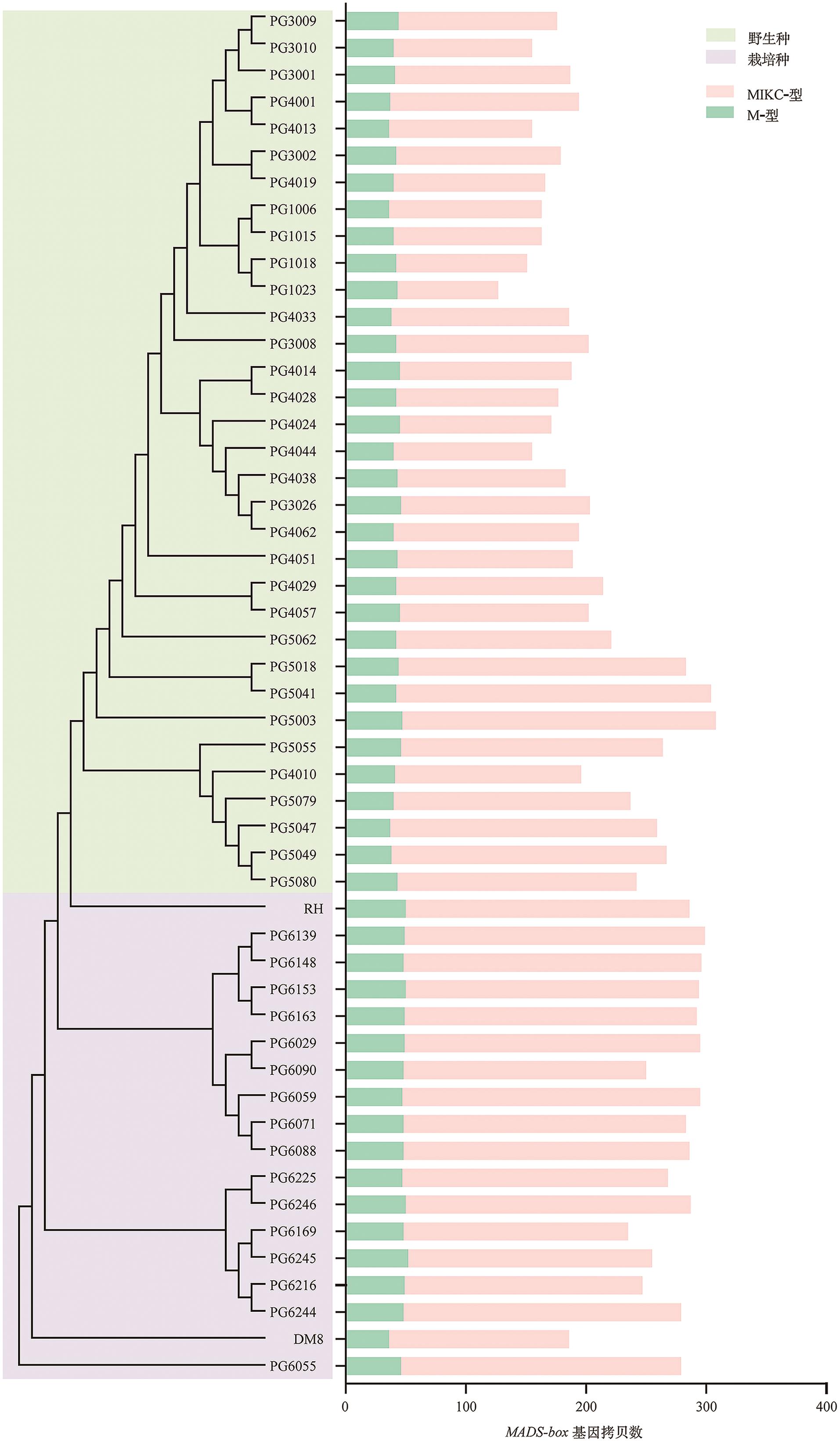
Fig. 1 Distribution of MADS-box gene family in various potato germplasm resources
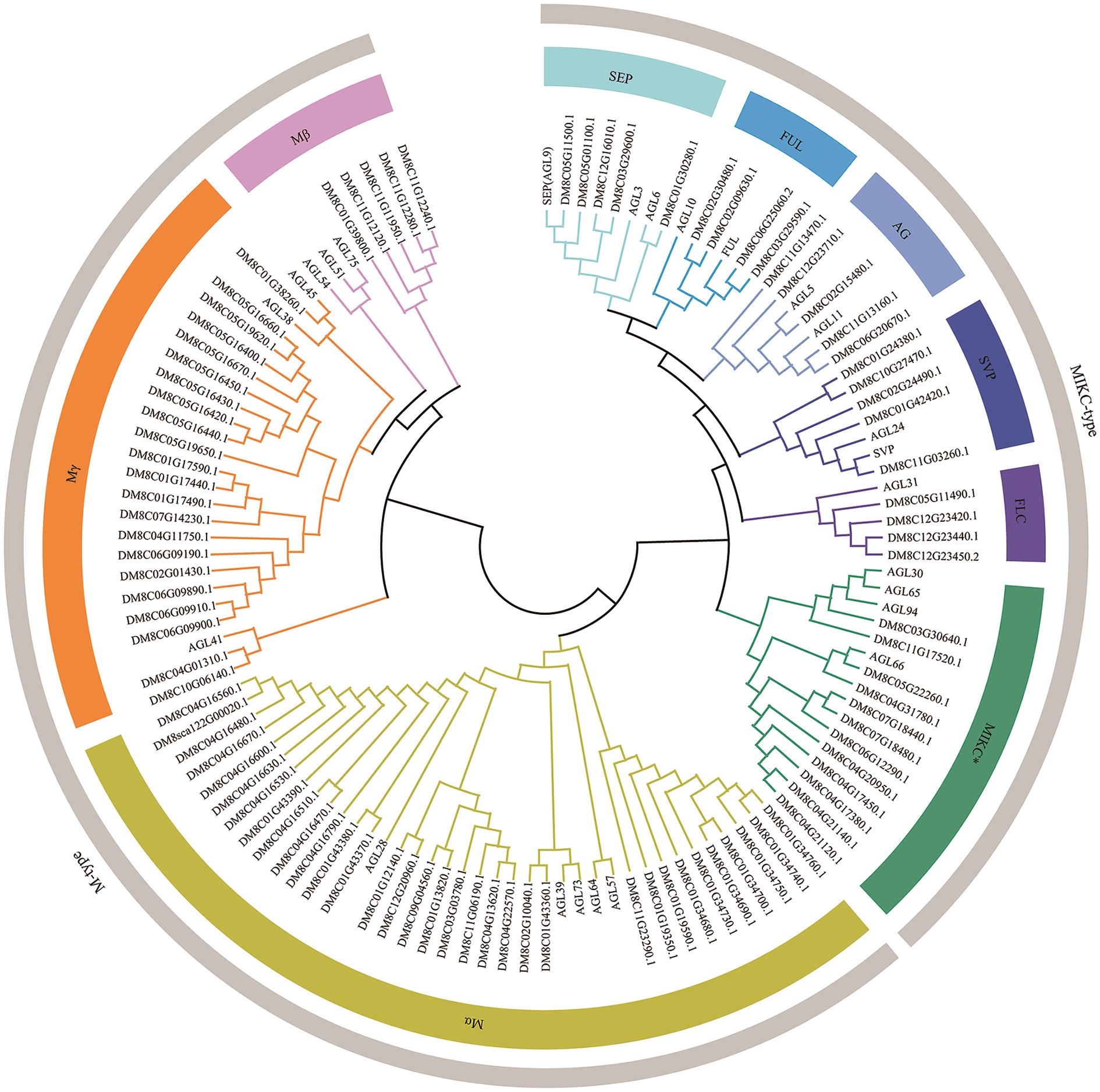
Fig. 2 Phylogenetic relationship of the core MADS-box in potato
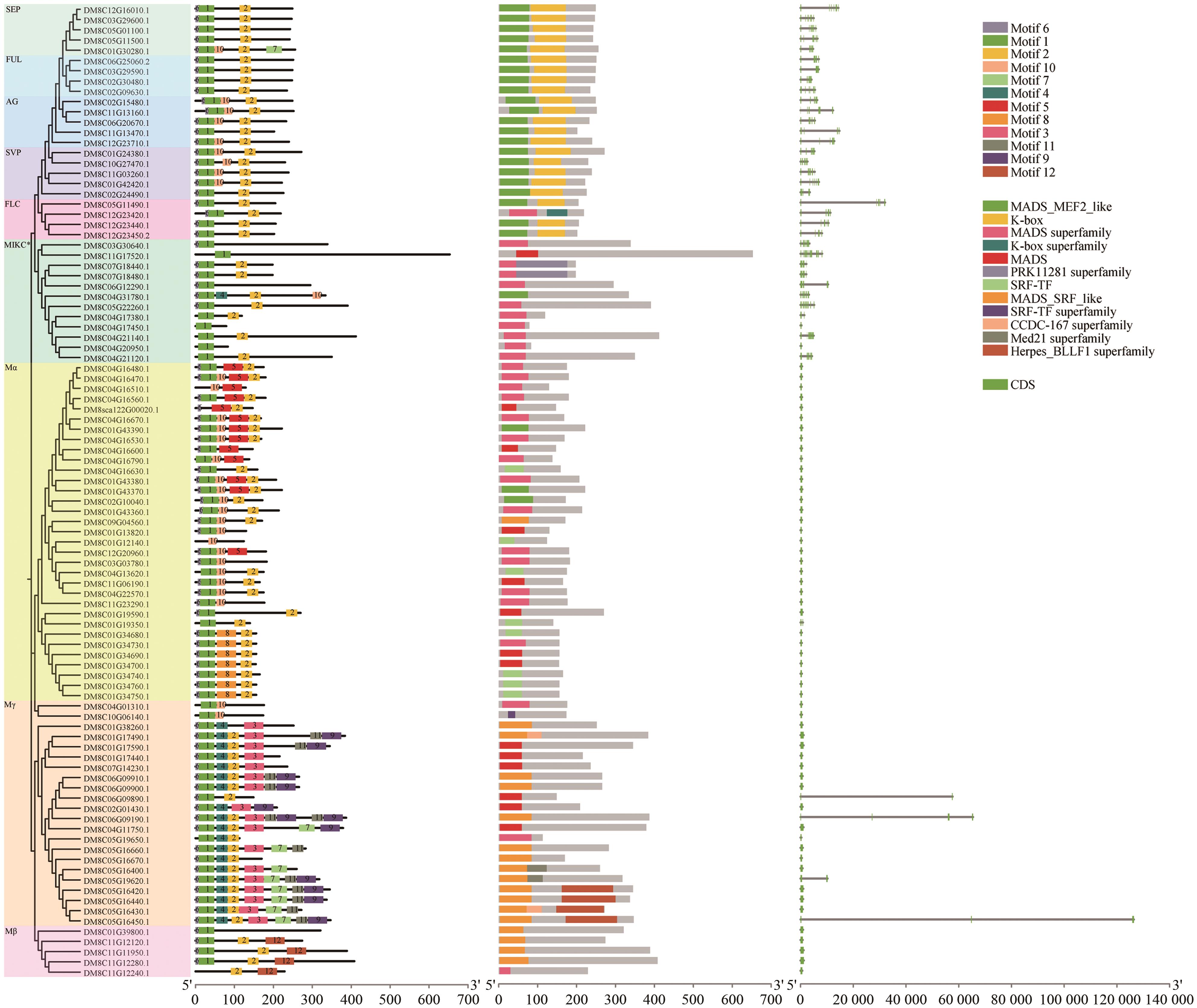
Fig. 3 Characteristics of the core MADS-box genes in potato
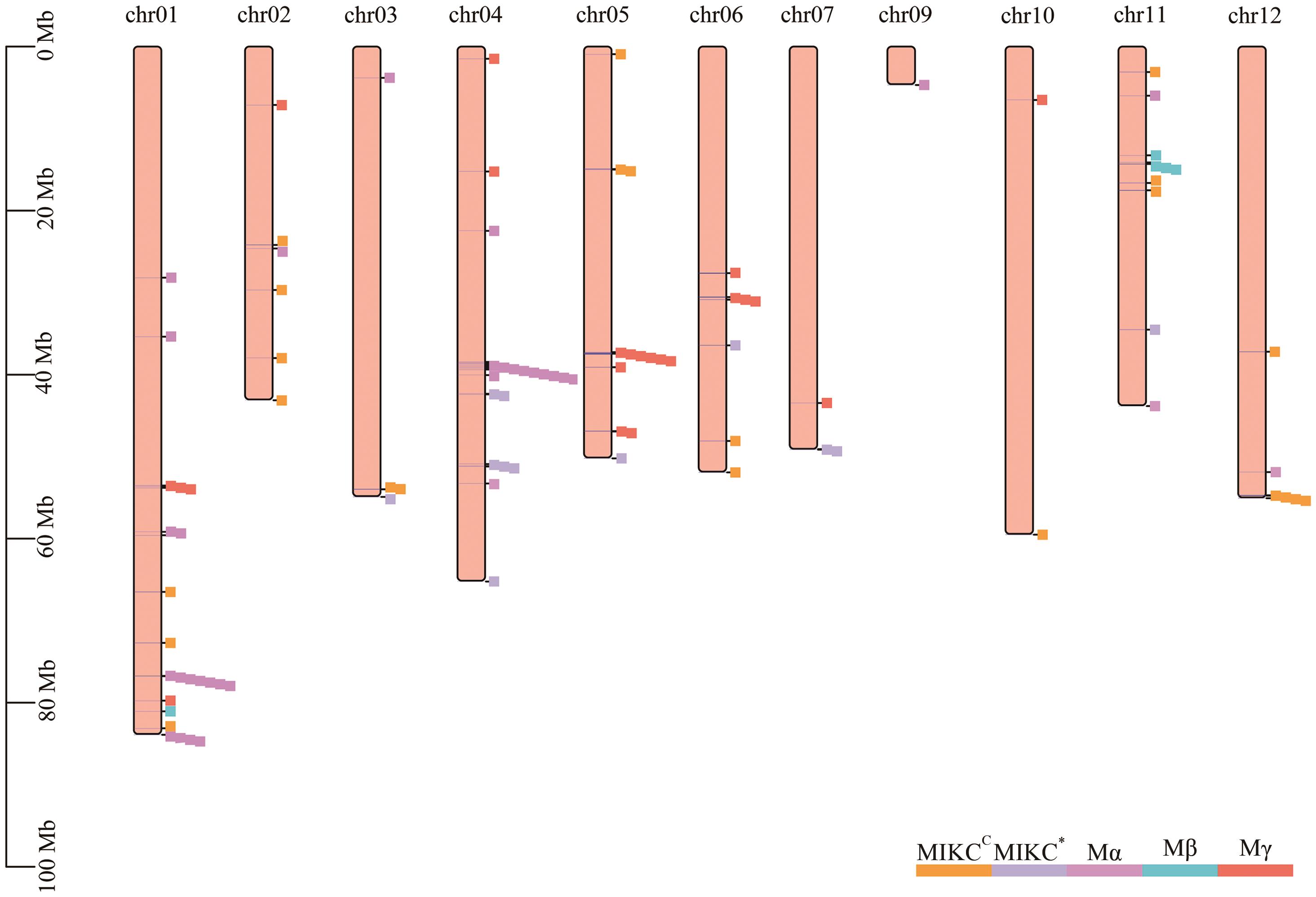
Fig. 4 Chromosomal distribution of core MADS-box genes in potato
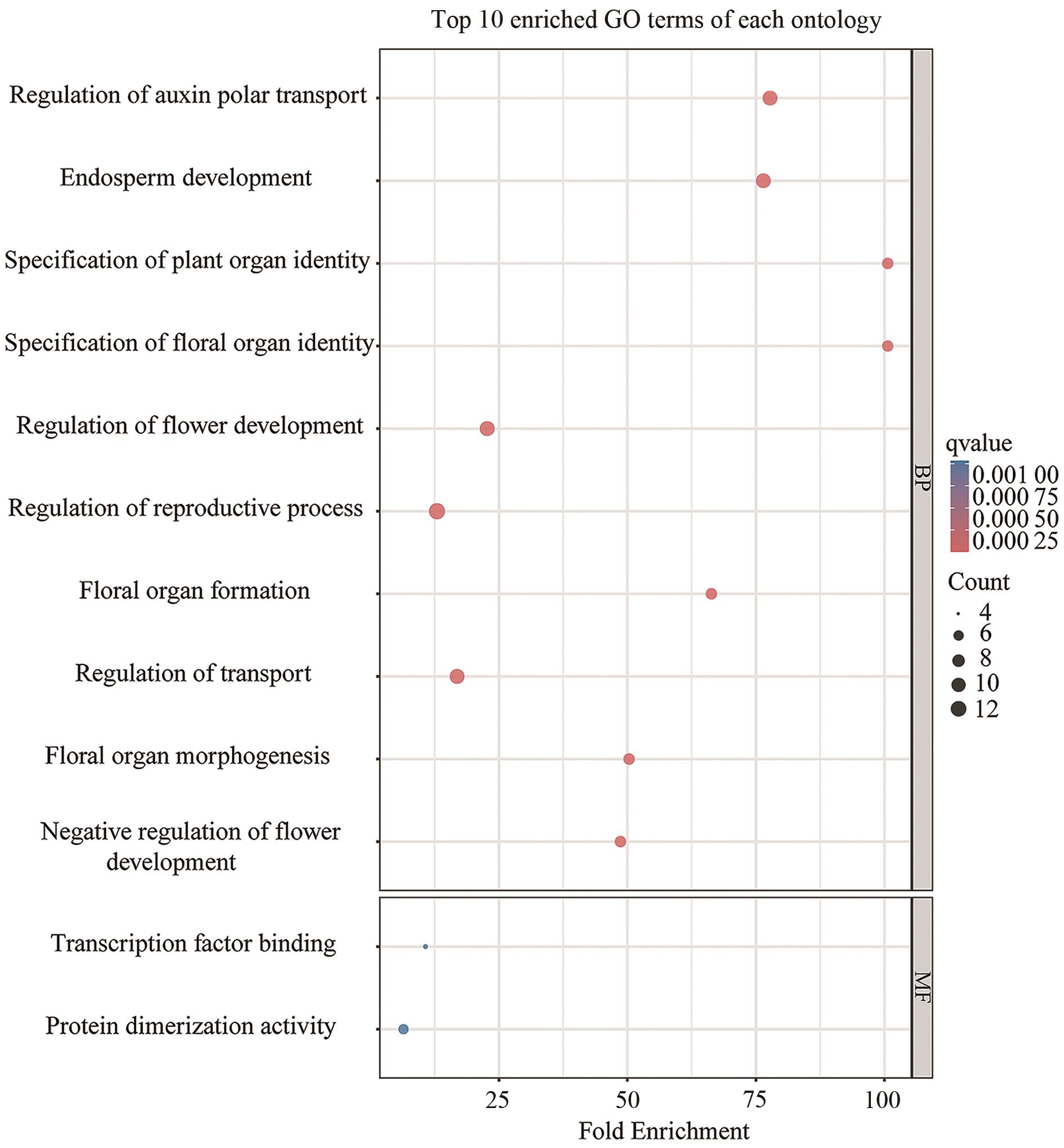
Fig. 5 GO enrichment analysis of core MADS-box transcription factors in potato
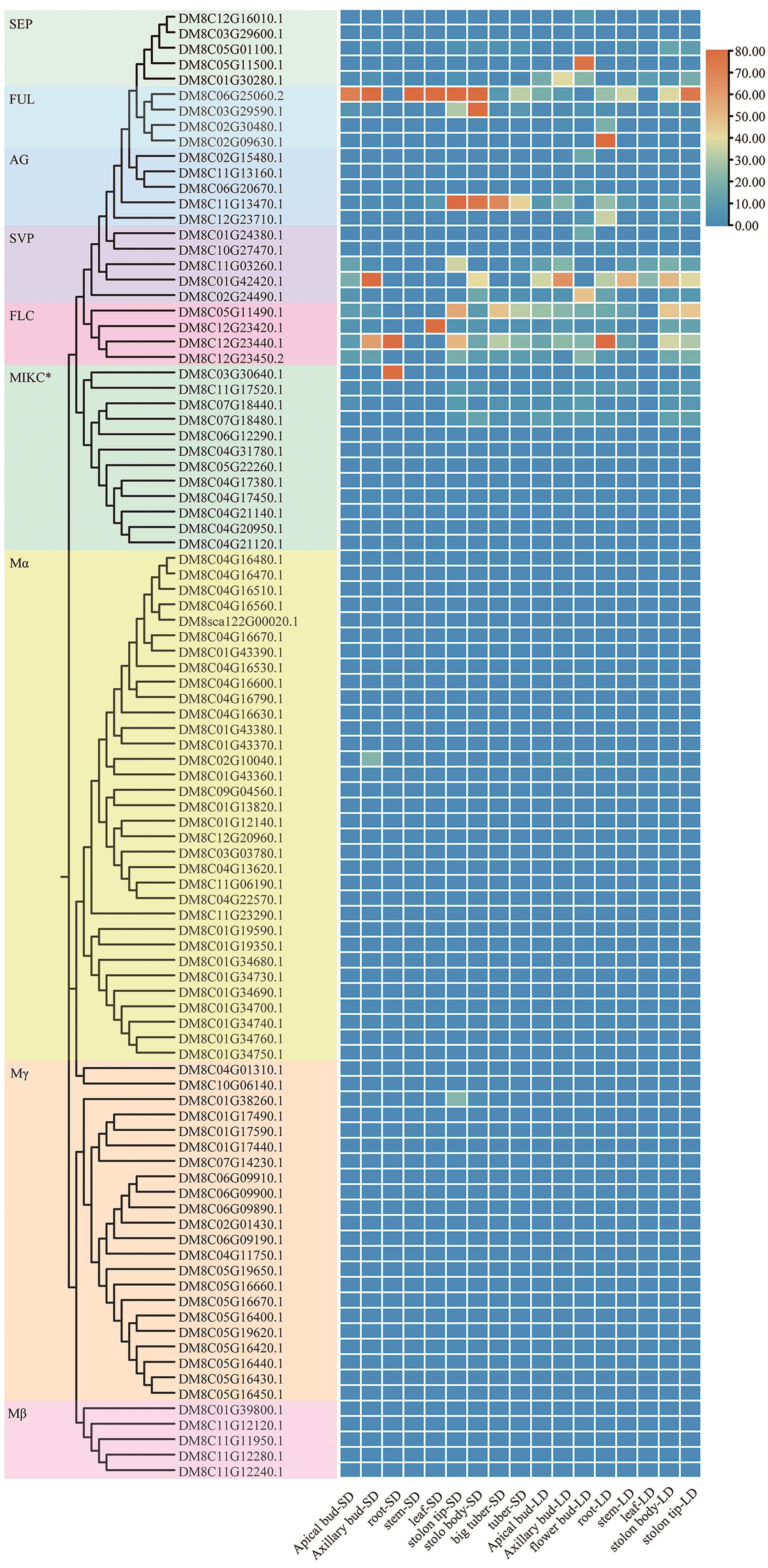
Fig. 6 Tissue expression patterns of core MADS-box genes in potato under different photoperiods
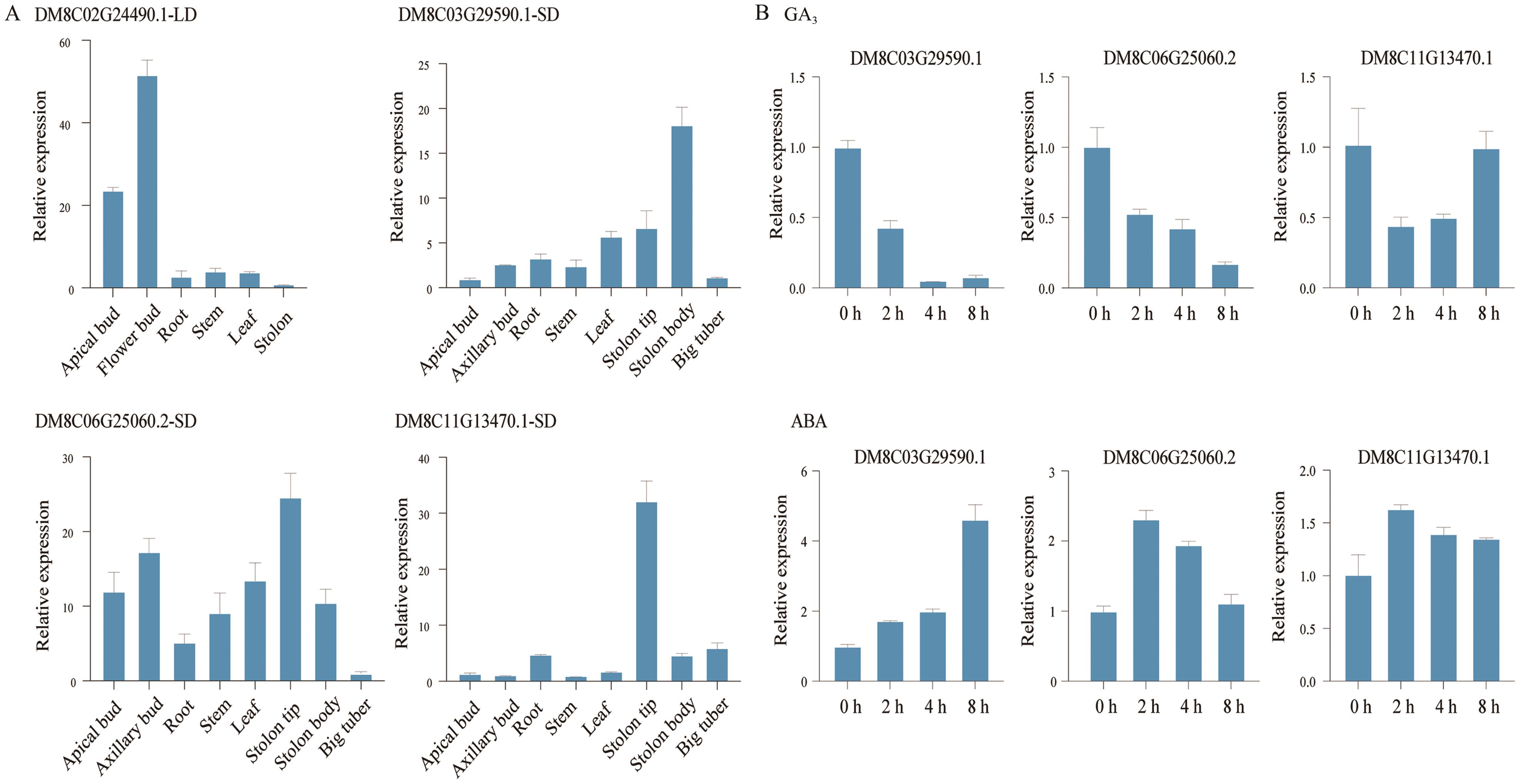
Fig. 7 Relative expressions of MADS-box genes under specific light conditions (A) and their expression patterns in response to GA3 and ABA treatments (A)
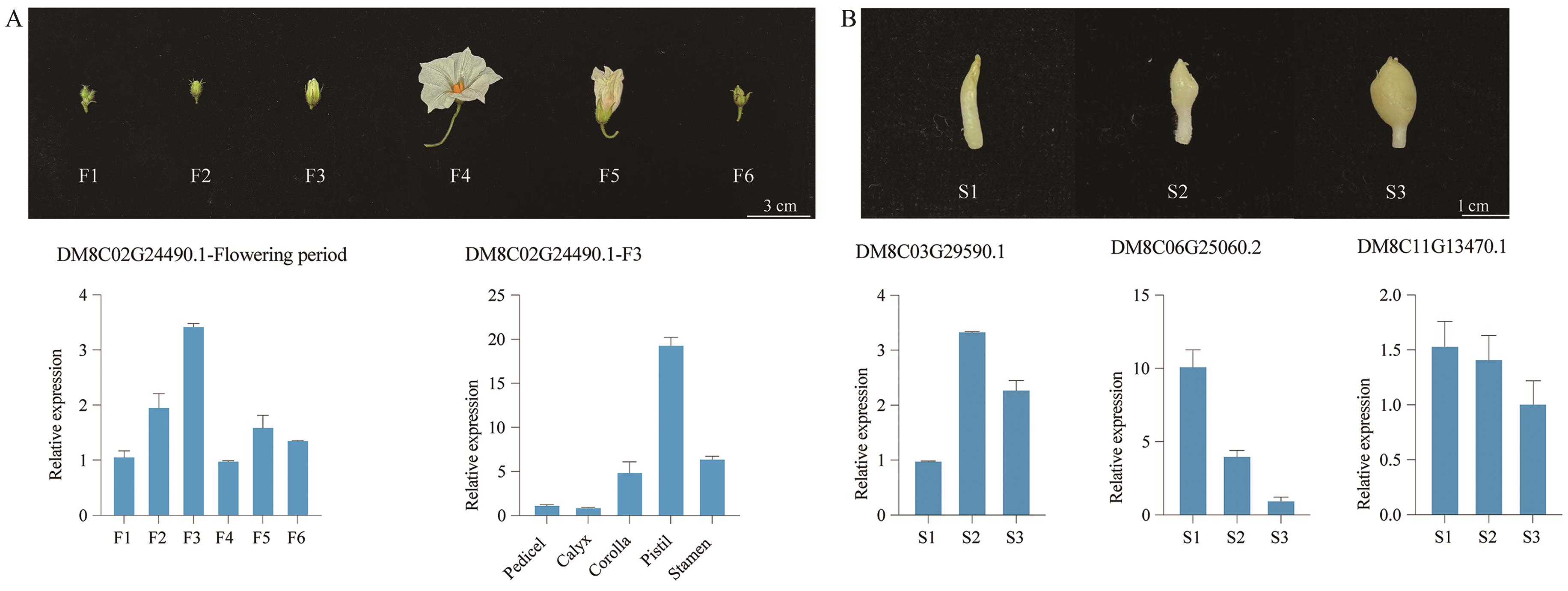
Fig. 8 Relative expressions of genes MADS-box during flower and tuber developmentF1: Inflorescence development stage. F2: Flower organ formation stage. F3: Flower bud maturation stage. F4: Flowering stage; F5: Fertilization and fruit-setting stage. F6: Flower abscission stage. S1: Stolon initiation stage. S2: Tuber initiation stage. S3: Tuber organ establishment stage
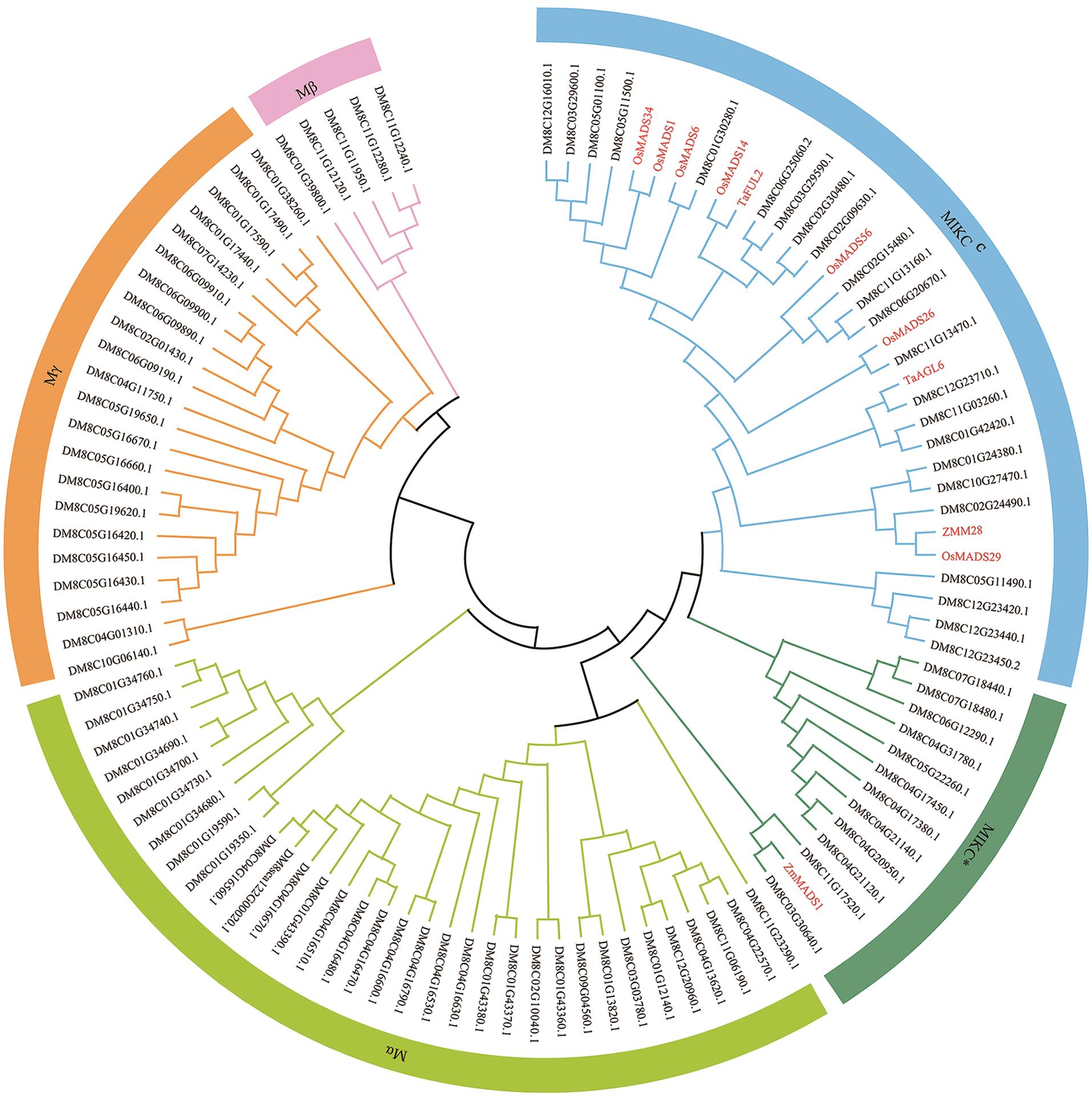
Fig. 9 Phylogenetic relationship of the core MADS-box genes in potato with the known functional MADS-box genes in rice, corn and wheat
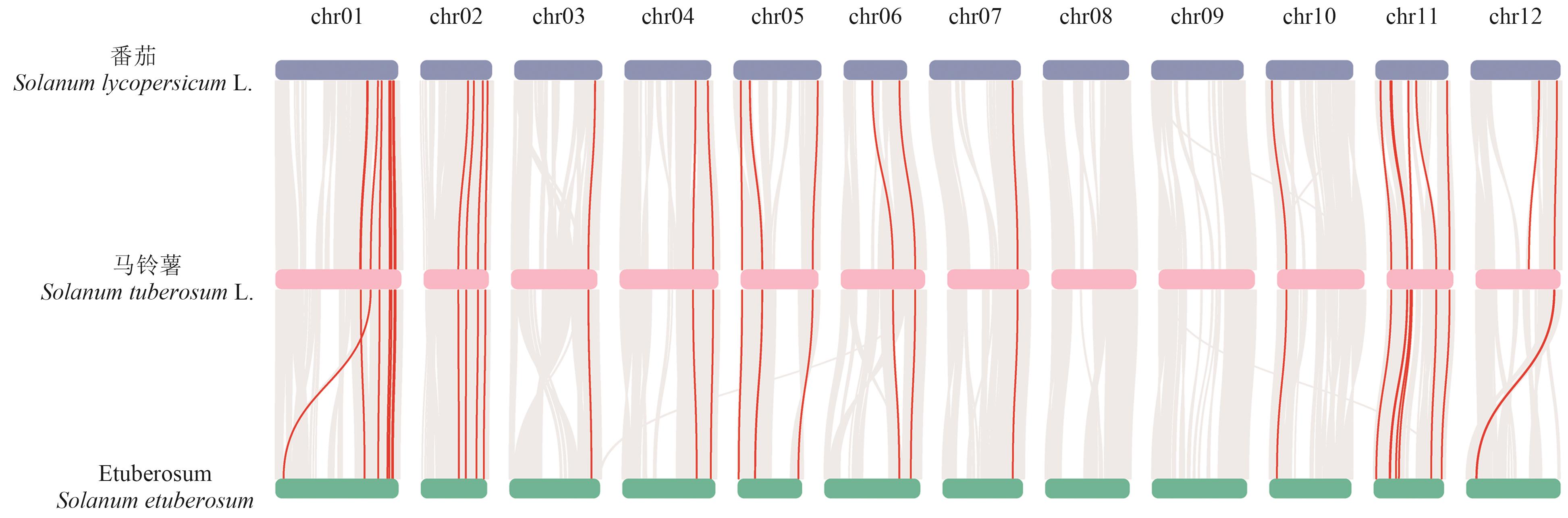
Fig. 10 Co-linearity analysis of core MADS-box genes in tomato, potato and Etuberosum
| [1] | Chen Y, Chu YF, Wang J, et al. Natural allelic variation in the CBF2 transcription factor is a pivotal factor controlling cold resistance in potato [J]. Plant Physiol, 2025, 199(2): kiaf428. |
| [2] | Bao XR, Zhu YK, Li GC, et al. Regulation of storage organ formation by long-distance tuberigen signals in potato [J]. Hortic Res, 2025, 12(4): uhae360. |
| [3] | Kondhare KR, Kumar A, Patil NS, et al. Development of aerial and belowground tubers in potato is governed by photoperiod and epigenetic mechanism [J]. Plant Physiol, 2021, 187(3): 1071-1086. |
| [4] | Dutta M, Mali S, Raturi V, et al. Transcriptional and post-transcriptional regulation of tuberization in potato (Solanum tuberosum L.) [J]. J Plant Growth Regul, 2024, 43(1): 11053. |
| [5] | Kondhare KR, Natarajan B, Banerjee AK. Molecular signals that govern tuber development in potato [J]. Int J Dev Biol, 2020, 64(1/2/3): 133-140. |
| [6] | Riechmann JL, Meyerowitz EM. MADS domain proteins in plant development [J]. Biol Chem, 1997, 378(10): 1079-1101. |
| [7] | Zhang ZH, Zou WH, Lin PX, et al. Evolution and function of MADS-box transcription factors in plants [J]. Int J Mol Sci, 2024, 25(24): 13278. |
| [8] | Hoffmann T, Shi XL, Hsu CY, et al. The identification of type I MADS box genes as the upstream activators of an endosperm-specific invertase inhibitor in Arabidopsis [J]. BMC Plant Biol, 2022, 22: 18. |
| [9] | Zhang XN, Wang QJ, Yang SZ, et al. Identification and characterization of the MADS-box genes and their contribution to flower organ in carnation (Dianthus caryophyllus L.) [J]. Genes, 2018, 9(4): 193. |
| [10] | Liu RJ, Zhao D, Li PB, et al. Natural variation in OsMADS1 transcript splicing affects rice grain thickness and quality by influencing monosaccharide loading to the endosperm [J]. Plant Commun, 2025, 6(1): 101178. |
| [11] | Yang XL, Wu F, Lin XL, et al. Live and let die - the bsister MADS-box gene OsMADS29 controls the degeneration of cells in maternal tissues during seed development of rice (Oryza sativa) [J]. PLoS One, 2012, 7(12): e51435. |
| [12] | Li CX, Lin HQ, Chen A, et al. WheatVRN1, FUL2 and FUL3 play critical and redundant roles in spikelet development and spike determinacy [J]. Development, 2019, 146(14): dev175398. |
| [13] | Su YL, Liu JX, Liang WQ, et al. Wheat AGAMOUS LIKE 6 transcription factors function in stamen development by regulating the expression of TaAPETALA3 [J]. Development, 2019: dev.177527. |
| [14] | Wu JR, Lawit SJ, Weers B, et al. Overexpression of zmm28 increases maize grain yield in the field [J]. Proc Natl Acad Sci U S A, 2019, 116(47): 23850-23858. |
| [15] | Kang SG, Hannapel DJ. A novel MADS-box gene of potato (Solanum tuberosum L.) expressed during the early stages of tuberization [J]. Plant Mol Biol, 1996, 31(2): 379-386. |
| [16] | Kang SC, Kang H. Characterization of potato vegetative MADS-Box gene, POTM1-1, in response to hormone applications [J]. J Plant Biol, 2002, 45(4): 196-200. |
| [17] | Carmona MJ, Ortega N, Garcia-Maroto F. Isolation and molecular characterization of a new vegetative MADS-box gene from Solanum tuberosum L [J]. Planta, 1998, 207(2): 181-188. |
| [18] | García-Maroto F, Ortega N, Lozano R, et al. Characterization of the potato MADS-box gene STMADS16 and expression analysis in tobacco transgenic plants [J]. Plant Mol Biol, 2000, 42(3): 499-513. |
| [19] | Wang YX, Ji XZ, Zhuang ZL, et al. Identification and bioinformatics analysis of MADS-box family genes containing K-box domain in maize [J]. Not Bot Horti Agrobo, 2023, 51(4): 13253. |
| [20] | Bharath SR, Mohan Raju B. Effect of varied levels of gibberellin, anti-gibberellin and cytokinin on growth and tuberization in potato [J]. Madras Agric J, 2024, 111: 35-44. |
| [21] | 柳俊, 谢从华. 马铃薯块茎发育机理及其基因表达 [J]. 植物学通报, 2001, 18(5): 531-539. |
| Liu J, Xie CH. The mechanism of potato (Solanum tuberosum L.) tuber development and related gene expression [J]. Chin Bull Bot, 2001, 18(5): 531-539. | |
| [22] | Chen PL, Yang RX, Bartels D, et al. Roles of abscisic acid and gibberellins in stem/root tuber development [J]. Int J Mol Sci, 2022, 23(9): 4955. |
| [23] | Xu X, van Lammeren AAM, Vermeer E, et al. The role of gibberellin, abscisic acid, and sucrose in the regulation of potato tuber formation in vitro 1 [J]. Plant Physiol, 1998, 117(2): 575-584. |
| [24] | Menzel CM. Tuberization in potato at high temperatures: responses to gibberellin and growth inhibitors [J]. Ann Bot, 1980, 46(3): 259-265. |
| [25] | Machida-Hirano R. Diversity of potato genetic resources [J]. Breed Sci, 2015, 65(1): 26-40. |
| [26] | Gao HH, Wang ZM, Li SL, et al. Genome-wide survey of potato MADS-box genes reveals that StMADS1 and StMADS13 are putative downstream targets of tuberigen StSP6A [J]. BMC Genom, 2018, 19: 726. |
| [27] | Tang dié, Jia YX, Zhang JZ, et al. Genome evolution and diversity of wild and cultivated potatoes [J]. Nature, 2022, 606(7914): 535-541. |
| [28] | van Lieshout N, van der Burgt A, de Vries ME, et al. Solyntus, the new highly contiguous reference genome for potato (Solanum tuberosum) [J]. G3, 2020, 10(10): 3489-3495. |
| [29] | Tang HB, Krishnakumar V, Zeng XF, et al. JCVI: a versatile toolkit for comparative genomics analysis [J]. iMeta, 2024, 3(4): e211. |
| [30] | 刘计涛, 王梦诗, 索海翠, 等. 马铃薯GA2ox家族基因响应赤霉素(GA)和低温胁迫表达分析 [J]. 江苏农业学报, 2023, 39(5): 1110-1119. |
| Liu JT, Wang MS, Suo HC, et al. Expression analysis of GA2ox family genes in response to gibberellin (GA) and cold stress in potato [J]. Jiangsu J Agric Sci, 2023, 39(5): 1110-1119. | |
| [31] | 尉瑞敏, 常燕楠, 庞鹏湘, 等. 马铃薯StZnT11的电子克隆、表达及生物信息学分析 [J]. 生物工程学报, 2020, 36(2): 362-371. |
| Yu RM, Chang YN, Pang PX, et al. In silico cloning, expression and bioinformatics analysis of StZnT11 in Solanum tuberosum [J]. Chin J Biotechnol, 2020, 36(2): 362-371. | |
| [32] | Zhong SF, Tian YF, Guan J, et al. Expression and function analyses of the MIKCC-type MADS-box genes in Akebia trifoliata (Lardizabalaceae) flower development [J]. Acta Physiol Plant, 2024, 46(5): 52. |
| [33] | Ma ZM, Hu LJ, Jiang WZ. Understanding AP2/ERF transcription factor responses and tolerance to various abiotic stresses in plants: a comprehensive review [J]. Int J Mol Sci, 2024, 25(2): 893. |
| [34] | Huo SJ, Li YF, Li RP, et al. Genome-wide analysis of the MADS-box gene family in Rhododendron hainanense Merr. and expression analysis under heat and waterlogging stresses [J]. Ind Crops Prod, 2021, 172: 114007. |
| [35] | Arora R, Agarwal P, Ray S, et al. MADS-box gene family in rice: genome-wide identification, organization and expression profiling during reproductive development and stress [J]. BMC Genom, 2007, 8: 242. |
| [36] | Ren LL, Sun HW, Dai SY, et al. Identification and characterization of MIKCc-type MADS-box genes in the flower organs of Adonis amurensis [J]. Int J Mol Sci, 2021, 22(17): 9362. |
| [37] | Kang SG, Hannapel DJ, Suh SG. Potato MADS-box gene POTM1-1 transcripts are temporally and spatially distributed in floral organs and vegetative meristems [J]. Mol Cells, 2003, 15(1): 48-54. |
| [38] | Kaufmann K, Melzer R, Theißen G. MIKC-type MADS-domain proteins: structural modularity, protein interactions and network evolution in land plants [J]. Gene, 2005, 347(2): 183-198. |
| [39] | Fernandez JA, Habben JE, Schussler JR, et al. zmm28 transgenic maize increases both N uptake- and N utilization-efficiencies [J]. Commun Biol, 2022, 5: 555. |
| [40] | Lee S, Woo YM, Ryu SI, et al. Further characterization of a rice AGL12 group MADS-box gene, OsMADS26 [J]. Plant Physiol, 2008, 147(1): 156-168. |
| [1] | WANG Jiang-qing, ZHANG Die, WANG Hui-jie, YUAN Zhu-dong, FU Yan-hong, HUANG Ya-nan, WANG Hong-yang. Identification of the AP2/ERF Gene Family in Potato and Expression Analysis in Response to Phytophthora infestans Stress [J]. Biotechnology Bulletin, 2026, 42(6): 116-127. |
| [2] | WU Xiao-juan, ZHAO Xue-wen, WANG Pei-jie, NIE Hu-shuai, LI Nan, MA Yu, YANG En-ze, MA Jie-ru, MA Yan-hong. Analysis of the PotatoGARPTranscription Factor Family and Functional Validation of StARR14-X1 [J]. Biotechnology Bulletin, 2026, 42(6): 22-30. |
| [3] | AN Fei-fei, LUO Xiu-qin, CAI Jie, XUE Jing-jing, ZHU Wen-li. Cloning of MeMYB106 in Cassava and Its Function in Anthocyanin Biosynthesis of Leaves [J]. Biotechnology Bulletin, 2026, 42(6): 13-21. |
| [4] | ZHAI Ying, GAO Shuang, JI Jun-jie, YU Hai-wei, ZHAO Yan, MA Tian-yi, ZHANG Mei-juan, LI Shan-shan. Study on the Drought Resistance Function of the Transcription Factor CsMYB12 Gene in Industrial Hemp [J]. Biotechnology Bulletin, 2026, 42(6): 294-303. |
| [5] | LI Xu-long, XU Shi-qiang, ZHANG Long, LI Jing-yu, HE Wei-xian, CHEN Li-kai, WANG Ji-hua. Genome-wide Identification, Evolution and Expression Pattern Analysis of Terpene Synthase Gene Family in Morinda officinalis [J]. Biotechnology Bulletin, 2026, 42(6): 314-325. |
| [6] | MENG Hong-yu, LIU Ya-nan, WU Jun-xin, SHEN Qiong. Identification and Analysis of the NAC Transcription Factors Gene Family in Cucurbita moschata Duch. [J]. Biotechnology Bulletin, 2026, 42(6): 237-249. |
| [7] | ZHANG Ya-ning, MAO Chun-li, HU Zhi-yong, YANG Dan, WU Jia-hai, WANG Bi-xian, HUANG Lin-kai. Genome-wide Analysis of Dof Transcription Factors in Elephant Grass and Their Response to Cold Stress [J]. Biotechnology Bulletin, 2026, 42(6): 267-278. |
| [8] | WANG Bing-bing, ZHU Di, YANG Sheng-long, LI Yi-lin, YANG Qi, HE Miao-miao. Effects of Exogenous Melatonin on Disease Resistance of Potato under Late Blight Stress [J]. Biotechnology Bulletin, 2026, 42(6): 107-115. |
| [9] | DUAN Ya-xin, LI Cheng-chen, PAN Yu-ling, WANG Li, AN Kang, LI Xiao-bo, ZHU Guang-tao, LIU Ji-tao. Identification and Functional Analysis of the LEA_2 Gene Family in Potato in Response to Cold Stress and Hormones [J]. Biotechnology Bulletin, 2026, 42(6): 40-52. |
| [10] | WANG Hui-jie, DAO Wen-jing, ZHANG Bei-ni, FU Yan-hong, HUANG ya-nan, WANG Hong-yang. Functional Characterization of Effector Protein Pi07555 from Phytophthora infestans and Screening for Its Host Targets [J]. Biotechnology Bulletin, 2026, 42(6): 139-148. |
| [11] | YANG Tao, ZENG Fan-cheng, ZENG Yu-xiao, TAO Rui-yan, XUE Zhi-hong, TAO Qian, ZHONG Yang, JIANG Fan, XIONG Xing-yao, CHENG Xu. Construction of Efficient Microbial Consortia and Their Effects on Potato Growth [J]. Biotechnology Bulletin, 2026, 42(5): 89-100. |
| [12] | LIANG Hui-qi, CHEN Yi-cun, WANG Yang-dong, ZHAO Yun-xiao, GAO Ming. Identification and Expression Analysis of the PAT1 Gene Subfamily in Litsea cubeba during Graft Union Healing [J]. Biotechnology Bulletin, 2026, 42(5): 302-311. |
| [13] | LIU Qing-yuan, WU Hong-qi, CHEN Xiu-e, CHEN Jian, JIANG Yuan-ze, HE Yan-zi, YU Qi-wei, LIU Ren-xiang. Function of Transcription Factor NtMYB96a in Regulating the Tolerance of Tobacco to Drought [J]. Biotechnology Bulletin, 2026, 42(4): 239-250. |
| [14] | CHEN Deng-ke, LAN Gang, XIA Zhi, HOU Bao-guo, YANG Liu-liu, CAO Cai-rong, LI Peng-bo, WU Cui-cui. Identification of ZF-HD Gene Family in Arachis hypogaea and Analysis in Response to Abiotic Stress [J]. Biotechnology Bulletin, 2026, 42(4): 114-128. |
| [15] | NI Fei-fei, CHEN Yi-cun, GAO Ming, ZHANG Sheng-jiao, PENG Fang-you, CHEN Tao-mei, ZHAO Yun-xiao, WANG Yang-dong. Identification of Litsea cubebaTCP Genes and Their Roles in the Regulation of Terpenoid Biosynthesis [J]. Biotechnology Bulletin, 2026, 42(4): 227-238. |
| Viewed | ||||||
|
Full text |
|
|||||
|
Abstract |
|
|||||
