







Biotechnology Bulletin ›› 2026, Vol. 42 ›› Issue (10): 317-327.doi: 10.13560/j.cnki.biotech.bull.1985.2026-0189
DONG Xu-fang1, TONG Ying-jia1, LIU Wei1, SHI Jin-song1, XU Zheng-hong2, LI Hui1( )
)
Received:2026-02-06
Online:2026-10-26
Published:2026-10-15
Contact:
LI Hui
E-mail:lihui@jiangnan.edu.cn
DONG Xu-fang, TONG Ying-jia, LIU Wei, SHI Jin-song, XU Zheng-hong, LI Hui. Construction and Optimization of de novo Pregnenolone Cell Factory Based on the P450scc System in Saccharomyces cerevisiae[J]. Biotechnology Bulletin, 2026, 42(10): 317-327.
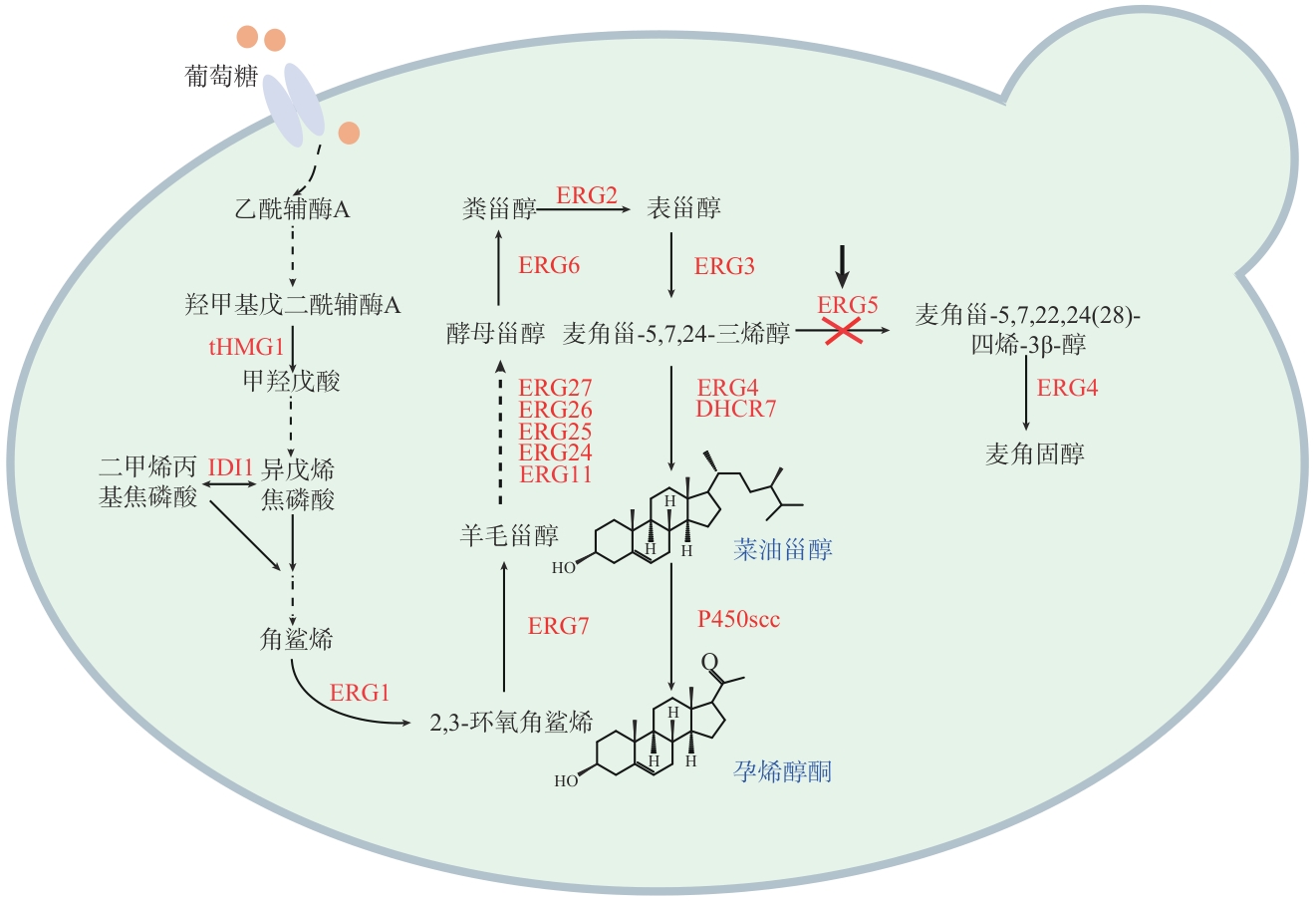
Fig. 1 Pregnenolone synthesis pathway in S. cerevisiae
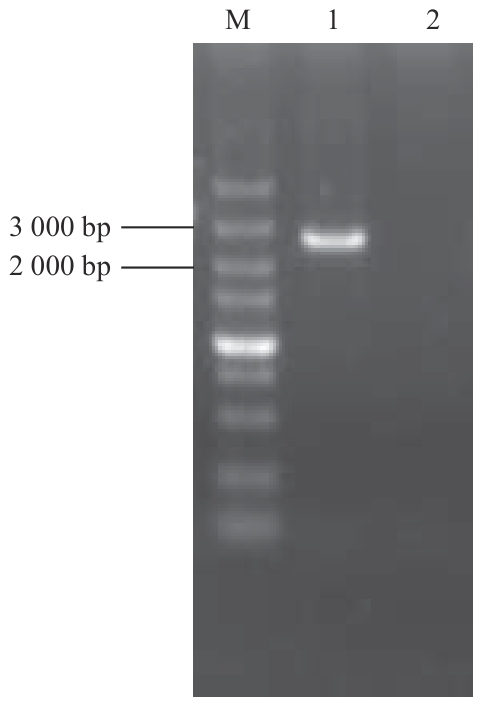
Fig. 2 Identification of strain CE01M: DNA marker; 1: recombinant strain CE01; 2: control strain CY03
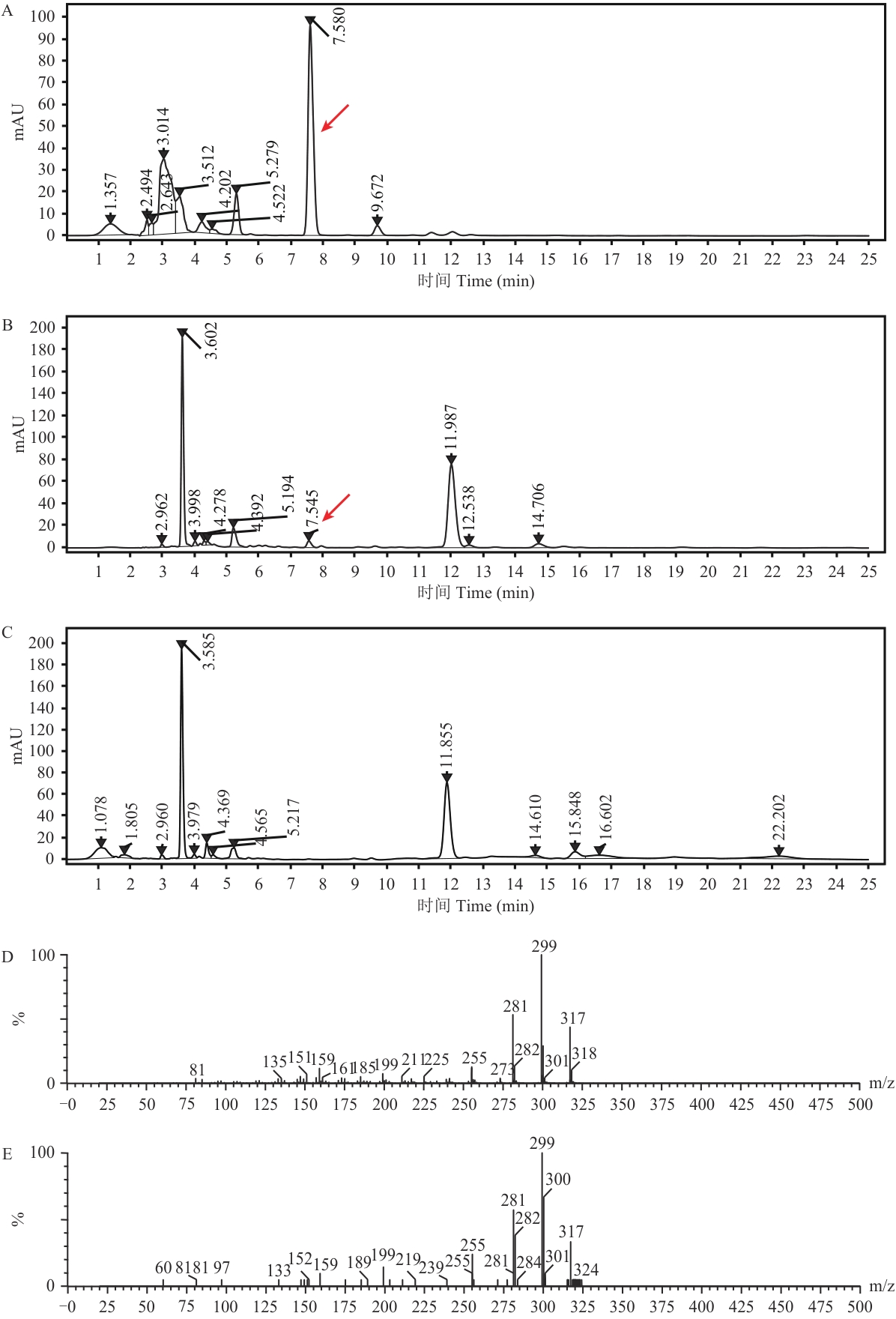
Fig. 3 Structural identification of the fermentation products of the recombinant strainsA: HPLC chromatogram of the pregnenolone standard; B: HPLC chromatogram of the fermentation sample from the recombinant strain CE01; C: HPLC chromatogram of the fermentation sample from the control strain CY03; D: MS spectrum of the pregnenolone standard; E: MS spectrum of the fermentation sample from the recombinant strain CE01
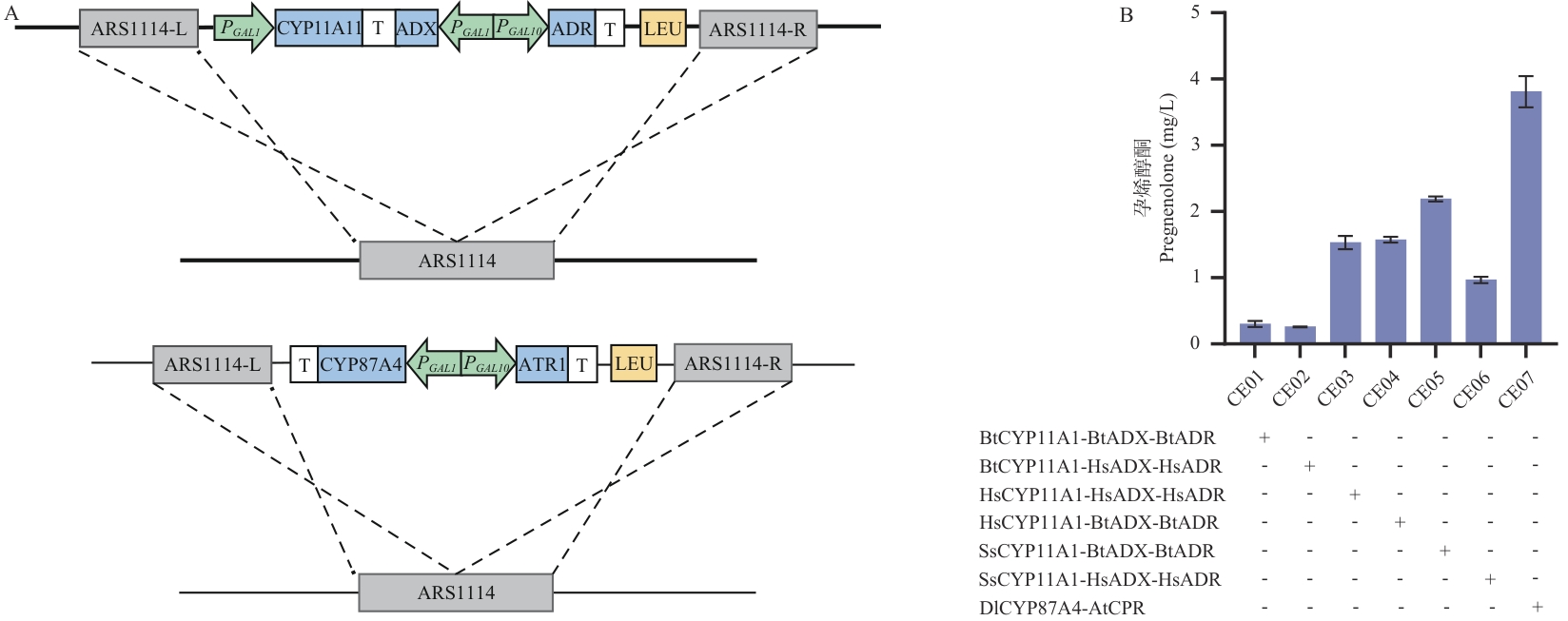
Fig. 4 Effect of combined of P450scc systems from different sources on the production of pregnenoloneA: Diagram of gene expression cassette integration; B: the production of pregnenolone in different combinations of P450scc systems from different sources
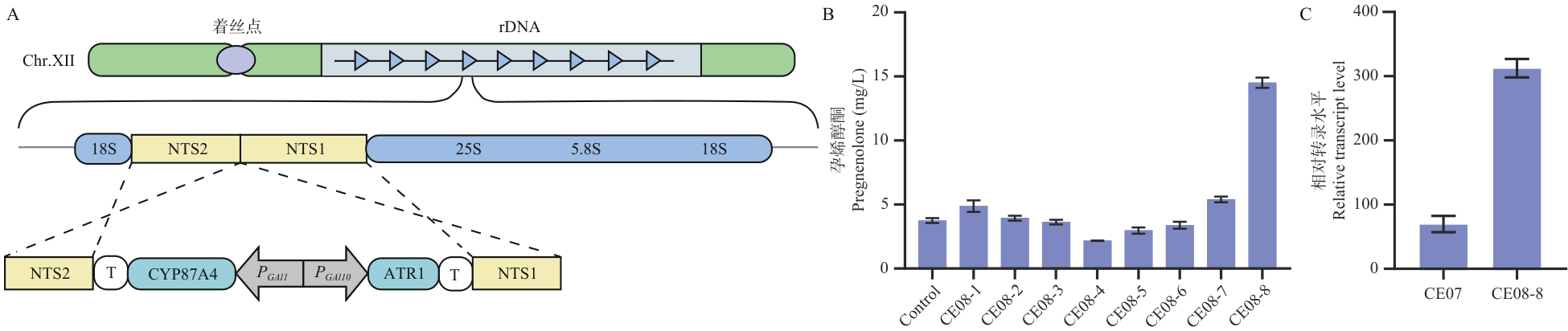
Fig. 5 Effect of multi-copy integration of rDNA sites on the P450scc system on the production of pregnenoloneA: Diagram of multi-copy integration of rDNA; B: the production of pregnenolone in the multi-copy integrated P450scc system; C: the relative transcriptional level of CYP87A4
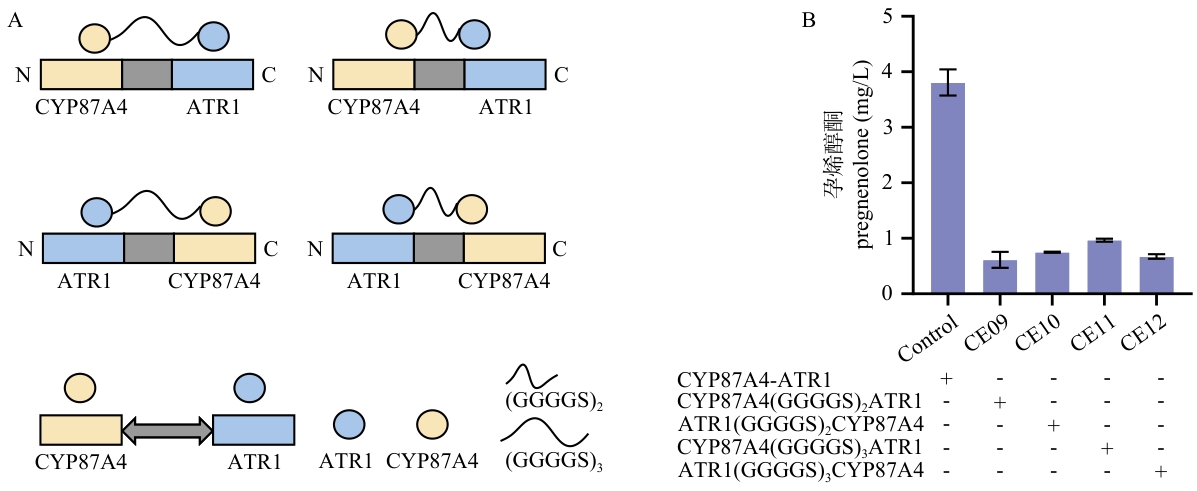
Fig. 6 Effect of protein fusion engineering on the production of pregnenoloneA: Diagram of the fusion of CYP87A4 with ATR1 protein; B: production of pregnenolone in the protein fusion strain
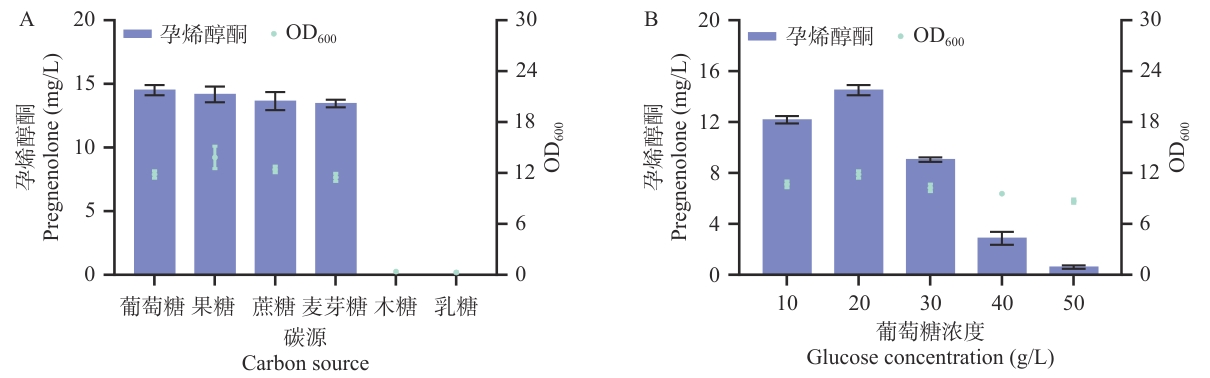
Fig. 7 Effect of carbon sources types (A) and concentration (B) on the production of pregnenolone
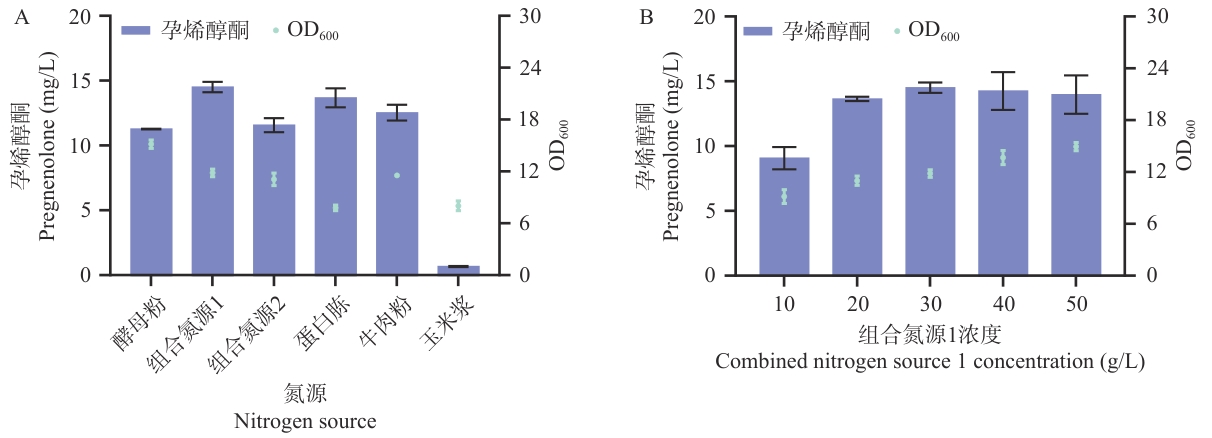
Fig. 8 Effect of nitrogen sources types (A) and concentration (B) on the production of pregnenolone
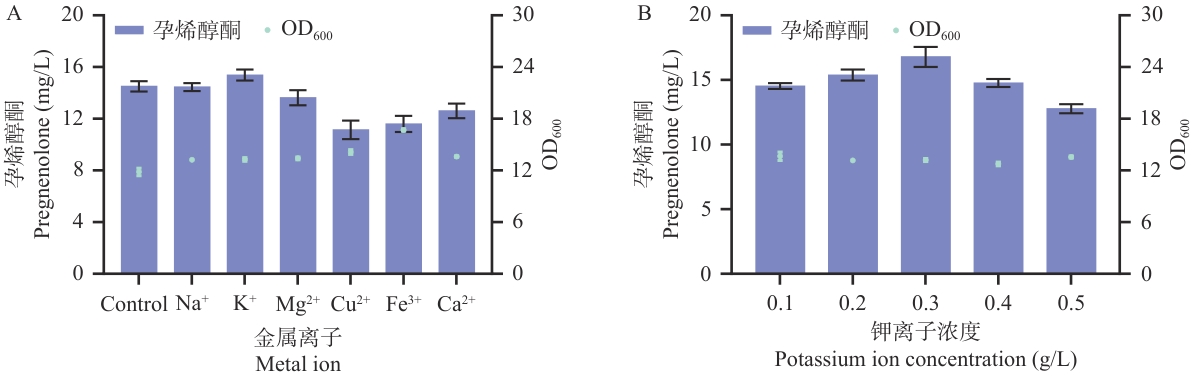
Fig. 9 Effect of metal ions types (A) and concentrations (B) on the production of pregnenolone
| [1] | Wang Y, Gui JH. Recent advances in the efficient synthesis of steroid natural products: emerging methods and strategies [J]. Chem Soc Rev, 2025, 54(14): 6807-6831. |
| [2] | Chen GH, Li CN, Kou BW, et al. Recent advances in the biosynthesis enzymes of steroidal natural products [J]. Sci Sin-Vitae, 2025, 55(10): 2061-2079. |
| [3] | Chen H, Wang YS, Zhang Y, et al. Reengineering of ergosterol biosynthesis in Saccharomyces cerevisiae and its sustainable application in Citrus peel processing industry [J]. New Biotechnol, 2025, 90: 155-162. |
| [4] | 张羽. 菜油甾醇和孕烯醇酮在耶氏解脂酵母中的合成与优化 [D]. 天津: 天津大学, 2017. |
| Zhang Y. De novo synthesis and optimization of campesterol and pregnenolone in Yarrowia lipolytica [D]. Tianjin: Tianjin University, 2017. | |
| [5] | Mendoza Lara DF, Hernández-Caballero ME, Terán JL, et al. Anticancer activities of natural and synthetic steroids: a review [J]. ACS Omega, 2025, 10(8): 7493-7509. |
| [6] | Ting TY, Li YD, Bunawan H, et al. Current advancements in systems and synthetic biology studies of Saccharomyces cerevisiae [J]. J Biosci Bioeng, 2023, 135(4): 259-265. |
| [7] | Zhang RS, Zhang Y, Wang Y, et al. Pregnenolone overproduction in Yarrowia lipolytica by integrative components pairing of the cytochrome P450scc system [J]. ACS Synth Biol, 2019, 8(12): 2666-2678. |
| [8] | Jiang LH, Huang L, Cai J, et al. Functional expression of eukaryotic cytochrome P450s in yeast [J]. Biotech & Bioengineering, 2021, 118(3): 1050-1065. |
| [9] | Xu SJ, Meng J, Zhang Q, et al. CILF: CRISPR/Cas9 based integration of large DNA fragments in Saccharomyces cerevisiae [J]. Biotech & Bioengineering, 2024, 121(12): 3906-3911. |
| [10] | Mauersberger S, Novikova LA, Shkumatov VM. Cytochrome P450 expression in Yarrowia lipolytica and its use in steroid biotransformation [M]//Barth G. Yarrowia lipolytica: Biotechnological Applications. Berlin, Heidelberg: Springer, 2013: 171-226. |
| [11] | Xie YF, Fan CX, Piao MH, et al. Enhanced ergosterol biosynthesis in Saccharomyces cerevisiae via rational multigenetic modification and two-stage fermentation [J]. Process Biochem, 2026, 161: 18-25. |
| [12] | Duport C, Spagnoli R, Degryse E, et al. Self-sufficient biosynthesis of pregnenolone and progesterone in engineered yeast [J]. Nat Biotechnol, 1998, 16(2): 186-189. |
| [13] | Carroll E, Ravi Gopal B, Raghavan I, et al. A cytochrome P450 CYP87A4 imparts sterol side-chain cleavage in digoxin biosynthesis[J]. Nat Commun, 2023, 14(1): 4042. |
| [14] | 梅世豪, 张嵩林, 邵明龙, 等. 酿酒酵母高效合成孕烯醇酮细胞工厂的构建 [J]. 食品与发酵工业, 2025, 51(17): 11-19. |
| Mei SH, Zhang SL, Shao ML, et al. Construction of a cell factory for efficient pregnenolone synthesis by Saccharomyces cerevisiae [J]. Food Ferment Ind, 2025, 51(17): 11-19. | |
| [15] | Liu W, Dong XF, Li HB, et al. Rewiring metabolism and restoring sterol homeostasis for overproduction of campesterol in Saccharomyces cerevisiae [J]. Chem Eng J, 2025, 515: 163686. |
| [16] | Jiang YQ, Sun ZJ, Lu KX, et al. Manipulation of sterol homeostasis for the production of 24-epi-ergosterol in industrial yeast [J]. Nat Commun, 2023, 14: 437. |
| [17] | Li RS, Guo S, Wang D, et al. Elucidation of the plant progesterone biosynthetic pathway and its application in a yeast cell factory [J]. Metab Eng, 2025, 90: 197-208. |
| [18] | Zheng HH, Wang K, Xu XX, et al. Highly efficient rDNA-mediated multicopy integration based on the dynamic balance of rDNA in Saccharomyces cerevisiae [J]. Microb Biotechnol, 2022, 15(5): 1511-1524. |
| [19] | 曲丽莎. 利用代谢工程改造酿酒酵母高效合成7-脱氢胆固醇 [D]. 无锡: 江南大学, 2022. |
| Qu LS. Engineered yeast for efficient de novo synthesis of 7-dehydrocholesterol [D]. Wuxi: Jiangnan University, 2022. | |
| [20] | Qin ZJ, Zhang YL, Liu S, et al. Combining metabolic engineering and lipid droplet assembly to achieve campesterol overproduction in Saccharomyces cerevisiae [J]. J Agric Food Chem, 2024, 72(9): 4814-4824. |
| [21] | Qu GY, Song YF, Xu XH, et al. De novo biosynthesis of mogroside V by multiplexed engineered yeasts [J]. Metab Eng, 2025, 88: 160-171. |
| [22] | Wang YY, Sun MC, Shen XL, et al. Engineering the cytochrome P450 oxidation system to enhance benzyl glucosinolate production in Saccharomyces cerevisiae [J]. J Agric Food Chem, 2025, 73(38): 24286-24294. |
| [23] | Garcia-Albornoz M, Holman SW, Antonisse T, et al. A proteome-integrated, carbon source dependent genetic regulatory network in Saccharomyces cerevisiae [J]. Mol Omics, 2020, 16(1): 59-72. |
| [24] | Lu XC, Chang MX, Li XY, et al. Metabolic engineering for sustainable xylitol production from diverse carbon sources in Pichia pastoris [J]. Microb Cell Fact, 2025, 24: 59. |
| [25] | Wang YH, Zhu HX, Pan SY, et al. Effect of different nitrogen source and Saccharomyces cerevisiae strain on volatile sulfur compounds and their sensory effects in chardonnay wine [J]. Food Chem X, 2024, 24: 101793. |
| [26] | Chen Y, Li FR, Mao JW, et al. Yeast optimizes metal utilization based on metabolic network and enzyme kinetics [J]. Proc Natl Acad Sci U S A, 2021, 118(12): e2020154118. |
| [27] | Cheng YT, Luo LL, Tang H, et al. Engineering the microenvironment of P450s to enhance the production of diterpenoids in Saccharomyces cerevisiae [J]. Acta Pharm Sin B, 2024, 14(10): 4608-4618. |
| [28] | Tanaka K, Yukawa T, Bamba T, et al. Engineering Saccharomyces cerevisiae for growth on xylose using an oxidative pathway [J]. Appl Microbiol Biotechnol, 2025, 109: 30. |
| [29] | Zou J, Chen XH, Hu YH, et al. Uncoupling glucose sensing from GAL metabolism for heterologous lactose fermentation in Saccharomyces cerevisiae [J]. Biotechnol Lett, 2021, 43(8): 1607-1616. |
| [30] | Guo BY, Li YY, Liu YJ, et al. Reprogramming carbon flux to eliminate crabtree effect-associated ethanol production for high-yieldl-lactic acid biosynthesis in Saccharomyces cerevisiae [J]. J Agric Food Chem, 2025, 73(49): 31274-31285. |
| [31] | Kukovetz K, Cartolano M, Gebhardt M, et al. Yeast complementation assays provide limited information on functional features of K+ channels [J]. Biophys Rep, 2025, 5(2): 100206. |
| [32] | Petrisková L, Kodedová M, Balážová M, et al. Lipid droplets control the negative effect of non-yeast sterols in membranes of Saccharomyces cerevisiae under hypoxic stress [J]. BBA Mol Cell Biol Lipds, 2024, 1869(7): 159523. |
| [33] | Chen QH, Wei WQ, Chao ZK, et al. Electron transfer engineering of artificially designed cell factory for complete biosynthesis of steroids [J]. Nat Commun, 2025, 16: 3740. |
| [34] | Zhu Y, Yan XG, Li WG, et al. Cofactor-coupled cytochrome P450 engineering enables high-level biosynthesis of Asiatic acid in Saccharomyces cerevisiae [J]. Bioresour Technol, 2026, 441: 133558. |
| [1] | JIA Cheng-lin, GUO Xiao-peng, LU Dong, ZHANG Miao-miao. Advances in Improving the Tolerance of Saccharomyces cerevisiae to Lignocellulose Hydrolysate Inhibitors [J]. Biotechnology Bulletin, 2025, 41(4): 61-75. |
| [2] | ZHANG Yan-hua, QU Wen-long, DAI Wen-jing, ZHANG Rui-ning, LIU Yu-hong, WANG De-pei, XUE Xian-li. Identification of a High-yielding Vitamin B 13Acinetobacter Strain and Optimization of Its Fermentation Conditions [J]. Biotechnology Bulletin, 2025, 41(11): 153-165. |
| [3] | HE Yu-bing, FU Zhen-hao, LI Ren-han, LIU Xiu-xia, LIU Chun-li, YANG Yan-kun, LI Ye, BAI Zhong-hu. Efficient Biosynthesis of 2-Naphthaleneethanol in Metabolically Engineered Saccharomyces cerevisiae [J]. Biotechnology Bulletin, 2024, 40(7): 99-107. |
| [4] | XU Fa-di, XU Kang, SUN Dong-ming, LI Meng-lei, ZHAO Jian-zhi, BAO Xiao-ming. Research Progress in Second-generation Fuel Ethanol Technology Based on Poplar(Populus sp.) [J]. Biotechnology Bulletin, 2023, 39(9): 27-39. |
| [5] | CHENG Ting, YUAN Shuai, ZHANG Xiao-yuan, LIN Liang-cai, LI Xin, ZHANG Cui-ying. Research Progress in the Regulation of Isobutanol Synthesis Pathway in Saccharomyces cerevisiae [J]. Biotechnology Bulletin, 2023, 39(7): 80-90. |
| [6] | ZHU Ying-xuan, LI Ke-jing, HE Min, ZHENG Dao-qiong. Research Progress in the Exploring Genomic Variations Driven by Stress Factors Using the Yeast Model [J]. Biotechnology Bulletin, 2023, 39(11): 191-204. |
| [7] | SUN Yan-qiu, XIE Cai-yun, TANG Yue-qin. Construction and Mechanism Analysis of High-temperature Resistant Saccharomyces cerevisiae [J]. Biotechnology Bulletin, 2023, 39(11): 226-237. |
| [8] | WANG Wen-tao, FENG Qi, LIU Chen-guang, BAI Feng-wu, ZHAO Xin-qing. Redox-sensitive Genetic Parts Improve the Tolerance of Yeast to Lignocellulosic Hydrolysate Inhibitors [J]. Biotechnology Bulletin, 2023, 39(11): 360-372. |
| [9] | CUI Xin-gang, SUN Ya-xin, CUI Xiao-jing, DENG Yan-wen, SUN En-hao, WANG Jun-fang, CUI Hong-jing. Roles of Gene TAP42 in the Cell Wall Stress Response of Saccharomyces cerevisiae [J]. Biotechnology Bulletin, 2021, 37(10): 57-62. |
| Viewed | ||||||
|
Full text |
|
|||||
|
Abstract |
|
|||||
