







Biotechnology Bulletin ›› 2025, Vol. 41 ›› Issue (10): 20-31.doi: 10.13560/j.cnki.biotech.bull.1985.2025-0756
Previous Articles Next Articles
JIANG Yun-bo( ), CHEN Xue-xue(), ZHAO Yu-sheng()
Received:2025-07-15
Online:2025-10-26
Published:2025-10-28
Contact:
CHEN Xue-xue, ZHAO Yu-sheng
E-mail:yunbo.jiang@genetics.ac.cn;xxchen@genetics.ac.cn;yusheng.zhao@genetics.ac.cn
JIANG Yun-bo, CHEN Xue-xue, ZHAO Yu-sheng. Research Progress in Temperature Regulation of Chloroplast Development in Crops[J]. Biotechnology Bulletin, 2025, 41(10): 20-31.
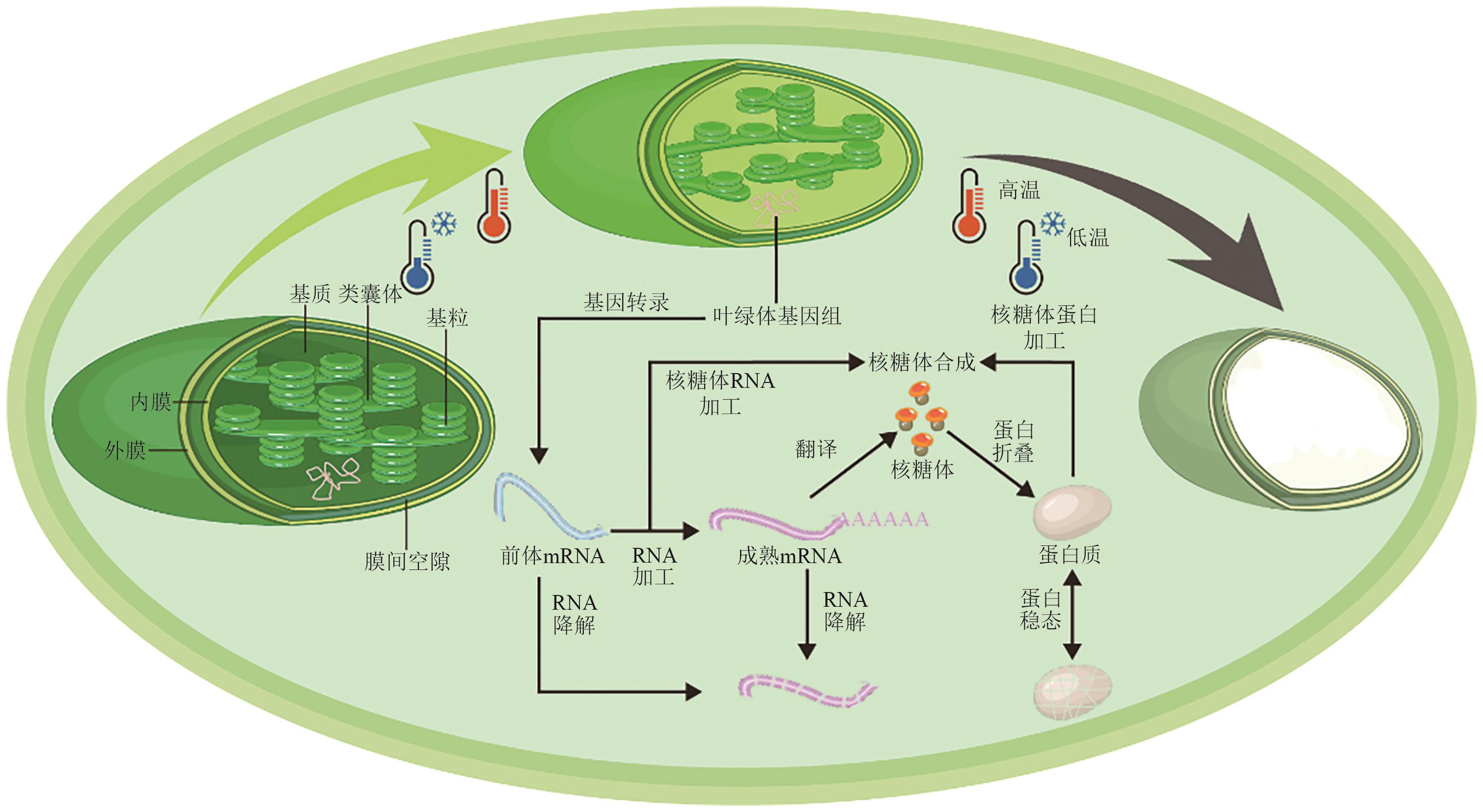
Fig. 1 Temperature regulation of chloroplast development
突变体 Mutant | 类型 Type | 基因 Gene | 通路 Pathway | 蛋白功能 Protein function | 物种 Species | 温度 Temperature (℃) | 参考文献 Reference |
|---|---|---|---|---|---|---|---|
| 近等基因系Thermo-tolerance3WYJ | - | TT3.2 | - | 未知功能的跨膜蛋白,定位于叶绿体类囊体 | 水稻 | 42 | [ |
| albino embryo and seedling | 白化 | AES | 基因转录 | PPR蛋白,RNA剪接 | 拟南芥 | - | [ |
| rice albino 1 | 白化 | RA1 | 蛋白翻译 | 氨酰tRNA合成酶,蛋白合成相关 | 水稻 | - | [ |
| albino leaf 1 | 白化 | AL1 | 核糖体合成 | 八肽重复蛋白,调节核糖体RNA和核糖体蛋白的稳态 | 水稻 | - | [ |
| albino leaf 2 | 白化 | AL2 | RNA加工 | 叶绿体I型和II型内含子剪接 | 水稻 | - | [ |
| CN19M06 | 白化 返绿 | TSCA1 | - | 定位于2A染色体长臂6.5 Mb的区间内,有111个注释基因 | 小麦 | 15 | [ |
| tic100cue8 | 返绿 | TIC100 | 蛋白稳态 | 叶绿体TIC蛋白,参与叶绿体蛋白质输入,影响逆行信号 | 拟南芥 | - | [ |
| white green leaf 2 | 白化 返绿 | WGL2 | 核糖体合成 | 定位于叶绿体的核糖体蛋白 | 水稻 | - | [ |
| thermo-sensitive virescent 2 | 白化 返绿 | TSV2 | 蛋白翻译 | 氨酰tRNA合成酶 | 水稻 | 20 24 28 | [ |
| virescent 2 | 返绿 | V2 | 核苷酸代谢 | 鸟苷酸激酶 | 水稻 | 20 | [ |
| cde4 | 白化 返绿 | CDE4 | RNA加工 | PPR蛋白,叶绿体RNA剪切 | 水稻 | 20 | [ |
| delayed virescence 4 | 返绿 | DV4 | - | 定位于7D染色体短臂1.46 Mb的区间内,有3个注释基因 | 小麦 | - | [ |
| ch1 | 褪绿 | CAO | 色素代谢 | 叶绿素合成 | 拟南芥 | - | [ |
| yellow leaf color 1 | 褪绿 | YL1 | - | 定位于7D染色体8.75 Mb的区间内,有110个注释基因 | 小麦 | - | [ |
| chlorophyll | 褪绿 | TaCHLI-7D | 色素代谢 | 镁螯合酶I亚基,叶绿素合成 | 小麦 | - | [ |
| wsl3 | 条纹 | WSL3 | 基因转录 | PPR蛋白,PEP活性 | 水稻 | 25 | [ |
| wlp2s, wlp2w | 条纹 | WLP2 | 基因转录 | PEP转录相关 | 水稻 | 32 | [ |
| wsl4 | 条纹 | WSL4 | RNA加工 | PPR蛋白,参与II型内含子剪接 | 水稻 | 20 | [ |
| young seedling stripe1 | 条纹 | YSS1 | 基因转录 | DUF3727家族蛋白,参与调控PEP活性 | 水稻 | 20 | [ |
| wsl5 | 条纹 | WSL5 | RNA加工 | PPR蛋白,RNA编辑和剪接 | 水稻 | 20 | [ |
| wsl6 | 条纹 | WSL6 | 核糖体合成 | GTP结合蛋白,核糖体合成 | 水稻 | 20 | [ |
| wsl9 | 条纹 | WSL9 | RNA加工 | HNH内切酶,编辑效率 | 水稻 | 20 | [ |
| young leaf white stripe | 条纹 | YLWS | RNA加工 | PPR蛋白,参与II型内含子剪接 | 水稻 | 20 | [ |
| B03S | 斑马纹 | - | 色素代谢 | 未知基因,可能与玉米黄素合成有关 | 水稻 | - | [ |
| brittle culm and zebra leaf 1 | 斑马纹 | BZ1 | 糖代谢 | UDP-半乳糖/葡萄糖差向异构酶 | 水稻 | - | [ |
| zebra leaf 15 | 斑马纹 | Z15 | - | 受体激酶 | 水稻 | 18 | [ |
| white kernel mutant 3735 | 斑马纹 | ZmPTOX1 | 色素代谢 | 类胡萝卜素合成 | 玉米 | - | [ |
| zebra7 | 斑马纹 | ZB7 | 色素代谢 | MEP途径 | 玉米 | 32 | [ |
| thermo-sensitive chlorophyll-deficient mutant 1 | 白化 | TCM1 | 基因转录 | PEP转录相关 | 水稻 | 20 | [ |
| tcd12 | 白化 | TCD12/ SIG2A | 基因转录 | RNA聚合酶Sigma因子 | 水稻 | 23 | [ |
| Dular | 白化 | DUA1 | 基因转录 RNA加工 | PPR蛋白,与SIG1和WSP1互作分别介导叶绿体基因表达和RNA编辑 | 水稻 | 18 | [ |
| low-temperature-sensitive | 白化 | OsPUS1 | RNA加工 | 叶绿体核糖体RNA的假尿苷化修饰 | 水稻 | 20 | [ |
| temperature-sensitive chlorophyll-deficient 11 | 白化 | TSCD11 | 蛋白翻译 | 氨酰tRNA合成酶,蛋白合成相关 | 水稻 | 35 | [ |
| tcd9 | 白化 | TCD9 | 蛋白折叠 蛋白稳态 | 伴侣蛋白,质体分裂 | 水稻 | 20 | [ |
| T-DNA插入突变体oshsp70cp1 | 褪绿 | HSP70CP1 | 蛋白折叠 蛋白稳态 | 蛋白转运与组装 | 水稻 | 37 | [ |
| yellow variegated1 | 不均匀的褪绿 | FtsH5/VAR1 | 蛋白稳态 | FtsH蛋白酶,光系统稳定性 | 拟南芥 | - | [ |
| yellow variegated2 | 不均匀的褪绿 | FtsH2/VAR2 | 蛋白稳态 | FtsH蛋白酶,光系统稳定性 | 拟南芥 | 8 | [ |
| thermosensitive 36 | 褪绿 | FtsH11 | 蛋白稳态 | FtsH蛋白酶,光反应蛋白复合体稳定性 | 拟南芥 | 30 | [ |
| SALK_033047 | 褪绿 | FtsH11 | 蛋白稳态 | FtsH蛋白酶,光反应蛋白复合体稳定性 | 拟南芥 | 26 | [ |
| T-DNA插入突变体Salk_028162C | 白化 | AT3G06730 | - | 水稻硫氧还蛋白WP2同源蛋白 | 拟南芥 | 22 | [ |
| white panicle2 | 白化 | WP2 | RNA加工 | 硫氧还蛋白,叶绿体RNA编辑 | 水稻 | 35 | [ |
| tcd5 | 白化 返绿 | TCD5 | 基因转录 | 氧化还原蛋白,单加氧酶,叶绿体基因表达 | 水稻 | 20 | [ |
| temperature-sensitive virescent | 白化 返绿 | TSV | 基因转录 | 氧化还原蛋白,与TrxZ相互作用,PEP转录相关 | 水稻 | 20 | [ |
| white stripe leaf | 条纹 | WSL | 基因转录 | PPR蛋白,PEP基因转录 | 水稻 | 20 | [ |
| suppressor of ospus1-1 10 | 白化 | SOP10 | RNA加工 | PPR蛋白,调控线粒体RNA剪接和编辑 | 水稻 | 22 | [ |
| virescent-1 | 返绿 | V1/NUS1 | RNA降解 | 细菌转录终止抑制子,叶绿体RNA代谢 | 水稻 | 20 | [ |
| RNAi株系 | 褪绿 | CRP1 | RNA降解 | mRNA稳定性 | 水稻 | 4 | [ |
| umpk | 褪绿 | UMPK | 核苷酸代谢 | 尿苷5′-单磷酸激酶 | 水稻 | 6 | [ |
| virescent 3 | 返绿 | V3 | 核苷酸代谢 | 核糖核苷酸还原酶大亚基,叶绿体DNA合成 | 水稻 | 20 | [ |
| wsl12 | 条纹 | WSL12 | 核苷酸代谢 | 核苷二磷酸激酶 | 水稻 | 22 34 | [ |
| stripe and drooping leaf | 条纹 | SDL/ RNRS1 | 核苷酸代谢 | 核糖核苷酸还原酶小亚基 | 水稻 | 20 | [ |
| temperature-sensitive chlorophyll-deficient 3 | 白化 | TCD3 | 核苷酸代谢 | 假尿苷合酶,叶绿体RNA代谢,RNA修饰 | 水稻 | 20 | [ |
| pale-green leaf 12 | 褪绿 | PGL12 | 核糖体合成 | PPR蛋白,叶绿体16S rRNA加工 | 水稻 | 20 | [ |
| tcd11 | 白化 | TCD11 | 核糖体合成 | 叶绿体核糖体亚基 | 水稻 | 20 | [ |
| white leaf and panicles 1 | 返绿 | WLP1 | 核糖体合成 | 核糖体L13蛋白 | 水稻 | 23 | [ |
| tcm5 | 白化 | TCM5 | 蛋白稳态 | 蛋白酶,光合系统II保护 | 水稻 | 32 | [ |
| RNAi株系 | 褪绿 | NOA1 | 蛋白翻译 核糖体合成 | YqeH同源蛋白,叶绿体中核糖体组装和蛋白翻译 | 水稻 | 22 | [ |
| chlorophyll deficient 1 | 褪绿 | CDE1/GluRS | 蛋白翻译 | tRNA合酶,蛋白合成 | 水稻 | 32 | [ |
| XN1376B | 白化 返绿 | - | - | - | 小麦 | - | [ |
| Zm-murE-2 | 白化 | MurE | 基因转录 | PEP活性,叶绿体逆行信号 | 玉米 | - | [ |
| ppr5-1 | 白化 | PPR5 | 基因转录 | PPR蛋白,叶绿体逆行信号 | 玉米 | - | [ |
| hsp21 | 褪绿 | HSP21 | 基因转录 | PEP功能,与pTAC5互作 | 拟南芥 | 30 | [ |
| RNAi株系 | 褪绿 | pTAC5 | 基因转录 | 质体转录活性染色质蛋白 | 拟南芥 | 30 | [ |
cp29a cp31a | 褪绿 | CP29ACP31A | RNA降解 | RNA结合蛋白,RNA稳定性和加工 | 拟南芥 | 8 | [ |
| thermo-sensitive mutant in leafcolor 1 | 褪绿 | DG1/TSL1 | RNA加工 | PPR蛋白,叶绿体RNA编辑和剪切,MORF2,DYW1,DYW2互作 | 拟南芥 | 29 | [ |
| T-DNA插入突变体rare1-1,rare1-2 | 褪绿 | RARE1 | RNA加工 | PPR蛋白,通过RNA编辑影响脂肪酸合成 | 拟南芥 | 28 | [ |
| thermo-sensitive mutant in leafcolor 2 | 褪绿 | FtsHi5/TSL2 | 蛋白稳态 | 叶绿体蛋白输入复合体成员 | 拟南芥 | 16 | [ |
| ggps1-2, ggps1-3 | 褪绿 | GGPS1 | 色素代谢 | 叶绿素合成途径 | 拟南芥 | 27 | [ |
| gun5-1 | 褪绿 | GUN5 | 色素代谢 | 镁离子螯合酶,质核信号穿梭 | 拟南芥 | 4 | [ |
| paleface1 | 褪绿 | PFC1 | 核糖体合成 | rRNA腺嘌呤去甲基化酶,核糖体合成 | 拟南芥 | 5 | [ |
| rbd1-1 | 褪绿 | RBD1 | 核糖体合成 | RNA结合蛋白,23S rRNA加工 | 拟南芥 | 4 | [ |
| rps1 | 白化 | RPS1 | 核糖体合成 | 叶绿体核糖体蛋白 | 拟南芥 | 38 | [ |
| rps5 | 褪绿 | RPS5 | 核糖体合成 | 叶绿体核糖体功能 | 拟南芥 | 4 | [ |
| crass-1, crass-2 | 褪绿 | CRASS | 蛋白翻译 | 核糖体相关蛋白,叶绿体蛋白翻译效率 | 拟南芥 | 4 | [ |
| svr3-1 | 褪绿 | SVR3 | 蛋白翻译 | 翻译延伸因子 | 拟南芥 | 8 | [ |
Table 1 Genes cloned in leaf-color mutants and functions of their encoded proteins
突变体 Mutant | 类型 Type | 基因 Gene | 通路 Pathway | 蛋白功能 Protein function | 物种 Species | 温度 Temperature (℃) | 参考文献 Reference |
|---|---|---|---|---|---|---|---|
| 近等基因系Thermo-tolerance3WYJ | - | TT3.2 | - | 未知功能的跨膜蛋白,定位于叶绿体类囊体 | 水稻 | 42 | [ |
| albino embryo and seedling | 白化 | AES | 基因转录 | PPR蛋白,RNA剪接 | 拟南芥 | - | [ |
| rice albino 1 | 白化 | RA1 | 蛋白翻译 | 氨酰tRNA合成酶,蛋白合成相关 | 水稻 | - | [ |
| albino leaf 1 | 白化 | AL1 | 核糖体合成 | 八肽重复蛋白,调节核糖体RNA和核糖体蛋白的稳态 | 水稻 | - | [ |
| albino leaf 2 | 白化 | AL2 | RNA加工 | 叶绿体I型和II型内含子剪接 | 水稻 | - | [ |
| CN19M06 | 白化 返绿 | TSCA1 | - | 定位于2A染色体长臂6.5 Mb的区间内,有111个注释基因 | 小麦 | 15 | [ |
| tic100cue8 | 返绿 | TIC100 | 蛋白稳态 | 叶绿体TIC蛋白,参与叶绿体蛋白质输入,影响逆行信号 | 拟南芥 | - | [ |
| white green leaf 2 | 白化 返绿 | WGL2 | 核糖体合成 | 定位于叶绿体的核糖体蛋白 | 水稻 | - | [ |
| thermo-sensitive virescent 2 | 白化 返绿 | TSV2 | 蛋白翻译 | 氨酰tRNA合成酶 | 水稻 | 20 24 28 | [ |
| virescent 2 | 返绿 | V2 | 核苷酸代谢 | 鸟苷酸激酶 | 水稻 | 20 | [ |
| cde4 | 白化 返绿 | CDE4 | RNA加工 | PPR蛋白,叶绿体RNA剪切 | 水稻 | 20 | [ |
| delayed virescence 4 | 返绿 | DV4 | - | 定位于7D染色体短臂1.46 Mb的区间内,有3个注释基因 | 小麦 | - | [ |
| ch1 | 褪绿 | CAO | 色素代谢 | 叶绿素合成 | 拟南芥 | - | [ |
| yellow leaf color 1 | 褪绿 | YL1 | - | 定位于7D染色体8.75 Mb的区间内,有110个注释基因 | 小麦 | - | [ |
| chlorophyll | 褪绿 | TaCHLI-7D | 色素代谢 | 镁螯合酶I亚基,叶绿素合成 | 小麦 | - | [ |
| wsl3 | 条纹 | WSL3 | 基因转录 | PPR蛋白,PEP活性 | 水稻 | 25 | [ |
| wlp2s, wlp2w | 条纹 | WLP2 | 基因转录 | PEP转录相关 | 水稻 | 32 | [ |
| wsl4 | 条纹 | WSL4 | RNA加工 | PPR蛋白,参与II型内含子剪接 | 水稻 | 20 | [ |
| young seedling stripe1 | 条纹 | YSS1 | 基因转录 | DUF3727家族蛋白,参与调控PEP活性 | 水稻 | 20 | [ |
| wsl5 | 条纹 | WSL5 | RNA加工 | PPR蛋白,RNA编辑和剪接 | 水稻 | 20 | [ |
| wsl6 | 条纹 | WSL6 | 核糖体合成 | GTP结合蛋白,核糖体合成 | 水稻 | 20 | [ |
| wsl9 | 条纹 | WSL9 | RNA加工 | HNH内切酶,编辑效率 | 水稻 | 20 | [ |
| young leaf white stripe | 条纹 | YLWS | RNA加工 | PPR蛋白,参与II型内含子剪接 | 水稻 | 20 | [ |
| B03S | 斑马纹 | - | 色素代谢 | 未知基因,可能与玉米黄素合成有关 | 水稻 | - | [ |
| brittle culm and zebra leaf 1 | 斑马纹 | BZ1 | 糖代谢 | UDP-半乳糖/葡萄糖差向异构酶 | 水稻 | - | [ |
| zebra leaf 15 | 斑马纹 | Z15 | - | 受体激酶 | 水稻 | 18 | [ |
| white kernel mutant 3735 | 斑马纹 | ZmPTOX1 | 色素代谢 | 类胡萝卜素合成 | 玉米 | - | [ |
| zebra7 | 斑马纹 | ZB7 | 色素代谢 | MEP途径 | 玉米 | 32 | [ |
| thermo-sensitive chlorophyll-deficient mutant 1 | 白化 | TCM1 | 基因转录 | PEP转录相关 | 水稻 | 20 | [ |
| tcd12 | 白化 | TCD12/ SIG2A | 基因转录 | RNA聚合酶Sigma因子 | 水稻 | 23 | [ |
| Dular | 白化 | DUA1 | 基因转录 RNA加工 | PPR蛋白,与SIG1和WSP1互作分别介导叶绿体基因表达和RNA编辑 | 水稻 | 18 | [ |
| low-temperature-sensitive | 白化 | OsPUS1 | RNA加工 | 叶绿体核糖体RNA的假尿苷化修饰 | 水稻 | 20 | [ |
| temperature-sensitive chlorophyll-deficient 11 | 白化 | TSCD11 | 蛋白翻译 | 氨酰tRNA合成酶,蛋白合成相关 | 水稻 | 35 | [ |
| tcd9 | 白化 | TCD9 | 蛋白折叠 蛋白稳态 | 伴侣蛋白,质体分裂 | 水稻 | 20 | [ |
| T-DNA插入突变体oshsp70cp1 | 褪绿 | HSP70CP1 | 蛋白折叠 蛋白稳态 | 蛋白转运与组装 | 水稻 | 37 | [ |
| yellow variegated1 | 不均匀的褪绿 | FtsH5/VAR1 | 蛋白稳态 | FtsH蛋白酶,光系统稳定性 | 拟南芥 | - | [ |
| yellow variegated2 | 不均匀的褪绿 | FtsH2/VAR2 | 蛋白稳态 | FtsH蛋白酶,光系统稳定性 | 拟南芥 | 8 | [ |
| thermosensitive 36 | 褪绿 | FtsH11 | 蛋白稳态 | FtsH蛋白酶,光反应蛋白复合体稳定性 | 拟南芥 | 30 | [ |
| SALK_033047 | 褪绿 | FtsH11 | 蛋白稳态 | FtsH蛋白酶,光反应蛋白复合体稳定性 | 拟南芥 | 26 | [ |
| T-DNA插入突变体Salk_028162C | 白化 | AT3G06730 | - | 水稻硫氧还蛋白WP2同源蛋白 | 拟南芥 | 22 | [ |
| white panicle2 | 白化 | WP2 | RNA加工 | 硫氧还蛋白,叶绿体RNA编辑 | 水稻 | 35 | [ |
| tcd5 | 白化 返绿 | TCD5 | 基因转录 | 氧化还原蛋白,单加氧酶,叶绿体基因表达 | 水稻 | 20 | [ |
| temperature-sensitive virescent | 白化 返绿 | TSV | 基因转录 | 氧化还原蛋白,与TrxZ相互作用,PEP转录相关 | 水稻 | 20 | [ |
| white stripe leaf | 条纹 | WSL | 基因转录 | PPR蛋白,PEP基因转录 | 水稻 | 20 | [ |
| suppressor of ospus1-1 10 | 白化 | SOP10 | RNA加工 | PPR蛋白,调控线粒体RNA剪接和编辑 | 水稻 | 22 | [ |
| virescent-1 | 返绿 | V1/NUS1 | RNA降解 | 细菌转录终止抑制子,叶绿体RNA代谢 | 水稻 | 20 | [ |
| RNAi株系 | 褪绿 | CRP1 | RNA降解 | mRNA稳定性 | 水稻 | 4 | [ |
| umpk | 褪绿 | UMPK | 核苷酸代谢 | 尿苷5′-单磷酸激酶 | 水稻 | 6 | [ |
| virescent 3 | 返绿 | V3 | 核苷酸代谢 | 核糖核苷酸还原酶大亚基,叶绿体DNA合成 | 水稻 | 20 | [ |
| wsl12 | 条纹 | WSL12 | 核苷酸代谢 | 核苷二磷酸激酶 | 水稻 | 22 34 | [ |
| stripe and drooping leaf | 条纹 | SDL/ RNRS1 | 核苷酸代谢 | 核糖核苷酸还原酶小亚基 | 水稻 | 20 | [ |
| temperature-sensitive chlorophyll-deficient 3 | 白化 | TCD3 | 核苷酸代谢 | 假尿苷合酶,叶绿体RNA代谢,RNA修饰 | 水稻 | 20 | [ |
| pale-green leaf 12 | 褪绿 | PGL12 | 核糖体合成 | PPR蛋白,叶绿体16S rRNA加工 | 水稻 | 20 | [ |
| tcd11 | 白化 | TCD11 | 核糖体合成 | 叶绿体核糖体亚基 | 水稻 | 20 | [ |
| white leaf and panicles 1 | 返绿 | WLP1 | 核糖体合成 | 核糖体L13蛋白 | 水稻 | 23 | [ |
| tcm5 | 白化 | TCM5 | 蛋白稳态 | 蛋白酶,光合系统II保护 | 水稻 | 32 | [ |
| RNAi株系 | 褪绿 | NOA1 | 蛋白翻译 核糖体合成 | YqeH同源蛋白,叶绿体中核糖体组装和蛋白翻译 | 水稻 | 22 | [ |
| chlorophyll deficient 1 | 褪绿 | CDE1/GluRS | 蛋白翻译 | tRNA合酶,蛋白合成 | 水稻 | 32 | [ |
| XN1376B | 白化 返绿 | - | - | - | 小麦 | - | [ |
| Zm-murE-2 | 白化 | MurE | 基因转录 | PEP活性,叶绿体逆行信号 | 玉米 | - | [ |
| ppr5-1 | 白化 | PPR5 | 基因转录 | PPR蛋白,叶绿体逆行信号 | 玉米 | - | [ |
| hsp21 | 褪绿 | HSP21 | 基因转录 | PEP功能,与pTAC5互作 | 拟南芥 | 30 | [ |
| RNAi株系 | 褪绿 | pTAC5 | 基因转录 | 质体转录活性染色质蛋白 | 拟南芥 | 30 | [ |
cp29a cp31a | 褪绿 | CP29ACP31A | RNA降解 | RNA结合蛋白,RNA稳定性和加工 | 拟南芥 | 8 | [ |
| thermo-sensitive mutant in leafcolor 1 | 褪绿 | DG1/TSL1 | RNA加工 | PPR蛋白,叶绿体RNA编辑和剪切,MORF2,DYW1,DYW2互作 | 拟南芥 | 29 | [ |
| T-DNA插入突变体rare1-1,rare1-2 | 褪绿 | RARE1 | RNA加工 | PPR蛋白,通过RNA编辑影响脂肪酸合成 | 拟南芥 | 28 | [ |
| thermo-sensitive mutant in leafcolor 2 | 褪绿 | FtsHi5/TSL2 | 蛋白稳态 | 叶绿体蛋白输入复合体成员 | 拟南芥 | 16 | [ |
| ggps1-2, ggps1-3 | 褪绿 | GGPS1 | 色素代谢 | 叶绿素合成途径 | 拟南芥 | 27 | [ |
| gun5-1 | 褪绿 | GUN5 | 色素代谢 | 镁离子螯合酶,质核信号穿梭 | 拟南芥 | 4 | [ |
| paleface1 | 褪绿 | PFC1 | 核糖体合成 | rRNA腺嘌呤去甲基化酶,核糖体合成 | 拟南芥 | 5 | [ |
| rbd1-1 | 褪绿 | RBD1 | 核糖体合成 | RNA结合蛋白,23S rRNA加工 | 拟南芥 | 4 | [ |
| rps1 | 白化 | RPS1 | 核糖体合成 | 叶绿体核糖体蛋白 | 拟南芥 | 38 | [ |
| rps5 | 褪绿 | RPS5 | 核糖体合成 | 叶绿体核糖体功能 | 拟南芥 | 4 | [ |
| crass-1, crass-2 | 褪绿 | CRASS | 蛋白翻译 | 核糖体相关蛋白,叶绿体蛋白翻译效率 | 拟南芥 | 4 | [ |
| svr3-1 | 褪绿 | SVR3 | 蛋白翻译 | 翻译延伸因子 | 拟南芥 | 8 | [ |
| [1] | Croce R, Carmo-Silva E, Cho YB, et al. Perspectives on improving photosynthesis to increase crop yield [J]. Plant Cell, 2024, 36(10): 3944-3973. |
| [2] | Ort DR, Merchant SS, Alric J, et al. Redesigning photosynthesis to sustainably meet global food and bioenergy demand [J]. Proc Natl Acad Sci USA, 2015, 112(28): 8529-8536. |
| [3] | Sánchez-Baracaldo P, Cardona T. On the origin of oxygenic photosynthesis and cyanobacteria [J]. New Phytol, 2020, 225(4): 1440-1446. |
| [4] | Reyes-Prieto A, Weber APM, Bhattacharya D. The origin and establishment of the plastid in algae and plants [J]. Annu Rev Genet, 2007, 41: 147-168. |
| [5] | Li HM, Chiu CC. Protein transport into chloroplasts [J]. Annu Rev Plant Biol, 2010, 61: 157-180. |
| [6] | Cackett L, Luginbuehl LH, Schreier TB, et al. Chloroplast development in green plant tissues: the interplay between light, hormone, and transcriptional regulation [J]. New Phytol, 2022, 233(5): 2000-2016. |
| [7] | Kirchhoff H. Chloroplast ultrastructure in plants [J]. New Phytol, 2019, 223(2): 565-574. |
| [8] | Liu XM, Zhou YL, Xiao JW, et al. Effects of chilling on the structure, function and development of chloroplasts [J]. Front Plant Sci, 2018, 9: 1715. |
| [9] | Nelson N, Ben-Shem A. The complex architecture of oxygenic photosynthesis [J]. Nat Rev Mol Cell Biol, 2004, 5(12): 971-982. |
| [10] | Gurrieri L, Fermani S, Zaffagnini M, et al. Calvin-Benson cycle regulation is getting complex [J]. Trends Plant Sci, 2021, 26(9): 898-912. |
| [11] | Wang P, Grimm B. Connecting chlorophyll metabolism with accumulation of the photosynthetic apparatus [J]. Trends Plant Sci, 2021, 26(5): 484-495. |
| [12] | Zhuang XH, Jiang LW. Chloroplast degradation: multiple routes into the vacuole [J]. Front Plant Sci, 2019, 10: 359. |
| [13] | Loudya N, Mishra P, Takahagi K, et al. Cellular and transcriptomic analyses reveal two-staged chloroplast biogenesis underpinning photosynthesis build-up in the wheat leaf [J]. Genome Biol, 2021, 22(1): 151. |
| [14] | Lopez-Juez E, Pyke KA. Plastids unleashed: their development and their integration in plant development [J]. Int J Dev Biol, 2005, 49(5/6): 557-577. |
| [15] | Liebers M, Grübler B, Chevalier F, et al. Regulatory shifts in plastid transcription play a key role in morphological conversions of plastids during plant development [J]. Front Plant Sci, 2017, 8: 23. |
| [16] | Venzhik YV, Titov AF, Talanova VV, et al. Ultrastructure and functional activity of chloroplasts in wheat leaves under root chilling [J]. Acta Physiol Plant, 2014, 36(2): 323-330. |
| [17] | Holá D, Kutík J, Kočová M, et al. Low-temperature induced changes in the ultrastructure of maize mesophyll chloroplasts strongly depend on the chilling pattern/intensity and considerably differ among inbred and hybrid genotypes [J]. Photosynthetica, 2008, 46(3): 329-338. |
| [18] | Kutík J, Holá D, Kočová M, et al. Ultrastructure and dimensions of chloroplasts in leaves of three maize (Zea mays L.) inbred lines and their F1 hybrids grown under moderate chilling stress [J]. Photosynthetica, 2004, 42(3): 447-455. |
| [19] | Peng XJ, Teng LH, Yan XQ, et al. The cold responsive mechanism of the paper mulberry: decreased photosynthesis capacity and increased starch accumulation [J]. BMC Genomics, 2015, 16: 898. |
| [20] | Zhang H, Zhou JF, Kan Y, et al. A genetic module at one locus in rice protects chloroplasts to enhance thermotolerance [J]. Science, 2022, 376(6599): 1293-1300. |
| [21] | Li JY, Yang C, Tian YY, et al. Regulation of chloroplast development and function at adverse temperatures in plants [J]. Plant Cell Physiol, 2022, 63(5): 580-591. |
| [22] | An HQ, Ke XL, Li L, et al. Albino embryo and seedling is required for RNA splicing and chloroplast homeostasis in Arabidopsis [J]. Plant Physiol, 2023, 193(1): 483-501. |
| [23] | Zheng H, Wang ZR, Tian YL, et al. Rice albino 1, encoding a glycyl-tRNA synthetase, is involved in chloroplast development and establishment of the plastidic ribosome system in rice [J]. Plant Physiol Biochem, 2019, 139: 495-503. |
| [24] | Zhang ZM, Tan JJ, Shi ZY, et al. Albino Leaf1 that encodes the sole octotricopeptide repeat protein is responsible for chloroplast development [J]. Plant Physiol, 2016, 171(2): 1182-1191. |
| [25] | Liu CH, Zhu HT, Xing Y, et al. Albino Leaf 2 is involved in the splicing of chloroplast group I and II introns in rice [J]. J Exp Bot, 2016, 67(18): 5339-5347. |
| [26] | Zhong SF, Yang H, Chen C, et al. Phenotypic characterization of the wheat temperature-sensitive leaf color mutant and physical mapping of mutant gene by reduced-representation sequencing [J]. Plant Sci, 2023, 330: 111657. |
| [27] | Loudya N, Maffei DPF, Bédard J, et al. Mutations in the chloroplast inner envelope protein TIC100 impair and repair chloroplast protein import and impact retrograde signaling [J]. Plant Cell, 2022, 34(8): 3028-3046. |
| [28] | Qiu ZN, Chen DD, He L, et al. The rice white green leaf 2 gene causes defects in chloroplast development and affects the plastid ribosomal protein S9 [J]. Rice, 2018, 11(1): 39. |
| [29] | Lin DZ, Zhou WH, Wang YL, et al. Rice TSV2 encoding threonyl-tRNA synthetase is needed for early chloroplast development and seedling growth under cold stress [J]. G3, 2021, 11(9): jkab196. |
| [30] | Sugimoto H, Kusumi K, Noguchi K, et al. The rice nuclear gene, VIRESCENT 2, is essential for chloroplast development and encodes a novel type of guanylate kinase targeted to plastids and mitochondria [J]. Plant J, 2007, 52(3): 512-527. |
| [31] | Liu XY, Zhang XC, Cao RJ, et al. CDE4 encodes a pentatricopeptide repeat protein involved in chloroplast RNA splicing and affects chloroplast development under low-temperature conditions in rice [J]. J Integr Plant Biol, 2021, 63(10): 1724-1739. |
| [32] | Zhang PP, Wang T, Yao ZP, et al. Fine mapping of leaf delayed virescence gene dv4 in Triticum aestivum [J]. Gene, 2024, 910: 148277. |
| [33] | Zhang PP, Ni YJ, Jiao ZX, et al. The wheat leaf delayed virescence of mutant dv4 is associated with the abnormal photosynthetic and antioxidant systems [J]. Gene, 2023, 856: 147134. |
| [34] | Wójtowicz J, Jagielski AK, Mostowska A, et al. Compensation mechanism of the photosynthetic apparatus in Arabidopsis thaliana ch1 mutants [J]. Int J Mol Sci, 2020, 22(1): 221. |
| [35] | Zhao L, Yang YL, Hu PY, et al. Genetic mapping and analysis of candidate leaf color genes in common winter wheat (Triticum aestivum L.) [J]. Mol Breed, 2023, 43(6): 48. |
| [36] | Wang ZX, Xu HY, Wang FX, et al. EMS-induced missense mutation in TaCHLI-7D affects leaf color and yield-related traits in wheat [J]. Theor Appl Genet, 2024, 137(10): 223. |
| [37] | Qi F, Xing PY, Sun YC, et al. Deletion of the gene encoding the magnesium chelatase I subunit resulted in a novel wheat leaf colour mutant [J]. Plant Biotechnol J, 2025. |
| [38] | Wang LW, Wang CM, Wang YH, et al. WSL3, a component of the plastid-encoded plastid RNA polymerase, is essential for early chloroplast development in rice [J]. Plant Mol Biol, 2016, 92(4-5): 581-595. |
| [39] | Lv YS, Shao GN, Qiu JH, et al. White Leaf and Panicle 2, encoding a PEP-associated protein, is required for chloroplast biogenesis under heat stress in rice [J]. J Exp Bot, 2017, 68(18): 5147-5160. |
| [40] | Wang Y, Ren YL, Zhou KN, et al. WHITE STRIPE LEAF4 encodes a novel P-type PPR protein required for chloroplast biogenesis during early leaf development [J]. Front Plant Sci, 2017, 8: 1116. |
| [41] | Zhou KN, Ren YL, Zhou F, et al. Young Seedling Stripe1 encodes a chloroplast nucleoid-associated protein required for chloroplast development in rice seedlings [J]. Planta, 2017, 245(1): 45-60. |
| [42] | Liu X, Lan J, Huang YS, et al. WSL5, a pentatricopeptide repeat protein, is essential for chloroplast biogenesis in rice under cold stress [J]. J Exp Bot, 2018, 69(16): 3949-3961. |
| [43] | Sun YL, Tian YL, Cheng SH, et al. WSL6 encoding an Era-type GTP-binding protein is essential for chloroplast development in rice [J]. Plant Mol Biol, 2019, 100(6): 635-645. |
| [44] | Zhu XJ, Mou CL, Zhang FL, et al. WSL9 encodes an HNH endonuclease domain-containing protein that is essential for early chloroplast development in rice [J]. Rice, 2020, 13(1): 45. |
| [45] | Lan J, Lin QB, Zhou CL, et al. Young Leaf White Stripe encodes a P-type PPR protein required for chloroplast development [J]. J Integr Plant Biol, 2023, 65(7): 1687-1702. |
| [46] | Hao QY, Zhang GW, Zuo XL, et al. Cia Zeaxanthin biosynthesis, OsZEP and OsVDE regulate striped leaves occurring in response to deep transplanting of rice [J]. Int J Mol Sci, 2022, 23(15): 8340. |
| [47] | Liu ST, Tang YJ, Ruan N, et al. The rice BZ1 locus is required for glycosylation of Arabinogalactan proteins and galactolipid and plays a role in both mechanical strength and leaf color [J]. Rice, 2020, 13(1): 41. |
| [48] | Feng P, Shi JQ, Zhang T, et al. Zebra leaf 15, a receptor-like protein kinase involved in moderate low temperature signaling pathway in rice [J]. Rice, 2019, 12(1): 83. |
| [49] | Peng YX, Liang Z, Qing XD, et al. Transcriptome analysis revealed ZmPTOX1 is required for seedling development and stress tolerance in maize [J]. Plants, 2024, 13(17): 2346. |
| [50] | Peng YX, Liang Z, Cai MH, et al. ZmPTOX1, a plastid terminal oxidase, contributes to redox homeostasis during seed development and germination [J]. Plant J, 2024, 119(1): 460-477. |
| [51] | Lu XM, Hu XJ, Zhao YZ, et al. Map-based cloning of zb7 encoding an IPP and DMAPP synthase in the MEP pathway of maize [J]. Mol Plant, 2012, 5(5): 1100-1112. |
| [52] | Ahrens FM, do Prado PFV, Hillen HS, et al. The plastid-encoded RNA polymerase of plant chloroplasts [J]. Trends Plant Sci, 2025, 30(7): 712-723. |
| [53] | Lin DZ, Zheng KL, Liu ZH, et al. Rice TCM1 encoding a component of the TAC complex is required for chloroplast development under cold stress [J]. Plant Genome, 2018, 11(1). DOI: 10.3835/plantgenome2016.07.0065 . |
| [54] | Yu Y, Zhou ZL, Pu HC, et al. OsSIG2A is required for chloroplast development in rice (Oryza sativa L.) at low temperature by regulating plastid genes expression [J]. Funct Plant Biol, 2019, 46(8): 766-776. |
| [55] | Cui XA, Wang YW, Wu JX, et al. The RNA editing factor DUA1 is crucial to chloroplast development at low temperature in rice [J]. New Phytol, 2019, 221(2): 834-849. |
| [56] | Du YX, Mo WP, Ma TT, et al. A pentatricopeptide repeat protein DUA1 interacts with sigma factor 1 to regulate chloroplast gene expression in rice [J]. Photosynth Res, 2021, 147(2): 131-143. |
| [57] | Wang Z, Sun J, Zu XF, et al. Pseudouridylation of chloroplast ribosomal RNA contributes to low temperature acclimation in rice [J]. New Phytol, 2022, 236(5): 1708-1720. |
| [58] | Liu HJ, Gong X, Deng H, et al. The rice aspartyl-tRNA synthetase YLC3 regulates amino acid homeostasis and chloroplast development under low temperature [J]. Front Plant Sci, 2022, 13: 847364. |
| [59] | Fang GN, Yang SL, Ruan BP, et al. Isolation of TSCD11 gene for early chloroplast development under high temperature in rice [J]. Rice, 2020, 13(1): 49. |
| [60] | Jiang Q, Mei J, Gong XD, et al. Importance of the rice TCD9 encoding α subunit of chaperonin protein 60 (Cpn60α) for the chloroplast development during the early leaf stage [J]. Plant Sci, 2014, 215-216: 172-179. |
| [61] | Kim SR, An G. Rice chloroplast-localized heat shock protein 70, OsHsp70CP1, is essential for chloroplast development under high-temperature conditions [J]. J Plant Physiol, 2013, 170(9): 854-863. |
| [62] | Kato Y, Miura E, Ido K, et al. The variegated mutants lacking chloroplastic FtsHs are defective in D1 degradation and accumulate reactive oxygen species [J]. Plant Physiol, 2009, 151(4): 1790-1801. |
| [63] | Dogra V, Duan JL, Lee KP, et al. Impaired PSII proteostasis triggers a UPR-like response in the var2 mutant of Arabidopsis [J]. J Exp Bot, 2019, 70(12): 3075-3088. |
| [64] | Yue XH, Ke XS, Shi YF, et al. Chloroplast inner envelope protein FtsH11 is involved in the adjustment of assembly of chloroplast ATP synthase under heat stress [J]. Plant Cell Environ, 2023, 46(3): 850-864. |
| [65] | Wagner R, von Sydow L, Aigner H, et al. Deletion of FtsH11 protease has impact on chloroplast structure and function in Arabidopsis thaliana when grown under continuous light [J]. Plant Cell Environ, 2016, 39(11): 2530-2544. |
| [66] | Wang YL, Wang YH, Ren YL, et al. White panicle2 encoding thioredoxin z, regulates plastid RNA editing by interacting with multiple organellar RNA editing factors in rice [J]. New Phytol, 2021, 229(5): 2693-2706. |
| [67] | Arsova B, Hoja U, Wimmelbacher M, et al. Plastidial thioredoxin z interacts with two fructokinase-like proteins in a thiol-dependent manner: evidence for an essential role in chloroplast development in Arabidopsis and Nicotiana benthamiana [J]. Plant Cell, 2010, 22(5): 1498-1515. |
| [68] | Legris M, Klose C, Burgie ES, et al. Phytochrome B integrates light and temperature signals in Arabidopsis [J]. Science, 2016, 354(6314): 897-900. |
| [69] | Jung JH, Domijan M, Klose C, et al. Phytochromes function as thermosensors in Arabidopsis [J]. Science, 2016, 354(6314): 886-889. |
| [70] | Jung JH, Barbosa AD, Hutin S, et al. A prion-like domain in ELF3 functions as a thermosensor in Arabidopsis [J]. Nature, 2020, 585(7824): 256-260. |
| [71] | Chung BYW, Balcerowicz M, Di Antonio M, et al. An RNA thermoswitch regulates daytime growth in Arabidopsis [J]. Nat Plants, 2020, 6(5): 522-532. |
| [72] | Song XG, Meng XB, Guo HY, et al. Targeting a gene regulatory element enhances rice grain yield by decoupling panicle number and size [J]. Nat Biotechnol, 2022, 40(9): 1403-1411. |
| [73] | Sha G, Sun P, Kong XJ, et al. Genome editing of a rice CDP-DAG synthase confers multipathogen resistance [J]. Nature, 2023, 618(7967): 1017-1023. |
| [74] | Wang YF, Zhang JH, Shi XL, et al. Temperature-sensitive albino gene TCD5 encoding a monooxygenase, affects chloroplast development at low temperatures [J]. J Exp Bot, 2016, 67(17): 5187-5202. |
| [75] | Sun J, Zheng TH, Yu J, et al. TSV, a putative plastidic oxidoreductase, protects rice chloroplasts from cold stress during development by interacting with plastidic thioredoxin Z [J]. New Phytol, 2017, 215(1): 240-255. |
| [76] | Tan JJ, Tan ZH, Wu FQ, et al. A novel chloroplast-localized pentatricopeptide repeat protein involved in splicing affects chloroplast development and abiotic stress response in rice [J]. Mol Plant, 2014, 7(8): 1329-1349. |
| [77] | Zu XF, Luo LL, Wang Z, et al. A mitochondrial pentatricopeptide repeat protein enhances cold tolerance by modulating mitochondrial superoxide in rice [J]. Nat Commun, 2023, 14(1): 6789. |
| [78] | Kusumi K, Sakata C, Nakamura T, et al. A plastid protein NUS1 is essential for build-up of the genetic system for early chloroplast development under cold stress conditions [J]. Plant J, 2011, 68(6): 1039-1050. |
| [79] | Bang SW, Lee HS, Park SH, et al. OsCRP1, a ribonucleoprotein gene, regulates chloroplast mRNA stability that confers drought and cold tolerance [J]. Int J Mol Sci, 2021, 22(4): 1673. |
| [80] | Dong Q, Zhang YX, Zhou Q, et al. UMP kinase regulates chloroplast development and cold response in rice [J]. Int J Mol Sci, 2019, 20(9): 2107. |
| [81] | Yoo SC, Cho SH, Sugimoto H, et al. Rice virescent3 and stripe1 encoding the large and small subunits of ribonucleotide reductase are required for chloroplast biogenesis during early leaf development [J]. Plant Physiol, 2009, 150(1): 388-401. |
| [82] | Ye WJ, Hu SK, Wu LW, et al. White stripe leaf 12 (WSL12), encoding a nucleoside diphosphate kinase 2 (OsNDPK2), regulates chloroplast development and abiotic stress response in rice (Oryza sativa L.) [J]. Mol Breed, 2016, 36: 57. |
| [83] | Qin R, Zeng DD, Liang R, et al. Rice gene SDL/RNRS1 encoding the small subunit of ribonucleotide reductase, is required for chlorophyll synthesis and plant growth development [J]. Gene, 2017, 627: 351-362. |
| [84] | Lin DZ, Kong RR, Chen L, et al. Chloroplast development at low temperature requires the pseudouridine synthase gene TCD3 in rice [J]. Sci Rep, 2020, 10(1): 8518. |
| [85] | Chen L, Huang LC, Dai LP, et al. PALE-GREEN LEAF12 encodes a novel pentatricopeptide repeat protein required for chloroplast development and 16S rRNA processing in rice [J]. Plant Cell Physiol, 2019, 60(3): 587-598. |
| [86] | Wang WJ, Zheng KL, Gong XD, et al. The rice TCD11 encoding plastid ribosomal protein S6 is essential for chloroplast development at low temperature [J]. Plant Sci, 2017, 259: 1-11. |
| [87] | Song J, Wei XJ, Shao GN, et al. The rice nuclear gene WLP1 encoding a chloroplast ribosome L13 protein is needed for chloroplast development in rice grown under low temperature conditions [J]. Plant Mol Biol, 2014, 84(3): 301-314. |
| [88] | Zheng KL, Zhao J, Lin DZ, et al. The rice TCM5 gene encoding a novel deg protease protein is essential for chloroplast development under high temperatures [J]. Rice, 2016, 9(1): 13. |
| [89] | He H, Yang QS, Shen BR, et al. OsNOA1 functions in a threshold-dependent manner to regulate chloroplast proteins in rice at lower temperatures [J]. BMC Plant Biol, 2018, 18(1): 44. |
| [90] | Yang QS, He H, Li HY, et al. NOA1 functions in a temperature-dependent manner to regulate chlorophyll biosynthesis and Rubisco formation in rice [J]. PLoS One, 2011, 6(5): e20015. |
| [91] | Liu HJ, Lau E, Lam MPY, et al. OsNOA1/RIF1 is a functional homolog of AtNOA1/RIF1: implication for a highly conserved plant cGTPase essential for chloroplast function [J]. New Phytol, 2010, 187(1): 83-105. |
| [92] | Liu WZ, Fu YP, Hu GC, et al. Identification and fine mapping of a thermo-sensitive chlorophyll deficient mutant in rice (Oryza sativa L.) [J]. Planta, 2007, 226(3): 785-795. |
| [93] | Du JJ, Wang JW, Shan SC, et al. Low-temperature-mediated promoter methylation relates to the expression of TaPOR2D, affecting the level of chlorophyll accumulation in albino wheat (Triticum aestivum L.) [J]. Int J Mol Sci, 2023, 24(19): 14697. |
| [94] | Kendrick R, Chotewutmontri P, Belcher S, et al. Correlated retrograde and developmental regulons implicate multiple retrograde signals as coordinators of chloroplast development in maize [J]. Plant Cell, 2022, 34(12): 4897-4919. |
| [95] | Zhong LL, Zhou W, Wang HJ, et al. Chloroplast small heat shock protein HSP21 interacts with plastid nucleoid protein pTAC5 and is essential for chloroplast development in Arabidopsis under heat stress [J]. Plant Cell, 2013, 25(8): 2925-2943. |
| [96] | Kupsch C, Ruwe H, Gusewski S, et al. Arabidopsis chloroplast RNA binding proteins CP31A and CP29A associate with large transcript pools and confer cold stress tolerance by influencing multiple chloroplast RNA processing steps [J]. Plant Cell, 2012, 24(10): 4266-4280. |
| [97] | Sun JL, Tian YY, Lian QC, et al. Mutation of DELAYED GREENING1 impairs chloroplast RNA editing at elevated ambient temperature in Arabidopsis [J]. J Genet Genom, 2020, 47(4): 201-212. |
| [98] | Huang C, Liu D, Li ZA, et al. The PPR protein RARE1-mediated editing of chloroplast accD transcripts is required for fatty acid biosynthesis and heat tolerance in Arabidopsis [J]. Plant Commun, 2023, 4(1): 100461. |
| [99] | Li JY, Sun JL, Tian YY, et al. The FtsH-inactive protein FtsHi5 is required for chloroplast development and protein accumulation in chloroplasts at low ambient temperature in Arabidopsis [J]. Front Plant Sci, 2022, 12: 830390. |
| [100] | Ruppel NJ, Kropp KN, Davis PA, et al. Mutations in geranylgeranyl diphosphate synthase 1 affect chloroplast development in Arabidopsis thaliana (Brassicaceae) [J]. Am J Bot, 2013, 100(10): 2074-2084. |
| [101] | Kindgren P, Dubreuil C, Strand Å. The recovery of plastid function is required for optimal response to low temperatures in Arabidopsis [J]. PLoS One, 2015, 10(9): e0138010. |
| [102] | Tokuhisa JG, Vijayan P, Feldmann KA, et al. Chloroplast development at low temperatures requires a homolog of DIM1 a yeast gene encoding the 18S rRNA dimethylase [J]. Plant Cell, 1998, 10(5): 699-711. |
| [103] | Wang S, Bai G, Wang S, et al. Chloroplast RNA-binding protein RBD1 promotes chilling tolerance through 23S rRNA processing in Arabidopsis [J]. PLoS Genet, 2016, 12(5): e1006027. |
| [104] | Yu HD, Yang XF, Chen ST, et al. Downregulation of chloroplast RPS1 negatively modulates nuclear heat-responsive expression of HsfA2 and its target genes in Arabidopsis [J]. PLoS Genet, 2012, 8(5): e1002669. |
| [105] | Zhang JX, Yuan H, Yang Y, et al. Plastid ribosomal protein S5 is involved in photosynthesis, plant development, and cold stress tolerance in Arabidopsis [J]. J Exp Bot, 2016, 67(9): 2731-2744. |
| [106] | Pulido P, Zagari N, Manavski N, et al. CHLOROPLAST RIBOSOME ASSOCIATED supports translation under stress and interacts with the ribosomal 30S subunit [J]. Plant Physiol, 2018, 177(4): 1539-1554. |
| [107] | Liu XY, Rodermel SR, Yu F. A var2 leaf variegation suppressor locus, SUPPRESSOR OF VARIEGATION3, encodes a putative chloroplast translation elongation factor that is important for chloroplast development in the cold [J]. BMC Plant Biol, 2010, 10: 287. |
| [1] | LIN Jia-yi, CHEN Qiang, ZHANG Lei, LIU Hong-xin, ZHENG Xiao-ming, PANG Hong-bo. Research Progress in Melatonin in Plant Low-temperature Stress [J]. Biotechnology Bulletin, 2025, 41(7): 37-48. |
| [2] | LI Xin-ni, LI Jun-yi, MA Xue-hua, HE Wei, LI Jia-li, YU Jia, CAO Xiao-ning, QIAO Zhi-jun, LIU Si-chen. Identification of the PMEI Gene Family of Pectin Methylesterase Inhibitor in Foxtail Millet and Analysis of Its Response to Abiotic Stress [J]. Biotechnology Bulletin, 2025, 41(7): 150-163. |
| [3] | HE Wei, LI Jun-yi, LI Xin-ni, MA Xue-hua, XING Yuan, CAO Xiao-ning, QIAO Zhi-ju, LIU Si-chen. Genome-wide Identification of U-box E3 Ubiquitin Ligase Gene Family in Setaria italica and Response Analysis to Abiotic Stress [J]. Biotechnology Bulletin, 2025, 41(5): 104-118. |
| [4] | FENG Xiao-kang, LIANG Qian, WANG Xue-feng, SUN Jie, XUE Fei. Identification of SEC1 Complex Components and Functional Validation of the GhSCY1 Gene in Cotton [J]. Biotechnology Bulletin, 2025, 41(3): 112-122. |
| [5] | WU Xia-ming, YANG Min, ZHOU Chen-ping, KUANG Rui-bin, LIU Chuan-he, HE Han, XU Ze, WEI Yue-rong. Effects of Different Concentrations of Melatonin on the Physiological Characteristics of Strawberry Seedlings under High-temperature Stress [J]. Biotechnology Bulletin, 2025, 41(3): 181-189. |
| [6] | REN Xin-ru, ZHAO Hong-lu, LI Ya-jing, LIU Rong-jun, ZENG Fan-li, WANG Qin-hong, WANG Zhen. Impact of Low-temperature Fermentation with Mixed Microbial Agent on the Quality of Corn Straw Yellow Silage Feeds [J]. Biotechnology Bulletin, 2025, 41(3): 330-342. |
| [7] | LIN Zi-yi, WU Yi-zhou, YE Fang-xian, ZHU Shu-ying, LIU Yan-min, LIU Su-shuang. Functional Analysis of Soybean GmPM31 Gene Promoter Involvement in Response to High Temperature and Humidity Stress [J]. Biotechnology Bulletin, 2025, 41(3): 90-97. |
| [8] | YAN Wei, CHEN Hui-ting, YE Qing, LIU Guang-chao, LIU Xin, HOU Li-xia. Identification of the Grape HCT Gene Family and Their Responses to Low-temperature Stress [J]. Biotechnology Bulletin, 2025, 41(2): 175-186. |
| [9] | WANG Jing, CHANG Xue-rui, JIA Xu, HUANG Jia-xin, WANG Tian-tian, LIANG Yan-ping. Cloning and Fuctional Analysis of CaUBC38 Gene in Pepper [J]. Biotechnology Bulletin, 2025, 41(10): 242-252. |
| [10] | KONG Qing-yang, ZHANG Xiao-long, LI Na, ZHANG Chen-jie, ZHANG Xue-yun, YU Chao, ZHANG Qi-xiang, LUO Le. Identification and Expression Analysis of GRAS Transcription Factor Family in Rosa persica [J]. Biotechnology Bulletin, 2025, 41(1): 210-220. |
| [11] | YUAN Lan, HUANG Ya-nan, ZHANG Bei-ni, XIONG Yu-meng, WANG Hong-yang. High-throughput Sample Preparation Method for the Identification of Potato Ploidy Using Flow Cytometry [J]. Biotechnology Bulletin, 2024, 40(9): 141-147. |
| [12] | JIANG Wen-ping, RAN Qiu-ping, LIU Jia-shu, ZHANG Hui-min, ZHANG Di, JIANG Zheng-bing, LI Hua-nan. Effects of Carbohydrate-binding Modules on the Enzymatic Properties of Xylanase [J]. Biotechnology Bulletin, 2024, 40(5): 269-279. |
| [13] | YU Yong-xia, ZHU Ning, LIU Guang-min, ZHU Long-jiao, XU Wen-tao. Research Progress in Nucleic Acid Molecular Diagnostic Technology for Mycoplasma pneumoniae [J]. Biotechnology Bulletin, 2024, 40(12): 72-83. |
| [14] | ZOU Yong-feng, BAO Zhi-ming, CAO Pan-hui, ZHANG Jia-yuan, GUO Jie-yu, SU Xian-bin, XU Yu, XU Zhi-qiang, GUO Hui. Physiological and Metabolic Mechanisms of Procambarus clarkii in Response to High Temperature Stress [J]. Biotechnology Bulletin, 2024, 40(11): 321-334. |
| [15] | LIU Yu-ling, WANG Meng-yao, SUN Qi, MA Li-hua, ZHU Xin-xia. Effect of RD29A Promoter on the Stress Resistance of Transgenic Tobacco with SikCDPK1 Gene from Saussurea involucrata [J]. Biotechnology Bulletin, 2023, 39(9): 168-175. |
| Viewed | ||||||
|
Full text |
|
|||||
|
Abstract |
|
|||||
