







Biotechnology Bulletin ›› 2025, Vol. 41 ›› Issue (2): 77-84.doi: 10.13560/j.cnki.biotech.bull.1985.2024-0783
Previous Articles Next Articles
SUN Tong-yu1( ), RONG Fei-fei2, GAO Zhan2, MA Tao1()
Received:2024-08-14
Online:2025-02-26
Published:2025-02-28
Contact:
MA Tao
E-mail:1612541223@qq.com;matao@caas.cn
SUN Tong-yu, RONG Fei-fei, GAO Zhan, MA Tao. Research Advances in the Analytical Technology of Milk-derived microRNA from Ruminant[J]. Biotechnology Bulletin, 2025, 41(2): 77-84.
年份 Year | 胞外囊泡提取方法 Extracellular vesicles isolation method | 测序平台 Sequencing platform | 质量控制软件 Quality control software | 序列比对软件 Sequence alignment software | 新型microRNA预测软件 Novel microRNA prediction software | 差异表达分析软件 Differential expression analysis software | 靶标预测软件 Target prediction software | 基因组数据库 Genome database | 文献 Reference |
|---|---|---|---|---|---|---|---|---|---|
| 2010 | 无 | Illumina Genome Analyzer | N | SOAP | MIRAEP(RNAfold) | N | N | miRBase V 13.0 | [ |
| 2015 | 蔗糖密度 梯度离心 | Illumina Genome Analyzer II | Cutadapt v1.3/Sickle | SOAP/miRDeep2 | Mireap | EdgeR v2.4.6 | RNAhybrid | Rfam\mirBAse\ Repeat\Reference mRNA databases | [ |
| 2019 | 无 | Illumina HiSeq 2500 | Cutadapt v1.16/STAR v.21 | miRDeep2/oasis | miRDeep2 | DESeq2 | N | miRBase | [ |
| 2020 | 差速离心法 | Illumina | N | miRDeep2/srna-tools-cli | miRDeep2/miREvo | DESeq | miRanda | miRBase20.0 | [ |
| 2020 | 蔗糖密度 梯度离心 | Illumina HiSeq2500 | Btrim | N | N | DESeq2 | miRTarBase | miRBase v21/RNAcentral | [ |
| 2021 | 差速离心 | Illumina HiSeq | sRNAbench | sRNAbench | N | ANOVA | N | miRBase v22 | [ |
| 2022 | 血浆/血清外泌体提纯方法(试剂盒) | Illumina HiSeq 4000 SR | miRdeep2/sRNAbench | miRdeep2/sRNAbench | N | DESeq2 | TargetScan | N | [ |
| 2023 | 碘二醇密度 梯度离心 | Illumina Hiseq 4000 SR | miRdeep2 | miRdeep2 | N | DESeq2 | TargetScan | N | [ |
| 2023 | 蔗糖密度 梯度离心 | Illumina NextSeq 500 system | N | N | miRPara | N | N | miRBase v20 | [ |
| 2023 | 差速离心 | Illumina HiSeq 4000 | Cutadapt | miRDeep2 | miRDeep2 | DESeq2 | Tarbase v8/Diana mirPath v3 | miRBase v.22 | [ |
| 2024 | 无 | N | N | N | N | DESeq2 | TargetScan v8.0 | N | [ |
| 2024 | 差速离心 | Illumina NextSeq 500 | N | Feature Count | N | DESeq2 | MiRWalk 3.0 | miRBase v.22 | [ |
| 2024 | 差速离心 | DNBSEQ | N | N | N | N | TargetScan\miRTarbase\miRDB | N | [ |
Table 1 Extraction method of milk derived extracellular vesicles and analysis method of microRNA sequencing data
年份 Year | 胞外囊泡提取方法 Extracellular vesicles isolation method | 测序平台 Sequencing platform | 质量控制软件 Quality control software | 序列比对软件 Sequence alignment software | 新型microRNA预测软件 Novel microRNA prediction software | 差异表达分析软件 Differential expression analysis software | 靶标预测软件 Target prediction software | 基因组数据库 Genome database | 文献 Reference |
|---|---|---|---|---|---|---|---|---|---|
| 2010 | 无 | Illumina Genome Analyzer | N | SOAP | MIRAEP(RNAfold) | N | N | miRBase V 13.0 | [ |
| 2015 | 蔗糖密度 梯度离心 | Illumina Genome Analyzer II | Cutadapt v1.3/Sickle | SOAP/miRDeep2 | Mireap | EdgeR v2.4.6 | RNAhybrid | Rfam\mirBAse\ Repeat\Reference mRNA databases | [ |
| 2019 | 无 | Illumina HiSeq 2500 | Cutadapt v1.16/STAR v.21 | miRDeep2/oasis | miRDeep2 | DESeq2 | N | miRBase | [ |
| 2020 | 差速离心法 | Illumina | N | miRDeep2/srna-tools-cli | miRDeep2/miREvo | DESeq | miRanda | miRBase20.0 | [ |
| 2020 | 蔗糖密度 梯度离心 | Illumina HiSeq2500 | Btrim | N | N | DESeq2 | miRTarBase | miRBase v21/RNAcentral | [ |
| 2021 | 差速离心 | Illumina HiSeq | sRNAbench | sRNAbench | N | ANOVA | N | miRBase v22 | [ |
| 2022 | 血浆/血清外泌体提纯方法(试剂盒) | Illumina HiSeq 4000 SR | miRdeep2/sRNAbench | miRdeep2/sRNAbench | N | DESeq2 | TargetScan | N | [ |
| 2023 | 碘二醇密度 梯度离心 | Illumina Hiseq 4000 SR | miRdeep2 | miRdeep2 | N | DESeq2 | TargetScan | N | [ |
| 2023 | 蔗糖密度 梯度离心 | Illumina NextSeq 500 system | N | N | miRPara | N | N | miRBase v20 | [ |
| 2023 | 差速离心 | Illumina HiSeq 4000 | Cutadapt | miRDeep2 | miRDeep2 | DESeq2 | Tarbase v8/Diana mirPath v3 | miRBase v.22 | [ |
| 2024 | 无 | N | N | N | N | DESeq2 | TargetScan v8.0 | N | [ |
| 2024 | 差速离心 | Illumina NextSeq 500 | N | Feature Count | N | DESeq2 | MiRWalk 3.0 | miRBase v.22 | [ |
| 2024 | 差速离心 | DNBSEQ | N | N | N | N | TargetScan\miRTarbase\miRDB | N | [ |
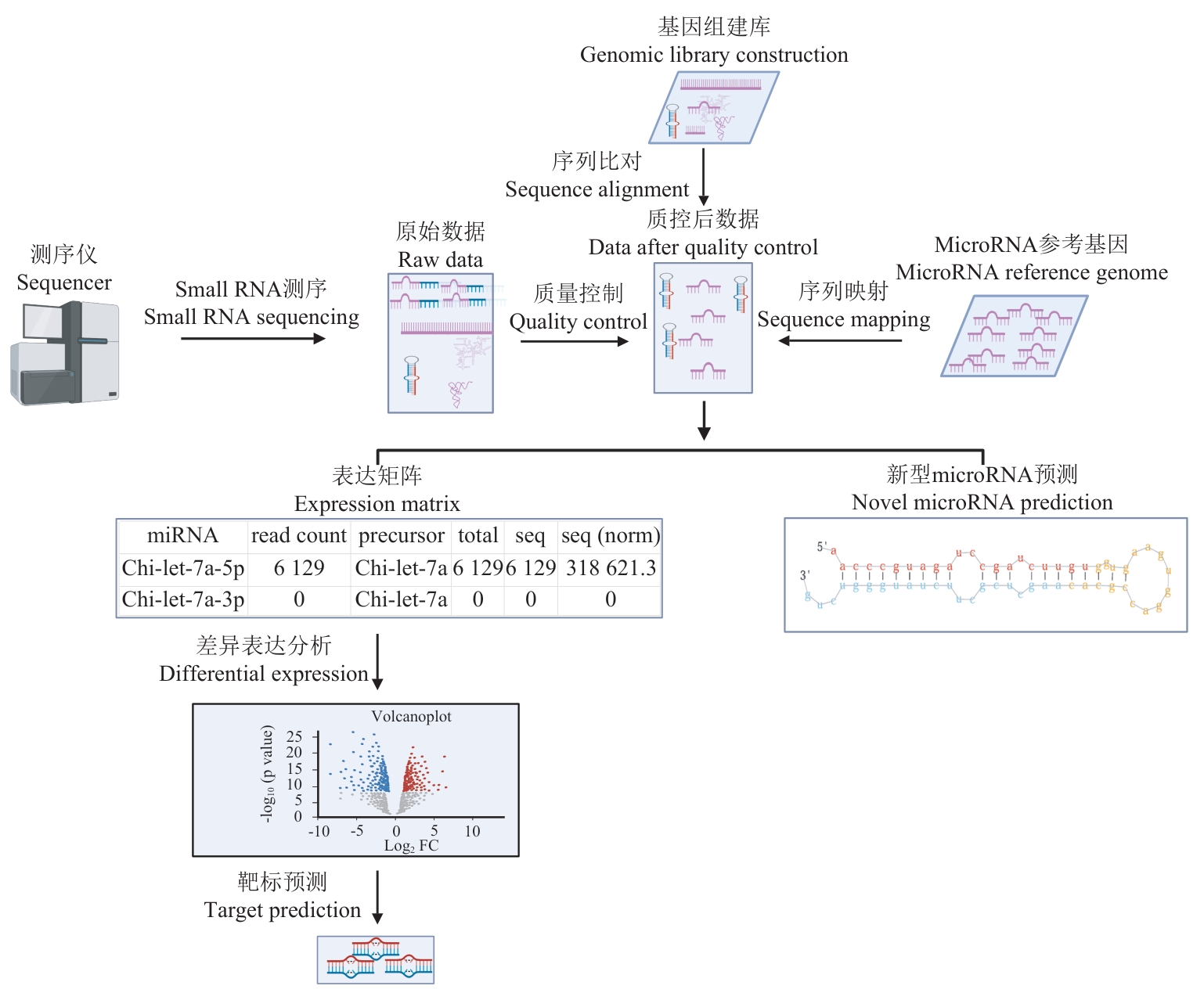
Fig. 1 Pipeline of microRNA sequencing data analysis
| 1 | Ma T, Meng Z, Ghaffari MH, et al. Characterization and profiling of the microRNA in small extracellular vesicles isolated from goat milk samples collected during the first week postpartum [J]. JDS Commun, 2023, 4(6): 507-512. |
| 2 | Sun Q, Chen X, Yu JX, et al. Immune modulatory function of abundant immune-related microRNAs in microvesicles from bovine colostrum [J]. Protein Cell, 2013, 4(3): 197-210. |
| 3 | Théry C, Witwer KW, Aikawa E, et al. Minimal information for studies of extracellular vesicles 2018 (MISEV2018): a position statement of the international society for extracellular vesicles and update of the MISEV2014 guidelines [J]. J Extracell Vesicles, 2018, 7(1): 1535750. |
| 4 | Dixson AC, Dawson TR, Di Vizio D, et al. Context-specific regulation of extracellular vesicle biogenesis and cargo selection [J]. Nat Rev Mol Cell Biol, 2023, 24(7): 454-476. |
| 5 | Yun B, Kim Y, Park DJ, et al. Comparative analysis of dietary exosome-derived microRNAs from human, bovine and caprine colostrum and mature milk [J]. J Anim Sci Technol, 2021, 63(3): 593-602. |
| 6 | Nakanishi R, Takashima S, Wakihara Y, et al. Comparing microRNA in milk small extracellular vesicles among healthy cattle and cattle at high risk for bovine leukemia virus transmission [J]. J Dairy Sci, 2022, 105(6): 5370-5380. |
| 7 | Yang DB, Zhang WH, Zhang HY, et al. Progress, opportunity, and perspective on exosome isolation - efforts for efficient exosome-based theranostics [J]. Theranostics, 2020, 10(8): 3684-3707. |
| 8 | Coumans FAW, Brisson AR, Buzas EI, et al. Methodological guidelines to study extracellular vesicles [J]. Circ Res, 2017, 120(10): 1632-1648. |
| 9 | Özdemir S. Identification and comparison of exosomal microRNAs in the milk and colostrum of two different cow breeds [J]. Gene, 2020, 743: 144609. |
| 10 | Taylor DD, Shah S. Methods of isolating extracellular vesicles impact down-stream analyses of their cargoes [J]. Methods, 2015, 87: 3-10. |
| 11 | György B, Módos K, Pállinger E, et al. Detection and isolation of cell-derived microparticles are compromised by protein complexes resulting from shared biophysical parameters [J]. Blood, 2011, 117(4): e39-48. |
| 12 | Cantin R, Diou J, Bélanger D, et al. Discrimination between exosomes and HIV-1: purification of both vesicles from cell-free supernatants [J]. J Immunol Methods, 2008, 338(1/2): 21-30. |
| 13 | Ismail N, Wang YJ, Dakhlallah D, et al. Macrophage microvesicles induce macrophage differentiation and miR-223 transfer [J]. Blood, 2013, 121(6): 984-995. |
| 14 | Consortium ET, Van Deun J, Mestdagh P, et al. EV-TRACK: transparent reporting and centralizing knowledge in extracellular vesicle research [J]. Nat Methods, 2017, 14(3): 228-232. |
| 15 | Zonneveld MI, Brisson AR, van Herwijnen MJC, et al. Recovery of extracellular vesicles from human breast milk is influenced by sample collection and vesicle isolation procedures [J]. J Extracell Vesicles, 2014, 3(1): 1-n/a. |
| 16 | Kirchner B, Buschmann D, Paul V, et al. Postprandial transfer of colostral extracellular vesicles and their protein and miRNA cargo in neonatal calves [J]. PLoS One, 2020, 15(2): e0229606. |
| 17 | Li P, Kaslan M, Lee SH, et al. Progress in exosome isolation techniques [J]. Theranostics, 2017, 7(3): 789-804. |
| 18 | Zeringer E, Barta T, Li M, et al. Strategies for isolation of exosomes [J]. Cold Spring Harb Protoc, 2015, 2015(4): 319-323. |
| 19 | García-Romero N, Madurga R, Rackov G, et al. Polyethylene glycol improves current methods for circulating extracellular vesicle-derived DNA isolation [J]. J Transl Med, 2019, 17(1): 75. |
| 20 | Cointe S, Judicone C, Robert S, et al. Standardization of microparticle enumeration across different flow cytometry platforms: results of a multicenter collaborative workshop [J]. J Thromb Haemost, 2017, 15(1): 187-193. |
| 21 | van der Vlist EJ, Nolte-'t Hoen ENM, Stoorvogel W, et al. Fluorescent labeling of nano-sized vesicles released by cells and subsequent quantitative and qualitative analysis by high-resolution flow cytometry [J]. Nat Protoc, 2012, 7(7): 1311-1326. |
| 22 | de Vrij J, Maas SLN, van Nispen M, et al. Quantification of nanosized extracellular membrane vesicles with scanning ion occlusion sensing [J]. Nanomedicine (Lond), 2013, 8(9): 1443-1458. |
| 23 | Duijvesz D, Versluis CY, van der Fels CAM, et al. Immuno-based detection of extracellular vesicles in urine as diagnostic marker for prostate cancer [J]. Int J Cancer, 2015, 137(12): 2869-2878. |
| 24 | Suárez H, Gámez-Valero A, Reyes R, et al. A bead-assisted flow cytometry method for the semi-quantitative analysis of Extracellular Vesicles [J]. Sci Rep, 2017, 7(1): 11271. |
| 25 | Hata T, Murakami K, Nakatani H, et al. Isolation of bovine milk-derived microvesicles carrying mRNAs and microRNAs [J]. Biochem Biophys Res Commun, 2010, 396(2): 528-533. |
| 26 | Harrison P, Gardiner C. Invisible vesicles swarm within the iceberg [J]. J Thromb Haemost, 2012, 10(5): 916-918. |
| 27 | Stoner SA, Duggan E, Condello D, et al. High sensitivity flow cytometry of membrane vesicles [J]. Cytometry A, 2016, 89(2): 196-206. |
| 28 | Arraud N, Gounou C, Turpin D, et al. Fluorescence triggering: a general strategy for enumerating and phenotyping extracellular vesicles by flow cytometry [J]. Cytometry A, 2016, 89(2): 184-195. |
| 29 | Leduc A, Le Guillou S, Laloë D, et al. MiRNome variations in milk fractions during feed restrictions of different intensities in dairy cows [J]. BMC Genomics, 2023, 24(1): 680. |
| 30 | Li R, Dudemaine PL, Zhao X, et al. Comparative analysis of the miRNome of bovine milk fat, whey and cells [J]. PLoS One, 2016, 11(4): e0154129. |
| 31 | Chen X, Gao C, Li HJ, et al. Identification and characterization of microRNAs in raw milk during different periods of lactation, commercial fluid, and powdered milk products [J]. Cell Res, 2010, 20(10): 1128-1137. |
| 32 | Sun JJ, Aswath K, Schroeder SG, et al. MicroRNA expression profiles of bovine milk exosomes in response to Staphylococcus aureus infection [J]. BMC Genomics, 2015, 16: 806. |
| 33 | Ylioja CM, Rolf MM, Mamedova LK, et al. Associations between body condition score at parturition and microRNA profile in colostrum of dairy cows as evaluated by paired mapping programs [J]. J Dairy Sci, 2019, 102(12): 11609-11621. |
| 34 | Ma T, Li W, Chen Y, et al. Assessment of microRNA profiles in small extracellular vesicles isolated from bovine colostrum with different immunoglobulin G concentrations [J]. JDS Commun, 2022, 3(5): 328-333. |
| 35 | Krupova Z, Leroux C, Péchoux C, et al. Comparison of goat and cow milk-derived extracellular vesicle miRNomes [J]. Sci Data, 2023, 10(1): 465. |
| 36 | Wang MQ, Yang NS, Laterrière M, et al. Multi-omics integration identifies regulatory factors underlying bovine subclinical mastitis [J]. J Anim Sci Biotechnol, 2024, 15(1): 46. |
| 37 | Mecocci S, Pietrucci D, Milanesi M, et al. Comparison of colostrum and milk extracellular vesicles small RNA cargo in water buffalo [J]. Sci Rep, 2024, 14(1): 17991. |
| 38 | Gao F, Wu SH, Zhang K, et al. Goat milk exosomal microRNAs alleviate LPS-induced intestinal inflammation in mice [J]. Int J Biol Macromol, 2024, 268(Pt 1): 131698. |
| 39 | Ma L, Huo YY, Tang QY, et al. Human breast milk exosomal miRNAs are influenced by premature delivery and affect neurodevelopment [J]. Mol Nutr Food Res, 2024, 68(9): e2300113. |
| 40 | Li Y, Zhang Z, Liu F, et al. Performance comparison and evaluation of software tools for microRNA deep-sequencing data analysis [J]. Nucleic Acids Res, 2012, 40(10): 4298-4305. |
| 41 | Batra K, Sehrawat A, Kumar A, et al. Identification of circulatory microRNA based biomarkers for early pregnancy diagnosis in buffalo [J]. Front Cell Dev Biol, 2024, 12: 1386241. |
| 42 | Dhahbi JM, Atamna H, Boffelli D, et al. Deep sequencing reveals novel microRNAs and regulation of microRNA expression during cell senescence [J]. PLoS One, 2011, 6(5): e20509. |
| 43 | Patil AH, Halushka MK. miRge3.0: a comprehensive microRNA and tRF sequencing analysis pipeline [J]. NAR Genom Bioinform, 2021, 3(3): lqab068. |
| 44 | Love MI, Huber W, Anders S. Moderated estimation of fold change and dispersion for RNA-seq data with DESeq2 [J]. Genome Biol, 2014, 15(12): 550. |
| 45 | Lewis BP, Burge CB, Bartel DP. Conserved seed pairing, often flanked by adenosines, indicates that thousands of human genes are microRNA targets [J]. Cell, 2005, 120(1): 15-20. |
| 46 | McGeary SE, Lin KS, Shi CY, et al. The biochemical basis of microRNA targeting efficacy [J]. Science, 2019, 366(6472): eaav1741. |
| 47 | Huang HY, Lin YCD, Cui SD, et al. miRTarBase update 2022: an informative resource for experimentally validated miRNA-target interactions [J]. Nucleic Acids Res, 2022, 50(D1): D222-D230. |
| 48 | Karagkouni D, Paraskevopoulou MD, Tastsoglou S, et al. DIANA-LncBase v3: indexing experimentally supported miRNA targets on non-coding transcripts [J]. Nucleic Acids Res, 2020, 48(D1): D101-D110. |
| 49 | Chang L, Zhou GY, Soufan O, et al. miRNet 2.0: network-based visual analytics for miRNA functional analysis and systems biology [J]. Nucleic Acids Res, 2020, 48(W1): W244-W251. |
| [1] | WANG Tong, XIAO Han-jie, XIE Hao-jiong, ZHANG Li-shen, YAO Xiao-liang, YAN Hui, JI Shou-kun. Research Progress in Ammonia Assimilation and Genetic Evolution in Rumen [J]. Biotechnology Bulletin, 2025, 41(2): 40-50. |
| [2] | YANG Wei, ZHAO Li-fen, TANG Bing, ZHOU Lin-bi, YANG Juan, MO Chuan-yuan, ZHANG Bao-hui, LI Fei, RUAN Song-lin, DENG Ying. Genome-wide Identification and Expression Analysis of the SRO Gene Family in Brassica juncea L. [J]. Biotechnology Bulletin, 2024, 40(8): 129-141. |
| [3] | DOU Jin-ping, GAO Wei-song, WEI Shuang, GAO Xin-tao, LI Yi-nv. Functional Analysis of Exosomal MicroRNA in Antiviral Immunity [J]. Biotechnology Bulletin, 2024, 40(5): 48-57. |
| [4] | CHENG Ya-nan, ZHANG Wen-cong, ZHOU Yuan, SUN Xue, LI Yu, LI Qing-gang. Synthetic Pathway Construction of Producing 2'-fucosyllactose by Lactococcus lactis and Optimization of Fermentation Medium [J]. Biotechnology Bulletin, 2023, 39(9): 84-96. |
| [5] | QIAN Bang, LIU Zhen-dong, ZHAO Yin, LI Jing, PRAJAPATI Meera, LI Yan-min, SUN Yue-feng, DOU Yong-xi. Establishment of Chemiluminescence Immunoassay for the Detection of Peste des Petits Ruminants Virus H Protein Antibodies [J]. Biotechnology Bulletin, 2023, 39(5): 120-129. |
| [6] | GE Yan-rui, ZHAO Ran, XU Jing, LI Ruo-fan, HU Yun-tao, LI Rui-li. Advances in the Development and Regulation of Vascular Cambium [J]. Biotechnology Bulletin, 2023, 39(3): 13-25. |
| [7] | LI Yan-xia, WANG Jin-peng, FENG Fen, BAO Bin-wu, DONG Yi-wen, WANG Xing-ping, LUORENG Zhuo-ma. Effects of Escherichia coli Dairy Cow Mastitis on the Expressions of Milk-producing Trait Related Genes [J]. Biotechnology Bulletin, 2023, 39(2): 274-282. |
| [8] | LI Zhi-kang, LIU Chen-xue-xuan, TAN Chu-min, XIONG Sheng, XIE Qiu-ling. Roles and Functions of MFG-E8 as Carrier Proteins in Exosomes [J]. Biotechnology Bulletin, 2022, 38(4): 288-294. |
| [9] | LI Dan, DU Meng-tan, XIU Ming-xia, LIU Xing-jian, ZHANG Zhi-fang, LI Yi-nv. Expression of Sheep Interferon Alpha in Silkworm and Determination of Its Activity Against Peste Des Petits Ruminants Virus [J]. Biotechnology Bulletin, 2022, 38(1): 187-193. |
| [10] | WANG Meng-ting, CAO Jie-yu, WANG Zhong-xin, WANG Ya-yu, YANG Da-zuo, ZHOU Yi-bing, ZHAO Huan. Research Progress of MicroRNA Involvement in the Stress Responses of Aquatic Animals to Envirnmental Pollutants [J]. Biotechnology Bulletin, 2021, 37(6): 272-278. |
| [11] | ZHANG Ting-huan, LONG Xi, GUO Zong-yi, CHAI Jie. miR-378 Promoting Lipogenesis and Identification of Target Genes [J]. Biotechnology Bulletin, 2021, 37(2): 80-87. |
| [12] | CHEN Ting, XIE Mei-ying, WEI Li-min, OUYANG Kun, CHENG Xiao, ZHANG Yong-liang. Inhibitory Effects of Porcine Milk-derived Exosome on Porcine Epidemic Diarrhea Virus [J]. Biotechnology Bulletin, 2021, 37(12): 141-150. |
| [13] | CHEN Yi-dan, ZHANG Yu, YANG Jie, ZHANG Qin, JIANG Li. Exploration of Key Functional Genes Affecting Milk Production Traits in Dairy Cattle Based on RNA-seq [J]. Biotechnology Bulletin, 2020, 36(9): 244-252. |
| [14] | TANG De-ping, YAO Hui-hui, TANG Jin-zhou, MAO Ai-hong. Mutual Regulation of microRNAs and Epigenetics in Human Cancers [J]. Biotechnology Bulletin, 2020, 36(8): 194-200. |
| [15] | YANG Jia-yi, NIU Chun-yan, LIU Ying-ying, FU Bo-qiang, WANG Jing. Analysis on Detection Methods for Somatic Cells in Raw Milk and Necessity of Measurement Calibration [J]. Biotechnology Bulletin, 2020, 36(5): 16-21. |
| Viewed | ||||||
|
Full text |
|
|||||
|
Abstract |
|
|||||
