







Biotechnology Bulletin ›› 2026, Vol. 42 ›› Issue (4): 1-16.doi: 10.13560/j.cnki.biotech.bull.1985.2025-1157
LIN Qiao1( ), XIAN Guo-jian1,2, LI Hui-hui3, ZHANG Xue-fu1,2(), SUN Tan2,4()
Received:2025-10-27
Online:2026-04-26
Published:2026-04-30
Contact:
ZHANG Xue-fu, SUN Tan
E-mail:linqiao@caas.cn;zhangxuefu@caas.cn;suntan@caas.cn
LIN Qiao, XIAN Guo-jian, LI Hui-hui, ZHANG Xue-fu, SUN Tan. Global Strategies, Technologies, and Policy Recommendations for Crop Intelligent Design and Breeding[J]. Biotechnology Bulletin, 2026, 42(4): 1-16.
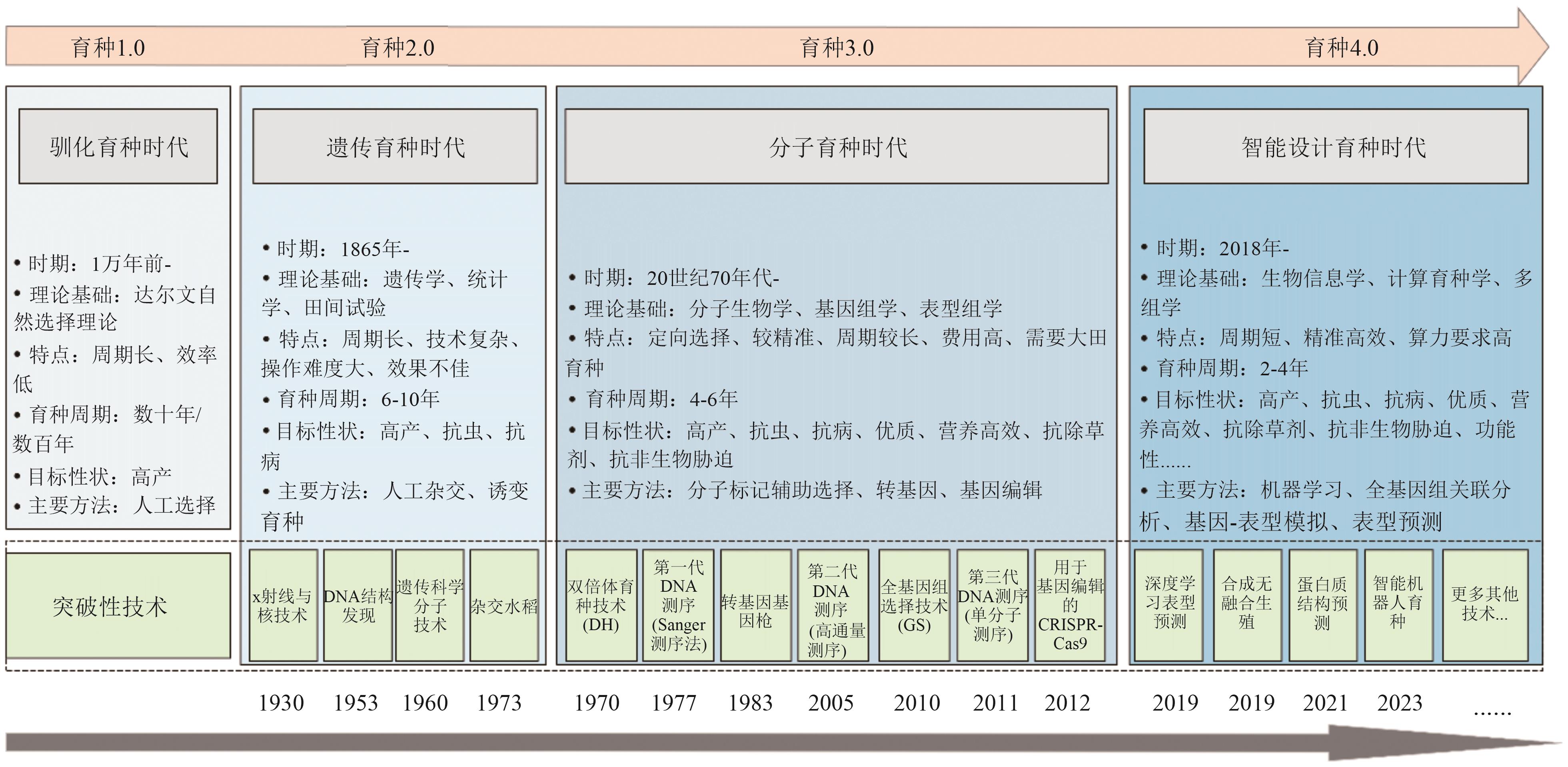
Fig. 1 Development history and key technologies of crop breeding
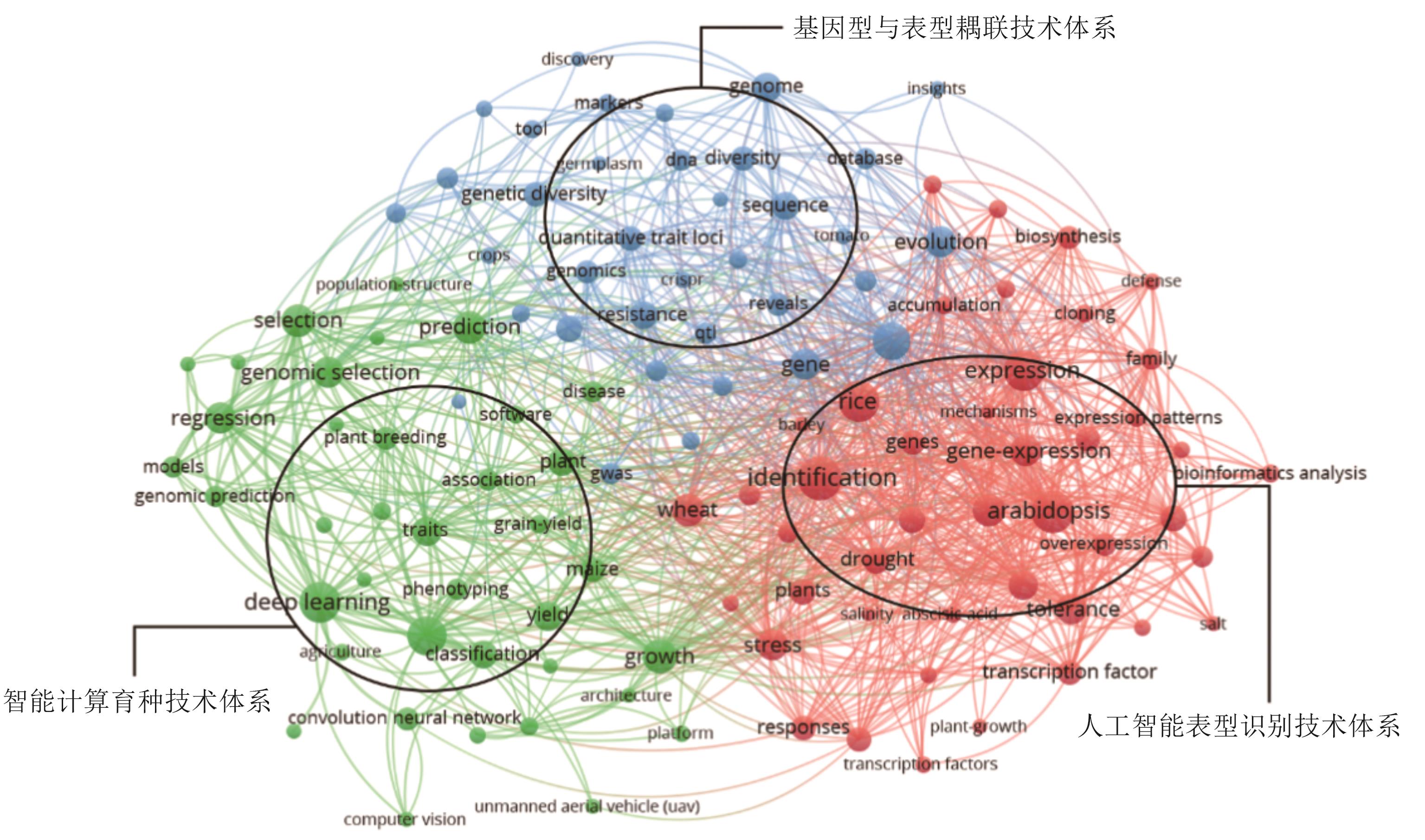
Fig. 2 Clustering of the three main themes of intelligent design and breeding
| 主题名称 Theme name | 技术方向名称 Technical direction name | 高频关键词 High-frequency keywords |
|---|---|---|
A. 人工智能表型识别技术体系 AI-based phenotyping and trait recognition technologies | a. 光传感表型技术 Optical sensing-based phenotyping techniques | Predict; spectral; UAV; yield; machine; estimate; vegetation index; square; classification; feature |
b. 计算机视觉技术 Computer vision-based phenotyping techniques | Wheat; seed; propose; variety; feature; network; area; classification; neural network; CNN | |
c. 深度学习技术 Deep learning-enabled phenotype recognition techniques | Field; phenotyping; count; deep learning; throughput; system; measurement; phenotypic; segmentation; plant phenotyping | |
B. 智能计算育种技术体系 Intelligent computational breeding technologies | a. 多组学融合分析技术 Multi-omics integrated analysis techniques | Rice; gene; marker; GWAS; root; grain; genome wide; QTL; phenotype; wide association |
b. 基因编辑技术 Gene editing technologies | Maize; leaf; growth; AI; line; day; estimate; sorghum; biomass; treatment | |
c. 数据库存储技术 Database storage and management technologies | Genotype; cultivar; resistance; disease; population; environment; genetic; resistant; methodology; soybean | |
C. 基因型-环境-表型适配性关联技术体系 Genotype-environment-phenotype adaptation and association technologies | a. 基于全基因组选择的表型预测技术 Genomic selection-based phenotype prediction techniques | Prediction; machine; performance; prediction accuracy; algorithm; datasets; GBLUP; genomic prediction; deep learning; genomic selection |
b. 基于机器学习的表型预测技术 Machine learning-based phenotype prediction techniques | Technology; climate; increase; tool; research; system; machine learning, production; yield; food | |
c. 基因知识图谱辅助育种 Knowledge graph-assisted breeding based on genetic information | Sequence; analysis; gene; protein; type; soil; stress; metabolite; production; function |
Table 1 Nine technological directions for intelligent design and breeding
| 主题名称 Theme name | 技术方向名称 Technical direction name | 高频关键词 High-frequency keywords |
|---|---|---|
A. 人工智能表型识别技术体系 AI-based phenotyping and trait recognition technologies | a. 光传感表型技术 Optical sensing-based phenotyping techniques | Predict; spectral; UAV; yield; machine; estimate; vegetation index; square; classification; feature |
b. 计算机视觉技术 Computer vision-based phenotyping techniques | Wheat; seed; propose; variety; feature; network; area; classification; neural network; CNN | |
c. 深度学习技术 Deep learning-enabled phenotype recognition techniques | Field; phenotyping; count; deep learning; throughput; system; measurement; phenotypic; segmentation; plant phenotyping | |
B. 智能计算育种技术体系 Intelligent computational breeding technologies | a. 多组学融合分析技术 Multi-omics integrated analysis techniques | Rice; gene; marker; GWAS; root; grain; genome wide; QTL; phenotype; wide association |
b. 基因编辑技术 Gene editing technologies | Maize; leaf; growth; AI; line; day; estimate; sorghum; biomass; treatment | |
c. 数据库存储技术 Database storage and management technologies | Genotype; cultivar; resistance; disease; population; environment; genetic; resistant; methodology; soybean | |
C. 基因型-环境-表型适配性关联技术体系 Genotype-environment-phenotype adaptation and association technologies | a. 基于全基因组选择的表型预测技术 Genomic selection-based phenotype prediction techniques | Prediction; machine; performance; prediction accuracy; algorithm; datasets; GBLUP; genomic prediction; deep learning; genomic selection |
b. 基于机器学习的表型预测技术 Machine learning-based phenotype prediction techniques | Technology; climate; increase; tool; research; system; machine learning, production; yield; food | |
c. 基因知识图谱辅助育种 Knowledge graph-assisted breeding based on genetic information | Sequence; analysis; gene; protein; type; soil; stress; metabolite; production; function |
国家 Country | 发布时间 Publication date | 发布机构 Issuing agency | 政策/计划名称 Policy/Program title | 重点内容 Key contents | 拟发展的核心技术 Core technologies to be developed |
|---|---|---|---|---|---|
美国 USA | 2017.05.30 | 美国农业部农业研究局 | 《植物遗传资源、基因组学和遗传改良行动计划2018-2022》 | 1)育种过程中使用来自国家基因库的新基因、前沿育种方法、数据挖掘、生物信息工具以及作物分子和生物过程的先验知识; 2)为数据挖掘开发高通量的表型和基因型分析工具及高效的生物信息学工具; 3)重点建设高质量的植物和微生物遗传资源和相关信息维护的种质库和信息管理系统; 4)重点开发相互联系和可搜索的信息资源和工具,以及用于数据分析和挖掘的生物信息学工具,为作物研究提供技术支撑。 | 基因编辑、诱变筛选、蛋白质组学、代谢组学、数据分析与挖掘、高通量测序、表型/基因型分析、数据库建设、生物信息学工具 |
| 2018.02.20 | 美国政府问责局 | 《2018-2023年战略计划》 | 将基因编辑列为长期投资的五个颠覆性技术之一。 | 基因编辑 | |
| 2018.07.18 | 美国国家科学院 | 《至2030年推动食品与农业研究的科学突破》 | 建立一个集成先进传感技术、数据分析技术、精准植物育种与土地管理实践,充分开发利用基因组学和精准育种的计划。 | 传感技术、纳米技术、数据分析与挖掘、组学技术 | |
| 2020.02.08 | 美国农业部 | 《美国农业部科学蓝图:2020-2025年科研方向》 | 通过开展作物和动物精准育种、基因编辑、预测建模及间作等方面的研究,实现农业可持续化、集约化发展。 | 基因编辑、人工智能、机器学习 | |
| 2022.01.30 | 美国农业部农业研究局 | 《植物遗传资源、基因组学和遗传改良行动计划2023-2027》 | 1)开发和应用诱变技术、生物技术和基因组编辑技术; 2)开发和应用机器学习模型; 3)评估关键微生物库基因型和表型特征; 4)在集成的公共数据管理系统中提供与微生物集合相关的身份信息、数字图像和特征数据; 5)开发新的生物信息学工具以用于数据分析和挖掘,包括使用人工智能、机器学习等方法; 6)利用现有生物信息学、统计建模和人工智能方法,增强功能基因组注释。 | 诱变技术、生物技术、基因组编辑技术、机器学习、人工智能、数据库存储、表型预测、数据库建设、数据分析与挖掘、生物信息学工具 | |
欧盟 EU | 2020.10.29 | 欧洲科学院和人文学院联合会 | 《基因组编辑促进作物改良》 | 呼吁欧盟取消对转基因作物的限制,允许使用不包含外源基因片段的基因组编辑技术。 | 基因编辑 |
法国 France | 2013.05.13 | 小麦倡议 | 《小麦改良的国际愿景》 | 1)到2030年,让所有育种者实施现代育种方法,大力开发新兴育种技术,例如双单倍体、标记辅助选择、转基因、定向诱变、全基因组选择等; 2)支持建立综合信息系统,提供遗传资源、性状遗传和分子基础、标记-性状关联、基因组序列、关键位点等位基因变异、不同环境中表型数据等信息。 | 双单倍体、标记辅助选择、转基因、定向诱变、全基因组选择、数据库建设 |
| 2015.10.22 | 法国农业部与教研部 | 《农业-创新2025计划》 | 1)建立开放创新的农业数据平台; 2)加快研发农业机器人; 3)研究作物与畜禽的全基因组选择; 4)保障新型生物技术的掌握; 5)促进欧盟基因研究相关协议的完善。 | 农业机器人、全基因组选择、数据库建设 | |
| 2023.01.11 | 法国高等教育和研究部 | 《Atlasea研究计划》 | 该项目分为三个阶段,其中第三阶段为:对DNA进行计算机注释,以识别基因、追溯其进化历史并为其分配功能。基因组最终将存储在国际社会可访问的开放数据库中。 | 机器学习、组学技术 | |
英国 UK | 2023.03.27 | 英国环境、食品及农村事务部 | 《遗传技术(精准育种)法案》 | 欧洲国家首次立法允许基因编辑等精准育种技术的商业化应用。 | 基因编辑 |
中国 China | 2015.02.28 | 农业部(现农业农村部)、国家发展改革委、科技部 | 《全国农作物种质资源保护与利用中长期发展规划(2015—2030年)》 | 1)到2020年,完成5万份种质资源的重要性状表型精准鉴定、全基因组水平基因型鉴定及关联分析; 2)到2030年,再完成10万份种质资源的重要性状表型精准鉴定、全基因组水平基因型鉴定及关联分析; 3)建立国家农作物种质资源精准鉴定评价体系。 | 试管苗、超低温和DNA保存、监测预警技术、远缘杂交、理化诱变、基因工程 |
| 2021.02.21 | 中共中央 国务院 | 《中共中央 国务院关于全面推进乡村振兴加快农业农村现代化的意见》 | 1)加快实施农业生物育种重大科技项目; 2)尊重科学、严格监管,有序推进生物育种产业化应用。 | 育种基础性研究 | |
| 2021.01.22 | 农业农村部办公厅 | 《2021年农业转基因生物监管工作方案》 | 1)对农业转基因研发单位全覆盖检查,严查基因编辑等新育种技术研究是否依法开展; 2)优化完善品种审定制度,为有序推进生物育种产业化应用提供政策保障。 | 基因编辑 | |
| 2021.08.12 | 国家发展改革委、农业农村部 | 《“十四五”现代种业提升工程建设规划》 | 1)加紧推进种业关键共性技术和种源核心技术攻关; 2)全面提升种业现代化水平。 | 种质资源保护、表型鉴定、平台建设、品种测试评价 | |
| 2021.11.22 | 中共中央 国务院 | 《“十四五”推进农业农村现代化规划》 | 加快实施农业生物育种重大科技项目,有序推进生物育种产业化应用。 | 种源关键技术攻关、生物育种、平台建设 | |
| 2021.12.24 | 十三届全国人大常委会第三十二次会议 | 《中华人民共和国种子法》 | 1)加强种业科学技术研究,重点收集珍稀、濒危、特有资源和特色地方品种,开展主要粮食作物、重要经济作物育种攻关,保障育种科研设施用地合理需求; 2)国家支持科研院所及高等院校重点开展育种的基础性、前沿性和应用技术研究以及生物育种技术研究,支持常规作物、主要造林树种育种和无性繁殖材料选育等公益性研究。 | 生物育种、种质资源保护、平台建设 | |
| 2022.01.24 | 农业农村部 | 《农业用基因编辑植物安全评价指南(试行)》 | 首次为农业用基因编辑技术颁布相关政策与管理措施,并依据基因编辑产品不含有外源基因的科学属性,明确基因编辑产品区别于转基因作物管理。 | 基因编辑 | |
| 2023.01.02 | 中共中央 国务院 | 《中共中央 国务院关于做好2023年全面推进乡村振兴重点工作的意见》 | 全面实施生物育种重大项目,扎实推进国家育种联合攻关和畜禽遗传改良计划。 | 生物育种、平台建设 | |
| 2023.04.28 | 农业农村部 | 《农业用基因编辑植物评审细则(试行)》 | 进一步明确基因编辑植物的分类标准和简化评审的细则,进一步增强了《农业用基因编辑植物安全评价指南(试行)》的可操作性。 | 基因编辑 |
Table 2 Overview of policies on molecular breeding and intelligent design and breeding in major countries globally
国家 Country | 发布时间 Publication date | 发布机构 Issuing agency | 政策/计划名称 Policy/Program title | 重点内容 Key contents | 拟发展的核心技术 Core technologies to be developed |
|---|---|---|---|---|---|
美国 USA | 2017.05.30 | 美国农业部农业研究局 | 《植物遗传资源、基因组学和遗传改良行动计划2018-2022》 | 1)育种过程中使用来自国家基因库的新基因、前沿育种方法、数据挖掘、生物信息工具以及作物分子和生物过程的先验知识; 2)为数据挖掘开发高通量的表型和基因型分析工具及高效的生物信息学工具; 3)重点建设高质量的植物和微生物遗传资源和相关信息维护的种质库和信息管理系统; 4)重点开发相互联系和可搜索的信息资源和工具,以及用于数据分析和挖掘的生物信息学工具,为作物研究提供技术支撑。 | 基因编辑、诱变筛选、蛋白质组学、代谢组学、数据分析与挖掘、高通量测序、表型/基因型分析、数据库建设、生物信息学工具 |
| 2018.02.20 | 美国政府问责局 | 《2018-2023年战略计划》 | 将基因编辑列为长期投资的五个颠覆性技术之一。 | 基因编辑 | |
| 2018.07.18 | 美国国家科学院 | 《至2030年推动食品与农业研究的科学突破》 | 建立一个集成先进传感技术、数据分析技术、精准植物育种与土地管理实践,充分开发利用基因组学和精准育种的计划。 | 传感技术、纳米技术、数据分析与挖掘、组学技术 | |
| 2020.02.08 | 美国农业部 | 《美国农业部科学蓝图:2020-2025年科研方向》 | 通过开展作物和动物精准育种、基因编辑、预测建模及间作等方面的研究,实现农业可持续化、集约化发展。 | 基因编辑、人工智能、机器学习 | |
| 2022.01.30 | 美国农业部农业研究局 | 《植物遗传资源、基因组学和遗传改良行动计划2023-2027》 | 1)开发和应用诱变技术、生物技术和基因组编辑技术; 2)开发和应用机器学习模型; 3)评估关键微生物库基因型和表型特征; 4)在集成的公共数据管理系统中提供与微生物集合相关的身份信息、数字图像和特征数据; 5)开发新的生物信息学工具以用于数据分析和挖掘,包括使用人工智能、机器学习等方法; 6)利用现有生物信息学、统计建模和人工智能方法,增强功能基因组注释。 | 诱变技术、生物技术、基因组编辑技术、机器学习、人工智能、数据库存储、表型预测、数据库建设、数据分析与挖掘、生物信息学工具 | |
欧盟 EU | 2020.10.29 | 欧洲科学院和人文学院联合会 | 《基因组编辑促进作物改良》 | 呼吁欧盟取消对转基因作物的限制,允许使用不包含外源基因片段的基因组编辑技术。 | 基因编辑 |
法国 France | 2013.05.13 | 小麦倡议 | 《小麦改良的国际愿景》 | 1)到2030年,让所有育种者实施现代育种方法,大力开发新兴育种技术,例如双单倍体、标记辅助选择、转基因、定向诱变、全基因组选择等; 2)支持建立综合信息系统,提供遗传资源、性状遗传和分子基础、标记-性状关联、基因组序列、关键位点等位基因变异、不同环境中表型数据等信息。 | 双单倍体、标记辅助选择、转基因、定向诱变、全基因组选择、数据库建设 |
| 2015.10.22 | 法国农业部与教研部 | 《农业-创新2025计划》 | 1)建立开放创新的农业数据平台; 2)加快研发农业机器人; 3)研究作物与畜禽的全基因组选择; 4)保障新型生物技术的掌握; 5)促进欧盟基因研究相关协议的完善。 | 农业机器人、全基因组选择、数据库建设 | |
| 2023.01.11 | 法国高等教育和研究部 | 《Atlasea研究计划》 | 该项目分为三个阶段,其中第三阶段为:对DNA进行计算机注释,以识别基因、追溯其进化历史并为其分配功能。基因组最终将存储在国际社会可访问的开放数据库中。 | 机器学习、组学技术 | |
英国 UK | 2023.03.27 | 英国环境、食品及农村事务部 | 《遗传技术(精准育种)法案》 | 欧洲国家首次立法允许基因编辑等精准育种技术的商业化应用。 | 基因编辑 |
中国 China | 2015.02.28 | 农业部(现农业农村部)、国家发展改革委、科技部 | 《全国农作物种质资源保护与利用中长期发展规划(2015—2030年)》 | 1)到2020年,完成5万份种质资源的重要性状表型精准鉴定、全基因组水平基因型鉴定及关联分析; 2)到2030年,再完成10万份种质资源的重要性状表型精准鉴定、全基因组水平基因型鉴定及关联分析; 3)建立国家农作物种质资源精准鉴定评价体系。 | 试管苗、超低温和DNA保存、监测预警技术、远缘杂交、理化诱变、基因工程 |
| 2021.02.21 | 中共中央 国务院 | 《中共中央 国务院关于全面推进乡村振兴加快农业农村现代化的意见》 | 1)加快实施农业生物育种重大科技项目; 2)尊重科学、严格监管,有序推进生物育种产业化应用。 | 育种基础性研究 | |
| 2021.01.22 | 农业农村部办公厅 | 《2021年农业转基因生物监管工作方案》 | 1)对农业转基因研发单位全覆盖检查,严查基因编辑等新育种技术研究是否依法开展; 2)优化完善品种审定制度,为有序推进生物育种产业化应用提供政策保障。 | 基因编辑 | |
| 2021.08.12 | 国家发展改革委、农业农村部 | 《“十四五”现代种业提升工程建设规划》 | 1)加紧推进种业关键共性技术和种源核心技术攻关; 2)全面提升种业现代化水平。 | 种质资源保护、表型鉴定、平台建设、品种测试评价 | |
| 2021.11.22 | 中共中央 国务院 | 《“十四五”推进农业农村现代化规划》 | 加快实施农业生物育种重大科技项目,有序推进生物育种产业化应用。 | 种源关键技术攻关、生物育种、平台建设 | |
| 2021.12.24 | 十三届全国人大常委会第三十二次会议 | 《中华人民共和国种子法》 | 1)加强种业科学技术研究,重点收集珍稀、濒危、特有资源和特色地方品种,开展主要粮食作物、重要经济作物育种攻关,保障育种科研设施用地合理需求; 2)国家支持科研院所及高等院校重点开展育种的基础性、前沿性和应用技术研究以及生物育种技术研究,支持常规作物、主要造林树种育种和无性繁殖材料选育等公益性研究。 | 生物育种、种质资源保护、平台建设 | |
| 2022.01.24 | 农业农村部 | 《农业用基因编辑植物安全评价指南(试行)》 | 首次为农业用基因编辑技术颁布相关政策与管理措施,并依据基因编辑产品不含有外源基因的科学属性,明确基因编辑产品区别于转基因作物管理。 | 基因编辑 | |
| 2023.01.02 | 中共中央 国务院 | 《中共中央 国务院关于做好2023年全面推进乡村振兴重点工作的意见》 | 全面实施生物育种重大项目,扎实推进国家育种联合攻关和畜禽遗传改良计划。 | 生物育种、平台建设 | |
| 2023.04.28 | 农业农村部 | 《农业用基因编辑植物评审细则(试行)》 | 进一步明确基因编辑植物的分类标准和简化评审的细则,进一步增强了《农业用基因编辑植物安全评价指南(试行)》的可操作性。 | 基因编辑 |
| [1] | 余泓, 白世伟, 李家洋. 迈向育种5.0: 智能品种的智能培育 [J]. 科学通报, 2024, 69(32): 4687-4690. |
| Yu H, Bai SW, Li JY. Towards Breeding 5.0: Smart variety by intelligent breeding [J]. Chin Sci Bull, 2024, 69(32): 4687-4690. | |
| [2] | Xie Y, Zhang TH, Yang MH, et al. Engineering crop flower morphology facilitates robotization of cross-pollination and speed breeding [J]. Cell, 2025, 188(21): 5809-5830.e27. |
| [3] | 张学勇, 马琳, 郑军. 作物驯化和品种改良所选择的关键基因及其特点 [J]. 作物学报, 2017, 43(2): 157-170. |
| Zhang XY, Ma L, Zheng J. Characteristics of genes selected by domestication and intensive breeding in crop plants [J]. Acta Agron Sin, 2017, 43(2): 157-170. | |
| [4] | Wallace JG, Rodgers-Melnick E, Buckler ES. On the road to breeding 4.0: unraveling the good, the bad, and the boring of crop quantitative genomics [J]. Annu Rev Genet, 2018, 52: 421-444. |
| [5] | Vries D. Sur la loi do disjonction des hybrids [J]. CR Acad Sci, 1900, 130: 845-847. |
| [6] | Correns CE. G. Mendel’s regel über das verhalten der nachkommenschaft der rassenbastarde [M]// Gesammelte Abhandlungen ƶur Vererbungswissenschaft aus Periodischen Schriften 1899-1924. Berlin, Heidelberg: Springer, 1924: 9-18. |
| [7] | Tschermak-Seysenegg E von. Über künstliche Kreuzung bei Pisum sativum [J]. Berichte der Deutschen Botanischen Gesellschaft, 1900, 18: 232-239. |
| [8] | Muller HJ. Types of visible variations induced by X-rays inDrosophila [J]. J Genet, 1930, 22(3): 299-334. |
| [9] | Stadler LJ. Genetic effects of X-rays in maize [J]. Proc Natl Acad Sci U S A, 1928, 14(1): 69-75. |
| [10] | Shull GH. The composition of a field of maize [J]. J Hered, 1908, os-4(1): 296-301. |
| [11] | Watson JD, Crick FHC. Molecular structure of nucleic acids: a structure for deoxyribose nucleic acid [J]. Nature, 1953, 171(4356): 737-738. |
| [12] | Evenson RE, Gollin D. Assessing the impact of the green revolution, 1960 to 2000 [J]. Science, 2003, 300(5620): 758-762. |
| [13] | Ma GH, Yuan LP. Hybrid rice achievements, development and prospect in China [J]. J Integr Agric, 2015, 14(2): 197-205. |
| [14] | Kasha KJ, Kao KN. High frequency haploid production in barley (Hordeum vulgare L.) [J]. Nature, 1970, 225(5235): 874-876. |
| [15] | Maxam AM, Gilbert W. A new method for sequencing DNA [J]. Proc Natl Acad Sci U S A, 1977, 74(2): 560-564. |
| [16] | Sanger F, Nicklen S, Coulson AR. DNA sequencing with chain-terminating inhibitors [J]. Proc Natl Acad Sci U S A, 1977, 74(12): 5463-5467. |
| [17] | James C. Global status of transgenic crops in 1997 [J]. ISAAA briefs, 1997, 5(1997): 1-31. |
| [18] | Mardis ER. The impact of next-generation sequencing technology on genetics [J]. Trends Genet, 2008, 24(3): 133-141. |
| [19] | Eid J, Fehr A, Gray J, et al. Real-time DNA sequencing from single polymerase molecules [J]. Science, 2009, 323(5910): 133-138. |
| [20] | 刘海岚, 夏超, 兰海. 全基因组选择技术在作物育种中的研究进展 [J]. 华北农学报, 2022, 37(S1): 51-58. |
| Liu HL, Xia C, Lan H. Research progress of whole genome selection technology in crop breeding [J]. Acta Agric Boreali Sin, 2022, 37(S1): 51-58. | |
| [21] | 胡培松, 冯献忠. 计算育种 [M]. 杭州: 浙江大学出版社, 2022. |
| Hu PS, Feng XZ. Computational breeding [M]. Hangzhou: Zhejiang University Press, 2022. | |
| [22] | Zsögön A, Čermák T, Naves ER, et al. De novo domestication of wild tomato using genome editing [J]. Nat Biotechnol, 2018, 36(12): 1211-1216. |
| [23] | Xu YB, Liu XG, Fu JJ, et al. Enhancing genetic gain through genomic selection: from livestock to plants [J]. Plant Commun, 2020, 1(1): 100005. |
| [24] | Khanday I, Skinner D, Yang B, et al. A male-expressed rice embryogenic trigger redirected for asexual propagation through seeds [J]. Nature, 2019, 565(7737): 91-95. |
| [25] | Jumper J, Evans R, Pritzel A, et al. Highly accurate protein structure prediction with AlphaFold [J]. Nature, 2021, 596(7873): 583-589. |
| [26] | 杨承林. 水稻表型组学知识图谱实体分类及关系抽取研究 [D]. 南京: 南京农业大学, 2020. |
| Yang CL. Study on entity classification and relationship extraction of rice phenotypic knowledge map [D]. Nanjing: Nanjing Agricultural University, 2020. | |
| [27] | van Eck NJ, Waltman L. Software survey: VOSviewer, a computer program for bibliometric mapping [J]. Scientometrics, 2010, 84(2): 523-538. |
| [28] | Blei DM, Ng AY, Jordan MI. Latent dirichlet allocation[J]. Journal of Machine Learning Research, 2003, 3(4-5): 993-1022. |
| [29] | 郭庆华, 杨维才, 吴芳芳, 等. 高通量作物表型监测: 育种和精准农业发展的加速器 [J]. 中国科学院院刊, 2018, 33(9): 940-946. |
| Guo QH, Yang WC, Wu FF, et al. High-throughput crop phenotyping: accelerators for development of breeding and precision agriculture [J]. Bull Chin Acad Sci, 2018, 33(9): 940-946. | |
| [30] | 金秀良, 聂臣巍, 石磊. 作物表型性状鉴定技术促进智慧农业发展 [C]//第十九届中国作物学会学术年会论文集. 武汉, 2020: 94. |
| Jin X L, Nie C W, Shi L. Crop phenotyping techniques promote the development of smart agriculture[C]// Proceedings of the 19th Annual Conference of the Chinese Crop Science Society. Wuhan, China, 2020: 94. | |
| [31] | Jin XL, Zarco-Tejada PJ, Schmidhalter U, et al. High-throughput estimation of crop traits: a review of ground and aerial phenotyping platforms [J]. IEEE Geosci Remote Sens Mag, 2021, 9(1): 200-231. |
| [32] | 金松林, 来纯晓, 郑颖, 等. 基于特征选择和CNN+Bi-RNN模型的小麦抗寒性识别方法 [J]. 江苏农业科学, 2022, 50(10): 201-207. |
| Jin SL, Lai CX, Zheng Y, et al. Identification method of wheat cold resistance based on feature selection and CNN + Bi-RNN model [J]. Jiangsu Agric Sci, 2022, 50(10): 201-207. | |
| [33] | Chen Y, Lee WS, Gan H, et al. Strawberry yield prediction based on a deep neural network using high-resolution aerial orthoimages [J]. Remote Sens, 2019, 11(13): 1584. |
| [34] | Chowdhury R, Bouatta N, Biswas S, et al. Single-sequence protein structure prediction using a language model and deep learning [J]. Nat Biotechnol, 2022, 40(11): 1617-1623. |
| [35] | 李帅. 基于深度学习与三维重构的大豆表型获取方法研究 [D]. 哈尔滨: 东北农业大学, 2022. |
| Li S. Research on soybean phenotype acquisition method based on deep learning and three-dimensional reconstruction [D]. Harbin: Northeast Agricultural University, 2022. | |
| [36] | Washburn JD, Mejia-Guerra MK, Ramstein G, et al. Evolutionarily informed deep learning methods for predicting relative transcript abundance from DNA sequence [J]. Proc Natl Acad Sci U S A, 2019, 116(12): 5542-5549. |
| [37] | Luo J. Metabolite-based genome-wide association studies in plants [J]. Curr Opin Plant Biol, 2015, 24: 31-38. |
| [38] | Wainberg M, Sinnott-Armstrong N, Mancuso N, et al. Opportunities and challenges for transcriptome-wide association studies [J]. Nat Genet, 2019, 51(4): 592-599. |
| [39] | Zhou SR, Cai L, Wu HQ, et al. Fine-tuning rice heading date through multiplex editing of the regulatory regions of key genes by CRISPR-Cas9 [J]. Plant Biotechnol J, 2024, 22(3): 751-758. |
| [40] | Wang CC, Yu H, Huang J, et al. Towards a deeper haplotype mining of complex traits in rice with RFGB v2.0 [J]. Plant Biotechnol J, 2020, 18(1): 14-16. |
| [41] | Zhou WH, Yang T, Zeng LC, et al. LettuceDB: an integrated multi-omics database for cultivated lettuce [J]. Database: Oxford, 2024, 2024: baae018. |
| [42] | Meuwissen THE, Hayes BJ, Goddard ME. Prediction of total genetic value using genome-wide dense marker maps [J]. Genetics, 2001, 157(4): 1819-1829. |
| [43] | Crossa J, Pérez-Rodríguez P, Cuevas J, et al. Genomic selection in plant breeding: methods, models, and perspectives [J]. Trends Plant Sci, 2017, 22(11): 961-975. |
| [44] | 张树馨, 范钧玮, 许雪凌, 等. 基于人工智能算法的小麦全基因组选择育种技术研究 [J]. 智慧农业导刊, 2022, 2(19): 4-6. |
| Zhang SX, Fan JW, Xu XL, et al. Study on whole genome selection breeding technology of wheat based on artificial intelligence algorithm [J]. J Smart Agric, 2022, 2(19): 4-6. | |
| [45] | Wang KL, Ali Abid M, Rasheed A, et al. DNNGP, a deep neural network-based method for genomic prediction using multi-omics data in plants [J]. Mol Plant, 2023, 16(1): 279-293. |
| [46] | Zhu WC, Han R, Shang XY, et al. The CropGPT project: Call for a global, coordinated effort in precision design breeding driven by AI using biological big data [J]. Mol Plant, 2024, 17(2): 215-218. |
| [47] | Wei X, Qiu J, Yong KC, et al. A quantitative genomics map of rice provides genetic insights and guides breeding [J]. Nat Genet, 2021, 53(2): 243-253. |
| [48] | Chen S, Wang PJ, Kong WL, et al. Gene mining and genomics-assisted breeding empowered by the pangenome of tea plant Camellia sinensis [J]. Nat Plants, 2023, 9(12): 1986-1999. |
| [49] | Hassani-Pak K, Singh A, Brandizi M, et al. KnetMiner: a comprehensive approach for supporting evidence-based gene discovery and complex trait analysis across species [J]. Plant Biotechnol J, 2021, 19(8): 1670-1678. |
| [50] | USDA. Plant Genetic Resources, Genomics, and Genetic Improvement Action Plan 2018-2022 [EB/OL]. 2022-03-15. [2024-11-24]. . |
| [51] | USDA. USDA Science Blueprint: a roadmap for USDA science from 2020 to 2025 [EB/OL]. 2020-02-08. [2024-11-24].. |
| [52] | GAO. Strategic Plan 2018-2023 [EB/OL]. 2018-02-20. [2024-11-24]. . |
| [53] | National Academy of Sciences. Science Breakthroughs to Advance Food and Agricultural Research by 2030 [M]. Washington, D.C: National Academies Press. 2019. . |
| [54] | National Science Foundation. Expanding the geography of innovation: NSF AI research [EB/OL]. 2021-07-29. [2024-11-26]. . |
| [55] | USDA Agricultural Research Service. NP 301 Action Plan 2023-2027 [EB/OL]. 2022-01-31. [2024-11-26]. . |
| [56] | ALLEA. Genome Editing for Crop Improvement [EB/OL]. 2020-10-29. [2024-11-26]. . |
| [57] | Initiative Wheat. An international vision for wheat improvement [EB/OL]. 2013-05. [2024-11-24]. . |
| [58] | MESR. Agriculture-Innovation 2025: des orientations pour une agriculture innovante et durable [EB/OL]. 2015-10-22. [2024-11-26]. . |
| [59] | France 2030. Atlasea : un programme de recherche ambitieux pour plonger au cœur du génome marin[EB/OL]. 2023-01-12. [2024-11-24]. . |
| [60] | DEFRA. Genetic Technology (Precision Breeding) Act 2023[EB/OL]. 2023-03-27. [2025-01-29]. . |
| [61] | 农业部 国家发展改革委 科技部. 全国农作物种质资源保护与利用中长期发展规划(2015—2030年)[EB/OL]. 2015-02-28. [2025-01-29]. . |
| Ministry of Agriculture, National Development and Reform Commission, Ministry of Science and Technology. National Medium and Long-Term Development Plan for the Protection and Utilization of Crop Germplasm Resources (2015-2030) [EB/OL]. 2015-02-28. [2025-01-29]. . | |
| [62] | 国家发展改革委 农业农村部. “十四五”现代种业提升工程建设规划[EB/OL]. 2021-08-12. [2025-01-29]. . |
| National Development and Reform Commission, Ministry of Agriculture and Rural Affairs. “14th Five-Year” Modern Seed Industry Enhancement Project Construction Plan[EB/OL]. 2021-08-12. [2025-01-29]. . | |
| [63] | 农业农村部. 农业用基因编辑植物评审细则(试行)[EB/OL]. 2023-04-28. [2025-01-29]. . |
| Ministry of Agriculture and Rural Affairs. Evaluation Rules for Gene-Edited Plants for Agricultural Use (Trial) [EB/OL]. 2023-04-28. [2025-01-29]. . | |
| [64] | 乡村振兴TV. 全国首个植物基因编辑安全证书获批!基因编辑驶入产业化快车道 [EB/OL]. 2023-05-05. [2024-12-06]. . |
| Xiangcun Revitalization TV. The first national gene-editing safety certificate for plants has been approved! Gene editing enters the fast track of industrialization [EB/OL]. 2023-05-05. [2024-12-06]. . | |
| [65] | 人民网. 重科学严监管,打好种业翻身仗 [EB/OL]. 2021-12-24. [2024-12-06]. . |
| People’s Daily Online. Emphasizing science and strict regulation to win the battle for the seed industry [EB/OL]. 2021-12-24. [2024-12-06]. . | |
| [66] | 中国政府网. 中共中央 国务院关于做好2022年全面推进乡村振兴重点工作的意见[EB/OL]. 2022-02-22. [2025-01-29]. . |
| China Government Network. Opinions of the CPC Central Committee and the State Council on doing a good job in advancing key tasks for rural revitalization in 2022[EB/OL]. 2022-02-22. [2025-01-29]. . | |
| [67] | 攀枝花市林业局. 中华人民共和国种子法(新《种子法》)解读 [EB/OL]. 2022-04-24. [2024-12-06]. . |
| Panzhihua Forestry Bureau. Interpretation of the Seed Law of the People’s Republic of China (New “Seed Law”) [EB/OL]. 2022-04-24. [2024-12-06]. . | |
| [68] | 华大制造. 2023年中国农业分子育种行业发展白皮书 [R]. 深圳: 2023. |
| Manufacturing BGI. 2023 China Agricultural Molecular Breeding Industry Development White Paper [R]. Shenzhen: 2023. | |
| [69] | 迟培娟, 谢华玲, 赵萍, 等. 我国生物种业发展现状与问题 [J]. 中国科学院院刊, 2023, 38(6): 845-852. |
| Chi PJ, Xie HL, Zhao P, et al. Present situation and problems of biological seed industry development in China [J]. Bull Chin Acad Sci, 2023, 38(6): 845-852. | |
| [70] | Xu YB, Zhang XP, Li HH, et al. Smart breeding driven by big data, artificial intelligence, and integrated genomic-enviromic prediction [J]. Mol Plant, 2022, 15(11): 1664-1695. |
| No related articles found! |
| Viewed | ||||||
|
Full text |
|
|||||
|
Abstract |
|
|||||
