







Biotechnology Bulletin ›› 2026, Vol. 42 ›› Issue (7): 341-350.doi: 10.13560/j.cnki.biotech.bull.1985.2025-0982
JIANG Jing1,2, LYU Shi-peng1,2, CHEN Hao-lin3, XIONG Ting4, SUN Xiao-yan1,2, LI Jie1,2, CHEN Can-can1,2, WANG Gao-fu1,2( ), REN Hang-xing1,2()
Received:2025-09-12
Online:2026-07-26
Published:2026-07-20
Contact:
WANG Gao-fu, REN Hang-xing
E-mail:wanggaofs20031216@163.com;rhxe@163.com
JIANG Jing, LYU Shi-peng, CHEN Hao-lin, XIONG Ting, SUN Xiao-yan, LI Jie, CHEN Can-can, WANG Gao-fu, REN Hang-xing. Genome-Wide Association Analysis of Litter Size Trait in Four Goat Breeds in Southwest China[J]. Biotechnology Bulletin, 2026, 42(7): 341-350.
分组 Grouping | 样本量 Sample size | 最大值 Max | 最小值 Min | 平均值 Mean | 标准差 Standard deviation | 变异系数 CV (%) |
|---|---|---|---|---|---|---|
| 高产组 High litter size group | 60 | 4 | 2.5 | 2.69 | 0.27 | 10.04 |
| 低产组 Low litter size group | 54 | 1.5 | 1 | 1.27 | 0.17 | 13.38 |
Table 1 Descriptive statistics of litter size traits in high and low litter size groups
分组 Grouping | 样本量 Sample size | 最大值 Max | 最小值 Min | 平均值 Mean | 标准差 Standard deviation | 变异系数 CV (%) |
|---|---|---|---|---|---|---|
| 高产组 High litter size group | 60 | 4 | 2.5 | 2.69 | 0.27 | 10.04 |
| 低产组 Low litter size group | 54 | 1.5 | 1 | 1.27 | 0.17 | 13.38 |
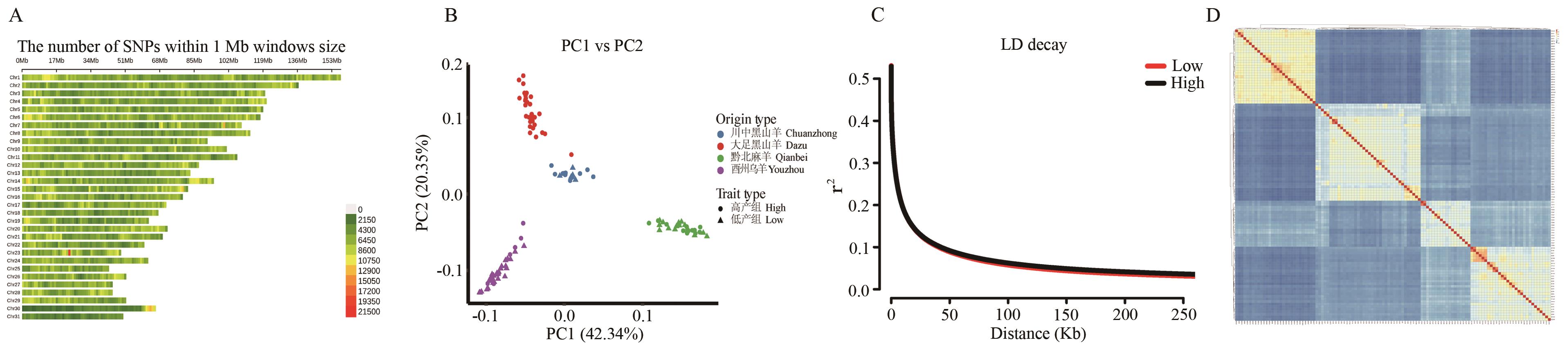
Fig. 1 Results of the population analysisA: Distribution density of SNPs on each chromosome. B: PCA of populations. C: LD attenuation diagram of populations. D: Kinship matrix heatmap
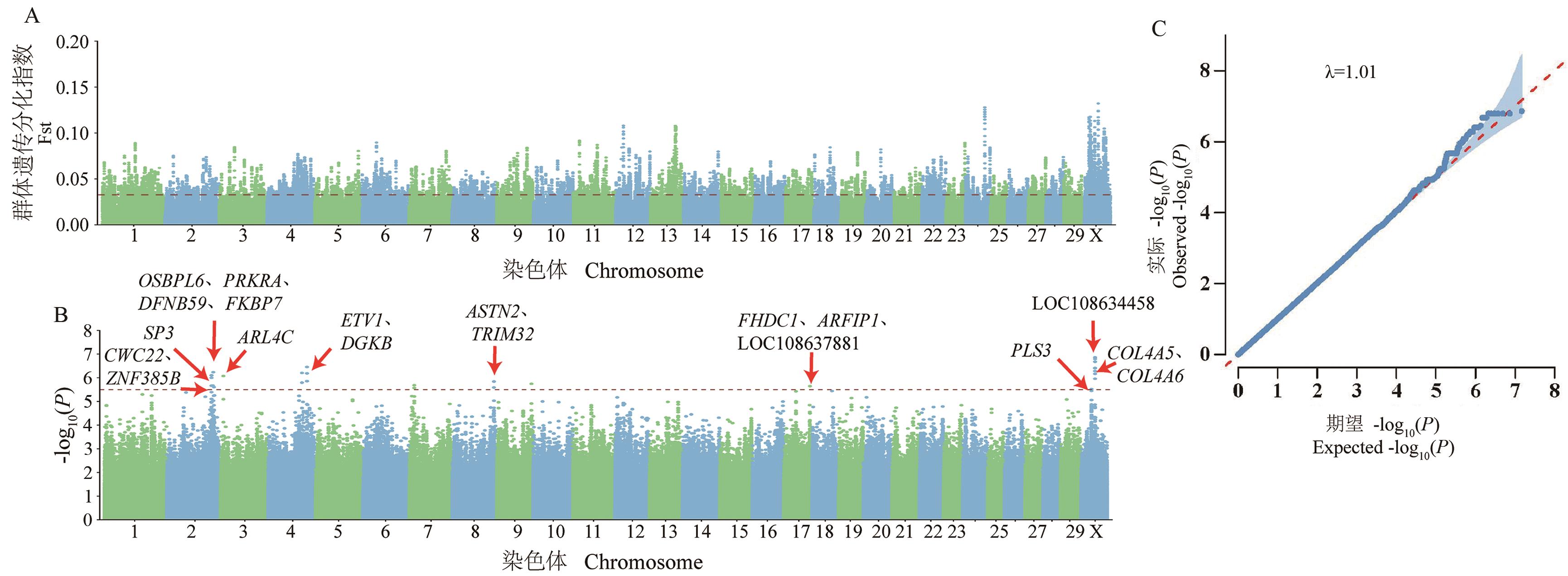
Fig. 2 Manhattan plots of population genetic differentiation index (Fst) and GWAS, along with the GWAS Q-Q plotA: Manhattan plot of population genetic differentiation index (Fst). B: Manhattan plot of genome-wide association study (GWAS). C: Q-Q plot of GWAS
染色体 Chromosome | Fst显著选择区域 Fst significant selection regions | 平均Fst值 Average Fst value | 显著关联的变异位点数量 Number of significantly associated variant sites | 相对基因位置 Location relative to gene | 区域内基因 Genes in the region |
|---|---|---|---|---|---|
| 2 | chr2:113 280 001-113 460 000 | 0.04 | 36 | Downstream | SP3 |
| 4 | chr4:98 210 001-98 430 000 | 0.05 | 5 | Upstream, Intron | ETV1 |
| X | chrX:26 050 001-26 470 000 | 0.08 | 2 | Upstream | PLS3 |
| X | chrX:34 890 001-35 350 000 | 0.07 | 24 | Upstream, Intron | COL4A5、COL4A6 |
Table 2 Fst and GWAS analysis results of litter size traits in goats
染色体 Chromosome | Fst显著选择区域 Fst significant selection regions | 平均Fst值 Average Fst value | 显著关联的变异位点数量 Number of significantly associated variant sites | 相对基因位置 Location relative to gene | 区域内基因 Genes in the region |
|---|---|---|---|---|---|
| 2 | chr2:113 280 001-113 460 000 | 0.04 | 36 | Downstream | SP3 |
| 4 | chr4:98 210 001-98 430 000 | 0.05 | 5 | Upstream, Intron | ETV1 |
| X | chrX:26 050 001-26 470 000 | 0.08 | 2 | Upstream | PLS3 |
| X | chrX:34 890 001-35 350 000 | 0.07 | 24 | Upstream, Intron | COL4A5、COL4A6 |
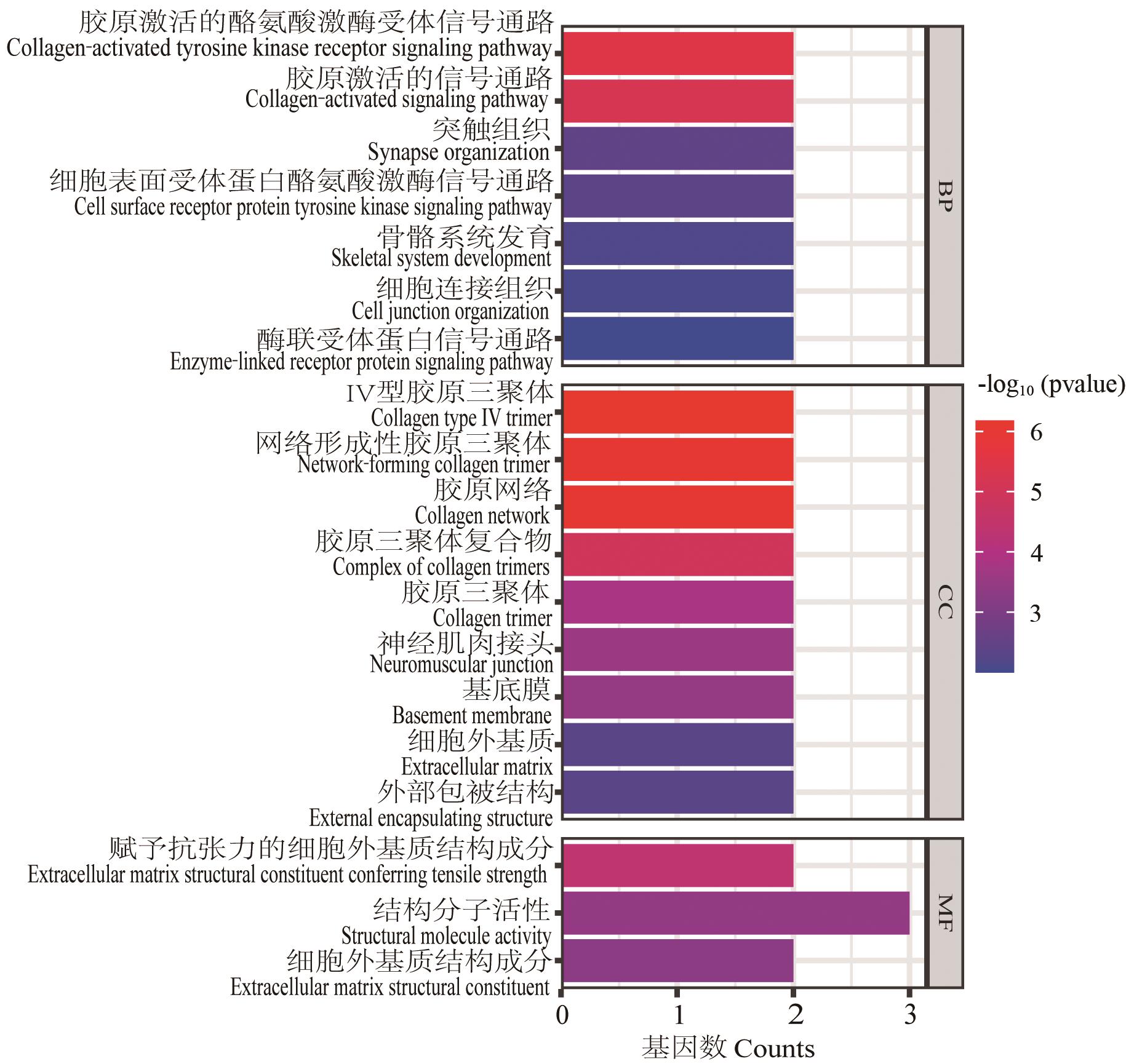
Fig. 3 Bar plot of GO and KEGG enrichment analysis for candidate genes
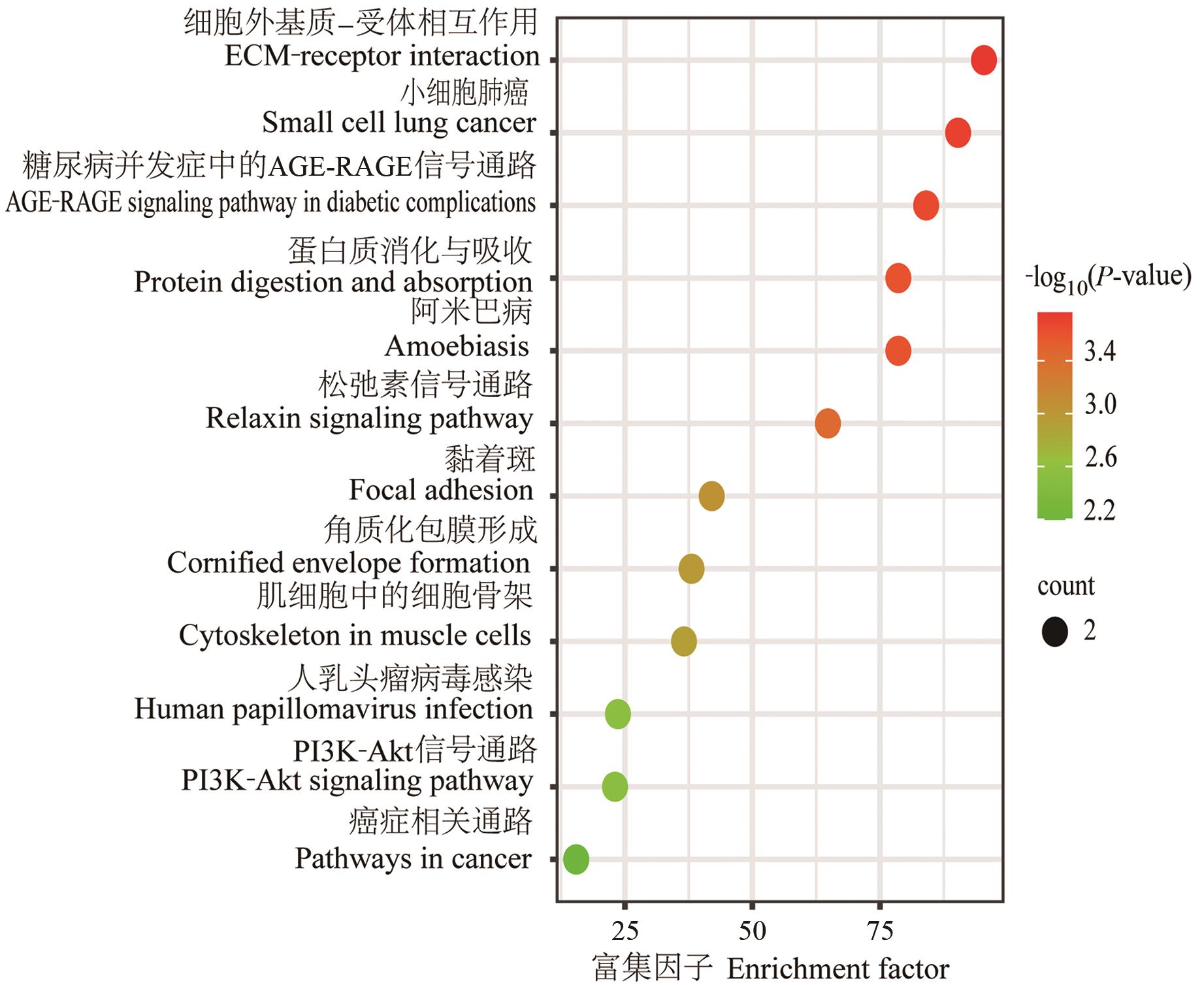
Fig. 4 Bubble plot of KEGG enrichment analysis of the candidate genes
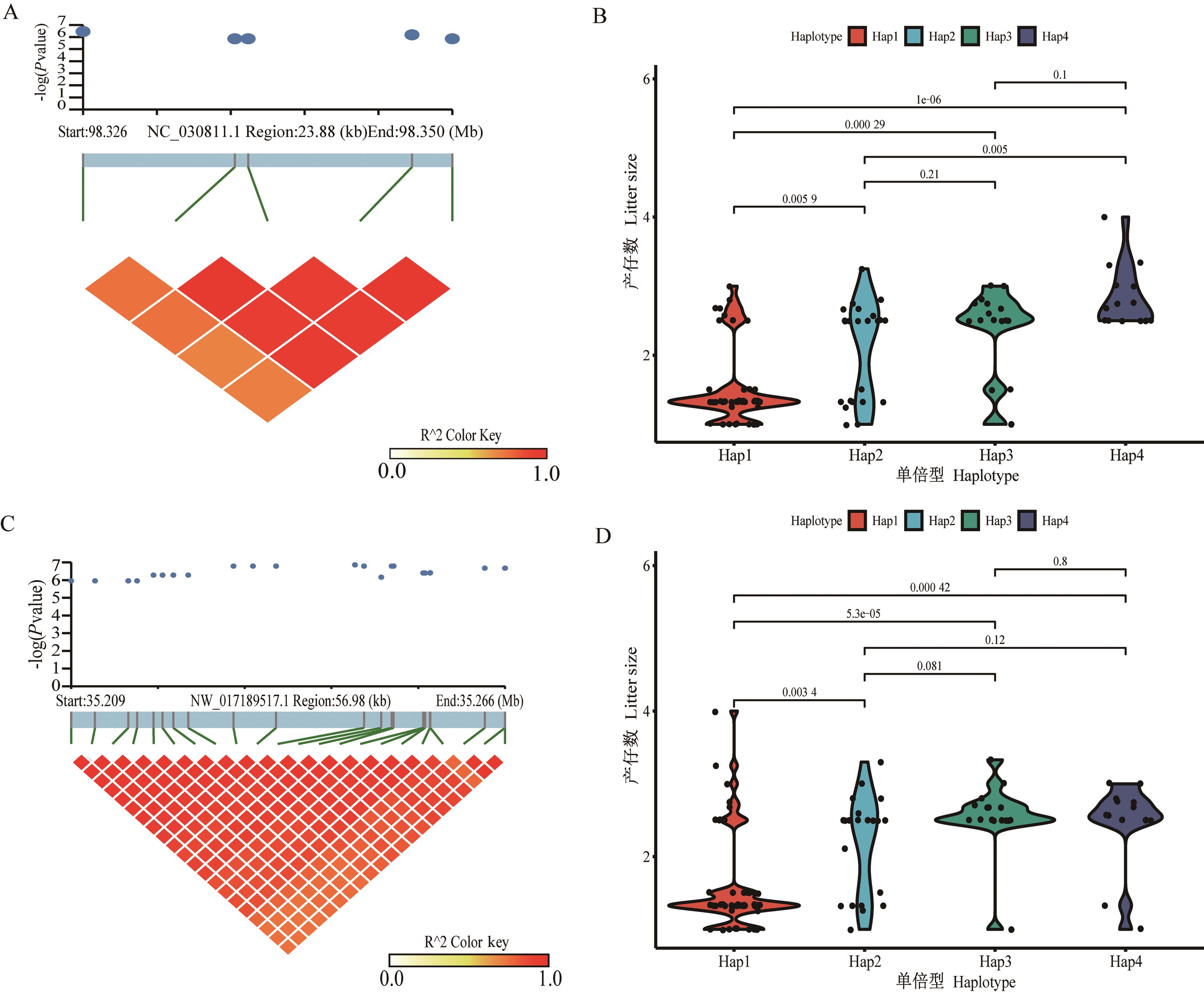
Fig. 5 Haplotype-based association analysis of ETV1 and COL4A6 genesA: Haplotype block diagram of 5 significant SNPs annotated to the ETV1 gene. B: Violin plot of the major haplotypes annotated to the ETV1 gene. C: Haplotype block diagram of 24 significant loci annotated to the COL4A6 gene. D: Violin plot of the major haplotypes annotated to the COL4A6 gene
| [1] | Abdoli R, Zamani P, Mirhoseini SZ, et al. A review on prolificacy genes in sheep [J]. Reprod Domest Anim, 2016, 51(5): 631-637. |
| [2] | 程箫, 任春环, 张子军, 等. 安徽白山羊、波尔山羊GDF9和BMP15基因的RFLP分析 [J]. 安徽农业大学学报, 2012, 39(3): 352-355. |
| Cheng X, Ren CH, Zhang ZJ, et al. RFLP analysis of GDF9 and BMP15 as candidate genes of Anhui white goats and Boer goats [J]. J Anhui Agric Univ, 2012, 39(3): 352-355. | |
| [3] | 储明星, 肖杰文, 狄冉, 等. 促性腺激素释放激素受体(GnRHR)基因多态性及其与济宁青山羊高繁殖力关系 [J]. 农业生物技术学报, 2009, 17(2): 218-223. |
| Chu MX, Xiao JW, Di R, et al. Polymorphism of gonadotropin releasing hormaone receptor (GnRHR) gene and its relationship with prolificacy of Jining grey goat [J]. J Agric Biotechnol, 2009, 17(2): 218-223. | |
| [4] | 颜泉梅, 陈秋菊, 崔易虹, 等. 西农莎能奶山羊和布尔山羊GnRH基因多态性与产羔数的相关分析 [J]. 中国兽医学报, 2011, 31(11): 1667-1671. |
| Yan QM, Chen QJ, Cui YH, et al. Polymorphism of GnRH gene and its relationship with little size and growth weight of xinong shaaneng dairy goat and Boer goat [J]. Chin J Vet Sci, 2011, 31(11): 1667-1671. | |
| [5] | Mahmoudi P, Rashidi A, Nazari-Ghadikolaei A, et al. Genome-wide association study reveals novel candidate genes for litter size in Markhoz goats [J]. Front Vet Sci, 2022, 9: 1045589. |
| [6] | Zhao JQ, Wang YL, Kamalibieke J, et al. Design and verification of a 25K multiple-SNP liquid-capture chip by target sequencing for dairy goat [J]. BMC Genom, 2025, 26(1): 377. |
| [7] | Tao L, He XY, Jiang YT, et al. Combined approaches to reveal genes associated with litter size in Yunshang black goats [J]. Anim Genet, 2020, 51(6): 924-934. |
| [8] | Islam R, Liu XX, Gebreselassie G, et al. Genome-wide association analysis reveals the genetic locus for high reproduction trait in Chinese Arbas Cashmere goat [J]. Genes Genom, 2020, 42(8): 893-899. |
| [9] | Shangguan AS, Xiang C, Deng Z, et al. Genome-wide association study of growth and reproductive traits based on low-coverage whole-genome sequencing in a Chubao black-head goat population [J]. Gene, 2024, 931: 148891. |
| [10] | Fang XQ, Gu BW, Chen MX, et al. Genome-wide association study of the reproductive traits of the Dazu black goat (Capra hircus) using whole-genome resequencing [J]. Genes, 2023, 14(10): 1960. |
| [11] | 付琳, 任航行, 蒋婧, 等. 重庆本地山羊资源——铜梁麻羊的分子系统学分析 [J]. 黑龙江畜牧兽医, 2019(3): 62-67, 180. |
| Fu L, Ren HX, Jiang J, et al. Molecular phylogenetic analysis of Tongliang Mayang, a local goat resource in Chongqing [J]. Heilongjiang Anim Sci Vet Med, 2019(3): 62-67, 180. | |
| [12] | Han W, Qi M, Ye K, et al. Genome-wide association study for growth traits with 1066 individuals in largemouth bass (Micropterus salmoides) [J]. Front Mol Biosci, 2024, 11: 1443522. |
| [13] | Tian Q, He JP, Zhu C, et al. Revisiting the transcriptome landscape of pig embryo implantation site at single-cell resolution [J]. Front Cell Dev Biol, 2022, 10: 796358. |
| [14] | Rossi F, Luppi S, Fejza A, et al. Extracellular matrix and pregnancy: functions and opportunities caught in the net [J]. Reprod Biol Endocrinol, 2025, 23(1): 24. |
| [15] | Li LY, Shi XJ, Shi Y, et al. The signaling pathways involved in ovarian follicle development [J]. Front Physiol, 2021, 12: 730196. |
| [16] | Fiorentino G, Cimadomo D, Innocenti F, et al. Biomechanical forces and signals operating in the ovary during folliculogenesis and their dysregulation: implications for fertility [J]. Hum Reprod Update, 2023, 29(1): 1-23. |
| [17] | Alliston TN, Gonzalez-Robayna IJ, Buse P, et al. Expression and localization of serum/glucocorticoid-induced kinase in the rat ovary: relation to follicular growth and Differentiation1 [J]. Endocrinology, 2000, 141(1): 385-395. |
| [18] | Ziojła NM, Socha M, Guerra MC, et al. ETVs dictate hPSC differentiation by tuning biophysical properties [J]. Nat Commun, 2025, 16: 1999. |
| [19] | Sobota RS, Shriner D, Kodaman N, et al. Addressing population-specific multiple testing burdens in genetic association studies [J]. Ann Hum Genet, 2015, 79(2): 136-147. |
| [20] | Waples RS. Practical application of the linkage disequilibrium method for estimating contemporary effective population size: a review [J]. Mol Ecol Resour, 2024, 24(1): e13879. |
| [21] | Cornetti L, Tschirren B. Combining genome-wide association study and FST-based approaches to identify targets of Borrelia-mediated selection in natural rodent hosts [J]. Mol Ecol, 2020, 29(7): 1386-1397. |
| [22] | 潘成佳, 吉丽娜, 华子春. 人源胶原蛋白家族的结构域及进化分析 [J]. 药物生物技术, 2024, 31(4): 331-337. |
| Pan CJ, Ji LN, Hua ZC. Domain and evolution analysis of the human collagen family [J]. Chin J Pharm Biotechnol, 2024, 31(4): 331-337. | |
| [23] | 常成, 张茜, 贺小云, 等. 绵羊甲状腺miR-370-3p靶向COL4A3基因调控繁殖力性状的初步研究 [J]. 中国农业大学学报, 2023, 28(9): 108-116. |
| Chang C, Zhang Q, He XY, et al. Preliminary study on the regulation of fertility traits by miR-370-3p targeting COL4A3 gene in sheep thyroid gland [J]. J China Agric Univ, 2023, 28(9): 108-116. | |
| [24] | Su H, Chen L, Yang G, et al. The transcriptional landscape of the early embryonic developmental biology in Hulunbuir short-tailed sheep [J]. Indian J Anim Res, 2023: 566-572. |
| [25] | Namba M, Kobayashi T, Kohno M, et al. Creation of X-linked Alport syndrome rat model with Col4a5 deficiency [J]. Sci Rep, 2021, 11: 20836. |
| [26] | Ocłoń E, Hrabia A. miRNA expression profile in chicken ovarian follicles throughout development and miRNA-mediated MMP expression [J]. Theriogenology, 2021, 160: 116-127. |
| [27] | Jiang JF, Cao YH, Shan HL, et al. The GWAS analysis of body size and population verification of related SNPs in hu sheep [J]. Front Genet, 2021, 12: 642552. |
| [28] | 张昌政, 李德森, 黄敏, 等. 基于全基因组填充重测序关联分析鉴别影响苏山猪初生体尺与乳头数性状的遗传位点 [J]. 畜牧兽医学报, 2023, 54(1): 88-102. |
| Zhang CZ, Li DS, Huang M, et al. An imputed whole-genome sequence-based GWAS approach pinpoints genetic loci for body conformation at birth and teat number traits in sushan pig population [J]. Acta Vet Zootechnica Sin, 2023, 54(1): 88-102. | |
| [29] | Sanchez MP, Escouflaire C, Baur A, et al. X-linked genes influence various complex traits in dairy cattle [J]. BMC Genomics, 2023, 24(1): 338. |
| [30] | Underhill LA, Mennella JM, Tollefson GA, et al. Transcriptomic analysis delineates preterm prelabor rupture of membranes from preterm labor in preterm fetal membranes [J]. BMC Med Genom, 2024, 17(1): 72. |
| [31] | Nishimura-Tadaki A, Wada T, Bano G, et al. Breakpoint determination of X;autosome balanced translocations in four patients with premature ovarian failure [J]. J Hum Genet, 2011, 56(2): 156-160. |
| [32] | Wolak D, Sechman A, Hrabia A. Effect of eCG treatment on gene expression of selected matrix metalloproteinases (MMP-2, MMP-7, MMP-9, MMP-10, and MMP-13) and the tissue inhibitors of metalloproteinases (TIMP-2 and TIMP-3) in the chicken ovary [J]. Anim Reprod Sci, 2021, 224: 106666. |
| [33] | Lu T, Achari Y, Sciore P, et al. Estrogen receptor alpha regulates matrix metalloproteinase-13 promoter activity primarily through the AP-1 transcriptional regulatory site [J]. BBA Mol Basis Dis, 2006, 1762(8): 719-731. |
| [34] | Koo TB, Song H, Moon I, et al. Differential expression of the PEA3 subfamily of ETS transcription factors in the mouse ovary and peri-implantation uterus [J]. Reproduction, 2005, 129(5): 651-657. |
| [35] | Read JE, Cabrera-Sharp V, Kitscha P, et al. Glial cells missing 1 regulates equine chorionic gonadotrophin beta subunit via binding to the proximal promoter [J]. Front Endocrinol, 2018, 9: 195. |
| [36] | Xin ZC, Li DG, Mao FY, et al. PLS3 predicts poor prognosis in pancreatic cancer and promotes cancer cell proliferation via PI3K/AKT signaling [J]. J Cell Physiol, 2020, 235(11): 8416-8423. |
| [37] | Geng Y, Tsai-Morris CH, Zhang Y, et al. The human luteinizing hormone receptor gene promoter: activation by Sp1 and Sp3 and inhibitory regulation [J]. Biochem Biophys Res Commun, 1999, 263(2): 366-371. |
| [38] | Wen YX, Shi HS, Wu ZX, et al. GR/Sp3/HDAC1/UGDH signaling participated in the maternal dexamethasone-induced dysplasia of the rat fetal growth plate [J]. FASEB J, 2020, 34(9): 12834-12846. |
| [39] | Ncube KT, Dzomba EF, Hadebe K, et al. Carcass quality profiles and associated genomic regions of South African goat populations investigated using goat SNP50K genotypes [J]. Animals, 2022, 12(3): 364. |
| [40] | Guo CH, Ye JN, Liu J, et al. Whole-genome sequencing identified candidate genes associated with high and low litter size in Chuanzhong black goats [J]. Front Vet Sci, 2024, 11: 1420164. |
| [1] | OU Qi, FENG Yao, WEI Liu-ting, ZHUANG Zhan-wei, ZHAO Yun-xiang, CHEN Fu-mei. Application Status of Genome-wide Association Study (GWAS) in the Study of Reproductive Traits in Sow [J]. Biotechnology Bulletin, 2026, 42(4): 65-71. |
| Viewed | ||||||
|
Full text |
|
|||||
|
Abstract |
|
|||||
