







Biotechnology Bulletin ›› 2025, Vol. 41 ›› Issue (3): 71-82.doi: 10.13560/j.cnki.biotech.bull.1985.2024-0750
Previous Articles Next Articles
QIN Yu-ting( ), PAN Sen-tao, CHEN Yu-ping()
Received:2024-08-05
Online:2025-03-26
Published:2025-03-20
Contact:
CHEN Yu-ping
E-mail:1473195274@qq.com;yupingc@usc.edu.cn
QIN Yu-ting, PAN Sen-tao, CHEN Yu-ping. Design and Application of Guide RNAs for Non-coding RNAs[J]. Biotechnology Bulletin, 2025, 41(3): 71-82.
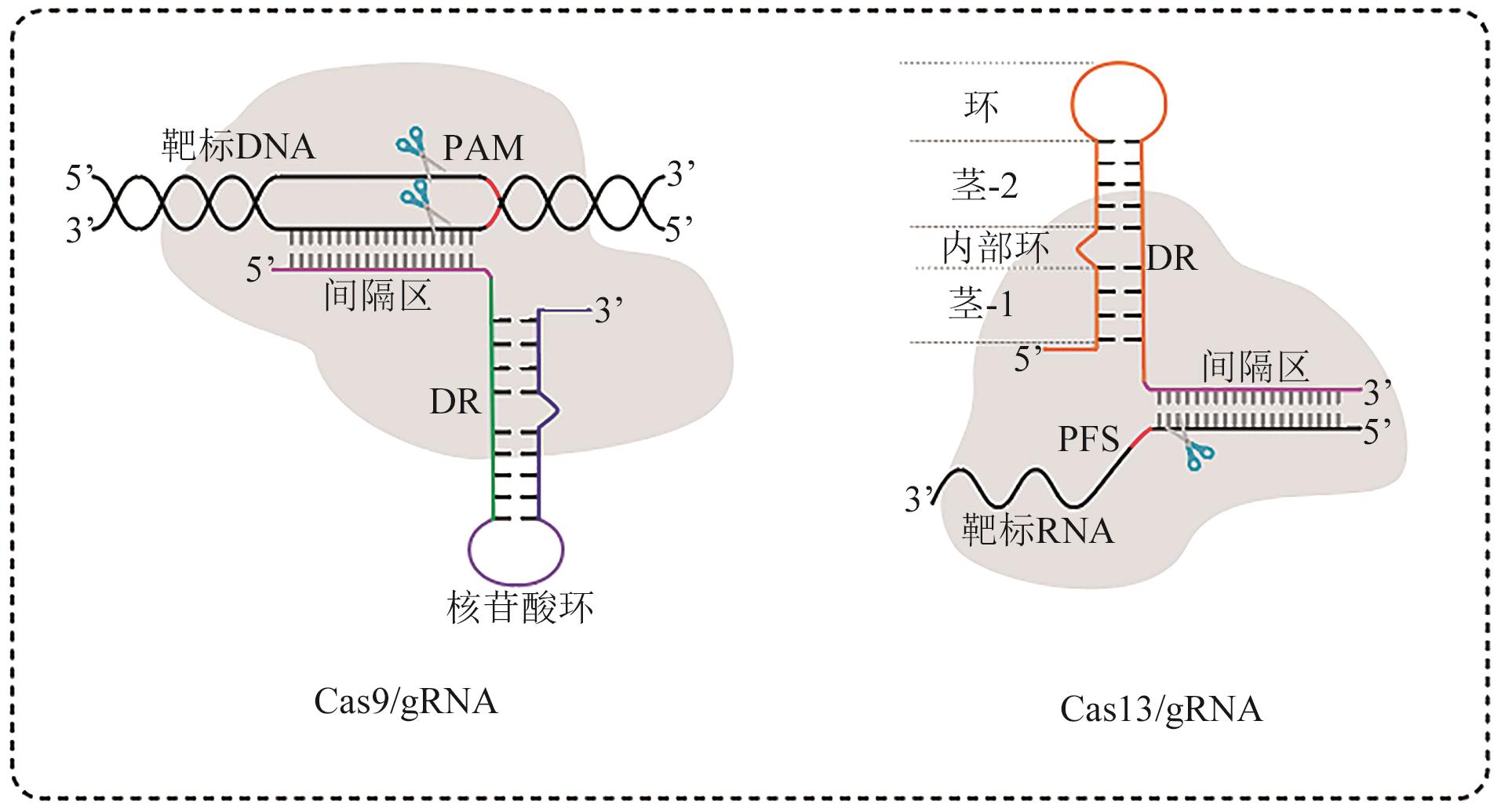
Fig. 1 Schematic structure of the gRNA of Cas9 & Cas13
| 工具 Tool | 输入 Input | 网址 Web site |
|---|---|---|
| CHOPCHOP | DNA 序列; 基因名称;基因组位置 | https://chopchop.cbu.uib.no |
| CRISPRDB | 基因名称 | https://crisprdb.org |
| CRISPRscan | DNA 序列 | https://www.crisprscan.org |
| Synthego | 基因名称 | https://design.synthego.com |
| EuPaGDT | DNA序列 | http://grna.ctegd.uga.edu |
| gRNA- seqret | DNA 序列; 基因名称 | https://grna.jgi.doe.gov |
| CRISPOR | DNA 序列;种属;PAM | http://crispor.tefor.net/ |
| DeepCas13 | sgRNA;目标RNA的DNA序列 | http://deepcas13.weililab.org/ |
Table 1 Web-based CRISPR gRNA design tools
| 工具 Tool | 输入 Input | 网址 Web site |
|---|---|---|
| CHOPCHOP | DNA 序列; 基因名称;基因组位置 | https://chopchop.cbu.uib.no |
| CRISPRDB | 基因名称 | https://crisprdb.org |
| CRISPRscan | DNA 序列 | https://www.crisprscan.org |
| Synthego | 基因名称 | https://design.synthego.com |
| EuPaGDT | DNA序列 | http://grna.ctegd.uga.edu |
| gRNA- seqret | DNA 序列; 基因名称 | https://grna.jgi.doe.gov |
| CRISPOR | DNA 序列;种属;PAM | http://crispor.tefor.net/ |
| DeepCas13 | sgRNA;目标RNA的DNA序列 | http://deepcas13.weililab.org/ |

Fig. 2 ncRNA production mechanism and gRNA site selection for Cas9/Cas13Alu: Alu transposable element; RBP: RNA-binding protein; 5'SD: 5' splice donor; 3'SA: 3' splice acceptor; TSS: transcription start site; BSJ: back splice junction; BP: branch point; 3'SS: 3' splice site
CRISPR类型 CRISPR type | 靶标类型 Target | gRNA设计相同点 Similarity in gRNA design | gRNA设计不同点 Difference in gRNA design |
|---|---|---|---|
| Cas9 | miRNA基因 | 1. 有PAM要求 | Drosha、Dicer加工位点及种子序列所对应的基因序列 |
| circRNA基因 | 2. 种子序列区无错配 | 靶向环状外显子或基因座两侧的内含子互补序列 | |
| lncRNA基因 | 3. 间隔序列GC含量高于50% | pgRNA;靶向剪接位点;BESST策略 | |
| Cas13 | miRNA | 1. 部分有PFS要求 | pri/pre-miRNA上的Drosha、Dicer加工位点及种子序列 |
| circRNA | 2. gRNA长度为23-30 bp较佳 | circRNA的BSJ位点 | |
| lncRNA | 3. 间隔序列GC含量高于50% | gRNA集合;靶向RNA单链区 |
Table 2 Summary of the similarities and differences in gRNA design for different types of ncRNAs
CRISPR类型 CRISPR type | 靶标类型 Target | gRNA设计相同点 Similarity in gRNA design | gRNA设计不同点 Difference in gRNA design |
|---|---|---|---|
| Cas9 | miRNA基因 | 1. 有PAM要求 | Drosha、Dicer加工位点及种子序列所对应的基因序列 |
| circRNA基因 | 2. 种子序列区无错配 | 靶向环状外显子或基因座两侧的内含子互补序列 | |
| lncRNA基因 | 3. 间隔序列GC含量高于50% | pgRNA;靶向剪接位点;BESST策略 | |
| Cas13 | miRNA | 1. 部分有PFS要求 | pri/pre-miRNA上的Drosha、Dicer加工位点及种子序列 |
| circRNA | 2. gRNA长度为23-30 bp较佳 | circRNA的BSJ位点 | |
| lncRNA | 3. 间隔序列GC含量高于50% | gRNA集合;靶向RNA单链区 |
| 1 | Zetsche B, Gootenberg JS, Abudayyeh OO, et al. Cpf1 is a single RNA-guided endonuclease of a class 2 CRISPR-Cas system [J]. Cell, 2015, 163(3): 759-771. |
| 2 | Jinek M, Chylinski K, Fonfara I, et al. A programmable dual-RNA-guided DNA endonuclease in adaptive bacterial immunity [J]. Science, 2012, 337(6096): 816-821. |
| 3 | Kordyś M, Sen R, Warkocki Z. Applications of the versatile CRISPR-Cas13 RNA targeting system [J]. Wiley Interdiscip Rev RNA, 2022, 13(3): e1694. |
| 4 | Pacesa M, Pelea O, Jinek M. Past, present, and future of CRISPR genome editing technologies [J]. Cell, 2024, 187(5): 1076-1100. |
| 5 | Feng Q, Li QR, Zhou HZ, et al. CRISPR technology in human diseases [J]. MedComm, 2024, 5(8): e672. |
| 6 | Granados-Riveron JT, Aquino-Jarquin G. CRISPR/Cas13-based approaches for ultrasensitive and specific detection of microRNAs [J]. Cells, 2021, 10(7): 1655. |
| 7 | Matsui M, Corey DR. Non-coding RNAs as drug targets [J]. Nat Rev Drug Discov, 2017, 16(3): 167-179. |
| 8 | 谭璐媛, 王妍, 钟文静, 等. 非编码RNA作为疾病诊断标志物 [J]. 生命科学, 2018, 30(2): 204-212. |
| Tan LY, Wang Y, Zhong WJ, et al. Non-coding RNA biomarkers for diagnosis of human diseases [J]. Chin Bull Life Sci, 2018, 30(2): 204-212. | |
| 9 | Calin GA, Liu CG, Ferracin M, et al. Ultraconserved regions encoding ncRNAs are altered in human leukemias and carcinomas [J]. Cancer Cell, 2007, 12(3): 215-229. |
| 10 | Slack FJ, Chinnaiyan AM. The role of non-coding RNAs in oncology [J]. Cell, 2019, 179(5): 1033-1055. |
| 11 | Borkiewicz L, Kalafut J, Dudziak K, et al. Decoding LncRNAs [J]. Cancers: Basel, 2021, 13(11): 2643. |
| 12 | Wiedenheft B, Sternberg SH, Doudna JA. RNA-guided genetic silencing systems in bacteria and Archaea [J]. Nature, 2012, 482(7385): 331-338. |
| 13 | Jiang FG, Doudna JA. CRISPR-Cas9 structures and mechanisms [J]. Annu Rev Biophys, 2017, 46: 505-529. |
| 14 | 李江, 耿立召, 许建平. CRISPR/Cas9系统中引导RNA的研究进展 [J]. 生物技术通报, 2019, 35(4): 108-115. |
| Li J, Geng LZ, Xu JP. Research progress on guide RNA in CRISPR/Cas9 system [J]. Biotechnol Bull, 2019, 35(4): 108-115. | |
| 15 | 陈静, 赵燕波, 赵兰, 等. 靶向RNA的CRISPR-Cas13系统及其研究进展 [J]. 福建师范大学学报: 自然科学版, 2021, 37(2): 10-17. |
| Chen J, Zhao YB, Zhao L, et al. RNA-targeting CRISPR-Cas13 systems and its research progress [J]. J Fujian Norm Univ Nat Sci Ed, 2021, 37(2): 10-17. | |
| 16 | Mohr SE, Hu YH, Ewen-Campen B, et al. CRISPR guide RNA design for research applications [J]. FEBS J, 2016, 283(17): 3232-3238. |
| 17 | Zhang C, Konermann S, Brideau NJ, et al. Structural basis for the RNA-guided ribonuclease activity of CRISPR-Cas13d [J]. Cell, 2018, 175(1): 212-223.e17. |
| 18 | Zhang B, Ye YM, Ye WW, et al. Two HEPN domains dictate CRISPR RNA maturation and target cleavage in Cas13d [J]. Nat Commun, 2019, 10(1): 2544. |
| 19 | Wessels HH, Méndez-Mancilla A, Guo XY, et al. Massively parallel Cas13 screens reveal principles for guide RNA design [J]. Nat Biotechnol, 2020, 38(6): 722-727. |
| 20 | Bandaru S, Tsuji MH, Shimizu Y, et al. Structure-based design of gRNA for Cas13 [J]. Sci Rep, 2020, 10(1): 11610. |
| 21 | Hsu PD, Scott DA, Weinstein JA, et al. DNA targeting specificity of RNA-guided Cas9 nucleases [J]. Nat Biotechnol, 2013, 31(9): 827-832. |
| 22 | Jonas S, Izaurralde E. Towards a molecular understanding of microRNA-mediated gene silencing [J]. Nat Rev Genet, 2015, 16(7): 421-433. |
| 23 | Boudoukha S, Rivera Vargas T, Dang I, et al. MiRNA let-7g regulates skeletal myoblast motility via Pinch-2 [J]. FEBS Lett, 2014, 588(9): 1623-1629. |
| 24 | Liu XW, Yang S, Wang L, et al. Hierarchically tumor-activated nanoCRISPR-Cas13a facilitates efficient microRNA disruption for multi-pathway-mediated tumor suppression [J]. Theranostics, 2023, 13(9): 2774-2786. |
| 25 | Hong JS, Son T, Castro CM, et al. CRISPR/Cas13a-based microRNA detection in tumor-derived extracellular vesicles [J]. Adv Sci, 2023, 10(24): e2301766. |
| 26 | Jiang L, Du JL, Xu HL, et al. Ultrasensitive CRISPR/Cas13a-mediated photoelectrochemical biosensors for specific and direct assay of miRNA-21 [J]. Anal Chem, 2023, 95(2): 1193-1200. |
| 27 | Li JW, Chen C, Luo F, et al. Highly sensitive biosensor for specific miRNA detection based on cascade signal amplification and magnetic electrochemiluminescence nanoparticles [J]. Anal Chim Acta, 2024, 1288: 342123. |
| 28 | Ma XW, Zhou F, Yang DL, et al. miRNA detection for prostate cancer diagnosis by miRoll-cas: miRNA rolling circle transcription for CRISPR-cas assay [J]. Anal Chem, 2023, 95(35): 13220-13226. |
| 29 | Wang B, Xu YT, Zhang TY, et al. An ultrasensitive and efficient microRNA nanosensor empowered by the CRISPR/cas confined in a nanopore [J]. Nano Lett, 2024, 24(1): 202-208. |
| 30 | Jiang Q, Meng X, Meng LW, et al. Small indels induced by CRISPR/Cas9 in the 5' region of microRNA lead to its depletion and Drosha processing retardance [J]. RNA Biol, 2014, 11(10): 1243-1249. |
| 31 | Chang H, Yi B, Ma RX, et al. CRISPR/cas9, a novel genomic tool to knock down microRNA in vitro and in vivo [J]. Sci Rep, 2016, 6: 22312. |
| 32 | 冯万有, 杨燕燕, 蒙丽娜, 等. CRISPR/Cas9系统敲除miRNA-182和miRNA-155的初步研究 [J]. 畜牧兽医杂志, 2022, 41(2): 15-21. |
| Feng WY, Yang YY, Meng LN, et al. Preliminary study on knockout of miRNA-182 and miRNA-155 by CRISPR/Cas9 system [J]. J Anim Sci Vet Med, 2022, 41(2): 15-21. | |
| 33 | Christie KA, Guo JA, Silverstein RA, et al. Precise DNA cleavage using CRISPR-SpRYgests [J]. Nat Biotechnol, 2023, 41(3): 409-416. |
| 34 | Li MH, Liu XY, Dai SF, et al. High efficiency targeting of non-coding sequences using CRISPR/Cas9 system in Tilapia [J]. G3 (Bethesda), 2019, 9(1): 287-295. |
| 35 | Tian T, Shu BW, Jiang YZ, et al. An ultralocalized Cas13a assay enables universal and nucleic acid amplification-free single-molecule RNA diagnostics [J]. ACS Nano, 2021, 15(1): 1167-1178. |
| 36 | Gootenberg JS, Abudayyeh OO, Lee JW, et al. Nucleic acid detection with CRISPR-Cas13a/C2c2 [J]. Science, 2017, 356(6336): 438-442. |
| 37 | Kellner MJ, Koob JG, Gootenberg JS, et al. SHERLOCK: nucleic acid detection with CRISPR nucleases [J]. Nat Protoc, 2019, 14(10): 2986-3012. |
| 38 | Abudayyeh OO, Gootenberg JS, Konermann S, et al. C2c2 is a single-component programmable RNA-guided RNA-targeting CRISPR effector [J]. Science, 2016, 353(6299): aaf5573. |
| 39 | Chen Y, Zhang YB, Luo SY, et al. Foldback-crRNA-enhanced CRISPR/Cas13a system (FCECas13a) enables direct detection of ultrashort sncRNA [J]. Anal Chem, 2023, 95(42): 15606-15613. |
| 40 | Kristensen LS, Andersen MS, Stagsted LVW, et al. The biogenesis, biology and characterization of circular RNAs [J]. Nat Rev Genet, 2019, 20(11): 675-691. |
| 41 | Dong XJ, Bai YF, Liao ZX, et al. Circular RNAs in the human brain are tailored to neuron identity and neuropsychiatric disease [J]. Nat Commun, 2023, 14(1): 5327. |
| 42 | He ZL, Zhu QB. Circular RNAs: Emerging roles and new insights in human cancers [J]. Biomed Pharmacother, 2023, 165: 115217. |
| 43 | Wu MC, Xun M, Chen YP. Circular RNAs: regulators of vascular smooth muscle cells in cardiovascular diseases [J]. J Mol Med, 2022, 100(4): 519-535. |
| 44 | Li X, Kang XL, Di YL, et al. CircCHMP5 contributes to O x -LDL-induced endothelial cell injury through the regulation of miR-532-5p/ROCK2 axis [J]. Cardiovasc Drugs Ther, 2023, 37(6): 1-12. |
| 45 | Miao RY, Qi CR, Fu YQ, et al. Silencing of circARHGAP12 inhibits the progression of atherosclerosis via miR-630/EZH2/TIMP2 signal axis [J]. J Cell Physiol, 2022, 237(1): 1057-1069. |
| 46 | Li SQ, Li X, Xue W, et al. Screening for functional circular RNAs using the CRISPR-Cas13 system [J]. Nat Methods, 2021, 18(1): 51-59. |
| 47 | Zhang Y, Xue W, Li X, et al. The biogenesis of nascent circular RNAs [J]. Cell Rep, 2016, 15(3): 611-624. |
| 48 | Zhong J, Wu XJ, Gao YX, et al. Circular RNA encoded MET variant promotes glioblastoma tumorigenesis [J]. Nat Commun, 2023, 14(1): 4467. |
| 49 | Heumüller AW, Jones AN, Mourão A, et al. Locus-conserved circular RNA cZNF292 controls endothelial cell flow responses [J]. Circ Res, 2022, 130(1): 67-79. |
| 50 | Zheng QP, Bao CY, Guo WJ, et al. Circular RNA profiling reveals an abundant circHIPK3 that regulates cell growth by sponging multiple miRNAs [J]. Nat Commun, 2016, 7: 11215. |
| 51 | He AT, Liu JL, Li FY, et al. Targeting circular RNAs as a therapeutic approach: current strategies and challenges [J]. Signal Transduct Target Ther, 2021, 6(1): 185. |
| 52 | Feng XY, Zhu SX, Pu KJ, et al. New insight into circRNAs: characterization, strategies, and biomedical applications [J]. Exp Hematol Oncol, 2023, 12(1): 91. |
| 53 | Ishola AA, Chien CS, Yang YP, et al. Oncogenic circRNA C190 promotes non-small cell lung cancer via modulation of the EGFR/ERK pathway [J]. Cancer Res, 2022, 82(1): 75-89. |
| 54 | Zhang Y, Nguyen TM, Zhang XO, et al. Optimized RNA-targeting CRISPR/Cas13d technology outperforms shRNA in identifying functional circRNAs [J]. Genome Biol, 2021, 22(1): 41. |
| 55 | Gomes-Duarte A, Venø MT, de Wit M, et al. Expression of Circ_Satb1 is decreased in mesial temporal lobe epilepsy and regulates dendritic spine morphology [J]. Front Mol Neurosci, 2022, 15: 832133. |
| 56 | Guttman M, Amit I, Garber M, et al. Chromatin signature reveals over a thousand highly conserved large non-coding RNAs in mammals [J]. Nature, 2009, 458(7235): 223-227. |
| 57 | Singh N. Role of mammalian long non-coding RNAs in normal and neuro oncological disorders [J]. Genomics, 2021, 113(5): 3250-3273. |
| 58 | Coan M, Haefliger S, Ounzain S, et al. Targeting and engineering long non-coding RNAs for cancer therapy [J]. Nat Rev Genet, 2024, 25(8): 578-595. |
| 59 | Xun M, Zhang J, Wu MC, et al. Long non-coding RNAs: the growth controller of vascular smooth muscle cells in cardiovascular diseases [J]. Int J Biochem Cell Biol, 2023, 157: 106392. |
| 60 | Zhang J, Luo QZ, Li X, et al. Novel role of immune-related non-coding RNAs as potential biomarkers regulating tumour immunoresponse via MICA/NKG2D pathway [J]. Biomark Res, 2023, 11(1): 86. |
| 61 | Moradi Z, Kazemi M, Jamshidi-Khalifelou R, et al. CRISPR du-HITI an attractive approach to targeting Long Noncoding RNA HCP5 as inhibitory factor for proliferation of ovarian cancer cell [J]. Funct Integr Genomics, 2024, 24(2): 61. |
| 62 | Zheng C, Wei Y, Zhang P, et al. CRISPR/Cas9 screen uncovers functional translation of cryptic lncRNA-encoded open reading frames in human cancer [J]. J Clin Invest, 2023, 133(5): e159940. |
| 63 | Chan YT, Wu JY, Lu YJ, et al. Loss of lncRNA LINC01056 leads to sorafenib resistance in HCC [J]. Mol Cancer, 2024, 23(1): 74. |
| 64 | Wang L, Bitar M, Lu X, et al. CRISPR-Cas13d screens identify KILR, a breast cancer risk-associated lncRNA that regulates DNA replication and repair [J]. Mol Cancer, 2024, 23(1): 101. |
| 65 | Zhu SY, Li W, Liu JZ, et al. Genome-scale deletion screening of human long non-coding RNAs using a paired-guide RNA CRISPR-Cas9 library [J]. Nat Biotechnol, 2016, 34(12): 1279-1286. |
| 66 | Arnan C, Ullrich S, Pulido-Quetglas C, et al. Paired guide RNA CRISPR-Cas9 screening for protein-coding genes and lncRNAs involved in transdifferentiation of human B-cells to macrophages [J]. BMC Genomics, 2022, 23(1): 402. |
| 67 | Zibitt MS, Hartford CCR, Lal A. Interrogating lncRNA functions via CRISPR/Cas systems [J]. RNA Biol, 2021, 18(12): 2097-2106. |
| 68 | Goyal A, Myacheva K, Groß M, et al. Challenges of CRISPR/Cas9 applications for long non-coding RNA genes [J]. Nucleic Acids Res, 2017, 45(3): e12. |
| 69 | Gilbert LA, Horlbeck MA, Adamson B, et al. Genome-scale CRISPR-mediated control of gene repression and activation [J]. Cell, 2014, 159(3): 647-661. |
| 70 | Liu SJ, Horlbeck MA, Cho SW, et al. CRISPRi-based genome-scale identification of functional long noncoding RNA loci in human cells [J]. Science, 2017, 355(6320): aah7111. |
| 71 | Liu Y, Cao ZZ, Wang YN, et al. Genome-wide screening for functional long noncoding RNAs in human cells by Cas9 targeting of splice sites [J]. Nat Biotechnol, 2018: 36(12):1203-1210. |
| 72 | Horlbeck MA, Liu SJ, Chang HY, et al. Fitness effects of CRISPR/Cas9-targeting of long noncoding RNA genes [J]. Nat Biotechnol, 2020, 38(5): 573-576. |
| 73 | Zhang SK, Chen Y, Dong KZ, et al. BESST: a novel lncRNA knockout strategy with less genome perturbance [J]. Nucleic Acids Res, 2023, 51(9): e49. |
| 74 | Yang ZT, Zhang ZX, Li J, et al. CRISPRlnc: a machine learning method for lncRNA-specific single-guide RNA design of CRISPR/Cas9 system [J]. Brief Bioinform, 2024, 25(2): bbae066. |
| 75 | Xu DY, Cai Y, Tang L, et al. A CRISPR/Cas13-based approach demonstrates biological relevance of vlinc class of long non-coding RNAs in anticancer drug response [J]. Sci Rep, 2020, 10(1): 1794. |
| 76 | Montero JJ, Trozzo R, Sugden M, et al. Genome-scale pan-cancer interrogation of lncRNA dependencies using CasRx [J]. Nat Methods, 2024, 21(4): 584-596. |
| [1] | CUI Hai-yang, TAN Miao, QUAN Zhuang, CHEN Hong-li, DONG Yan-min, TANG Li-chun. Generation of Virus-free TRAC-knocked-in T Cells Using Cas9TX [J]. Biotechnology Bulletin, 2024, 40(9): 190-197. |
| [2] | HOU Wen-ting, SUN Lin, ZHANG Yan-jun, DONG He-zhong. Application of Gene-editing Technology for Germplasm Innovation and Genetic Improvement in Cotton [J]. Biotechnology Bulletin, 2024, 40(7): 68-77. |
| [3] | CHEN Mo-yan, ZHU Cheng. Mechanism Study and Application of CRISPR/Cas12a-based Biosensing Platform [J]. Biotechnology Bulletin, 2024, 40(7): 90-98. |
| [4] | ZHU Tian-yi, KONG Gui-mei, JIAO Hong-mei, GUO Ting-ting, WU Ri-han, LIU Cui-cui, GAO Cheng-feng, LI Guo-cai. Establishment of A Bacterial Model of CRISPR/Cas9 Mediated adeG Gene Knockout in Escherichia coli [J]. Biotechnology Bulletin, 2024, 40(2): 55-64. |
| [5] | GAO Deng-ke, MA Bai-rong, GUO Yi-ying, LIU Wei, LIU Tian, JIN Ya-ping, JIANG Zhou, CHEN Hua-tao. Establishment of Quaking Knockout Mouse Embryonic Fibroblast Cell Line Using CRISPR/Cas9 Technology [J]. Biotechnology Bulletin, 2024, 40(2): 65-72. |
| [6] | ZHANG Hong-min, LONG Wen, LAO Xiao-qing, CHEN Wen-yan, SHANG Xue-mei, WANG Hong-lian, WANG Li, SU Hong-wei, SHEN Hong-ping, SHEN Hong-chun. Construction of Pmepa1 Knockout TCMK1 Mouse Renal Tubular Epithelial Cell Line Using CRISPR/Cas9 Technology [J]. Biotechnology Bulletin, 2024, 40(2): 73-79. |
| [7] | LIU Jia-hui, LIU Ye, HUA Er-bing, WANG Meng. PAM Extension of Cytosine Base Editing Tool in Corynebacterium glutamicum [J]. Biotechnology Bulletin, 2023, 39(9): 49-57. |
| [8] | CHEN Xiao-ling, LIAO Dong-qing, HUANG Shang-fei, CHEN Ying, LU Zhi-long, CHEN Dong. Advances in CRISPR/Cas9 System Modifying Saccharomycescerevisiae [J]. Biotechnology Bulletin, 2023, 39(8): 148-158. |
| [9] | YANG Yu-mei, ZHANG Kun-xiao. Establishing a Stable Cell Line with Site-specific Integration of ERK Kinase Phase-separated Fluorescent Probe Using CRISPR/Cas9 Technology [J]. Biotechnology Bulletin, 2023, 39(8): 159-164. |
| [10] | SHI Wei-tao, YAO Chun-peng, WEI Wen-Kang, WANG Lei, FANG Yuan-jie, TONG Yu-jie, MA Xiao-jiao, JIANG Wen, ZHANG Xiao-ai, SHAO Wei. Establishment of MDH2 Knockout Cell Line Using CRISPR/Cas9 Technology and Study of Anti-deoxynivalenol Effect [J]. Biotechnology Bulletin, 2023, 39(7): 307-315. |
| [11] | LIU Xiao-yan, ZHU Zhen-liang, SHI Guang-yu, HUA Zi-yu, YANG Chen, ZHANG Yong, LIU Jun. Strategies to Optimize the Expression of Mammary Gland Bioreactor [J]. Biotechnology Bulletin, 2023, 39(5): 77-91. |
| [12] | LV Yu-jing, WU Dan-dan, KONG Chun-yan, YANG Yu, GONG Ming. Genome-wide Identification of XTH Gene Family and Their Interacting miRNAs and Possible Roles in Low Temperature Adaptation in Jatropha curcas L. [J]. Biotechnology Bulletin, 2023, 39(2): 147-160. |
| [13] | CHENG Jing-wen, CAO Lei, ZHANG Yan-min, YE Qian, CHEN Min, TAN Wen-song, ZHAO Liang. Establishment and Application of Multigene Engineering Transformation Strategy for CHO Cells [J]. Biotechnology Bulletin, 2023, 39(2): 283-291. |
| [14] | HUANG Wen-li, LI Xiang-xiang, ZHOU Wen-ting, LUO Sha, YAO Wei-jia, MA Jie, ZHANG Fen, SHEN Yu-sen, GU Hong-hui, WANG Jian-sheng, SUN Bo. Targeted Editing of BoZDS in Broccoli by CRISPR/Cas9 Technology [J]. Biotechnology Bulletin, 2023, 39(2): 80-87. |
| [15] | WANG Bing, ZHAO Hui-na, YU Jing, CHEN Jie, LUO Mei, LEI Bo. Regulation of Leaf Bud by REVOLUTA in Tobacco Based on CRISPR/Cas9 System [J]. Biotechnology Bulletin, 2023, 39(10): 197-208. |
| Viewed | ||||||
|
Full text |
|
|||||
|
Abstract |
|
|||||
