







Biotechnology Bulletin ›› 2025, Vol. 41 ›› Issue (11): 166-176.doi: 10.13560/j.cnki.biotech.bull.1985.2025-0843
MIAO Hao-xiang1,2( ), ZHANG Ying2,3, GUO Shi-peng1,2, ZHANG Jian1,2()
Received:2025-08-04
Online:2025-11-26
Published:2025-12-09
Contact:
ZHANG Jian
E-mail:mhx990321@163.com;zj96sk@tust.edu.cn
MIAO Hao-xiang, ZHANG Ying, GUO Shi-peng, ZHANG Jian. Whole Genome Sequencing and Comparative Genomic Analysis of a High-yielding γ-aminobutyric Acid-producing Lactobacillus brevis TCCC13007[J]. Biotechnology Bulletin, 2025, 41(11): 166-176.

Fig. 1 Synthesis and degradation pathways of GABA

Fig. 2 Chromosome genomic circle of L. brevis TCCC13007
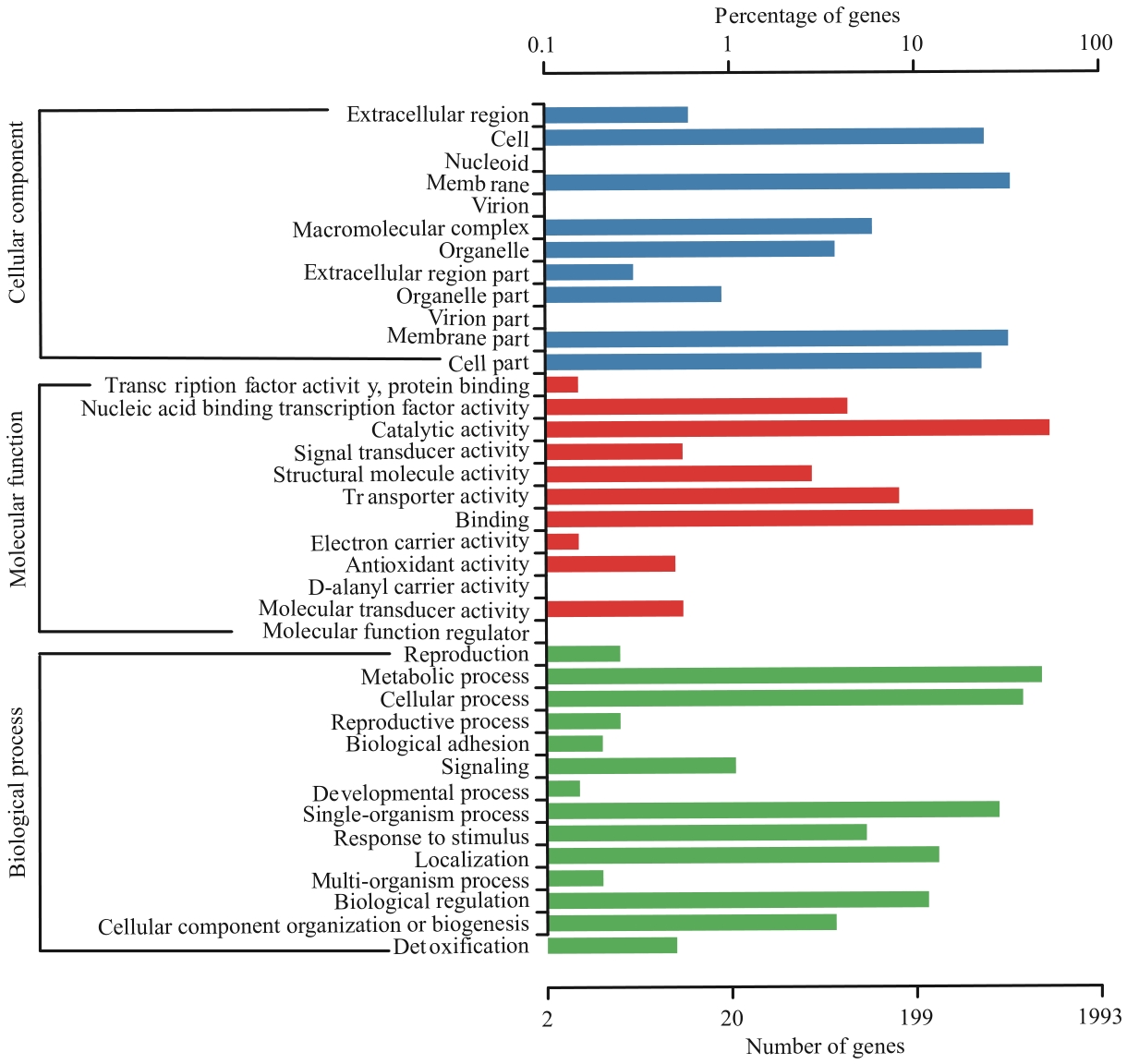
Fig. 3 GO function classification of L. brevis TCCC13007 gene functions

Fig. 4 eggNOG function classification of L. brevis TCCC13007
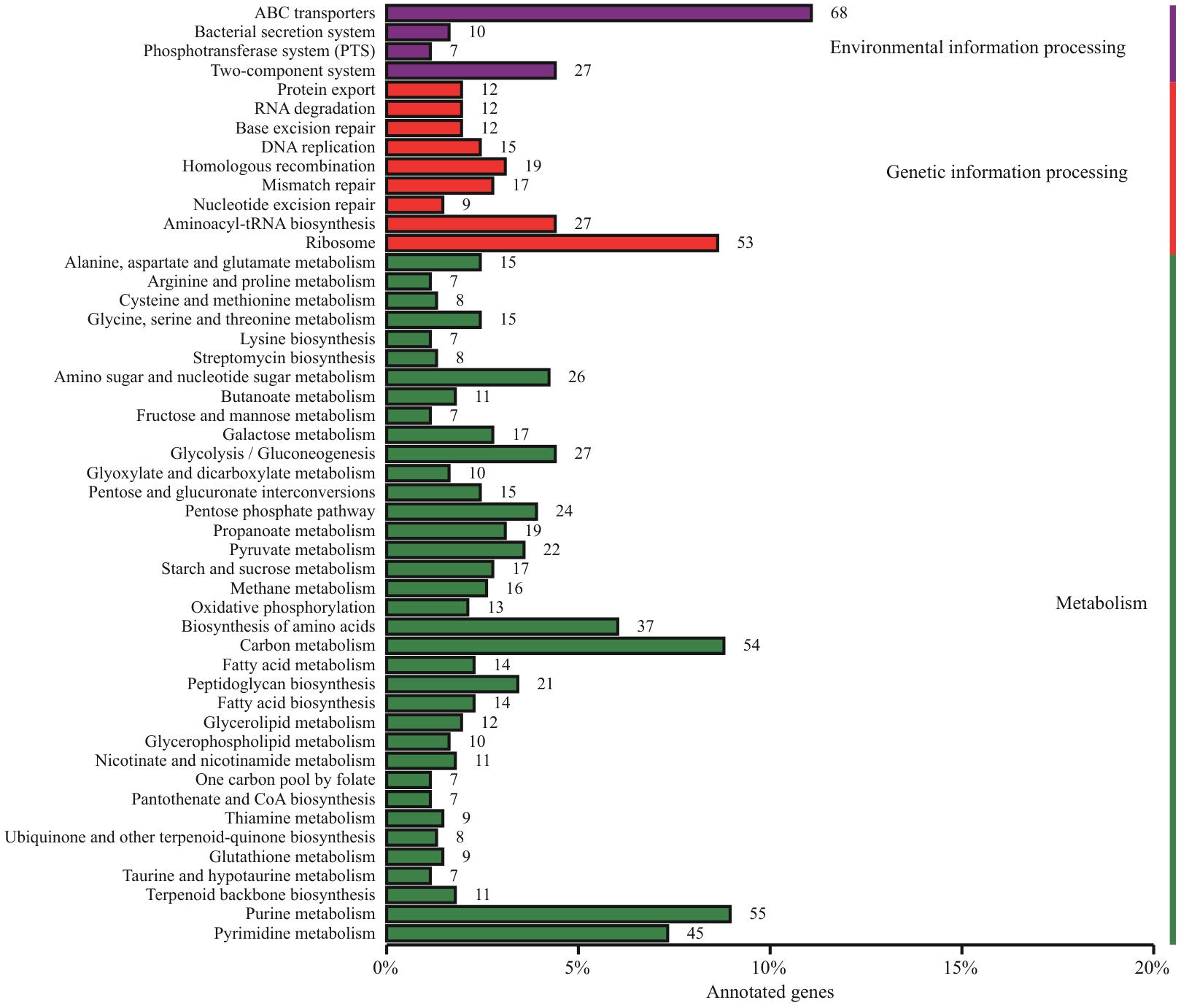
Fig. 5 KEGG metabolic pathways annotated with the gene functions of L. brevis TCCC13007
短乳杆菌菌株 L. brevis strain | 基因组大小 Genome size (Mb) | GC含量 GC content (%) | 蛋白编码基因 Protein-coding genes | 质粒数量 Number of plasmids | 登陆号 Accession number | GABA产量 GABA yield (g/L) | 参考文献 References |
|---|---|---|---|---|---|---|---|
| TCCC13007 | 2.58 | 45.72 | 2581 | 5 | PRJNA1290704 | 发酵180,转化280 | 本研究 |
| CD0817 | 3.10 | 50.35 | 2990 | 4 | PRJNA495163 | 404 | [ |
| NPS-QW-145 | 2.55 | 45.80 | 2391 | 0 | PRJNA318996 | 2.302 | [ |
| YSJ3 | 2.5 | 46 | 2449 | 7 | PRJNA804971 | 0.035 | [ |
| ATCC 14869 | 2.5 | 46 | 2630 | 0 | PRJNA38325 | 0.05 | [ |
| DPC 6108 | 2.9 | 45 | 2743 | 0 | PRJNA339712 | 16 | [ |
| CRL 2013 | 2.6 | 45.5 | 2543 | 0 | PRJNA378171 | 26.9 | [ |
| LSF9-1 | 2.5 | 45.5 | 2370 | 0 | PRJNA916067 | 16.935 | [ |
| G101 | 2.7 | 45.5 | 2467 | 0 | PRJNA369571 | 3.542 | [ |
| ATCC 367 | 2.34 | 46.04 | 2180 | 2 | PRJNA404 | 6.44 | [ |
Table 1 Comparison of genomic characteristics of strain TCCC13007 with other L. brevis
短乳杆菌菌株 L. brevis strain | 基因组大小 Genome size (Mb) | GC含量 GC content (%) | 蛋白编码基因 Protein-coding genes | 质粒数量 Number of plasmids | 登陆号 Accession number | GABA产量 GABA yield (g/L) | 参考文献 References |
|---|---|---|---|---|---|---|---|
| TCCC13007 | 2.58 | 45.72 | 2581 | 5 | PRJNA1290704 | 发酵180,转化280 | 本研究 |
| CD0817 | 3.10 | 50.35 | 2990 | 4 | PRJNA495163 | 404 | [ |
| NPS-QW-145 | 2.55 | 45.80 | 2391 | 0 | PRJNA318996 | 2.302 | [ |
| YSJ3 | 2.5 | 46 | 2449 | 7 | PRJNA804971 | 0.035 | [ |
| ATCC 14869 | 2.5 | 46 | 2630 | 0 | PRJNA38325 | 0.05 | [ |
| DPC 6108 | 2.9 | 45 | 2743 | 0 | PRJNA339712 | 16 | [ |
| CRL 2013 | 2.6 | 45.5 | 2543 | 0 | PRJNA378171 | 26.9 | [ |
| LSF9-1 | 2.5 | 45.5 | 2370 | 0 | PRJNA916067 | 16.935 | [ |
| G101 | 2.7 | 45.5 | 2467 | 0 | PRJNA369571 | 3.542 | [ |
| ATCC 367 | 2.34 | 46.04 | 2180 | 2 | PRJNA404 | 6.44 | [ |
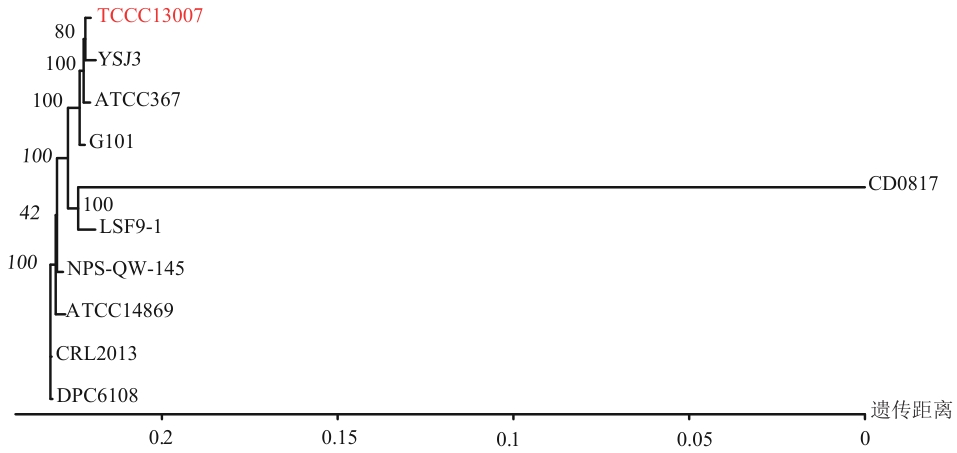
Fig. 6 A phylogenetic tree constructed from single-copy gene sequences using the Maximum Likelihood method
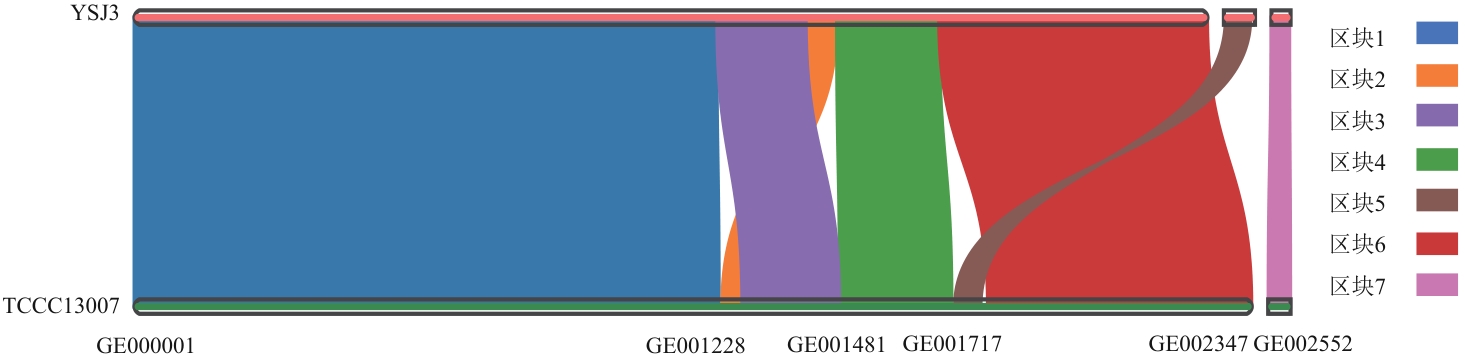
Fig. 7 Genomic collinearity analysis of strain TCCC13007 and strain YSJ3
| [1] | 许芮菁, 姜铖, 刘明川, 等. γ-氨基丁酸的检测方法及其功能性食品研究进展 [J]. 食品工业, 2025, 46(2): 150-155. |
| Xu RJ, Jiang C, Liu MC, et al. Research progress on detection method and functional food of γ-aminobutyric acid [J]. Food Ind, 2025, 46(2): 150-155. | |
| [2] | 李瑶, 王雷, 孙鑫, 等. γ-氨基丁酸生物学功能研究进展 [J]. 农业与技术, 2024, 44(10): 12-14. |
| Li Y, Wang L, Sun X, et al. Research progress on biological function of γ-aminobutyric acid [J]. Agric & Technol, 2024, 44(10): 12-14. | |
| [3] | 贾世杰, 刘江花, 李国梁. γ-氨基丁酸生物合成研究进展 [J]. 食品研究与开发, 2023, 44(23): 174-181. |
| Jia SJ, Liu JH, Li GL. Recent advances in gamma-aminobutyric acid biosynthesis [J]. Food Res Dev, 2023, 44(23): 174-181. | |
| [4] | 赵静宇. 一种γ-氨基丁酸双组分生物传感器的设计与构建 [D]. 济南: 山东大学, 2023. |
| Zhao JY. Design and construction of a two-component biosensor for gamma-aminobutyric acid [D]. Jinan: Shandong University, 2023. | |
| [5] | 林杨, 孙建, 顾美英, 等. 富含γ-氨基丁酸功能性乳酸菌饮品的配方及稳定性研究 [J]. 中国酿造, 2021, 40(8): 215-221. |
| Lin Y, Sun J, Gu MY, et al. Formulation and stability of functional lactic acid bacteria beverage rich in γ-aminobutyric acid [J]. China Brew, 2021, 40(8): 215-221. | |
| [6] | 王世依, 赵毅雯, 贾田丽, 等. 微生物法合成γ-氨基丁酸的研究进展 [J]. 华中农业大学学报, 2024, 43(4): 94-101. |
| Wang SY, Zhao YW, Jia TL, et al. Progress in microbial synthesis of gamma-aminobutyric acid [J]. J Huazhong Agric Univ, 2024, 43(4): 94-101. | |
| [7] | 金玥茹昕. 采后L-谷氨酸处理对早酥梨果实贮藏品质的影响 [D]. 锦州: 渤海大学, 2024. |
| Jin Y. Effects of L-glutamate treatment after harvest on storage quality of zaosu pear fruit [D]. Jinzhou: Bohai University, 2024. | |
| [8] | 郭新月. 葡萄糖流加刺激短乳杆菌合成GABA及SPN-PCR基因组步移方法的建立 [D]. 南昌: 南昌大学, 2024. |
| Guo XY. Stimulation of GABA synthesis by Lactobacillus brevis through glucose feeding and the establishment of the SPN-PCR genome walking method [D]. Nanchang: Nanchang University, 2024. | |
| [9] | 徐鹏. 以鱼蛋白胨为底物发酵生产γ-氨基丁酸及应用研究 [D]. 杭州: 浙江大学, 2023. |
| Xu P. Gamma-aminobutyric acid fermentation technology using fish peptone as substrate and the applications [D]. Hangzhou: Zhejiang University, 2023. | |
| [10] | Rehman A, Di Benedetto G, Bird JK, et al. Development of a workflow for the selection, identification and optimization of lactic acid bacteria with high γ-aminobutyric acid production [J]. Sci Rep, 2023, 13(1): 13663. |
| [11] | Zhang Y, Zhu MJ, Lu WJ, et al. Optimizing levilactobacillus brevis NPS-QW 145 fermentation for gamma-aminobutyric acid (GABA) production in soybean sprout yogurt-like product [J]. Foods, 2023, 12(5): 977. |
| [12] | Zhang JM, Liu DY, Zhang CC, et al. The impact of Levilactobacillus brevis YSJ3 and Lactiplantibacillus plantarum JLSC2-6 co-culture on gamma-aminobutyric acid yield, volatile and non-volatile metabolites, antioxidant activity, and bacterial community in fermented cauliflower byproducts [J]. Food Chem, 2024, 432: 137169. |
| [13] | Banerjee S, Poore M, Gerdes S, et al. Transcriptomics reveal different metabolic strategies for acid resistance and gamma-aminobutyric acid (GABA) production in select Levilactobacillus brevis strains [J]. Microb Cell Fact, 2021, 20(1): 173. |
| [14] | Marques TM, Patterson E, Wall R, et al. Influence of GABA and GABA-producing Lactobacillus brevis DPC 6108 on the development of diabetes in a streptozotocin rat model [J]. Benef Microbes, 2016, 7(3): 409-420. |
| [15] | Cataldo PG, Villena J, Elean M, et al. Immunomodulatory properties of a γ-aminobutyric acid-enriched strawberry juice produced by Levilactobacillus brevis CRL 2013 [J]. Front Microbiol, 2020, 11: 610016. |
| [16] | Phuengjayaem S, Pakdeeto A, Kingkaew E, et al. Genome sequences and functional analysis of Levilactobacillus brevis LSF9-1 and Pediococcus acidilactici LSF1-1 from fermented fish cake (Som-fak) with gamma-aminobutyric acid (GABA) production [J]. Funct Integr Genomics, 2023, 23(2): 158. |
| [17] | Jang SE, Han MJ, Kim SY, et al. Lactobacillus brevis G101 inhibits the absorption of monosodium glutamate in mice [J]. J Microbiol Biotechnol, 2014, 24(11): 1592-1596. |
| [18] | 宫璐婵. 谷氨酸脱羧酶系统对短乳杆菌酸耐受性的影响及其调控机制与应用 [D]. 无锡: 江南大学, 2019. |
| Gong LC. The effect of glutamate decarboxylase system on acid resistance and its regulatory mechanisms as well as application in Lactobacillus brevis [D]. Wuxi: Jiangnan University, 2019. | |
| [19] | Liu DY, Zhang JM, Chen J, et al. Carrot-based fermentation juice rich in sleep-promoting components improved sleep in mice [J]. Front Nutr, 2022, 9: 1043055. |
| [20] | Huang J, Fang H, Gai ZC, et al. Lactobacillus brevis CGMCC 1306 glutamate decarboxylase: Crystal structure and functional analysis [J]. Biochem Biophys Res Commun, 2018, 503(3): 1703-1709. |
| [21] | Kanehisa M, Goto S, Kawashima S, et al. The KEGG resource for deciphering the genome [J]. Nucleic Acids Res, 2004, 32(): D277-D280. |
| [22] | 罗婷婷, 姚潇潇, 詹欣艺, 等. 基于代谢组学探讨氯胺酮致小鼠认知障碍的机制 [J]. 中国药房, 2025, 36(12): 1436-1441. |
| Luo TT, Yao XX, Zhan XY, et al. Exploration of the mechanism of cognitive impairment induced by ketamine in mice based on metabolomics [J]. China Pharm, 2025, 36(12): 1436-1441. | |
| [23] | 徐绮思. 呋虫胺在黄酒酿造过程中残留行为及其对风味品质的影响 [D]. 保定: 河北农业大学, 2023. |
| Xu QS. Residual behaviour of dinotefuran in Huangjiu brewing and its effect on flavour quality [D]. Baoding: Hebei Agricultural University, 2023. | |
| [24] | Chen R, Xiang YH, Yu XP, et al. Comparative transcriptome analysis of global effect of ddh and lysE deletion on 4-hydroxyisoleucine production in Corynebacterium glutamicum [J]. Syst Microbiol Biomanuf, 2022, 2(3): 542-554. |
| [25] | 陈芬. 基于香菇菇脚饲料化转化的益生菌发酵工艺及其代谢组学研究 [D]. 重庆: 重庆大学, 2022. |
| Chen F. Study on probiotic fermentation technics and metabolomics of feed bioconversion using Lentinus edodes feet [D]. Chongqing: Chongqing University, 2022. | |
| [26] | Thangaraj K, Li JJ, Mei HL, et al. Mycorrhizal colonization enhanced sorghum bicolor tolerance under soil water deficit conditions by coordination of proline and reduced glutathione (GSH) [J]. J Agric Food Chem, 2022, 70(14): 4243-4255. |
| [27] | 陈琳. 罗伊氏乳杆菌果糖代谢通路分析及其益生特性研究 [D]. 杭州: 浙江工商大学, 2020. |
| Chen L. Analysis of fructose metabolic pathway and probiotic characteristics of Lactobacillus reuteri . WHH1689 [D]. Hangzhou: Zhejiang Gongshang University, 2020. | |
| [28] | 赵天源, 王菁, 王雨露, 等. 甜菜碱神经保护作用的研究进展 [J]. 生物技术进展, 2025, 15(2): 220-225. |
| Zhao TY, Wang J, Wang YL, et al. Research progress on neuroprotective effects of betaine [J]. Curr Biotechnol, 2025, 15(2): 220-225. | |
| [29] | 栗晓静. 干酪乳杆菌外源蛋白分泌系统的优化及潜在应用 [D]. 济南: 山东大学, 2024. |
| Li XJ. Optimization and potential application of heterologous protein secretion system in Lacticaseibacillus casei [D]. Jinan: Shandong University, 2024. | |
| [30] | Wagner M, Blum D, Raschka SL, et al. A new twist in ABC transporter mediated multidrug resistance-Pdr5 is a drug/proton co-transporter [J]. J Mol Biol, 2022, 434(14): 167669. |
| [31] | 王瑞敏. 酿酒酵母生产γ-氨基丁酸的代谢工程改造及发酵优化 [D]. 济南: 山东大学, 2024. |
| Wang RM. Metabolic engineering and fermentation optimization for gamma-aminobutyric acid production by Saccharomyces cerevisiae . [D]. Jinan: Shandong University, 2024. | |
| [32] | Si MR, Chen C, Zhong JY, et al. MsrR is a thiol-based oxidation-sensing regulator of the XRE family that modulates C. glutamicum oxidative stress resistance [J]. Microb Cell Fact, 2020, 19(1): 189. |
| [1] | LYU Zhen, GAN Tian, HUO Si-yu, ZHAO Chen-di, ZHAO Meng-yao, LI Ya-tao, MA Yu-chao, GENG Yu-qing. Identification of Surfactin-producing Bacillus Velezensis C5A-1 and Evaluation of the Plant Growth-promoting Effects of Its Surfactin [J]. Biotechnology Bulletin, 2025, 41(9): 265-276. |
| [2] | ZHANG Ting, WAN Yu-xin, XU Wei-hui, WANG Zhi-gang, CHEN Wen-jing, HU Yun-long. Growth-promoting Effects of a Rhizosphere Growth-promoting Bacterium Leclercia adecarboxylata LN01 in Maize Plants and Its Whole-genome Analysis [J]. Biotechnology Bulletin, 2025, 41(1): 263-275. |
| [3] | SUN Ya-nan, WANG Chun-xue, WANG Xin, DU Bing-hai, LIU Kai, WANG Cheng-qiang. Biocontrol Characteristics of Bacillus atrophaeus CNY01 and Its Salt-resistant and Growth-promoting Effect on Maize Seedling [J]. Biotechnology Bulletin, 2024, 40(5): 248-260. |
| [4] | XUE Qing, DU Hong-rui, XUE Hui-ying, WANG Yi-hao, WANG Xuan, LI Hong-mei. Mitochondrial Genome and Phylogeny of Aphelenchoides medicagus [J]. Biotechnology Bulletin, 2021, 37(7): 98-106. |
| [5] | CHEN Ti-qiang, XU Xiao-lan, SHI Lin-chun, ZHONG Li-Yi. Sequencing and Analysis of the Whole Genome of Zizhi Cultivar ‘Wuzhi No.2’(Ganoderma sp. strain Zizhi S2) [J]. Biotechnology Bulletin, 2021, 37(11): 42-56. |
| [6] | FAN Xiao-meng, QI Ji. Revealing Hybridization of Brassicaceae Based on Comparative Genomics [J]. Biotechnology Bulletin, 2018, 34(7): 126-137. |
| [7] | LI Xiao-kai ,WANG Gui ,QIAO Xian ,FAN Yi-xing ,ZHANG Lei ,MA Yu-hao ,NIE Rui-xue ,WANG Rui-jun ,HE Li-bing ,SU Rui. Research Progress on Whole-genome Sequencing on Important Domesticated Animals [J]. Biotechnology Bulletin, 2018, 34(6): 11-21. |
| [8] | Wang Yan, Liu Yang, Liu Yining. Advances in Studies on Genomics of Toxogenic Fungi [J]. Biotechnology Bulletin, 2015, 31(2): 26-34. |
| Viewed | ||||||
|
Full text |
|
|||||
|
Abstract |
|
|||||
