







Biotechnology Bulletin ›› 2026, Vol. 42 ›› Issue (10): 122-133.doi: 10.13560/j.cnki.biotech.bull.1985.2025-1058
GAO Hui-ling1, JIA Zheng-rong1, XUE Jin-ai2, SONG Ya-nan2, JIA Xiao-yun3( ), LI Run-zhi2()
Received:2025-10-03
Online:2026-10-26
Published:2026-10-15
Contact:
JIA Xiao-yun, LI Run-zhi
E-mail:jiaxiaoyun@sxau.edu.cn;rli2001@126.com
GAO Hui-ling, JIA Zheng-rong, XUE Jin-ai, SONG Ya-nan, JIA Xiao-yun, LI Run-zhi. Genome-wide Identification of the CsFAD Gene Family in Camelina sativa and Functional Characterization of the Key Gene CsFAD3.3 Involved in α-linolenic Acid Biosynthesis[J]. Biotechnology Bulletin, 2026, 42(10): 122-133.
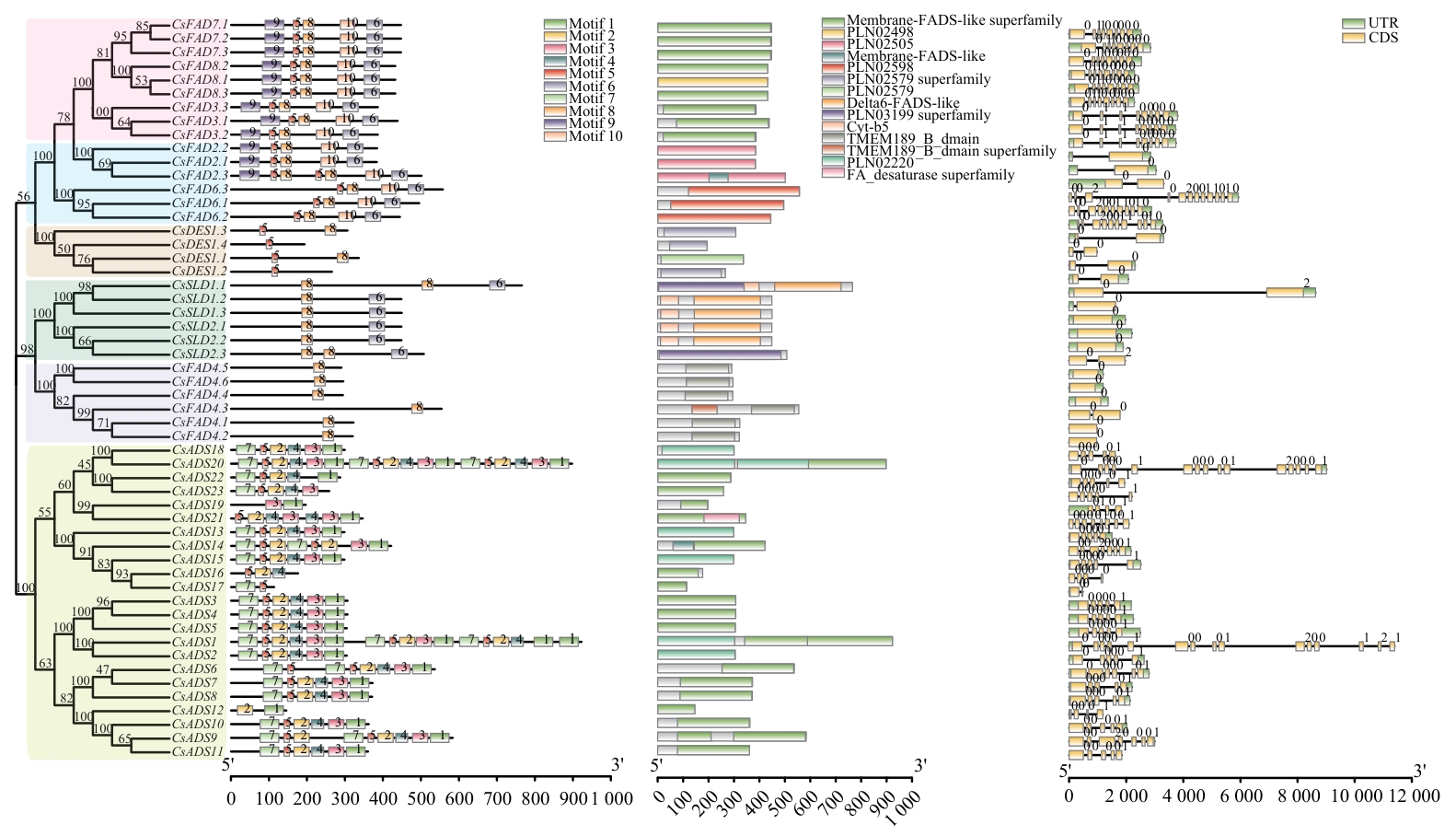
Fig. 1 Phylogenetic tree, motif, conserved domain and gene structure of CsFAD gene family in camelina
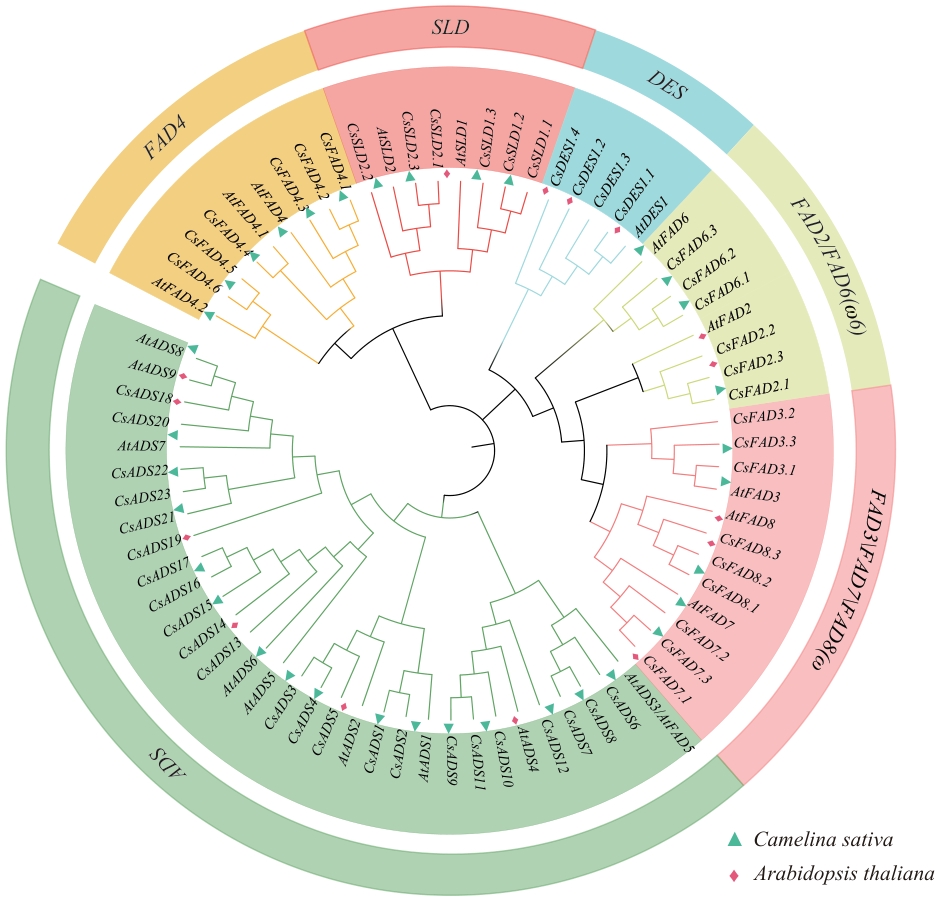
Fig. 2 Phylogenetic tree of CsFAD gene family in camelina
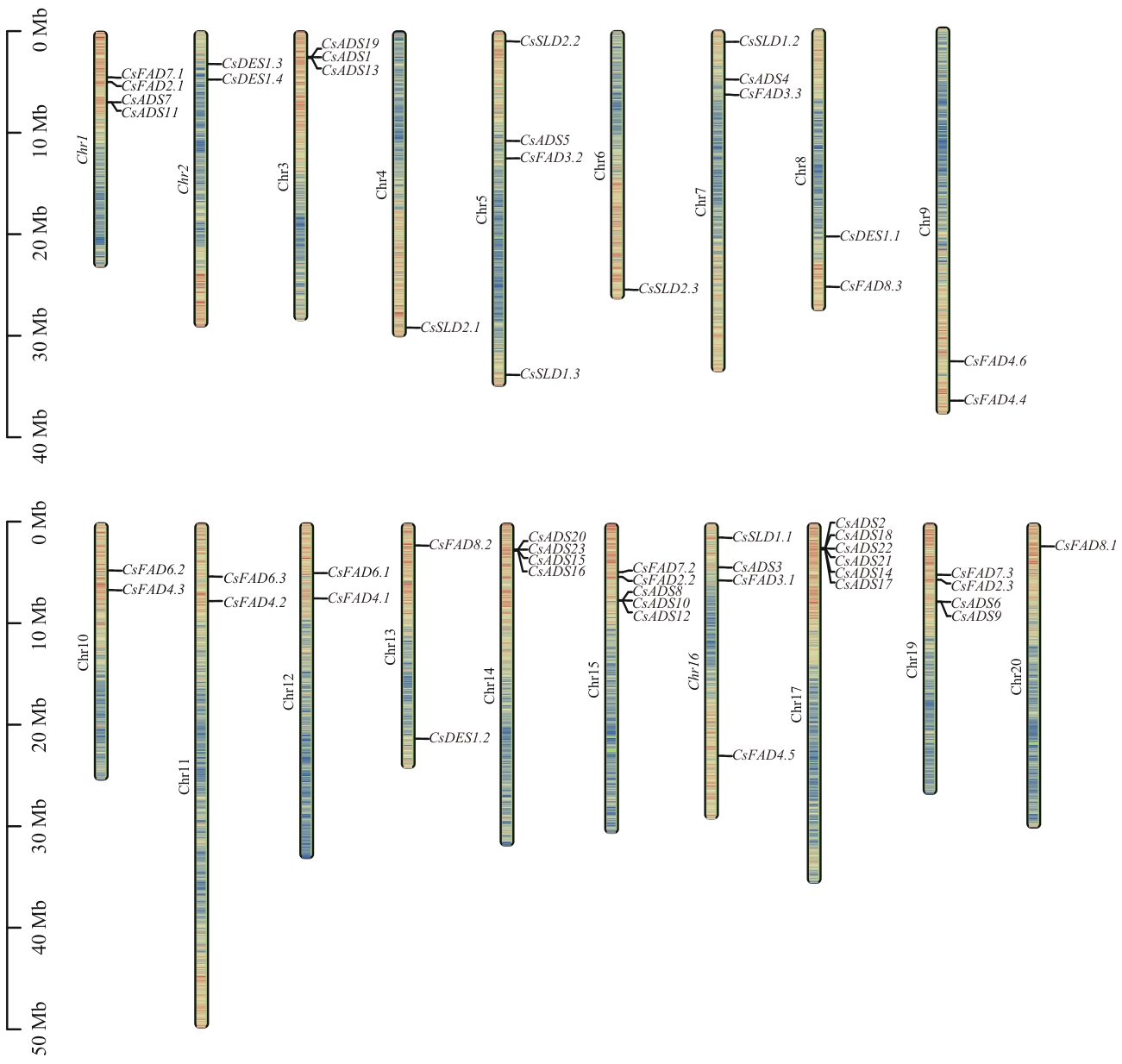
Fig. 3 Chromosome mapping of CsFAD gene family in camelina
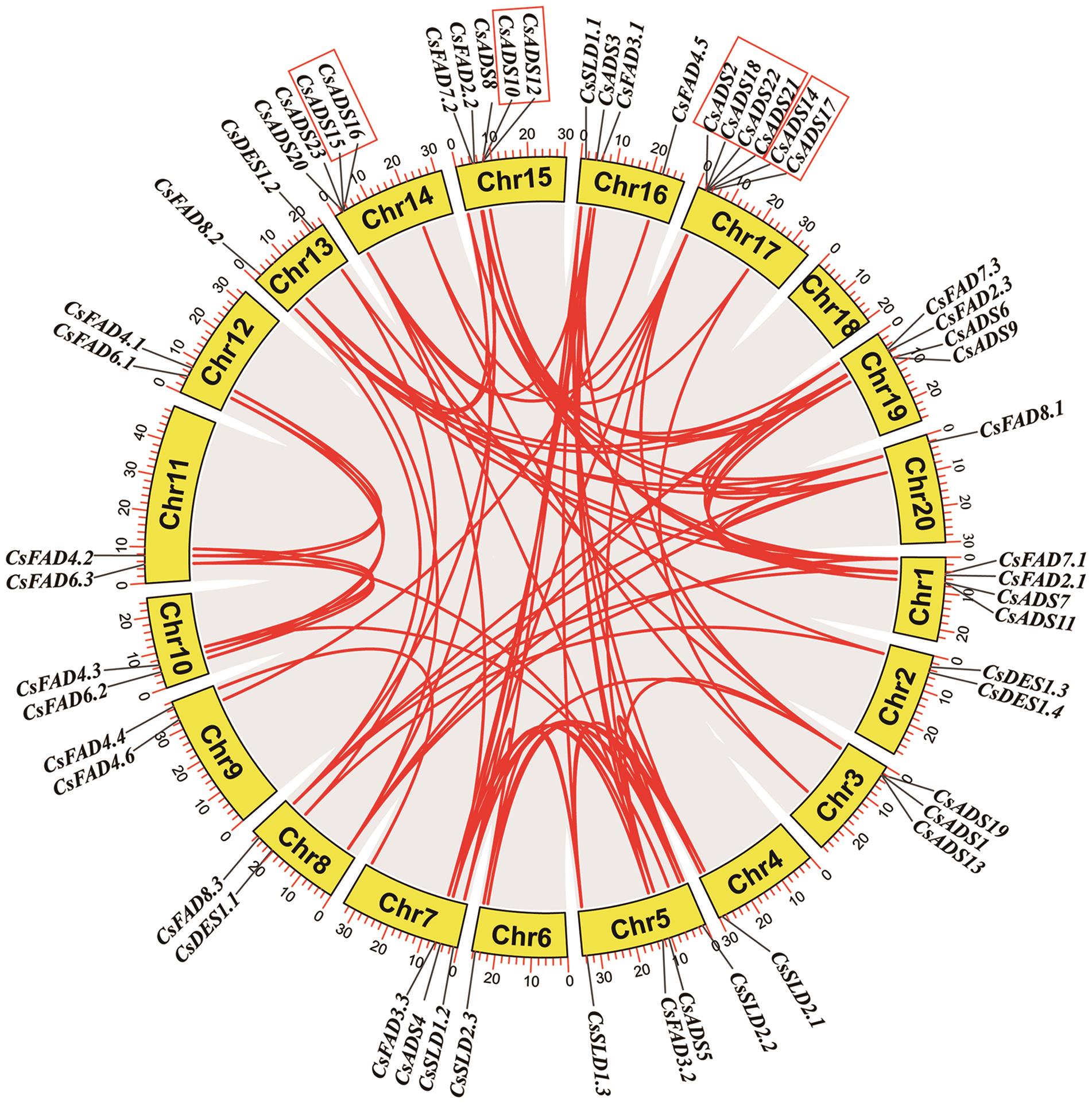
Fig. 4 Intraspecific synteny analysis of CsFAD genes in camelina
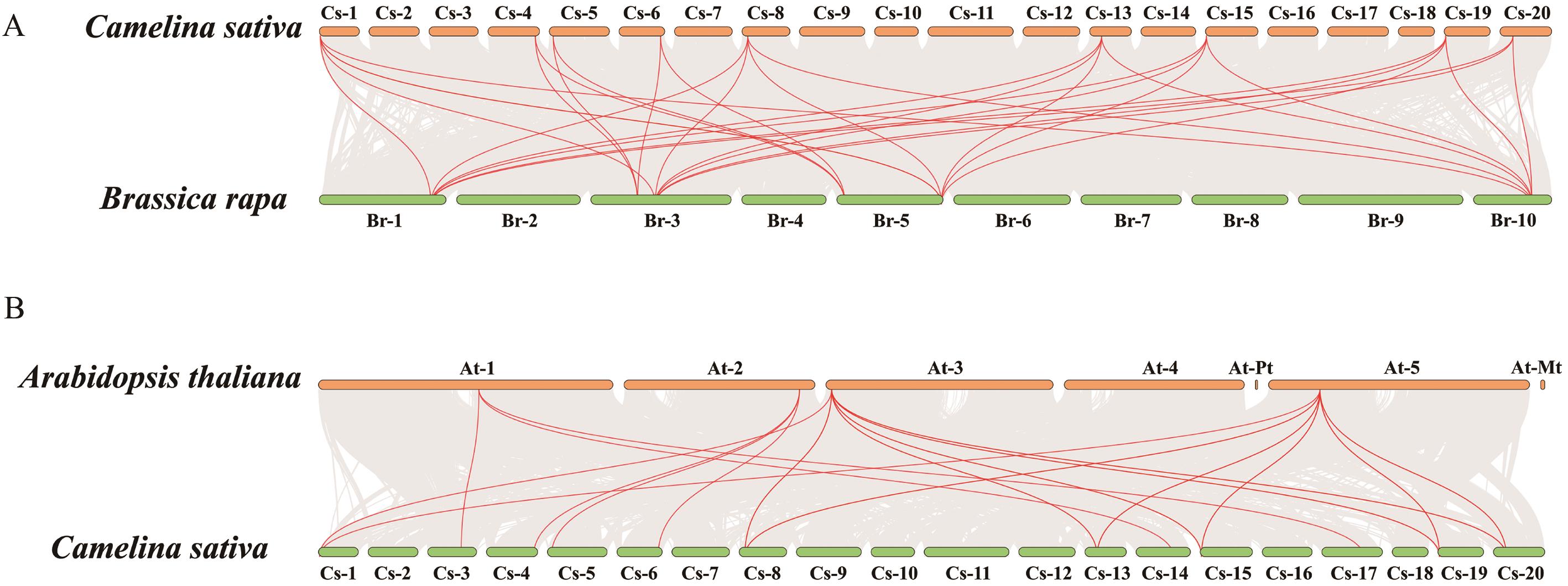
Fig. 5 Synteny analysis of FAD genes between Camelina sativa, Arabidopsis thaliana (A), and Brassica rapa (B)
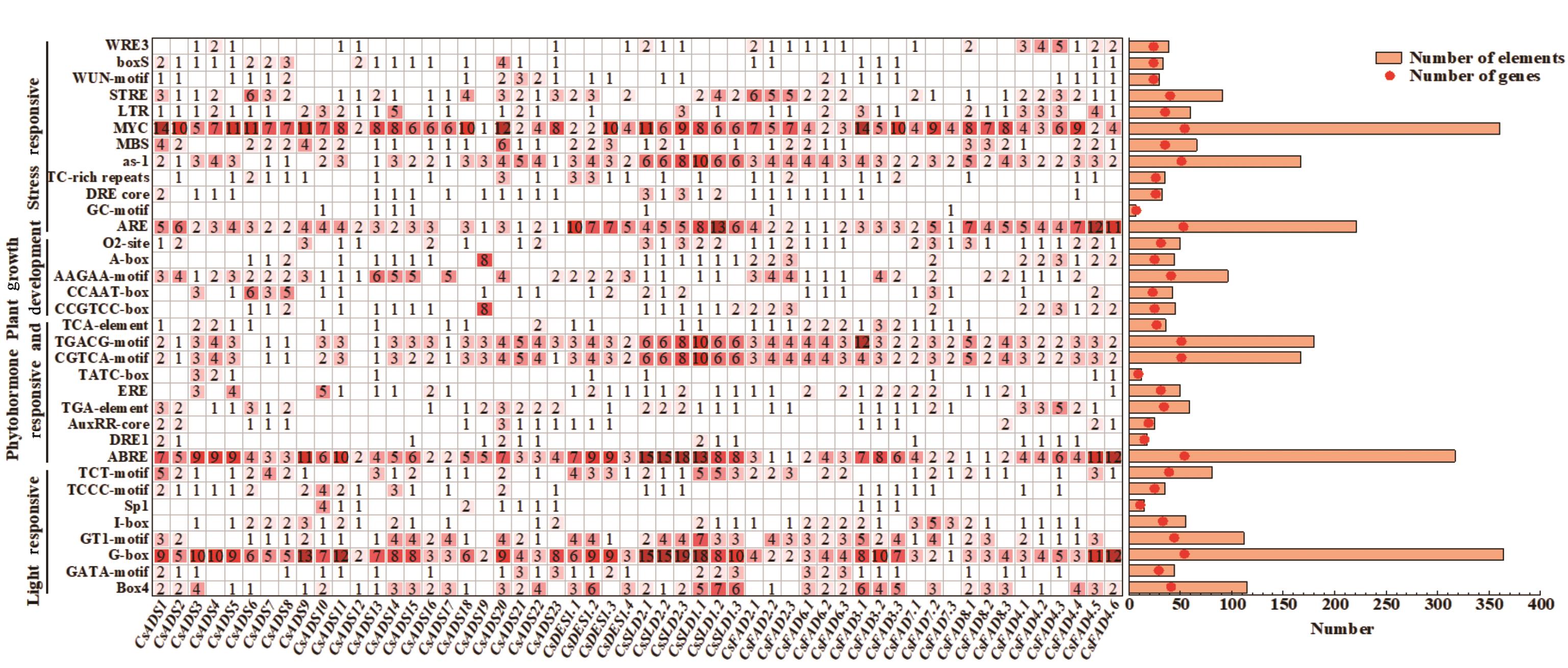
Fig. 6 Cis-element analysis in camelina CsFAD promoter sequences
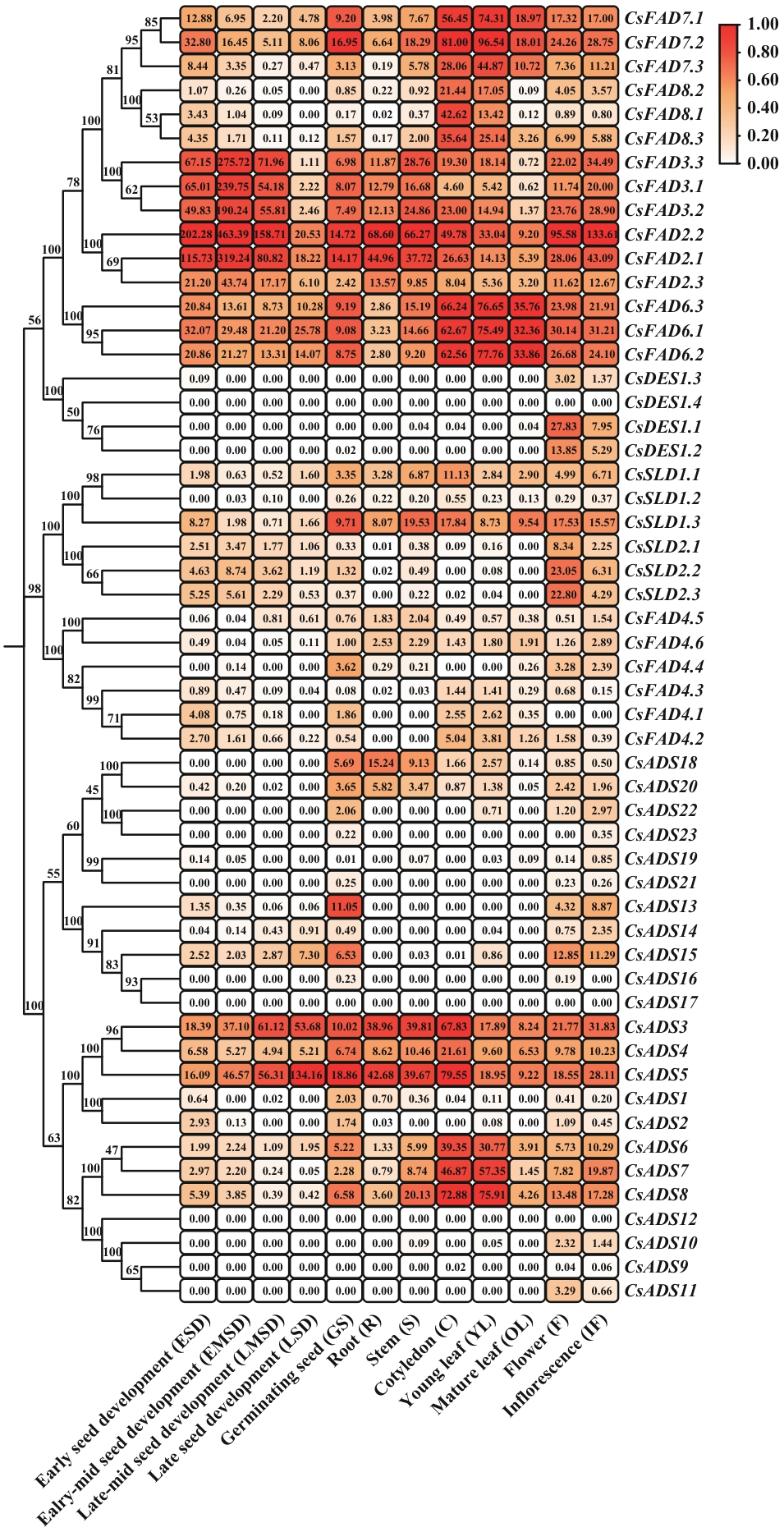
Fig. 7 Expression heatmap of CsFAD family genes across various tissues and seed developmental stages in camelina
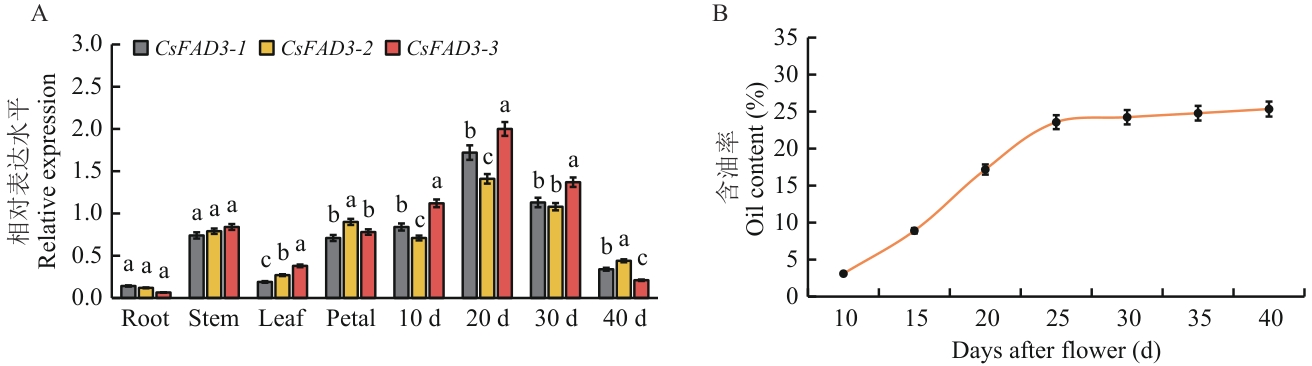
Fig. 8 Expression profiles of CsFAD3 gene in different tissues and seed developmental stages (A) as well as dynamic changes in oil content during seed development of camelina (B)The expression patterns of CsFAD3 genes in roots, stems, leaves, petals, and seeds at 10, 20, 30, and 40 days after flowering (DAF) were analyzed by RT-qPCR. CsActin was used as the internal reference gene, and the relative expression levels were calculated using the 2-ΔΔCt method. Data represent the mean ± standard deviation (SD) from three biological replicates (n=3). One-way analysis of variance (ANOVA) followed by Tukey’s post hoc test was performed to evaluate significant differences among groups, and different lowercase letters indicate statistically significant differences (P<0.05), the same below
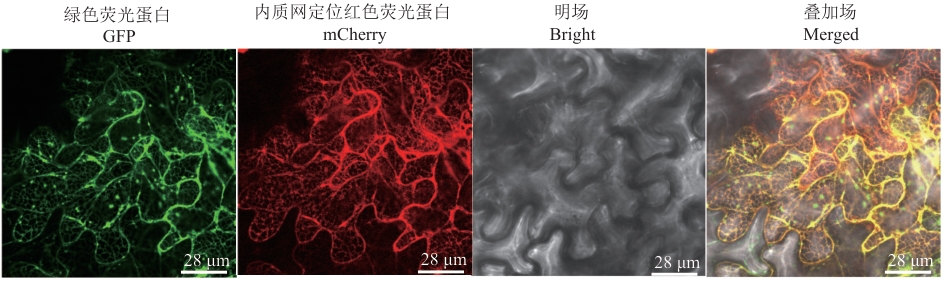
Fig. 9 Subcellular localization of the CsFAD3.3 protein
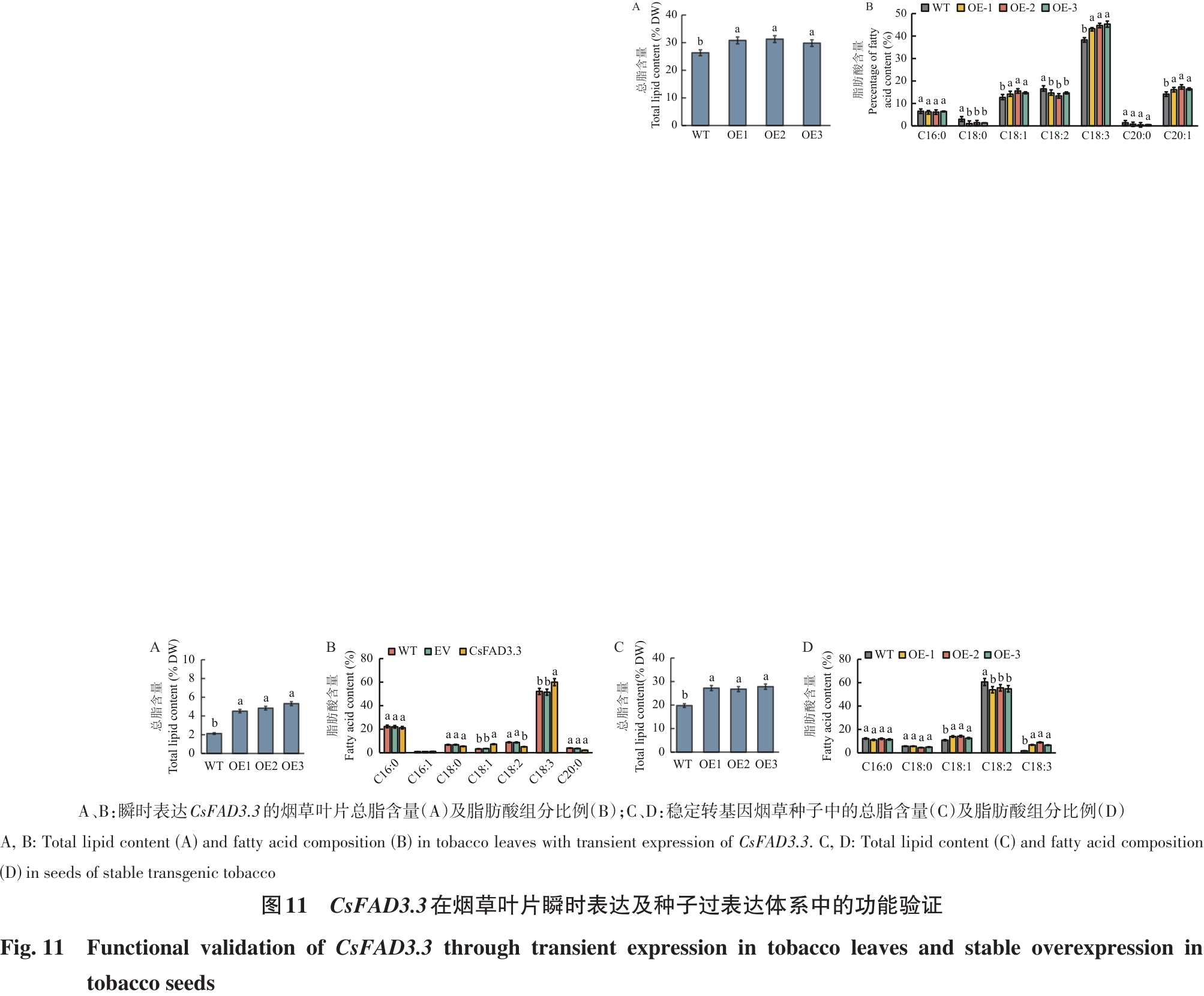
Fig. 10 Analysis of total lipid content (A) and fatty acid composition (B) in camelina seeds overexpressing CsFAD3.3
| [1] | 李飞飞, 魏悦, 于立芹, 等. 亚麻荠植株营养及功能成分质量评价 [J]. 湖北农业科学, 2023, 62(7): 126-129, 162. |
| Li FF, Wei Y, Yu LQ, et al. Quality evaluation of nutritional and functional components in Camellia sativa plants [J]. Hubei Agric Sci, 2023, 62(7): 126-129, 162. | |
| [2] | 苑丽霞, 毛雪, 高昌勇, 等. 新型工业油料作物亚麻荠: 从基因组到代谢工程 [J]. 植物生理学报, 2015, 51(8): 1204-1216. |
| Yuan LX, Mao X, Gao CY, et al. New type of industrial oilseed crop Camelina sativa: from genome to meta-bolic engineering [J]. Plant Physiol Commun, 2015, 51(8): 1204-1216. | |
| [3] | Yuan LX, Li RZ. Metabolic engineering a model oilseed Camelina sativa for the sustainable production of high-value designed oils [J]. Front Plant Sci, 2020, 11: 11. |
| [4] | Sydor M, Kurasiak-Popowska D, Stuper-Szablewska K, et al. Camelina sativa. Status quo and future perspectives [J]. Ind Crops Prod, 2022, 187: 115531. |
| [5] | Neupane D, Lohaus RH, Solomon JKQ, et al. Realizing the potential of Camelina sativa as a bioenergy crop for a changing global climate [J]. Plants, 2022, 11(6): 772. |
| [6] | Arshad M, Mohanty AK, Van Acker R, et al. Valorization of Camelina oil to biobased materials and biofuels for new industrial uses: a review [J]. RSC Adv, 2022, 12(42): 27230-27245. |
| [7] | Bukowski MR, Goslee S. Climate-based variability in the essential fatty acid composition of soybean oil [J]. Am J Clin Nutr, 2024, 119(1): 58-68. |
| [8] | 尚丽平, 梁佩萱, 曹小东, 等. 甘蓝型油菜亚麻酸含量性状QTL定位与候选基因分析 [J]. 西北农业学报, 2025, 34(1): 24-34. |
| Shang LP, Liang PX, Cao XD, et al. QTL mapping and candidate gene identification for C18: 3 content in Brassica napus L [J]. Acta Agric Boreali Occidentalis Sin, 2025, 34(1): 24-34. | |
| [9] | Zhu SS, Zhu ZY, Wang HR, et al. Characterization and functional analysis of a plastidial FAD6 gene and its promoter in the mesocarp of oil palm (Elaeis guineensis) [J]. Sci Hortic, 2018, 239: 163-170. |
| [10] | Lu JY, Chen XY, Li JX, et al. Whole-genome identification of the flax fatty acid desaturase gene family and functional analysis of the LuFAD2.1 gene under cold stress conditions [J]. Plant Cell Environ, 2025, 48(3): 2221-2239. |
| [11] | Saini R, Kumar S. Genome-wide identification, characterization and in-silico profiling of genes encoding FAD (fatty acid desaturase) proteins in chickpea (Cicer arietinum L.) [J]. Plant Gene, 2019, 18: 100180. |
| [12] | Berestovoy MA, Pavlenko OS, Goldenkova-Pavlova IV. Plant fatty acid desaturases: role in the life of plants and biotechnological potential [J]. Biol Bull Rev, 2020, 10(2): 127-139. |
| [13] | Román Á, Hernández ML, Soria-García Á, et al. Non-redundant contribution of the plastidial FAD8 ω-3 desaturase to glycerolipid unsaturation at different temperatures in Arabidopsis [J]. Mol Plant, 2015, 8(11): 1599-1611. |
| [14] | Liu YH, Du ZL, Li Y, et al. Improving linolenic acid content in rapeseed oil by overexpression of CsFAD2 and CsFAD3 genes [J]. Mol Breed, 2024, 44(2): 9. |
| [15] | Arondel V, Lemieux B, Hwang I, et al. Map-based cloning of a gene controlling omega-3 fatty acid desaturation in Arabidopsis [J]. Science, 1992, 258(5086): 1353-1355. |
| [16] | Li Z, Wang Y, Yu LL, et al. Overexpression of the purple Perilla (Perilla frutescens (L.)) FAD3a gene enhances salt tolerance in soybean [J]. Int J Mol Sci, 2023, 24(13): 10533. |
| [17] | Pham AT, Shannon JG, Bilyeu KD. Combinations of mutant FAD2 and FAD3 genes to produce high oleic acid and low linolenic acid soybean oil [J]. Theor Appl Genet, 2012, 125(3): 503-515. |
| [18] | Lee KR, Jeon I, Yu HM, et al. Increasing monounsaturated fatty acid contents in hexaploid Camelina sativa seed oil by FAD2 gene knockout using CRISPR-Cas9 [J]. Front Plant Sci, 2021, 12: 702930. |
| [19] | Liu XJ, Brost J, Hutcheon C, et al. Transformation of the oilseed crop Camelina sativa by Agrobacterium-mediated floral dip and simple large-scale screening of transformants [J]. Vitro Cell Dev Biol Plant, 2012, 48(5): 462-468. |
| [20] | Gao HL, Xue JN, Yuan LX, et al. Systematic characterization of CsbZIP transcription factors in Camelina sativa and functional analysis of CsbZIP-A12 mediating regulation of unsaturated fatty acid-enriched oil biosynthesis [J]. Int J Biol Macromol, 2024, 270(Pt 1): 132273. |
| [21] | Kagale S, Koh C, Nixon J, et al. The emerging biofuel crop Camelina sativa retains a highly undifferentiated hexaploid genome structure [J]. Nat Commun, 2014, 5: 3706. |
| [22] | Feng JY, Dong YT, Liu W, et al. Genome-wide identification of membrane-bound fatty acid desaturase genes in Gossypium hirsutum and their expressions during abiotic stress [J]. Sci Rep, 2017, 7: 45711. |
| [23] | Hajiahmadi Z, Abedi A, Wei H, et al. Identification, evolution, expression, and docking studies of fatty acid desaturase genes in wheat (Triticum aestivum L.) [J]. BMC Genomics, 2020, 21(1): 778. |
| [24] | Inoue M, Horimoto K. Relationship between regulatory pattern of gene expression level and gene function [J]. PLoS One, 2017, 12(5): e0177430. |
| [25] | Sun DQ, Quan WZ, Wang D, et al. Genome-wide identification and expression analysis of fatty acid desaturase (FAD) genes in Camelina sativa (L.) Crantz [J]. Int J Mol Sci, 2022, 23(23): 14550. |
| [26] | Hutcheon C, Ditt RF, Beilstein M, et al. Polyploid genome of Camelina sativa revealed by isolation of fatty acid synthesis genes [J]. BMC Plant Biol, 2010, 10: 233. |
| [27] | Dong CJ, Cao N, Zhang ZG, et al. Characterization of the fatty acid desaturase genes in cucumber: structure, phylogeny, and expression patterns [J]. PLoS One, 2016, 11(3): e0149917. |
| [28] | Horn PJ, Smith MD, Clark TR, et al. PEROXIREDOXIN Q stimulates the activity of the chloroplast 16: 1 Δ3trans FATTY ACID DESATURASE4 [J]. Plant J, 2020, 102(4): 718-729. |
| [29] | Zhang QY, Yu R, Sun DY, et al. Comparative transcriptome analysis reveals an efficient mechanism of α-linolenic acid in tree peony seeds [J]. Int J Mol Sci, 2018, 20(1): 65. |
| [30] | Yin DD, Xu WZ, Shu QY, et al. Fatty acid desaturase 3 (PsFAD3) from Paeonia suffruticosa reveals high α-linolenic acid accumulation [J]. Plant Sci, 2018, 274: 212-222. |
| [31] | Puttick D, Dauk M, Lozinsky S, et al. Overexpression of a FAD3 desaturase increases synthesis of a polymethylene-interrupted dienoic fatty acid in seeds of Arabidopsis thaliana L [J]. Lipids, 2009, 44(8): 753-757. |
| [32] | Domínguez T, HernÁndez ML, Pennycooke JC, et al. Increasing ω-3 desaturase expression in tomato results in altered aroma profile and enhanced resistance to cold stress [J]. Plant Physiol, 2010, 153(2): 655-665. |
| [33] | Flores T, Karpova O, Su XJ, et al. Silencing of GmFAD3 gene by siRNA leads to low alpha-linolenic acids (18: 3) of fad3-mutant phenotype in soybean [Glycine max (Merr.)] [J]. Transgenic Res, 2008, 17(5): 839-850. |
| [34] | Yuan SW, Wu XL, Liu ZH, et al. Abiotic stresses and phytohormones regulate expression of FAD2 gene in Arabidopsis thaliana [J]. J Integr Agric, 2012, 11(1): 62-72. |
| [35] | Wang CT, Xu YN. The 5′ untranslated region of the FAD3 mRNA is required for its translational enhancement at low temperature in Arabidopsis roots [J]. Plant Sci, 2010, 179(3): 234-240. |
| [1] | WANG Zhen-quan, ZHONG Yi, MA Bo, WU Jing, HU Zeng-hui. Functional Analysis of PsMYB43 Regulating Linalool Synthesis in Tree Peony [J]. Biotechnology Bulletin, 2026, 42(4): 263-271. |
| [2] | WANG Yu-kun, YUAN Yuan, WANG Bin, ZHU Yun-na, REN Xiao-qiang, REN Fei, YE Hong. Integrated Analysis of Transcriptome and Lipid Metabolome Reveals the Differences in α-Linolenic Acid Synthesis Regulation in Different Perilla frutescens [J]. Biotechnology Bulletin, 2026, 42(4): 129-140. |
| [3] | HUANG Shi-yu, TIAN Shan-shan, YANG Tian-wei, GAO Man-rong, ZHANG Shang-wen. Genome-wide Identification and Expression Pattern Analysis of WRI1 Gene Family in Erythropalum scandens [J]. Biotechnology Bulletin, 2025, 41(8): 242-254. |
| [4] | XU Hui-zhen, SHANTWANA Ghimire, RAJU Kharel, YUE Yun, SI Huai-jun, TANG Xun. Analysis of the Potato SUMO E3 Ligase Gene Family and Cloning and Expression Pattern of StSIZ1 [J]. Biotechnology Bulletin, 2025, 41(6): 119-129. |
| [5] | WANG Tian-xi, YANG Bing-song, PAN Rong-jun, GAI Wen-xian, LIANG Mei-xia. Identification of the Apple PLATZ Gene Family and Functional Study of the MdPLATZ9 Gene [J]. Biotechnology Bulletin, 2025, 41(4): 176-187. |
| [6] | SONG Shu-yi, JIANG Kai-xiu, LIU Huan-yan, HUANG Ya-cheng, LIU Lin-ya. Identification of the TCP Gene Family in Actinidia chinensis var. Hongyang and Their Expression Analysis in Fruit [J]. Biotechnology Bulletin, 2025, 41(3): 190-201. |
| [7] | DU Pin-ting, WU Guo-jiang, WANG Zhen-guo, LI Yan, ZHOU Wei, ZHOU Ya-xing. Identification and Expression Analysis of CPP Gene Family in Sorghum [J]. Biotechnology Bulletin, 2025, 41(1): 132-142. |
| [8] | WU Juan, WU Xiao-juan, WANG Pei-jie, XIE Rui, NIE Hu-shuai, LI Nan, MA Yan-hong. Screening and Expression Analysis of ERF Gene Related to Anthocyanin Synthesis in Colored Potato [J]. Biotechnology Bulletin, 2024, 40(9): 82-91. |
| [9] | ZHANG Ming-ya, PANG Sheng-qun, LIU Yu-dong, SU Yong-feng, NIU Bo-wen, HAN Qiong-qiong. Identification and Expression Analysis of FAD Gene Family in Solanum lycopersicum [J]. Biotechnology Bulletin, 2024, 40(7): 150-162. |
| [10] | WANG Jian, YANG Sha, SUN Qing-wen, CHEN Hong-yu, YANG Tao, HUANG Yuan. Genome-wide Identification and Expression Analysis of bHLH Transcription Factor Family in Dendrobium nobile [J]. Biotechnology Bulletin, 2024, 40(6): 203-218. |
| [11] | DU Bing-shuai, ZOU Xin-hui, WANG Zi-hao, ZHANG Xin-yuan, CAO Yi-bo, ZHANG Ling-yun. Genome-wide Identification and Expression Analysis of the SWEET Gene Family in Camellia oleifera [J]. Biotechnology Bulletin, 2024, 40(5): 179-190. |
| [12] | ZHANG Lu-yang, HAN Wen-long, XU Xiao-wen, YAO Jian, LI Fang-fang, TIAN Xiao-yuan, ZHANG Zhi-qiang. Identification and Expression Analysis of the Tobacco TCP Gene Family [J]. Biotechnology Bulletin, 2023, 39(6): 248-258. |
| Viewed | ||||||
|
Full text |
|
|||||
|
Abstract |
|
|||||
