







Biotechnology Bulletin ›› 2026, Vol. 42 ›› Issue (4): 129-140.doi: 10.13560/j.cnki.biotech.bull.1985.2025-1008
Previous Articles Next Articles
WANG Yu-kun1,2,3( ), YUAN Yuan2,3, WANG Bin2,3, ZHU Yun-na2,3, REN Xiao-qiang2,3, REN Fei2,3(), YE Hong2,3()
Received:2025-09-22
Online:2026-04-26
Published:2026-02-09
Contact:
REN Fei, YE Hong
E-mail:wangyu_kun1@163.com;ren_faye_sgu@163.com;19881212hong@163.com
WANG Yu-kun, YUAN Yuan, WANG Bin, ZHU Yun-na, REN Xiao-qiang, REN Fei, YE Hong. Integrated Analysis of Transcriptome and Lipid Metabolome Reveals the Differences in α-Linolenic Acid Synthesis Regulation in Different Perilla frutescens[J]. Biotechnology Bulletin, 2026, 42(4): 129-140.
| 样本 Samples | 总读数 Total reads | 干净读数 Clean reads | 干净碱基 Clean bases | GC含量 GC content (%) | Q30百分比Q30 percentage (%) | 比对读数 Mapped reads | 特异比对读数 Unique mapped reads |
|---|---|---|---|---|---|---|---|
| Q010-1 | 43 192 794 | 21 596 397 | 6 460 553 535 | 47.69 | 94.72 | 41 275 128 (95.56%) | 38 960 150 (90.20%) |
| Q010-2 | 49 973 860 | 24 986 930 | 7 472 777 948 | 47.50 | 94.35 | 47 022 281 (94.09%) | 44 202 523 (88.45%) |
| Q010-3 | 41 845 218 | 20 922 609 | 6 256 919 302 | 47.65 | 94.85 | 39 954 021 (95.48%) | 37 653 099 (89.98%) |
| QS5-1 | 38 146 772 | 19 073 386 | 5 698 842 059 | 49.37 | 94.56 | 34 751 710 (91.10%) | 30 637 108 (88.16%) |
| QS5-2 | 36 792 684 | 18 396 342 | 5 494 890 960 | 49.46 | 94.45 | 34 287 102 (93.19%) | 30 669 813 (89.45%) |
| QS5-3 | 36 323 210 | 18 161 605 | 5 424 955 610 | 49.49 | 94.73 | 34 314 537 (94.47%) | 30 502 192 (88.89%) |
Table 1 Transcriptome sequencing data statistics
| 样本 Samples | 总读数 Total reads | 干净读数 Clean reads | 干净碱基 Clean bases | GC含量 GC content (%) | Q30百分比Q30 percentage (%) | 比对读数 Mapped reads | 特异比对读数 Unique mapped reads |
|---|---|---|---|---|---|---|---|
| Q010-1 | 43 192 794 | 21 596 397 | 6 460 553 535 | 47.69 | 94.72 | 41 275 128 (95.56%) | 38 960 150 (90.20%) |
| Q010-2 | 49 973 860 | 24 986 930 | 7 472 777 948 | 47.50 | 94.35 | 47 022 281 (94.09%) | 44 202 523 (88.45%) |
| Q010-3 | 41 845 218 | 20 922 609 | 6 256 919 302 | 47.65 | 94.85 | 39 954 021 (95.48%) | 37 653 099 (89.98%) |
| QS5-1 | 38 146 772 | 19 073 386 | 5 698 842 059 | 49.37 | 94.56 | 34 751 710 (91.10%) | 30 637 108 (88.16%) |
| QS5-2 | 36 792 684 | 18 396 342 | 5 494 890 960 | 49.46 | 94.45 | 34 287 102 (93.19%) | 30 669 813 (89.45%) |
| QS5-3 | 36 323 210 | 18 161 605 | 5 424 955 610 | 49.49 | 94.73 | 34 314 537 (94.47%) | 30 502 192 (88.89%) |
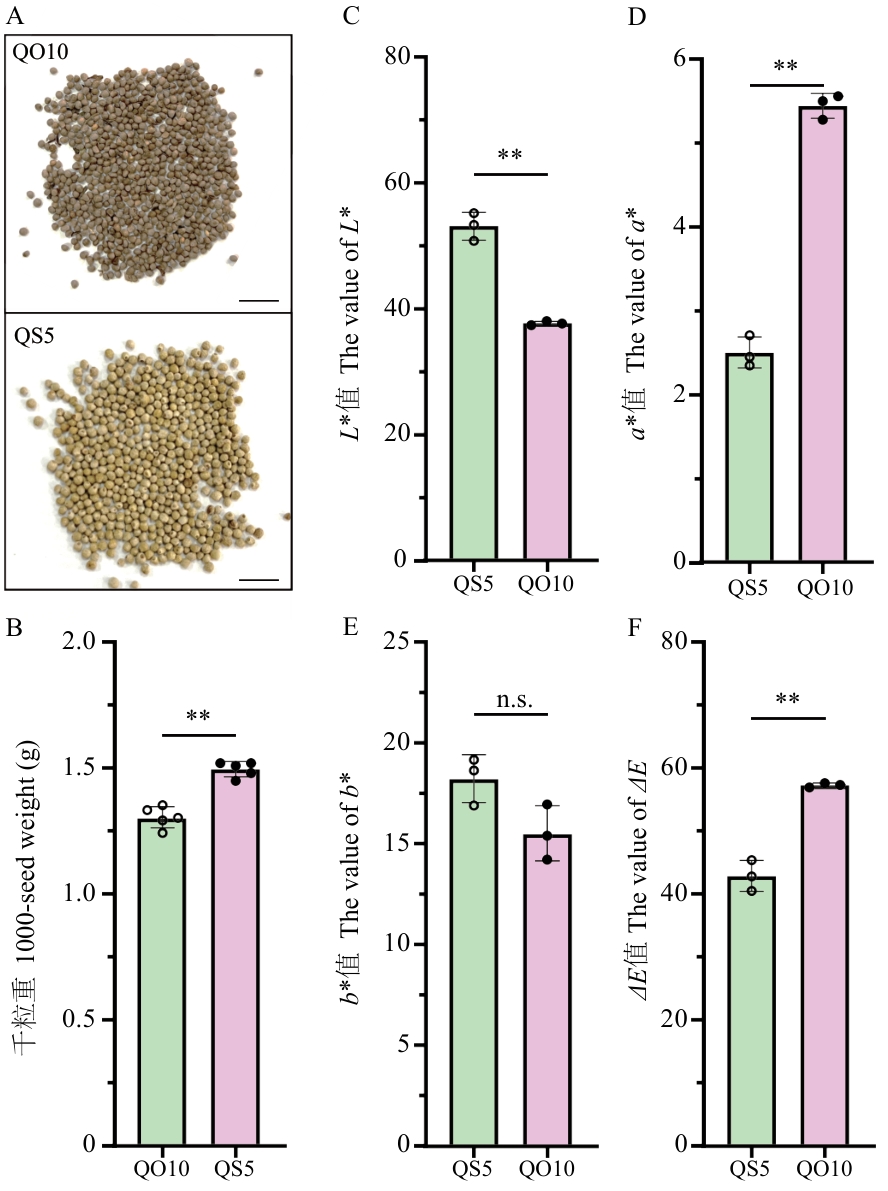
Fig. 1 Morphological observation of perilla (Perilla frutescens) QO10 and QS5 seedsA: Morphology of QO10 and QS5 seeds; B: 1 000-seed weight of QO10 and QS5 seeds; C‒F: determination of color difference parameters of seed coats of QO10 and QS5 seeds. The L* value indicates the lightness of a color. The a* value indicates the color’s bias on the “red-green” axis. The b* value indicates the color’s bias on the “yellow-blue” axis. The ΔE value indicates the total color difference value calculated by integrating the differences in the three dimensions of L*, a*, and b*. ** P<0.01; n.s..: no significant difference. Scale bar=1 cm
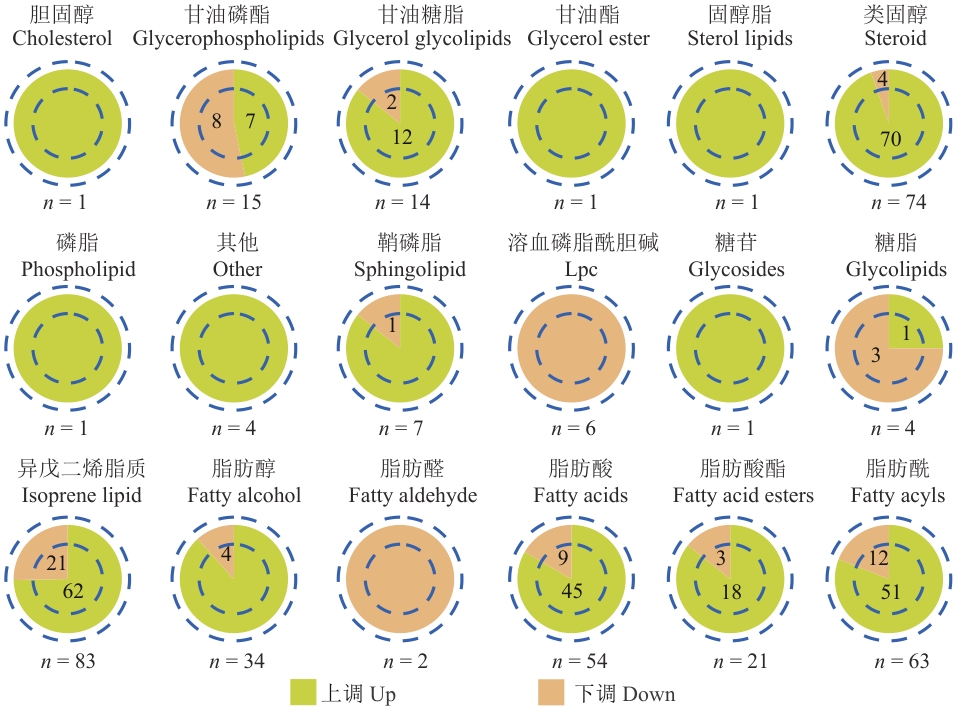
Fig. 2 Types, quantities, and accumulation patterns of differential lipid metabolites in perilla QO10 and QS5 seeds
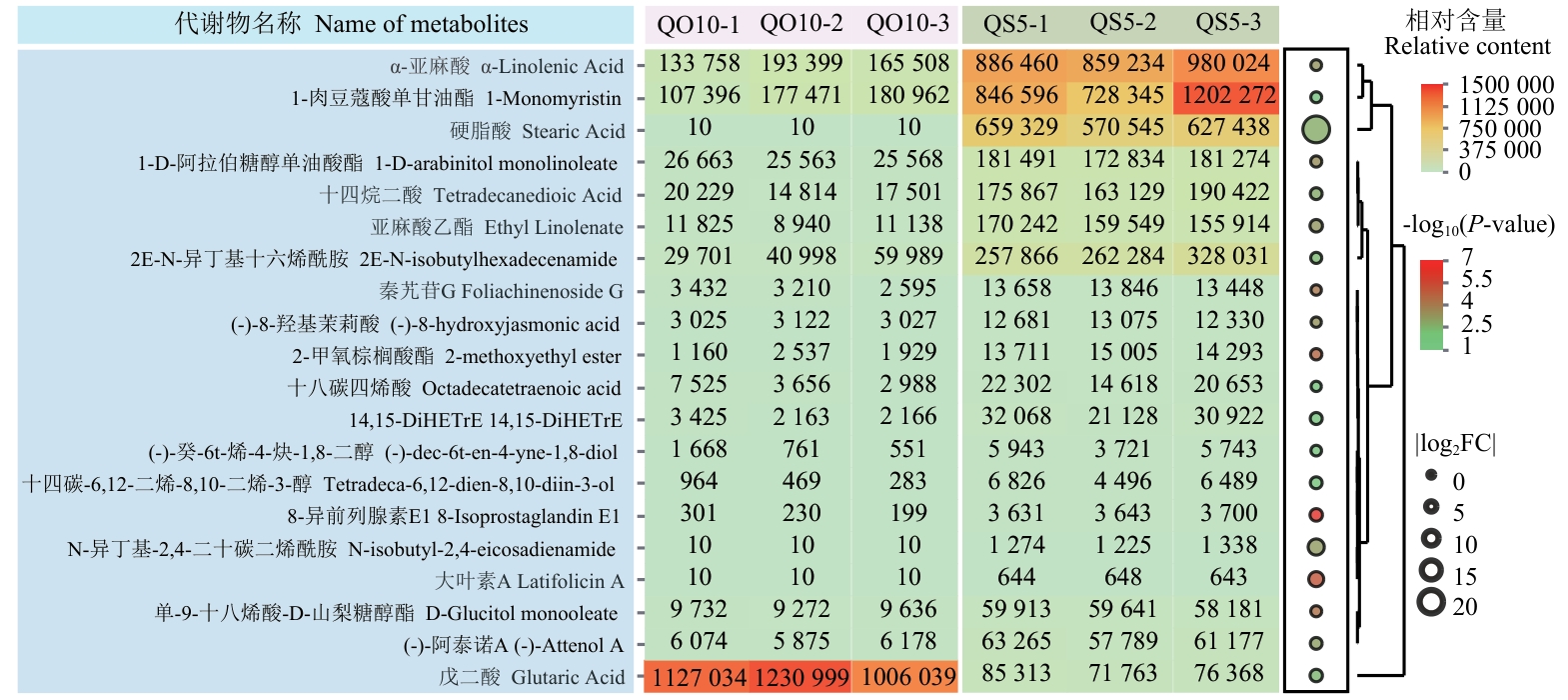
Fig. 3 Top20 differential lipid metabolites and their relative contents in perilla QO10 and QS5 seeds
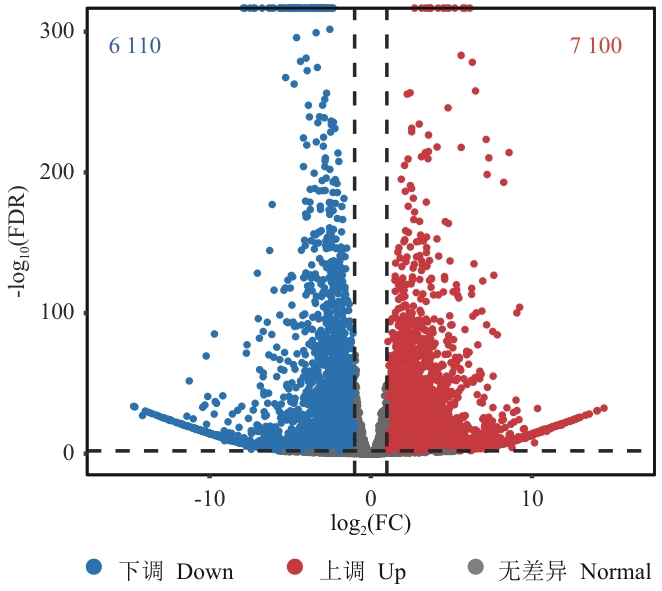
Fig. 4 Volcano plot of DEGs
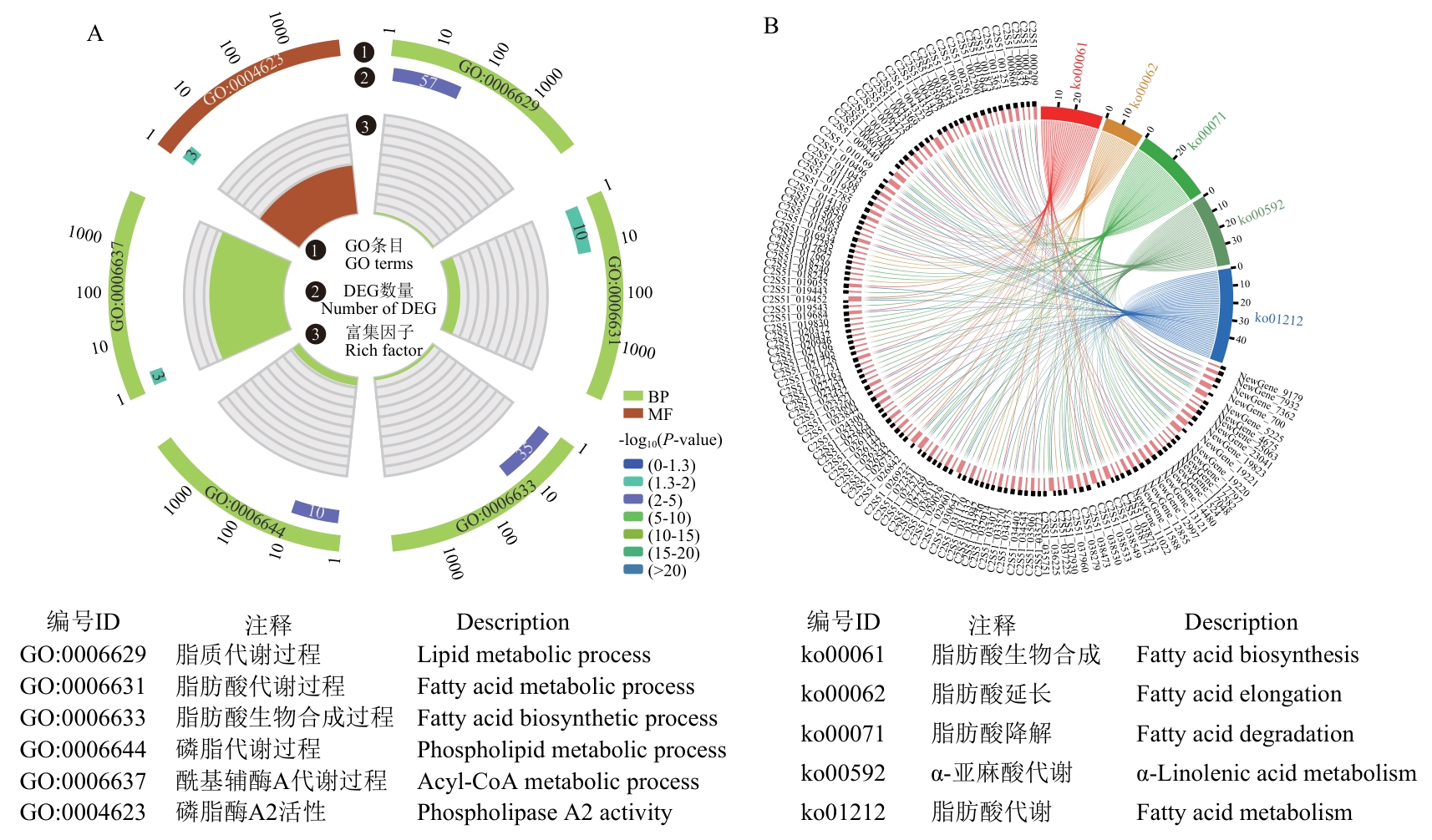
Fig. 5 GO (A) and KEGG (B) enrichment analysis of DEGs
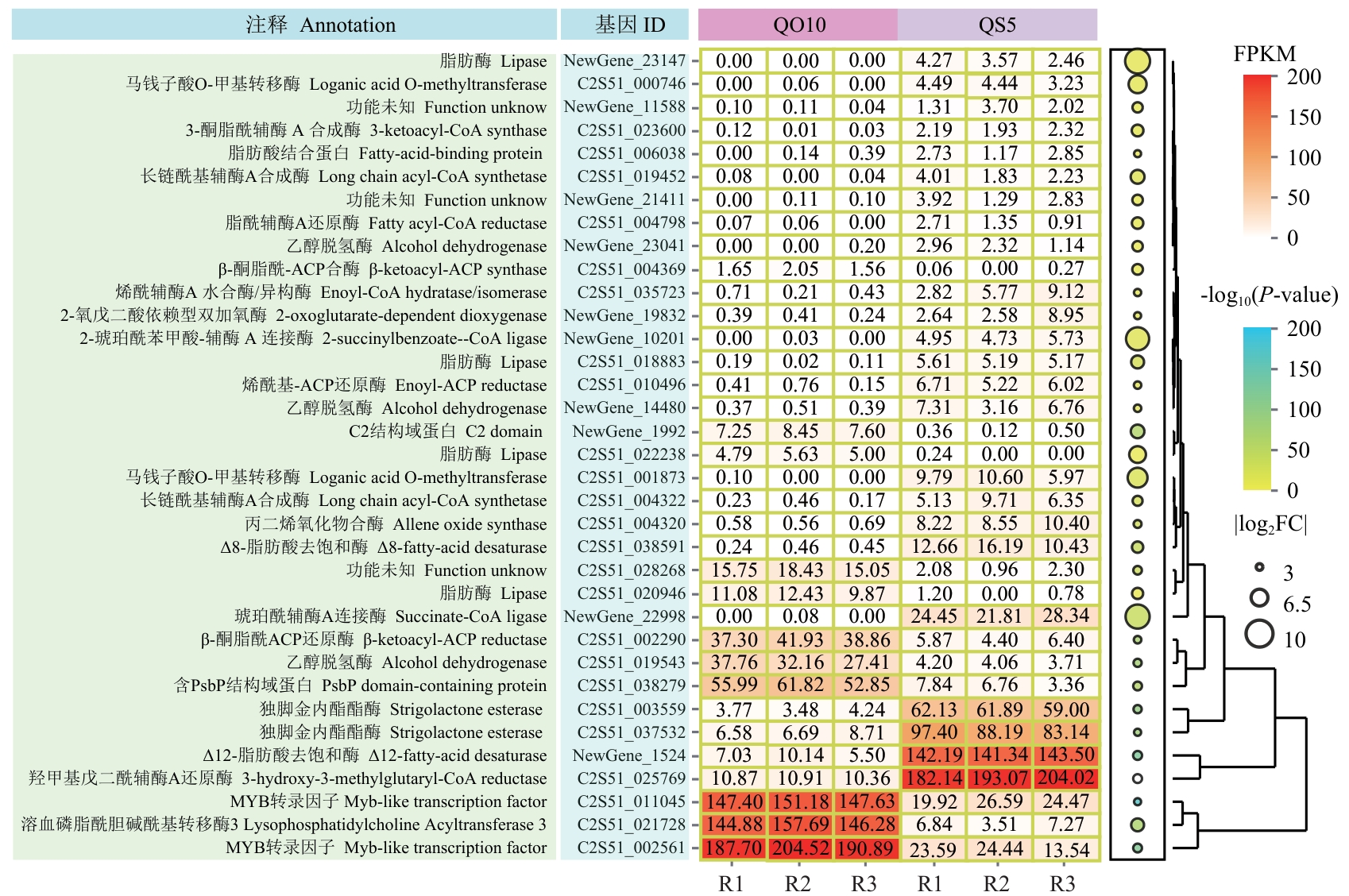
Fig. 6 Functional annotation and expression patterns of candidate DEGs
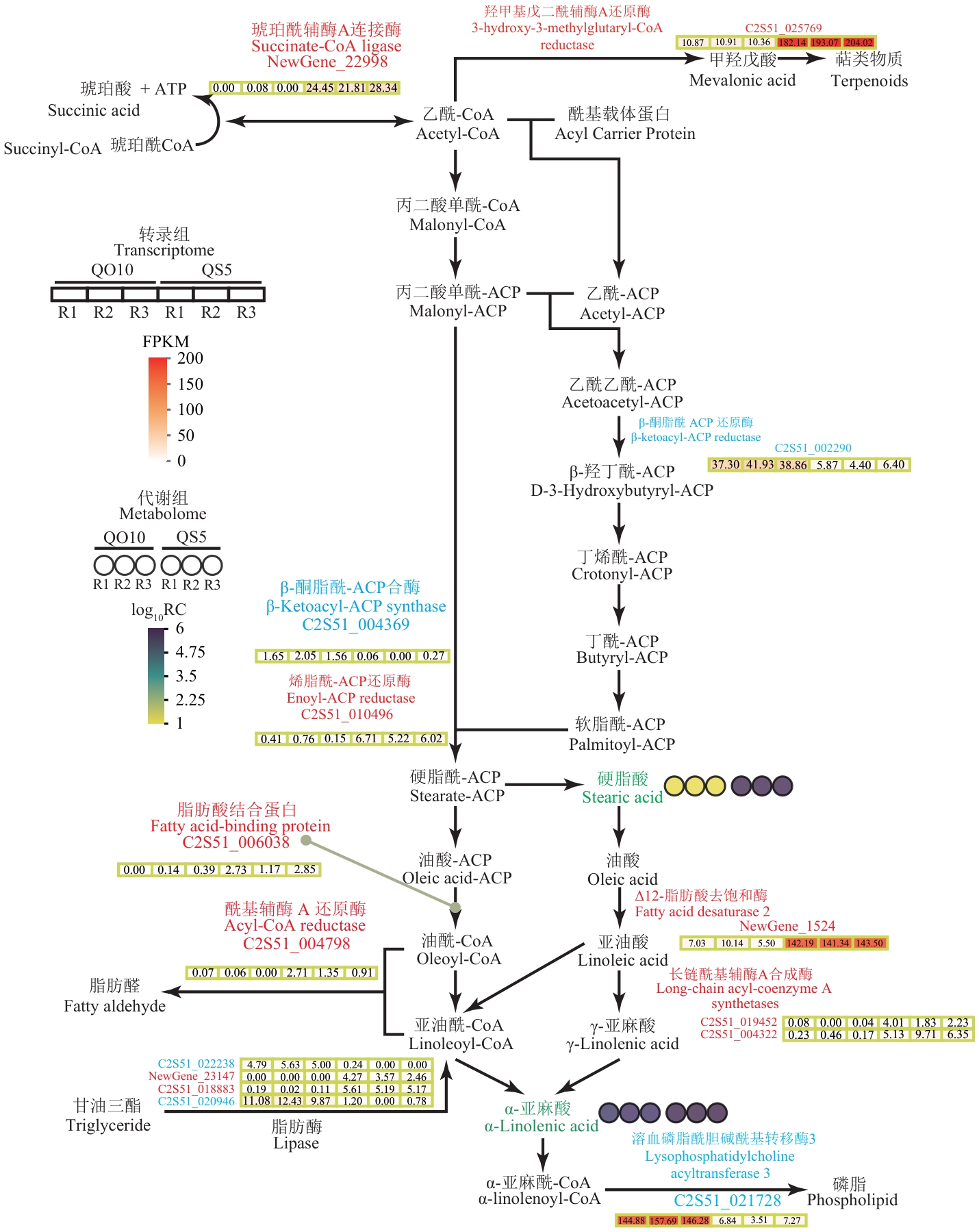
Fig. 7 Joint analysis of transcriptome and metabolome of ALA anabolism in perilla seedsRed font indicates upregulation and blue font indicates downregulation. The transcriptome heatmap represents the expression levels (FPKM) of genes in different samples, and the metabolome heatmap indicates the accumulation of metabolites in different samples. R1‒R3 indicates biological replications
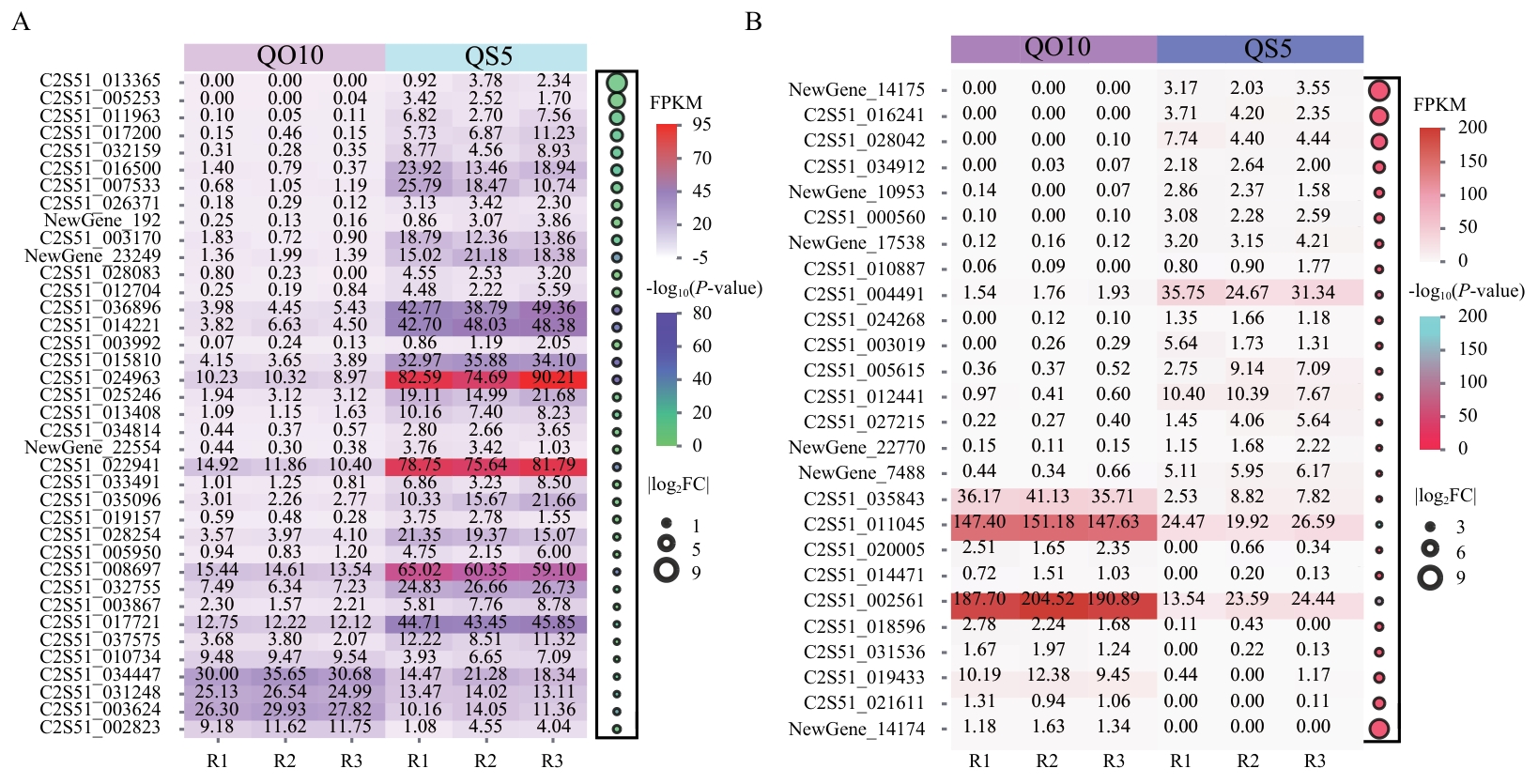
Fig. 8 Expression patterns of differentially expressed WRKY (A) and MYB (B) TFs
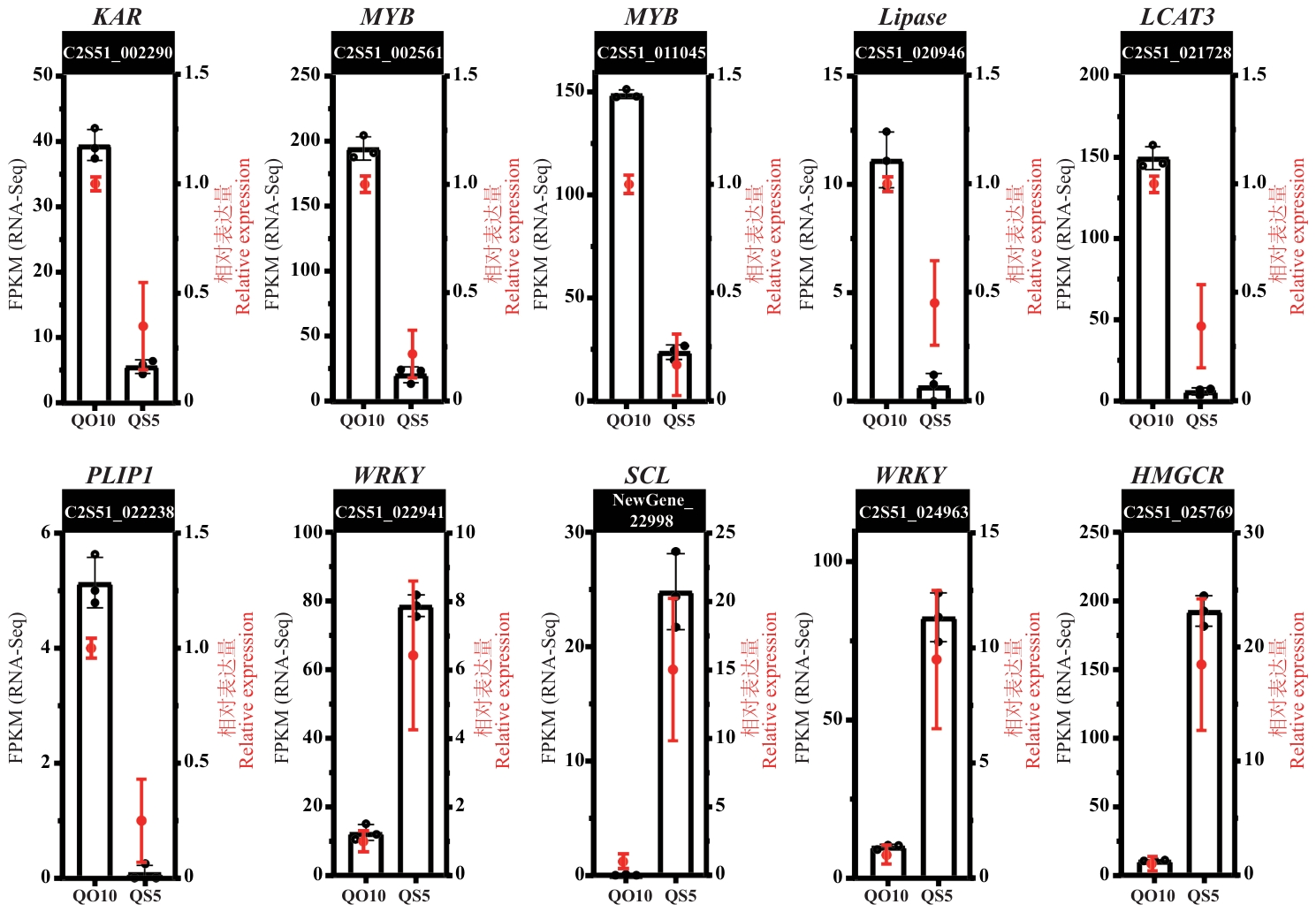
Fig. 9 RT-qPCR validation of the expression patterns of DEGs
| [1] | Tvrzicka E, Kremmyda LS, Stankova B, et al. Fatty acids as biocompounds: their role in human metabolism, health and disease—a review. Part 1: classification, dietary sources and biological functions [J]. Biomed Pap Med Fac Univ Palacky Olomouc Czech Repub, 2011, 155(2): 117-130. |
| [2] | He M, Ding NZ. Plant unsaturated fatty acids: multiple roles in stress response [J]. Front Plant Sci, 2020, 11: 562785. |
| [3] | Baker EJ, Miles EA, Burdge GC, et al. Metabolism and functional effects of plant-derived omega-3 fatty acids in humans [J]. Prog Lipid Res, 2016, 64: 30-56. |
| [4] | Egert S, Baxheinrich A, Lee-Barkey YH, et al. Effects of a hypoenergetic diet rich in α-linolenic acid on fatty acid composition of serum phospholipids in overweight and obese patients with metabolic syndrome [J]. Nutrition, 2018, 49: 74-80. |
| [5] | Li JJ, Gu ZN, Pan Y, et al. Dietary supplementation of α-linolenic acid induced conversion of n-3 LCPUFAs and reduced prostate cancer growth in a mouse model [J]. Lipids Health Dis, 2017, 16(1): 136. |
| [6] | Litwiniuk A, Domańska A, Chmielowska M, et al. The effects of alpha-linolenic acid on the secretory activity of astrocytes and β amyloid-associated neurodegeneration in differentiated SH-SY5Y cells: alpha-linolenic acid protects the SH-SY5Y cells against β amyloid toxicity [J]. Oxid Med Cell Longev, 2020, 2020(1): 8908901. |
| [7] | Tang YH, Jiang Y, Meng JS, et al. A brief review of physiological roles, plant resources, synthesis, purification and oxidative stability of alpha-linolenic acid [J]. Emir J Food Agric, 2018, 30(5):341-356. |
| [8] | Potu RB, Lu H, Adeola O, et al. Metabolic markers in Ossabaw pigs fed high fat diets enriched in regular or low α-linolenic acid soy oil [J]. Nutr Metab, 2013, 10(1): 27. |
| [9] | Deng QC, Yu X, Xu JQ, et al. Single frequency intake of α-linolenic acid rich phytosterol esters attenuates atherosclerosis risk factors in hamsters fed a high fat diet [J]. Lipids Health Dis, 2016, 15: 23. |
| [10] | Heskey CE, Jaceldo-Siegl K, Sabaté J, et al. Adipose tissue α-linolenic acid is inversely associated with insulin resistance in adults [J]. Am J Clin Nutr, 2016, 103(4): 1105-1110. |
| [11] | Sala-Vila A, Guasch-Ferré M, Hu FB, et al. Dietary α-linolenic acid, marine ω-3 fatty acids, and mortality in a population with high fish consumption: findings from the PREvención con DIeta MEDiterránea (PREDIMED) study [J]. J Am Heart Assoc, 2016, 5(1): e002543. |
| [12] | Skilton MR, Pahkala K, Viikari JSA, et al. The association of dietary alpha-linolenic acid with blood pressure and subclinical atherosclerosis in people born small for gestational age: the special turku coronary risk factor intervention project study [J]. J Pediatr, 2015, 166(5): 1252-1257.e2. |
| [13] | Yue H, Qiu B, Jia M, et al. Effects of α-linolenic acid intake on blood lipid profiles: a systematic review and meta-analysis of randomized controlled trials [J]. Crit Rev Food Sci Nutr, 2021, 61(17): 2894-2910. |
| [14] | 徐爱遐, 张博勇, 赵德义, 等. 富含α-亚麻酸植物的研究 [J]. 水土保持学报, 2004(4): 190-192, 199. |
| Xu AX, Zhang BY, Zhao DY, et al. Study on plants rich in α-linolenic acid [J]. J Soil Water Conserv, 2004(4): 190-192, 199. | |
| [15] | 张丽娟, 杨解顺, 殷建忠. 富含α-亚麻酸唇形科植物油的研究进展 [J]. 国外医学: 医学地理分册, 2010, 31(2): 127-129. |
| Zhang LJ, Yang JS, Yin JZ. Research progress of α-linolenic-rich acid labiate oils [J]. Foreign Med Sci Sect Medgeography, 2010, 31(2): 127-129. | |
| [16] | 周雅莉, 黄旭升, 李润植, 等. 食药同源作物紫苏α-亚麻酸生物合成及调控机制的研究 [C]//第二十届中国作物学会学术年会论文集. 长沙, 2023: 322. |
| Zhou YL, Huang XS, Li RZ, et al. Study on the biosynthesis and regulatory mechanism of α-linolenic acid in Perilla frutescens, a crop with homologous food and medicine [C]// Abstracts of the 20th Academic Annual Meeting of the Chinese Crop Science Society. Changsha, 2023: 322. | |
| [17] | 耿鑫鑫, 周讯, 杨凤琳, 等. 紫苏种子中α-亚麻酸积累关键基因的筛选及克隆 [J]. 湖北师范大学学报: 自然科学版, 2025, 45(2): 69-77. |
| Geng XX, Zhou X, Yang FL, et al. Screening and cloning of key genes for α-linolenic acid accumulation in Perilla frutescens seeds [J]. J Hubei Norm Univ Nat Sci, 2025, 45(2): 69-77. | |
| [18] | Zhang YJ, Shen Q, Leng L, et al. Incipient diploidization of the medicinal plant perilla within 10, 000 years [J]. Nat Commun, 2021, 12(1): 5508. |
| [19] | Ye H, Mu JX, Yang T, et al. Integrated transcriptome and metabolome analyses reveal candidate genes associate with phenolic compound biosynthesis in different varieties of Perilla frutescens [J]. Int J Mol Sci, 2025, 26(7): 2841. |
| [20] | 吴端, 王力军, 杨仕梅, 等. 植物种子α-亚麻酸形成及调控机理研究进展 [J]. 植物遗传资源学报, 2020, 21(1): 49-62. |
| Wu D, Wang LJ, Yang SM, et al. Advances on formation and regulation mechanism of α-linolenic acid in seeds [J]. J Plant Genet Resour, 2020, 21(1): 49-62. | |
| [21] | 邓咪咪, 刘宝玲, 王志龙, 等. 大豆硬脂酰-ACP Δ9脱氢酶(GmSAD)基因家族的鉴定及功能分析 [J]. 生物工程学报, 2020, 36(4): 716-731. |
| Deng MM, Liu BL, Wang ZL, et al. Identification and functional analysis of soybean stearoyl-ACP Δ9 desaturase (GmSAD) gene family [J]. Chin J Biotechnol, 2020, 36(4): 716-731. | |
| [22] | Arondel V, Vergnolle C, Tchang F, et al. Bifunctional lipid-transfer: fatty acid-binding proteins in plants [J]. Mol Cell Biochem, 1990, 98(1): 49-56. |
| [23] | Xiao RX, Zou YR, Guo XR, et al. Fatty acid desaturases (FADs) modulate multiple lipid metabolism pathways to improve plant resistance [J]. Mol Biol Rep, 2022, 49(10): 9997-10011. |
| [24] | Buchert R, Tawamie H, Smith C, et al. A peroxisomal disorder of severe intellectual disability, epilepsy, and cataracts due to fatty acyl-CoA reductase 1 deficiency [J]. Am J Hum Genet, 2014, 95(5): 602-610. |
| [25] | Kelly AA, Feussner I. Oil is on the agenda: Lipid turnover in higher plants [J]. Biochim Biophys Acta Mol Cell Biol Lipds, 2016, 1861(9): 1253-1268. |
| [26] | Ou XB, Wang X, Zhao B, et al. Metabolome and transcriptome signatures shed light on the anti-obesity effect of Polygonatum sibiricum [J]. Front Plant Sci, 2023, 14: 1181861. |
| [27] | Studart-Guimarães C, Gibon Y, Frankel N, et al. Identification and characterisation of the alpha and beta subunits of succinyl CoA ligase of tomato [J]. Plant Mol Biol, 2005, 59(5): 781-791. |
| [28] | 郑婷, 魏灵珠, 程建徽, 等. 植物3-羟基-3-甲基戊二酰辅酶A还原酶(HMGR)研究进展 [J]. 植物生理学报, 2022, 58(6): 1037-1044. |
| Zheng T, Wei LZ, Cheng JH, et al. Research progress of 3-hydroxy-3-methylglutaryl-CoA reductase in plants [J]. Plant Physiol J, 2022, 58(6): 1037-1044. | |
| [29] | 惠生娟, 葛丽萍, 王子瑜, 等. 续随子MYB基因家族的鉴定及ElMYB114在油脂合成中的功能分析 [J]. 植物科学学报, 2025, 43(1): 92-101. |
| Hui SJ, Ge LP, Wang ZY, et al. Identification of MYB gene family and functional analysis of ElMYB114 in lipid synthesis of Euphorbia lathyris L [J]. Plant Sci J, 2025, 43(1): 92-101. | |
| [30] | Xie GW, Zhang YX, Xiao S, et al. Molecular mapping of candidate genes in determining red color of perilla leaf [J]. Adv Biotechnol, 2025, 3(1): 7. |
| [31] | Zhang TY, Song C, Song L, et al. RNA sequencing and coexpression analysis reveal key genes involved in α-linolenic acid biosynthesis in Perilla frutescens seed [J]. Int J Mol Sci, 2017, 18(11): 2433. |
| [32] | Li Y, Miao YY, Yuan HL, et al. Volatilome-based GWAS identifies OsWRKY19 and OsNAC021 as key regulators of rice aroma [J]. Mol Plant, 2024, 17(12): 1866-1882. |
| [1] | LIU Qing-yuan, WU Hong-qi, CHEN Xiu-e, CHEN Jian, JIANG Yuan-ze, HE Yan-zi, YU Qi-wei, LIU Ren-xiang. Function of Transcription Factor NtMYB96a in Regulating the Tolerance of Tobacco to Drought [J]. Biotechnology Bulletin, 2026, 42(4): 239-250. |
| [2] | YANG Ting, YANG Zong-tao, AI Jing, WANG Yu-tong, LI Yan-ye, DENG jun, LIU Jia-yong, ZHAO Yong, ZHANG Yue-bin. Analysis of Phenotypic Characteristics and Root Transcriptomics of Sugarcane with Different Genotypes [J]. Biotechnology Bulletin, 2026, 42(4): 190-201. |
| [3] | WANG Xiao-yi, LI Jin-yan, XING Xing, ZHU Hong-liang. Screening and Functional Analysis of Ethylene-responsive Genes Regulating Tomato Fruit Ripening and Respiration [J]. Biotechnology Bulletin, 2026, 42(3): 275-282. |
| [4] | WANG Shang-feng, CHENG Bin, WANG Ruo-ruo, DING Yan-qing, XU Jian-xia, CAO Ning, GAO Xu, LI Wen-zhen, ZHANG Li-yi. Gene Mapping of Sorghum Flowering Time and Prediction of Candidate Genes Based on BSA-seq [J]. Biotechnology Bulletin, 2026, 42(2): 197-206. |
| [5] | WANG Ya-nan, WEI Li-min, WANG Feng, CHAO Zhe, REN Yu-wei, LIU Hai-long, HUANG Li-li, SUN Rui-ping. A Comparative Study of Metabolomics-based Screening of Differential Metabolites for Fat Deposition in Wuzhishan and DLY Pigs [J]. Biotechnology Bulletin, 2026, 42(2): 325-337. |
| [6] | FAN Rong-hui, LUO Yuan-hua, CHEN Yi-quan, FANG Neng-yan, CHEN Yan, ZHONG Huai-qin, YE Xiu-xian. Comparative Analysis of Floral Scent Formation between ‘Jinhui’ and Onc. ‘Sharry Baby’ of Oncidium hybridum [J]. Biotechnology Bulletin, 2026, 42(1): 105-113. |
| [7] | LIU Jian-guo, LIU Ge-er, GUO Ying-xin, WANG Bin, WANG Yu-kun, LU Jin-feng, HUANG Wen-ting, ZHU Yun-na. Integrate Transcriptomic and Metabolomic Analysis of Fruits Quality Differences between ‘Guiyou No. 1’ and ‘Shatianyou’ Pomelo (Citrus maxima) [J]. Biotechnology Bulletin, 2025, 41(9): 168-181. |
| [8] | LIU Ze-zhou, DUAN Nai-bin, YUE Li-xin, WANG Qing-hua, YAO Xing-hao, GAO Li-min, KONG Su-ping. Analysis of Wax Components and Screening of Wax-deficient Gene Ggl-1 in Garlic (Allium sativum L.) [J]. Biotechnology Bulletin, 2025, 41(9): 219-231. |
| [9] | YAN Meng-yang, LIANG Xiao-yang, DAI Jun-ang, ZHANG Yan, GUAN Tuan, ZHANG Hui, LIU Liang-bo, SUN Zhi-hua. Screening of Amoxicillin-degrading Bacteria and Study on Its Degradation Mechanisms [J]. Biotechnology Bulletin, 2025, 41(9): 314-325. |
| [10] | BAI Yu-guo, LI Wan-di, LIANG Jian-ping, SHI Zhi-yong, LU Geng-long, LIU Hong-jun, NIU Jing-ping. Growth-promoting Mechanism of Trichoderma harzianum T9131 on Astragalus membranaceus Seedlings [J]. Biotechnology Bulletin, 2025, 41(8): 175-185. |
| [11] | HUANG Xu-sheng, ZHOU Ya-li, CHAI Xu-dong, WEN Jing, WANG Ji-ping, JIA Xiao-yun, LI Run-zhi. Cloning of Plastidial PfLPAT1B Gene from Perilla frutescens and Its Functional Analysis in Oil Biosynthesis [J]. Biotechnology Bulletin, 2025, 41(7): 226-236. |
| [12] | ZHANG Yue, BI Yu, MU Xue-nan, ZHENG Zi-wei, WANG Zhi-gang, XU Wei-hui. Biocontrol Characteristics of Strain JB7 against Fusarium graminearum [J]. Biotechnology Bulletin, 2025, 41(7): 261-271. |
| [13] | LI Cheng-hua, DOU Fei-fei, REN Yu-zhao, LIU Cai-xia, LIU Feng-lou, WANG Zhang-jun, LI Qing-feng. Effect of Exogenous Salicylic Acid on Wheat Infested with Blumeria graminis f. sp. tritici and Its Transcriptome Analysis [J]. Biotechnology Bulletin, 2025, 41(7): 272-280. |
| [14] | GUO Xiu-juan, FENG Yu, WU Rui-xiang, WANG Li-qin, YANG Jian-chun. Transcriptome Analysis of the Effect of Ca 2+ Treatment on the Seed Germination of Flax [J]. Biotechnology Bulletin, 2025, 41(7): 139-149. |
| [15] | WANG Yue-chen, HAN Xin-qi, WEI Wen-min, CUI Zhao-lan, LUO Yang-mei, CHEN Peng-ru, WANG Hai-gang, LIU long-long, ZHANG Li, WANG Lun. Biological Basis Study for Grain Shattering in Proso Millet and Identification of Genes Regulating Grain Shattering [J]. Biotechnology Bulletin, 2025, 41(7): 164-171. |
| Viewed | ||||||
|
Full text |
|
|||||
|
Abstract |
|
|||||
