





Biotechnology Bulletin ›› 2026, Vol. 42 ›› Issue (11): 328-339.doi: 10.13560/j.cnki.biotech.bull.1985.2026-0149
FANG Le-yao, PENG Mai-jiao, HUI Hua-ying, TAN Zhou-jin( )
Received:2026-01-30
Online:2026-11-26
Published:2026-11-03
Contact:
TAN Zhou-jin
E-mail:tanzhjin@sohu.com
FANG Le-yao, PENG Mai-jiao, HUI Hua-ying, TAN Zhou-jin. Mechanism of the Oxidative Stress Pathway Mediated by the Gut Microbiota Metabolite TMAO in the Pathogenesis of Diarrhea[J]. Biotechnology Bulletin, 2026, 42(11): 328-339.
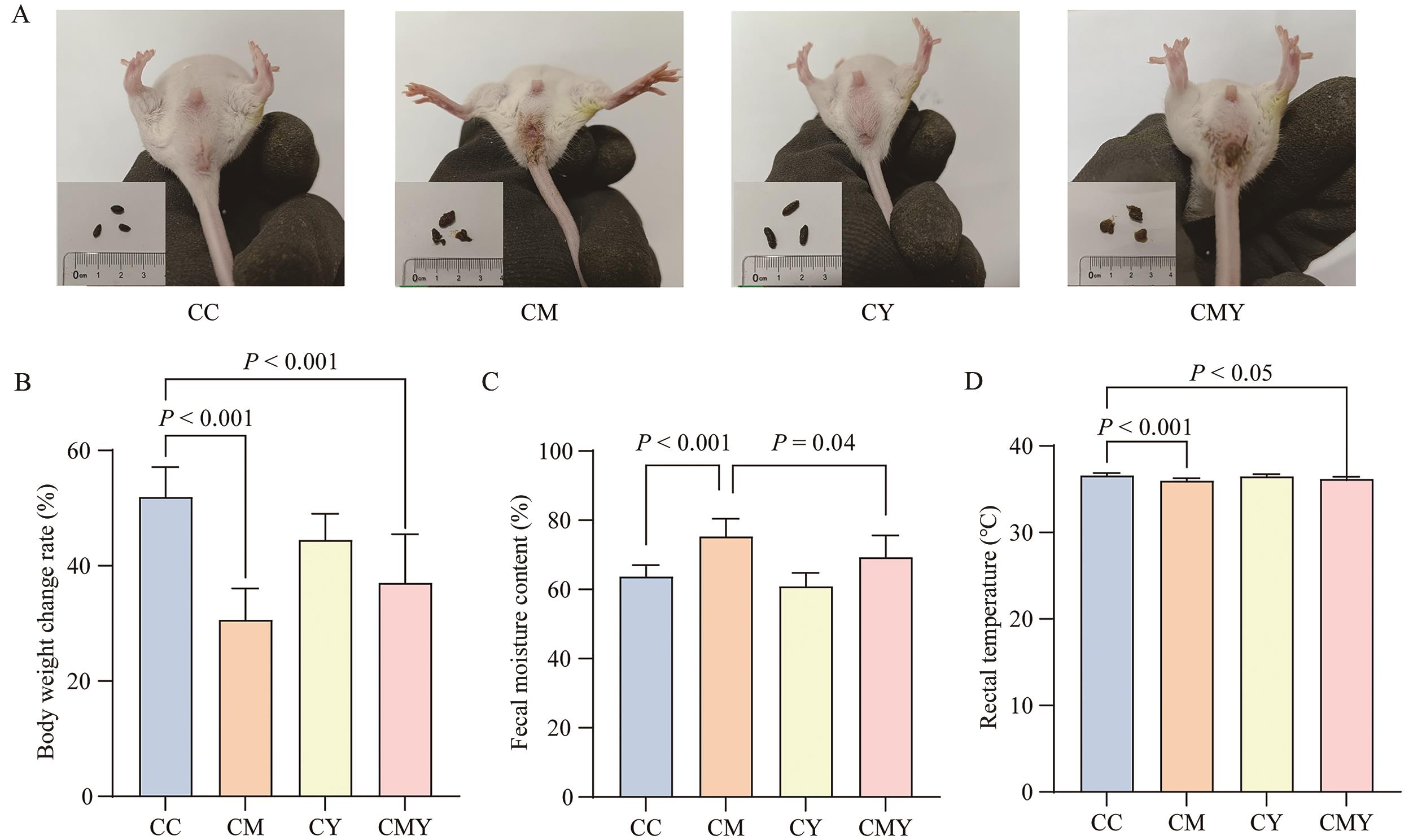
Fig. 1 General characteristics of mice in each groupA: Fecal morphology and perianal condition. B: Body weight change rate. C: Fecal moisture content. D: Rectal temperature. Data are presented as mean ± standard deviation. CC: Control group; CM: Model group; CY: TMAO inhibitor group; CMY: TMAO inhibitor + model group, the same below
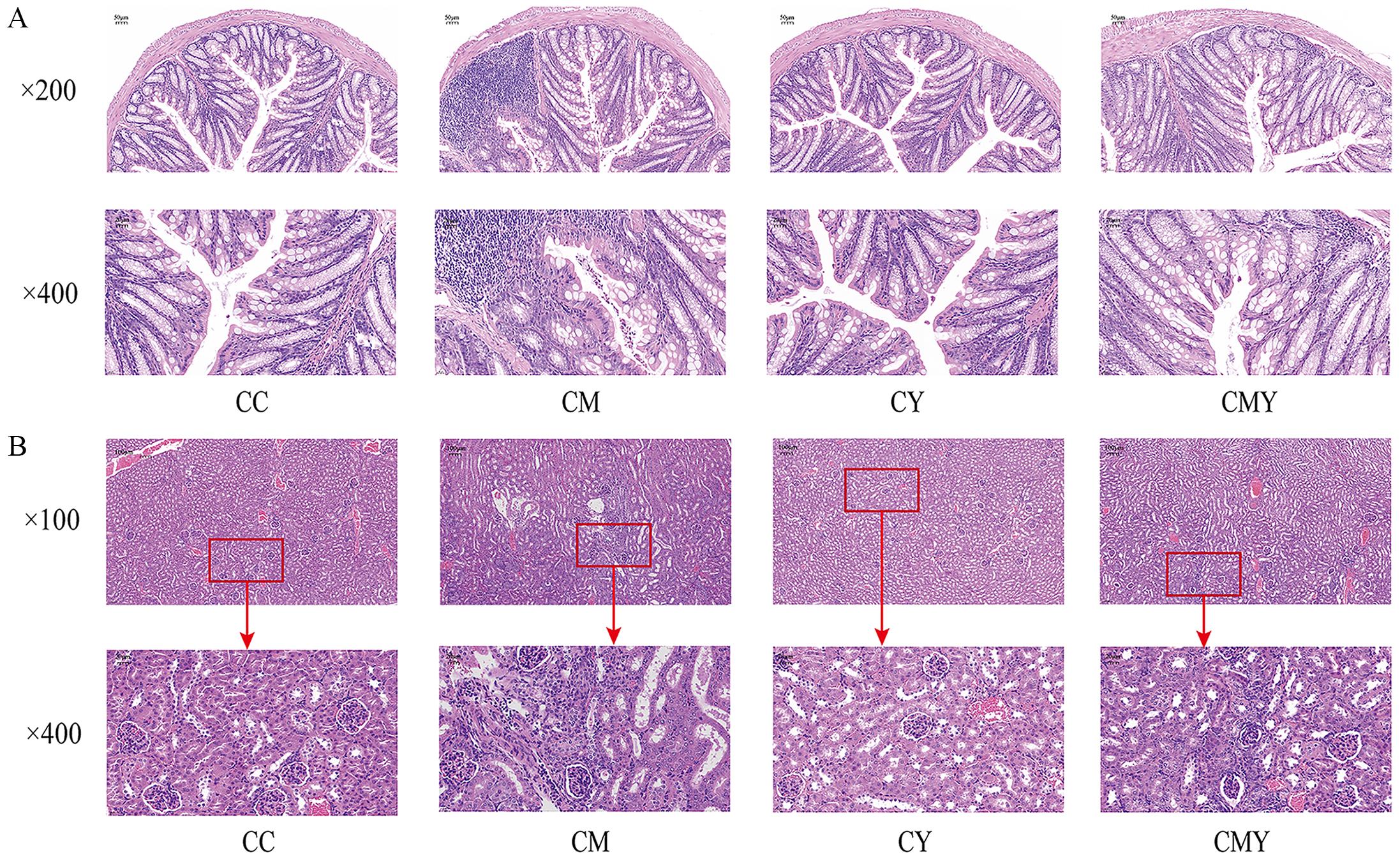
Fig. 2 Hematoxylin and eosin staining of colon and kidney tissuesA: Representative images of HE-stained colon sections (×200, ×400). B: Representative images of HE-stained kidney sections (×100, ×400)
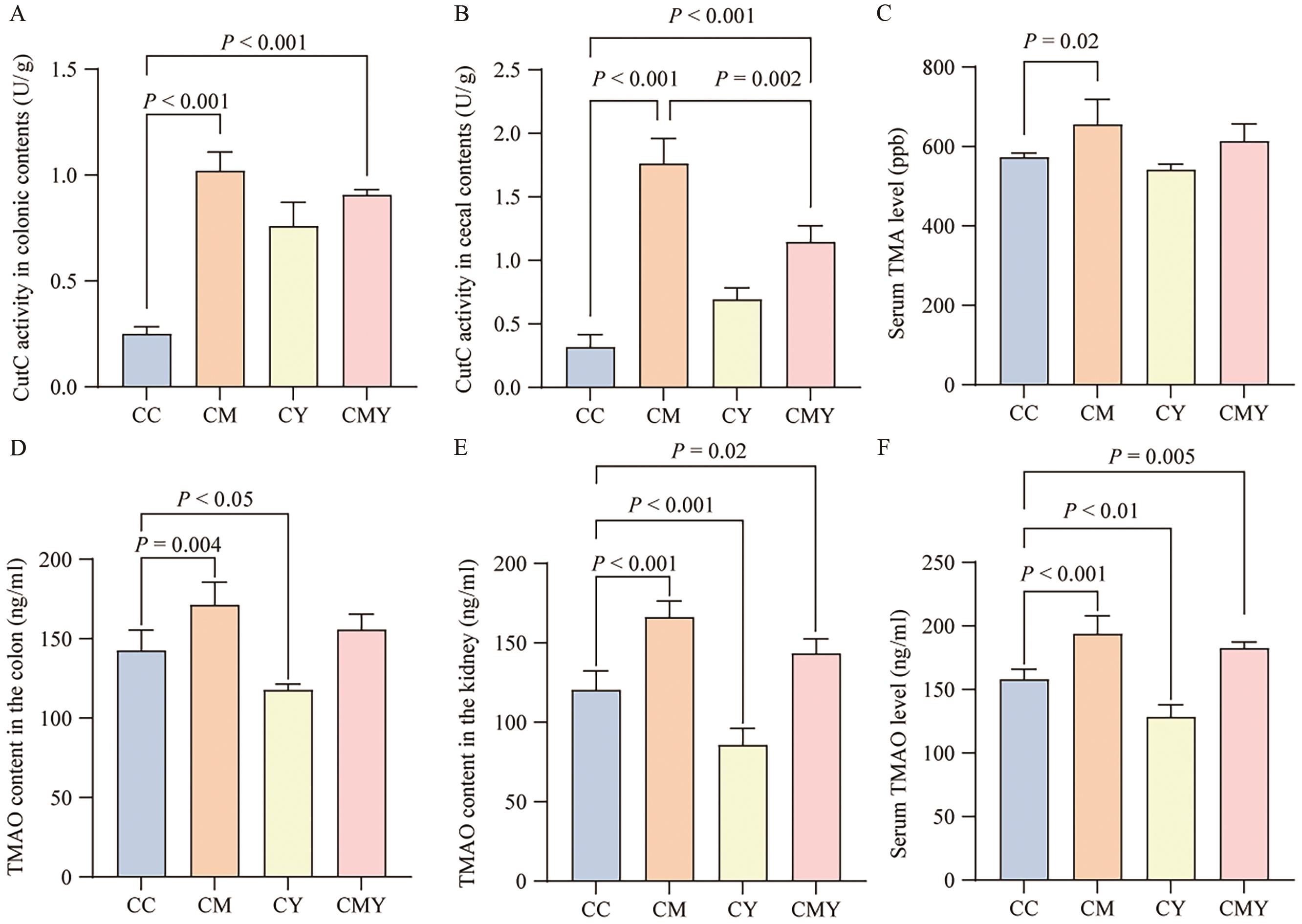
Fig. 3 Changes in TMAO-related parameters in mice from different groupsA: CutC activity in colonic contents. B: CutC activity in cecal contents. C: Serum TMA level. D: TMAO content in the colon. E: TMAO content in the kidney. F: Serum TMAO level
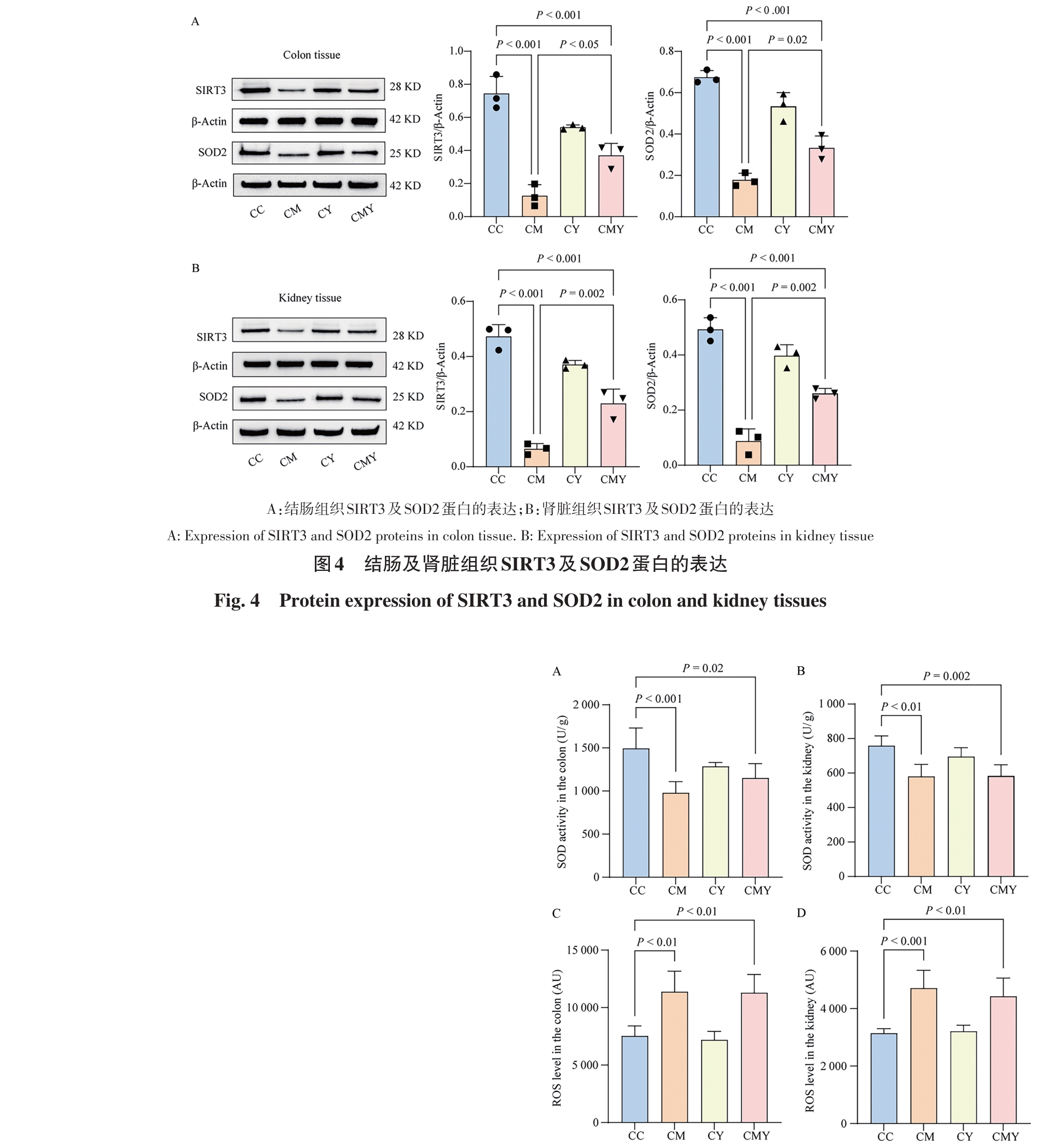
Fig. 5 Changes in SOD activity and ROS levels in colon and kidney tissuesA: SOD activity in the colon. B: SOD activity in the kidney. C: ROS level in the colon. D: ROS level in the kidney
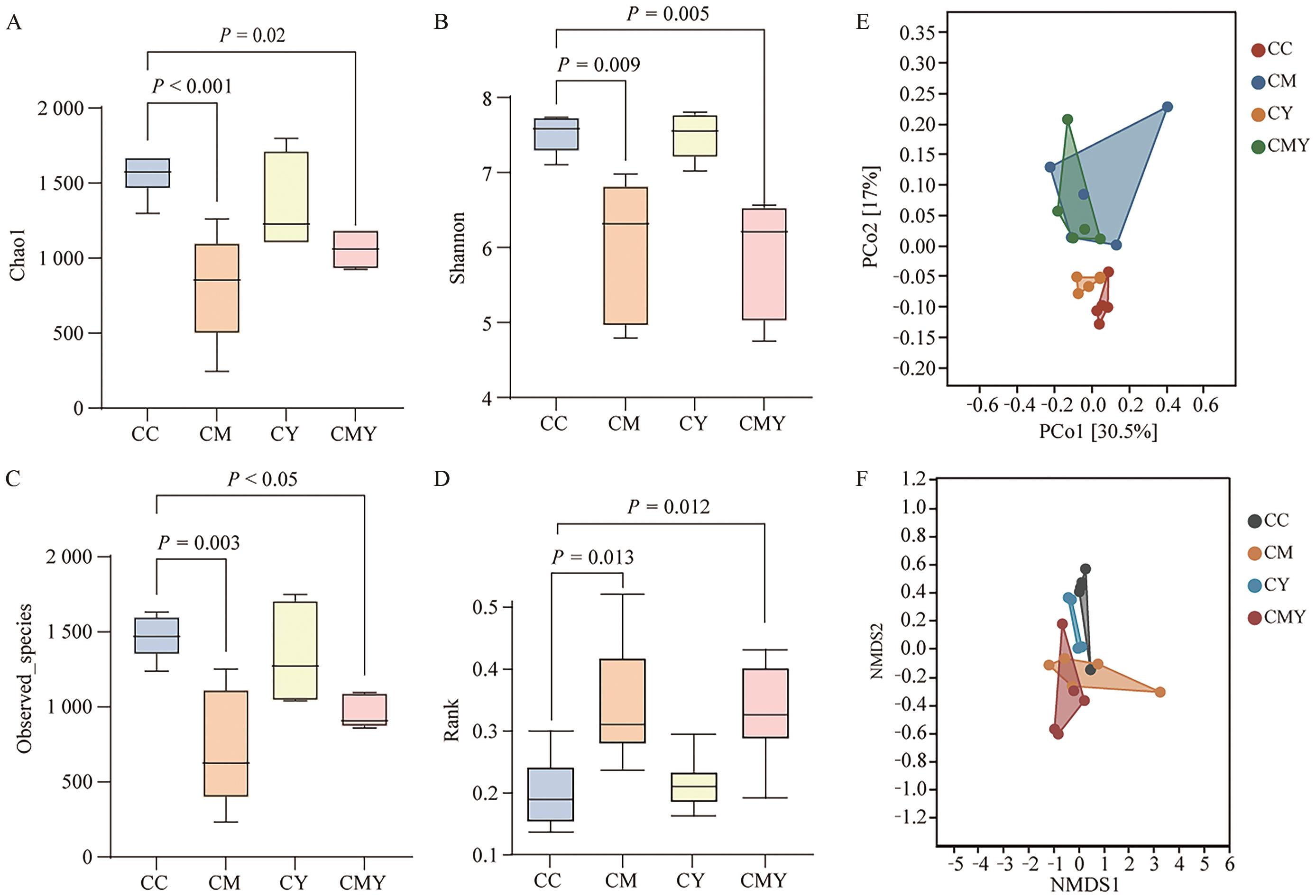
Fig. 6 Analysis of gut microbiota diversity in miceA: Chao1. B: Shannon. C: Observed species. D: Anosim analysis. E: PCoA analysis. F: NMDS analysis
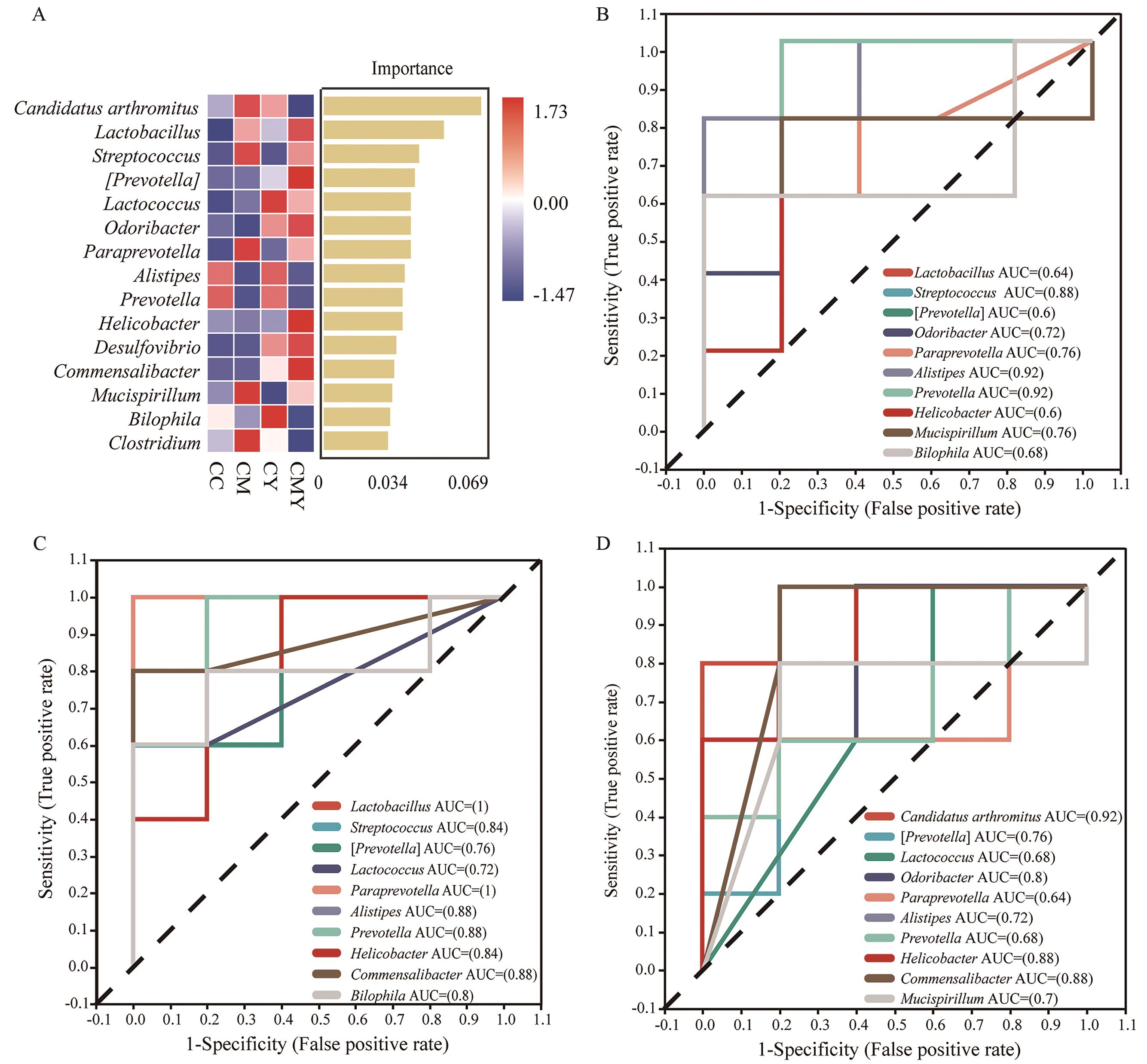
Fig. 7 Random forest and receiver operating characteristic analysesA: Random forest plot at the genus level. B: ROC curve (CC vs CM). C: ROC curve (CC vs CMY). D: ROC curve (CM vs CMY)
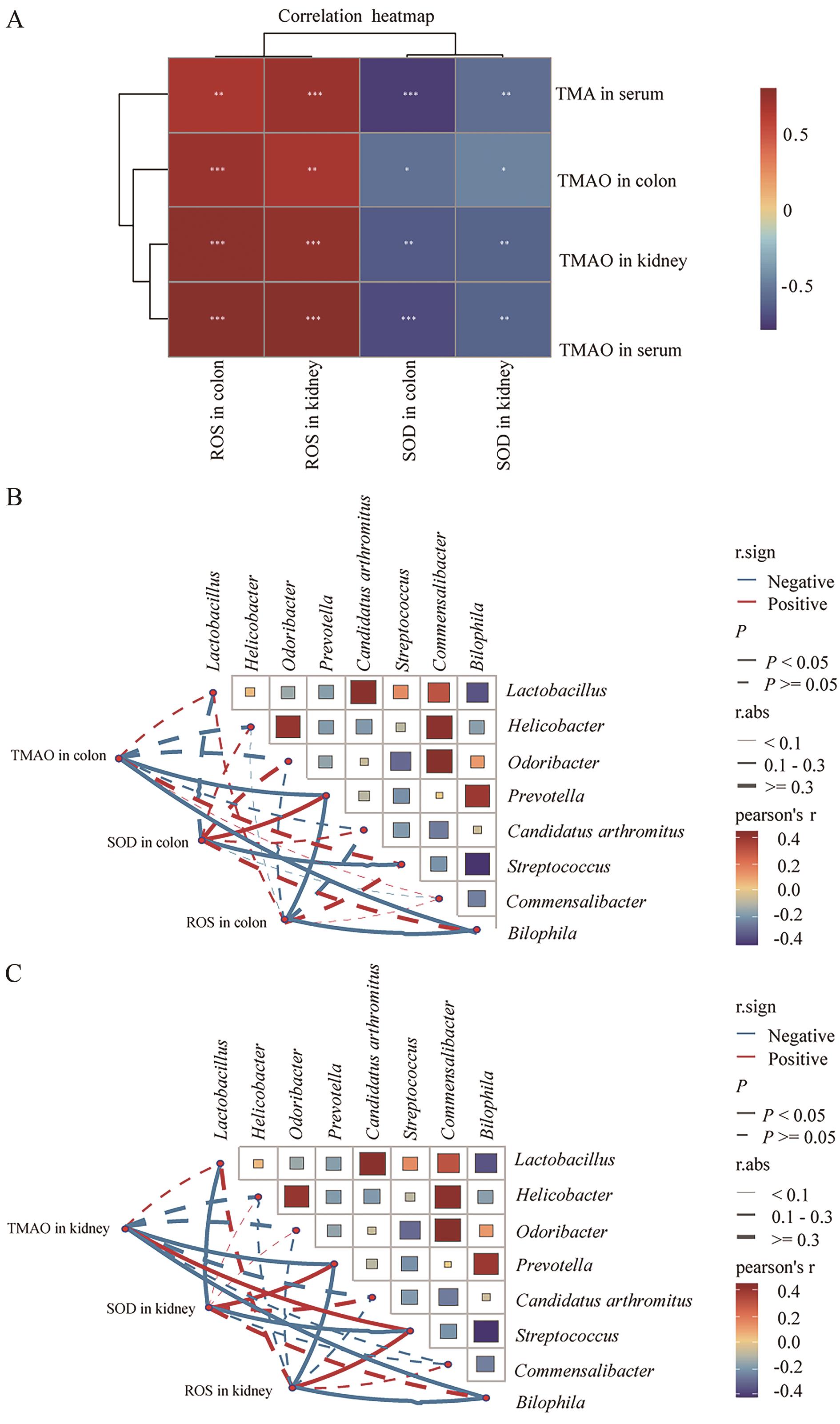
Fig. 8 Correlation analysis between TMAO, oxidative stress-related indicators, and characteristic bacterial generaA: Heatmap of correlations between TMAO and oxidative stress indicators. B: Heatmap of correlations between colonic TMAO and oxidative stress indicators as well as characteristic bacterial genera. C: Heatmap of correlations between renal TMAO and oxidative stress indicators as well as characteristic bacterial genera. Red indicates positive correlation, blue indicates negative correlation, and the color gradient represents the strength of the correlation. *P<0.05, **P<0.01, ***P<0.001. Solid lines indicate significant correlation (P<0.05), dashed lines indicate non-significant correlation (P>0.05). The thickness of the lines represents the strength of the correlation
| [1] | Guggeis MA, Harris DM, Welz L, et al. Microbiota-derived metabolites in inflammatory bowel disease [J]. Semin Immunopathol, 2025, 47: 19. |
| [2] | Li XY, Peng XX, Qiao B, et al. Gut-kidney impairment process of adenine combined with folium sennae-Induced diarrhea: association with interactions between Lactobacillus intestinalis, Bacteroides acidifaciens and acetic acid, inflammation, and kidney function [J]. Cells, 2022, 11(20): 3261. |
| [3] | Zhu T, Hu BY, Zhang YQ, et al. The role of microbial metabolites in diabetic kidney disease [J]. Heliyon, 2023, 9(7): e17844. |
| [4] | Tsuji K, Uchida N, Nakanoh H, et al. The gut-kidney axis in chronic kidney diseases [J]. Diagnostics, 2025, 15(1): 21. |
| [5] | Wang CC, Duan XF, Li XY, et al. Trimethylamine N-oxide generation process was influenced by the proportion and source of macronutrients in the diet [J]. Food Sci Hum Wellness, 2024, 13(2): 649-658. |
| [6] | Paulina G, Joanna K. Trimethylamine N-oxide (TMAO) in human health [J]. EXCLI J, 2021, 20: 301-319. |
| [7] | Pahl MV, Vaziri ND. The chronic kidney disease—colonic axis [J]. Semin Dial, 2015, 28(5): 459-463. |
| [8] | 彭印, 徐雪君, 李建萍, 等. 靶向肠道菌群调控肠源尿毒素代谢通路干预慢性肾病进展的治疗策略分析 [J]. 药学学报, 2021, 56(1): 37-49. |
| Peng Y, Xu XJ, Li JP, et al. Strategy to delay the progression of chronic kidney disease by targeting gut microbiota and uremic toxins metabolism pathway [J]. Acta Pharm Sin, 2021, 56(1): 37-49. | |
| [9] | Fang LY, Shen JX, Xiao NQ, et al. TMAO activates the NLRP3 inflammasome, disrupts gut-kidney interaction, and promotes intestinal inflammation [J]. Int J Mol Sci, 2025, 26(15): 7441. |
| [10] | Liu LW, Xie Y, Li GQ, et al. Gut microbiota-derived nicotinamide mononucleotide alleviates acute pancreatitis by activating pancreatic SIRT3 signalling [J]. British J Pharmacology, 2023, 180(5): 647-666. |
| [11] | Nakano H, Setoguchi S, Kawano K, et al. Effects of amazake produced with different Aspergillus on gut barrier and microbiota [J]. Foods, 2023, 12(13): 2568. |
| [12] | Peng YQ, Li YS, Pi YZ, et al. Effects of almond (Armeniaca Sibirica L. Lam) polysaccharides on gut microbiota and anti-inflammatory effects on LPS-induced RAW264.7 cells [J]. Int J Biol Macromol, 2024, 263: 130098. |
| [13] | Saaoud F, Liu L, Xu KM, et al. Aorta- and liver-generated TMAO enhances trained immunity for increased inflammation via ER stress/mitochondrial ROS/glycolysis pathways [J]. JCI Insight, 2023, 8: e158183. |
| [14] | Dong F, Jiang S, Tang C, et al. Trimethylamine N-oxide promotes hyperoxaluria-induced calcium oxalate deposition and kidney injury by activating autophagy [J]. Free Radic Biol Med, 2022, 179: 288-300. |
| [15] | Chen ML, Zhu XH, Ran L, et al. Trimethylamine-N-oxide induces vascular inflammation by activating the NLRP3 inflammasome through the SIRT3-SOD2-mtROS signaling pathway [J]. J Am Heart Assoc, 2017, 6(9): e006347. |
| [16] | Zhang Y, Bai XZ, Shen K, et al. Exosomes derived from adipose mesenchymal stem cells promote diabetic chronic wound healing through SIRT3/SOD2 [J]. Cells, 2022, 11(16): 2568. |
| [17] | Xie SY, Zou W, Liu SR, et al. Site 1 protease aggravates acute kidney injury by promoting tubular epithelial cell ferroptosis through SIRT3-SOD2-mtROS signaling [J]. FEBS J, 2024, 291(7): 1575-1592. |
| [18] | Guan S, Wang ZY, Zhang RR, et al. 3-MCPD induced mitochondrial damage of renal cells via the rhythmic protein BMAL1 targeting SIRT3/SOD2 [J]. J Agric Food Chem, 2023, 71(39): 14351-14364. |
| [19] | Wu Y, Peng XX, Li XY, et al. Sex hormones influence the intestinal microbiota composition in mice [J]. Front Microbiol, 2022, 13: 964847. |
| [20] | Fang LY, Shen JX, Wu Y, et al. Involvement of intestinal mucosal microbiota in adenine-induced liver function injury [J]. 3 Biotech, 2025, 15: 6. |
| [21] | Guo MM, Fang LY, Chen ML, et al. Dysfunction of cecal microbiota and CutC activity in mice mediating diarrhea with kidney-Yang deficiency syndrome [J]. Front Microbiol, 2024, 15: 1354823. |
| [22] | Heng X, Liu WG, Chu WH. Identification of choline-degrading bacteria from healthy human feces and used for screening of trimethylamine (TMA)-lyase inhibitors [J]. Microb Pathog, 2021, 152: 104658. |
| [23] | Ferrell M, Bazeley P, Wang ZN, et al. Fecal microbiome composition does not predict diet-induced TMAO production in healthy adults [J]. J Am Heart Assoc, 2021, 10(21): e021934. |
| [24] | Koeth RA, Levison BS, Culley MK, et al. γ-butyrobetaine is a proatherogenic intermediate in gut microbial metabolism of L-carnitine to TMAO [J]. Cell Metab, 2014, 20(5): 799-812. |
| [25] | He L, Long CX, Liu YJ, et al. Effects of Debaryomyces hansenii treatment on intestinal microorganisms in mice with antibiotics-induced diarrhea [J]. 3 Biotech, 2017, 7(5): 347. |
| [26] | Long CX, Liu YW, He L, et al. Bacterial lactase genes diversity in intestinal mucosa of dysbacterial diarrhea mice treated with Qiweibaizhu powder [J]. 3 Biotech, 2018, 8(10): 423. |
| [27] | Nian FL, Chen YY, Xia QY, et al. Gut microbiota metabolite trimethylamine N-oxide promoted NAFLD progression by exacerbating intestinal barrier disruption and intrahepatic cellular imbalance [J]. Int Immunopharmacol, 2024, 142: 113173. |
| [28] | Cai YY, Huang FQ, Lao XZ, et al. Integrated metagenomics identifies a crucial role for trimethylamine-producing Lachnoclostridium in promoting atherosclerosis [J]. npj Biofilms Microbiomes, 2022, 8: 11. |
| [29] | Lu Y, Cui AX, Zhang XB. Commensal microbiota-derived metabolite agmatine triggers inflammation to promote colorectal tumorigenesis [J]. Gut Microbes, 2024, 16: 2348441. |
| [30] | Caruso R, Mathes T, Martens EC, et al. A specific gene-microbe interaction drives the development of Crohn’s disease-like colitis in mice [J]. Sci Immunol, 2019, 4(34): eaaw4341. |
| [31] | Wu ZL, Li XY, Wang Y, et al. Microbiome analysis reveals gut bacterial alterations in adult Tibetan pigs with diarrhea [J]. Front Microbiol, 2025, 16: 1524727. |
| [32] | Liu PY, Xia D, McGonigle K, et al. Immune-mediated hematological disease in dogs is associated with alterations of the fecal microbiota: a pilot study [J]. Anim Microbiome, 2023, 5: 46. |
| [33] | Hiippala K, Barreto G, Burrello C, et al. Novel Odoribacter splanchnicus strain and its outer membrane vesicles exert immunoregulatory effects in vitro [J]. Front Microbiol, 2020, 11: 575455. |
| [34] | Kivenson V, Giovannoni SJ. An expanded genetic code enables trimethylamine metabolism in human gut bacteria [J]. mSystems, 2020, 5(5): e00413-e00420. |
| [35] | Juszczak F, Arnould T, Declèves AE. The role of mitochondrial sirtuins (SIRT3, SIRT4 and SIRT5) in renal cell metabolism: implication for kidney diseases [J]. Int J Mol Sci, 2024, 25(13): 6936. |
| [36] | Dai M, Wang YM, Dong HK, et al. Urolithin A alleviates vascular remodeling through mitochondrial SIRT3-mediated SOD2 deacetylation and antioxidation in hypertensive rats [J]. Redox Rep, 2026, 31: 2622255. |
| [37] | Shanmugham M, Bellanger S, Leo CH. Gut-derived metabolite, trimethylamine-N-oxide (TMAO) in cardio-metabolic diseases: detection, mechanism, and potential therapeutics [J]. Pharmaceuticals, 2023, 16(4): 504. |
| [38] | Azzouz RS, Yan LJ. The role of Sirt3 in kidney health and disease [J]. Pharmaceuticals, 2025, 18(11): 1668. |
| [39] | Acar C, Celik SK, Ozdemirel HO, et al. Composition of the colon microbiota in the individuals with inflammatory bowel disease and colon cancer [J]. Folia Microbiol, 2024, 69(2): 333-345. |
| [40] | Zhang R, Tang YY, Lu XX, et al. Targeted modulation of intestinal barrier and mucosal immune-related microbiota attenuates IgA nephropathy progression [J]. Gut Microbes, 2025, 17: 2458184. |
| [1] | TONG Xin, JIANG Xian-zhe, WANG Bing. Mechanisms and Applications of Bile Acids in Regulating Adipose Tissue Function and Lipid Metabolism [J]. Biotechnology Bulletin, 2026, 42(9): 276-285. |
| [2] | SUN Xian-qing, XIAO Nen-qun, TAN Zhou-jin. A Study on the Gut Microbiome Mechanism of the Combination of Polygonatum sibiricum and Poria cocos for Prevention of Constipation due to ‘Pi’ Deficiency [J]. Biotechnology Bulletin, 2026, 42(7): 328-340. |
| [3] | KANG Kai, YANG Wei, LI Ying-chun, XIE Wei-tian, WU Hai-yan, YOU Yu-pin, CHEN Zhi-bao. Inotodiol Prevention of Aflatoxin B1-induced Liver Injury by Activating Nrf2/PGC-1α/Mitophagy [J]. Biotechnology Bulletin, 2026, 42(1): 338-351. |
| [4] | GAO Zheng, YIN Liu-yi, MENG Ling-pin, WANG Xiao-hui, SUN Jia-xin, SONG Yang, WEN Shu-bo. Research Advances in Plant Extracts with Antiviral Activity against Bovine Viral Diarrhea Virus [J]. Biotechnology Bulletin, 2026, 42(1): 31-41. |
| [5] | YANG Wei, GUAN Hai-feng, REN Xin-hui, PENG Jin-ju, CHEN Zhi-bao. Alleviating Effect of Astaxanthin on Liver Injury Induced by Aflatoxin B 1 and Its Mechanism [J]. Biotechnology Bulletin, 2025, 41(10): 334-342. |
| [6] | WU Shuang, LU Rui-lin, FENG Cheng-tian, YUAN Kun, WANG Zhen-hui, LIU Jin-ping, LIU Hui. Expression of HbTRXh5 Gene of Hevea brasiliensis in Yeast and Analysis on Its Resistance to Stress [J]. Biotechnology Bulletin, 2024, 40(12): 136-144. |
| [7] | XIONG Xin-yi, LIU Li-ping, FENG Jie, ZHANG Jin-song, LI De-shun, LIU Peng, LIU Yan-fang. Effect and Mechanism of Cordyceps militaris Extract on Lowering Uric Acid in Hyperuricemia Rats [J]. Biotechnology Bulletin, 2024, 40(11): 34-46. |
| [8] | KANG Ling-yun, HAN Lu-lu, HAN De-ping, CHEN Jian-sheng, GAN Han-ling, XING Kai, MA You-ji, CUI Kai. Effect of Melatonin on Protecting the Jejunum Mucosal Epithelial Cells from Oxidative Stress Damage [J]. Biotechnology Bulletin, 2023, 39(9): 291-299. |
| [9] | SHA Shan-shan, DONG Shi-rong, YANG Yu-ju. Research Progress in Gut Microbiota and Metabolites Regulating Host Intestinal Immunity [J]. Biotechnology Bulletin, 2023, 39(8): 126-136. |
| [10] | WANG Shuai, FENG Yu-mei, BAI Miao, DU Wei-jun, YUE Ai-qin. Functional Analysis of Soybean Gene GmHMGR Responding to Exogenous Hormones and Abiotic Stresses [J]. Biotechnology Bulletin, 2023, 39(7): 131-142. |
| [11] | XIONG Shu-qi. Towards the Understanding on the Physiological Functions of Bile Acids and Interactions with Gut Microbiota [J]. Biotechnology Bulletin, 2023, 39(4): 187-200. |
| [12] | WANG Qi, HU Zhe, FU Wei, LI Guang-zhe, HAO Lin. Regulation of Burkholderia sp. GD17 on the Drought Tolerance of Cucumber Seedlings [J]. Biotechnology Bulletin, 2023, 39(3): 163-175. |
| [13] | ZHU Ye-sheng, WU Guo-qiang, WEI Ming. Roles of Plasma Membrane Na+/H+ Antiporter SOS1 in Maintaining Ionic Homeostasis of Plants [J]. Biotechnology Bulletin, 2023, 39(12): 16-32. |
| [14] | YAN Xiong-ying, WANG Zhen, WANG Xia, YANG Shi-hui. Microbial Sulfur Metabolism and Stress Resistance [J]. Biotechnology Bulletin, 2023, 39(11): 150-167. |
| [15] | ZHOU Heng, XIE Yan-jie. Recent Progress in Oxidative Stress Signaling and Response in Plants [J]. Biotechnology Bulletin, 2023, 39(11): 36-43. |
| Viewed | ||||||
|
Full text |
|
|||||
|
Abstract |
|
|||||
