







LIU Ya-qi, LI Yao-xuan, LIU Han-xiao, LI Meng-na, YANG Jing-chao, CHEN Bing, YANG Feng-tang( ), LI Jing-rui()
Received:2026-03-24
Online:2026-06-08
Contact:
YANG Feng-tang, LI Jing-rui
E-mail:fengtangyang@163.com;lijingrui@sdut.edu.cn
LIU Ya-qi, LI Yao-xuan, LIU Han-xiao, LI Meng-na, YANG Jing-chao, CHEN Bing, YANG Feng-tang, LI Jing-rui. Application of Patient-derived Tumor Organoids in PROTAC Development[J]. Biotechnology Bulletin, doi: 10.13560/j.cnki.biotech.bull.1985.2026-0330.
比较维度 Comparison dimensions | 蛋白水解靶向嵌合体 PROTAC | 小分子化合物 Small molecule | 基因编辑技术 CRISPR | 单克隆抗体 Monoclonal antibody | 小干扰RNA siRNA |
|---|---|---|---|---|---|
| 作用于胞内靶点 Intracellular targets | Yes | Yes | Yes | No | Yes |
| 全身给药 Systemic delivery | Yes | Yes | No | Yes | Yes |
| 循环催化作用机制 Cyclic catalytic mode of action | Yes | No | No | No | No |
| 口服生物利用度 Oral bioavailability | Yes | Yes | No | No | No |
| 无可成药靶点限制 No druggable target constraint | Yes | No | Yes | No | Yes |
| 肿瘤类器官适配性 Tumor organoid compatibility | Yes | Yes | Yes | No | Yes |
Table 1 Comparison of PROTAC with other therapeutic modalities
比较维度 Comparison dimensions | 蛋白水解靶向嵌合体 PROTAC | 小分子化合物 Small molecule | 基因编辑技术 CRISPR | 单克隆抗体 Monoclonal antibody | 小干扰RNA siRNA |
|---|---|---|---|---|---|
| 作用于胞内靶点 Intracellular targets | Yes | Yes | Yes | No | Yes |
| 全身给药 Systemic delivery | Yes | Yes | No | Yes | Yes |
| 循环催化作用机制 Cyclic catalytic mode of action | Yes | No | No | No | No |
| 口服生物利用度 Oral bioavailability | Yes | Yes | No | No | No |
| 无可成药靶点限制 No druggable target constraint | Yes | No | Yes | No | Yes |
| 肿瘤类器官适配性 Tumor organoid compatibility | Yes | Yes | Yes | No | Yes |
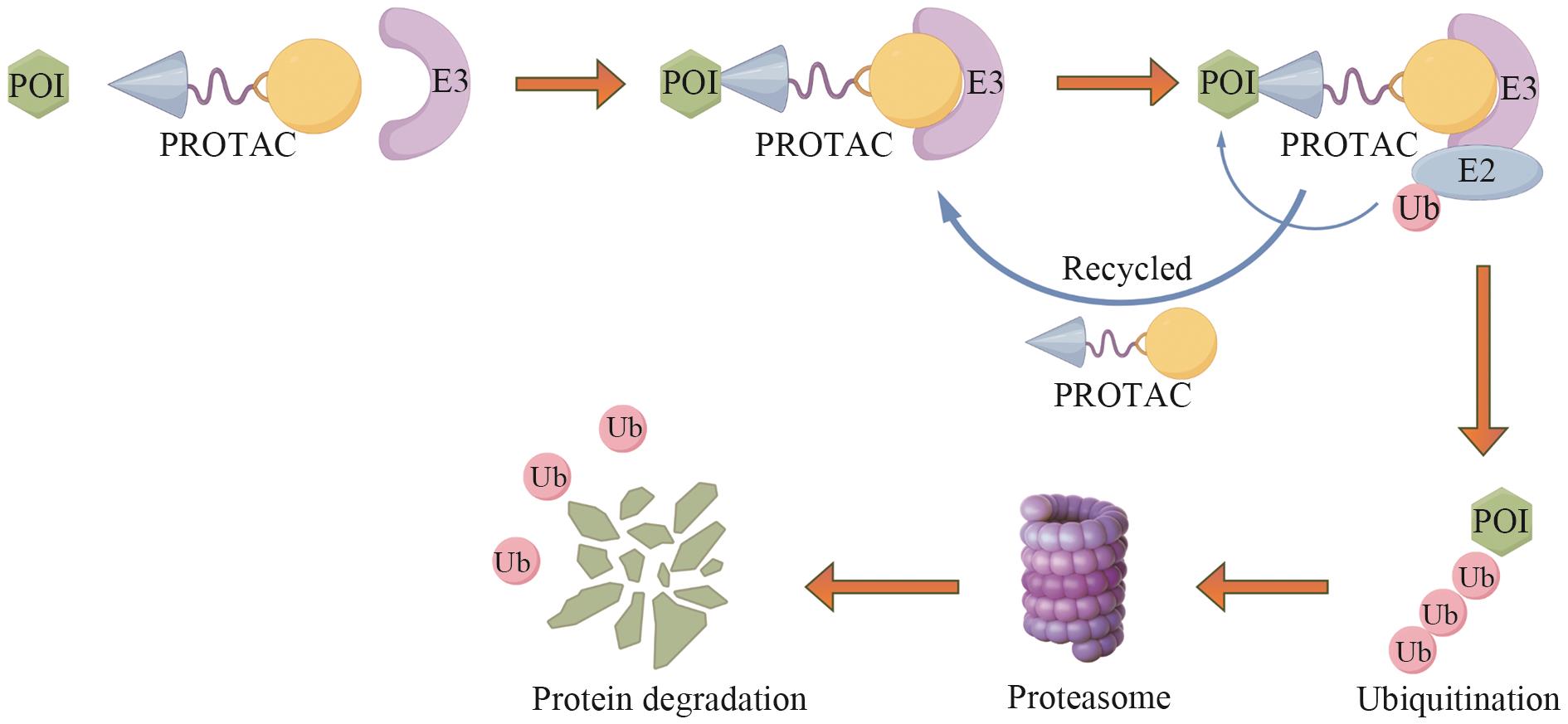
Fig. 1 Schematic diagram of PROTAC working principle (self-drawn by Figdraw, the same below)This figure illustrates the complete cycle of how PROTACs utilize the intracellular ubiquitin-proteasome system to specifically catalyze the degradation of target proteins. POI: Target protein. PROTAC: proteolysis targeting chimera. E3: E3 ubiquitin ligase. E2: E2 ubiquitin-conjugating enzyme. Ub: Ubiquitin. Proteasome: 26S proteasome. Orange arrows indicate the forward reaction flow; blue arrows indicate that the PROTAC molecule can be released from the complex and recycled for the next round of degradation
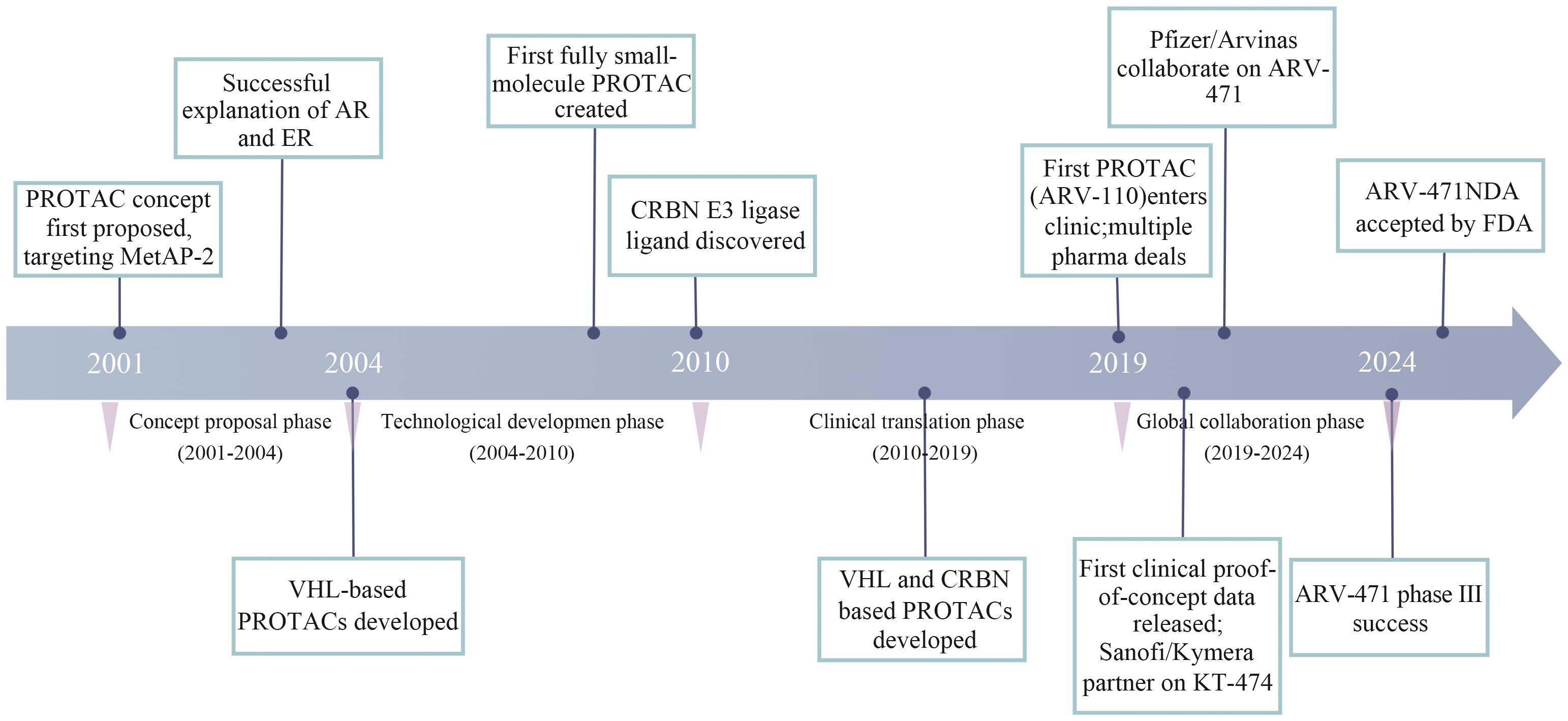
Fig. 2 The timeline of PROTAC technology development
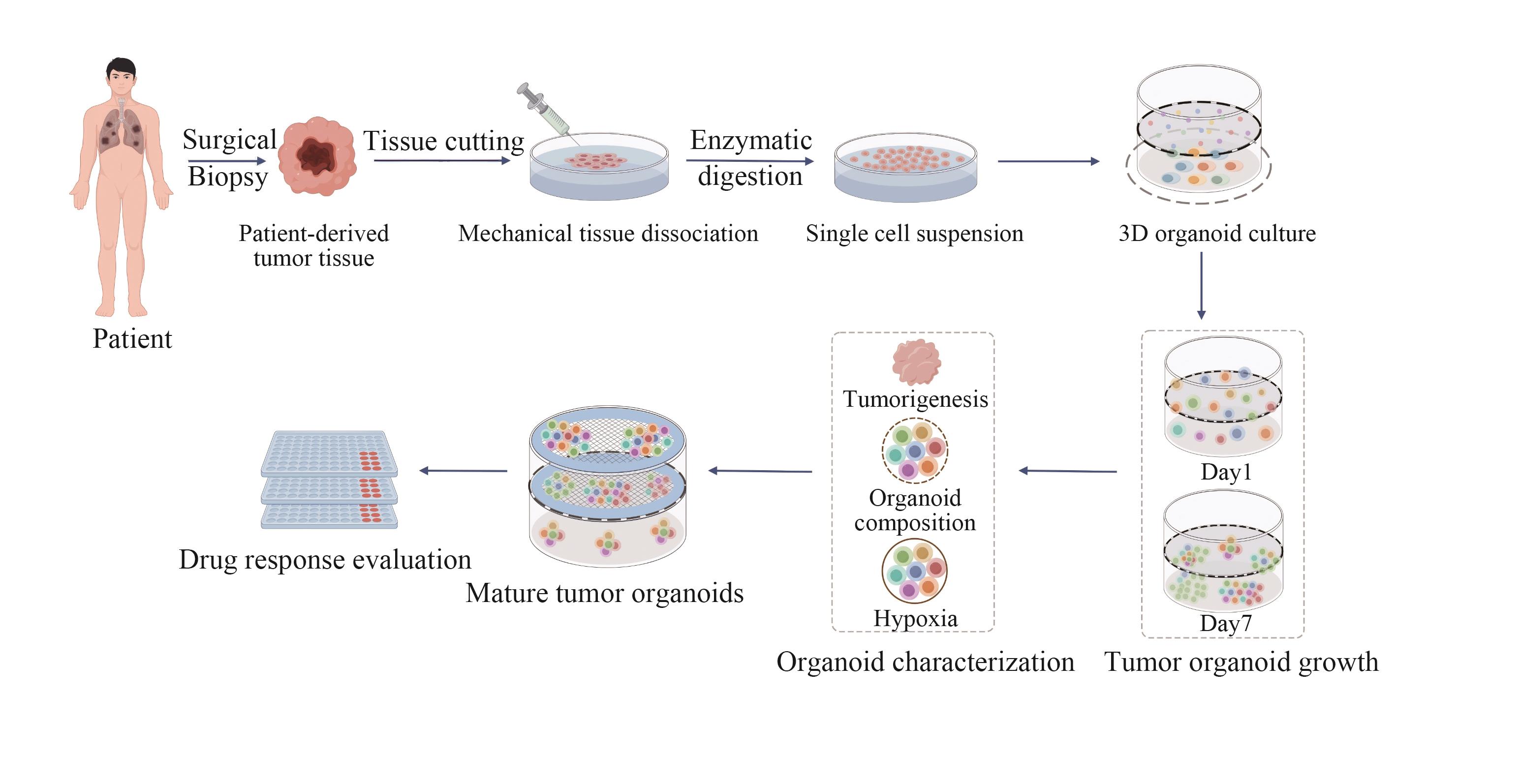
Fig. 3 Schematic diagram of patient-derived tumor organoid construction process
比较维度 Comparison dimensions | 患者来源肿瘤类器官 Patient-derived tumor organoids | 二维细胞系 2D cell lines | 动物模型 Animal models |
|---|---|---|---|
| 生理相关性 Physiological relevance | High | Low | High |
| 肿瘤异质性 Tumor heterogeneity | High | Low | High |
| 三维结构 3D structure | Present | Absent | Present |
| 构建周期 Build cycle | Moderate | Short | Long |
| 通量 Throughput | Moderate | High | Low |
| 个体化治疗 Personalized therapy | High | Low | Low |
| 成本 Cost | Moderate | Low | High |
Table 2 Comparison of patient-derived tumor organoids with 2D cell lines and animal models
比较维度 Comparison dimensions | 患者来源肿瘤类器官 Patient-derived tumor organoids | 二维细胞系 2D cell lines | 动物模型 Animal models |
|---|---|---|---|
| 生理相关性 Physiological relevance | High | Low | High |
| 肿瘤异质性 Tumor heterogeneity | High | Low | High |
| 三维结构 3D structure | Present | Absent | Present |
| 构建周期 Build cycle | Moderate | Short | Long |
| 通量 Throughput | Moderate | High | Low |
| 个体化治疗 Personalized therapy | High | Low | Low |
| 成本 Cost | Moderate | Low | High |
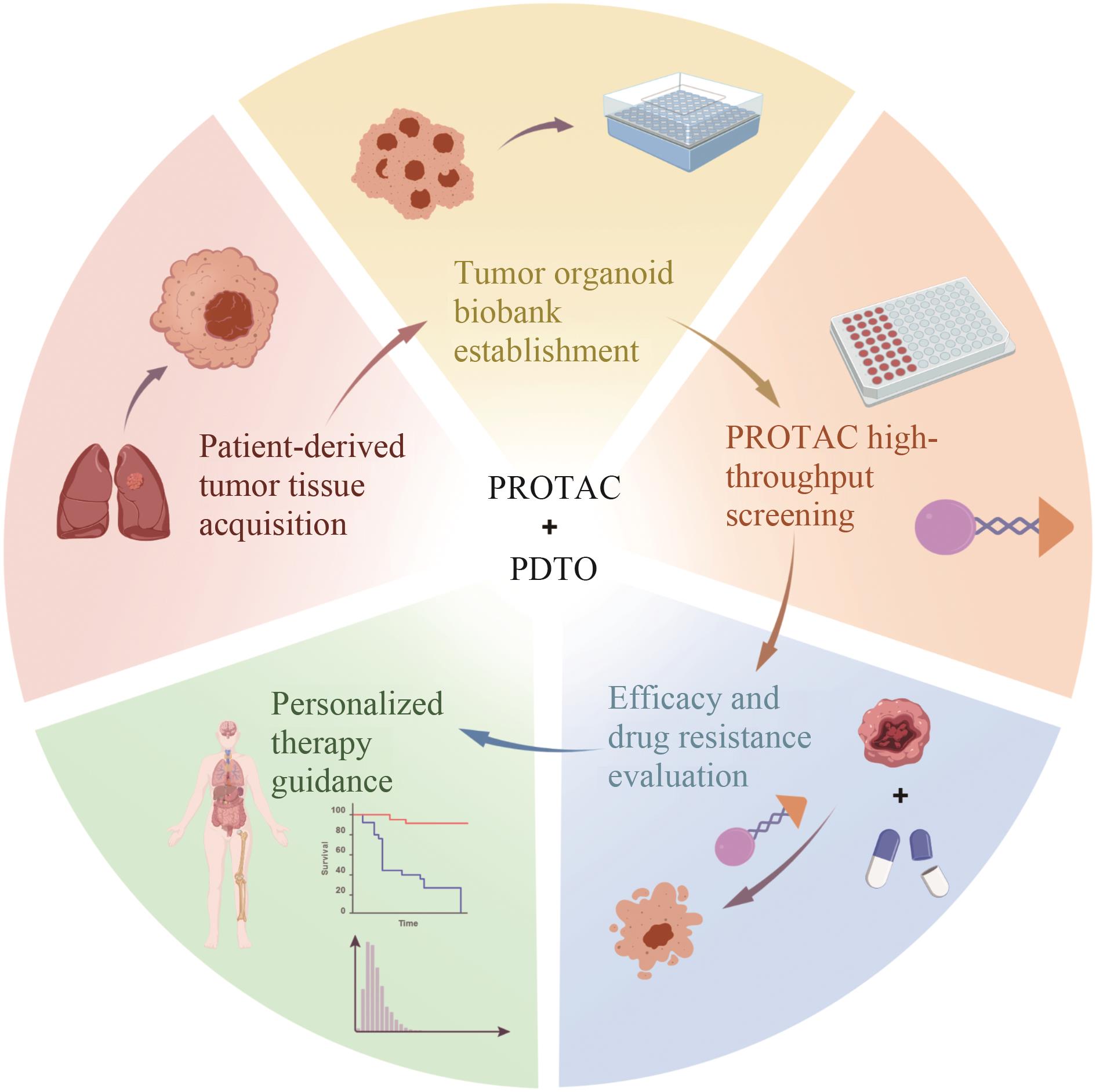
Fig. 4 Schematic diagram of the entire workflow for PROTAC development based on patient-derived tumor organoidsThis figure illustrates the research system centered on PROTAC and PDTO, covering the collection of patient tumor tissues, the establishment of a tumor organoid biobank, high-throughput PROTAC screening, evaluation of drug efficacy and resistance, and personalized clinical treatment
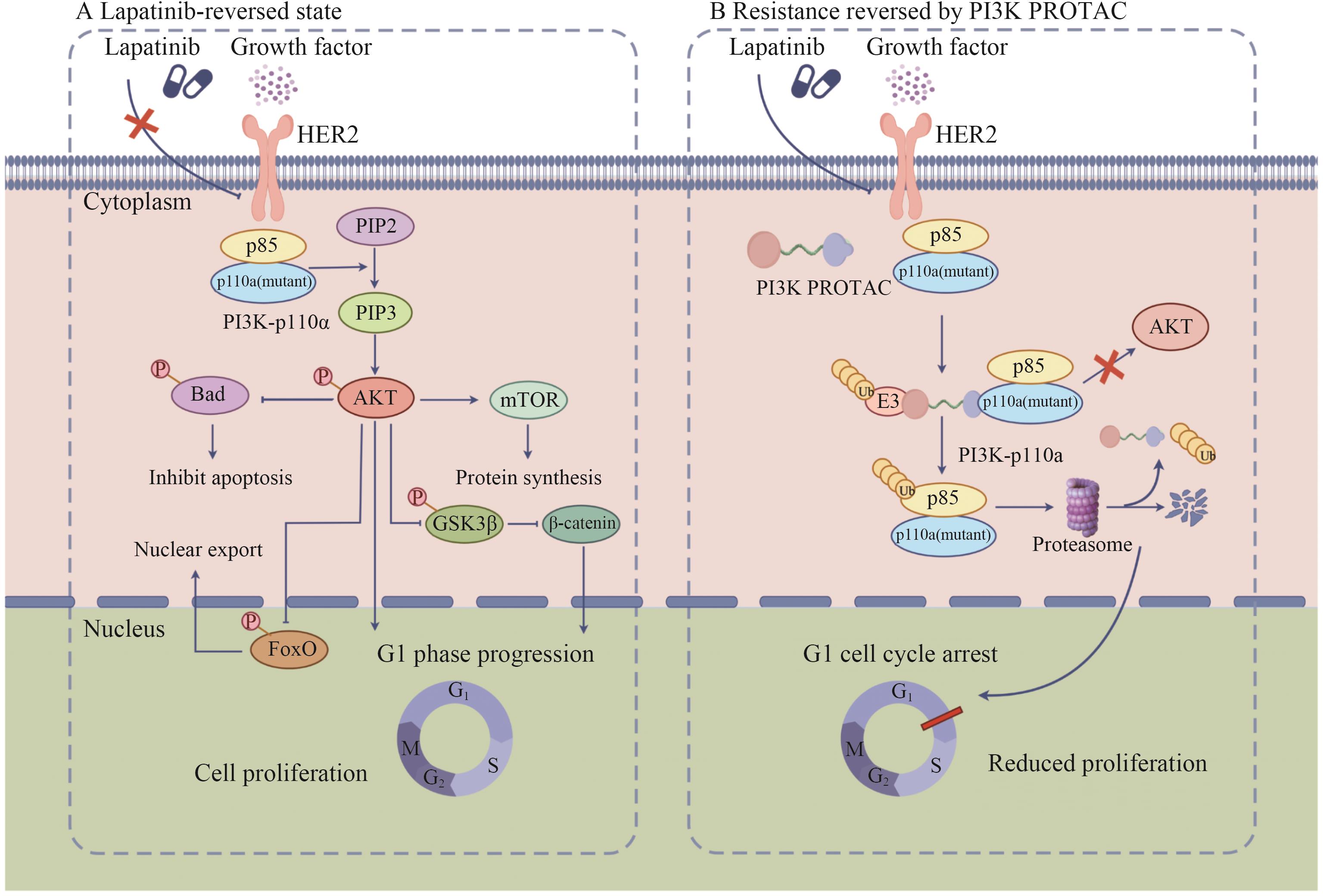
Fig. 5 PI3K PROTAC overcomes lapatinib resistance in breast cancer organoidsA: Lapatinib resistance caused by sustained activation of the PI3K-p110α protein. B: PI3K PROTAC degrades the mutated p110α protein, blocking the PI3K/AKT signaling cascade and ultimately reversing resistance
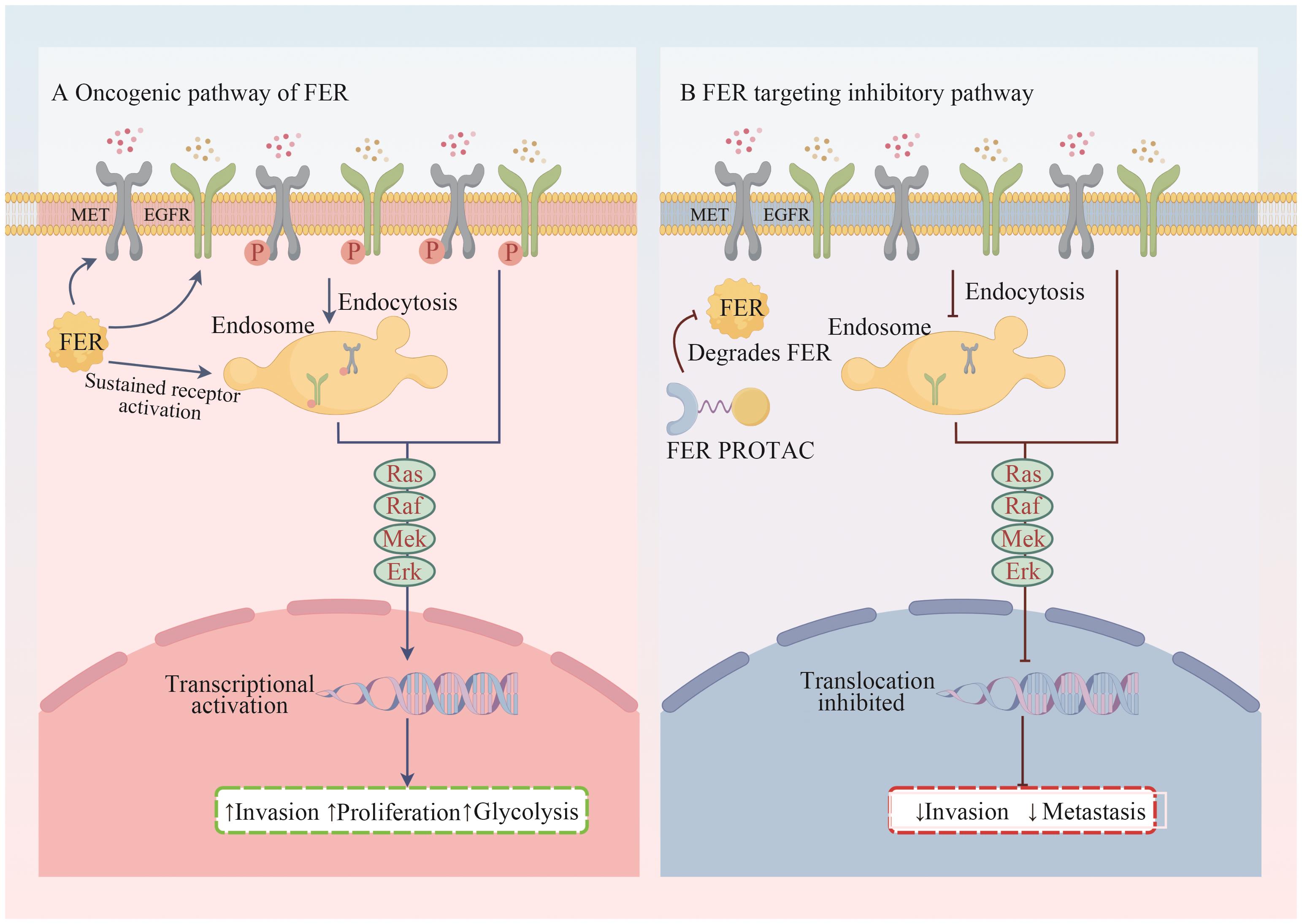
Fig. 6 FER-mediated oncogenic signaling pathways and PDTO-based PROTAC inhibitionA: High FER expression continuously activates the MAPK pathway through a dual regulatory mechanism and induces the transcription of related genes upon nuclear translocation, driving malignant tumor progression. B: PROTAC-based degraders specifically degrade FER, thereby reversing malignant phenotypes such as tumor invasion and metastasis
| [1] | Bray F, Laversanne M, Sung H, et al. Global cancer statistics 2022: GLOBOCAN estimates of incidence and mortality worldwide for 36 cancers in 185 countries [J]. CA Cancer J Clin, 2024, 74(3): 229-263. |
| [2] | Grillo-Lopez A, White C, Dallaire B, et al. Rituximab the first monoclonal antibody approved for the treatment of lymphoma [J]. Curr Pharm Biotechnol, 2000, 1(1): 1-9. |
| [3] | Whitfield JR, Soucek L. MYC in cancer: from undruggable target to clinical trials [J]. Nat Rev Drug Discov, 2025, 24(6): 445-457. |
| [4] | Lier S, Sellmer A, Orben F, et al. A novel Cereblon E3 ligase modulator with antitumor activity in gastrointestinal cancer [J]. Bioorg Chem, 2022, 119: 105505. |
| [5] | 马恒元, 柯志强, 苏正定. 蛋白降解靶向嵌合体的研究进展 [J]. 中国医药工业杂志, 2024, 55(11): 1467-1476, 1504. |
| Ma HY, Ke ZQ, Su ZD. Research progress on proteolysis targeting chimeras [J]. Chin J Pharm, 2024, 55(11): 1467-1476, 1504. | |
| [6] | Petrylak DP, Gao X, Vogelzang NJ, et al. First-in-human phase I study of ARV-110, an androgen receptor (AR) PROTAC degrader in patients (pts) with metastatic castrate-resistant prostate cancer (mCRPC) following enzalutamide (ENZ) and/or abiraterone (ABI) [J]. J Clin Oncol, 2020, 38(): 3500. |
| [7] | Flanagan JJ, Qian Y, Gough SM, et al. Abstract P5-04-18: ARV-471, an oral estrogen receptor PROTAC degrader for breast cancer [C]// Proceedings of the American Association for Cancer Research Annual Meeting 2019. Atlanta: American Association for Cancer Research, 2019: P5-04-18. |
| [8] | Seidlitz T, Stange DE. Gastrointestinal cancer organoids—applications in basic and translational cancer research [J]. Exp Mol Med, 2021, 53(10): 1459-1470. |
| [9] | Pulido I, Gunder L, Luan Q, et al. Abstract 1932: Overcoming acquired resistance to KRAS (G12D) inhibition using a KRAS-HSP90 hetero-bifunctional small molecule therapeutic agent [C]// Proceedings of the American Association for Cancer Research Annual Meeting 2024. Philadelphia, PA: American Association for Cancer Research, 2024: 1932. |
| [10] | Jeon E, Kim C, Ko M, et al. KRAS G12D selective VHL-PROTAC with sparing KRAS WT and other KRAS mutants [J]. Eur J Med Chem, 2025, 297: 117928. |
| [11] | Mi DZ, Li YZ, Gu HJ, et al. Current advances of small molecule E3 ligands for proteolysis-targeting chimeras design [J]. Eur J Med Chem, 2023, 256: 115444. |
| [12] | Faryal B, Ul Abideen Z, Irfan M, et al. Targeted protein degradation in cancer: PROTACs, new targets, and clinical mechanisms [J]. Biomolecules, 2026, 16(2): 325. |
| [13] | Sakamoto KM, Kim KB, Kumagai A, et al. Protacs: Chimeric molecules that target proteins to the Skp1-Cullin-F box complex for ubiquitination and degradation [J]. Proc Natl Acad Sci U S A, 2001, 98(15): 8554-8559. |
| [14] | Schneekloth AR, Pucheault M, Tae HS, et al. Targeted intracellular protein degradation induced by a small molecule: En route to chemical proteomics [J]. Bioorg Med Chem Lett, 2008, 18(22): 5904-5908. |
| [15] | Testa A, Lucas X, Castro GV, et al. Correction to “3-fluoro-4-hydroxyprolines: synthesis, conformational analysis, and stereoselective recognition by the VHL E3 ubiquitin ligase for targeted protein degradation” [J]. J Am Chem Soc, 2019, 141(18): 7644. |
| [16] | Li R, Liu M, Yang ZY, et al. Proteolysis-targeting chimeras (PROTACs) in cancer therapy: present and future [J]. Molecules, 2022, 27(24): 8828. |
| [17] | 江幸羽, 陈奕诺, 张琬絮, 等. 刺激响应型PROTAC用于肿瘤精准治疗 [J]. 药学学报, 2025, 60(11): 3263-3282, 3262. |
| Jiang XY, Chen YN, Zhang WX, et al. Stimuli-activatable PROTAC for precise cancer therapy [J]. Acta Pharm Sin, 2025, 60(11): 3263-3282, 3262. | |
| [18] | Wei Y, Ma RR, Hong LJT. 379P development of bifunctional PROTAC degraders targeting EGFR and immune microenvironment [C]// Immuno-Oncology and Technology. Amsterdam: Elsevier, 2025: 379P. |
| [19] | Wang L, Ke Y, He QY, et al. A novel ROR1-targeting antibody-PROTAC conjugate promotes BRD4 degradation for solid tumor treatment [J]. Theranostics, 2025, 15(4): 1238-1254. |
| [20] | Liu HX, Ding XY, Liu LY, et al. Discovery of novel BCR-ABL PROTACs based on the cereblon E3 ligase design, synthesis, and biological evaluation [J]. Eur J Med Chem, 2021, 223: 113645. |
| [21] | Minko T. Nanoformulation of BRD4-degrading PROTAC: improving druggability to target the ‘undruggable’ MYC in pancreatic cancer [J]. Trends Pharmacol Sci, 2020, 41(10): 684-686. |
| [22] | 周永杰, 石毓君. 类器官研究进展及展望 [J]. 中国普外基础与临床杂志, 2022, 29(6): 716-718. |
| Zhou YJ, Shi YJ. Progress and prospects of organoid research [J]. Chin J Bases Clin Gen Surg, 2022, 29(6): 716-718. | |
| [23] | Sato T, Vries RG, Snippert HJ, et al. Single Lgr5 stem cells build crypt-villus structures in vitro without a mesenchymal niche [J]. Nature, 2009, 459(7244): 262-265. |
| [24] | Calà G, Sina B, De Coppi P, et al. Primary human organoids models: Current progress and key milestones [J]. Front Bioeng Biotechnol, 2023, 11: 1058970. |
| [25] | Acar A. Patient-derived tumor organoids: advances, applications, and future directions in biomedical research [J]. Front Med, 2026, 12: 1733668. |
| [26] | Zhou LF, Liao HY, Han Y, et al. The use of organoids in creating immune microenvironments and treating gynecological tumors [J]. J Transl Med, 2024, 22: 856. |
| [27] | Abouleila Y, Smabers LP, Voskuilen T, et al. Accelerating personalized medicine: miniaturized patient-derived organoid drug screening for predicting cancer treatment responses and beyond [J]. npj Biomed Innov, 2026, 3: 16. |
| [28] | Li P, Huang ML, Li MY, et al. Combining molecular characteristics and therapeutic analysis of PDOs predict clinical responses and guide PDAC personalized treatment [J]. J Exp Clin Cancer Res, 2025, 44: 72. |
| [29] | Wijler L, Staes A, van Seeters L, et al. Abstract PR016: Largescale organoid panel drug screening to short-track clinically-relevant output [J]. Mol Cancer Ther, 2023, 22(): PR016. |
| [30] | Guo YX, Li YZ, Zhou ZM, et al. Targeting PRMT5 through PROTAC for the treatment of triple-negative breast cancer [J]. J Exp Clin Cancer Res, 2024, 43(1): 314. |
| [31] | Padrão N, Gregoricchio S, Eickhoff N, et al. TRIM24 as a therapeutic target in endocrine treatment-resistant breast cancer [J]. Proc Natl Acad Sci U S A, 2025, 122(33): e2507571122. |
| [32] | Rose AJ, Fleming MM, Francis JC, et al. Cell-type-specific tumour sensitivity identified with a bromodomain targeting PROTAC in adenoid cystic carcinoma [J]. J Pathol, 2024, 262(1): 37-49. |
| [33] | Jin J, Luo J, Jin XD, et al. Chromatin helicase CHD6 establishes proinflammatory enhancers and is a synthetic lethal target in FH-deficient renal cell carcinoma [J]. Cancer Res, 2025, 85(4): 675-691. |
| [34] | Omar EA, Rajesh R, Das PK, et al. Next-generation cancer therapeutics: PROTACs and the role of heterocyclic warheads in targeting resistance [J]. Eur J Med Chem, 2025, 281: 117034. |
| [35] | Zhang HY, Zhang LL, He YN, et al. PI3K PROTAC overcomes the lapatinib resistance in PIK3CA-mutant HER2 positive breast cancer [J]. Cancer Lett, 2024, 598: 217112. |
| [36] | Tolotto V, Gualandi N, Cortolezzis Y, et al. Class IIa HDACs forced degradation allows resensitization of oxaliplatin-resistant FBXW7-mutated colorectal cancer [J]. Mol Oncol, 2026, 20(3): 637-667. |
| [37] | Brim BC, Leon AF, Beatson EL, et al. Direct co-targeting of bcl-xL and mcl-1 exhibits synergistic effects in AR-V7-expressing CRPC models [J]. Cancer Res Commun, 2025, 5(8): 1396-1408. |
| [38] | Jung H, Lee Y. Targeting the undruggable: recent progress in PROTAC-induced transcription factor degradation [J]. Cancers, 2025, 17(11): 1871. |
| [39] | 周旋, 任玉, 乔宇. STAT3在头颈部鳞癌中的研究进展 [J]. 天津医药, 2020, 48(6): 563-567. |
| Zhou X, Ren Y, Qiao Y. Research progress of STAT3 in squamous cell carcinoma of head and neck [J]. Tianjin Med J, 2020, 48(6): 563-567. | |
| [40] | Kang ZY, Li S, Li Y, et al. Small molecular inhibitors and degraders targeting STAT3 for cancer therapy: an updated review (from 2022 to 2024) [J]. Chin Chem Lett, 2025, 36(7): 110447. |
| [41] | Jin JM, Wu YP, Zhao Z, et al. Small-molecule PROTAC mediates targeted protein degradation to treat STAT3-dependent epithelial cancer [J]. JCI Insight, 2022, 7(22): e160606. |
| [42] | Trapani J, Caroland KP, Ahmed Y, et al. Targeting β-catenin: PROTACs and precision degraders for Wnt-driven cancers [J]. Front Oncol, 2026, 16: 1777843. |
| [43] | Liao HW, Li X, Zhao LZ, et al. A PROTAC peptide induces durable β-catenin degradation and suppresses Wnt-dependent intestinal cancer [J]. Cell Discov, 2020, 6: 35. |
| [44] | Ringnalda FCAS, van Son GJF, Verweij LHG, et al. Small round cell sarcoma tumoroid biobank reveals CIC::DUX4 sarcoma vulnerability to MCL-1 inhibition [J]. Nat Commun, 2025, 16: 7689. |
| [45] | Magré L, Verstegen MMA, Buschow S, et al. Emerging organoid-immune co-culture models for cancer research: from oncoimmunology to personalized immunotherapies [J]. J Immunother Cancer, 2023, 11(5): e006290. |
| [46] | Li KY, Liu C, Sui XZ, et al. An organoid co-culture model for probing systemic anti-tumor immunity in lung cancer [J]. Cell Stem Cell, 2025, 32(8): 1218-1234.e7. |
| [47] | Haughton PD, Enserink LNFL, Tavares S, et al. FER kinase governs invasive growth of head and neck squamous cell carcinoma through dynamic control of growth factor receptor activity [J]. Neoplasia, 2025, 70: 101241. |
| [48] | Yin LY, Shu PC, Peng XZ. Context matters: E3 ligase-ligand pairing strategies for optimized PROTAC performance [J]. Protein Cell, 2026, 17(5): 384-398. |
| [49] | Riching KM, Mahan SD, Urh M, et al. High-throughput cellular profiling of targeted protein degradation compounds using HiBiT CRISPR cell lines [J]. JoVE, 2020(165): e61787. |
| [1] | WANG Yu, HE Yun-jia, YIN Hai-xin, MA Yue, GUO Hai-yong. Research Progress in Drug Resistance Mechanisms and Novel Therapeutic Strategies of Staphylococcus aureus [J]. Biotechnology Bulletin, 2026, 42(4): 53-64. |
| [2] | ZHU Tian-yi, KONG Gui-mei, JIAO Hong-mei, GUO Ting-ting, WU Ri-han, LIU Cui-cui, GAO Cheng-feng, LI Guo-cai. Establishment of A Bacterial Model of CRISPR/Cas9 Mediated adeG Gene Knockout in Escherichia coli [J]. Biotechnology Bulletin, 2024, 40(2): 55-64. |
| [3] | PI Yi-fei, SONG Xin-hui, WANG Xi-lin, LI Jin-jin, SUN Chang-bin, XU Wei. High-throughput Screening System for Functional R-loop Loci Based on R-loop Targeted Editing Technology [J]. Biotechnology Bulletin, 2024, 40(10): 181-190. |
| [4] | CHEN Yong, LI Ya-xin, WANG Ya-xuan, LIANG Lu-jie, FENG Si-yuan, Tian Guo-bao. Research Progress in the Molecular Mechanism of MCR-1 Mediated Polymyxin Resistance [J]. Biotechnology Bulletin, 2023, 39(6): 102-108. |
| [5] | LI Hai-li, LANG Li-min, ZHANG Qing-xian, YOU Yi, ZHU Wen-hao, WANG Zhi-fang, ZHANG Li-xian, WANG Ke-ling. Identification and Drug Resistance of Escherichia coli Simultaneously Producing Carbapenemase NDM-1 and NDM-5 [J]. Biotechnology Bulletin, 2022, 38(9): 106-115. |
| [6] | LIU Xiao-li, TONG Zhen-yi, ZHAO Liang, YIN Li, LIU Chen-guang. Research Progress in Non-antibiotic Active Substances Against Helicobacter pylori [J]. Biotechnology Bulletin, 2022, 38(9): 96-105. |
| [7] | CHEN Fu-nuan, HUANG Yu, CAI Jia, WANG Zhong-liang, JIAN Ji-chang, WANG Bei. Structure of ABC Transporter and Research Progress of It in Bacterial Pathogenicity [J]. Biotechnology Bulletin, 2022, 38(6): 43-52. |
| [8] | ZHU Hao, ZHANG Yan-wei, LIU Run, LIANG Yan, YANG Yi, XU Tian-le, YANG Zhang-ping. Research Progress in Antibiotic Adjuvant and Antibiotics in Antibacterial Aspects [J]. Biotechnology Bulletin, 2022, 38(6): 66-73. |
| [9] | TIAN Lu, WU Mi, GOU Jing-xuan, GONG Guo-li. Research and Application Progress of Bacteriocin [J]. Biotechnology Bulletin, 2021, 37(4): 224-233. |
| [10] | LI Di-yin, HE Yong-xing, HAN Jian-ting, LI Kun, WANG Zhi-ping, LI Miao-hui. Functional Identification of RstA in Pseudomonas fluorescens Strain 2P24 [J]. Biotechnology Bulletin, 2019, 35(6): 107-113. |
| [11] | DOU Peng-peng, WANG Li, ZHANG Hua, ZHENG Yao. Molecular Identification and Drug Resistance Analysis of Plesiomonas shigellode Isolated from Fish [J]. Biotechnology Bulletin, 2019, 35(11): 118-123. |
| [12] | ZHAO Yan-kun, LIU Hui-min, WANG Shuai, CAI Jian-xing, WANG Cheng, CHEN He. Research Progress on Drug Resistance of Staphylococcus aureus in Bovine Mastitis [J]. Biotechnology Bulletin, 2018, 34(10): 18-25. |
| [13] | Zhang Yuxia, Liang Qiong, Yong Guoxin. Research of Reversal Effect on K562/A02 Cell Line with a Novel Marine Bioactive Substances [J]. Biotechnology Bulletin, 2013, 0(2): 177-183. |
| Viewed | ||||||
|
Full text |
|
|||||
|
Abstract |
|
|||||
