







Biotechnology Bulletin ›› 2026, Vol. 42 ›› Issue (10): 207-215.doi: 10.13560/j.cnki.biotech.bull.1985.2025-1346
FENG Rui-yun, LI Jing-hao, WANG Zi-teng, SONG Yu-peng, HOU Ya-jing, DUAN Yong-hong, SONG Qian-na, MEI Chao( )
Received:2025-12-10
Online:2026-10-26
Published:2026-10-15
Contact:
MEI Chao
E-mail:meichao@sxau.edu.cn
FENG Rui-yun, LI Jing-hao, WANG Zi-teng, SONG Yu-peng, HOU Ya-jing, DUAN Yong-hong, SONG Qian-na, MEI Chao. Functional Study of the Calmodulin-binding Protein StIQD20 in Mediating Salt Tolerance in Potato[J]. Biotechnology Bulletin, 2026, 42(10): 207-215.
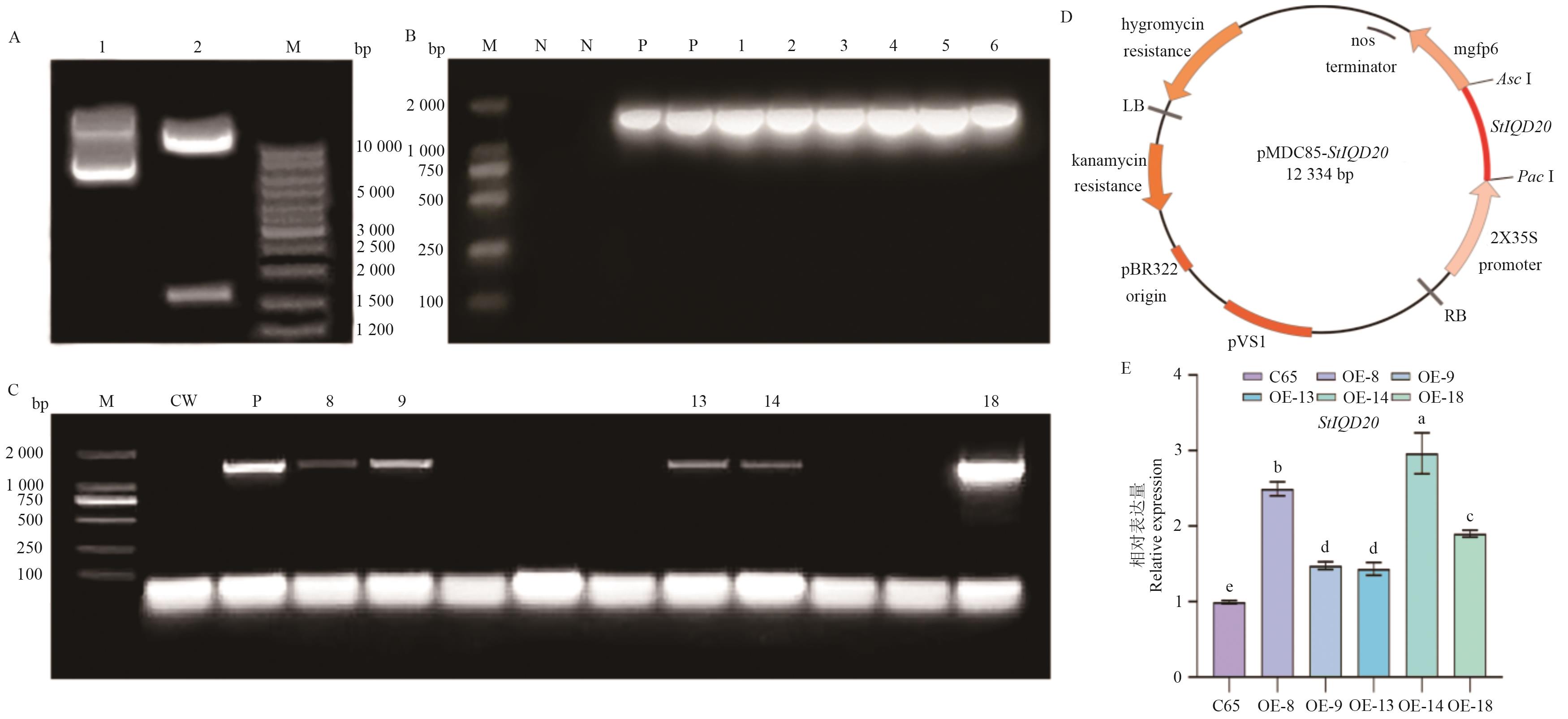
Fig. 1 Construction of the overexpression vector of StIQD20 in potato and analysis of gene expressionA: 1 represents the pMDC85 plasmid containing the target gene StIQD20; 2 represents the plasmid digested by Asc I-Pac I; M represents the 10 000 bp DNA marker. B: M represents the 2 000 bp DNA marker; N represents the negative control; P represents the positive control; 1-6 represent the positive colonies. C: M represents the 2 000 bp DNA marker; CW represents the wild type; P represents the recombinant vector plasmid; 8, 9, 13, 14, 18 represent the overexpressing positive plants. D: The recombinant vector map of pMDC85-StIQD20. E: C65 represent a diploid wild-type plant. OEs represent the overexpressing positive plants; significant differences among groups were identified using Duncan’s new multiple range test; values followed by different lowercase letters are significantly different (P<0.05); error bars in the figures denote average value ± the standard deviation derived from three independent biological replicates, n=3, the same below
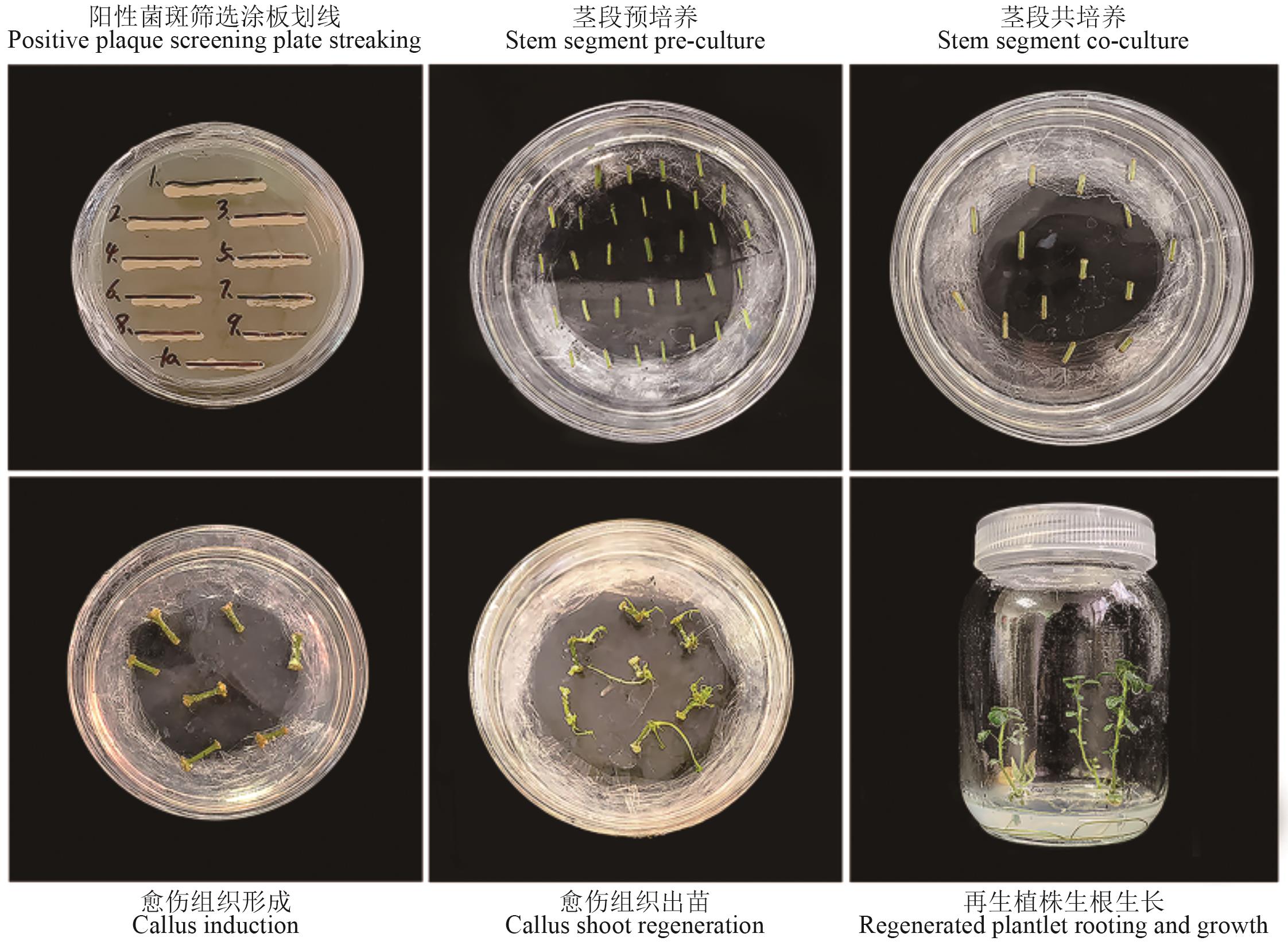
Fig. 2 The genetic transformation process of positive plants overexpressing StIQD20 gene in potato
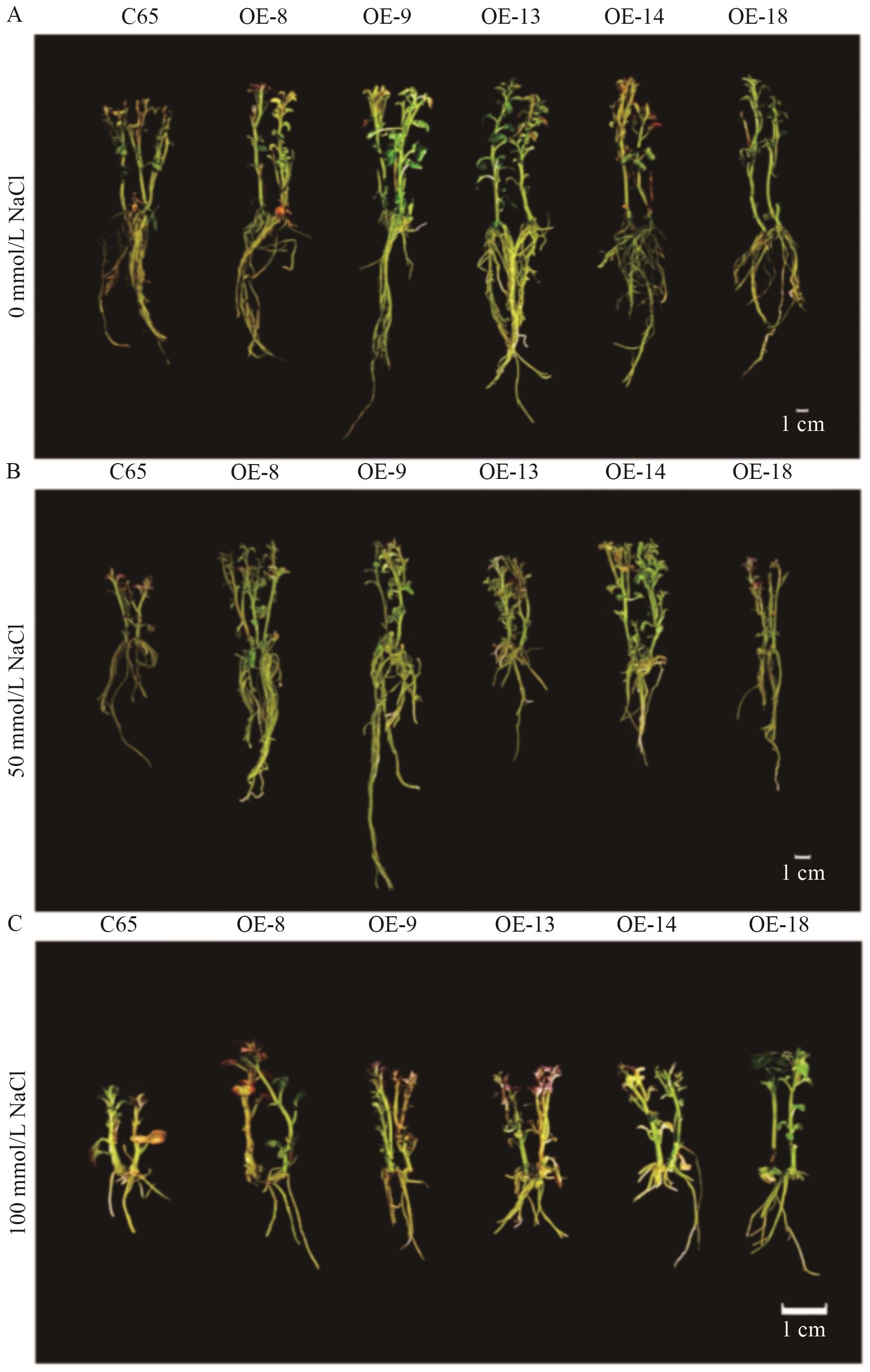
Fig. 3 Phenotypes between wild-type plants and overexpressing positive plants after 30 days of salt stress treatment
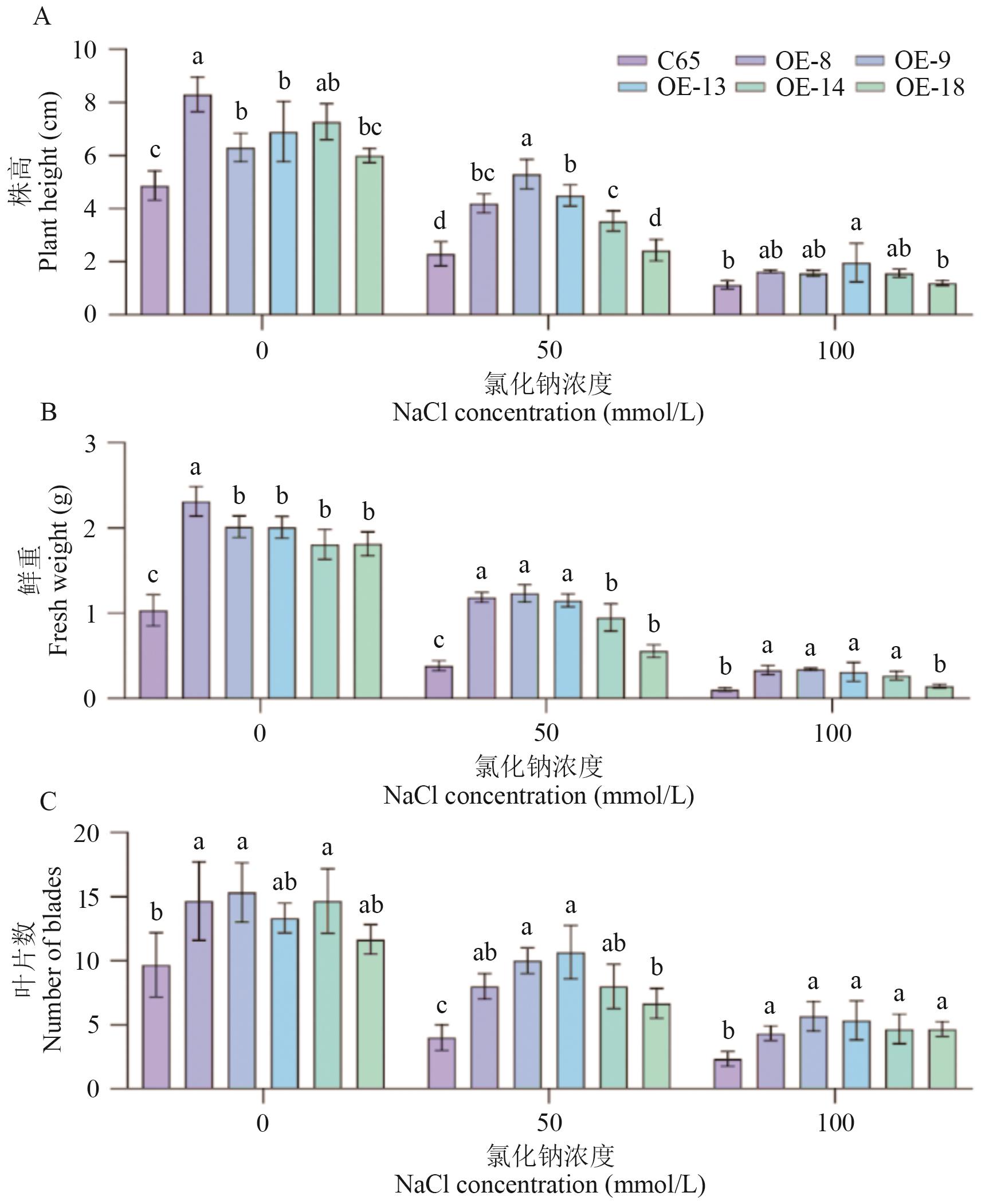
Fig. 4 Growth indicators of wild-type plants and overexpressing positive plants under salt stress
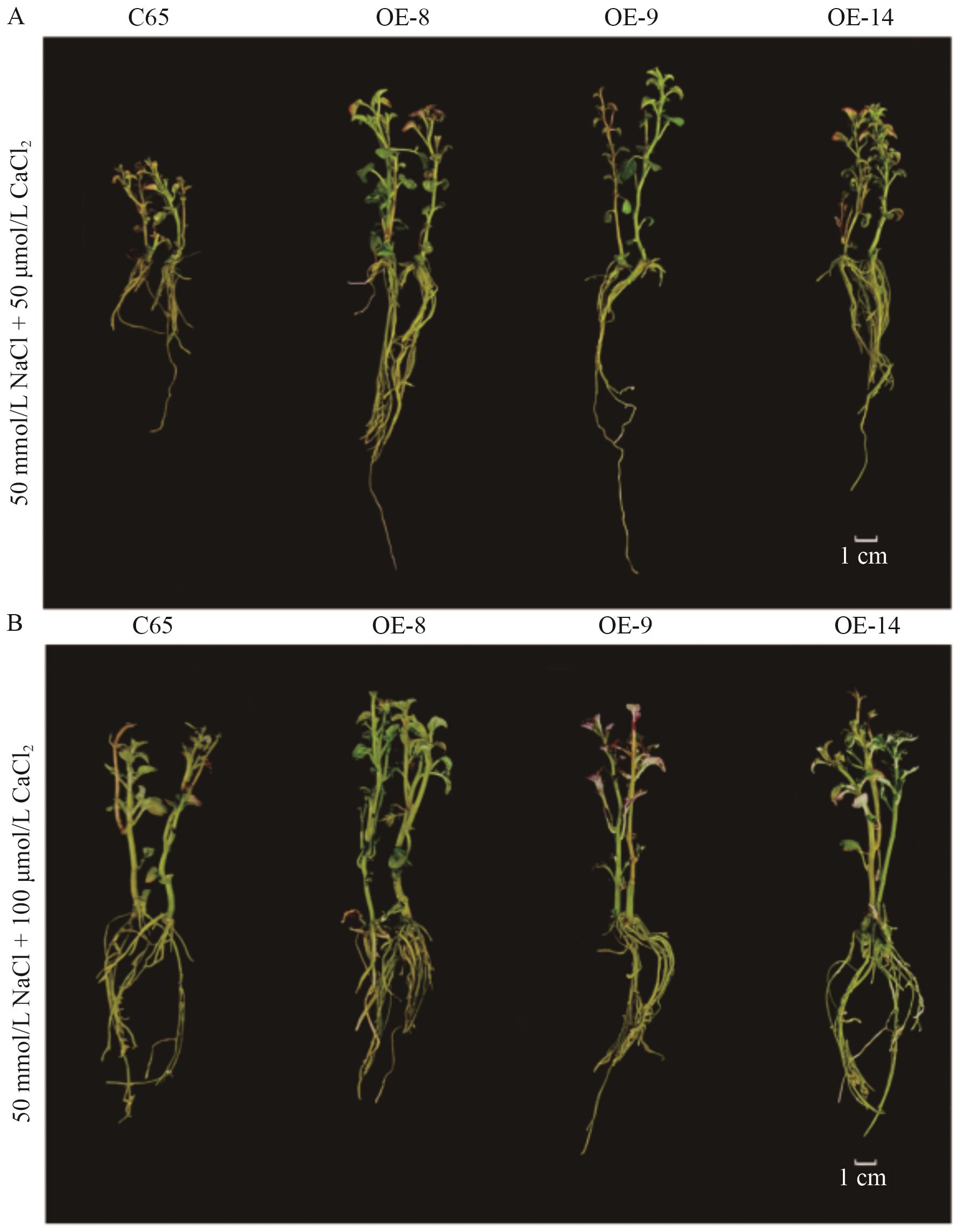
Fig. 5 Effects of different CaCl2 concentrations on the growth and development of potato seedlings under salt stress
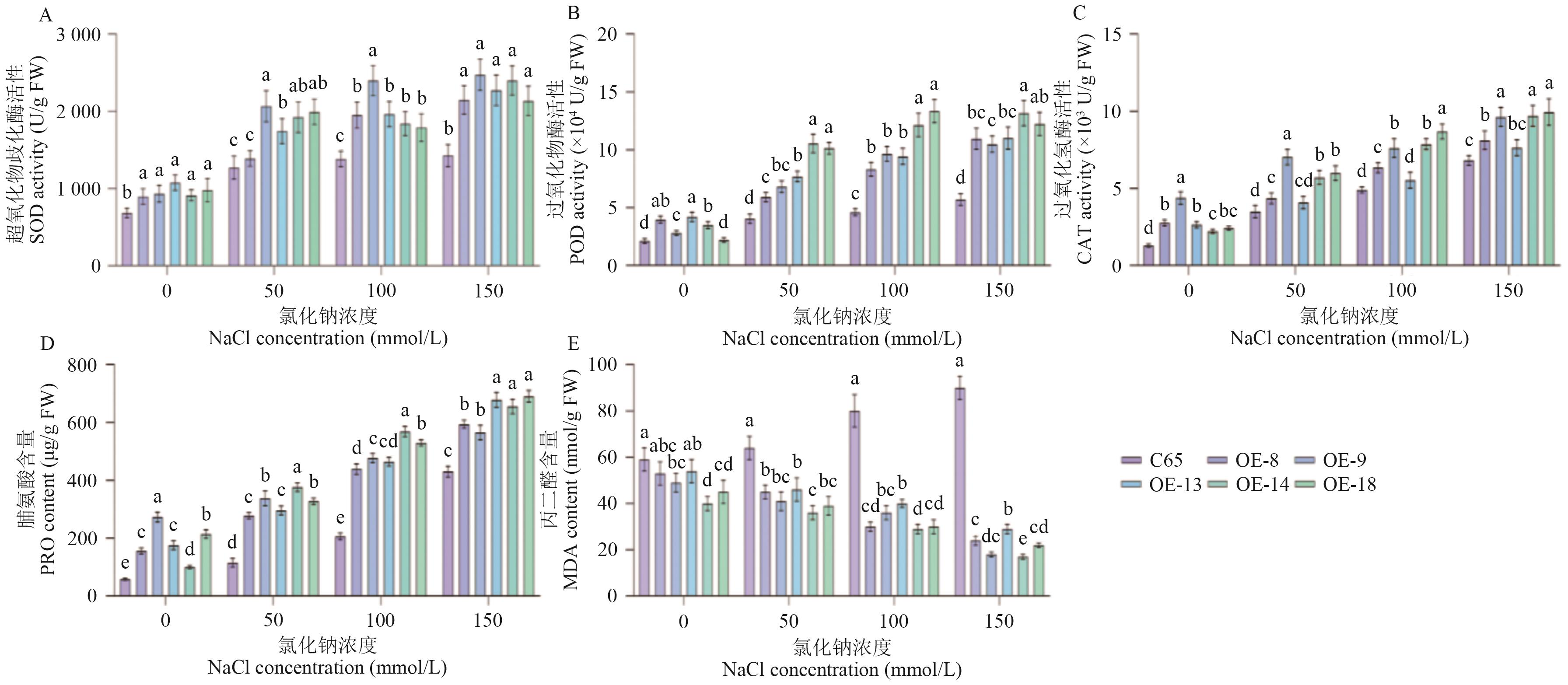
Fig. 6 Changes in antioxidant indicators in plants under different NaCl concentrations

Fig. 7 Analysis of the expression levels of salt stress-related genes in StIQD20-overexpressing positive plants
| [1] | Chele KH, Tinte MM, Piater LA, et al. Soil salinity, a serious environmental issue and plant responses: a metabolomics perspective [J]. Metabolites, 2021, 11(11): 724. |
| [2] | 刘国永, 周雪雁, 蒋才富, 等. 植物耐盐碱胁迫分子机制研究进展: 从模式植物到玉米 [J]. 科学通报, 2025, 70(25): 4272-4287. |
| Liu GY, Zhou XY, Jiang CF, et al. Molecular mechanisms underlying plant adaptation to saline-alkaline stress: from model systems to Zea mays [J]. Chin Sci Bull, 2025, 70(25): 4272-4287. | |
| [3] | 田京江, 井大炜, 朱炎辉, 等. 我国马铃薯耐盐性研究进展 [J]. 安徽农学通报, 2018, 24(8): 38-39, 44. |
| Tian JJ, Jing DW, Zhu YH, et al. Research progress on salt tolerance of potato in China [J]. Anhui Agric Sci Bull, 2018, 24(8): 38-39, 44. | |
| [4] | 胡钰婕, 吴玺, 王证德, 等. 盐碱胁迫对马铃薯生理生态特性的影响研究进展 [J]. 热带农业科学, 2022, 42(12): 80-85. |
| Hu YJ, Wu X, Wang ZD, et al. Research progress on effects of saline alkali stress on physiological and ecological characteristics of potato [J]. Chin J Trop Agric, 2022, 42(12): 80-85. | |
| [5] | Li Q, Qin YZ, Hu XX, et al. Physiology and gene expression analysis of potato (Solanum tuberosum L.) in salt stress [J]. Plants, 2022, 11(12): 1565. |
| [6] | 殷秀霞, 陈芹芹, 刘海双, 等. 钙信号在植物响应盐胁迫中的作用研究进展 [J]. 分子植物育种, 2023, 21(3): 850-857. |
| Yin XX, Chen QQ, Liu HS, et al. Research progress in the role of calcium signaling in plant response to salt stress [J]. Mol Plant Breed, 2023, 21(3): 850-857. | |
| [7] | 陈娇娆, 续旭, 胡章立, 等. 植物感受盐胁迫及相关钙信号的研究进展 [J]. 植物研究, 2022, 42(4): 713-720. |
| Chen JR, Xu X, Hu ZL, et al. Recent advances on salt stress sensitivity and related calcium signals in plants [J]. Bull Bot Res, 2022, 42(4): 713-720. | |
| [8] | Abel S, Bürstenbinder K, Müller J. The emerging function of IQD proteins as scaffolds in cellular signaling and trafficking [J]. Plant Signal Behav, 2013, 8(6): e24369. |
| [9] | Yang X, Kirungu JN, Magwanga RO, et al. Knockdown of GhIQD31 and GhIQD32 increases drought and salt stress sensitivity in Gossypium hirsutum [J]. Plant Physiol Biochem, 2019, 144: 166-177. |
| [10] | 练珊珊, 张宝会, 姚新转, 等. 茶树CsIQD基因家族的鉴定和表达模式分析 [J]. 特产研究, 2021, 43(5): 26-34. |
| Lian SS, Zhang BH, Yao XZ, et al. Identification and expression pattern analysis of CsIQD gene family in Camellia sinensis L [J]. Spec Wild Econ Anim Plant Res, 2021, 43(5): 26-34. | |
| [11] | Kumar M, Kesawat MS, Ali A, et al. Integration of abscisic acid signaling with other signaling pathways in plant stress responses and development [J]. Plants, 2019, 8(12): 592. |
| [12] | Kamiyama Y, Katagiri S, Umezawa T. Growth promotion or osmotic stress response: how SNF1-related protein kinase 2 (SnRK2) kinases are activated and manage intracellular signaling in plants [J]. Plants, 2021, 10(7): 1443. |
| [13] | Al-Sawa’eer AS, Al-Samydai A, Odeh L, et al. Early plant development as a systems-level trait: integrating omics, artificial intelligence, and emerging biotechnologies [J]. Plants, 2026, 15(5): 787. |
| [14] | Chang HC, Tsai MC, Wu SS, et al. Regulation of ABI5 expression by ABF3 during salt stress responses in Arabidopsis thaliana [J]. Bot Stud, 2019, 60: 16. |
| [15] | Tang RY, Yang JJ, Han X, et al. Evening complex proteins antagonize ABI3 and ABI5 to temporally regulate abscisic acid signaling and seed germination [J]. Plant Cell, 2025, 37(8): koaf189. |
| [16] | Wang XP, Niu YL, Zheng Y. Multiple functions of MYB transcription factors in abiotic stress responses [J]. Int J Mol Sci, 2021, 22(11): 6125. |
| [17] | Nakashima K, Shinwari ZK, Sakuma Y, et al. Organization and expression of two Arabidopsis DREB2 genes encoding DRE-binding proteins involved in dehydration- and high-salinity-responsive gene expression [J]. Plant Mol Biol, 2000, 42(4): 657-665. |
| [18] | 柯清林. 小麦IQ67-domain基因家族的全基因组鉴定、表达分析及进化研究 [D]. 南昌: 江西农业大学, 2022. |
| Ke QL. Genome-wide identification, expression analysis and evolutionary relationships of the IQ67-domain gene family in common wheat (Triticum aestivum L.) [D]. Nanchang: Jiangxi Agricultural University, 2022. | |
| [19] | 崔之瀚, 魏庆镇, 胡娜, 等. 园艺作物IQD基因研究进展 [J]. 生物技术通报, 2026, 42(3): 230-241. |
| Cui ZH, Wei QZ, Hu N, et al. Research progress of IQD gene in horticultural crops [J]. Biotechnol Bull, 2026, 42(3): 230-241. | |
| [20] | Cheung WY. Calmodulin plays a pivotal role in cellular regulation [J]. Science, 1980, 207(4426): 19-27. |
| [21] | Methenni K, Ben Abdallah M, Nouairi I, et al. Salicylic acid and calcium pretreatments alleviate the toxic effect of salinity in the Oueslati olive variety [J]. Sci Hortic, 2018, 233: 349-358. |
| [22] | Liu S, Zhao LY, Cheng MZ, et al. Calmodulins and calmodulin-like proteins-mediated plant organellar calcium signaling networks under abiotic stress [J]. Crop J, 2024, 12(5): 1321-1332. |
| [23] | 尹倩倩, 李明, 丁博, 等. 植物钙调素结合蛋白IQD的研究概况 [J]. 分子植物育种, 2016, 14(11): 3224-3231. |
| Yin QQ, Li M, Ding B, et al. Research advances on plant calmodulin binding protein IQD [J]. Mol Plant Breed, 2016, 14(11): 3224-3231. | |
| [24] | Yoshida T, Mogami J, Yamaguchi-Shinozaki K. ABA-dependent and ABA-independent signaling in response to osmotic stress in plants [J]. Curr Opin Plant Biol, 2014, 21: 133-139. |
| [25] | Fang SM, Hou X, Liang XL. Response mechanisms of plants under saline-alkali stress [J]. Front Plant Sci, 2021, 12: 667458. |
| [26] | Zhao HY, Zhang YM, Zheng Y. Integration of ABA, GA, and light signaling in seed germination through the regulation of ABI5 [J]. Front Plant Sci, 2022, 13: 1000803. |
| [27] | Yang C, Li XB, Chen SQ, et al. ABI5-FLZ13 module transcriptionally represses growth-related genes to delay seed germination in response to ABA [J]. Plant Commun, 2023, 4(6): 100636. |
| [28] | Zheng XN, Mo WL, Zuo ZC, et al. From regulation to application: the role of abscisic acid in seed and fruit development and agronomic production strategies [J]. Int J Mol Sci, 2024, 25(22): 12024. |
| [29] | Lopez-Molina L, Mongrand S, McLachlin DT, et al. ABI5 acts downstream of ABI3 to execute an ABA-dependent growth arrest during germination [J]. Plant J, 2002, 32(3): 317-328. |
| [30] | Zhao X, Dou LR, Gong ZZ, et al. BES1 hinders ABSCISIC ACID INSENSITIVE5 and promotes seed germination in Arabidopsis [J]. New Phytol, 2019, 221(2): 908-918. |
| [31] | Sirko A, Wawrzyńska A, Brzywczy J, et al. Control of ABA signaling and crosstalk with other hormones by the selective degradation of pathway components [J]. Int J Mol Sci, 2021, 22(9): 4638. |
| [1] | REN Wen-bin, CHEN Deng-ke, WU Cui-cui. Bioinformatics Analysis and Salt Tolerance Study of the Peanut Transcription Factor AhZHD9 [J]. Biotechnology Bulletin, 2026, 42(9): 297-305. |
| [2] | WANG Hong-rui, ZHAO Yi-ru, RAO Shu-pei, CHEN Jin-huan. Research on the Function of LrCYP78A5 Gene from Lycium ruthenicum in Response to Drought and Salt Stress [J]. Biotechnology Bulletin, 2026, 42(7): 182-192. |
| [3] | DONG Ya-ru, XIU Yu, ZHAO Dong-xiao, ZHU Hong, ZHU Lin, LIU Hui-fen. Transcriptome-wide Identification of the GRAS Gene Family in Mulberry and Analysis of MnGRAS22 in Response to Salt Stress [J]. Biotechnology Bulletin, 2026, 42(7): 193-203. |
| [4] | DONG Ya-rui, LI Jin-ye, CUI Qing-han, JIA Yu-xin. Evolutionary Characteristics and Functional Inferences of Core MADS-box Transcription Factors in Potato [J]. Biotechnology Bulletin, 2026, 42(6): 64-76. |
| [5] | WANG Bing-bing, ZHU Di, YANG Sheng-long, LI Yi-lin, YANG Qi, HE Miao-miao. Effects of Exogenous Melatonin on Disease Resistance of Potato under Late Blight Stress [J]. Biotechnology Bulletin, 2026, 42(6): 107-115. |
| [6] | WU Xiao-juan, ZHAO Xue-wen, WANG Pei-jie, NIE Hu-shuai, LI Nan, MA Yu, YANG En-ze, MA Jie-ru, MA Yan-hong. Analysis of the PotatoGARPTranscription Factor Family and Functional Validation of StARR14-X1 [J]. Biotechnology Bulletin, 2026, 42(6): 22-30. |
| [7] | LI Jian-gong, DENG Yi-tong, ZHAO Lu-kuan, WANG Yao, CAO Qing-he. Optimization of Flow Cytometry and Its Application in Ploidy Identification of Sweetpotato [J]. Biotechnology Bulletin, 2026, 42(6): 77-86. |
| [8] | ZHANG Ai-cen, YAN Hui, MA Ju-kui, ZHANG Yun-gang, LI Qiang. Genome-wide Identification and Expression Analysis of DNA Methyltransferase and Demethylase Gene Family in Sweetpotato [J]. Biotechnology Bulletin, 2026, 42(6): 1-12. |
| [9] | LI Wan, WU Ya-qian, WU Fang, ZHAO Yong-ping. The Functional Study of StDREB4 Gene in Response to Salt and Drought Stress in Potato [J]. Biotechnology Bulletin, 2026, 42(6): 53-63. |
| [10] | DUAN Ya-xin, LI Cheng-chen, PAN Yu-ling, WANG Li, AN Kang, LI Xiao-bo, ZHU Guang-tao, LIU Ji-tao. Identification and Functional Analysis of the LEA_2 Gene Family in Potato in Response to Cold Stress and Hormones [J]. Biotechnology Bulletin, 2026, 42(6): 40-52. |
| [11] | WANG Hui-jie, DAO Wen-jing, ZHANG Bei-ni, FU Yan-hong, HUANG ya-nan, WANG Hong-yang. Functional Characterization of Effector Protein Pi07555 from Phytophthora infestans and Screening for Its Host Targets [J]. Biotechnology Bulletin, 2026, 42(6): 139-148. |
| [12] | MENG Hong-yu, LIU Ya-nan, WU Jun-xin, SHEN Qiong. Identification and Analysis of the NAC Transcription Factors Gene Family in Cucurbita moschata Duch. [J]. Biotechnology Bulletin, 2026, 42(6): 237-249. |
| [13] | YANG Tao, ZENG Fan-cheng, ZENG Yu-xiao, TAO Rui-yan, XUE Zhi-hong, TAO Qian, ZHONG Yang, JIANG Fan, XIONG Xing-yao, CHENG Xu. Construction of Efficient Microbial Consortia and Their Effects on Potato Growth [J]. Biotechnology Bulletin, 2026, 42(5): 89-100. |
| [14] | GU Heng, ZHENG Dong, ZAI Zhou-ying, CHEN Gong-wei, YUE Yuan-zheng, WANG Liang-gui, YANG Xiu-lian. Functional Study of Osmanthus fragransOfSVB1 in Response to Salt Stress [J]. Biotechnology Bulletin, 2026, 42(5): 332-339. |
| [15] | XU Yu-jiao, SUN Yu-shuai, LIU Dao-qi, ZHANG Li, ZHANG Zhi-chang, YAO Yu-xin. Functional Analysis of VvHSP18.2 Overexpression in Regulating Salt-alkali Resistance in Grapevines [J]. Biotechnology Bulletin, 2026, 42(4): 161-169. |
| Viewed | ||||||
|
Full text |
|
|||||
|
Abstract |
|
|||||
