







Biotechnology Bulletin ›› 2026, Vol. 42 ›› Issue (8): 47-59.doi: 10.13560/j.cnki.biotech.bull.1985.2025-1208
Previous Articles Next Articles
HAN Ya-qian, LI Hui, WANG Shou-zhi( )
)
Received:2025-11-10
Online:2026-08-26
Published:2026-08-17
Contact:
WANG Shou-zhi
E-mail:shouzhiwang@neau.edu.cn
HAN Ya-qian, LI Hui, WANG Shou-zhi. Genetic Pleiotropy and Its Research Progress in the Genetic Dissection of Key Economic Traits in Livestock and Poultry[J]. Biotechnology Bulletin, 2026, 42(8): 47-59.
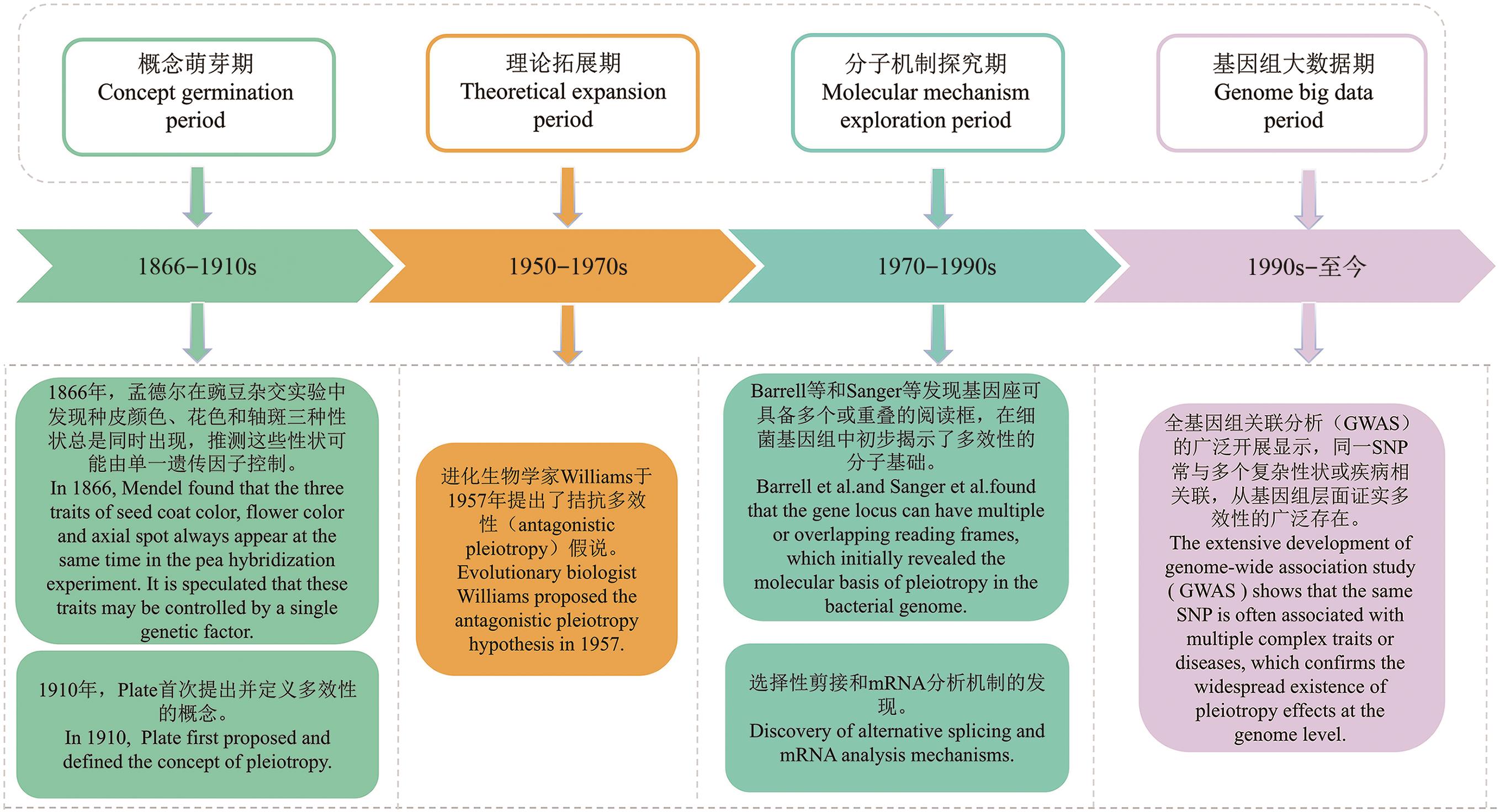
Fig. 1 Development process of pleiotropy
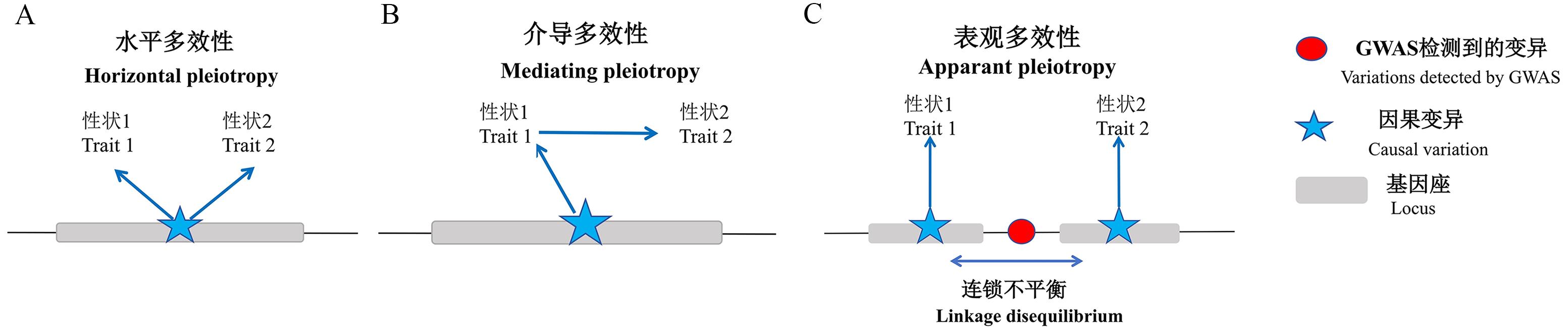
Fig. 2 Classification of pleiotropyThis figure is adapted from reference [23]
分类 Category | 软件 Software | 许可方式 License type | 编程语言 Programming language | 发表年份 Publication year | 优缺点 Advantages and disadvantages | 网址 Website |
|---|---|---|---|---|---|---|
| 基于个体水平数据 | GEMMA | 开源 | C/C++ | 2012 | 运行速度快;对于非线性或非正态的表型数据估计效果不佳 | https://github.com/gemma-3/ |
| mvBIMBAM | 开源 | C/C++ | 2015 | 对样本量中等的性状估计效果较好;但输入文件复杂 | https://github.com/heejungshim/mvBIMBAM | |
| ASReml | 付费 | R | 2015 | 功能强大;不开源,付费 | http://vsni.co.uk/software/asreml | |
| MTG2 | 开源 | Fortran | 2016 | 提供多种模型选择;对代码能力要求较高 | http://sitcs.google.com/vicw/s-hong-lcc-homecpagc/mtg2 | |
| 基于GWAS汇总统计数据 | CPMA | 开源 | R | 2011 | 可用于三性状及以上的联合检测;结果通常只能提示多效性区域,难以对性状的效应方向以及大小进行精细解读 | https://github.com/bvoightlab/cpma |
| cfdr.pleio | 开源 | R | 2013 | 可实施condFDR和conjFDR两种算法,两性状可互为条件,提高统计效力;局限性在于对LD高度依赖,需要预先构建高质量LD矩阵 | https://github.com/alexploner/cfdr.pleio | |
| CPASSOC | 开源 | R | 2017 | SHom与SHet统计量可分别处理性状间的同质效应与异质效应;当性状间存在负相关时检测功率可减低 | https://github.com/zhangzhaoyang/CPASSOC | |
| CPBayes | 开源 | R | 2018 | 可直接获得遗传变异多效性的后验概率;计算复杂度高 | https://cran.r-project.org/web/packages/CPBayes | |
| MTAG | 开源 | Python | 2018 | 计算效率高,适用于大规模汇总数据;依赖于性状间的相关性 | https://github.com/JonJala/mtag | |
| PLACO | 开源 | R | 2020 | 对微弱信号敏感;无法识别效应的方向 | https://github.com/RayDebashree/PLACO |
Table 1 Analytical softwares of pleiotropy based on individual and summary level data
分类 Category | 软件 Software | 许可方式 License type | 编程语言 Programming language | 发表年份 Publication year | 优缺点 Advantages and disadvantages | 网址 Website |
|---|---|---|---|---|---|---|
| 基于个体水平数据 | GEMMA | 开源 | C/C++ | 2012 | 运行速度快;对于非线性或非正态的表型数据估计效果不佳 | https://github.com/gemma-3/ |
| mvBIMBAM | 开源 | C/C++ | 2015 | 对样本量中等的性状估计效果较好;但输入文件复杂 | https://github.com/heejungshim/mvBIMBAM | |
| ASReml | 付费 | R | 2015 | 功能强大;不开源,付费 | http://vsni.co.uk/software/asreml | |
| MTG2 | 开源 | Fortran | 2016 | 提供多种模型选择;对代码能力要求较高 | http://sitcs.google.com/vicw/s-hong-lcc-homecpagc/mtg2 | |
| 基于GWAS汇总统计数据 | CPMA | 开源 | R | 2011 | 可用于三性状及以上的联合检测;结果通常只能提示多效性区域,难以对性状的效应方向以及大小进行精细解读 | https://github.com/bvoightlab/cpma |
| cfdr.pleio | 开源 | R | 2013 | 可实施condFDR和conjFDR两种算法,两性状可互为条件,提高统计效力;局限性在于对LD高度依赖,需要预先构建高质量LD矩阵 | https://github.com/alexploner/cfdr.pleio | |
| CPASSOC | 开源 | R | 2017 | SHom与SHet统计量可分别处理性状间的同质效应与异质效应;当性状间存在负相关时检测功率可减低 | https://github.com/zhangzhaoyang/CPASSOC | |
| CPBayes | 开源 | R | 2018 | 可直接获得遗传变异多效性的后验概率;计算复杂度高 | https://cran.r-project.org/web/packages/CPBayes | |
| MTAG | 开源 | Python | 2018 | 计算效率高,适用于大规模汇总数据;依赖于性状间的相关性 | https://github.com/JonJala/mtag | |
| PLACO | 开源 | R | 2020 | 对微弱信号敏感;无法识别效应的方向 | https://github.com/RayDebashree/PLACO |
物种 Species | 标记、基因或基因组区域 Marker, genes or genomic regions | 相关的性状 Associated traits | 参考文献 Reference |
|---|---|---|---|
鸡 Gallus gallus | IPMK | 体重、采食量 | [ |
| MTERF2 | 体重、饲料效率 | [ | |
| CPEB3、ACVR1、MAST2、CACNA1H | 体重和产蛋数 | [ | |
牛 Bos taurus | RASSF6、IGFALS | 体型、产犊难易、寿命、挤奶速度 | [ |
| rs109234250、rs109326954 | 产奶量、乳脂含量、乳蛋白含量 | [ | |
| GC、DGAT1 | 产奶量和乳腺炎抗性 | [ | |
| SLC9A9 | 趾间皮炎、乳腺炎、蹄底溃疡及乳热症 | [ | |
| DMRT2、KANK1、DOCK8等 | 蹄底溃疡、白线病、趾间皮炎和子宫内膜炎 | [ | |
| STAT2、STAT6、DDIT3、LRP1、ARHGEF25等 | 皮下脂肪和内脏脂肪 | [ | |
| PLAG1、HMGA2等 | 体型、繁殖及脂肪相关性状 | [ | |
| MACF1、TEX2、NCAPG | 胴体性状 | [ | |
猪 Sus scrofa | ESR1 | 血小板、红细胞压积等免疫性状、产仔数 | [ |
| FGF6、CTC1、ROMO1 | 红细胞计数、血红蛋白浓度等免疫性状 | [ | |
| ENPP5、ENPP4、RCAN2、U6、CLIC5 | 阴道温度、动物体温和体温调节性状 | [ | |
| APK1、ANO6、UNC5C | 心脏重、肝脏重、脾脏重、肺重、肾脏重、胃重 | [ | |
| RAMP1 | 掌骨骨围和骨密度 | [ | |
| ALGA0040260 | 腰肌面积和腰肌深度 | [ | |
| PHLPP1 | 平均日增重和瘦肉率 | [ | |
| ITGA11、TLE3、GALC | 胸围、腹围和腰围 | [ | |
绵羊 Ovis aries | FOXI3等 | 羊毛性状和皮肤褶皱 | [ |
| ITGA6、ANTXR1、FOXI3等 | 羊毛产量和羊毛质量 | [ | |
| TBL1X、SHROOM2、GPR143 | 断奶体重和1周龄体重 | [ | |
| PLCD4等 | 肉的嫩度、肉色、肌红蛋白、糖原、不饱和脂肪酸、饱和脂肪酸 | [ | |
| FAM3C、WNT16等 | 产肉量和胴体性状 | [ |
Table 2 Research advances in pleiotropy of economically important traits in livestock and poultry
物种 Species | 标记、基因或基因组区域 Marker, genes or genomic regions | 相关的性状 Associated traits | 参考文献 Reference |
|---|---|---|---|
鸡 Gallus gallus | IPMK | 体重、采食量 | [ |
| MTERF2 | 体重、饲料效率 | [ | |
| CPEB3、ACVR1、MAST2、CACNA1H | 体重和产蛋数 | [ | |
牛 Bos taurus | RASSF6、IGFALS | 体型、产犊难易、寿命、挤奶速度 | [ |
| rs109234250、rs109326954 | 产奶量、乳脂含量、乳蛋白含量 | [ | |
| GC、DGAT1 | 产奶量和乳腺炎抗性 | [ | |
| SLC9A9 | 趾间皮炎、乳腺炎、蹄底溃疡及乳热症 | [ | |
| DMRT2、KANK1、DOCK8等 | 蹄底溃疡、白线病、趾间皮炎和子宫内膜炎 | [ | |
| STAT2、STAT6、DDIT3、LRP1、ARHGEF25等 | 皮下脂肪和内脏脂肪 | [ | |
| PLAG1、HMGA2等 | 体型、繁殖及脂肪相关性状 | [ | |
| MACF1、TEX2、NCAPG | 胴体性状 | [ | |
猪 Sus scrofa | ESR1 | 血小板、红细胞压积等免疫性状、产仔数 | [ |
| FGF6、CTC1、ROMO1 | 红细胞计数、血红蛋白浓度等免疫性状 | [ | |
| ENPP5、ENPP4、RCAN2、U6、CLIC5 | 阴道温度、动物体温和体温调节性状 | [ | |
| APK1、ANO6、UNC5C | 心脏重、肝脏重、脾脏重、肺重、肾脏重、胃重 | [ | |
| RAMP1 | 掌骨骨围和骨密度 | [ | |
| ALGA0040260 | 腰肌面积和腰肌深度 | [ | |
| PHLPP1 | 平均日增重和瘦肉率 | [ | |
| ITGA11、TLE3、GALC | 胸围、腹围和腰围 | [ | |
绵羊 Ovis aries | FOXI3等 | 羊毛性状和皮肤褶皱 | [ |
| ITGA6、ANTXR1、FOXI3等 | 羊毛产量和羊毛质量 | [ | |
| TBL1X、SHROOM2、GPR143 | 断奶体重和1周龄体重 | [ | |
| PLCD4等 | 肉的嫩度、肉色、肌红蛋白、糖原、不饱和脂肪酸、饱和脂肪酸 | [ | |
| FAM3C、WNT16等 | 产肉量和胴体性状 | [ |
| [59] | Lai E, Danner AL, Famula TR, et al. Pleiotropic loci associated with foot disorders and common periparturient diseases in Holstein cattle [J]. Front Genet, 2021, 12: 742934. |
| [60] | Wang H, Chen Y, Zhao CC, et al. Transcriptome analysis reveals key genes and regulatory networks underlying intramuscular fat deposition in rabbits [J]. BMC Genom, 2025, 26: 785. |
| [61] | Yao JP, Bottema CDK, Khatkar MS. Meta-assembly of genomic associations to identify cattle fat depot candidate genes and pleiotropic effects [J]. BMC Genom, 2024, 25: 1242. |
| [62] | Bolormaa S, Pryce JE, Reverter A, et al. A multi-trait, meta-analysis for detecting pleiotropic polymorphisms for stature, fatness and reproduction in beef cattle [J]. PLoS Genet, 2014, 10(3): e1004198. |
| [63] | Niu QH, Zhang TL, Xu L, et al. Integration of selection signatures and multi-trait GWAS reveals polygenic genetic architecture of carcass traits in beef cattle [J]. Genomics, 2021, 113(5): 3325-3336. |
| [64] | Wu YL, Zhang W, Zhang LN, et al. Characterization of immune pleiotropy of ESR1 gene in pigs [J]. Immunogenetics, 2020, 72(8): 413-422. |
| [65] | Huang ZW, Wang J, Qi DM, et al. Uncovering the genetic diversity and adaptability of Butuo Black Sheep through whole-genome re-sequencing [J]. PLoS One, 2024, 19(6): e0303419. |
| [66] | Roth K, Pröll-Cornelissen MJ, Henne H, et al. Multivariate genome-wide associations for immune traits in two maternal pig lines [J]. BMC Genom, 2023, 24: 492. |
| [67] | de Oliveira LF, Veroneze R, Sousa KRS, et al. Genomic regions, candidate genes, and pleiotropic variants associated with physiological and anatomical indicators of heat stress response in lactating sows [J]. BMC Genom, 2024, 25: 467. |
| [68] | Li XH, Wu J, Zhuang ZW, et al. Integrated single-trait and multi-trait GWASs reveal the genetic architecture of internal organ weight in pigs [J]. Animals, 2023, 13(5): 808. |
| [69] | Qiu ZJ, Cai WW, Liu Q, et al. Unravelling novel and pleiotropic genes for cannon bone circumference and bone mineral density in Yorkshire pigs [J]. J Anim Sci, 2024, 102: skae036. |
| [70] | Zhuang ZW, Li SY, Ding RR, et al. Meta-analysis of genome-wide association studies for loin muscle area and loin muscle depth in two Duroc pig populations [J]. PLoS One, 2019, 14(6): e0218263. |
| [71] | Zhou SP, Ding RR, Meng FM, et al. A meta-analysis of genome-wide association studies for average daily gain and lean meat percentage in two Duroc pig populations [J]. BMC Genom, 2021, 22: 12. |
| [72] | Zhou SP, Ding RR, Zhuang ZW, et al. Genome-wide association analysis reveals genetic loci and candidate genes for chest, abdominal, and waist circumferences in two duroc pig populations [J]. Front Vet Sci, 2022, 8: 807003. |
| [73] | Baba MA, Ahanger SA, Hamadani A, et al. Factors affecting wool characteristics of sheep reared in Kashmir [J]. Trop Anim Health Prod, 2020, 52(4): 2129-2133. |
| [74] | Bolormaa S, Swan AA, Stothard P, et al. A conditional multi-trait sequence GWAS discovers pleiotropic candidate genes and variants for sheep wool, skin wrinkle and breech cover traits [J]. Genet Sel Evol, 2021, 53: 58. |
| [75] | Bolormaa S, Swan AA, Brown DJ, et al. Multiple-trait QTL mapping and genomic prediction for wool traits in sheep [J]. Genet Sel Evol, 2017, 49: 62. |
| [76] | Wang HN, Meng LB, Mi L. Effects of Leymus chinensis hay and alfalfa hay on growth performance, rumen microbiota, and untargeted metabolomics of meat in lambs [J]. Front Vet Sci, 2023, 10: 1256903. |
| [77] | Li YN, Yang H, Guo J, et al. Uncovering the candidate genes related to sheep body weight using multi-trait genome-wide association analysis [J]. Front Vet Sci, 2023, 10: 1206383. |
| [78] | Bolormaa S, Hayes BJ, van der Werf JHJ, et al. Detailed phenotyping identifies genes with pleiotropic effects on body composition [J]. BMC Genom, 2016, 17: 224. |
| [79] | Zlobin AS, Nikulin PS, Volkova NA, et al. Multivariate analysis identifies eight novel loci associated with meat productivity traits in sheep [J]. Genes, 2021, 12(3): 367. |
| [80] | Han PP, Wang C, Zhang W, et al. Pleiotropic architectures of porcine immune and growth trait pairs revealed by a self-product-based transcriptome method [J]. Anim Genet, 2023, 54(2): 123-131. |
| [1] | Liu MG, Wang L, Zhang YJ, et al. Investigating the shared genetic architecture between depression and subcortical volumes [J]. Nat Commun, 2024, 15: 7647. |
| [2] | Lee PH, Feng YA, Smoller JW. Pleiotropy and cross-disorder genetics among psychiatric disorders [J]. Biol Psychiatry, 2021, 89(1): 20-31. |
| [3] | Ou JH, Rönneburg T, Carlborg Ö, et al. Complex genetic architecture of the chicken Growth1 QTL region [J]. PLoS One, 2024, 19(5): e0295109. |
| [4] | Liu LY, Zhou JH, Chen CJ, et al. GWAS-based identification of new loci for milk yield, fat, and protein in Holstein cattle [J]. Animals, 2020, 10(11): 2048. |
| [5] | Zhuang ZW, Wu J, Xu CN, et al. The genetic architecture of meat quality traits in a crossbred commercial pig population [J]. Foods, 2022, 11(19): 3143. |
| [6] | Uemoto Y, Ichinoseki K, Matsumoto T, et al. Genome-wide association studies for production, respiratory disease, and immune-related traits in Landrace pigs [J]. Sci Rep, 2021, 11: 15823. |
| [7] | Mendel JG. Experiments in plant hybridization [C]. Brünn: Verhandlungen des naturforschenden Vereines, 1866. |
| [8] | Plate L. Festschrift zum sechzigsten Geburtstag Richard Hertwig [M]. Jena: Gustav Fischer Verlag, 1910. |
| [9] | Williams GC. Pleiotropy, natural selection, and the evolution of senescence [J]. Evolution, 1957, 11(4): 398-411. |
| [10] | Barrell BG, Air GM, Hutchison CA III. Overlapping genes in bacteriophage φX174 [J]. Nature, 1976, 264(5581): 34-41. |
| [11] | Sanger F, Air GM, Barrell BG, et al. Nucleotide sequence of bacteriophage φX174 DNA [J]. Nature, 1977, 265(5596): 687-695. |
| [12] | Weber J, Jelinek W, Darnell JE. The definition of a large viral transcription unit late in Ad2 infection of HeLa cells: Mapping of nascent RNA molecular labeled in isolated nuclei [J]. Cell, 1977, 10(4): 611-616. |
| [13] | DeNoto FM, Moore DD, Goodman HM. Human growth hormone DNA sequence and mRNA structure: possible alternative splicing [J]. Nucl Acids Res, 1981, 9(15): 3719-3730. |
| [14] | Benne R, Van Den Burg J, Brakenhoff JPJ, et al. Major transcript of the frameshifted coxll gene from trypanosome mitochondria contains four nucleotides that are not encoded in the DNA [J]. Cell, 1986, 46(6): 819-826. |
| [15] | Wu XY, Zhang WQ, Zhao XY, et al. Investigating the relationship between depression and breast cancer: observational and genetic analyses [J]. BMC Med, 2023, 21: 170. |
| [16] | Luo YM, Khan A, Liu LL, et al. Cross-phenotype genome-wide association study on the shared genetic susceptibility to systemic sclerosis and primary biliary cholangitis [J]. Arthritis Rheumatol, 2025, 77(6): 727-739. |
| [17] | Charlesworth B. Effective population size and patterns of molecular evolution and variation [J]. Nat Rev Genet, 2009, 10(3): 195-205. |
| [18] | Hodgkin J. Seven types of pleiotropy [J]. Int J Dev Biol, 1998, 42(3): 501-505. |
| [19] | Paaby AB, Rockman MV. The many faces of pleiotropy [J]. Trends Genet, 2013, 29(2): 66-73. |
| [20] | Mackay TFC, Anholt RRH. Pleiotropy, epistasis and the genetic architecture of quantitative traits [J]. Nat Rev Genet, 2024, 25(9): 639-657. |
| [21] | Solovieff N, Cotsapas C, Lee PH, et al. Pleiotropy in complex traits: challenges and strategies [J]. Nat Rev Genet, 2013, 14(7): 483-495. |
| [22] | O’Connor LJ, Price AL. Distinguishing genetic correlation from causation across 52 diseases and complex traits [J]. Nat Genet, 2018, 50(12): 1728-1734. |
| [23] | Hackinger S, Zeggini E. Statistical methods to detect pleiotropy in human complex traits [J]. Open Biol, 2017, 7(11): 170125. |
| [24] | Verbanck M, Chen CY, Neale B, et al. Detection of widespread horizontal pleiotropy in causal relationships inferred from Mendelian randomization between complex traits and diseases [J]. Nat Genet, 2018, 50(5): 693-698. |
| [25] | Reissmann M, Ludwig A. Pleiotropic effects of coat colour-associated mutations in humans, mice and other mammals [J]. Semin Cell Dev Biol, 2013, 24(6/7): 576-586. |
| [26] | Do R, Willer CJ, Schmidt EM, et al. Common variants associated with plasma triglycerides and risk for coronary artery disease [J]. Nat Genet, 2013, 45(11): 1345-1352. |
| [27] | Hocking AM, Buckner JH. Genetic basis of defects in immune tolerance underlying the development of autoimmunity [J]. Front Immunol, 2022, 13: 972121. |
| [28] | Su CH, Lu F, Soldan SS, et al. EBNA2 driven enhancer switching at the CIITA-DEXI locus suppresses HLA class II gene expression during EBV infection of B-lymphocytes [J]. PLoS Pathog, 2021, 17(8): e1009834. |
| [29] | Krishna C, Chiou J, Sakaue S, et al. The influence of HLA genetic variation on plasma protein expression [J]. Nat Commun, 2024, 15: 6469. |
| [30] | Collins JM, Lester H, Shabnaz S, et al. A frequent CYP2D6 variant promotes skipping of exon 3 and reduces CYP2D6 protein expression in human liver samples [J]. Front Pharmacol, 2023, 14: 1186540. |
| [31] | Keren H, Lev-Maor G, Ast G. Alternative splicing and evolution: diversification, exon definition and function [J]. Nat Rev Genet, 2010, 11(5): 345-355. |
| [32] | Pyeritz RE. Pleiotropy revisited: Molecular explanations of a classic concept [J]. Am J Med Genet, 1989, 34(1): 124-134. |
| [33] | Yang DD, Lu XJ, Zhang XG, et al. RACK1 promotes the occurrence and progression of cervical carcinoma [J]. J Clin Lab Anal, 2024, 38(4): e25012. |
| [34] | Grieneisen L, Blekhman R, Archie E. How longitudinal data can contribute to our understanding of host genetic effects on the gut microbiome [J]. Gut Microbes, 2023, 15: 2178797. |
| [35] | Basson CT, Bachinsky DR, Lin RC, et al. Mutations in human cause limb and cardiac malformation in Holt-Oram syndrome [J]. Nat Genet, 1997, 15(1): 30-35. |
| [36] | Viitaniemi HM, Leder EH, Kauzál O, et al. Impact of Z chromosome inversions on gene expression in testis and liver tissues in the Zebra finch [J]. Mol Ecol, 2024, 33(24): e17236. |
| [37] | Zhou X, Stephens M. Genome-wide efficient mixed-model analysis for association studies [J]. Nat Genet, 2012, 44(7): 821-824. |
| [38] | Shim H, Chasman DI, Smith JD, et al. A multivariate genome-wide association analysis of 10 LDL subfractions, and their response to statin treatment, in 1868 caucasians [J]. PLoS One, 2015, 10(4): e0120758. |
| [39] | Butler DG, Cullis BR, Gilmour AR, et al. ASReml-R Reference Manual Version 4.2 [M]. Hemel Hempstead: VSN International Ltd., 2023. |
| [40] | Miao MX, Wu JR, Cai FJ, et al. A modified memetic algorithm with an application to gene selection in a sheep body weight study [J]. Animals, 2022, 12(2): 201. |
| [41] | Zhou X, Stephens M. Efficient multivariate linear mixed model algorithms for genome-wide association studies [J]. Nat Methods, 2014, 11(4): 407-409. |
| [42] | Cotsapas C, Voight BF, Rossin E, et al. Pervasive sharing of genetic effects in autoimmune disease [J]. PLoS Genet, 2011, 7(8): e1002254. |
| [43] | Smeland OB, Frei O, Shadrin A, et al. Discovery of shared genomic loci using the conditional false discovery rate approach [J]. Hum Genet, 2020, 139(1): 85-94. |
| [44] | Andreassen OA, Djurovic S, Thompson WK, et al. Improved detection of common variants associated with schizophrenia by leveraging pleiotropy with cardiovascular-disease risk factors [J]. Am J Hum Genet, 2013, 92(2): 197-209. |
| [45] | Li XY, Zhu XF. Cross-phenotype association analysis using summary statistics from GWAS [M]//Elston RC. Statistical Human Genetics: Methods and Protocols. New York, NY: Springer New York, 2017: 455-467. |
| [46] | Majumdar A, Haldar T, Bhattacharya S, et al. An efficient Bayesian meta-analysis approach for studying cross-phenotype genetic associations [J]. PLoS Genet, 2018, 14(2): e1007139. |
| [47] | Adesoji OM, Schulz H, May P, et al. Benchmarking of univariate pleiotropy detection methods applied to epilepsy [J]. Hum Mutat, 2022, 43(9): 1314-1332. |
| [48] | Team AR, Turley P, Walters RK, et al. Multi-trait analysis of genome-wide association summary statistics using MTAG [J]. Nat Genet, 2018, 50(2): 229-237. |
| [49] | Ray D, Chatterjee N. A powerful method for pleiotropic analysis under composite null hypothesis identifies novel shared loci between Type 2 Diabetes and Prostate Cancer [J]. PLoS Genet, 2020, 16(12): e1009218. |
| [50] | Fan CY, Shan YJ, Zhang M, et al. Genome-wide association study of myofiber type composition traits in a yellow-feather broiler population [J]. Poult Sci, 2025, 104(1): 104634. |
| [51] | Martin Cerezo ML, López S, van Dorp L, et al. Population structure and hybridisation in a population of Hawaiian feral chickens [J]. Heredity, 2023, 130(3): 154-162. |
| [52] | Yan FF, Wang WC, Cheng HW. Bacillus subtilis-based probiotic promotes bone growth by inhibition of inflammation in broilers subjected to cyclic heating episodes [J]. Poult Sci, 2020, 99(11): 5252-5260. |
| [53] | An J, Lee J, Song M, et al. Effects of supplemental different clay minerals in broiler chickensunder cyclic heat stress [J]. J Anim Sci Technol, 2023, 65(1): 113-131. |
| [54] | Manzoori S, Torshizi RV, Masoudi AA, et al. Novel candidate genes detection using Bayesian network-based genome-wide association study of latent traits in F2 chicken population [J]. J Animal Breeding Genetics, 2025, 142(6): 594-608. |
| [55] | Tarsani E, Kranis A, Maniatis G, et al. Detection of loci exhibiting pleiotropic effects on body weight and egg number in female broilers [J]. Sci Rep, 2021, 11: 7441. |
| [56] | Fang ZH, Pausch H. Multi-trait meta-analyses reveal 25 quantitative trait loci for economically important traits in Brown Swiss cattle [J]. BMC Genom, 2019, 20: 695. |
| [57] | Cai ZX, Dusza M, Guldbrandtsen B, et al. Distinguishing pleiotropy from linked QTL between milk production traits and mastitis resistance in Nordic Holstein cattle [J]. Genet Sel Evol, 2020, 52: 19. |
| [58] | Contreras-Aguilar MD, Vallejo-Mateo PJ, Želvytė R, et al. Changes in saliva analytes associated with lameness in cows: a pilot study [J]. Animals, 2020, 10(11): 2078. |
| [1] | LI Chen-ying, KONG Da-shuai, LI Ruo-nan, ZHANG Yu-bo, YAN ping, LI Kui, KONG Si-yuan. Cutting-edge Omics Technology Innovations Empower Livestock and Poultry Biological Breeding [J]. Biotechnology Bulletin, 2025, 41(6): 71-86. |
| [2] | ZHANG Feng, CHEN Wei. Research Progress of Metabolomics in Plant Stress Biology [J]. Biotechnology Bulletin, 2021, 37(8): 1-11. |
| [3] | XU Hai-dong, LENG Qi-ying, PATRICIA Adu-Asiamah, WANG Zhang, LI Ting, ZHANG Li. Circular RNAs:Research Progress and Its Significance in Birds and Livestock [J]. Biotechnology Bulletin, 2018, 34(11): 56-69. |
| [4] | Zhao Jingxian Zhang Lupei Gao Huijiang Li Junya Xu Shangzhong Gao Xue. Genome-wide DNA Methylation Profiles and Its Progresses in Genetics and Breeding of Animal [J]. Biotechnology Bulletin, 2013, 29(9): 47-53. |
| Viewed | ||||||
|
Full text |
|
|||||
|
Abstract |
|
|||||
