







Biotechnology Bulletin ›› 2026, Vol. 42 ›› Issue (9): 107-119.doi: 10.13560/j.cnki.biotech.bull.1985.2025-1203
ZHAO Xiong-wei1,2, SHAO Li-tao3, LI Meng-qing1, LIANG Yi-xuan1, ZHANG Jie-ru1, CAO Yan-hua1,2( )
)
Received:2025-11-10
Online:2026-09-26
Published:2026-09-16
Contact:
CAO Yan-hua
E-mail:caoyh@sxau.edu.cn
ZHAO Xiong-wei, SHAO Li-tao, LI Meng-qing, LIANG Yi-xuan, ZHANG Jie-ru, CAO Yan-hua. Identification of Lysine Synthesis Pathway Genes and Analysis of the Regulation of AK Gene Variations in Foxtail Millet[J]. Biotechnology Bulletin, 2026, 42(9): 107-119.
基因家族 Gene family | 基因名称 Gene name | EC 编号 EC number | 基因ID Gene ID | 氨基酸 Amino acid (aa) | 编码区长度 CDS length (bp) | 等电点 Isoelectric point |
|---|---|---|---|---|---|---|
| AK | AK1 | 2.7.2.4 | Si6g12370 | 939 | 2 820 | 7.07 |
| AK2 | Si5g43640 | 554 | 1 665 | 6.13 | ||
| AK3 | Si2g11670 | 568 | 1 707 | 6.62 | ||
| AK4 | Si9g02030 | 565 | 1 698 | 6.54 | ||
| AK5 | Si2g17120 | 918 | 2 757 | 6.35 | ||
| ASD | ASD | 1.2.1.11 | Si9g08540 | 372 | 1 119 | 7.66 |
| DapB | DapB1 | 1.17.1.8 | Si9g46060 | 326 | 981 | 5.55 |
| DapB2 | Si1g15210 | 342 | 1 029 | 6.21 | ||
| DapF | DapF | 5.1.1.7 | Si3g32590 | 357 | 1 074 | 5.95 |
| DHDPS | DHDPS1 | 4.3.3.7 | Si4g14890 | 368 | 1 107 | 6.87 |
| DHDPS2 | Si7g21820 | 377 | 1 134 | 6.27 | ||
| LL-DAP | LL-DAP1-AT | 2.6.1.83 | Si9g42730 | 463 | 1 392 | 7.57 |
| LL-DAP2-AT | Si9g49300 | 436 | 1 311 | 6.49 | ||
| LL-DAP3-AT | Si2g38880 | 464 | 1 395 | 6.20 | ||
| LysA | LysA | 4.1.1 .20 | Si3g36730 | 493 | 1 482 | 6.29 |
Table 1 Lysine biosynthesis pathway enzyme genes in foxtail millet and their sequence characteristics
基因家族 Gene family | 基因名称 Gene name | EC 编号 EC number | 基因ID Gene ID | 氨基酸 Amino acid (aa) | 编码区长度 CDS length (bp) | 等电点 Isoelectric point |
|---|---|---|---|---|---|---|
| AK | AK1 | 2.7.2.4 | Si6g12370 | 939 | 2 820 | 7.07 |
| AK2 | Si5g43640 | 554 | 1 665 | 6.13 | ||
| AK3 | Si2g11670 | 568 | 1 707 | 6.62 | ||
| AK4 | Si9g02030 | 565 | 1 698 | 6.54 | ||
| AK5 | Si2g17120 | 918 | 2 757 | 6.35 | ||
| ASD | ASD | 1.2.1.11 | Si9g08540 | 372 | 1 119 | 7.66 |
| DapB | DapB1 | 1.17.1.8 | Si9g46060 | 326 | 981 | 5.55 |
| DapB2 | Si1g15210 | 342 | 1 029 | 6.21 | ||
| DapF | DapF | 5.1.1.7 | Si3g32590 | 357 | 1 074 | 5.95 |
| DHDPS | DHDPS1 | 4.3.3.7 | Si4g14890 | 368 | 1 107 | 6.87 |
| DHDPS2 | Si7g21820 | 377 | 1 134 | 6.27 | ||
| LL-DAP | LL-DAP1-AT | 2.6.1.83 | Si9g42730 | 463 | 1 392 | 7.57 |
| LL-DAP2-AT | Si9g49300 | 436 | 1 311 | 6.49 | ||
| LL-DAP3-AT | Si2g38880 | 464 | 1 395 | 6.20 | ||
| LysA | LysA | 4.1.1 .20 | Si3g36730 | 493 | 1 482 | 6.29 |
基因 Gene | 染色体 Chromosome | 基因长度 Gene length (bp) | SNP总数 Total SNPs | 关联性状 Associated trait | 显著SNP数 No. of sig. SNP | -log10 (P) | R2 (%) |
|---|---|---|---|---|---|---|---|
| AK1 | 6 | 12 423 | 26 | DT_2019 | 7 | 2.29 | 6.08 |
| AK3 | 2 | 6 027 | 93 | JC_2019, DT_2019, TG_2019, TG_2020 | 3 | 2.67 | 9.03 |
| AK4 | 9 | 4 486 | 45 | JC_2019, DT_2019 | 6 | 2.23 | 6.96 |
| AK5 | 2 | 10 811 | 31 | DT_2019, TG_2019 | 14 | 2.25 | 7.06 |
Table 2 Significantly associated SNP loci from natural variations in AK genes for lysine content in foxtail millet
基因 Gene | 染色体 Chromosome | 基因长度 Gene length (bp) | SNP总数 Total SNPs | 关联性状 Associated trait | 显著SNP数 No. of sig. SNP | -log10 (P) | R2 (%) |
|---|---|---|---|---|---|---|---|
| AK1 | 6 | 12 423 | 26 | DT_2019 | 7 | 2.29 | 6.08 |
| AK3 | 2 | 6 027 | 93 | JC_2019, DT_2019, TG_2019, TG_2020 | 3 | 2.67 | 9.03 |
| AK4 | 9 | 4 486 | 45 | JC_2019, DT_2019 | 6 | 2.23 | 6.96 |
| AK5 | 2 | 10 811 | 31 | DT_2019, TG_2019 | 14 | 2.25 | 7.06 |
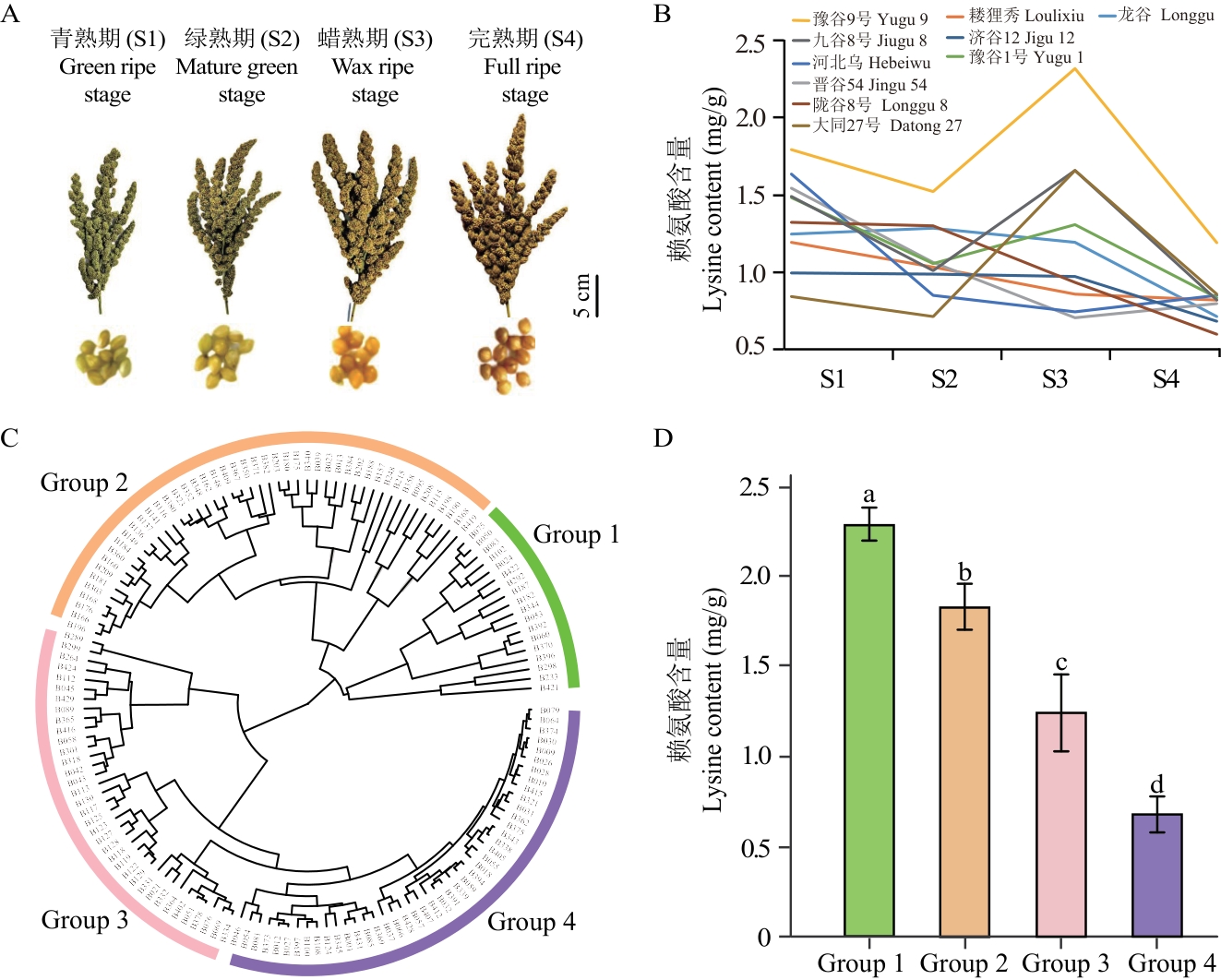
Fig. 1 Lysine content in foxtail millet at different panicle developmental stages and cluster analysis with a histogram of lysine content in a natural populationA: Developmental stages of foxtail millet grains. B: Lysine content in seeds of foxtail millet at four developmental stages. C: Cluster diagram of seed lysine content across different varieties of foxtail millet. D: Bar chart of grain lysine content in different subgroups. S1: Green ripe stage. S2: Mature green stage. S3: Wax ripe stage. S4: Full ripe stage. The different lowercase letters indicate significant differences at P<0.05 level. The same below
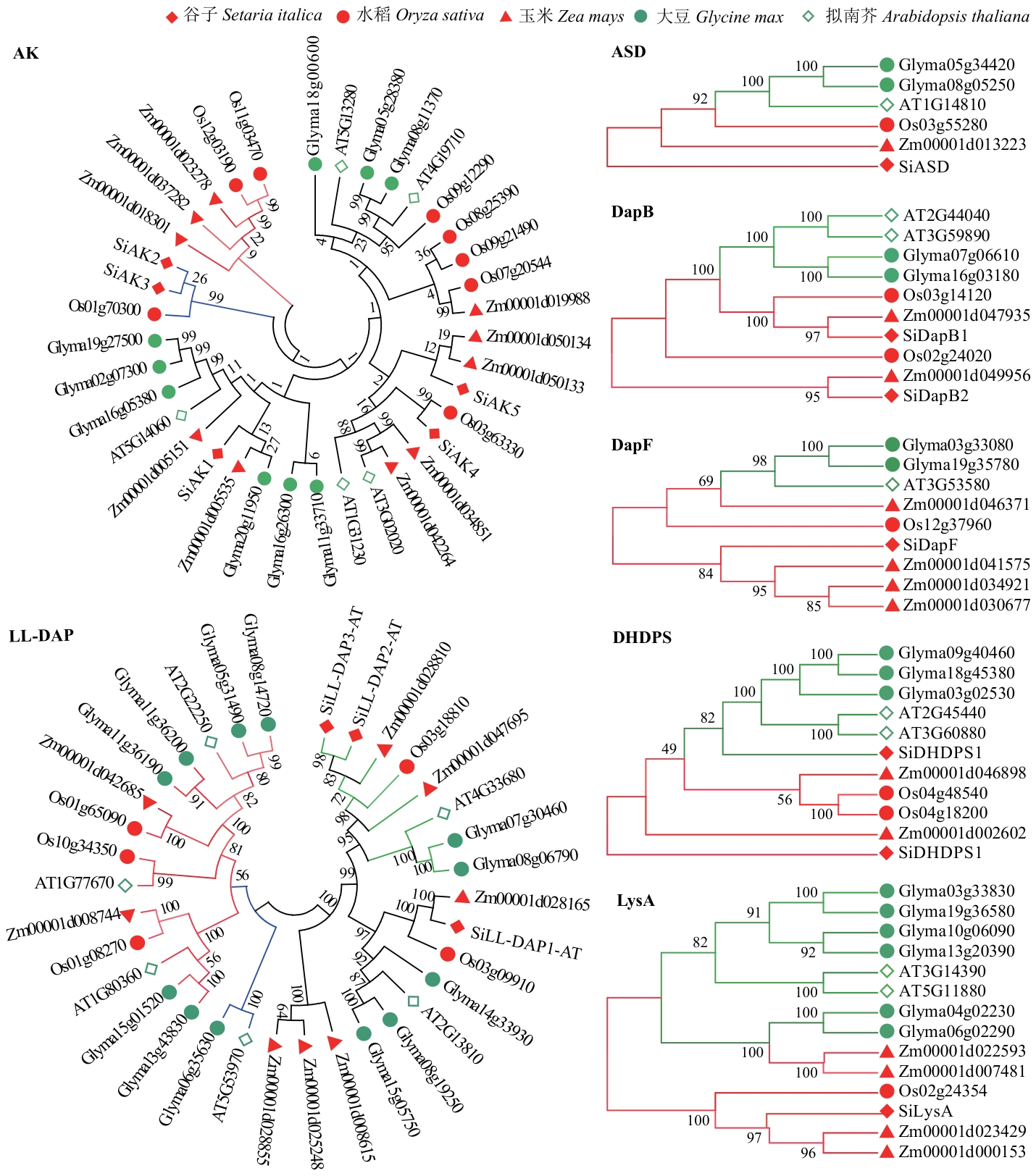
Fig. 2 Phylogenetic tree of lysine metabolic pathway LBPG genes in foxtail millet and four other plant speciesDifferent colored branch lines represent distinct phylogenetic subgroups. The shapes and colors at the tips of the branches indicate different species
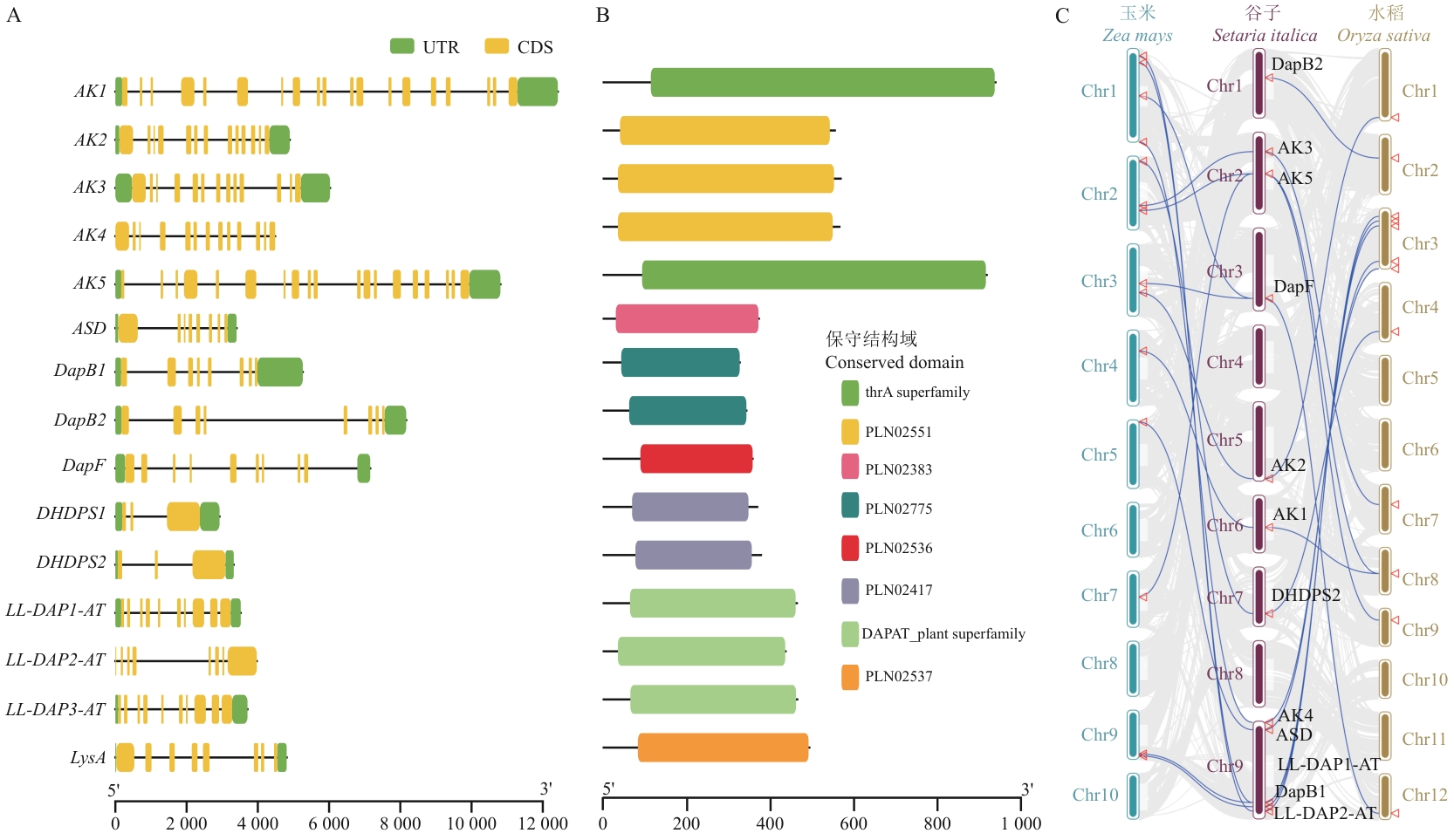
Fig. 3 Gene structure (A), conserved domains (B), and collinearity analysis with rice and maize (C) of LBPG in foxtail millet
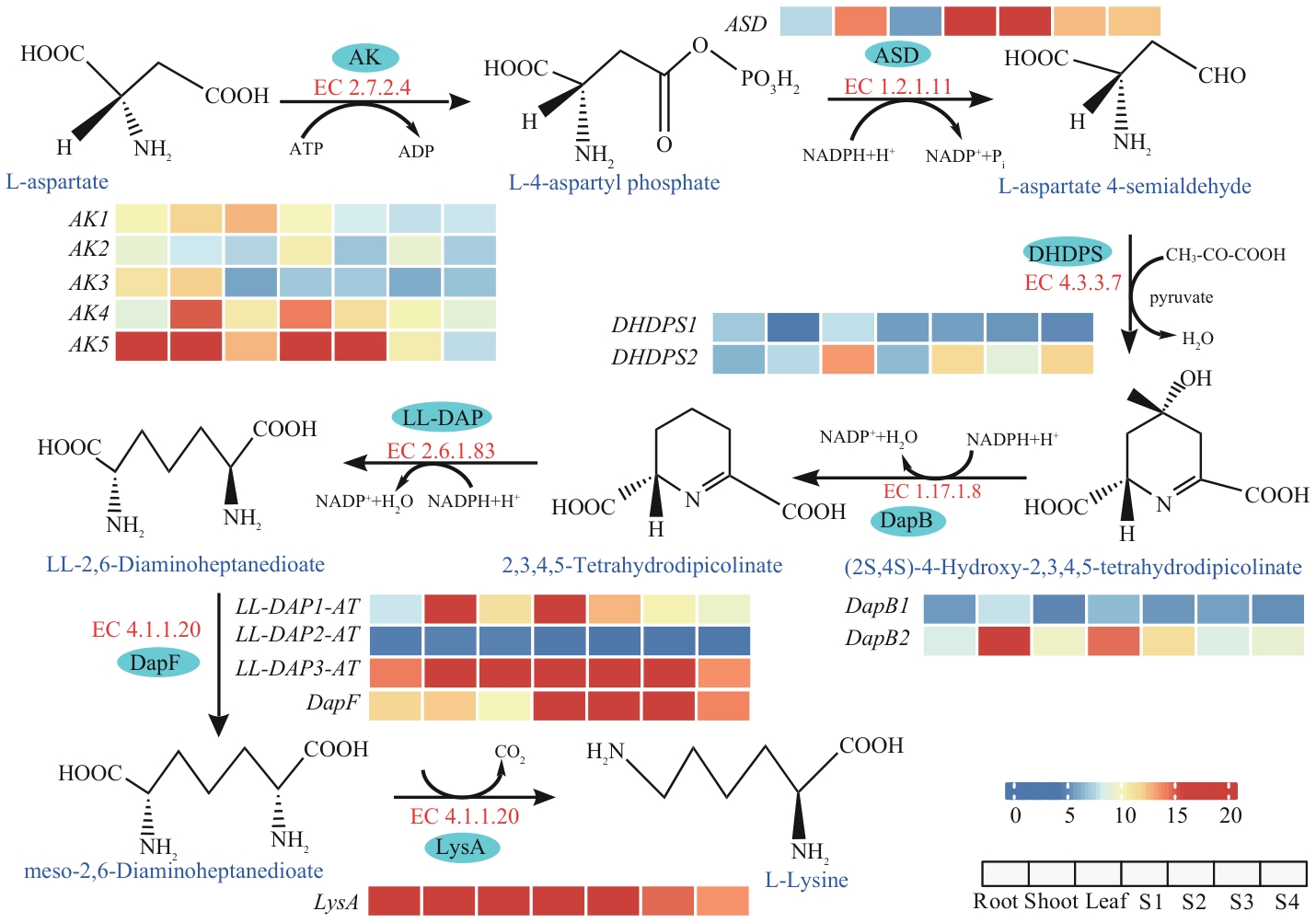
Fig. 4 Lysine metabolism pathway and expression patterns of LBPG genes in foxtail millet at different growth stagesFrom left to right, the columns in the heatmaps represent roots, stems, and leaves at the mature stage, followed by the green ripe stage (S1), mature green stage (S2), wax ripe stage (S3), and full ripe stage (S4) during grain development
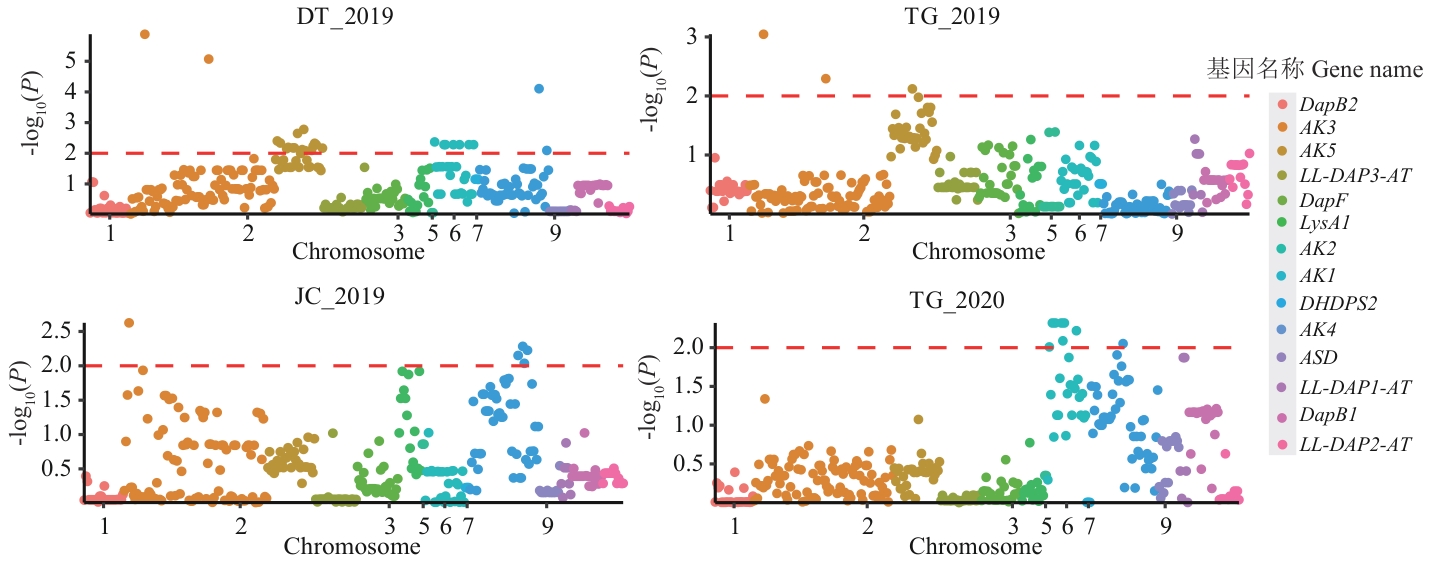
Fig. 5 Manhattan plot of the association between SNPs of LBPG genes and seed lysine content in foxtail millet
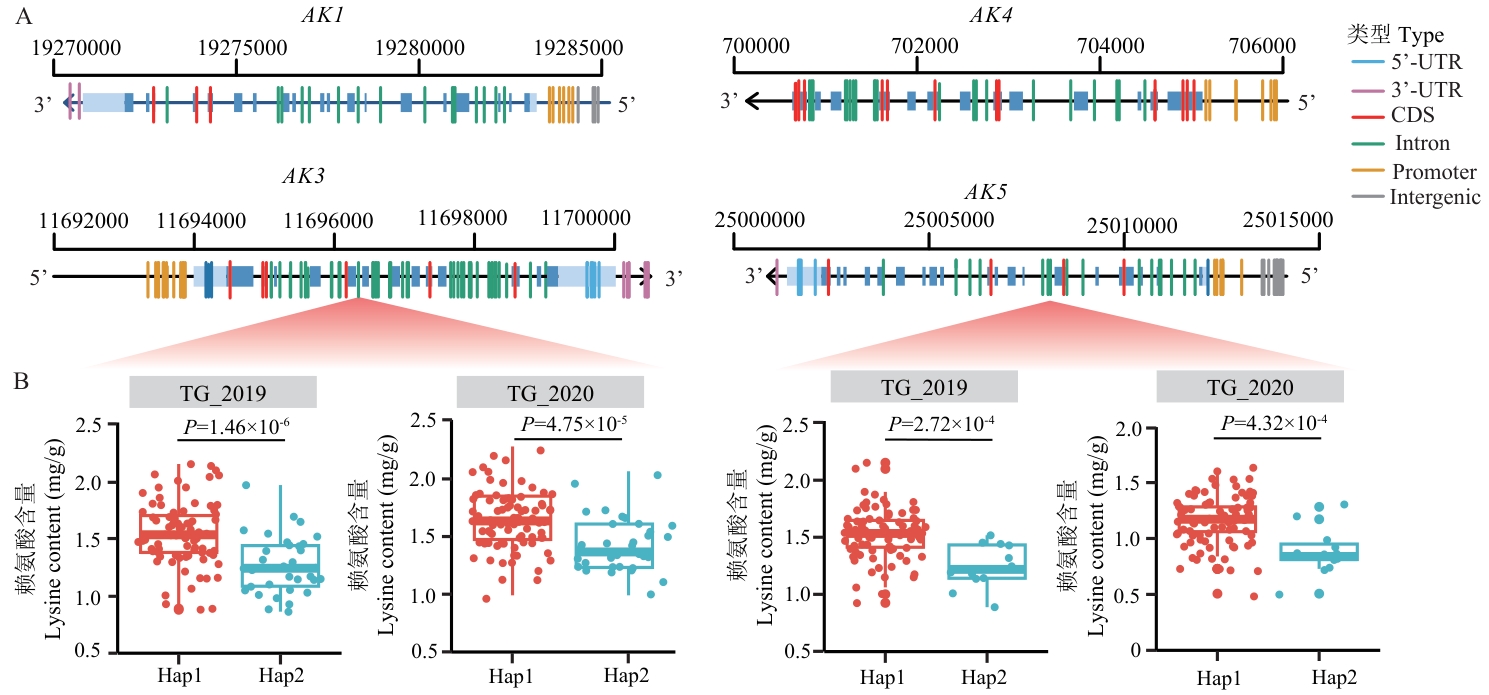
Fig. 6 Distribution of polymorphic sites in AK genes (A) and significant difference analysis of lysine content in germplasms with different haplotypes (B)
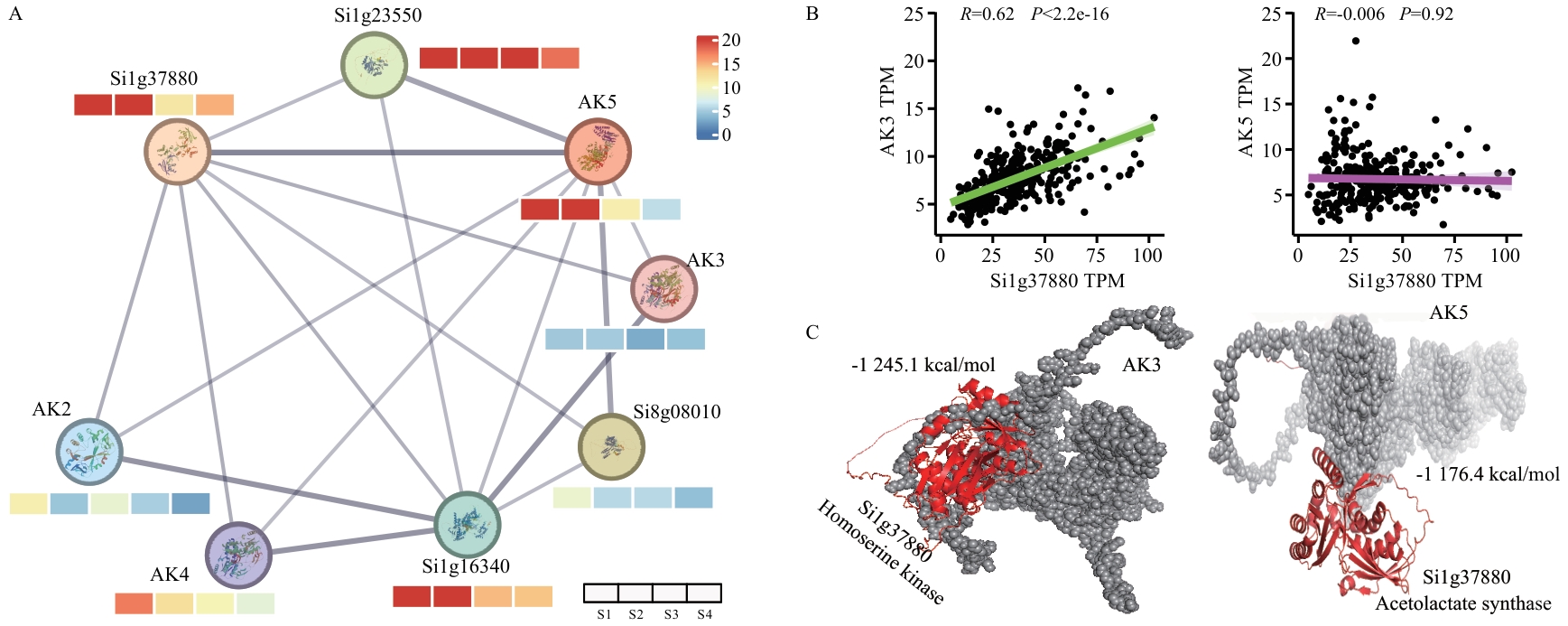
Fig. 7 Prediction of interaction networks of AK3 and AK5 proteins and their protein interaction complexes in foxtail milletA: Interaction network of AK3 and AK5 proteins with other proteins in foxtail millet. B: Expression correlations of Si1g37880 with AK3 and AK5 genes in foxtail millet grains at the S3 stage. C: Model of the protein interaction complex formed by Si1g37880 with AK3 and AK5
| [1] | Trovato M, Funck D, Forlani G, et al. Editorial: amino acids in plants: regulation and functions in development and stress defense [J]. Front Plant Sci, 2021, 12: 772810. |
| [2] | 李暮男, 兰凤英. 小米的营养成分及保健功能研究进展 [J]. 河北北方学院学报: 自然科学版, 2017, 33(7): 56-60. |
| Li MN, Lan FY. Research progress on nutritional components and health care functions of millet [J]. J Hebei N Univ Nat Sci Ed, 2017, 33(7): 56-60. | |
| [3] | Amir R, Galili G, Cohen H. The metabolic roles of free amino acids during seed development [J]. Plant Sci, 2018, 275: 11-18. |
| [4] | Bouchereau J, Schiff M. Inherited disorders of lysine metabolism: a review [J]. J Nutr, 2020, 150: 2556S-2560S. |
| [5] | Jiang W, Zhao Y, Wu X, et al. Health inequalities of global protein-energy malnutrition from 1990 to 2019 and forecast prevalence for 2044: data from the Global Burden of Disease Study 2019 [J]. Public Health, 2023, 225: 102-109. |
| [6] | Arruda P, Barreto P. Lysine catabolism through the saccharopine pathway: enzymes and intermediates involved in plant responses to abiotic and biotic stress [J]. Front Plant Sci, 2020, 11: 587. |
| [7] | Wang WY, Xu MY, Wang GP, et al. New insights into the metabolism of aspartate-family amino acids in plant seeds [J]. Plant Reprod, 2018, 31(3): 203-211. |
| [8] | Yang QQ, Zhao DS, Liu QQ. Connections between amino acid metabolisms in plants: lysine as an example [J]. Front Plant Sci, 2020, 11: 928. |
| [9] | Torruella G, Suga H, Riutort M, et al. The evolutionary history of lysine biosynthesis pathways within eukaryotes [J]. J Mol Evol, 2009, 69(3): 240-248. |
| [10] | Hudson AO, Singh BK, Leustek T, et al. An LL-diaminopimelate aminotransferase defines a novel variant of the lysine biosynthesis pathway in plants [J]. Plant Physiol, 2006, 140(1): 292-301. |
| [11] | Arruda P, Kemper EL, Papes F, et al. Regulation of lysine catabolism in higher plants [J]. Trends Plant Sci, 2000, 5(8): 324-330. |
| [12] | Zhu XH, Galili G. Lysine metabolism is concurrently regulated by synthesis and catabolism in both reproductive and vegetative tissues [J]. Plant Physiol, 2004, 135(1): 129-136. |
| [13] | Reyes AR, Bonin CP, Houmard NM, et al. Genetic manipulation of lysine catabolism in maize kernels [J]. Plant Mol Biol, 2009, 69(1/2): 81-89. |
| [14] | Yang QQ, Yu WH, Wu HY, et al. Lysine biofortification in rice by modulating feedback inhibition of aspartate kinase and dihydrodipicolinate synthase [J]. Plant Biotechnol J, 2021, 19(3): 490-501. |
| [15] | 舒军, 王啸旗, 郭宁馨, 等. 谷子不同核心种质的小米氨基酸组分积累特性分析及其评价 [J]. 山西农业科学, 2022, 50(12): 1622-1630. |
| Shu J, Wang XQ, Guo NX, et al. Analysis and evaluation of the accumulation characteristics of amino acid components in different core germplasms of foxtail millet [J]. J Shanxi Agric Sci, 2022, 50(12): 1622-1630. | |
| [16] | 刘美池, 邓歆, 刘新春, 等. 青稞种质资源籽粒赖氨酸含量的评价 [J]. 大麦与谷类科学, 2023, 40(5): 8-17. |
| Liu MC, Deng X, Liu XC, et al. Evaluation of lysine content in grains of highland barley germplasm resources [J]. Barley Cereal Sci, 2023, 40(5): 8-17. | |
| [17] | Liu YW, Xie SJ, Yu JJ. Genome-wide analysis of the lysine biosynthesis pathway network during maize seed development [J]. PLoS One, 2016, 11(2): e0148287. |
| [18] | Bailey TL, Boden M, Buske FA, et al. MEME Suite: tools for motif discovery and searching [J]. Nucleic Acids Res, 2009, 37(): W202-W208. |
| [19] | Kumar S, Stecher G, Tamura K. MEGA7: molecular evolutionary genetics analysis version 7.0 for bigger datasets [J]. Mol Biol Evol, 2016, 33(7): 1870-1874. |
| [20] | Chen CJ, Chen H, Zhang Y, et al. TBtools: an integrative toolkit developed for interactive analyses of big biological data [J]. Mol Plant, 2020, 13(8): 1194-1202. |
| [21] | Yang ZR, Zhang HS, Li XK, et al. A mini foxtail millet with an Arabidopsis-like life cycle as a C4 model system [J]. Nat Plants, 2020, 6(9): 1167-1178. |
| [22] | Li XK, Gao JH, Song JY, et al. Multi-omics analyses of 398 foxtail millet accessions reveal genomic regions associated with domestication, metabolite traits, and anti-inflammatory effects [J]. Mol Plant, 2022, 15(8): 1367-1383. |
| [23] | Zhao XW, Cao YH, Shao LT, et al. Integration of genome-wide association and genomic prediction for dissecting seed protein and amino acid in foxtail millet [J]. Field Crops Res, 2024, 310: 109344. |
| [24] | Bradbury PJ, Zhang ZW, Kroon DE, et al. TASSEL: software for association mapping of complex traits in diverse samples [J]. Bioinformatics, 2007, 23(19): 2633-2635. |
| [25] | Szklarczyk D, Kirsch R, Koutrouli M, et al. The STRING database in 2023: protein-protein association networks and functional enrichment analyses for any sequenced genome of interest [J]. Nucleic Acids Res, 2023, 51(D1): D638-D646. |
| [26] | Kozakov D, Hall DR, Xia B, et al. The ClusPro web server for protein-protein docking [J]. Nat Protoc, 2017, 12(2): 255-278. |
| [27] | Saleh ASM, Zhang Q, Chen J, et al. Millet grains: nutritional quality, processing, and potential health benefits [J]. Comp Rev Food Sci Food Safe, 2013, 12(3): 281-295. |
| [28] | Sachdev N, Goomer S, Singh LR. Foxtail millet: a potential crop to meet future demand scenario for alternative sustainable protein [J]. J Sci Food Agric, 2021, 101(3): 831-842. |
| [29] | 刘慧, 王朝辉, 李富翠, 等. 不同麦区小麦籽粒蛋白质与氨基酸含量及评价 [J]. 作物学报, 2016, 42(5): 768-777. |
| Liu H, Wang ZH, Li FC, et al. Contents of protein and amino acids of wheat grain in different wheat production regions and their evaluation [J]. Acta Agron Sin, 2016, 42(5): 768-777. | |
| [30] | Zhong M, Wang LQ, Yuan DJ, et al. Identification of QTL affecting protein and amino acid contents in rice [J]. Rice Sci, 2011, 18(3): 187-195. |
| [31] | 杨建昌, 李超卿, 江贻. 稻米氨基酸含量和组分及其调控 [J]. 作物学报, 2022, 48(5): 1037-1050. |
| Yang JC, Li CQ, Jiang Y. Contents and compositions of amino acids in rice grains and their regulation: a review [J]. Acta Agron Sin, 2022, 48(5): 1037-1050. | |
| [32] | Ishimaru T, Parween S, Saito Y, et al. Laser microdissection-based tissue-specific transcriptome analysis reveals a novel regulatory network of genes involved in heat-induced grain chalk in rice endosperm [J]. Plant Cell Physiol, 2019, 60(3): 626-642. |
| [33] | Huang A, Coutu C, Harrington M, et al. Engineering a feedback inhibition-insensitive plant dihydrodipicolinate synthase to increase lysine content in Camelina sativa seeds [J]. Transgenic Res, 2022, 31(1): 131-148. |
| [34] | He Q, Wang CC, He Q, et al. A complete reference genome assembly for foxtail millet and Setaria-db, a comprehensive database for Setaria [J]. Mol Plant, 2024, 17(2): 219-222. |
| [35] | Panchal A, Singh RK, Prasad M. Recent advancements and future perspectives of foxtail millet genomics [J]. Plant Growth Regul, 2023, 99(1): 11-23. |
| [36] | Galili G, Amir R, Fernie AR. The regulation of essential amino acid synthesis and accumulation in plants [J]. Annu Rev Plant Biol, 2016, 67: 153-178. |
| [37] | Ufaz S, Shukla V, Soloveichik Y, et al. Transcriptional control of aspartate kinase expression during darkness and sugar depletion in Arabidopsis: involvement of bZIP transcription factors [J]. Planta, 2011, 233(5): 1025-1040. |
| [38] | Duo H, Chhabra R, Muthusamy V, et al. Assessing sequence variation, haplotype analysis and molecular characterisation of aspartate kinase2 (ask2) gene regulating methionine biosynthesis in diverse maize inbreds [J]. Mol Genet Genomics, 2024, 299: 7. |
| [1] | LIU Qian, WANG Zong-yan, LUO Jun-hao, WU Zhang-zhang, HU Zhen, LYU Jian-zhen, JIANG Liang. Mapping and Candidate Gene Analysis of the Major Gene Controlling Seed Shattering in Foxtail Millet Based on BSA-Seq [J]. Biotechnology Bulletin, 2026, 42(7): 138-147. |
| [2] | CHENG Xue, FU Ying, CHAI Xiao-jiao, WANG Hong-yan, DENG Xin. Identification of LHC Gene Family in Setaria italica and Expression Analysis under Abiotic Stresses [J]. Biotechnology Bulletin, 2025, 41(8): 102-114. |
| [3] | HE Wei, LI Jun-yi, LI Xin-ni, MA Xue-hua, XING Yuan, CAO Xiao-ning, QIAO Zhi-ju, LIU Si-chen. Genome-wide Identification of U-box E3 Ubiquitin Ligase Gene Family in Setaria italica and Response Analysis to Abiotic Stress [J]. Biotechnology Bulletin, 2025, 41(5): 104-118. |
| [4] | GUO Hao-jie, WANG Cheng, YANG Fu-rong, DU Bing, MENG Chao-min. Cloning and Low-phosphorus Tolerance Analysis of SiSPX9 Gene in Foxtail Millet [J]. Biotechnology Bulletin, 2025, 41(12): 114-123. |
| [5] | WANG Hai-long, LI Yu-qian, WANG Bo, XING Guo-fang, ZHANG Jie-wei. Isolation and Expression Analysis of SiMAPK3 in Setaria italica L. [J]. Biotechnology Bulletin, 2023, 39(3): 123-132. |
| [6] | NI Chun-hui, LI Hui-xia, LI Wen-hao, LIU Yong-gang, XU Xue-fen, HAN Bian. Comparison of Molecular Characteristics of the Hybrid Progenies from Different Haplotypes of Ditylenchus destructor [J]. Biotechnology Bulletin, 2021, 37(7): 118-126. |
| [7] | Guo Yongbo, Cai Yuan. The Study of Genetic Diversity in Tibetan Pig of Tibet [J]. Biotechnology Bulletin, 2015, 31(5): 224-230. |
| Viewed | ||||||
|
Full text |
|
|||||
|
Abstract |
|
|||||
