







Biotechnology Bulletin ›› 2024, Vol. 40 ›› Issue (12): 72-83.doi: 10.13560/j.cnki.biotech.bull.1985.2024-0119
Previous Articles Next Articles
YU Yong-xia1( ), ZHU Ning2, LIU Guang-min3, ZHU Long-jiao1, XU Wen-tao1()
Received:2024-01-31
Online:2024-12-26
Published:2025-01-15
Contact:
XU Wen-tao
E-mail:yuyongxia08@163.com;xuwentao@cau.edu.cn
YU Yong-xia, ZHU Ning, LIU Guang-min, ZHU Long-jiao, XU Wen-tao. Research Progress in Nucleic Acid Molecular Diagnostic Technology for Mycoplasma pneumoniae[J]. Biotechnology Bulletin, 2024, 40(12): 72-83.

Fig. 1 Overview of pathogenic mechanism and nucleic acid detection technology of M. pneumoniae
| 方法Method | 靶标位点Target site | 使用样本Sample type | 参考文献Reference |
|---|---|---|---|
| 传统PCR Traditional PCR | P1黏附素基因 | 血液/咽拭子 | [ |
| 16S rRNA | 鼻咽分泌物/咽拭子/痰液 | [ | |
| 广泛 PCR Broad-range PCR | part E | 咽拭子 | [ |
| tuf | 咽拭子/痰液 | [ | |
| 巢式PCR Nested PCR | 16S-23S rRNA 间隔区 | 鼻咽分泌物 | [ |
| P1黏附素基因 | 咽拭子/鼻咽分泌物 | [ | |
| 23S rRNA | 气管拭子 | [ | |
| 实时PCR Real-time PCR | 16S rRNA | 痰液/咽拭子/肺泡灌洗液 | [ |
| P1黏附素基因 | 痰液 | [ | |
| repMp1 | 支气管肺泡灌洗液/鼻咽拭子 | [ | |
| CARDS/ATPase | 鼻咽拭子 | [ | |
| 23S rRNA | 鼻咽拭子/痰液 | [ | |
| microR-146/cmicroR-17a | 外周血/痰液 | [ | |
| 多重PCR Multiplex PCR | 23S rRNA | 痰液/肺泡灌洗液 | [ |
| 16S rRNA | 鼻咽拭子 | [ | |
| P1黏附素基因 | 鼻咽拭子/血液 | [ | |
| dnak/pdhA/tuf | ATCC标准品 | [ | |
| ATPase | 鼻咽拭子 | [ | |
| 16S-23S rRNA 间隔区 | 鼻咽拭子 | [ | |
| CARDS | 鼻咽分泌物 | [ | |
| 16S rRNA | 痰液 | [ |
Table 1 Summary of different PCR techniques
| 方法Method | 靶标位点Target site | 使用样本Sample type | 参考文献Reference |
|---|---|---|---|
| 传统PCR Traditional PCR | P1黏附素基因 | 血液/咽拭子 | [ |
| 16S rRNA | 鼻咽分泌物/咽拭子/痰液 | [ | |
| 广泛 PCR Broad-range PCR | part E | 咽拭子 | [ |
| tuf | 咽拭子/痰液 | [ | |
| 巢式PCR Nested PCR | 16S-23S rRNA 间隔区 | 鼻咽分泌物 | [ |
| P1黏附素基因 | 咽拭子/鼻咽分泌物 | [ | |
| 23S rRNA | 气管拭子 | [ | |
| 实时PCR Real-time PCR | 16S rRNA | 痰液/咽拭子/肺泡灌洗液 | [ |
| P1黏附素基因 | 痰液 | [ | |
| repMp1 | 支气管肺泡灌洗液/鼻咽拭子 | [ | |
| CARDS/ATPase | 鼻咽拭子 | [ | |
| 23S rRNA | 鼻咽拭子/痰液 | [ | |
| microR-146/cmicroR-17a | 外周血/痰液 | [ | |
| 多重PCR Multiplex PCR | 23S rRNA | 痰液/肺泡灌洗液 | [ |
| 16S rRNA | 鼻咽拭子 | [ | |
| P1黏附素基因 | 鼻咽拭子/血液 | [ | |
| dnak/pdhA/tuf | ATCC标准品 | [ | |
| ATPase | 鼻咽拭子 | [ | |
| 16S-23S rRNA 间隔区 | 鼻咽拭子 | [ | |
| CARDS | 鼻咽分泌物 | [ | |
| 16S rRNA | 痰液 | [ |
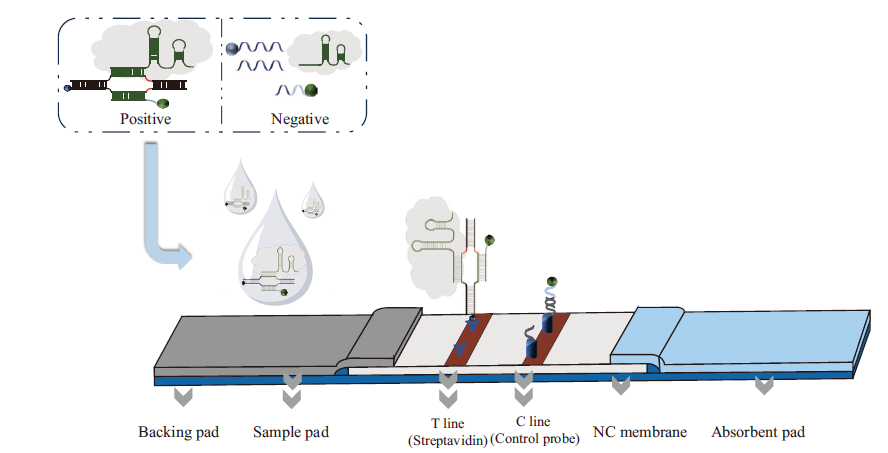
Fig. 2 Principles of CRISPR/Cas9-LFB technology
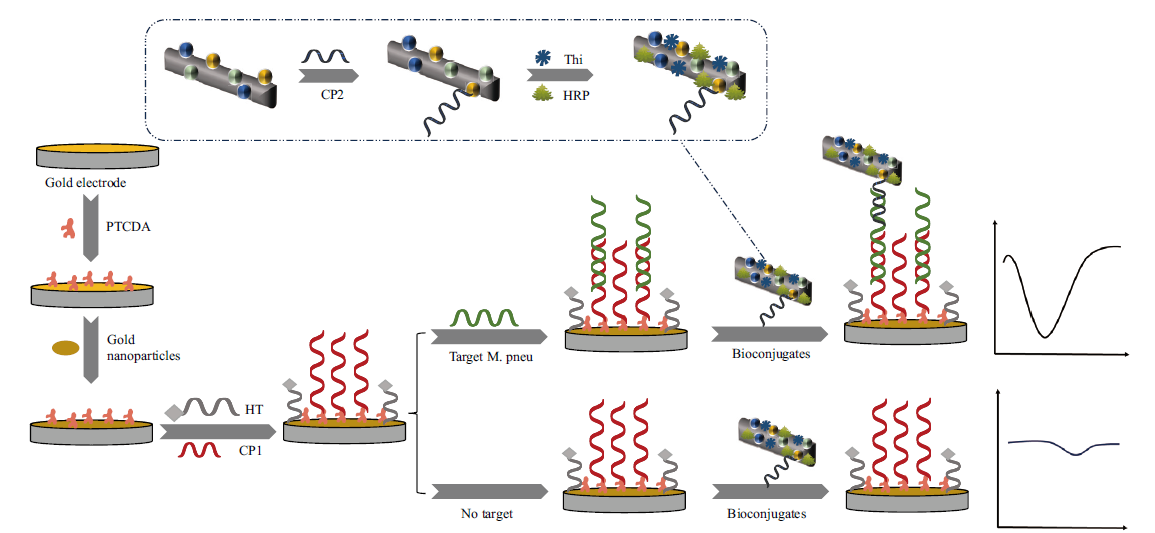
Fig. 3 Principle of electrochemical sensor based on PTCDA
| [1] |
Waites KB, Talkington DF. Mycoplasma pneumoniaeand its role as a human pathogen[J]. Clin Microbiol Rev, 2004, 17(4): 697-728.
pmid: 15489344 |
| [2] | Chanock RM, Hayflick L, Barile MF. Growth on artificial medium of an agent associated with atypical pneumonia and its identification as a PPLO[J]. Proc Natl Acad Sci U S A, 1962, 48(1): 41-49. |
| [3] |
Kutty PK, Jain S, Taylor TH, et al. Mycoplasma pneumoniae among children hospitalized with community-acquired pneumonia[J]. Clin Infect Dis, 2019, 68(1): 5-12.
doi: 10.1093/cid/ciy419 pmid: 29788037 |
| [4] | Smith CB, Chanock RM, Friedewald WT, et al. Mycoplasma pneumoniae infections in volunteers[J]. Ann N Y Acad Sci, 1967, 143(1): 471-483. |
| [5] | 孙天文, 刘思辰, 杨柯. 实时荧光核酸恒温扩增试验对肺炎支原体感染的诊断价值[J]. 河南医学高等专科学校学报, 2023, 35(5): 543-547. |
| Sun TW, Liu SC, Yang K. Diagnostic value of real-time fluorescent nucleic acid thermostatic amplification test for Mycoplasma pneumoniae infection[J]. J Henan Med Coll, 2023, 35(5): 543-547. | |
| [6] |
Shimizu T, Kimura Y, Kida Y, et al. Cytadherence of Mycoplasma pneumoniae induces inflammatory responses through autophagy and toll-like receptor 4[J]. Infect Immun, 2014, 82(7): 3076-3086.
doi: 10.1128/IAI.01961-14 pmid: 24799628 |
| [7] | Chourasia BK, Chaudhry R, Malhotra P. Delineation of immunodominant and cytadherence segment(s)of Mycoplasma pneumoniae P1 gene[J]. BMC Microbiol, 2014, 14: 108. |
| [8] |
Seto S, Kenri T, Tomiyama T, et al. Involvement of P1 adhesin in gliding motility of Mycoplasma pneumoniae as revealed by the inhibitory effects of antibody under optimized gliding conditions[J]. J Bacteriol, 2005, 187(5): 1875-1877.
pmid: 15716461 |
| [9] |
Balish MF, Santurri RT, Ricci AM, et al. Localization of Mycoplasma pneumoniae cytadherence-associated protein HMW2 by fusion with green fluorescent protein: implications for attachment organelle structure[J]. Mol Microbiol, 2003, 47(1): 49-60.
pmid: 12492853 |
| [10] | McDermott AJ, Taylor BM, Bernstein KM. Toxic epidermal necrolysis from suspected Mycoplasma pneumoniae infection[J]. Mil Med, 2013, 178(9): e1048-e1050. |
| [11] | Ledford JG, Mukherjee S, Kislan MM, et al. Surfactant protein-a suppresses eosinophil-mediated killing of Mycoplasma pneumoniae in allergic lungs[J]. PLoS One, 2012, 7(2): e32436. |
| [12] | Lai JF, Zindl CL, Duffy LB, et al. Critical role of macrophages and their activation via MyD88-NFκB signaling in lung innate immunity to Mycoplasma pneumoniae[J]. PLoS One, 2010, 5(12): e14417. |
| [13] | 庞焕香, 乔红梅, 成焕吉, 等. 支原体肺炎患儿肺泡灌洗液中TNF-α、IL-6、IL-10水平检测及意义[J]. 中国当代儿科杂志, 2011, 13(10): 808-810. |
| Pang HX, Qiao HM, Cheng HJ, et al. Levels of TNF-α, IL-6 and IL-10 in bronchoalveolar lavage fluid in children with Mycoplasma pneumoniae pneumonia[J]. Chin J Contemp Pediatr, 2011, 13(10): 808-810. | |
| [14] | 中华医学会儿科学分会临床检验学组. 儿童肺炎支原体呼吸道感染实验室诊断中国专家共识[J]. 中华检验医学杂志, 2019, 42(7): 507-513. |
| Clinical Laboratory Group, Pediatrics Society of Chinese Medical Association. Chinese expert consensus on laboratory diagnosis of mycoplasma pneumoniae respiratory tract infection in children[J]. Chin J Lab Med, 2019, 42(7): 507-513. | |
| [15] |
Ieven M, Ursi D, Van Bever H, et al. Detection of Mycoplasma pneumoniae by two polymerase chain reactions and role of M. pneumoniae in acute respiratory tract infections in pediatric patients[J]. J Infect Dis, 1996, 173(6): 1445-1452.
pmid: 8648218 |
| [16] | 王居鹏, 朱黎娜, 马明坤, 等. 被动凝集法、间接免疫荧光法和胶体金法联合检测肺炎支原体抗体对儿童肺炎支原体感染的诊断价值[J]. 天津医药, 2022, 50(4): 418-423. |
| Wang JP, Zhu LN, Ma MK, et al. Diagnostic value of particle agglutination, indirect immunofluorescence assay and immune colloidal gold technique combined detection for Mycoplasma pneumoniae antibody in children with Mycoplasma pneumoniae infection[J]. Tianjin Med J, 2022, 50(4): 418-423. | |
| [17] |
Waites KB, Xiao L, Paralanov V, et al. Molecular methods for the detection of Mycoplasma and ureaplasma infections in humans: a paper from the 2011 William Beaumont Hospital Symposium on molecular pathology[J]. J Mol Diagn, 2012, 14(5): 437-450.
doi: 10.1016/j.jmoldx.2012.06.001 pmid: 22819362 |
| [18] |
Bernet C, Garret M, de Barbeyrac B, et al. Detection of Mycoplasma pneumoniae by using the polymerase chain reaction[J]. J Clin Microbiol, 1989, 27(11): 2492-2496.
doi: 10.1128/jcm.27.11.2492-2496.1989 pmid: 2509513 |
| [19] |
Dorigo-Zetsma JW, Verkooyen RP, van Helden HP, et al. Molecular detection of Mycoplasma pneumoniae in adults with community-acquired pneumonia requiring hospitalization[J]. J Clin Microbiol, 2001, 39(3): 1184-1186.
pmid: 11230455 |
| [20] |
Templeton KE, Scheltinga SA, Graffelman AW, et al. Comparison and evaluation of real-time PCR, real-time nucleic acid sequence-based amplification, conventional PCR, and serology for diagnosis of Mycoplasma pneumoniae[J]. J Clin Microbiol, 2003, 41(9): 4366-4371.
doi: 10.1128/JCM.41.9.4366-4371.2003 pmid: 12958270 |
| [21] |
Medjo B, Atanaskovic-Markovic M, Radic S, et al. Mycoplasma pneumoniae as a causative agent of community-acquired pneumonia in children: clinical features and laboratory diagnosis[J]. Ital J Pediatr, 2014, 40: 104.
doi: 10.1186/s13052-014-0104-4 pmid: 25518734 |
| [22] |
Morozumi M, Hasegawa K, Chiba N, et al. Application of PCR for Mycoplasma pneumoniae detection in children with community-acquired pneumonia[J]. J Infect Chemother, 2004, 10(5): 274-279.
pmid: 16163461 |
| [23] |
Roth SB, Jalava J, Ruuskanen O, et al. Use of an oligonucleotide array for laboratory diagnosis of bacteria responsible for acute upper respiratory infections[J]. J Clin Microbiol, 2004, 42(9): 4268-4274.
pmid: 15365022 |
| [24] |
Störmer M, Vollmer T, Henrich B, et al. Broad-range real-time PCR assay for the rapid identification of cell-line contaminants and clinically important mollicute species[J]. Int J Med Microbiol, 2009, 299(4): 291-300.
doi: 10.1016/j.ijmm.2008.08.002 pmid: 18926769 |
| [25] | Wang H, Kong FR, Jelfs P, et al. Simultaneous detection and identification of common cell culture contaminant and pathogenic mollicutes strains by reverse line blot hybridization[J]. Appl Environ Microbiol, 2004, 70(3): 1483-1486. |
| [26] |
Lin BC, Blaney KM, Malanoski AP, et al. Using a resequencing microarray as a multiple respiratory pathogen detection assay[J]. J Clin Microbiol, 2007, 45(2): 443-452.
pmid: 17135438 |
| [27] | Kumar S, Bharti PK, Baveja CP, et al. Detection of Mycoplasma pneumoniae by two polymerase chain reactions and role of Mycoplasma pneumoniae in pediatric community-acquired lower respiratory tract infections[J]. Indian J Med Microbiol, 2022, 40(2): 250-253. |
| [28] | Guo DX, Hu WJ, Wei R, et al. Epidemiology and mechanism of drug resistance of Mycoplasma pneumoniae in Beijing, China: a multicenter study[J]. Bosn J Basic Med Sci, 2019, 19(3): 288-296. |
| [29] |
Raggam RB, Leitner E, Berg J, et al. Single-Run, parallel detection of DNA from three pneumonia-producing bacteria by real-time polymerase chain reaction[J]. J Mol Diagn, 2005, 7(1): 133-138.
pmid: 15681485 |
| [30] | Li LF, Ma JY, Guo PB, et al. Molecular beacon based real-time PCR p1 gene genotyping, macrolide resistance mutation detection and clinical characteristics analysis of Mycoplasma pneumoniae infections in children[J]. BMC Infect Dis, 2022, 22(1): 724. |
| [31] |
Pitcher D, Chalker VJ, Sheppard C, et al. Real-time detection of Mycoplasma pneumoniae in respiratory samples with an internal processing control[J]. J Med Microbiol, 2006, 55(Pt 2): 149-155.
doi: 10.1099/jmm.0.46281-0 pmid: 16434706 |
| [32] |
Dumke R, Schurwanz N, Lenz M, et al. Sensitive detection of Mycoplasma pneumoniae in human respiratory tract samples by optimized real-time PCR approach[J]. J Clin Microbiol, 2007, 45(8): 2726-2730.
pmid: 17537933 |
| [33] |
Winchell JM, Thurman KA, Mitchell SL, et al. Evaluation of three real-time PCR assays for detection of Mycoplasma pneumoniae in an outbreak investigation[J]. J Clin Microbiol, 2008, 46(9): 3116-3118.
doi: 10.1128/JCM.00440-08 pmid: 18614663 |
| [34] | Liu Y, Ye XY, Zhang H, et al. Rapid detection of Mycoplasma pneumoniae and its macrolide-resistance mutation by Cycleave PCR[J]. Diagn Microbiol Infect Dis, 2014, 78(4): 333-337. |
| [35] | Tang MY, Wang D, Tong X, et al. Comparison of different detection methods for Mycoplasma pneumoniae infection in children with community-acquired pneumonia[J]. BMC Pediatr, 2021, 21(1): 90. |
| [36] | Wang JC, Guo CY, Yang LX, et al. Peripheral blood microR-146a and microR-29c expression in children with Mycoplasma pneumoniae pneumonia and its clinical value[J]. Ital J Pediatr, 2023, 49(1): 119. |
| [37] |
Ji M, Lee NS, Oh JM, et al. Single-nucleotide polymorphism PCR for the detection of Mycoplasma pneumoniae and determination of macrolide resistance in respiratory samples[J]. J Microbiol Methods, 2014, 102: 32-36.
doi: 10.1016/j.mimet.2014.04.009 pmid: 24780151 |
| [38] |
Zacharioudakis IM, Zervou FN, Dubrovskaya Y, et al. Evaluation of a multiplex PCR panel for the microbiological diagnosis of pneumonia in hospitalized patients: experience from an academic medical center[J]. Int J Infect Dis, 2021, 104: 354-360.
doi: 10.1016/j.ijid.2021.01.004 pmid: 33434669 |
| [39] | Miyashita N, Saito A, Kohno S, et al. Multiplex PCR for the simultaneous detection of Chlamydia pneumoniae, Mycoplasma pneumoniae and Legionella pneumophila in community-acquired pneumonia[J]. Respir Med, 2004, 98(6): 542-550. |
| [40] |
Geertsen R, Kaeppeli F, Sterk-Kuzmanovic N, et al. A multiplex PCR assay for the detection of respiratory bacteriae in nasopharyngeal smears from children with acute respiratory disease[J]. Scand J Infect Dis, 2007, 39(9): 769-774.
pmid: 17701714 |
| [41] | Kumar S, Wang LH, Fan J, et al. Detection of 11 common viral and bacterial pathogens causing community-acquired pneumonia or sepsis in asymptomatic patients by using a multiplex reverse transcription-PCR assay with manual(enzyme hybridization)or automated(electronic microarray)detection[J]. J Clin Microbiol, 2008, 46(9): 3063-3072. |
| [42] | Lodes MJ, Suciu D, Wilmoth JL, et al. Identification of upper respiratory tract pathogens using electrochemical detection on an oligonucleotide microarray[J]. PLoS One, 2007, 2(9): e924. |
| [43] |
Benson R, Tondella ML, Bhatnagar J, et al. Development and evaluation of a novel multiplex PCR technology for molecular differential detection of bacterial respiratory disease pathogens[J]. J Clin Microbiol, 2008, 46(6): 2074-2077.
doi: 10.1128/JCM.01858-07 pmid: 18400916 |
| [44] | Wang YJ, Kong FR, Yang YH, et al. A multiplex PCR-based reverse line blot hybridization(mPCR/RLB)assay for detection of bacterial respiratory pathogens in children with pneumonia[J]. Pediatr Pulmonol, 2008, 43(2): 150-159. |
| [45] |
Shen HW, Zhu BQ, Wang SL, et al. Association of targeted multiplex PCR with resequencing microarray for the detection of multiple respiratory pathogens[J]. Front Microbiol, 2015, 6: 532.
doi: 10.3389/fmicb.2015.00532 pmid: 26074910 |
| [46] | Wang L, Feng ZS, Zhao MC, et al. A comparison study between GeXP-based multiplex-PCR and serology assay for Mycoplasma pneumoniae detection in children with community acquired pneumonia[J]. BMC Infect Dis, 2017, 17(1): 518. |
| [47] |
Loens K, Van Heirstraeten L, Malhotra-Kumar S, et al. Optimal sampling sites and methods for detection of pathogens possibly causing community-acquired lower respiratory tract infections[J]. J Clin Microbiol, 2009, 47(1): 21-31.
doi: 10.1128/JCM.02037-08 pmid: 19020070 |
| [48] | Diaz MH, Winchell JM. Detection of Mycoplasma pneumoniae and Chlamydophila pneumoniae directly from respiratory clinical specimens using a rapid real-time polymerase chain reaction assay[J]. Diagn Microbiol Infect Dis, 2012, 73(3): 278-280. |
| [49] | Pillet S, Lardeux M, Dina JL, et al. Comparative evaluation of six commercialized multiplex PCR kits for the diagnosis of respiratory infections[J]. PLoS One, 2013, 8(8): e72174. |
| [50] | Notomi T, Okayama H, Masubuchi H, et al. Loop-mediated isothermal amplification of DNA[J]. Nucleic Acids Res, 2000, 28(12): E63. |
| [51] |
Petrone BL, Wolff BJ, DeLaney AA, et al. Isothermal detection of Mycoplasma pneumoniae directly from respiratory clinical specimens[J]. J Clin Microbiol, 2015, 53(9): 2970-2976.
doi: 10.1128/JCM.01431-15 pmid: 26179304 |
| [52] |
Ratliff AE, Duffy LB, Waites KB. Comparison of the illumigene Mycoplasma DNA amplification assay and culture for detection of Mycoplasma pneumoniae[J]. J Clin Microbiol, 2014, 52(4): 1060-1063.
doi: 10.1128/JCM.02913-13 pmid: 24430454 |
| [53] | Shi C, Shang FJ, Zhou ML, et al. Triggered isothermal PCR by denaturation bubble-mediated strand exchange amplification[J]. Chem Commun, 2016, 52(77): 11551-11554. |
| [54] |
Yang C, Li Y, Deng J, et al. Accurate, rapid and low-cost diagnosis of Mycoplasma pneumoniae via fast narrow-thermal-cycling denaturation bubble-mediated strand exchange amplification[J]. Anal Bioanal Chem, 2020, 412(30): 8391-8399.
doi: 10.1007/s00216-020-02977-y pmid: 33040157 |
| [55] |
Diaz MH, Winchell JM. The evolution of advanced molecular diagnostics for the detection and characterization of Mycoplasma pneumoniae[J]. Front Microbiol, 2016, 7: 232.
doi: 10.3389/fmicb.2016.00232 pmid: 27014191 |
| [56] |
Loens K, Ieven M, Ursi D, et al. Application of NucliSens Basic Kit for the detection of Mycoplasma pneumoniae in respiratory specimens[J]. J Microbiol Methods, 2003, 54(1): 127-130.
pmid: 12732431 |
| [57] |
Loens K, Beck T, Ursi D, et al. Development of real-time multiplex nucleic acid sequence-based amplification for detection of Mycoplasma pneumoniae, Chlamydophila pneumoniae, and Legionella spp. in respiratory specimens[J]. J Clin Microbiol, 2008, 46(1): 185-191.
doi: 10.1128/JCM.00447-07 pmid: 18032625 |
| [58] | Jiang TT, Wang YC, Jiao WW, et al. Recombinase polymerase amplification combined with real-time fluorescent probe for Mycoplasma pneumoniae detection[J]. J Clin Med, 2022, 11(7): 1780. |
| [59] | Zhou J, Xiao F, Fu J, et al. Rapid, ultrasensitive and highly specific diagnosis of Mycoplasma pneumoniae by a CRISPR-based detection platform[J]. Front Cell Infect Microbiol, 2023, 13: 1147142. |
| [60] | Xue GH, Li SL, Zhao HQ, et al. Use of a rapid recombinase-aided amplification assay for Mycoplasma pneumoniae detection[J]. BMC Infect Dis, 2020, 20(1): 79. |
| [61] | Xia SM, Chen X. Single-copy sensitive, field-deployable, and simultaneous dual-gene detection of SARS-CoV-2 RNA via modified RT-RPA[J]. Cell Discov, 2020, 6(1): 37. |
| [62] | Deng ZL, Hu HY, Tang D, et al. Ultrasensitive, specific, and rapid detection of Mycoplasma pneumoniae using the ERA/CRISPR-Cas12a dual system[J]. Front Microbiol, 2022, 13: 811768. |
| [63] | Wang YC, Wang Y, Quan ST, et al. Establishment and application of a multiple cross displacement amplification coupled with nanoparticle-based lateral flow biosensor assay for detection of Mycoplasma pneumoniae[J]. Front Cell Infect Microbiol, 2019, 9: 325. |
| [64] | Zhu MJ, Ma L, Meng QF, et al. Visual detection of Mycoplasma pneumoniae by the recombinase polymerase amplification assay coupled with lateral flow dipstick[J]. J Microbiol Methods, 2022, 202: 106591. |
| [65] | Hu LY, Wang XR, Cao DL, et al. Establishment and performance evaluation of multiplex PCR-dipstick DNA chromatography for Mycoplasma pneumoniae and Chlamydia pneumoniae rapid detection[J]. Can J Infect Dis Med Microbiol, 2023, 2023: 6654504. |
| [66] |
Yang W, Restrepo-Pérez L, Bengtson M, et al. Detection of CRISPR-dCas9 on DNA with solid-state nanopores[J]. Nano Lett, 2018, 18(10): 6469-6474.
doi: 10.1021/acs.nanolett.8b02968 pmid: 30187755 |
| [67] | Zhu R, Jiang H, Li CY, et al. CRISPR/Cas9-based point-of-care lateral flow biosensor with improved performance for rapid and robust detection of Mycoplasma pneumonia[J]. Anal Chim Acta, 2023, 1257: 341175. |
| [68] | Liu LL, Xiang GM, Jiang DN, et al. Electrochemical gene sensor for Mycoplasma pneumoniae DNA using dual signal amplification via a Pt@Pd nanowire and horse radish peroxidase[J]. Microchim Acta, 2016, 183(1): 379-387. |
| [69] | Sen D, Gilbert W. A sodium-potassium switch in the formation of four-stranded G4-DNA[J]. Nature, 1990, 344(6265): 410-414. |
| [70] | Li JJ, Wu J, He ZQ, et al. Fast detection of Mycoplasma pneumoniae by interaction of tetramolecular G-quadruplex with graphene oxide[J]. Sens Actuat B Chem, 2019, 290: 41-46. |
| [71] |
Wang H, Ma Z, Qin JX, et al. A versatile loop-mediated isothermal amplification microchip platform for Streptococcus pneumoniae and Mycoplasma pneumoniae testing at the point of care[J]. Biosens Bioelectron, 2019, 126: 373-380.
doi: S0956-5663(18)30905-9 pmid: 30469075 |
| [72] |
Mongan AE, Tuda JSB, Runtuwene LR. Portable sequencer in the fight against infectious disease[J]. J Hum Genet, 2020, 65(1): 35-40.
doi: 10.1038/s10038-019-0675-4 pmid: 31582773 |
| [73] | Ishiguro N, Sato R, Mori T, et al. Point-of-care molecular diagnosis of Mycoplasma pneumoniae including macrolide sensitivity using quenching probe polymerase chain reaction[J]. PLoS One, 2021, 16(10): e0258694. |
| [74] | Duan YK, Zhang X, Li Y, et al. Amino-modified silica membrane capable of DNA extraction and enrichment for facilitated isothermal amplification detection of Mycoplasma pneumoniae[J]. J Pharm Biomed Anal, 2023, 224: 115190. |
| [1] | LI Zhi-qiang, WANG Ji-ying, YUAN Ting, WANG Jia, WEI Yan-na, WANG Yu-ge, LI Shao-li, SHAO Guo-qing, FENG Zhi-xin, YU Yan-fei. Comparative Study on the Evaluation Methods for Mycoplasma pneumoniae Infection [J]. Biotechnology Bulletin, 2025, 41(1): 110-119. |
| [2] | ZHANG Di, JU Rui, LI Li-mei, WANG Yu-qian, CHEN Rui, WANG Xin-yi. Application of Transcription Factor-based Biosensors in Environmental Analysis [J]. Biotechnology Bulletin, 2024, 40(6): 114-125. |
| [3] | ZHOU Zi-ying, SONG Xiao-dong, LIU Yang-er, WU Yi-fan, ZHU Long-jiao, GU Dong-yue, HE Guo-qing, LI Xiang-yang, XU Wen-tao. Construction Strategies of Allosteric Transcription Factor Biosensors and Their Application Advances in Food Safety [J]. Biotechnology Bulletin, 2024, 40(12): 20-33. |
| [4] | XUE Ning, WANG Jin, LI Shi-xin, LIU Ye, CHENG Hai-jiao, ZHANG Yue, MAO Yu-feng, WANG Meng. Construction of L-phenylalanine High-producing Corynebacterium glutamicum Engineered Strains via Multi-gene Simultaneous Regulation Combined with High-throughput Screening [J]. Biotechnology Bulletin, 2023, 39(9): 268-280. |
| [5] | LI Ren-han, ZHANG Le-le, LIU Chun-li, LIU Xiu-xia, BAI Zhong-hu, YANG Yan-kun, LI Ye. Development of an L-tryptophan Biosensor Based on the Violacein Biosynthesis Pathway [J]. Biotechnology Bulletin, 2023, 39(10): 80-92. |
| [6] | CHEN Xiao-lin, LIU Yang-er, XU Wen-tao, GUO Ming-zhang, LIU Hui-lin. Application of Synthetic Biology Based Whole-cell Biosensor Technology in the Rapid Detection of Food Safety [J]. Biotechnology Bulletin, 2023, 39(1): 137-149. |
| [7] | HU Hai-yang, YING Wan-qin, HE Jun, LV Zhi-xian, XIE Xiao-ping, DENG Zhong-liang. Establishment and Application of ERA Real-time Fluorescence Method for Rapid Detection of Mycoplasma pneumoniae [J]. Biotechnology Bulletin, 2022, 38(9): 264-270. |
| [8] | LI Jia-le, LIN Sheng-hao, XU Wen-tao. Construction of an Ultra-sensitive Colorimetric Biosensor for Insect Resistance Genes Based on Loop-mediated Isothermal Amplification [J]. Biotechnology Bulletin, 2022, 38(8): 69-76. |
| [9] | WANG Peng-fei, YANG Min, ZHU Long-jiao, XU Wen-tao. Advances in Biosensors Based on Platinum Nanoclusters [J]. Biotechnology Bulletin, 2021, 37(12): 235-242. |
| [10] | LI Xin-shen, HUANG Xiao-mei, WU Shu-xiu, HUANG Rui-rong, WEI Lin-gen, HUA Ju-ling. Rapid Detection of Plant Bacterial Wilt by Loop-mediated Isothermal Amplification [J]. Biotechnology Bulletin, 2021, 37(1): 272-281. |
| [11] | ZHAO Ying, WANG Nan, LU An-xiang, FENG Xiao-yuan, GUO Xiao-jun, LUAN Yun-xia. Application in the Detection of Fungal Toxins by Nucleic Acid Aptamer Lateral Flow Chromatography Analysis Technique [J]. Biotechnology Bulletin, 2020, 36(8): 217-227. |
| [12] | FANG Shun-yan, SONG Dan, LIU Yan-ping, XU Wen-juan, LIU Jia-yao, HAN Xiang-zhi, LONG Feng. Study on Evanescent Wave Fluorescence Aptasensor for Direct and Rapid Detection of Escherichia coli O157∶H7 [J]. Biotechnology Bulletin, 2020, 36(7): 228-234. |
| [13] | YE Jian-wen, CHEN Jiang-nan, ZHANG Xu, Wu Fu-qing, CHEN Guo-qiang. Dynamic Control:An Efficient Strategy for Metabolically Engineering Microbial Cell Factories [J]. Biotechnology Bulletin, 2020, 36(6): 1-12. |
| [14] | YANG Min, LI Shu-ting, YANG Wen-ping, LI Xiang-yang, XU Wen-tao. Research Progress on Functional Nucleic Acid Biosensors Mediated by DNA/Silver Nanoclusters [J]. Biotechnology Bulletin, 2020, 36(6): 245-254. |
| [15] | GAO Wei-fang, ZHANG Li-ping, ZHU Peng. Recent Progress on Isothermal Amplification Technology and Its Combination with CRISPR in Rapid Detection of Microorganisms [J]. Biotechnology Bulletin, 2020, 36(5): 22-31. |
| Viewed | ||||||
|
Full text |
|
|||||
|
Abstract |
|
|||||
