






Biotechnology Bulletin ›› 2026, Vol. 42 ›› Issue (10): 216-228.doi: 10.13560/j.cnki.biotech.bull.1985.2025-1253
FAN Zhao-rui1, WANG Jia-min2, TONG Kai1( ), KANG Zhen-hui1()
Received:2025-11-19
Online:2026-10-26
Published:2026-10-15
Contact:
TONG Kai, KANG Zhen-hui
E-mail:a1149762188@gmail.com;zhkang85@126.com
FAN Zhao-rui, WANG Jia-min, TONG Kai, KANG Zhen-hui. Chloroplast Whole Genomes of Nine Hypericum Species: Genome Structure, Comparative Analysis, and Phylogenetic Relationships[J]. Biotechnology Bulletin, 2026, 42(10): 216-228.
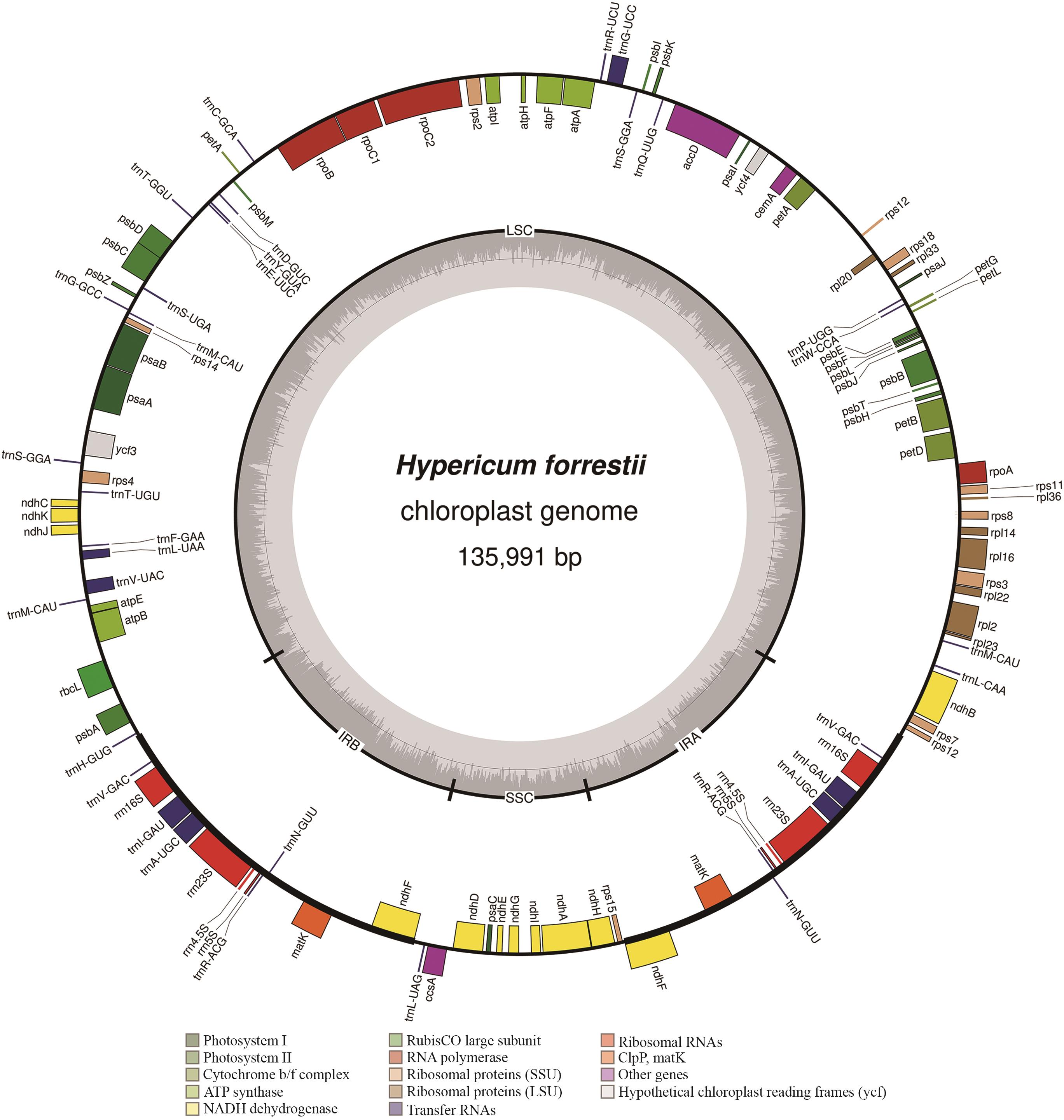
Fig. 1 Chloroplast genome map of Hypericum forrestiiThe figure shows four genomic regions: the Large Single-Copy region (LSC), the Small Single-Copy region (SSC), and the two Inverted Repeat regions (IRA and IRB). Genes located inside the circle are transcribed clockwise, while those outside are transcribed counter clockwise. Genes belonging to different functional categories are marked in different colors. The inner circle indicates the GC content (dark gray) and AT content (light gray)
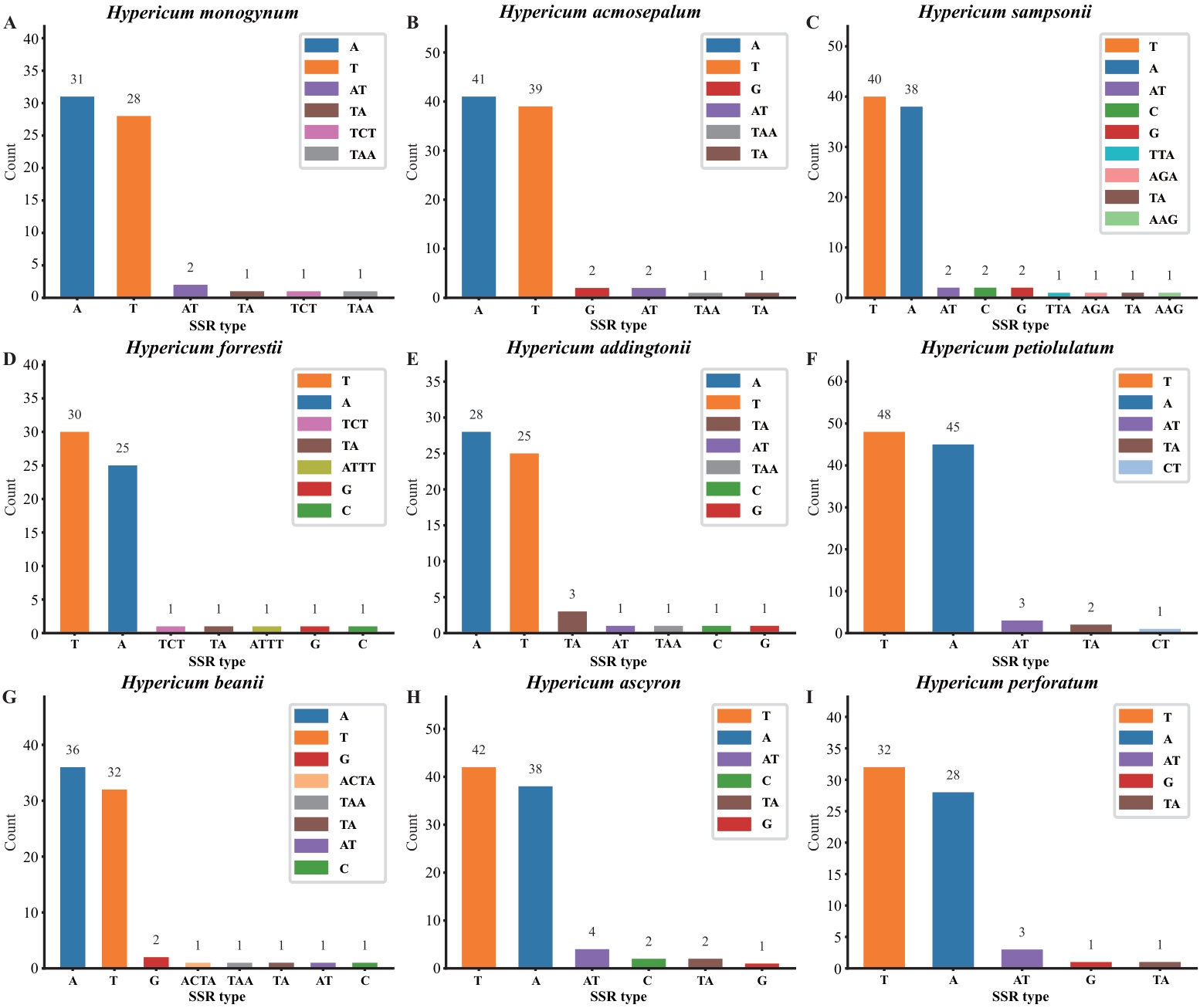
Fig. 2 Analysis of SSR loci in the chloroplast genomes of nine Hypericum speciesA-I: Frequency of SSR motifs identified in different repeat types
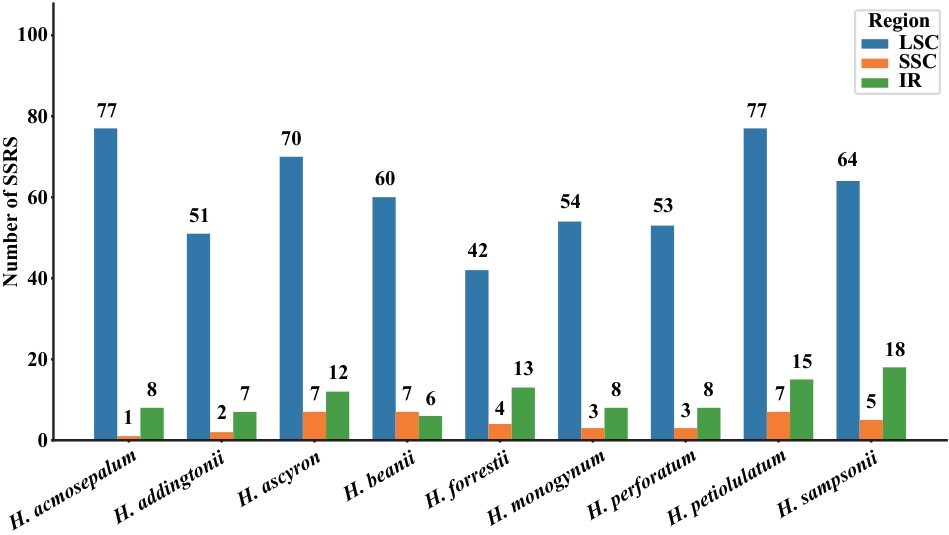
Fig. 3 Frequency of SSR repeat types in the LSC, SSC, and IR regions
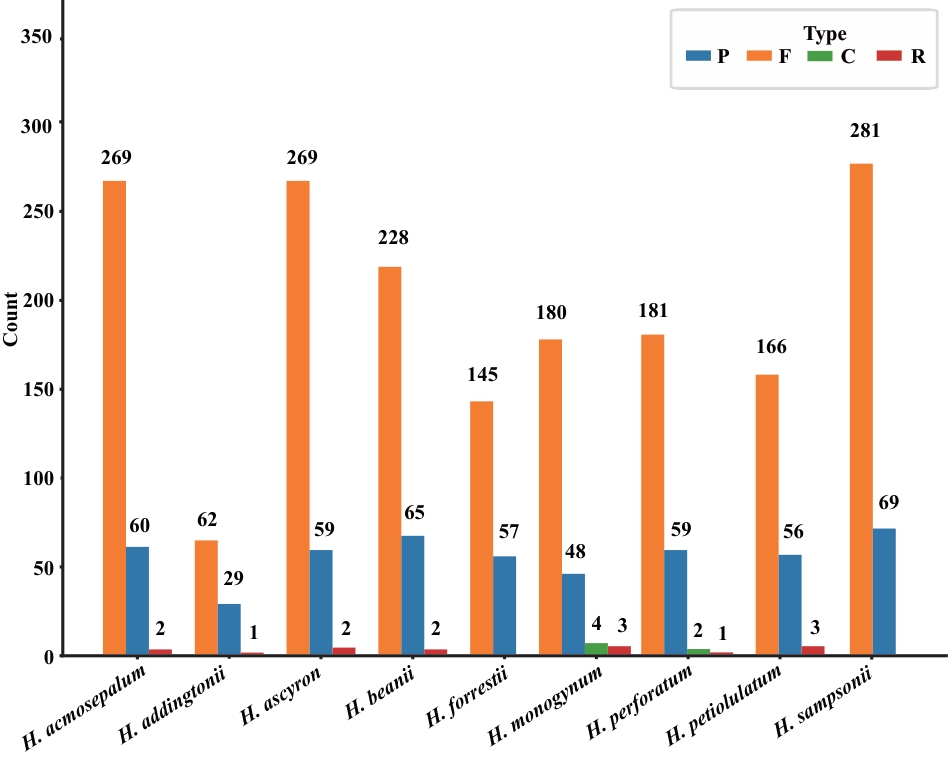
Fig. 4 Number and types of long repeat sequences in nine Hypericum speciesThe blue bars labeled P represent palindromic repeats, the orange bars labeled F represent forward repeats, the green bars labeled C represent complementary repeats, and the red bars labeled R represent reverse repeats
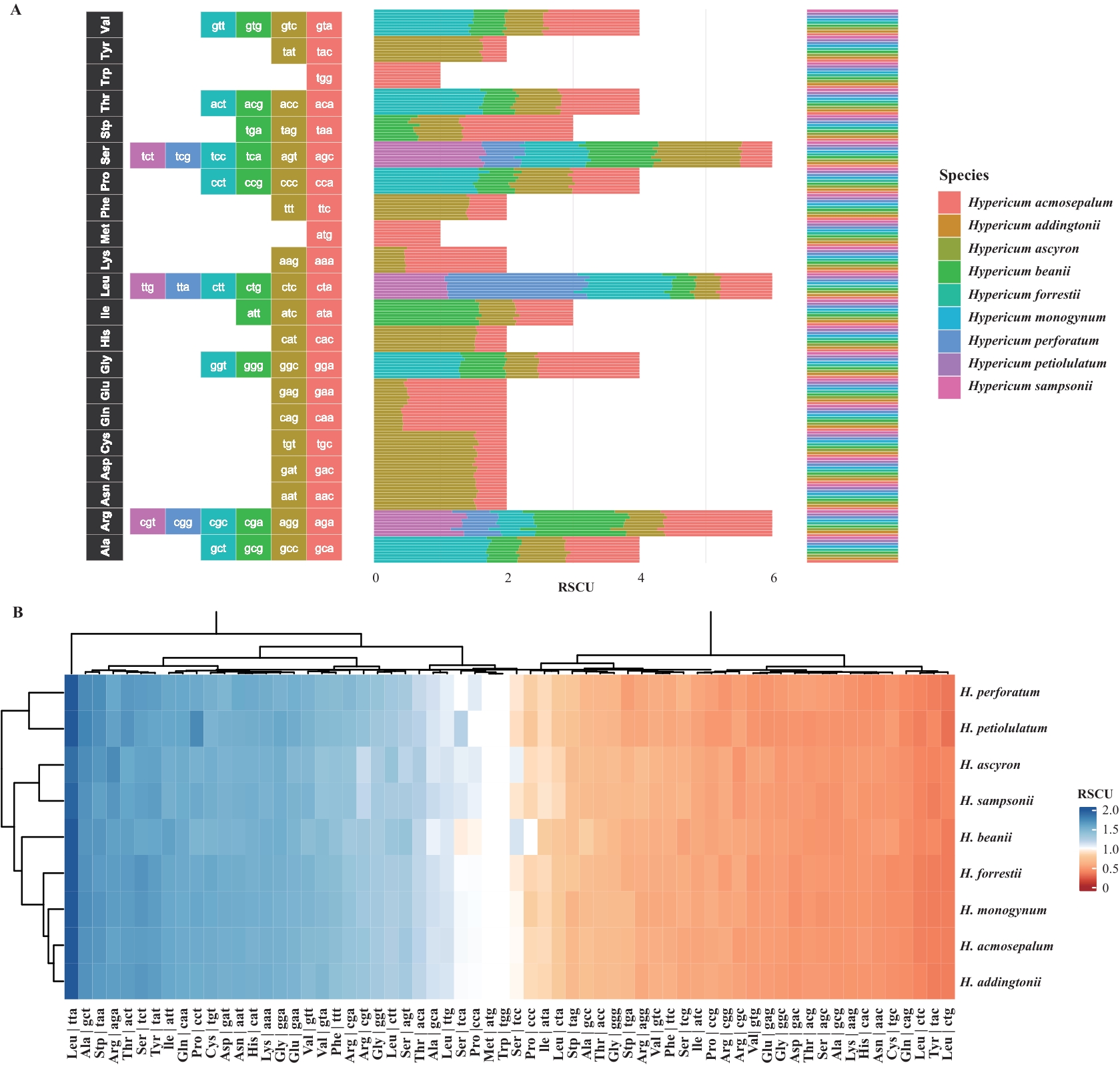
Fig. 5 Relative synonymous codon usage (RSCU) in Hypericum speciesA: Bar chart of RSCU for different codons across nine Hypericum species. B: Heatmap of RSCU values for nine Hypericum species
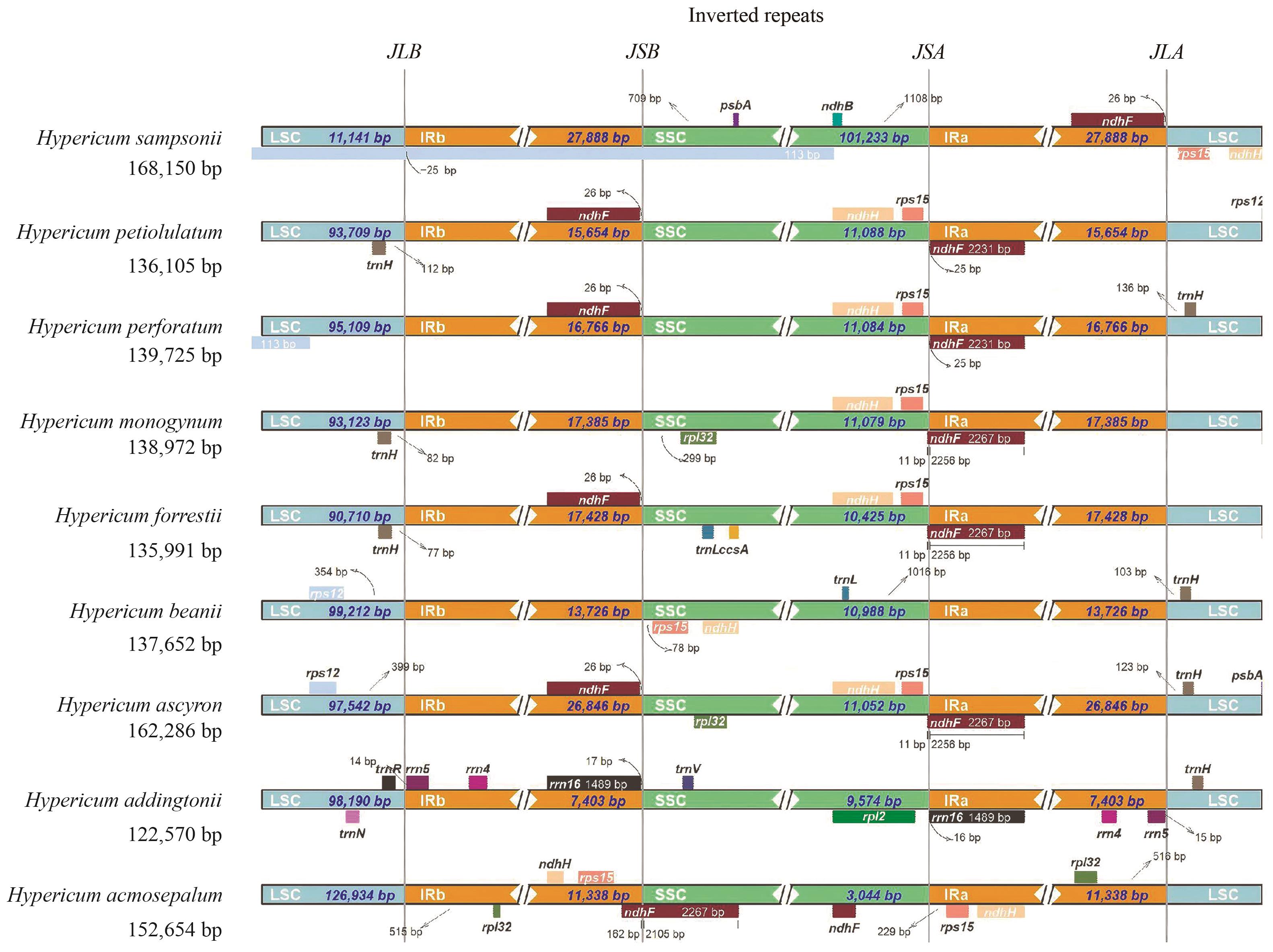
Fig. 6 Comparison of the boundaries of LSC, SSC, and IR regions in the chloroplast genomes of nine Hypericum species
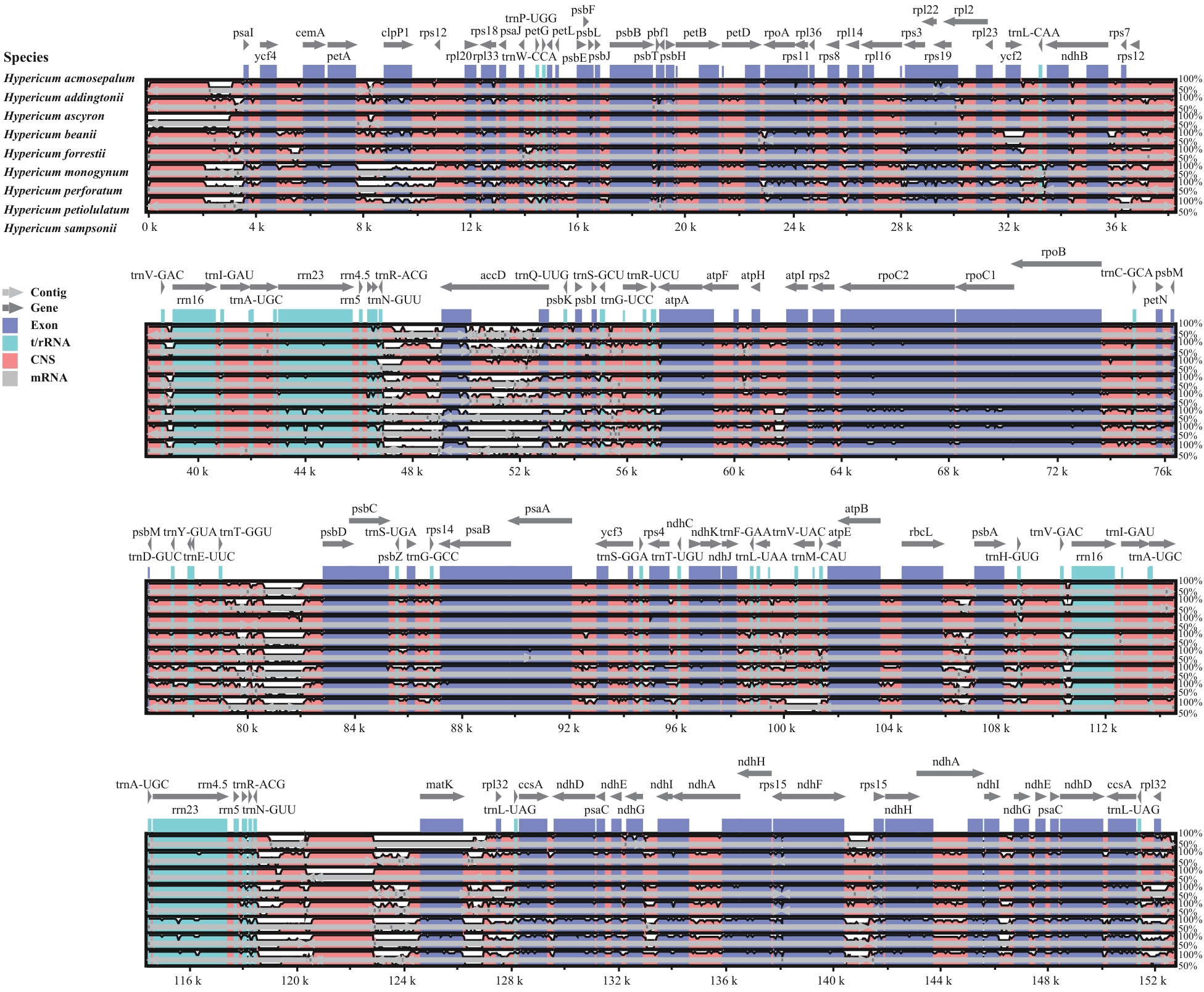
Fig. 7 Comparative map of sequence features of the chloroplast genomes of nine Hypericum speciesThe x-axis represents the nucleotide sequence, and the y-axis represents the sequence homology percentage, ranging from 50% to 100%. Conserved regions are highlighted below the curve, with red indicating “Conserved Noncoding Sequences” (CNS), dark blue indicating exons, and light blue indicating tRNA or rRNA
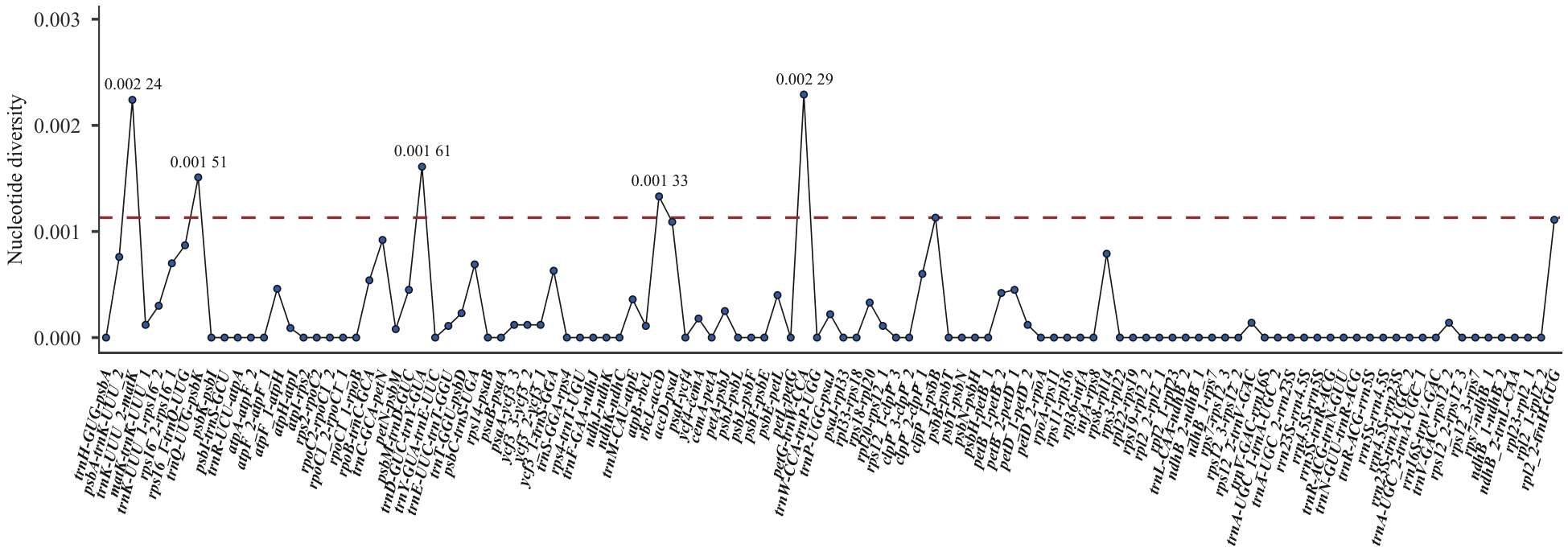
Fig. 8 Sliding window analysis of the complete chloroplast genomes of nine Hypericum speciesx-axis: midpoint position of each window; y-axis: nucleotide diversity of each window. The red dashed line represents the average nucleotide diversity across the complete chloroplast genomes of the nine Hypericum species
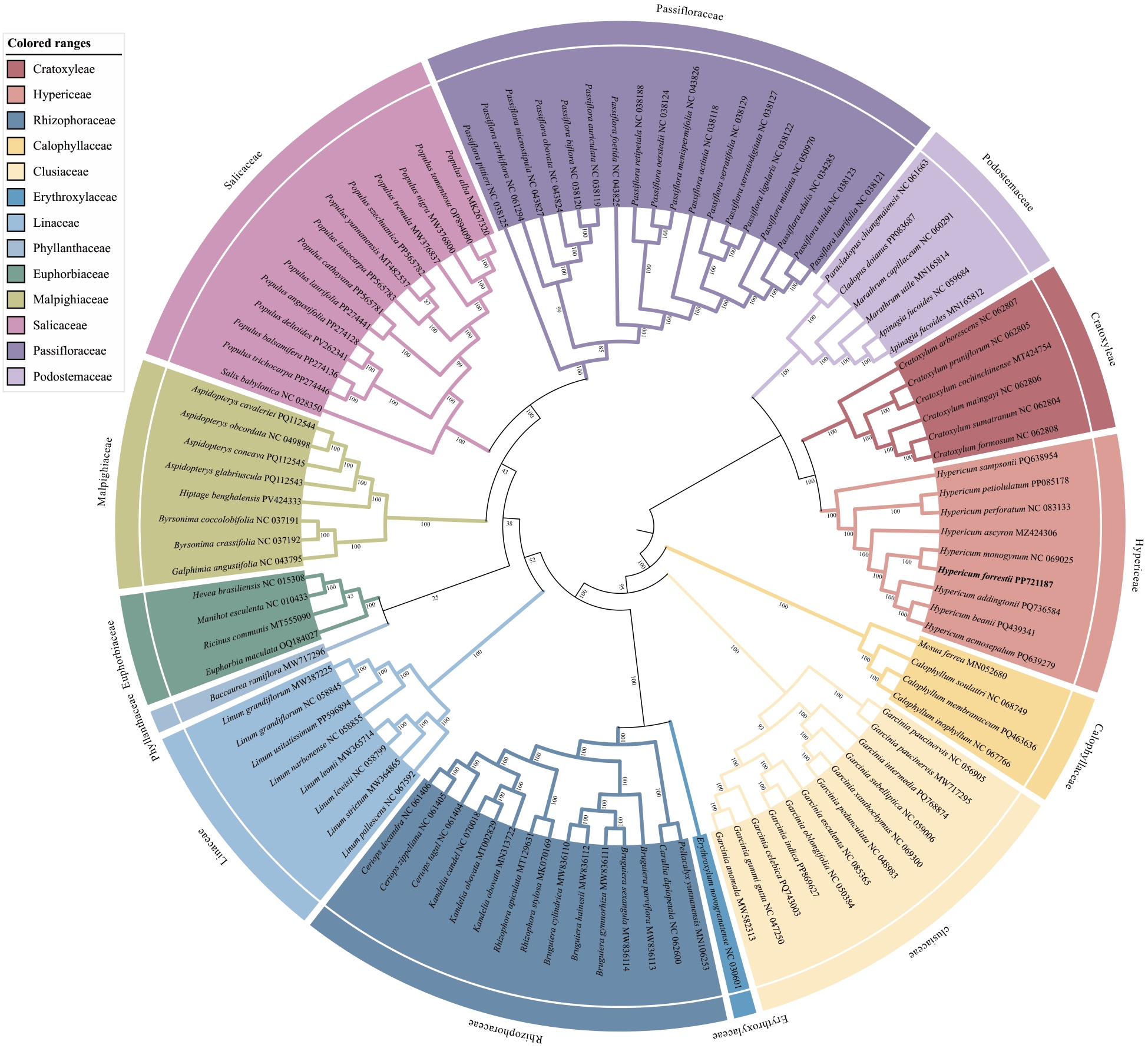
Fig. 9 Maximum likelihood phylogenetic tree of Malpighiales based on chloroplast genomes
| [1] | Kladar N, Božin B, Bijelić K, et al. Biological activity of genus Hypericum Sect. Hypericum species——H. Tetrapterum, H. maculatum subsp. immaculatum, H. triquetrifolium [J]. Molecules, 2023, 28(17): 6218. |
| [2] | Apaydin EA, Maher AR, Shanman R, et al. A systematic review of St. John’s wort for major depressive disorder [J]. Syst Rev, 2016, 5: 148. |
| [3] | Barnes J, Anderson LA, Phillipson JD. St John’s wort (Hypericum perforatum L.): a review of its chemistry, pharmacology and clinical properties [J]. J Pharm Pharmacol, 2001, 53(5): 583-600. |
| [4] | Yan K, Lu X, Li WD, et al. Chloroplast genome diversity and molecular evolution in Hypericaceae: new insights from three Hypericum species [J]. Int J Mol Sci, 2025, 26(1): 323. |
| [5] | Khade YP, Mainkar P, Chandanshive A, et al. Harnessing chloroplast SSRs to decipher genetic diversity in underutilized Allium species [J]. Front Plant Sci, 2025, 16: 1645145. |
| [6] | Plunkett GM, Downie SR. Expansion and contraction of the chloroplast inverted repeat in Apiaceae subfamily apioideae [J]. Syst Bot, 2000, 25(4): 648. |
| [7] | Dong WP, Liu J, Yu J, et al. Highly variable chloroplast markers for evaluating plant phylogeny at low taxonomic levels and for DNA barcoding [J]. PLoS One, 2012, 7(4): e35071. |
| [8] | Cai LM, Xi ZX, Lemmon EM, et al. The perfect storm: gene tree estimation error, incomplete lineage sorting, and ancient gene flow explain the most recalcitrant ancient angiosperm clade, malpighiales [J]. Syst Biol, 2021, 70(3): 491-507. |
| [9] | Tokuoka T, Tobe H. Phylogenetic analyses of Malpighiales using plastid and nuclear DNA sequences, with particular reference to the embryology of Euphorbiaceae Sens. str [J]. J Plant Res, 2006, 119(6): 599-616. |
| [10] | Pahlich E, Gerlitz C. A rapid DNA isolation procedure for small quantities of fresh leaf tissue [J]. Phytochemistry, 1980, 19: 11-13. |
| [11] | Bolger AM, Lohse M, Usadel B. Trimmomatic: a flexible trimmer for Illumina sequence data [J]. Bioinformatics, 2014, 30(15): 2114-2120. |
| [12] | Bankevich A, Gurevich AA, Dvorkin M, et al. SPAdes: a new genome assembly algorithm and its applications to single-cell sequencing [J]. J Comput Biol, 2012, 19(5): 455-477. |
| [13] | Shi LC, Chen HM, Jiang M, et al. CPGAVAS2, an integrated plastome sequence annotator and analyzer [J]. Nucleic Acids Res, 2019, 47(W1): W65-W73. |
| [14] | Kearse M, Moir R, Wilson A, et al. Geneious Basic: an integrated and extendable desktop software platform for the organization and analysis of sequence data [J]. Bioinformatics, 2012, 28(12): 1647-1649. |
| [15] | Lohse M, Drechsel O, Kahlau S, et al. OrganellarGenomeDRAW—a suite of tools for generating physical maps of plastid and mitochondrial genomes and visualizing expression data sets [J]. Nucleic Acids Res, 2013, 41(W1): W575-W581. |
| [16] | Beier S, Thiel T, Münch T, et al. MISA-web: a web server for microsatellite prediction [J]. Bioinformatics, 2017, 33(16): 2583-2585. |
| [17] | Kurtz S. REPuter: the manifold applications of repeat analysis on a genomic scale [J]. Nucleic Acids Res, 2001, 29(22): 4633-4642. |
| [18] | Huang LJ, Yu HX, Wang Z, et al. CPStools: a package for analyzing chloroplast genome sequences [J]. iMetaOmics, 2024, 1(2): e25. |
| [19] | Maździarz M, Zając S, Paukszto Ł, et al. RSCUcaller: an R package for analyzing differences in relative synonymous codon usage (RSCU) [J]. BMC Bioinform, 2025, 26: 141. |
| [20] | Amiryousefi A, Hyvönen J, Poczai P. IRscope: an online program to visualize the junction sites of chloroplast genomes [J]. Bioinformatics, 2018, 34(17): 3030-3031. |
| [21] | Frazer KA, Pachter L, Poliakov A, et al. VISTA: computational tools for comparative genomics [J]. Nucleic Acids Res, 2004, 32: W273-W279. |
| [22] | Zhang D, Gao FL, Jakovlić I, et al. PhyloSuite: an integrated and scalable desktop platform for streamlined molecular sequence data management and evolutionary phylogenetics studies [J]. Mol Ecol Resour, 2020, 20(1): 348-355. |
| [23] | Katoh K, Standley DM. MAFFT multiple sequence alignment software version 7: improvements in performance and usability [J]. Mol Biol Evol, 2013, 30(4): 772-780. |
| [24] | Castresana J. Selection of conserved blocks from multiple alignments for their use in phylogenetic analysis [J]. Mol Biol Evol, 2000, 17(4): 540-552. |
| [25] | Nguyen LT, Schmidt HA, von Haeseler A, et al. IQ-TREE: a fast and effective stochastic algorithm for estimating maximum-likelihood phylogenies [J]. Mol Biol Evol, 2015, 32(1): 268-274. |
| [26] | Letunic I, Bork P. Interactive Tree of Life (iTOL) v6: recent updates to the phylogenetic tree display and annotation tool [J]. Nucleic Acids Res, 2024, 52(W1): W78-W82. |
| [27] | Rozas J, Ferrer-Mata A, Sánchez-DelBarrio JC, et al. DnaSP 6: DNA sequence polymorphism analysis of large data sets [J]. Mol Biol Evol, 2017, 34(12): 3299-3302. |
| [28] | Cauz-Santos LA. Beyond conservation: the landscape of chloroplast genome rearrangements in angiosperms [J]. New Phytol, 2025, 247(6): 2571-2580. |
| [29] | Fu N, Ji MY, Rouard M, et al. Comparative plastome analysis of Musaceae and new insights into phylogenetic relationships [J]. BMC Genom, 2022, 23: 223. |
| [30] | Shen LW, Chen SQ, Liang M, et al. Comparative analysis of codon usage bias in chloroplast genomes of ten medicinal species of Rutaceae [J]. BMC Plant Biol, 2024, 24(1): 424. |
| [31] | Dekhkonov D, Asatulloev T, Yusupov Z, et al. Comparative chloroplast genome and phylogenetic analysis of Central Asian tulips [J]. Nord J Bot, 2025, 2025(7): e04460. |
| [32] | Li JX, Du Y, Xie L, et al. Comparative plastome genomics and phylogenetic relationships of the genus Trollius [J]. Front Plant Sci, 2023, 14: 1293091. |
| [33] | Meena RK, Negi N, Uniyal N, et al. Chloroplast-based DNA barcode analysis indicates high discriminatory potential of matK locus in Himalayan temperate bamboos [J]. 3 Biotech, 2020, 10(12): 534. |
| [34] | Fan YJ, Li CG, Ma C, et al. Holistic approach for plant species circumscription integrating standard barcodes, chloroplast genomes, single-copy nuclear genes and micro-morphological data: a case study in Epimedium (Berberidaceae) [J]. BMC Genom, 2025, 26: 931. |
| [35] | Andermann T, Torres Jiménez MF, Matos-Maraví P, et al. A guide to carrying out a phylogenomic target sequence capture project [J]. Front Genet, 2020, 10: 1407. |
| [36] | Trevisan B, Alcantara DMC, Machado DJ, et al. Genome skimming is a low-cost and robust strategy to assemble complete mitochondrial genomes from ethanol preserved specimens in biodiversity studies [J]. PeerJ, 2019, 7: e7543. |
| [37] | Antil S, Abraham JS, Sripoorna S, et al. DNA barcoding, an effective tool for species identification: a review [J]. Mol Biol Rep, 2023, 50(1): 761-775. |
| [38] | Wang WW, Schalamun M, Morales-Suarez A, et al. Assembly of chloroplast genomes with long- and short-read data: a comparison of approaches using Eucalyptus pauciflora as a test case [J]. BMC Genom, 2018, 19: 977. |
| [39] | Wu H, Li DZ, Ma PF. Unprecedented variation pattern of plastid genomes and the potential role in adaptive evolution in Poales [J]. BMC Biol, 2024, 22: 97. |
| [1] | LIU Rou-zhi, WU Jia-qi, WU Hui-ye, YUAN Jing-yi, CHENG Tang-ren, ZHANG Qi-xiang, YUAN Cun-quan. Comparative Analysis of Chloroplast Genome Characteristics among Three Cultivated Types of Chrysanthemum Varieties [J]. Biotechnology Bulletin, 2026, 42(8): 239-250. |
| [2] | WANG Zhi, HU Guang-ming, LUO Xuan, GAO Lei, YE Li-xia, HUANG Qiong, XIAO Tao, ZHANG Lei. Chloroplast Genome Characteristics and Phylogenetic Analysis of Actinidia rubricaulis var. coriacea [J]. Biotechnology Bulletin, 2026, 42(8): 173-187. |
| [3] | MENG Hong-yu, LIU Ya-nan, WU Jun-xin, SHEN Qiong. Identification and Analysis of the NAC Transcription Factors Gene Family in Cucurbita moschata Duch. [J]. Biotechnology Bulletin, 2026, 42(6): 237-249. |
| [4] | LIANG Hui-qi, CHEN Yi-cun, WANG Yang-dong, ZHAO Yun-xiao, GAO Ming. Identification and Expression Analysis of the PAT1 Gene Subfamily in Litsea cubeba during Graft Union Healing [J]. Biotechnology Bulletin, 2026, 42(5): 302-311. |
| [5] | LI Yu-zhen, LI Meng-dan, ZHANG Wei, PENG Ting. Functional Study of RmEXPB2 Genein Rosa multiflora Based on the Identification of the Expansin Gene Family in Rosa sp. [J]. Biotechnology Bulletin, 2025, 41(9): 182-194. |
| [6] | WEI Yao, ZHANG Jing-jing, CUI Yun-xiao, LIU Yu, LIU Hai-rui. Phylogenetic Analysis of Lonicera Sect. Nintooa Based on Chloroplast Genomes Data [J]. Biotechnology Bulletin, 2025, 41(8): 276-288. |
| [7] | ZHANG Ze, YANG Xiu-li, NING Dong-xian. Identification of 4CL Gene Family in Arachis hypogaea L. and Expression Analysis in Response to Drought and Salt Stress [J]. Biotechnology Bulletin, 2025, 41(7): 117-127. |
| [8] | AN Chang, XU Wen-bo, LU Lin, LI Deng-lin, YAO Yi-xin, LIN Yan-xiang, YANG Cheng-zi, QIN Yuan, ZHENG Ping. Comparative Analysis of Glehnia littoralis from Different Geographic Regions Based on the Characteristics of Chloroplast Genome [J]. Biotechnology Bulletin, 2025, 41(6): 229-242. |
| [9] | LI Bin, SU Xiang-ping, LIU Chang, WANG Yu-bing, ZHANG Yong-hong, ZHOU Chao, XU Qing. Chloroplast Genome Characteristics and Phylogenetic Analysis of Scrophulariaceae [J]. Biotechnology Bulletin, 2025, 41(3): 240-254. |
| [10] | YANG Chen-xin, LI Meng-xiu, JIANG Tang, ZHANG Wen-e, PAN Xue-jun. Identification and Expression Analysis of Anthocyanin-associated R2R3-MYB Genes in Canna indica [J]. Biotechnology Bulletin, 2025, 41(12): 201-213. |
| [11] | MIAO Hao-xiang, ZHANG Ying, GUO Shi-peng, ZHANG Jian. Whole Genome Sequencing and Comparative Genomic Analysis of a High-yielding γ-aminobutyric Acid-producing Lactobacillus brevis TCCC13007 [J]. Biotechnology Bulletin, 2025, 41(11): 166-176. |
| [12] | HU Yan-an, DAI Xin-lyu, ZHONG Jiao-yan, LI Rui-min, HUANG Gui-yan. Comparative Genomics-based Identification and Functional Characterization of Key Genes Resisting Huanglongbing in Citrus [J]. Biotechnology Bulletin, 2025, 41(11): 282-292. |
| [13] | QIN Wen-jun, XIONG Yan-jie, ZHAO Ran, MA Xiao-ran, YE Xiao-meng, SONG Jiang-hua. Identification and Expression Analysis of the ARF Gene Family in Cabbage under Abiotic Stress [J]. Biotechnology Bulletin, 2025, 41(10): 253-263. |
| [14] | YANG Wei, ZHAO Li-fen, TANG Bing, ZHOU Lin-bi, YANG Juan, MO Chuan-yuan, ZHANG Bao-hui, LI Fei, RUAN Song-lin, DENG Ying. Genome-wide Identification and Expression Analysis of the SRO Gene Family in Brassica juncea L. [J]. Biotechnology Bulletin, 2024, 40(8): 129-141. |
| [15] | YANG Yu-qing, TAN Juan, WANG Fang, PENG Shun-li, CHEN Jie, TAN Ming-yan, LYU Mei-yan, ZHOU Fu-yu, LIU Sheng-chuan. Research and Application Progress in Chloroplast Genome of Tea Plant(Camellia sinensis) [J]. Biotechnology Bulletin, 2024, 40(2): 20-30. |
| Viewed | ||||||
|
Full text |
|
|||||
|
Abstract |
|
|||||
