







Biotechnology Bulletin ›› 2026, Vol. 42 ›› Issue (8): 162-172.doi: 10.13560/j.cnki.biotech.bull.1985.2025-1395
LI Shu-ting1, WANG Ying1, DING Jia-hao1, HU Rong-fang1, LI Chen1, SONG Ya-nan2( ), XUE Jin-ai1,3()
Received:2025-12-20
Online:2026-08-26
Published:2026-08-17
Contact:
SONG Ya-nan, XUE Jin-ai
E-mail:songyn2019@163.com;xuejinai@sxau.edu.cn
LI Shu-ting, WANG Ying, DING Jia-hao, HU Rong-fang, LI Chen, SONG Ya-nan, XUE Jin-ai. Genome-wide Identification of the FAT Gene Family and Functional Analysis of CeFATA in Cyperus esculentus[J]. Biotechnology Bulletin, 2026, 42(8): 162-172.
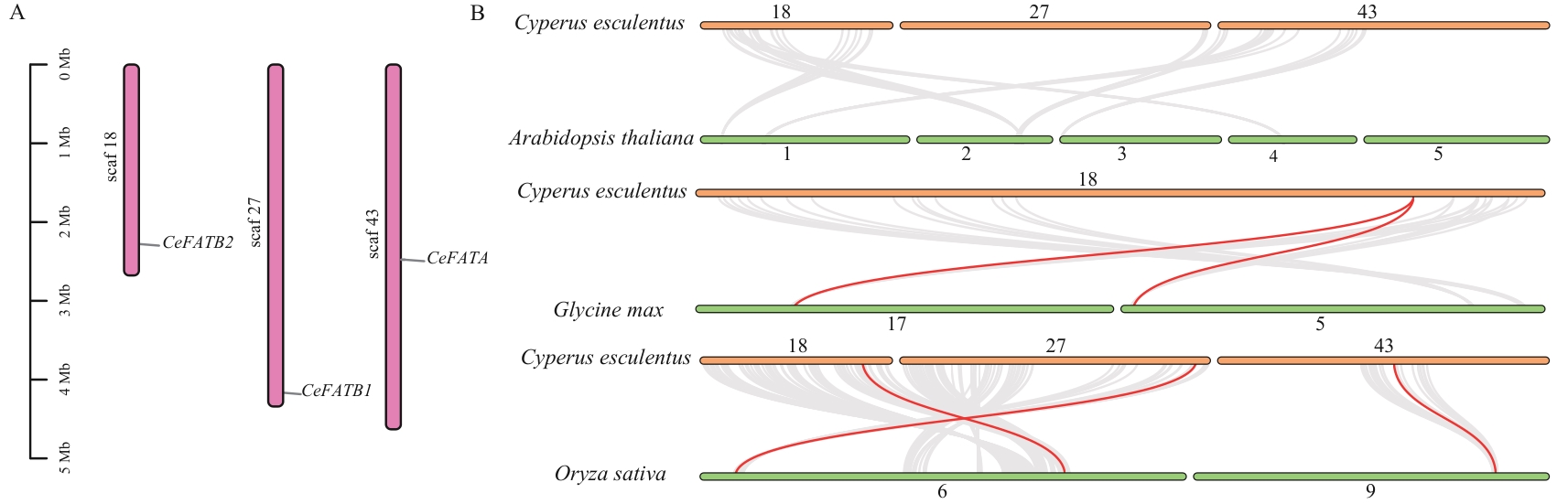
Fig. 1 Chromosomal localization of CeFATs genes in C. esculentus (A) and synteny analysis with three plant species (Arabidopsis, soybean, and rice) (B)
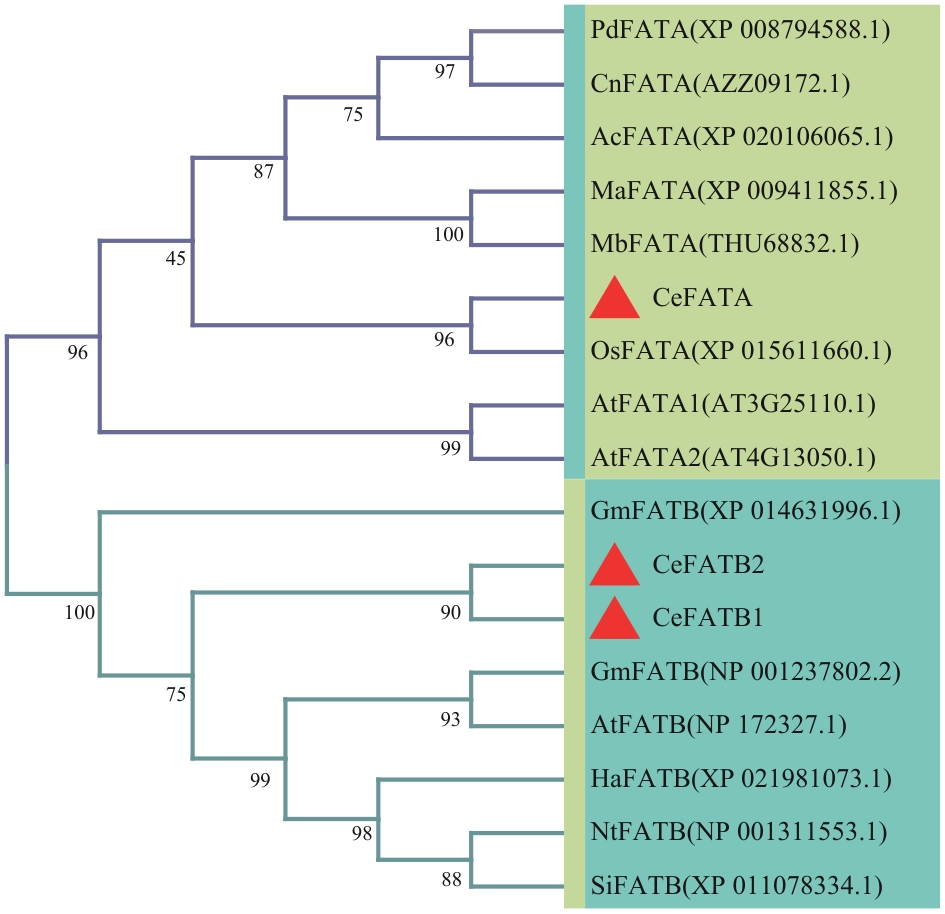
Fig. 2 Phylogenetic tree analysis of CeFATs and FAT proteins from different speciesCe: Cyperus esculentusis; Pd: Phoenix dactylifera;Cn: Cocos nucifera; Ma: Musa acuminata; Mb: Musa balbisiana; At: Arabidopsis thaliana; Os: Oryza sativa; Gm: Glycine max; Ha: Helianthus annuus; Nt: Nicotiana tabacum; Si: Sesamum indicum;Ac: Ananas comosus
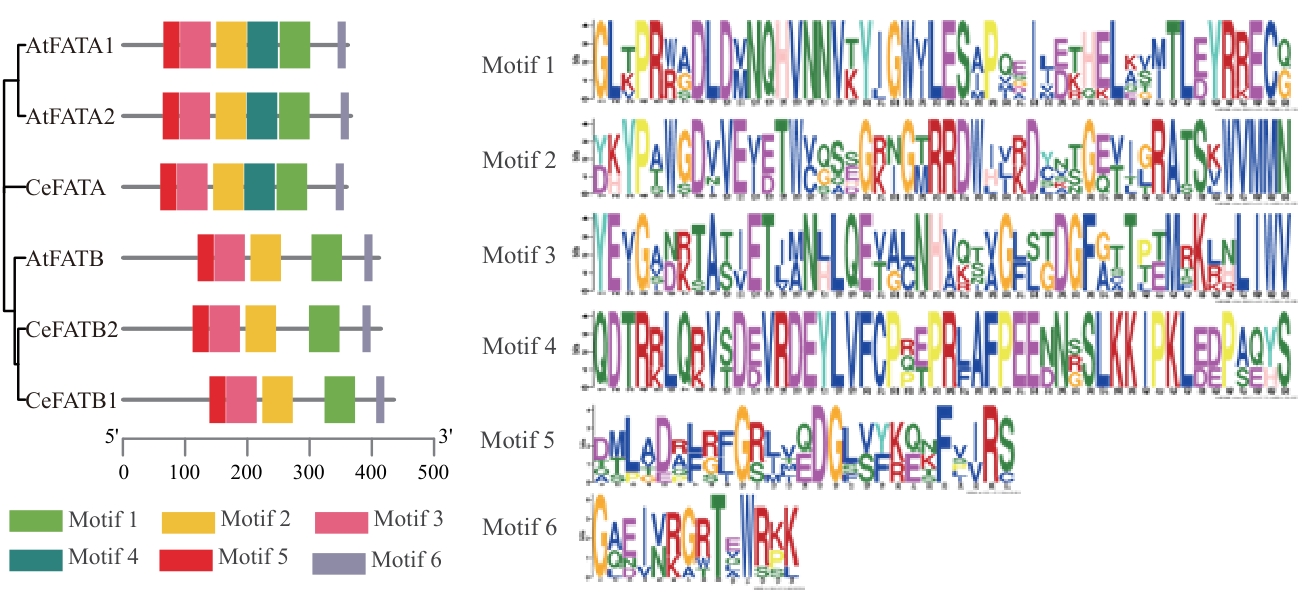
Fig. 3 Analysis of FAT family protein structure and amino acid composition in C. esculentus

Fig. 4 Cis-acting element analysis of CeFATs genes in C. esculentus
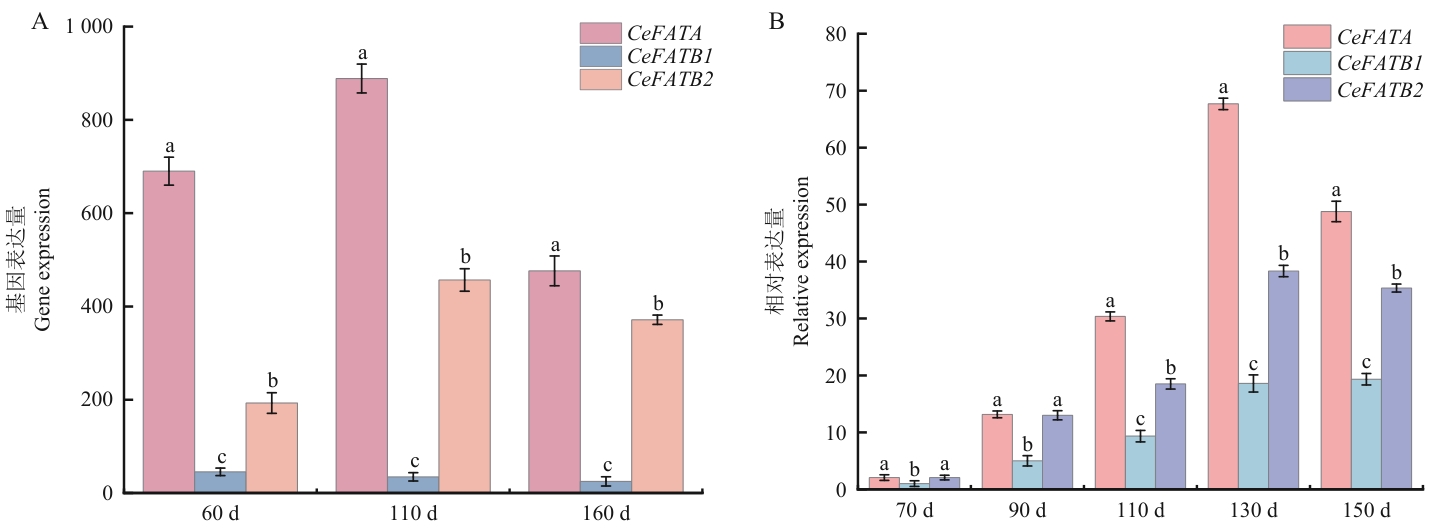
Fig. 5 Transcriptome expression profiling (A) and RT-qPCR analysis (B) of CeFATs at different tuber developmental stages in C. esculentusDifferent lowercase letters indicate significant differences (P<0.05). The same below
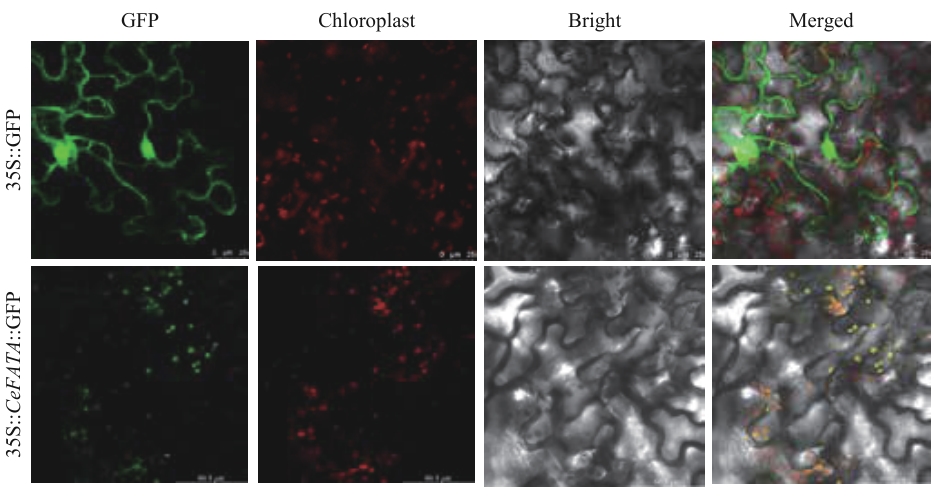
Fig. 6 Subcellular localization of CeFATA protein
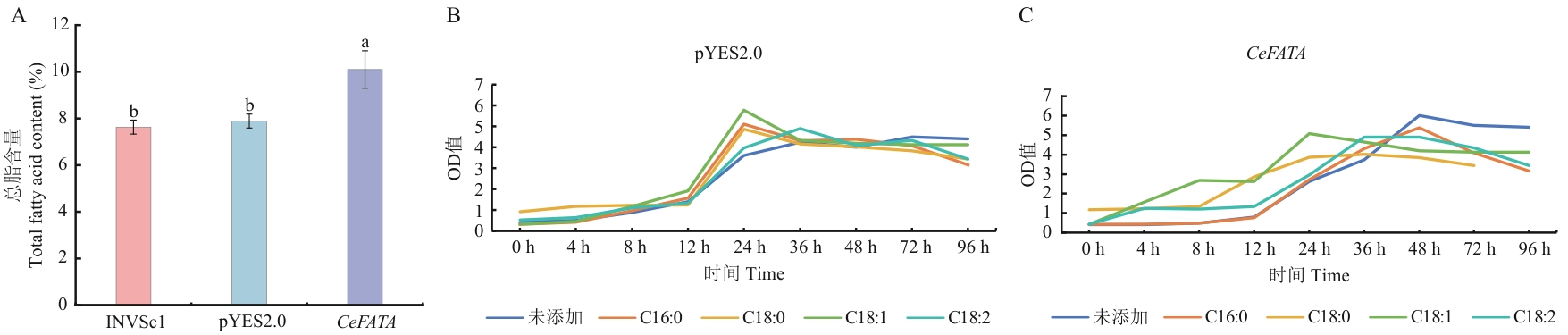
Fig. 7 Total fatty acid content and growth curve of transgenic yeast under exogenous fatty acid additionA: Total fatty acid content; B: Growth curves of empty-vector yeast with four exogenous fatty acids; C: Growth curves of transgenic yeast with four exogenous fatty acids
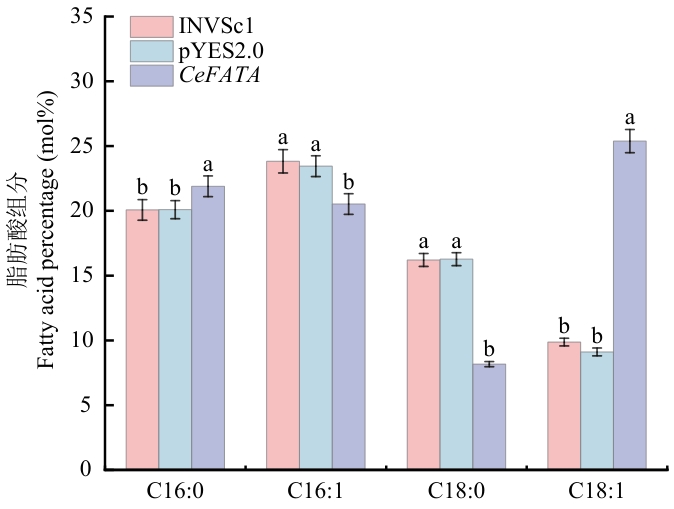
Fig. 8 Fatty acid contents of transgenic yeast
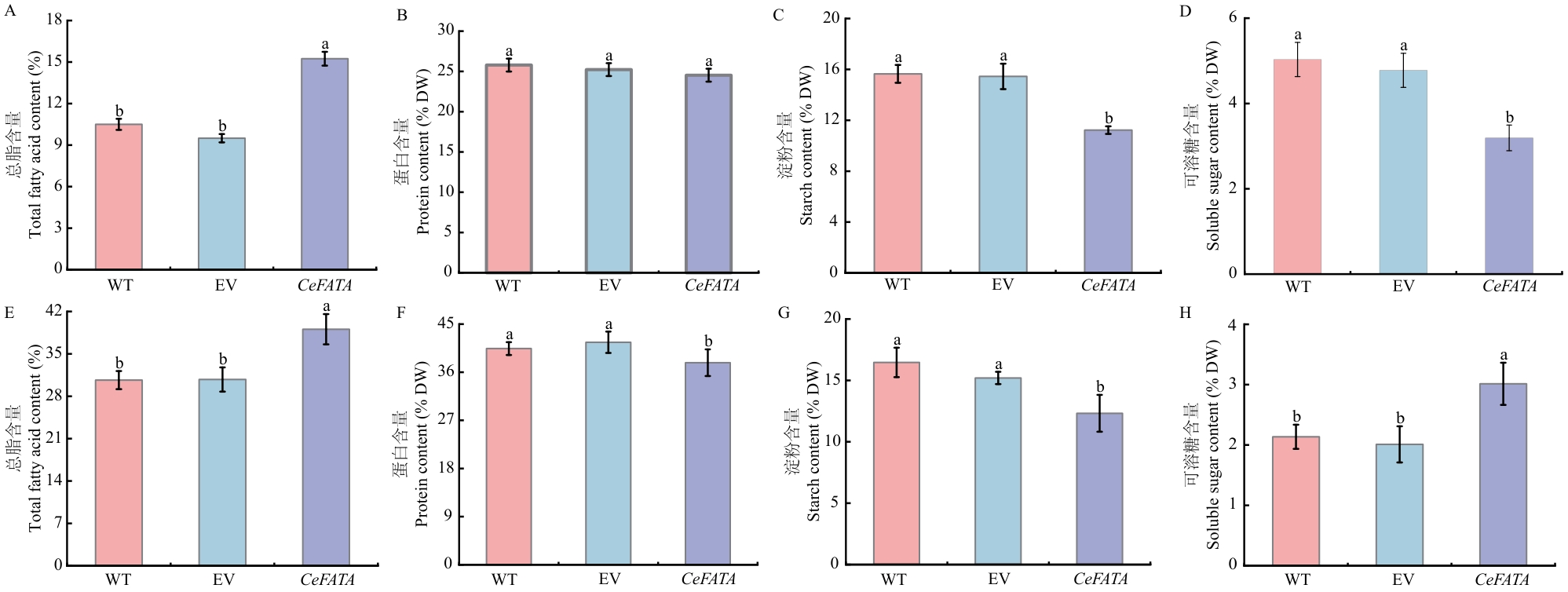
Fig. 9 Physiological and biochemical indices of transgenic tobacco linesA: Total lipid content in leaves. B: Protein content in leaves. C: Starch content in leaves. D: Soluble sugar content in leaves. E: Total lipid content in seeds. F: Protein content in seeds. G: Starch content in seeds. H: Soluble sugar content in seeds. WT: Wild tobacco; EV: Empty vector tobacco; CeFATA: Transgenic tobacco lines. DW: Dry weight
| [1] | Asare PA, Kpankpari R, Adu MO, et al. Phenotypic characterization of tiger nuts (Cyperus esculentus L.) from major growing areas in Ghana [J]. Sci World J, 2020, 2020: 7232591. |
| [2] | 中华人民共和国农业农村部. 对十四届全国人大一次会议第0595号建议的答复[EB/OL]. 2023-07-03. |
| Ministry of Agriculture and Rural Affairs of the People’s Republic of China. Reply to Recommendation No. 0595 of the First Session of the 14th National People’s Congress [EB/OL]. 2023-07-03. | |
| [3] | 李昕儒, 高宇, 苗淑楠, 等. 油莎豆生长素受体TIR1基因家族鉴定及响应盐胁迫和外源IBA的表达分析 [J]. 热带作物学报, 2023, 44(5): 894-904. |
| Li XR, Gao Y, Miao SN, et al. Identification of auxin receptor gene TIR1 family in Cyperus esculentus and the expression analysis in response to salt stress and exogenous IBA [J]. Chin J Trop Crops, 2023, 44(5): 894-904. | |
| [4] | 张向歌, 陈晨, 程珊, 等. 油莎豆块茎特异性表达基因鉴定及分析 [J]. 植物学报, 2025, 60(1): 33-48. |
| Zhang XG, Chen C, Cheng S, et al. Identification and analysis of Tuber-specific expression genes in Cyperus esculentus [J]. Chin Bull Bot, 2025, 60(1): 33-48. | |
| [5] | Sarve A, Varma MN, Sonawane SS. Optimization and kinetic studies on biodiesel production from kusum (Schleichera triguga) oil using response surface methodology [J]. J Oleo Sci, 2015, 64(9): 987-997. |
| [6] | 陶芬芳, 邢蔓, 岳宁燕, 等. 植物三酰甘油合成相关基因研究进展 [J]. 作物研究, 2017, 31(3): 330-336. |
| Tao FF, Xing M, Yue NY, et al. Research advances of genes related to plant triacylglycerol synthesis [J]. Crop Res, 2017, 31(3): 330-336. | |
| [7] | Penfield S, Pinfield-Wells HM, Graham IA. Storage reserve mobilisation and seedling establishment in Arabidopsis [J]. Arab Book, 2006, 4: e0100. |
| [8] | Zheng PZ, Ali Babar M, Parthasarathy S, et al. A truncated FatB resulting from a single nucleotide insertion is responsible for reducing saturated fatty acids in maize seed oil [J]. Theor Appl Genet, 2014, 127(7): 1537-1547. |
| [9] | 李付鹏, 邓云梅, 伍宝朵, 等. 可可FAT基因家族进化及表达模式分析 [J]. 热带作物学报, 2020, 41(5): 947-954. |
| Li FP, Deng YM, Wu BD, et al. Phylogeny and expression profile of fatty acyl-ACP thioesterase (FAT) gene family in cacao (Theobroma cacao L.) [J]. Chin J Trop Crops, 2020, 41(5): 947-954. | |
| [10] | 张会, 单雷, 李新国, 等. 花生FAT基因家族的全基因组分析 [J]. 山东农业科学, 2018, 50(6): 19-26. |
| Zhang H, Shan L, Li XG, et al. Whole-genome analysis of peanut FAT gene family [J]. Shandong Agric Sci, 2018, 50(6): 19-26. | |
| [11] | 周菲. 向日葵HaFATA基因的生物信息学和表达分析 [J]. 安徽农业科学, 2024, 52(7): 96-98. |
| Zhou F. Bioinformatics and expression analysis of HaFATA gene in sunflower [J]. J Anhui Agric Sci, 2024, 52(7): 96-98. | |
| [12] | Feng ZY, Cheng XQ, Wang TW, et al. Investigation of GhFAT genes related to seed oil content and fatty acid composition in Gossypium hirsutum L [J]. Phyton, 2023, 92(5): 1633-1647. |
| [13] | 金柳, 李萌晗, 郑育声, 等. 油棕乙酰基酰基载体蛋白硫酯酶EgFATA基因的克隆与功能分析 [J]. 热带生物学报, 2023, 14(4): 357-363. |
| Jin L, Li MH, Zheng YS, et al. Cloning and functional analysis of the fatty acyl-ACP thioesterase EgFATA in oil palm [J]. J Trop Biol, 2023, 14(4): 357-363. | |
| [14] | 周洲, 张德强, 卢孟柱. 毛白杨乙酰-乙酰载体蛋白硫脂酶基因(PtFATB)的克隆与表达分析 [J]. 遗传学报, 2007, 34(3): 267-274. |
| Zhou Z, Zhang DQ, Lu MZ. Cloning and expression analysis of PtFATB gene encoding the acyl-acyl carrier protein thioesterase in Populus tomentosa carr [J]. Acta Genet Sin, 2007, 34(3): 267-274. | |
| [15] | 李菁菁, 林中珍, 黎志强, 等. 家禽脂质代谢相关基因及miRNAs研究进展 [J]. 四川农业大学学报, 2021, 39(1): 93-100. |
| Li JJ, Lin ZZ, Li ZQ, et al. Research progress on lipid metabolism related genes and miRNAs in poultry [J]. J Sichuan Agric Univ, 2021, 39(1): 93-100. | |
| [16] | 张中甜. 油莎豆油体蛋白家族的全基因组鉴定与功能分析 [D]. 武汉: 华中农业大学, 2023. |
| Zhang ZT. Genome-wide identification and functionalanalysis of the oleosin family in tigernut (Cyperus esculentus L.) [D]. Wuhan: Huazhong Agricultural University, 2023. | |
| [17] | 高宇. 块茎富油作物油莎豆CeDGAT基因的克隆及功能分析 [D]. 太谷: 山西农业大学, 2020. |
| Gao Y. Cloning and functional analysis of CeDGAT genes from oil-rich tubers of Cyperus esculentus [D]. Taigu: Shanxi Agricultural University, 2020. | |
| [18] | 荆美玲. 油莎豆油脂合成基因CePDAT3基因的克隆及功能研究 [D]. 长春: 吉林农业大学, 2022. |
| Jing ML. Cloning and functional study of CePDAT3 gene for oil synthesis from Cyperus esculentusis [D]. Changchun: Jilin Agricultural University, 2022. | |
| [19] | 史先飞. 油莎豆丙酮酸激酶基因家族鉴定及功能分析 [D]. 太谷: 山西农业大学, 2024. |
| Shi XF. Identification and functional analysis of the pyruvate kinase gene family in Cyperus esculentus [D]. Taigu: Shanxi Agricultural University, 2024. | |
| [20] | Mekhedov S, de Ilárduya OM, Ohlrogge J. Toward a functional catalog of the plant genome. a survey of genes for lipid biosynthesis [J]. Plant Physiol, 2000, 122(2): 389-402. |
| [21] | Beisson F, Koo AJK, Ruuska S, et al. Arabidopsis genes involved in acyl lipid metabolism. a 2003 census of the candidates, a study of the distribution of expressed sequence tags in organs, and a web-based database [J]. Plant Physiol, 2003, 132(2): 681-697. |
| [22] | Kalinger RS, Rowland O. Determinants of substrate specificity in a catalytically diverse family of acyl-ACP thioesterases from plants [J]. BMC Plant Biol, 2023, 23: 1. |
| [23] | Ji HY, Liu DT, Yang ZL. High oil accumulation in Tuber of yellow nutsedge compared to purple nutsedge is associated with more abundant expression of genes involved in fatty acid synthesis and triacylglycerol storage [J]. Biotechnol Biofuels, 2021, 14: 54. |
| [24] | Zhu YC, Wang Y, Wei ZM, et al. Analysis of oil synthesis pathway in Cyperus esculentus tubers and identification of oleosin and caleosin genes [J]. J Plant Physiol, 2023, 284: 153961. |
| [25] | 郑玉皎, 常丽丽, 赵永国, 等. 油莎豆块茎高水平表达CePIP1;1基因的克隆与分析 [J]. 热带作物学报, 2024, 45(5): 894-901. |
| Zheng YJ, Chang LL, Zhao YG, et al. Molecular cloning and characterization of CePIP1; 1, an aquaporin gene highly abundant in Cyperus esculentus tubers [J]. Chin J Trop Crops, 2024, 45(5): 894-901. | |
| [26] | Xu CH, Shaw T, Choppararu SA, et al. FatPlants: a comprehensive information system for lipid-related genes and metabolic pathways in plants [J]. Database: Oxford, 2024, 2024: baae074. |
| [27] | Li T, Sun Y, Chen Y, et al. Characterisation of two novel genes encoding Δ9 fatty acid desaturases (CeSADs) for oleic acid accumulation in the oil-rich Tuber of Cyperus esculentus [J]. Plant Sci, 2022, 319: 111243. |
| [28] | Gao YF, Wang L, Cao SS, et al. Identification of miRNAs involved in lipid metabolism and Tuber development in Cyperus esculentus L [J]. Plants, 2024, 13(23): 3305. |
| [29] | 姜慧, 张利华, 夏媛媛, 等. 酿酒酵母产脂肪酸乙酯代谢途径改造 [J]. 食品与生物技术学报, 2022, 41(2): 94-105. |
| Jiang H, Zhang LH, Xia YY, et al. Metabolic pathway modification of Saccharomyces cerevisiae for overproducing fatty acid ethyl ester [J]. J Food Sci Biotechnol, 2022, 41(2): 94-105. | |
| [30] | 刘文浩, 王瑞丰, 刘琬琳, 等. 不同调控元件及组合对烟草外源蛋白瞬时表达的效果分析 [J]. 生物技术通报, 2020, 36(7): 62-71. |
| Liu WH, Wang RF, Liu WL, et al. Effects of different regulatory elements and their combinations on transient expressions of exogenous proteinsin Nicotiana benthamiana [J]. Biotechnol Bull, 2020, 36(7): 62-71. | |
| [31] | Fernandez-Moya R, Leber C, Cardenas J, et al. Functional replacement of the Saccharomyces cerevisiae fatty acid synthase with a bacterial type II system allows flexible product profiles [J]. Biotech & Bioengineering, 2015, 112(12): 2618-2623. |
| [32] | Chen LW, Zhang JH, Chen WN. Engineering the Saccharomyces cerevisiae β-oxidation pathway to increase medium chain fatty acid production as potential biofuel [J]. PLoS One, 2014, 9(1): e84853. |
| [33] | Leber C, Da Silva NA. Engineering of Saccharomyces cerevisiae for the synthesis of short chain fatty acids [J]. Biotech & Bioengineering, 2014, 111(2): 347-358. |
| [34] | Liao WY, Guo RZ, Qian K, et al. The acyl-acyl carrier protein thioesterases GmFATA1 and GmFATA2 are essential for fatty acid accumulation and growth in soybean [J]. Plant J, 2024, 118(3): 823-838. |
| [35] | Liu Y, Han J, Li ZJ, et al. Heterologous expression of Jatropha curcas fatty acyl-ACP thioesterase a (JcFATA) and B (JcFATB) affects fatty acid accumulation and promotes plant growth and development in Arabidopsis [J]. Int J Mol Sci, 2022, 23(8): 4209. |
| [36] | Peng ZY, Zhang H, Tian HY, et al. The phylogeny and functional characterization of peanut acyl-ACP thioesterases [J]. J Plant Growth Regul, 2020, 39(3): 1381-1392. |
| [37] | Yuan YJ, Gao LC, Sun RH, et al. Seed-specific expression of an acyl-acyl carrier protein thioesterase CnFatB3 from coconut (Cocos nucifera L.) increases the accumulation of medium-chain fatty acids in transgenic Arabidopsis seeds [J]. Sci Hortic, 2017, 223: 5-9. |
| [38] | El Tahchy A, Reynolds KB, Petrie JR, et al. Thioesterase overexpression in Nicotiana benthamiana leaf increases the fatty acid flux into triacylgycerol [J]. FEBS Lett, 2017, 591(2): 448-456. |
| [39] | Nam JW, Yeon J, Jeong J, et al. Overexpression of acyl-ACP thioesterases, CpFatB4 and CpFatB5, induce distinct gene expression reprogramming in developing seeds of Brassica napus [J]. Int J Mol Sci, 2019, 20(13): 3334. |
| [1] | HE Jing-jing, PENG Mao-la-zhuan, YAO Xiao-hua, YAO You-hua, WU Kun-lun, CUI Yong-mei. Cloning and Functional Characterization of HvNAC53 from Hulless Barley [J]. Biotechnology Bulletin, 2026, 42(8): 142-152. |
| [2] | AN Fei-fei, LUO Xiu-qin, CAI Jie, XUE Jing-jing, ZHU Wen-li. Cloning of MeMYB106 in Cassava and Its Function in Anthocyanin Biosynthesis of Leaves [J]. Biotechnology Bulletin, 2026, 42(6): 13-21. |
| [3] | ZHANG Xin, CHEN Cheng, HUO Yuan-Bo, HUANG Ren-Li, ZHANG Li, ZHANG Kai, TONG Hua-rong, YUAN Lian-Yu. Cloning of the CsCRD1 in Tea Plants and Its Impact on Chlorophyll Biosynthesis [J]. Biotechnology Bulletin, 2026, 42(5): 280-291. |
| [4] | CHEN Deng-ke, LAN Gang, XIA Zhi, HOU Bao-guo, YANG Liu-liu, CAO Cai-rong, LI Peng-bo, WU Cui-cui. Identification of ZF-HD Gene Family in Arachis hypogaea and Analysis in Response to Abiotic Stress [J]. Biotechnology Bulletin, 2026, 42(4): 114-128. |
| [5] | YIN Yue, QIN Xiao-ya, MI Jia, AN Wei, HE Jun, ZHANG Feng-feng. Identification of FBN Gene Family and Its Relationship with Carotenoids Metabolism in Lyciumbarbarum [J]. Biotechnology Bulletin, 2026, 42(3): 338-348. |
| [6] | XU Ze, ZHOU Chen-ping, KUANG Rui-bin, WU Xia-ming, YANG Min, LIU Chuan-he, HE Han, WEI Yue-rong. Identification of PG Gene Family and Their Roles in Papaya Fruit Softening [J]. Biotechnology Bulletin, 2026, 42(3): 349-361. |
| [7] | ZENG Ting, ZHANG Lan, LUO Rui. Functional Analysis of the Transcription Factor MpR2R3-MYB17 in Regulating Gemma Development in Marchantia polymorpha L. [J]. Biotechnology Bulletin, 2026, 42(1): 208-217. |
| [8] | REN Yun-er, WU Guo-qiang, CHENG Bin, WEI Ming. Genome-wide Identification of the BvATGs Genes Family in Sugar Beet (Beta vulgaris L.) and Analysis of Their Expression Pattern under Salt Stress [J]. Biotechnology Bulletin, 2026, 42(1): 184-197. |
| [9] | YANG Juan, FENG Hui, JI Nai-zhe, SUN Li-ping, WANG Yun, ZHANG Jia-nan, ZHAO Shi-wei. Cloning and Functional Analysis of AP2/ERF Transcription Factors RcERF4 and RcRAP2-12 in Rose [J]. Biotechnology Bulletin, 2026, 42(1): 150-160. |
| [10] | XU Xiao-ping, YANG Cheng-long, HE Xing, GUO Wen-jie, WU Jian, FANG Shao-zhong. Cloning of the LoAPS1 and Its Function Analysis during the Process of Dormancy Release in Lilium [J]. Biotechnology Bulletin, 2025, 41(9): 195-206. |
| [11] | DONG Xiang-xiang, MIAO Bai-ling, XU He-juan, CHEN Juan-juan, LI Liang-jie, GONG Shou-fu, ZHU Qing-song. Bioinformatics Analysis and Flowering Regulation Function of FveBBX20 Gene in Woodland Strawberry [J]. Biotechnology Bulletin, 2025, 41(9): 115-123. |
| [12] | ZHANG Yong-yan, GUO Si-jian, LI Jing, HAO Si-yi, LI Rui-de, LIU Jia-peng, CHENG Chun-zhen. Gene Cloning and Functional Analysis of the Anthocyanin-related VcGSTF19 Gene in Blueberry (Vaccinium corymbosum L.) [J]. Biotechnology Bulletin, 2025, 41(9): 139-146. |
| [13] | LAI Shi-yu, LIANG Qiao-lan, WEI Lie-xin, NIU Er-bo, CHEN Ying-e, ZHOU Xin, YANG Si-zheng, WANG Bo. The Role of NbJAZ3 in the Infection of Nicotiana benthamiana by Alfalfa Mosaic Virus [J]. Biotechnology Bulletin, 2025, 41(8): 186-196. |
| [14] | LI Xin-ni, LI Jun-yi, MA Xue-hua, HE Wei, LI Jia-li, YU Jia, CAO Xiao-ning, QIAO Zhi-jun, LIU Si-chen. Identification of the PMEI Gene Family of Pectin Methylesterase Inhibitor in Foxtail Millet and Analysis of Its Response to Abiotic Stress [J]. Biotechnology Bulletin, 2025, 41(7): 150-163. |
| [15] | LI Rui, HU Ting, CHEN Shu-wei, WANG Yao, WANG Ji-ping. Positive Regulation of Anthocyanin Biosynthesis by PfMYB80 Transcription Factor in Perilla frutescens [J]. Biotechnology Bulletin, 2025, 41(6): 243-255. |
| Viewed | ||||||
|
Full text |
|
|||||
|
Abstract |
|
|||||
