







生物技术通报 ›› 2026, Vol. 42 ›› Issue (11): 70-80.doi: 10.13560/j.cnki.biotech.bull.1985.2026-0330
• 综述与专论 • 上一篇
刘亚琪, 李瑶宣, 刘含霄, 李孟娜, 杨竞超, 陈兵, 杨凤堂( ), 李敬瑞()
收稿日期:2026-03-24
出版日期:2026-11-26
发布日期:2026-11-03
通讯作者:
杨凤堂fengtangyang@163.com基金资助:
LIU Ya-qi, LI Yao-xuan, LIU Han-xiao, LI Meng-na, YANG Jing-chao, CHEN Bing, YANG Feng-tang(), LI Jing-rui()
Received:2026-03-24
Published:2026-11-26
Online:2026-11-03
摘要:
蛋白水解靶向嵌合体(proteolysis targeting chimeras, PROTAC)技术作为新一代靶向蛋白降解技术,利用细胞内的泛素-蛋白酶体系统(ubiquitin-proteasome system, UPS)特异性降解靶蛋白,现已成为抗肿瘤药物研发的核心热点,但该技术的临床转化仍受传统体外模型与临床实际疗效脱节的严重限制。患者来源肿瘤类器官(patient-derived tumor organoid, PDTO)可高度还原肿瘤的基因组及表观遗传特征、组织学结构、瘤内异质性,有望推动抗肿瘤药物的临床转化进程。PROTAC技术与PDTO的交叉融合已成为创新药物研发的新兴研究方向,在PROTAC个体化筛选与评价、耐药性克服、靶向“不可成药”靶点等方面都展现出极大的应用潜力。本文对PDTO在PROTAC开发中的研究现状进行梳理,分析这一交叉融合领域研究的优势、面临的挑战,以及可能的改进方向,旨在为PROTAC技术的临床转化与患者来源肿瘤类器官模型的应用拓展提供参考。
刘亚琪, 李瑶宣, 刘含霄, 李孟娜, 杨竞超, 陈兵, 杨凤堂, 李敬瑞. 患者来源肿瘤类器官在PROTAC开发中的应用[J]. 生物技术通报, 2026, 42(11): 70-80.
LIU Ya-qi, LI Yao-xuan, LIU Han-xiao, LI Meng-na, YANG Jing-chao, CHEN Bing, YANG Feng-tang, LI Jing-rui. Application of Patient-derived Tumor Organoids in PROTAC Development[J]. Biotechnology Bulletin, 2026, 42(11): 70-80.
比较维度 Comparison dimensions | 蛋白水解靶向嵌合体 PROTAC | 小分子化合物 Small molecule | 基因编辑技术 CRISPR | 单克隆抗体 Monoclonal antibody | 小干扰RNA siRNA |
|---|---|---|---|---|---|
| 作用于胞内靶点 Intracellular targets | Yes | Yes | Yes | No | Yes |
| 全身给药 Systemic delivery | Yes | Yes | No | Yes | Yes |
| 循环催化作用机制 Cyclic catalytic mode of action | Yes | No | No | No | No |
| 口服生物利用度 Oral bioavailability | Yes | Yes | No | No | No |
| 无可成药靶点限制 No druggable target constraint | Yes | No | Yes | No | Yes |
| 肿瘤类器官适配性 Tumor organoid compatibility | Yes | Yes | Yes | No | Yes |
表1 PROTAC与其他肿瘤治疗方法比较
Table 1 Comparison of PROTAC with other therapeutic modalities
比较维度 Comparison dimensions | 蛋白水解靶向嵌合体 PROTAC | 小分子化合物 Small molecule | 基因编辑技术 CRISPR | 单克隆抗体 Monoclonal antibody | 小干扰RNA siRNA |
|---|---|---|---|---|---|
| 作用于胞内靶点 Intracellular targets | Yes | Yes | Yes | No | Yes |
| 全身给药 Systemic delivery | Yes | Yes | No | Yes | Yes |
| 循环催化作用机制 Cyclic catalytic mode of action | Yes | No | No | No | No |
| 口服生物利用度 Oral bioavailability | Yes | Yes | No | No | No |
| 无可成药靶点限制 No druggable target constraint | Yes | No | Yes | No | Yes |
| 肿瘤类器官适配性 Tumor organoid compatibility | Yes | Yes | Yes | No | Yes |
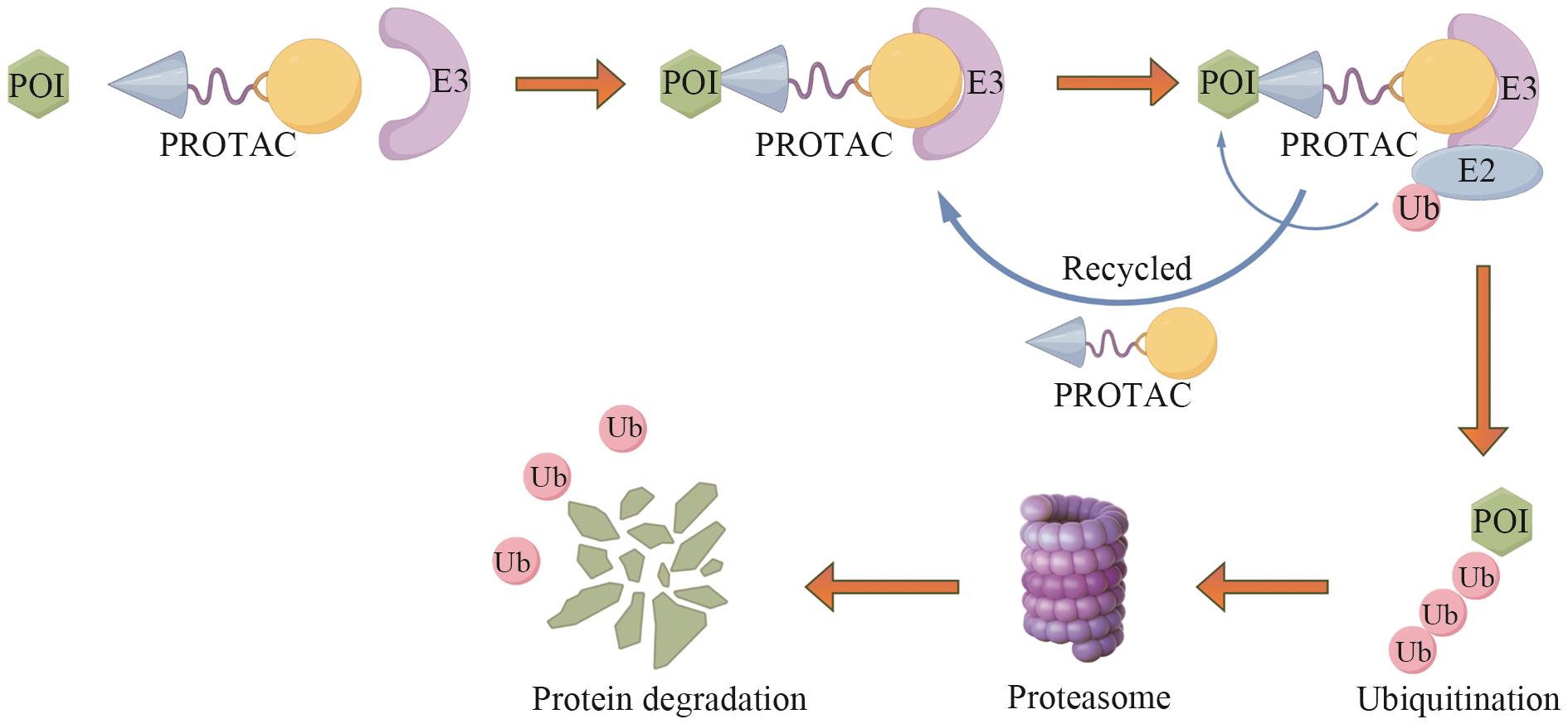
图1 PROTAC工作原理示意图(借助Figdraw自主绘制,下同)图中展示了PROTAC利用细胞内泛素-蛋白酶体系统,特异性催化降解靶蛋白的完整循环过程。POI:靶蛋白;PROTAC:蛋白水解靶向嵌合体;E3:E3泛素连接酶;E2:E2泛素结合酶;Ub:泛素;Proteasome:26S蛋白酶体。橙色箭头指示反应正向流程;蓝色箭头指示PROTAC分子可从复合物中释放并循环参与下一轮降解反应
Fig. 1 Schematic diagram of PROTAC working principle (self-drawn by Figdraw, the same below)This figure illustrates the complete cycle of how PROTACs utilize the intracellular ubiquitin-proteasome system to specifically catalyze the degradation of target proteins. POI: Target protein. PROTAC: proteolysis targeting chimera. E3: E3 ubiquitin ligase. E2: E2 ubiquitin-conjugating enzyme. Ub: Ubiquitin. Proteasome: 26S proteasome. Orange arrows indicate the forward reaction flow; blue arrows indicate that the PROTAC molecule can be released from the complex and recycled for the next round of degradation
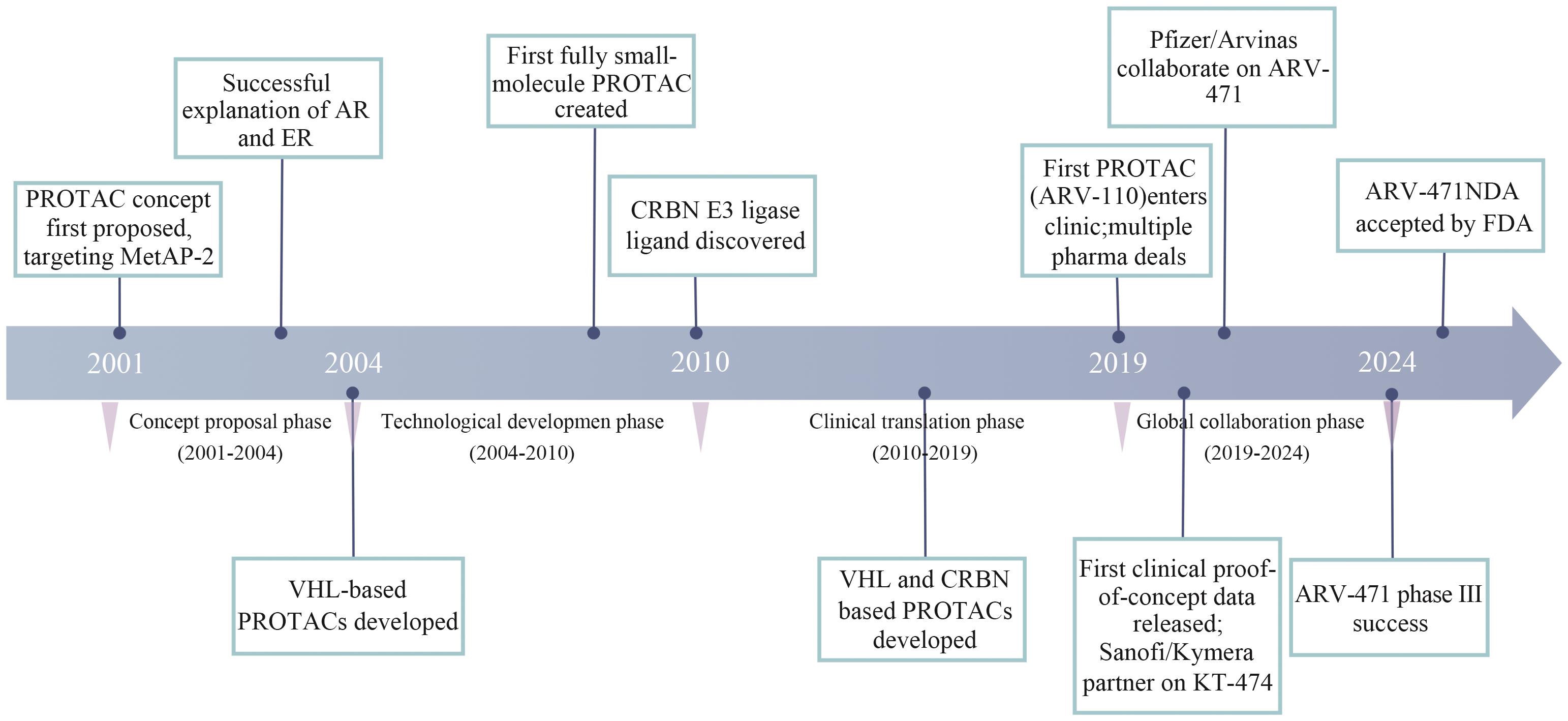
图2 PROTAC技术发展历程
Fig. 2 The timeline of PROTAC technology development
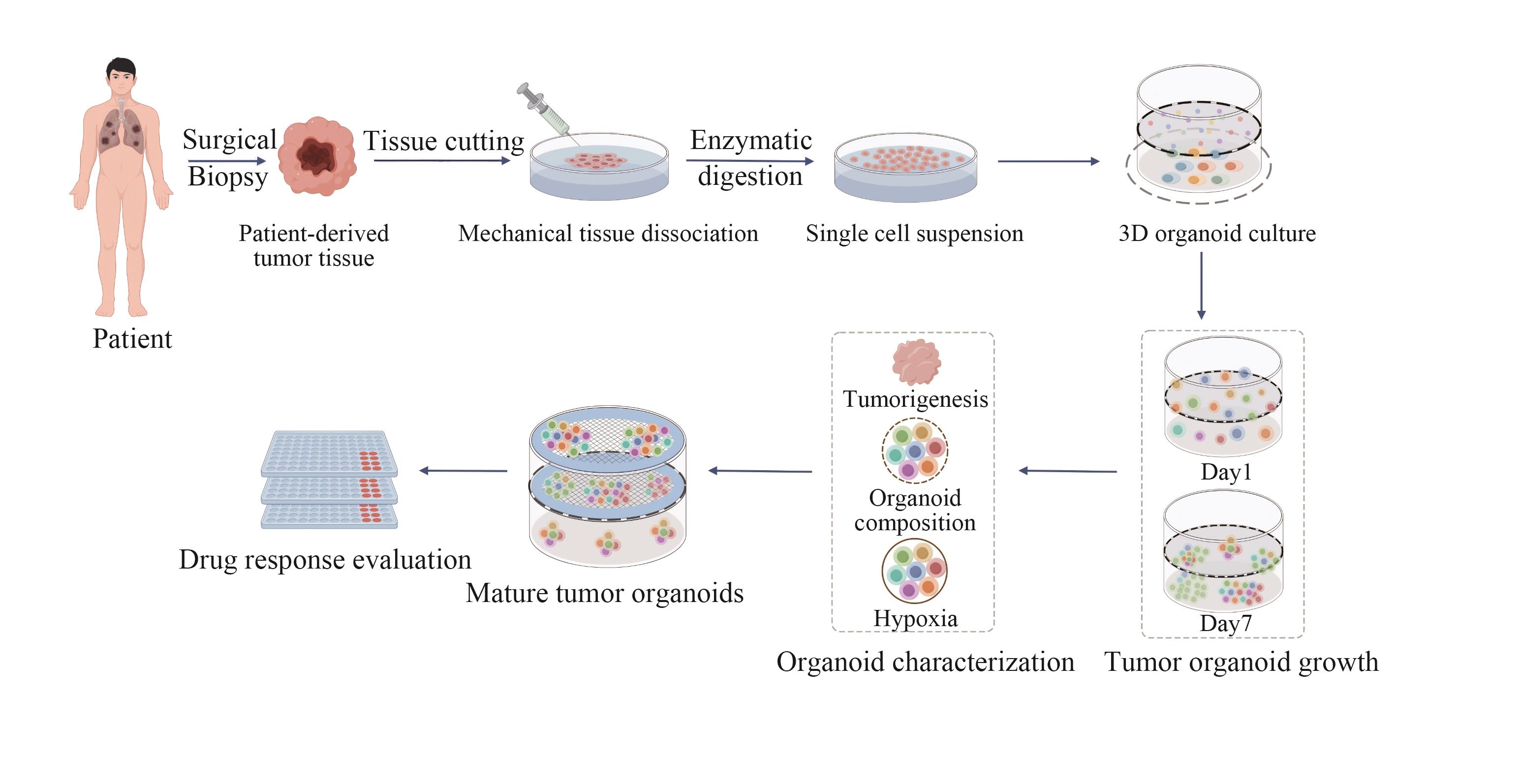
图3 患者来源肿瘤类器官的构建流程示意图
Fig. 3 Schematic diagram of patient-derived tumor organoid construction process
比较维度 Comparison dimensions | 患者来源肿瘤类器官 Patient-derived tumor organoids | 二维细胞系 2D cell lines | 动物模型 Animal models |
|---|---|---|---|
| 生理相关性 Physiological relevance | High | Low | High |
| 肿瘤异质性 Tumor heterogeneity | High | Low | High |
| 三维结构 3D structure | Present | Absent | Present |
| 构建周期 Build cycle | Moderate | Short | Long |
| 通量 Throughput | Moderate | High | Low |
| 个体化治疗 Personalized therapy | High | Low | Low |
| 成本 Cost | Moderate | Low | High |
表2 患者来源肿瘤类器官与2D细胞系、动物模型的比较
Table 2 Comparison of patient-derived tumor organoids with 2D cell lines and animal models
比较维度 Comparison dimensions | 患者来源肿瘤类器官 Patient-derived tumor organoids | 二维细胞系 2D cell lines | 动物模型 Animal models |
|---|---|---|---|
| 生理相关性 Physiological relevance | High | Low | High |
| 肿瘤异质性 Tumor heterogeneity | High | Low | High |
| 三维结构 3D structure | Present | Absent | Present |
| 构建周期 Build cycle | Moderate | Short | Long |
| 通量 Throughput | Moderate | High | Low |
| 个体化治疗 Personalized therapy | High | Low | Low |
| 成本 Cost | Moderate | Low | High |
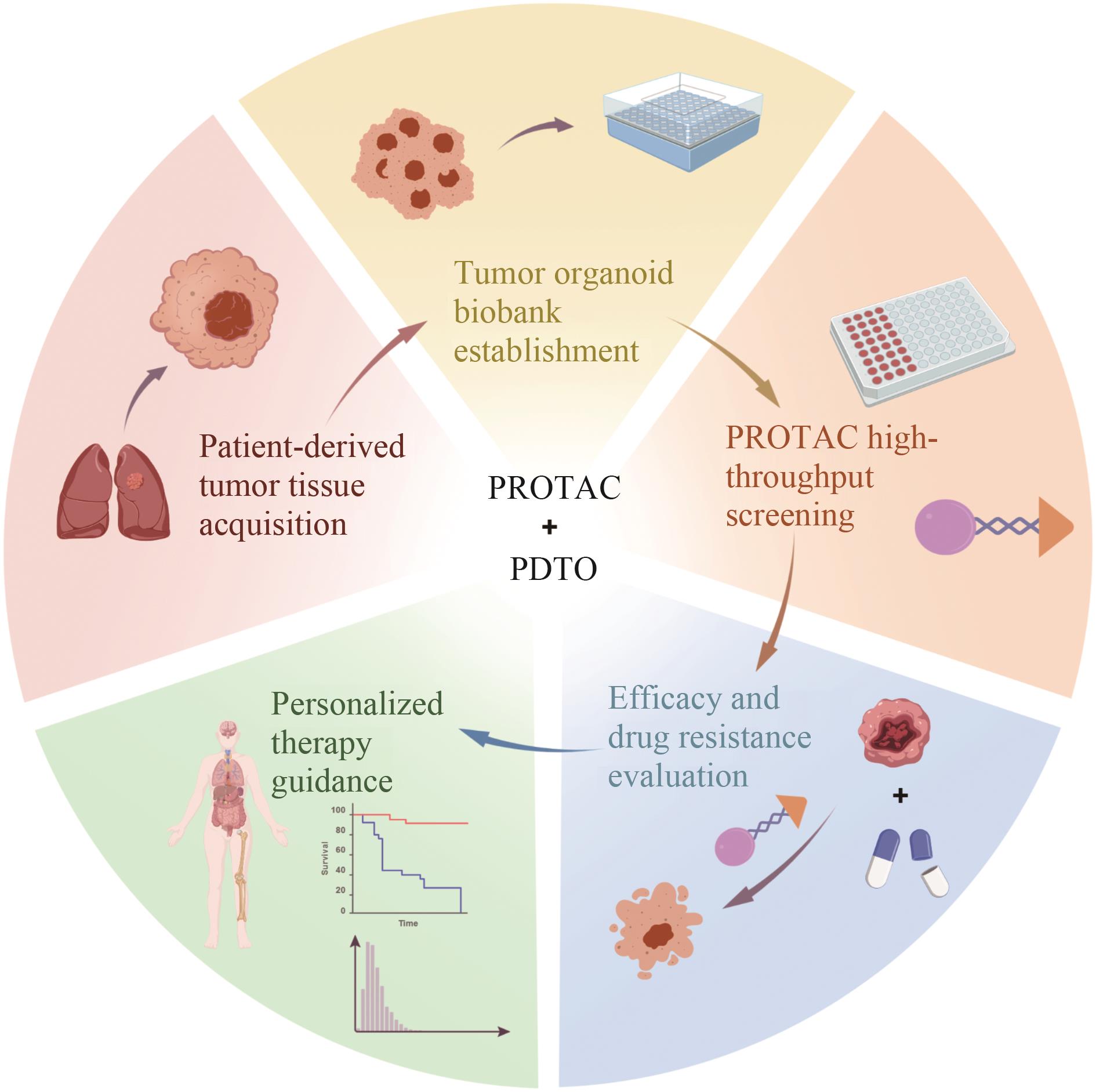
图4 基于患者来源肿瘤类器官的PROTAC开发全流程示意图图中展示了以PROTAC和PDTO为核心的研究体系,涵盖患者肿瘤组织采集、肿瘤类器官生物样本库建立、PROTAC高通量筛选、药效与耐药性评估及个体化临床治疗
Fig. 4 Schematic diagram of the entire workflow for PROTAC development based on patient-derived tumor organoidsThis figure illustrates the research system centered on PROTAC and PDTO, covering the collection of patient tumor tissues, the establishment of a tumor organoid biobank, high-throughput PROTAC screening, evaluation of drug efficacy and resistance, and personalized clinical treatment
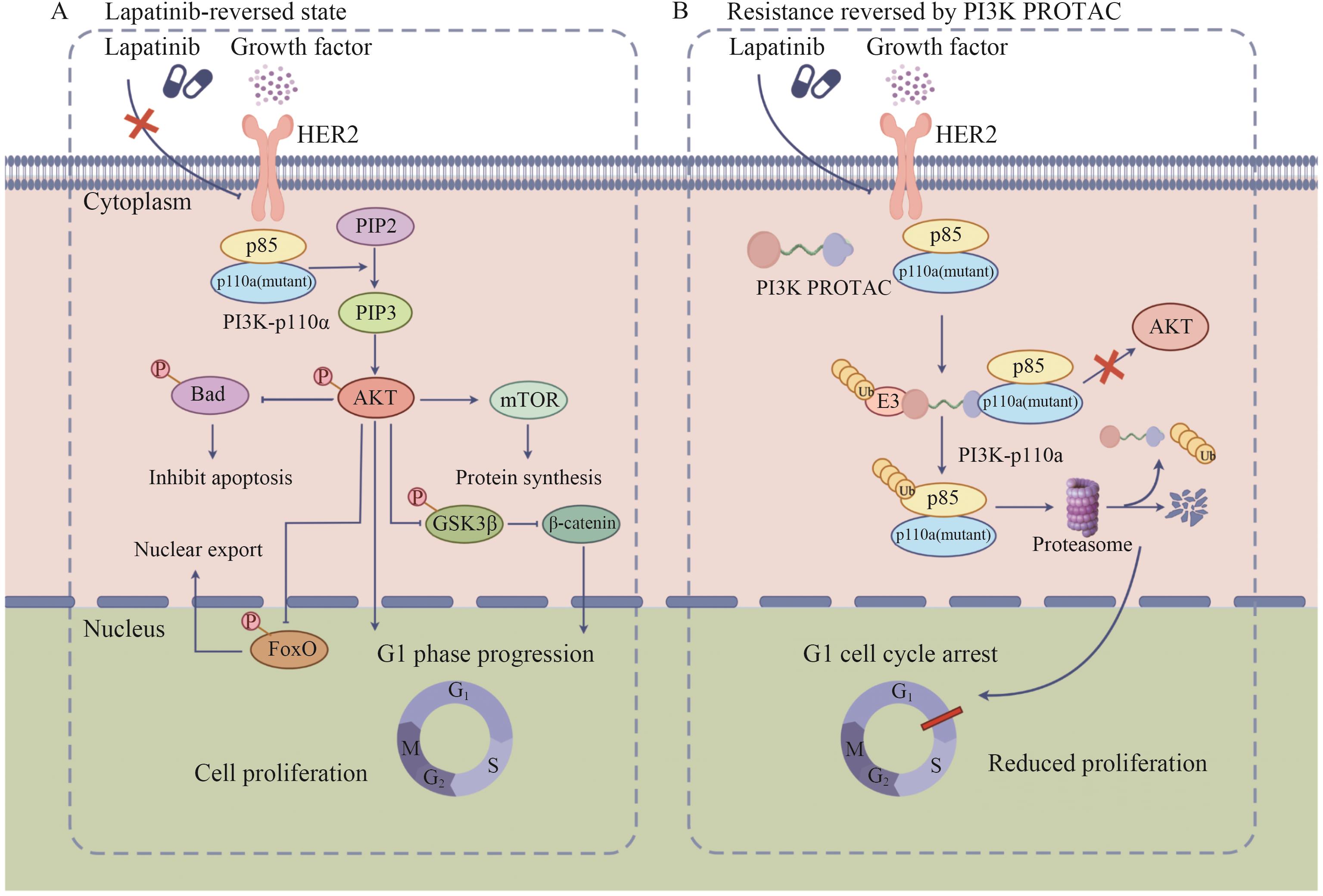
图5 基于乳腺癌类器官的PI3K PROTAC克服拉帕替尼耐药A:PI3K-p110α蛋白持续激活导致的拉帕替尼耐药;B:PI3K PROTAC降解突变的p110α蛋白,阻断PI3K/AKT信号级联,逆转耐药
Fig. 5 PI3K PROTAC overcomes lapatinib resistance in breast cancer organoidsA: Lapatinib resistance caused by sustained activation of the PI3K-p110α protein. B: PI3K PROTAC degrades the mutated p110α protein, blocking the PI3K/AKT signaling cascade and ultimately reversing resistance
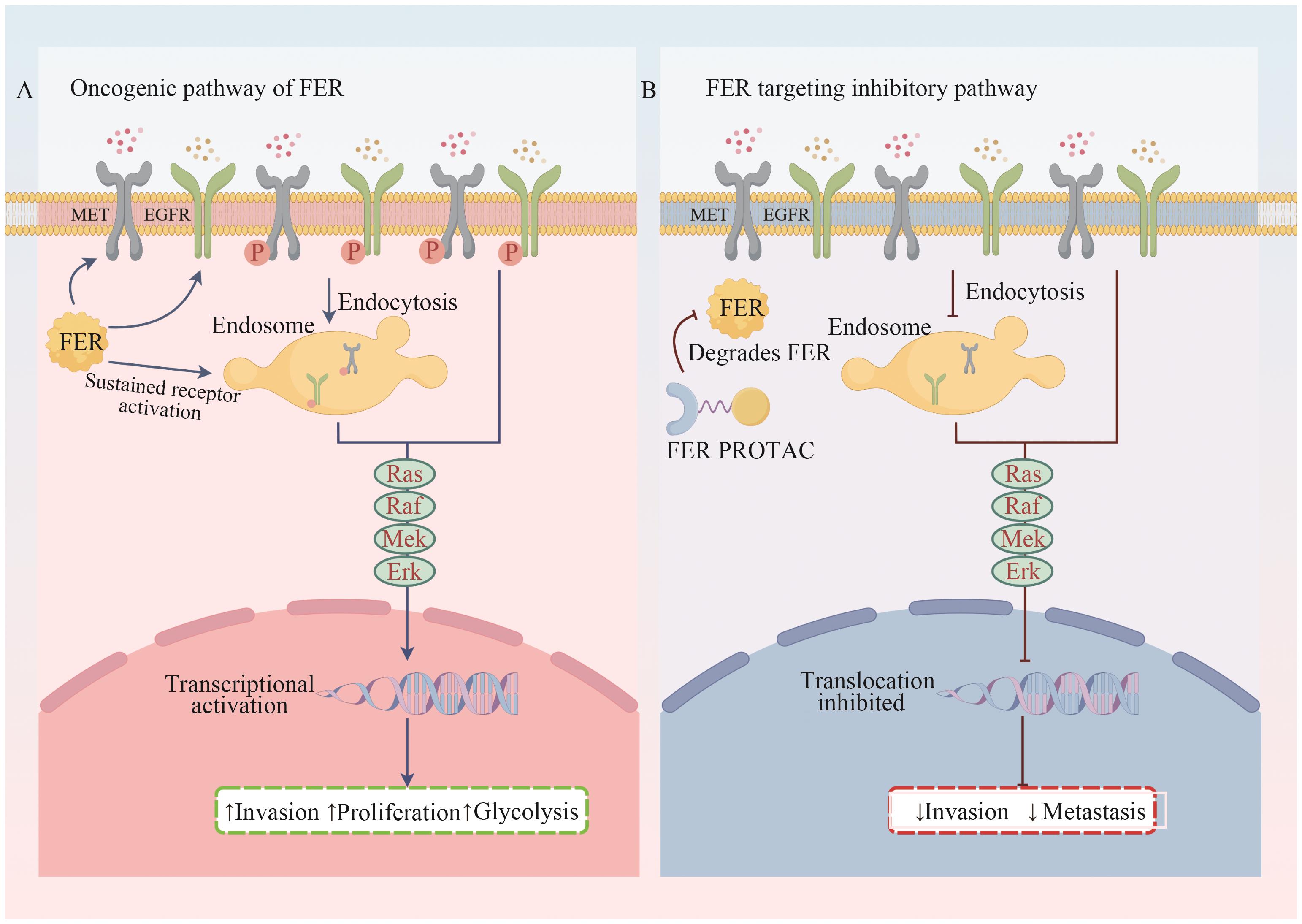
图6 FER介导的促癌信号通路及基于PDTO的PROTAC抑制A:FER高表达通过双重调控机制持续激活MAPK通路并入核诱导相关基因转录,驱动肿瘤恶性进展;B:PROTAC降解剂靶向降解FER,逆转肿瘤侵袭与转移等恶性表型
Fig. 6 FER-mediated oncogenic signaling pathways and PDTO-based PROTAC inhibitionA: High FER expression continuously activates the MAPK pathway through a dual regulatory mechanism and induces the transcription of related genes upon nuclear translocation, driving malignant tumor progression. B: PROTAC-based degraders specifically degrade FER, thereby reversing malignant phenotypes such as tumor invasion and metastasis
| [1] | Bray F, Laversanne M, Sung H, et al. Global cancer statistics 2022: GLOBOCAN estimates of incidence and mortality worldwide for 36 cancers in 185 countries [J]. CA Cancer J Clin, 2024, 74(3): 229-263. |
| [2] | Grillo-Lopez A, White C, Dallaire B, et al. Rituximab the first monoclonal antibody approved for the treatment of lymphoma [J]. Curr Pharm Biotechnol, 2000, 1(1): 1-9. |
| [3] | Whitfield JR, Soucek L. MYC in cancer: from undruggable target to clinical trials [J]. Nat Rev Drug Discov, 2025, 24(6): 445-457. |
| [4] | Lier S, Sellmer A, Orben F, et al. A novel Cereblon E3 ligase modulator with antitumor activity in gastrointestinal cancer [J]. Bioorg Chem, 2022, 119: 105505. |
| [5] | 马恒元, 柯志强, 苏正定. 蛋白降解靶向嵌合体的研究进展 [J]. 中国医药工业杂志, 2024, 55(11): 1467-1476, 1504. |
| Ma HY, Ke ZQ, Su ZD. Research progress on proteolysis targeting chimeras [J]. Chin J Pharm, 2024, 55(11): 1467-1476, 1504. | |
| [6] | Petrylak DP, Gao X, Vogelzang NJ, et al. First-in-human phase I study of ARV-110, an androgen receptor (AR) PROTAC degrader in patients (pts) with metastatic castrate-resistant prostate cancer (mCRPC) following enzalutamide (ENZ) and/or abiraterone (ABI) [J]. J Clin Oncol, 2020, 38(): 3500. |
| [7] | Flanagan JJ, Qian Y, Gough SM, et al. Abstract P5-04-18: ARV-471, an oral estrogen receptor PROTAC degrader for breast cancer [C]// Proceedings of the American Association for Cancer Research Annual Meeting 2019. Atlanta: American Association for Cancer Research, 2019: P5-04-18. |
| [8] | Seidlitz T, Stange DE. Gastrointestinal cancer organoids—applications in basic and translational cancer research [J]. Exp Mol Med, 2021, 53(10): 1459-1470. |
| [9] | Pulido I, Gunder L, Luan Q, et al. Abstract 1932: Overcoming acquired resistance to KRAS (G12D) inhibition using a KRAS-HSP90 hetero-bifunctional small molecule therapeutic agent [C]// Proceedings of the American Association for Cancer Research Annual Meeting 2024. Philadelphia, PA: American Association for Cancer Research, 2024: 1932. |
| [10] | Jeon E, Kim C, Ko M, et al. KRAS G12D selective VHL-PROTAC with sparing KRAS WT and other KRAS mutants [J]. Eur J Med Chem, 2025, 297: 117928. |
| [11] | Mi DZ, Li YZ, Gu HJ, et al. Current advances of small molecule E3 ligands for proteolysis-targeting chimeras design [J]. Eur J Med Chem, 2023, 256: 115444. |
| [12] | Faryal B, Ul Abideen Z, Irfan M, et al. Targeted protein degradation in cancer: PROTACs, new targets, and clinical mechanisms [J]. Biomolecules, 2026, 16(2): 325. |
| [13] | Sakamoto KM, Kim KB, Kumagai A, et al. Protacs: Chimeric molecules that target proteins to the Skp1-Cullin-F box complex for ubiquitination and degradation [J]. Proc Natl Acad Sci U S A, 2001, 98(15): 8554-8559. |
| [14] | Schneekloth AR, Pucheault M, Tae HS, et al. Targeted intracellular protein degradation induced by a small molecule: En route to chemical proteomics [J]. Bioorg Med Chem Lett, 2008, 18(22): 5904-5908. |
| [15] | Testa A, Lucas X, Castro GV, et al. Correction to “3-fluoro-4-hydroxyprolines: synthesis, conformational analysis, and stereoselective recognition by the VHL E3 ubiquitin ligase for targeted protein degradation” [J]. J Am Chem Soc, 2019, 141(18): 7644. |
| [16] | Li R, Liu M, Yang ZY, et al. Proteolysis-targeting chimeras (PROTACs) in cancer therapy: present and future [J]. Molecules, 2022, 27(24): 8828. |
| [17] | 江幸羽, 陈奕诺, 张琬絮, 等. 刺激响应型PROTAC用于肿瘤精准治疗 [J]. 药学学报, 2025, 60(11): 3263-3282, 3262. |
| Jiang XY, Chen YN, Zhang WX, et al. Stimuli-activatable PROTAC for precise cancer therapy [J]. Acta Pharm Sin, 2025, 60(11): 3263-3282, 3262. | |
| [18] | Wei Y, Ma RR, Hong LJT. 379P development of bifunctional PROTAC degraders targeting EGFR and immune microenvironment [C]// Immuno-Oncology and Technology. Amsterdam: Elsevier, 2025: 379P. |
| [19] | Wang L, Ke Y, He QY, et al. A novel ROR1-targeting antibody-PROTAC conjugate promotes BRD4 degradation for solid tumor treatment [J]. Theranostics, 2025, 15(4): 1238-1254. |
| [20] | Liu HX, Ding XY, Liu LY, et al. Discovery of novel BCR-ABL PROTACs based on the cereblon E3 ligase design, synthesis, and biological evaluation [J]. Eur J Med Chem, 2021, 223: 113645. |
| [21] | Minko T. Nanoformulation of BRD4-degrading PROTAC: improving druggability to target the ‘undruggable’ MYC in pancreatic cancer [J]. Trends Pharmacol Sci, 2020, 41(10): 684-686. |
| [22] | 周永杰, 石毓君. 类器官研究进展及展望 [J]. 中国普外基础与临床杂志, 2022, 29(6): 716-718. |
| Zhou YJ, Shi YJ. Progress and prospects of organoid research [J]. Chin J Bases Clin Gen Surg, 2022, 29(6): 716-718. | |
| [23] | Sato T, Vries RG, Snippert HJ, et al. Single Lgr5 stem cells build crypt-villus structures in vitro without a mesenchymal niche [J]. Nature, 2009, 459(7244): 262-265. |
| [24] | Calà G, Sina B, De Coppi P, et al. Primary human organoids models: Current progress and key milestones [J]. Front Bioeng Biotechnol, 2023, 11: 1058970. |
| [25] | Acar A. Patient-derived tumor organoids: advances, applications, and future directions in biomedical research [J]. Front Med, 2026, 12: 1733668. |
| [26] | Zhou LF, Liao HY, Han Y, et al. The use of organoids in creating immune microenvironments and treating gynecological tumors [J]. J Transl Med, 2024, 22: 856. |
| [27] | Abouleila Y, Smabers LP, Voskuilen T, et al. Accelerating personalized medicine: miniaturized patient-derived organoid drug screening for predicting cancer treatment responses and beyond [J]. npj Biomed Innov, 2026, 3: 16. |
| [28] | Li P, Huang ML, Li MY, et al. Combining molecular characteristics and therapeutic analysis of PDOs predict clinical responses and guide PDAC personalized treatment [J]. J Exp Clin Cancer Res, 2025, 44: 72. |
| [29] | Wijler L, Staes A, van Seeters L, et al. Abstract PR016: Largescale organoid panel drug screening to short-track clinically-relevant output [J]. Mol Cancer Ther, 2023, 22(): PR016. |
| [30] | Guo YX, Li YZ, Zhou ZM, et al. Targeting PRMT5 through PROTAC for the treatment of triple-negative breast cancer [J]. J Exp Clin Cancer Res, 2024, 43(1): 314. |
| [31] | Padrão N, Gregoricchio S, Eickhoff N, et al. TRIM24 as a therapeutic target in endocrine treatment-resistant breast cancer [J]. Proc Natl Acad Sci U S A, 2025, 122(33): e2507571122. |
| [32] | Rose AJ, Fleming MM, Francis JC, et al. Cell-type-specific tumour sensitivity identified with a bromodomain targeting PROTAC in adenoid cystic carcinoma [J]. J Pathol, 2024, 262(1): 37-49. |
| [33] | Jin J, Luo J, Jin XD, et al. Chromatin helicase CHD6 establishes proinflammatory enhancers and is a synthetic lethal target in FH-deficient renal cell carcinoma [J]. Cancer Res, 2025, 85(4): 675-691. |
| [34] | Omar EA, Rajesh R, Das PK, et al. Next-generation cancer therapeutics: PROTACs and the role of heterocyclic warheads in targeting resistance [J]. Eur J Med Chem, 2025, 281: 117034. |
| [35] | Zhang HY, Zhang LL, He YN, et al. PI3K PROTAC overcomes the lapatinib resistance in PIK3CA-mutant HER2 positive breast cancer [J]. Cancer Lett, 2024, 598: 217112. |
| [36] | Tolotto V, Gualandi N, Cortolezzis Y, et al. Class IIa HDACs forced degradation allows resensitization of oxaliplatin-resistant FBXW7-mutated colorectal cancer [J]. Mol Oncol, 2026, 20(3): 637-667. |
| [37] | Brim BC, Leon AF, Beatson EL, et al. Direct co-targeting of bcl-xL and mcl-1 exhibits synergistic effects in AR-V7-expressing CRPC models [J]. Cancer Res Commun, 2025, 5(8): 1396-1408. |
| [38] | Jung H, Lee Y. Targeting the undruggable: recent progress in PROTAC-induced transcription factor degradation [J]. Cancers, 2025, 17(11): 1871. |
| [39] | 周旋, 任玉, 乔宇. STAT3在头颈部鳞癌中的研究进展 [J]. 天津医药, 2020, 48(6): 563-567. |
| Zhou X, Ren Y, Qiao Y. Research progress of STAT3 in squamous cell carcinoma of head and neck [J]. Tianjin Med J, 2020, 48(6): 563-567. | |
| [40] | Kang ZY, Li S, Li Y, et al. Small molecular inhibitors and degraders targeting STAT3 for cancer therapy: an updated review (from 2022 to 2024) [J]. Chin Chem Lett, 2025, 36(7): 110447. |
| [41] | Jin JM, Wu YP, Zhao Z, et al. Small-molecule PROTAC mediates targeted protein degradation to treat STAT3-dependent epithelial cancer [J]. JCI Insight, 2022, 7(22): e160606. |
| [42] | Trapani J, Caroland KP, Ahmed Y, et al. Targeting β-catenin: PROTACs and precision degraders for Wnt-driven cancers [J]. Front Oncol, 2026, 16: 1777843. |
| [43] | Liao HW, Li X, Zhao LZ, et al. A PROTAC peptide induces durable β-catenin degradation and suppresses Wnt-dependent intestinal cancer [J]. Cell Discov, 2020, 6: 35. |
| [44] | Ringnalda FCAS, van Son GJF, Verweij LHG, et al. Small round cell sarcoma tumoroid biobank reveals CIC::DUX4 sarcoma vulnerability to MCL-1 inhibition [J]. Nat Commun, 2025, 16: 7689. |
| [45] | Magré L, Verstegen MMA, Buschow S, et al. Emerging organoid-immune co-culture models for cancer research: from oncoimmunology to personalized immunotherapies [J]. J Immunother Cancer, 2023, 11(5): e006290. |
| [46] | Li KY, Liu C, Sui XZ, et al. An organoid co-culture model for probing systemic anti-tumor immunity in lung cancer [J]. Cell Stem Cell, 2025, 32(8): 1218-1234.e7. |
| [47] | Haughton PD, Enserink LNFL, Tavares S, et al. FER kinase governs invasive growth of head and neck squamous cell carcinoma through dynamic control of growth factor receptor activity [J]. Neoplasia, 2025, 70: 101241. |
| [48] | Yin LY, Shu PC, Peng XZ. Context matters: E3 ligase-ligand pairing strategies for optimized PROTAC performance [J]. Protein Cell, 2026, 17(5): 384-398. |
| [49] | Riching KM, Mahan SD, Urh M, et al. High-throughput cellular profiling of targeted protein degradation compounds using HiBiT CRISPR cell lines [J]. JoVE, 2020(165): e61787. |
| [1] | 朱恬仪, 孔桂美, 焦红梅, 郭停停, 乌日汗, 刘翠翠, 高成凤, 李国才. CRISPR/Cas9介导的adeG基因敲除大肠杆菌细菌模型的建立[J]. 生物技术通报, 2024, 40(2): 55-64. |
| [2] | 庄棵, 梁至轩, 何英婷, 谢秋玲. 大肠杆菌DH5α通过外膜囊泡传递抗生素抗性基因AmpR[J]. 生物技术通报, 2024, 40(12): 275-281. |
| [3] | 皮一飞, 宋新辉, 王淅琳, 李谨谨, 孙长斌, 徐炜. 基于R-loop靶向编辑技术的R-loop功能位点高通量筛选系统[J]. 生物技术通报, 2024, 40(10): 181-190. |
| [4] | 陈勇, 李亚鑫, 王亚瑄, 梁露洁, 冯思源, 田国宝. MCR-1介导多黏菌素耐药性的分子机制研究进展[J]. 生物技术通报, 2023, 39(6): 102-108. |
| [5] | 文畅, 刘晨, 卢诗韵, 许忠兵, 艾超凡, 廖汉鹏, 周顺桂. 一株新的多重耐药福氏志贺菌噬菌体生物学特性及基因组分析[J]. 生物技术通报, 2022, 38(9): 127-135. |
| [6] | 胡功政, 崔小蝶, 翟亚军, 贺丹丹. 细菌黏菌素耐药性及其逆转机制研究进展[J]. 生物技术通报, 2022, 38(9): 28-34. |
| [7] | 刘艺云, 邓利敏, 岳慧颖, 岳超, 刘健华. 质粒接合转移及其抑制剂的研究进展[J]. 生物技术通报, 2022, 38(9): 35-46. |
| [8] | 刘成程, 胡小芳, 冯友军. 细菌耐药:生化机制与应对策略[J]. 生物技术通报, 2022, 38(9): 4-16. |
| [9] | 刘晓黎, 童真艺, 赵亮, 尹丽, 刘晨光. 非抗生素类活性物质抗幽门螺杆菌研究进展[J]. 生物技术通报, 2022, 38(9): 96-105. |
| [10] | 陈福暖, 黄瑜, 蔡佳, 王忠良, 简纪常, 王蓓. ABC转运蛋白结构及其在细菌致病性中的研究进展[J]. 生物技术通报, 2022, 38(6): 43-52. |
| [11] | 赵海晴, 李耘, 梁严内, 刘哲, 任亚林, 李金娟. 联合用药对嗜水气单胞菌耐药性影响研究进展[J]. 生物技术通报, 2022, 38(6): 53-65. |
| [12] | 朱浩, 张严伟, 刘润, 梁艳, 杨奕, 徐天乐, 杨章平. 抗生素佐剂与抗生素联用的抑菌作用研究进展[J]. 生物技术通报, 2022, 38(6): 66-73. |
| [13] | 田露, 吴咪, 缑敬轩, 龚国利. 细菌素的研究与应用进展[J]. 生物技术通报, 2021, 37(4): 224-233. |
| [14] | 龚争, 张俊杰, 钟登科. 华东地区猪丹毒杆菌分离株的生物学特征及其耐药析[J]. 生物技术通报, 2020, 36(6): 174-182. |
| [15] | 李谛音, 何永兴, 韩建庭, 李坤, 王志平, 李妙慧. 荧光假单胞菌2P24中RstA蛋白的功能鉴定[J]. 生物技术通报, 2019, 35(6): 107-113. |
| 阅读次数 | ||||||
|
全文 |
|
|||||
|
摘要 |
|
|||||
