







生物技术通报 ›› 2026, Vol. 42 ›› Issue (7): 173-181.doi: 10.13560/j.cnki.biotech.bull.1985.2025-0874
• 研究报告 • 上一篇
游欣1( ), 王淅1, 张新妤1, 魏绪英2, 程华1(), 蔡军火1()
收稿日期:2025-08-11
出版日期:2026-07-26
发布日期:2026-07-20
通讯作者:
蔡军火Cjhuo7692@163.com作者简介:游欣,女,博士研究生,研究方向 :植物栽培生理与花期调控;E-mail: youxin0428@163.com
基金资助:
YOU Xin1(), WANG Xi1, ZHANG Xin-yu1, WEI Xu-ying2, CHENG Hua1(), CAI Jun-huo1()
Received:2025-08-11
Published:2026-07-26
Online:2026-07-20
摘要:
目的 揭示高温胁迫下石蒜属植物叶片的代谢响应特征及相关通路,为培育耐极端高温生境的石蒜属新种质提供理论依据。 方法 以红花石蒜为试验材料,于人工气候培养箱中进行42 ℃高温处理,并分别于处理0 h(对照)、6 h和12 h采集叶片样品,通过LC-MS技术进行非靶向代谢组学分析。 结果 在3个比较组(HS_6 h vs HS_0 h、HS_12 h vs HS_0 h和HS_12 h vs HS_6 h)中分别筛选出338、426、262种差异代谢物。在高温胁迫初期(42 ℃,6 h),差异代谢物活性整体上被显著抑制,而在高温胁迫后期(42 ℃,12 h)则转向以上调为主导的代谢重编程。进一步分析表明,脂类和氨基酸及其衍生物是高温胁迫的主要差异代谢物类别,其中脂类在胁迫初期以下调为主导,而氨基酸及其衍生物则在胁迫后期呈现显著上调积累。KEGG代谢通路富集分析显示,高温胁迫诱导的差异代谢物主要参与由“磷脂酰胆碱水解驱动”的脂质代谢途径(含亚油酸代谢、花生四烯酸代谢、α-亚麻酸代谢和甘油磷脂代谢4条支路)和以多种氨基酸(L-脯氨酸、L-苯丙氨酸等)显著积累为特征的氨基酸代谢途径(主要包括氨酰-tRNA生物合成、D-氨基酸代谢和苯丙氨酸代谢3条支路)及次生代谢物的生物合成。 结论 红花石蒜通过“脂质介导的持续膜稳态调控”结合“后期氨基酸驱动的防御网络强化”的协同策略,共同构建其高温适应性网络。
游欣, 王淅, 张新妤, 魏绪英, 程华, 蔡军火. 基于非靶向代谢组解析红花石蒜叶片对高温胁迫的响应[J]. 生物技术通报, 2026, 42(7): 173-181.
YOU Xin, WANG Xi, ZHANG Xin-yu, WEI Xu-ying, CHENG Hua, CAI Jun-huo. Analysis of Response of Lycoris radiata Leaves to Heat Stress Revealed by Untargeted Metabolomics[J]. Biotechnology Bulletin, 2026, 42(7): 173-181.
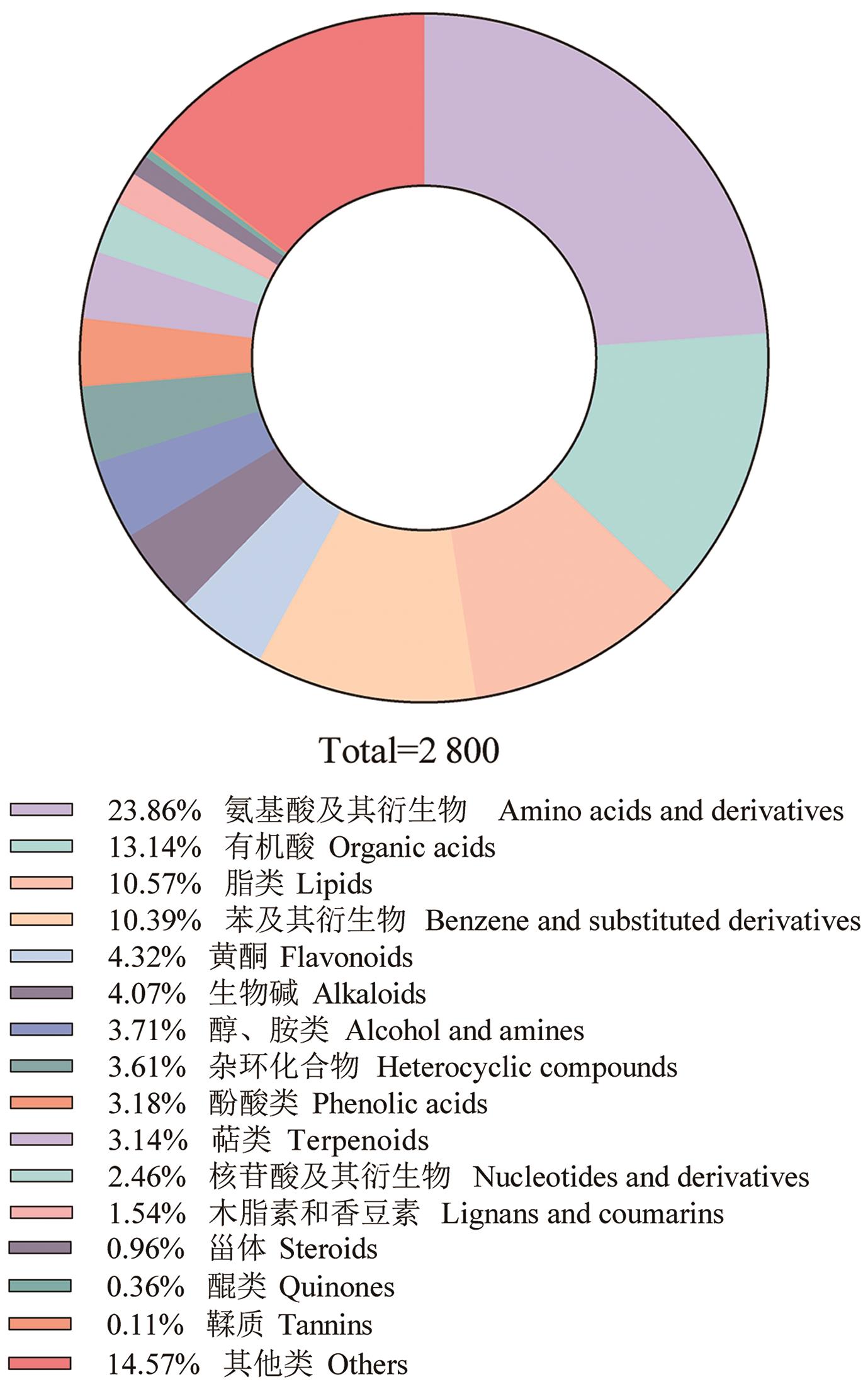
图1 红花石蒜叶片中鉴定出的所有代谢物类别
Fig. 1 All classification of metabolites identified in the leaves of Lycoris radiata
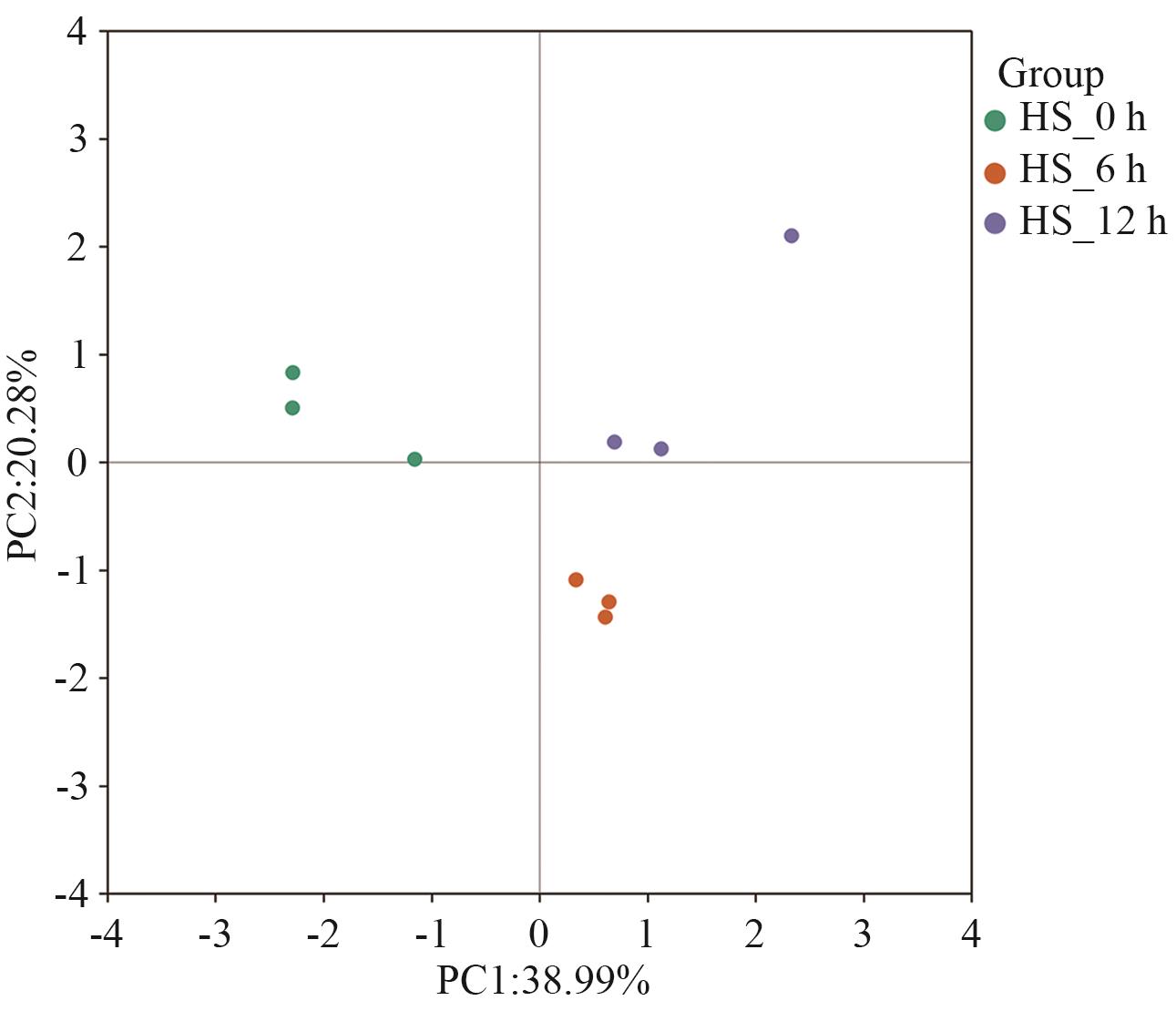
图2 主成分分析
Fig. 2 Principal component (PC) analysis
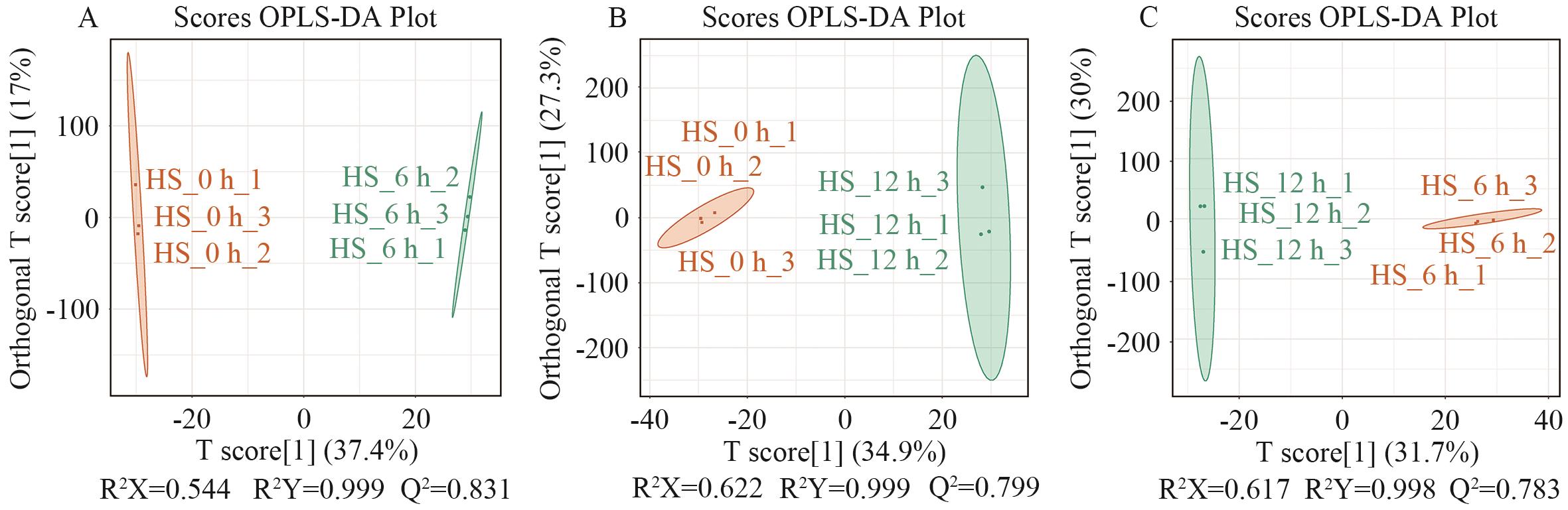
图3 OPLS-DA得分图A:HS_6 h vs HS_0 h;B:HS_12 h vs HS_0 h;C:HS_12 h vs HS_6 h
Fig. 3 OPLS-DA score diagram
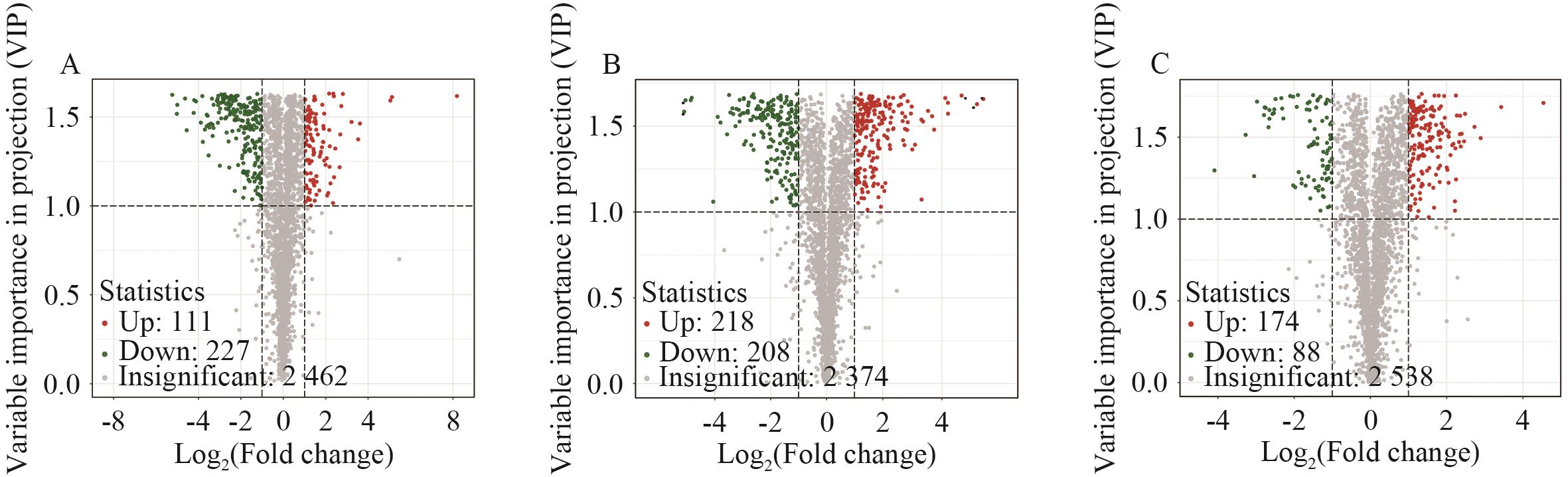
图4 高温胁迫下红花石蒜叶片中差异代谢物火山图A:HS_6 h vs HS_0 h;B:HS_12 h vs HS_0 h;C:HS_12 h vs HS_6 h
Fig. 4 Volcano diagram of differential metabolites in the leaves of L. radiata under heat stress
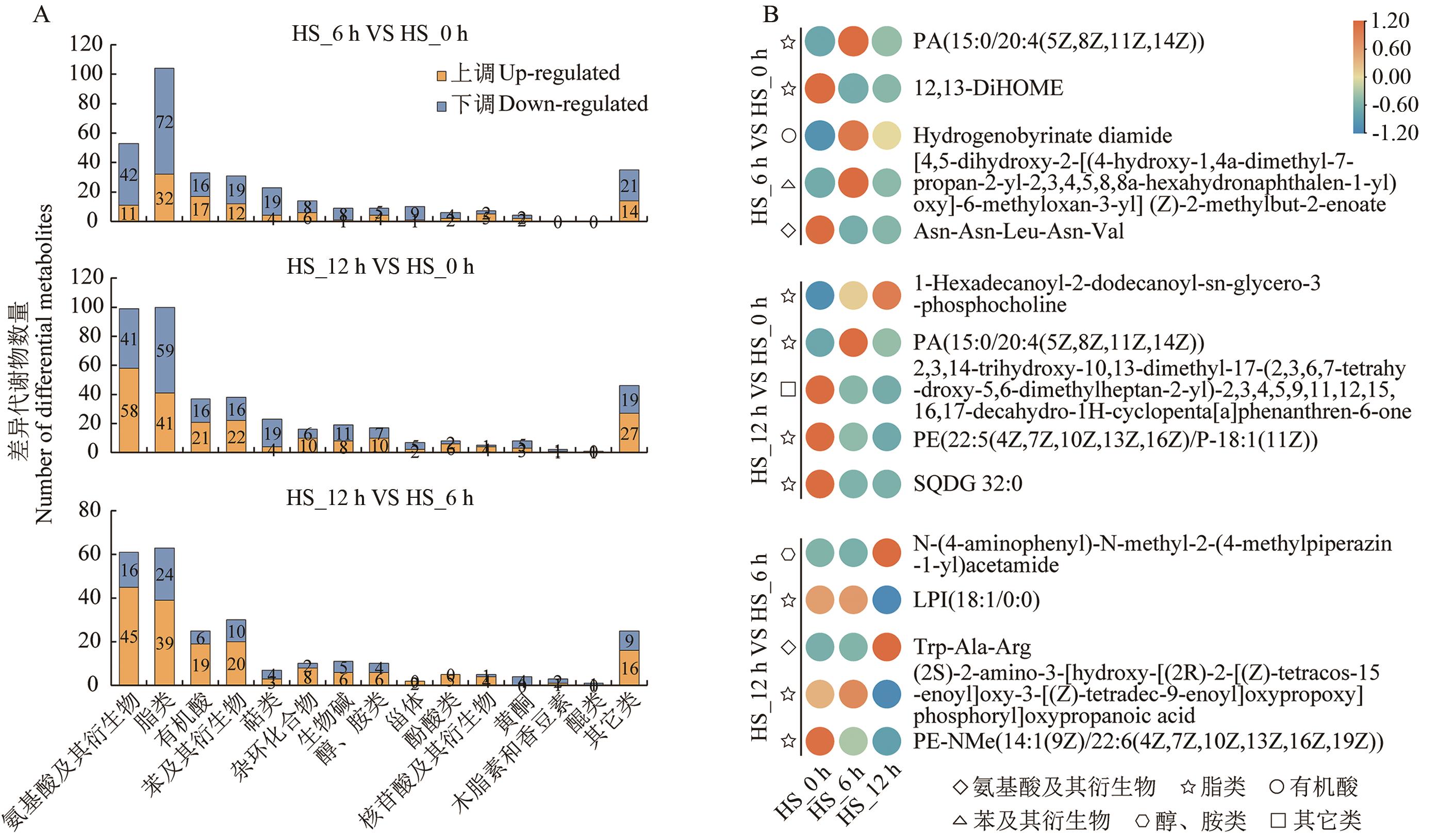
图5 高温胁迫下红花石蒜叶片中差异代谢物的类别(A)及差异倍数前5代谢物分析(B)
Fig. 5 Categories of differential metabolites (A) and analysis of the top 5 differential metabolites by fold change (B) in the leaves of L. radiata under heat stress
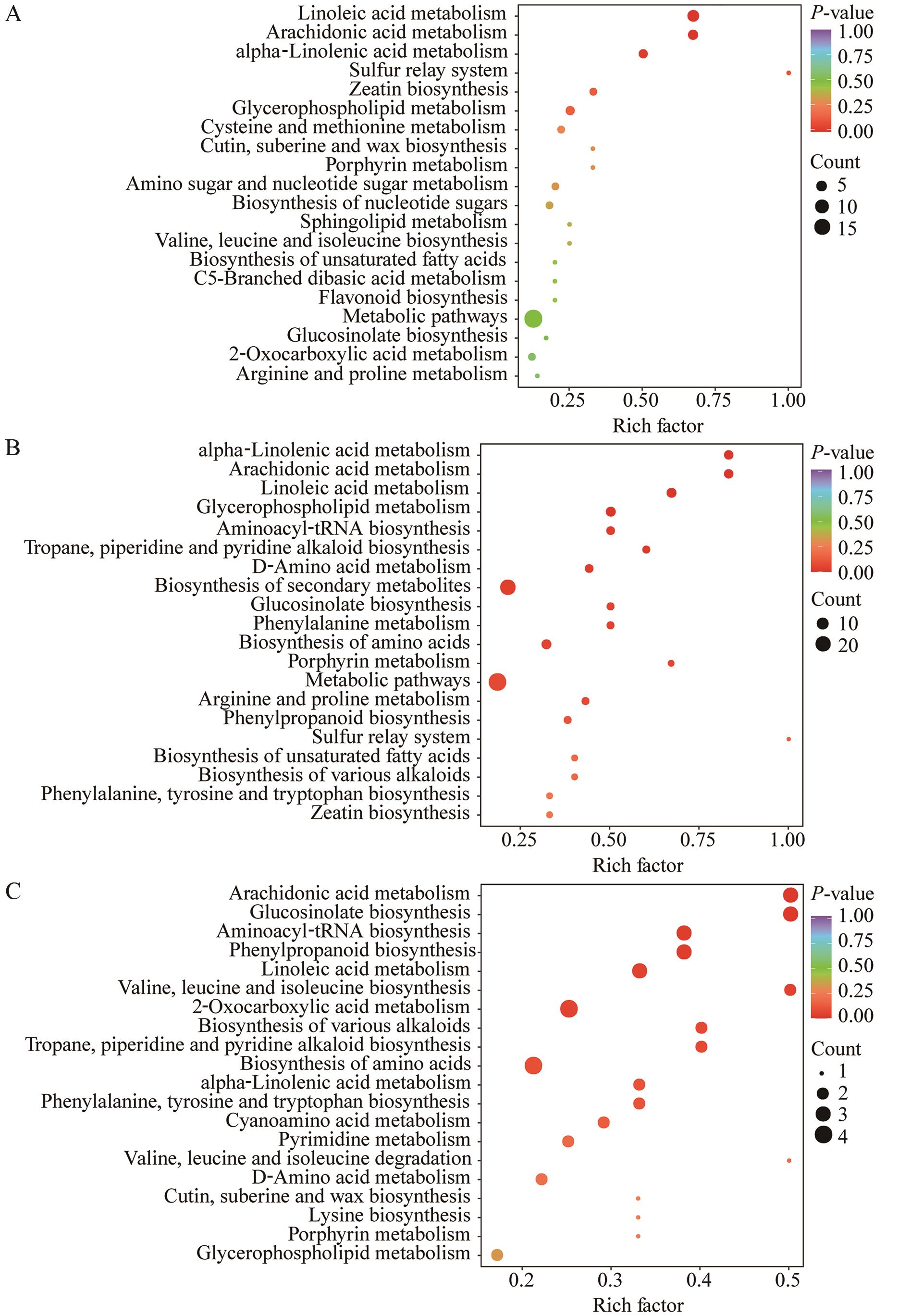
图6 高温胁迫下红花石蒜叶片差异代谢物KEGG富集气泡图A:HS_6 h VS HS_0 h;B:HS_12 h VS HS_0 h;C:HS_12 h VS HS_6 h
Fig. 6 KEGG enrichment bubble diagram of differential metabolites in the leaves of L. radiata under heat stress
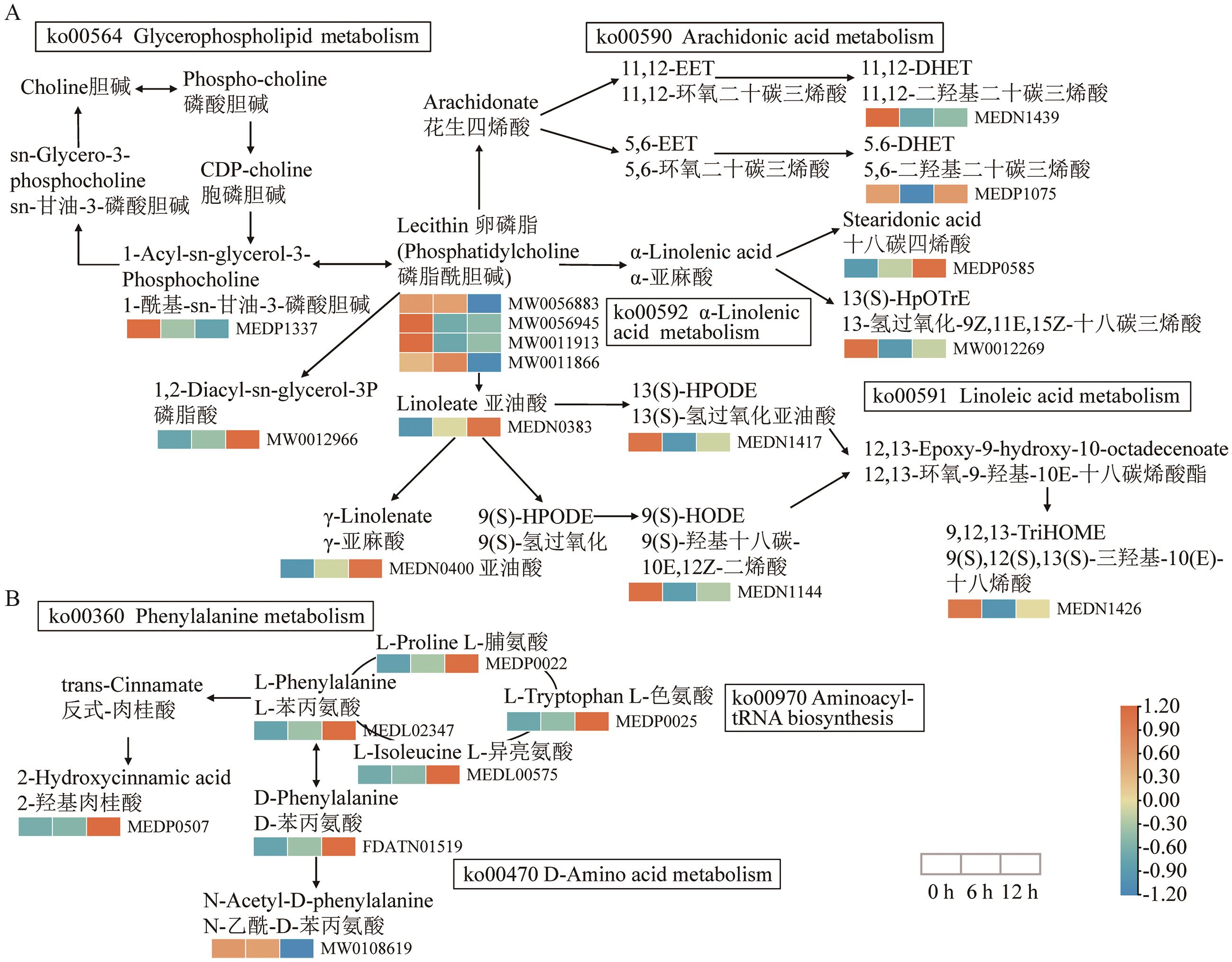
图7 高温胁迫下红花石蒜叶片脂质代谢(A)及氨基酸代谢(B)通路图
Fig. 7 Pathway diagram of lipid metabolism (A) and amino acid metabolism (B) in the leaves of L. radiata under heat stress
| [1] | Lesk C, Anderson W, Rigden A, et al. Compound heat and moisture extreme impacts on global crop yields under climate change [J]. Nat Rev Earth Environ, 2022, 3(12): 872-889. |
| [2] | Casal JJ, Balasubramanian S. Thermomorphogenesis [J]. Annu Rev Plant Biol, 2019, 70: 321-346. |
| [3] | Chen ZL, Galli M, Gallavotti A. Mechanisms of temperature-regulated growth and thermotolerance in crop species [J]. Curr Opin Plant Biol, 2022, 65: 102134. |
| [4] | Sharma E, Borah P, Kaur A, et al. A comprehensive transcriptome analysis of contrasting rice cultivars highlights the role of auxin and ABA responsive genes in heat stress response [J]. Genomics, 2021, 113(3): 1247-1261. |
| [5] | Gautam H, Fatma M, Sehar Z, et al. Hydrogen sulfide, ethylene, and nitric oxide regulate redox homeostasis and protect photosynthetic metabolism under high temperature stress in rice plants [J]. Antioxidants, 2022, 11(8): 1478. |
| [6] | 刘晓龙, 叶世河, 廖俊婕, 等. 灌浆初期高温胁迫对水稻籽粒活性氧积累及产量形成的影响 [J]. 西北农林科技大学学报: 自然科学版, 2024, 52(5): 33-47. |
| Liu XL, Ye SH, Liao JJ, et al. Effect of heat stress during early filling stage on ROS accumulation and yield formation in rice grain [J]. J Northwest A&F Univ Nat Sci Ed, 2024, 52(5): 33-47. | |
| [7] | Cai JH, Fan JJ, Wei XY, et al. A three-dimensional analysis of summer dormancy in the red spider lily (Lycoris radiata) [J]. Hort Science, 2019, 54(9): 1459-1464. |
| [8] | 沈明山, 陈睦传, 徐金森, 等. 石蒜的人工栽培 [J]. 厦门科技, 1999(2): 21-22. |
| Shen MS, Chen MC, Xu JS, et al. Artificial cultivation of Lycoris [J]. Xiamen Science & Technology, 1999(2): 21-22. | |
| [9] | 刘晓萍.长筒石蒜叶片衰老的初步研究 [D]. 南京: 南京林业大学, 2007. |
| Liu XP. Preliminary study on leaf senescence of Lycoris longituba [D]. Nanjing: Nanjing Forestry University, 2007. | |
| [10] | 蔡军火, 魏绪英, 李金峰, 等. 环境温度对红花石蒜生长节律的调控研究 [J]. 江西农业大学学报, 2018(1): 24-31. |
| Cai JH, Wei XY, Li JF, et al. The regulation and control of ambient temperature on growth rhythm of Lycoris radiata [J]. Acta Agriculturae Universitatis Jiangxiensis, 2018(1): 24-31. | |
| [11] | Balmer D, Flors V, Glauser G, et al. Metabolomics of cereals under biotic stress: current knowledge and techniques [J]. Front Plant Sci, 2013, 4: 82. |
| [12] | 蒋天威, 马培杰, 李亚娇, 等. 二穗短柄草对光周期的代谢响应分析 [J]. 生物技术通报, 2025(7): 237-247. |
| Jiang TW, Ma PJ, Li YJ, et al. Metabolic response analysis of Brachypodium distachyon to photoperiods [J]. Biotechnol Bull, 2025(7): 237-247. | |
| [13] | Deng M, Zhang XH, Luo JY, et al. Metabolomics analysis reveals differences in evolution between maize and rice [J]. Plant J, 2020, 103(5): 1710-1722. |
| [14] | Wang ZT, Guo J, Luo WX, et al. Salicylic acid cooperates with lignin and sucrose signals to alleviate waxy maize leaf senescence under heat stress [J]. Plant Cell Environ, 2025, 48(6): 4341-4355. |
| [15] | Xie H, Zhang P, Jiang CH, et al. Combined transcriptomic and metabolomic analyses of high temperature stress response of quinoa seedlings [J]. BMC Plant Biol, 2023, 23(1): 292. |
| [16] | 朱玲, 张旭, 张姣佼, 等. 石蒜光合特性比较及其对温度胁迫的响应 [J]. 分子植物育种, 2020(18): 6165-6173. |
| Zhu L, Zhang X, Zhang JJ, et al. Comparison of photosynthetic characteristics of Lycoris radiata and their response to temperature stress [J]. Molecular Plant Breeding, 2020(18): 6165-6173. | |
| [17] | Wang N, Shu XC, Zhang FJ, et al. Characterization of the heat shock transcription factor family in Lycoris radiata and its potential roles in response to abiotic stresses [J]. Plants, 2024, 13(2): 271. |
| [18] | Song LM, Xu GY, Li TT, et al. The RALF1-FERONIA complex interacts with and activates TOR signaling in response to low nutrients [J]. Mol Plant, 2022, 15(7): 1120-1136. |
| [19] | Tiedge K, Li XX, Merrill AT, et al. Comparative transcriptomics and metabolomics reveal specialized metabolite drought stress responses in switchgrass (Panicum virgatum) [J]. New Phytol, 2022, 236(4): 1393-1408. |
| [20] | Zhang P, Sharwood RE, Carroll A, et al. Systems analysis of long-term heat stress responses in the C4 grass Setaria viridis . [J]. Plant Cell, 2025, 37(4): koaf005. |
| [21] | 刘凤娇, 于耸, 刘冠, 等. 生物与非生物逆境胁迫下植物脂质调控机制及其研究进展 [J]. 中国油料作物学报, 2023, 45(5): 1062-1072. |
| Liu FJ, Yu S, Liu G, et al. Mechanism and research progress of plant lipid regulation underbiotic and abiotic stresses [J]. Chin J Oil Crop Sci, 2023, 45(5): 1062-1072. | |
| [22] | Ouyang N, Hu WJ, Meng JQ, et al. Amino acid derivatives as regulatory molecules: Mechanisms in plant growth and stress tolerance [J]. Crop J, 2025, 13(3): 668-680. |
| [23] | 马雪娜, 王东印, 于滔, 等. 转录组学和代谢组学在植物应答温度胁迫中的研究进展 [J]. 玉米科学, 2025, 33(6): 31-38. |
| Ma XN, Wang DY, Yu T, et al. Research progress of transcriptomics and metabolomics in plant response to temperature stress [J]. J Maize Sci, 2025, 33(6): 31-38. | |
| [24] | Higashi Y, Okazaki Y, Myouga F, et al. Landscape of the lipidome and transcriptome under heat stress in Arabidopsis thaliana [J]. Sci Rep, 2015, 5: 10533. |
| [25] | Pearcy RW. Effect of growth temperature on the fatty acid composition of the leaf lipids in Atriplex lentiformis (torr.) wats [J]. Plant Physiol, 1978, 61(4): 484-486. |
| [26] | Sun MX, Liu XL, Zhang BB, et al. Lipid metabolomic and transcriptomic analyses reveal that phosphatidylcholine enhanced the resistance of peach seedlings to salt stress through phosphatidic acid [J]. J Agric Food Chem, 2023, 71(23): 8846-8858. |
| [27] | Li WY, Song TZ, Wallrad L, et al. Tissue-specific accumulation of pH-sensing phosphatidic acid determines plant stress tolerance [J]. Nat Plants, 2019, 5(9): 1012-1021. |
| [28] | Bernacchi CJ, Long SP, Ort DR. Safeguarding crop photosynthesis in a rapidly warming world [J]. Science, 2025, 388(6752): 1153-1160. |
| [29] | Wasternack C, Song SS. Jasmonates: biosynthesis, metabolism, and signaling by proteins activating and repressing transcription [J]. J Exp Bot, 2017, 68(6): 1303-1321. |
| [30] | Lung SC, Lai SH, Wang HY, et al. Oxylipin signaling in salt-stressed soybean is modulated by ligand-dependent interaction of Class Ⅱ acyl-CoA-binding proteins with lipoxygenase [J]. Plant Cell, 2022, 34(3): 1117-1143. |
| [31] | Wang X, Li X, Dong S. Biochemical characterization and metabolic reprogramming of amino acids in Soybean roots under drought stress[J]. Physiol Plan, 2024, 176(3): e14319. |
| [32] | Liu BL, Kong LS, Zhang Y, et al. Gene and metabolite integration analysis through transcriptome and metabolome brings new insight into heat stress tolerance in potato (Solanum tuberosum L.) [J]. Plants, 2021, 10(1): 103. |
| [33] | Li YH, Li XF, Lei MX, et al. Metabolome and transcriptome analyses for explore heat stress responses and adaptation mechanisms in Rhododendron henanense subsp. lingbaoense [J]. BMC Plant Biol, 2025, 25: 280. |
| [34] | Sato H, Mizoi J, Shinozaki K, et al. Complex plant responses to drought and heat stress under climate change [J]. Plant J, 2024, 117(6): 1873-1892. |
| [35] | Frelin O, Dervinis C, Wegrzyn JL, et al. Drought stress in Pinus taeda L. induces coordinated transcript accumulation of genes involved in the homogentisate pathway [J]. Tree Genet Genomes, 2017, 13(1): 27. |
| [36] | Wang S, Zhang X, Gong DH, et al. Sophisticated crosstalk of tryptophan-derived metabolites in plant stress responses [J]. Plant Commun, 2025, 6(9): 101425. |
| [1] | 吴夏明, 刘传和, 贺涵, 周陈平, 杨敏, 邝瑞彬, 徐泽, 魏岳荣. 草莓耐高温分子响应机制的研究进展[J]. 生物技术通报, 2026, 42(6): 175-185. |
| [2] | 郭苗, 许家佳, 孙天国, 蔡璨, 曹婉笛, 包纪星, 沙伟, 张梅娟, 彭疑芳, 马天意. 过表达砂藓RcOLEO1基因增强拟南芥的耐旱性及耐高温性[J]. 生物技术通报, 2026, 42(5): 312-322. |
| [3] | 张初署, 曹世宁, 王发明, 周海翔, 胡晓君, 唐月异, 周晓燕, 王冕, 陈静, 张建成. 乳酸菌发酵花生衣提取物过程中的代谢物特征分析[J]. 生物技术通报, 2026, 42(5): 340-352. |
| [4] | 殷亚龙, 张明洋, 王洁敏, 苗雪雪, 陈劲, 王伟平. 水稻非生物胁迫协同耐受机制研究进展[J]. 生物技术通报, 2026, 42(4): 26-37. |
| [5] | 王雅南, 魏立民, 王峰, 晁哲, 任钰为, 刘海隆, 黄丽丽, 孙瑞萍. 基于代谢组学筛选五指山猪与杜长大猪脂肪沉积差异代谢物的比较研究[J]. 生物技术通报, 2026, 42(2): 325-337. |
| [6] | 刘语诗, 李镇, 邹宇琛, 汤维维, 李彬. 药用植物空间代谢组学研究进展[J]. 生物技术通报, 2025, 41(9): 22-31. |
| [7] | 张雅祺, 王芹芹, 沈夏, 李旭苗, 高敏, 李军, 李辰, 王慧. 食管鳞状细胞癌早期进展风险的代谢物预警模型[J]. 生物技术通报, 2025, 41(9): 335-344. |
| [8] | 蒋天威, 马培杰, 李亚娇, 陈才俊, 刘晓霞, 王小利. 二穗短柄草对光周期的代谢响应分析[J]. 生物技术通报, 2025, 41(7): 237-247. |
| [9] | 吴夏明, 杨敏, 周陈平, 邝瑞彬, 刘传和, 贺涵, 徐泽, 魏岳荣. 不同浓度褪黑素处理对高温胁迫下草莓苗生理特性的影响[J]. 生物技术通报, 2025, 41(3): 181-189. |
| [10] | 张晓丹, 尹铮, 刘清晨, 李雪梅, 刘晓华, 梁美霞. 基于代谢组和转录组联合解析山桃响应冻害机制[J]. 生物技术通报, 2025, 41(12): 225-239. |
| [11] | 罗宜菲, 徐娅, 卢斯琪, 高媛媛, 苟展, 方红, 尚轶, 滕林琳. 致病疫霉侵染前后马铃薯植株挥发性成分分析[J]. 生物技术通报, 2025, 41(11): 247-260. |
| [12] | 李博静, 郑腊梅, 吴乌云, 高飞, 周宜君. 西蒙得木HSP20基因家族的进化、表达和功能分析[J]. 生物技术通报, 2024, 40(6): 190-202. |
| [13] | 虞昕磊, 何结望, 林国平, 李金海, 王大爱, 袁跃斌, 刘圣高, 李志豪, 陶德欣. 夏冬两季发酵雪茄烟叶的代谢组差异分析[J]. 生物技术通报, 2024, 40(6): 260-270. |
| [14] | 许沛冬, 易剑锋, 陈迪, 陈浩, 谢丙炎, 赵文军. 组学技术在生防芽胞杆菌的应用进展[J]. 生物技术通报, 2024, 40(10): 208-220. |
| [15] | 韩乐乐, 宋文迪, 边嘉珅, 李阳, 杨双胜, 陈紫怡, 李晓薇. 转录组与代谢组联合分析揭示大豆GmERD15c参与盐胁迫下类黄酮的生物合成[J]. 生物技术通报, 2024, 40(10): 243-252. |
| 阅读次数 | ||||||
|
全文 |
|
|||||
|
摘要 |
|
|||||
