







Biotechnology Bulletin ›› 2025, Vol. 41 ›› Issue (12): 27-39.doi: 10.13560/j.cnki.biotech.bull.1985.2025-0510
Previous Articles Next Articles
WANG Jia1,2,3( ), GAO Ming1,3, ZHAO Yun-xiao1,3, CHEN Yi-cun1,3(), WANG Yang-dong1,3()
Received:2025-05-18
Online:2025-12-26
Published:2026-01-06
Contact:
CHEN Yi-cun, WANG Yang-dong
E-mail:wangjiashixiaohai@163.com;chenyc@caf.ac.cn;wangyangdong@caf.ac.cn
WANG Jia, GAO Ming, ZHAO Yun-xiao, CHEN Yi-cun, WANG Yang-dong. Cytochrome P450 Involved in Secondary Metabolites Biosynthesis in Response to Biotic Stresses[J]. Biotechnology Bulletin, 2025, 41(12): 27-39.
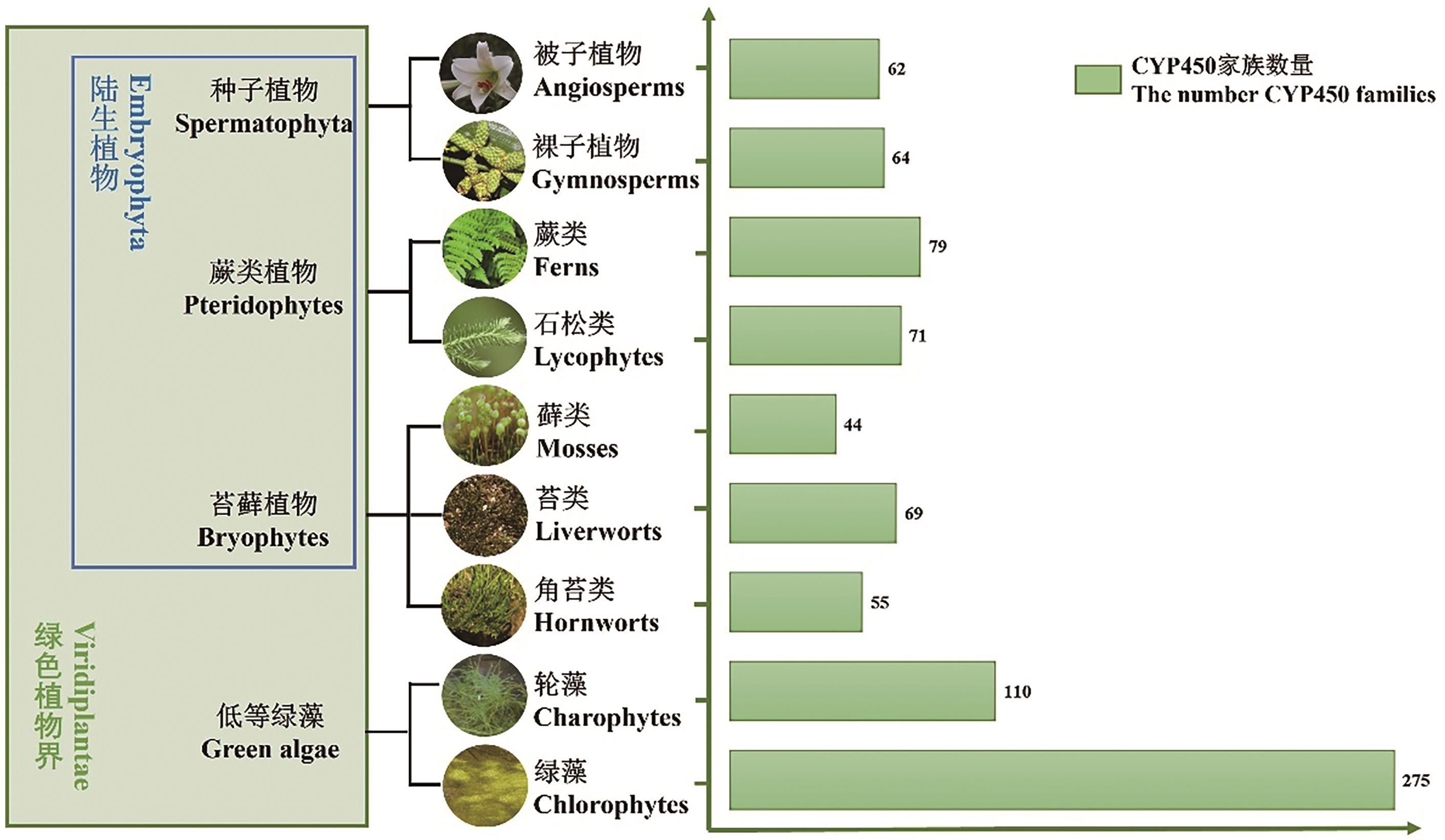
Fig. 1 Statistical analysis of the number of cytochrome P450 family under different plant taxonomic units
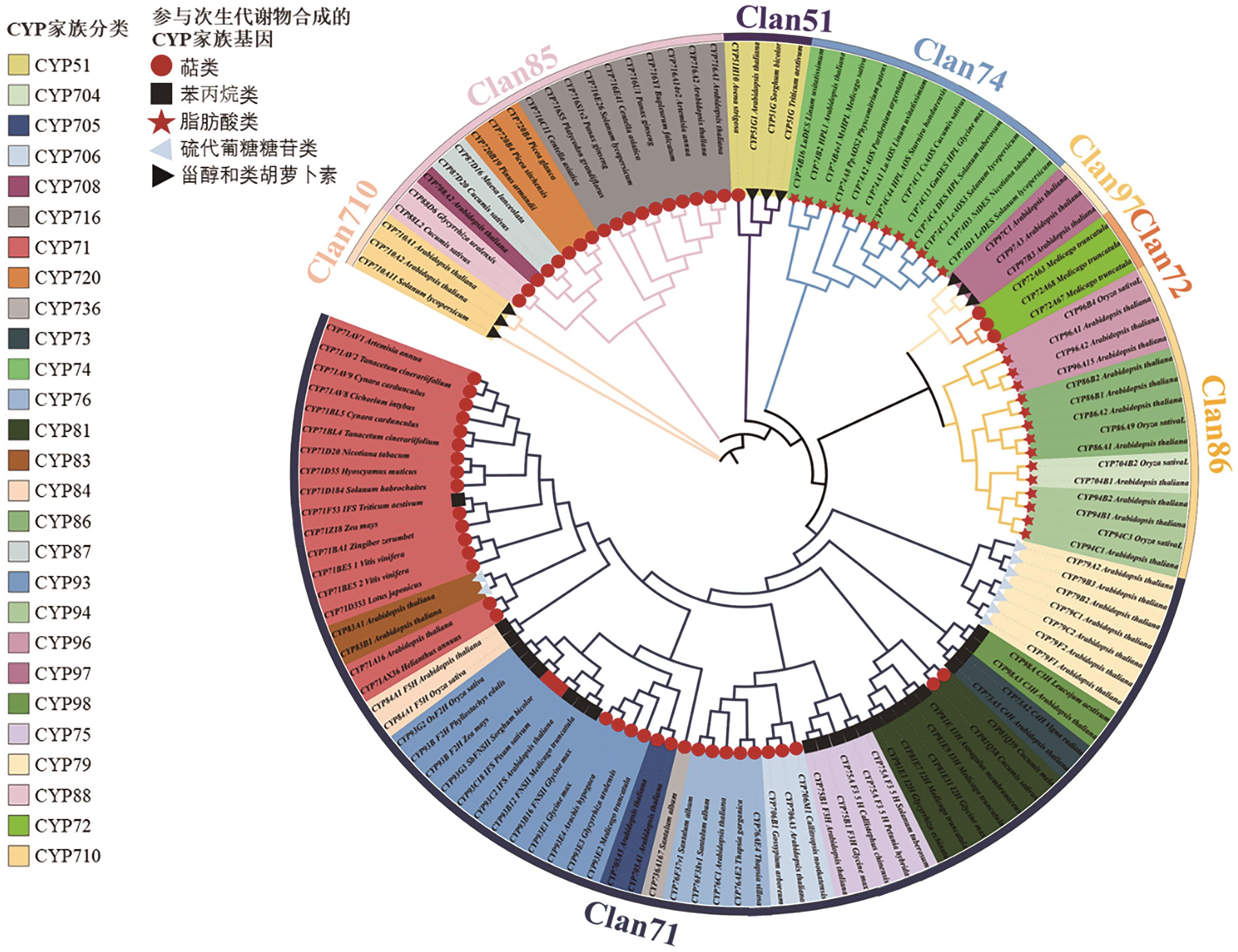
Fig. 2 Phylogenetic tree of the cytochrome P450 family involved in the biosynthesis of secondary metabolites
基因名称 Gene name | 物种 Species | 家族 Family | 主要作用 Main function | 参考文献 Reference |
|---|---|---|---|---|
C4H C3H F5H | 红球姜 Zingiber zerumbet | CYP73A CYP98A CYP84 | 红球姜接种软腐病病原体(Pythium myriotylum)后,C4H、C3H、F5H等基因上调表达,香豆酸、咖啡酸和阿魏酸等物质也在植物中积累 | [ |
| F3H | 川桑 Morus notabilis | CYP75B | 川桑接种环腐病病原菌后,F3H等基因上调表达,桑叶柚皮素、山柰酚和槲皮素等含量增加 | [ |
| GMC4H1 | 大豆 Glycine max | CYP73A | 通过促进木质素的生物合成使得植物对寄生疫霉(Phytophthora parasitica)和黄萎病菌(Verticillium dahliae)的抗性增强 | [ |
C4H C3H | 拟南芥 Arabidopsis thaliana | CYP73A CYP98A | 通过增加木质素含量增强对丁香假单胞菌(Pseudomonas syringae)的防御作用 | [ |
F5H C3H | 水稻 Oryza sativa | CYP84 CYP98A | F5H和C3H的协同表达诱导了H型、G型和S型木质素的积累,诱导水稻对寄生植物独脚金(Striga hermonthica)的抗性 | [ |
| BnF5H | 甘蓝型油菜 Brassica napus | CYP84 | 通过敲除4个F5H基因,S:G木质素比率降低,并且F5H突变体通过强化茎秆强度而增强对核盘菌(Sclerotinia sclerotiorum)的抗性 | [ |
F5H C4H | 番茄 Solanum lycopersicum | CYP84 CYP73A | 通过促进木质素的积累及木质素单体组成的变化,应对南方根结线虫(Meloidogyne incognita)侵染 | [ |
| F2H | 玉米 Zea mays | CYP93G | 通过形成O-甲基黄酮,显著抑制了禾谷镰刀菌(Fusarium graminearum)和轮枝镰刀菌(Fusarium verticillioides)的生长 | [ |
| CYP716A16 | 水稻 O. sativa | CYP716A | CYP716A16过表达后会增加植物体内水仙花苷、甲基麦冬黄烷酮A、木蝴蝶苷等化合物的含量,抵御立枯丝核菌(Rhizoctonia solani)和白叶枯病菌(Xanthomonas oryzae pv. oryzae)的侵染 | [ |
| GbC4H | 海岛棉 Gossypium barbadense | CYP73A | 通过调节黄酮类化合物的代谢流动,抑制枯萎病的发生 | [ |
Table 1 Plant CYP450 involved in the phenylpropanoid biosynthesis pathway in response to biotic stress
基因名称 Gene name | 物种 Species | 家族 Family | 主要作用 Main function | 参考文献 Reference |
|---|---|---|---|---|
C4H C3H F5H | 红球姜 Zingiber zerumbet | CYP73A CYP98A CYP84 | 红球姜接种软腐病病原体(Pythium myriotylum)后,C4H、C3H、F5H等基因上调表达,香豆酸、咖啡酸和阿魏酸等物质也在植物中积累 | [ |
| F3H | 川桑 Morus notabilis | CYP75B | 川桑接种环腐病病原菌后,F3H等基因上调表达,桑叶柚皮素、山柰酚和槲皮素等含量增加 | [ |
| GMC4H1 | 大豆 Glycine max | CYP73A | 通过促进木质素的生物合成使得植物对寄生疫霉(Phytophthora parasitica)和黄萎病菌(Verticillium dahliae)的抗性增强 | [ |
C4H C3H | 拟南芥 Arabidopsis thaliana | CYP73A CYP98A | 通过增加木质素含量增强对丁香假单胞菌(Pseudomonas syringae)的防御作用 | [ |
F5H C3H | 水稻 Oryza sativa | CYP84 CYP98A | F5H和C3H的协同表达诱导了H型、G型和S型木质素的积累,诱导水稻对寄生植物独脚金(Striga hermonthica)的抗性 | [ |
| BnF5H | 甘蓝型油菜 Brassica napus | CYP84 | 通过敲除4个F5H基因,S:G木质素比率降低,并且F5H突变体通过强化茎秆强度而增强对核盘菌(Sclerotinia sclerotiorum)的抗性 | [ |
F5H C4H | 番茄 Solanum lycopersicum | CYP84 CYP73A | 通过促进木质素的积累及木质素单体组成的变化,应对南方根结线虫(Meloidogyne incognita)侵染 | [ |
| F2H | 玉米 Zea mays | CYP93G | 通过形成O-甲基黄酮,显著抑制了禾谷镰刀菌(Fusarium graminearum)和轮枝镰刀菌(Fusarium verticillioides)的生长 | [ |
| CYP716A16 | 水稻 O. sativa | CYP716A | CYP716A16过表达后会增加植物体内水仙花苷、甲基麦冬黄烷酮A、木蝴蝶苷等化合物的含量,抵御立枯丝核菌(Rhizoctonia solani)和白叶枯病菌(Xanthomonas oryzae pv. oryzae)的侵染 | [ |
| GbC4H | 海岛棉 Gossypium barbadense | CYP73A | 通过调节黄酮类化合物的代谢流动,抑制枯萎病的发生 | [ |
基因名称 Gene name | 物种 Species | 家族 Family | 主要作用 Main function | 参考文献 Reference |
|---|---|---|---|---|
| ShCYP71D184 | 多毛番茄 S. habrochaites | CYP71D | 经过两次连续氧化生成萜烯化合物,对烟粉虱(Bemisia tabaci)和疫霉(Phytophthora infestans)、灰霉菌(Botrytis cinerea)等微生物有显著的毒性 | [ |
| CYP71Z18 | 玉米 Z. mays | CYP71Z | 参与倍半萜类植保素zealexins的合成 | [ |
| CYP706A3 | 拟南芥花 A. thaliana | CYP706A | 抑制倍半萜和大多数单萜在开花时释放的单萜烯,从而驱逐害虫 | [ |
| CYP76C1 | 拟南芥花 A. thaliana | CYP76C | CYP76C1缺失突变体可以调节芳樟醇和丁香化合物的释放,减少花的吸引力,来防御害虫的攻击 | [ |
CYP92C6 CYP92C5 | 玉米 Z. mays | CYP92C | CYP92C6和CYP92C5负责合成萜烯挥发物(E)-4,8-二甲基壬-1,3,7-三烯和(3E,7E)-4,8,12-三甲基十三烯-1,3,7,11-四烯,其敲除突变体显著减少了玉米螟(Ostrinia furnacalis)对玉米的吸引力 | [ |
| CYP716A14v2 | 黄花蒿 Artemisia annua | CYP716A | 参与黄花蒿特化三萜的生物合成,这些三萜是黄花蒿地上部分角质层蜡层的成分,可能在保护黄花蒿免受生物胁迫方面起作用 | [ |
| CYP720B4 | 巨云杉Picea sitchensis | CYP720B | 参与抗虫相关的DRAs化合物脱氢枞酸的合成 | [ |
| CYP720B19 | 白松Pinus armandii | CYP720B | 参与对蓝变真菌(Leptographium qinlingensis)的防御 | [ |
CYP720B2 CYP720B12 | 巨云杉 P. sitchensis 黑松 Pinus contorta 杰克松 Pinus banksiana | CYP720B | 通过不同的二萜合酶和CYP720B酶的可变组合产生针叶树DRAs,如枞酸、左旋二酸和棕榈酸 | [ |
| CYP701A8 | 水稻 O. sativa | CYP701A | 参与了抗真菌植保素oryzalexin、phytocassane的生物合成 | [ |
| CYP72A552 | 欧洲山芥 Barbarea vulgaris | CYP72A | 通过催化常春藤皂苷元(hederagenin)形成三萜皂苷,介导植物对食草动物的防御 | [ |
| AsCYP51H10 | 燕麦 Avena strigosa | CYP51H | 参与抗菌性化合物三萜糖苷(avenacin A-1)的合成 | [ |
Table 2 Plant CYP450 involved in the terpene biosynthesis pathway in response to biotic stress
基因名称 Gene name | 物种 Species | 家族 Family | 主要作用 Main function | 参考文献 Reference |
|---|---|---|---|---|
| ShCYP71D184 | 多毛番茄 S. habrochaites | CYP71D | 经过两次连续氧化生成萜烯化合物,对烟粉虱(Bemisia tabaci)和疫霉(Phytophthora infestans)、灰霉菌(Botrytis cinerea)等微生物有显著的毒性 | [ |
| CYP71Z18 | 玉米 Z. mays | CYP71Z | 参与倍半萜类植保素zealexins的合成 | [ |
| CYP706A3 | 拟南芥花 A. thaliana | CYP706A | 抑制倍半萜和大多数单萜在开花时释放的单萜烯,从而驱逐害虫 | [ |
| CYP76C1 | 拟南芥花 A. thaliana | CYP76C | CYP76C1缺失突变体可以调节芳樟醇和丁香化合物的释放,减少花的吸引力,来防御害虫的攻击 | [ |
CYP92C6 CYP92C5 | 玉米 Z. mays | CYP92C | CYP92C6和CYP92C5负责合成萜烯挥发物(E)-4,8-二甲基壬-1,3,7-三烯和(3E,7E)-4,8,12-三甲基十三烯-1,3,7,11-四烯,其敲除突变体显著减少了玉米螟(Ostrinia furnacalis)对玉米的吸引力 | [ |
| CYP716A14v2 | 黄花蒿 Artemisia annua | CYP716A | 参与黄花蒿特化三萜的生物合成,这些三萜是黄花蒿地上部分角质层蜡层的成分,可能在保护黄花蒿免受生物胁迫方面起作用 | [ |
| CYP720B4 | 巨云杉Picea sitchensis | CYP720B | 参与抗虫相关的DRAs化合物脱氢枞酸的合成 | [ |
| CYP720B19 | 白松Pinus armandii | CYP720B | 参与对蓝变真菌(Leptographium qinlingensis)的防御 | [ |
CYP720B2 CYP720B12 | 巨云杉 P. sitchensis 黑松 Pinus contorta 杰克松 Pinus banksiana | CYP720B | 通过不同的二萜合酶和CYP720B酶的可变组合产生针叶树DRAs,如枞酸、左旋二酸和棕榈酸 | [ |
| CYP701A8 | 水稻 O. sativa | CYP701A | 参与了抗真菌植保素oryzalexin、phytocassane的生物合成 | [ |
| CYP72A552 | 欧洲山芥 Barbarea vulgaris | CYP72A | 通过催化常春藤皂苷元(hederagenin)形成三萜皂苷,介导植物对食草动物的防御 | [ |
| AsCYP51H10 | 燕麦 Avena strigosa | CYP51H | 参与抗菌性化合物三萜糖苷(avenacin A-1)的合成 | [ |
基因名称 Gene name | 物种 Species | 家族 Family | 主要作用 Main function | 参考文献 Reference |
|---|---|---|---|---|
| CYP86A2 | 拟南芥 A. thaliana | CYP86A | CYP86A2合成的某些角质相关脂肪酸可能会抑制丁香假单胞菌(Pseudomonas syringae)III型基因在细胞间隙的表达 | [ |
| GbCYP86A1-1 | 海岛棉 G. barbadense | CYP86A | 过表达GbCYP86A1-1基因可以影响根系木栓质合成,激活抗病免疫通路,进而提高了植株对黄萎病菌(Verticillium dahliae)的抗性 | [ |
| CYP96B22 | 大麦 Hordeum vulgare | CYP96B | 对大麦CYP96B22基因进行转录沉默,可降低植株对稻瘟病菌(Magnaporthe oryzae)寄主和非寄主分离物的穿透抗性 | [ |
| CYP94B3/C1 | 拟南芥 A. thaliana | CYP94 | CYP94B3/C1介导JA-Ile激素氧化形成茉莉酸谱并减弱了对灰霉病菌感染的防御反应 | [ |
| NaCYP94B3 | 野生烟草 Nicotiana attenuata | CYP94B | NaCYP94B3通过参与JA-Ile的C-12位羟基化,降低了植物对斜纹夜蛾(Spodoptera litura)的抵抗力 | [ |
| CYP94C1 | 番茄 S. lycopersicum | CYP94C | 敲除CYP94C1可显著提高成熟果实中的JA-Ile含量,进而提高果实对死体营养型病原菌的抗性 | [ |
| CYP94B5 | 水稻 O. sativa | CYP94B | CYP94家族基因在植物叶片受伤时会介导JA-Ile分解代谢途径发挥防御反应 | [ |
| CYP74B24 | 山茶 Camellia sinensis | CYP74B | 参与植物GLVs的形成,在植物抵御食草动物和病原体中发挥作用 | [ |
| CYP74B1 | 亚麻 Linum usitatissimum | CYP74B | [ | |
| ZmHPL | 玉米 Z. mays | CYP74B | [ | |
| HPL | 江南卷柏 Selaginella moellendorffii | CYP74B | [ |
Table 3 Plant CYP450 involved in the fatty acid biosynthesis pathway in response to biotic stress
基因名称 Gene name | 物种 Species | 家族 Family | 主要作用 Main function | 参考文献 Reference |
|---|---|---|---|---|
| CYP86A2 | 拟南芥 A. thaliana | CYP86A | CYP86A2合成的某些角质相关脂肪酸可能会抑制丁香假单胞菌(Pseudomonas syringae)III型基因在细胞间隙的表达 | [ |
| GbCYP86A1-1 | 海岛棉 G. barbadense | CYP86A | 过表达GbCYP86A1-1基因可以影响根系木栓质合成,激活抗病免疫通路,进而提高了植株对黄萎病菌(Verticillium dahliae)的抗性 | [ |
| CYP96B22 | 大麦 Hordeum vulgare | CYP96B | 对大麦CYP96B22基因进行转录沉默,可降低植株对稻瘟病菌(Magnaporthe oryzae)寄主和非寄主分离物的穿透抗性 | [ |
| CYP94B3/C1 | 拟南芥 A. thaliana | CYP94 | CYP94B3/C1介导JA-Ile激素氧化形成茉莉酸谱并减弱了对灰霉病菌感染的防御反应 | [ |
| NaCYP94B3 | 野生烟草 Nicotiana attenuata | CYP94B | NaCYP94B3通过参与JA-Ile的C-12位羟基化,降低了植物对斜纹夜蛾(Spodoptera litura)的抵抗力 | [ |
| CYP94C1 | 番茄 S. lycopersicum | CYP94C | 敲除CYP94C1可显著提高成熟果实中的JA-Ile含量,进而提高果实对死体营养型病原菌的抗性 | [ |
| CYP94B5 | 水稻 O. sativa | CYP94B | CYP94家族基因在植物叶片受伤时会介导JA-Ile分解代谢途径发挥防御反应 | [ |
| CYP74B24 | 山茶 Camellia sinensis | CYP74B | 参与植物GLVs的形成,在植物抵御食草动物和病原体中发挥作用 | [ |
| CYP74B1 | 亚麻 Linum usitatissimum | CYP74B | [ | |
| ZmHPL | 玉米 Z. mays | CYP74B | [ | |
| HPL | 江南卷柏 Selaginella moellendorffii | CYP74B | [ |
基因名称 Gene name | 物种 Species | 家族 Family | 主要作用 Main function | 参考文献 Reference |
|---|---|---|---|---|
CYP79D2 CYP79A1 CYP79A2 | 拟南芥 A. thaliana | CYP79 | 在拟南芥中过表达木薯(Manihot esculenta) CYP79D2、高粱(Sorghum bicolor)CYP79A1以及自身CYP79A2,导致GSLs的积累量增加,增强了对细菌软腐病菌(Erwinia carotovora)、丁香假单胞菌、甘蓝链格孢菌(Alternaria brassicicola)的抗性 | [ |
CYP79D6 CYP79D7 | 毛果杨 Populus trichocarpa | CYP79D | 通过异源表达产生不同的挥发性醛肟混合物,在直接防御草食性毛虫方面有重要作用 | [ |
CYP71B40v3 CYP71B41v2 | 毛果杨 P. trichocarpa | CYP71B | 将醛肟转化为腈,它们对舞毒蛾(Lymantria dispar)具有很强的驱避活性 | [ |
| CYP79A61 | 玉米 Z. mays | CYP79A | CYP79A61在异源系统中产生苯乙醛肟和吲哚-3-乙醛肟,进一步转化为植物激素吲哚-3-乙酸,并可能在玉米防御食草动物或病原菌中发挥作用 | [ |
| CYP79D | 古柯种 Erythroxylum coca Erythroxylum fischeri | CYP79D | CYP79D酶通过参与茉莉酸诱导的醛肟和其他含氮挥发物的形成来发挥防御作用 | [ |
| SbCYP79A61 | 高粱 Sorghum bicolor | CYP79A | 在植物中产生苯乙酰肟并可能参与介导生物和非生物胁迫的其他醛肟类化合物的合成 | [ |
| CYP83B1 | 高粱 S. bicolor | CYP83B | 验证了CYP83B1在硫代葡萄糖苷代谢中的作用 | [ |
| CYP82C2 | 拟南芥 A. thaliana | CYP82C | CYP82C2过表达增强了对灰霉病的抗性,并且伴随着JA诱导的防御基因的表达和JA诱导的吲哚硫代葡萄糖苷(IGs)生物合成前体色氨酸(Trp)的积累 | [ |
CYP79D71 CYP79D72 | 白豆 Phaseolus lunatus | CYP79D | 通过缬氨酸、异亮氨酸和亮氨酸途径产生肟并充当挥发性防御化合物,它们与CYP83E46、47基因和UGT85K31基因组成了亚麻苦和百脉根的完整生物合成途径 | [ |
CYP79D3 CYP736A2 | 百脉根 Lotus japonicus | CYP79D CYP736A | 参与了氰苷的生物合成 | [ |
| CYP79A125 | 甜叶桉Eucalyptus cladocalyx | CYP79A | 催化L-苯丙氨酸转化为相应的醛肟,并通过与CYP706C55、CYP71B103和UGT85A59生成氰苷类化合物prunasin,在植物化学防御中发挥作用 | [ |
Table 4 Plant CYP450 involved in the glucosinolate biosynthesis pathway in response to biotic stress
基因名称 Gene name | 物种 Species | 家族 Family | 主要作用 Main function | 参考文献 Reference |
|---|---|---|---|---|
CYP79D2 CYP79A1 CYP79A2 | 拟南芥 A. thaliana | CYP79 | 在拟南芥中过表达木薯(Manihot esculenta) CYP79D2、高粱(Sorghum bicolor)CYP79A1以及自身CYP79A2,导致GSLs的积累量增加,增强了对细菌软腐病菌(Erwinia carotovora)、丁香假单胞菌、甘蓝链格孢菌(Alternaria brassicicola)的抗性 | [ |
CYP79D6 CYP79D7 | 毛果杨 Populus trichocarpa | CYP79D | 通过异源表达产生不同的挥发性醛肟混合物,在直接防御草食性毛虫方面有重要作用 | [ |
CYP71B40v3 CYP71B41v2 | 毛果杨 P. trichocarpa | CYP71B | 将醛肟转化为腈,它们对舞毒蛾(Lymantria dispar)具有很强的驱避活性 | [ |
| CYP79A61 | 玉米 Z. mays | CYP79A | CYP79A61在异源系统中产生苯乙醛肟和吲哚-3-乙醛肟,进一步转化为植物激素吲哚-3-乙酸,并可能在玉米防御食草动物或病原菌中发挥作用 | [ |
| CYP79D | 古柯种 Erythroxylum coca Erythroxylum fischeri | CYP79D | CYP79D酶通过参与茉莉酸诱导的醛肟和其他含氮挥发物的形成来发挥防御作用 | [ |
| SbCYP79A61 | 高粱 Sorghum bicolor | CYP79A | 在植物中产生苯乙酰肟并可能参与介导生物和非生物胁迫的其他醛肟类化合物的合成 | [ |
| CYP83B1 | 高粱 S. bicolor | CYP83B | 验证了CYP83B1在硫代葡萄糖苷代谢中的作用 | [ |
| CYP82C2 | 拟南芥 A. thaliana | CYP82C | CYP82C2过表达增强了对灰霉病的抗性,并且伴随着JA诱导的防御基因的表达和JA诱导的吲哚硫代葡萄糖苷(IGs)生物合成前体色氨酸(Trp)的积累 | [ |
CYP79D71 CYP79D72 | 白豆 Phaseolus lunatus | CYP79D | 通过缬氨酸、异亮氨酸和亮氨酸途径产生肟并充当挥发性防御化合物,它们与CYP83E46、47基因和UGT85K31基因组成了亚麻苦和百脉根的完整生物合成途径 | [ |
CYP79D3 CYP736A2 | 百脉根 Lotus japonicus | CYP79D CYP736A | 参与了氰苷的生物合成 | [ |
| CYP79A125 | 甜叶桉Eucalyptus cladocalyx | CYP79A | 催化L-苯丙氨酸转化为相应的醛肟,并通过与CYP706C55、CYP71B103和UGT85A59生成氰苷类化合物prunasin,在植物化学防御中发挥作用 | [ |
| [1] | Bak S, Beisson F, Bishop G, et al. Cytochromes P450 [J]. Arab Book, 2011, 9: e0144. |
| [2] | Klingenberg M. Pigments of rat liver microsomes [J]. Arch Biochem Biophys, 1958, 75(2): 376-386. |
| [3] | Frear DS, Swanson HR, Tanaka FS. N-demethylation of substituted 3-(phenyl)-1-methylureas: Isolation and characterization of a microsomal mixed function oxidase from cotton [J]. Phytochemistry, 1969, 8(11): 2157-2169. |
| [4] | Nebert DW, Gonzalez FJ. P450 genes: structure, evolution, and regulation [J]. Annu Rev Biochem, 1987, 56: 945-993. |
| [5] | Šrejber M, Navrátilová V, Paloncýová M, et al. Membrane-attached mammalian cytochromes P450: an overview of the membrane’s effects on structure, drug binding, and interactions with redox partners [J]. J Inorg Biochem, 2018, 183: 117-136. |
| [6] | Li LZ, Wang SB, Wang HL, et al. The genome of Prasinoderma coloniale unveils the existence of a third Phylum within green plants [J]. Nat Ecol Evol, 2020, 4(9): 1220-1231. |
| [7] | Hansen CC, Nelson DR, Møller BL, et al. Plant cytochrome P450 plasticity and evolution [J]. Mol Plant, 2021, 14(8): 1244-1265. |
| [8] | Thodberg S, Hansen C C, Takos A M, et al. The fern CYPome: fern-specific cytochrome P450 family involved in convergent evolution of chemical defense [J]. Biorxiv, 2021, 3(23): 436569. |
| [9] | Mizutani M, Ward E, Dimaio J, et al. Molecular cloning and sequencing of a cDNA encoding mung bean cytochrome P450 (P450C4H) possessing cinnamate 4-hydroxylase activity [J]. Biochem Biophys Res Commun, 1993, 190(3): 875-880. |
| [10] | Karimzadegan V, Koirala M, Sobhanverdi S, et al. Characterization of cinnamate 4-hydroxylase (CYP73A) and p-coumaroyl 3'- hydroxylase (CYP98A) from Leucojum aestivum, a source of Amaryllidaceae alkaloids [J]. Plant Physiol Biochem, 2024, 210: 108612. |
| [11] | Kim JH, Yang DH, Kim JS, et al. Cloning, characterization, and expression of two cDNA clones for a rice ferulate-5-hydroxylase gene, a cytochrome P450-dependent monooxygenase [J]. J Plant Biol, 2006, 49(3): 200-204. |
| [12] | McClean PE, Lee RA, Howe K, et al. The common bean V gene encodes flavonoid 3'5' hydroxylase: a major mutational target for flavonoid diversity in angiosperms [J]. Front Plant Sci, 2022, 13: 869582. |
| [13] | 吴泽航, 杨中义, 鄢毅铖, 等. 比利时杜鹃花类黄酮3'-羟化酶(F3'H)基因克隆及功能分析 [J]. 生物技术通报, 2024, 40(6): 251-259. |
| Wu ZH, Yang ZY, Yan YC, et al. Cloning and functional analysis of flavonoid 3'-hydroxylase (F3'H) gene in Rhododendron hybridum hort [J]. Biotechnol Bull, 2024, 40(6): 251-259. | |
| [14] | Hou YH, Zhou H, Wang CH, et al. Identification of a flavanone 2-hydroxylase involved in flavone C-glycoside biosynthesis from Camellia sinensis [J]. J Agric Food Chem, 2024, 72(49): 27417-27428. |
| [15] | Zheng J, Zhao CN, Liao ZK, et al. Functional characterization of two flavone synthase II members in Citrus [J]. Hortic Res, 2023, 10(7): uhad113. |
| [16] | Picmanova M, Renak D, Fecikova J, et al. Functional expression and subcellular localization of pea polymorphic isoflavone synthase CYP93C18 [J]. Biologia Plant, 2013, 57(4): 635-645. |
| [17] | Polturak G, Misra RC, El-Demerdash A, et al. Discovery of isoflavone phytoalexins in wheat reveals an alternative route to isoflavonoid biosynthesis [J]. Nat Commun, 2023, 14(1): 6977. |
| [18] | Liu JY, Ahmad N, Hong YQ, et al. Molecular characterization of an Isoflavone 2'-hydroxylase gene revealed positive insights into flavonoid accumulation and abiotic stress tolerance in safflower [J]. Molecules, 2022, 27(22): 8001. |
| [19] | 于洋, 哈洋, 赵洋, 等. 膜荚黄芪异黄酮3'-羟化酶基因的克隆及表达分析 [J]. 延边大学农学学报, 2021, 43(1): 1-6, 44. |
| Yu Y, Ha Y, Zhao Y, et al. Cloning and expression analysis of isoflavone 3'-hydroxylase gene from Astragalus membranaceus [J]. Agric Sci J Yanbian Univ, 2021, 43(1): 1-6, 44. | |
| [20] | Celedon JM, Chiang A, Yuen MMS, et al. Heartwood-specific transcriptome and metabolite signatures of tropical sandalwood (Santalum album) reveal the final step of (Z)-santalol fragrance biosynthesis [J]. Plant J, 2016, 86(4): 289-299. |
| [21] | Zabel S, Brandt W, Porzel A, et al. A single cytochrome P450 oxidase from Solanum habrochaites sequentially oxidizes 7-epi-zingiberene to derivatives toxic to whiteflies and various microorganisms [J]. Plant J, 2021, 105(5): 1309-1325. |
| [22] | Mao HJ, Liu J, Ren F, et al. Characterization of CYP71Z18 indicates a role in maize Zealexin biosynthesis [J]. Phytochemistry, 2016, 121: 4-10. |
| [23] | Eljounaidi K, Cankar K, Comino C, et al. Cytochrome P450s from Cynara cardunculus L. CYP71AV9 and CYP71BL5, catalyze distinct hydroxylations in the sesquiterpene lactone biosynthetic pathway [J]. Plant Sci, 2014, 223: 59-68. |
| [24] | Yu FN, Okamoto S, Harada H, et al. Zingiber zerumbet CYP71BA1 catalyzes the conversion of α-humulene to 8-hydroxy-α-humulene in zerumbone biosynthesis [J]. Cell Mol Life Sci, 2011, 68(6): 1033-1040. |
| [25] | Takase H, Sasaki K, Shinmori H, et al. Cytochrome P450 CYP71BE5 in grapevine (Vitis vinifera) catalyzes the formation of the spicy aroma compound (-)-rotundone [J]. J Exp Bot, 2016, 67(3): 787-798. |
| [26] | Frey M, Klaiber I, Conrad J, et al. Characterization of CYP71AX36 from sunflower (Helianthus Annuus L., Asteraceae) [J]. Sci Rep, 2019, 9(1): 14295. |
| [27] | Boachon B, Burdloff Y, Ruan JX, et al. A promiscuous CYP706A3 reduces terpene volatile emission from Arabidopsis flowers, affecting florivores and the floral microbiome [J]. Plant Cell, 2019, 31(12): 2947-2972. |
| [28] | Luo P, Wang YH, Wang GD, et al. Molecular cloning and functional identification of (+)-delta-cadinene-8-hydroxylase, a cytochrome P450 mono-oxygenase (CYP706B1) of cotton sesquiterpene biosynthesis [J]. Plant J, 2001, 28(1): 95-104. |
| [29] | Cankar K, van Houwelingen A, Goedbloed M, et al. Valencene oxidase CYP706M1 from Alaska cedar (Callitropsis nootkatensis) [J]. FEBS Lett, 2014, 588(6): 1001-1007. |
| [30] | Boachon B, Junker RR, Miesch L, et al. CYP76C1 (cytochrome P450)-mediated linalool metabolism and the formation of volatile and soluble linalool oxides in Arabidopsis flowers: a strategy for defense against floral antagonists [J]. Plant Cell, 2015, 27(10): 2972-2990. |
| [31] | Diaz-Chavez ML, Moniodis J, Madilao LL, et al. Biosynthesis of Sandalwood Oil: Santalum album CYP76F cytochromes P450 produce santalols and bergamotol [J]. PLoS One, 2013, 8(9): e75053. |
| [32] | Andersen TB, Rasmussen SA, Christensen SB, et al. Biosynthesis of tovarol and other sesquiterpenoids in Thapsia laciniata rouy [J]. Phytochemistry, 2019, 157: 168-174. |
| [33] | Celedon JM, Bohlmann J. Oleoresin defenses in conifers: chemical diversity, terpene synthases and limitations of oleoresin defense under climate change [J]. New Phytol, 2019, 224(4): 1444-1463. |
| [34] | Ghosh S. Triterpene structural diversification by plant cytochrome P450 enzymes [J]. Front Plant Sci, 2017, 8: 1886. |
| [35] | Toporkova YY, Smirnova EO, Mukhtarova LS, et al. Catalysis by allene oxide synthases (CYP74A and CYP74C): alterations by the phe/leu mutation at the SRS-1 region [J]. Phytochemistry, 2020, 169: 112152. |
| [36] | Gorina SS, Mukhitova FK, Ilyina TM, et al. Detection of unprecedented allene oxide synthase member of CYP74B subfamily: CYP74B33 of carrot (Daucus carota) [J]. Biochim Biophys Acta Mol Cell Biol Lipids, 2019, 1864(11): 1580-1590. |
| [37] | Toporkova YY, Askarova EK, Gorina SS, et al. Epoxyalcohol synthase activity of the CYP74B enzymes of higher plants [J]. Biochim Biophys Acta Mol Cell Biol Lipds, 2020, 1865(9): 158743. |
| [38] | Toporkova YY, Gorina SS, Bessolitsyna EK, et al. Double function hydroperoxide lyases/epoxyalcohol synthases (CYP74C) of higher plants: identification and conversion into allene oxide synthases by site-directed mutagenesis [J]. Biochim Biophys Acta Mol Cell Biol Lipds, 2018, 1863(4): 369-378. |
| [39] | Toporkova YY, Smirnova EO, Iljina TM, et al. The CYP74B and CYP74D divinyl ether synthases possess a side hydroperoxide lyase and epoxyalcohol synthase activities that are enhanced by the site-directed mutagenesis [J]. Phytochemistry, 2020, 179: 112512. |
| [40] | Stumpe M, Feussner I. Formation of oxylipins by CYP74 enzymes [J]. Phytochem Rev, 2006, 5(2): 347-357. |
| [41] | Compagnon V, Diehl P, Benveniste I, et al. CYP86B1 is required for very long chain omega-hydroxyacid and alpha, omega-dicarboxylic acid synthesis in root and seed suberin polyester [J]. Plant Physiol, 2009, 150(4): 1831-1843. |
| [42] | Heitz T, Widemann E, Lugan R, et al. Cytochromes P450 CYP94C1 and CYP94B3 catalyze two successive oxidation steps of plant hormone jasmonoyl-isoleucine for catabolic turnover [J]. J Biol Chem, 2012, 287(9): 6296-6306. |
| [43] | Greer S, Wen M, Bird D, et al. The cytochrome P450 enzyme CYP96A15 is the midchain alkane hydroxylase responsible for formation of secondary alcohols and ketones in stem cuticular wax of Arabidopsis [J]. Plant Physiol, 2007, 145(3): 653-667. |
| [44] | Ramamoorthy R, Jiang SY, Ramachandran S. Oryza sativa cytochrome P450 family member OsCYP96B4 reduces plant height in a transcript dosage dependent manner [J]. PLoS One, 2011, 6(11): e28069. |
| [45] | Li H, Pinot F, Sauveplane V, et al. Cytochrome P450 family member CYP704B2 catalyzes the{omega}-hydroxylation of fatty acids and is required for anther cutin biosynthesis and pollen exine formation in rice [J]. Plant Cell, 2010, 22(1): 173-190. |
| [46] | 费丹丹, 王军伟, 吴小媚,等. 细胞色素P450基因家族参与植物硫代葡萄糖苷生物合成的研究进展 [J]. 中国蔬菜, 2023, (5): 30-41. |
| Fei DD, Wang JW, Wu XM, et al. Research progress on the role of the cytochrome P450 family in the of glucosinolate biosynthesis in plants [J]. China Veg, 2023, (5): 30-41. | |
| [47] | Chen SX, Glawischnig E, Jørgensen K, et al. CYP79F1 and CYP79F2 have distinct functions in the biosynthesis of aliphatic glucosinolates in Arabidopsis [J]. Plant J, 2003, 33(5): 923-937. |
| [48] | Wang CW, Dissing MM, Agerbirk N, et al. Characterization of Arabidopsis CYP79C1 and CYP79C2 by glucosinolate pathway engineering in Nicotiana benthamiana shows substrate specificity toward a range of aliphatic and aromatic amino acids [J]. Front Plant Sci, 2020, 11: 57. |
| [49] | Nintemann SJ, Hunziker P, Andersen TG, et al. Localization of the glucosinolate biosynthetic enzymes reveals distinct spatial patterns for the biosynthesis of indole and aliphatic glucosinolates [J]. Physiol Plant, 2018, 163(2): 138-154. |
| [50] | Bak S, Kahn RA, Olsen CE, et al. Cloning and expression in Escherichia coli of the obtusifoliol 14 alpha-demethylase of Sorghum bicolor (L.) Moench, a cytochrome P450 orthologous to the sterol 14 alpha-demethylases (CYP51) from fungi and mammals [J]. Plant J, 1997, 11(2): 191-201. |
| [51] | Morikawa T, Mizutani M, Aoki N, et al. Cytochrome P450 CYP710A encodes the sterol C-22 desaturase in Arabidopsis and tomato [J]. Plant Cell, 2006, 18(4): 1008-1022. |
| [52] | Kim J, Smith JJ, Tian L, et al. The evolution and function of carotenoid hydroxylases in Arabidopsis [J]. Plant Cell Physiol, 2009, 50(3): 463-479. |
| [53] | Niu GQ, Guo Q, Wang J, et al. Structural basis for plant lutein biosynthesis from α-carotene [J]. Proc Natl Acad Sci USA, 2020, 117(25): 14150-14157. |
| [54] | Nawaz M, Sun JF, Shabbir S, et al. A review of plants strategies to resist biotic and abiotic environmental stressors [J]. Sci Total Environ, 2023, 900: 165832. |
| [55] | Wu LY, Du GH, Bao R, et al. De novo assembly and discovery of genes involved in the response of Solanum sisymbriifolium to Verticillium dahlia [J]. Physiol Mol Biol Plants, 2019, 25(4): 1009-1027. |
| [56] | Desmedt W, Jonckheere W, Nguyen VH, et al. The phenylpropanoid pathway inhibitor piperonylic acid induces broad-spectrum pest and disease resistance in plants [J]. Plant Cell Environ, 2021, 44(9): 3122-3139. |
| [57] | Augustine L, Varghese L, Kappachery S, et al. Comparative analyses reveal a phenylalanine ammonia lyase dependent and salicylic acid mediated host resistance in Zingiber zerumbet against the necrotrophic soft rot pathogen Pythium myriotylum [J]. Plant Sci, 2024, 340: 111972. |
| [58] | Qian QQ, Deng XQ, Mureed S, et al. Integrating transcriptomics and metabolomics to analyze the defense response of Morus notabilis to mulberry ring rot disease [J]. Front Microbiol, 2024, 15: 1373827. |
| [59] | Yan Q, Si JR, Cui XX, et al. The soybean cinnamate 4-hydroxylase gene GmC4H1 contributes positively to plant defense via increasing lignin content [J]. Plant Growth Regul, 2019, 88(2): 139-149. |
| [60] | Kim SH, Lam PY, Lee MH, et al. The Arabidopsis R2R3 MYB transcription factor MYB15 is a key regulator of lignin biosynthesis in effector-triggered immunity [J]. Front Plant Sci, 2020, 11: 583153. |
| [61] | Mutuku JM, Cui SK, Hori C, et al. The structural integrity of lignin is crucial for resistance against Striga hermonthica parasitism in rice [J]. Plant Physiol, 2019, 179(4): 1796-1809. |
| [62] | Cao YR, Yan XY, Ran SY, et al. Knockout of the lignin pathway gene BnF5H decreases the S/G lignin compositional ratio and improves Sclerotinia sclerotiorum resistance in Brassica napus [J]. Plant Cell Environ, 2022, 45(1): 248-261. |
| [63] | Veronico P, Paciolla C, Pomar F, et al. Changes in lignin biosynthesis and monomer composition in response to benzothiadiazole and root-knot nematode Meloidogyne incognita infection in tomato [J]. J Plant Physiol, 2018, 230: 40-50. |
| [64] | Förster C, Handrick V, Ding YZ, et al. Biosynthesis and antifungal activity of fungus-induced O-methylated flavonoids in maize [J]. Plant Physiol, 2022, 188(1): 167-190. |
| [65] | Wang AJ, Ma L, Shu XY, et al. Rice (Oryza sativa L.) cytochrome P450 protein 716A subfamily CYP716A16 regulates disease resistance [J]. BMC Genomics, 2022, 23(1): 343. |
| [66] | Zu QL, Qu YY, Su XN, et al. GbC4H regulates the metabolic flow of flavonoids and inhibits the occurrence of Fusarium wilt in sea island cotton [J]. Plant Growth Regul, 2023, 101(1): 87-97. |
| [67] | Joshi A, Jeena GS, Shikha, et al. Ocimum sanctum, OscWRKY1, regulates phenylpropanoid pathway genes and promotes resistance to pathogen infection in Arabidopsis [J]. Plant Mol Biol, 2022, 110(3): 235-251. |
| [68] | Li YF, Ji NN, Zuo XX, et al. Involvement of PpMYB306 in Pichia guilliermondii-induced peach fruit resistance against Rhizopus stolonifer [J]. Biol Control, 2023, 177: 105130. |
| [69] | 段雅婕, 杨宝明, 郭志祥, 等. 外源水杨酸诱导香蕉苯丙烷类代谢提高对枯萎病抗性 [J]. 热带作物学报, 2022, 43(9): 1870-1879. |
| Duan YJ, Yang BM, Guo ZX, et al. Exogenous salicylic acid induced phenylpropane metabolism in banana to improve the resistance against Fusarium wilt [J]. Chin J Trop Crops, 2022, 43(9): 1870-1879. | |
| [70] | Zhao MJ, Huang SJ, Zhang QY, et al. The plant terpenes DMNT and TMTT function as signaling compounds that attract Asian corn borer (Ostrinia furnacalis) to maize plants [J]. J Integr Plant Biol, 2024, 66(11): 2528-2542. |
| [71] | Teoh KH, Polichuk DR, Reed DW, et al. Artemisia annua L. (Asteraceae) trichome-specific cDNAs reveal CYP71AV1, a cytochrome P450 with a key role in the biosynthesis of the antimalarial sesquiterpene lactone artemisinin [J]. FEBS Lett, 2006, 580(5): 1411-1416. |
| [72] | Moses T, Pollier J, Shen Q, et al. OSC2 and CYP716A14v2 catalyze the biosynthesis of triterpenoids for the cuticle of aerial organs of Artemisia annua [J]. Plant Cell, 2015, 27(1): 286-301. |
| [73] | Hamberger B, Ohnishi T, Hamberger B, et al. Evolution of diterpene metabolism: Sitka spruce CYP720B4 catalyzes multiple oxidations in resin acid biosynthesis of conifer defense against insects [J]. Plant Physiol, 2011, 157(4): 1677-1695. |
| [74] | Pham T, Chen H, Dai L, et al. Isolation a P450 gene in Pinus armandi and its expression after inoculation of Leptographium qinlingensis and treatment with methyl jasmonate [J]. Russ J Plant Physiol, 2016, 63(1): 111-118. |
| [75] | Geisler K, Jensen NB, Yuen MMS, et al. Modularity of conifer diterpene resin acid biosynthesis: P450 enzymes of different CYP720B clades use alternative substrates and converge on the same products [J]. Plant Physiol, 2016, 171(1): 152-164. |
| [76] | Peters RJ. Uncovering the complex metabolic network underlying diterpenoid phytoalexin biosynthesis in rice and other cereal crop plants [J]. Phytochemistry, 2006, 67(21): 2307-2317. |
| [77] | Wang Q, Hillwig ML, Wu YS, et al. CYP701A8: a rice ent-kaurene oxidase paralog diverted to more specialized diterpenoid metabolism [J]. Plant Physiol, 2012, 158(3): 1418-1425. |
| [78] | Liu Q, Khakimov B, Cárdenas PD, et al. The cytochrome P450 CYP72A552 is key to production of hederagenin-based saponins that mediate plant defense against herbivores [J]. New Phytol, 2019, 222(3): 1599-1609. |
| [79] | Kunii M, Kitahama Y, Fukushima EO, et al. β-Amyrin oxidation by oat CYP51H10 expressed heterologously in yeast cells: the first example of CYP51-dependent metabolism other than the 14-demethylation of sterol precursors [J]. Biol Pharm Bull, 2012, 35(5): 801-804. |
| [80] | Xiao FM, Goodwin SM, Xiao YM, et al. Arabidopsis CYP86A2 represses Pseudomonas syringae type III genes and is required for cuticle development [J]. EMBO J, 2004, 23(14): 2903-2913. |
| [81] | Wang GL, Xu J, Li LC, et al. GbCYP86A1-1 from Gossypium barbadense positively regulates defence against Verticillium dahliae by cell wall modification and activation of immune pathways [J]. Plant Biotechnol J, 2020, 18(1): 222-238. |
| [82] | Delventhal R, Falter C, Strugala R, et al. Ectoparasitic growth of Magnaporthe on barley triggers expression of the putative barley wax biosynthesis gene CYP96B22 which is involved in penetration resistance [J]. BMC Plant Biol, 2014, 14: 26. |
| [83] | Huang XY, Li YQ, Chang ZY, et al. Regulation by distinct MYB transcription factors defines the roles of OsCYP86A9 in anther development and root suberin deposition [J]. Plant J, 2024, 118(6): 1972-1990. |
| [84] | Zhang J, Liu ZY, Zhang YF, et al. PpyMYB144 transcriptionally regulates pear fruit skin russeting by activating the cytochrome P450 gene PpyCYP86B1 [J]. Planta, 2023, 257(4): 69. |
| [85] | Aubert Y, Widemann E, Miesch L, et al. CYP94-mediated jasmonoyl-isoleucine hormone oxidation shapes jasmonate profiles and attenuates defence responses to Botrytis cinerea infection [J]. J Exp Bot, 2015, 66(13): 3879-3892. |
| [86] | Luo J, Wei K, Wang SH, et al. COI1-Regulated hydroxylation of Jasmonoyl-L-isoleucine impairs Nicotiana attenuata’s resistance to the generalist herbivore Spodoptera litura [J]. J Agric Food Chem, 2016, 64(14): 2822-2831. |
| [87] | Yang TX, Deng L, Wang QY, et al. Tomato CYP94C1 inactivates bioactive JA-Ile to attenuate jasmonate-mediated defense during fruit ripening [J]. Mol Plant, 2024, 17(4): 509-512. |
| [88] | Hazman M, Sühnel M, Schäfer S, et al. Characterization of jasmonoyl-isoleucine (JA-ile) hormonal catabolic pathways in rice upon wounding and salt stress [J]. Rice, 2019, 12(1): 45. |
| [89] | Ono E, Handa T, Koeduka T, et al. CYP74B24 is the 13-hydroperoxide lyase involved in biosynthesis of green leaf volatiles in tea (Camellia sinensis) [J]. Plant Physiol Biochem, 2016, 98: 112-118. |
| [90] | Gogolev YV, Gorina SS, Gogoleva NE, et al. Identification and primary characterization of novel cytochrome CYP74B1 of flax (Linum usitatissimum) [J]. Dokl Biochem Biophys, 2011, 440: 221-224. |
| [91] | Yactayo-Chang JP, Hunter CT, Alborn HT, et al. Production of the green leaf volatile (Z)-3-hexenal by a Zea mays hydroperoxide lyase [J]. Plants, 2022, 11(17): 2201. |
| [92] | Tanaka M, Koeduka T, Matsui K. Green leaf volatile-burst in Selaginella moellendorffii [J]. Front Plant Sci, 2021, 12: 731694. |
| [93] | Brader G, Mikkelsen MD, Halkier BA, et al. Altering glucosinolate profiles modulates disease resistance in plants [J]. Plant J, 2006, 46(5): 758-767. |
| [94] | Irmisch S, McCormick AC, Boeckler GA, et al. Two herbivore-induced cytochrome P450 enzymes CYP79D6 and CYP79D7 catalyze the formation of volatile aldoximes involved in poplar defense [J]. Plant Cell, 2013, 25(11): 4737-4754. |
| [95] | Irmisch S, Clavijo McCormick A, Günther J, et al. Herbivore-induced poplar cytochrome P450 enzymes of the CYP71 family convert aldoximes to nitriles which repel a generalist caterpillar [J]. Plant J, 2014, 80(6): 1095-1107. |
| [96] | Irmisch S, Zeltner P, Handrick V, et al. The maize cytochrome P450 CYP79A61 produces phenylacetaldoxime and indole-3-acetaldoxime in heterologous systems and might contribute to plant defense and auxin formation [J]. BMC Plant Biol, 2015, 15: 128. |
| [97] | Luck K, Jirschitzka J, Irmisch S, et al. CYP79D enzymes contribute to jasmonic acid-induced formation of aldoximes and other nitrogenous volatiles in two Erythroxylum species [J]. BMC Plant Biol, 2016, 16(1): 215. |
| [98] | Perez VC, Dai R, Tomiczek B, et al. Metabolic link between auxin production and specialized metabolites in Sorghum bicolor [J]. J Exp Bot, 2023, 74(1): 364-376. |
| [99] | Clausen M, Kannangara RM, Olsen CE, et al. The bifurcation of the cyanogenic glucoside and glucosinolate biosynthetic pathways [J]. Plant J, 2015, 84(3): 558-573. |
| [100] | Liu F, Jiang HL, Ye SQ, et al. The Arabidopsis P450 protein CYP82C2 modulates jasmonate-induced root growth inhibition, defense gene expression and indole glucosinolate biosynthesis [J]. Cell Res, 2010, 20(5): 539-552. |
| [101] | Lai D, Maimann AB, Macea E, et al. Biosynthesis of cyanogenic glucosides in Phaseolus lunatus and the evolution of oxime-based defenses [J]. Plant Direct, 2020, 4(8): e00244. |
| [102] | Takos AM, Knudsen C, Lai D, et al. Genomic clustering of cyanogenic glucoside biosynthetic genes aids their identification in Lotus japonicus and suggests the repeated evolution of this chemical defence pathway [J]. Plant J, 2011, 68(2): 273-286. |
| [103] | Hansen CC, Sørensen M, Veiga TAM, et al. Reconfigured cyanogenic glucoside biosynthesis in Eucalyptus cladocalyx involves a cytochrome P450 CYP706C55 [J]. Plant Physiol, 2018, 178(3): 1081-1095. |
| [104] | Zhang X, Zhang Y, Solairaj D, et al. Transcriptomic analysis-transient expression of CYP714C2 improves resistance in pears [J]. Postharvest Biol Technol, 2024, 213: 112966. |
| [105] | Shi JJ, Zhang F, Wang YS, et al. The cytochrome P450 gene, MdCYP716B1, is involved in regulating plant growth and anthracnose resistance in apple [J]. Plant Sci, 2023, 335: 111832. |
| [106] | Chaturvedi R, Giri M, Chowdhury Z, et al. CYP720A1 function in roots is required for flowering time and systemic acquired resistance in the foliage of Arabidopsis [J]. J Exp Bot, 2020, 71(20): 6612-6622. |
| [107] | Shilpashree HB, Narayanan AK, Kumar SR, et al. The cytochrome P450 enzyme WsCYP71B35 from Withania somnifera has a role in withanolides biosynthesis and defence against bacteria [J]. Physiol Plant, 2024, 176(1): e14180. |
| [108] | Wang HY, Li PF, Wang Y, et al. Genome-wide identification of the CYP82 gene family in cucumber and functional characterization of CsCYP82D102 in regulating resistance to powdery mildew [J]. PeerJ, 2024, 12: e17162. |
| [1] | KUANG Jian-hua, CHENG Zhi-peng, ZHAO Yong-jing, YANG Jie, CHEN Run-qiao, CHEN Long-qing, HU Hui-zhen. Expression Analysis of the GH3 Gene Family in Nelumbo nucifera underHormonal and Abiotic Stresses [J]. Biotechnology Bulletin, 2025, 41(2): 221-233. |
| [2] | WU Ding-jie, CHEN Ying-ying, XU Jing, LIU Yuan, ZHANG Hang, LI Rui-li. Research Progress in Plant Gibberellin Oxidase and Its Functions [J]. Biotechnology Bulletin, 2024, 40(7): 43-54. |
| [3] | XIN Qi, LI Ya-fan, YIN Zheng, ZHANG Xiao-dan, CHEN Ting, LIU Xiao-hua. Identification and Expression Analysis of the CBL-CIPK Gene Family in Sugarcane [J]. Biotechnology Bulletin, 2024, 40(2): 197-211. |
| [4] | WANG Zi-xuan, SUI Yu, SHANG Xue-yu, MA Si-jia, WU Tian-xiang, LIU Yang, WANG Qi. Structural Characteristics of Sarcomyxa edulis Polysaccharide and Its Mechanism of Regulating Macrophage Immunomodulatory Activity [J]. Biotechnology Bulletin, 2024, 40(1): 308-321. |
| [5] | ZHANG Yan-feng, YE Li-dan, YU Hong-wei. Redox Partner Engineering: A Solution to the Low Catalytic Efficiency of P450s [J]. Biotechnology Bulletin, 2023, 39(4): 10-23. |
| [6] | CHEN Guang-xia, LI Xiu-jie, JIANG Xi-long, SHAN Lei, ZHANG Zhi-chang, LI Bo. Research Progress in Plant Small Signaling Peptides Involved in Abiotic Stress Response [J]. Biotechnology Bulletin, 2023, 39(11): 61-73. |
| [7] | WANG Chen-chen, ZHANG Fan-li, CHEN Pei-qi, WENG Si-yao, WANG Hui-fang, CUI Xiao-juan. Research Progress in the Structural and Functional Analysis of Mammalian DNA Methyltransferase DNMT1 and DNMT3 [J]. Biotechnology Bulletin, 2022, 38(7): 31-39. |
| [8] | WEI Qian, LIU Xiao-ning, ZHAO Jie. FoxAl Regulating CYP6B6 Expression Under 2-tridecanone Stress in Helicoverpa armigera [J]. Biotechnology Bulletin, 2022, 38(5): 84-92. |
| [9] | RONG Yu-ping, TANG Bin, LI Peng, ZHANG Jie-qiong, CHEN Qing-fu, ZHU Li-wei, DENG Jiao, HUANG Juan. Identification and Expression of NAC Transcription Factor FtNAC17 in Tartary Buckwheat [J]. Biotechnology Bulletin, 2021, 37(1): 174-181. |
| [10] | LIU Jun, JIN Yu, WU Yao-song, LIU Yan, WANG Wen-bin, REN Shan-shan, DIAO Song-feng, CHEN Yu-long. Advances on the Structural Characteristics and Function of Dof Gene in Plant [J]. Biotechnology Bulletin, 2020, 36(10): 180-190. |
| [11] | HUANG Xing, DING Feng, PENG Hong-xiang, PAN Jie-chun, HE Xin-hua, XU Jiong-zhi, LI Lin. Research Progress on Family of Plant WRKY Transcription Factors [J]. Biotechnology Bulletin, 2019, 35(12): 129-143. |
| [12] | GONG Rui, SUN Kai, XIE Dao-yue. Applications of Fungal Laccase in Green Chemistry [J]. Biotechnology Bulletin, 2018, 34(4): 24-34. |
| [13] | LI Lu-lu, QU Chang-feng, ZHENG Zhou, WANG Yi-bin, MIAO Jin-lai, ZHANG Li. Study Advances on the Algal Aquaporins [J]. Biotechnology Bulletin, 2017, 33(8): 1-6. |
| [14] | WANG Chuan, LI Li, WEI Pi-wei, HUANG Fei. Cloning and Function of Gene for Cytochrome P450 from a Chlorogenic Acid-producing Endophytic Bacterium [J]. Biotechnology Bulletin, 2016, 32(6): 181-186. |
| [15] | Wang Yanrong, Zhang Zhiguo, Wu Jinxia. LEA Protein and Its Application in Improvement of Stress Tolerance in Plants [J]. Biotechnology Bulletin, 2015, 31(3): 1-9. |
| Viewed | ||||||
|
Full text |
|
|||||
|
Abstract |
|
|||||
