







Biotechnology Bulletin ›› 2026, Vol. 42 ›› Issue (9): 186-195.doi: 10.13560/j.cnki.biotech.bull.1985.2025-1259
ZHENG Shu-ya, SU Yu-ting, HE Yu-mei, ZHAO Pan, ZHOU Xin-yi, LIU Ran, LIU Ping-li, GUO Hui-hong( )
)
Received:2025-11-20
Online:2026-09-26
Published:2026-09-16
Contact:
GUO Hui-hong
E-mail:guohh@bjfu.edu.cn
ZHENG Shu-ya, SU Yu-ting, HE Yu-mei, ZHAO Pan, ZHOU Xin-yi, LIU Ran, LIU Ping-li, GUO Hui-hong. Cloning and Functional Analysis of Gene PagRAX2_16G and Its Promoter from Poplar[J]. Biotechnology Bulletin, 2026, 42(9): 186-195.
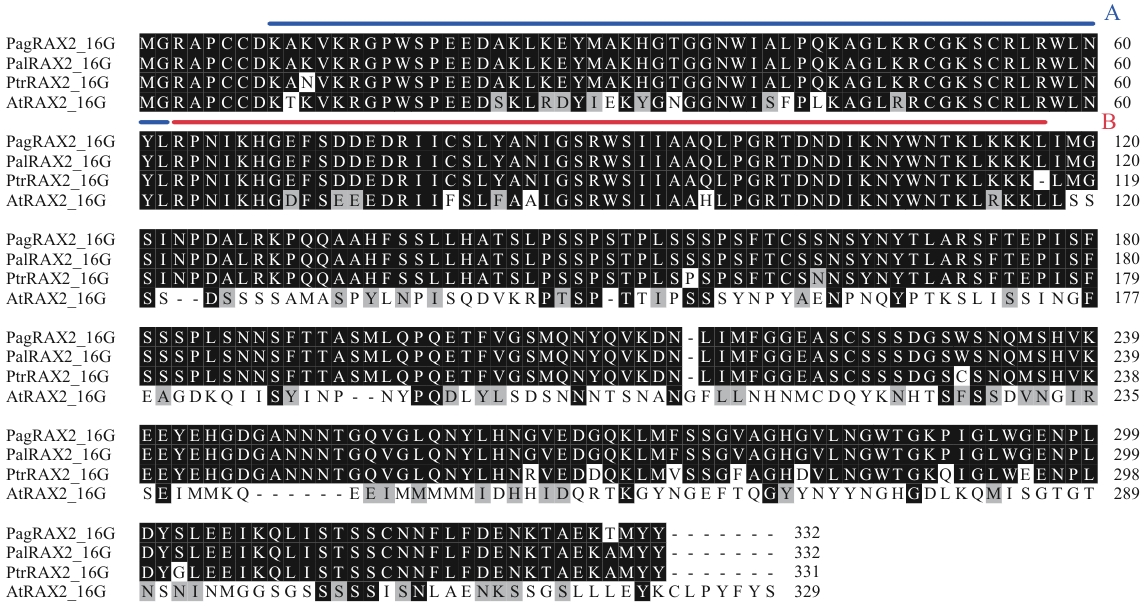
Fig. 1 Multiple alignments of PagRAX2_16G protein sequencesA and B indicate conserved domains. Pag: Populus alba × P. glandulosa; Pal: P. alba; Ptr: P. trichocarpa; At: Arabidopsis thaliana
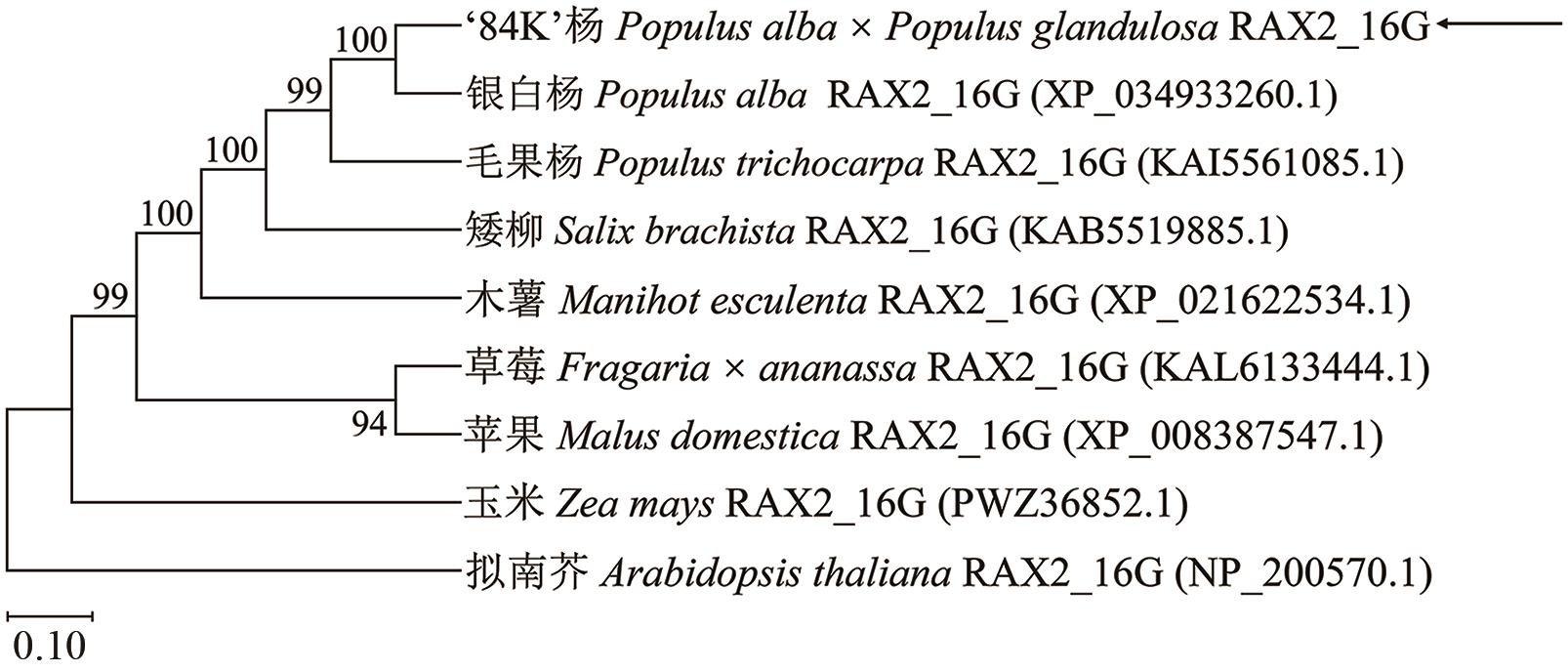
Fig. 2 Phylogenetic tree analysis of PagRAX2_16G in '84K' poplar and RAX2_16G proteins from other plant species
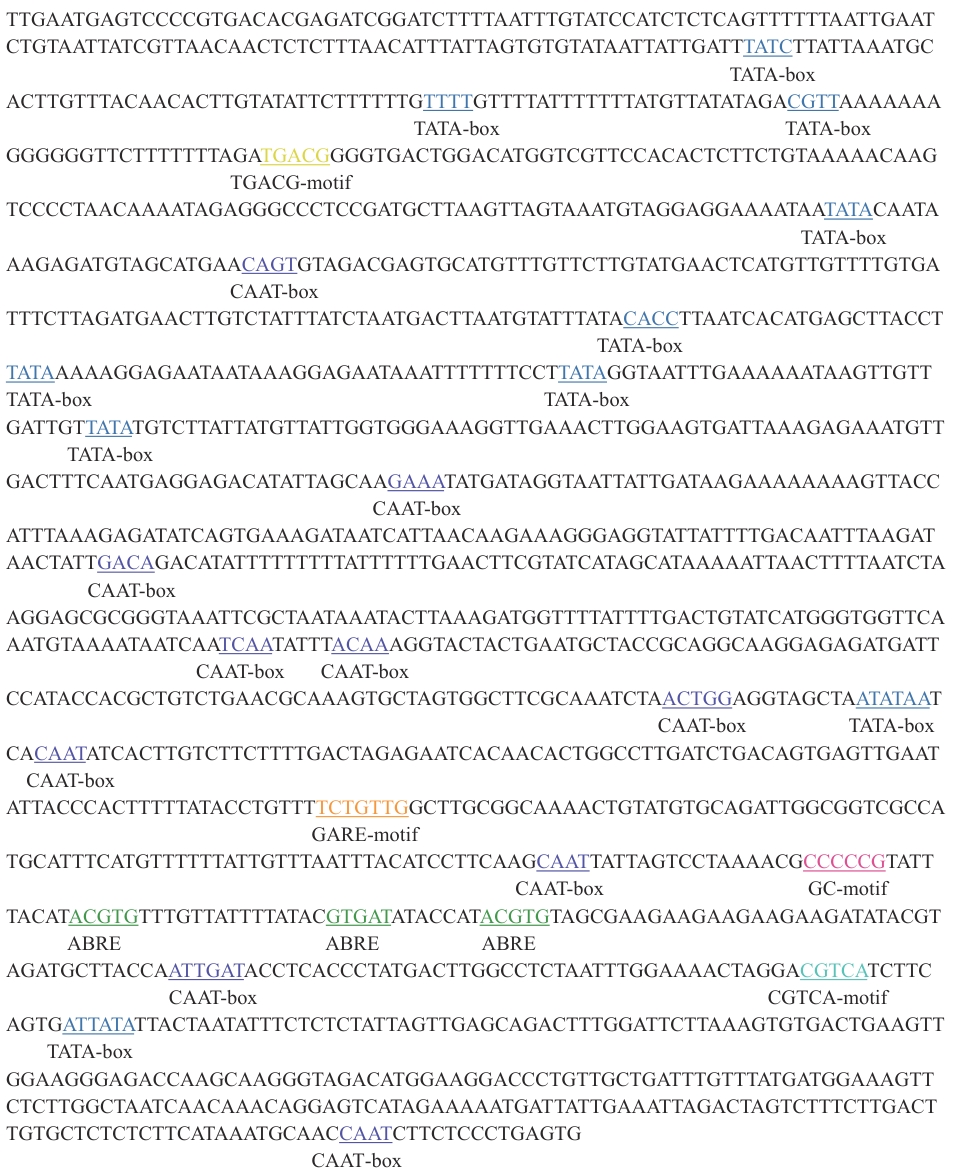
Fig. 3 Promoter sequence and cis-acting elements analysis of PagRAX2_16GTATA-box: Core components of transcription initiation. CAAT-box: Enhancer elements. TGACG-motif and CGTCA-motif: Cis-acting element of methyl jasmonate response. GARE-motif: Gibberellin response element. GC-motif: Anaerobic-specific inducible enhancer-like element. ABRE: Cis-acting element of abscisic acid response
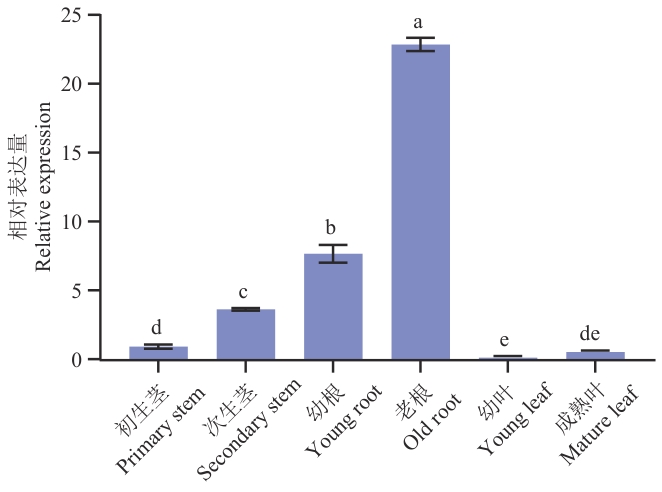
Fig. 4 Expression pattern analysis of PagRAX2_16G in '84K' poplarDifferent lowercase letters indicate significant differences (P<0.05). The same as below
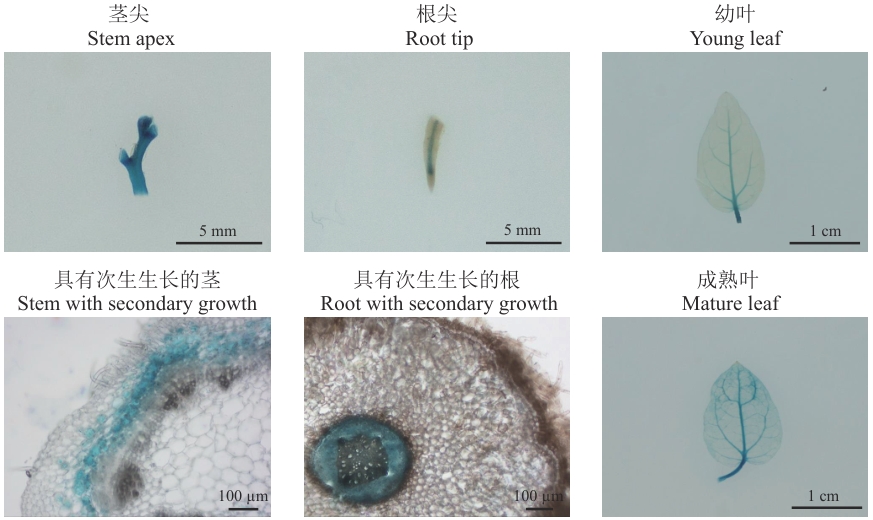
Fig. 5 GUS staining result of proPagRAX2_16G
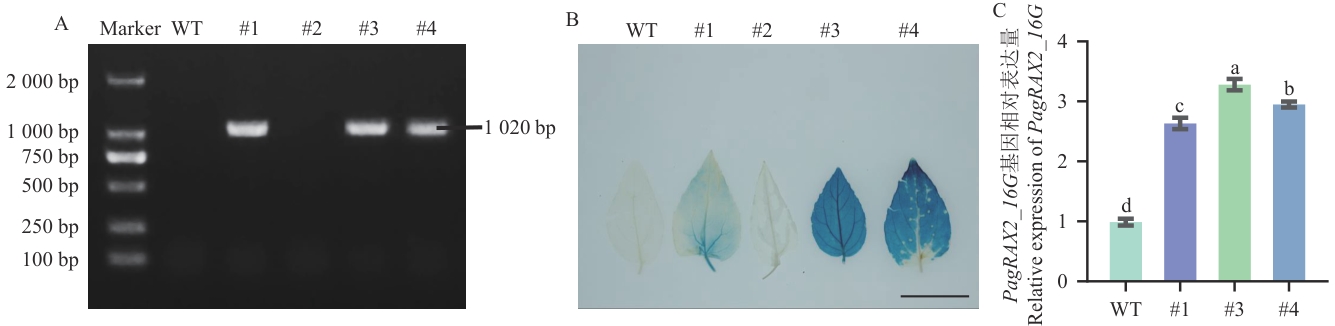
Fig. 6 PCR detection, GUS assay and RT-qPCR analysis of PagRAX2_16G transgenic poplarA: PCR detection of PagRAX2_16G transgenic plants. B: GUS assay of PagRAX2_16G transgenic plants (Bar = 1 cm). C: RT-qPCR analysis of PagRAX2_16G transgenic plants. WT: Wild-type plants, negative control. #2: False positive plant. #1, #3, #4: PagRAX2_16G transgenic positive plants. The same below

Fig. 7 Analysis of the external morphology of stems and leaves in plants overexpressing PagRAX2_16GA: External morphology of the stems and leaves between wild-type ‘84K’ poplar and PagRAX2_16G-overexpressed ‘84K’ poplars (Bar = 10 cm). B‒F: Analysis of the external morphology of stems and leaves
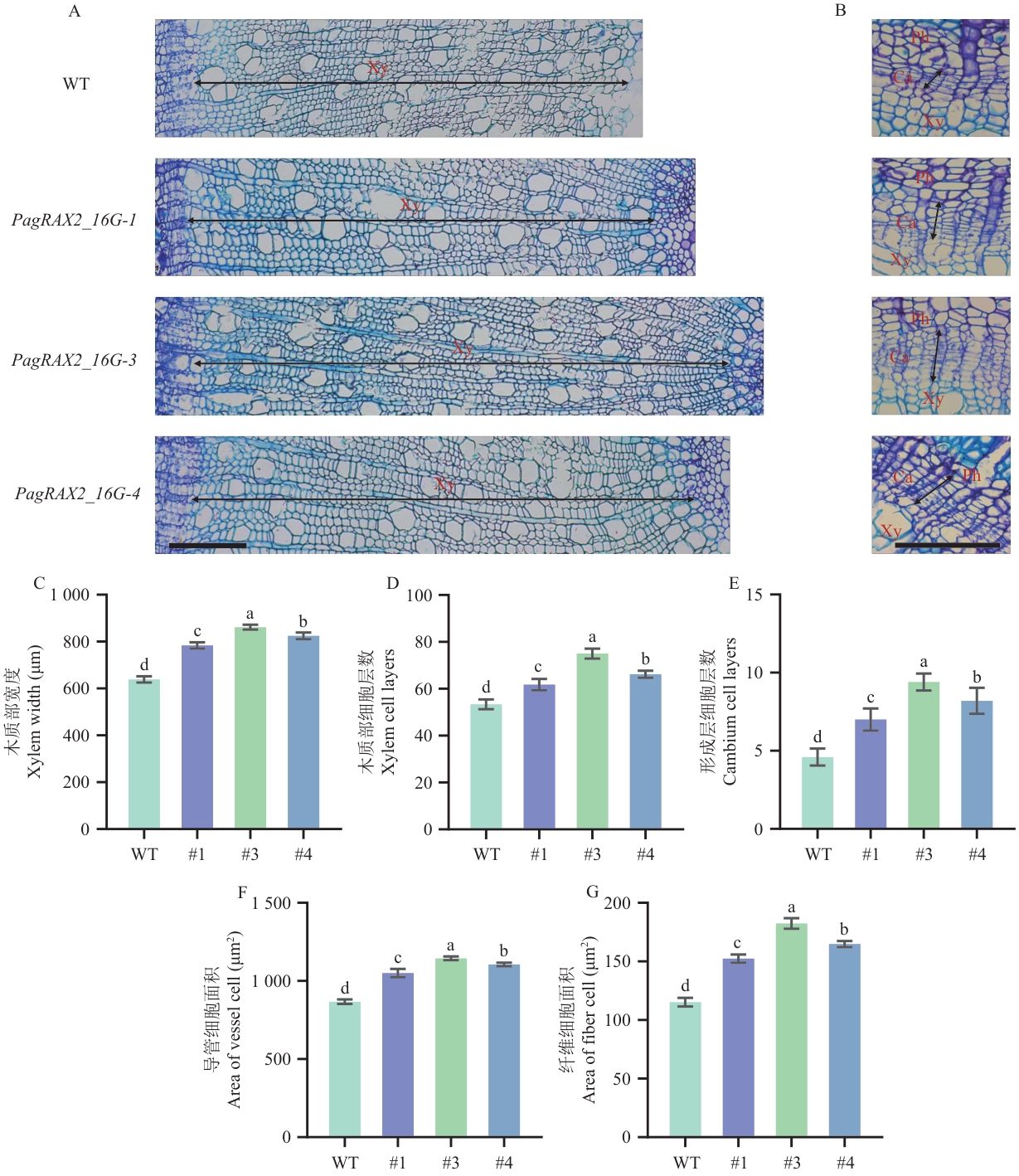
Fig. 8 Analysis of internal structure in the stems of plants overexpressing PagRAX2_16GA: Cross-sections of the 20th internodes of stems from wild-type and PagRAX2_16G-overexpressed ‘84K’ poplars (Bar = 100 µm). B: Cambium region of the 20th internodes in stems of wild-type ‘84K’ poplar and PagRAX2_16G-overexpressed ‘84K’ poplars (Bar = 100 µm). Ph: Phloem. Xy: Xylem. Ca: Cambium. C‒G: Analysis of the internal structure of stems

Fig. 9 Analysis of the external morphology of roots in plants overexpressing PagRAX2_16GA: External morphology of the roots between wild-type ‘84K’ poplar and PagRAX2_16G-transgenic poplar (Bar = 10 cm). B‒F: Analysis of the external morphology of roots
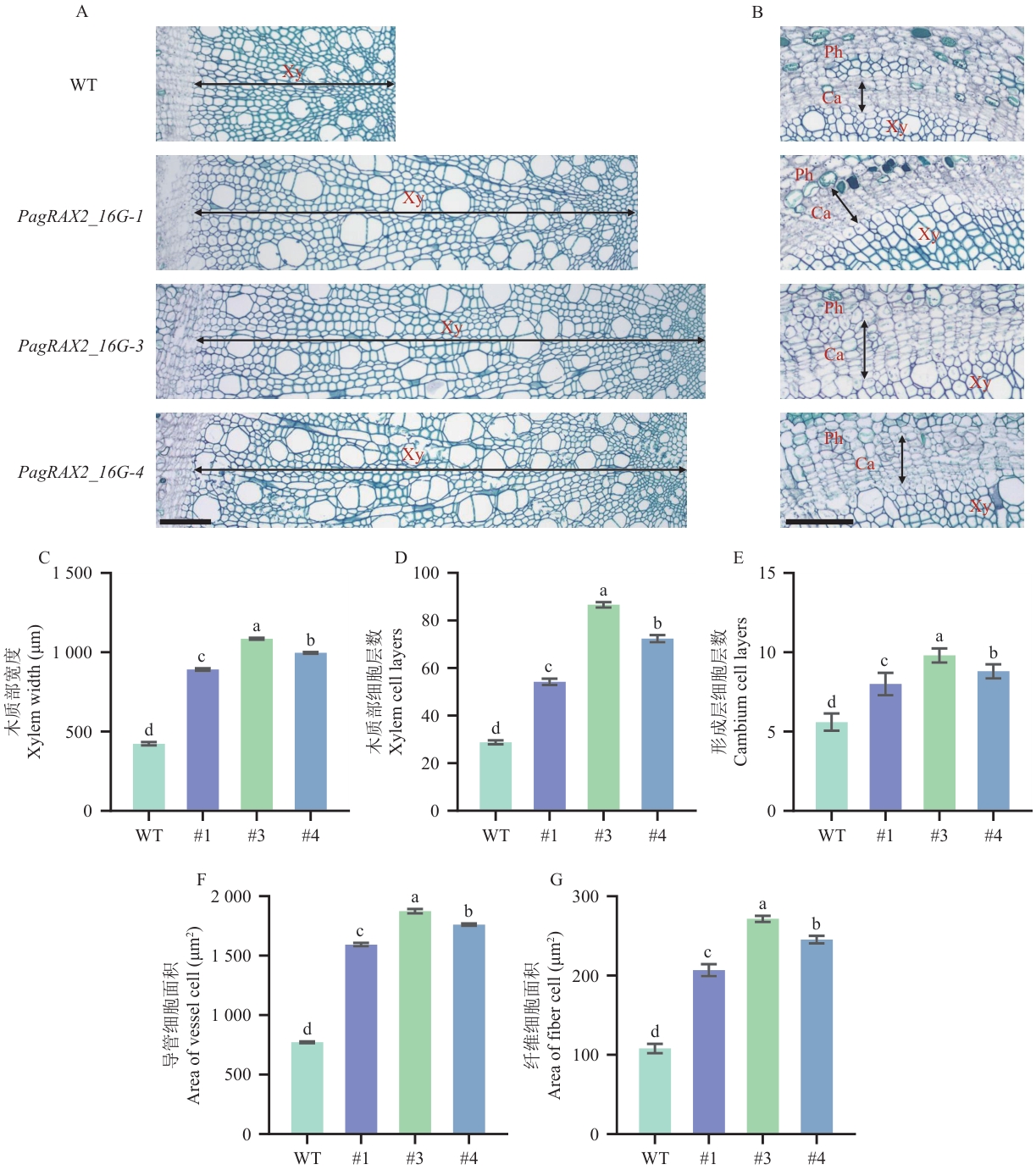
Fig. 10 Analysis of internal structure in the roots of plants overexpressing PagRAX2_16GA: Cross-sections of the root crown from wild-type ‘84K’ poplar and PagRAX2_16G-overexpressed ‘84K’ poplar (Bar = 100 µm). B: Cambium region of the root crown of wild-type ‘84K’ poplar and ‘84K’ poplar overexpressing PagRAX2_16G (Bar = 100 µm). C‒G: Analysis of the internal structure of roots
| [1] | Zhang ZL, Liu ZY, Wu H, et al. Genome-wide identification and characterization of MYB gene family and analysis of its sex-biased expression pattern in Spinacia oleracea L [J]. Int J Mol Sci, 2024, 25(2): 795. |
| [2] | Dubos C, Stracke R, Grotewold E, et al. MYB transcription factors in Arabidopsis [J]. Trends Plant Sci, 2010, 15(10): 573-581. |
| [3] | Jiang CK, Rao GY. Insights into the diversification and evolution of R2R3-MYB transcription factors in plants [J]. Plant Physiol, 2020, 183(2): 637-655. |
| [4] | Jia TQ, Zhang KD, Li F, et al. The AtMYB2 inhibits the formation of axillary meristem in Arabidopsis by repressing RAX1 gene under environmental stresses [J]. Plant Cell Rep, 2020, 39(12): 1755-1765. |
| [5] | Liu Z, Luan YS, Li JB, et al. Expression of a tomato MYB gene in transgenic tobacco increases resistance to Fusarium oxysporum and Botrytis cinerea [J]. Eur J Plant Pathol, 2016, 144(3): 607-617. |
| [6] | Jin RX, Muhammad T, Jia CP, et al. Overexpression of R2R3-MYB type transcription factor SpMYB1 enhances cold and drought tolerance in tomato [J]. Plant Physiol Biochem, 2025, 229: 110326. |
| [7] | Guo HY, Wang YC, Wang LQ, et al. Expression of the MYB transcription factor gene BplMYB46 affects abiotic stress tolerance and secondary cell wall deposition in Betula platyphylla [J]. Plant Biotechnol J, 2017, 15(1): 107-121. |
| [8] | Wu Y, Wen J, Xia YP, et al. Evolution and functional diversification of R2R3-MYB transcription factors in plants [J]. Hortic Res, 2022, 9: uhac058. |
| [9] | Yin MM, Wei CH, Du HM, et al. Comprehensive analysis of R2R3-MYB transcription factors reveals OsMYB1 as a key regulator of anthocyanin biosynthesis in rice [J]. Plant Sci, 2025, 360: 112732. |
| [10] | Wang XX, Wang JC, Liu ZY, et al. The R2R3 MYB gene TaMYB305 positively regulates anther and pollen development in thermo-sensitive male-sterility wheat with Aegilops kotschyi cytoplasm [J]. Planta, 2024, 259(3): 64. |
| [11] | Jiang LY, Yue ML, Liu YQ, et al. A novel R2R3-MYB transcription factor FaMYB5 positively regulates anthocyanin and proanthocyanidin biosynthesis in cultivated strawberries (Fragaria × ananassa) [J]. Plant Biotechnol J, 2023, 21(6): 1140-1158. |
| [12] | Saxena S, Pal L, Naik J, et al. The R2R3-MYB-SG7 transcription factor CaMYB39 orchestrates surface phenylpropanoid metabolism and pathogen resistance in chickpea [J]. New Phytol, 2023, 238(2): 798-816. |
| [13] | Chen KQ, Tang XG, Song MR, et al. Functional identification of MdMYB5 involved in secondary cell wall formation in apple [J]. Fruit Res, 2021, 1(1): 1-10. |
| [14] | Wang BY, Chen S, Zhu Z, et al. PeMYB26, an R2R3-MYB transcription factor, positively regulates lignin deposition in Moso bamboo [J]. Plant Growth Regul, 2024, 104(3): 1521-1533. |
| [15] | Tang YH, Lu LL, Sheng ZP, et al. An R2R3-MYB network modulates stem strength by regulating lignin biosynthesis and secondary cell wall thickening in herbaceous peony [J]. Plant J, 2023, 113(6): 1237-1258. |
| [16] | Zhao P, Yu QL, He YM, et al. PagHAM4a-PagSCL21 and PagHAM4b-PagTCP20 modules positively regulate cambial activity and its differentiation into secondary xylem in poplar [J]. J Exp Bot, 2024, 75(22): 7174-7189. |
| [17] | Wang HL, Zhao P, He YM, et al. Transcriptome and miRNAs profiles reveal regulatory network and key regulators of secondary xylem formation in “84K” poplar [J]. Int J Mol Sci, 2023, 24(22): 16438. |
| [18] | 苏玉婷, 王慧林, 赵盼, 等. 杨树PagNAC47及其启动子克隆与功能分析 [J]. 园艺学报, 2025, 52(7): 1828-1842. |
| Su YT, Wang HL, Zhao P, et al. Cloning and functional analysis of PagNAC47 gene and its promoter from poplar [J]. Acta Hortic Sin, 2025, 52(7): 1828-1842. | |
| [19] | Pratyusha DS, Sarada DVL. MYB transcription factors-master regulators of phenylpropanoid biosynthesis and diverse developmental and stress responses [J]. Plant Cell Rep, 2022, 41(12): 2245-2260. |
| [20] | Sun PF, Wang HL, Zhao P, et al. The regulation of xylem development by transcription factors and their upstream microRNAs [J]. Int J Mol Sci, 2022, 23(17): 10134. |
| [21] | de Oliveira PN, Matias F, Galeano E, et al. Overexpression of TgMYB2 from the teak MYB gene family impacts biomass accumulation and secondary cell wall in tobacco plants [J]. Plant Mol Biol, 2025, 115(4): 92. |
| [22] | Hu XL, Zhang LS, Wilson I, et al. The R2R3-MYB transcription factor family in Taxus chinensis: identification, characterization, expression profiling and posttranscriptional regulation analysis [J]. PeerJ, 2020, 8: e8473. |
| [23] | Chai GH, Wang ZG, Tang XF, et al. R2R3-MYB gene pairs in Populus: evolution and contribution to secondary wall formation and flowering time [J]. J Exp Bot, 2014, 65(15): 4255-4269. |
| [24] | Huang JF, Guo YJ, Sun QW, et al. Genome-wide identification of R2R3-MYB transcription factors regulating secondary cell wall thickening in cotton fiber development [J]. Plant Cell Physiol, 2019, 60(3): 687-701. |
| [25] | Zhong RQ, Lee C, Zhou JL, et al. A battery of transcription factors involved in the regulation of secondary cell wall biosynthesis in Arabidopsis [J]. Plant Cell, 2008, 20(10): 2763-2782. |
| [26] | Zhuang HB, Chong SL, Priyanka B, et al. Full-length transcriptomic identification of R2R3-MYB family genes related to secondary cell wall development in Cunninghamia lanceolata (Chinese fir) [J]. BMC Plant Biol, 2021, 21(1): 581. |
| [27] | Sun YM, Ren S, Ye SL, et al. Identification and functional characterization of PtoMYB055 involved in the regulation of the lignin biosynthesis pathway in Populus tomentosa [J]. Int J Mol Sci, 2020, 21(14): 4857. |
| [28] | Li CF, Ma XD, Yu H, et al. Ectopic expression of PtoMYB74 in poplar and Arabidopsis promotes secondary cell wall formation [J]. Front Plant Sci, 2018, 9: 1262. |
| [29] | Xu CZ, Fu XK, Liu R, et al. PtoMYB170 positively regulates lignin deposition during wood formation in poplar and confers drought tolerance in transgenic Arabidopsis [J]. Tree Physiol, 2017, 37(12): 1713-1726. |
| [30] | Tang F, Jiao B, Zhang M, et al. PtoMYB031, the R2R3 MYB transcription factor involved in secondary cell wall biosynthesis in poplar [J]. Front Plant Sci, 2024, 14: 1341245. |
| [31] | Zhao P, Zhou XY, Yu QL, et al. PagMIR166c targets PagECH2 to regulate cambial differentiation into secondary xylem, cell expansion, and lignin deposition via different auxin signaling pathways in poplar stems [J]. New Phytol, 2025, 248(1): 321-338. |
| [1] | ZHANG Jing, LI Yuan-yuan, WANG Yan, JIANG Ya-jie, YANG Han-bing, CHAI Wen-chen, HUO Chen-si, LUO Dan, YAN Shi-jiang. Cloning and Flowering Regulation Mechanism of BoFLC3 in Broccoli [J]. Biotechnology Bulletin, 2026, 42(9): 169-177. |
| [2] | LI Shu-ting, WANG Ying, DING Jia-hao, HU Rong-fang, LI Chen, SONG Ya-nan, XUE Jin-ai. Genome-wide Identification of the FAT Gene Family and Functional Analysis of CeFATA in Cyperus esculentus [J]. Biotechnology Bulletin, 2026, 42(8): 162-172. |
| [3] | RAN Dan-dan, TAI Sen-lin, OU Xiao-hong, ZHOU Tao, XU Jiao. Genome-wide Identification and Characterization of UDP-glycosyltransferase Gene Family in Gastrodia elata [J]. Biotechnology Bulletin, 2026, 42(7): 163-172. |
| [4] | XIONG Shi-fa, CHEN Yi-cun, WU Li-wen, SHI Xiang, ZHANG Sheng-jiao, PENG Fang-you, CHEN Tao-mei, WANG Yang-dong. Identification and Functional Analysis of the TCP Gene Family in Quercus fabri [J]. Biotechnology Bulletin, 2026, 42(6): 258-266. |
| [5] | LI Xu-long, XU Shi-qiang, ZHANG Long, LI Jing-yu, HE Wei-xian, CHEN Li-kai, WANG Ji-hua. Genome-wide Identification, Evolution and Expression Pattern Analysis of Terpene Synthase Gene Family in Morinda officinalis [J]. Biotechnology Bulletin, 2026, 42(6): 314-325. |
| [6] | AN Fei-fei, LUO Xiu-qin, CAI Jie, XUE Jing-jing, ZHU Wen-li. Cloning of MeMYB106 in Cassava and Its Function in Anthocyanin Biosynthesis of Leaves [J]. Biotechnology Bulletin, 2026, 42(6): 13-21. |
| [7] | LIANG Hui-qi, CHEN Yi-cun, WANG Yang-dong, ZHAO Yun-xiao, GAO Ming. Identification and Expression Analysis of the PAT1 Gene Subfamily in Litsea cubeba during Graft Union Healing [J]. Biotechnology Bulletin, 2026, 42(5): 302-311. |
| [8] | FENG Cheng-hao, DANG Yu-le, WANG Zhi-ze, NIE Wei-dan, YANG Zhong-min, DU Chong. Screening of Differentially Expressed Genes in Tomato Defense against Meloidogyne incognita Based on RNA-seq and Expression Characteristics Analysis of RPP13 Gene [J]. Biotechnology Bulletin, 2026, 42(4): 141-152. |
| [9] | NI Fei-fei, CHEN Yi-cun, GAO Ming, ZHANG Sheng-jiao, PENG Fang-you, CHEN Tao-mei, ZHAO Yun-xiao, WANG Yang-dong. Identification of Litsea cubebaTCP Genes and Their Roles in the Regulation of Terpenoid Biosynthesis [J]. Biotechnology Bulletin, 2026, 42(4): 227-238. |
| [10] | SUN Ting, ZHANG Yan, LIU Yu-shan, FENG Yuan-yuan, QIN Heng-shan, ZHANG Jun, HE Xiao-gang, ZHANG Jing-rong. Cloning and Functional Analysis of AeF3H Gene in Okra [J]. Biotechnology Bulletin, 2026, 42(4): 153-160. |
| [11] | XU Ze, ZHOU Chen-ping, KUANG Rui-bin, WU Xia-ming, YANG Min, LIU Chuan-he, HE Han, WEI Yue-rong. Identification of PG Gene Family and Their Roles in Papaya Fruit Softening [J]. Biotechnology Bulletin, 2026, 42(3): 349-361. |
| [12] | ZHANG Dong-ling, ZHANG Yin-sheng, WANG Jian-jun, YE Fei-yu, LU Zi-han, MA Chen-chen, LIU Hua-feng, HU De-sheng, DENG Ya-zhou, CAO Li-ru. Expression Characteristics and Functions of HSFs Transcription Factors Family in Maize under Drought Stress [J]. Biotechnology Bulletin, 2026, 42(2): 178-187. |
| [13] | NONG Wei-you, ZHAO Chang-zu, QIAN Zhen-feng, DING Qian, WANG Yu-jie, CHEN Shu-ying, HE Li-lian, LI Fu-sheng. Identification of the EfBBX Gene Family in Erianthus fulvus and Analysis of Its Expression Patterns Under Cold Stress [J]. Biotechnology Bulletin, 2026, 42(2): 267-277. |
| [14] | YANG Juan, FENG Hui, JI Nai-zhe, SUN Li-ping, WANG Yun, ZHANG Jia-nan, ZHAO Shi-wei. Cloning and Functional Analysis of AP2/ERF Transcription Factors RcERF4 and RcRAP2-12 in Rose [J]. Biotechnology Bulletin, 2026, 42(1): 150-160. |
| [15] | ZHANG Chi-hao, LIU Jin-nan, CHAO Yue-hui. Cloning and Functional Analysis of a bZIP Transcription Factor MtbZIP29 from Medicago truncatula [J]. Biotechnology Bulletin, 2026, 42(1): 241-250. |
| Viewed | ||||||
|
Full text |
|
|||||
|
Abstract |
|
|||||
