







Biotechnology Bulletin ›› 2026, Vol. 42 ›› Issue (4): 153-160.doi: 10.13560/j.cnki.biotech.bull.1985.2025-0837
Previous Articles Next Articles
SUN Ting1( ), ZHANG Yan1, LIU Yu-shan1, FENG Yuan-yuan2, QIN Heng-shan1, ZHANG Jun1, HE Xiao-gang1, ZHANG Jing-rong1()
Received:2025-08-02
Online:2026-04-26
Published:2026-04-30
Contact:
ZHANG Jing-rong
E-mail:5796946@qq.com;zjr_sc@163.com
SUN Ting, ZHANG Yan, LIU Yu-shan, FENG Yuan-yuan, QIN Heng-shan, ZHANG Jun, HE Xiao-gang, ZHANG Jing-rong. Cloning and Functional Analysis of AeF3H Gene in Okra[J]. Biotechnology Bulletin, 2026, 42(4): 153-160.
引物名称 Primer name | 引物序列 Primer sequence (5′-3′) | 用途 Purpose |
|---|---|---|
| F3H-F | CCCAACTAAACATAGAAACACTCAC | ORF序列扩增 |
| F3H-R | ACTAAGACAATGGCACCAAGCAC | Amplification of ORF sequence |
| F3HYFP-F | CCGCTCGAGATGGCTCCTTCCACTCTCAC (Xoh I) | 载体构建 |
| F3HYFP-R | CGCGGATCCTGCAAGGATTTGCTCTAGCG (BamH I) | Vector construction |
| YFP-F | GCGACGTAAACGGCCACAAGT | 转基因拟南芥的PCR鉴定 |
| YFP-R | CAGCTCGTCCATGCCGAGAGT | PCR identification of transgenic Arabidopsis |
| qeIF4a-F | ATGCATATGGTTTTGAGAAGCC | 秋葵内参基因 |
| qeIF4a-R | AAAGTTGCAGTCTTCCCAGTTC | Reference gene in A. esculentus |
| qF3H-F | AGTTTTTCGCTTTGCCTGCT | 实时荧光定量PCR |
| qF3H-R | TCTCGCTGTATTCCTTTGTCAC | Real-time quantitative PCR |
| qAtEF1α-F | ATTGACAGGCGTTCTGGTAAG | 拟南芥内参基因 |
| qAtEF1α-R | CAGCAACGGTCTGCCTCAT | Reference gene in Arabidopsis |
Table 1 Primers' sequences used in this study
引物名称 Primer name | 引物序列 Primer sequence (5′-3′) | 用途 Purpose |
|---|---|---|
| F3H-F | CCCAACTAAACATAGAAACACTCAC | ORF序列扩增 |
| F3H-R | ACTAAGACAATGGCACCAAGCAC | Amplification of ORF sequence |
| F3HYFP-F | CCGCTCGAGATGGCTCCTTCCACTCTCAC (Xoh I) | 载体构建 |
| F3HYFP-R | CGCGGATCCTGCAAGGATTTGCTCTAGCG (BamH I) | Vector construction |
| YFP-F | GCGACGTAAACGGCCACAAGT | 转基因拟南芥的PCR鉴定 |
| YFP-R | CAGCTCGTCCATGCCGAGAGT | PCR identification of transgenic Arabidopsis |
| qeIF4a-F | ATGCATATGGTTTTGAGAAGCC | 秋葵内参基因 |
| qeIF4a-R | AAAGTTGCAGTCTTCCCAGTTC | Reference gene in A. esculentus |
| qF3H-F | AGTTTTTCGCTTTGCCTGCT | 实时荧光定量PCR |
| qF3H-R | TCTCGCTGTATTCCTTTGTCAC | Real-time quantitative PCR |
| qAtEF1α-F | ATTGACAGGCGTTCTGGTAAG | 拟南芥内参基因 |
| qAtEF1α-R | CAGCAACGGTCTGCCTCAT | Reference gene in Arabidopsis |
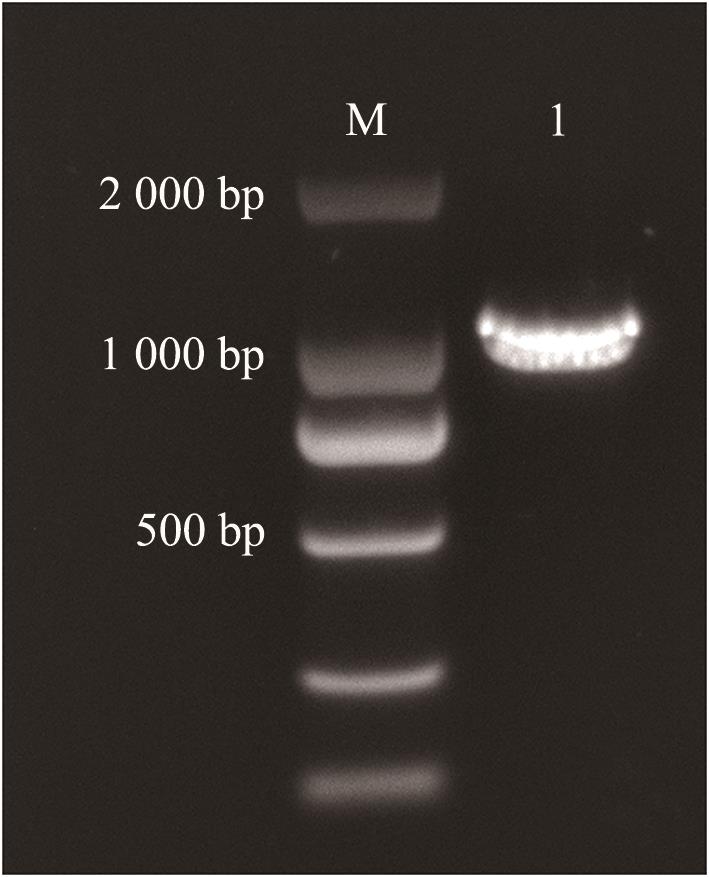
Fig. 1 Amplification electrophoresis map of AeF3H gene
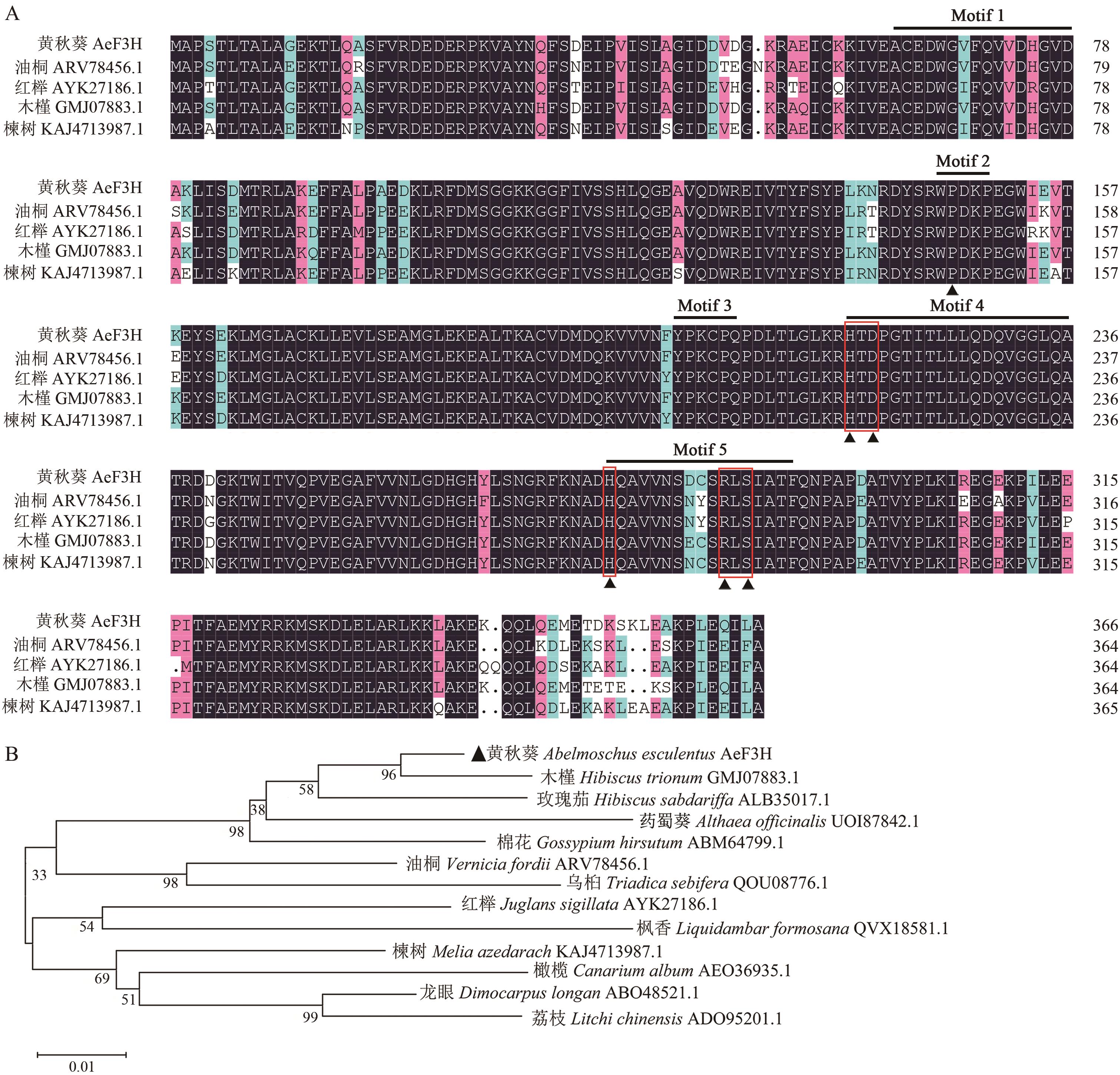
Fig. 2 Sequence alignment (A) and phylogenetic tree analysis (B) of AeF3HIn Fig. A, red boxes indicate the ferrous iron ligation motif HXDX55H and a 2oxoglutarate (2-ODD) binding motif RLS. Black triangles (▲) indicate the conserved amino acid residues in F3Hs. Five conserved motifs in plant 2-oxoglutarate-dependent dioxygenase are also marked
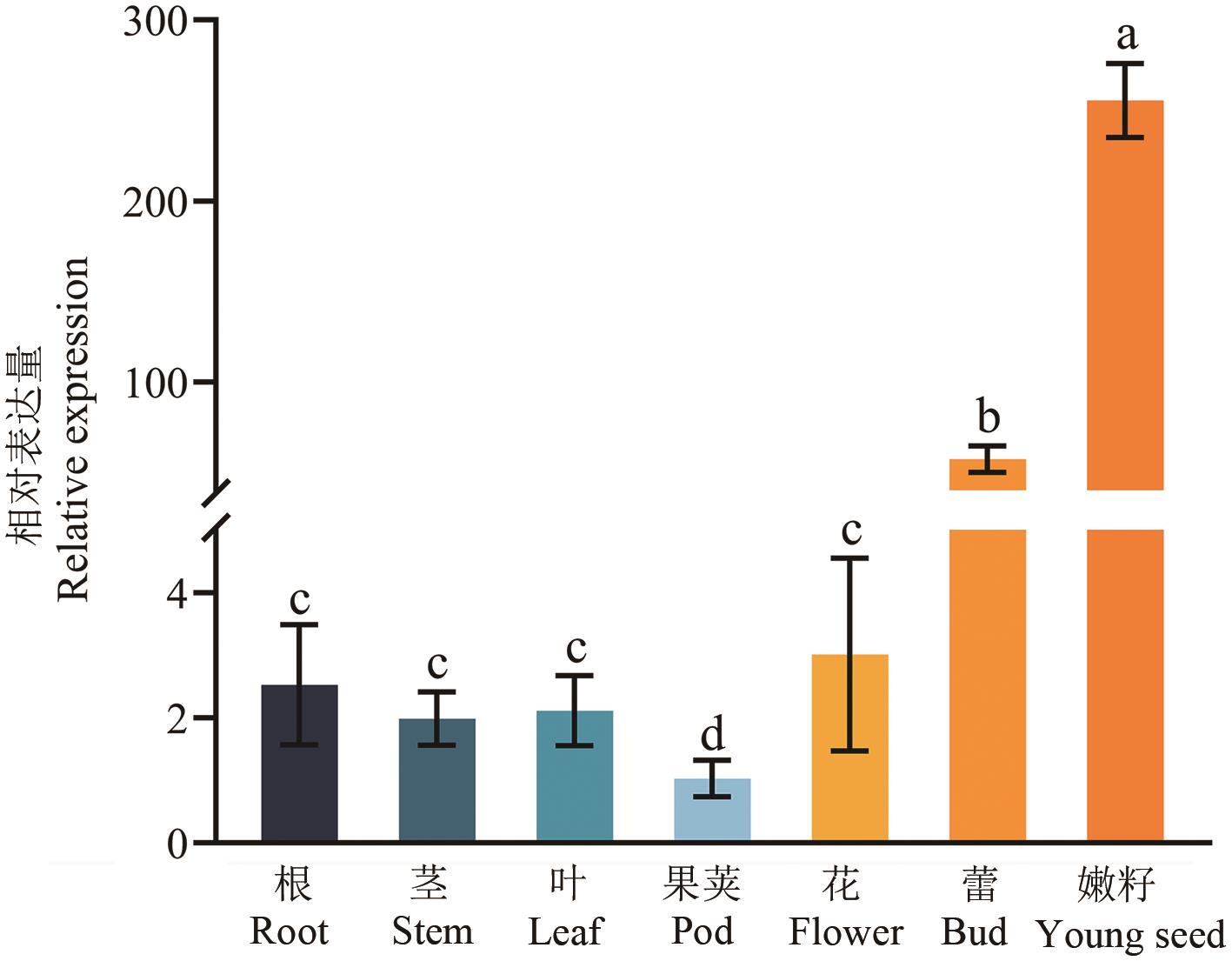
Fig. 3 Expression pattern analysis of the AeF3H geneDifferent lowercase letters indicate significant differences (P<0.05). The same below
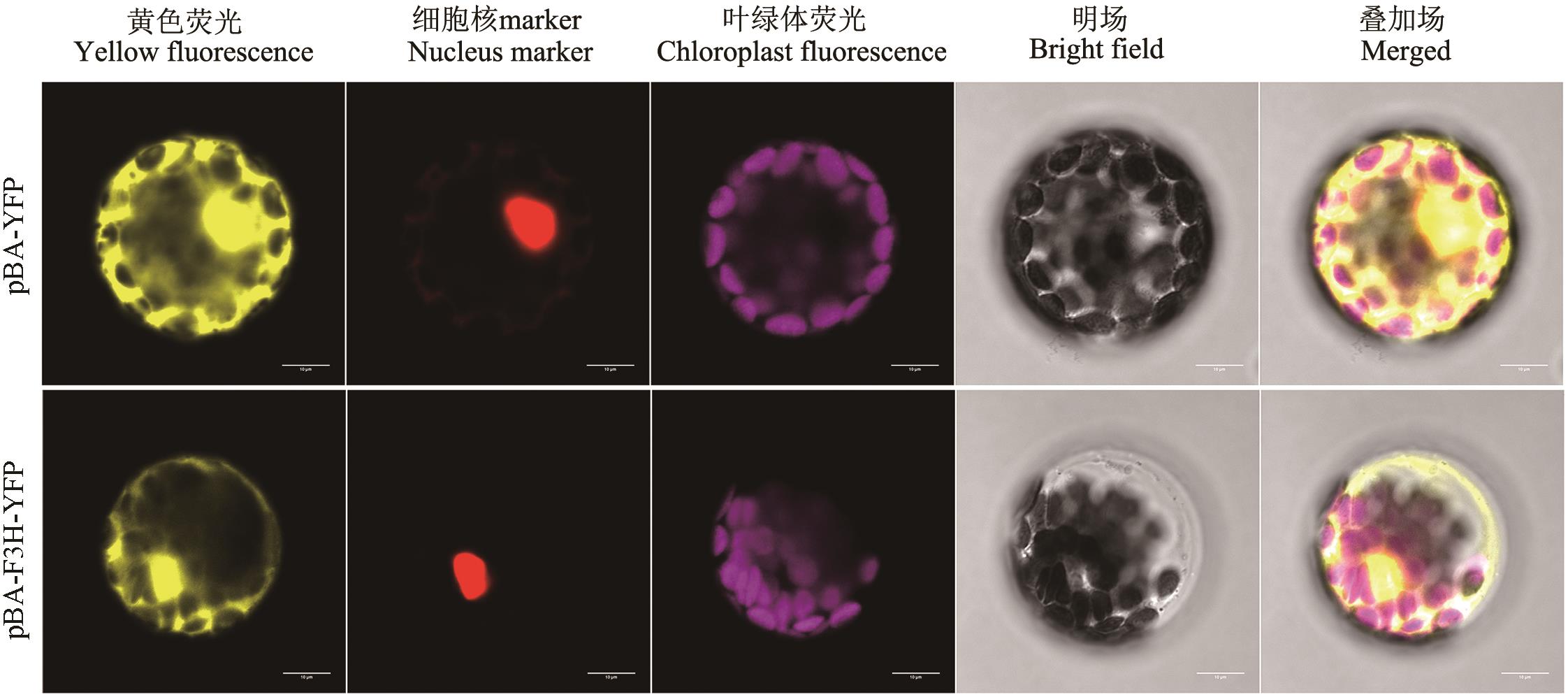
Fig. 4 Subcellular localization analysis of AeF3H (Scale = 10 μm)
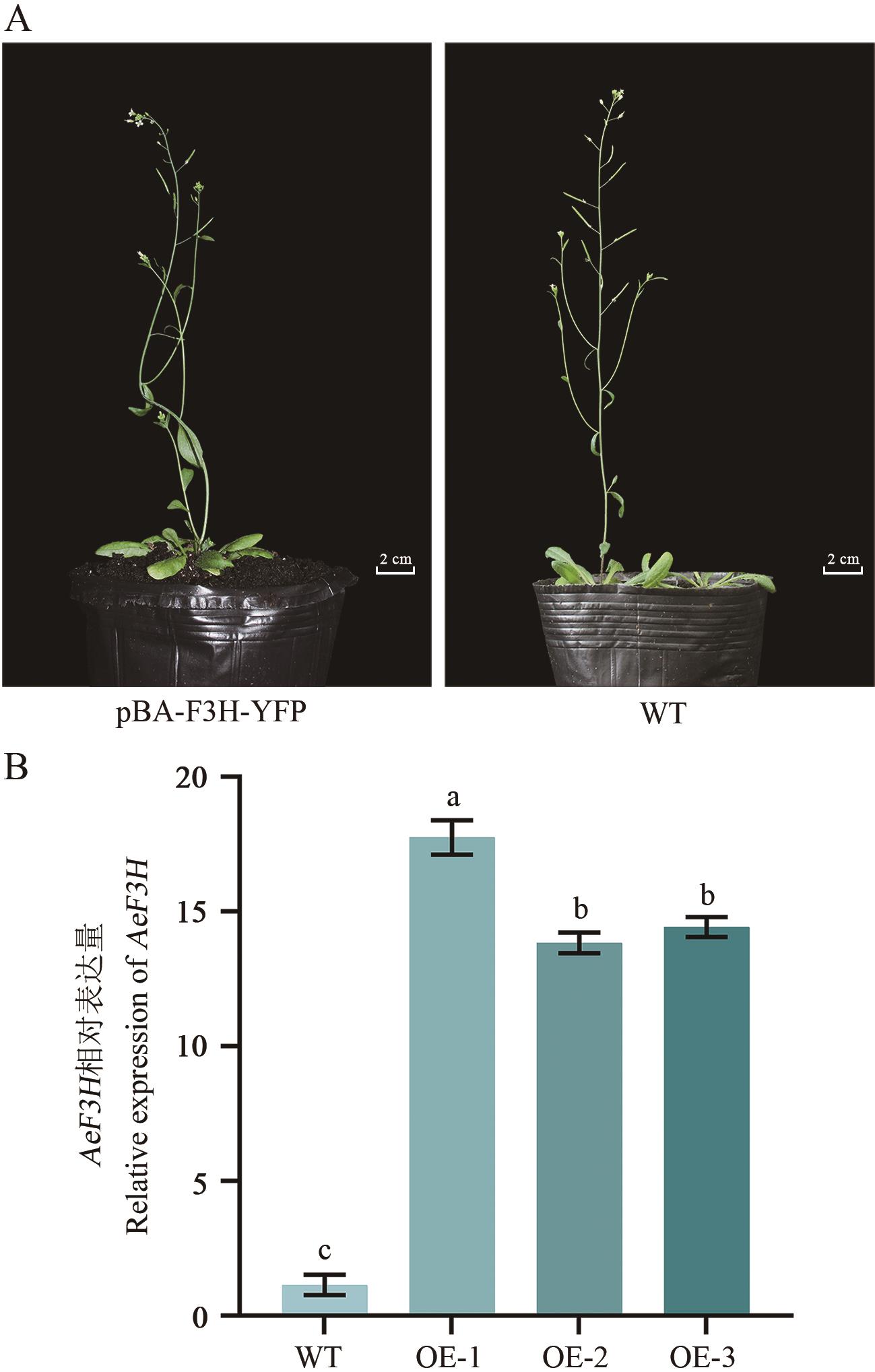
Fig. 5 Phenotypes (A) and RT-qPCR analysis (B) of wild-type and transgenic Arabidopsis plants
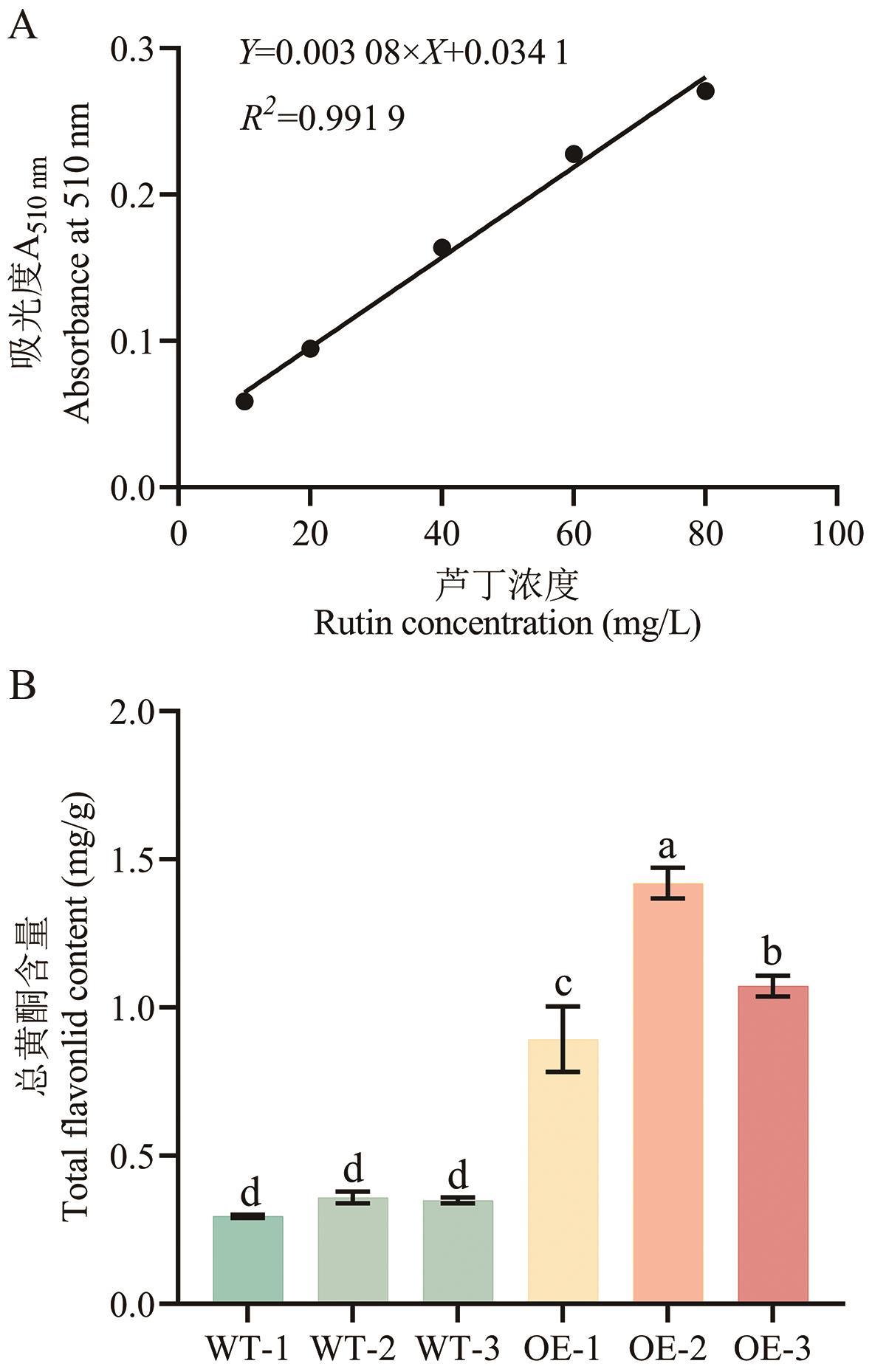
Fig. 6 Effects of overexpressing AeF3H on the total flavonoids contents in ArabidopsisA: Standard curve of rutin. B: Determination of total flavonoids in wild-type and transgenic plants
| [1] | Romdhane MH, Chahdoura H, Barros L, et al. Chemical composition, nutritional value, and biological evaluation of Tunisian okra pods (Abelmoschus esculentus L. moench) [J]. Molecules, 2020, 25(20): 4739. |
| [2] | Gakhar M, Singh L, Routh S, et al. Evaluation of anti-cancer potential of Abelmoschus esculentus (Okra) [J]. Protein Pept Lett, 2025: 32(8) : 575-583. |
| [3] | Panighel G, Ferrarese I, Lupo MG, et al. Investigating the in vitro mode of action of okra (Abelmoschus esculentus) as hypocholesterolemic, anti-inflammatory, and antioxidant food [J]. Food Chem Mol Sci, 2022, 5: 100126. |
| [4] | Saatchi A, Aghamohammadzadeh N, Beheshtirouy S, et al. Anti-hyperglycemic effect of Abelmoschus culentesus (Okra) on patients with diabetes type 2: a randomized clinical trial [J]. Phytother Res, 2022, 36(4): 1644-1651. |
| [5] | 郑晟, 毛玉珊, 张腾国, 等. 柠条锦鸡儿F3H基因克隆及功能分析 [J]. 广西植物, 2017, 37(6): 723-733. |
| Zheng S, Mao YS, Zhang TG, et al. Cloning and expression analysis of F3H gene in Caragana korshinskii [J]. Guihaia, 2017, 37(6): 723-733. | |
| [6] | 朱三明, 郑敏敏, 田恬, 等. 植物次生代谢途径与调控研究进展 [J]. 植物生理学报, 2023, 59(12): 2188-2216. |
| Zhu SM, Zheng MM, Tian T, et al. Research progress on plant secondary metabolism and regulation [J]. Plant Physiol J, 2023, 59(12): 2188-2216. | |
| [7] | Liu WX, Feng Y, Yu SH, et al. The flavonoid biosynthesis network in plants [J]. Int J Mol Sci, 2021, 22(23): 12824. |
| [8] | 段玥彤, 王鹏年, 张春宝, 等. 植物黄烷酮-3-羟化酶基因研究进展 [J]. 生物技术通报, 2022, 38(6): 27-33. |
| Duan YT, Wang PN, Zhang CB, et al. Research progress in plant flavanone-3-hydroxylase gene [J]. Biotechnol Bull, 2022, 38(6): 27-33. | |
| [9] | Zhu SM, Cui MY, Zhao Q. Characterization of the 2ODD genes of DOXC subfamily and its members involved in flavonoids biosynthesis in Scutellaria baicalensis [J]. BMC Plant Biol, 2024, 24(1): 804. |
| [10] | Li XH, Park NI, Kim YB, et al. Accumulation of flavonoids and expression of flavonoid biosynthetic genes in Tartary and rice-Tartary buckwheat [J]. Process Biochem, 2012, 47(12): 2306-2310. |
| [11] | Sunil L, Shetty NP. Biosynthesis and regulation of anthocyanin pathway genes [J]. Appl Microbiol Biotechnol, 2022, 106(5/6): 1783-1798. |
| [12] | Dai MJ, Kang XR, Wang YQ, et al. Functional characterization of flavanone 3-hydroxylase (F3H) and its role in anthocyanin and flavonoid biosynthesis in mulberry [J]. Molecules, 2022, 27(10): 3341. |
| [13] | Xiong S, Tian N, Long JH, et al. Molecular cloning and characterization of a flavanone 3-hydroxylase gene from Artemisia annua L [J]. Plant Physiol Biochem, 2016, 105: 29-36. |
| [14] | 曹鑫娴, 石佳琪, 王霜, 等. 苦荞黄烷酮3-羟化酶基因FtF3H及其启动子的克隆与功能分析 [J]. 四川农业大学学报, 2023, 41(4): 582-591, 639. |
| Cao XX, Shi JQ, Wang S, et al. Cloning and functional analysis of flavanone 3-hydroxylase gene FtF3H and its promoter in Fagopyrum tataricum [J]. J Sichuan Agric Univ, 2023, 41(4): 582-591, 639. | |
| [15] | Song XY, Diao JJ, Ji J, et al. Molecular cloning and identification of a flavanone 3-hydroxylase gene from Lycium chinense, and its overexpression enhances drought stress in tobacco [J]. Plant Physiol Biochem, 2016, 98: 89-100. |
| [16] | 赵莹, 杨欣宇, 赵晓丹, 等. 植物类黄酮化合物生物合成调控研究进展 [J]. 食品工业科技, 2021, 42(21): 454-463. |
| Zhao Y, Yang XY, Zhao XD, et al. Research progress on regulation of plant flavonoids biosynthesis [J]. Sci Technol Food Ind, 2021, 42(21): 454-463. | |
| [17] | Yang J, Chen XQ, Rao SQ, et al. Identification and quantification of flavonoids in okra (Abelmoschus esculentus L. moench) and antiproliferative activity in vitro of four main components identified [J]. Metabolites, 2022, 12(6): 483. |
| [18] | Cui YT, Wu JG, Chen YY, et al. Optimization of near-infrared reflectance models in determining flavonoid composition of okra (Abelmoschus esculentus L.) pods [J]. Food Chem, 2023, 418: 135953. |
| [19] | Guebebia S, Espinosa-Ruiz C, Zourgui L, et al. Effects of okra (Abelmoschus esculentus L.) leaves, fruits and seeds extracts on European sea bass (Dicentrarchus labrax) leukocytes, and their cytotoxic, bactericidal and antioxidant properties [J]. Fish Shellfish Immunol, 2023, 138: 108799. |
| [20] | Wang RY, Li W, He Q, et al. The genome of okra (Abelmoschus esculentus) provides insights into its genome evolution and high nutrient content [J]. Hortic Res, 2023, 10(8): uhad120. |
| [21] | Clough SJ, Bent AF. Floral dip: a simplified method for Agrobacterium-mediated transformation of Arabidopsis thaliana [J]. Plant J, 1998, 16(6): 735-743. |
| [22] | Yoo SD, Cho YH, Sheen J. Arabidopsis mesophyll protoplasts: a versatile cell system for transient gene expression analysis [J]. Nat Protoc, 2007, 2(7): 1565-1572. |
| [23] | Zhao FF, Zhao T, Deng LB, et al. Visualizing the essential role of complete virion assembly machinery in efficient hepatitis C virus cell-to-cell transmission by a viral infection-activated split-intein-mediated reporter system [J]. J Virol, 2017, 91(2): e01720-16. |
| [24] | 杨飞芸, 武燕燕, 崔爽, 等. 异源表达CiRS基因通过生成白藜芦醇增强拟南芥的抗氧化能力 [J]. 中国生物工程杂志, 2017, 37(12): 27-33. |
| Yang FY, Wu YY, Cui S, et al. Heterologous expression of CiRS gene enhances the antioxidant capacity of Arabidopsis by increasing the content of resveratrol [J]. China Biotechnol, 2017, 37(12): 27-33. | |
| [25] | Zhang JR, Feng YY, Yang MJ, et al. Systematic screening and validation of reliable reference genes for qRT-PCR analysis in okra (Abelmoschus esculentus L.) [J]. Sci Rep, 2022, 12(1): 12913. |
| [26] | Livak KJ, Schmittgen TD. Analysis of relative gene expression data using real-time quantitative PCR and the 2-ΔΔCT method [J]. Methods, 2001, 25(4): 402-408. |
| [27] | 李萍, 王若曦, 王欢. 黄酮3-羟化酶(F3H)的生物信息学分析 [J]. 生物学杂志, 2015, 32(6): 25-29. |
| Li P, Wang RX, Wang H. Bioinformatics analysis of flavanone-3-hydroxylase (F3H) [J]. J Biol, 2015, 32(6): 25-29. | |
| [28] | 张欣宇, 董潞娜, 曹浩, 等. 不同植物源的黄烷酮-3-羟化酶的催化特性 [J]. 微生物学通报, 2022, 49(3): 875-887. |
| Zhang XY, Dong LN, Cao H, et al. Catalytic properties of flavanone-3-hydroxylase from different plants [J]. Microbiol China, 2022, 49(3): 875-887. | |
| [29] | Li CC, Liu SH, Yao XH, et al. PnF3H, a flavanone 3-hydroxylase from the Antarctic moss Pohlia nutans, confers tolerance to salt stress and ABA treatment in transgenic Arabidopsis [J]. Plant Growth Regul, 2017, 83(3): 489-500. |
| [30] | Mao YY, Luo JJ, Cai ZP. Biosynthesis and regulatory mechanisms of plant flavonoids: a review [J]. Plants, 2025, 14(12): 1847. |
| [31] | Quattrocchio F, Wing JF, Va K, et al. Analysis of bHLH and MYB domain proteins: species-specific regulatory differences are caused by divergent evolution of target anthocyanin genes [J]. Plant J, 1998, 13(4): 475-488. |
| [1] | LIU Meng-ru, XIA Lin, LIU Rui-xia, YAN Xin-ke, YANG Jun, ZHANG Jing-hua, WU Ming-zhu. Cloning and Functional Analysis of Tobacco Polyphenol Oxidase NtPPO1-2 Gene [J]. Biotechnology Bulletin, 2026, 42(2): 218-227. |
| [2] | NI Ying, LI Lei, WANG Jin-xuan, MA Bo, MENG Xin, LENG Ping-sheng, WU Jing, HU Zeng-hui. Cloning and Functional Analysis of So4CL Gene in Syringa oblata [J]. Biotechnology Bulletin, 2026, 42(1): 139-149. |
| [3] | XU Xiao-ping, YANG Cheng-long, HE Xing, GUO Wen-jie, WU Jian, FANG Shao-zhong. Cloning of the LoAPS1 and Its Function Analysis during the Process of Dormancy Release in Lilium [J]. Biotechnology Bulletin, 2025, 41(9): 195-206. |
| [4] | DONG Xiang-xiang, MIAO Bai-ling, XU He-juan, CHEN Juan-juan, LI Liang-jie, GONG Shou-fu, ZHU Qing-song. Bioinformatics Analysis and Flowering Regulation Function of FveBBX20 Gene in Woodland Strawberry [J]. Biotechnology Bulletin, 2025, 41(9): 115-123. |
| [5] | LIU Jia-li, SONG Jing-rong, ZHAO Wen-yu, ZHANG Xin-yuan, ZHAO Zi-yang, CAO Yi-bo, ZHANG Ling-yun. Identification of the R2R3-MYB Gene and Expression Analysis of Flavonoid Regulatory Genes in Blueberry [J]. Biotechnology Bulletin, 2025, 41(9): 124-138. |
| [6] | ZHANG Yong-yan, GUO Si-jian, LI Jing, HAO Si-yi, LI Rui-de, LIU Jia-peng, CHENG Chun-zhen. Gene Cloning and Functional Analysis of the Anthocyanin-related VcGSTF19 Gene in Blueberry (Vaccinium corymbosum L.) [J]. Biotechnology Bulletin, 2025, 41(9): 139-146. |
| [7] | LI Yu-zhen, LI Meng-dan, ZHANG Wei, PENG Ting. Functional Study of RmEXPB2 Genein Rosa multiflora Based on the Identification of the Expansin Gene Family in Rosa sp. [J]. Biotechnology Bulletin, 2025, 41(9): 182-194. |
| [8] | KANG Qin, WANG Xia, SHEN Ming-yang, XU Jing-tian, CHEN Shi-lan, LIAO Ping-yang, XU Wen-zhi, WU Wei, XU Dong-bei. Cloning and Expression Analysis of the UV-B Receptor Gene McUVR8 in Mentha canadensis L. [J]. Biotechnology Bulletin, 2025, 41(8): 255-266. |
| [9] | LI Kai-jie, WU Yao, LI Dan-dan. Cloning of Gene CtbHLH128 in Safflower and Response Function Regulating Drought Stress [J]. Biotechnology Bulletin, 2025, 41(8): 234-241. |
| [10] | WEI Yu-jia, LI Yan, KANG Yu-han, GONG Xiao-nan, DU Min, TU Lan, SHI Peng, YU Zi-han, SUN Yan, ZHANG Kun. Cloning and Expression Analysis of the CrMYB4 Gene in Carex rigescens [J]. Biotechnology Bulletin, 2025, 41(7): 248-260. |
| [11] | PEI Jing-qi, ZHAO Meng-ran, HUANG Chen-yang, WU Xiang-li. Discovery and Verification of a Functional Gene Influencing the Growth and Development of Pleurotus ostreatus [J]. Biotechnology Bulletin, 2025, 41(6): 327-334. |
| [12] | XU Hui-zhen, SHANTWANA Ghimire, RAJU Kharel, YUE Yun, SI Huai-jun, TANG Xun. Analysis of the Potato SUMO E3 Ligase Gene Family and Cloning and Expression Pattern of StSIZ1 [J]. Biotechnology Bulletin, 2025, 41(6): 119-129. |
| [13] | LIU Xin, WANG Jia-wen, LI Jin-wei, MOU Ce, YANG Pan-pan, MING Jun, XU Lei-feng. Cloning and Expression Analysis of Three LdBBXs in Lilium davidii var. willmottiae [J]. Biotechnology Bulletin, 2025, 41(5): 186-196. |
| [14] | PENG Shao-zhi, WANG Deng-ke, ZHANG Xiang, DAI Xiong-ze, XU Hao, ZOU Xue-xiao. Cloning, Expression Characteristics and Functional Verification of the Pepper CaFD1 Gene [J]. Biotechnology Bulletin, 2025, 41(5): 153-164. |
| [15] | HUANG Jin-heng, HUANG Xi, ZHANG Jia-yan, ZHOU Xin-yu, LIAO Pei-ran, YANG Quan. Identification and Expression Analysis of the C3H Gene Family in Grona styracifolia across Different Varieties [J]. Biotechnology Bulletin, 2025, 41(4): 243-255. |
| Viewed | ||||||
|
Full text |
|
|||||
|
Abstract |
|
|||||
