







LEI Zi-ying1, WU Yan-hui1, ZHAO Sheng-ting1, ZHANG Yu1, WANG Jia-lei1, HE Run-li1( ), LIU Jian-xia2, WANG Rui-jun3
Received:2026-02-04
Online:2026-06-03
Contact:
HE Run-li
E-mail:herunli@sxtcm.edu.cn
LEI Zi-ying, WU Yan-hui, ZHAO Sheng-ting, ZHANG Yu, WANG Jia-lei, HE Run-li, LIU Jian-xia, WANG Rui-jun. Integrated Transcriptomic and Metabolomic Analysis Reveals the Mechanism Underlying Trichome Formation on the Stem Epidermis of A. mongholicus and Its Impact on Bioactive Compound Accumulation[J]. Biotechnology Bulletin, doi: 10.13560/j.cnki.biotech.bull.1985.2026-0172.
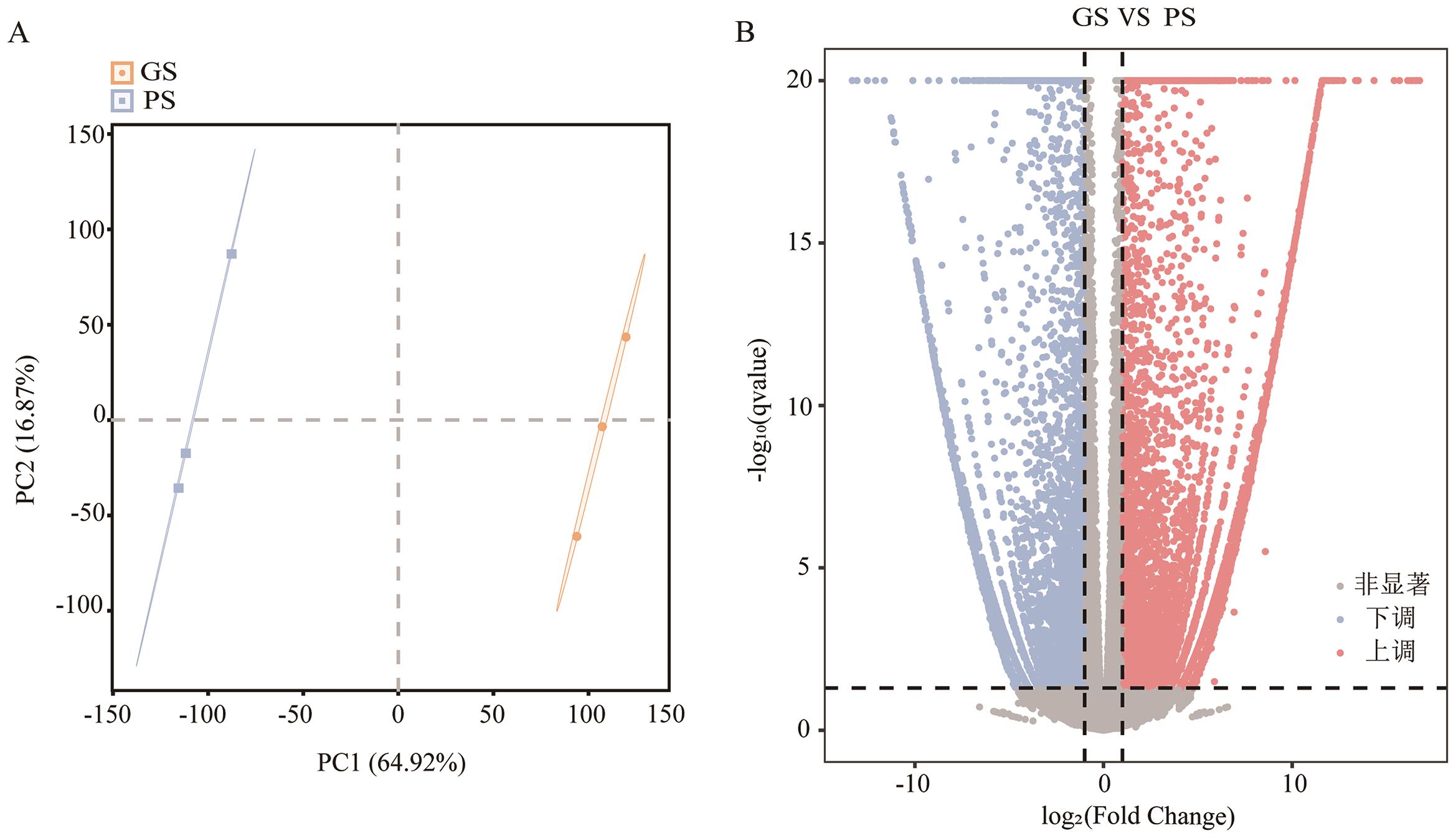
Fig. 1 PCA scoring plot (A) and volcano plot of DEGs (B)
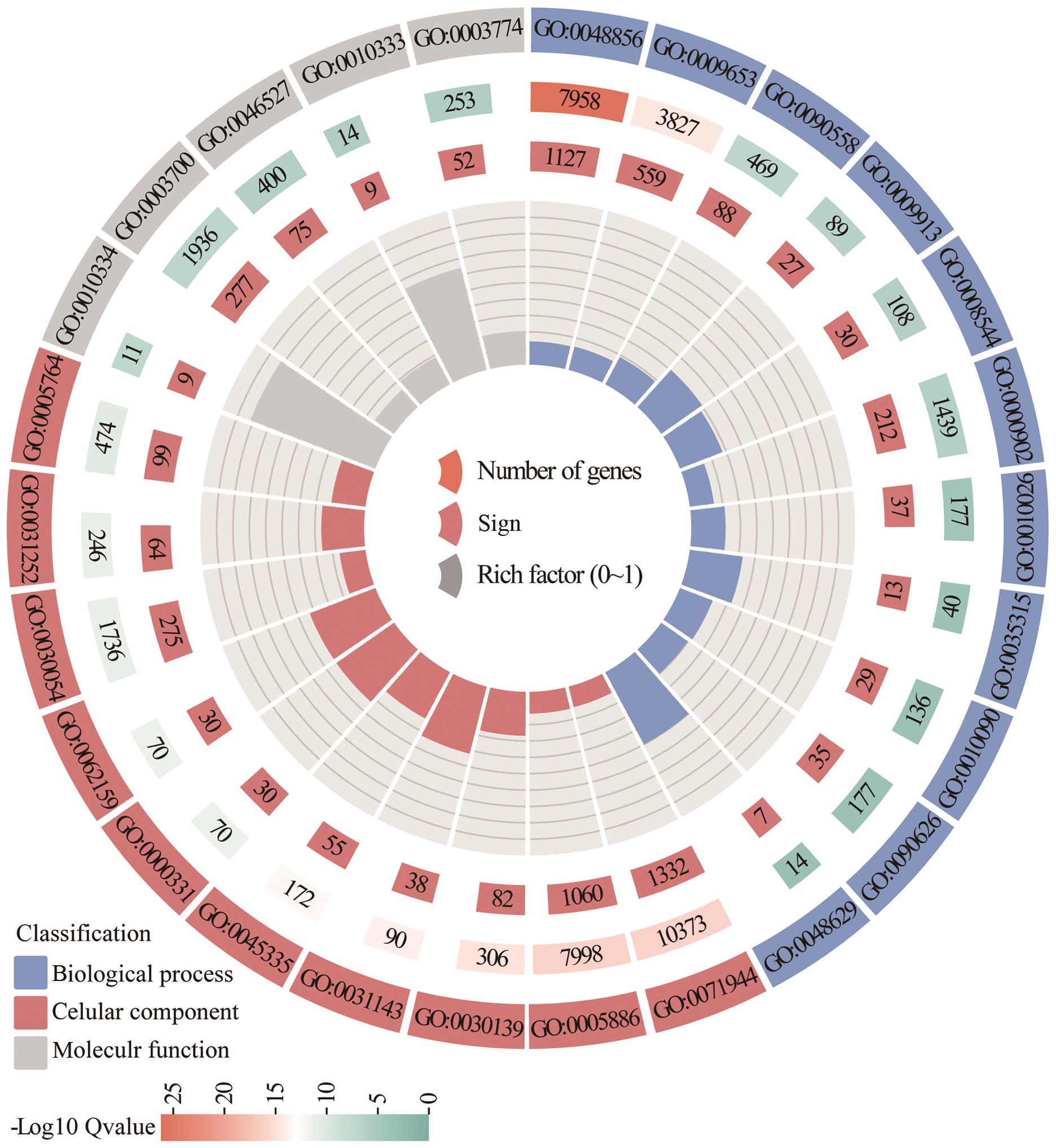
Fig. 2 GO enrichment analysis plot of DEGsThe first circle represents the enriched terms and their corresponding categories, namely biological process (blue), molecular function (gray), and cellular component (red). The second circle shows the number of background genes in each term and the statistical significance value -log10 (q value) for the category; a longer bar indicates more genes enriched in the GO term, and a darker color denotes a smaller q value, meaning more significant enrichment. The third circle indicates the total number of foreground genes, with a longer bar standing for a larger number of genes. The fourth circle with bars of different heights represents the enrichment factor, where a higher bar corresponds to a larger enrichment factor
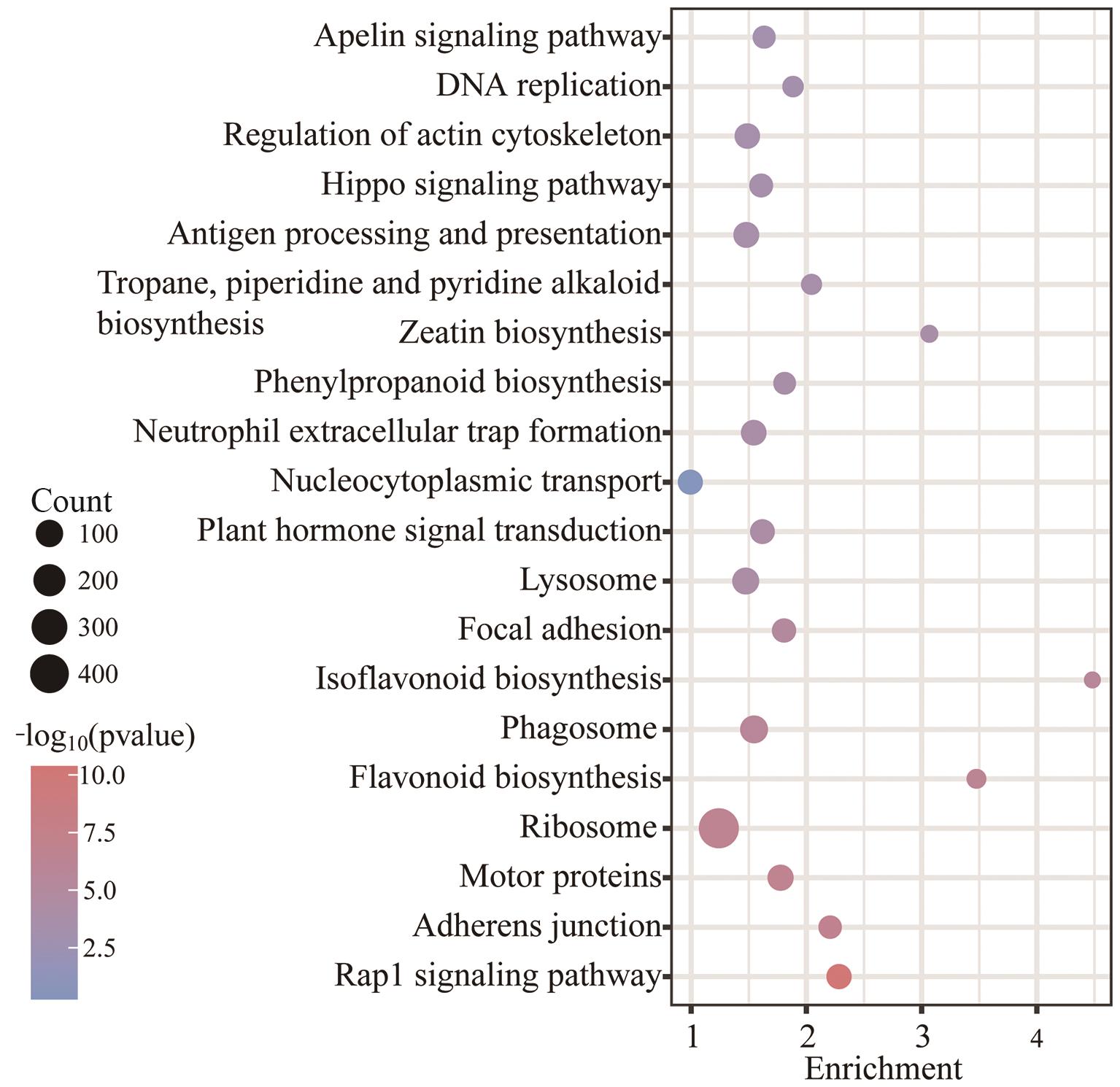
Fig. 3 KEGG enrichment analysis plot of DEGs
化合物 Compound | 线性方程 Linear regression equation | R2 | 线性范围 Linear range (μg) |
|---|---|---|---|
| 毛蕊异黄酮苷 | Y=39 109 157 C+180 233 | 0.999 5 | 0.050-4.970 |
| 芒柄花苷 | Y=27 793 749 C-48 296 | 0.999 8 | 0.128-7.680 |
| 毛蕊异黄酮 | Y=6 355 527 C-7 323 | 0.999 9 | 0.038-2.280 |
| 芒柄花素 | Y=5 436 799 C-20 586 | 0.999 8 | 0.031-1.860 |
| 黄芪甲苷 | Y=1.660 2 C+5.335 3 | 0.999 2 | 0.180-3.300 |
| 黄芪皂苷Ⅰ | Y=1.543 2 C+5.947 6 | 0.999 9 | 0.588-9.420 |
| 黄芪皂苷Ⅱ | Y=1.585 7 C+5.442 | 0.999 5 | 0.300-4.800 |
| 黄芪皂苷Ⅲ | Y=1.323 2 C+6.408 | 0.999 8 | 0.242-3.880 |
Table 1 Linear regression equations for flavonoids and saponins in A. mongholicus
化合物 Compound | 线性方程 Linear regression equation | R2 | 线性范围 Linear range (μg) |
|---|---|---|---|
| 毛蕊异黄酮苷 | Y=39 109 157 C+180 233 | 0.999 5 | 0.050-4.970 |
| 芒柄花苷 | Y=27 793 749 C-48 296 | 0.999 8 | 0.128-7.680 |
| 毛蕊异黄酮 | Y=6 355 527 C-7 323 | 0.999 9 | 0.038-2.280 |
| 芒柄花素 | Y=5 436 799 C-20 586 | 0.999 8 | 0.031-1.860 |
| 黄芪甲苷 | Y=1.660 2 C+5.335 3 | 0.999 2 | 0.180-3.300 |
| 黄芪皂苷Ⅰ | Y=1.543 2 C+5.947 6 | 0.999 9 | 0.588-9.420 |
| 黄芪皂苷Ⅱ | Y=1.585 7 C+5.442 | 0.999 5 | 0.300-4.800 |
| 黄芪皂苷Ⅲ | Y=1.323 2 C+6.408 | 0.999 8 | 0.242-3.880 |
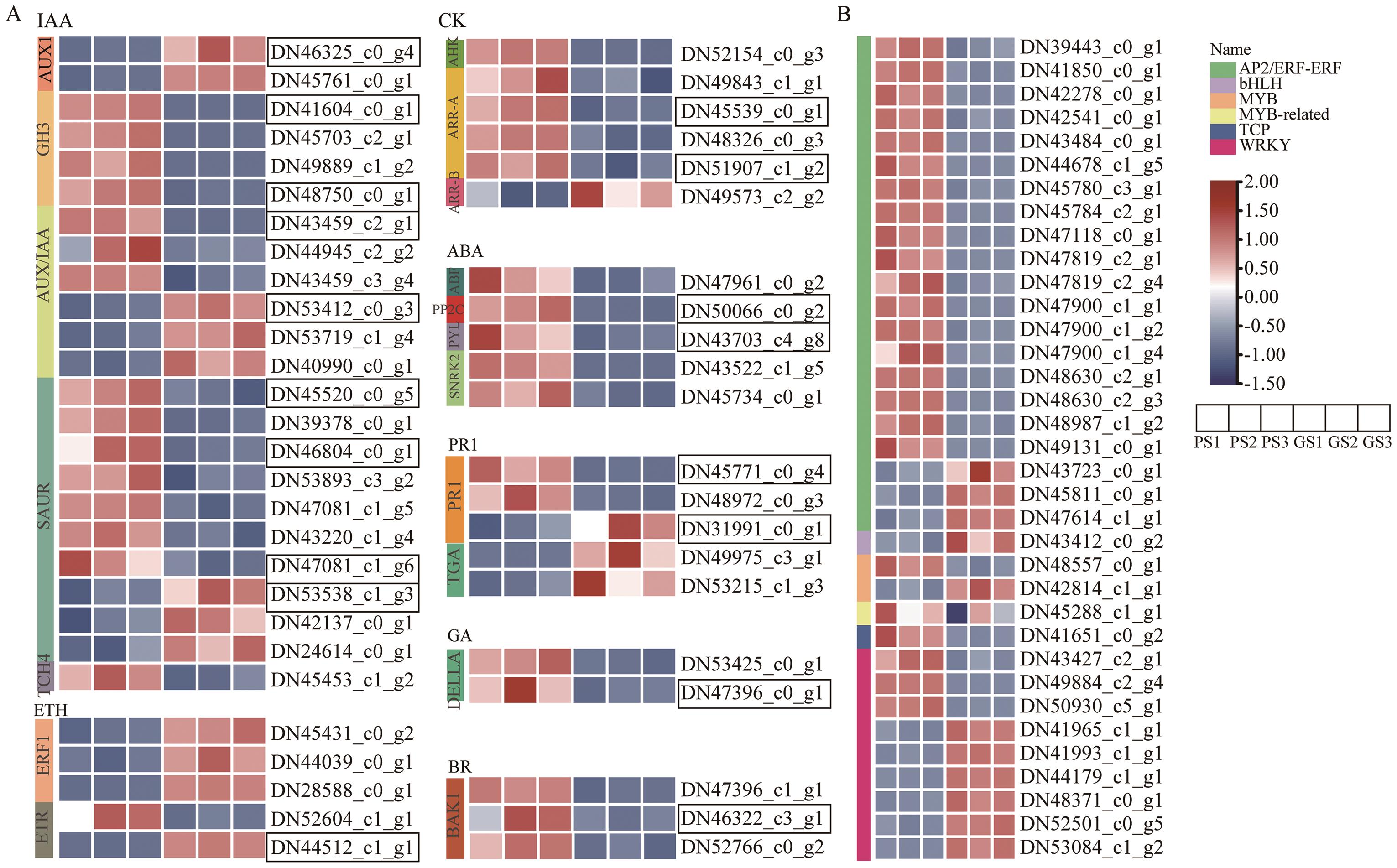
Fig. 4 Heat map of hormone-related DEGs (A) and differentially expressed transcription factors (B)The data in the heatmap are row-normalized relative expression (TPM) values. Red indicates upregulated relative expression within each row and blue indicates downregulation. The same below
| 组别(mg/g) | PHS | GHS | PHR | GHR |
|---|---|---|---|---|
| 毛蕊异黄酮苷 | 0.11±0.04 | 0.04±0.01** | 1.48±0.50 | 1.76±0.35 |
| 芒柄花苷 | 0.04±0.01 | 0.04±0.01 | 0.53±0.37 | 0.44±0.17 |
| 毛蕊异黄酮 | 0.15±0.08 | 0.18±0.06 | 0.25±0.12 | 0.13±0.07# |
| 芒柄花素 | 0.01±0.01 | 0.02±0.01* | 0.04±0.03 | 0.02±0.03 |
| 4种异黄酮总和 | 0.32±0.08 | 0.28±0.05 | 2.30±0.52 | 2.35±0.50 |
| 黄芪甲苷 | - | - | 0.25±0.07 | 0.26±0.08 |
| 黄芪皂苷Ⅰ | - | - | 1.05±0.24 | 0.78±0.35 |
| 黄芪皂苷Ⅱ | - | - | 0.61±0.18 | 0.48±0.16 |
| 黄芪皂苷Ⅲ | - | - | 0.08±0.01 | 0.13±0.07 |
| 4种皂苷成分总和 | - | 1.98±0.36 | 1.65±0.36# |
Table 2 Determination results of flavonoid and saponin contents in A. mongholicus (x¯±s, n=10)
| 组别(mg/g) | PHS | GHS | PHR | GHR |
|---|---|---|---|---|
| 毛蕊异黄酮苷 | 0.11±0.04 | 0.04±0.01** | 1.48±0.50 | 1.76±0.35 |
| 芒柄花苷 | 0.04±0.01 | 0.04±0.01 | 0.53±0.37 | 0.44±0.17 |
| 毛蕊异黄酮 | 0.15±0.08 | 0.18±0.06 | 0.25±0.12 | 0.13±0.07# |
| 芒柄花素 | 0.01±0.01 | 0.02±0.01* | 0.04±0.03 | 0.02±0.03 |
| 4种异黄酮总和 | 0.32±0.08 | 0.28±0.05 | 2.30±0.52 | 2.35±0.50 |
| 黄芪甲苷 | - | - | 0.25±0.07 | 0.26±0.08 |
| 黄芪皂苷Ⅰ | - | - | 1.05±0.24 | 0.78±0.35 |
| 黄芪皂苷Ⅱ | - | - | 0.61±0.18 | 0.48±0.16 |
| 黄芪皂苷Ⅲ | - | - | 0.08±0.01 | 0.13±0.07 |
| 4种皂苷成分总和 | - | 1.98±0.36 | 1.65±0.36# |
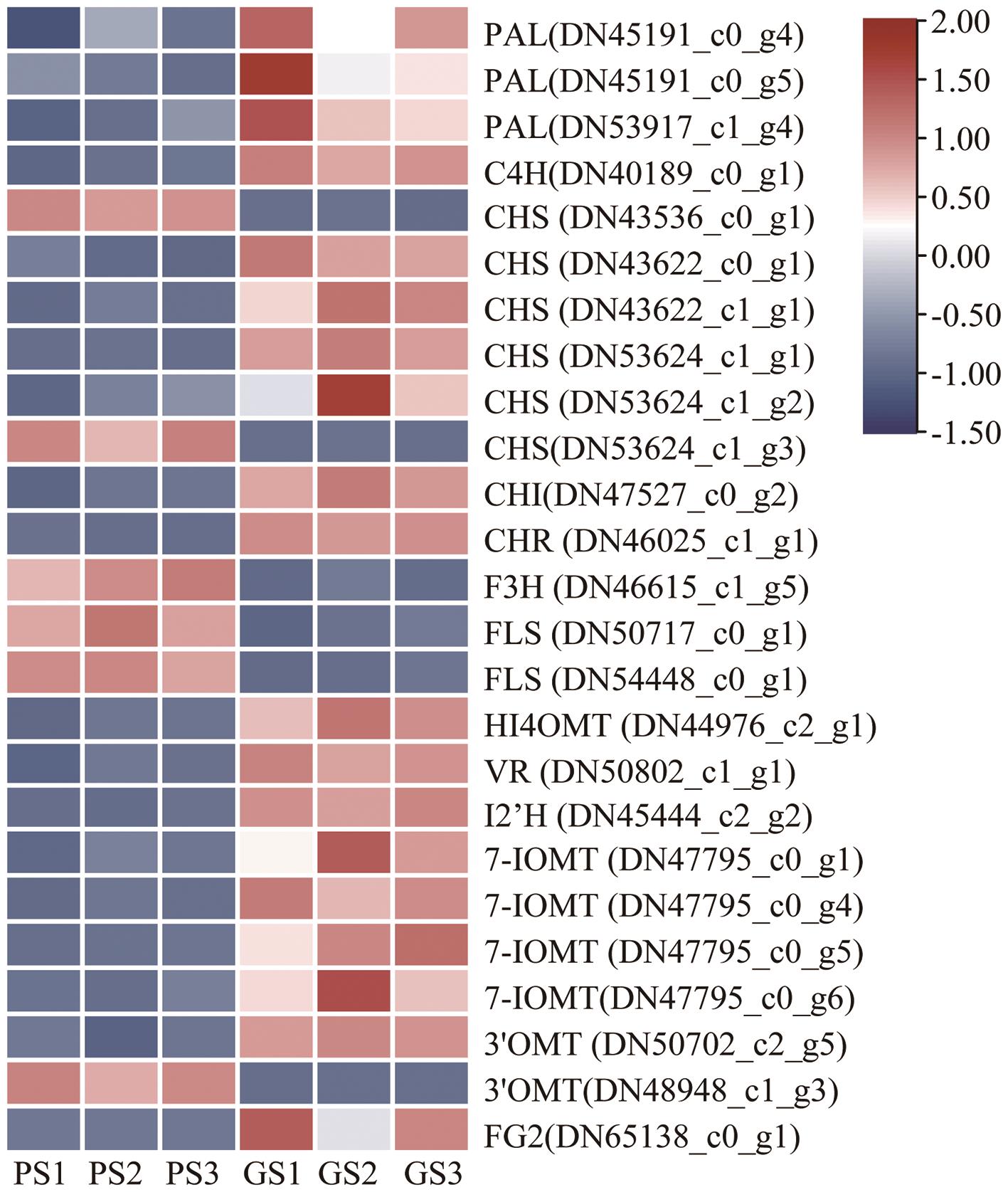
Fig. 5 Heat map of flavonoid-related DEGs
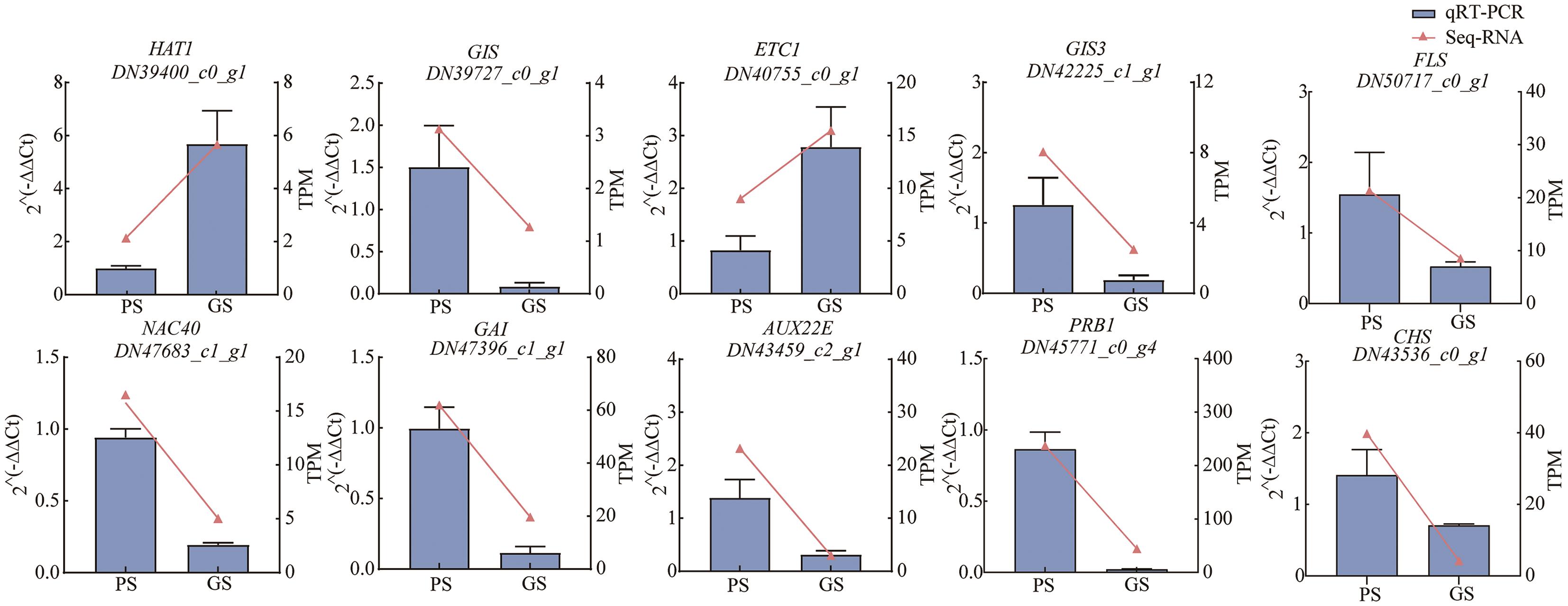
Fig. 6 Validation results of RT-qPCRThe histograms represent the relative expression levels of each target gene measured by RT-qPCR (2-ΔΔCt), and the red lines indicate the corresponding RNA-seq (TPM values), x¯±s, n=3
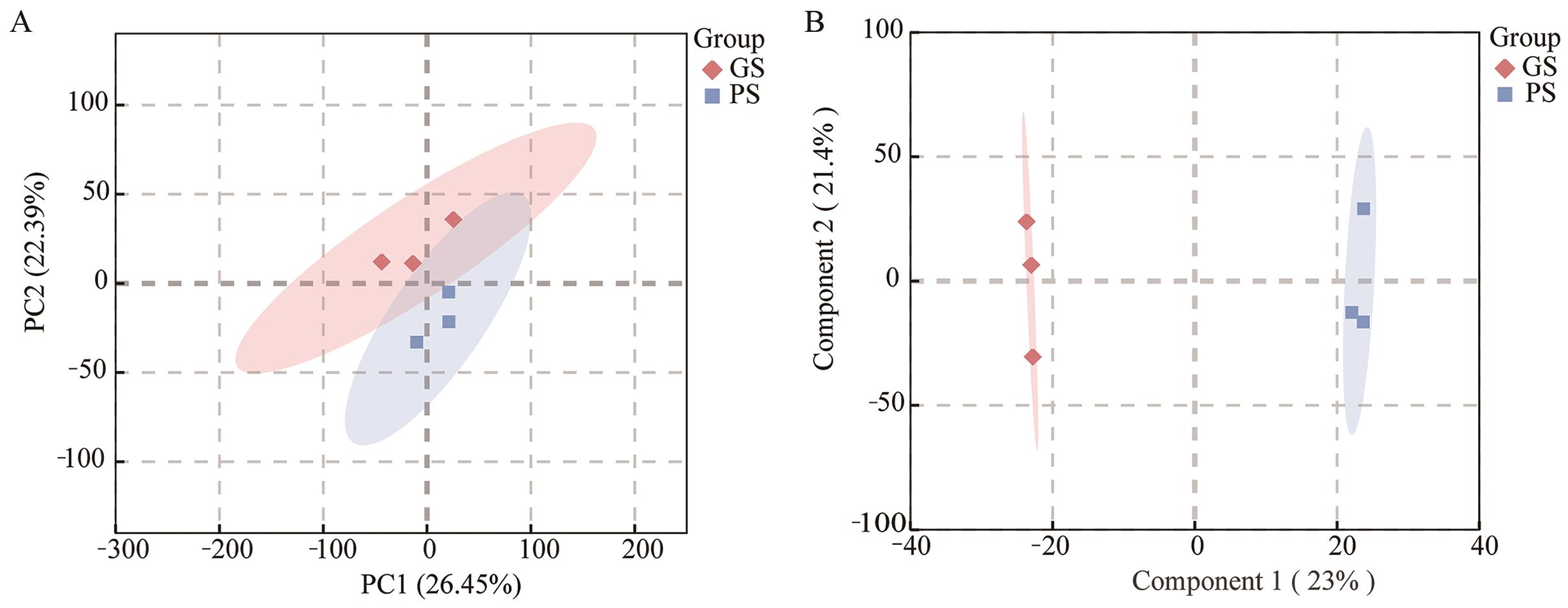
Fig. 7 PCA (A) and OPLS-DA (B) score plots of metabolitesPC1 represents the first principal component and PC2 the second principal component, with the percentages indicating their respective explanation rates of the dataset; each dot in the figure denotes a sample, and samples from the same group are colored the same
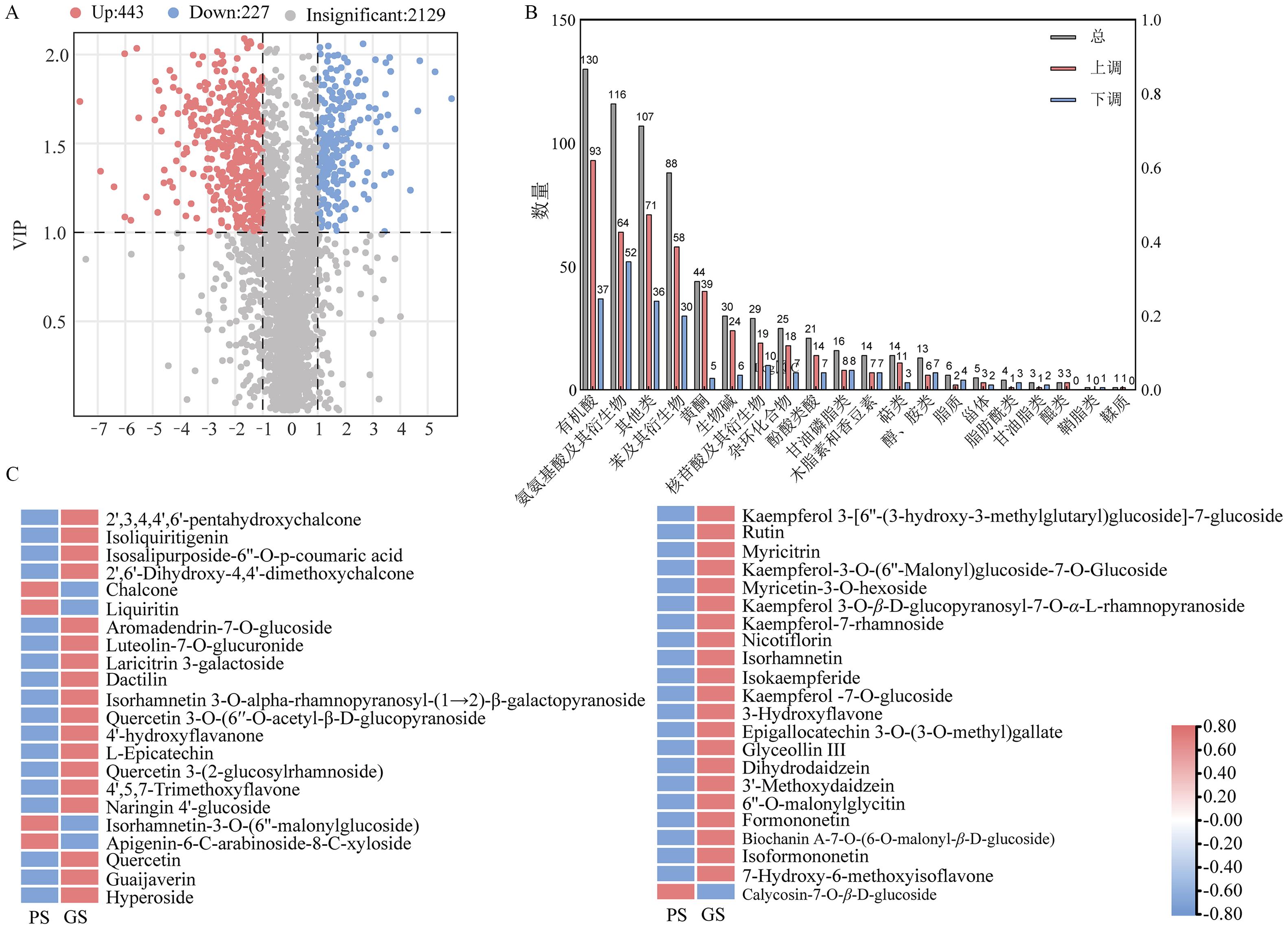
Fig. 8 Data plot of DAMsA: volcano plot of DAMs; B: classification chart of DAMs; C: heat map of differentially accumulated flavonoid metabolites
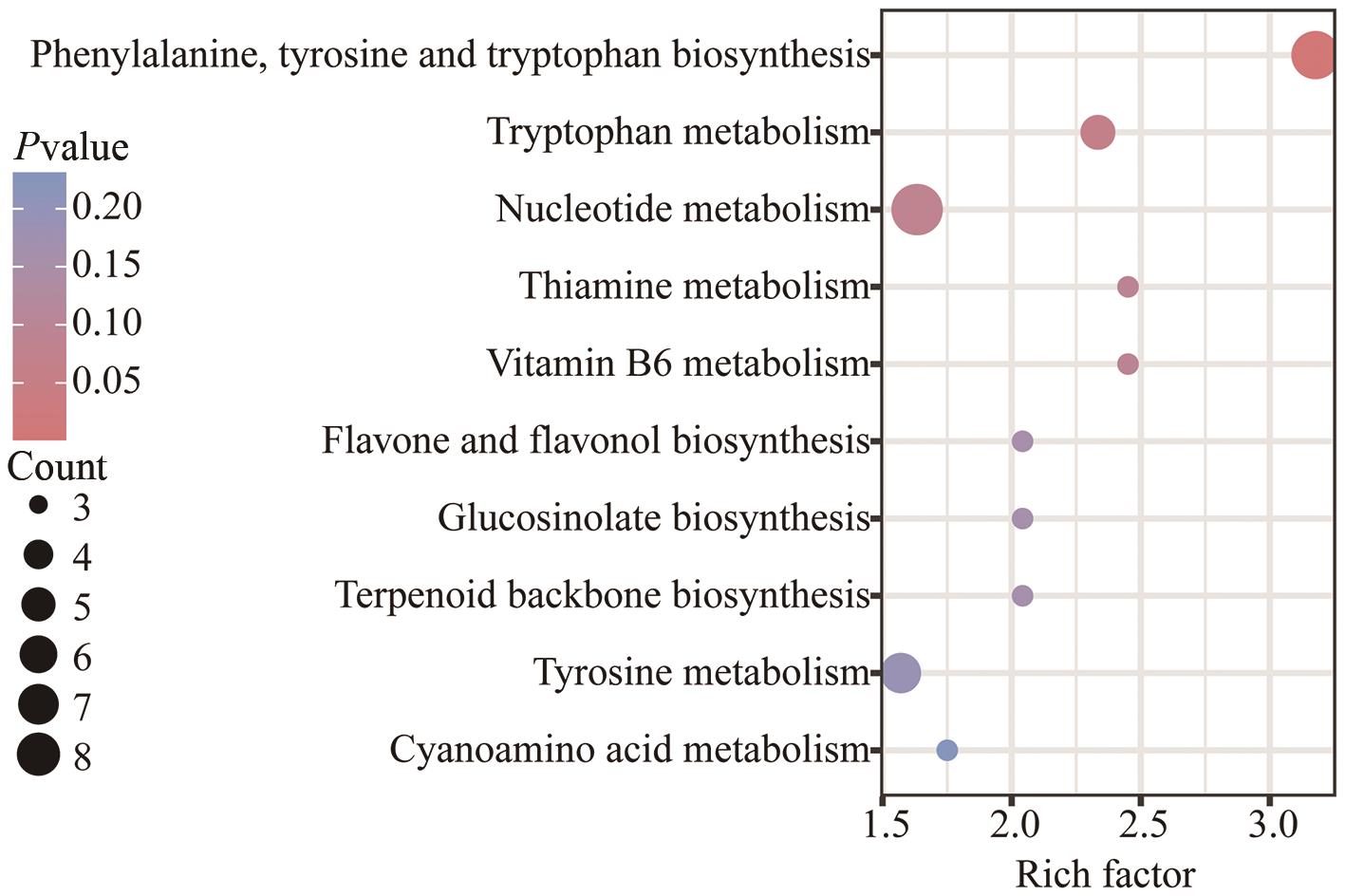
Fig. 9 KEGG enrichment analysis plot of DAMs
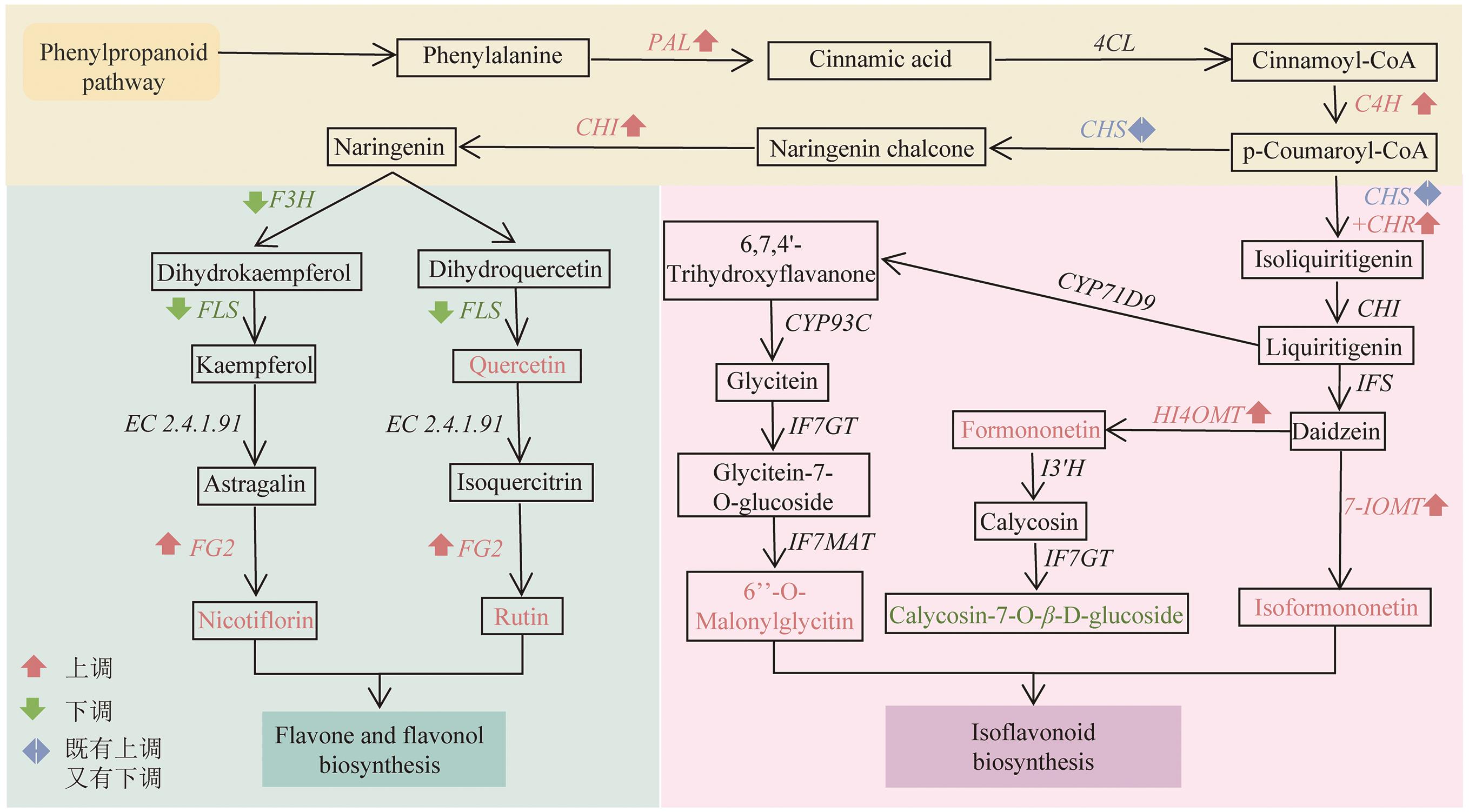
Fig. 10 Diagram of DEGs and DAMs in the flavonoid pathway of stemsMetabolites are marked in boxed labels: red indicates significantly increased metabolite content, while green indicates decreased metabolite content. Related genes are annotated beside the arrows: red represents upregulated genes, green represents downregulated genes, and blue indicates genes with both upregulated and downregulated expression patterns. Rectangular boxes of different colors in the diagram correspond to distinct metabolic branches: the yellow box denotes the phenylpropanoid pathway, the pink box represents the isoflavonoid pathway, and the blue box refers to the flavone and flavonol biosynthesis pathway
| [1] | 国家药典委员会. 中华人民共和国药典-一部——2025年版 [M]. 北京: 中国医药科技出版社, 2025. |
| National Pharmacopoeia Committee. Pharmacopoeia of people's republic of China (PRC)-part I-2025 edition [M]. Beijing: China Medical Science Press, 2025. | |
| [2] | 王丹阳, 冯毅晖, 潘加豪, 等. 黄芪的主要化学成分及药理作用 [J]. 新农民, 2024(24): 126-128. |
| Wang DY, Feng YH, Pan JH, et al. Main chemical constituents and pharmacological effects of Astragalus membranaceus [J]. New Farmers, 2024(24): 126-128. | |
| [3] | 张柂儇, 刘海龙, 王瑞琼, 等. 黄芪化学成分和药理作用及Q-marker预测分析 [J]. 中国新药杂志, 2023, 32(4): 410-419. |
| Zhang YX, Liu HL, Wang RQ, et al. Chemical constituents and pharmacological effects of Astragali Radix and predictive analysis on quality markers [J]. Chin J New Drugs, 2023, 32(4): 410-419. | |
| [4] | Karabourniotis G, Liakopoulos G, Nikolopoulos D, et al. Protective and defensive roles of non-glandular trichomes against multiple stresses: structure-function coordination [J]. J For Res, 2020, 31(1): 1034. |
| [5] | 植汉成, 刘翔, 郭宝林, 等. 柔毛淫羊藿及其近缘种叶片非腺毛形态及其分类学意义 [J]. 西北植物学报, 2018, 38(11): 2023-2035. |
| Zhi HC, Liu X, Guo BL, et al. Leaf non-glandular hair morphology and its taxonomic significance in Epimedium pubescens and related species [J]. Acta Bot Boreali Occidentalia Sin, 2018, 38(11): 2023-2035. | |
| [6] | Wang ZJ, Li YH, Zhang HY, et al. Methyl jasmonate treatment, aphid resistance assay, and transcriptomic analysis revealed different herbivore defensive roles between tobacco glandular and non-glandular trichomes [J]. Plant Cell Rep, 2022, 41(1): 195-208. |
| [7] | Li C, Wu JT, Blamey FPC, et al. Non-glandular trichomes of sunflower are important in the absorption and translocation of foliar-applied Zn [J]. J Exp Bot, 2021, 72(13): 5079-5092. |
| [8] | Guo C, Hu JJ, Gao WQ, et al. Mechanosensation triggers enhanced heavy metal ion uptake by non-glandular trichomes [J]. J Hazard Mater, 2022, 426: 127983. |
| [9] | Frerigmann H, Böttcher C, Baatout D, et al. Glucosinolates are produced in trichomes of Arabidopsis thaliana [J]. Front Plant Sci, 2012, 3: 242. |
| [10] | Judd R, Bagley MC, Li MZ, et al. Artemisinin biosynthesis in non-glandular trichome cells of Artemisia annua [J]. Mol Plant, 2019, 12(5): 704-714. |
| [11] | Koudounas K, Manioudaki ME, Kourti A, et al. Transcriptional profiling unravels potential metabolic activities of the olive leaf non-glandular trichome [J]. Front Plant Sci, 2015, 6: 633. |
| [12] | Shen YH, Fu JC, Zong DY, et al. The multidimensional regulatory network of trichome development: from transcription factors to hormone signaling integration [J]. J Exp Bot, 2025: eraf457. |
| [13] | 刘艳霞, 马亚丽, 兰海燕. 植物非腺毛形态发生及其功能研究进展 [J]. 植物生理学报, 2018, 54(10): 1527-1534. |
| Liu YX, Ma YL, Lan HY. Advances in morphology and function of plant non-glandular trichomes [J]. Plant Physiol J, 2018, 54(10): 1527-1534. | |
| [14] | Song SS, Liu B, Song JQ, et al. A molecular framework for signaling crosstalk between jasmonate and ethylene in anthocyanin biosynthesis, trichome development, and defenses against insect herbivores in Arabidopsis [J]. J Integr Plant Biol, 2022, 64(9): 1770-1788. |
| [15] | 邵长生. 二球悬铃木表皮毛发育调控基因PaTCP4、PaTCP15和PaNAC089的功能分析 [D]. 武汉: 华中农业大学, 2021. |
| Shao CS. Functional analysis of trichomes development regulatory genes PaTCP4、PaTCP15 and PaNAC089 from Platanus acerifolia [D]. Wuhan: Huazhong Agricultural University, 2021. | |
| [16] | Davila-Velderrain J, Caldu-Primo JL, Martinez-Garcia JC, et al. Modeling the epigenetic landscape in plant development [M]//Computational Cell Biology. New York, NY Springer New York 2018: 357-383. |
| [17] | 高四云, 李科, 熊一峰, 等. 恒山仿野生黄芪绝对生长年限鉴别及黄酮和皂苷积累规律研究 [J]. 药学学报, 2018, 53(1): 147-154. |
| Gao SY, Li K, Xiong YF, et al. Identification of growth years of Hengshan imitative wild culture Astragali Radix and investigation into the accumulation rules of flavonoids and saponins [J]. Acta Pharm Sin, 2018, 53(1): 147-154. | |
| [18] | 李新星, 刘凤波, 王雅净, 等. 不同产地蒙古黄芪中12种药效成分含量差异及其与地理分布和气候因子相关性分析 [J]. 中草药, 2024, 55(20): 7085-7092. |
| Li XX, Liu FB, Wang YJ, et al. Differences in content of 12 medicinal components of Astragalus membranaceus var. mongolicus from different regions and their correlation with geographical distribution and climate factors [J]. Chin Tradit Herb Drugs, 2024, 55(20): 7085-7092. | |
| [19] | Narayan S, Kumar A, Shirke PA. Development of stomata and trichomes is correlated with improved water use efficiency in cluster bean [Cyamopsis tetragonoloba (L.) Taub.] under drought [J]. J Plant Growth Regul, 2025, 44(7): 4090-4107. |
| [20] | Sun LL, Zhang AD, Zhou ZJ, et al. GLABROUS INFLORESCENCE STEMS3 (GIS3) regulates trichome initiation and development in Arabidopsis [J]. New Phytol, 2015, 206(1): 220-230. |
| [21] | Zhang N, Yang L, Luo S, et al. Genetic evidence suggests that GIS functions downstream of TCL1 to regulate trichome formation in Arabidopsis [J]. BMC Plant Biol, 2018, 18: 63. |
| [22] | Ariel FD, Manavella PA, Dezar CA, et al. The true story of the HD-Zip family [J]. Trends Plant Sci, 2007, 12(9): 419-426. |
| [23] | Tan WR, Han Q, Li Y, et al. A HAT1-DELLA signaling module regulates trichome initiation and leaf growth by achieving gibberellin homeostasis [J]. New Phytol, 2021, 231(3): 1220-1235. |
| [24] | Zhang YP, Zhang JQ, Shao CS, et al. Single-repeat R3 MYB transcription factors from Platanus acerifolia negatively regulate trichome formation in Arabidopsis [J]. Planta, 2019, 249(3): 861-877. |
| [25] | Xin Y, Pan WQ, Zhao YJ, et al. The NAC transcription factor LpNAC48 promotes trichome formation in Lilium pumilum [J]. Plant Physiol, 2024, 197(1): kiaf001. |
| [26] | 邵一帆, 朱宝庆, 王童欣, 等. 基于激素、转录组和代谢组研究木棉皮刺的遗传调控 [J]. 园艺学报, 2025, 52(4): 933-946. |
| Shao YF, Zhu BQ, Wang TX, et al. Research of genetic regulation of Bombax ceiba prickle based on hormone, transcriptome and metabolome [J]. Acta Hortic Sin, 2025, 52(4): 933-946. | |
| [27] | Chen HY, Zhu Z, Wang XW, et al. Less hairy leaf 1, an RNaseH-like protein, regulates trichome formation in rice through auxin [J]. J Integr Agric, 2023, 22(1): 31-40. |
| [28] | Xu ZS, Chen M, Li LC, et al. Functions and application of the AP2/ERF transcription factor family in crop improvement [J]. J Integr Plant Biol, 2011, 53(7): 570-585. |
| [29] | 潘媛, 赵晓, 陈大霞. 灰毡毛忍冬花不同发育阶段的转录组学与代谢组学研究 [J]. 中国中药杂志, 2021, 46(11): 2798-2805. |
| Pan Y, Zhao X, Chen DX. Different development phase of transcription proteomics and metabolomics of flower of Lonicera macranthoides [J]. China J Chin Mater Med, 2021, 46(11): 2798-2805. | |
| [30] | 崔慧敏, 曲硕, 万金璐, 等. 大豆CHR2-1基因生物信息学分析与大豆遗传转化 [J]. 大豆科学, 2022, 41(3): 274-280. |
| Cui HM, Qu S, Wan JL, et al. Bioinformatics analysis of soybean CHR2-1 gene and its genetic transformation to soybean [J]. Soybean Sci, 2022, 41(3): 274-280. | |
| [31] | 张宇斌, 彭贵, 潘蓉蓉, 等. 日本蛇根草黄酮醇合成酶基因的克隆及其序列分析 [J]. 基因组学与应用生物学, 2018, 37(7): 2958-2963. |
| Zhang YB, Peng G, Pan RR, et al. Cloning and sequence analysis of FLS gene in Ophiorrhiza japonica [J]. Genom Appl Biol, 2018, 37(7): 2958-2963. | |
| [32] | Jiang WB, Yin QG, Wu RR, et al. Role of a Chalcone isomerase-like protein in flavonoid biosynthesis in Arabidopsis thaliana [J]. J Exp Bot, 2015, 66(22): 7165-7179. |
| [33] | Gautam H, Sharma A, Trivedi PK. The role of flavonols in insect resistance and stress response [J]. Curr Opin Plant Biol, 2023, 73: 102353. |
| [1] | SUN Ting, ZHANG Yan, LIU Yu-shan, FENG Yuan-yuan, QIN Heng-shan, ZHANG Jun, HE Xiao-gang, ZHANG Jing-rong. Cloning and Functional Analysis of AeF3H Gene in Okra [J]. Biotechnology Bulletin, 2026, 42(4): 153-160. |
| [2] | WANG Ya-le, LI Xue-jun, SUN Ji-ping, SUN Huan. Physiological Response and Transcriptome Analysis of Tobacco Yunongxiang 201 to Low Temperature Stress [J]. Biotechnology Bulletin, 2026, 42(2): 228-238. |
| [3] | WANG Ya-nan, WEI Li-min, WANG Feng, CHAO Zhe, REN Yu-wei, LIU Hai-long, HUANG Li-li, SUN Rui-ping. A Comparative Study of Metabolomics-based Screening of Differential Metabolites for Fat Deposition in Wuzhishan and DLY Pigs [J]. Biotechnology Bulletin, 2026, 42(2): 325-337. |
| [4] | LIU Yu-shi, LI Zhen, ZOU Yu-chen, TANG Wei-wei, LI Bin. Advances in Spatial Metabolomics in Medicinal Plants [J]. Biotechnology Bulletin, 2025, 41(9): 22-31. |
| [5] | LIU Jian-guo, LIU Ge-er, GUO Ying-xin, WANG Bin, WANG Yu-kun, LU Jin-feng, HUANG Wen-ting, ZHU Yun-na. Integrate Transcriptomic and Metabolomic Analysis of Fruits Quality Differences between ‘Guiyou No. 1’ and ‘Shatianyou’ Pomelo (Citrus maxima) [J]. Biotechnology Bulletin, 2025, 41(9): 168-181. |
| [6] | ZHANG Ya-qi, WANG Qin-qin, SHEN Xia, LI Xu-miao, GAO Min, LI Jun, LI Chen, WANG Hui. Metabolite Early Warning Model for the Risk of Early Progression in Esophageal Squamous Cell Carcinoma [J]. Biotechnology Bulletin, 2025, 41(9): 335-344. |
| [7] | JIANG Tian-wei, MA Pei-jie, LI Ya-jiao, CHEN Cai-jun, LIU Xiao-xia, WANG Xiao-li. Metabolic Response Analysis of Brachypodium distachyon to Photoperiods [J]. Biotechnology Bulletin, 2025, 41(7): 237-247. |
| [8] | YANG Chao-jie, ZHANG Lan, CHEN Hong, HUANG Juan, SHI Tao-xiong, ZHU Li-wei, CHEN Qing-fu, LI Hong-you, DENG Jiao. Functional Identification of the Transcription Factor Gene FtbHLH3 in Regulating Flavonoid Biosynthesis in Fagopyrum tataricum [J]. Biotechnology Bulletin, 2025, 41(4): 134-144. |
| [9] | HUANG Jin-heng, HUANG Xi, ZHANG Jia-yan, ZHOU Xin-yu, LIAO Pei-ran, YANG Quan. Identification and Expression Analysis of the C3H Gene Family in Grona styracifolia across Different Varieties [J]. Biotechnology Bulletin, 2025, 41(4): 243-255. |
| [10] | YANG Yong, CAO Rui, KANG Xiao-xiao, LIU Jing, WANG Xuan, ZHANG Hai-e. Identification and Expression Analysis of 13 Gene Families in the Chestnut Flavonoid Synthesis Pathway [J]. Biotechnology Bulletin, 2025, 41(2): 270-283. |
| [11] | ZHANG Xiao-dan, YIN Zheng, LIU Qing-chen, LI Xue-mei, LIU Xiao-hua, LIANG Mei-xia. Integrated Metabolomic and Transcriptomic Analysis Reveals the Mechanism of Prunus davidiana Response to Freezing Stress [J]. Biotechnology Bulletin, 2025, 41(12): 225-239. |
| [12] | YANG Zong-hui, LI Li-bin, MENG Zhao-juan, GAO Tian, ZHU Li-xia, DU Hai-mei, DONG Wei-wei, CAO Qi-wei. Comparative Transcriptomics Reveals Synergistic Control of Cucumber Sex Determination by Ethylene Signaling and Epigenetic Regulation [J]. Biotechnology Bulletin, 2025, 41(12): 139-155. |
| [13] | ZENG Jing-jing, LUO Pan-lan, YAN Shu-jun, ZHENG Tao, YANG Jun-jie, CAI Kun-xiu, CAO Jia-yu, ZHANG Tian-xiang, LI Luan, CHEN Ying. Potential Regulatory Differences of Endogenous Hormones on Flavonoids in Anoectochilus roxburghii at Different Growth Stages Based on Multi-omics Analysis [J]. Biotechnology Bulletin, 2025, 41(12): 190-200. |
| [14] | LUO Yi-fei, XU Ya, LU Si-qi, GAO Yuan-yuan, GOU Zhan, FANG Hong, SHANG Yi, TENG Lin-lin. Analysis of Volatile Components in Solanum tuberosum L. Plants Infected with Phytophthora infestans [J]. Biotechnology Bulletin, 2025, 41(11): 247-260. |
| [15] | WANG Rui, QI Ji. Integrating Histological Image Information to Enhance Cell Clustering Resolution in Spatial Transcriptome [J]. Biotechnology Bulletin, 2024, 40(8): 39-46. |
| Viewed | ||||||
|
Full text |
|
|||||
|
Abstract |
|
|||||
