







Biotechnology Bulletin ›› 2026, Vol. 42 ›› Issue (2): 228-238.doi: 10.13560/j.cnki.biotech.bull.1985.2025-0579
Previous Articles Next Articles
WANG Ya-le( ), LI Xue-jun, SUN Ji-ping(), SUN Huan
Received:2025-06-05
Online:2026-02-26
Published:2026-03-17
Contact:
SUN Ji-ping
E-mail:yms_0905@126.com;sunjiping2002@126.com
WANG Ya-le, LI Xue-jun, SUN Ji-ping, SUN Huan. Physiological Response and Transcriptome Analysis of Tobacco Yunongxiang 201 to Low Temperature Stress[J]. Biotechnology Bulletin, 2026, 42(2): 228-238.
| 基因名称 Name | 上游引物序列 Forward primer sequences(5′-3′) | 下游引物序列 Reverse primer sequences(5′-3′) |
|---|---|---|
| NtFLK | TAGGGACGGTGCTCAATTCAA | GGACATTACCAGCGTCTTGC |
| NtEIN3 | AGCCTCGTCAACAACCTAGC | TGTTGGTGTCCCCGAAGATG |
| NtSUS | AGTTCACCACTACAAGGGCAAGA | AGGGGAAAGGGTAGTGAGGTATT |
| NtTPP | GGATTCGGATGCTAAAGCGG | TACTTGTGATGAGTTGGAGATGA |
| NtTIFY10A | TGGAAACCAAACAACTACTACTATG | GTCATTTGTGCCTTTTCTGGTT |
| NtSAPK3 | GAGGTCTTGGTAACTCCATCG | CACATATTTTTACACGTGGTGAAGC |
| NtCOP1 | ACCTGGACAGGCAATAGCAAG | TCTTCAAGTCCCGCAGAATAAC |
| NtbHLH13 | CGAGGATGGGGCTCAACAA | ATAACCACAAATGCTTACCCG |
| L25 | CCCCTCACCACAGAGTCTGC | AAGGGTGTTGTTGTCCTCAATCTT |
Table 1 Primer sequences detected by RT-qPCR
| 基因名称 Name | 上游引物序列 Forward primer sequences(5′-3′) | 下游引物序列 Reverse primer sequences(5′-3′) |
|---|---|---|
| NtFLK | TAGGGACGGTGCTCAATTCAA | GGACATTACCAGCGTCTTGC |
| NtEIN3 | AGCCTCGTCAACAACCTAGC | TGTTGGTGTCCCCGAAGATG |
| NtSUS | AGTTCACCACTACAAGGGCAAGA | AGGGGAAAGGGTAGTGAGGTATT |
| NtTPP | GGATTCGGATGCTAAAGCGG | TACTTGTGATGAGTTGGAGATGA |
| NtTIFY10A | TGGAAACCAAACAACTACTACTATG | GTCATTTGTGCCTTTTCTGGTT |
| NtSAPK3 | GAGGTCTTGGTAACTCCATCG | CACATATTTTTACACGTGGTGAAGC |
| NtCOP1 | ACCTGGACAGGCAATAGCAAG | TCTTCAAGTCCCGCAGAATAAC |
| NtbHLH13 | CGAGGATGGGGCTCAACAA | ATAACCACAAATGCTTACCCG |
| L25 | CCCCTCACCACAGAGTCTGC | AAGGGTGTTGTTGTCCTCAATCTT |
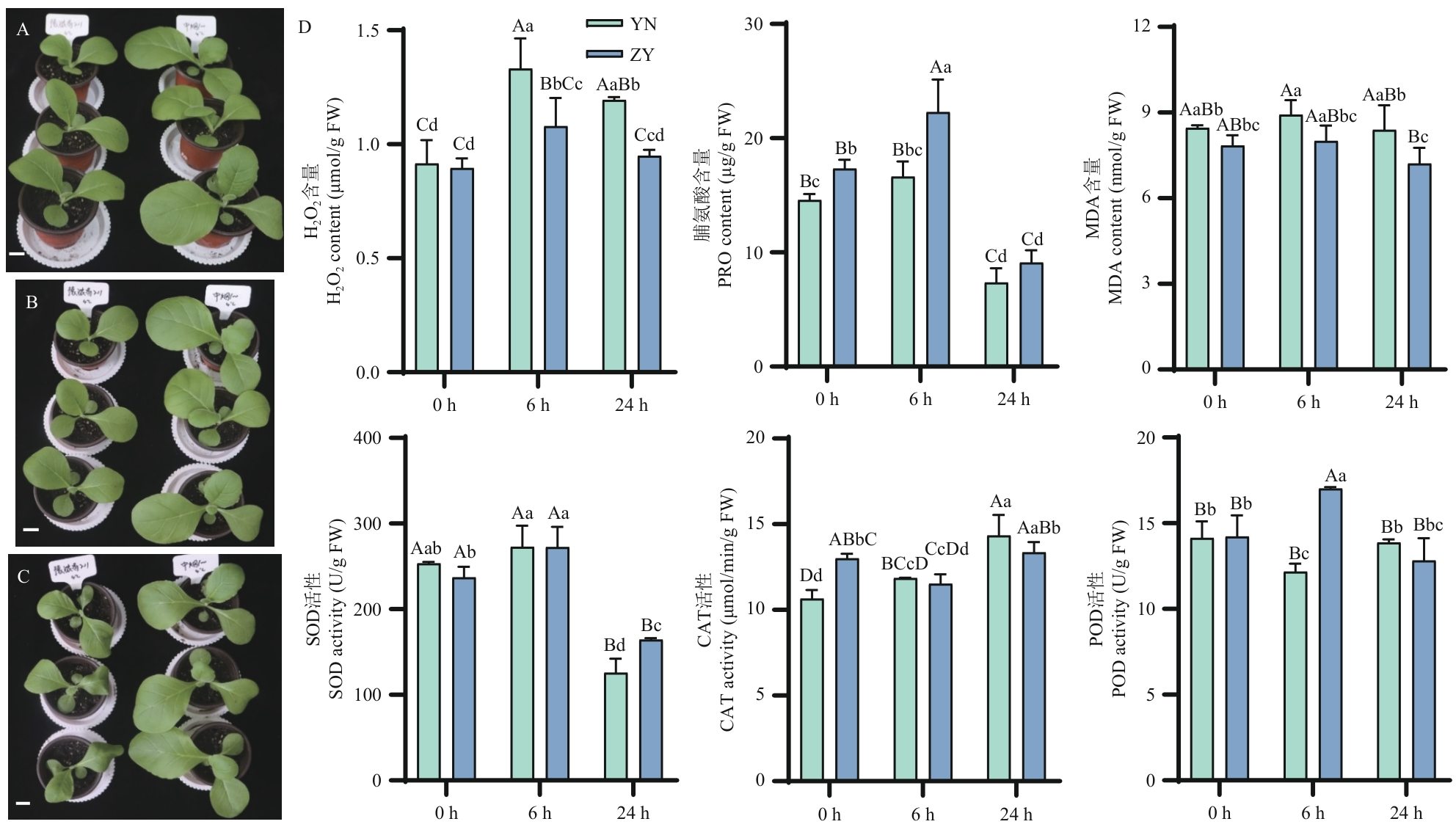
Fig. 1 Different tolerance of Yunongxiang 201 and Zhongyan 100 to cold stressA-C: The phenotypes of 0 h (A), 6 h (B) and 24 h (C) at 4 ℃ in Yunongxiang 201 and Zhongyan 100. Bar=2 cm. D: Physiological index of Yunongxiang 201 and Zhongyan 100 before and after 4 ℃ treatment. Different uppercase letters indicate significant differences (P<0.01), different lowercase letters indicate significant differences (P<0.05)
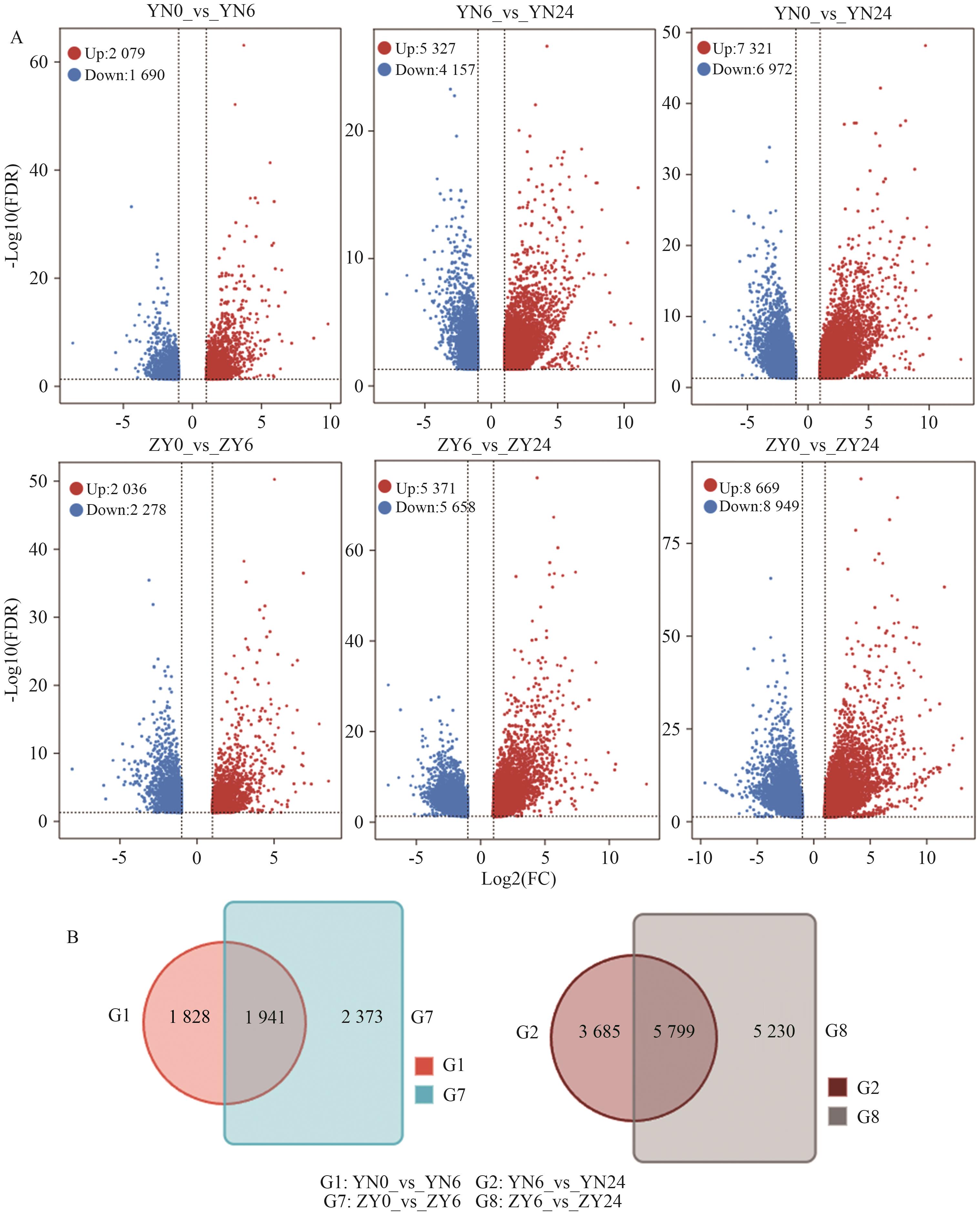
Fig. 2 Volcano and Venn maps of DEGs
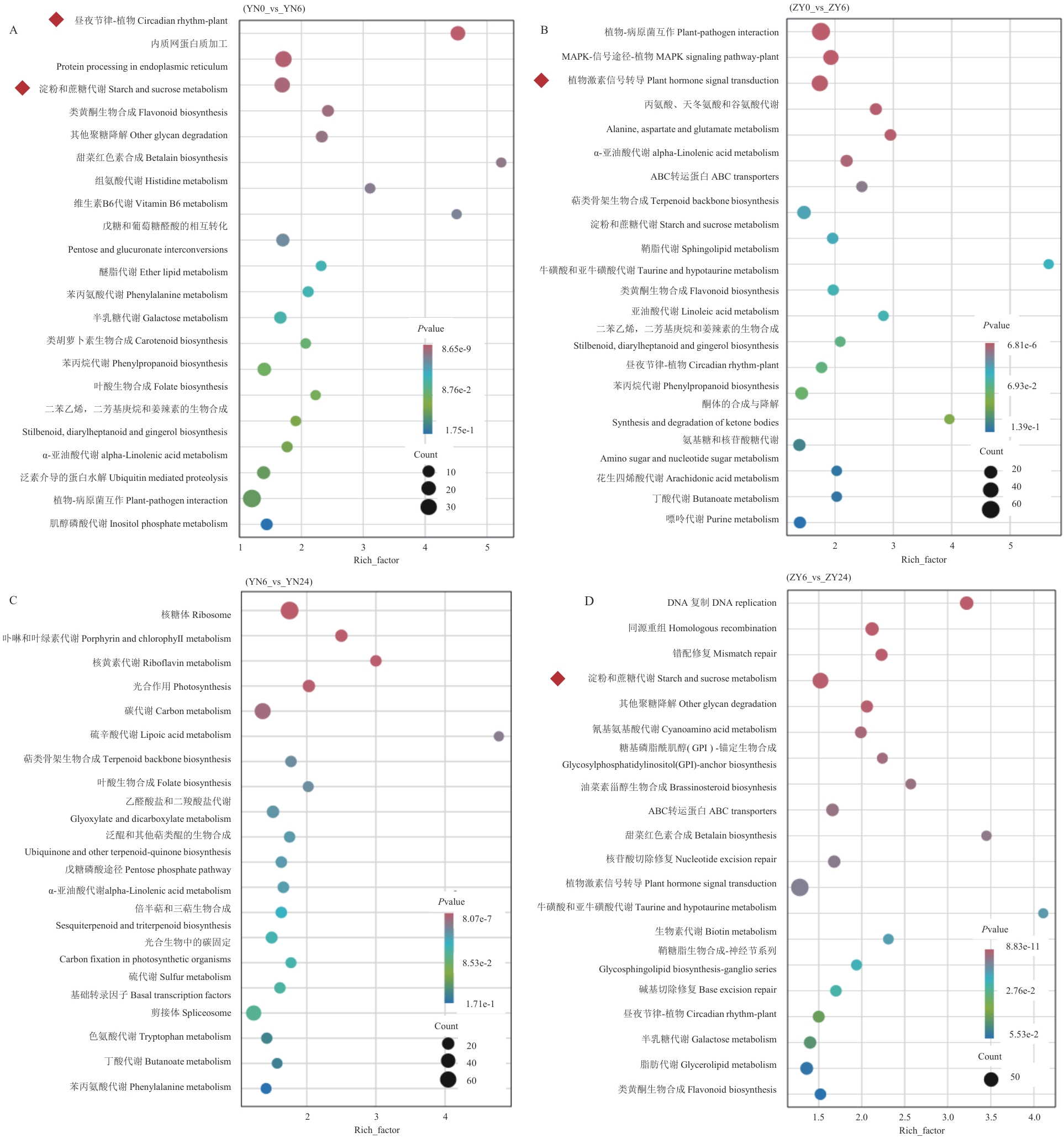
Fig. 3 KEGG enrichment analysis of DEGs among different groups
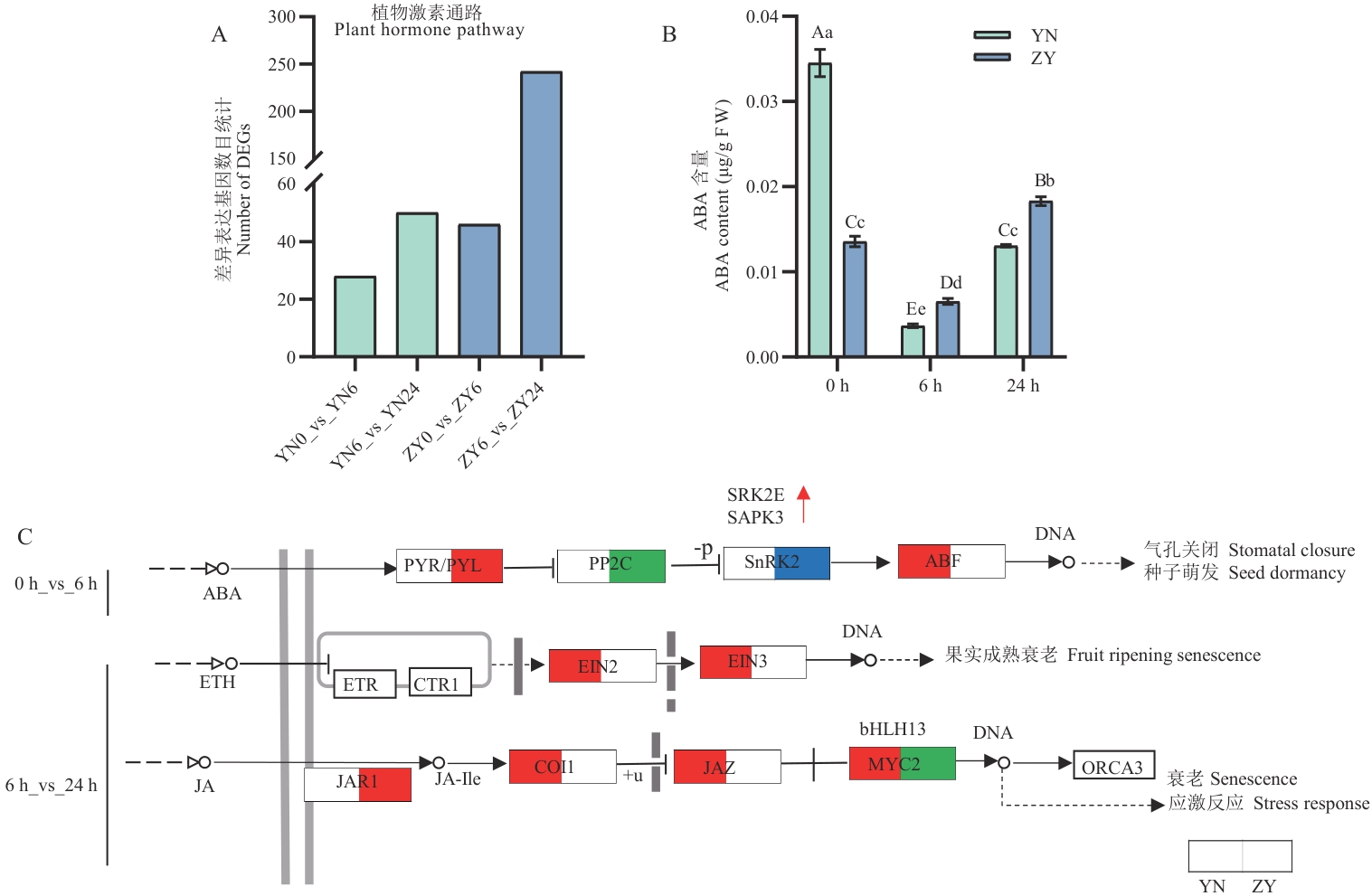
Fig. 4 Expression analysis of DEGs in plant hormone pathway in Yunongxiang 201 and Zhongyan 100A: Statistics of DEGs in plant hormone pathway at different time points. B: ABA content in leaves at different time points. C: The map of KEGG in plant hormone pathway. Red indicates up-regulated expression gene, green indicates down-regulated expression gene, and blue indicates partial genes up or down-regulated expression at 0 h_vs_6 h. The left side indicates Yunongxiang 201(YN) and the right side indicates Zhongyan 100(ZY) at each node in plant hormone pathway
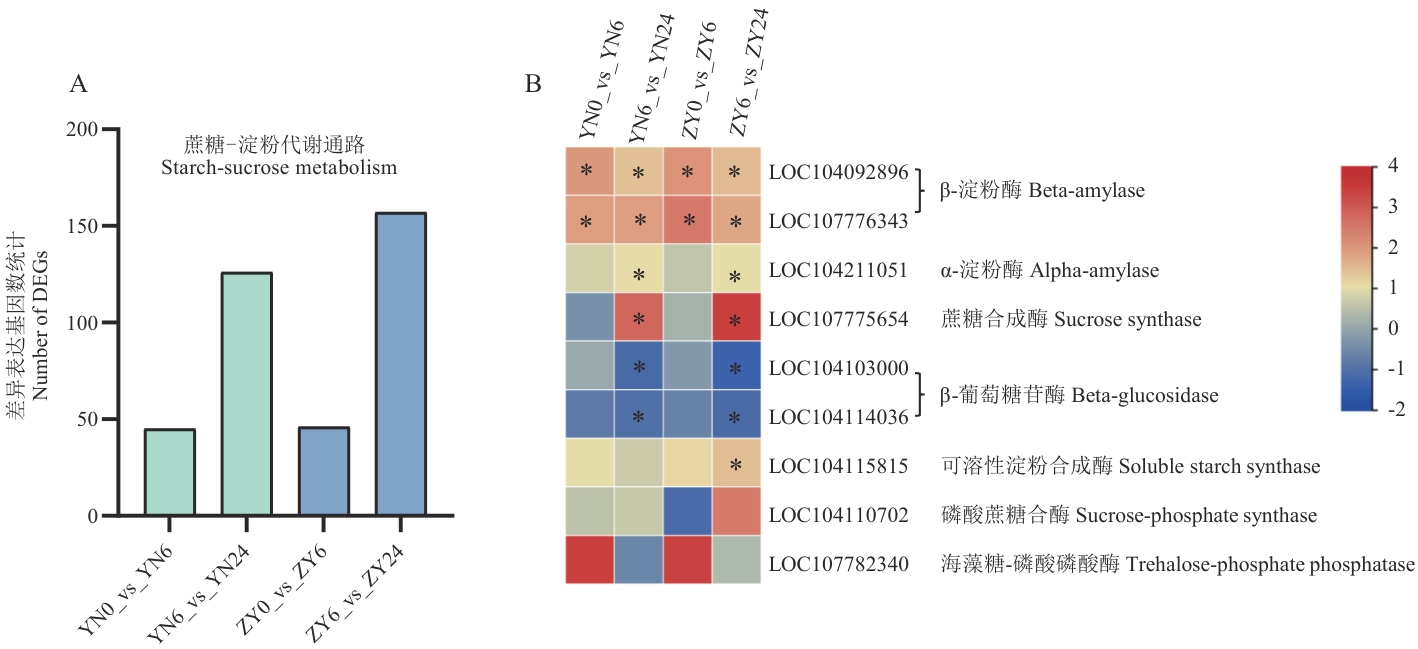
Fig. 5 Expression analysis of enzyme genes related to starch-sucrose metabolic pathways in Yunongxiang 201 and Zhongyan 100A: Statistics of DEGs at different time points. B: Expression heat map of related enzyme genes in starch-sucrose metabolic pathway. Asterisk indicates FDR<0.05 in heat map, the same below
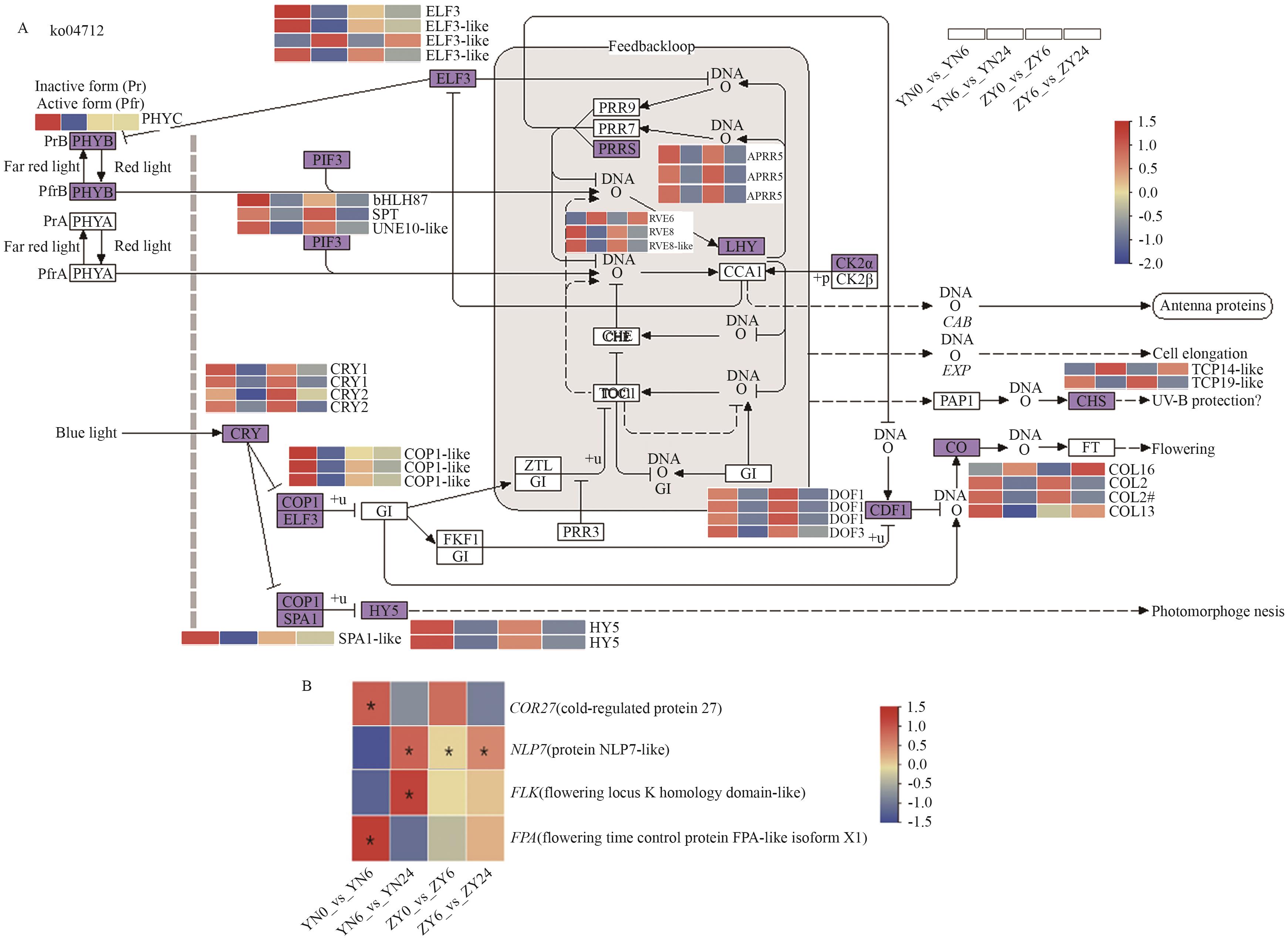
Fig. 6 Enrichment of DEGs in circadian rhythm-plant pathway in Yunongxiang 201 and Zhongyan 100
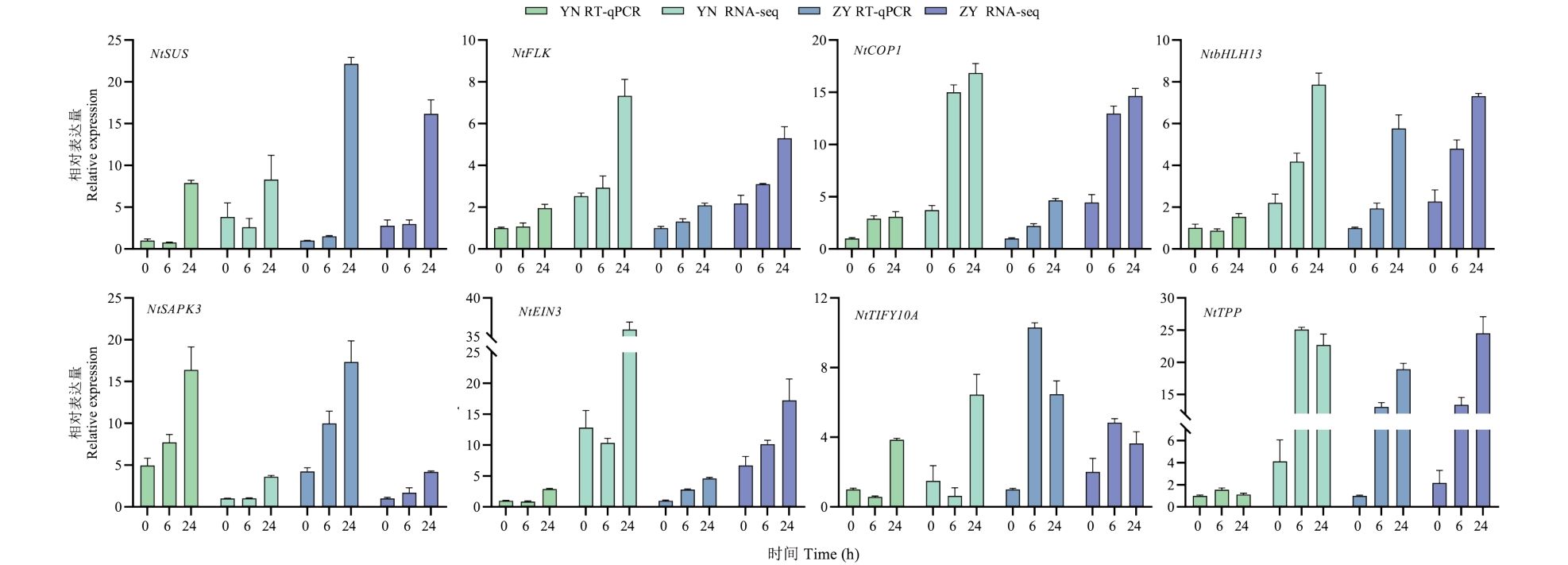
Fig. 7 Verification of DEGs by RT-qPCR
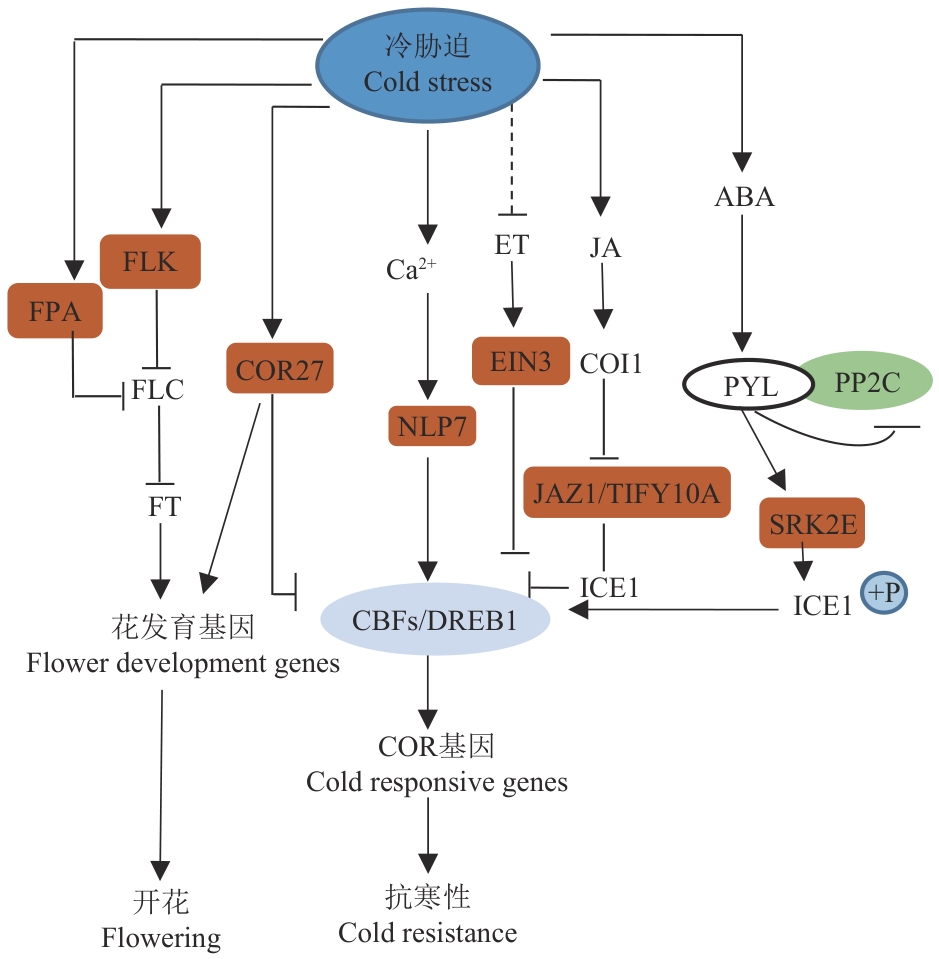
Fig. 8 Part of the gene regulatory network involved in cold tolerance and flowering process
| [1] | 周培禄. 低温诱导苗期烟草叶片酚类物质合成的分子机制研究 [D]. 北京: 中国农业科学院, 2019. |
| Zhou PL. Molecular mechanism of low temperature induced synthesis of polyphenols in tobacco leaves at seedling stage [D]. Beijing: Chinese Academy of Agricultural Sciences, 2019. | |
| [2] | 向世鹏. 烟草苗期耐冷性评价及分子表达研究 [D]. 长沙: 湖南农业大学, 2018. |
| Xiang SP. Study on the cold tolerance evaluation and molecular expression in tobacco seedling stage [D]. Changsha: Hunan Agricultural University, 2018. | |
| [3] | 曾洪学, 屈兴红. 低温胁迫对3份葛种质萌发过程中脯氨酸和抗坏血酸-谷胱甘肽循环代谢的影响 [J]. 浙江农业学报, 2024, 36(7): 1558-1568. |
| Zeng HX, Qu XH. Effect of low-temperature stress on proline metabolism and ascorbic acid-glutathione cycle during germination of three Pueraria Lobata germplasm lines [J]. Acta Agric Zhejiangensis, 2024, 36(7): 1558-1568. | |
| [4] | Zhao XT, Ma K, Li Z, et al. Transcriptome analysis reveals brassinolide signaling pathway control of foxtail millet seedling starch and sucrose metabolism under freezing stress, with implications for growth and development [J]. Int J Mol Sci, 2023, 24(14): 11590. |
| [5] | 刘思彤, 侯宇, 潘家荃, 等. 甘薯对低温胁迫的生理响应及耐寒性评价 [J]. 浙江农业学报, 2025, 37(4): 767-778. |
| Liu ST, Hou Y, Pan JQ, et al. Physiological response of sweetpotato to the low temperature and evaluation of cold tolerance [J]. Acta Agric Zhejiangensis, 2025, 37(4): 767-778. | |
| [6] | 孙佳平, 张福顺, 邳植, 等. 低温胁迫对甜菜抗氧化系统的影响 [J]. 中国农学通报, 2022, 38(12): 26-32. |
| Sun JP, Zhang FS, Pi Z, et al. Effect of low temperature stress on the antioxidant system of sugar beet [J]. Chin Agric Sci Bull, 2022, 38(12): 26-32. | |
| [7] | Waadt R, Seller CA, Hsu PK, et al. Plant hormone regulation of abiotic stress responses [J]. Nat Rev Mol Cell Biol, 2022, 23(10): 680-694. |
| [8] | Li CX, Pan YN, Cui J, et al. Mechanism of ABA in plants exposed to cold stress [J]. Agronomy, 2025, 15(2): 403. |
| [9] | Li WY, Lou X, Wang ZJ, et al. Unlocking ABA’s role in rice cold tolerance: insights from Zhonghua 11 and Kasalath [J]. Theor Appl Genet, 2025, 138(1): 16. |
| [10] | Luo ZY, Zhou ZC, Li YY, et al. Transcriptome-based gene regulatory network analyses of differential cold tolerance of two tobacco cultivars [J]. BMC Plant Biol, 2022, 22(1): 369. |
| [11] | Gao Y, Qiao Q, Liu ZQ, et al. Analysis of transcriptomic and metabolomic differences revealed the mechanism underlying the tobacco response to low-temperature [J]. Environ Exp Bot, 2024, 217: 105576. |
| [12] | 李雪君, 孙计平, 孙焕, 等. 烤烟新品种豫浓香201的选育及特征特性 [J]. 中国烟草科学, 2024, 45(4): 1-6. |
| Li XJ, Sun JP, Sun H, et al. Breeding and characteristics of a new flue-cured tobacco variety Yunongxiang201 [J]. Chin Tob Sci, 2024, 45(4): 1-6. | |
| [13] | Xu WZ, Liu QZ, Wang YH, et al. Increasing phosphorus application level alleviated adverse effects of low-temperature stress on antioxidant metabolism and carbohydrate metabolism in tobacco seedlings [J]. Agronomy, 2024, 14(12): 2902. |
| [14] | 孙计平, 王亚乐, 李雪君, 等. 过表达NtH202烟草叶片响应烟蚜侵袭转录组分析 [J]. 种子, 2024, 43(6): 44-54. |
| Sun JP, Wang YL, Li XJ, et al. Transcriptome analysis of overexpressing NtH202 Nicotiana tabacum leaves in response to tobacco aphid invasion [J]. Seed, 2024, 43(6): 44-54. | |
| [15] | Wang Y, Wang J, Sarwar R, et al. Research progress on the physiological response and molecular mechanism of cold response in plants [J]. Front Plant Sci, 2024, 15: 1334913. |
| [16] | Dong SY, Beckles DM. Dynamic changes in the starch-sugar interconversion within plant source and sink tissues promote a better abiotic stress response [J]. J Plant Physiol, 2019, 234/235: 80-93. |
| [17] | Cui P, Li YX, Cui CK, et al. Proteomic and metabolic profile analysis of low-temperature storage responses in Ipomoea batata Lam. tuberous roots [J]. BMC Plant Biol, 2020, 20(1): 435. |
| [18] | Liang GP, Wang H, Gou HM, et al. Overexpression of VaBAM3 from Vitis amurensis enhances seedling cold tolerance by promoting soluble sugar accumulation and reactive oxygen scavenging [J]. Plant Cell Rep, 2024, 43(6): 151. |
| [19] | 杜姣林, 蔺新兰, 马豫皖, 等. 植物海藻糖-6-磷酸合成酶基因研究进展 [J]. 植物科学学报, 2023, 41(3): 411-420. |
| Du JL, Lin XL, Ma YW, et al. Research progress in plant Trehalose-6-phosphate synthase genes [J]. Plant Sci J, 2023, 41(3): 411-420. | |
| [20] | 丁杨林. 蛋白激酶OST1调控拟南芥响应低温胁迫的分子机制 [D]. 北京: 中国农业大学, 2015. |
| Ding YL. Mechanisms of cold stress responses regulated by the protein kinas OST1in Arabidopsis [D]. Beijing: China Agricultural University, 2015. | |
| [21] | Ding YL, Shi YT, Yang SH. Regulatory networks underlying plant responses and adaptation to cold stress [J]. Annu Rev Genet, 2024, 58: 43-65. |
| [22] | Wang X, Li ZY, Shi YT, et al. Strigolactones promote plant freezing tolerance by releasing the WRKY41-mediated inhibition of CBF/DREB1 expression [J]. EMBO J, 2023, 42(19): e112999. |
| [23] | Freidinger AG, Woodward LA, Bùi JT, et al. Cycling DOF factor mediated seasonal regulation of sexual reproduction and cold response is not conserved in Physcomitrium patens [J]. Plant Direct, 2024, 8(11): e70020. |
| [24] | Zhao H, Xu D, Tian T, et al. Molecular and functional dissection of EARLY-FLOWERING 3 (ELF3) and ELF4 in Arabidopsis [J]. Plant Sci, 2021, 303: 110786. |
| [25] | Amara U, Hu JZ, Cai J, et al. FLK is an mRNA m6A reader that regulates floral transition by modulating the stability and splicing of FLC in Arabidopsis [J]. Mol Plant, 2023, 16(5): 919-929. |
| [26] | Li YP, Shi YT, Li MZ, et al. The CRY2-COP1-HY5-BBX7/8 module regulates blue light-dependent cold acclimation in Arabidopsis [J]. Plant Cell, 2021, 33(11): 3555-3573. |
| [27] | Liu XM, Wei JT, Li SJ, et al. MdHY5 positively regulates cold tolerance in apple by integrating the auxin and abscisic acid pathways [J]. New Phytol, 2025, 246(5): 2155-2173. |
| [28] | Li X, Liu CC, Zhao ZW, et al. COR27 and COR28 are novel regulators of the COP1-HY5 regulatory hub and photomorphogenesis in Arabidopsis [J]. Plant Cell, 2020, 32(10): 3139-3154. |
| [29] | Wang GH, Wang JJ, Yin MR, et al. CmNLP7 interacts with CmPP6 to suppress flowering time in Chrysanthemum [J]. Hortic Plant J, 2025, 11(2): 865-876. |
| [30] | Schomburg FM, Patton DA, Meinke DW, et al. FPA a gene involved in floral induction in Arabidopsis, encodes a protein containing RNA-recognition motifs [J]. Plant Cell, 2001, 13(6): 1427-1436. |
| [1] | NONG Wei-you, ZHAO Chang-zu, QIAN Zhen-feng, DING Qian, WANG Yu-jie, CHEN Shu-ying, HE Li-lian, LI Fu-sheng. Identification of the EfBBX Gene Family in Erianthus fulvus and Analysis of Its Expression Patterns Under Cold Stress [J]. Biotechnology Bulletin, 2026, 42(2): 267-277. |
| [2] | YANG Dan, JIN Ya-rong, MAO Chun-li, WANG Bi-xian, ZHANG Ya-ning, YANG Zhi-yi, ZHOU Zhi-yao, YANG Rui-ming, FAN Heng-rui, HUANG Lin-kai, YAN Hai-dong. Identification and Expression Analysis of C2H2 Gene Family in Cenchrus purpureus [J]. Biotechnology Bulletin, 2026, 42(1): 251-261. |
| [3] | JIAO Xiao-yu, WU Qiong, LIU Dan-dan, SUN Ming-hui, RUAN Xu, WANG Lei-gang, WANG Wen-jie. Cloning and Functional Analysis of CsWAK8 Gene from Camellia sinensis during Cold Stress [J]. Biotechnology Bulletin, 2025, 41(2): 210-220. |
| [4] | ZHANG Xiao-dan, YIN Zheng, LIU Qing-chen, LI Xue-mei, LIU Xiao-hua, LIANG Mei-xia. Integrated Metabolomic and Transcriptomic Analysis Reveals the Mechanism of Prunus davidiana Response to Freezing Stress [J]. Biotechnology Bulletin, 2025, 41(12): 225-239. |
| [5] | YANG Zong-hui, LI Li-bin, MENG Zhao-juan, GAO Tian, ZHU Li-xia, DU Hai-mei, DONG Wei-wei, CAO Qi-wei. Comparative Transcriptomics Reveals Synergistic Control of Cucumber Sex Determination by Ethylene Signaling and Epigenetic Regulation [J]. Biotechnology Bulletin, 2025, 41(12): 139-155. |
| [6] | WANG Rui, QI Ji. Integrating Histological Image Information to Enhance Cell Clustering Resolution in Spatial Transcriptome [J]. Biotechnology Bulletin, 2024, 40(8): 39-46. |
| [7] | DU Zhong-yang, YANG Ze, LIANG Meng-jing, LIU Yi-zhen, CUI Hong-li, SHI Da-ming, XUE Jin-ai, SUN Yan, ZHANG Chun-hui, JI Chun-li, LI Run-zhi. Effect of Nano-selenium(SeNPs)in Alleviating Lead Stress and Promoting Growth of Tobacco Seedlings [J]. Biotechnology Bulletin, 2024, 40(7): 183-196. |
| [8] | XU Pei-dong, YI Jian-feng, CHEN Di, CHEN Hao, XIE Bing-yan, ZHAO Wen-jun. Progress in the Application of Omics Technology in Biocontrol Bacillus [J]. Biotechnology Bulletin, 2024, 40(10): 208-220. |
| [9] | HAN Le-le, SONG Wen-di, BIAN Jia-shen, LI Yang, YANG Shuang-sheng, CHEN Zi-yi, LI Xiao-wei. Revealing the Flavonoid Biosynthesis of Soybean GmERD15c under Salt Stress by Combined Analysis of Transcriptome and Metabolome [J]. Biotechnology Bulletin, 2024, 40(10): 243-252. |
| [10] | ZHAO Rui, DI Jing-yi, ZHANG Guang-tong, LIU Hao, GAO Wei-xia. Screening Endogenous Expression Elements in Streptococcus zooepidemicus via Transcriptomics Analysis and Applications for High Yield of Hyaluronic Acid [J]. Biotechnology Bulletin, 2024, 40(10): 296-304. |
| [11] | CHEN Xiao, YU Ming-lan, WU Long-kun, ZHENG Xiao-ming, PANG Hong-bo. Research Progress in lncRNA and Their Responses to Low Temperature Stress in Plant [J]. Biotechnology Bulletin, 2023, 39(7): 1-12. |
| [12] | DING Kai-xin, WANG Li-chun, TIAN Guo-kui, WANG Hai-yan, LI Feng-yun, PAN Yang, PANG Ze, SHAN Ying. Research Progress in Uniconazole Alleviating Plant Drought Damage [J]. Biotechnology Bulletin, 2023, 39(6): 1-11. |
| [13] | WANG Hai-long, LI Yu-qian, WANG Bo, XING Guo-fang, ZHANG Jie-wei. Isolation and Expression Analysis of SiMAPK3 in Setaria italica L. [J]. Biotechnology Bulletin, 2023, 39(3): 123-132. |
| [14] | LUO Yan-ju, XIE Lin-yan, ZOU Qing-lin, LI Si-jie, LIU Han, LIU Lu-feng, HE Li-lian, LI Fu-sheng. Physiological Response and Drought Resistance Evaluation of Endophytic Bacteria to Sugarcane Under Drought Stress [J]. Biotechnology Bulletin, 2023, 39(12): 219-228. |
| [15] | ZHANG Xiao-yan, YANG Shu-hua, DING Yang-lin. Molecular Mechanism of Cold Signal Perception and Transduction in Plants [J]. Biotechnology Bulletin, 2023, 39(11): 28-35. |
| Viewed | ||||||
|
Full text |
|
|||||
|
Abstract |
|
|||||
