







FAN Yu-xin1, REN Nai-peng2, XUAN Yi-fu1, ZANG Hui1, LIU Xiang-ping1( )
)
Received:2026-02-06
Online:2026-06-10
Contact:
LIU Xiang-ping
E-mail:lxp3885@126.com
FAN Yu-xin, REN Nai-peng, XUAN Yi-fu, ZANG Hui, LIU Xiang-ping. Cloning and Freezing Tolerance Analysis of the MsCZF29 Gene in Alfalfa[J]. Biotechnology Bulletin, doi: 10.13560/j.cnki.biotech.bull.1985.2026-0186.
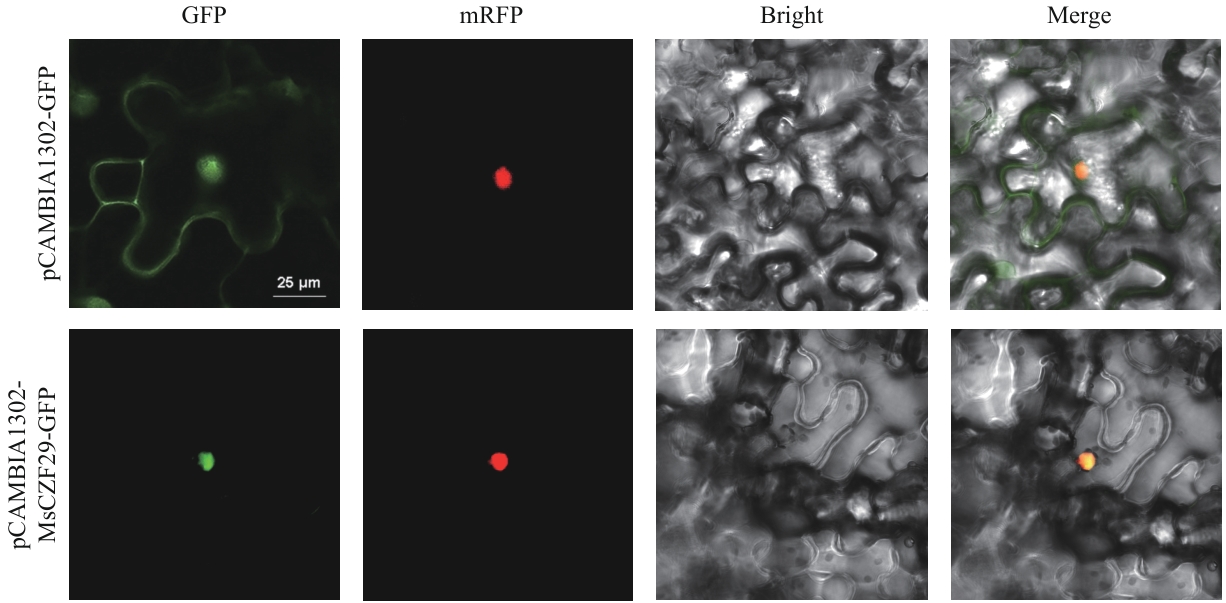
Fig. 1 Subcellular localization analysis of MsCZF29 in tobacco leaves
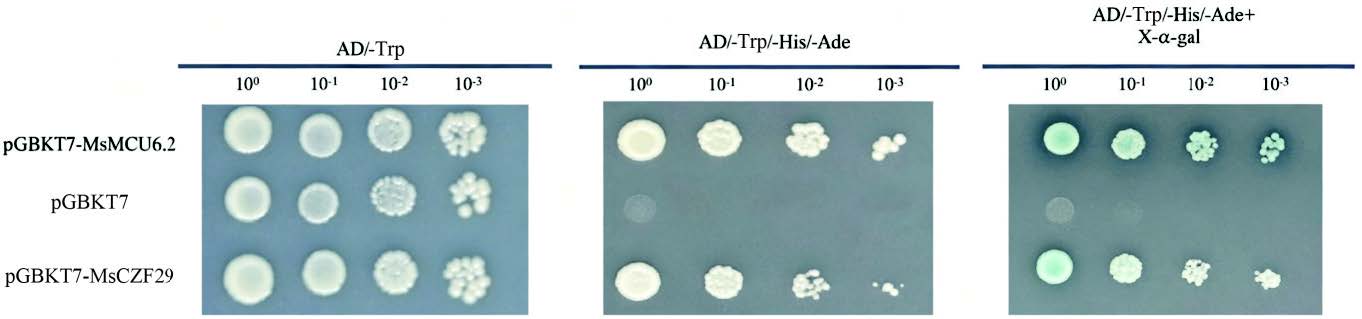
Fig. 2 Activity validation of pGBKT7-MsCZF29 in transformed Y2H yeast strains
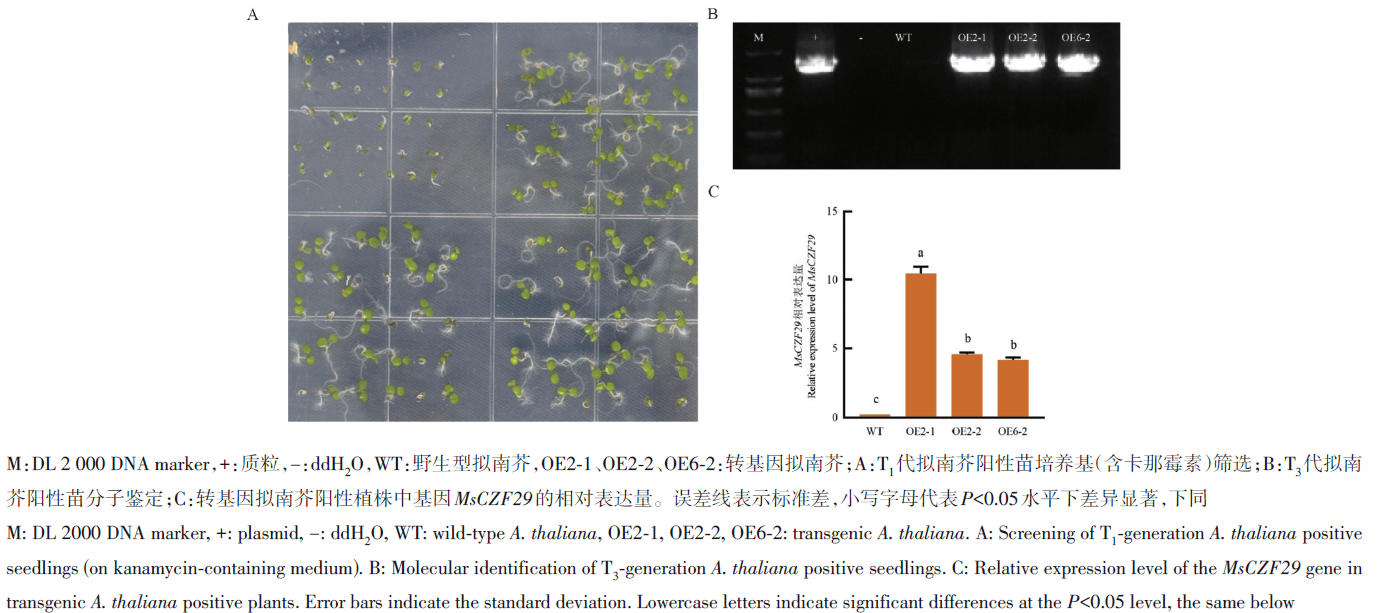
Fig. 3 Screening and molecular identification of A. thaliana positive Seedlings
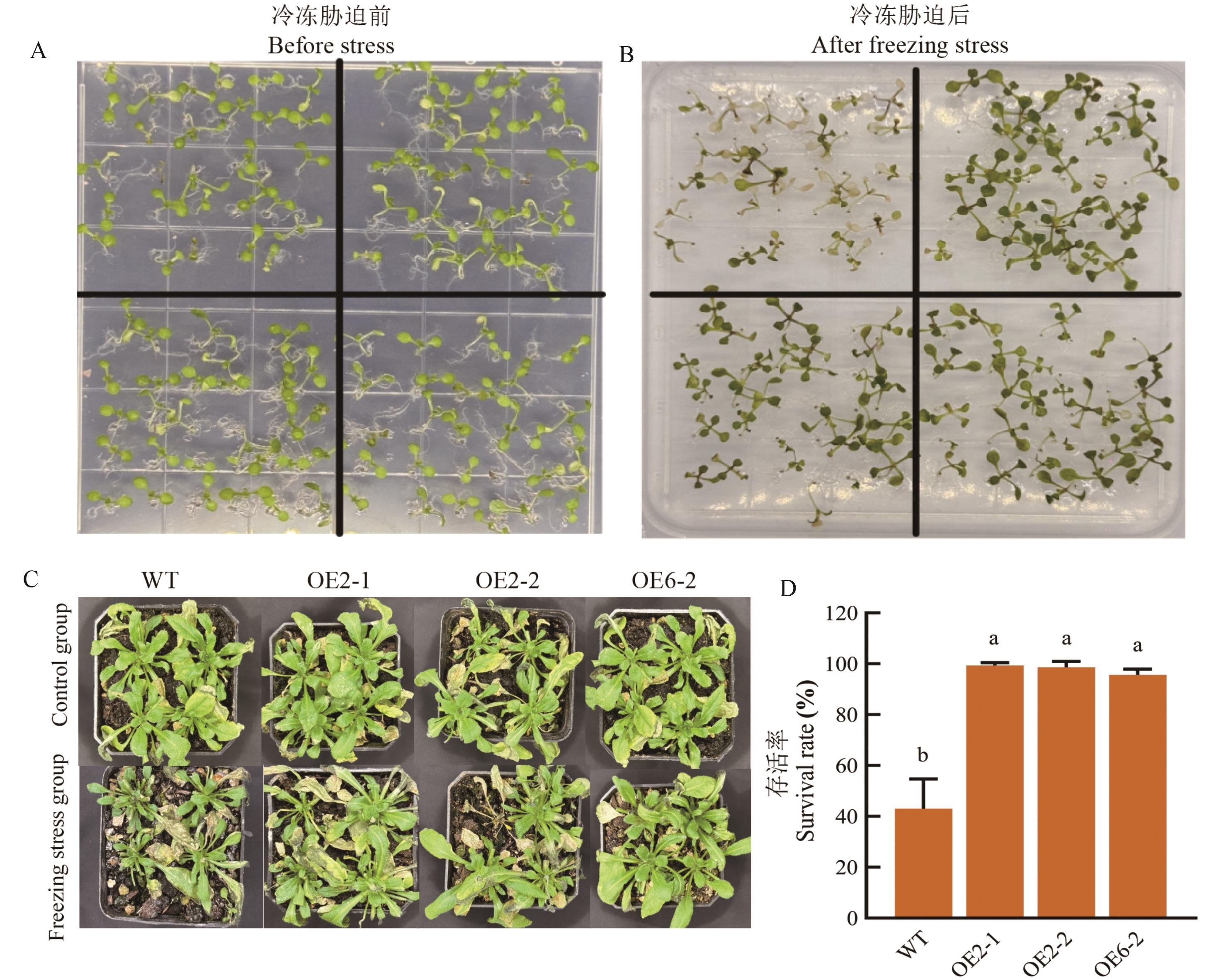
Fig. 4 Phenotypic analysis of wild-type and MsCZF29-transgenic A. thaliana under freezing stressA: Phenotypes of wild-type and transgenic A. thaliana seedlings under untreated conditions. B: Phenotypes of wild-type and transgenic A. thaliana seedlings under freezing treatment. C: Changes in the phenotypes of A. thaliana potted plants before and after freezing treatment. D: Survival rates of wild-type and transgenic A. thaliana after freezing
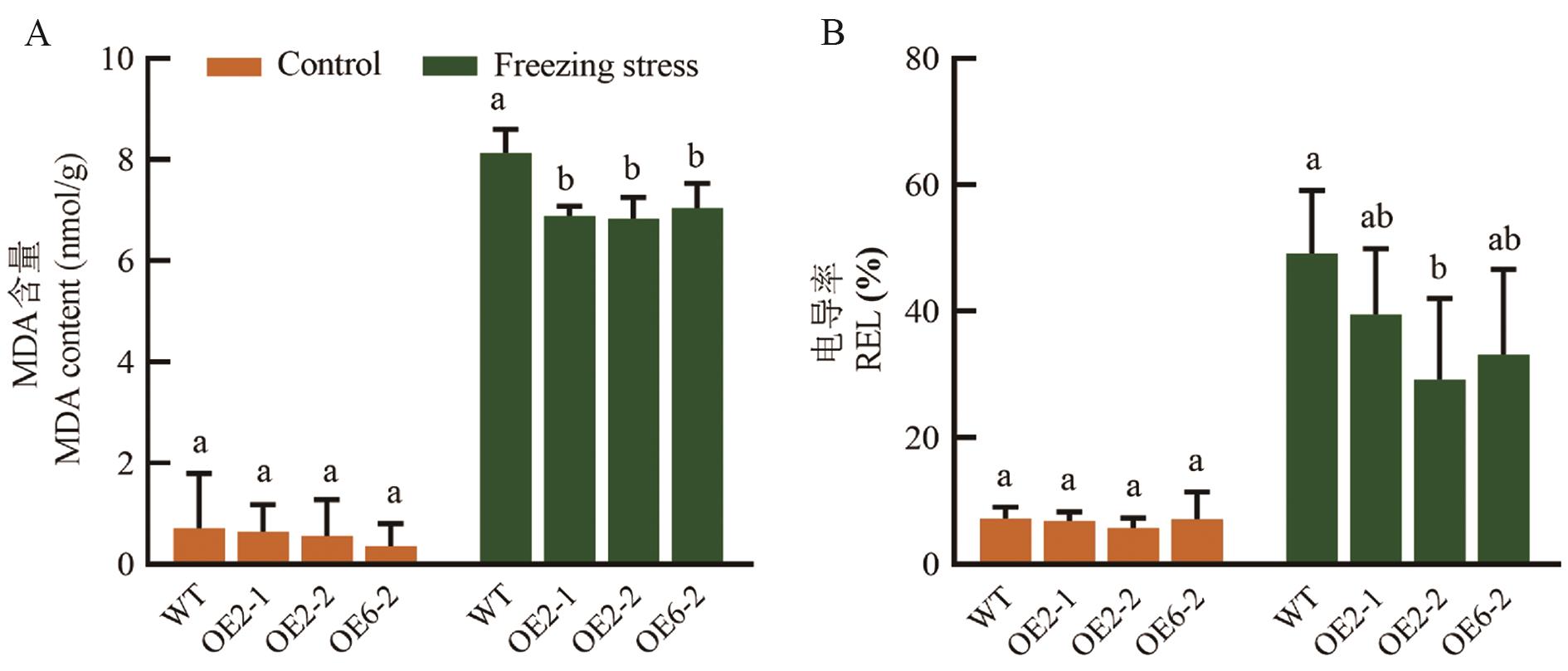
Fig. 5 Cell membrane permeability analysis of wild-type and MsCZF29-transgenic A. thaliana under freezing stress
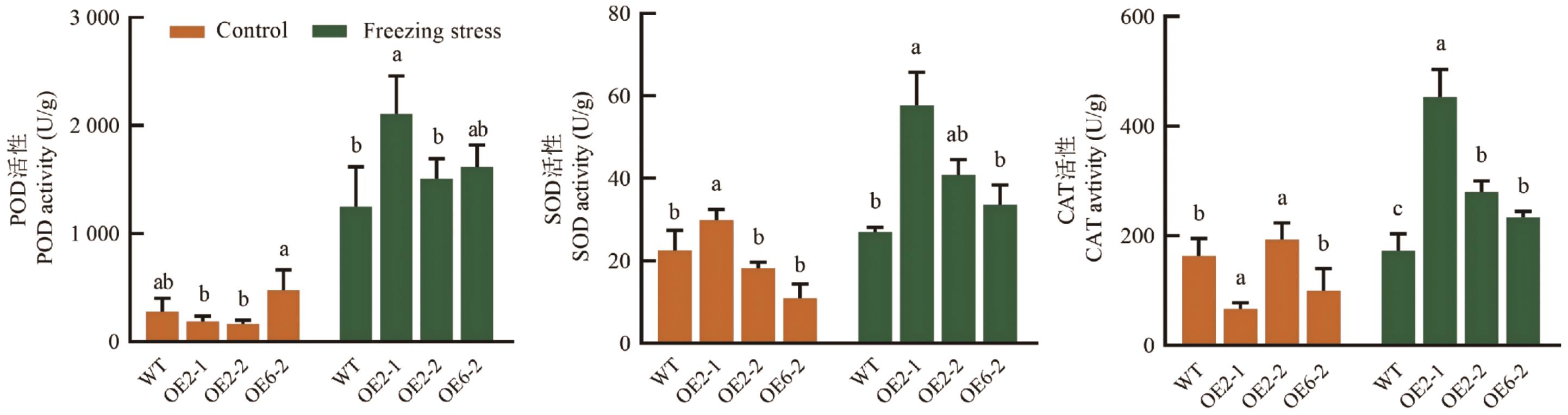
Fig. 6 Analysis of antioxidant enzyme activity in wild-type and MsCZF29-transgenic A. thaliana under freezing stress
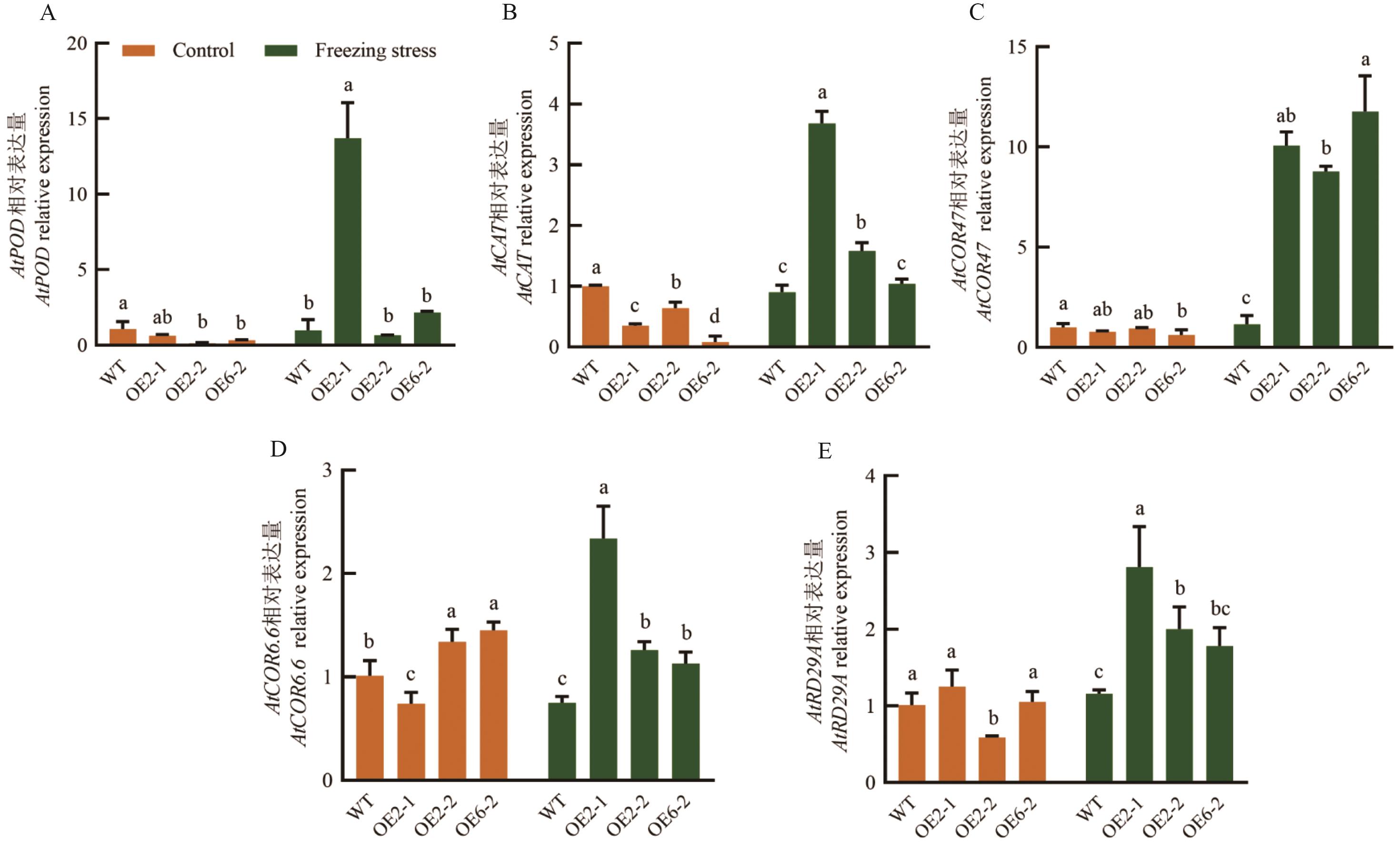
Fig. 7 Expression analysis of the cold-responsive genes in overexpressing MsCZF29 A. thaliana
| [1] | 轩一芙, 韩子坤, 贠新龙, 等. 8个紫花苜蓿品种在黑龙江省大庆地区生产性能综合评价 [J]. 草原与草坪, 2025, 45(4): 179-187. |
| Xuan YF, Han ZK, Yun XL, et al. Comprehensive evaluation of production performance of eight alfalfa varieties in Daqing area, Heilongjiang Province [J]. Grassland Turf, 2025, 45(4): 179-187. | |
| [2] | 王园, 王晶, 李淑霞. 紫花苜蓿MsBBX24基因的克隆及耐盐性分析 [J]. 草业学报, 2023, 32(3): 107-117. |
| Wang Y, Wang J, Li SX. Cloning of MsBBX24 from alfalfa (Medicago sativa) and determination of its role in salt tolerance [J]. Acta Prataculturae Sin, 2023, 32(3): 107-117. | |
| [3] | 杨青川, 康俊梅, 张铁军, 等. 苜蓿种质资源的分布、育种与利用 [J]. 科学通报, 2016, 61(2): 261-270. |
| Yang QC, Kang JM, Zhang TJ, et al. Distribution, breeding and utilization of alfalfa germplasm resources [J]. Chin Sci Bull, 2016, 61(2): 261-270. | |
| [4] | 任卫波, 陈立波, 郭慧琴, 等. 紫花苜蓿耐寒越冬性研究进展 [J]. 中国草地学报, 2008, 30(2): 104-108. |
| Ren WB, Chen LB, Guo HQ, et al. Progress in winter hardiness and survival of alfalfa [J]. Chin J Grassland, 2008, 30(2): 104-108. | |
| [5] | Guo XY, Liu DF, Chong K. Cold signaling in plants: Insights into mechanisms and regulation [J]. J Integr Plant Biol, 2018, 60(9): 745-756. |
| [6] | Ruelland E, Vaultier MN, Zachowski A, et al. Chapter 2 cold signalling and cold acclimation in plants [M]//Advances in Botanical Research. Amsterdam: Elsevier 2009: 35-150. |
| [7] | 杨梅. 紫花苜蓿MsVDAC基因克隆及抗寒耐旱功能分析 [D]. 哈尔滨: 东北农业大学, 2022. |
| Yang M. Isolation of MsVDAC from alfalfa (Medicago sativa L.) and cold tolerance and drought resistance analysis [D]. Harbin: Northeast Agricultural University, 2022. | |
| [8] | Riechmann JL, Heard J, Martin G, et al. Arabidopsis transcription factors: genome-wide comparative analysis among eukaryotes [J]. Science, 2000, 290(5499): 2105-2110. |
| [9] | 赵欣羽, 张文颖, 张楚熠, 等. 艾基因组中MYC转录因子基因家族鉴定及表达分析 [J]. 中草药, 2025, 56(23): 8713-8722. |
| Zhao XY, Zhang WY, Zhang CY, et al. Genome-wide identification and expression analysis of MYC transcription factor gene family in Artemisia argyi [J]. Chin Tradit Herb Drugs, 2025, 56(23): 8713-8722. | |
| [10] | Laity JH, Lee BM, Wright PE. Zinc finger proteins: new insights into structural and functional diversity [J]. Curr Opin Struct Biol, 2001, 11(1): 39-46. |
| [11] | Liu K, Hou QD, Yu RR, et al. Genome-wide analysis of C2H2 zinc finger family and their response to abiotic stresses in apple [J]. Gene, 2024, 904: 148164. |
| [12] | Shuai Y, Feng GY, Yang ZF, et al. Genome-wide identification of C2H2-type zinc finger gene family members and their expression during abiotic stress responses in orchardgrass (Dactylis glomerata) [J]. Genome, 2022, 65(4): 189-203. |
| [13] | Sun SJ, Guo SQ, Yang X, et al. Functional analysis of a novel Cys2/His2-type zinc finger protein involved in salt tolerance in rice [J]. J Exp Bot, 2010, 61(10): 2807-2818. |
| [14] | Zhang H, Liu YP, Wen F, et al. A novel rice C2H2-type zinc finger protein, ZFP36, is a key player involved in abscisic acid-induced antioxidant defence and oxidative stress tolerance in rice [J]. J Exp Bot, 2014, 65(20): 5795-5809. |
| [15] | Joseph MP, Papdi C, Kozma-Bognár L, et al. The Arabidopsis zinc FINGER PROTEIN3 interferes with abscisic acid and light signaling in seed germination and plant development[J]. Plant Physiol, 2014, 165(3): 1203-1220. |
| [16] | Zhang X, Guo XP, Lei CL, et al. Overexpression of SlCZFP1, a novel TFIIIA-type zinc finger protein from tomato, confers enhanced cold tolerance in transgenic Arabidopsis and rice [J]. Plant Mol Biol Rep, 2011, 29(1): 185-196. |
| [17] | Han YC, Fu CC. Cold-inducible MaC2H2s are associated with cold stress response of banana fruit via regulating MaICE1 [J]. Plant Cell Rep, 2019, 38(5): 673-680. |
| [18] | Zhang HL, Sun Z, Feng S, et al. The C2H2-type zinc finger protein PhZFP1 regulates cold stress tolerance by modulating galactinol synthesis in Petunia hybrida [J]. J Exp Bot, 2022, 73(18): 6434-6448. |
| [19] | Berg JM, Shi YG. The galvanization of biology: a growing appreciation for the roles of zinc [J]. Science, 1996, 271(5252): 1081-1085. |
| [20] | Brown RS. Zinc finger proteins: getting a grip on RNA [J]. Curr Opin Struct Biol, 2005, 15(1): 94-98. |
| [21] | Kim DH, Yamaguchi S, Lim S, et al. SOMNUS, a CCCH-type zinc finger protein in Arabidopsis, negatively regulates light-dependent seed germination downstream of PIL5 [J]. Plant Cell, 2008, 20(5): 1260-1277. |
| [22] | Han GL, Qiao ZQ, Li YX, et al. The roles of CCCH zinc-finger proteins in plant abiotic stress tolerance [J]. Int J Mol Sci, 2021, 22(15): 8327. |
| [23] | Lin PC, Pomeranz MC, Jikumaru Y, et al. The Arabidopsis tandem zinc finger protein AtTZF1 affects ABA- and GA-mediated growth, stress and gene expression responses [J]. Plant J, 2011, 65(2): 253-268. |
| [24] | Wang WY, Liu BH, Xu MY, et al. ABA-induced CCCH tandem zinc finger protein OsC3H47 decreases ABA sensitivity and promotes drought tolerance in Oryza sativa [J]. Biochem Biophys Res Commun, 2015, 464(1): 33-37. |
| [25] | Ren NP, Liu JL, Wang HB, et al. Combined transcriptomic and proteomic analysis reveals the response mechanisms of alfalfa to freezing stress [J]. Front Plant Sci, 2026, 16: 1682825. |
| [26] | 孙群, 胡景江. 植物生理学研究技术 [M]. 杨凌: 西北农林科技大学出版社, 2006. |
| Sun Q, Hu JJ. Research technology of plant physiology [M]. Yangling: Northwest A&F University Press, 2006. | |
| [27] | Li XG, Liang XQ, Li WH, et al. Isolation and functional analysis of MbCBF2, a Malus baccata (L.) borkh CBF transcription factor gene, with functions in tolerance to cold and salt stress in transgenic Arabidopsis Thaliana [J]. Int J Mol Sci, 2022, 23(17): 9827. |
| [28] | Adnan M, Morton G, Hadi S. Analysis of rpoS and bolA gene expression under various stress-induced environments in planktonic and biofilm phase using 2-ΔΔCT method [J]. Mol Cell Biochem, 2011, 357(1/2): 275-282. |
| [29] | Sun JQ, Jiang HL, Xu YX, et al. The CCCH-type zinc finger proteins AtSZF1 and AtSZF2 regulate salt stress responses in Arabidopsis [J]. Plant Cell Physiol, 2007, 48(8): 1148-1158. |
| [30] | Bai HR, Lin P, Li X, et al. DgC3H1 a CCCH zinc finger protein gene, confers cold tolerance in transgenic Chrysanthemum [J]. Sci Hortic, 2021, 281: 109901. |
| [31] | Xu LA, Xiong XP, Liu TT, et al. Heterologous expression of two Brassica campestris CCCH zinc-finger proteins in Arabidopsis induces cytoplasmic foci and causes pollen abortion [J]. Int J Mol Sci, 2023, 24(23): 16862. |
| [32] | Liu HM, Xiao SQ, Sui SZ, et al. A tandem CCCH type zinc finger protein gene CpC3H3 from Chimonanthus praecox promotes flowering and enhances drought tolerance in Arabidopsis [J]. BMC Plant Biol, 2022, 22: 506. |
| [33] | 王砺寒. 水稻蛋白激酶OsMAPK6通过OsLIC和OsCATA调控抗病的机制研究 [D]. 武汉: 华中农业大学, 2022. |
| Wang LH. Study on the mechanism of rice protein kinase OsMAPK6 regulating disease resistance through OsLIC and OsCATA [D]. Wuhan: Huazhong Agricultural University, 2022. | |
| [34] | Kim WC, Kim JY, Ko JH, et al. AtC3H14, a plant-specific tandem CCCH zinc-finger protein, binds to its target mRNAs in a sequence-specific manner and affects cell elongation in Arabidopsis thaliana [J]. Plant J, 2014, 80(5): 772-784. |
| [35] | 安飞飞, 李庚虎, 陈霆, 等. 植物耐寒生理及蛋白质组学研究进展 [J]. 中国农学通报, 2015, 31(14): 96-101. |
| An FF, Li GH, Chen T, et al. Research progress on physiology and proteomics for cold tolerance in plants [J]. Chin Agric Sci Bull, 2015, 31(14): 96-101. | |
| [36] | 吴玥. 枳锌指蛋白PtrTZF1抗寒功能鉴定及机制解析 [D]. 赣州: 赣南师范大学, 2023. |
| Wu Y. Functional characterization and mechanisms of cold stress tolerance conferred by a zinc finger protein PtrTZF1 in Poncirus trifoliata [D]. Ganzhou: Gannan Normal University, 2023. |
| [1] | LAI Shi-yu, LIANG Qiao-lan, WEI Lie-xin, NIU Er-bo, CHEN Ying-e, ZHOU Xin, YANG Si-zheng, WANG Bo. The Role of NbJAZ3 in the Infection of Nicotiana benthamiana by Alfalfa Mosaic Virus [J]. Biotechnology Bulletin, 2025, 41(8): 186-196. |
| [2] | ZHANG Xiao-dan, YIN Zheng, LIU Qing-chen, LI Xue-mei, LIU Xiao-hua, LIANG Mei-xia. Integrated Metabolomic and Transcriptomic Analysis Reveals the Mechanism of Prunus davidiana Response to Freezing Stress [J]. Biotechnology Bulletin, 2025, 41(12): 225-239. |
| [3] | CUI Xin-yu, LI Rong-rong, CAI Rui, WANG Yan, ZHENG Meng-hu, XU Chun-cheng. Isolation,Identification of Lactic Acid Degrading Bacteria in Alfalfa Silage and Their Degradation Characterization [J]. Biotechnology Bulletin, 2021, 37(9): 58-67. |
| [4] | WANG Qi, WU Zhi-xuan, CHEN Zhong-ling, WU Bai-yi-la, HU Zong-fu, NIU Hua-xin. Effects of Lactobacillus paracasei on the Quality and Bacterial Diversity of Silage Alfalfa After Aerobic Exposure [J]. Biotechnology Bulletin, 2021, 37(9): 77-85. |
| [5] | MAO Ting, NIU Yong-yan, ZHENG Qun, YANG Tao, MU Yong-song, ZHU Ying, JI Bin, WANG Zhi-ye. Effects of Microbial Inoculants on the Fermentation Quality and Microbial Community Diversity of Alfalfa Silage [J]. Biotechnology Bulletin, 2021, 37(9): 86-94. |
| [6] | ZHANG Huan-wei, CHEN Biao, WEN Xin-yi, ZHANG Jie, WANG Xiao-dong, LI Ji-wei, XU Zi-cheng, HUANG Wu-xing. Effects of Exogenous Silicon on Growth,Leaf Photosynthesis and Physiological Indexes of Tobacco Seedlings Under Drought Stress [J]. Biotechnology Bulletin, 2019, 35(1): 17-26. |
| [7] | QUAN Wen-li, CHAN Zhu-long. Research Progress on Drought Resistance Mechanism of Alfalfa [J]. Biotechnology Bulletin, 2016, 32(10): 34-41. |
| [8] | Zhou Xiaofu, Lü Jie, Miao Lu, Gao Feng, Xu Hongwei . Establishment of Alfalfa Tissue Culture System and Research on Agrobacterium-mediated Transformation System in Alfalfa [J]. Biotechnology Bulletin, 2013, 0(4): 63-68. |
| Viewed | ||||||
|
Full text |
|
|||||
|
Abstract |
|
|||||
