







Biotechnology Bulletin ›› 2025, Vol. 41 ›› Issue (1): 14-24.doi: 10.13560/j.cnki.biotech.bull.1985.2024-0470
Previous Articles Next Articles
WU Zhi-jian1,2( ), LIU Guang-yang2,3, LIN Zhi-hao2, SHENG Bin2,4, CHEN Ge2, XU Xiao-min2, WANG Jun-wei1(), XU Dong-hui2,3()
Received:2024-05-20
Online:2025-01-26
Published:2025-01-22
Contact:
WANG Jun-wei, XU Dong-hui
E-mail:3463625130@qq.com;JunweiWang87@126.com;xudonghui@caas.cn
WU Zhi-jian, LIU Guang-yang, LIN Zhi-hao, SHENG Bin, CHEN Ge, XU Xiao-min, WANG Jun-wei, XU Dong-hui. Research Progress of Nano-regulation of Vegetable Seed Germination and Its Mechanism[J]. Biotechnology Bulletin, 2025, 41(1): 14-24.
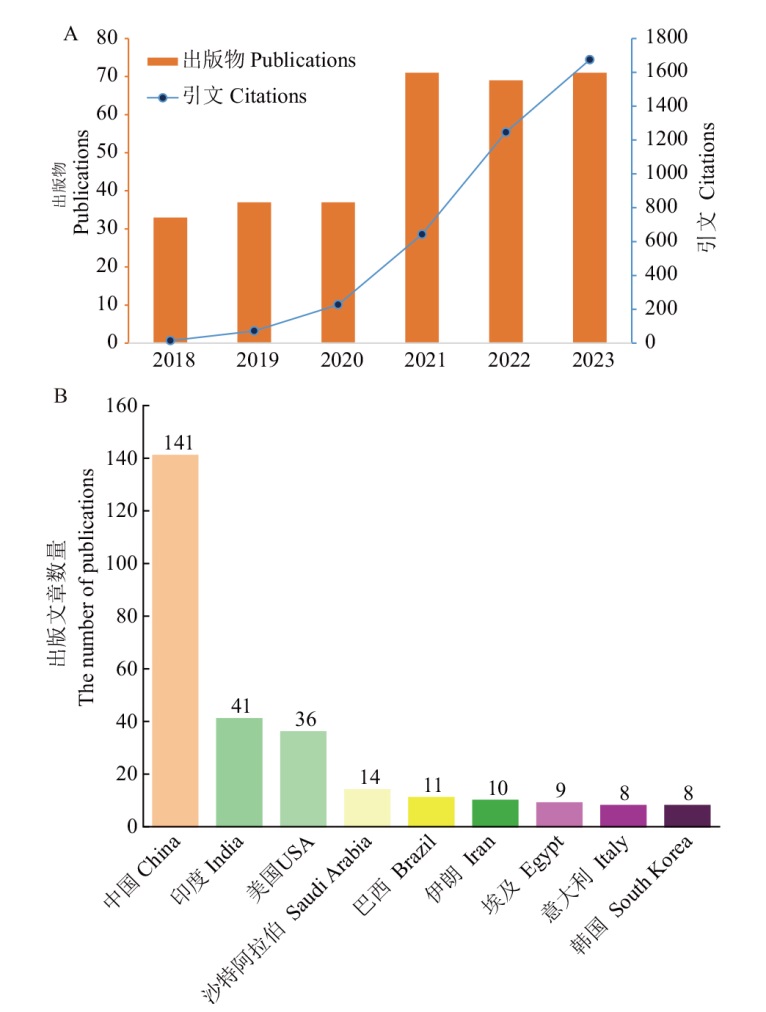
Fig. 1 Trend in the number of publications, frequency of citations and distribution of the number of publications in various countries for nanomaterials on vegetables over the last 6 years A: The trend in the number of publications and citations. B: The distribution of the number of publications in various countries. The data in the figure is from Web of Science
| 类别 Type | 纳米材料 Nanomaterial | 蔬菜 Vegetable | 浓度 Concentration/(mg·L-1) | 参考文献 Reference |
|---|---|---|---|---|
| 碳基Carbon-based | 碳纳米管 Carbon nanotube | 番茄、洋葱 Solanum lycopersicum, Allium cepa | 10 | [ |
| 石墨烯 Graphene | 萝卜 Raphanus sativus | 40 | [ | |
| 硅基 Silicon-based | 二氧化硅SiO2 | 番茄 S. lycopersicum | 8 000 | [ |
| 大豆 Glycine max | 500 | [ | ||
| 金属颗粒 Metallic particles | 金Au | 洋葱 A. cepa | 5.4 | [ |
| 银Ag | 苋菜 Amaranthus caudatus | 150 | [ | |
| 金属氧化物 Metal oxides | 氧化锌ZnO | 洋葱 A. cepa | 800 | [ |
| 辣椒 Capsicum annuum | 10 | [ | ||
| 二氧化钛TiO2 | 番茄 S. lycopersicum | 100 | [ | |
| 豌豆 Lathyrus sativus | 20 | [ | ||
| 氧化铁FeO | 菠菜 Spinacia oleracea | 5 | [ | |
| 生菜 Lactuca sativa | 1 | [ |
Table 1 Nanomaterials for promoting the germination of vegetable seeds
| 类别 Type | 纳米材料 Nanomaterial | 蔬菜 Vegetable | 浓度 Concentration/(mg·L-1) | 参考文献 Reference |
|---|---|---|---|---|
| 碳基Carbon-based | 碳纳米管 Carbon nanotube | 番茄、洋葱 Solanum lycopersicum, Allium cepa | 10 | [ |
| 石墨烯 Graphene | 萝卜 Raphanus sativus | 40 | [ | |
| 硅基 Silicon-based | 二氧化硅SiO2 | 番茄 S. lycopersicum | 8 000 | [ |
| 大豆 Glycine max | 500 | [ | ||
| 金属颗粒 Metallic particles | 金Au | 洋葱 A. cepa | 5.4 | [ |
| 银Ag | 苋菜 Amaranthus caudatus | 150 | [ | |
| 金属氧化物 Metal oxides | 氧化锌ZnO | 洋葱 A. cepa | 800 | [ |
| 辣椒 Capsicum annuum | 10 | [ | ||
| 二氧化钛TiO2 | 番茄 S. lycopersicum | 100 | [ | |
| 豌豆 Lathyrus sativus | 20 | [ | ||
| 氧化铁FeO | 菠菜 Spinacia oleracea | 5 | [ | |
| 生菜 Lactuca sativa | 1 | [ |
| 合成方法 Synthesis methods | 纳米材料 Nanomaterials | 优点 Advantages | 缺点 Disadvantages | 影响因素 Affecting parameter |
|---|---|---|---|---|
| 化学沉淀合成法Chemical precipitation synthesis method | 氧化铁FeO[ 氧化锌ZnO[ | 成本低、规模大、低温、节能 Low cost, large scale, low temperature, and energy saving | 聚集、产物粒径控制难、耗时长 Aggregation, product size not easy to control, and time-consuming | 温度、pH、溶剂类型、反应物与溶剂的混合比例 Temperature, pH, solvent type, and mixing rate of solvent and reagent |
| 溶胶-凝胶合成法 Sol-gel synthesis method | 二氧化硅SiO2[ 银-二氧化钛Ag-TiO2[ | 粒径分布窄、精确控制尺寸和形貌、纯度高 Narrow size distribution, precise size and morphology control, and high purity | 成本高、耗时长、规模小、溶剂可能有害 High cost, time-consuming, small scale, and solvents may be harmful | pH、搅拌时间、合成温度/时间、溶剂量 pH, stirring time, synthesis temperature/time, and solvent amount |
| 水热合成法Hydrothermal synthesis method | 碳点CD[ 氧化铜CuO[ | 结晶度高、精确控制尺寸和形貌 High crystallinity, precise control of size and shape | 成本高、无法观察反应过程、可靠性低 High cost, impossible to observe the reaction process, and low reliability | 反应温度/时间、有机添加剂Reaction temperature/time, and organic additive |
| 乳液合成法Emulsion synthesis method | 二氧化硅 SiO2[ 氧化锆 ZrO2[ | 粒径分布窄、易制备、团聚最少 Narrow size distribution, easy preparation, and minimal agglomeration | 成本高、耗时长、需要大量的表面活性剂 High cost, time-consuming, requires a large amount of surfactant | 搅拌速度/持续时间、表面活性剂的类型 Stirring speed/duration, and type of surfactant |
Table 2 Features of synthesis methods of nanomaterials for regulating germination
| 合成方法 Synthesis methods | 纳米材料 Nanomaterials | 优点 Advantages | 缺点 Disadvantages | 影响因素 Affecting parameter |
|---|---|---|---|---|
| 化学沉淀合成法Chemical precipitation synthesis method | 氧化铁FeO[ 氧化锌ZnO[ | 成本低、规模大、低温、节能 Low cost, large scale, low temperature, and energy saving | 聚集、产物粒径控制难、耗时长 Aggregation, product size not easy to control, and time-consuming | 温度、pH、溶剂类型、反应物与溶剂的混合比例 Temperature, pH, solvent type, and mixing rate of solvent and reagent |
| 溶胶-凝胶合成法 Sol-gel synthesis method | 二氧化硅SiO2[ 银-二氧化钛Ag-TiO2[ | 粒径分布窄、精确控制尺寸和形貌、纯度高 Narrow size distribution, precise size and morphology control, and high purity | 成本高、耗时长、规模小、溶剂可能有害 High cost, time-consuming, small scale, and solvents may be harmful | pH、搅拌时间、合成温度/时间、溶剂量 pH, stirring time, synthesis temperature/time, and solvent amount |
| 水热合成法Hydrothermal synthesis method | 碳点CD[ 氧化铜CuO[ | 结晶度高、精确控制尺寸和形貌 High crystallinity, precise control of size and shape | 成本高、无法观察反应过程、可靠性低 High cost, impossible to observe the reaction process, and low reliability | 反应温度/时间、有机添加剂Reaction temperature/time, and organic additive |
| 乳液合成法Emulsion synthesis method | 二氧化硅 SiO2[ 氧化锆 ZrO2[ | 粒径分布窄、易制备、团聚最少 Narrow size distribution, easy preparation, and minimal agglomeration | 成本高、耗时长、需要大量的表面活性剂 High cost, time-consuming, requires a large amount of surfactant | 搅拌速度/持续时间、表面活性剂的类型 Stirring speed/duration, and type of surfactant |
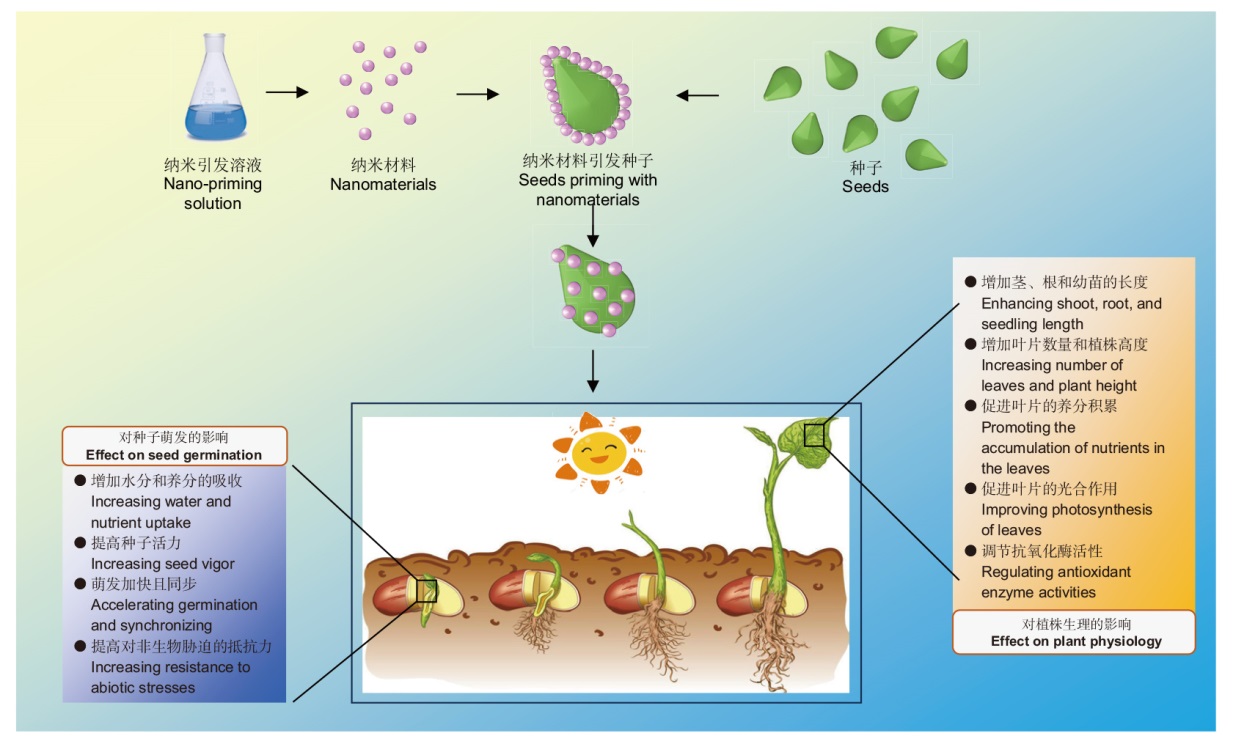
Fig. 2 Influence of nano-priming on seed germination and seedling growth
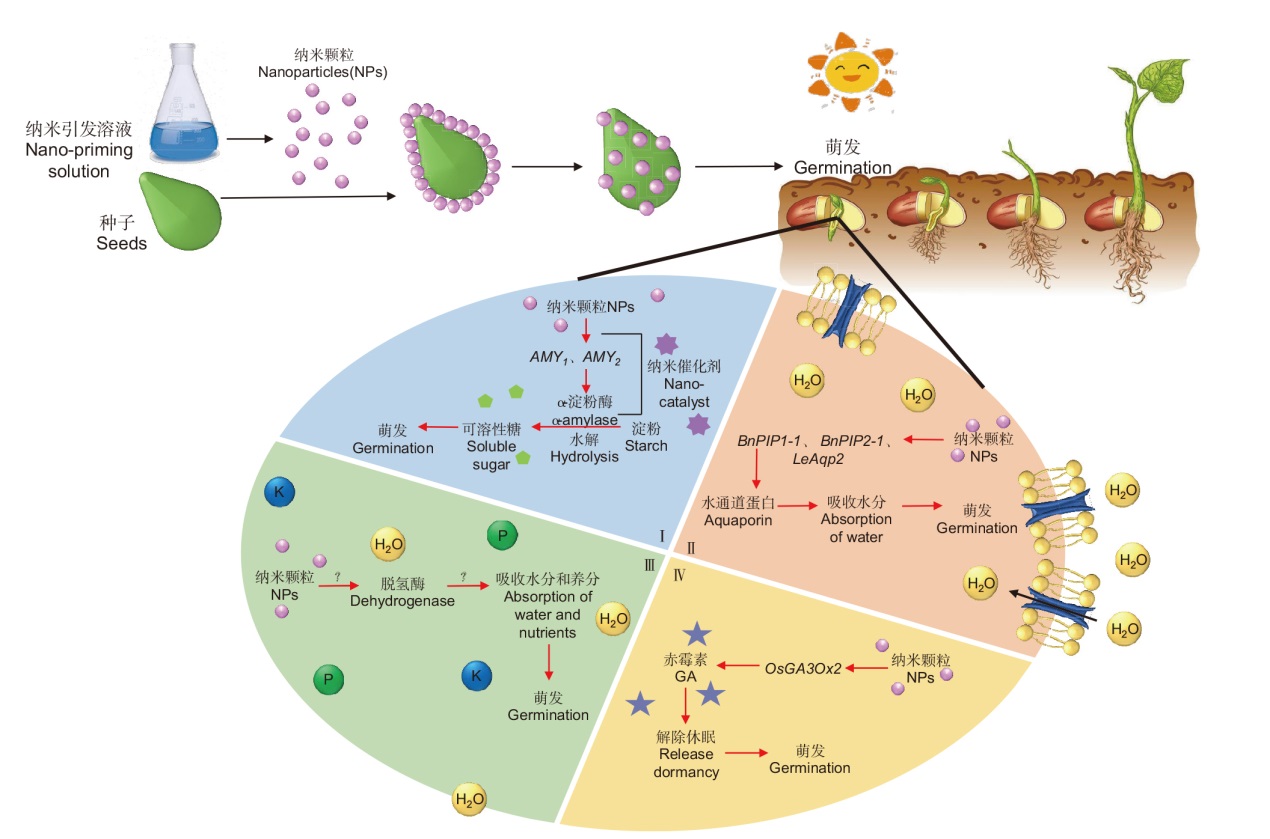
Fig. 3 The known mechanism of regulating seed germination directly by nanomaterials
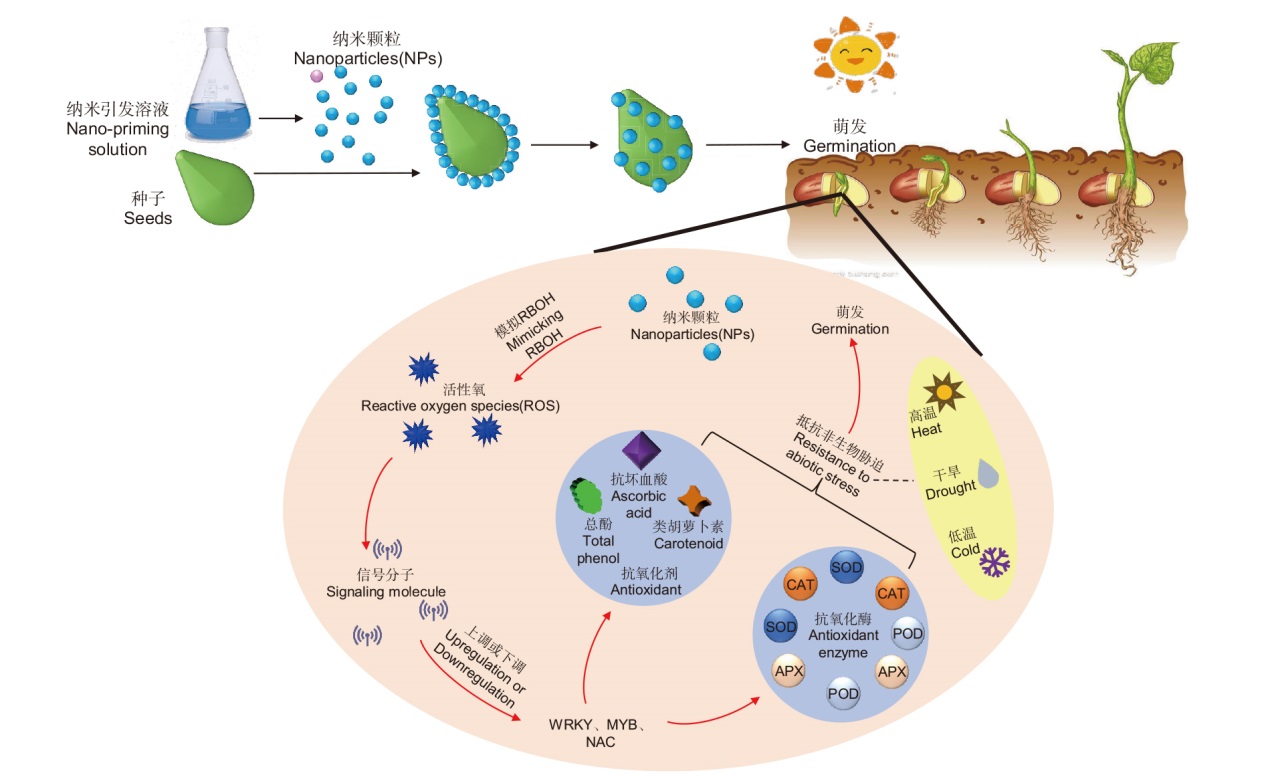
Fig. 4 The known mechanism of regulating seed germination indirectly by nanomaterials
| [1] | Yao JQ, Chen YN, Zhao Y, et al. Climatic and associated atmospheric water cycle changes over the Xinjiang, China[J]. J Hydrol, 2020, 585: 124823. |
| [2] |
Sharma JK, Sihmar M, Santal AR, et al. Impact assessment of major abiotic stresses on the proteome profiling of some important crop plants: a current update[J]. Biotechnol Genet Eng Rev, 2019, 35(2): 126-160.
doi: 10.1080/02648725.2019.1657682 pmid: 31478455 |
| [3] | Ahire SA, Bachhav AA, Pawar TB, et al. The Augmentation of nanotechnology era: a concise review on fundamental concepts of nanotechnology and applications in material science and technology[J]. Results Chem, 2022, 4: 100633. |
| [4] | Singh PM, Tiwari A, Maity D, et al. Recent progress of nanomaterials in sustainable agricultural applications[J]. J Mater Sci, 2022, 57(24): 10836-10862. |
| [5] | Acharya P, Jayaprakasha GK, Crosby KM, et al. Green-synthesized nanoparticles enhanced seedling growth, yield, and quality of onion(Allium cepa L.)[J]. ACS Sustainable Chem Eng, 2019, 7(17): 14580-14590. |
| [6] |
Siddiqui MH, Al-Whaibi MH. Role of nano-SiO2 in germination of tomato(Lycopersicum esculentum seeds Mill.)[J]. Saudi J Biol Sci, 2014, 21(1): 13-17.
doi: 10.1016/j.sjbs.2013.04.005 pmid: 24596495 |
| [7] | Maynard AD. Don't define nanomaterials[J]. Nature, 2011, 475(7354): 31. |
| [8] |
Dendisová M, Jeništová A, Parchaňská-Kokaislová A, et al. The use of infrared spectroscopic techniques to characterize nanomaterials and nanostructures: a review[J]. Anal Chim Acta, 2018, 1031: 1-14.
doi: S0003-2670(18)30664-0 pmid: 30119727 |
| [9] | Husen A, Siddiqi KS. Carbon and fullerene nanomaterials in plant system[J]. J Nanobiotechnol, 2014, 12(1): 16. |
| [10] | Vanitha C, Kathiravan M, Umarani R, et al. Seed priming with nano silica alleviates drought stress through regulating antioxidant defense system and osmotic adjustment in soybean (Glycine max L.)[J]. Silicon, 2024, 16(5): 2157-2170.. |
| [11] |
Rizwan M, Ali S, Qayyum MF, et al. Effect of metal and metal oxide nanoparticles on growth and physiology of globally important food crops: a critical review[J]. J Hazard Mater, 2017, 322(Pt A): 2-16.
doi: S0304-3894(16)30499-X pmid: 27267650 |
| [12] | Haghighi M, Teixeira da Silva JA. The effect of carbon nanotubes on the seed germination and seedling growth of four vegetable species[J]. J Crop Sci Biotechnol, 2014, 17(4): 201-208. |
| [13] | Li ZW, Qiao J, Zhi CY, et al. Effects of graphene soaking and treatment on radish growth and quality[J]. Trans Chin Soc Agric Eng, 2022, 38(19): 87-93. |
| [14] | Acharya P, Jayaprakasha GK, Crosby K, et al. Gold nanoparticles enhances seed germination, growth and yield of onion(Allium cepa L.)[J]. Hortscience, 2019. 54(9): S151-S152. |
| [15] | Lateef A, Adelere IA, Gueguim-Kana EB, et al. Evaluation of feather hydrolysate-mediated silver nanoparticles as biofertilizers for the enhancement of vegetative growth and nutraceutical properties of vegetables[J]. Nanotechnol Environ Eng, 2024, 9(1): 47-65. |
| [16] | Tymoszuk A, Wojnarowicz J. Zinc oxide and zinc oxide nanoparticles impact on in vitro germination and seedling growth in Allium cepa L[J]. Materials, 2020, 13(12): 2784. |
| [17] | Singh N, Singh MK, Yadav RK, et al. Green synthesis and characterization of nano zinc oxide and comparative study of its impact on germination and metabolic activities of Solanum lycopersicum L. and Capsicum annuum L.[J]. Vegetos, 2024. DOI: https://doi.org/10.1007/s42535-024-00838-y. |
| [18] | Sonawane H, Arya S, Math S, et al. Myco-synthesized silver and titanium oxide nanoparticles as seed priming agents to promote seed germination and seedling growth of Solanum lycopersicum: a comparative study[J]. Int Nano Lett, 2021, 11(4): 371-379. |
| [19] | Hojjat SS. Effects of TiO2 nanoparticles on germination and growth characteristics of grass pea(Lathyrus sativus L.)seed under drought stress[J]. Nanotechnol Russia, 2020, 15(2): 204-211. |
| [20] | Ndaba B, Roopnarain A, Vatsha B, et al. Synthesis, characterization, and evaluation of Artemisia afra-mediated iron nanoparticles as a potential nano-priming agent for seed germination[J]. ACS Agric Sci Technol, 2022, 2(6): 1218-1229. |
| [21] | Malek RNEHRA, Osman MS, Hafiz NA. Characterization and germination performance of lettuce sativa by iron oxide nanoparticles seed priming[J]. IOP Conf Ser: Earth Environ Sci, 2023, 1216(1): 012033. |
| [22] |
Sadat-Shojai M, Khorasani MT, Dinpanah-Khoshdargi E, et al. Synthesis methods for nanosized hydroxyapatite with diverse structures[J]. Acta Biomater, 2013, 9(8): 7591-7621.
doi: 10.1016/j.actbio.2013.04.012 pmid: 23583646 |
| [23] | Moulton MC, Braydich-Stolle LK, Nadagouda MN, et al. Synthesis, characterization and biocompatibility of “green” synthesized silver nanoparticles using tea polyphenols[J]. Nanoscale, 2010, 2(5): 763. |
| [24] | Chahardoli A, Karimi N, Fattahi A. Nigella arvensis leaf extract mediated green synthesis of silver nanoparticles: their characteristic properties and biological efficacy[J]. Adv Powder Technol, 2018, 29(1): 202-210. |
| [25] | de Francisco M, Mira S, Durães L, et al. Zn oxide nanoparticles and fine particles: synthesis, characterization and evaluation of the toxic effect on germination and vigour of Solanum licopersicum L[J]. Agronomy, 2024, 14(5): 980. |
| [26] | Ferrusquía-Jiménez NI, González-Arias B, Rosales A, et al. Elicitation of Bacillus cereus-amazcala(B.c-A)with SiO2 nanoparticles improves its role as a plant growth-promoting bacteria(PGPB)in chili pepper plants[J]. Plants, 2022, 11(24): 3445. |
| [27] | Gordillo-Delgado F, Zuluaga-Acosta J, Restrepo-Guerrero G. Effect of the suspension of Ag-incorporated TiO2 nanoparticles(Ag-TiO2 NPs)on certain growth, physiology and phytotoxicity parameters in spinach seedlings[J]. PLoS One, 2020, 15(12): e0244511. |
| [28] | Wang HB, Zhang ML, Song YX, et al. Carbon dots promote the growth and photosynthesis of mung bean sprouts[J]. Carbon, 2018, 136: 94-102. |
| [29] | Liu ZF, Guo SB, Fang X, et al. Antibacterial and plant growth-promoting properties of novel Fe3O4/Cu/CuO magnetic nanoparticles[J]. RSC Adv, 2022, 12(31): 19856-19867. |
| [30] | Park JY, Hwangbo SA, Bramhe SN, et al. Synthesis of surfactant free SiO2 nanoparticles via emulsion method[C]// 2015 IEEE 15th International Conference on Nanotechnology(IEEE-NANO). Rome, Italy. Piscataway, NJ: IEEE, 2015: 717-720. |
| [31] | 常鹰, 董仕节, 杜宽河, 等. 热喷涂用纳米氧化锆球形团聚颗粒的一步合成法: CN102502818-A[P]. 2012. |
| Chang Y, Dong SJ, Du KH, et al. One-step synthesis of nano zirconia spherical agglomeration particle for thermal spraying by adding yttrium salt and zirconium salt aqueous solution to oil phase liquid emulsion, standing, layering, sintering and forming the particle: CN102502818-A[P]. 2012. | |
| [32] | Lu L, Huang M, Huang YX, et al. Mn3O4 nanozymes boost endogenous antioxidant metabolites in cucumber(Cucumis sativus)plant and enhance resistance to salinity stress[J]. Environ Sci: Nano, 2020, 7(6): 1692-1703. |
| [33] | Aragão VPM, Navarro BV, Passamani LZ, et al. Free amino acids, polyamines, soluble sugars and proteins during seed germination and early seedling growth of Cedrela fissilis Vellozo(Meliaceae), an endangered hardwood species from the Atlantic Forest in Brazil[J]. Theor Exp Plant Physiol, 2015, 27(2): 157-169. |
| [34] |
Khan MN, Li YH, Khan Z, et al. Nanoceria seed priming enhanced salt tolerance in rapeseed through modulating ROS homeostasis and α-amylase activities[J]. J Nanobiotechnol, 2021, 19(1): 276.
doi: 10.1186/s12951-021-01026-9 pmid: 34530815 |
| [35] | El-Badri AM, Batool M, Mohamed IAA, et al. Mitigation of the salinity stress in rapeseed(Brassica napus L.)productivity by exogenous applications of bio-selenium nanoparticles during the early seedling stage[J]. Environ Pollut, 2022, 310: 119815. |
| [36] |
Mahakham W, Sarmah AK, Maensiri S, et al. Nanopriming technology for enhancing germination and starch metabolism of aged rice seeds using phytosynthesized silver nanoparticles[J]. Sci Rep, 2017, 7: 8263.
doi: 10.1038/s41598-017-08669-5 pmid: 28811584 |
| [37] | Ernest V, Shiny PJ, Mukherjee A, et al. Silver nanoparticles: a potential nanocatalyst for the rapid degradation of starch hydrolysis by α-amylase[J]. Carbohydr Res, 2012, 352: 60-64. |
| [38] | Yepes-Molina L, Bárzana G, Carvajal M. Controversial regulation of gene expression and protein transduction of aquaporins under drought and salinity stress[J]. Plants, 2020, 9(12): 1662. |
| [39] | Khodakovskaya MV, de Silva K, Nedosekin DA, et al. Complex genetic, photothermal, and photoacoustic analysis of nanoparticle-plant interactions[J]. Proc Natl Acad Sci U S A, 2011, 108(3): 1028-1033. |
| [40] | Rosental L, Nonogaki H, Fait A. Activation and regulation of primary metabolism during seed germination[J]. Seed Sci Res, 2014, 24(1): 1-15. |
| [41] | Fait A, Nesi AN, Angelovici R, et al. Targeted enhancement of glutamate-to-γ-aminobutyrate conversion in Arabidopsis seeds affects carbon-nitrogen balance and storage reserves in a development-dependent manner[J]. Plant Physiol, 2011, 157(3): 1026-1042. |
| [42] | Acharya P, Jayaprakasha GK, Semper J, et al. 1H nuclear magnetic resonance and liquid chromatography coupled with mass spectrometry-based metabolomics reveal enhancement of growth-promoting metabolites in onion seedlings treated with green-synthesized nanomaterials[J]. J Agric Food Chem, 2020, 68(46): 13206-13220. |
| [43] | Wang XP, Han HY, Liu XQ, et al. Multi-walled carbon nanotubes can enhance root elongation of wheat(Triticum aestivum)plants[J]. J Nanopart Res, 2012, 14(6): 841. |
| [44] | Guha T, Das H, Mukherjee A, et al. Elucidating ROS signaling networks and physiological changes involved in nanoscale zero valent iron primed rice seed germination sensu stricto[J]. Free Radic Biol Med, 2021, 171: 11-25. |
| [45] | Setty J, Samant SB, Yadav MK, et al. Beneficial effects of bio-fabricated selenium nanoparticles as seed nanopriming agent on seed germination in rice(Oryza sativa L.)[J]. Sci Rep, 2023, 13(1): 22349. |
| [46] |
Rodríguez-Gacio MDELC, Matilla-Vázquez MA, Matilla AJ. Seed dormancy and ABA signaling: the breakthrough goes on[J]. Plant Signal Behav, 2009, 4(11): 1035-49.
pmid: 19875942 |
| [47] | Shu K, Zhang HW, Wang SF, et al. ABI4 regulates primary seed dormancy by regulating the biogenesis of abscisic acid and gibberellins in Arabidopsis[J]. PLoS Genet, 2013, 9(6): e1003577. |
| [48] | Mittler R, Zandalinas SI, Fichman Y, et al. Reactive oxygen species signalling in plant stress responses[J]. Nat Rev Mol Cell Biol, 2022, 23: 663-679. |
| [49] |
Mittler R. ROS are good[J]. Trends Plant Sci, 2017, 22(1): 11-19.
doi: S1360-1385(16)30112-1 pmid: 27666517 |
| [50] | Ma XM, Geiser-Lee J, Deng Y, et al. Interactions between engineered nanoparticles(ENPs)and plants: Phytotoxicity, uptake and accumulation[J]. Sci Total Environ, 2010, 408(16): 3053-3061. |
| [51] |
Chapman JM, Muhlemann JK, Gayomba SR, et al. RBOH-dependent ROS synthesis and ROS scavenging by plant specialized metabolites to modulate plant development and stress responses[J]. Chem Res Toxicol, 2019, 32(3): 370-396.
doi: 10.1021/acs.chemrestox.9b00028 pmid: 30781949 |
| [52] | Chen S, Liu HL, Yangzong ZX, et al. Seed priming with reactive oxygen species-generating nanoparticles enhanced maize tolerance to multiple abiotic stresses[J]. Environ Sci Technol, 2023, 57(48): 19932-19941. |
| [53] | Zhou XD, Jia XR, Zhang ZH, et al. AgNPs seed priming accelerated germination speed and altered nutritional profile of Chinese cabbage[J]. Sci Total Environ, 2022, 808: 151896. |
| [54] | Suzuki N, Miller G, Salazar C, et al. Temporal-spatial interaction between reactive oxygen species and abscisic acid regulates rapid systemic acclimation in plants[J]. Plant Cell, 2013, 25(9): 3553-3569. |
| [55] | Weidemüller P, Kholmatov M, Petsalaki E, et al. Transcription factors: bridge between cell signaling and gene regulation[J]. Proteomics, 2021, 21(23/24): e2000034. |
| [56] | Wang CT, Ru JN, Liu YW, et al. The maize WRKY transcription factor ZmWRKY40 confers drought resistance in transgenic Arabidopsis[J]. Int J Mol Sci, 2018, 19(9): 2580. |
| [57] | Zhang GF, Li GD, Xiang Y, et al. The transcription factor ZmMYB-CC10 improves drought tolerance by activating ZmAPX4 expression in maize[J]. Biochem Biophys Res Commun, 2022, 604: 1-7. |
| [58] | Abdel Hamed Abdel Latef A, Abu Alhmad MF, Abdelfattah KE. The possible roles of priming with ZnO nanoparticles in mitigation of salinity stress in lupine(Lupinus termis)plants[J]. J Plant Growth Regul, 2017, 36(1): 60-70. |
| [59] |
Jhansi K, Jayarambabu N, Reddy KP, et al. Biosynthesis of MgO nanoparticles using mushroom extract: effect on peanut(Arachis hypogaea L.)seed germination[J]. 3 Biotech, 2017, 7(4): 263.
doi: 10.1007/s13205-017-0894-3 pmid: 28791210 |
| [60] | Keller AA, Wang HT, Zhou DX, et al. Stability and aggregation of metal oxide nanoparticles in natural aqueous matrices[J]. Environ Sci Technol, 2010, 44(6): 1962-1967. |
| [61] | Singh J, Kumar S, Alok A, et al. The potential of green synthesized zinc oxide nanoparticles as nutrient source for plant growth[J]. J Clean Prod, 2019, 214: 1061-1070. |
| [62] | Lahiani MH, Dervishi E, Ivanov I, et al. Comparative study of plant responses to carbon-based nanomaterials with different morphologies[J]. Nanotechnology, 2016, 27(26): 265102. |
| [63] |
Villagarcia H, Dervishi E, de Silva K, et al. Surface chemistry of carbon nanotubes impacts the growth and expression of water channel protein in tomato plants[J]. Small, 2012, 8(15): 2328-2334.
doi: 10.1002/smll.201102661 pmid: 22514121 |
| [64] | do Espirito Santo Pereira A, Caixeta Oliveira H, Fernandes Fraceto L, et al. Nanotechnology potential in seed priming for sustainable agriculture[J]. Nanomaterials, 2021, 11(2): 267. |
| [65] | Lee JHJ, Kasote DM. Nano-priming for inducing salinity tolerance, disease resistance, yield attributes, and alleviating heavy metal toxicity in plants[J]. Plants, 2024, 13(3): 446. |
| [66] | Bhuvaneshwari S, Padmalochana K, Natarajan A, et al. Green synthesis and characterization of ZnO nanoparticles using seaweed extract of Halimeda opuntia and their application in seed germination of maize[J]. Biomass Convers Biorefin, 2024. DOI: https://doi.org/10.1007/s13399-024-05713-z. |
| [67] |
Mickelbart MV, Hasegawa PM, Bailey-Serres J. Genetic mechanisms of abiotic stress tolerance that translate to crop yield stability[J]. Nat Rev Genet, 2015, 16: 237-251.
doi: 10.1038/nrg3901 pmid: 25752530 |
| [1] | YIN Yuan, CHENG Shuang, LIU Ding-hao, DENG Xiao-xia, LI Kai-yue, WANG Jing-hong, LIN Ji-xiang. Research Progress in Exogenous Hydrogen Peroxide(H2O2)Affecting Plant Growth and Physiological Metabolism under Abiotic Stress [J]. Biotechnology Bulletin, 2025, 41(1): 1-13. |
| [2] | LI Yu-xin, LI Miao, DU Xiao-fen, HAN Kang-ni, LIAN Shi-chao, WANG Jun. Identification and Expression Analysis of SiSAP Gene Family in Foxtail Millet(Setaria italica) [J]. Biotechnology Bulletin, 2025, 41(1): 143-156. |
| [3] | YUAN Liu-jiao, HUANG Wen-lin, CHEN Chong-zhi, LIANG Min, HUANG Zi-qi, CHEN Xue-xue, CHEN Ri-Meng, WANG Li-yun. Effects of Salt Stress on Physiological Characteristics, Ultrastructure and Medicinal Components of Pogostemon cablin Leaves [J]. Biotechnology Bulletin, 2025, 41(1): 230-239. |
| [4] | WEN Jing, LI Qian-qian, ZHANG Ming-da, TAN Ming-yue, JIN Bo-yang, SHEN XIU-li, DU Zhi-qiang. Molecular Mechanism of Duox 2 Regulating Innate Immunity against Bacteria in Procambarus clarkii Intestine [J]. Biotechnology Bulletin, 2025, 41(1): 324-332. |
| [5] | SHEN Peng, GAO Ya-Bin, DING Hong. Identification and Expression Analysis of SAT Gene Family in Potato(Solanum tuberosum L.) [J]. Biotechnology Bulletin, 2024, 40(9): 64-73. |
| [6] | MAN Quan-cai, MENG Zi-nuo, LI Wei, CAI Xin-ru, SU Run-dong, FU Chang-qing, GAO Shun-juan, CUI Jiang-hui. Identification and Expression Analysis of AQP Gene Family in Potato [J]. Biotechnology Bulletin, 2024, 40(9): 51-63. |
| [7] | LI Yong-hui, BAO Xing-xing, DUAN Yi-ke, ZHAO Yun-xia, YU Xiang-li, CHEN Yao, ZHANG Yan-zhao. Genome-wide Identification and Expression Features Analysis of the bZIP Family in Rhododendron henanense subsp. lingbaoense [J]. Biotechnology Bulletin, 2024, 40(8): 186-198. |
| [8] | CUI Yuan-yuan, WANG Zhao-yi, BAI Shuang-yu, REN Yu-zhao, DOU Fei-fei, LIU Cai-xia, LIU Feng-lou, WANG Zhang-jun, LI Qing-feng. Genome-wide Identification of Non-specific Phospholipase C Gene Family in Hordeum vulgare L. and Stress Expression Analysis at Seedling Stage [J]. Biotechnology Bulletin, 2024, 40(8): 74-82. |
| [9] | LIU Dan-dan, WANG Lei-gang, SUN Ming-hui, JIAO Xiao-yu, WU Qiong, WANG Wen-jie. Genome-wide Identification and Expression Pattern Profiling of the Trehalose-6-phosphate Synthase(TPS)Gene Family in Tea Plant(Camellia sinensis) [J]. Biotechnology Bulletin, 2024, 40(8): 152-163. |
| [10] | YU Niu, LIU Fan, YANG Jin-chang. Cloning of SgTPS7 in Sindora glabra and Its Function in Terpene Synthesis and Abiotic Stress [J]. Biotechnology Bulletin, 2024, 40(8): 164-173. |
| [11] | WU Ding-jie, CHEN Ying-ying, XU Jing, LIU Yuan, ZHANG Hang, LI Rui-li. Research Progress in Plant Gibberellin Oxidase and Its Functions [J]. Biotechnology Bulletin, 2024, 40(7): 43-54. |
| [12] | DU Zhong-yang, YANG Ze, LIANG Meng-jing, LIU Yi-zhen, CUI Hong-li, SHI Da-ming, XUE Jin-ai, SUN Yan, ZHANG Chun-hui, JI Chun-li, LI Run-zhi. Effect of Nano-selenium(SeNPs)in Alleviating Lead Stress and Promoting Growth of Tobacco Seedlings [J]. Biotechnology Bulletin, 2024, 40(7): 183-196. |
| [13] | CAI Zhi-cheng, WANG Yuan-yuan, SANG Xiao-han, ZENG Li-xian, DENG Wen-tao, WANG Jia-mei. Research Progress of Cold Plasma Activated Solution in Antibacteria and Removing Biofilm [J]. Biotechnology Bulletin, 2024, 40(6): 95-104. |
| [14] | HU Ya-dan, WU Guo-qiang, LIU Chen, WEI Ming. Roles of MYB Transcription Factor in Regulating the Responses of Plants to Stress [J]. Biotechnology Bulletin, 2024, 40(6): 5-22. |
| [15] | DU Bing-shuai, ZOU Xin-hui, WANG Zi-hao, ZHANG Xin-yuan, CAO Yi-bo, ZHANG Ling-yun. Genome-wide Identification and Expression Analysis of the SWEET Gene Family in Camellia oleifera [J]. Biotechnology Bulletin, 2024, 40(5): 179-190. |
| Viewed | ||||||
|
Full text |
|
|||||
|
Abstract |
|
|||||
