







Biotechnology Bulletin ›› 2025, Vol. 41 ›› Issue (1): 25-38.doi: 10.13560/j.cnki.biotech.bull.1985.2024-0522
Previous Articles Next Articles
ZOU Tao-zhen1( ), LI Peng-fei1(), LI Xin-dong1, WAN Huan2, ZHANG Yi3
Received:2024-05-31
Online:2025-01-26
Published:2025-01-22
Contact:
LI Peng-fei
E-mail:gdztz8823@163.com;lpffighter@163.com
ZOU Tao-zhen, LI Peng-fei, LI Xin-dong, WAN Huan, ZHANG Yi. Research Progress in Microalgal Lipid Synthesis and Cultivation of High-lipid Strain[J]. Biotechnology Bulletin, 2025, 41(1): 25-38.
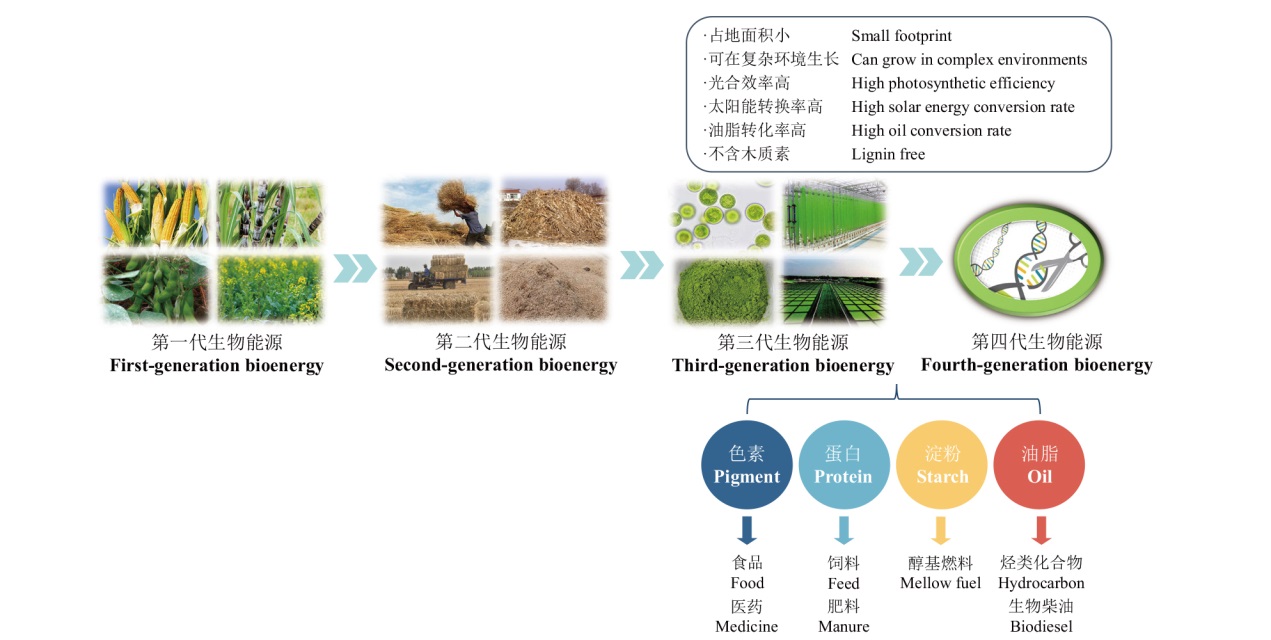
Fig. 1 History of bioenergy and uses of microalgal bioenergy
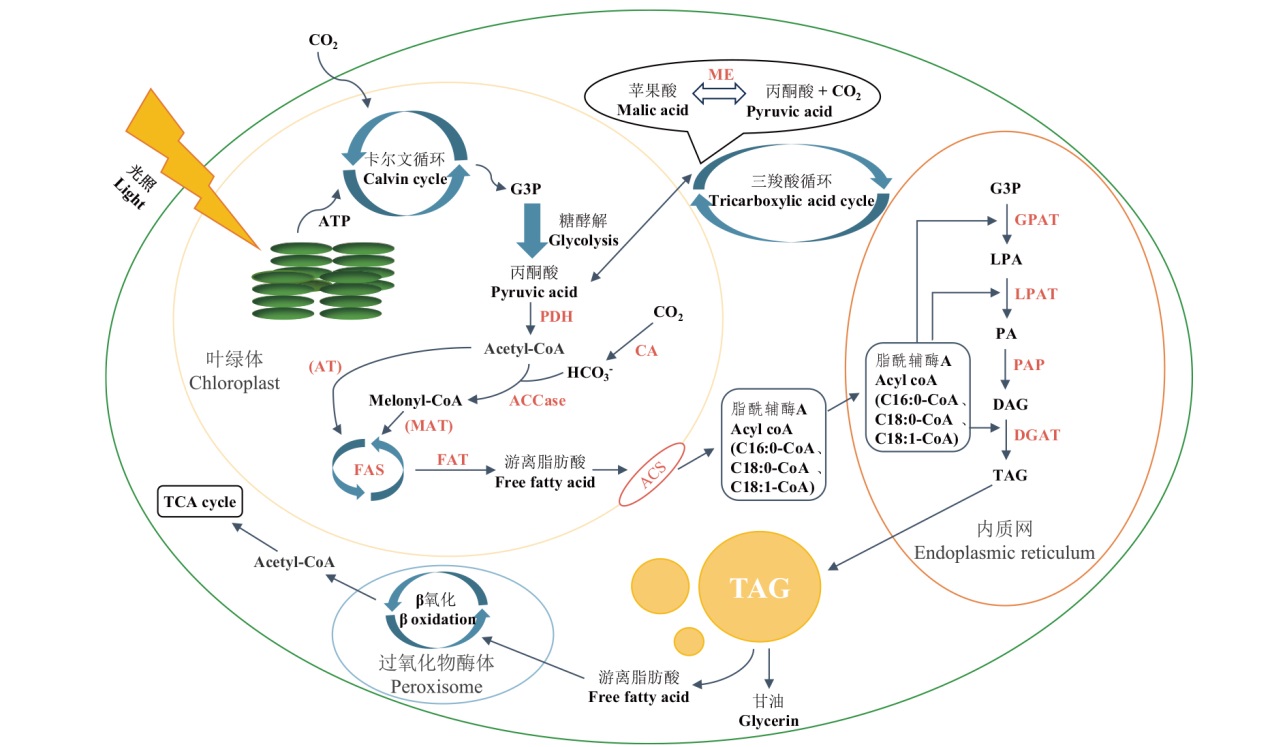
Fig. 2 Major pathways of intracellular TAG synthesis and catabolism in microalgae ATP: Adenosine triphosphate; G3P: glyceraldehyde 3-phosphate; PDH: pyruvate dehydrogenase complex; ACCase: acetyl-CoA carboxylase; MAT: malonyl-CoA transacetylase; AT: acetyl-CoA transacetylase; FAS: fatty acid synthase complex; FAT: fatty acyl-ACP thioesterase; ACS: acyl-CoA synthetase; CA: carbonic anhydrase; ME: malic enzyme; GPAT: glycerol-3-phosphate acyltransferases; LPA: lysophosphatidic acid; LPAT: lysophosphatidic acid transacetylase; PA: phosphatidic acid; PAP: phosphatidic acid phosphatase; DAG: diacyl glycerol; DGAT: diacyl glycerol transacetylase; TAG: triacylglycerol
| 藻种 Algae species | 光照条件 Light conditions | 培养基 Culture medium | 生物量增长率 Biomass growth rate/(mg·L-1·d-1) | 油脂含量 Oil content/% | 参考文献 Reference |
|---|---|---|---|---|---|
| Phaeodactylum tricornutum | 光暗交替 | 优化的f/2 | 10.49 | 25.00 | [ |
| Graesiella emersonii | 光暗交替 | BG-11 | 44.06 | 29.50 | [ |
| Nannochloropsis sp. | 光暗交替 | f/2 | 88.00 | 37.90 | [ |
| Dunaliella tertiolecta | 光暗交替 | f/2 | — | 30.90 | [ |
| Isochrysis galbana | 光暗交替 | f/2 | — | 35.60 | [ |
| Chlorella vulgari | 连续光照 | BG-11 | 153 | 27.20 | [ |
| Scenedesmus obliquus | 连续光照 | BG-11 | 120 | 22.20 | [ |
Table 1 Physiological characterization of common oil-producing algal species at laboratory scale
| 藻种 Algae species | 光照条件 Light conditions | 培养基 Culture medium | 生物量增长率 Biomass growth rate/(mg·L-1·d-1) | 油脂含量 Oil content/% | 参考文献 Reference |
|---|---|---|---|---|---|
| Phaeodactylum tricornutum | 光暗交替 | 优化的f/2 | 10.49 | 25.00 | [ |
| Graesiella emersonii | 光暗交替 | BG-11 | 44.06 | 29.50 | [ |
| Nannochloropsis sp. | 光暗交替 | f/2 | 88.00 | 37.90 | [ |
| Dunaliella tertiolecta | 光暗交替 | f/2 | — | 30.90 | [ |
| Isochrysis galbana | 光暗交替 | f/2 | — | 35.60 | [ |
| Chlorella vulgari | 连续光照 | BG-11 | 153 | 27.20 | [ |
| Scenedesmus obliquus | 连续光照 | BG-11 | 120 | 22.20 | [ |
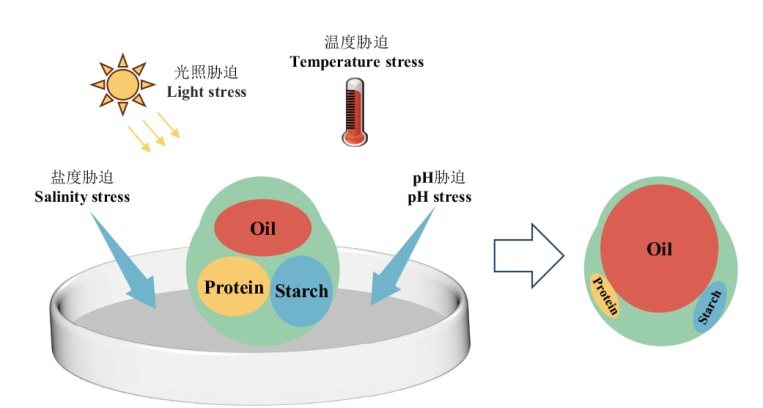
Fig. 3 Stress of environmental factors promotes oil accumulation in microalgae
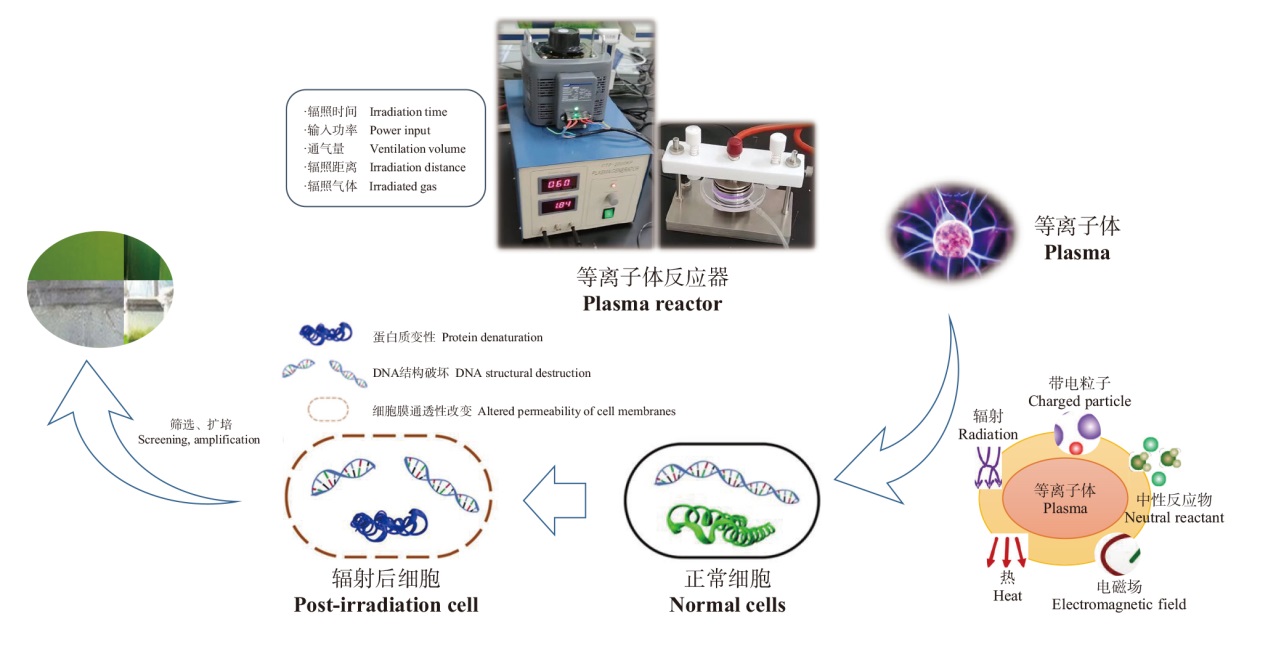
Fig. 4 Mechanism of action of plasma-mutagenized oil-producing microalgae
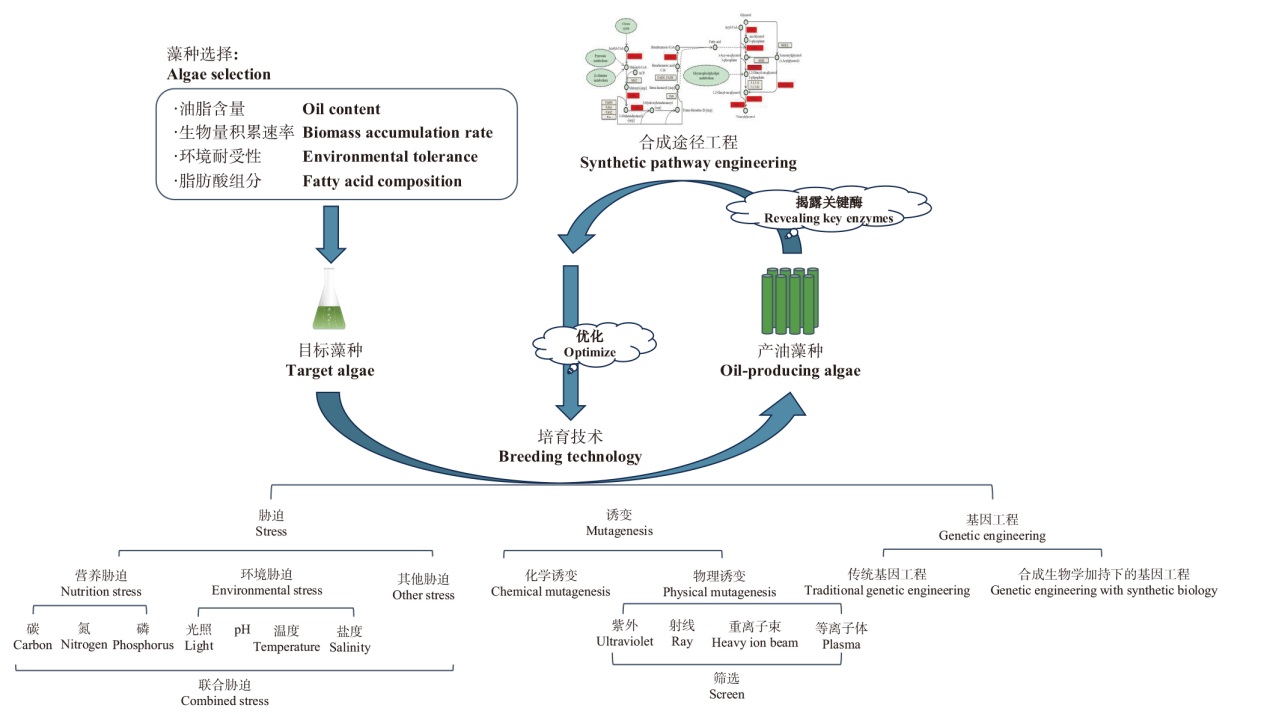
Fig. 5 Optimization idea of oil-producing microalgae breeding technology
| [1] | Shokravi H, Shokravi Z, Heidarrezaei M, et al. Fourth generation biofuel from genetically modified algal biomass: challenges and future directions[J]. Chemosphere, 2021, 285: 131535. |
| [2] | Mata TM, Martins AA, Caetano NS. Microalgae for biodiesel production and other applications: a review[J]. Renew Sustain Energy Rev, 2010, 14(1): 217-232. |
| [3] | Raheem A, Prinsen P, Vuppaladadiyam AK, et al. A review on sustainable microalgae based biofuel and bioenergy production: recent developments[J]. J Clean Prod, 2018, 181: 42-59. |
| [4] | Hoang AT, Sirohi R, Pandey A, et al. Biofuel production from microalgae: challenges and chances[J]. Phytochem Rev, 2023, 22(4): 1089-1126. |
| [5] | Yu WL, Ansari W, Schoepp NG, et al. Modifications of the metabolic pathways of lipid and triacylglycerol production in microalgae[J]. Microb Cell Fact, 2011, 10: 91. |
| [6] | Rodionova MV, Poudyal RS, Tiwari I, et al. Biofuel production: challenges and opportunities[J]. Int J Hydrog Energy, 2017, 42(12): 8450-8461. |
| [7] | Mariadhas A, Sathish Kumar B, Kabilan K, et al. Technical insights of microalgae derived bio-diesel on its performance and emission characteristics, techno-economics and practicability huddles[J]. Fuel, 2023, 349: 128744. |
| [8] | Rawat J, Gupta PK, Pandit S, et al. Latest expansions in lipid enhancement of microalgae for biodiesel production: an update[J]. Energies, 2022, 15(4): 1550. |
| [9] | 李俊磊, 张红兵. 基因工程方法增加微藻脂质积累研究进展[J]. 应用化工, 2020, 49(9): 2385-2387, 2392. |
| Li JL, Zhang HB. Advances in genetic engineering methods to increase lipid accumulation in microalgae[J]. Appl Chem Ind, 2020, 49(9): 2385-2387, 2392. | |
| [10] | 郭宝文, 李煦, 宗保宁, 等. 微藻固碳实现CO2减排与生物质增值[J]. 石油学报: 石油加工, 2023, 39(3): 668-678. |
| Guo BW, Li X, Zong BN, et al. Carbon fixation by microalgae to achieve CO2 emission reduction and biomass valorization[J]. Acta Petrolei Sin Petrol Process Sect, 2023, 39(3): 668-678. | |
| [11] | Yang YN, Ge SH, Pan YT, et al. Screening of microalgae species and evaluation of algal-lipid stimulation strategies for biodiesel production[J]. Sci Total Environ, 2023, 857(Pt 1): 159281. |
| [12] | Mandal MK, Chanu NK, Chaurasia N. Exogenous addition of indole acetic acid and kinetin under nitrogen-limited medium enhances lipid yield and expression of glycerol-3-phosphate acyltransferase & diacylglycerol acyltransferase genes in indigenous microalgae: a potential approach for biodiesel production[J]. Bioresour Technol, 2020, 297: 122439. |
| [13] | Behl K, SeshaCharan P, Joshi M, et al. Multifaceted applications of isolated microalgae Chlamydomonas sp. TRC-1 in wastewater remediation, lipid production and bioelectricity generation[J]. Bioresour Technol, 2020, 304: 122993. |
| [14] | Goswami RK, Agrawal K, Verma P. Microalgae Dunaliella as biofuel feedstock and β-carotene production: an influential step towards environmental sustainability[J]. Energy Convers Manag X, 2022, 13: 100154. |
| [15] | Ding Y, Wen XB, Peng XN, et al. Surfactants as fungal parasite control agents in oleaginous microalga, Graesiella sp. WBG-1, mass culture[J]. Algal Res, 2019, 41: 101539. |
| [16] | Hawrot-Paw M, Ratomski P, Koniuszy A, et al. Fatty acid profile of microalgal oils as a criterion for selection of the best feedstock for biodiesel production[J]. Energies, 2021, 14(21): 7334. |
| [17] | Liu JY, Song YM, Qiu W. Oleaginous microalgae Nannochloropsis as a new model for biofuel production: review & analysis[J]. Renew Sustain Energy Rev, 2017, 72: 154-162. |
| [18] | Morais KCC, Conceição D, Vargas JVC, et al. Enhanced microalgae biomass and lipid output for increased biodiesel productivity[J]. Renew Energy, 2021, 163: 138-145. |
| [19] | Li DW, Balamurugan S, Yang YF, et al. Transcriptional regulation of microalgae for concurrent lipid overproduction and secretion[J]. Sci Adv, 2019, 5(1): eaau3795. |
| [20] | Jung JH, Sirisuk P, Ra CH, et al. Effects of green LED light and three stresses on biomass and lipid accumulation with two-phase culture of microalgae[J]. Process Biochem, 2019, 77: 93-99. |
| [21] | Kabir F, Gulfraz M, Raja GK, et al. Screening of native hyper-lipid producing microalgae strains for biomass and lipid production[J]. Renew Energy, 2020, 160: 1295-1307. |
| [22] | Song XT, Liu BF, Kong FY, et al. Overview on stress-induced strategies for enhanced microalgae lipid production: application, mechanisms and challenges[J]. Resour Conserv Recycl, 2022, 183: 106355. |
| [23] |
Moghimifam R, Niknam V, Ebrahimzadeh H, et al. The influence of different CO2 concentrations on the biochemical and molecular response of two isolates of Dunaliella sp.(ABRIINW-CH2 and ABRIINW-SH33)[J]. J Appl Phycol, 2020, 32(1): 175-187.
doi: 10.1007/s10811-019-01914-6 |
| [24] | 卢鸿翔. 核诱变及碳胁迫促进微藻光合作用及生长固碳的机理研究[D]. 杭州: 浙江大学, 2018. |
| Lu HX. Mechanisms on improving photosynthetic characterization and carbon fixation rate of microalgae by nuclear radiation and CO2 stress[D]. Hangzhou: Zhejiang University, 2018. | |
| [25] | Levitan O, Dinamarca J, Zelzion E, et al. Remodeling of intermediate metabolism in the diatom Phaeodactylum tricornutum under nitrogen stress[J]. Proc Natl Acad Sci U S A, 2015, 112(2): 412-417. |
| [26] | Wei Q, Yao JJ, Chen RG, et al. Low-frequency ultrasound and nitrogen limitation induced enhancement in biomass production and lipid accumulation of Tetradesmus obliquus FACHB-12[J]. Bioresour Technol, 2022, 358: 127387. |
| [27] | Nagappan S, Devendran S, Tsai PC, et al. Metabolomics integrated with transcriptomics and proteomics: evaluation of systems reaction to nitrogen deficiency stress in microalgae[J]. Process Biochem, 2020, 91: 1-14. |
| [28] | Kamalanathan M, Pierangelini M, Shearman LA, et al. Impacts of nitrogen and phosphorus starvation on the physiology of Chla-mydomonas reinhardtii[J]. J Appl Phycol, 2016, 28(3): 1509-1520. |
| [29] | Yu SJ, Hu H, Zheng H, et al. Effect of different phosphorus concentrations on biodiesel production from Isochrysis zhangjiangensis under nitrogen sufficiency or deprivation condition[J]. Appl Microbiol Biotechnol, 2019, 103(12): 5051-5059. |
| [30] | Yang FF, Xiang WZ, Li T, et al. Transcriptome analysis for phosphorus starvation-induced lipid accumulation in Scenedesmus sp[J]. Sci Rep, 2018, 8(1): 16420. |
| [31] | He QN, Yang HJ, Wu L, et al. Effect of light intensity on physiological changes, carbon allocation and neutral lipid accumulation in oleaginous microalgae[J]. Bioresour Technol, 2015, 191: 219-228. |
| [32] | Huang Y, Li PR, Huang Y, et al. A synchronous photoautotrophic-heterotrophic biofilm cultivation mode for Chlorella vulgaris biomass and lipid simultaneous accumulation[J]. J Clean Prod, 2022, 336: 130453. |
| [33] | 孙建瑞, 赵君峰, 符丹丹, 等. 不同光质对衣藻(Chla-mydomonas sp. 212)生长及油脂积累的影响[J]. 应用与环境生物学报, 2020, 26(4): 1016-1022. |
| Sun JR, Zhao JF, Fu DD, et al. Effects of different lights on the growth and lipid accumulation of Chlamydomonas sp. 212[J]. Chin J Appl Environ Biol, 2020, 26(4): 1016-1022. | |
| [34] | Jiang HM, Gao KS. Effects of lowering temperature during culture on the production of polyunsaturated fatty acids in the marine diatom Phaeodactylum tricornutum(Bacillariophyceae)[J]. J Phycol, 2004, 40(4): 651-654. |
| [35] | 韩飞. 高温胁迫与超声刺激促进微藻油脂积累的过程及机理[D]. 济南: 山东大学, 2016. |
| Han F. The mechanism of microalgae lipid accumulation induced by high-temperature stress and ultrasonic stimulation[D]. Jinan: Shandong University, 2016. | |
| [36] | Cao JY, Kong ZY, Ye MW, et al. Comprehensive comparable study of metabolomic and transcriptomic profiling of Isochrysis galbana exposed to high temperature, an important diet microalgal species[J]. Aquaculture, 2020, 521: 735034. |
| [37] | 戴文娜, 童旭, 张琴, 等. 一株荒漠产油微藻的筛选及其生长和产油的pH响应[J]. 中国油脂, 2020, 45(5): 82-87. |
| Dai WN, Tong X, Zhang Q, et al. Screening of a desert oil-producing microalgae and its growth and oil production response toward pH[J]. China Oils Fats, 2020, 45(5): 82-87. | |
| [38] | 王垿, 孙昕, 李鹏飞, 等. 双对栅藻FACHB-78甘油三酯积累的盐胁迫条件优化[J]. 中国环境科学, 2019, 39(12): 5248-5253. |
| Wang X, Sun X, Li PF, et al. Optimization of salt stress condition for accumulation of triglycerides in Scenedesmus bijuga FACHB-78[J]. China Environ Sci, 2019, 39(12): 5248-5253. | |
| [39] | Jiang LQ, Zhang LJ, Nie CL, et al. Lipid productivity in limnetic Chlorella is doubled by seawater added with anaerobically digested effluent from kitchen waste[J]. Biotechnol Biofuels, 2018, 11: 68. |
| [40] | Zalogin TR, Pick U. Azide improves triglyceride yield in microalgae[J]. Algal Res, 2014, 3: 8-16. |
| [41] | Rachutin Zalogin T, Pick U. Inhibition of nitrate reductase by azide in microalgae results in triglycerides accumulation[J]. Algal Res, 2014, 3: 17-23. |
| [42] |
王依霖, 莫创荣, 许雪棠, 等. 2, 4-二氯苯氧乙酸与盐胁迫联合提高小球藻的产脂量[J]. 食品与发酵工业, 2022, 48(24): 105-110.
doi: 10.13995/j.cnki.11-1802/ts.031174 |
| Wang YL, Mo CR, Xu XT, et al. 2, 4-dichlorophenoxyacetic acid combined with salt stress increased lipid production of Chlorella vulgaris[J]. Food Ferment Ind, 2022, 48(24): 105-110. | |
| [43] | 李文娜, 邢向英, 董庆霖, 等. 分散性多糖分散绿藻Chroococ-cidiorella tianjinensis促进其生长和脂类合成的研究[J]. 可再生能源, 2023, 41(9): 1152-1158. |
| Li WN, Xing XY, Dong QL, et al. Static cultivation of the green alga Chroococcidiorella tianjinensis with the dispersing polysaccharide[J]. Renew Energy Resour, 2023, 41(9): 1152-1158. | |
| [44] |
李喜明, 赵永腾, 余旭亚. 褪黑素调控缺氮胁迫下单针藻中油脂积累的影响[J]. 食品与发酵工业, 2019, 45(2): 39-44.
doi: 10.13995/j.cnki.11-1802/ts.017735 |
| Li XM, Zhao YT, Yu XY. Effects of melatonin on regulating lipid accumulation in Monoraphidium sp. QLY-1 under nitrogen deficiency stress[J]. Food Ferment Ind, 2019, 45(2): 39-44. | |
| [45] |
付峰, 隋正红, 孙利芹, 等. 藻类诱变育种技术研究进展[J]. 生物技术通报, 2018, 34(10): 58-63.
doi: 10.13560/j.cnki.biotech.bull.1985.2018-0094 |
|
Fu F, Sui ZH, Sun LQ, et al. Research advance on the algal mutation breeding technologies[J]. Biotechnol Bull, 2018, 34(10): 58-63.
doi: 10.13560/j.cnki.biotech.bull.1985.2018-0094 |
|
| [46] | Sung YJ, Patel AK, Yu BS, et al. Sedimentation rate-based screening of oleaginous microalgae for utilization as a direct combustion fuel[J]. Bioresour Technol, 2019, 293: 122045. |
| [47] | Lo E, Arora N, Philippidis GP. Physiological insights into enhanced lipid accumulation and temperature tolerance by Tetraselmis sueci-ca ultraviolet mutants[J]. Sci Total Environ, 2022, 839: 156361. |
| [48] | 梁英, 闫译允, 赖秋璇, 等. 微藻诱变育种研究进展[J]. 中国海洋大学学报: 自然科学版, 2020, 50(6): 19-32. |
| Liang Y, Yan YY, Lai QX, et al. Researching advances in microalgal mutation breeding[J]. Period Ocean Univ China, 2020, 50(6): 19-32. | |
| [49] | Choi JI, Yoon M, Joe M, et al. Development of microalga Scened-esmus dimorphus mutant with higher lipid content by radiation breeding[J]. Bioprocess Biosyst Eng, 2014, 37(12): 2437-2444. |
| [50] | Ma YB, Wang ZY, Zhu M, et al. Increased lipid productivity and TAG content in Nannochloropsis by heavy-ion irradiation mutagenesis[J]. Bioresour Technol, 2013, 136: 360-367. |
| [51] | Zheng XC, Niu HL, Yu JJ, et al. Responses of Alpha-linolenic acid strain(C-12)from Chlorella sp. L166 to low temperature plasma treatment[J]. Bioresour Technol, 2021, 336: 125291. |
| [52] | Li PF, Sun X, Sun Z, et al. Biochemical and genetic changes revealing the enhanced lipid accumulation in Desmodesmus sp. mutated by atmospheric and room temperature plasma[J]. Renew Energy, 2021, 172: 368-381. |
| [53] | Almarashi JQM, El-Zohary SE, Ellabban MA, et al. Enhancement of lipid production and energy recovery from the green microalga Chlorella vulgaris by inoculum pretreatment with low-dose cold atmospheric pressure plasma(CAPP)[J]. Energy Convers Manag, 2020, 204: 112314. |
| [54] | Hoekman SK, Broch A, Robbins C, et al. Review of biodiesel composition, properties, and specifications[J]. Renew Sustain Energy Rev, 2012, 16(1): 143-169. |
| [55] | Benavente-Valdés JR, Aguilar C, Contreras-Esquivel JC, et al. Strategies to enhance the production of photosynthetic pigments and lipids in chlorophycae species[J]. Biotechnol Rep, 2016, 10: 117-125. |
| [56] | 刘林聪. 微拟球藻(Nannochloropsis gaditana CCMP527)高产油脂藻株的诱变筛选研究[D]. 重庆: 西南大学, 2017. |
| Liu LC. Study on mutation screening of Nannochloropsis gaditana CCMP527 with high oil-producing algae[D]. Chongqing: Southwest University, 2017. | |
| [57] | Sun X, Li PF, Liu XS, et al. Strategies for enhanced lipid production of Desmodesmus sp. mutated by atmospheric and room temperature plasma with a new efficient screening method[J]. J Clean Prod, 2020, 250: 119509. |
| [58] | Sun X, Meng LS, Li PF, et al. Increasing lipid production of Des-modesmus sp. through atmospheric and room temperature plasma orientated with malonic acid: performance and biochemical mechanism[J]. J Clean Prod, 2022, 342: 130911. |
| [59] | Zheng GX, Gu FR, Cui YT, et al. A microfluidic droplet array demonstrating high-throughput screening in individual lipid-producing microalgae[J]. Anal Chim Acta, 2022, 1227: 340322. |
| [60] | Cabanelas ITD, van der Zwart M, Kleinegris DMM, et al. Sorting cells of the microalga Chlorococcum littorale with increased triacylglycerol productivity[J]. Biotechnol Biofuels, 2016, 9(1): 183. |
| [61] |
Cernac A, Benning C. WRINKLED1 encodes an AP2/EREB domain protein involved in the control of storage compound biosynthesis in Arabidopsis[J]. Plant J, 2004, 40(4): 575-585.
doi: 10.1111/j.1365-313X.2004.02235.x pmid: 15500472 |
| [62] |
孙翰, 刘进. 真核微藻脂质代谢工程的研究进展和展望[J]. 合成生物学, 2023, 4(6): 1140-1160.
doi: 10.12211/2096-8280.2023-044 |
| Sun H, Liu J. Research progress and prospects in lipid metabolic engineering of eukaryotic microalgae[J]. Synthetic Biology J, 2023, 4(6): 1140-1160. | |
| [63] | Sun H, Ren YY, Mao XM, et al. Harnessing C/N balance of Chro-mochloris zofingiensis to overcome the potential conflict in microalgal production[J]. Commun Biol, 2020, 3(1): 186. |
| [64] | Sproles AE, Fields FJ, Smalley TN, et al. Recent advancements in the genetic engineering of microalgae[J]. Algal Res, 2021, 53: 102158. |
| [65] | Crozet P, Navarro FJ, Willmund F, et al. Birth of a photosynthetic chassis: a MoClo toolkit enabling synthetic biology in the microalga Chlamydomonas reinhardtii[J]. ACS Synth Biol, 2018, 7(9): 2074-2086. |
| [66] | Huang KX, Vadiveloo A, Zhou JL, et al. Integrated culture and harvest systems for improved microalgal biomass production and wastewater treatment[J]. Bioresour Technol, 2023, 376: 128941. |
| [67] | Alzgool HA, Alfraihat AS, Alzghool H. Reinforced-concrete bond with brine and olive oil mill wastewater[J]. Civ Eng J, 2022, 8(2): 319-333. |
| [68] | Gao F, Yang HL, Li C, et al. Effect of organic carbon to nitrogen ratio in wastewater on growth, nutrient uptake and lipid accumulation of a mixotrophic microalgae Chlorella sp[J]. Bioresour Technol, 2019, 282: 118-124. |
| [69] | Li PF, Zou TZ, Sun X, et al. Bioremediation of domestic wastewaters integrated with enhanced biodiesel production using Desmodesmus sp. mutated by atmospheric and room temperature plasma[J]. J Environ Chem Eng, 2023, 11(5): 110957. |
| [70] | Li J, Tang XX, Pan KH, et al. Application study for the high CO2 tolerant Chlorella strain by flue gas culture: evaluation of growth performance and adaptive mechanisms[J]. Chem Eng J, 2024, 479: 147700. |
| [71] | Song CF, Qiu YT, Xie ML, et al. Novel regeneration and utilization concept using rich chemical absorption solvent as a carbon source for microalgae biomass production[J]. Ind Eng Chem Res, 2019, 58(27): 11720-11727. |
| [72] | Pavlik D, Zhong YK, Daiek C, et al. Microalgae cultivation for carbon dioxide sequestration and protein production using a high-efficiency photobioreactor system[J]. Algal Res, 2017, 25: 413-420. |
| [73] | Song CF, Han XX, Yin QR, et al. Performance intensification of CO2 absorption and microalgae conversion(CAMC)hybrid system via low temperature plasma(LTP)treatment[J]. Sci Total Environ, 2021, 801: 149791. |
| [74] | Suparmaniam U, Lam MK, Uemura Y, et al. Insights into the microalgae cultivation technology and harvesting process for biofuel production: a review[J]. Renew Sustain Energy Rev, 2019, 115: 109361. |
| [75] | Harun R, Singh M, Forde GM, et al. Bioprocess engineering of microalgae to produce a variety of consumer products[J]. Renew Sustain Energy Rev, 2010, 14(3): 1037-1047. |
| [76] | Yin ZH, Zhu LD, Li SX, et al. A comprehensive review on cultivation and harvesting of microalgae for biodiesel production: environmental pollution control and future directions[J]. Bioresour Technol, 2020, 301: 122804. |
| [77] | Nguyen TDP, Le TVA, Show PL, et al. Bioflocculation formation of microalgae-bacteria in enhancing microalgae harvesting and nutrient removal from wastewater effluent[J]. Bioresour Technol, 2019, 272: 34-39. |
| [78] | Vandamme D, Foubert I, Fraeye I, et al. Flocculation of Chlorella vulgaris induced by high pH: role of magnesium and calcium and practical implications[J]. Bioresour Technol, 2012, 105: 114-119. |
| [79] | Ma GX, Meng QY, Mu RM, et al. Obtaining mutant Chlorella vul-garis strains with excellent self-flocculation properties and high wastewater treatment efficiency via atmospheric and room temperature plasma technique[J]. J Water Process Eng, 2023, 53: 103644. |
| [1] | SHI Jing-hui, CHEN Wen-hui, LU Kun, ZHENG Ting-ting, REN Zhi-yuan, BAO Guo-qing, WANG Min, LUO Jian-mei. Site-directed Saturation Mutagenesis to Improve the Catalytic Performance of 11α-hydroxylase from Aspergillus ochraceus [J]. Biotechnology Bulletin, 2024, 40(1): 322-331. |
| [2] | LI Yu-ling, MAO Xin, ZHANG Yuan-shuai, DONG Yuan-fu, LIU Cui-lan, DUAN Chun-hua, MAO Xiu-hong. Applications and Perspectives of Radiation Mutagenesis in Woody Plant Breeding [J]. Biotechnology Bulletin, 2023, 39(6): 12-30. |
| [3] | LEI Cai-rong, GUO Xiao-peng, CHAI Ran, ZHANG Miao-miao, REN Jun-le, LU Dong. Application of Omics Techniques in Incluced Breecling via Heavy Ion Beam Irradiating Microorganisms [J]. Biotechnology Bulletin, 2023, 39(5): 54-62. |
| [4] | ZHAO Sai-sai, ZHANG Xiao-dan, JIA Xiao-yan, TAO Da-wei, LIU Ke-yu, NING Xi-bin. Investigation on the Complex Mutagenesis Selection of High-yield Nitrate Reductase Strain Staphylococcus simulans ZSJ6 and Its Enzymatic Properties [J]. Biotechnology Bulletin, 2023, 39(4): 103-113. |
| [5] | HAN Hui, ZHANG Jian, REN Yu-hong. Molecular Modification of the Short-chain Dehydrogenase Lvchun and Its Application in the Synthesis of Chloromycetin [J]. Biotechnology Bulletin, 2023, 39(4): 81-92. |
| [6] | FAN Min, WANG Li-ning. Breeding of Lepista sordida with High-yield Exopolysaccharide by Plasma Mutagenesis [J]. Biotechnology Bulletin, 2021, 37(11): 119-124. |
| [7] | ZHONG Jian-feng, LI Xing-kui, XU Chong-xin, ZHANG Xiao, LIU Xian-jin. Biological Activity of Anti-idiotypic Single Chain Fragment Variable Antibody Against Cry1B by Site-directed Mutagenesis [J]. Biotechnology Bulletin, 2021, 37(10): 186-195. |
| [8] | LIANG Ling, HUANG Qin-geng, WENG Xue-qing, WU Song-gang, HUANG Jian-zhong. Breeding L-Glutamic Acid Producing Engineering Strain by Mutagenesis and Its Fermentation Efficiency [J]. Biotechnology Bulletin, 2020, 36(6): 143-149. |
| [9] | XU Lin-na, HU Meng-ke, TONG Wen-yan, LI Fen. Effects of T1084d and T1084A Point Mutations in the NtTkr Tail of Nicotiana tabacum on Coiled-helix Structure and Interaction with Target Proteins [J]. Biotechnology Bulletin, 2019, 35(5): 64-69. |
| [10] | WANG Liu-yue, LI Hui-mei, MA Meng-qi, LIANG Ming-xing, HE Ru-yang, CHEN Hua-bo. Improve the Site-directed Mutagenesis Efficiency of Overlap Extension PCR by Outboard-primers [J]. Biotechnology Bulletin, 2019, 35(12): 196-202. |
| [11] | WANG Zhuang-zhuang, WEI Jia, YU Hai-bo, XU Jian-zhong, ZHANG Wei-guo. Breeding of Strain Producing L-isoleucine and Medium Optimization for It [J]. Biotechnology Bulletin, 2019, 35(1): 82-89. |
| [12] | CHEN Shao-wei, WU Cheng, SU Yue-hua, CAI Bin-bin, XIE Pan-pan, YANG Mei. Cloning and Functional Identification of the 5' flanking Region of the aiiA Gene from Bacillus thuringiensis [J]. Biotechnology Bulletin, 2018, 34(11): 136-143. |
| [13] | FU Feng, SUI Zheng-hong, SUN Li-qin, BI Lu-ping, DING Li-jun, CHEN Qi. Research Advance on the Algal Mutation Breeding Technologies [J]. Biotechnology Bulletin, 2018, 34(10): 58-63. |
| [14] | ZENG Jing, GUO Jian-jun, YUAN Lin, YANG Gang, CHEN Jun. Optimization of the Thermal Activity and Stability of Hyperthermophilic α-amylase ApkA [J]. Biotechnology Bulletin, 2017, 33(8): 192-198. |
| [15] | BAI Long LI Chun-mei LÜ Tu DU Ying YANG Yue TIAN Shen. Research Progress on the Biological Conversion of Energy Grass to Cellulosic Ethanol [J]. Biotechnology Bulletin, 2017, 33(5): 50-56. |
| Viewed | ||||||
|
Full text |
|
|||||
|
Abstract |
|
|||||
