







Biotechnology Bulletin ›› 2026, Vol. 42 ›› Issue (10): 142-152.doi: 10.13560/j.cnki.biotech.bull.1985.2025-0661
GAO Liang1, CUI Xin-yuan1, LIU Ming-yuan1,2, HAN Lei1( )
Received:2025-06-23
Online:2026-10-26
Published:2026-10-15
Contact:
HAN Lei
E-mail:hanlei@ldu.edu.cn
GAO Liang, CUI Xin-yuan, LIU Ming-yuan, HAN Lei. Identification of Malate Dehydrogenase MDH Gene Family and Functional Characterization of VvMDH10 in Grape[J]. Biotechnology Bulletin, 2026, 42(10): 142-152.
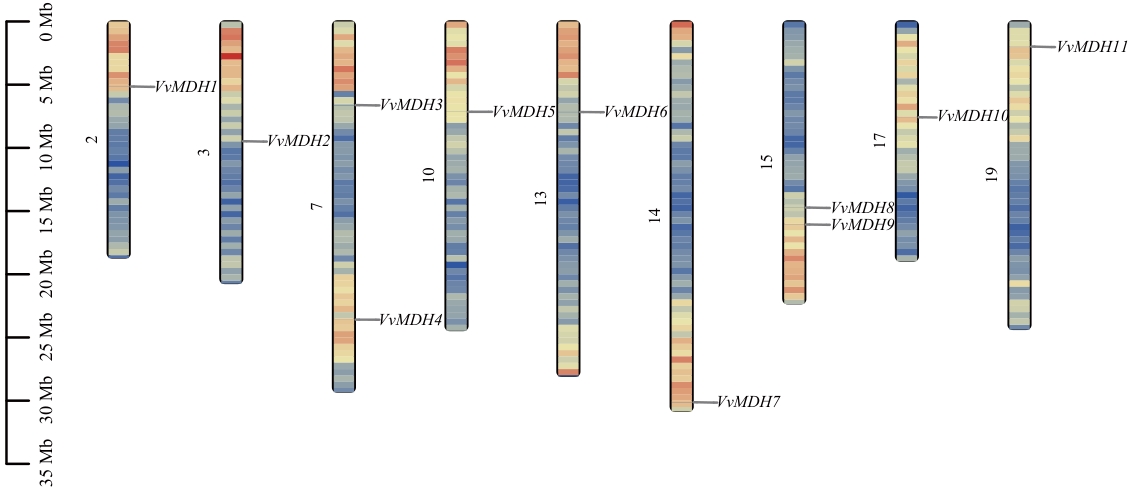
Fig. 1 Chromosome localization of VvMDH genes in grape
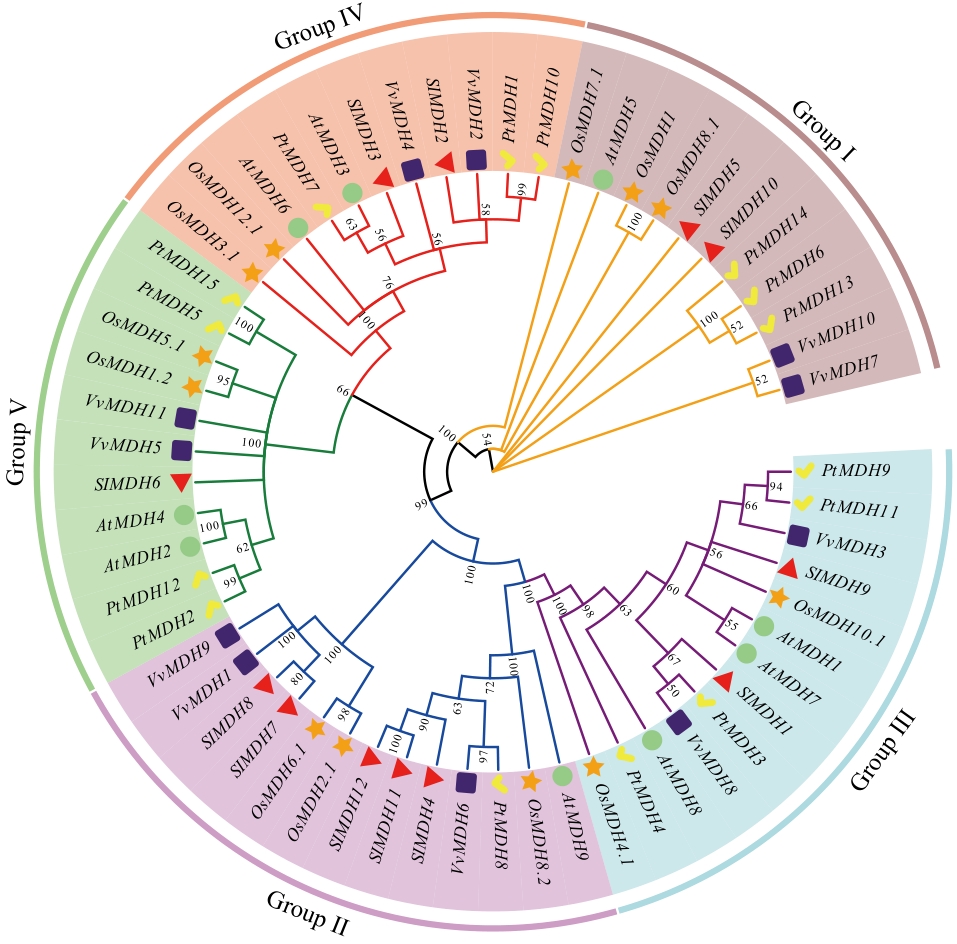
Fig. 2 Phylogenetic tree of MDH proteins in Vitis vinifera (Vv), Arabidopsis thaliana (At), Oryza sativa (Os), Solanum lycopersicum (Sl) and Populus trichocarpa (Pt)
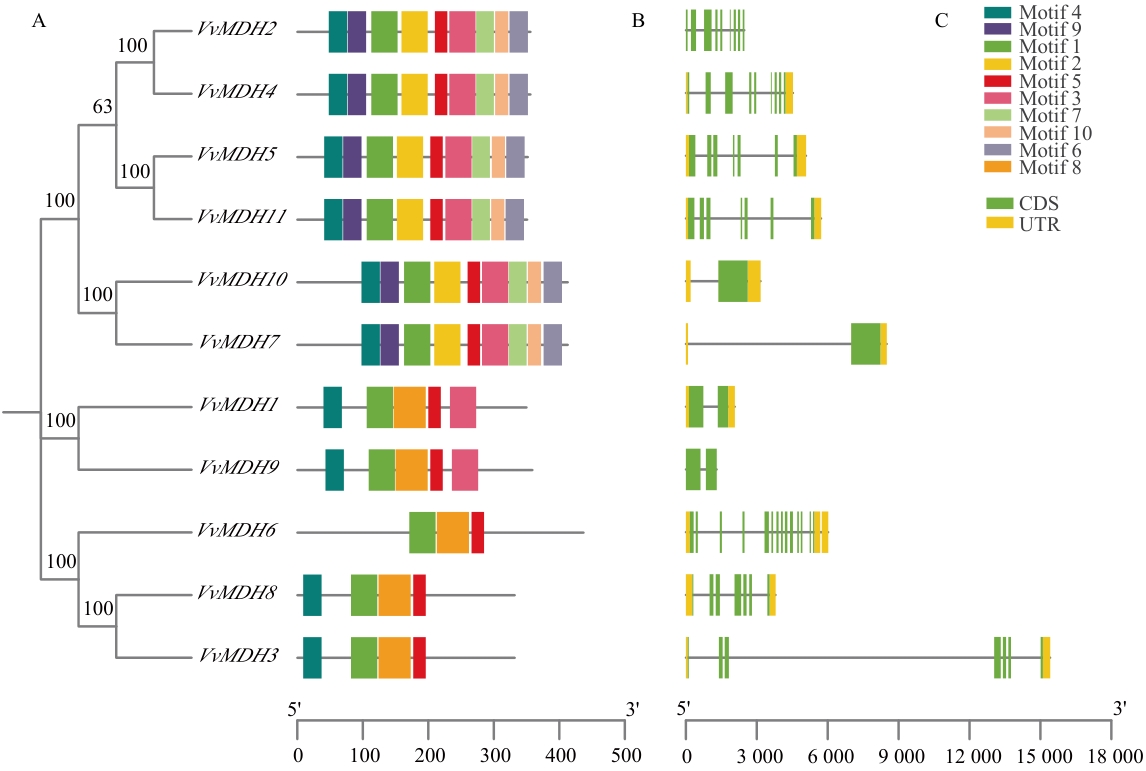
Fig. 3 Phylogenetic tree (A), gene structure (B), and protein conserved motif (C) of VvMDH gene family
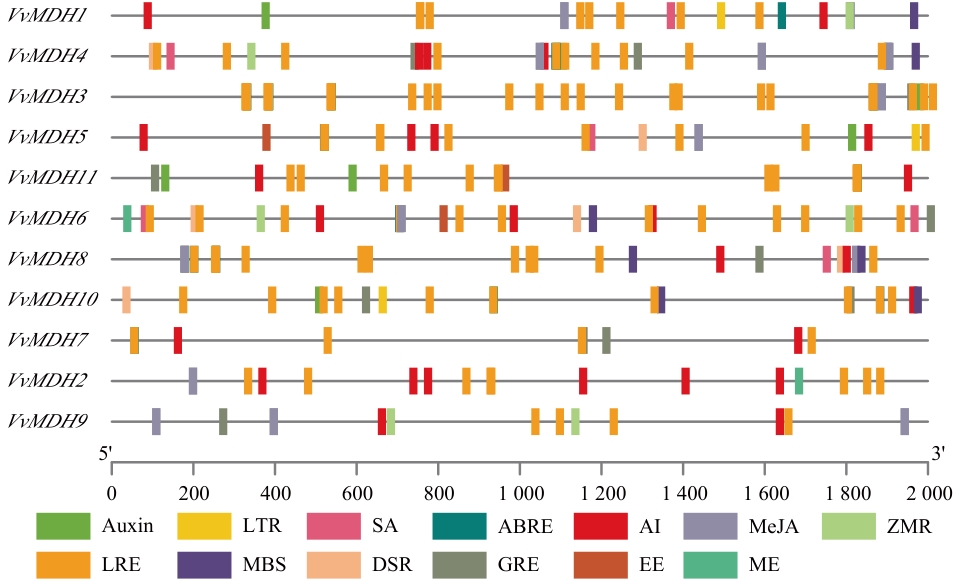
Fig. 4 Analysis of cis-acting elements in the promoter region of VvMDH
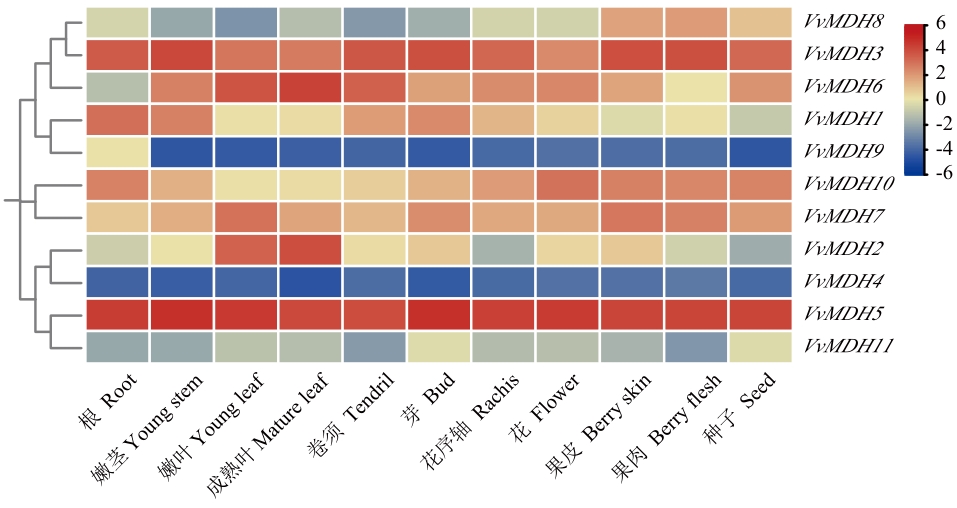
Fig. 5 Expression analysis of VvMDH in different tissues of grape
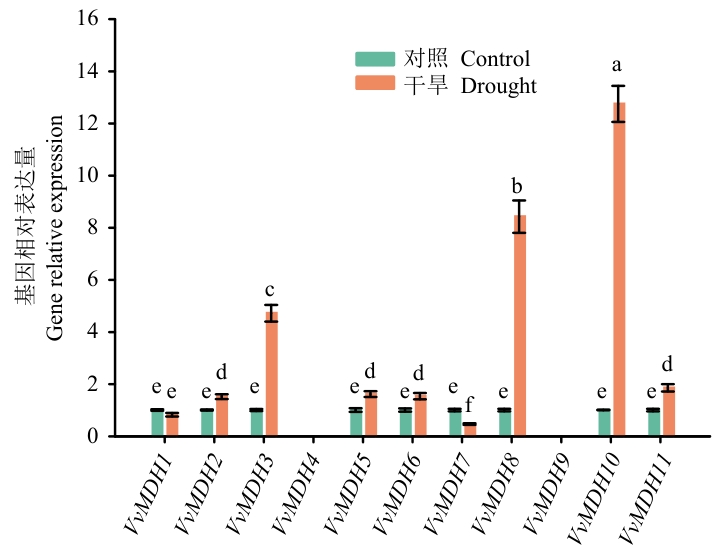
Fig. 6 Relative expression of VvMDH genes under drought treatmentsDifferent lower letters indicate significant differences (P<0.05). The same below
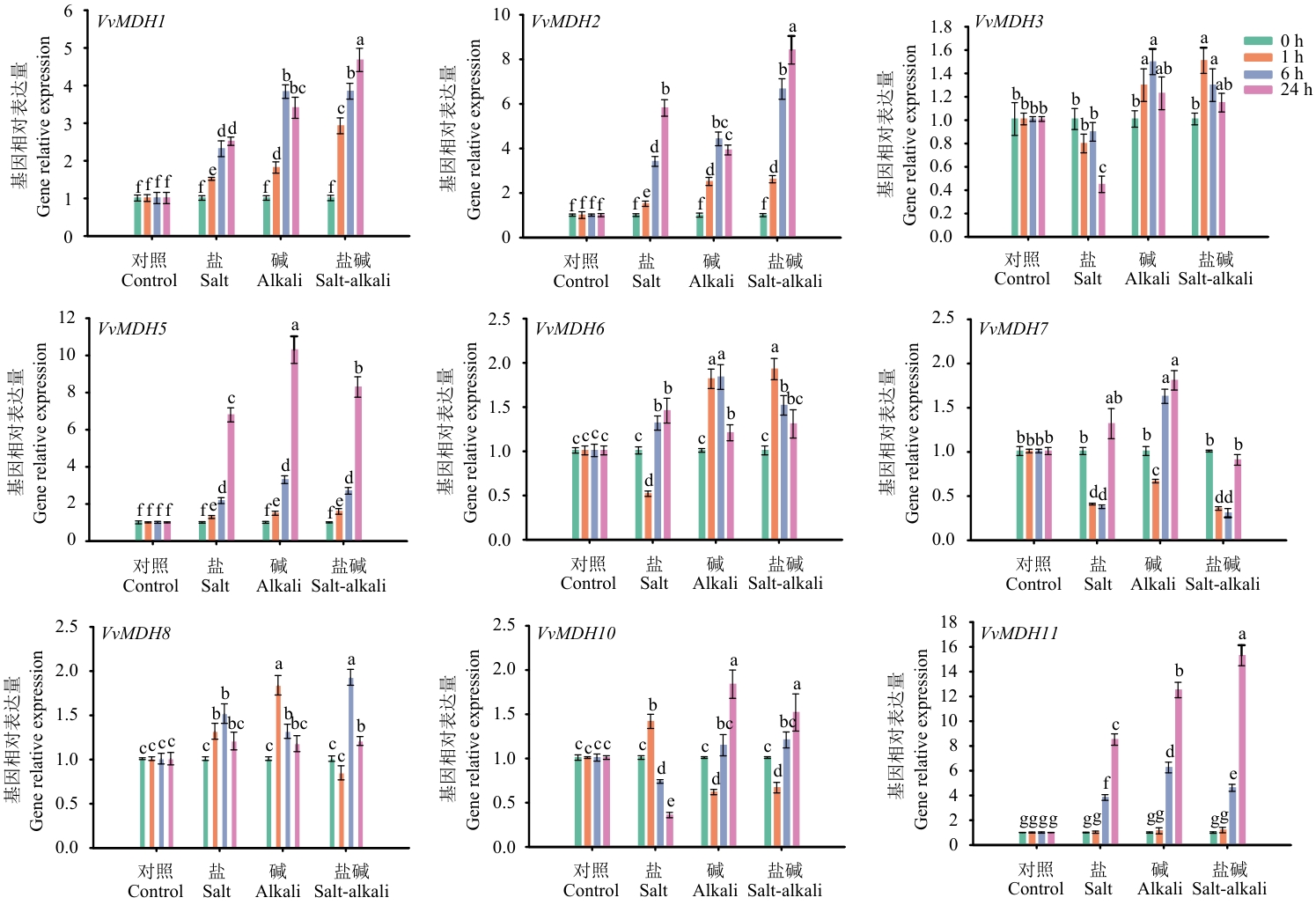
Fig. 7 Relative expression of VvMDH genes under salt-alkali treatments
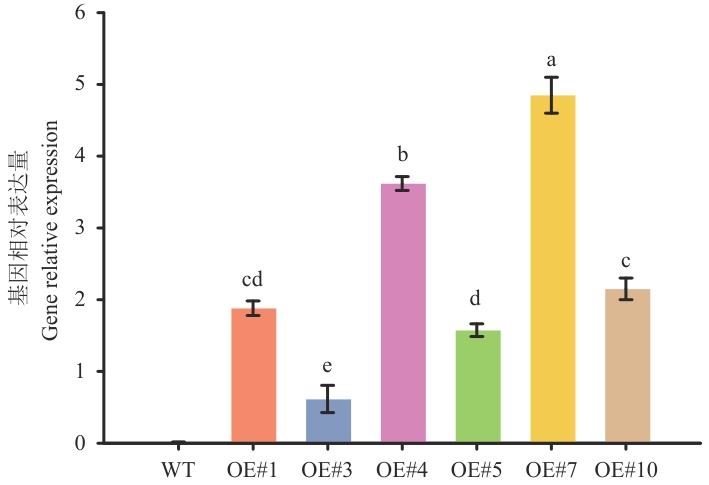
Fig. 8 Relative expression of VvMDH10 in transgenic A. thaliana
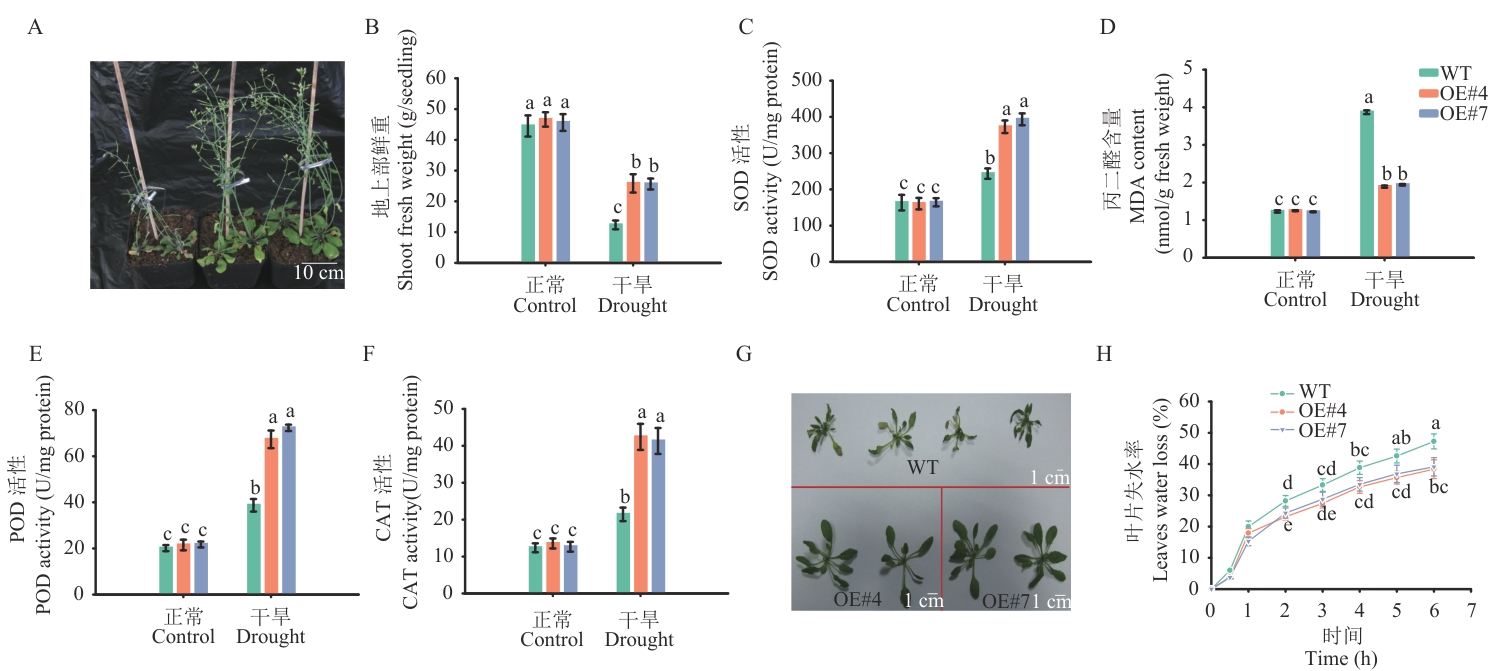
Fig. 9 Comparisons of phenotype and physiological indices in VvMDH10-overexpressing Arabidopsis under drought stressArabidopsis thaliana wild-type and overexpression lines were grown in pots containing peat soil for 4 weeks. The entire pots were fully watered first, then watering was stopped. The phenotypes of the plants before and after drought treatment were observed, and MDA content and activities of various enzymes were determined. Then the Arabidopsis thaliana wild-type and overexpression lines were grown in pots containing peat soil for 4 weeks, and their entire rosette leaves were cut separately, placed in petri dishes, and put into an illumination incubator. The fresh weight was measured at regular intervals. A: Plant phenotype. B: Shoot fresh weight. C: SOD activity. D: MDA content. E: POD activity. F: CAT activity. G: Leaf water loss phenotype. H: Statistical analysis of leaf water loss rate. Data in Figures B-F and H are presented as mean ± standard deviation
| [1] | Jiao SZ, Zeng FW, Huang YP, et al. Physiological, biochemical and molecular responses associated with drought tolerance in grafted grapevine [J]. BMC Plant Biol, 2023, 23: 110. |
| [2] | Rienth M, Vigneron N, Darriet P, et al. Grape berry secondary metabolites and their modulation by abiotic factors in a climate change scenario-a review [J]. Front Plant Sci, 2021, 12: 643258. |
| [3] | Fernie AR, Malate Martinoia E.. Jack of all trades or master of a few [J]. Phytochemistry, 2009, 70(7): 828-832. |
| [4] | Cosse M, Rehders T, Eirich J, et al. Cysteine oxidation as a regulatory mechanism of Arabidopsis plastidial NAD-dependent malate dehydrogenase [J]. Physiol Plant, 2024, 176(3): e14340. |
| [5] | Baird LM, Berndsen CE, Monroe JD. Malate dehydrogenase in plants: evolution, structure, and a myriad of functions [J]. Essays Biochem, 2024, 68(2): 221-233. |
| [6] | Martinez-Vaz BM, Howard AL, Jamburuthugoda VK, et al. Insights into the regulation of malate dehydrogenase: inhibitors, activators, and allosteric modulation by small molecules [J]. Essays Biochem, 2024, 68(2): 173-181. |
| [7] | Hebbelmann I, Selinski J, Wehmeyer C, et al. Multiple strategies to prevent oxidative stress in Arabidopsis plants lacking the malate valve enzyme NADP-malate dehydrogenase [J]. J Exp Bot, 2012, 63(3): 1445-1459. |
| [8] | Liu J, Wang XC, Guan ZY, et al. The LIKE SEX FOUR 1-malate dehydrogenase complex functions as a scaffold to recruit β-amylase to promote starch degradation [J]. Plant Cell, 2023, 36(1): 194-212. |
| [9] | Yokochi Y, Yoshida K, Hahn F, et al. Redox regulation of NADP-malate dehydrogenase is vital for land plants under fluctuating light environment [J]. Proc Natl Acad Sci U S A, 2021, 118(6): e2016903118. |
| [10] | Talla SK, Sunil B, Rao DE, et al. Redox basis of photosynthesis inhibition at supra-optimal bicarbonate in mesophyll protoplasts of Arabidopsis thaliana [J]. J Plant Physiol, 2023, 287: 154047. |
| [11] | Balparda M, Elsässer M, Badia MB, et al. Acetylation of conserved lysines fine-tunes mitochondrial malate dehydrogenase activity in land plants [J]. Plant J, 2022, 109(1): 92-111. |
| [12] | Selinski J, König N, Wellmeyer B, et al. The plastid-localized NAD-dependent malate dehydrogenase is crucial for energy homeostasis in developing Arabidopsis thaliana seeds [J]. Mol Plant, 2014, 7(1): 170-186. |
| [13] | Beeler S, Liu HC, Stadler M, et al. Plastidial NAD-dependent malate dehydrogenase is critical for embryo development and heterotrophic metabolism in Arabidopsis [J]. Plant Physiol, 2014, 164(3): 1175-1190. |
| [14] | Imran M, Munir MZ, Ialhi S, et al. Identification and characterization of malate dehydrogenases in tomato (Solanum lycopersicum L.) [J]. Int J Mol Sci, 2022, 23(17): 10028. |
| [15] | Kandoi D, Mohanty S, Tripathy BC. Overexpression of plastidic maize NADP-malate dehydrogenase (ZmNADP-MDH) in Arabidopsis thaliana confers tolerance to salt stress [J]. Protoplasma, 2018, 255(2): 547-563. |
| [16] | Ding Y, Ma QH. Characterization of a cytosolic malate dehydrogenase cDNA which encodes an isozyme toward oxaloacetate reduction in wheat [J]. Biochimie, 2004, 86(8): 509-518. |
| [17] | Zhang YH, Wang YL, Sun XM, et al. Genome-wide identification of MDH family genes and their association with salt tolerance in rice [J]. Plants, 2022, 11(11): 1498. |
| [18] | Li ZQ, Shi L, Lin XJ, et al. Genome-wide identification and expression analysis of malate dehydrogenase gene family in sweet potato and its two diploid relatives [J]. Int J Mol Sci, 2023, 24(23): 16549. |
| [19] | Liu Y, Zhao M, Shi JN, et al. Genome-wide identification of AhMDHs and analysis of gene expression under manganese toxicity stress in Arachis hypogaea [J]. Genes, 2023, 14(12): 2109. |
| [20] | Imran M, Tang K, Liu JY. Comparative genome-wide analysis of the malate dehydrogenase gene families in cotton [J]. PLoS One, 2016, 11(11): e0166341. |
| [21] | Imran M, Zhang B, Tang K, et al. Molecular characterization of a cytosolic malate dehydrogenase gene (GhcMDH1) from cotton [J]. Chem Res Chin Univ, 2017, 33(1): 87-93. |
| [22] | Chen XH, Zhang J, Zhang C, et al. Genome-wide investigation of malate dehydrogenase gene family in poplar (Populus trichocarpa) and their expression analysis under salt stress [J]. Acta Physiol Plant, 2021, 43(2): 28. |
| [23] | Lin YW, Chen WT, Yang Q, et al. Genome-wide characterization and gene expression analyses of malate dehydrogenase (MDH) genes in low-phosphorus stress tolerance of Chinese fir (Cunninghamia lanceolata) [J]. Int J Mol Sci, 2023, 24(5): 4414. |
| [24] | Yao YX, Dong QL, Zhai H, et al. The functions of an apple cytosolic malate dehydrogenase gene in growth and tolerance to cold and salt stresses [J]. Plant Physiol Biochem, 2011, 49(3): 257-264. |
| [25] | Wang QJ, Sun H, Dong QL, et al. The enhancement of tolerance to salt and cold stresses by modifying the redox state and salicylic acid content via the cytosolic malate dehydrogenase gene in transgenic apple plants [J]. Plant Biotechnol J, 2016, 14(10): 1986-1997. |
| [26] | Ma BQ, Yuan YY, Gao M, et al. Genome-wide identification, classification, molecular evolution and expression analysis of malate dehydrogenases in apple [J]. Int J Mol Sci, 2018, 19(11): 3312. |
| [27] | Heyno E, Innocenti G, Lemaire SD, et al. Putative role of the malate valve enzyme NADP-malate dehydrogenase in H2O2 signalling in Arabidopsis [J]. Phil Trans R Soc B, 2014, 369(1640): 20130228. |
| [28] | Nan N, Wang J, Shi YJ, et al. Rice plastidial NAD-dependent malate dehydrogenase 1 negatively regulates salt stress response by reducing the vitamin B6 content [J]. Plant Biotechnol J, 2020, 18(1): 172-184. |
| [29] | 朱香豫. mMDH2基因在调控拟南芥缺铁响应中的功能分析 [D]. 合肥: 合肥工业大学, 2021. |
| Zhu XY. Analyzing on the function of mMDH2 in response to iron deficiency in Arabidopsis thaliana [D]. Hefei: Hefei University of Technology, 2021. | |
| [30] | 崔晓慧. 苹果MdmMDH和MdNADP-MDH-like基因的功能分析 [D]. 杨凌: 西北农林科技大学, 2021. |
| Cui XH. Functional analysis of MdmMDH and MdNADP-MDH-like genes in Malus [D]. Yangling: Northwest A & F University, 2021. | |
| [31] | Kumar S, Stecher G, Tamura K. MEGA7: Molecular evolutionary genetics analysis version 7.0 for bigger datasets [J]. Mol Biol Evol, 2016, 33(7): 1870-1874. |
| [32] | Bailey TL, Boden M, Buske FA, et al. MEME SUITE: tools for motif discovery and searching [J]. Nucleic Acids Res, 2009, 37(): W202-W208. |
| [33] | Lescot M, Déhais P, Thijs G, et al. PlantCARE, a database of plant cis-acting regulatory elements and a portal to tools for in silico analysis of promoter sequences [J]. Nucleic Acids Res, 2002, 30(1): 325-327. |
| [34] | Fasoli M, Dal Santo S, Zenoni S, et al. The grapevine expression atlas reveals a deep transcriptome shift driving the entire plant into a maturation program [J]. Plant Cell, 2012, 24(9): 3489-3505. |
| [35] | 付东艳, 汪蕾, 张龙生. 遮阳对马瑟兰葡萄花色苷组分及合成相关基因表达的影响 [J]. 果树学报, 2025, 42(1): 30-47. |
| Fu DY, Wang L, Zhang LS. Effects of sun shading on anthocyanin components and the expression of genes related to anthocyanin synthesis in Marselan grape [J]. J Fruit Sci, 2025, 42(1): 30-47. | |
| [36] | Clough SJ, Bent AF. Floral dip: a simplified method for Agrobacterium-mediated transformation of Arabidopsis thaliana [J]. Plant J, 1998, 16(6): 735-743. |
| [37] | Li JL, Han L, Su YH, et al. Functional identification of Ammopiptanthus mongolicus anion channel AmSLAC1 involved in drought induced stomata closure [J]. Plant Physiol Biochem, 2019, 143: 340-350. |
| [38] | Ludwig M. The roles of organic acids in C4 photosynthesis [J]. Front Plant Sci, 2016, 7: 647. |
| [39] | Reshef N, Karn A, Manns DC, et al. Stable QTL for malate levels in ripe fruit and their transferability across Vitis species [J]. Hortic Res, 2022, 9: uhac009. |
| [40] | Tesfaye M, Temple SJ, Allan DL, et al. Overexpression of malate dehydrogenase in transgenic alfalfa enhances organic acid synthesis and confers tolerance to aluminum [J]. Plant Physiol, 2001, 127(4): 1836-1844. |
| [41] | Wang JY, Li CN, Li L, et al. Exploitation of drought tolerance-related genes for crop improvement [J]. Int J Mol Sci, 2021, 22(19): 10265. |
| [42] | 刘升学, 马爱芳, 秦峰, 等. 植物抗旱性研究进展 [J]. 科学通报, 2025, 70(25): 4297-4314. |
| Liu SX, Ma AF, Qin F, et al. Research advances in plant drought resistance [J]. Chin Sci Bull, 2025, 70(25): 4297-4314. | |
| [43] | van Zelm E, Zhang YX, Testerink C. Salt tolerance mechanisms of plants [J]. Annu Rev Plant Biol, 2020, 71: 403-433. |
| [44] | Zhang HL, Yu FF, Xie P, et al. A Gγ protein regulates alkaline sensitivity in crops [J]. Science, 2023, 379(6638): eade8416. |
| [45] | 刘秀春, 陈丽楠, 王炳华, 等. 锰胁迫对不同砧木苹果幼树锰吸收分配及抗氧化系统的影响 [J]. 园艺学报, 2013, 40(10): 1877-1886. |
| Liu XC, Chen LN, Wang BH, et al. Effects of Mn stress on Mn uptakes and antioxidant system of young apple trees of different rootstocks [J]. Acta Hortic Sin, 2013, 40(10): 1877-1886. | |
| [46] | Zhao YN, Luo LL, Xu JS, et al. Malate transported from chloroplast to mitochondrion triggers production of ROS and PCD in Arabidopsis thaliana [J]. Cell Res, 2018, 28(4): 448-461. |
| [47] | 王福祥, 肖开转, 姜身飞, 等. 干旱胁迫下植物体内活性氧的作用机制 [J]. 科学通报, 2019, 64(17): 1765-1779. |
| Wang FX, Xiao KZ, Jiang SF, et al. Mechanisms of reactive oxygen species in plants under drought stress [J]. Chin Sci Bull, 2019, 64(17): 1765-1779. |
| [1] | QIN Shao-min, MIAO Han, DONG Shao-yun, GUAN Jian-tao, GU Xing-fang, LI Sen, LIU Xiao-ping, ZHANG Sheng-ping. CsCAD Genes Mediate Lignin Deposition to Regulate Petiole Angle Formation in Cucumber [J]. Biotechnology Bulletin, 2026, 42(9): 137-146. |
| [2] | LIU Na-wei, QIAN Meng-ying, ZHANG Hong-ying, WANG Zhao-jun, CUI Hong, YAN Xiao-xiao. NtWUN Negatively Regulates Tobacco Trichome Development [J]. Biotechnology Bulletin, 2026, 42(9): 128-136. |
| [3] | LIU Jun-liang, YUAN Xiao-xia, QIAO Mei-ling, YANG Bing-jie, YU Xiu-min, MU Sha-mo-li, JI Zhao-jun. Genes aotM and trmD Regulate Salt-alkali Tolerance, Antioxidase Activity, and Cell Membrane Oxidative Damage in Rhizobia [J]. Biotechnology Bulletin, 2026, 42(8): 323-330. |
| [4] | SONG Zi-hui, XUE Li, WANG Sen, SUN Jian-chang, HAN Bing, CUI Di, HAN Long-zhi, ZHAO Zheng-wu, MA Xiao-ding. Mining of Drought-resistance Related Genes in Rice Based on Genome-wide Association Study [J]. Biotechnology Bulletin, 2026, 42(8): 97-105. |
| [5] | CHEN Cui, LAN Li-xia, SU Meng-yu, WENG Nian-dong, ZHANG Zhen. Cloning and Functional Identification of Apple Protein Phosphatase Gene MdPP2C24 [J]. Biotechnology Bulletin, 2026, 42(8): 153-161. |
| [6] | HE Jing-jing, PENG Mao-la-zhuan, YAO Xiao-hua, YAO You-hua, WU Kun-lun, CUI Yong-mei. Cloning and Functional Characterization of HvNAC53 from Hulless Barley [J]. Biotechnology Bulletin, 2026, 42(8): 142-152. |
| [7] | XIN Qing, ZHENG Yong-jie, LI Yu-hua, TU Bai-lian, LIU Xin-liang, ZHANG Yue-ting, WU Yan-fang. Genome-wide Identification and Expression Analysis of MYC Transcription Factors in Cinnamomum camphora [J]. Biotechnology Bulletin, 2026, 42(7): 214-225. |
| [8] | FAN Fan, LI Meng-jiao, YANG Xian-peng, CUI Li-li. Screening and Functional Analysis of a Triphenyl Phosphate-tolerant Mutant in Arabidopsis thaliana [J]. Biotechnology Bulletin, 2026, 42(7): 226-235. |
| [9] | DONG Ya-ru, NIE Yu-xia, ZHU Hong, WANG Zhao-hong, LIU Hui-fen, GUO Guang. Overexpression of Mulberry MnERF2 Enhances Resistance to Drought in Arabidopsis thaliana [J]. Biotechnology Bulletin, 2026, 42(4): 182-189. |
| [10] | GUO Dao-xiang, SU Quan, LI Ao-ting, WANG Yan, CHEN Qing, WANG Xiao-rong, HE Wen. Identification of the MYB Gene Family in Pomelo (Citrus grandis) and Functional Analysis in Chlorosis of Graft Incompatibility [J]. Biotechnology Bulletin, 2026, 42(4): 170-181. |
| [11] | LIU Lin-ya, LIU Huan-yan, LIANG Xin-yu, SONG Shu-yi, HE Bin, WANG Xu-ying, HUANG Ya-cheng. Genome-wide Identification and Expression Analysis of BGAL Gene Family in Actinidiachinensis var. Hongyang [J]. Biotechnology Bulletin, 2026, 42(3): 312-323. |
| [12] | ZHUANG Na, HE Hong-li, ZHANG Xing-zheng. Genome-wide Identification and Expression Analysis of the SMXL Gene Family in Medicago truncatula [J]. Biotechnology Bulletin, 2026, 42(2): 250-266. |
| [13] | ZENG Ting, ZHANG Lan, LUO Rui. Functional Analysis of the Transcription Factor MpR2R3-MYB17 in Regulating Gemma Development in Marchantia polymorpha L. [J]. Biotechnology Bulletin, 2026, 42(1): 208-217. |
| [14] | CHENG Ting-ting, LIU Jun, WANG Li-li, LIAN Cong-long, WEI Wen-jun, GUO Hui, WU Yao-lin, YANG Jing-fan, LAN Jin-xu, CHEN Sui-qing. Genome-wide Identification of the Chalcone Isomerase Gene Family in Eucommia ulmoides and Analysis of Their Expression Patterns [J]. Biotechnology Bulletin, 2025, 41(9): 242-255. |
| [15] | LAI Shi-yu, LIANG Qiao-lan, WEI Lie-xin, NIU Er-bo, CHEN Ying-e, ZHOU Xin, YANG Si-zheng, WANG Bo. The Role of NbJAZ3 in the Infection of Nicotiana benthamiana by Alfalfa Mosaic Virus [J]. Biotechnology Bulletin, 2025, 41(8): 186-196. |
| Viewed | ||||||
|
Full text |
|
|||||
|
Abstract |
|
|||||
