







Biotechnology Bulletin ›› 2026, Vol. 42 ›› Issue (7): 214-225.doi: 10.13560/j.cnki.biotech.bull.1985.2025-0889
XIN Qing1,2, ZHENG Yong-jie2, LI Yu-hua2, TU Bai-lian2, LIU Xin-liang2, ZHANG Yue-ting2, WU Yan-fang1,2( )
)
Received:2025-08-18
Online:2026-07-26
Published:2026-07-20
Contact:
WU Yan-fang
E-mail:yanfangwu2012@163.com
XIN Qing, ZHENG Yong-jie, LI Yu-hua, TU Bai-lian, LIU Xin-liang, ZHANG Yue-ting, WU Yan-fang. Genome-wide Identification and Expression Analysis of MYC Transcription Factors in Cinnamomum camphora[J]. Biotechnology Bulletin, 2026, 42(7): 214-225.
基因名称 Gene name | α-螺旋 Alpha helix (%) | β-转角 Beta turn (%) | 扩展链 Extended strand (%) | 无规则卷曲 Random coil (%) |
|---|---|---|---|---|
| CcMYC1 | 197(20.10) | 2(0.30) | 41(6.06) | 437(64.55) |
| CcMYC2 | 186(26.42) | 9(1.28) | 42(5.97) | 467(66.34) |
| CcMYC3 | 169(32.63) | 1(1.93) | 52(10.04) | 287(55.41) |
| CcMYC4 | 191(28.81) | 1(1.96) | 43(6.49) | 416(62.75) |
| CcMYC5 | 182(28.53) | 6(0.94) | 44(6.90) | 406(63.64) |
| CcMYC6 | 192(30.48) | 2(0.32) | 46(7.30) | 390(61.90) |
| CcMYC7 | 151(26.73) | 2(0.35) | 37(6.55) | 375(66.37) |
| CcMYC8 | 146(30.61) | 8(1.68) | 46(9.64) | 277(58.07) |
| CcMYC9 | 180(29.70) | 4(0.66) | 49(8.09) | 373(61.55) |
| CcMYC10 | 206(30.61) | 7(1.04) | 57(8.47) | 403(59.88) |
| CcMYC11 | 233(32.41) | 9(1.25) | 51(7.09) | 426(59.25) |
| CcMYC12 | 217(33.28) | 7(1.07) | 41(6.29) | 387(59.36) |
Table 1 Secondary structure of MYC gene family proteins in licorice
基因名称 Gene name | α-螺旋 Alpha helix (%) | β-转角 Beta turn (%) | 扩展链 Extended strand (%) | 无规则卷曲 Random coil (%) |
|---|---|---|---|---|
| CcMYC1 | 197(20.10) | 2(0.30) | 41(6.06) | 437(64.55) |
| CcMYC2 | 186(26.42) | 9(1.28) | 42(5.97) | 467(66.34) |
| CcMYC3 | 169(32.63) | 1(1.93) | 52(10.04) | 287(55.41) |
| CcMYC4 | 191(28.81) | 1(1.96) | 43(6.49) | 416(62.75) |
| CcMYC5 | 182(28.53) | 6(0.94) | 44(6.90) | 406(63.64) |
| CcMYC6 | 192(30.48) | 2(0.32) | 46(7.30) | 390(61.90) |
| CcMYC7 | 151(26.73) | 2(0.35) | 37(6.55) | 375(66.37) |
| CcMYC8 | 146(30.61) | 8(1.68) | 46(9.64) | 277(58.07) |
| CcMYC9 | 180(29.70) | 4(0.66) | 49(8.09) | 373(61.55) |
| CcMYC10 | 206(30.61) | 7(1.04) | 57(8.47) | 403(59.88) |
| CcMYC11 | 233(32.41) | 9(1.25) | 51(7.09) | 426(59.25) |
| CcMYC12 | 217(33.28) | 7(1.07) | 41(6.29) | 387(59.36) |
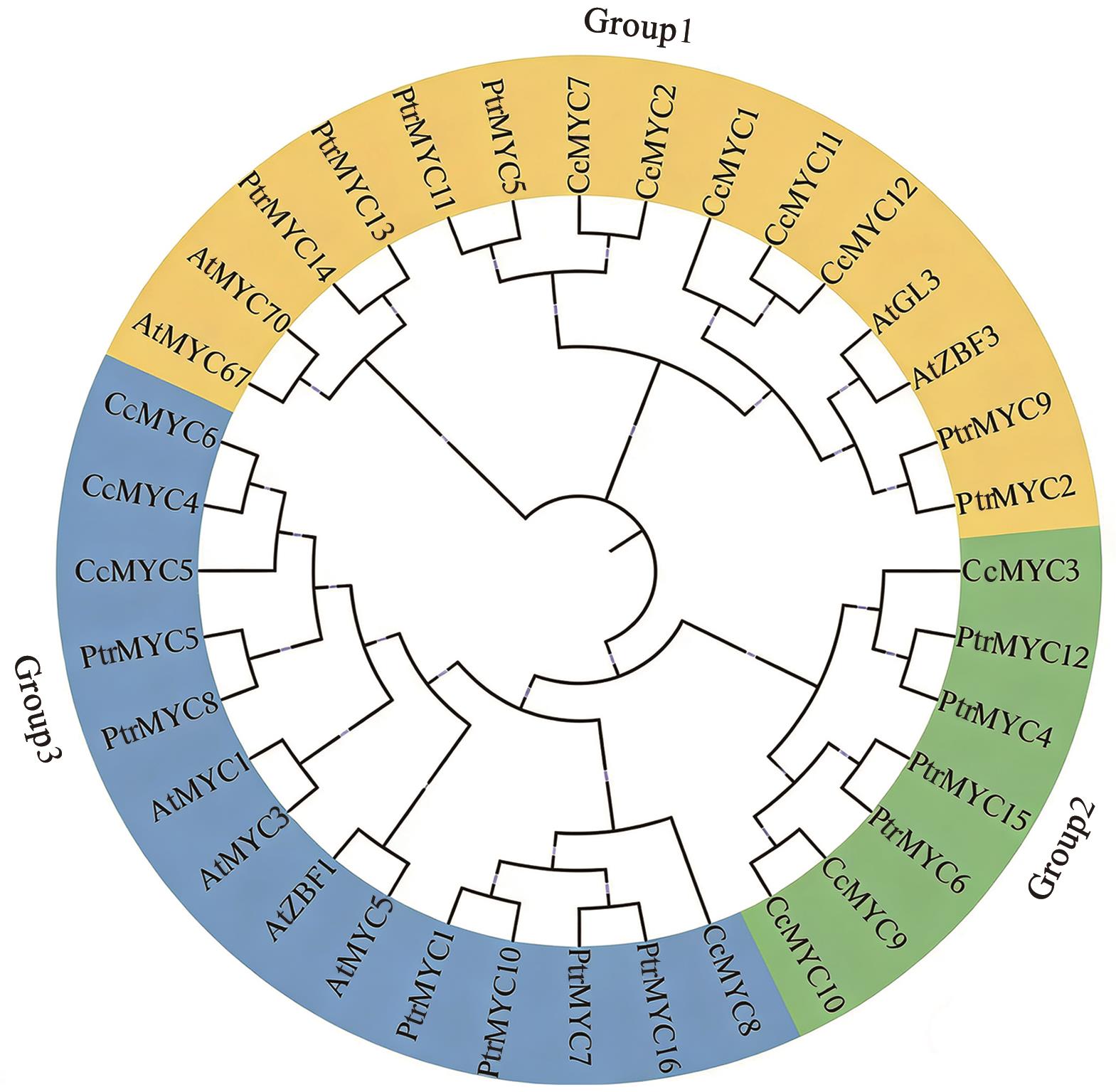
Fig. 1 Phylogenetic analysis of the MYCtranscription factor in C. camphora, A. thaliana, and P. trichocarpa
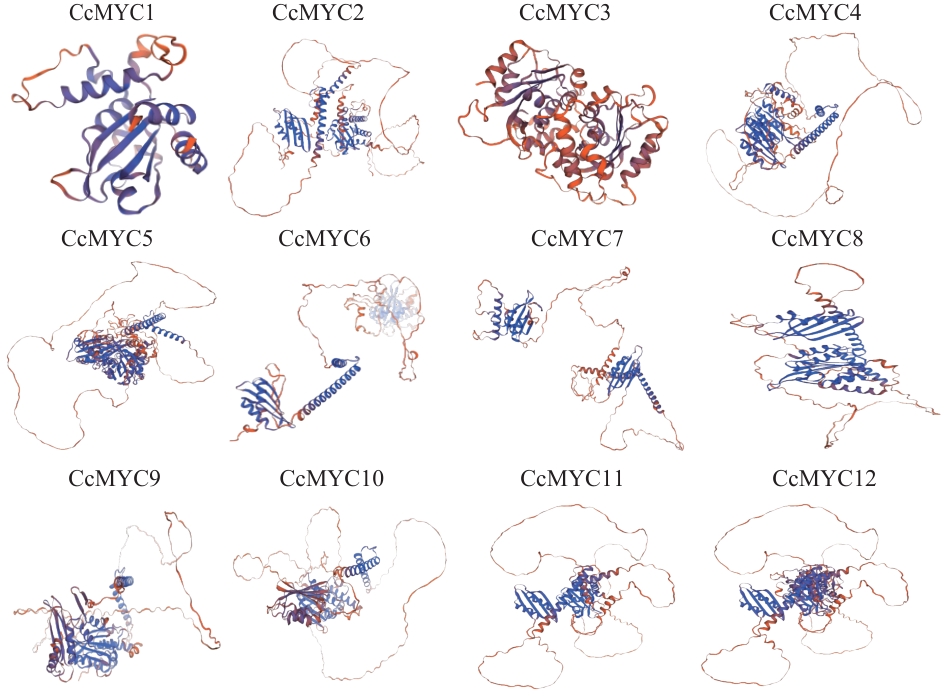
Fig. 2 Tertiary structure prediction of licorice MYC protein
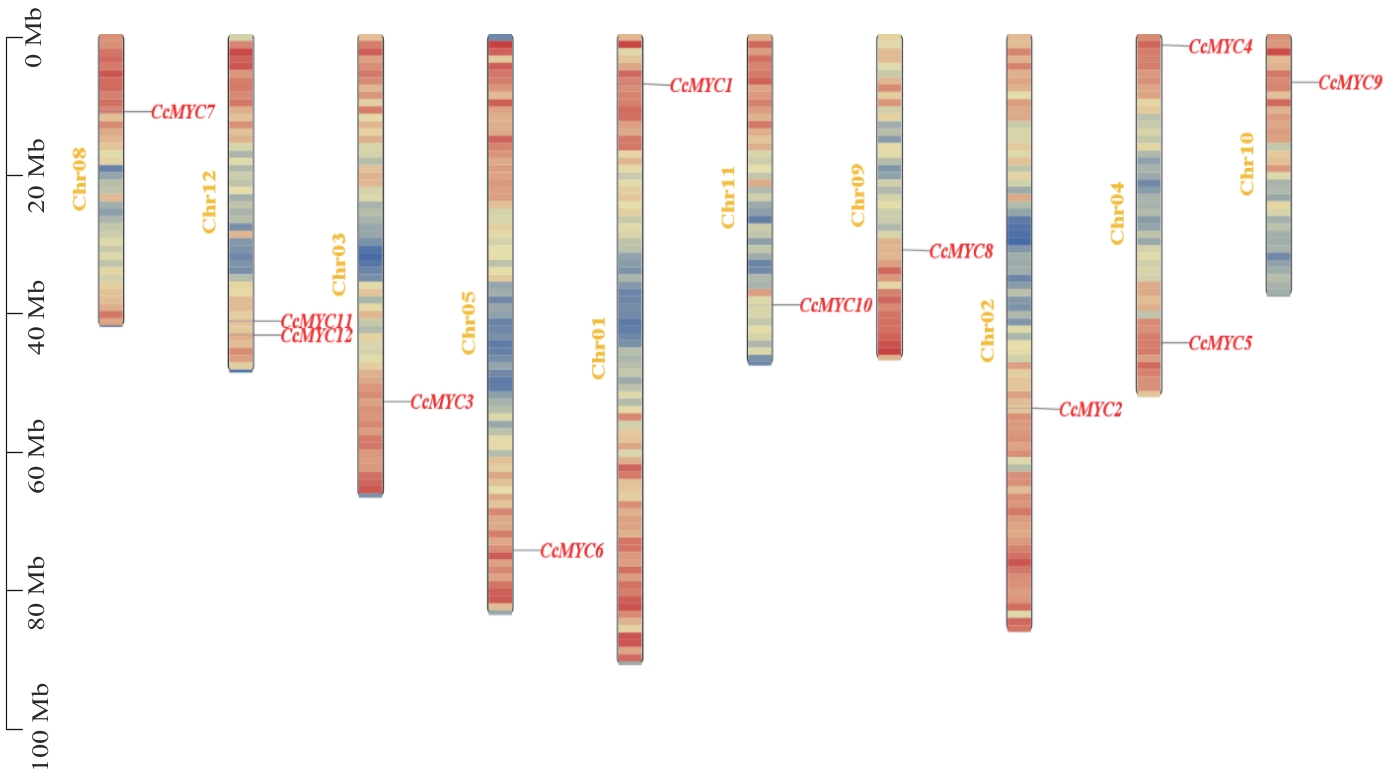
Fig. 3 Chromosomal localization analysis of MYC family members in C. camphora
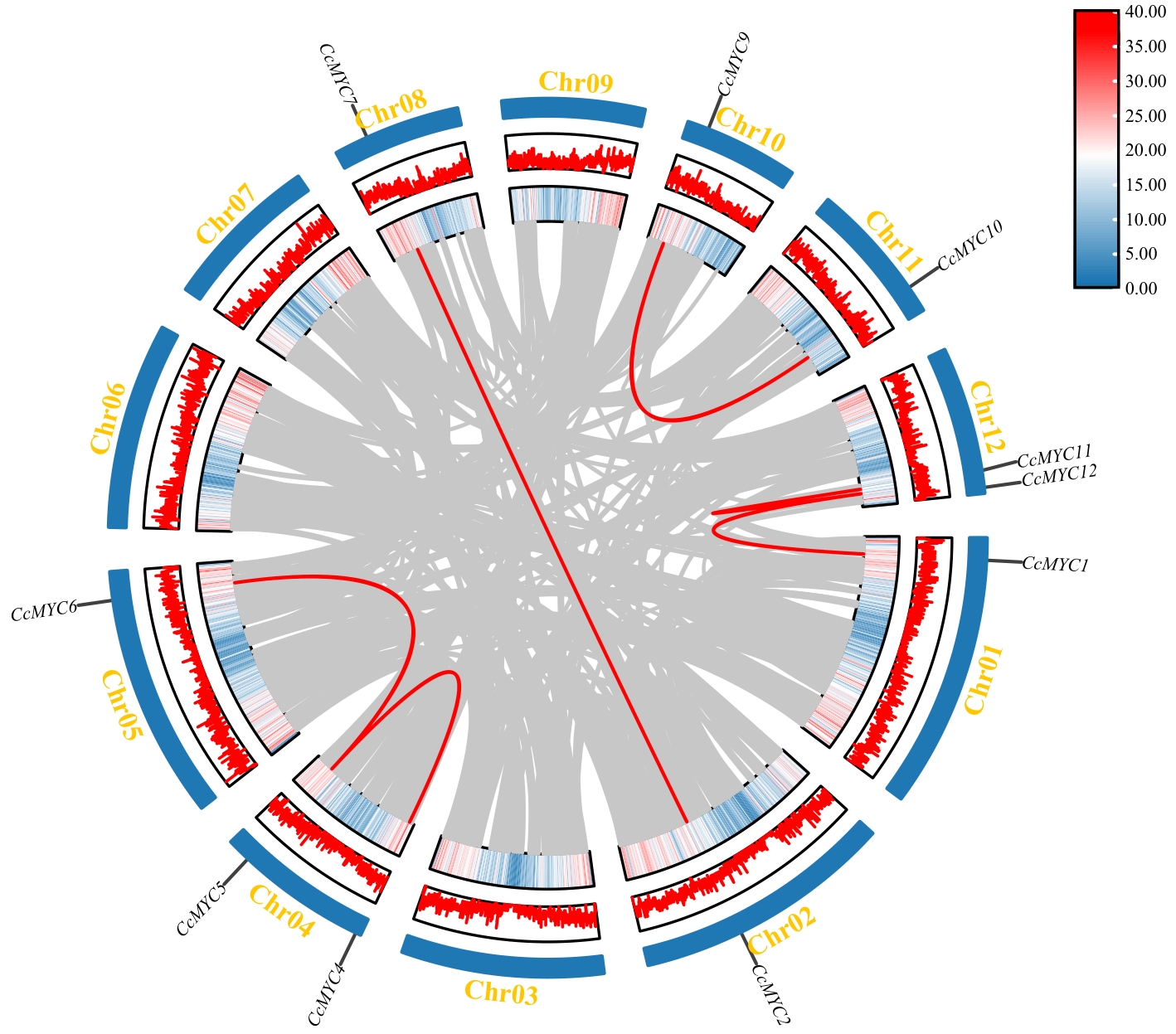
Fig. 4 Collinearity analysis of MYC gene family in C. camphora
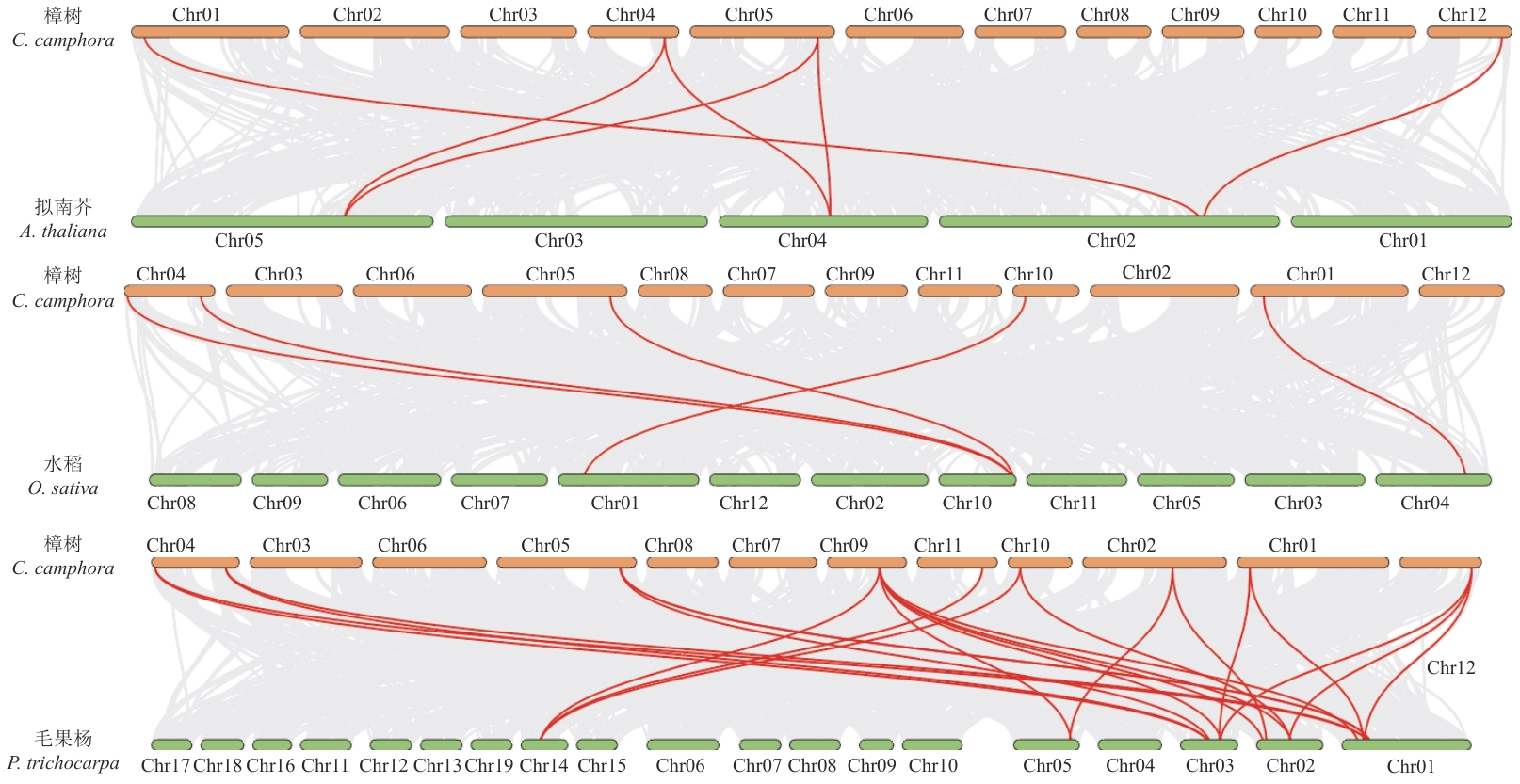
Fig. 5 Collinearity analysis of MYC gene family among C. camphora, A. thaliana and O. sativa
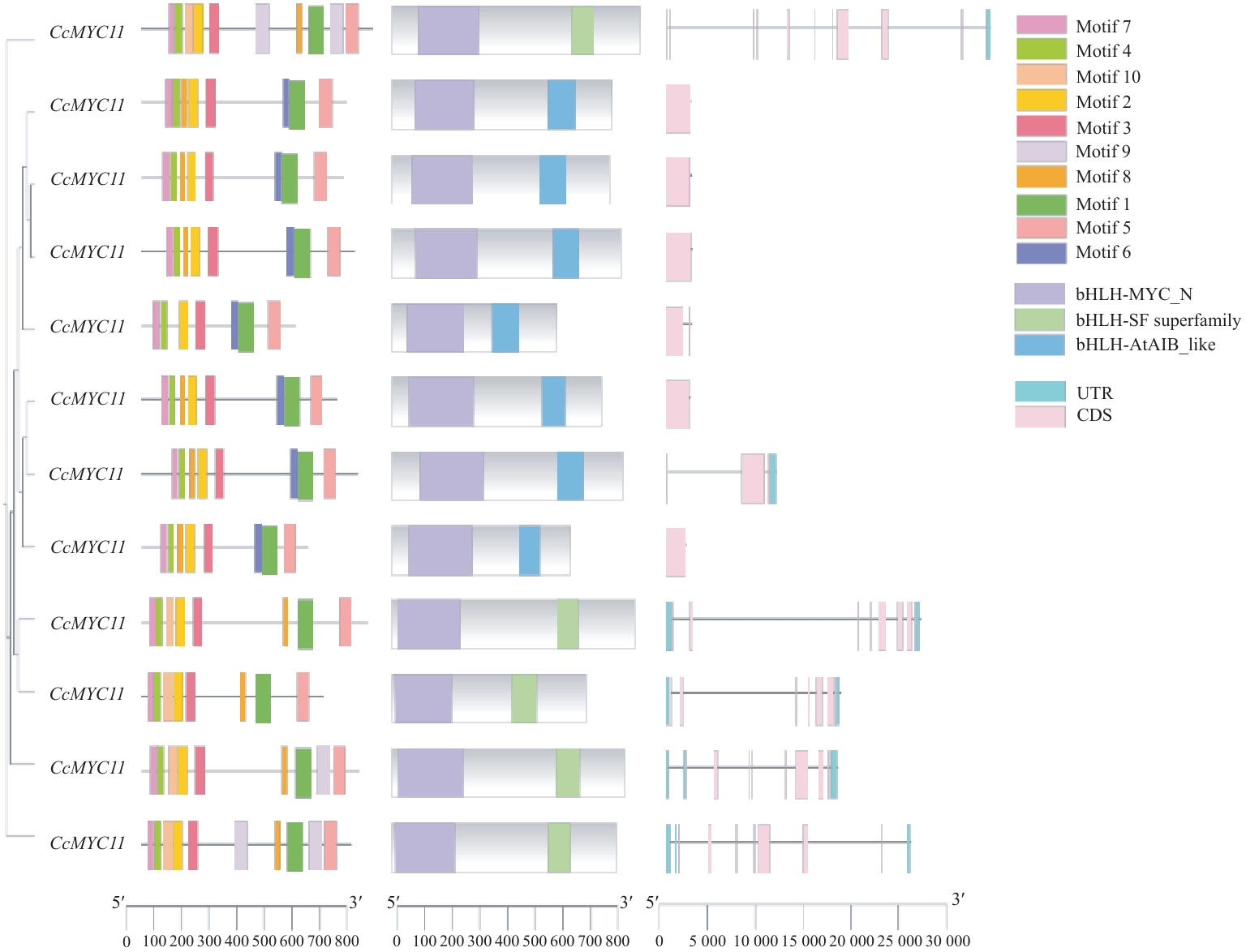
Fig. 6 Conserved motifs, conserved domains, and gene structure analysis of MYC genes family in C. camphora
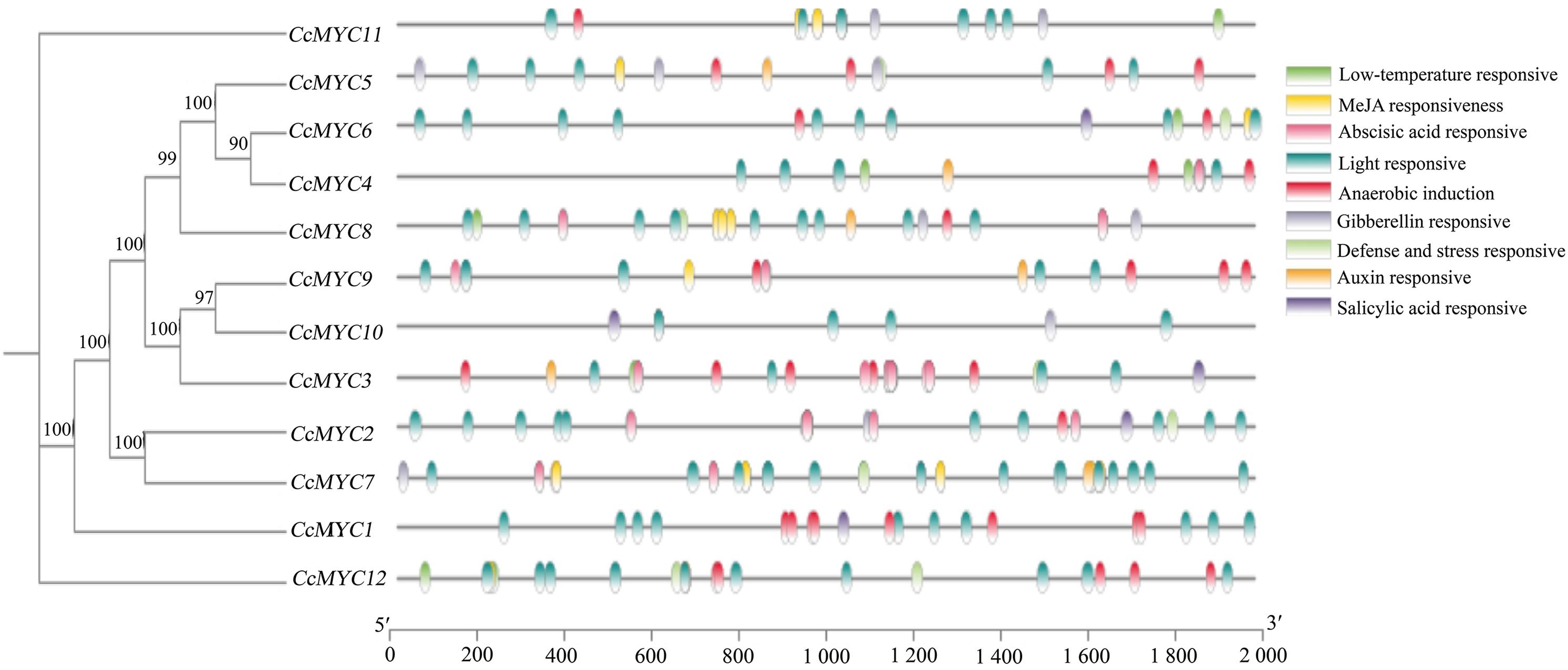
Fig.7 Prediction of cis-elements of the MYC gene family promoter in C. camphora
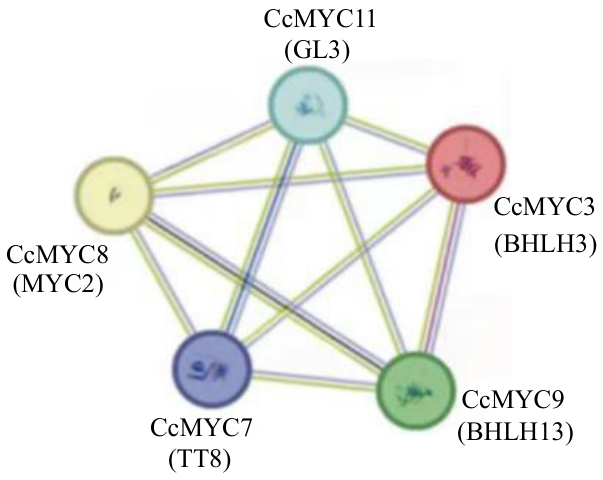
Fig. 8 Protein interaction network of orthologous MYC proteins in A. thaliana and C. camphora
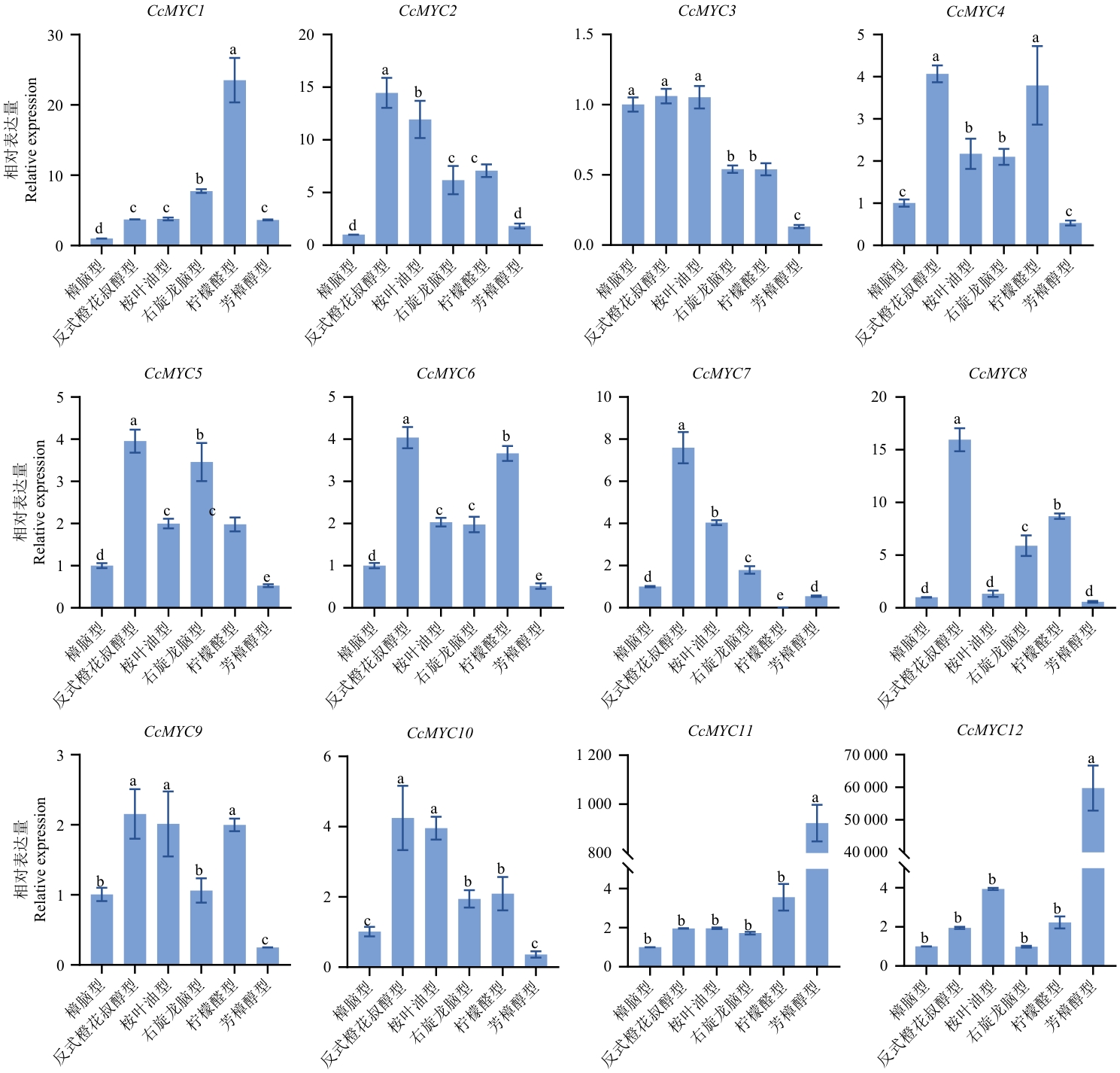
Fig. 9 Expressions of the MYC gene in six chemotypes of C. camphoraDifferent lowercase letters denote statistically significant differences (P<0.05)
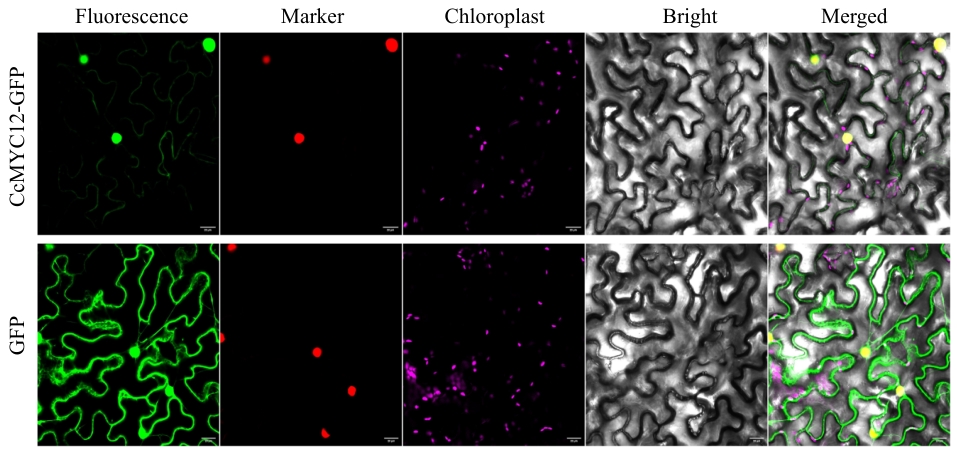
Fig. 10 Subcellular localization of CcMYC12
| [1] | Li JZ, Li GL, Zhu CS, et al. Genome-wide identification and expression analysis of bHLH-MYC family genes from mustard that may be important in trichome formation [J]. Plants, 2025, 14(2): 268. |
| [2] | 周生财, 林仕雄, 宋敏燕, 等. 樟树bHLH基因家族鉴定及其在两个化学型中的表达分析 [J]. 分子植物育种, 2025, 23(9): 2948-2959. |
| Zhou SC, Lin SX, Song MY, et al. Identification of the bHLH gene family in Cinnamomum camphora and its expression analysis in two chemotypes [J]. Mol Plant Breed, 2025, 23(9): 2948-2959. | |
| [3] | Li ZW, Huang YS, Shen ZW, et al. Advances in functional studies of plant MYC transcription factors [J]. Theor Appl Genet, 2024, 137(8): 195. |
| [4] | Fernández-Calvo P, Chini A, Fernández-Barbero G, et al. The Arabidopsis bHLH transcription factors MYC3 and MYC4 are targets of JAZ repressors and act additively with MYC2 in the activation of jasmonate responses [J]. Plant Cell, 2011, 23(2): 701-715. |
| [5] | Chen SK, Zhao HY, Luo TL, et al. Characteristics and expression pattern of myc genes in Triticum aestivum, Oryza sativa, and Brachypodium distachyon [J]. Plants, 2019, 8(8): 274. |
| [6] | 马红霞, 欧阳旭, 程淋渊, 等. 甘草MYC基因家族鉴定及表达特异性分析 [J]. 农业生物技术学报, 2025, 33(8): 1711-1731. |
| Ma HX, Ouyang X, Cheng LY, et al. Identification and expression specificity analysis of the MYC gene family in licorice (Glycyrrhiza sp.) [J]. J Agric Biotechnol, 2025, 33(8): 1711-1731. | |
| [7] | 胡梦璇, 宋学勤, 刘颖丽, 等. 杨树MYC基因家族成员表达模式研究 [J]. 林业科学研究, 2023, 36(3): 32-40. |
| Hu MX, Song XQ, Liu YL, et al. Analysis of expression patterns of MYC family members in Populus [J]. For Res, 2023, 36(3): 32-40. | |
| [8] | 马少杰, 郭海洋, 尹江, 等. 毛果杨MYC基因家族生物信息学及转录组表达分析 [J/OL]. 分子植物育种, 2024: 1-18. . |
| Ma SJ, Guo HY, Yin J, et al. Bioinformatics and transcriptome expression analysis of MYC gene family in Populus trichocarpa [J/OL]. Mol Plant Breed, 2024: 1-18. . | |
| [9] | Hong GJ, Xue XY, Mao YB, et al. Arabidopsis MYC2 interacts with DELLA proteins in regulating sesquiterpene synthase gene expression [J]. Plant Cell, 2012, 24(6): 2635-2648. |
| [10] | Zong Y, Xi XY, Li SM, et al. Allelic variation and transcriptional isoforms of wheat TaMYC1 gene regulating anthocyanin synthesis in pericarp [J]. Front Plant Sci, 2017, 8: 1645. |
| [11] | Shoeva OY, Mock HP, Kukoeva TV, et al. Regulation of the flavonoid biosynthesis pathway genes in purple and black grains of Hordeum vulgare [J]. PLoS One, 2016, 11(10): e0163782. |
| [12] | Shen Q, Lu X, Yan TX, et al. The jasmonate-responsive AaMYC2 transcription factor positively regulates artemisinin biosynthesis in Artemisia annua [J]. New Phytol, 2016, 210(4): 1269-1281. |
| [13] | Zhang M, Jin XF, Chen Y, et al. TcMYC2, a basic helix-loop-helix transcription factor, transduces JA-signals and regulates taxol biosynthesis in Taxus chinensis [J]. Front Plant Sci, 2018, 9: 863. |
| [14] | Kumar S, Kumari R, Mishra S. Pharmacological properties and their medicinal uses of Cinnamomum: a review [J]. J Pharm Pharmacol, 2019, 71(12): 1735-1761. |
| [15] | Lee SH, Kim DS, Park SH, et al. Phytochemistry and applications of Cinnamomum camphora essential oils [J]. Molecules, 2022, 27(9): 2695. |
| [16] | 郑永杰. 樟属植物系统发育及其萜类化学型多样性分子基础研究 [D]. 北京: 中国林业科学研究院, 2022. |
| Zheng YJ. Cinnamomum phylogeny and molecular basis investigation of the terpene chemotypes diversity [D]. Beijing: Chinese Academy of Forestry, 2022. | |
| [17] | Dong YM, Zhang WY, Li JR, et al. The transcription factor LaMYC4 from lavender regulates volatile Terpenoid biosynthesis [J]. BMC Plant Biol, 2022, 22: 289. |
| [18] | Wang XD, Xu CY, Zheng YJ, et al. Chromosome-level genome assembly and resequencing of camphor tree (Cinnamomum camphora) provides insight into phylogeny and diversification of terpenoid and triglyceride biosynthesis of Cinnamomum [J]. Hortic Res, 2022, 9: uhac216. |
| [19] | Yang J, Duan GH, Li CQ, et al. The crosstalks between jasmonic acid and other plant hormone signaling highlight the involvement of jasmonic acid as a core component in plant response to biotic and abiotic stresses [J]. Front Plant Sci, 2019, 10: 1349. |
| [20] | Srivastava AK, Dutta S, Chattopadhyay S. MYC2 regulates ARR16, a component of cytokinin signaling pathways, in Arabidopsis seedling development [J]. Plant Direct, 2019, 3(11): e00177. |
| [21] | 郝立冬, 郭海滨, 李明, 等. 玉米MYC基因家族的结构特点和表达模式分析 [J]. 基因组学与应用生物学, 2021, 40(4): 1748-1753. |
| Hao LD, Guo HB, Li M, et al. Analysis of characteristics and expression pattern of maize MYC gene family [J]. Genom Appl Biol, 2021, 40(4): 1748-1753. | |
| [22] | 周家豪, 张冀芳, 邓勇, 等. 甜橙MYC转录因子家族鉴定与全基因组生物信息学分析 [J]. 中国麻业科学, 2025, 47(2): 65-75, 101. |
| Zhou JH, Zhang JF, Deng Y, et al. Identification and bioinformatics analysis of sweet orange transcription factor MYC family [J]. Plant Fiber Sci China, 2025, 47(2): 65-75, 101. | |
| [23] | Ren YJ, Zou WH, Feng JF, et al. Characterization of the sugarcane MYC gene family and the negative regulatory role of ShMYC4 in response to pathogen stress [J]. Ind Crops Prod, 2022, 176: 114292. |
| [24] | Liang JX, Fang YY, An C, et al. Genome-wide identification and expression analysis of the bHLH gene family in passion fruit (Passiflora edulis) and its response to abiotic stress [J]. Int J Biol Macromol, 2023, 225: 389-403. |
| [25] | 段龙飞, 李文燕, 黄文洁, 等. 植物转录因子MYC基因家族的生物信息学分析 [J]. 分子植物育种, 2026, 24(3): 778-788. |
| Duan LF, Li WY, Huang WJ, et al. Bioinformatics analysis of plant transcription factors MYC gene family [J]. Mol Plant Breed, 2026, 24(3): 778-788. | |
| [26] | Feng ZX, Sun L, Dong MM, et al. Identification and functional characterization of CsMYCs in cucumber glandular trichome development [J]. Int J Mol Sci, 2023, 24(7): 6435. |
| [27] | Ohta M, Sato A, Na RH, et al. MYC-type transcription factors, MYC67 and MYC70, interact with ICE1 and negatively regulate cold tolerance in Arabidopsis [J]. Sci Rep, 2018, 8: 11622. |
| [28] | Xu WJ, Grain D, Le Gourrierec J, et al. Regulation of flavonoid biosynthesis involves an unexpected complex transcriptional regulation of TT8 expression, in Arabidopsis [J]. New Phytol, 2013, 198(1): 59-70. |
| [29] | Bailey PC, Martin C, Toledo-Ortiz G, et al. Update on the basic helix-loop-helix transcription factor gene family in Arabidopsis thaliana [J]. Plant Cell, 2003, 15(11): 2497-2502. |
| [30] | Gao F, Dubos C. The Arabidopsis bHLH transcription factor family [J]. Trends Plant Sci, 2024, 29(6): 668-680. |
| [31] | Payne CT, Zhang F, Lloyd AM. GL3 encodes a bHLH protein that regulates trichome development in Arabidopsis through interaction with GL1 and TTG1 [J]. Genetics, 2000, 156(3): 1349-1362. |
| [32] | Hernandez-Garcia CM, Finer JJ. Identification and validation of promoters and cis-acting regulatory elements [J]. Plant Sci, 2014, 217: 109-119. |
| [33] | Liu JH, Peng T, Dai WS. Critical cis-acting elements and interacting transcription factors: key players associated with abiotic stress responses in plants [J]. Plant Mol Biol Rep, 2014, 32(2): 303-317. |
| [34] | Mahajan M, Kuiry R, Pal PK. Understanding the consequence of environmental stress for accumulation of secondary metabolites in medicinal and aromatic plants [J]. J Appl Res Med Aromat Plants, 2020, 18: 100255. |
| [35] | 张济萌. 茉莉酸甲酯对冬凌草次生代谢的调控机理研究 [D]. 郑州: 郑州大学, 2021. |
| Zhang JM. Regulation mechanism of methyl jasmonate on secondary metabolism of Isodon rubescens [D]. Zhengzhou: Zhengzhou University, 2021. | |
| [36] | 秦娟, 卢蔚雯, 李斌, 等. 红花WRKY基因家族全基因组鉴定及其表达分析 [J]. 农业生物技术学报, 2025, 33(9): 1907-1920. |
| Qin J, Lu WW, Li B, et al. Genome wide identification and expression analysis of the WRKY gene family in safflower (Carthamus tinctorius) [J]. J Agric Biotechnol, 2025, 33(9): 1907-1920. | |
| [37] | 匡雪君. 二萜类化合物紫杉醇和丹参酮的生物合成与调控研究 [D]. 北京: 北京协和医学院, 2020. |
| Kuang XJ. Studies on the biosynthesis and regulation of diterpenoids, taxol and tanshinones [D]. Beijing: Peking Union Medical College, 2020. |
| [1] | HUANG Xu-sheng, ZHOU Ya-li, JIA Zheng-rong, SHEN Shan, CHEN Jin-chai, ZHOU Guang-li, LI Xin-xin, WANG Ji-ping, LI Run-zhi, JIA Xiao-yun. Whole-genome Identification of the Perilla frutescens ARF Transcription Factor Family and Functional Analysis of Its Role in Abiotic Stress Responses [J]. Biotechnology Bulletin, 2026, 42(7): 148-162. |
| [2] | YAN Xiao-guang, DU Yan-wei, MA Zhi-yuan, WANG Bin, WANG Guo-liang, HU Dan-zhu. Genome-wide Identification and Expression Pattern Analysis of ZmDIR Gene Family in Maize [J]. Biotechnology Bulletin, 2026, 42(7): 126-137. |
| [3] | LI Xu-long, XU Shi-qiang, ZHANG Long, LI Jing-yu, HE Wei-xian, CHEN Li-kai, WANG Ji-hua. Genome-wide Identification, Evolution and Expression Pattern Analysis of Terpene Synthase Gene Family in Morinda officinalis [J]. Biotechnology Bulletin, 2026, 42(6): 314-325. |
| [4] | GUO Miao, XU Jia-jia, SUN Tian-guo, CAI Can, CAO Wan-di, BAO Ji-xing, SHA Wei, ZHANG Mei-juan, PENG Yi-fang, MA Tian-yi. Overexpression of RcOLEO1 Enhanced the Tolerance of Arabidopsis thaliana toDrought and High-temperature Stress [J]. Biotechnology Bulletin, 2026, 42(5): 312-322. |
| [5] | ZHANG Xin, CHEN Cheng, HUO Yuan-Bo, HUANG Ren-Li, ZHANG Li, ZHANG Kai, TONG Hua-rong, YUAN Lian-Yu. Cloning of the CsCRD1 in Tea Plants and Its Impact on Chlorophyll Biosynthesis [J]. Biotechnology Bulletin, 2026, 42(5): 280-291. |
| [6] | ZHANG Gao-xiang, WU Yu-bi, GUO Ya-jing, JI Wei, YANG Zhong-yi. Identification and Expression Analysis of WD40 Gene Family in Grape [J]. Biotechnology Bulletin, 2026, 42(3): 324-337. |
| [7] | LIU Lin-ya, LIU Huan-yan, LIANG Xin-yu, SONG Shu-yi, HE Bin, WANG Xu-ying, HUANG Ya-cheng. Genome-wide Identification and Expression Analysis of BGAL Gene Family in Actinidiachinensis var. Hongyang [J]. Biotechnology Bulletin, 2026, 42(3): 312-323. |
| [8] | LI Tian-yuan, QI Xin-liang, LIU Shan, ZHANG Jian-cheng, WANG Peng-fei, ZHANG Shuai, JIA Lu-ting, MU Xiao-peng. Identification of Cerasus humilisSPL Gene Family and Expression Analysis during Fruit Development [J]. Biotechnology Bulletin, 2026, 42(3): 362-373. |
| [9] | ZHUANG Na, HE Hong-li, ZHANG Xing-zheng. Genome-wide Identification and Expression Analysis of the SMXL Gene Family in Medicago truncatula [J]. Biotechnology Bulletin, 2026, 42(2): 250-266. |
| [10] | LYU Cheng-cong, HENG Meng, CHEN Si-qi, JIN Xue-hua. Cloning and Functional Analysis of ZhGSTF Related to Anthocyanin Transport Zantedeschia hybrida [J]. Biotechnology Bulletin, 2026, 42(1): 161-169. |
| [11] | YANG Juan, FENG Hui, JI Nai-zhe, SUN Li-ping, WANG Yun, ZHANG Jia-nan, ZHAO Shi-wei. Cloning and Functional Analysis of AP2/ERF Transcription Factors RcERF4 and RcRAP2-12 in Rose [J]. Biotechnology Bulletin, 2026, 42(1): 150-160. |
| [12] | WU Cui-cui, CHEN Deng-ke, LAN Gang, XIA Zhi, LI Peng-bo. Bioinformatics Analysis of Peanut Transcription Factor AhHDZ70 and Its Tolerances to Salt and Drought [J]. Biotechnology Bulletin, 2026, 42(1): 198-207. |
| [13] | CHENG Ting-ting, LIU Jun, WANG Li-li, LIAN Cong-long, WEI Wen-jun, GUO Hui, WU Yao-lin, YANG Jing-fan, LAN Jin-xu, CHEN Sui-qing. Genome-wide Identification of the Chalcone Isomerase Gene Family in Eucommia ulmoides and Analysis of Their Expression Patterns [J]. Biotechnology Bulletin, 2025, 41(9): 242-255. |
| [14] | XU Xiao-ping, YANG Cheng-long, HE Xing, GUO Wen-jie, WU Jian, FANG Shao-zhong. Cloning of the LoAPS1 and Its Function Analysis during the Process of Dormancy Release in Lilium [J]. Biotechnology Bulletin, 2025, 41(9): 195-206. |
| [15] | DONG Xiang-xiang, MIAO Bai-ling, XU He-juan, CHEN Juan-juan, LI Liang-jie, GONG Shou-fu, ZHU Qing-song. Bioinformatics Analysis and Flowering Regulation Function of FveBBX20 Gene in Woodland Strawberry [J]. Biotechnology Bulletin, 2025, 41(9): 115-123. |
| Viewed | ||||||
|
Full text |
|
|||||
|
Abstract |
|
|||||
