






Biotechnology Bulletin ›› 2026, Vol. 42 ›› Issue (10): 257-268.doi: 10.13560/j.cnki.biotech.bull.1985.2025-1317
LIU Hong-jun1, ZHANG sheng1, YANG Wei-ping1, LU Geng-long1, BAI Yu-guo1, LI Wan-di1, NIU Jing-ping1,2, LIANG Jian-ping1,2( ), SHI Zhi-yong1,2()
Received:2025-12-04
Online:2026-10-26
Published:2026-10-15
Contact:
LIANG Jian-ping, SHI Zhi-yong
E-mail:liangjp@sxau.edu.cn;shizy@sxau.edu.cn
LIU Hong-jun, ZHANG sheng, YANG Wei-ping, LU Geng-long, BAI Yu-guo, LI Wan-di, NIU Jing-ping, LIANG Jian-ping, SHI Zhi-yong. Mechanisms of Arbuscular Mycorrhizal Fungal Symbiosis in Promoting Growth of Astragalus Seedlings[J]. Biotechnology Bulletin, 2026, 42(10): 257-268.
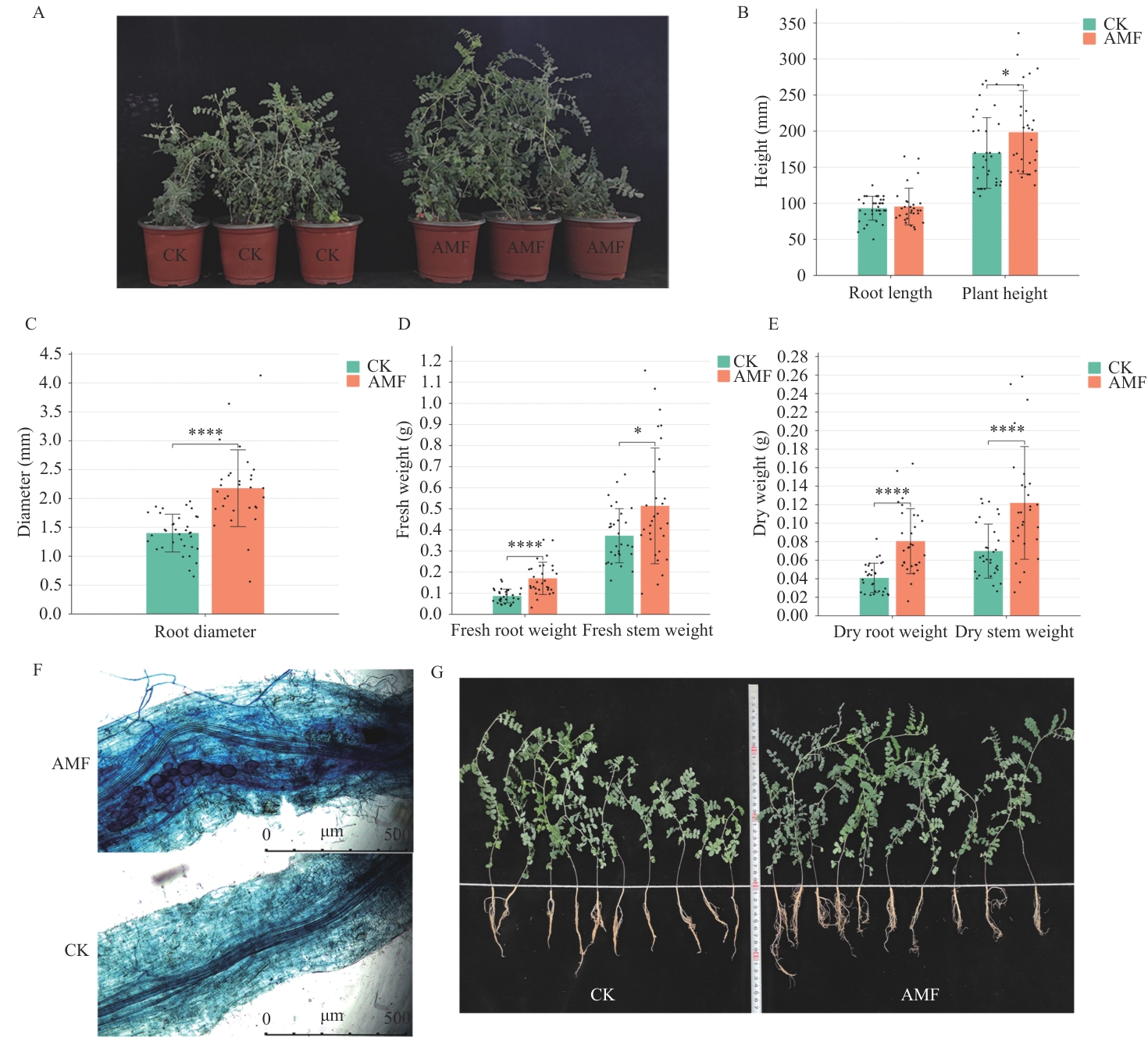
Fig. 1 The influence of AMF inoculation treatment on growth and development of Astragalus membranaceusA, G: Phenotypic characteristics of mycorrhizal and non-mycorrhizal plants after 90 days of growth. B-E: Root length, plant height, taproot diameter, and fresh and dry weights of belowground and aboveground parts of mycorrhizal and non-mycorrhizal plants after 90 days of growth. F: Root staining of inoculated and non-inoculated plants after 90 days. *P<0.05. ****P<0.000 1
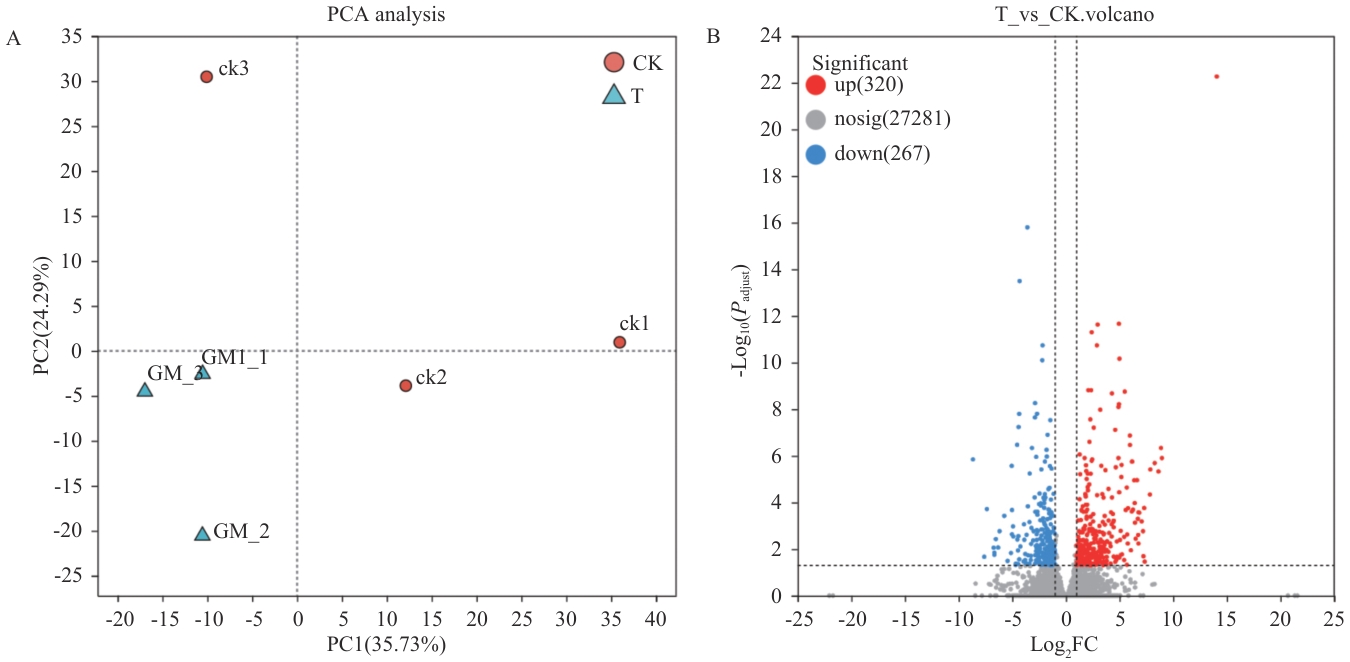
Fig. 2 PCA analysis and volcano plot of differentially expressed genes of transcriptome dataA: PCA analysis among samples. B: Differentially expressed genes identified by comparative analysis between AMF and CK groups, with screening thresholds set as |log₂FC|≥1 & Padjust<0.05. A total of 320 up-regulated genes are marked in red, and 267 down-regulated genes are marked in blue
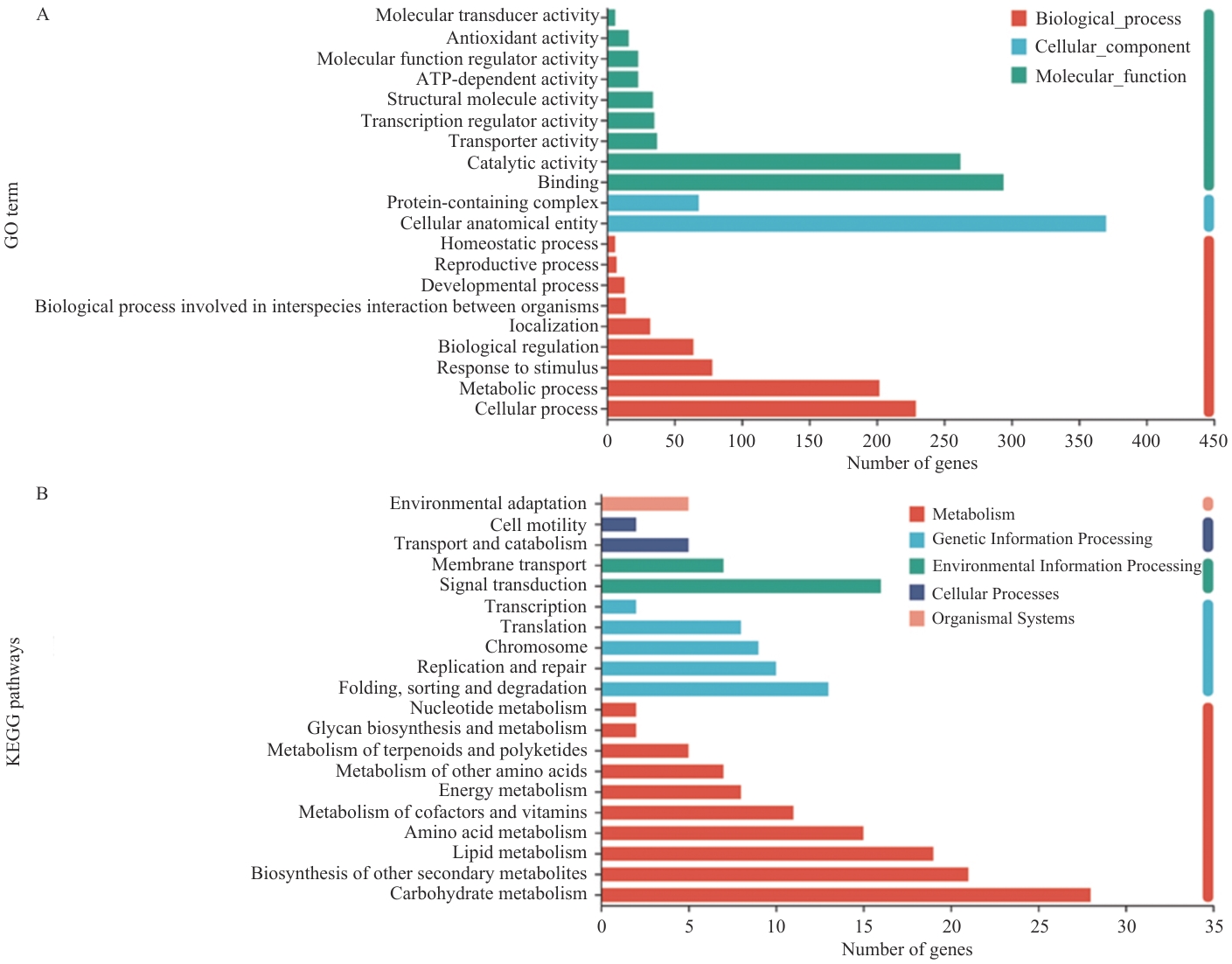
Fig. 3 Functional annotation of differentially expressed genesA: GO functional annotation; B: KEGG functional annotation
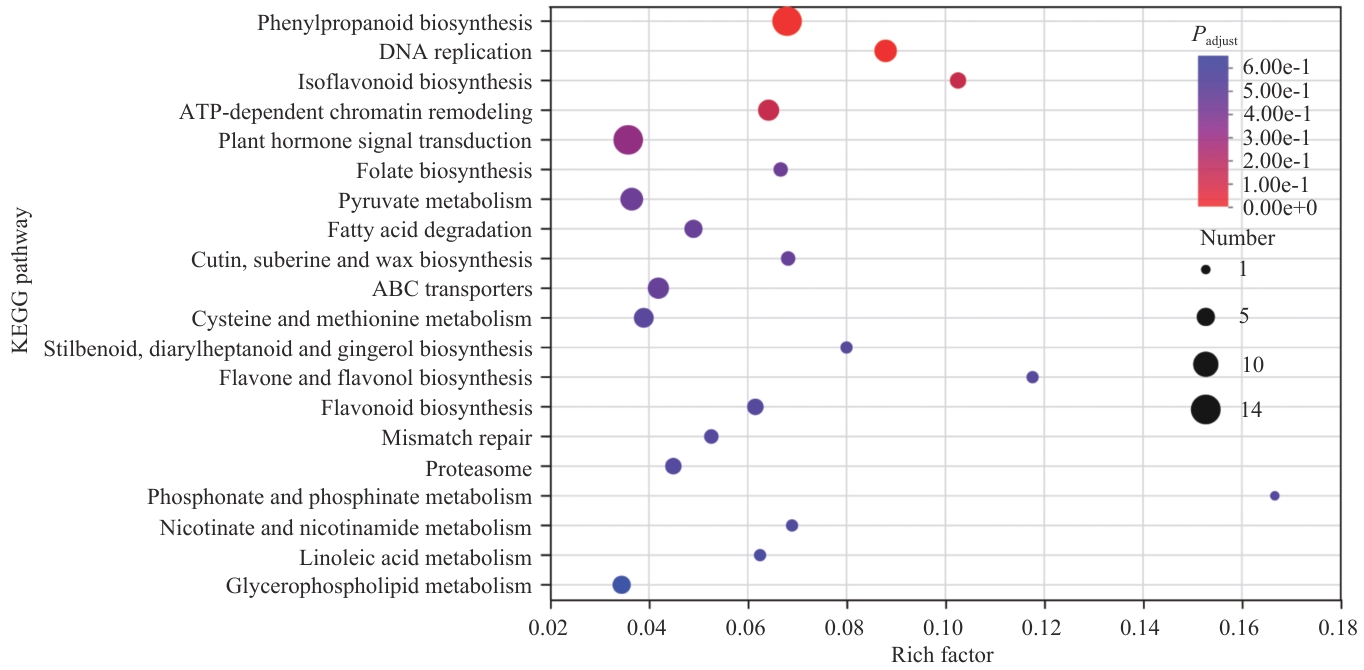
Fig. 4 KEGG pathway enrichment of DEGsThe x-axis indicates to the number of pathway-specific DEGs divided by the total number of DEGs, the y-axis represents the KEGG pathways
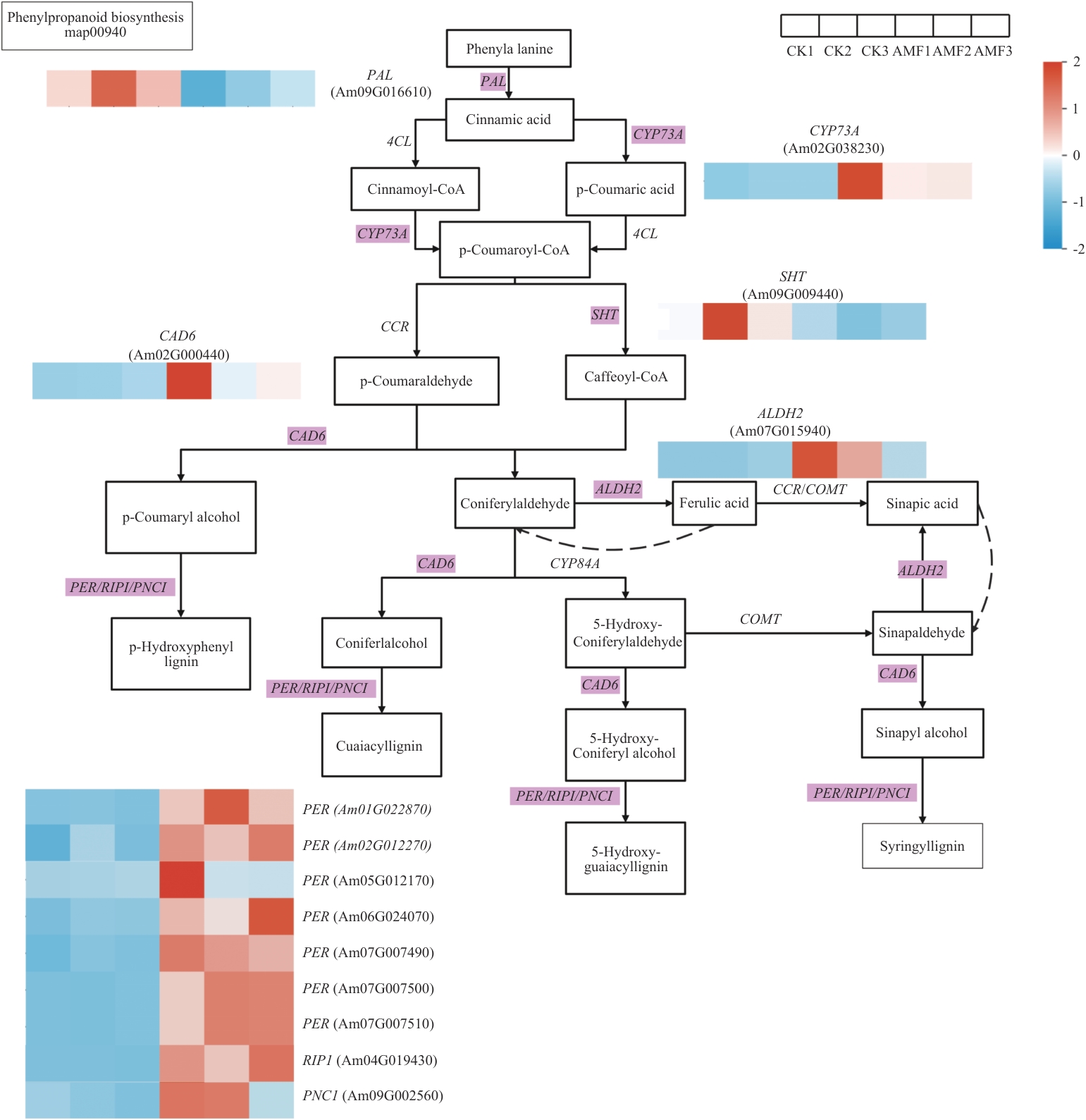
Fig. 5 Phenylpropanoid biosynthesis pathwayPAL: Phenylalanine ammonia-lyase; CYP73A: Cinnamate-4-hydroxylase; 4CL: 4-coumarate: CoA ligase; SHT: Serotonin N-hydroxycinnamoyltransferase; CCR: Cinnamoyl-CoA reductase; CAD6: Cinnamyl alcohol dehydrogenase 6; PER/RIP1/PNC1: Peroxidases; ALDH2: Aldehyde dehydrogenase 2. Genes marked in purple are differentially expressed genes, accompanied by a gene expression heatmap
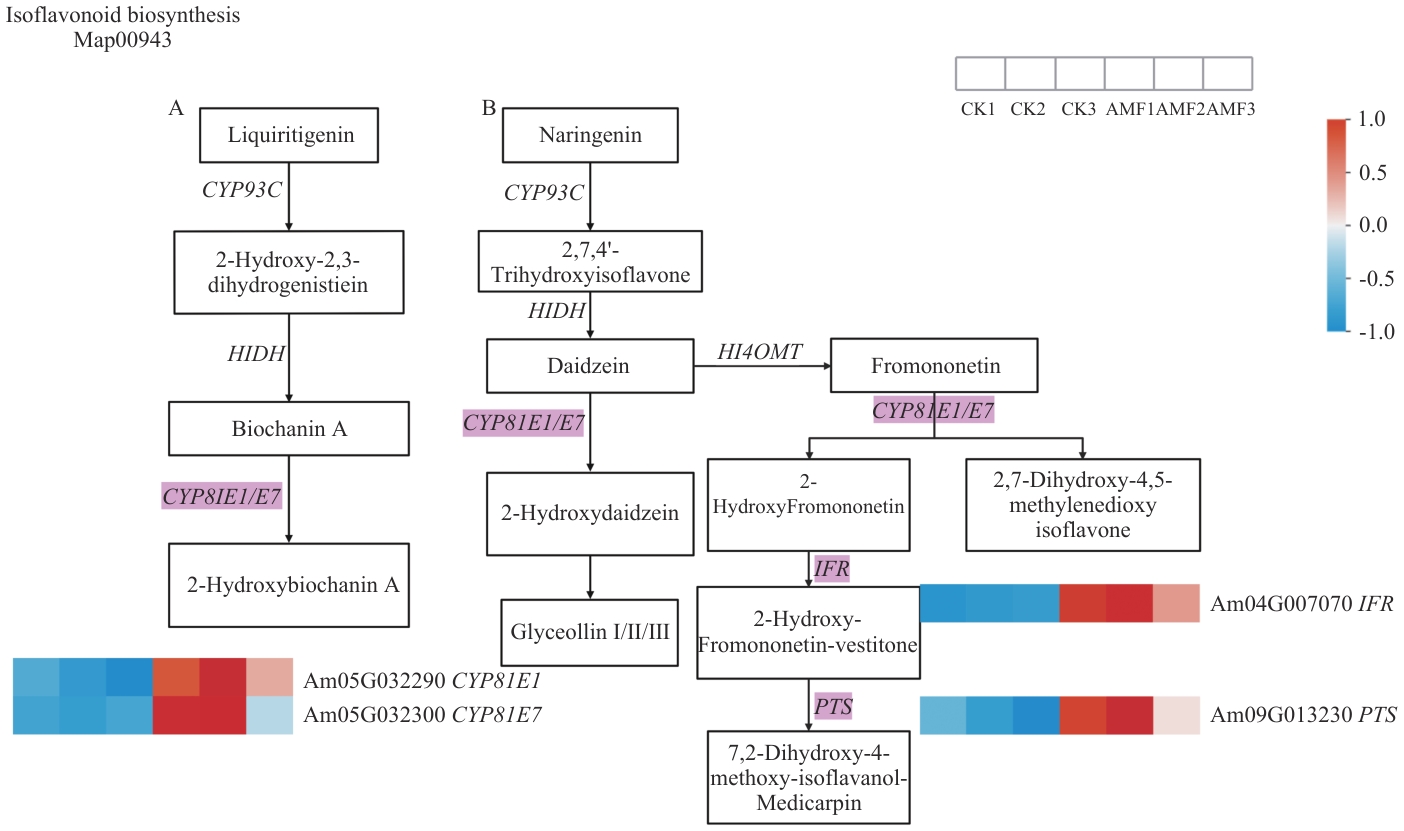
Fig. 6 Isoflavonoid biosynthesis pathwayCYP93C: Cytochrome P450 enzyme family; CYP81E1/E7: Cytochrome P450 enzyme; IFR: Cytochrome P450 monooxygenase; PTS: Pterocarpan synthase. Genes marked in purple are differentially expressed genes, accompanied by a gene expression heatmap
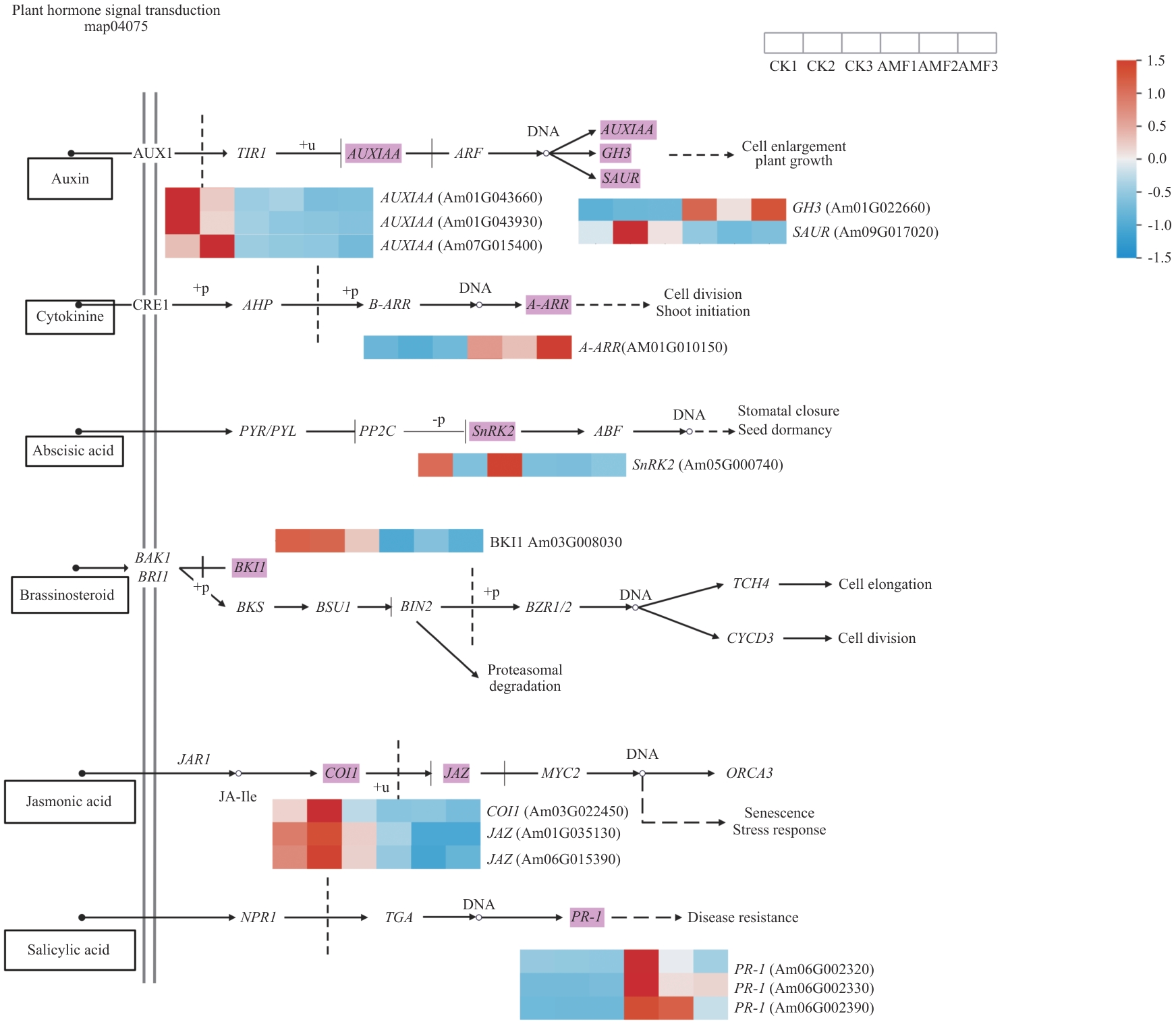
Fig. 7 Plant hormone signal transduction pathwayAuxin: Auxin; AUX/IAA, GH3, SAUR: Early auxin-responsive genes. Cytokinin: Cytokinin; A-ARR: Cytokinin response factor. Abscisic acid: Abscisic acid; SnRK2: Sucrose non-fermenting-1-related protein kinase 2. Brassinosteroid: Brassinosteroid; BKI1: Negative regulator of brassinolide receptor kinase BRI1. Jasmonic acid: Jasmonic acid; COI1: Jasmonate receptor; JAZ: Transcriptional repressor. Salicylic acid: Salicylic acid; PR-1: Pathogenesis-related protein 1. Genes marked in purple are differentially expressed genes, accompanied by a gene expression heatmap
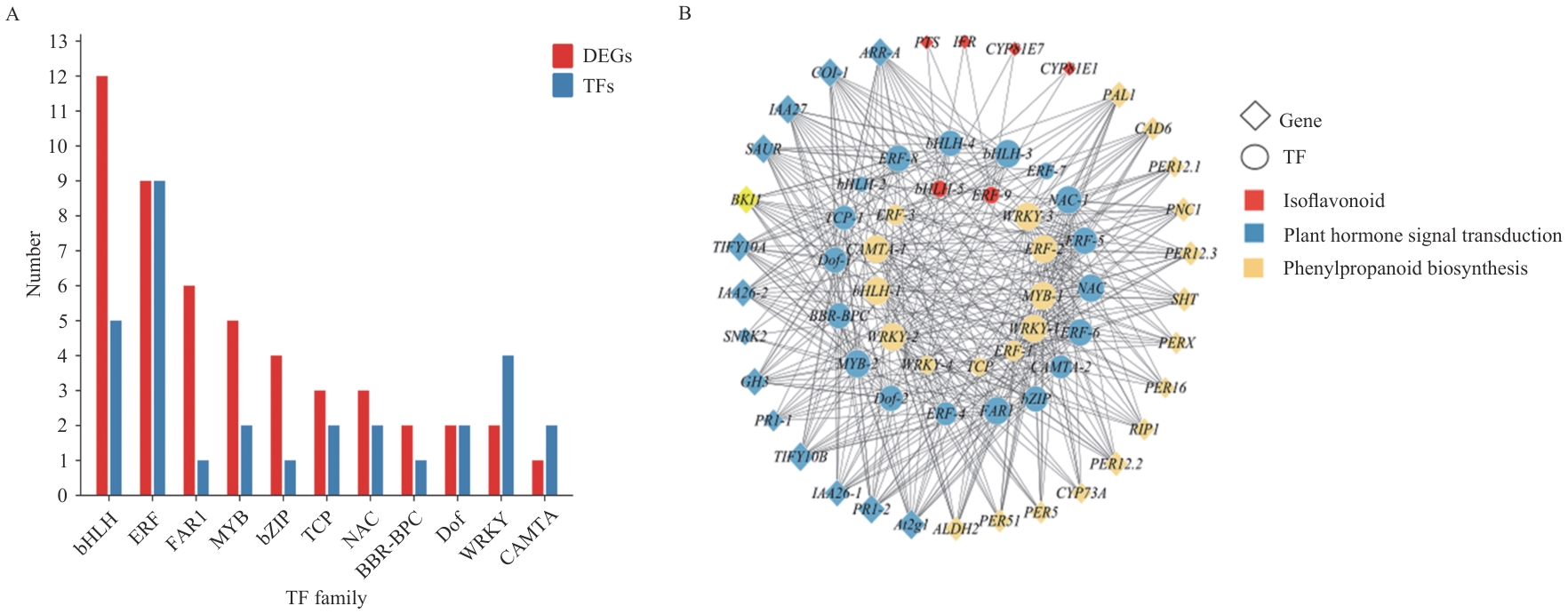
Fig. 8 Transcription factor regulatory networkA: The number of DEGs regulated by different transcription factor families, and the size of each respective family. B: Regulatory network diagram of differentially expressed genes and transcription factors in the three pathways
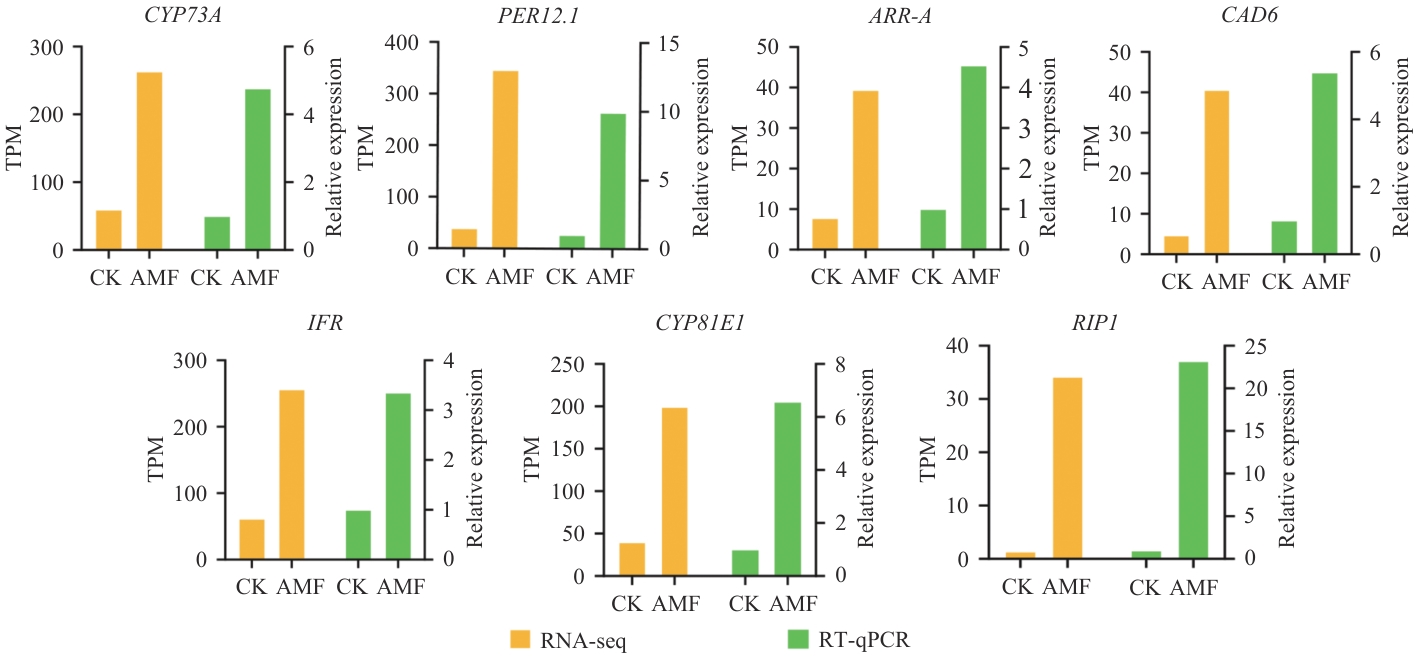
Fig. 9 Validation of differentially expressed genes using RT-qPCRCK: Samples not inoculated with G. mosseae; AMF: Samples inoculated with G. mosseae
| [1] | Dong PB, Wang LJ, Qiu DY, et al. Evaluation of the environmental factors influencing the quality of Astragalus membranaceus var. mongholicus based on HPLC and the Maxent model [J]. BMC Plant Biol, 2024, 24: 697. |
| [2] | 胡明勋, 陈安家, 郭宝林, 等. 影响山西恒山野生蒙古黄芪质量的环境因素研究 [J]. 中草药, 2012, 43(5): 984-989. |
| Hu MX, Chen AJ, Guo BL, et al. Effects of environmental factors on quality of wild Astragalus membranaceus var. mongholicus grown in Hengshan Mountain, Shanxi Province [J]. Chin Tradit Herb Drugs, 2012, 43(5): 984-989. | |
| [3] | 张雨晴, 王蕾. 黄芪双向调节血压的作用机制研究进展 [J]. 国际中医中药杂志, 2019, 41(8): 907-910. |
| Zhang YQ, Wang L. Review of mechanism on Astragalus membranaceus in two-ways regulation of blood pressure [J]. Inter J Tradit Chin Med, 2019, 41(8):907-910. | |
| [4] | Fu J, Wang ZH, Huang LF, et al. Review of the botanical characteristics, phytochemistry, and pharmacology of Astragalus membranaceus (Huangqi) [J]. Phytother Res, 2014, 28(9): 1275-1283. |
| [5] | 周易, 李新星, 邹宇轩, 等. 不同种植模式黄芪药材质量与综合效益评价 [J]. 中国现代中药, 2025, 27(2): 296-303. |
| Zhou Y, Li XX, Zou YX, et al. Quality and comprehensive benefits of Astragalus membranaceus var. mongholicus cultivated in different patterns [J]. Mod Chin Med, 2025, 27(2): 296-303. | |
| [6] | 关佳莉, 丛悦, 徐媛媛, 等. 不同种植模式下黄芪根际环境与活性成分相关性研究 [J]. 中草药, 2025, 56(12): 4399-4409. |
| Guan JL, Cong Y, Xu YY, et al. Correlation between rhizosphere environment and contents of active components of Astragali Radix from different cropping modes [J]. Chin Tradit Herb Drugs, 2025, 56(12): 4399-4409. | |
| [7] | 李志军, 孙德智, 贾俊英, 等. 不同栽培方式对蒙古黄芪药效品质及土壤微生态的影响 [J]. 时珍国医国药, 2024, 35(1): 197-200. |
| Li ZJ, Sun DZ, Jia JY, et al. Effects of different cultivation methods on pharmacological quality and soil microecology of Astragalus mongholicus [J]. Lishizhen Med Mater Med Res, 2024, 35(1): 197-200. | |
| [8] | 陈燕, 张鑫, 张丹, 等. 微生物菌肥对黄芪生长、活性物质积累及土壤养分吸收的影响 [J]. 中草药, 2025, 56(11): 4057-4068. |
| Chen Y, Zhang X, Zhang D, et al. Effects of microbial fertilizers on plant growth, bioactive metabolites accumulation, and soil nutrient absorption of Astragalus mongholicus [J]. Chin Tradit Herb Drugs, 2025, 56(11): 4057-4068. | |
| [9] | 杨振宇, 王宝慧, 宋诗娟, 等. 固氮菌剂对黄芪生长、土壤养分及酶活性的影响 [J]. 山西农业科学, 2022, 50(6): 861-868. |
| Yang ZY, Wang BH, Song SJ, et al. Effects of nitrogen-fixing bacteria on growth of Astragalus membranaceus, soil nutrient, and enzyme activity [J]. J Shanxi Agric Sci, 2022, 50(6): 861-868. | |
| [10] | Liang JP, Xue ZQ, Yang ZY, et al. Effects of microbial organic fertilizers on Astragalus membranaceus growth and rhizosphere microbial community [J]. Ann Microbiol, 2021, 71: 11. |
| [11] | 樊良帅, 黄振斌, 晋小军, 等. 三种生物菌剂对黄芪根腐病防效及生长发育的影响 [J]. 农药学学报, 2025, 27(1): 160-170. |
| Fan LS, Huang ZB, Jin XJ, et al. Effects of three microbial agents on the control of Astragalus membranaceus var. mongholicus root rot and their influence growth and development [J]. Chin J Pestic Sci, 2025, 27(1): 160-170. | |
| [12] | Genre A, Lanfranco L, Perotto S, et al. Unique and common traits in mycorrhizal symbioses [J]. Nat Rev Microbiol, 2020, 18(11): 649-660. |
| [13] | Kaur S, Campbell BJ, Suseela V. Root metabolome of plant-arbuscular mycorrhizal symbiosis mirrors the mutualistic or parasitic mycorrhizal phenotype [J]. New Phytol, 2022, 234(2): 672-687. |
| [14] | Kakouridis A, Hagen JA, Kan MP, et al. Routes to roots: direct evidence of water transport by arbuscular mycorrhizal fungi to host plants [J]. New Phytol, 2022, 236(1): 210-221. |
| [15] | Wang GW, Jin ZX, George TS, et al. Arbuscular mycorrhizal fungi enhance plant phosphorus uptake through stimulating hyphosphere soil microbiome functional profiles for phosphorus turnover [J]. New Phytol, 2023, 238(6): 2578-2593. |
| [16] | Karthikeyan B, Abitha B, Henry AJ, et al. Interaction of rhizobacteria with arbuscular mycorrhizal fungi (AMF) and their role in stress abetment in agriculture [M]//Pagano MC. Recent Advances on Mycorrhizal Fungi. Cham: Springer International Publishing, 2016: 117-142. |
| [17] | Gao TT, Liu XM, Shan L, et al. Dopamine and arbuscular mycorrhizal fungi act synergistically to promote apple growth under salt stress [J]. Environ Exp Bot, 2020, 178: 104159. |
| [18] | Huang D, Ma MN, Wang Q, et al. Arbuscular mycorrhizal fungi enhanced drought resistance in apple by regulating genes in the MAPK pathway [J]. Plant Physiol Biochem, 2020, 149: 245-255. |
| [19] | Adeyemi NO, Atayese MO, Sakariyawo OS, et al. Alleviation of heavy metal stress by arbuscular mycorrhizal symbiosis in Glycine max (L.) grown in copper, lead and zinc contaminated soils [J]. Rhizosphere, 2021, 18: 100325. |
| [20] | Zhang CF, van der Heijden MGA, Dodds BK, et al. Correction: a tripartite bacterial-fungal-plant symbiosis in the mycorrhiza-shaped microbiome drives plant growth and mycorrhization [J]. Microbiome, 2024, 12: 30. |
| [21] | Bohrer KE, Friese CF, Amon JP. Seasonal dynamics of arbuscular mycorrhizal fungi in differing wetland habitats [J]. Mycorrhiza, 2004, 14(5): 329-337. |
| [22] | Wang SY, Wei H, Chen KY, et al. Practical Methods for Arbuscular Mycorrhizal Fungal Spore Density, Hyphal Density and Colonization Rate of AMF[M]//Microbiome Protocols eBook. Bio-101: e2104253. |
| [23] | Yang CQ, Fang X, Wu XM, et al. Transcriptional regulation of plant secondary metabolism [J]. J Integr Plant Biol, 2012, 54(10): 703-712. |
| [24] | 刘云龙, 钱浩宇, 张鑫, 等. 丛枝菌根真菌对豆科作物生长和生物固氮及磷素吸收的影响 [J]. 应用生态学报, 2021, 32(5): 1761-1767. |
| Liu YL, Qian HY, Zhang X, et al. Impacts of arbuscular mycorrhizal fungi (AMF) on growth, N bio-fixation, and phosphor-us uptake of legume crop [J]. Chin J Appl Ecol, 2021, 32(5): 1761-1767. | |
| [25] | Jing S, Li YC, Zhu LC, et al. Transcriptomics and metabolomics reveal effect of arbuscular mycorrhizal fungi on growth and development of apple plants [J]. Front Plant Sci, 2022, 13: 1052464. |
| [26] | Lynch J. Root architecture and plant productivity [J]. Plant Physiol, 1995, 109(1): 7-13. |
| [27] | Dong NQ, Lin HX. Contribution of phenylpropanoid metabolism to plant development and plant-environment interactions [J]. J Integr Plant Biol, 2021, 63(1): 180-209. |
| [28] | Boerjan W, Ralph J, Baucher M. Lignin biosynthesis [J]. Annu Rev Plant Biol, 2003, 54: 519-546. |
| [29] | Li MT, Cheng CX, Zhang XF, et al. Overexpression of pear (Pyrus pyrifolia) CAD2 in tomato affects lignin content [J]. Molecules, 2019, 24(14): 2595. |
| [30] | Cao KF, Wang SJ, Zhang HM, et al. Transcriptomic regulatory mechanisms of isoflavone biosynthesis in Trifolium pratense [J]. Agronomy, 2025, 15(5): 1061. |
| [31] | Sugiyama A, Yamazaki Y, Yamashita K, et al. Developmental and nutritional regulation of isoflavone secretion from soybean roots [J]. Biosci Biotechnol Biochem, 2016, 80(1): 89-94. |
| [32] | Tian F, Jia TJ, Yu BJ. Physiological regulation of seed soaking with soybean isoflavones on drought tolerance of Glycine max and Glycine soja [J]. Plant Growth Regul, 2014, 74(3): 229-237. |
| [33] | Waadt R, Seller CA, Hsu PK, et al. Plant hormone regulation of abiotic stress responses [J]. Nat Rev Mol Cell Biol, 2022, 23(10): 680-694. |
| [34] | Kang NY, Kim MJ, Jeong S, et al. HIGH PLOIDY2-mediated SUMOylation of transcription factor ARR1 controls two-component signaling in Arabidopsis [J]. Plant Cell, 2024, 36(9): 3521-3542. |
| [35] | Dar MH, Razvi SM, Singh N, et al. Arbuscular mycorrhizal fungi for salinity stress: Anti-stress role and mechanisms [J]. Pedosphere, 2023, 33(1): 212-224. |
| [36] | Ruiz-Lozano JM, Aroca R, Zamarreño ÁM, et al. Arbuscular mycorrhizal symbiosis induces strigolactone biosynthesis under drought and improves drought tolerance in lettuce and tomato [J]. Plant Cell Environ, 2016, 39(2): 441-452. |
| [1] | FAN Li-jin, SONG Xiao-fei, LI Xiao-li, YAN Li-ying, XIE Yang. Integrated Transcriptome and Metabolome Analysis Reveals Key Regulatory Pathways Underlying Delayed Female Corolla Opening in Cucumber [J]. Biotechnology Bulletin, 2026, 42(9): 147-156. |
| [2] | TAN Shu, SHEN Hong-jian, GAO Xiao-lei, YIN Qian, ZOU Feng. Genome-wide Identification of the MYB Transcription Factor Family in Camellia oleifera and Functional Analysis of CoMYB107 in Stamen Development [J]. Biotechnology Bulletin, 2026, 42(9): 196-209. |
| [3] | LIU Jia, MENG Yu, JING Xiao-yan. Single-cell Raman Spectroscopy Reveals the Inorganic Carbon Source Utilization Preference of Synechocystis sp. PCC7942 [J]. Biotechnology Bulletin, 2026, 42(8): 331-340. |
| [4] | YANG Qun, LI Jing, FU De-bao, XU Ting-ting. OsbHLH069 Negatively Regulates Rice Panicle Development by Competitively Interfering with the LAX1-LAX2 Complex [J]. Biotechnology Bulletin, 2026, 42(8): 113-122. |
| [5] | SHEN Rui-xue, GUO Zi-qing, PANG Xing-chen, LI Zhi-yuan, DING Wei, DONG Qi, Li Sen, SONG Hong-xia. Combined Transcriptome and Metabolome Analysis Elucidates the Mechanism of Open-field Overwintering in ‘Zezhou’ Celery [J]. Biotechnology Bulletin, 2026, 42(8): 251-262. |
| [6] | CHEN Yi-yan, ZHANG Dong-er, ZHANG Tao, LIU Yu-hao, TANG Jie, SHENG Xia-bing, HU Yuan-yi, AI Zhi-yong, LI Ying-jiang, LIU Xiao-lin. Analysis on Function of Rice OsSULTR2;2 and Regulation of Seedling Tolerance to Salt [J]. Biotechnology Bulletin, 2026, 42(7): 116-125. |
| [7] | WANG Hong-rui, ZHAO Yi-ru, RAO Shu-pei, CHEN Jin-huan. Research on the Function of LrCYP78A5 Gene from Lycium ruthenicum in Response to Drought and Salt Stress [J]. Biotechnology Bulletin, 2026, 42(7): 182-192. |
| [8] | DONG Ya-ru, XIU Yu, ZHAO Dong-xiao, ZHU Hong, ZHU Lin, LIU Hui-fen. Transcriptome-wide Identification of the GRAS Gene Family in Mulberry and Analysis of MnGRAS22 in Response to Salt Stress [J]. Biotechnology Bulletin, 2026, 42(7): 193-203. |
| [9] | WEI Xiao, LI Yan-yan, YUAN Qin-feng, YAO Jing-wu, CAO Chun-xia, HUANG Da-ye. Identification of a Biocontrol Strain Isolated from Tobacco Rhizosphere and Its Biocontrol Potential Analysis [J]. Biotechnology Bulletin, 2026, 42(7): 279-291. |
| [10] | WANG Jia-bin, HU Yue, CHEN Jia-jie, WANG Meng, HE Xiu-yun, LI Zhi-yong, LI Jian, WANG Mei-na. Combined Metabolomic and Transcriptomic Analysis in Different Parts of Paphiopedilum purpuratum [J]. Biotechnology Bulletin, 2026, 42(6): 279-293. |
| [11] | WANG Hui-jie, DAO Wen-jing, ZHANG Bei-ni, FU Yan-hong, HUANG ya-nan, WANG Hong-yang. Functional Characterization of Effector Protein Pi07555 from Phytophthora infestans and Screening for Its Host Targets [J]. Biotechnology Bulletin, 2026, 42(6): 139-148. |
| [12] | ZHANG Li, LI Kai-xuan, MA Zhi-yuan, JIANG Mei-tong, ZHANG Jia-bao, LIANG Yu-ting. Research Progress of Synthetic Microbiome in the Regulation of Agricultural Soil Health [J]. Biotechnology Bulletin, 2026, 42(5): 16-26. |
| [13] | LIAO Yan-ting, WANG Can-qin, WEI Jiao-jun, ZHAO Cheng-gang, HUANG Shi-lyu, LUO Yang-lan, YAN Yong. Changes in Soil Physicochemical Properties and Microbial Communities under Continuous Cropping of Morchella and Their Associated Mechanisms [J]. Biotechnology Bulletin, 2026, 42(5): 134-146. |
| [14] | ZHANG Ying-ying, WU Zhi-tao, CHANG Hao, XU Zhi-peng, YANG Xiao-long, YANG Ke-ze, WEI Yu-jie. Effects of Continuous Cropping Years on Rhizosphere Soil Properties and Microbial Community Structure of Astragalus membranaceus var. mongholicus [J]. Biotechnology Bulletin, 2026, 42(5): 174-184. |
| [15] | SU Yan-zhu, LI Da, ZHANG Ai-ai, LIU Yong-guang, ZHANG Xiu-rong, XUE Qi-qin. Identification and Expression Analysis of CAD Gene Family in Soybean(Glycine max (L.) Merr.) [J]. Biotechnology Bulletin, 2026, 42(4): 101-113. |
| Viewed | ||||||
|
Full text |
|
|||||
|
Abstract |
|
|||||
