







Biotechnology Bulletin ›› 2026, Vol. 42 ›› Issue (8): 331-340.doi: 10.13560/j.cnki.biotech.bull.1985.2025-1469
LIU Jia1, MENG Yu2,3, JING Xiao-yan3,4( )
)
Received:2026-01-02
Online:2026-08-26
Published:2026-08-17
Contact:
JING Xiao-yan
E-mail:jingxy@qibebt.ac.cn
LIU Jia, MENG Yu, JING Xiao-yan. Single-cell Raman Spectroscopy Reveals the Inorganic Carbon Source Utilization Preference of Synechocystis sp. PCC7942[J]. Biotechnology Bulletin, 2026, 42(8): 331-340.
| 序号 Number | BG11培养基 BG11 medium | A5(微量金属溶液)A5 trace metal solution | |||
|---|---|---|---|---|---|
成分 Component | 含量 Content (mL/L) | 母液质量浓度 Concentration (g/L) | 成分 Component | 母液质量浓度 Concentration (g/L) | |
| 1 | NaNO3 | 10 | 150.0 | H3BO3 | 2.86 |
| 2 | K2HPO4 | 10 | 4.0 | MnCl2·4H2O | 1.86 |
| 3 | MgSO4·7H2O | 10 | 7.5 | ZnSO4·7H2O | 0.22 |
| 4 | CaCl2·2H2O | 10 | 3.6 | Na2MoO4·2H2O | 0.39 |
| 5 | 柠檬酸 | 10 | 0.6 | CuSO4·5H2O | 0.08 |
| 6 | 柠檬酸铁铵 | 10 | 0.6 | Co(NO3)2·6H2O | 0.05 |
| 7 | EDTANa2 | 10 | 0.1 | ||
| 8 | Na2CO3 | 10 | 2.0 | ||
| 9 | A5 | 1 | |||
Table 1 Composition of BG11 Medium
| 序号 Number | BG11培养基 BG11 medium | A5(微量金属溶液)A5 trace metal solution | |||
|---|---|---|---|---|---|
成分 Component | 含量 Content (mL/L) | 母液质量浓度 Concentration (g/L) | 成分 Component | 母液质量浓度 Concentration (g/L) | |
| 1 | NaNO3 | 10 | 150.0 | H3BO3 | 2.86 |
| 2 | K2HPO4 | 10 | 4.0 | MnCl2·4H2O | 1.86 |
| 3 | MgSO4·7H2O | 10 | 7.5 | ZnSO4·7H2O | 0.22 |
| 4 | CaCl2·2H2O | 10 | 3.6 | Na2MoO4·2H2O | 0.39 |
| 5 | 柠檬酸 | 10 | 0.6 | CuSO4·5H2O | 0.08 |
| 6 | 柠檬酸铁铵 | 10 | 0.6 | Co(NO3)2·6H2O | 0.05 |
| 7 | EDTANa2 | 10 | 0.1 | ||
| 8 | Na2CO3 | 10 | 2.0 | ||
| 9 | A5 | 1 | |||
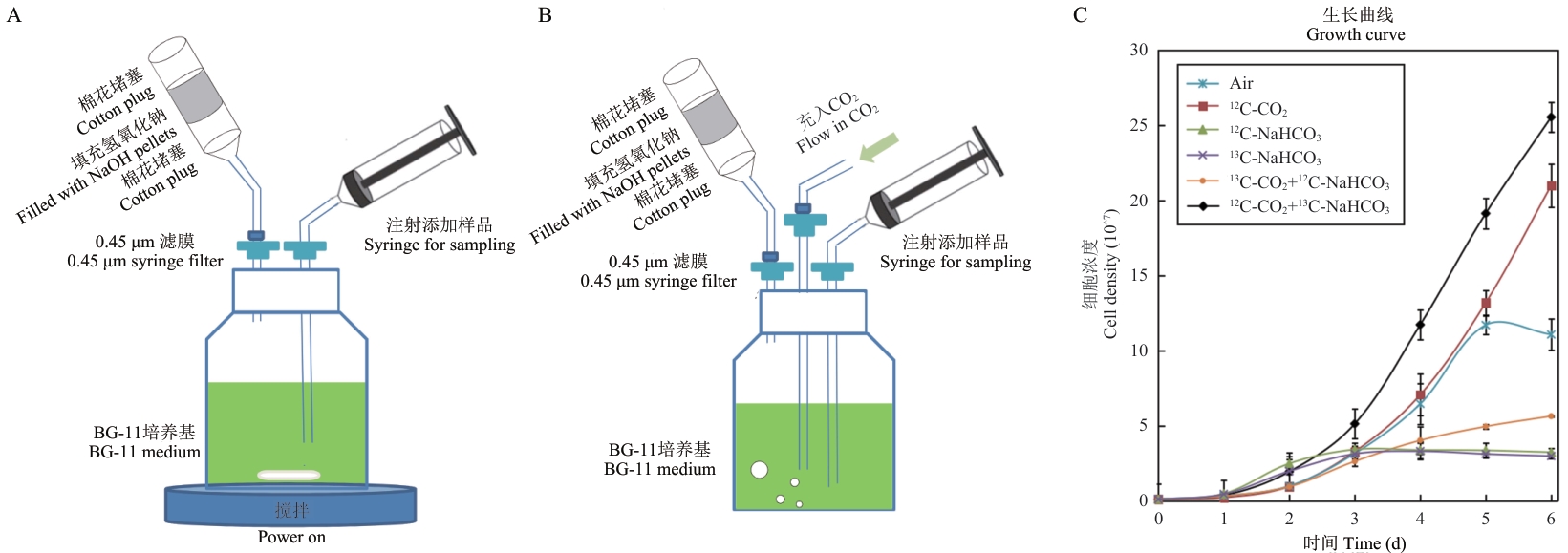
Fig. 1 Growth curve of Synechococcus elongatus PCC7942 in liquid BG11 media supplied with different carbon sourcesA: Incubation device without CO2 as carbon source. B: Incubation device with CO2 as carbon source. C: Growth curve of Synechococcus elongatus PCC7942 in liquid BG11 media supplied with different carbon sources
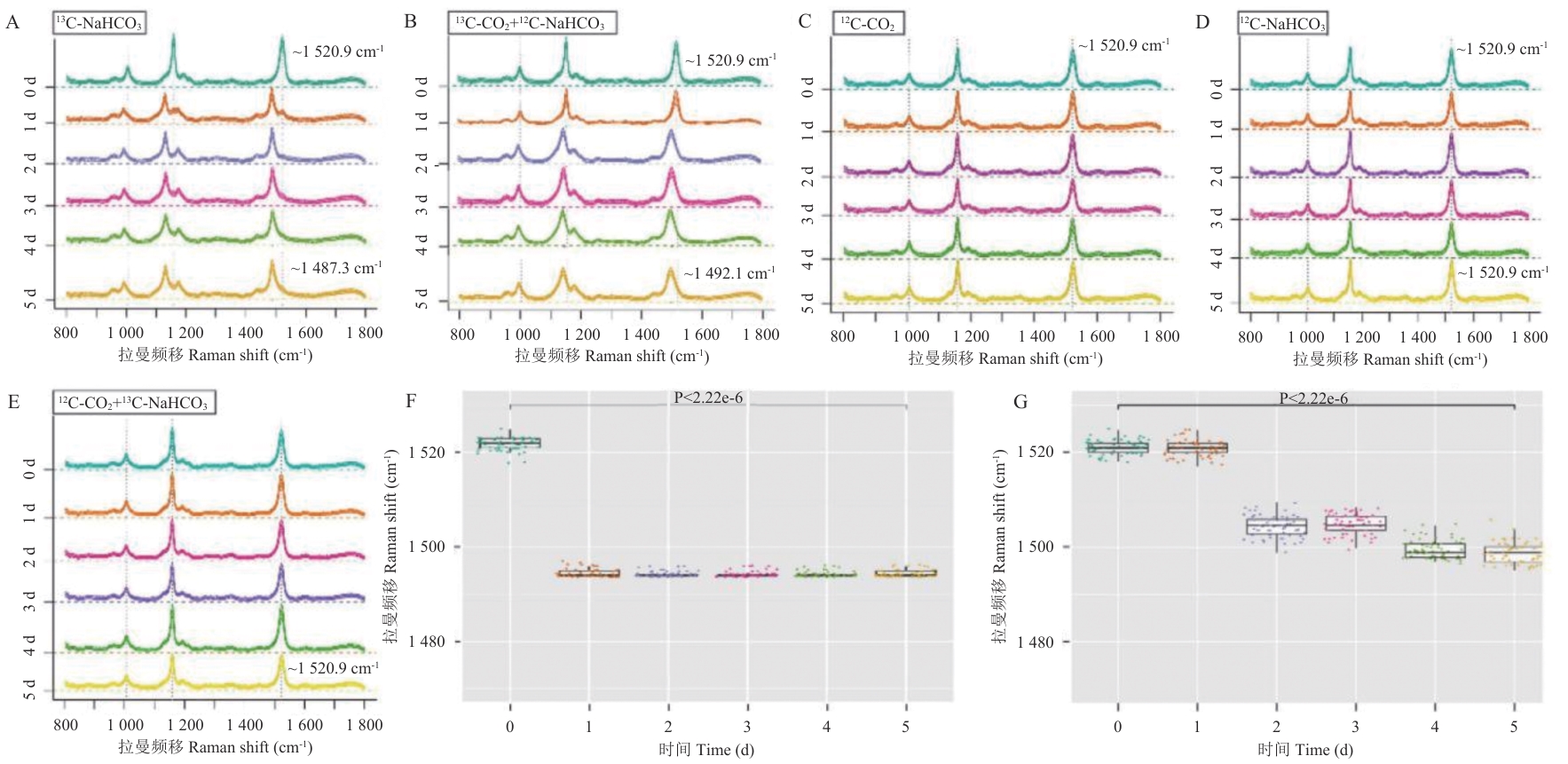
Fig. 2 Dynamic red shift of S. elongatus PCC7942 (mean Raman spectra) supplied with different carbon sourcesA-E: Dynamic red shift of S. elongatus PCC7942 (mean Raman spectra) supplied with 13C-NaHCO3 (A)、13C-CO2 plus 5 mmol/L 12C-NaHCO3 (B)、12C-CO2 (C)、12C-NaHCO3 (D)、12C-CO2 plus 5 mmol/L 13C-NaHCO3 (E) as the carbon source, respectively. F-G: Dynamic red shift of S. elongatus PCC7942 (v1) supplied with 13C-NaHCO3 (F) and 13C-CO2 plus 5 mmol/L 12C-NaHCO3 (G) as the carbon source, respectively
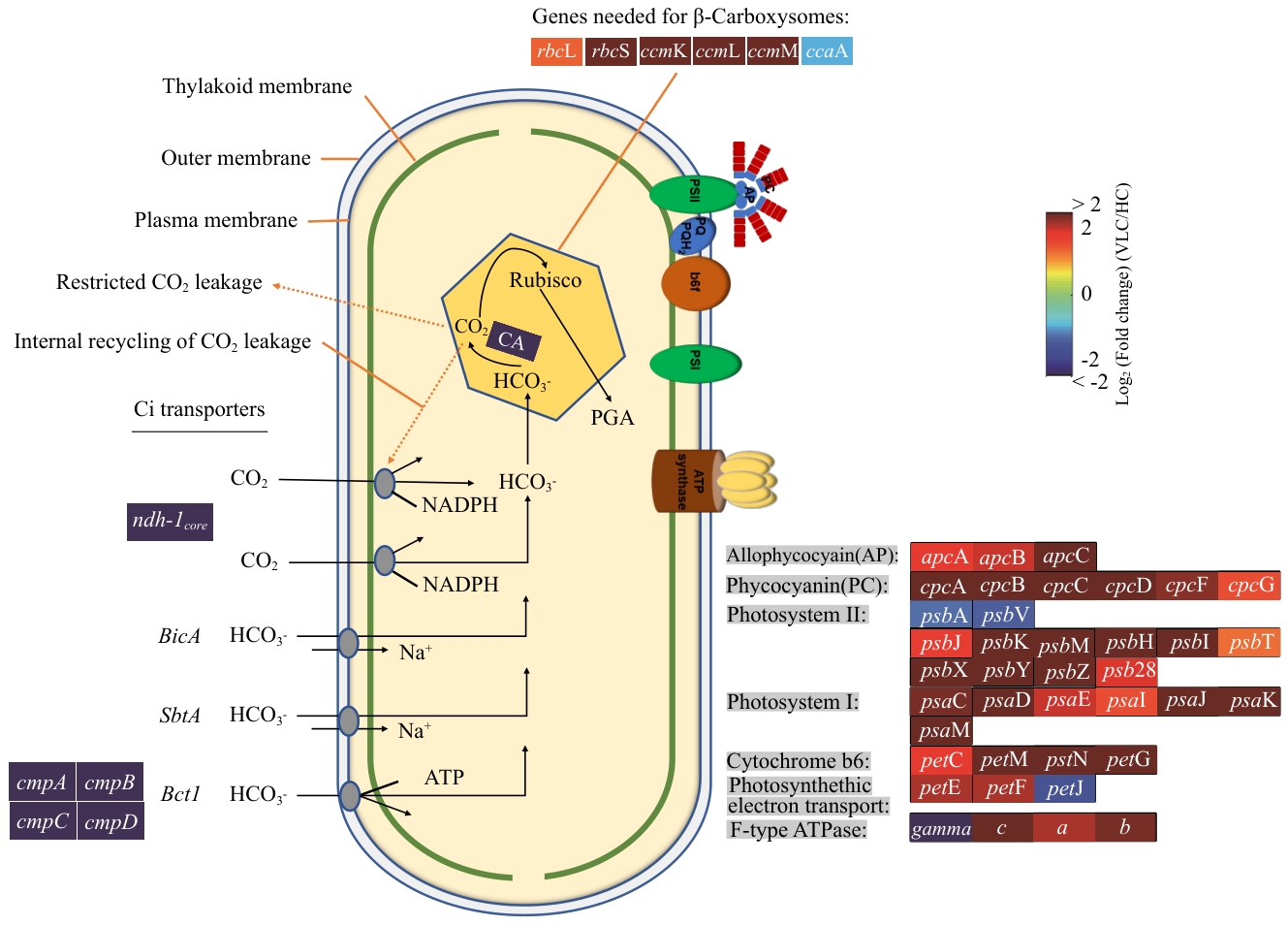
Fig. 3 Generalized model for the cyanobacterial CO2-concentrating mechanism (CCM) and protein dynamic changes in its photosynthesis pathway
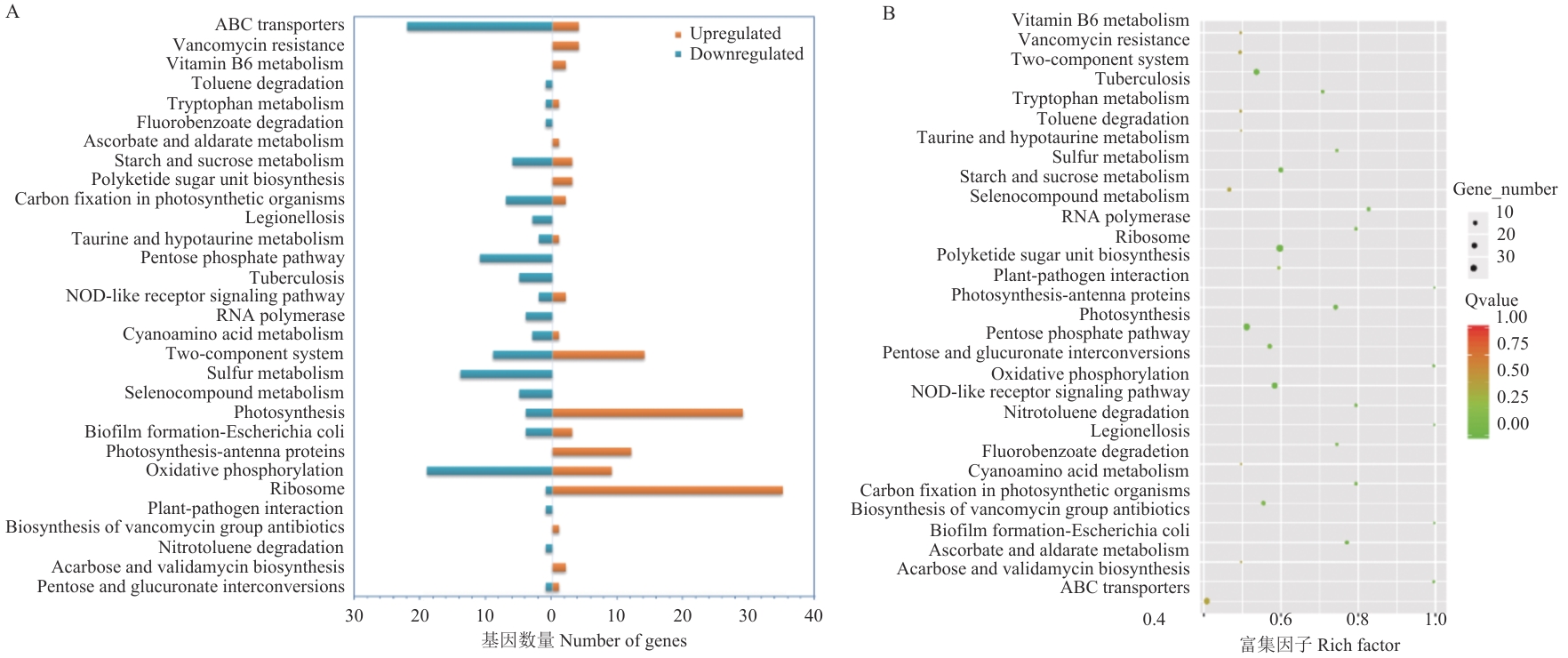
Fig. 4 KEGG functional enrichment analysis
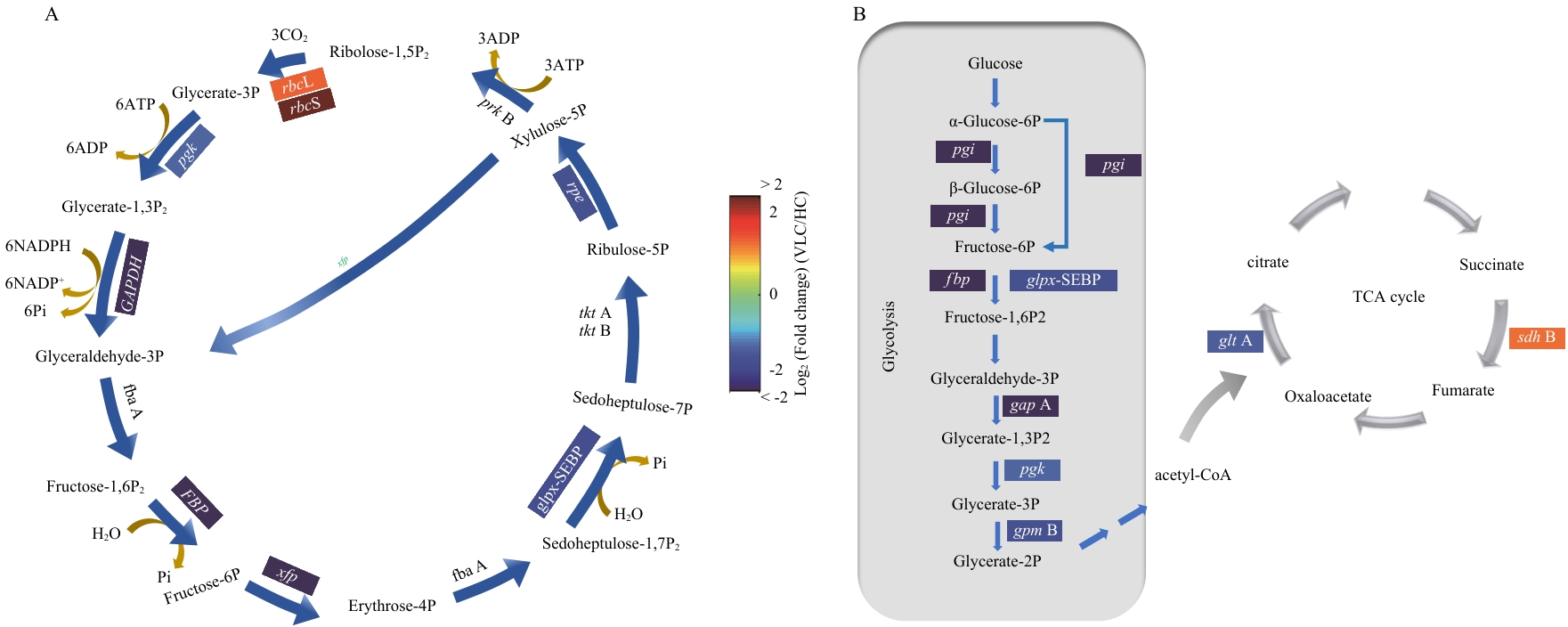
Fig. 5 Protein dynamics in the Calvin cycle pathway, glycolysis pathway and citrate cycle pathwayA: Protein dynamics in the Calvin cycle pathway. B: Protein dynamics in the glycolysis pathway and the citrate cycle pathway
| [1] | Badger MR. The CO2-concentrating mechanism in aquatic phototrophs [M]//Photosynthesis. Amsterdam: Elsevier 1987: 219-274. |
| [2] | Badger MR, Price GD. Carbon oxysulfide is an inhibitor of both CO2 and H C O 3 - uptake in the Cyanobacterium Synechococcus PCC7942 [J]. Plant Physiol, 1990, 94(1): 35-39. |
| [3] | Buick R. The antiquity of oxygenic photosynthesis: evidence from stromatolites in sulphate-deficient Archaean lakes [J]. Science, 1992, 255(5040): 74-77. |
| [4] | Price GD. Inorganic carbon transporters of the cyanobacterial CO2 concentrating mechanism [J]. Photosynth Res, 2011, 109(1/2/3): 47-57. |
| [5] | Price GD, Maeda SI, Omata T, et al. Modes of active inorganic carbon uptake in the Cyanobacterium, Synechococcus sp. PCC7942 [J]. Aust J Plant Physiol, 2002, 29(3): 131-149. |
| [6] | Huang WE, Griffiths RI, Thompson IP, et al. Raman microscopic analysis of single microbial cells [J]. Anal Chem, 2004, 76(15): 4452-4458. |
| [7] | Wang Y, Huang WE, Cui L, et al. Single cell stable isotope probing in microbiology using Raman microspectroscopy [J]. Curr Opin Biotechnol, 2016, 41: 34-42. |
| [8] | 林绍敏, 李弘哲, 崔丽. 单细胞拉曼光谱在环境解磷微生物中的应用研究 [J]. 磷肥与复肥, 2021, 36(2): 1-4. |
| Lin SM, Li HZ, Cui L. Application of single-cell Raman spectroscopy to investigate phosphate-solubilizing bacteria in environment [J]. Phosphate Compd Fertil, 2021, 36(2): 1-4. | |
| [9] | 辛雨菡, 崔丽. 单细胞稳定同位素标记技术在固氮微生物中的应用研究 [J]. 微生物学报, 2020, 60(9): 1772-1783. |
| Xin YH, Cui L. Application of single-cell stable isotope probing approach to investigate N2-fixing microorganisms [J]. Acta Microbiol Sin, 2020, 60(9): 1772-1783. | |
| [10] | Jing XY, Gou HL, Gong YH, et al. Raman-activated cell sorting and metagenomic sequencing revealing carbon-fixing bacteria in the ocean [J]. Environ Microbiol, 2018, 20(6): 2241-2255. |
| [11] | Song YZ, Kaster AK, Vollmers J, et al. Single-cell genomics based on Raman sorting reveals novel carotenoid-containing bacteria in the Red Sea [J]. Microb Biotechnol, 2017, 10(1): 125-137. |
| [12] | Hunter CN, Daldal F, Thurnauer MC, et al. The Purple Phototrophic Bacteria [M]. Dordrecht: Springer, 2008. |
| [13] | 江东, 雒义凡, 侯娟, 等. 不同碳源条件对集胞藻PCC6803和聚球藻PCC7942生长的影响研究 [J]. 可再生能源, 2018, 36(3): 317-324. |
| Jiang D, Luo YF, Hou J, et al. Study on effects of different carbon sources on growth of Synechocystis sp. PCC6803 and Synechococcus elongates PCC7942 [J]. Renew Energy Resour, 2018, 36(3): 317-324. | |
| [14] | Wang Y, Ji YT, Wharfe ES, et al. Raman activated cell ejection for isolation of single cells [J]. Anal Chem, 2013, 85(22): 10697-10701. |
| [15] | Kizawa A, Kawahara A, Takimura Y, et al. RNA-seq profiling reveals novel target genes of LexA in the Cyanobacterium synechocystis sp. PCC 6803 [J]. Front Microbiol, 2016, 7: 193. |
| [16] | Pan LL, Onai K, Uesaka K, et al. Transcriptional regulation of CmpR, the LysR family protein involved in CO2-responsive gene regulation in the Cyanobacterium Synechococcus elongatus [J]. Biomed Genet Genomics, 2016, 1(5): 1-6. |
| [17] | Lan EI, Chuang DS, Shen CR, et al. Metabolic engineering of cyanobacteria for photosynthetic 3-hydroxypropionic acid production from CO2 using Synechococcus elongatus PCC 7942 [J]. Metab Eng, 2015, 31: 163-170. |
| [18] | Gust D, Moore TA, Moore AL, et al. The photochemistry of carotenoids: some photosynthetic and photomedical aspectsa [J]. Ann N Y Acad Sci, 1993, 691(1): 32-47. |
| [19] | Xu J, Ma B, Su XQ, et al. Emerging trends for microbiome analysis: from single-cell functional imaging to microbiome big data [J]. Engineering, 2017, 3(1): 66-70. |
| [20] | Tao YF, Wang Y, Huang S, et al. Metabolic-activity-based assessment of antimicrobial effects by D2O-labeled single-cell Raman microspectroscopy [J]. Anal Chem, 2017, 89(7): 4108-4115. |
| [21] | Kochendoerfer GG, Lin SW, Sakmar TP, et al. How color visual pigments are tuned [J]. Trends Biochem Sci, 1999, 24(8): 300-305. |
| [22] | Badger MR. CO2 concentrating mechanisms in cyanobacteria: molecular components, their diversity and evolution [J]. J Exp Bot, 2003, 54(383): 609-622. |
| [23] | Bankevich A, Nurk S, et al. SPAdes: a new genome assembly algorithm and its applications to single-cell sequencing [J]. J Comput Biol, 2012, 19(5): 455-477. |
| [24] | Valous NA, Zörnig I, Jäger D. Confocal Raman microspectroscopy for spatially resolved tissue characterisation of disease-linked spectra-pathological signatures [J]. Clinical & Translational Med, 2025, 15(10): e70487. |
| [25] | 刘吉祥, 刘芳宇, 孙林鹤, 等. 聚球藻对酚酸类化感物质的生长和生理响应 [J]. 植物资源与环境学报, 2021, 30(5): 10-21. |
| Liu JX, Liu FY, Sun LH, et al. Growth and physiological responses of Synechococcus (Synechococcus sp. PCC7942) to phenolic acid allelochemicals [J]. J Plant Resour Environ, 2021, 30(5): 10-21. | |
| [26] | Robert B. Resonance Raman spectroscopy [J]. Photosynth Res, 2009, 101(2/3): 147-155. |
| [27] | 庄旻敏, 贾晓会, 施定基, 等. 转基因聚球藻7942中vp28基因表达效率及其光合特性分析 [J]. 中国生物工程杂志, 2018, 38(4): 30-37. |
| Zhuang MM, Jia XH, Shi DJ, et al. vp28 gene expression and photosynthetic characteristics of transgenic Synechococcus sp. PCC 7942 [J]. China Biotechnol, 2018, 38(4): 30-37. | |
| [28] | 朱婵, 施定基, 何培民, 等. 转基因聚球藻7942的vp19基因表达效率及其光合生理特性研究 [J]. 上海农业学报, 2021, 37(4): 36-41. |
| Zhu C, Shi DJ, He PM, et al. Expression efficiency of vp19 gene in transgenic Synechococcus sp. PCC 7942 and its photosynthetic physiological characteristics [J]. Acta Agric Shanghai, 2021, 37(4): 36-41. | |
| [29] | Nagarajan V, Tsai HC, Chen JS, et al. The evaluation of bacterial abundance and functional potentials in the three major watersheds, located in the hot spring zone of the tatun volcano group basin, Taiwan [J]. Microorganisms, 2022, 10(3): 500. |
| [30] | Li MQ, Canniffe DP, Jackson PJ, et al. Rapid resonance Raman microspectroscopy to probe carbon dioxide fixation by single cells in microbial communities [J]. ISME J, 2012, 6(4): 875-885. |
| [31] | 尹镜雲, 宋晓华, 郑玉虎, 等. 嗜热蓝细菌的固碳机制与应用潜力 [J]. 微生物学通报, 2026, 53(1): 1-18. |
| Yin JY, Song XH, Zheng YH, et al. Carbon sequestration mechanisms and potential applications of thermophilic cyanobacteria [J]. Microbiol China, 2026, 53(1): 1-18. | |
| [32] | Jing XY, Gong YH, Pan HH, et al. Single-cell Raman-activated sorting and cultivation (scRACS-Culture) for assessing and mining in situ phosphate-solubilizing microbes from nature [J]. ISME Commun, 2022, 2: 106. |
| [33] | 白果鑫, 徐洋平, 孔烨梅, 等. 富有机质水体对蓝细菌集胞藻PCC 6803的影响 [J]. 西南大学学报: 自然科学版, 2025, 47(9): 100-114. |
| Bai GX, Xu YP, Kong YM, et al. Impact of organic-rich water on Cyanobacterium synechocystis sp. PCC 6803 [J]. J Southwest Univ Nat Sci Ed, 2025, 47(9): 100-114. | |
| [34] | Huang WE, Ferguson A, Singer AC, et al. Resolving genetic functions within microbial populations: in situ analyses using rRNA and mRNA stable isotope probing coupled with single-cell Raman-fluorescence in situ hybridization [J]. Appl Environ Microbiol, 2009, 75(1): 234-241. |
| [35] | Li HZ, Bi QF, Yang K, et al. D2O-isotope-labeling approach to probing phosphate-solubilizing bacteria in complex soil communities by single-cell Raman spectroscopy [J]. Anal Chem, 2019, 91(3): 2239-2246. |
| [1] | SHEN Rui-xue, GUO Zi-qing, PANG Xing-chen, LI Zhi-yuan, DING Wei, DONG Qi, Li Sen, SONG Hong-xia. Combined Transcriptome and Metabolome Analysis Elucidates the Mechanism of Open-field Overwintering in ‘Zezhou’ Celery [J]. Biotechnology Bulletin, 2026, 42(8): 251-262. |
| [2] | WEI Xiao, LI Yan-yan, YUAN Qin-feng, YAO Jing-wu, CAO Chun-xia, HUANG Da-ye. Identification of a Biocontrol Strain Isolated from Tobacco Rhizosphere and Its Biocontrol Potential Analysis [J]. Biotechnology Bulletin, 2026, 42(7): 279-291. |
| [3] | CHEN Yi-yan, ZHANG Dong-er, ZHANG Tao, LIU Yu-hao, TANG Jie, SHENG Xia-bing, HU Yuan-yi, AI Zhi-yong, LI Ying-jiang, LIU Xiao-lin. Analysis on Function of Rice OsSULTR2;2 and Regulation of Seedling Tolerance to Salt [J]. Biotechnology Bulletin, 2026, 42(7): 116-125. |
| [4] | WANG Hong-rui, ZHAO Yi-ru, RAO Shu-pei, CHEN Jin-huan. Research on the Function of LrCYP78A5 Gene from Lycium ruthenicum in Response to Drought and Salt Stress [J]. Biotechnology Bulletin, 2026, 42(7): 182-192. |
| [5] | DONG Ya-ru, XIU Yu, ZHAO Dong-xiao, ZHU Hong, ZHU Lin, LIU Hui-fen. Transcriptome-wide Identification of the GRAS Gene Family in Mulberry and Analysis of MnGRAS22 in Response to Salt Stress [J]. Biotechnology Bulletin, 2026, 42(7): 193-203. |
| [6] | WANG Jia-bin, HU Yue, CHEN Jia-jie, WANG Meng, HE Xiu-yun, LI Zhi-yong, LI Jian, WANG Mei-na. Combined Metabolomic and Transcriptomic Analysis in Different Parts of Paphiopedilum purpuratum [J]. Biotechnology Bulletin, 2026, 42(6): 279-293. |
| [7] | LIU Jia, REN Yi-shang, XU La, JING Xiao-yan. Applications of Raman Spectroscopy-based “Screen-First, Culture-Second” Strategy in Functional Microbial Resource Exploration [J]. Biotechnology Bulletin, 2026, 42(5): 63-75. |
| [8] | WANG Yu-kun, YUAN Yuan, WANG Bin, ZHU Yun-na, REN Xiao-qiang, REN Fei, YE Hong. Integrated Analysis of Transcriptome and Lipid Metabolome Reveals the Differences in α-Linolenic Acid Synthesis Regulation in Different Perilla frutescens [J]. Biotechnology Bulletin, 2026, 42(4): 129-140. |
| [9] | LIU Qing-yuan, WU Hong-qi, CHEN Xiu-e, CHEN Jian, JIANG Yuan-ze, HE Yan-zi, YU Qi-wei, LIU Ren-xiang. Function of Transcription Factor NtMYB96a in Regulating the Tolerance of Tobacco to Drought [J]. Biotechnology Bulletin, 2026, 42(4): 239-250. |
| [10] | YANG Ting, YANG Zong-tao, AI Jing, WANG Yu-tong, LI Yan-ye, DENG jun, LIU Jia-yong, ZHAO Yong, ZHANG Yue-bin. Analysis of Phenotypic Characteristics and Root Transcriptomics of Sugarcane with Different Genotypes [J]. Biotechnology Bulletin, 2026, 42(4): 190-201. |
| [11] | MA Ying-ying, YOU Hui-wan, ZHENG Ji-rong, WANG Qiao-mei, LIU Li-hong. Advances in the Quality Formation Mechanism of Horticultural Crops Based on Multi-level Regulation of PSY [J]. Biotechnology Bulletin, 2026, 42(3): 96-110. |
| [12] | WANG Xiao-yi, LI Jin-yan, XING Xing, ZHU Hong-liang. Screening and Functional Analysis of Ethylene-responsive Genes Regulating Tomato Fruit Ripening and Respiration [J]. Biotechnology Bulletin, 2026, 42(3): 275-282. |
| [13] | LIU Miao, LIN Tao, JIA Le-song, HU Feng, LI Tao, LI Zhi-wan, LIU Mei-fang, ZHENG Fang-yan, CUI Long. From Wild to Cultivated: Evolution and Regulatory Mechanisms of Tomato Fruit Color [J]. Biotechnology Bulletin, 2026, 42(3): 187-202. |
| [14] | YIN Yue, QIN Xiao-ya, MI Jia, AN Wei, HE Jun, ZHANG Feng-feng. Identification of FBN Gene Family and Its Relationship with Carotenoids Metabolism in Lyciumbarbarum [J]. Biotechnology Bulletin, 2026, 42(3): 338-348. |
| [15] | WANG Shang-feng, CHENG Bin, WANG Ruo-ruo, DING Yan-qing, XU Jian-xia, CAO Ning, GAO Xu, LI Wen-zhen, ZHANG Li-yi. Gene Mapping of Sorghum Flowering Time and Prediction of Candidate Genes Based on BSA-seq [J]. Biotechnology Bulletin, 2026, 42(2): 197-206. |
| Viewed | ||||||
|
Full text |
|
|||||
|
Abstract |
|
|||||
