







Biotechnology Bulletin ›› 2026, Vol. 42 ›› Issue (7): 279-291.doi: 10.13560/j.cnki.biotech.bull.1985.2025-1076
WEI Xiao1,2, LI Yan-yan3, YUAN Qin-feng1, YAO Jing-wu1, CAO Chun-xia1( ), HUANG Da-ye1()
Received:2025-10-10
Online:2026-07-26
Published:2026-07-20
Contact:
CAO Chun-xia, HUANG Da-ye
E-mail:CAOChunxia@163.com;xiaohuangdaye@126.com
WEI Xiao, LI Yan-yan, YUAN Qin-feng, YAO Jing-wu, CAO Chun-xia, HUANG Da-ye. Identification of a Biocontrol Strain Isolated from Tobacco Rhizosphere and Its Biocontrol Potential Analysis[J]. Biotechnology Bulletin, 2026, 42(7): 279-291.
基因名称 Gene name | 引物名称 Primer name | 序列 Sequence(5'-3') |
|---|---|---|
| GAPDH | N. tabacumGAPDH F | ATGAGAGAGTGCATATCGAT |
| N. tabacumGAPDH R | TTCACTGAAGAAGGTGTTGAA | |
| PR-1 | N. tabacum PR-1 F | ATTGGAGAGGACAACGTCCC |
| N. tabacum PR-1 R | ACACACCTCCATAATACCACC | |
| PR-3 | N. tabacum PR-3 F | ACAGATTCTGCCGGACACAC |
| N. tabacum PR-3 R | AAGGAAGGTCCCAAAAGGGT | |
| NPR-1 | N. tabacumNPR1 F | GGATGCGGATGACTTGTCTGA |
| N. tabacumNPR1 R | GGAACAAGATGACGAGAGGTG | |
| PAL | N. tabacumPAL F | AAGCATCACCCCGGACAAAT |
| N. tabacumPAL R | GGTGATGTTCTGAGGGCGTA | |
| GST | N. tabacumGST F | CCTCACCCCCTCCCTCATAA |
| N. tabacumGST R | TCGCCTTGATCTGTTTGTAGACT | |
| SOD | N. tabacumSOD F | TAGCACCACACGCACAGAAG |
| N. tabacumSOD R | TGAAGGCTTCTCTTCTGCCT | |
| CAT | N. tabacumCAT F | TGAAGGCTTCTCTTCTGCCT |
| N. tabacumCAT R | TGGAGGCCTTGTCTGATCCT |
Table 1 Information of RT-qPCR primers
基因名称 Gene name | 引物名称 Primer name | 序列 Sequence(5'-3') |
|---|---|---|
| GAPDH | N. tabacumGAPDH F | ATGAGAGAGTGCATATCGAT |
| N. tabacumGAPDH R | TTCACTGAAGAAGGTGTTGAA | |
| PR-1 | N. tabacum PR-1 F | ATTGGAGAGGACAACGTCCC |
| N. tabacum PR-1 R | ACACACCTCCATAATACCACC | |
| PR-3 | N. tabacum PR-3 F | ACAGATTCTGCCGGACACAC |
| N. tabacum PR-3 R | AAGGAAGGTCCCAAAAGGGT | |
| NPR-1 | N. tabacumNPR1 F | GGATGCGGATGACTTGTCTGA |
| N. tabacumNPR1 R | GGAACAAGATGACGAGAGGTG | |
| PAL | N. tabacumPAL F | AAGCATCACCCCGGACAAAT |
| N. tabacumPAL R | GGTGATGTTCTGAGGGCGTA | |
| GST | N. tabacumGST F | CCTCACCCCCTCCCTCATAA |
| N. tabacumGST R | TCGCCTTGATCTGTTTGTAGACT | |
| SOD | N. tabacumSOD F | TAGCACCACACGCACAGAAG |
| N. tabacumSOD R | TGAAGGCTTCTCTTCTGCCT | |
| CAT | N. tabacumCAT F | TGAAGGCTTCTCTTCTGCCT |
| N. tabacumCAT R | TGGAGGCCTTGTCTGATCCT |
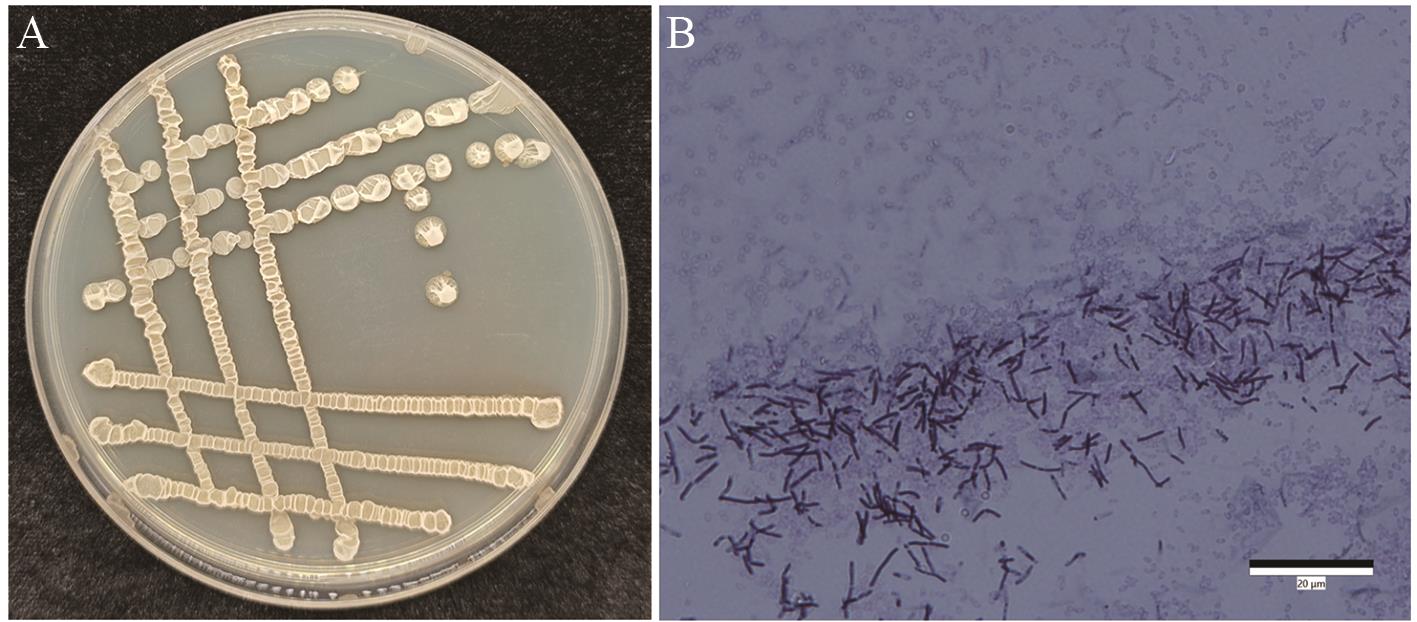
Fig. 1 Colony morphology (A) and Gram staining (B) of strain YC25
生理生化指标 Physiological and biochemical index | 结果 Result | 生理生化指标 Physiological and biochemical index | 结果 Result |
|---|---|---|---|
淀粉水解 Starch hydrolysis | + | L-苹果酸 | + |
| 接触酶 | + | 好氧生长 | + |
| 氧化酶 | + | D-乳糖 | - |
| 蔗糖Sucrose | + | D-岩藻糖 | - |
| D-甘露醇 | + | L-鼠李糖 | - |
| 柠檬酸 | + | pH 5.0 | + |
| D-山梨糖醇 | + | 8% NaCl | + |
Table 2 Physiological and biochemical identification of strain YC25
生理生化指标 Physiological and biochemical index | 结果 Result | 生理生化指标 Physiological and biochemical index | 结果 Result |
|---|---|---|---|
淀粉水解 Starch hydrolysis | + | L-苹果酸 | + |
| 接触酶 | + | 好氧生长 | + |
| 氧化酶 | + | D-乳糖 | - |
| 蔗糖Sucrose | + | D-岩藻糖 | - |
| D-甘露醇 | + | L-鼠李糖 | - |
| 柠檬酸 | + | pH 5.0 | + |
| D-山梨糖醇 | + | 8% NaCl | + |
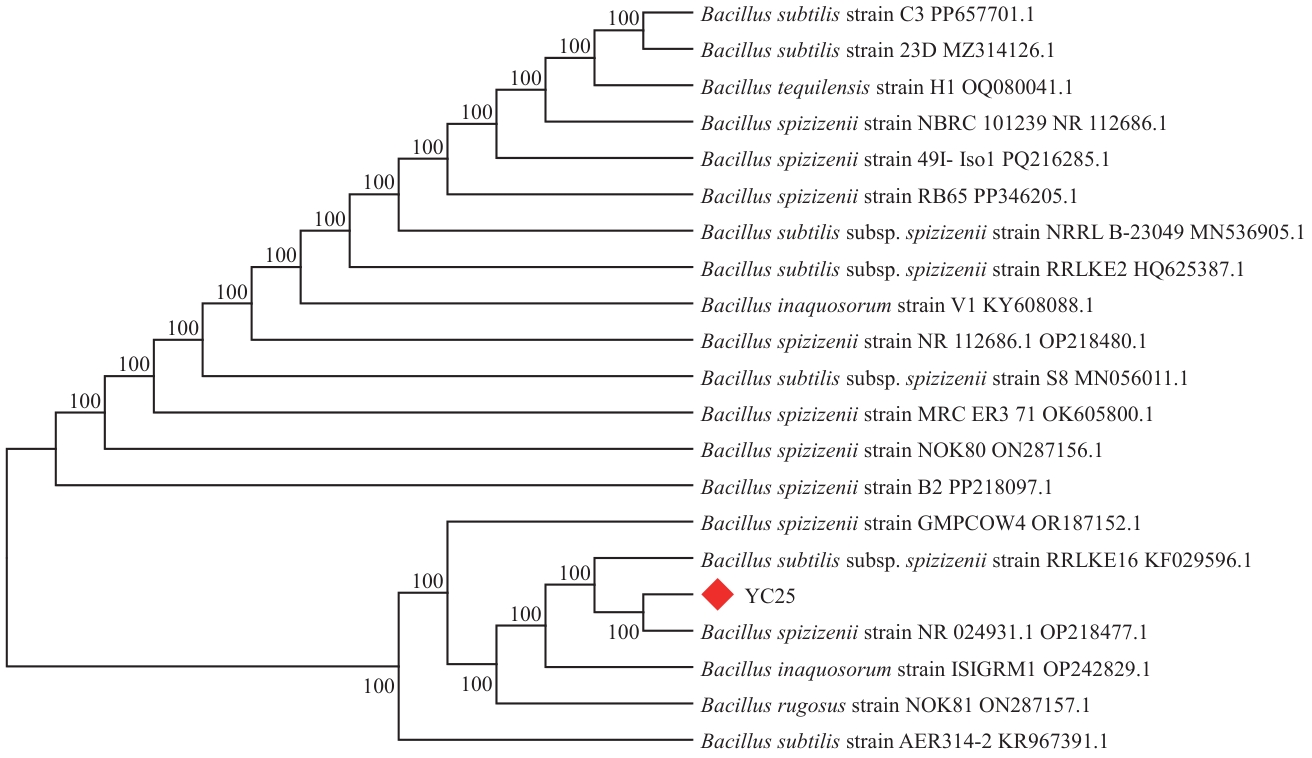
Fig. 2 Phylogenetic tree of strain YC25
编号 Number | 病原菌名称 Name of pathogens | 抑制率 Inhibition rate (%) |
|---|---|---|
| A | 尖孢镰孢菌 Fusarium oxysporum | 67.45±1.47d |
| B | 核盘菌 Sclerotinia sclerotiorum | 72.55±1.47bcd |
| C | 灰葡萄孢菌 Botrytis cinerea | 83.92±2.93a |
| D | 烟草炭疽菌 Colletotrichum micotianae | 69.02±2.42cd |
| E | 茶拟盘多毛孢菌 Pestalotiopsis theae | 74.90±2.00bc |
| F | 烟草疫霉菌 Phytophthora nicotianae | 70.20±0.55bcd |
| G | 互隔链格孢菌 Alternaria alternata | 76.08±1.47b |
| H | 立枯丝核菌 Rhizoctonia solani | 74.90±1.47bc |
| I | 多主棒孢菌 Corynespora cassiicola | 72.94±0.96bcd |
Table 3 Antibacterial effects of strain YC25 on various pathogenic bacteria
编号 Number | 病原菌名称 Name of pathogens | 抑制率 Inhibition rate (%) |
|---|---|---|
| A | 尖孢镰孢菌 Fusarium oxysporum | 67.45±1.47d |
| B | 核盘菌 Sclerotinia sclerotiorum | 72.55±1.47bcd |
| C | 灰葡萄孢菌 Botrytis cinerea | 83.92±2.93a |
| D | 烟草炭疽菌 Colletotrichum micotianae | 69.02±2.42cd |
| E | 茶拟盘多毛孢菌 Pestalotiopsis theae | 74.90±2.00bc |
| F | 烟草疫霉菌 Phytophthora nicotianae | 70.20±0.55bcd |
| G | 互隔链格孢菌 Alternaria alternata | 76.08±1.47b |
| H | 立枯丝核菌 Rhizoctonia solani | 74.90±1.47bc |
| I | 多主棒孢菌 Corynespora cassiicola | 72.94±0.96bcd |
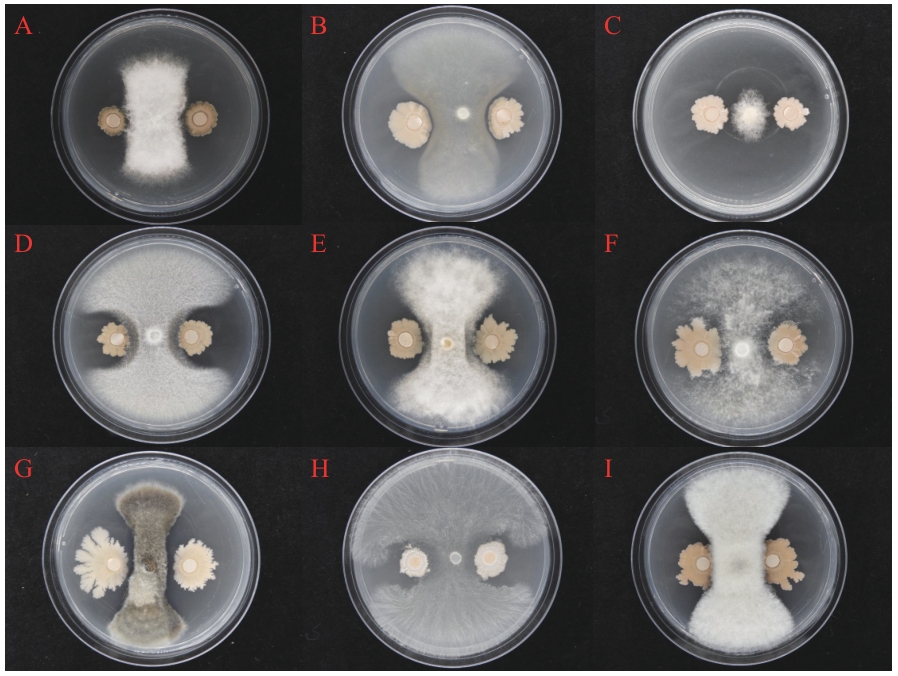
Fig. 3 Antagonistic ability of strain YC25 against plant fungal pathogensA: F. oxysporum; B: S. sclerotiorum; C: B. cinerea; D: C. micotianae; E: P. theae; F: P. nicotianae; G: A. alternata; H: R. solani; I: C. cassiicola
处理 Treatment | 末次用药后30 d 30 d after the last administration | 末次用药后50 d 50 d after the last administration | ||
|---|---|---|---|---|
病情指数 Disease index | 防效(%) Control effect | 病情指数 Disease index | 防效(%) Control effect | |
| T1 | 8.61±0.87b | 65.83±3.82b | 35.83±2.68b | 45.42±2.63b |
| T2 | 1.06±0.18d | 95.79±2.31a | 8.89±2.41c | 83.14±1.05a |
| T3 | 1.44±0.23c | 94.29±2.58a | 9.83±3.73c | 81.36±2.97a |
| CK | 25.20±3.16a | / | 52.73±2.11a | / |
Table 4 Field control effects of strain YC25 on various pathogenic bacteria
处理 Treatment | 末次用药后30 d 30 d after the last administration | 末次用药后50 d 50 d after the last administration | ||
|---|---|---|---|---|
病情指数 Disease index | 防效(%) Control effect | 病情指数 Disease index | 防效(%) Control effect | |
| T1 | 8.61±0.87b | 65.83±3.82b | 35.83±2.68b | 45.42±2.63b |
| T2 | 1.06±0.18d | 95.79±2.31a | 8.89±2.41c | 83.14±1.05a |
| T3 | 1.44±0.23c | 94.29±2.58a | 9.83±3.73c | 81.36±2.97a |
| CK | 25.20±3.16a | / | 52.73±2.11a | / |
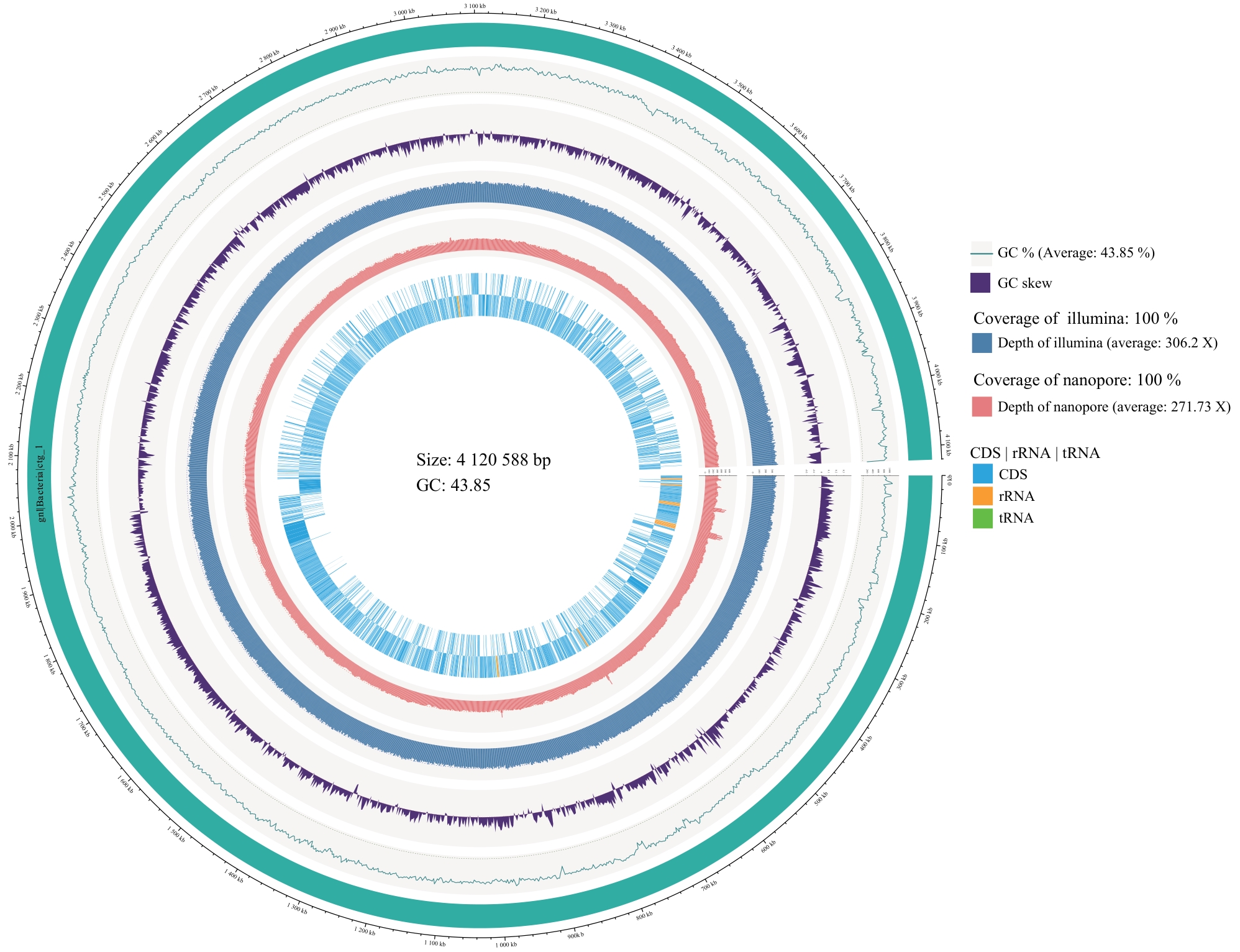
Fig. 4 Genome circle map of strain YC25
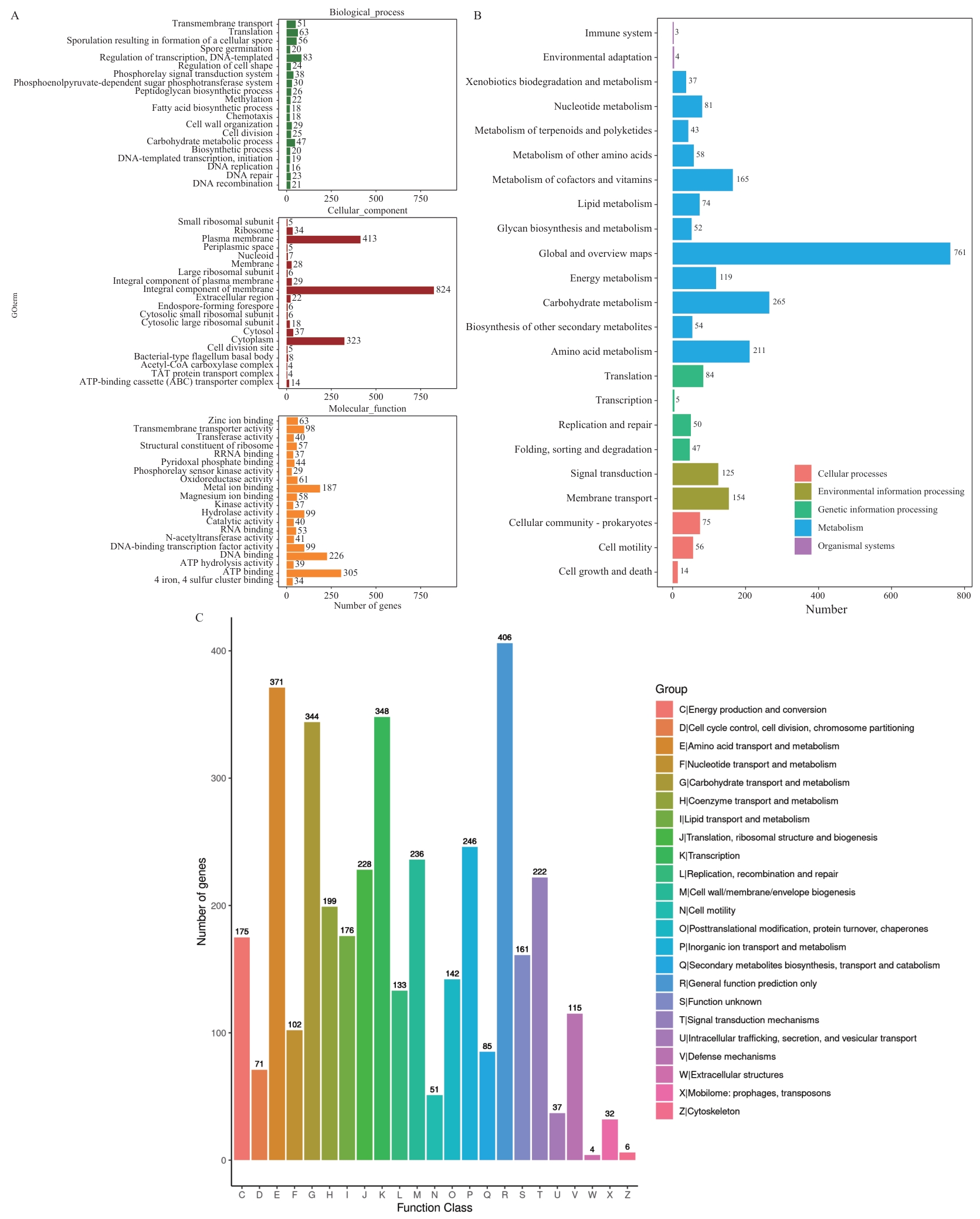
Fig. 5 Functional genomic analysis of strain YC25
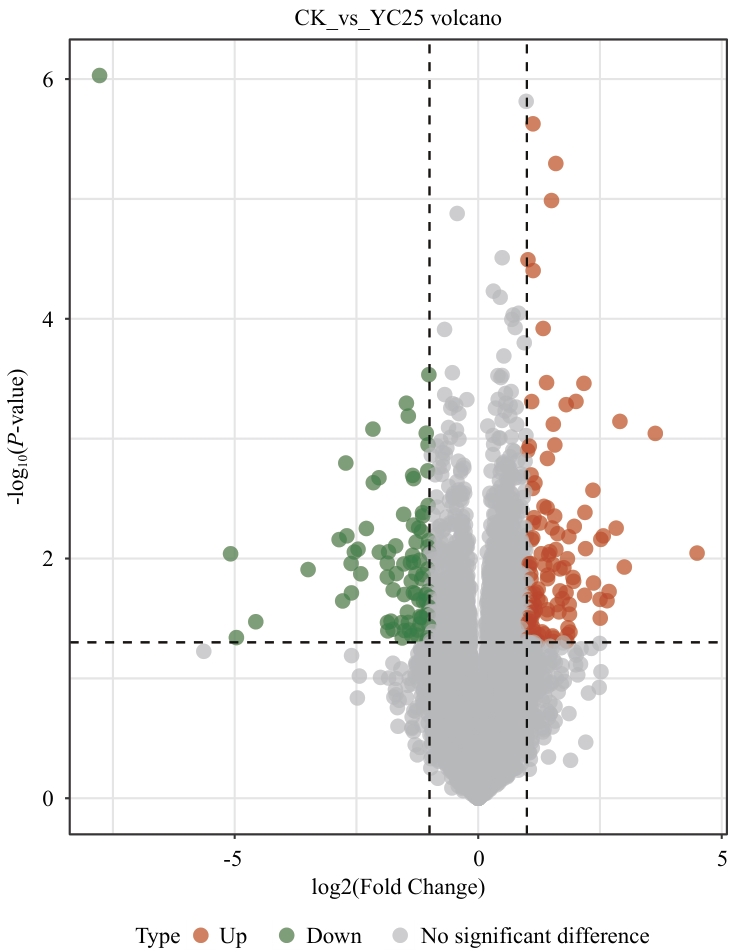
Fig. 6 Volcano map of differentially expressed genes
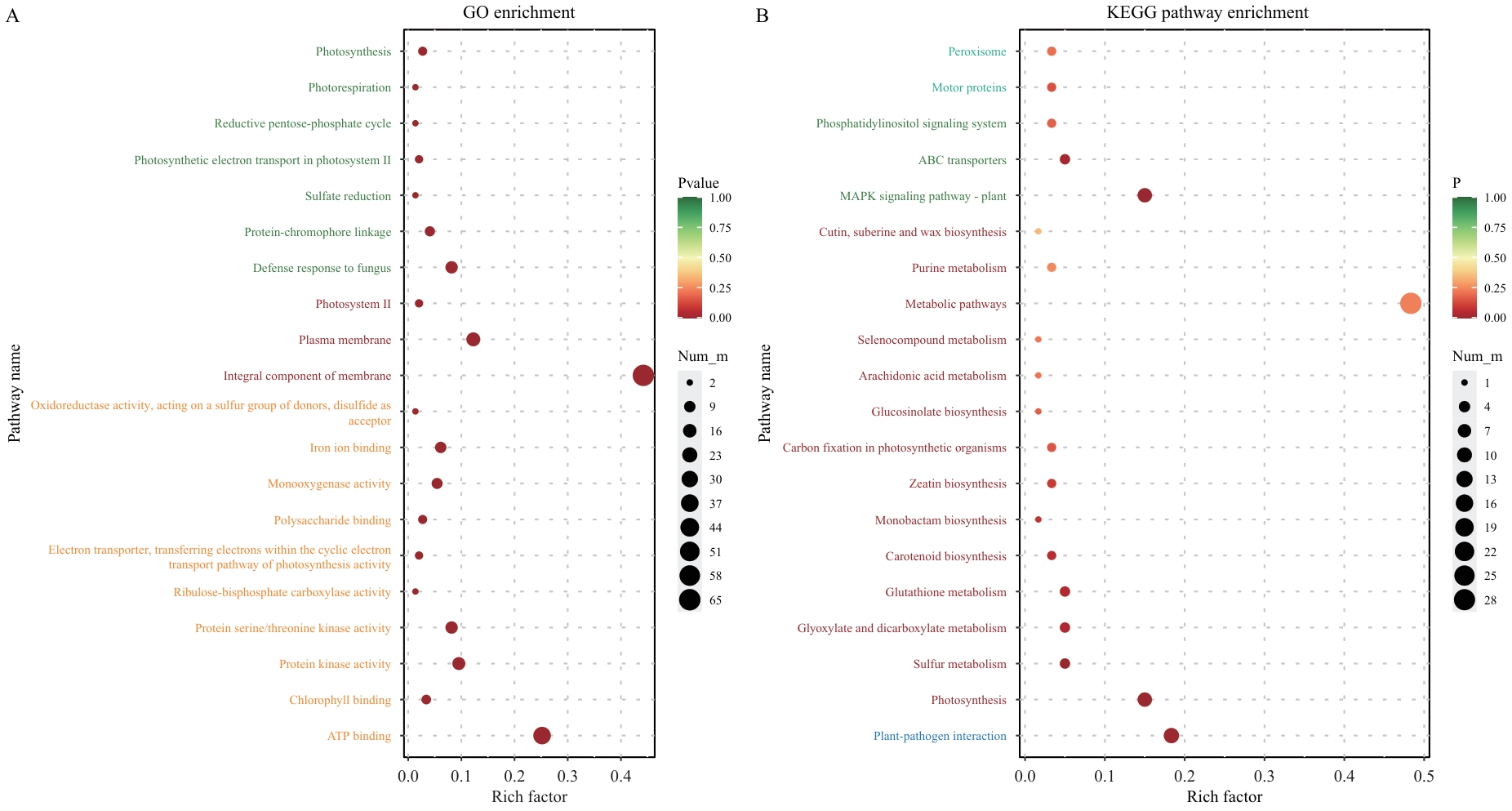
Fig. 7 GO (A) and KEGG (B) enrichment analysis of differentially expressed genes
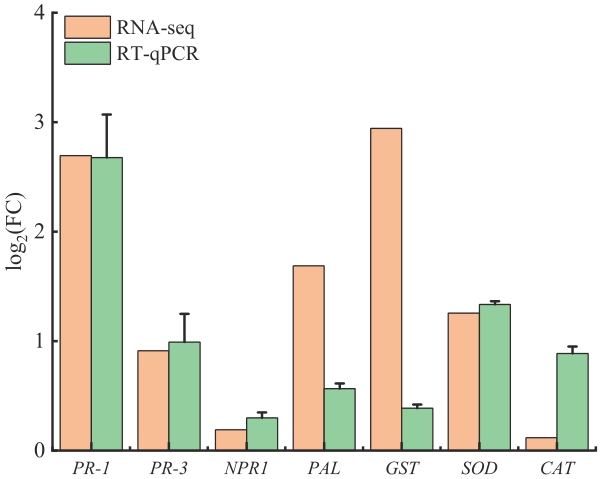
Fig. 8 Comparison of gene expression results between RNA-seq and RT-qPCR
| [1] | Chen YD, Yang L, Zhang LM, et al. Autotoxins in continuous tobacco cropping soils and their management [J]. Front Plant Sci, 2023, 14: 1106033. |
| [2] | Wei CJ, Liang JC, Wang R, et al. Response of bacterial community metabolites to bacterial wilt caused by Ralstonia solanacearum: a multi-omics analysis [J]. Front Plant Sci, 2024, 14: 1339478. |
| [3] | 曹坳程, 刘晓漫, 郭美霞, 等. 作物土传病害的危害及防治技术 [J]. 植物保护, 2017, 43(2): 6-16. |
| Cao AC, Liu XM, Guo MX, et al. Incidences of soil-borne diseases and control measures [J]. Plant Prot, 2017, 43(2): 6-16. | |
| [4] | 李行善, 王娜娜, 崔传斌, 等. 烟草赤星病拮抗菌株的筛选鉴定及防治效果研究 [J]. 西北农林科技大学学报: 自然科学版, 2025, 53(2): 91-101. |
| Li XS, Wang NN, Cui CB, et al. Screening, identification and biocontrol effect of the antagonistic bacteria against tobacco brown spot [J]. J Northwest A F Univ Nat Sci Ed, 2025, 53(2): 91-101. | |
| [5] | 谭本奎, 王君, 刘志敏. 枯草芽胞杆菌可分散油悬浮剂对烟草赤星病的田间防效试验 [J]. 南方农业, 2023, 17(24): 5-7, 11. |
| Tan BK, Wang J, Liu ZM. Field control effect of Bacillus subtilis dispersible oil suspension on tobacco brown spot disease [J]. South China Agric, 2023, 17(24): 5-7, 11. | |
| [6] | 濮永瑜, 包玲凤, 何翔, 等. 烟草青枯病和黑胫病拮抗细菌的筛选、鉴定及防效研究 [J]. 中国农学通报, 2022, 38(7): 116-123. |
| Pu YY, Bao LF, He X, et al. Screening, identification and control efficacy of antagonistic bacteria against Ralstonia solanacearum and Phytophthora [J]. Chin Agric Sci Bull, 2022, 38(7): 116-123. | |
| [7] | 何明川, 曾舒泉, 王志江, 等. 一株烟草疫霉拮抗菌MC4-2的鉴定、发酵条件优化及防效测定 [J]. 微生物学通报, 2021, 48(12): 4636-4648. |
| He MC, Zeng SQ, Wang ZJ, et al. Identification, fermentation condition optimization and control effect of an antagonistic strain MC4-2 against Phytophthora var. nicotianae [J]. Microbiol China, 2021, 48(12): 4636-4648. | |
| [8] | Klich MA, Lax AR, Bland JM. Inhibition of some mycotoxigenic fungi by iturin A, a peptidolipid produced by Bacillus subtilis [J]. Mycopathologia, 1991, 116(2): 77-80. |
| [9] | Park G, Nam J, Kim J, et al. Structure and mechanism of surfactin peptide from Bacillus velezensis antagonistic to fungi plant pathogens [J]. Bull Korean Chem Soc, 2019, 40(7): 704-709. |
| [10] | Chen MC, Wang JP, Zhu YJ, et al. Antibacterial activity against Ralstonia solanacearum of the lipopeptides secreted from the Bacillus amyloliquefaciens strain FJAT-2349 [J]. J Appl Microbiol, 2019, 126(5): 1519-1529. |
| [11] | Um S, Fraimout A, Sapountzis P, et al. The fungus-growing termite Macrotermes natalensis harbors bacillaene-producing Bacillus sp. that inhibit potentially antagonistic fungi [J]. Sci Rep, 2013, 3: 3250. |
| [12] | Im SM, Yu NH, Joen HW, et al. Biological control of tomato bacterial wilt by oxydifficidin and difficidin-producing Bacillus methylotrophicus DR-08 [J]. Pestic Biochem Physiol, 2020, 163: 130-137. |
| [13] | Stein T, Borchert S, Conrad B, et al. Two different lantibiotic-like peptides originate from the ericin gene cluster of Bacillus subtilis A1/3 [J]. J Bacteriol, 2002, 184(6): 1703-1711. |
| [14] | Ji SY, Li WL, Xin HY, et al. Improved production of sublancin 168 biosynthesized by Bacillus subtilis 168 using chemometric methodology and statistical experimental designs [J]. BioMed Res Int, 2015, 2015: 687915. |
| [15] | Hossain MT, Chung YR. Endophytic Bacillus species induce systemic resistance to plant diseases [M]//Islam MT, Rahman MM, Pandey P, et al.Bacilli and agrobiotechnology: Phytostimulation and biocontrol: Volume 2. Cham: Springer International Publishing, 2019: 151-160. |
| [16] | Hossain MT, Akhter MS, Islam MM, et al. Cross-talks about hemibiotrophic-necrotrophic pathogens by endophytic Bacillus-based EMOs [M]//Plant Endophytes and Secondary Metabolites. Amsterdam: Elsevier, 2024: 235-253. |
| [17] | 危潇, 黎妍妍, 袁勤峰, 等. 枯草芽胞杆菌斯氏亚种YC25发酵条件优化及防效测定 [J]. 微生物学报, 2025, 65(7): 3208-3220. |
| Wei X, Li YY, Yuan QF, et al. Fermentation condition optimization and biocontrol effect determination of Bacillus subtilis subsp.spizizenii YC25 [J]. Acta Microbiol Sin, 2025, 65(7): 3208-3220. | |
| [18] | 东秀珠, 周宇光, 朱红惠, 等. 常见细菌与古菌系统分类鉴定手册 [M]. 北京: 科学出版社, 2023. |
| Dong XZ, Zhou YG, Zhu HH. Handbook of systematic classification and identification of common bacteria and Archaea [M]. Beijing: Science Press, 2023. | |
| [19] | Ayaz M, Li CH, Ali Q, et al. Bacterial and fungal biocontrol agents for plant disease protection: journey from lab to field, current status, challenges, and global perspectives [J]. Molecules, 2023, 28(18): 6735. |
| [20] | Tudi M, Daniel Ruan H, Wang L, et al. Agriculture development, pesticide application and its impact on the environment [J]. Int J Environ Res Public Health, 2021, 18(3): 1112. |
| [21] | Huang YH, Zhang XR, Xu H, et al. Isolation of lipopeptide antibiotics from Bacillus siamensis: a potential biocontrol agent for Fusarium graminearum [J]. Can J Microbiol, 2022, 68(6): 403-411. |
| [22] | 黄慧婧, 罗坤. 芽胞杆菌与杀菌剂复配防治植物病害的研究进展 [J]. 微生物学通报, 2021, 48(3): 938-947. |
| Huang HJ, Luo K. Research progress in the control of plant diseases by the combination of Bacillus and fungicides [J]. Microbiol China, 2021, 48(3): 938-947. | |
| [23] | 高强, 张晓阳, 张渐隆, 等. 生防菌CY2的筛选鉴定及其与氟噻唑吡乙酮复配防治烟草黑胫病的效果 [J]. 烟草科技, 2025, 58(3): 70-79. |
| Gao Q, Zhang XY, Zhang JL, et al. Screening and identification of bacterium CY2 and its biocontrol effect on tobacco black shank in combination with oxathiapiprolin [J]. Tob Sci Technol, 2025, 58(3): 70-79. | |
| [24] | 芶剑渝, 王浩强, 杨相, 等. 贝莱斯芽胞杆菌与化学药剂协同防治烟草棒孢霉叶斑病 [J]. 中国烟草科学, 2025, 46(1): 56-63, 69. |
| Gou JY, Wang HQ, Yang X, et al. Control effect of Bacillus velezensis combined with chemical fungicide on tobacco leaf spot caused by Corynespora cassiicola [J]. Chin Tob Sci, 2025, 46(1): 56-63, 69. | |
| [25] | 张世杰, 刘云, 陈勇华, 等. 解淀粉芽胞杆菌Cas02与菌核净复配协同防治烟草赤星病 [J]. 中国烟草科学, 2024, 45(4): 52-57. |
| Zhang SJ, Liu Y, Chen YH, et al. Synergistic effect of Bacillus amyloliquefaciens Cas02 and dimetachlone for control of tobacco brown spot disease [J]. Chin Tob Sci, 2024, 45(4): 52-57. | |
| [26] | Alamri SA. Enhancing the efficiency of the bioagent Bacillus subtilis JF419701 against soil-borne phytopathogens by increasing the productivity of fungal cell wall degrading enzymes [J]. Arch Phytopathol Plant Prot, 2015, 48(2): 159-170. |
| [27] | Renna MC, Najimudin N, Winik LR, et al. Regulation of the Bacillus subtilis alsS, alsD, and alsR genes involved in post-exponential-phase production of acetoin [J]. J Bacteriol, 1993, 175(12): 3863-3875. |
| [28] | Qi MD, Zheng X, Niu GL, et al. Supplementation of acetylcholine mediates physiological and biochemical changes in tobacco lead to alleviation of damaging effects of drought stress on growth and photosynthesis [J]. J Plant Growth Regul, 2023, 42(8): 4616-4628. |
| [29] | Kong HG, Shin TS, Kim TH, et al. Stereoisomers of the bacterial volatile compound 2, 3-butanediol differently elicit systemic defense responses of pepper against multiple viruses in the field [J]. Front Plant Sci, 2018, 9: 90. |
| [30] | Park KY, Seo SY, Oh BR, et al. 2, 3-butanediol induces systemic acquired resistance in the plant immune response [J]. J Plant Biol, 2018, 61(6): 424-434. |
| [31] | Ryu CM, Farag MA, Hu CH, et al. Bacterial volatiles promote growth in Arabidopsis [J]. Proc Natl Acad Sci U S A, 2003, 100(8): 4927-4932. |
| [32] | Erega A, Stefanic P, Dogsa I, et al. Bacillaene mediates the inhibitory effect of Bacillus subtilis on Campylobacter jejuni biofilms [J]. Appl Environ Microbiol, 2021, 87(12): e02955-e02920. |
| [33] | Thennarasu S, Lee DK, Poon A, et al. Membrane permeabilization, orientation, and antimicrobial mechanism of subtilosin A [J]. Chem Phys Lipds, 2005, 137(1/2): 38-51. |
| [34] | 吴黎明, 李曦, 伍辉军, 等. 芽胞杆菌抗菌二肽溶杆菌素的研究进展 [J]. 南京农业大学学报, 2018, 41(5): 778-783. |
| Wu LM, Li X, Wu HJ, et al. Research advances on bacilysin from Bacillus [J]. J Nanjing Agric Univ, 2018, 41(5): 778-783. | |
| [35] | Yu XM, Ai CX, Xin L, et al. The siderophore-producing bacterium, Bacillus subtilis CAS15, has a biocontrol effect on Fusarium wilt and promotes the growth of pepper [J]. Eur J Soil Biol, 2011, 47(2): 138-145. |
| [36] | 冯蕾, 张海文, 黄荣峰. 植物LRR类受体蛋白激酶的研究进展 [J]. 中国农业科技导报, 2012, 14(6): 43-48. |
| Feng L, Zhang HW, Huang RF. Research progress on LRR receptor-like protein kinase in plant [J]. J Agric Sci Technol, 2012, 14(6): 43-48. | |
| [37] | DeFalco TA, Anne P, James SR, et al. A conserved module regulates receptor kinase signalling in immunity and development [J]. Nat Plants, 2022, 8(4): 356-365. |
| [38] | Takabatake R, Karita E, Seo S, et al. Pathogen-induced calmodulin isoforms in basal resistance against bacterial and fungal pathogens in tobacco [J]. Plant Cell Physiol, 2007, 48(3): 414-423. |
| [39] | Choi HW, Lee DH, Hwang BK. The pepper calmodulin gene CaCaM1 is involved in reactive oxygen species and nitric oxide generation required for cell death and the defense response [J]. Mol Plant Microbe Interact, 2009, 22(11): 1389-1400. |
| [40] | Liu QQ, Luo L, Zheng LQ. Lignins: biosynthesis and biological functions in plants [J]. Int J Mol Sci, 2018, 19(2): 335. |
| [41] | Zhuang WB, Li YH, Shu XC, et al. The classification, molecular structure and biological biosynthesis of flavonoids, and their roles in biotic and abiotic stresses [J]. Molecules, 2023, 28(8): 3599. |
| [42] | Zhang JF, Wang DB, Chen PZ, et al. The transcriptomic analysis of the response of Pinus massoniana to drought stress and a functional study on the ERF1 transcription factor [J]. Int J Mol Sci, 2023, 24(13): 11103. |
| [43] | Fu PN, Wu W, Lai GT, et al. Identifying Plasmopara viticola resistance Loci in grapevine (Vitis amurensis) via genotyping-by-sequencing-based QTL mapping [J]. Plant Physiol Biochem, 2020, 154: 75-84. |
| [44] | Dhokane D, Karre S, Kushalappa AC, et al. Integrated metabolo-transcriptomics reveals Fusarium head blight candidate resistance genes in wheat QTL-Fhb2 [J]. PLoS One, 2016, 11(5): e0155851. |
| [45] | Jiang YQ, Yang B, Deyholos MK. Functional characterization of the Arabidopsis bHLH92 transcription factor in abiotic stress [J]. Mol Genet Genomics, 2009, 282(5): 503-516. |
| [46] | Wang CG, Zhang MY, Zhou JJ, et al. Transcriptome analysis and differential gene expression profiling of Wucai (Brassica campestris L.) in response to cold stress [J]. BMC Genom, 2022, 23: 137. |
| [1] | GUO Jia-xin, WANG Meng-xia, MA Yao-wu, ZHANG Qi-yu, ZHANG Zhen-yu, LIU Hai-tao, PEI Jiu-bo, JIANG Ying. Screening, Identification, and Whole-genome Analysis of a Cadmium-tolerant Plant Growth-promoting Bacterium [J]. Biotechnology Bulletin, 2026, 42(7): 257-268. |
| [2] | LIU Qing-yuan, WU Hong-qi, CHEN Xiu-e, CHEN Jian, JIANG Yuan-ze, HE Yan-zi, YU Qi-wei, LIU Ren-xiang. Function of Transcription Factor NtMYB96a in Regulating the Tolerance of Tobacco to Drought [J]. Biotechnology Bulletin, 2026, 42(4): 239-250. |
| [3] | LIU Chang-ming, ZHANG Xin-yue, YANG Xin-meng, LIU Yang, LI Yue-han, WANG Ke-qing. Biological Characteristics and Genomic Analysis of a Novel Pathogen Strain Raoultella ornithinolytica Causing Soft Rot Disease in Konjac [J]. Biotechnology Bulletin, 2026, 42(1): 294-304. |
| [4] | LI Cheng-hua, DOU Fei-fei, REN Yu-zhao, LIU Cai-xia, LIU Feng-lou, WANG Zhang-jun, LI Qing-feng. Effect of Exogenous Salicylic Acid on Wheat Infested with Blumeria graminis f. sp. tritici and Its Transcriptome Analysis [J]. Biotechnology Bulletin, 2025, 41(7): 272-280. |
| [5] | LI Yan-wei, YANG Yan-yan, SUN Ya-ling, HUO Yu-meng, WANG Zhen-bao, LIU Bing-jiang. Regulation Mechanism of Plant Hormones Related to Onion Bulb Enlargement and Development Based on Transcriptome Analysis [J]. Biotechnology Bulletin, 2025, 41(2): 187-201. |
| [6] | ZHANG Ze-ying, FAN Qing-feng, DENG Yun-feng, WEI Ting-zhou, ZHOU Zheng-fu, ZHOU Jian, WANG Jin, JIANG Shi-jie. Whole Genome Sequencing and Comparative Genomic Analysis of a High-yield Lipase-producing Strain WCO-9 [J]. Biotechnology Bulletin, 2022, 38(10): 216-225. |
| [7] | WANG Ya-li, ZHU Shan-shan, YANG Feng-shan, MA Yu-kun, FU Hai-yan, LIU Chun-guang. Pan-genome Sequencing and Comparative Genomic Analysis of Atrazine-degrading Bacteria [J]. Biotechnology Bulletin, 2019, 35(7): 90-99. |
| [8] | ZHU Wei, MA Ya-long. Sulfur Oxidation Model Construction of Extremely Thermoacidophilic Archaea Acidianus manzaensis [J]. Biotechnology Bulletin, 2018, 34(5): 179-186. |
| [9] | LI Jing, XIE Jin, LI Xiang-nan, ZHOU Zhi-fan, LIU Feng-lu, CHEN Yu-hui. Isolation,Identification and Antimicrobial Activity of Mycoparasites(Pestalotiopsis)from Aecidium pourthiaea [J]. Biotechnology Bulletin, 2017, 33(3): 122-127. |
| [10] | CHEN Hui-xian1, 2, 3, MAO Ruo-yu1, 3, TENG Da1, 3, WANG Xiu-min1, 3, FENG Xing-jun2, WANG Jian-hua1, 3. Review on Effects of Disulfide Bond and Its Connection on Antimicrobial Activity in Defensins [J]. Biotechnology Bulletin, 2016, 32(9): 32-37. |
| [11] | HOU Huan-huan, LU Jia, ZHANG Wei-jing, HUANG Fang, REN Wen-hua. Cloning,Expression and Anticancer Mechanism of Scolopin 2,an Antimicrobial Peptide from Centipede Venoms(Scolopendra subspinipes mutilans) [J]. Biotechnology Bulletin, 2016, 32(9): 172-178. |
| [12] | NI Zhi-hua,ZHANG Yu-ming,ZHOU Yan-fen,. Identification of a Moderately Halophilic Bacterium Halobacillus dabanensis N522 and Study of Its Antimicrobial Activity [J]. Biotechnology Bulletin, 2016, 32(5): 158-164. |
| [13] | LUO Yan,LIU Xiao-gang,ZHOU Zhi-qin. Research Progress on Methods for Isolating the Gene of Plant Glycosyltransferase,and Its Biological Functions [J]. Biotechnology Bulletin, 2016, 32(12): 34-39. |
| [14] | Cao Jianbin, Yu Huiying, Li Xin. Identification of Bacillus sp. LAY and Its Antimicrobial Activity Against Candida albicans [J]. Biotechnology Bulletin, 2015, 31(9): 163-169. |
| [15] | Zhang Chao, Wang Xianghong, Xu Tao, Li Shuai, Qian Hao, Li Shuai, Zhang Zenghu. Isolation and Identification of Bacillus amyloliquefaciens WTD and the Optimal Conditions of Its Antimicrobial Activity [J]. Biotechnology Bulletin, 2015, 31(9): 170-176. |
| Viewed | ||||||
|
Full text |
|
|||||
|
Abstract |
|
|||||
