







Biotechnology Bulletin ›› 2026, Vol. 42 ›› Issue (2): 136-148.doi: 10.13560/j.cnki.biotech.bull.1985.2025-0676
Previous Articles Next Articles
QU Hang1,2,3( ), ZHANG Zhun1,2,3, ZHANG Ye-zhuo1,2,3, LIU Xi-lin4, LI Ye1,2,3()
Received:2025-06-27
Online:2026-02-26
Published:2026-03-17
Contact:
LI Ye
E-mail:quhang@bjfu.edu.cn;liye0223@bjfu.edu.cn
QU Hang, ZHANG Zhun, ZHANG Ye-zhuo, LIU Xi-lin, LI Ye. Cutting-edge Applications and Advancements of Molecular Simulation in Plant Systems[J]. Biotechnology Bulletin, 2026, 42(2): 136-148.
技术 Technology | 原理 Principle | 优势 Advantage | 劣势 Disadvantage | 应用 Application | 参考文献 Reference |
|---|---|---|---|---|---|
分子动力学模拟 Molecular dynamics simulation | 将分子体系中的每个原子或分子视为具有一定质量和相互作用的质点,通过求解这些质点的牛顿运动方程,得到它们在时间上的运动轨迹和状态 | 拥有原子级分辨率,捕捉瞬时构象态;可精确控制生物环境变量;可凭借空间分解算法实现高效并行计算 | 时间步长受限;计算资源消耗大;模拟长时间尺度事件时需借助额外技术支持 | 植物细胞壁结构与力学性质;新材料与仿生应用;植物-病原体相互作用 | [ |
分子对接 Molecular docking | 在受体活性位点区域通过空间结构互补和能量最小化原则来搜寻配体与受体是否能产生相互作用以及它们之间的最佳结合模式 | 高通量虚拟筛选,可降低实验成本;支持多种配体类型,适用场景多样;可进行多种结合模式预测 | 准确性受靶标结构分辨率限制;溶剂效应和评分函数参数简化可能导致偏差;构象采样不充分,易遗漏全局最优构象 | 植物激素与受体互作;次生代谢产物与酶活性;植物-病原体互作与抗病机制;植物源农药/药物开发 | [ |
量子力学/分子力学 组合方法 QM/MM | 将整个体系分为QM与MM部分,QM部分用量子力学方法处理,而MM部分用分子力学方法处理,以最大程度同时保证计算精度与速度 | 原子级分辨率揭示反应过渡态和短寿命中间体;可突破实验技术对超快反应的时间分辨限制;结合了QM区的高精度与MM区的高效性 | 高精度计算导致时间尺度受限;计算复杂度高,资源消耗大;QM区与MM区边界拟合需保持力场一致性 | 酶催化机制解析;光合作用中的光驱动过程;逆境响应中的自由基反应 | [ |
蒙特卡洛模拟 Monte Carlo simulation | 通过随机扰动分子体系的微观状态,并根据能量判据接受或拒绝新状态,从而实现对体系平衡态性质的高效采样 | 无需计算能量梯度,降低计算复杂度;可高效获取热力学平衡态的结构统计特征;能通过扰动规则适配多系综,有较高灵活性 | 缺乏时间维度信息,无法直接表征动力学参数;计算效率受采样策略和算法优化水平影响 | 酶-底物反应路径解析;光合膜的超分子组织解析;植物激素与受体的结合自由能计算 | [ |
Table 1 Introduction of molecular simulation techniques
技术 Technology | 原理 Principle | 优势 Advantage | 劣势 Disadvantage | 应用 Application | 参考文献 Reference |
|---|---|---|---|---|---|
分子动力学模拟 Molecular dynamics simulation | 将分子体系中的每个原子或分子视为具有一定质量和相互作用的质点,通过求解这些质点的牛顿运动方程,得到它们在时间上的运动轨迹和状态 | 拥有原子级分辨率,捕捉瞬时构象态;可精确控制生物环境变量;可凭借空间分解算法实现高效并行计算 | 时间步长受限;计算资源消耗大;模拟长时间尺度事件时需借助额外技术支持 | 植物细胞壁结构与力学性质;新材料与仿生应用;植物-病原体相互作用 | [ |
分子对接 Molecular docking | 在受体活性位点区域通过空间结构互补和能量最小化原则来搜寻配体与受体是否能产生相互作用以及它们之间的最佳结合模式 | 高通量虚拟筛选,可降低实验成本;支持多种配体类型,适用场景多样;可进行多种结合模式预测 | 准确性受靶标结构分辨率限制;溶剂效应和评分函数参数简化可能导致偏差;构象采样不充分,易遗漏全局最优构象 | 植物激素与受体互作;次生代谢产物与酶活性;植物-病原体互作与抗病机制;植物源农药/药物开发 | [ |
量子力学/分子力学 组合方法 QM/MM | 将整个体系分为QM与MM部分,QM部分用量子力学方法处理,而MM部分用分子力学方法处理,以最大程度同时保证计算精度与速度 | 原子级分辨率揭示反应过渡态和短寿命中间体;可突破实验技术对超快反应的时间分辨限制;结合了QM区的高精度与MM区的高效性 | 高精度计算导致时间尺度受限;计算复杂度高,资源消耗大;QM区与MM区边界拟合需保持力场一致性 | 酶催化机制解析;光合作用中的光驱动过程;逆境响应中的自由基反应 | [ |
蒙特卡洛模拟 Monte Carlo simulation | 通过随机扰动分子体系的微观状态,并根据能量判据接受或拒绝新状态,从而实现对体系平衡态性质的高效采样 | 无需计算能量梯度,降低计算复杂度;可高效获取热力学平衡态的结构统计特征;能通过扰动规则适配多系综,有较高灵活性 | 缺乏时间维度信息,无法直接表征动力学参数;计算效率受采样策略和算法优化水平影响 | 酶-底物反应路径解析;光合膜的超分子组织解析;植物激素与受体的结合自由能计算 | [ |
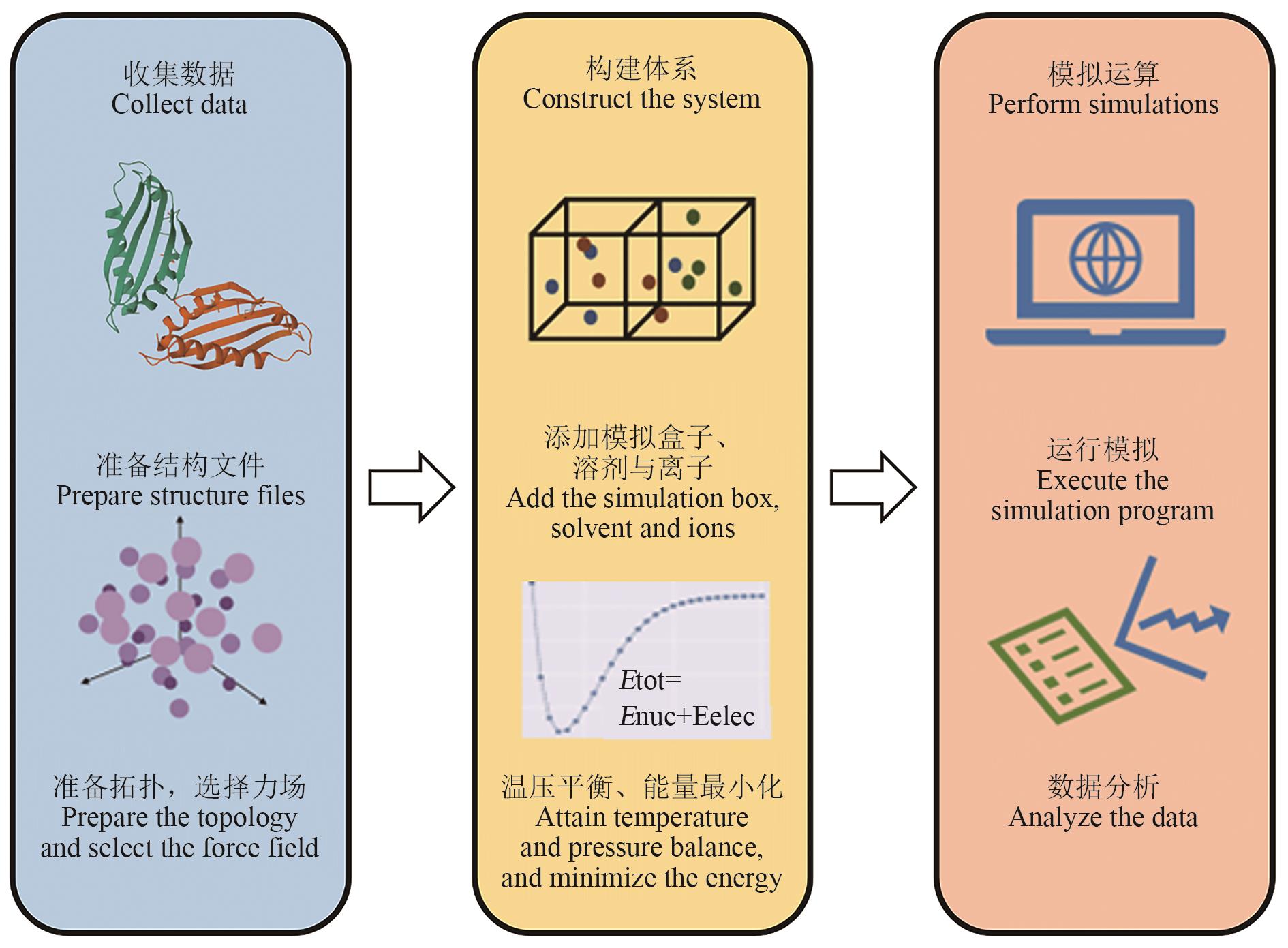
Fig. 1 Schematic diagram of molecular dynamics simulation process
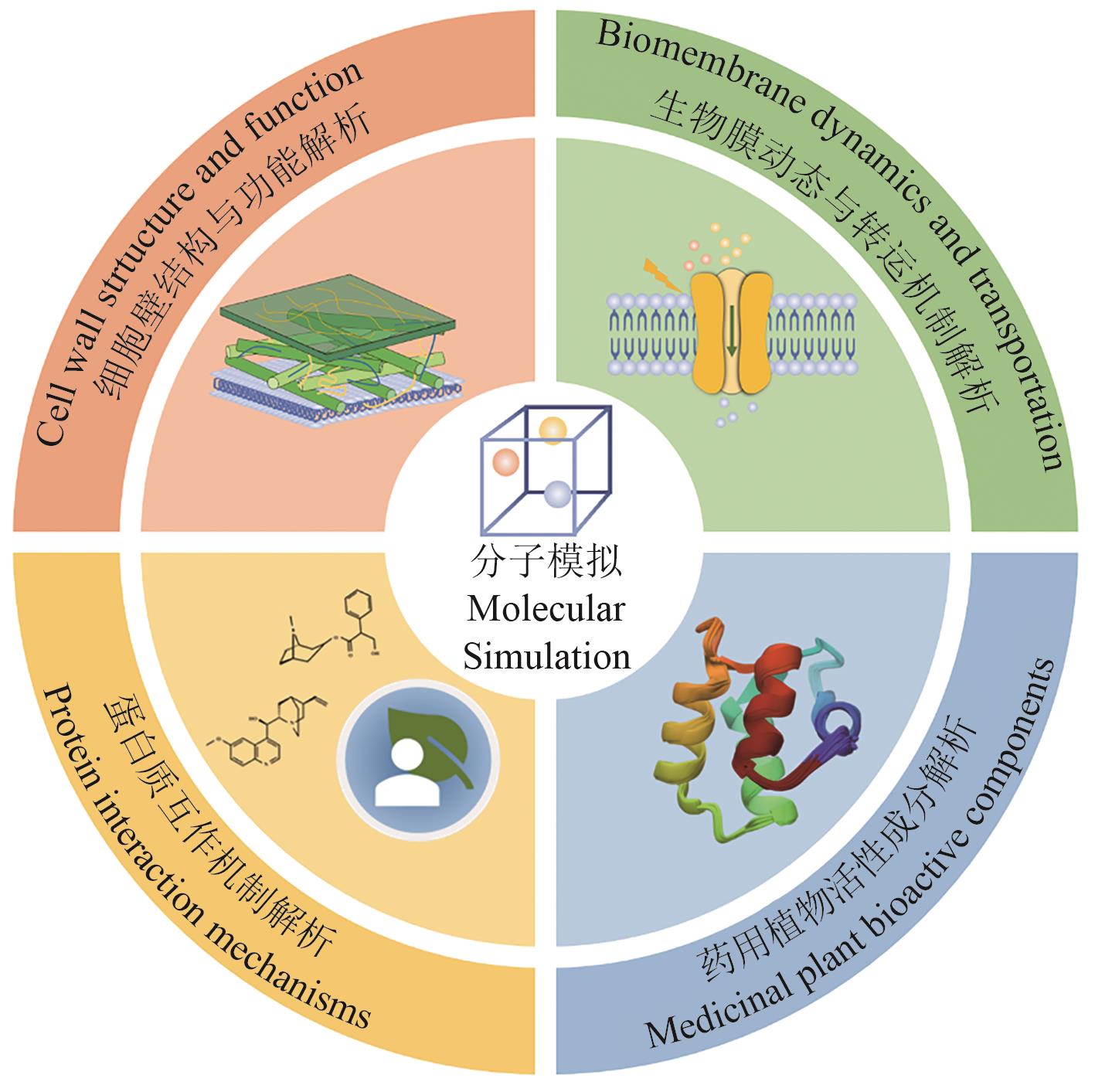
Fig. 2 Schematic diagram of application fields of molecular simulation in plants
| [1] | Li JX, Yu QH, Liu C, et al. Flavonoids as key players in cold tolerance: molecular insights and applications in horticultural crops [J]. Hortic Res, 2025, 12(4): uhae366. |
| [2] | Qi HL, Wang SN, Liu YH, et al. Identification of HXK gene family and expression analysis of salt tolerance in Buchloe dactyloides [J]. Int J Mol Sci, 2025, 26(2): 838. |
| [3] | Wang X, Wei H, Wang KT, et al. MYB transcription factors: Acting as molecular switches to regulate different signaling pathways to modulate plant responses to drought stress [J]. Ind Crops Prod, 2025, 226: 120676. |
| [4] | Zhou C, Xu L, Zuo R, et al. Integrated transcriptome and metabolome analysis reveals the resistance mechanisms of Brassica napus against Xanthomonas campestris [J]. Int J Mol Sci, 2025, 26(1): 367. |
| [5] | Kitano H. Systems biology: a brief overview [J]. Science, 2002, 295(5560): 1662-1664. |
| [6] | Trewavas A. A Brief History of Systems Biology: “Every object that biology studies is a system of systems.” Francois Jacob (1974) [J]. Plant Cell, 2006, 18(10): 2420-2430. |
| [7] | Adeleke VT, Madlala NE, Adeniyi AA, et al. Molecular interactions associated with coagulation of organic pollutants by 2S albumin of plant proteins: a computational approach [J]. Molecules, 2022, 27(5): 1685. |
| [8] | Dehury B, Maharana J, Sahoo BR, et al. Molecular recognition of avirulence protein (avrxa5) by eukaryotic transcription factor xa5 of rice (Oryza sativa L.): Insights from molecular dynamics simulations [J]. J Mol Graph Model, 2015, 57: 49-61. |
| [9] | Jin ZH, Wei ZH. Molecular simulation for food protein-ligand interactions: a comprehensive review on principles, current applications, and emerging trends [J]. Compr Rev Food Sci Food Saf, 2024, 23(1): e13280. |
| [10] | 朱伟平. 分子模拟技术在高分子领域的应用 [J]. 塑料科技, 2002, 30(5): 23-25, 33. |
| Zhu WP. Application of molecular simulation technology to macromolecule [J]. Plast Sci Technol, 2002, 30(5): 23-25, 33. | |
| [11] | Van Gunsteren WF, Daura X, Hansen N, et al. Validation of molecular simulation: an overview of issues [J]. Angew Chem Int Ed, 2018, 57(4): 884-902. |
| [12] | Stock M, Pieters O, De Swaef T, et al. Plant science in the age of simulation intelligence [J]. Front Plant Sci, 2024, 14: 1299208. |
| [13] | 管星悦, 黄恒焱, 彭华祺, 等. 生物分子模拟中的机器学习方法 [J]. 物理学报, 2023, 72(24): 325-337. |
| Guan XY, Huang HY, Peng HQ, et al. Machine learning in molecular simulations of biomolecules [J]. Acta Phys Sin, 2023, 72(24): 325-337. | |
| [14] | 唐赟, 李卫华, 盛亚运. 计算机分子模拟——2013年诺贝尔化学奖简介 [J]. 自然杂志, 2013, 35(6): 408-415. |
| Tang Y, Li WH, Sheng YY. Computer molecular modeling: a brief introduction to the Nobel Prize in Chemistry 2013 [J]. Chin J Nat, 2013, 35(6): 408-415. | |
| [15] | Zhang Y, Yu JY, Wang X, et al. Molecular insights into the complex mechanics of plant epidermal cell walls [J]. Science, 2021, 372(6543): 706-711. |
| [16] | Dror RO, Dirks RM, Grossman JP, et al. Biomolecular simulation: a computational microscope for molecular biology [J]. Annu Rev Biophys, 2012, 41: 429-452. |
| [17] | Fehér B, Nagy G, Garab G. Molecular level insight into non-bilayer structure formation in thylakoid membranes: a molecular dynamics study [J]. Photosynth Res, 2025, 163(3): 36. |
| [18] | Computational microscopy: Revealing molecular mechanisms in plants using molecular dynamics simulations [J]. Plant Cell, 2019, 31(12): tpc.119.tt1219. |
| [19] | Hollingsworth SA, Dror RO. Molecular dynamics simulation for all [J]. Neuron, 2018, 99(6): 1129-1143. |
| [20] | Ingólfsson HI, Arnarez C, Periole X, et al. Computational ‘microscopy’ of cellular membranes [J]. J Cell Sci, 2016: jcs.176040. |
| [21] | Vidal-Limon A, Aguilar-Toalá JE, Liceaga AM. Integration of molecular docking analysis and molecular dynamics simulations for studying food proteins and bioactive peptides [J]. J Agric Food Chem, 2022, 70(4): 934-943. |
| [22] | 樊康旗, 贾建援. 经典分子动力学模拟的主要技术 [J]. 微纳电子技术, 2005, 42(3): 133-138. |
| Fan KQ, Jia JY. An overview on classical molecular dynamics simulation [J]. Micronanoelectronic Technol, 2005, 42(3): 133-138. | |
| [23] | 文玉华, 朱如曾, 周富信, 等. 分子动力学模拟的主要技术 [J]. 力学进展, 2003, 33(1): 65-73. |
| Wen YH, Zhu RZ, Zhou FX, et al. An overview on molecular dynamics simulation [J]. Adv Mech, 2003, 33(1): 65-73. | |
| [24] | Fischer E. Einfluß der Konfiguration auf die Wirkung der Enzyme. I [M]. Untersuchungen Über Kohlenhydrate und Fermente (1884—1908). Berlin, Heidelberg; Springer Berlin Heidelberg. 1909: 836-844. |
| [25] | Koshland DE. Application of a theory of enzyme specificity to protein synthesis [J]. Proc Natl Acad Sci U S A, 1958, 44(2): 98-104. |
| [26] | Liguori N, Periole X, Marrink SJ, et al. From light-harvesting to photoprotection: structural basis of the dynamic switch of the major antenna complex of plants (LHCII) [J]. Sci Rep, 2015, 5: 15661. |
| [27] | Thallmair S, Vainikka PA, Marrink SJ. Lipid fingerprints and cofactor dynamics of light-harvesting complex II in different membranes [J]. Biophys J, 2019, 116(8): 1446-1455. |
| [28] | Ulmschneider JP, Ulmschneider MB, Di Nola A. Monte Carlo vs molecular dynamics for all-atom polypeptide folding simulations [J]. J Phys Chem B, 2006, 110(33): 16733-16742. |
| [29] | 段爱霞, 陈晶, 刘宏德, 等. 分子对接方法的应用与发展 [J]. 分析科学学报, 2009, 25(4): 473-477. |
| Duan AX, Chen J, Liu HD, et al. Applications and developments of molecular docking method [J]. J Anal Sci, 2009, 25(4): 473-477. | |
| [30] | Curutchet C, Novoderezhkin VI, Kongsted J, et al. Energy flow in the cryptophyte PE545 antenna is directed by bilin pigment conformation [J]. J Phys Chem B, 2013, 117(16): 4263-4273. |
| [31] | Diharce J, Bignon E, Fiorucci S, et al. Exploring dihydroflavonol-4-reductase reactivity and selectivity by QM/MM-MD simulations [J]. ChemBioChem, 2022, 23(3): e202100553. |
| [32] | Friesner RA, Banks JL, Murphy RB, et al. Glide: a new approach for rapid, accurate docking and scoring. 1. method and assessment of docking accuracy [J]. J Med Chem, 2004, 47(7): 1739-1749. |
| [33] | Guberman-Pfeffer M, Gascón J. Carotenoid-chlorophyll interactions in a photosynthetic antenna protein: a supramolecular QM/MM approach [J]. Molecules, 2018, 23(10): 2589. |
| [34] | Kuntz ID, Blaney JM, Oatley SJ, et al. A geometric approach to macromolecule-ligand interactions [J]. J Mol Biol, 1982, 161(2): 269-288. |
| [35] | Lyu JK, Wang S, Balius TE, et al. Ultra-large library docking for discovering new chemotypes [J]. Nature, 2019, 566(7743): 224-229. |
| [36] | Ravindranath PA, Forli S, Goodsell DS, et al. AutoDockFR: advances in protein-ligand docking with explicitly specified binding site flexibility [J]. PLoS Comput Biol, 2015, 11(12): e1004586. |
| [37] | Sherman W, Day T, Jacobson MP, et al. Novel procedure for modeling ligand/receptor induced fit effects [J]. J Med Chem, 2006, 49(2): 534-553. |
| [38] | Sproviero EM, Newcomer MB, Gascón JA, et al. The MoD-QM/MM methodology for structural refinement of photosystem II and other biological macromolecules [J]. Photosynth Res, 2009, 102(2): 455-470. |
| [39] | Warshel A, Levitt M. Theoretical studies of enzymic reactions: Dielectric, electrostatic and steric stabilization of the carbonium ion in the reaction of lysozyme [J]. J Mol Biol, 1976, 103(2): 227-249. |
| [40] | 魏凯, 刘磊, 李晓松, 等. 量子力学和分子力学联用方法 [J]. 化学物理学报, 2005, 18(5): 641-650. |
| Wei K, Liu L, Li XS, et al. Combined quantum mechanism and molecular mechanism method [J]. Chin J Chem Phys, 2005, 18(5): 641-650. | |
| [41] | 谢湖均, 雷群芳, 方文军. 量子力学和分子力学组合方法 [J]. 大学化学, 2015, 30(2): 44-49. |
| Xie HJ, Lei QF, Fang WJ. Combined quantum mechanics and molecular mechanics [J]. Univ Chem, 2015, 30(2): 44-49. | |
| [42] | Antal TK, Maslakov A, Yakovleva OV, et al. Simulation of chlorophyll fluorescence rise and decay kinetics, and P700-related absorbance changes by using a rule-based kinetic Monte-Carlo method [J]. Photosynth Res, 2018, 138(2): 191-206. |
| [43] | Earl DJ, Deem MW. Monte Carlo simulations [J]. Methods Mol Biol, 2008, 443: 25-36. |
| [44] | Guo QB, Kang J, Wu Y, et al. A molecular modeling approach to understand the structure and conformation relationship of (GlcpA)Xylan [J]. Carbohydr Polym, 2015, 134: 175-181. |
| [45] | Peter E, Dick B, Stambolic I, et al. Exploring the multiscale signaling behavior of phototropin1 from Chlamydomonas reinhardtii using a full-residue space kinetic Monte Carlo molecular dynamics technique [J]. Proteins Struct Funct Bioinform, 2014, 82(9): 2018-2040. |
| [46] | Schumaker MF, Kramer DM. Comparison of Monte Carlo simulations of Cytochrome b6f with experiment using Latin hypercube sampling [J]. Bull Math Biol, 2011, 73(9): 2152-2174. |
| [47] | 雷军, 张振军, 刘斌, 等. Monte Carlo方法在高分子科学中的应用 [J]. 高分子通报, 2005(6): 122-128. |
| Lei J, Zhang ZJ, Liu B, et al. Application of Monte Carlo technology in polymer science [J]. Polym Bull, 2005(6): 122-128. | |
| [48] | 刘刚, 张恒, 马莹, 等. 蒙特卡洛模拟在分子模拟教学中的应用 [J]. 化学教育: 中英文, 2020, 41(14): 42-46. |
| Liu G, Zhang H, Ma Y, et al. Application of Monte Carlo simulation in teaching of molecular simulation [J]. Chin J Chem Educ, 2020, 41(14): 42-46. | |
| [49] | 欧阳芳平, 徐慧, 郭爱敏, 等. 分子模拟方法及其在分子生物学中的应用 [J]. 生物信息学, 2005, 3(1): 33-36. |
| Ouyang FP, Xu H, Guo AM, et al. Molecular simulation methods and its application in molecular biology [J]. Bioinformatiocs, 2005, 3(1): 33-36. | |
| [50] | 尹增谦, 管景峰, 张晓宏, 等. 蒙特卡罗方法及应用 [J]. 物理与工程, 2002, 12(3): 45-49. |
| Yin ZQ, Guan JF, Zhang XH, et al. The Monte Carlo method and its application [J]. Phys Eng, 2002, 12(3): 45-49. | |
| [51] | Liguori N, Croce R, Marrink SJ, et al. Molecular dynamics simulations in photosynthesis [J]. Photosynth Res, 2020, 144(2): 273-295. |
| [52] | Neubergerová M, Pleskot R. Plant protein-lipid interfaces studied by molecular dynamics simulations [J]. J Exp Bot, 2024, 75(17): 5237-5250. |
| [53] | 杨萍, 孙益民. 分子动力学模拟方法及其应用 [J]. 安徽师范大学学报: 自然科学版, 2009, 32(1): 51-54. |
| Yang P, Sun YM. Method of molecular dynamics simulation and its application [J]. J Anhui Norm Univ Nat Sci, 2009, 32(1): 51-54. | |
| [54] | Chavent M, Duncan AL, Sansom MS. Molecular dynamics simulations of membrane proteins and their interactions: from nanoscale to mesoscale [J]. Curr Opin Struct Biol, 2016, 40: 8-16. |
| [55] | de Meyer FJM, Rodgers JM, Willems TF, et al. Molecular simulation of the effect of cholesterol on lipid-mediated protein-protein interactions [J]. Biophys J, 2010, 99(11): 3629-3638. |
| [56] | Van Eerden FJ, Melo MN, Frederix PWJM, et al. Prediction of thylakoid lipid binding sites on photosystem II [J]. Biophys J, 2017, 113(12): 2669-2681. |
| [57] | Lee CK, Pao CW, Smit B. PSII-LHCII super complex organizations in photosynthetic membrane by coarse-grained simulation [J]. J Phys Chem B, 2015, 119(10): 3999-4008. |
| [58] | Veevers R, Ostendorp S, Ostendorp A, et al. Controlled liquid-liquid phase separation via the simulation-guided, targeted engineering of the RNA-binding protein PARCL [J]. iScience, 2025, 28(7): 112852. |
| [59] | Schwantes CR, McGibbon RT, Pande VS. Perspective: Markov models for long-timescale biomolecular dynamics [J]. J Chem Phys, 2014, 141(9): 090901. |
| [60] | Pan ZJ, Li MD, Chen D, et al. A sinking approach to explore arbitrary areas in free energy landscapes [J]. JACS Au, 2025, 5(6): 2898-2908. |
| [61] | Wang T, He XH, Li MY, et al. Ab initio characterization of protein molecular dynamics with AI2BMD [J]. Nature, 2024, 635(8040): 1019-1027. |
| [62] | 吴坚, 薛晓燕, 王丽芳, 等. 分子对接方法应用与发展 [J]. 亚太传统医药, 2013, 9(12): 80-81. |
| Wu J, Xue XY, Wang LF, et al. Application and development of molecular docking method [J]. Asia Pac Tradit Med, 2013, 9(12): 80-81. | |
| [63] | Ewing TJA, Makino S, Skillman AG, et al. DOCK 4.0: Search strategies for automated molecular docking of flexible molecule databases [J]. J Comput Aided Mol Des, 2001, 15(5): 411-428. |
| [64] | Kitchen DB, Decornez H, Furr JR, et al. Docking and scoring in virtual screening for drug discovery: methods and applications [J]. Nat Rev Drug Discov, 2004, 3(11): 935-949. |
| [65] | Paggi JM, Pandit A, Dror RO. The art and science of molecular docking [J]. Annu Rev Biochem, 2024, 93: 389-410. |
| [66] | Yang C, Chen EA, Zhang YK. Protein-ligand docking in the machine-learning era [J]. Molecules, 2022, 27(14): 4568. |
| [67] | Borah K, Bora K, Mallik S, et al. Potential therapeutic agents on Alzheimer’s disease through molecular docking and molecular dynamics simulation study of plant-based compounds [J]. Chem Biodivers, 2023, 20(1): e202200684. |
| [68] | Jiao YQ, Shi CC, Sun Y. Unraveling the role of Scutellaria baicalensis for the treatment of breast cancer using network pharmacology, molecular docking, and molecular dynamics simulation [J]. Int J Mol Sci, 2023, 24(4): 3594. |
| [69] | Shoaib TH, Abdelmoniem N, Mukhtar RM, et al. Molecular docking and molecular dynamics studies reveal the anticancer potential of medicinal-plant-derived lignans as MDM2-P53 interaction inhibitors [J]. Molecules, 2023, 28(18): 6665. |
| [70] | Suresh PS, Kesarwani V, Kumari S, et al. Bisbenzylisoquinolines from Cissampelos pareira L. as antimalarial agents: Molecular docking, pharmacokinetics analysis, and molecular dynamic simulation studies [J]. Comput Biol Chem, 2023, 104: 107826. |
| [71] | Yang X, Feng Y, Liu Y, et al. Fuzheng Jiedu Xiaoji formulation inhibits hepatocellular carcinoma progression in patients by targeting the AKT/CyclinD1/p21/p27 pathway [J]. Phytomedicine, 2021, 87: 153575. |
| [72] | Deiva Suga SS. Molecular docking analysis of phytocompounds from Andrographis paniculata binding with proteins in the Notch-signaling pathway [J]. Bioinformation, 2020, 16(11): 923. |
| [73] | 白颖璐, 张金芳, 沙子珺, 等. 基于网络药理学和分子对接分析八味三香散治疗慢性心力衰竭的潜在分子机制 [J]. 中国中药杂志, 2021, 46(10): 2392-2402. |
| Bai YL, Zhang JF, Sha ZJ, et al. Study on potential molecular mechanism of Mongolian medicine Bawei Sanxiang San in treatment of chronic heart failure based on network pharmacology and molecular docking [J]. China J Chin Mater Med, 2021, 46(10): 2392-2402. | |
| [74] | 聂承冬, 阎新佳, 温静, 等. 基于分子对接和网络药理学的连翘抗肿瘤的作用机制分析 [J]. 中国中药杂志, 2020, 45(18): 4455-4465. |
| Nie CD, Yan XJ, Wen J, et al. Study on molecular of anti-tumor mechanism of Forsythia suspensa based on molecular docking and network pharmacology [J]. China J Chin Mater Med, 2020, 45(18): 4455-4465. | |
| [75] | Halfar R, Damborský J, Marques SM, et al. Moldina: a fast and accurate search algorithm for simultaneous docking of multiple ligands [J]. J Cheminf, 2025, 17(1): 61. |
| [76] | McNutt AT, Li YJ, Meli R, et al. GNINA 1.3: the next increment in molecular docking with deep learning [J]. J Cheminf, 2025, 17(1): 28. |
| [77] | Zhang K, Zhu YM, Zhang W, et al. LigDockTailor: Ligand-specific docking tool matching using multidimensional descriptors [J]. Comput Biol Chem, 2025, 119: 108554. |
| [78] | Saito K, Nakao S, Ishikita H. Identification of the protonation and oxidation states of the oxygen-evolving complex in the low-dose X-ray crystal structure of photosystem II [J]. Front Plant Sci, 2023, 14: 1029674. |
| [79] | Somboon T, Ochiai J, Treesuwan W, et al. Mechanistic insights into the catalytic reaction of plant allene oxide synthase (pAOS) via QM and QM/MM calculations [J]. J Mol Graph Model, 2014, 52: 20-29. |
| [80] | 莫亦荣, Alhambra C, 高加力. 量子力学和分子力学组合方法及其应用 [J]. 化学学报, 2000, 58(12): 1504-1510. |
| Mo YR, Alhambra C, Gao JL. Recent development and applications of combined QM/MM methods [J]. Acta Chim Sin, 2000, 58(12): 1504-1510. | |
| [81] | van der Kamp MW, Mulholland AJ. Combined quantum mechanics/molecular mechanics (QM/MM) methods in computational enzymology [J]. Biochemistry, 2013, 52(16): 2708-2728. |
| [82] | Hermann JC, Ridder L, Mulholland AJ, et al. Identification of Glu166 as the general base in the acylation reaction of class a β-lactamases through QM/MM modeling [J]. J Am Chem Soc, 2003, 125(32): 9590-9591. |
| [83] | Meier K, Thiel W, van Gunsteren WF. On the effect of a variation of the force field, spatial boundary condition and size of the QM region in QM/MM MD simulations [J]. J Comput Chem, 2012, 33(4): 363-378. |
| [84] | Rodríguez A, Oliva C, González M, et al. Comparison of different quantum mechanical/molecular mechanics boundary treatments in the reaction of the hepatitis C virus NS3 protease with the NS5A/5B substrate [J]. J Phys Chem B, 2007, 111(44): 12909-12915. |
| [85] | Pederson JP, McDaniel JG. PyDFT-QMMM: a modular, extensible software framework for DFT-based QM/MM molecular dynamics [J]. J Chem Phys, 2024, 161(3): 034103. |
| [86] | Sun Y. Protein-based QM-CGMM [J]. J Mol Graph Model, 2025, 140: 109081. |
| [87] | 陈正国, 朱申敏, 程时远. 分子模拟方法及在高聚物中的应用 [J]. 材料导报, 1997, 11(6): 49-51. |
| Chen ZG, Zhu SM, Cheng SY. Molecular simulation methods and its applications in polymer [J]. Mater Rev, 1997, 11(6): 49-51. | |
| [88] | 刘欣, 顾宜. 高分子科学中的计算机模拟 [J]. 高分子材料科学与工程, 2000, 16(6): 28-31. |
| Liu X, Gu Y. Computer simulation of polymer science [J]. Polym Mater Sci Cngineering, 2000, 16(6): 28-31. | |
| [89] | 夏宗宁, 贺立, 吕允文. 材料科学中的计算机模拟 [J]. 化工新型材料, 1996, 24(2): 1-6. |
| Xia ZN, He L, Lyu YW. Computer simulation in materials science [J]. New Chem Mater, 1996, 24(2): 1-6. | |
| [90] | Okada S, Murakami K, Kusumoto T, et al. Recent updates of the MPEXS2.1-DNA Monte Carlo code for simulations of water radiolysis under ion irradiation [J]. Sci Rep, 2025, 15: 16534. |
| [91] | Lavorel I. A Monte Carlo method for the simulation of kinetie models [J]. Photosynth Res, 1986, 9(1): 273-283. |
| [92] | Husar A, Ordyan M, Garcia GC, et al. MCell4 with BioNetGen: a Monte Carlo simulator of rule-based reaction-diffusion systems with Python interface [J]. PLoS Comput Biol, 2024, 20(4): e1011800. |
| [93] | Lv ST, Liang Y, Meng YC, et al. Many-body computing on field programmable gate arrays [J]. Commun Phys, 2025, 8: 117. |
| [94] | Verbančič J, Lunn JE, Stitt M, et al. Carbon supply and the regulation of cell wall synthesis [J]. Mol Plant, 2018, 11(1): 75-94. |
| [95] | Obomighie I, Prentice IJ, Lewin-Jones P, et al. Understanding pectin cross-linking in plant cell walls [J]. Commun Biol, 2025, 8: 72. |
| [96] | Marta Busse-Wicher AL. Evolution of xylan substitution patterns in gymnosperms and angiosperms: implications for xylan interaction with cellulose [J]. Plant Physiol, 2016, 171(4): 2418-2431. |
| [97] | Addison B, Bu LT, Bharadwaj V, et al. Atomistic, macromolecular model of the Populus secondary cell wall informed by solid-state NMR [J]. Sci Adv, 2024, 10: eadi7965. |
| [98] | Jin K, Qin Z, Buehler MJ. Molecular deformation mechanisms of the wood cell wall material [J]. J Mech Behav Biomed Mater, 2015, 42: 198-206. |
| [99] | Khodayari A, Thielemans W, Hirn U, et al. Cellulose-hemicellulose interactions - A nanoscale view [J]. Carbohydr Polym, 2021, 270: 118364. |
| [100] | Trentin LN, Alcântara ACS, Batista CGT, et al. Unraveling the mechanical behavior of softwood secondary cell walls through atomistic simulations [J]. Biomacromolecules, 2025, 26(6): 3395-3409. |
| [101] | Tang JF, Wu LP, Fan XQ, et al. Superstrong, sustainable, origami wood paper enabled by dual-phase nanostructure regulation in cell walls [J]. Sci Adv, 2024, 10(30): eado5142. |
| [102] | Penttilä PA, Paajanen A, Ketoja JA. Combining scattering analysis and atomistic simulation of wood-water interactions [J]. Carbohydr Polym, 2021, 251: 117064. |
| [103] | Paajanen A, Zitting A, Rautkari L, et al. Nanoscale mechanism of moisture-induced swelling in wood microfibril bundles [J]. Nano Lett, 2022, 22(13): 5143-5150. |
| [104] | Shomali A, Zhang C, Coasne B, et al. Cellulose consolidated with polyethylene glycol: The nanoscale mechanisms revealed by hybrid Monte Carlo/molecular dynamics modeling [J]. Int J Biol Macromol, 2025, 285: 137661. |
| [105] | van Eerden FJ, de Jong DH, de Vries AH, et al. Characterization of thylakoid lipid membranes from cyanobacteria and higher plants by molecular dynamics simulations [J]. Biochim Biophys Acta Biomembr, 2015, 1848(6): 1319-1330. |
| [106] | Saini R, Ansari SJ, Debnath A. Aggregation of chlorophylls on plant thylakoid membranes using coarse-grained simulations [J]. Phys Chem Chem Phys, 2023, 25(16): 11356-11367. |
| [107] | Siwko ME, Marrink SJ, de Vries AH, et al. Does isoprene protect plant membranes from thermal shock? A molecular dynamics study [J]. Biochim Biophys Acta Biomembr, 2007, 1768(2): 198-206. |
| [108] | Kulke M, Weraduwage SM, Sharkey TD, et al. Nanoscale simulation of the thylakoid membrane response to extreme temperatures [J]. Plant Cell Environ, 2023, 46(8): 2419-2431. |
| [109] | Weraduwage SM, Whitten D, Kulke M, et al. The isoprene-responsive phosphoproteome provides new insights into the putative signalling pathways and novel roles of isoprene [J]. Plant Cell Environ, 2024, 47(4): 1099-1117. |
| [110] | Fehér B, Voets IK, Nagy G. The impact of physiologically relevant temperatures on physical properties of thylakoid membranes: a molecular dynamics study [J]. Photosynthetica, 2023, 61(4): 441-450. |
| [111] | Chng CP, Wang K, Ma W, et al. Chloroplast membrane lipid remodeling protects against dehydration by limiting membrane fusion and distortion [J]. Plant Physiol, 2022, 188(1): 526-539. |
| [112] | Raza S, Miller M, Hamberger B, et al. Plant terpenoid permeability through biological membranes explored via molecular simulations [J]. J Phys Chem B, 2023, 127(5): 1144-1157. |
| [113] | Weigle AT, Shukla D. The Arabidopsis AtSWEET13 transporter discriminates sugars by selective facial and positional substrate recognition [J]. Commun Biol, 2024, 7: 764. |
| [114] | Liu Y, Sun CF, Wu X, et al. DkDTX1/MATE1 mediates the accumulation of proanthocyanidin and affects astringency in persimmon [J]. Plant Cell Environ, 2024, 47(12): 5205-5219. |
| [115] | Pérez-Sancho J, Smokvarska M, Dubois G, et al. Plasmodesmata act as unconventional membrane contact sites regulating intercellular molecular exchange in plants [J]. Cell, 2025, 188(4): 958-977.e23. |
| [116] | Li Y, Bao WL, Wu HY, et al. Delaminated layered double hydroxide delivers DNA molecules as sandwich nanostructure into cells via a non-endocytic pathway [J]. Sci Bull, 2017, 62(10): 686-692. |
| [117] | Jiang M, Niu C, Cao JM, et al. In silico-prediction of protein-protein interactions network about MAPKs and PP2Cs reveals a novel docking site variants in Brachypodium distachyon [J]. Sci Rep, 2018, 8: 15083. |
| [118] | Torres-Rodriguez MD, Lee SG, Roy Choudhury S, et al. Structure-function analysis of plant G-protein regulatory mechanisms identifies key Gα-RGS protein interactions [J]. J Biol Chem, 2024, 300(5): 107252. |
| [119] | Wu HM, Wan LH, Liu ZY, et al. Mechanistic study of SCOOPs recognition by MIK2-BAK1 complex reveals the role of N-glycans in plant ligand-receptor-coreceptor complex formation [J]. Nat Plants, 2024, 10(12): 1984-1998. |
| [120] | Rozano L, Hane JK, Mancera RL. The molecular docking of MAX fungal effectors with plant HMA domain-binding proteins [J]. Int J Mol Sci, 2023, 24(20): 15239. |
| [121] | Vasistha P, Singh PP, Srivastava D, et al. Effector proteins of Funneliformis mosseae BR221: unravelling plant-fungal interactions through reference-based transcriptome analysis, in vitro validation, and protein-protein docking studies [J]. BMC Genomics, 2025, 26(1): 42. |
| [122] | Miao P, Wang HJ, Wang W, et al. A widespread plant defense compound disarms bacterial type III injectisome assembly [J]. Science, 2025, 387(6737): eads0377. |
| [123] | Li Y, Zhang XR, Cao DP. The role of shape complementarity in the protein-protein interactions [J]. Sci Rep, 2013, 3: 3271. |
| [124] | Daskalakis V. Protein-protein interactions within photosystem II under photoprotection: the synergy between CP29 minor antenna, subunit S (PsbS) and Zeaxanthin at all-atom resolution [J]. Phys Chem Chem Phys, 2018, 20(17): 11843-11855. |
| [125] | Panchangam SS. BabyBoom: 3-dimensional structure-based ligand and protein interaction prediction by molecular docking [J]. Biomolecules, 2022, 12(11): 1633. |
| [126] | Xu JJ, Lei Y, Zhang XF, et al. Design of CoQ10 crops based on evolutionary history [J]. Cell, 2025, 188(7): 1941-1954.e15. |
| [127] | Yang ZS, Wei H, Gan YL, et al. Structural insights into auxin influx mediated by the Arabidopsis AUX1 [J]. Cell, 2025, 188(15): 3960-3973.e15. |
| [128] | Zhao Y, Liu GZ, Yang F, et al. Multilayered regulation of secondary metabolism in medicinal plants [J]. Mol Hortic, 2023, 3(1): 11. |
| [129] | Yang RY, Gao WH, Wang ZB, et al. Polyphyllin I induced ferroptosis to suppress the progression of hepatocellular carcinoma through activation of the mitochondrial dysfunction via Nrf2/HO-1/GPX4 axis [J]. Phytomedicine, 2024, 122: 155135. |
| [130] | Zhang ZH, Li MY, Wang Z, et al. Convallatoxin promotes apoptosis and inhibits proliferation and angiogenesis through crosstalk between JAK2/STAT3 (T705) and mTOR/STAT3 (S727) signaling pathways in colorectal cancer [J]. Phytomedicine, 2020, 68: 153172. |
| [131] | Shang LR, Wang YC, Li JX, et al. Mechanism of Sijunzi Decoction in the treatment of colorectal cancer based on network pharmacology and experimental validation [J]. J Ethnopharmacol, 2023, 302: 115876. |
| [132] | Ahammad F, Alam R, Mahmud R, et al. Pharmacoinformatics and molecular dynamics simulation-based phytochemical screening of neem plant (Azadiractha indica) against human cancer by targeting MCM7 protein [J]. Brief Bioinform, 2021, 22(5): bbab098. |
| [133] | Yang C, Lu T, Liu M, et al. Tiliroside targets TBK1 to induce ferroptosis and sensitize hepatocellular carcinoma to sorafenib [J]. Phytomedicine, 2023, 111: 154668. |
| [134] | Abdelfatah S, Böckers M, Asensio M, et al. Isopetasin and S-isopetasin as novel P-glycoprotein inhibitors against multidrug-resistant cancer cells [J]. Phytomedicine, 2021, 86: 153196. |
| [1] | SU Yan-zhu, LI Da, ZHANG Ai-ai, LIU Yong-guang, ZHANG Xiu-rong, XUE Qi-qin. Identification and Expression Analysis of CAD Gene Family in Soybean(Glycine max (L.) Merr.) [J]. Biotechnology Bulletin, 2026, 42(4): 101-113. |
| [2] | YANG Juan, FENG Hui, JI Nai-zhe, SUN Li-ping, WANG Yun, ZHANG Jia-nan, ZHAO Shi-wei. Cloning and Functional Analysis of AP2/ERF Transcription Factors RcERF4 and RcRAP2-12 in Rose [J]. Biotechnology Bulletin, 2026, 42(1): 150-160. |
| [3] | WANG Fang, SHAO Hui-ru, LYU Lin-long, ZHAO Dian, HU Zhen, LYU Jian-zhen, JIANG Liang. Establishment of TurboID Proximity Labeling Technology in Plants and Bacteria [J]. Biotechnology Bulletin, 2025, 41(9): 44-53. |
| [4] | LIU Yu-shi, LI Zhen, ZOU Yu-chen, TANG Wei-wei, LI Bin. Advances in Spatial Metabolomics in Medicinal Plants [J]. Biotechnology Bulletin, 2025, 41(9): 22-31. |
| [5] | HUANG Shi-yu, TIAN Shan-shan, YANG Tian-wei, GAO Man-rong, ZHANG Shang-wen. Genome-wide Identification and Expression Pattern Analysis of WRI1 Gene Family in Erythropalum scandens [J]. Biotechnology Bulletin, 2025, 41(8): 242-254. |
| [6] | ZHENG Qian-ming, YAN Shuang, XIE Pu, WANG Hong-lin. Expression and Enzyme Activity Identification of Cell Wall Invertase Gene SmCWIN6 from Red Pitaya [J]. Biotechnology Bulletin, 2025, 41(8): 267-275. |
| [7] | KANG Qin, WANG Xia, SHEN Ming-yang, XU Jing-tian, CHEN Shi-lan, LIAO Ping-yang, XU Wen-zhi, WU Wei, XU Dong-bei. Cloning and Expression Analysis of the UV-B Receptor Gene McUVR8 in Mentha canadensis L. [J]. Biotechnology Bulletin, 2025, 41(8): 255-266. |
| [8] | ZHANG Xue-qiong, PAN Su-jun, LI Wei, DAI Liang-ying. Research Progress of Plant Phosphate Transporters in the Response to Stress [J]. Biotechnology Bulletin, 2025, 41(7): 28-36. |
| [9] | WANG Cong-huan, WU Guo-qiang, WEI Ming. Functional Mechanism of Plant CBL in Regulating the Responses to Abiotic and Biotic Stresses [J]. Biotechnology Bulletin, 2025, 41(7): 1-16. |
| [10] | HUANG Dan-dan, WU Yun-yi, ZOU Jian-hua, YU Ting, ZHU Yan-hui, YANG Mei-hong, DONG Wen-li, GAO Dong-li. Cloning and Interaction Analysis of StPTST2a Gene in Potato [J]. Biotechnology Bulletin, 2025, 41(7): 172-180. |
| [11] | LI Xiao-huan, CHEN Xiang-yu, TAO Qi-yu, ZHU Ling, TANG Ming, YAO Yin-an, WANG Li-jun. Effects of PtoMYB61 on Lignin Biosynthesis and Salt Tolerance in Populus tomentosa [J]. Biotechnology Bulletin, 2025, 41(6): 284-296. |
| [12] | ZHANG Jun-jie, LIU Shuang, HU Ming-zhu, SHI Xue-rui, DAI Jin-xia. Screening of Nitrogen-fixing Microorganisms in Rhizosphere Soil of Desert Plants and Their Stress-resistant and Growth-promoting Characteristics [J]. Biotechnology Bulletin, 2025, 41(6): 317-326. |
| [13] | JIANG Li-si, LI Wen-yuan, ZHANG Yu-qi, YANG Yang-wen-di, LIU Zi-rui, FU Wei. Research Progress in the Toxic Effects of Titanium Dioxide Nanoparticles on Plants [J]. Biotechnology Bulletin, 2025, 41(5): 32-41. |
| [14] | SU Lin, QI Yu-cen, YANG Yi, CHENG He-feng, JI Si-yu, LIU Ting, CHENG Tang-ren, WANG Jia, ZHANG Qi-xiang, PAN Hui-tang. Regulating the Resistance to Black Spot Disease by Xylanase Hydrolase Gene RcXYNC in Roses [J]. Biotechnology Bulletin, 2025, 41(4): 211-226. |
| [15] | ZHOU Wen-jian, CUI Xiao-nan, SHI Wei-yang. Research Progress in the Application of DNA Methyltransferases in Epigenetics [J]. Biotechnology Bulletin, 2025, 41(2): 30-39. |
| Viewed | ||||||
|
Full text |
|
|||||
|
Abstract |
|
|||||
