







Biotechnology Bulletin ›› 2026, Vol. 42 ›› Issue (5): 257-271.doi: 10.13560/j.cnki.biotech.bull.1985.2025-1010
LI Qiong-yao1( ), BAO Rui1, LEI Hai-tao1, YANG Yuan-xu1, HAN Li-zhen1,2()
Received:2025-09-22
Online:2026-05-26
Published:2026-06-10
Contact:
HAN Li-zhen
E-mail:2936412418@qq.com;lzhan1@gzu.edu.cn
LI Qiong-yao, BAO Rui, LEI Hai-tao, YANG Yuan-xu, HAN Li-zhen. The Effect of Stress-resistant and Growth-promoting Bacteria Pseudomonas putida on Pepper Seed Germination and Seedling Growth[J]. Biotechnology Bulletin, 2026, 42(5): 257-271.
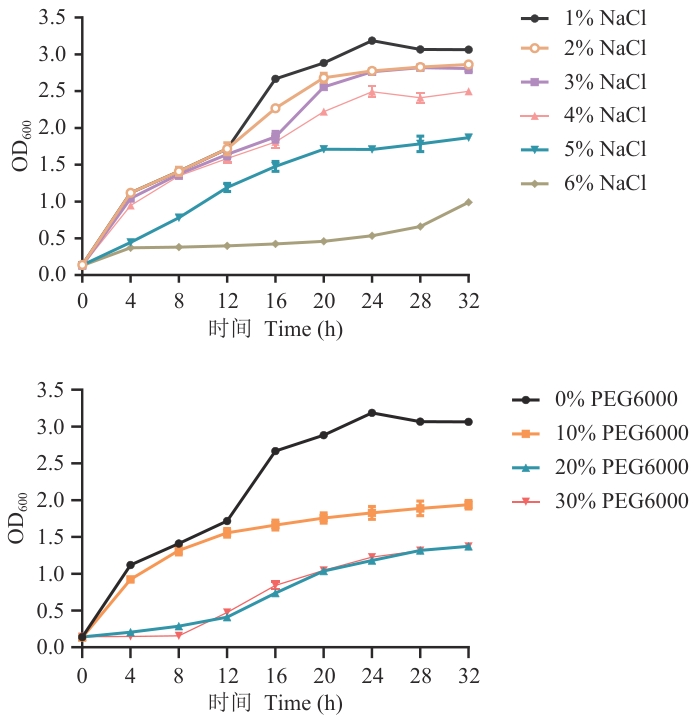
Fig. 1 Growth curves of HGD3 strain under salt (A) and drought (B) stress
非生物胁迫 Abiotic stress | 铁载体相对含量 Siderophore relative content (%) | IAA含量 IAA content (mg/L) | ACC脱氨酶活性 ACC deaminase activity (μmol/mg/h) | 可溶磷含量 Soluble phosphorus content (μg/mL) |
|---|---|---|---|---|
| 0 | 47.52±3.57a | 15.37±0.79a | 6.40±0.62a | 132.67±1.51a |
| 1% NaCl | 36.59±3.78ab | 8.78±0.98b | 5.24±0.05b | 124.63±0.75b |
| 2% NaCl | 23.05±1.08c | 5.78±0.22cd | 4.04±0.21c | 118.25±1.91c |
| 3% NaCl | 21.33±3.71cd | 5.37±0.22cd | 2.30±0.14d | 102.05±1.82d |
| 4% NaCl | 3.65±2.99e | 4.37±0.65de | 2.15±0.19d | 95.99±0.86e |
| 5% NaCl | - | 3.37±0.51e | - | 39.62±1.97f |
| 10% PEG6000 | 27.64±1.77bc | 14.28±0.08a | 5.97±0.39ab | 15.6±0.54g |
| 20% PEG6000 | 18.67±2.78cd | 6.45±0.52c | 3.64±0.14c | 11.56±0.1h |
| 30% PEG6000 | 12.9±2.71d | - | 0.91±0.42e | 11.3±0.11h |
Table 1 Growth-promoting characteristics of strain HGD3 under different concentrations of NaCl and PEG6000 stress
非生物胁迫 Abiotic stress | 铁载体相对含量 Siderophore relative content (%) | IAA含量 IAA content (mg/L) | ACC脱氨酶活性 ACC deaminase activity (μmol/mg/h) | 可溶磷含量 Soluble phosphorus content (μg/mL) |
|---|---|---|---|---|
| 0 | 47.52±3.57a | 15.37±0.79a | 6.40±0.62a | 132.67±1.51a |
| 1% NaCl | 36.59±3.78ab | 8.78±0.98b | 5.24±0.05b | 124.63±0.75b |
| 2% NaCl | 23.05±1.08c | 5.78±0.22cd | 4.04±0.21c | 118.25±1.91c |
| 3% NaCl | 21.33±3.71cd | 5.37±0.22cd | 2.30±0.14d | 102.05±1.82d |
| 4% NaCl | 3.65±2.99e | 4.37±0.65de | 2.15±0.19d | 95.99±0.86e |
| 5% NaCl | - | 3.37±0.51e | - | 39.62±1.97f |
| 10% PEG6000 | 27.64±1.77bc | 14.28±0.08a | 5.97±0.39ab | 15.6±0.54g |
| 20% PEG6000 | 18.67±2.78cd | 6.45±0.52c | 3.64±0.14c | 11.56±0.1h |
| 30% PEG6000 | 12.9±2.71d | - | 0.91±0.42e | 11.3±0.11h |
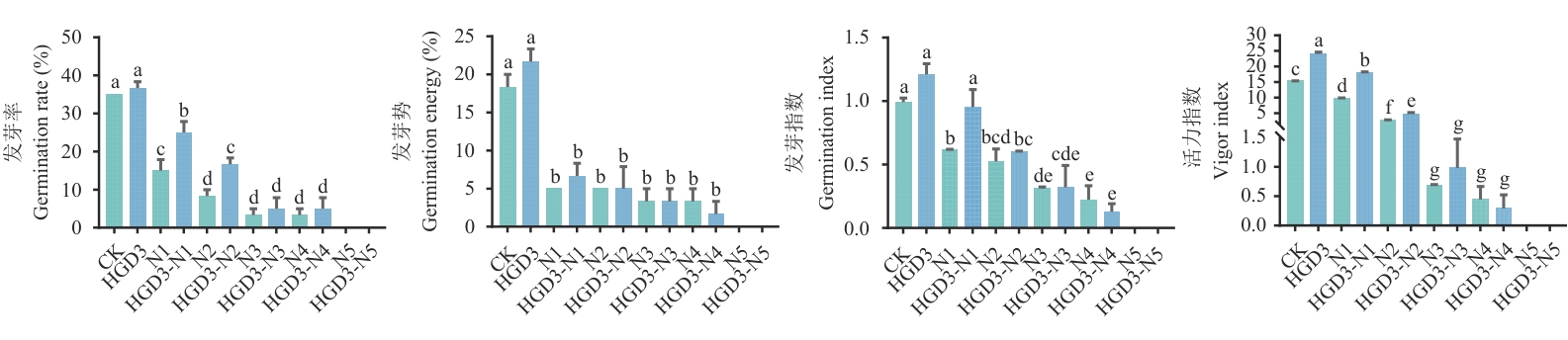
Fig. 2 Effects of HGD3 strain soaking treatment on pepper seed germination under salt stressN1, N2, N3, N4 and N5 correspond to the salt stress groups treated with 1%, 2%, 3%, 4% and 5% NaCl solutions, respectively. HGD3-N1, HGD3-N2, HGD3-N3, HGD3-N4, and HGD3-N5 correspond to the HGD3 strain soaking treatment groups at the aforementioned 5 NaCl concentrations
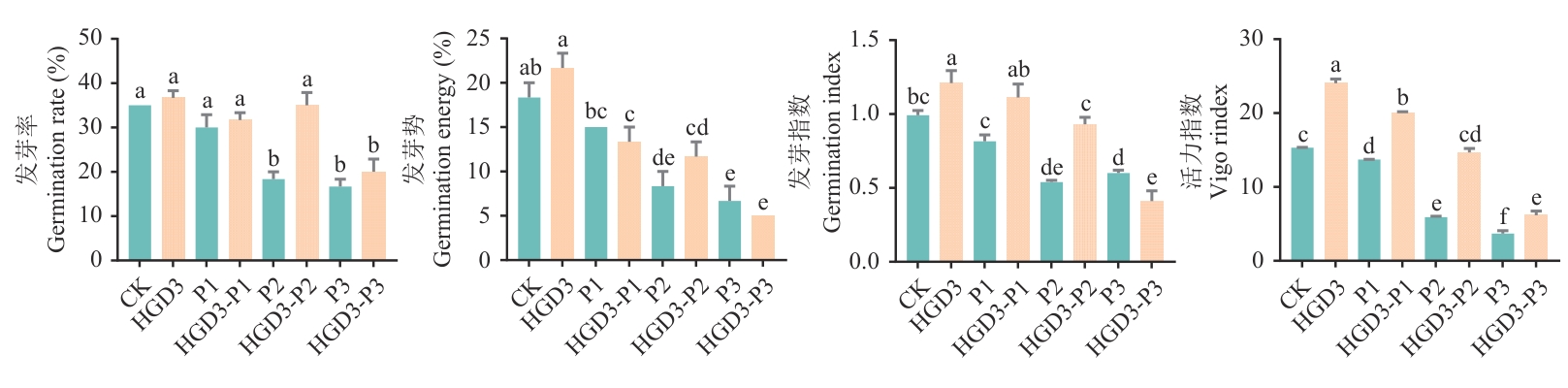
Fig. 3 Effects of HGD3 strain soaking treatment on pepper seed germination under droughtP1, P2, and P3 indicate the drought stress treatment groups, corresponding to 10%, 20%, and 30% PEG6000 concentration treatments, respectively. HGD3-P1, HGD3-P2, and HGD3-P3 correspond to the HGD3 strain soaking treatment groups at the three PEG6000 concentrations
处理组 Treatment | 株高 Plant height (cm) | 根长 Root length (cm) | 鲜重 Fresh weight (g) | 根重 Root weight (g) | 茎粗 Stem diameter (mm) | 叶绿素 Chlorophyll (SPAD) |
|---|---|---|---|---|---|---|
| CK | 19.17±1.21bc | 21.83±0.26ab | 6.87±1.15bc | 1.54±0.21cde | 3.33±0.03bc | 43.13±0.26cd |
| HGD3 | 24.38±0.57a | 23.72±1.04a | 11.48±0.53a | 2.78±0.11a | 4.21±0.06a | 51.27±1.36a |
| LS | 17.8±0.48cd | 18.28±1.38bc | 6.3±0.69c | 1.71±0.33cd | 3.23±0.04bcd | 42.37±0.33d |
| HGD3-LS | 23.37±0.44a | 21.78±1.66ab | 10.81±0.85a | 2.84±0.47a | 3.43±0.03b | 45.4±0.7bc |
| MS | 13.45±1.14ef | 19.96±1abc | 3.97±0.52d | 0.81±0.11fg | 2.74±0.09f | 41.77±0.54d |
| HGD3-MS | 20.28±0.59b | 21.08±1.46ab | 8.45±0.2b | 2.45±0.13ab | 3.41±0.11b | 46.33±0.7b |
| HS | 12.99±0.57f | 19.8±0.56abc | 3.91±0.62d | 1.05±0.23def | 2.78±0.09ef | 40.7±0.29d |
| HGD3-HS | 16.04±0.97d | 19.34±1.01bc | 6.32±0.47c | 1.84±0.13bc | 3.02±0.02de | 46.93±0.32b |
| D | 9.28±0.58g | 16.85±2.23c | 0.93±0.05e | 0.34±0.04g | 2.45±0.2g | 37.1±1.65e |
| HGD3-D | 15.6±0.39de | 22.14±0.45ab | 3.06±0.1d | 0.88±0.04efg | 3.06±0.07cd | 46.77±1.08b |
Table 2 Effects of inoculation with HGD3 strain on growth indicators of pepper seedlings under salt stress
处理组 Treatment | 株高 Plant height (cm) | 根长 Root length (cm) | 鲜重 Fresh weight (g) | 根重 Root weight (g) | 茎粗 Stem diameter (mm) | 叶绿素 Chlorophyll (SPAD) |
|---|---|---|---|---|---|---|
| CK | 19.17±1.21bc | 21.83±0.26ab | 6.87±1.15bc | 1.54±0.21cde | 3.33±0.03bc | 43.13±0.26cd |
| HGD3 | 24.38±0.57a | 23.72±1.04a | 11.48±0.53a | 2.78±0.11a | 4.21±0.06a | 51.27±1.36a |
| LS | 17.8±0.48cd | 18.28±1.38bc | 6.3±0.69c | 1.71±0.33cd | 3.23±0.04bcd | 42.37±0.33d |
| HGD3-LS | 23.37±0.44a | 21.78±1.66ab | 10.81±0.85a | 2.84±0.47a | 3.43±0.03b | 45.4±0.7bc |
| MS | 13.45±1.14ef | 19.96±1abc | 3.97±0.52d | 0.81±0.11fg | 2.74±0.09f | 41.77±0.54d |
| HGD3-MS | 20.28±0.59b | 21.08±1.46ab | 8.45±0.2b | 2.45±0.13ab | 3.41±0.11b | 46.33±0.7b |
| HS | 12.99±0.57f | 19.8±0.56abc | 3.91±0.62d | 1.05±0.23def | 2.78±0.09ef | 40.7±0.29d |
| HGD3-HS | 16.04±0.97d | 19.34±1.01bc | 6.32±0.47c | 1.84±0.13bc | 3.02±0.02de | 46.93±0.32b |
| D | 9.28±0.58g | 16.85±2.23c | 0.93±0.05e | 0.34±0.04g | 2.45±0.2g | 37.1±1.65e |
| HGD3-D | 15.6±0.39de | 22.14±0.45ab | 3.06±0.1d | 0.88±0.04efg | 3.06±0.07cd | 46.77±1.08b |
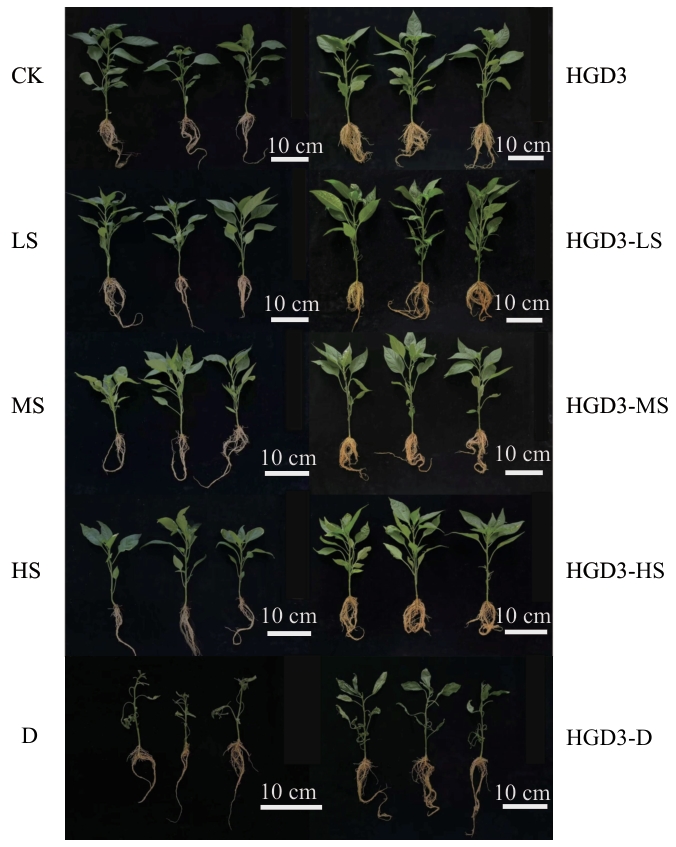
Fig. 4 Growth status of pepper seedlings under salt and drought stressCK refers to the non-inoculated control group of chili peppers. HGD3 refers to the inoculation treatment group of HGD3. LS, MS, and HS refer to the salt stress treatment groups of chili peppers, corresponding to 0.5%, 1% and 2% NaCl treatments, respectively. D refers to the water deficiency and drought treatment. HGD3-LS, HGD3-MS, and HGD3-HS correspond to the chili peppers inoculated with HGD3 strains at the three salt concentrations mentioned above, respectively. HGD3-D refers to the inoculation treatment under drought stress. The same below
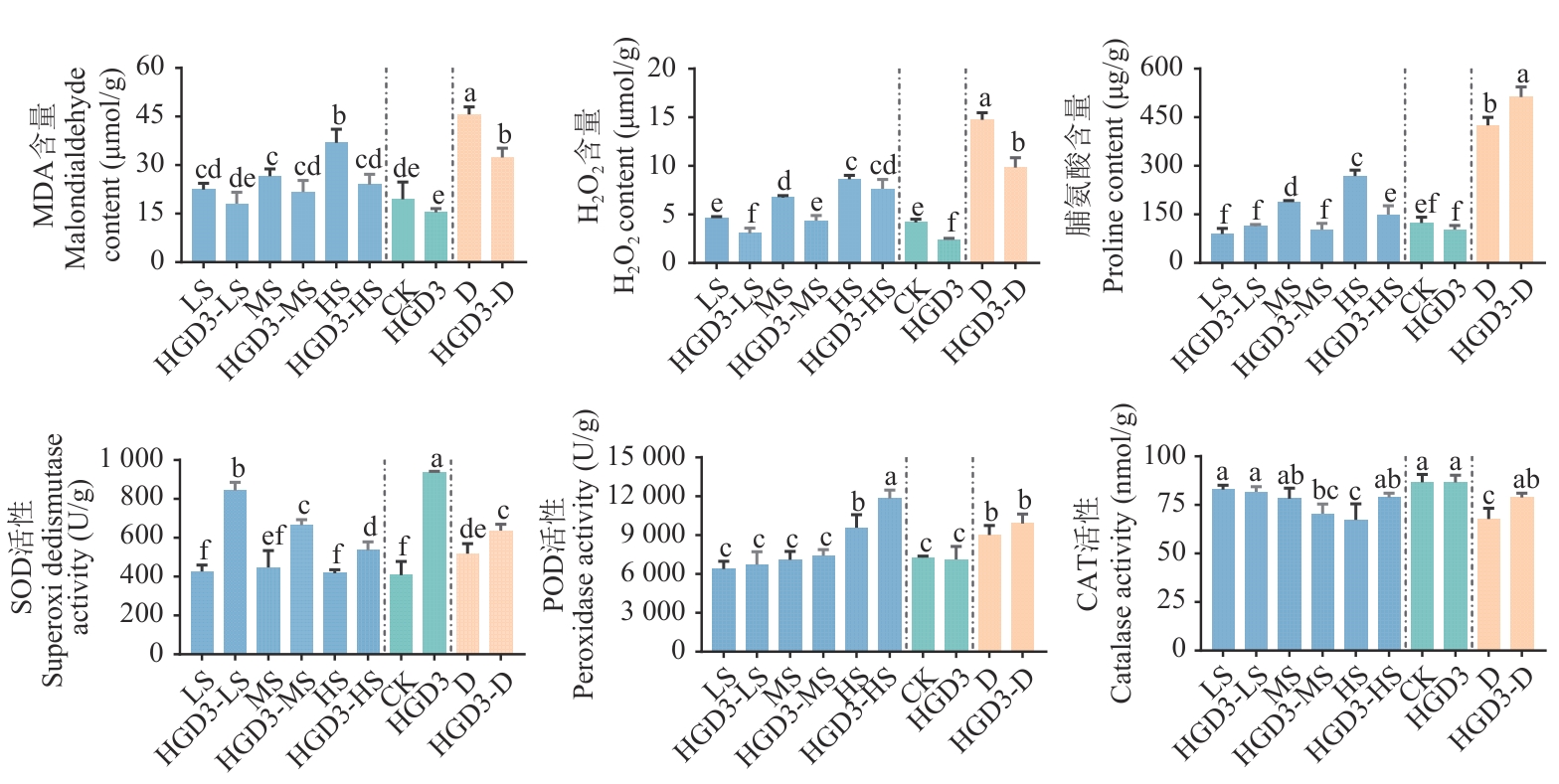
Fig. 5 Effects of inoculation with HGD3 strain on antioxidant function of pepper seedlings under salt and drought stressThe blue bar in the figure indicates the salt treatment group, the green bar indicates normal growth conditions, and the orange bar indicates the drought treatment group
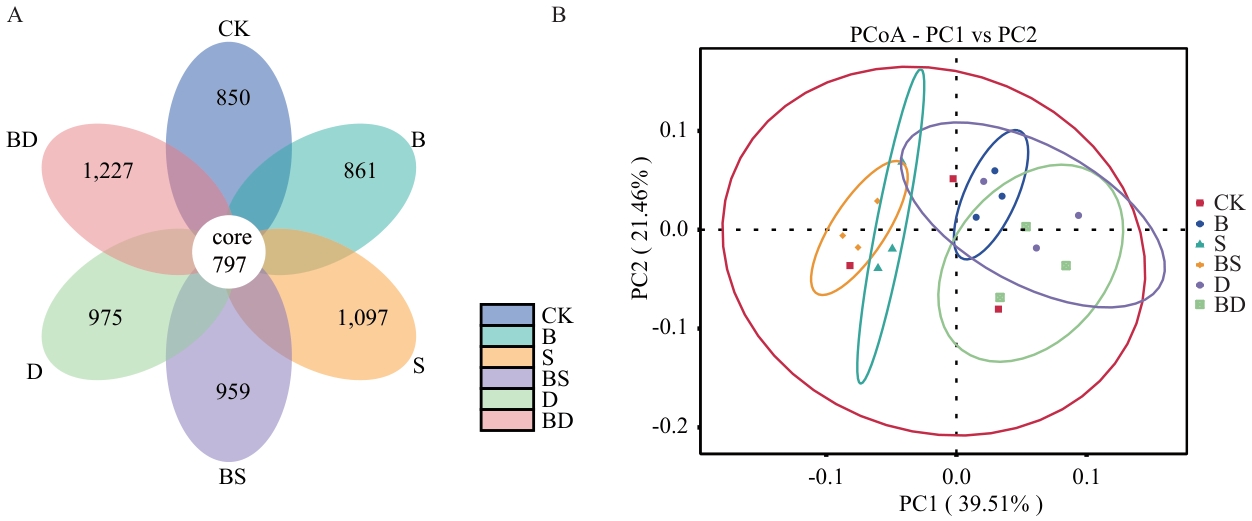
Fig. 6 Venn diagram (A) and PCoA analysis (B) of bacteria in the rhizosphere soil of chili peppers in different treatment groupsCK: Control group without inoculation. B: Treatment group inoculated with HGD3. S: Salt stress treatment group. BS: Inoculation treatment group under salt stress. D: Drought stress treatment group. BD: Inoculation treatment group under drought stress. The same below
| Sample | Chao1 | Observed_features | Pielou_e | Shannon | Simpson |
|---|---|---|---|---|---|
| CK | 1 310.58±234.66a | 1 271±201.61a | 0.81±0.01a | 8.35±0.19a | 0.991±0a |
| B | 1 518.69±136.78a | 1 464.67±119.32a | 0.82±0a | 8.63±0.12a | 0.993±0a |
| S | 1 787.08±151.59a | 1 683.67±139.84a | 0.81±0.01a | 8.68±0.26a | 0.991±0a |
| BS | 1 684.03±75.92a | 1 604.67±73.44a | 0.81±0.01a | 8.60±0.12a | 0.992±0a |
| D | 1 672.09±84.72a | 1 592.33±77.84a | 0.81±0.01a | 8.66±0.14a | 0.993±0a |
| BD | 1 731.53±104.09a | 1 650±80.31a | 0.83±0a | 8.88±0.04a | 0.994±0a |
Table 3 Alpha diversity index of bacteria in the rhizosphere soil of different treatment groups of chili peppers
| Sample | Chao1 | Observed_features | Pielou_e | Shannon | Simpson |
|---|---|---|---|---|---|
| CK | 1 310.58±234.66a | 1 271±201.61a | 0.81±0.01a | 8.35±0.19a | 0.991±0a |
| B | 1 518.69±136.78a | 1 464.67±119.32a | 0.82±0a | 8.63±0.12a | 0.993±0a |
| S | 1 787.08±151.59a | 1 683.67±139.84a | 0.81±0.01a | 8.68±0.26a | 0.991±0a |
| BS | 1 684.03±75.92a | 1 604.67±73.44a | 0.81±0.01a | 8.60±0.12a | 0.992±0a |
| D | 1 672.09±84.72a | 1 592.33±77.84a | 0.81±0.01a | 8.66±0.14a | 0.993±0a |
| BD | 1 731.53±104.09a | 1 650±80.31a | 0.83±0a | 8.88±0.04a | 0.994±0a |
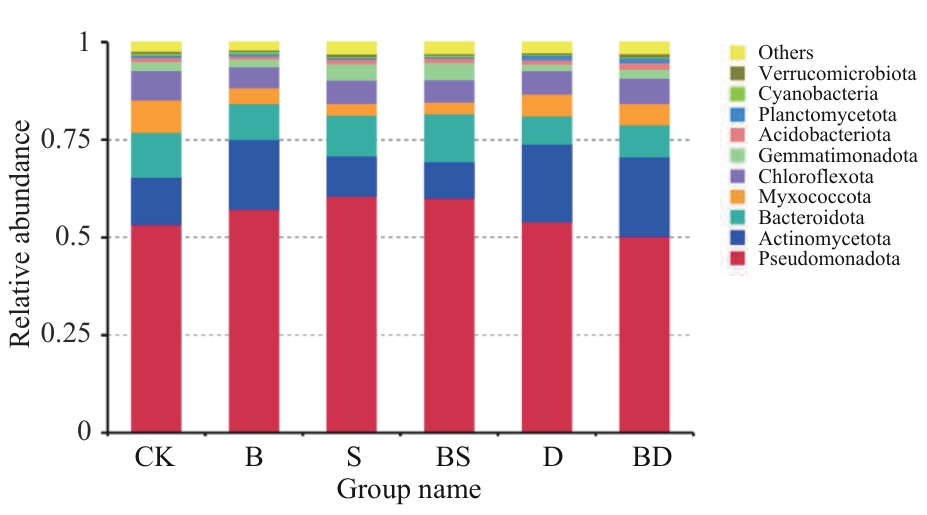
Fig. 7 Top 10 bacterial phylum in the rhizosphere soil abundance of chili peppers in different treatment groups
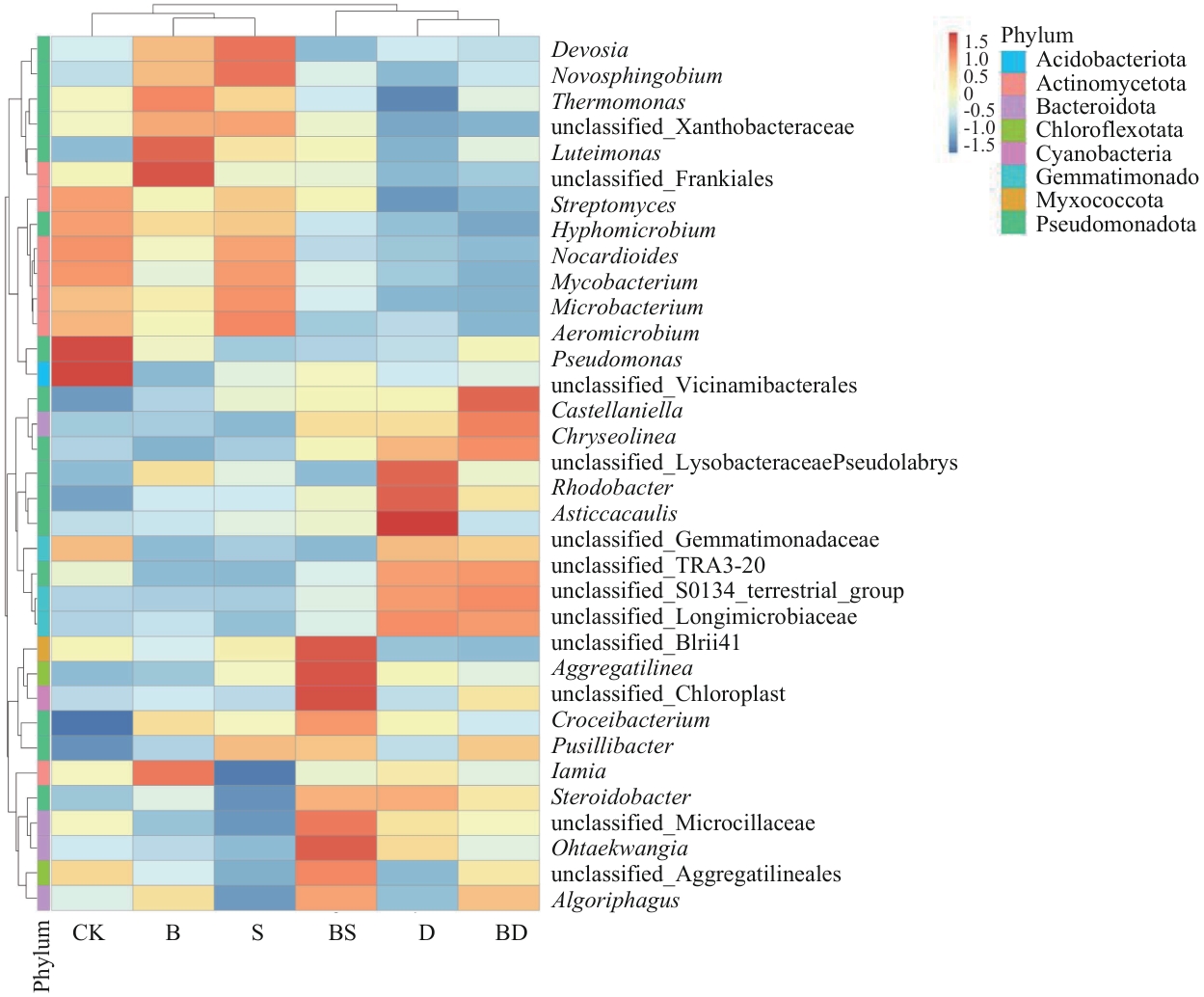
Fig. 8 Cluster diagram of species abundance at the bacterial genus level in the rhizosphere soil of chili peppers in different treatment groupsThe horizontal axis in the figure indicates the treatment group, and the vertical axis indicates the species annotation information. The clustering tree on the left side of the figure is a species clustering tree (different colors represent different phyla). The values corresponding to the heatmap are the Z values obtained by standardizing the relative abundance of species in each row, where red indicates high abundance and blue represents low abundance
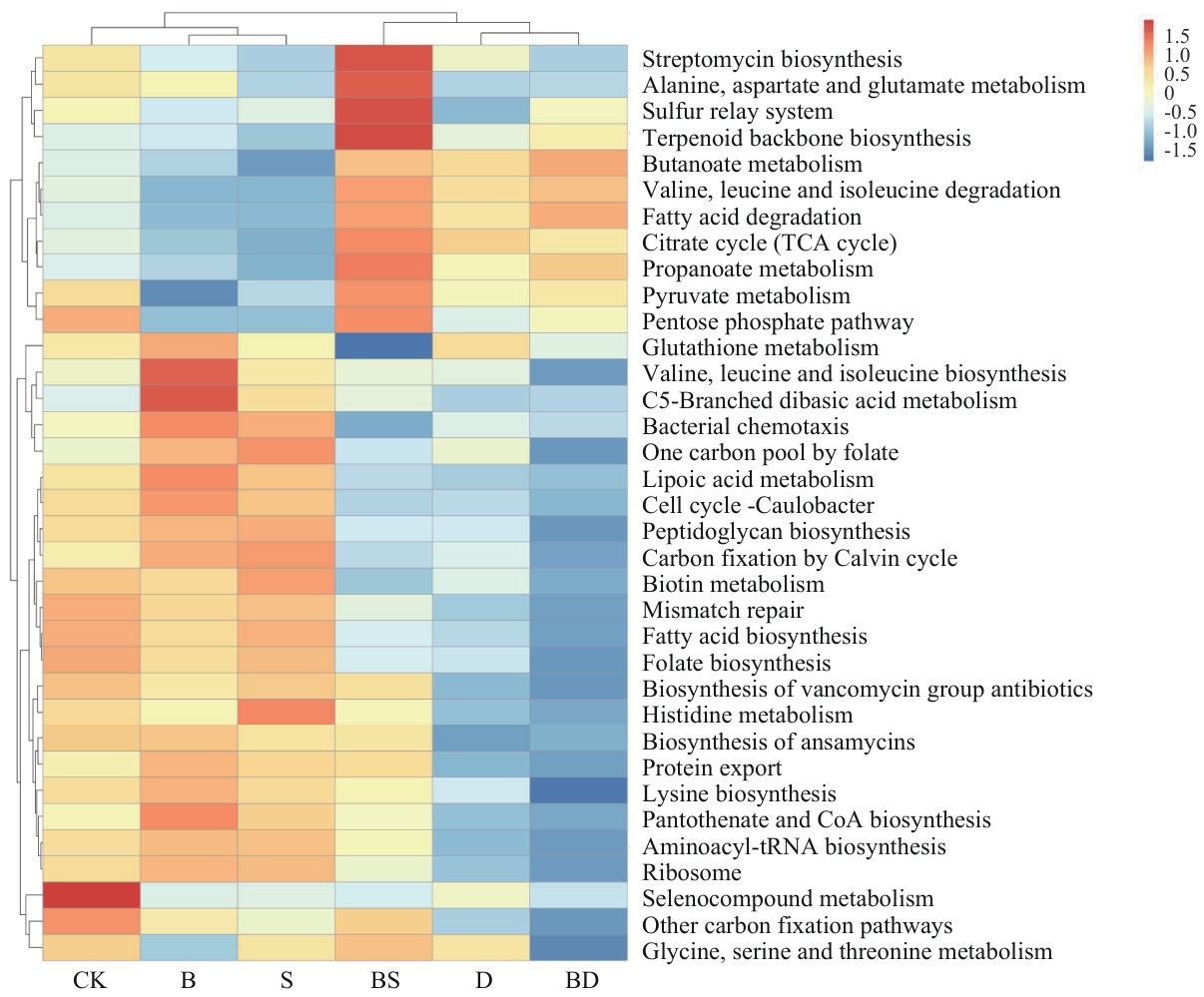
Fig. 9 Heatmap of KEGG functional annotation clustering predicted by PICRUSt2The horizontal axis refers to sample information, while the vertical axis represents functional annotation information. The clustering tree located on the left side of the figure depicts the functional clustering. The values corresponding to the heatmap are Z-scores derived from normalizing the relative abundance of functional information for each row, and red indicates high abundance, blue indicates low abundance
| [1] | Mori N, Hasegawa S, Takimoto R, et al. Identification of QTLs conferring resistance to begomovirus isolate of PepYLCIV in Capsicum chinense [J]. Euphytica, 2022, 218(2): 20. |
| [2] | Deng CR, Zhong QW, Shao DK, et al. Potential suitable habitats of chili pepper in China under climate change [J]. Plants, 2024, 13(7): 1027. |
| [3] | Huang XX, Liu YS, Stouffs R. Human-earth system dynamics in China’s land use pattern transformation amidst climate fluctuations and human activities [J]. Sci Total Environ, 2024, 954: 176013. |
| [4] | Long JT, Dong MJ, Wang CQ, et al. Effects of drought and salt stress on seed germination and seedling growth of Elymus nutans [J]. PeerJ, 2023, 11: e15968. |
| [5] | 张凤荣. 科学评价盐碱地开垦为耕地的潜力 [N].中国自然资源报, 2022-02-18 (14). |
| Zhang FR. Scientifically evaluate the potential of saline-alkali land reclamation for cultivated land [N]. China Natural Resources News, 2022-02-18(14). | |
| [6] | Zhang KY, Chang L, Li GH, et al. Advances and future research in ecological stoichiometry under saline-alkali stress [J]. Environ Sci Pollut Res, 2023, 30(3): 5475-5486. |
| [7] | Zhu XF, Liu TT, Xu K, et al. The impact of high temperature and drought stress on the yield of major staple crops in northern China [J]. J Environ Manag, 2022, 314: 115092. |
| [8] | Gupta A, Mishra R, Rai S, et al. Mechanistic insights of plant growth promoting bacteria mediated drought and salt stress tolerance in plants for sustainable agriculture [J]. Int J Mol Sci, 2022, 23(7): 3741. |
| [9] | Genzel F, Dicke MD, Junker-Frohn LV, et al. Impact of moderate cold and salt stress on the accumulation of antioxidant flavonoids in the leaves of two Capsicum cultivars [J]. J Agric Food Chem, 2021, 69(23): 6431-6443. |
| [10] | Liu JH, Liu JX, Aamer M, et al. Regulating effect of sodium selenite addition on seed germination and growth of pepper (Capsicum annuum L.) under mixed salt stress [J]. J Soil Sci Plant Nutr, 2024, 24(2): 2864-2874. |
| [11] | 张会灵, 张菊平, 张焕丽. PEG胁迫对辣椒种子萌发的影响 [J]. 种子, 2016, 35(8): 7-8, 13. |
| Zhang HL, Zhang JP, Zhang HL. Effects of PEG stress on seed germination of pepper [J]. Seed, 2016, 35(8): 7-8, 13. | |
| [12] | 刘颖, 白春雷, 魏春光, 等. PEG干旱胁迫对内蒙古自治区辣椒苗期生理指标影响 [J]. 分子植物育种, 2023, 21(9): 3036-3041. |
| Liu Y, Bai CL, Wei CG, et al. Effects of PEG drought stress on physiological indexes of pepper seedlings in Inner Mongolia [J]. Mol Plant Breed, 2023, 21(9): 3036-3041. | |
| [13] | Kour D, Yadav AN. Bacterial mitigation of drought stress in plants: current perspectives and future challenges [J]. Curr Microbiol, 2022, 79(9): 248. |
| [14] | Qin HC, Wang ZX, Sha WY, et al. Role of plant-growth-promoting rhizobacteria in plant machinery for soil heavy metal detoxification [J]. Microorganisms, 2024, 12(4): 700. |
| [15] | 王怡婷, 刘宇, 韩悦, 等. 模拟干旱和盐胁迫对粉黛乱子草种子萌发和幼苗生长的影响 [J]. 草地学报, 2025, 33(5): 1465-1472. |
| Wang YT, Liu Y, Han Y, et al. Effects of simulated drought and salt stresses on seed germination and seeding growth of pink muhly grass [J]. Acta Agrestia Sin, 2025, 33(5): 1465-1472. | |
| [16] | 郭文婷, 王国华, 缑倩倩. 钠盐胁迫对藜科一年生草本植物种子萌发和幼苗生长的影响 [J]. 草业学报, 2023, 32(3): 128-141. |
| Guo WT, Wang GH, Gou QQ. Effects of sodium salt stress on seed germination and seedling growth of three Chenopodiaceae annuals [J]. Acta Prataculturae Sin, 2023, 32(3): 128-141. | |
| [17] | 黄钰, 翁雪莲, Indrila Dey Traye, 等. 基于萌发期和苗期主要形态指标的耐旱小麦种质筛选与评价 [J]. 江苏农业科学, 2025, 53(14): 106-116. |
| Huang Y, Weng XL, Traye I, et al. Screening and evaluation of drought-tolerant wheat germplasms based on main morphological indices at germination and seedling stages [J]. Jiangsu Agric Sci, 2025, 53(14): 106-116. | |
| [18] | Miljaković D, Marinković J, Tamindžić G, et al. Bio-priming of soybean with Bradyrhizobium japonicum and Bacillus megaterium: strategy to improve seed germination and the initial seedling growth [J]. Plants, 2022, 11(15): 1927. |
| [19] | 李雪梅, 姚拓, 杨晓蕾, 等. 干旱地区植物根际促生菌鉴定及促生和耐旱特性研究 [J]. 中国草地学报, 2024, 46(9): 87-95. |
| Li XM, Yao T, Yang XL, et al. Identification, growth-promoting and drought-tolerant characteristics of plant growth-promoting rhizobacteria for arid area plants [J]. Chin J Grassland, 2024, 46(9): 87-95. | |
| [20] | Lastochkina O, Garshina D, Ivanov S, et al. Seed priming with endophytic Bacillus subtilis modulates physiological responses of two different Triticum aestivum L. cultivars under drought stress [J]. Plants, 2020, 9(12): 1810. |
| [21] | Kim ST, Sang MK. Enhancement of osmotic stress tolerance in soybean seed germination by bacterial bioactive extracts [J]. PLoS One, 2023, 18(10): e0292855. |
| [22] | Zhang H, Bai X, Han YJ, et al. Stress-resistance and growth-promoting characteristics and effects on vegetable seed germination of Streptomyces sp. strains isolated from wetland plant rhizospheres [J]. Curr Microbiol, 2023, 80(5): 190. |
| [23] | Khan N, Bano A, Rahman MA, et al. Comparative physiological and metabolic analysis reveals a complex mechanism involved in drought tolerance in chickpea (Cicer arietinum L.) induced by PGPR and PGRs [J]. Sci Rep, 2019, 9(1): 2097. |
| [24] | Uzma M, Iqbal A, Hasnain S. Drought tolerance induction and growth promotion by indole acetic acid producing Pseudomonas aeruginosa in Vigna radiata [J]. PLoS One, 2022, 17(2): e0262932. |
| [25] | Ali N, Maitra Pati A. PGPR isolated from hot spring imparts resilience to drought stress in wheat (Triticum aestivum L.) [J]. Plant Physiol Biochem, 2024, 215: 109031. |
| [26] | Kálmán CD, Nagy Z, Berényi A, et al. Investigating PGPR bacteria for their competence to protect hybrid maize from the factor drought stress [J]. Cereal Res Commun, 2024, 52(1): 129-150. |
| [27] | 刘畅, 黄文茂, 韩丽珍. PGPR复合菌系对花生生长及根际土壤微生物的影响 [J]. 西南农业学报, 2019, 32(10): 2367-2372. |
| Liu C, Huang WM, Han LZ. Effect of PGPR compound flora on peanut seedling growth and rhizosphere soil microorganism [J]. Southwest China J Agric Sci, 2019, 32(10): 2367-2372. | |
| [28] | 黄文茂, 易伦, 彭思云, 等. PGPR复合菌剂对辣椒生长及根际 土壤微生物结构的影响 [J]. 中国土壤与肥料, 2020(1): 195-201. |
| Huang WM, Yi L, Peng SY, et al. Effect of PGPR compound bacterial agents on growth of chilli and changes of soil microbial structure [J]. Soil Fertil Sci China, 2020(1): 195-201. | |
| [29] | Sathe S, Mathew A, Agnoli K, et al. Genetic architecture constrains exploitation of siderophore cooperation in the bacterium Burkholderia cenocepacia [J]. Evol Lett, 2019, 3(6): 610-622. |
| [30] | 韩丽珍, 林佳静, 郑欢, 等. 一株溶磷菌的抗逆促生特性及对种子萌发的研究 [J]. 种子, 2019, 38(10): 34-40. |
| Han LZ, Lin JJ, Zheng H, et al. Study on the stress resistance and growth-promoting characteristics of a phosphate-solubilizing bacteria strain and its effect on seed germination [J]. Seed, 2019, 38(10): 34-40. | |
| [31] | 陈倩, 胡海燕, 高淼, 等. 一株具有ACC脱氨酶活性固氮菌的筛选与鉴定 [J]. 植物营养与肥料学报, 2011, 17(6): 1515-1521. |
| Chen Q, Hu HY, Gao M, et al. Screening and identification of a nitrogen fixing bacteria with 1-aminocyclopropane-1-carboxylate deaminase activity [J]. Plant Nutr Fert Sci, 2011, 17(6): 1515-1521. | |
| [32] | Nautiyal CS. An efficient microbiological growth medium for screening phosphate solubilizing microorganisms [J]. FEMS Microbiol Lett, 1999, 170(1): 265-270. |
| [33] | 黄臣, 韩玲娟, 梁银萍, 等. 达乌里胡枝子四株耐盐碱根际促生菌的鉴定及其促生作用 [J]. 草地学报, 2023, 31(4): 1036-1047. |
| Huang C, Han LJ, Liang YP, et al. Identification and plant growth promotion analysis of four salt-alkali tolerant rhizosphere-promoting bacteria isolated from Lespedeza daurica [J]. Acta Agrestia Sin, 2023, 31(4): 1036-1047. | |
| [34] | 李培根, 要雅倩, 宋吉祥, 等. 马铃薯根际产IAA芽孢杆菌的分离鉴定及促生效果研究 [J]. 生物技术通报, 2020, 36(9): 109-116. |
| Li PG, Yao YQ, Song JX, et al. Isolation and identification of IAA-producing Bacillus sp on potato rhizosphere and its growth-promoting effect [J]. Biotechnol Bull, 2020, 36(9): 109-116. | |
| [35] | Pérez E, Sulbarán M, Ball MM, et al. Isolation and characterization of mineral phosphate-solubilizing bacteria naturally colonizing a limonitic crust in the south-eastern Venezuelan region [J]. Soil Biol Biochem, 2007, 39(11): 2905-2914. |
| [36] | 周帅, 刁卫平, 潘宝贵, 等. 辣椒不同栽培种资源种子萌发期耐盐性差异及评价 [J]. 江西农业学报, 2020, 32(11): 16-24. |
| Zhou S, Diao WP, Pan BG, et al. Salt tolerance difference and evaluation of different Capsicum cultivars at seed germination stage [J]. Acta Agric Jiangxi, 2020, 32(11): 16-24. | |
| [37] | Hnilickova H, Kraus K, Vachova P, et al. Salinity stress affects photosynthesis, malondialdehyde formation, and proline content in Portulaca oleracea L. [J]. Plants, 2021, 10(5): 845. |
| [38] | Neshat M, Abbasi A, Hosseinzadeh A, et al. Plant growth promoting bacteria (PGPR) induce antioxidant tolerance against salinity stress through biochemical and physiological mechanisms [J]. Physiol Mol Biol Plants, 2022, 28(2): 347-361. |
| [39] | 王宏杰, 刘绍东, 刘瑞华, 等. 轮作对棉花根际土壤细菌群落的影响 [J]. 生物技术通报, 2020, 36(9): 117-124. |
| Wang HJ, Liu SD, Liu RH, et al. Effect of rotation on bacterial community in cotton rhizosphere soil [J]. Biotechnol Bull, 2020, 36(9): 117-124. | |
| [40] | Buqori DMAI, Sugiharto B, Suherman, et al. Mitigating drought stress by application of drought-tolerant Bacillus spp. enhanced root architecture, growth, antioxidant and photosynthetic genes expression in sugarcane [J]. Sci Rep, 2025, 15(1): 5259. |
| [41] | Singh RP, Ma Y, Shadan A. Perspective of ACC-deaminase producing bacteria in stress agriculture [J]. J Biotechnol, 2022, 352: 36-46. |
| [42] | Popržen T, Nikolić I, Krstić-Milošević D, et al. Characterization of the IAA-producing and-degrading Pseudomonas strains regulating growth of the common duckweed (Lemna minor L.) [J]. Int J Mol Sci, 2023, 24(24): 17207. |
| [43] | 林彬, 赵妍妍, 玛依拉·吐尔地别克, 等. 薰衣草根际产铁载体细菌的促生作用 [J]. 新疆师范大学学报: 自然科学版, 2024, 43(3): 90-96. |
| Lin B, Zhao YY, Mayila T, et al. Growth promotion of iron-producing carrier bacteria in lavender rhizosphere [J]. J Xinjiang Norm Univ Nat Sci Ed, 2024, 43(3): 90-96. | |
| [44] | 孙亚楠, 王春雪, 王欣, 等. 萎缩芽孢杆菌CNY01的生防特性及其对玉米的抗盐促生作用 [J]. 生物技术通报, 2024, 40(5): 248-260. |
| Sun YN, Wang CX, Wang X, et al. Biocontrol characteristics of Bacillus atrophaeus CNY01 and its salt-resistant and growth-promoting effect on maize seedling [J]. Biotechnol Bull, 2024, 40(5): 248-260. | |
| [45] | Tanveer Y, Yasmin H, Nosheen A, et al. Synergizing Bacillus halotolerans, Pseudomonas sihuiensis and Bacillus atrophaeus with folic acid for enhanced drought resistance in wheat by metabolites and antioxidants [J]. BMC Plant Biol, 2024, 24(1): 1003. |
| [46] | Kulkova I, Dobrzyński J, Kowalczyk P, et al. Plant growth promotion using Bacillus cereus [J]. Int J Mol Sci, 2023, 24(11): 9759. |
| [47] | Sen A, Puthur JT. Influence of different seed priming techniques on oxidative and antioxidative responses during the germination of Oryza sativa varieties [J]. Physiol Mol Biol Plants, 2020, 26(3): 551-565. |
| [48] | Chu TN, Tran BTH, Van Bui L, et al. Plant growth-promoting rhizobacterium Pseudomonas PS01 induces salt tolerance in Arabidopsis thaliana [J]. BMC Res Notes, 2019, 12(1): 11. |
| [49] | Costa-Gutierrez SB, Raimondo EE, Lami MJ, et al. Inoculation of Pseudomonas mutant strains can improve growth of soybean and corn plants in soils under salt stress [J]. Rhizosphere, 2020, 16: 100255. |
| [50] | 朱艳蕾, 刘家勤, 黄永杰, 等. 荒漠银砂槐根际、非根际细菌促生特性及促萌发作用 [J]. 微生物学通报, 2024, 51(10): 3970-3986. |
| Zhu YL, Liu JQ, Huang YJ, et al. Growth-promoting properties and germination-promoting effects of rhizosphere and nonrhizosphere bacteria of Ammodendron bifolium in deserts [J]. Microbiol China, 2024, 51(10): 3970-3986. | |
| [51] | Reed RC, Bradford KJ, Khanday I. Seed germination and vigor: ensuring crop sustainability in a changing climate [J]. Heredity, 2022, 128(6): 450-459. |
| [52] | Li YF, Li GH. Mechanisms of straw biochar’s improvement of phosphorus bioavailability in soda saline-alkali soil [J]. Environ Sci Pollut Res Int, 2022, 29(32): 47867-47872. |
| [53] | Sies H, Belousov VV, Chandel NS, et al. Defining roles of specific reactive oxygen species (ROS) in cell biology and physiology [J]. Nat Rev Mol Cell Biol, 2022, 23(7): 499-515. |
| [54] | Kalleku JN, Ihsan S, Al-Azzawi TNI, et al. Halotolerant Pseudomonas koreensis S4T10 mitigate salt and drought stress in Arabidopsis thaliana [J]. Physiol Plant, 2024, 176(2): e14258. |
| [55] | Giannelli G, Potestio S, Visioli G. The contribution of PGPR in salt stress tolerance in crops: unravelling the molecular mechanisms of cross-talk between plant and bacteria [J]. Plants, 2023, 12(11): 2197. |
| [56] | Hou YL, Wei CC, Zeng WZ, et al. Application of rhizobacteria to improve microbial community structure and maize (Zea mays L.) growth in saline soil [J]. Environ Sci Pollut Res Int, 2024, 31(2): 2481-2494. |
| [57] | Pan XY, Raaijmakers JM, Carrión VJ. Importance of Bacteroidetes in host-microbe interactions and ecosystem functioning [J]. Trends Microbiol, 2023, 31(9): 959-971. |
| [58] | Martin H, Rogers LA, Moushtaq L, et al. Metabolism of hemicelluloses by root-associated Bacteroidota species [J]. ISME J, 2025, 19(1): wraf022. |
| [59] | Li H, Zhao QY, Huang H. Current states and challenges of salt-affected soil remediation by cyanobacteria [J]. Sci Total Environ, 2019, 669: 258-272. |
| [60] | Shi R, Wang S, Xiong BJ, et al. Application of bioorganic fertilizer on Panax notoginseng improves plant growth by altering the rhizosphere microbiome structure and metabolism [J]. Microorganisms, 2022, 10(2): 275. |
| [61] | Spain AM, Peacock AD, Istok JD, et al. Identification and isolation of a Castellaniella species important during biostimulation of an acidic nitrate- and uranium-contaminated aquifer [J]. Appl Environ Microbiol, 2007, 73(15): 4892-4904. |
| [62] | Chen JY, Liu S, Deng WK, et al. The effect of manure-borne doxycycline combined with different types of oversized microplastic contamination layers on carbon and nitrogen metabolism in sandy loam [J]. J Hazard Mater, 2023, 456: 131612. |
| [63] | 姬淑洁, 杨传佳, 陈修来, 等. 新鞘氨醇杆菌胞外多糖的发酵优化及结构和性质表征 [J]. 食品与发酵工业, 2024, 50(24): 182-190. |
| Ji SJ, Yang CJ, Chen XL, et al. Fermentation optimization, structural and property characterization of exopolysaccharides from Nosphingobium sp [J]. Food Ferment Ind, 2024, 50(24): 182-190. | |
| [64] | 杨波, 李云翔, 徐瑾瑜, 等. 黄芪根腐病生防放线菌的筛选、鉴定及其应用 [J]. 中国生物防治学报, 2025, 41(3): 554-560. |
| Yang B, Li YX, Xu JY, et al. Screening, identification, and application effects of actinomycetes on Astragalus membranaceus root rot [J]. Chin J Biol Control, 2025, 41(3): 554-560. | |
| [65] | 张琪琪, 李会荣, 张雨欣, 等. 来自南极洲类诺卡氏菌(Nocardioides sp.)InS609-2的全基因组序列分析 [J]. 微生物学通报, 2024, 51(1): 77-95. |
| Zhang QQ, Li HR, Zhang YX, et al. Whole-genome sequence analysis of Nocardioides sp. InS609-2 isolated from Antarctica [J]. Microbiol China, 2024, 51(1): 77-95. | |
| [66] | 陈佳伟, 林艳, 张明星, 等. 贝莱斯芽孢杆菌YCH92对棉花根际土壤微生物群落及棉花产量的影响 [J]. 作物学报, 2025, 51(10): 2821-2835. |
| Chen JW, Lin Y, Zhang MX, et al. Effects of Bacillus velezensis YCH92 on the rhizosphere microbial community and yield of cotton [J]. Acta Agron Sin, 2025, 51(10): 2821-2835. |
| [1] | YIN Ya-long, ZHANG Ming-yang, WANG Jie-min, MIAO Xue-xue, CHEN Jin, WANG Wei-ping. Advances in Coordinated Tolerance Mechanisms to Abiotic Stresses in Rice [J]. Biotechnology Bulletin, 2026, 42(4): 26-37. |
| [2] | CHEN Deng-ke, LAN Gang, XIA Zhi, HOU Bao-guo, YANG Liu-liu, CAO Cai-rong, LI Peng-bo, WU Cui-cui. Identification of ZF-HD Gene Family in Arachis hypogaea and Analysis in Response to Abiotic Stress [J]. Biotechnology Bulletin, 2026, 42(4): 114-128. |
| [3] | LI Ying-hui, WANG Yang-bo-han, ZHOU Hao-bo, LU Xin-ru, ZHANG Ke-xin, YU Yang, LI Chuan-you, SUN Chuan-long. Identification of VPE Gene Family and Their Functional Analysis under Abiotic Stress in Tomato [J]. Biotechnology Bulletin, 2026, 42(3): 263-274. |
| [4] | FEI Si-tian, HOU Ying-xiang, LI Lan, ZHANG Chao. Biological Functions and Regulatory Network of SLR1, a Negative Regulator of Gibberellin Signaling in Rice [J]. Biotechnology Bulletin, 2026, 42(1): 13-30. |
| [5] | CHENG Ting-ting, LIU Jun, WANG Li-li, LIAN Cong-long, WEI Wen-jun, GUO Hui, WU Yao-lin, YANG Jing-fan, LAN Jin-xu, CHEN Sui-qing. Genome-wide Identification of the Chalcone Isomerase Gene Family in Eucommia ulmoides and Analysis of Their Expression Patterns [J]. Biotechnology Bulletin, 2025, 41(9): 242-255. |
| [6] | CHENG Xue, FU Ying, CHAI Xiao-jiao, WANG Hong-yan, DENG Xin. Identification of LHC Gene Family in Setaria italica and Expression Analysis under Abiotic Stresses [J]. Biotechnology Bulletin, 2025, 41(8): 102-114. |
| [7] | PEI Hong-xia, WANG Lu-yao, LI Sheng-mei, GAO Jing-xia. Genetic Diversity of 220 Pepper Germplasm Resources Using SCoT, SRAP, and SSR Molecular Markers [J]. Biotechnology Bulletin, 2025, 41(8): 165-174. |
| [8] | ZHANG Xue-qiong, PAN Su-jun, LI Wei, DAI Liang-ying. Research Progress of Plant Phosphate Transporters in the Response to Stress [J]. Biotechnology Bulletin, 2025, 41(7): 28-36. |
| [9] | DUAN Min-jie, LI Yi-fei, WANG Chun-ping, HUANG Ren-zhong, HUANG Qi-zhong, ZHANG Shi-cai. Association Analysis and Fingerprint Map Construction of Fruit Color Traits in Pepper via SSR Markers [J]. Biotechnology Bulletin, 2025, 41(7): 81-94. |
| [10] | HAN Yi, HOU Chang-lin, TANG Lu, SUN Lu, XIE Xiao-dong, LIANG Chen, CHEN Xiao-qiang. Cloning and Preliminary Functional Analysis of HvERECTA Gene in Hordeum vulgare [J]. Biotechnology Bulletin, 2025, 41(7): 106-116. |
| [11] | GUO Xiu-juan, FENG Yu, WU Rui-xiang, WANG Li-qin, YANG Jian-chun. Transcriptome Analysis of the Effect of Ca 2+ Treatment on the Seed Germination of Flax [J]. Biotechnology Bulletin, 2025, 41(7): 139-149. |
| [12] | LI Xia, ZHANG Ze-wei, LIU Ze-jun, WANG Nan, GUO Jiang-bo, XIN Cui-hua, ZHANG Tong, JIAN Lei. Cloning and Functional Study of Transcription Factor StMYB96 in Potato [J]. Biotechnology Bulletin, 2025, 41(7): 181-192. |
| [13] | GONG Yu-han, CHEN Lan, SHANGFANG Hui-zi, HAO Ling-ying, LIU Shuo-qian. Identification and Expression Profile Analysis of the TRB Gene Family in Tea Plant [J]. Biotechnology Bulletin, 2025, 41(7): 214-225. |
| [14] | WEI Yu-jia, LI Yan, KANG Yu-han, GONG Xiao-nan, DU Min, TU Lan, SHI Peng, YU Zi-han, SUN Yan, ZHANG Kun. Cloning and Expression Analysis of the CrMYB4 Gene in Carex rigescens [J]. Biotechnology Bulletin, 2025, 41(7): 248-260. |
| [15] | WU Hao, DONG Wei-feng, HE Zi-tian, LI Yan-xiao, XIE Hui, SUN Ming-zhe, SHEN Yang, SUN Xiao-li. Genome-wide Identification and Expression Analysis of the Rice BXL Gene Family [J]. Biotechnology Bulletin, 2025, 41(6): 87-98. |
| Viewed | ||||||
|
Full text |
|
|||||
|
Abstract |
|
|||||
