







Biotechnology Bulletin ›› 2026, Vol. 42 ›› Issue (7): 173-181.doi: 10.13560/j.cnki.biotech.bull.1985.2025-0874
YOU Xin1( ), WANG Xi1, ZHANG Xin-yu1, WEI Xu-ying2, CHENG Hua1(), CAI Jun-huo1()
Received:2025-08-11
Online:2026-07-26
Published:2026-07-20
Contact:
CHENG Hua, CAI Jun-huo
E-mail:youxin0428@163.com;Chenghua0802@sina.com;chenghua0802@sina.com;Cjhuo7692@163.com
YOU Xin, WANG Xi, ZHANG Xin-yu, WEI Xu-ying, CHENG Hua, CAI Jun-huo. Analysis of Response of Lycoris radiata Leaves to Heat Stress Revealed by Untargeted Metabolomics[J]. Biotechnology Bulletin, 2026, 42(7): 173-181.
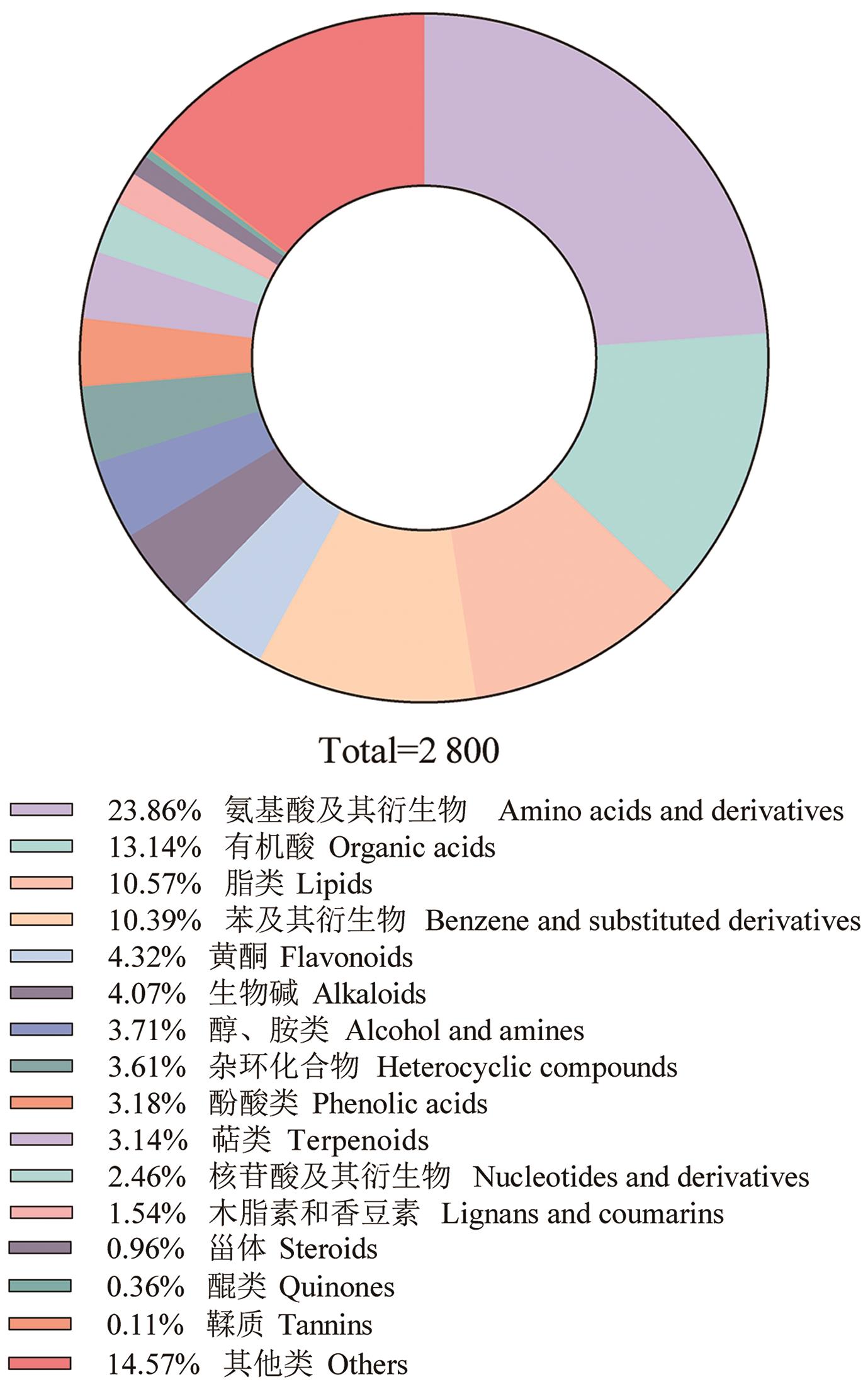
Fig. 1 All classification of metabolites identified in the leaves of Lycoris radiata
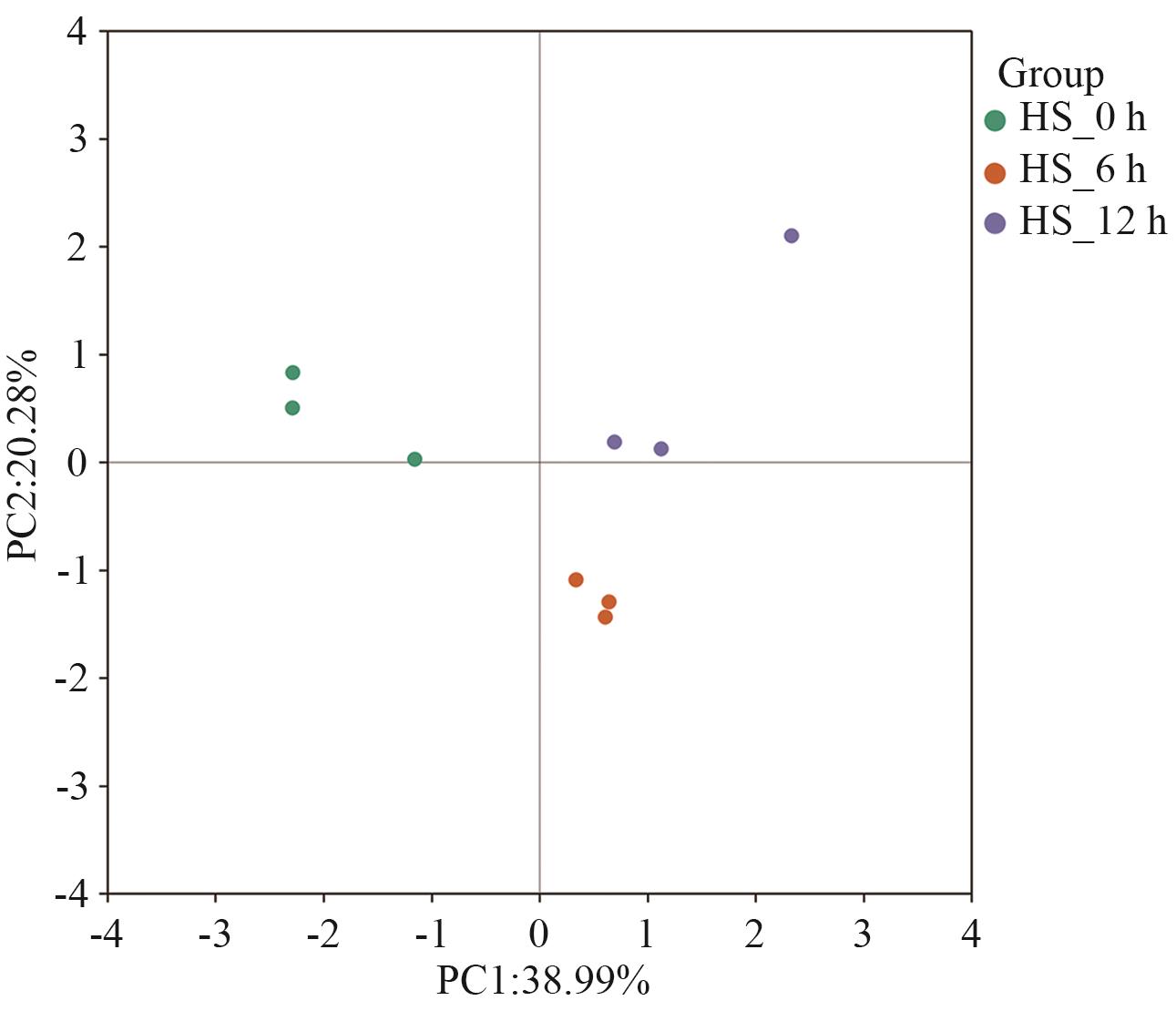
Fig. 2 Principal component (PC) analysis
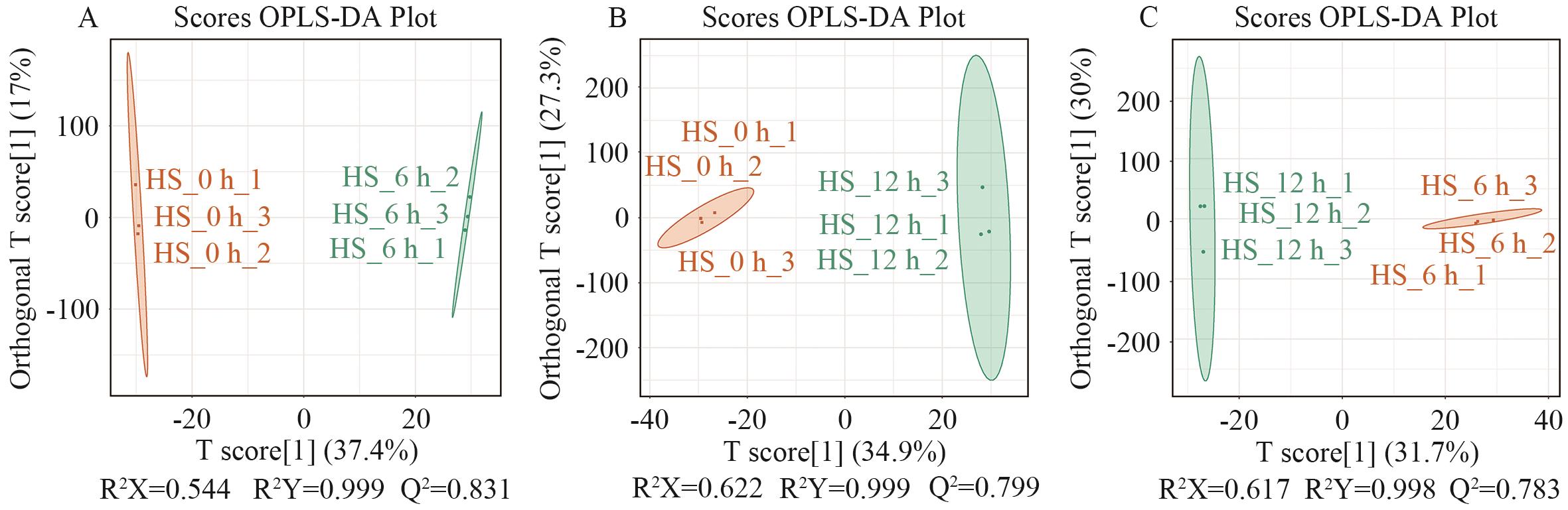
Fig. 3 OPLS-DA score diagram
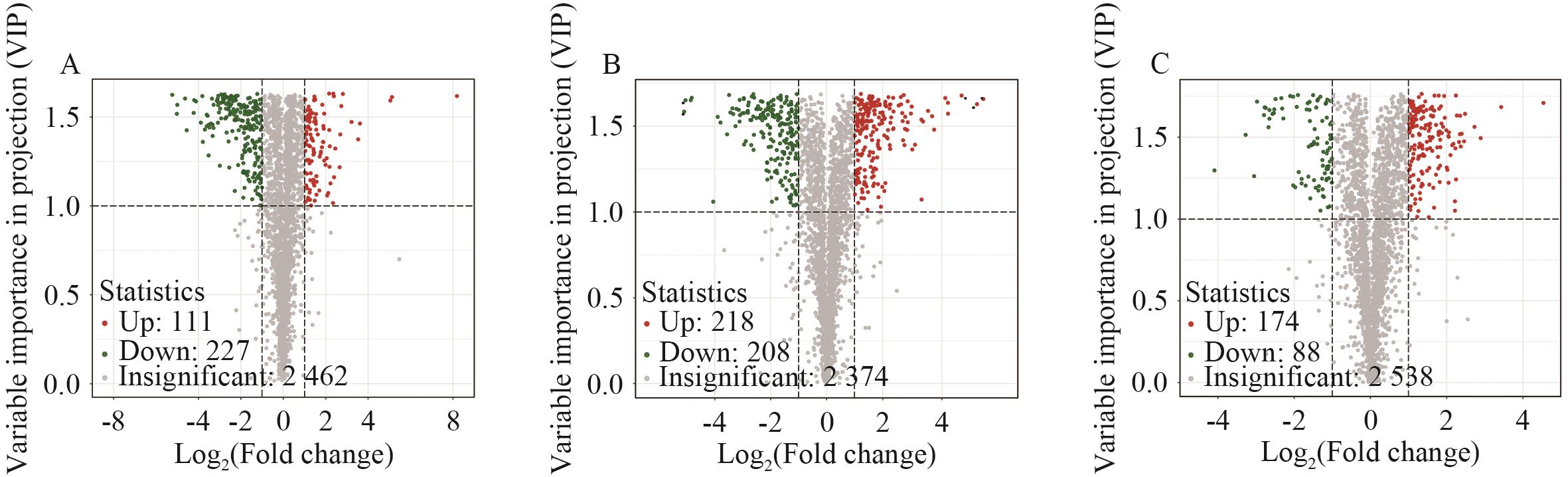
Fig. 4 Volcano diagram of differential metabolites in the leaves of L. radiata under heat stress
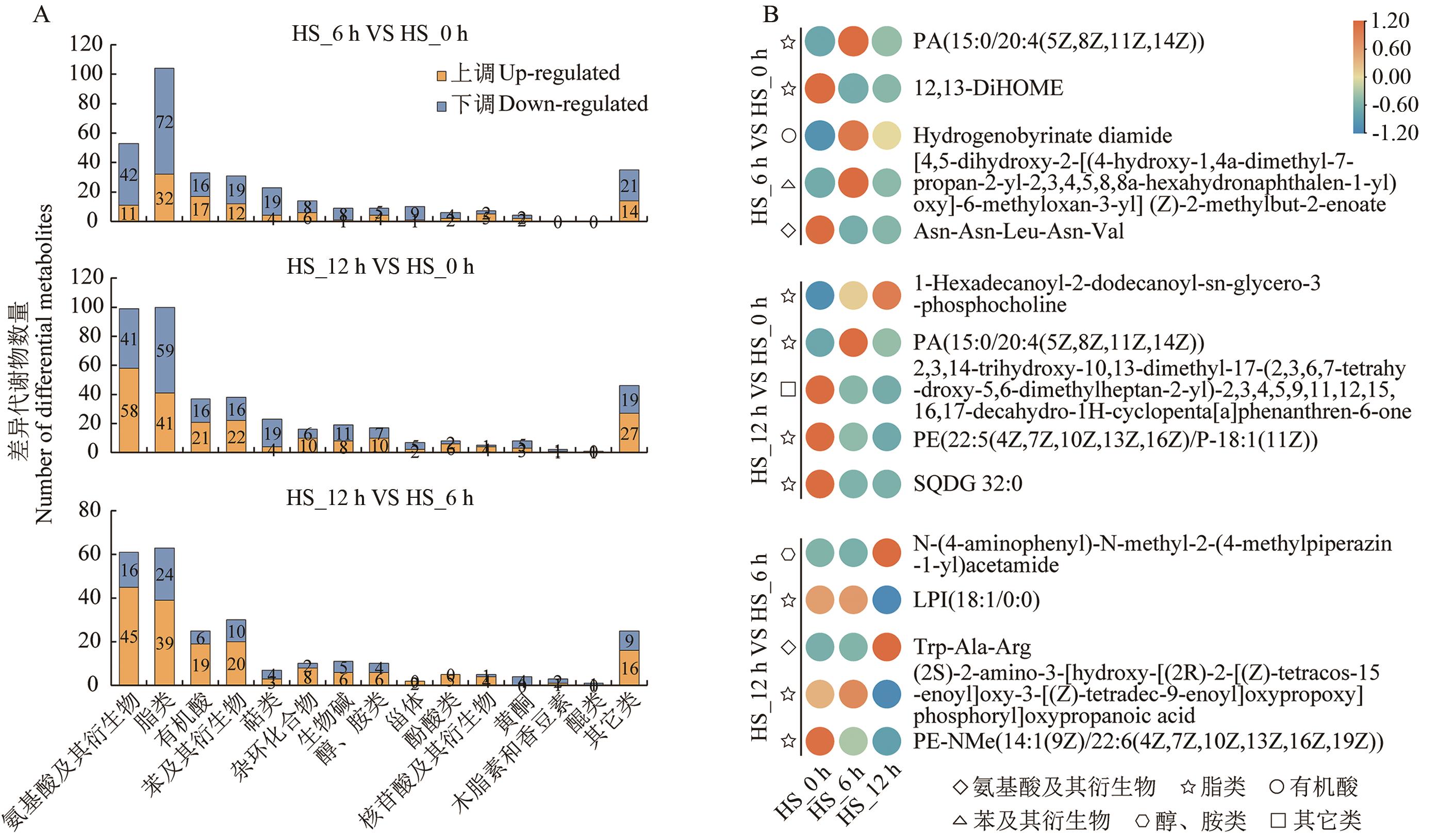
Fig. 5 Categories of differential metabolites (A) and analysis of the top 5 differential metabolites by fold change (B) in the leaves of L. radiata under heat stress
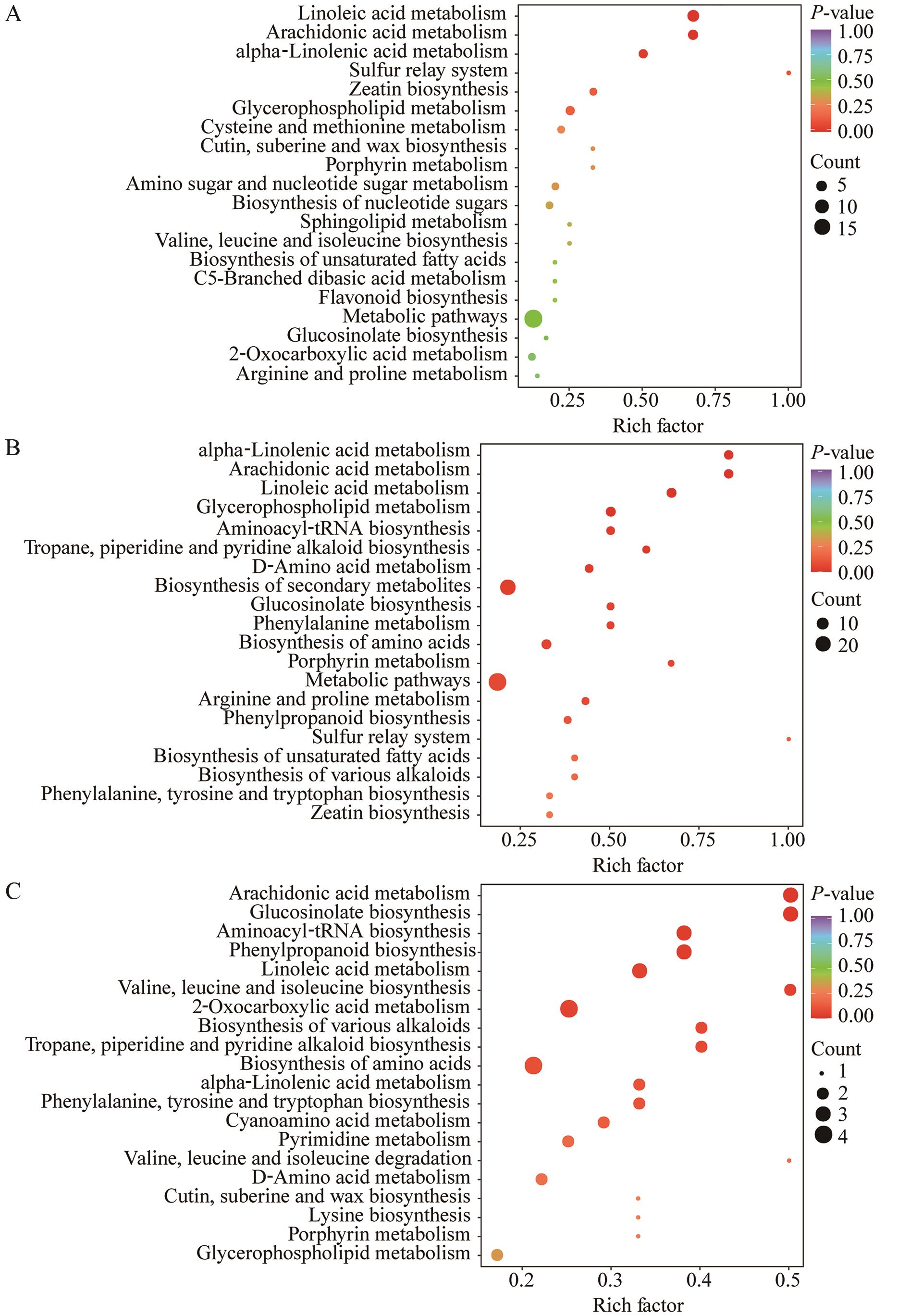
Fig. 6 KEGG enrichment bubble diagram of differential metabolites in the leaves of L. radiata under heat stress
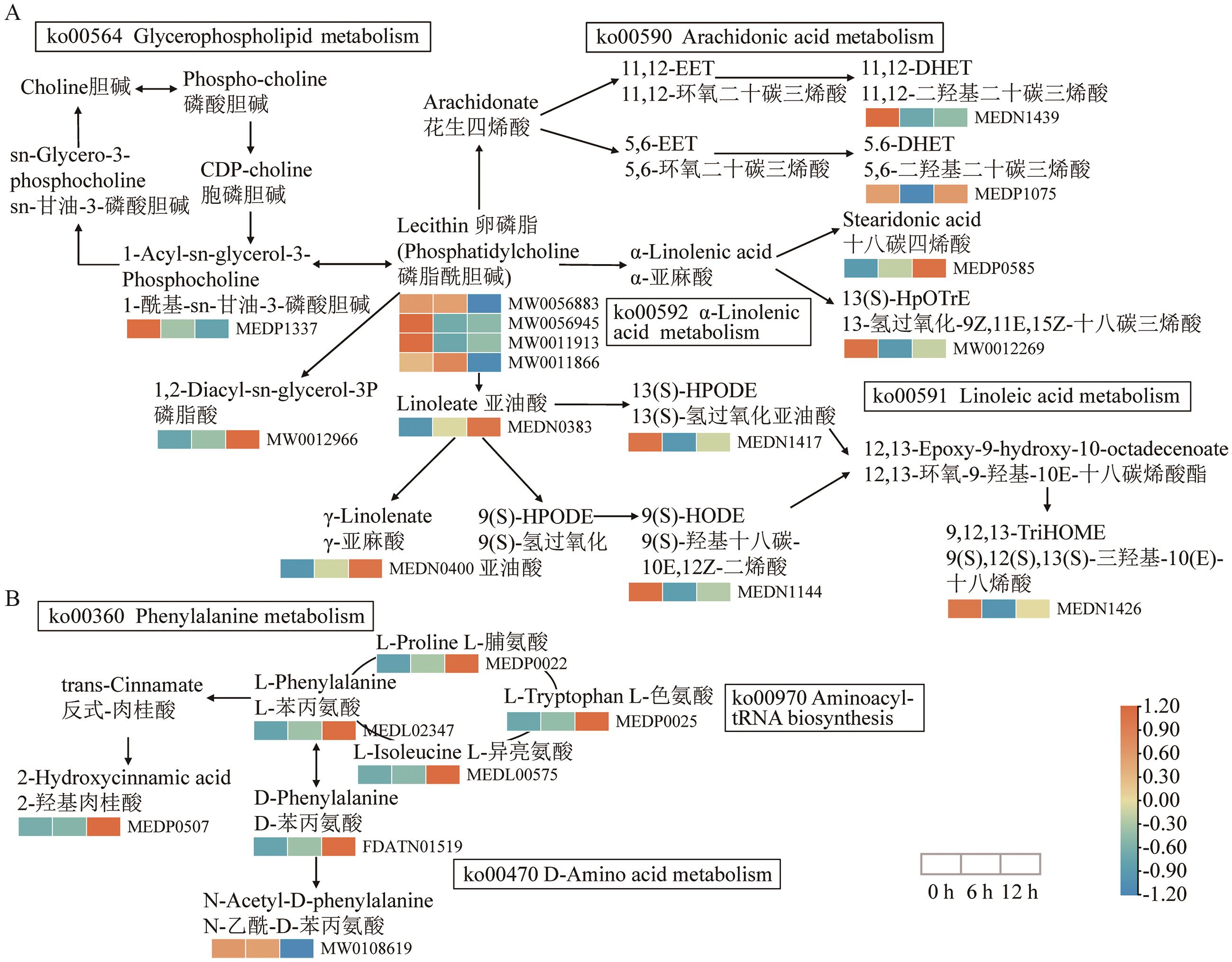
Fig. 7 Pathway diagram of lipid metabolism (A) and amino acid metabolism (B) in the leaves of L. radiata under heat stress
| [1] | Lesk C, Anderson W, Rigden A, et al. Compound heat and moisture extreme impacts on global crop yields under climate change [J]. Nat Rev Earth Environ, 2022, 3(12): 872-889. |
| [2] | Casal JJ, Balasubramanian S. Thermomorphogenesis [J]. Annu Rev Plant Biol, 2019, 70: 321-346. |
| [3] | Chen ZL, Galli M, Gallavotti A. Mechanisms of temperature-regulated growth and thermotolerance in crop species [J]. Curr Opin Plant Biol, 2022, 65: 102134. |
| [4] | Sharma E, Borah P, Kaur A, et al. A comprehensive transcriptome analysis of contrasting rice cultivars highlights the role of auxin and ABA responsive genes in heat stress response [J]. Genomics, 2021, 113(3): 1247-1261. |
| [5] | Gautam H, Fatma M, Sehar Z, et al. Hydrogen sulfide, ethylene, and nitric oxide regulate redox homeostasis and protect photosynthetic metabolism under high temperature stress in rice plants [J]. Antioxidants, 2022, 11(8): 1478. |
| [6] | 刘晓龙, 叶世河, 廖俊婕, 等. 灌浆初期高温胁迫对水稻籽粒活性氧积累及产量形成的影响 [J]. 西北农林科技大学学报: 自然科学版, 2024, 52(5): 33-47. |
| Liu XL, Ye SH, Liao JJ, et al. Effect of heat stress during early filling stage on ROS accumulation and yield formation in rice grain [J]. J Northwest A&F Univ Nat Sci Ed, 2024, 52(5): 33-47. | |
| [7] | Cai JH, Fan JJ, Wei XY, et al. A three-dimensional analysis of summer dormancy in the red spider lily (Lycoris radiata) [J]. Hort Science, 2019, 54(9): 1459-1464. |
| [8] | 沈明山, 陈睦传, 徐金森, 等. 石蒜的人工栽培 [J]. 厦门科技, 1999(2): 21-22. |
| Shen MS, Chen MC, Xu JS, et al. Artificial cultivation of Lycoris [J]. Xiamen Science & Technology, 1999(2): 21-22. | |
| [9] | 刘晓萍.长筒石蒜叶片衰老的初步研究 [D]. 南京: 南京林业大学, 2007. |
| Liu XP. Preliminary study on leaf senescence of Lycoris longituba [D]. Nanjing: Nanjing Forestry University, 2007. | |
| [10] | 蔡军火, 魏绪英, 李金峰, 等. 环境温度对红花石蒜生长节律的调控研究 [J]. 江西农业大学学报, 2018(1): 24-31. |
| Cai JH, Wei XY, Li JF, et al. The regulation and control of ambient temperature on growth rhythm of Lycoris radiata [J]. Acta Agriculturae Universitatis Jiangxiensis, 2018(1): 24-31. | |
| [11] | Balmer D, Flors V, Glauser G, et al. Metabolomics of cereals under biotic stress: current knowledge and techniques [J]. Front Plant Sci, 2013, 4: 82. |
| [12] | 蒋天威, 马培杰, 李亚娇, 等. 二穗短柄草对光周期的代谢响应分析 [J]. 生物技术通报, 2025(7): 237-247. |
| Jiang TW, Ma PJ, Li YJ, et al. Metabolic response analysis of Brachypodium distachyon to photoperiods [J]. Biotechnol Bull, 2025(7): 237-247. | |
| [13] | Deng M, Zhang XH, Luo JY, et al. Metabolomics analysis reveals differences in evolution between maize and rice [J]. Plant J, 2020, 103(5): 1710-1722. |
| [14] | Wang ZT, Guo J, Luo WX, et al. Salicylic acid cooperates with lignin and sucrose signals to alleviate waxy maize leaf senescence under heat stress [J]. Plant Cell Environ, 2025, 48(6): 4341-4355. |
| [15] | Xie H, Zhang P, Jiang CH, et al. Combined transcriptomic and metabolomic analyses of high temperature stress response of quinoa seedlings [J]. BMC Plant Biol, 2023, 23(1): 292. |
| [16] | 朱玲, 张旭, 张姣佼, 等. 石蒜光合特性比较及其对温度胁迫的响应 [J]. 分子植物育种, 2020(18): 6165-6173. |
| Zhu L, Zhang X, Zhang JJ, et al. Comparison of photosynthetic characteristics of Lycoris radiata and their response to temperature stress [J]. Molecular Plant Breeding, 2020(18): 6165-6173. | |
| [17] | Wang N, Shu XC, Zhang FJ, et al. Characterization of the heat shock transcription factor family in Lycoris radiata and its potential roles in response to abiotic stresses [J]. Plants, 2024, 13(2): 271. |
| [18] | Song LM, Xu GY, Li TT, et al. The RALF1-FERONIA complex interacts with and activates TOR signaling in response to low nutrients [J]. Mol Plant, 2022, 15(7): 1120-1136. |
| [19] | Tiedge K, Li XX, Merrill AT, et al. Comparative transcriptomics and metabolomics reveal specialized metabolite drought stress responses in switchgrass (Panicum virgatum) [J]. New Phytol, 2022, 236(4): 1393-1408. |
| [20] | Zhang P, Sharwood RE, Carroll A, et al. Systems analysis of long-term heat stress responses in the C4 grass Setaria viridis . [J]. Plant Cell, 2025, 37(4): koaf005. |
| [21] | 刘凤娇, 于耸, 刘冠, 等. 生物与非生物逆境胁迫下植物脂质调控机制及其研究进展 [J]. 中国油料作物学报, 2023, 45(5): 1062-1072. |
| Liu FJ, Yu S, Liu G, et al. Mechanism and research progress of plant lipid regulation underbiotic and abiotic stresses [J]. Chin J Oil Crop Sci, 2023, 45(5): 1062-1072. | |
| [22] | Ouyang N, Hu WJ, Meng JQ, et al. Amino acid derivatives as regulatory molecules: Mechanisms in plant growth and stress tolerance [J]. Crop J, 2025, 13(3): 668-680. |
| [23] | 马雪娜, 王东印, 于滔, 等. 转录组学和代谢组学在植物应答温度胁迫中的研究进展 [J]. 玉米科学, 2025, 33(6): 31-38. |
| Ma XN, Wang DY, Yu T, et al. Research progress of transcriptomics and metabolomics in plant response to temperature stress [J]. J Maize Sci, 2025, 33(6): 31-38. | |
| [24] | Higashi Y, Okazaki Y, Myouga F, et al. Landscape of the lipidome and transcriptome under heat stress in Arabidopsis thaliana [J]. Sci Rep, 2015, 5: 10533. |
| [25] | Pearcy RW. Effect of growth temperature on the fatty acid composition of the leaf lipids in Atriplex lentiformis (torr.) wats [J]. Plant Physiol, 1978, 61(4): 484-486. |
| [26] | Sun MX, Liu XL, Zhang BB, et al. Lipid metabolomic and transcriptomic analyses reveal that phosphatidylcholine enhanced the resistance of peach seedlings to salt stress through phosphatidic acid [J]. J Agric Food Chem, 2023, 71(23): 8846-8858. |
| [27] | Li WY, Song TZ, Wallrad L, et al. Tissue-specific accumulation of pH-sensing phosphatidic acid determines plant stress tolerance [J]. Nat Plants, 2019, 5(9): 1012-1021. |
| [28] | Bernacchi CJ, Long SP, Ort DR. Safeguarding crop photosynthesis in a rapidly warming world [J]. Science, 2025, 388(6752): 1153-1160. |
| [29] | Wasternack C, Song SS. Jasmonates: biosynthesis, metabolism, and signaling by proteins activating and repressing transcription [J]. J Exp Bot, 2017, 68(6): 1303-1321. |
| [30] | Lung SC, Lai SH, Wang HY, et al. Oxylipin signaling in salt-stressed soybean is modulated by ligand-dependent interaction of Class Ⅱ acyl-CoA-binding proteins with lipoxygenase [J]. Plant Cell, 2022, 34(3): 1117-1143. |
| [31] | Wang X, Li X, Dong S. Biochemical characterization and metabolic reprogramming of amino acids in Soybean roots under drought stress[J]. Physiol Plan, 2024, 176(3): e14319. |
| [32] | Liu BL, Kong LS, Zhang Y, et al. Gene and metabolite integration analysis through transcriptome and metabolome brings new insight into heat stress tolerance in potato (Solanum tuberosum L.) [J]. Plants, 2021, 10(1): 103. |
| [33] | Li YH, Li XF, Lei MX, et al. Metabolome and transcriptome analyses for explore heat stress responses and adaptation mechanisms in Rhododendron henanense subsp. lingbaoense [J]. BMC Plant Biol, 2025, 25: 280. |
| [34] | Sato H, Mizoi J, Shinozaki K, et al. Complex plant responses to drought and heat stress under climate change [J]. Plant J, 2024, 117(6): 1873-1892. |
| [35] | Frelin O, Dervinis C, Wegrzyn JL, et al. Drought stress in Pinus taeda L. induces coordinated transcript accumulation of genes involved in the homogentisate pathway [J]. Tree Genet Genomes, 2017, 13(1): 27. |
| [36] | Wang S, Zhang X, Gong DH, et al. Sophisticated crosstalk of tryptophan-derived metabolites in plant stress responses [J]. Plant Commun, 2025, 6(9): 101425. |
| [1] | ZHANG Chu-shu, CAO Shi-ning, WANG Fa-ming, ZHOU Hai-xiang, HU Xiao-jun, TANG Yue-yi, ZHOU Xiao-yan, WANG Mian, CHEN Jing, ZHANG Jian-cheng. Analysis of Metabolite Characteristics during Lactic Acid Bacteria Fermentation of Peanut Skin Extract [J]. Biotechnology Bulletin, 2026, 42(5): 340-352. |
| [2] | YANG Xing-sheng, Wu Shao-long, FENG Kai, WANG Shang, PENG Xi, ZHAO Bo, LIU Ming-qian, GU Song-song, HE Qing, LI Chun-ge, Hu Qiu-long, DENG Ye. Progress in High-resolution Mass Spectrometry‑based Approaches for Microbial Meta‑metabolomics [J]. Biotechnology Bulletin, 2026, 42(5): 5-15. |
| [3] | YIN Ya-long, ZHANG Ming-yang, WANG Jie-min, MIAO Xue-xue, CHEN Jin, WANG Wei-ping. Advances in Coordinated Tolerance Mechanisms to Abiotic Stresses in Rice [J]. Biotechnology Bulletin, 2026, 42(4): 26-37. |
| [4] | WANG Ya-nan, WEI Li-min, WANG Feng, CHAO Zhe, REN Yu-wei, LIU Hai-long, HUANG Li-li, SUN Rui-ping. A Comparative Study of Metabolomics-based Screening of Differential Metabolites for Fat Deposition in Wuzhishan and DLY Pigs [J]. Biotechnology Bulletin, 2026, 42(2): 325-337. |
| [5] | LIU Yu-shi, LI Zhen, ZOU Yu-chen, TANG Wei-wei, LI Bin. Advances in Spatial Metabolomics in Medicinal Plants [J]. Biotechnology Bulletin, 2025, 41(9): 22-31. |
| [6] | LIU Jian-guo, LIU Ge-er, GUO Ying-xin, WANG Bin, WANG Yu-kun, LU Jin-feng, HUANG Wen-ting, ZHU Yun-na. Integrate Transcriptomic and Metabolomic Analysis of Fruits Quality Differences between ‘Guiyou No. 1’ and ‘Shatianyou’ Pomelo (Citrus maxima) [J]. Biotechnology Bulletin, 2025, 41(9): 168-181. |
| [7] | ZHANG Ya-qi, WANG Qin-qin, SHEN Xia, LI Xu-miao, GAO Min, LI Jun, LI Chen, WANG Hui. Metabolite Early Warning Model for the Risk of Early Progression in Esophageal Squamous Cell Carcinoma [J]. Biotechnology Bulletin, 2025, 41(9): 335-344. |
| [8] | JIANG Tian-wei, MA Pei-jie, LI Ya-jiao, CHEN Cai-jun, LIU Xiao-xia, WANG Xiao-li. Metabolic Response Analysis of Brachypodium distachyon to Photoperiods [J]. Biotechnology Bulletin, 2025, 41(7): 237-247. |
| [9] | ZHANG Xiao-dan, YIN Zheng, LIU Qing-chen, LI Xue-mei, LIU Xiao-hua, LIANG Mei-xia. Integrated Metabolomic and Transcriptomic Analysis Reveals the Mechanism of Prunus davidiana Response to Freezing Stress [J]. Biotechnology Bulletin, 2025, 41(12): 225-239. |
| [10] | LUO Yi-fei, XU Ya, LU Si-qi, GAO Yuan-yuan, GOU Zhan, FANG Hong, SHANG Yi, TENG Lin-lin. Analysis of Volatile Components in Solanum tuberosum L. Plants Infected with Phytophthora infestans [J]. Biotechnology Bulletin, 2025, 41(11): 247-260. |
| [11] | LI Bo-jing, ZHENG La-mei, WU Wu-yun, GAO Fei, ZHOU Yi-jun. Evolution, Expression, and Functional Analysis of the HSP20 Gene Family from Simmondisa chinensis [J]. Biotechnology Bulletin, 2024, 40(6): 190-202. |
| [12] | HAN Le-le, SONG Wen-di, BIAN Jia-shen, LI Yang, YANG Shuang-sheng, CHEN Zi-yi, LI Xiao-wei. Revealing the Flavonoid Biosynthesis of Soybean GmERD15c under Salt Stress by Combined Analysis of Transcriptome and Metabolome [J]. Biotechnology Bulletin, 2024, 40(10): 243-252. |
| [13] | JIANG Yu-shan, LAN Qian, WANG Fang, JIANG Liang, PEI Cheng-cheng. Characterization of a Quinoa Mutant Affecting Tyrosine Metabolism [J]. Biotechnology Bulletin, 2024, 40(10): 253-261. |
| [14] | HE Shi-yu, ZENG Zhong-da, LI Bo-yan. Application Progress of Spatially Resolved Metabolomics in Disease Diagnosis Research [J]. Biotechnology Bulletin, 2024, 40(1): 145-159. |
| [15] | ZHOU Ai-ting, PENG Rui-qi, WANG Fang, WU Jian-rong, MA Huan-cheng. Analysis of Metabolic Differences of Biocontrol Strain DZY6715 at Different Growth Stages [J]. Biotechnology Bulletin, 2023, 39(9): 225-235. |
| Viewed | ||||||
|
Full text |
|
|||||
|
Abstract |
|
|||||
