







Biotechnology Bulletin ›› 2025, Vol. 41 ›› Issue (5): 42-51.doi: 10.13560/j.cnki.biotech.bull.1985.2024-0872
Previous Articles Next Articles
ZHOU Qian( ), TANG Meng-jun, ZHANG Xiao-yan, LU Jun-xian, TANG Xiu-jun, YANG Xing-xing, GAO Yu-shi()
Received:2024-09-07
Online:2025-05-26
Published:2025-06-05
Contact:
GAO Yu-shi
E-mail:zhouqian_hx@163.com;gaoys100@sina.com
ZHOU Qian, TANG Meng-jun, ZHANG Xiao-yan, LU Jun-xian, TANG Xiu-jun, YANG Xing-xing, GAO Yu-shi. Research Progress in the Control of Multidrug Resistant Bacteria Based on in CRISPR-Cas System[J]. Biotechnology Bulletin, 2025, 41(5): 42-51.
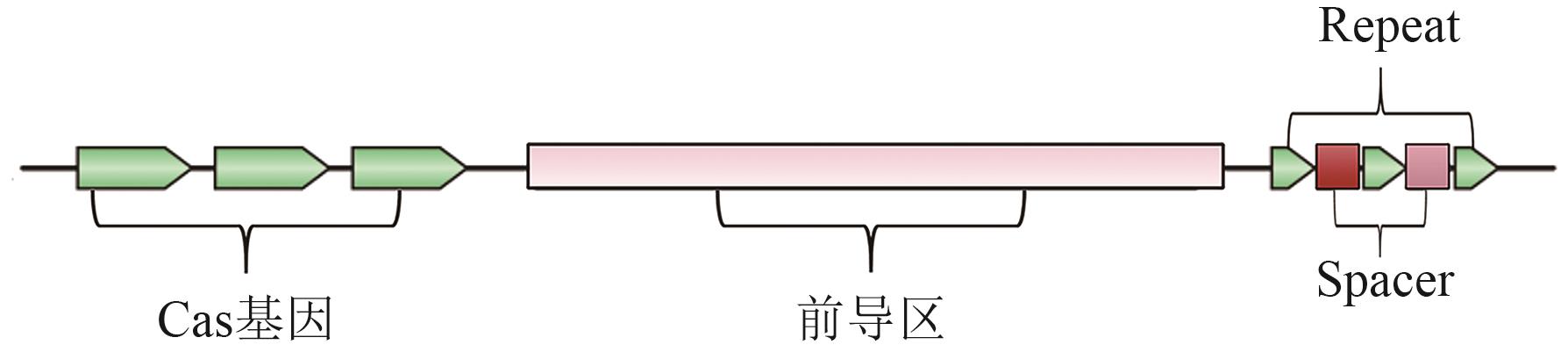
Fig. 1 Structure of CRISPR
类型 Type | 适配 Adaption | 表达 Expression | 干扰 Interference | 辅助 Ancillary | |
|---|---|---|---|---|---|
| Class 1 | Ⅰ type | Cas1-Cas2 | Cas6 | Cas7-Cas5-Cas8-Cas3 | Cas4 |
| Ⅲ type | Cas1-Cas2 | Cas6 | |||
| Ⅳ type | Cas7-Cas5 | ||||
| Class 2 | Ⅱ type | Cas1-Cas2 | RNase Ⅲ | Cas9 | Cas4 |
| V type | Cas1-Cas2 | Cas12 | Cas4 | ||
| Ⅵ type | Cas1-Cas2 | Cas13 | |||
Table 1 CRISPR types and the functions of Cas protein
类型 Type | 适配 Adaption | 表达 Expression | 干扰 Interference | 辅助 Ancillary | |
|---|---|---|---|---|---|
| Class 1 | Ⅰ type | Cas1-Cas2 | Cas6 | Cas7-Cas5-Cas8-Cas3 | Cas4 |
| Ⅲ type | Cas1-Cas2 | Cas6 | |||
| Ⅳ type | Cas7-Cas5 | ||||
| Class 2 | Ⅱ type | Cas1-Cas2 | RNase Ⅲ | Cas9 | Cas4 |
| V type | Cas1-Cas2 | Cas12 | Cas4 | ||
| Ⅵ type | Cas1-Cas2 | Cas13 | |||
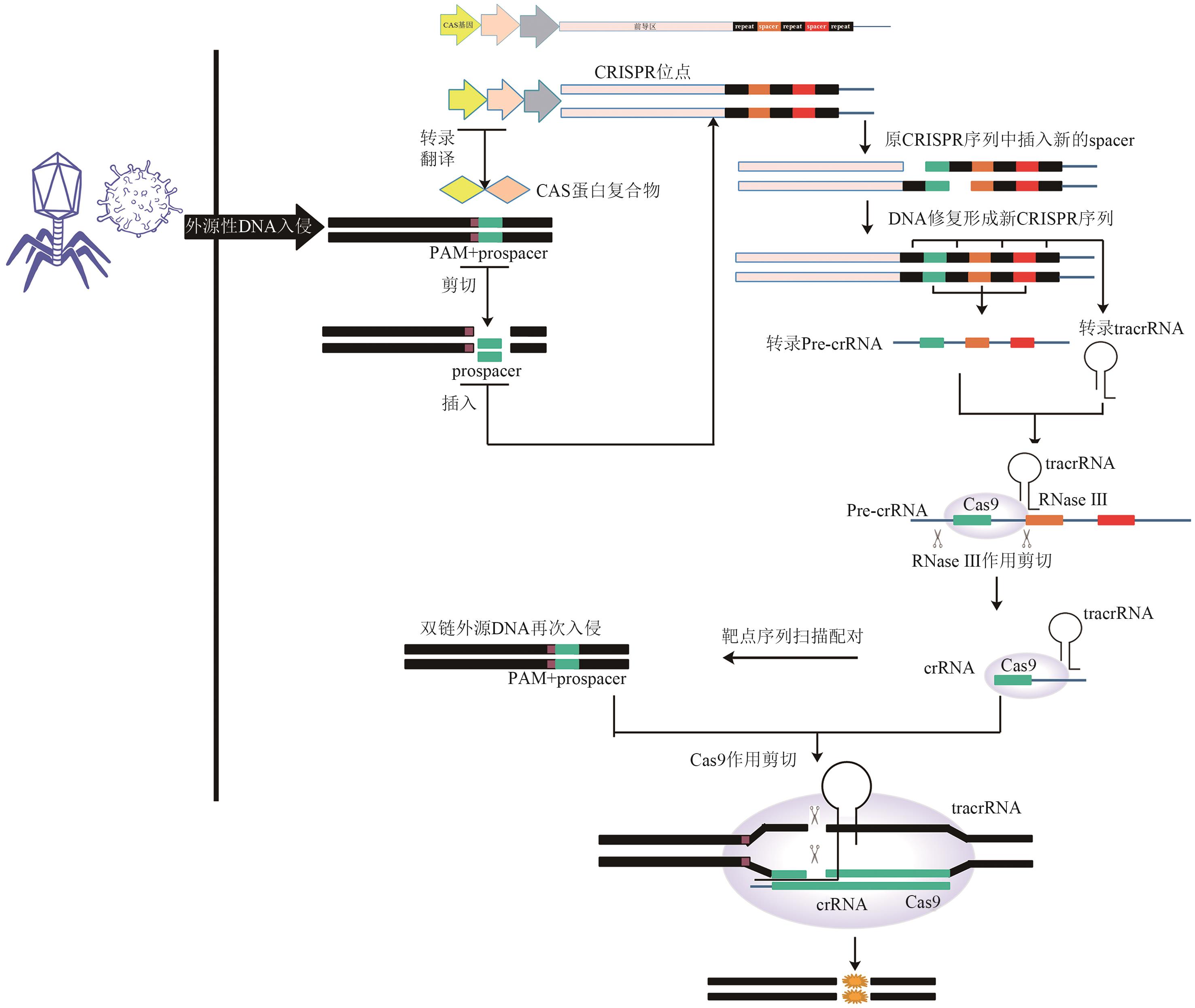
Fig. 2 Action mechanism of CRISPR-Cas system
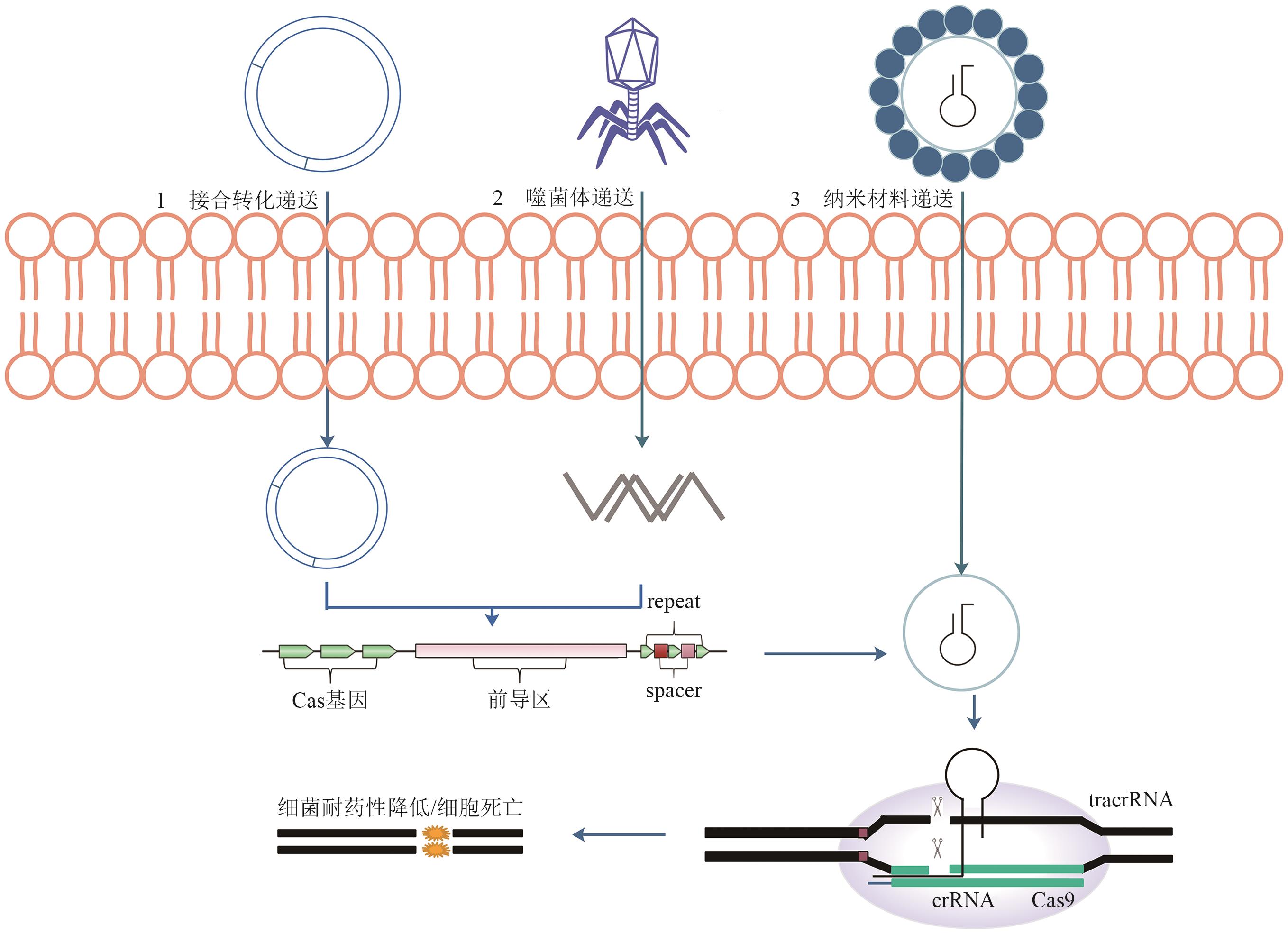
Fig. 3 Graphical concepts model of CRISPR-Cas for antibacterial delivery
| 1 | McManus MC. Mechanisms of bacterial resistance to antimicrobial agents [J]. Am J Health Syst Pharm, 1997, 54(12): 1420-1433; quiz 1444-1446. |
| 2 | Aksomaitiene J, Novoslavskij A, Kudirkiene E, et al. Whole genome sequence-based prediction of resistance determinants in high-level multidrug-resistant Campylobacter jejuni isolates in Lithuania [J]. Microorganisms, 2020, 9(1): 66. |
| 3 | Almeida LM, Lebreton F, Gaca A, et al. Transferable resistance gene optrA in Enterococcus faecalis from swine in Brazil [J]. Antimicrob Agents Chemother, 2020, 64(6): e00142-20. |
| 4 | Fioriti S, Morroni G, Coccitto SN, et al. Detection of oxazolidinone resistance genes and characterization of genetic environments in enterococci of swine origin, Italy [J]. Microorganisms, 2020, 8(12): 2021. |
| 5 | Manghwar H, Lindsey K, Zhang XL, et al. CRISPR/cas system: recent advances and future prospects for genome editing [J]. Trends Plant Sci, 2019, 24(12): 1102-1125. |
| 6 | Shahbazi Dastjerdeh M, Kouhpayeh S, Sabzehei F, et al. Zinc finger nuclease: a new approach to overcome beta-lactam antibiotic resistance [J]. Jundishapur J Microbiol, 2016, 9(1): e29384. |
| 7 | Gupta RM, Musunuru K. Expanding the genetic editing tool kit: ZFNs, TALENs, and CRISPR-Cas9 [J]. J Clin Invest, 2014, 124(10): 4154-4161. |
| 8 | Ishino Y, Shinagawa H, Makino K, et al. Nucleotide sequence of the iap gene, responsible for alkaline phosphatase isozyme conversion in Escherichia coli, and identification of the gene product [J]. J Bacteriol, 1987, 169(12): 5429-5433. |
| 9 | Barrangou R, Fremaux C, Deveau H, et al. CRISPR provides acquired resistance against viruses in prokaryotes [J]. Science, 2007, 315(5819): 1709-1712. |
| 10 | Gholizadeh P, Köse Ş, Dao S, et al. How CRISPR-cas system could be used to combat antimicrobial resistance [J]. Infect Drug Resist, 2020, 13: 1111-1121. |
| 11 | Jinek M, Chylinski K, Fonfara I, et al. A programmable dual-RNA-guided DNA endonuclease in adaptive bacterial immunity [J]. Science, 2012, 337(6096): 816-821. |
| 12 | Cong L, Ann Ran F, Cox D, et al. Multiplex genome engineering using CRISPR/Cas systems [J]. Science, 2013, 339(6121): 819-823. |
| 13 | Makarova KS, Wolf YI, Alkhnbashi OS, et al. An updated evolutionary classification of CRISPR-Cas systems [J]. Nat Rev Microbiol, 2015, 13(11): 722-736. |
| 14 | Horvath P, Barrangou R. CRISPR/Cas, the immune system of bacteria and Archaea [J]. Science, 2010, 327(5962): 167-170. |
| 15 | Jiang WY, Bikard D, Cox D, et al. RNA-guided editing of bacterial genomes using CRISPR-Cas systems [J]. Nat Biotechnol, 2013, 31(3): 233-239. |
| 16 | Semenova E, Jore MM, Datsenko KA, et al. Interference by clustered regularly interspaced short palindromic repeat (CRISPR) RNA is governed by a seed sequence [J]. Proc Natl Acad Sci USA, 2011, 108(25): 10098-10103. |
| 17 | van der Oost J, Jore MM, Westra ER, et al. CRISPR-based adaptive and heritable immunity in prokaryotes [J]. Trends Biochem Sci, 2009, 34(8): 401-407. |
| 18 | Makarova KS, Haft DH, Barrangou R, et al. Evolution and classification of the CRISPR-cas systems [J]. Nat Rev Microbiol, 2011, 9(6): 467-477. |
| 19 | Makarova KS, Wolf YI, Iranzo J, et al. Evolutionary classification of CRISPR-cas systems: a burst of class 2 and derived variants [J]. Nat Rev Microbiol, 2020, 18(2): 67-83. |
| 20 | 孙宗倜, 孙琅, 游雪甫. CRISPR/Cas系统在抗细菌感染领域的应用现状与进展 [J]. 药学学报, 2023, 58(9): 2560-2568. |
| Sun ZT, Sun L, You XF. Current advances of CRISPR/Cas system in antibacterial field [J]. Acta Pharm Sin, 2023, 58(9): 2560-2568. | |
| 21 | Hatada I, Morita S, Horii T. CRISPR/cas9 [J]. Methods Mol Biol, 2023, 2637: 41-47. |
| 22 | Yosef I, Manor M, Kiro R, et al. Temperate and lytic bacteriophages programmed to sensitize and kill antibiotic-resistant bacteria [J]. Proc Natl Acad Sci USA, 2015, 112(23): 7267-7272. |
| 23 | Vercoe RB, Chang JT, Dy RL, et al. Cytotoxic chromosomal targeting by CRISPR/Cas systems can reshape bacterial genomes and expel or remodel pathogenicity islands [J]. PLoS Genet, 2013, 9(4): e1003454. |
| 24 | Citorik RJ, Mimee M, Lu TK. Sequence-specific antimicrobials using efficiently delivered RNA-guided nucleases [J]. Nat Biotechnol, 2014, 32(11): 1141-1145. |
| 25 | Gomaa AA, Klumpe HE, Luo ML, et al. Programmable removal of bacterial strains by use of genome-targeting CRISPR-Cas systems [J]. mBio, 2014, 5(1): e00928-13. |
| 26 | Bikard D, Hatoum-Aslan A, Mucida D, et al. CRISPR interference can prevent natural transformation and virulence acquisition during in vivo bacterial infection [J]. Cell Host Microbe, 2012, 12(2): 177-186. |
| 27 | Bikard D, Euler CW, Jiang WY, et al. Exploiting CRISPR-Cas nucleases to produce sequence-specific antimicrobials [J]. Nat Biotechnol, 2014, 32(11): 1146-1150. |
| 28 | Neil K, Allard N, Roy P, et al. High-efficiency delivery of CRISPR-Cas9 by engineered probiotics enables precise microbiome editing [J]. Mol Syst Biol, 2021, 17(10): e10335. |
| 29 | Selle K, Fletcher JR, Tuson H, et al. In vivo targeting of Clostridioides difficile using phage-delivered CRISPR-Cas3 antimicrobials [J]. mBio, 2020, 11(2): e00019-20. |
| 30 | 孙静. 中国不同地区猪和鸡肠道大肠杆菌抗生素耐药基因及耐药表型分析 [D]. 武汉: 华中农业大学, 2022. |
| Sun J. Analysis of antibiotic resistance genes and drug resistance phenotypes of Escherichia coli in pig and chicken intestines in different areas of China [D]. Wuhan: Huazhong Agricultural University, 2022. | |
| 31 | Chen YS, Mukherjee S, Hoffmann M, et al. Whole-genome sequencing of gentamicin-resistant Campylobacter coli isolated from U.S. retail meats reveals novel plasmid-mediated aminoglycoside resistance genes [J]. Antimicrob Agents Chemother, 2013, 57(11): 5398-5405. |
| 32 | Ge BL, White DG, McDermott PF, et al. Antimicrobial-resistant Campylobacter species from retail raw meats [J]. Appl Environ Microbiol, 2003, 69(5): 3005-3007. |
| 33 | Tang YZ, Dai L, Sahin O, et al. Emergence of a plasmid-borne multidrug resistance gene cfr(C) in foodborne pathogen Campylobacter [J]. J Antimicrob Chemother, 2017, 72(6): 1581-1588. |
| 34 | 杨永亚, 刘志欢, 宋雪艳, 等. 携带mcr-1鸡源大肠杆菌耐药性及传播特性的初步分析 [J]. 中国预防兽医学报, 2021, 43(7): 706-710, 733. |
| Yang YY, Liu ZH, Song XY, et al. Preliminary study on the drug resistance and transmission characteristics of chicken-derived Escherichia coli carrying mcr-1 [J]. Chin J Prev Vet Med, 2021, 43(7): 706-710, 733. | |
| 35 | 谢宁, 高源, 马藤菲, 等. 1株产NDM-9和MCR-1的鸡源大肠杆菌的分子及生物学特征 [J]. 中国兽医杂志, 2023, 59(1): 14-19. |
| Xie N, Gao Y, Ma TF, et al. Molecular and biological characteristics of a chicken source Escherichia coli producing NDM-9 and MCR-1 [J]. Chin J Vet Med, 2023, 59(1): 14-19. | |
| 36 | Qin SS, Wu CM, Wang Y, et al. Antimicrobial resistance in Campylobacter coli isolated from pigs in two provinces of China [J]. Int J Food Microbiol, 2011, 146(1): 94-98. |
| 37 | 刘宝玲, 楚品品, 李春玲, 等. 猪链球菌临床分离株对四环素类抗生素的耐药性和耐药基因分析 [J]. 中国畜牧兽医, 2022, 49(7): 2796-2804. |
| Liu BL, Chu PP, Li CL, et al. Analysis of resistance and resistance genes of Streptococcus suis clinical isolates to tetracyclines [J]. China Anim Husb Vet Med, 2022, 49(7): 2796-2804. | |
| 38 | 姜芹, 孙冰清, 顾欣, 等. 动物源大肠埃希菌gyrA基因突变与氟喹诺酮耐药相关性分析 [J]. 动物医学进展, 2020, 41(4): 63-66. |
| Jiang Q, Sun BQ, Gu X, et al. Analysis of mutations in gyrA gene associated with fluoroquinolone resistance in Escherichia coli isolates from animals [J]. Prog Vet Med, 2020, 41(4): 63-66. | |
| 39 | 张小燕, 周倩, 唐梦君, 等. 江苏某肉鸡屠宰场弯曲菌耐药性及aadE-sat4-aphA-3耐药基因簇分布分析 [J]. 中国预防兽医学报, 2020, 42(8): 835-839. |
| Zhang XY, Zhou Q, Tang MJ, et al. Antimicrobial resistance and distribution of aminoglycoside resistance gene cluster aadE-sat4-AphA-3 in Campylobacter isolates from a broiler slaughterhouse in Jiangsu province [J]. Chin J Prev Vet Med, 2020, 42(8): 835-839. | |
| 40 | 周倩, 张小燕, 马尹鹏, 等. 蛋鸡投喂氟苯尼考后大肠杆菌耐药性变化及耐药基因检测 [J]. 中国家禽, 2020, 42(9): 40-46. |
| Zhou Q, Zhang XY, Ma YP, et al. Changes of drug resistance and detection of florfenicol resistance genes in Escherichia coli isolated from laying hens after florfenicol administration [J]. China Poult, 2020, 42(9): 40-46. | |
| 41 | Zhang HJ, Chen B, Wang ZY, et al. Resensitizing tigecycline- and colistin-resistant Escherichia coli using an engineered conjugative CRISPR/Cas9 system [J]. Microbiol Spectr, 2024, 12(4): e03884-23. |
| 42 | Tao S, Chen HM, Li N, et al. Elimination of blaKPC-2-mediated carbapenem resistance in Escherichia coli by CRISPR-Cas9 system [J]. BMC Microbiol, 2023, 23(1): 310. |
| 43 | Kang YK, Kwon K, Ryu JS, et al. Nonviral genome editing based on a polymer-derivatized CRISPR nano complex for targeting bacterial pathogens and antibiotic resistance [J]. Bioconjugate Chem, 2017, 28(4): 957-967. |
| 44 | Zhang H, Cheng QX, Liu AM, et al. A novel and efficient method for bacteria genome editing employing both CRISPR/Cas9 and an antibiotic resistance cassette [J]. Front Microbiol, 2017, 8: 812. |
| 45 | Wang PX, He DM, Li BY, et al. Eliminating mcr-1-harbouring plasmids in clinical isolates using the CRISPR/Cas9 system [J]. J Antimicrob Chemother, 2019, 74(9): 2559-2565. |
| 46 | Hao MJ, He YZ, Zhang HF, et al. CRISPR-Cas9-mediated carbapenemase gene and plasmid curing in carbapenem-resistant Enterobacteriaceae [J]. Antimicrob Agents Chemother, 2020, 64(9): e00843-20. |
| 47 | Reuter A, Hilpert C, Dedieu-Berne A, et al. Targeted-antibacterial-plasmids (TAPs) combining conjugation and CRISPR/Cas systems achieve strain-specific antibacterial activity [J]. Nucleic Acids Res, 2021, 49(6): 3584-3598. |
| 48 | Andrés Valderrama J, Kulkarni SS, Nizet V, et al. A bacterial gene-drive system efficiently edits and inactivates a high copy number antibiotic resistance locus [J]. Nat Commun, 2019, 10(1): 5726. |
| 49 | Huang CY, Guo LW, Wang JG, et al. Efficient long fragment editing technique enables large-scale and scarless bacterial genome engineering [J]. Appl Microbiol Biotechnol, 2020, 104(18): 7943-7956. |
| 50 | Li F, Ye QH, Chen MT, et al. Cas12aFDet: a CRISPR/Cas12a-based fluorescence platform for sensitive and specific detection of Listeria monocytogenes serotype 4c [J]. Anal Chim Acta, 2021, 1151: 338248. |
| 51 | Yang YJ, Kong XX, Yang JL, et al. Rapid nucleic acid detection of Listeria monocytogenes based on RAA-CRISPR Cas12a system [J]. Int J Mol Sci, 2024, 25(6): 3477. |
| 52 | Xiao YR, Ren HL, Wang H, et al. A rapid and inexpensive nucleic acid detection platform for Listeria monocytogenes based on the CRISPR/Cas12a system [J]. Talanta, 2023, 259: 124558. |
| 53 | Cao XY, Chang YB, Tao CQ, et al. Cas12a/guide RNA-based platforms for rapidly and accurately identifying Staphylococcus aureus and methicillin-resistant S. aureus [J]. Microbiol Spectr, 2023, 11(2): e0487022. |
| 54 | Shi YQ, Kang L, Mu RR, et al. CRISPR/Cas12a-enhanced loop-mediated isothermal amplification for the visual detection of Shigella flexneri [J]. Front Bioeng Biotechnol, 2022, 10: 845688. |
| 55 | Zhang KX, Deng RJ, Li Y, et al. Cas9 cleavage assay for pre-screening of sgRNAs using nicking triggered isothermal amplification [J]. Chem Sci, 2016, 7(8): 4951-4957. |
| 56 | Sun X, Wang Y, Zhang L, et al. CRISPR-Cas9 triggered two-step isothermal amplification method for E. coli O157: H7 detection based on a metal-organic framework platform [J]. Anal Chem, 2020, 92(4): 3032-3041. |
| 57 | An BL, Zhang HB, Su X, et al. Rapid and sensitive detection of Salmonella spp. using CRISPR-Cas13a combined with recombinase polymerase amplification [J]. Front Microbiol, 2021, 12: 732426. |
| [1] | WEN Bo-lin, WAN Min, HU Jian-jun, WANG Ke-xiu, JING Sheng-lin, WANG Xin-yue, ZHU Bo, TANG Ming-xia, LI Bing, HE Wei, ZENG Zi-xian. Establishment of Genetic Transformation and Gene Editing System for a Potato Cultivar Chuanyu 50 [J]. Biotechnology Bulletin, 2025, 41(4): 88-97. |
| [2] | CHEN Xiao-jun, HUI Jian, MA Hong-wen, BAI Hai-Bo, ZHONG Nan, LI Jia-run, FAN Yun-fang. Creating Rice Gerplasm Resources OsALS Rsistant to Herbicide through Single Base Gene Editing Technology [J]. Biotechnology Bulletin, 2025, 41(4): 106-114. |
| [3] | LIANG Li-cun, WANG Ke-fen, SONG Zu-huan, LIU Meng-ting, LI Jia-yu, LUO Hui-ying, YAO Bin, YANG Hao-meng. Improving the Efficiency of Gene Editing by Optimizing sgRNA in Aspergillus tubingensis [J]. Biotechnology Bulletin, 2025, 41(3): 62-70. |
| [4] | XUE Rui-ying, LIU Yong-ju, JIANG Yan-yan, PENG Xin-ya, CAO Dong, LI Yun, LIU Bao-long, BAO Xue-mei. Reducing the Expression of GBSSI Gene in Barley via the Editing in the 5′UTR Region [J]. Biotechnology Bulletin, 2025, 41(3): 83-89. |
| [5] | TONG Wei-jing, LUO Shu, LU Xin-lu, SHEN Jian-fu, LU Bai-yi, LI Kai-mian, MA Qiu-xiang, ZHANG Peng. CRISPR/Cas9 Editing MeHNL Gene to Generate Cassava Plants with Low Cyanogenic Glycoside [J]. Biotechnology Bulletin, 2024, 40(9): 11-19. |
| [6] | HOU Wen-ting, SUN Lin, ZHANG Yan-jun, DONG He-zhong. Application of Gene-editing Technology for Germplasm Innovation and Genetic Improvement in Cotton [J]. Biotechnology Bulletin, 2024, 40(7): 68-77. |
| [7] | LONG Jing, CHEN Jing-min, LIU Xiao, ZHANG Yi-fan, ZHOU Li-bin, DU Yan. Repair Mechanisms of DNA Double-strand Breaks and Their Roles in Heavy Ion Mutagenesis and Gene Editing in Plants [J]. Biotechnology Bulletin, 2024, 40(7): 55-67. |
| [8] | ZHOU Jia-wei, WU Zhi-qiang. Construction Method of mitoTALENs Mitochondrial Gene Editing Vector in Plants [J]. Biotechnology Bulletin, 2024, 40(10): 172-180. |
| [9] | LI Ming-kun, BI Mei-ying, ZHANG Tian-hang, WU Xiang-yu, YANG Pei-ru, YING Ming. Restoration of Agricultural Function of Rhizobacteria by UgRNA/Cas9 Multi-gene Editing [J]. Biotechnology Bulletin, 2024, 40(10): 275-287. |
| [10] | ZHANG Shuo, KAN Jun-hu, ZHOU Jia-wei, WU Zhi-qiang. Advance in Plant Mitochondrial Genome Editing [J]. Biotechnology Bulletin, 2024, 40(10): 41-52. |
| [11] | YANG Shuai-peng, QU Zi-xiao, ZHU Xiang-xing, TANG Dong-sheng. Optimization of DNA Base Editing Technology and Its Application in Pig Genetic Modification [J]. Biotechnology Bulletin, 2024, 40(1): 127-144. |
| [12] | CHEN Xiao-ling, LIAO Dong-qing, HUANG Shang-fei, CHEN Ying, LU Zhi-long, CHEN Dong. Advances in CRISPR/Cas9 System Modifying Saccharomycescerevisiae [J]. Biotechnology Bulletin, 2023, 39(8): 148-158. |
| [13] | CHENG Jing-wen, CAO Lei, ZHANG Yan-min, YE Qian, CHEN Min, TAN Wen-song, ZHAO Liang. Establishment and Application of Multigene Engineering Transformation Strategy for CHO Cells [J]. Biotechnology Bulletin, 2023, 39(2): 283-291. |
| [14] | HUANG Wen-li, LI Xiang-xiang, ZHOU Wen-ting, LUO Sha, YAO Wei-jia, MA Jie, ZHANG Fen, SHEN Yu-sen, GU Hong-hui, WANG Jian-sheng, SUN Bo. Targeted Editing of BoZDS in Broccoli by CRISPR/Cas9 Technology [J]. Biotechnology Bulletin, 2023, 39(2): 80-87. |
| [15] | LIN Rong, ZHENG Yue-ping, XU Xue-zhen, LI Dan-dan, ZHENG Zhi-fu. Functional Analysis of ACOL8 Gene in the Ethylene Synthesis and Response in Arabidopsis thaliana [J]. Biotechnology Bulletin, 2023, 39(1): 157-165. |
| Viewed | ||||||
|
Full text |
|
|||||
|
Abstract |
|
|||||
