




生物技术通报 ›› 2026, Vol. 42 ›› Issue (11): 328-339.doi: 10.13560/j.cnki.biotech.bull.1985.2026-0149
• 研究报告 • 上一篇
方乐瑶, 彭买姣, 惠华英, 谭周进( )
收稿日期:2026-01-30
出版日期:2026-11-26
发布日期:2026-11-03
通讯作者:
谭周进tanzhjin@sohu.com基金资助:
FANG Le-yao, PENG Mai-jiao, HUI Hua-ying, TAN Zhou-jin()
Received:2026-01-30
Published:2026-11-26
Online:2026-11-03
摘要:
目的 探究肠道菌群代谢产物氧化三甲胺(trimethylamine N-oxide, TMAO)调节氧化应激通路在腹泻发病中的作用机制。 方法 将40只小鼠随机分为正常组、模型组、TMAO抑制剂组及TMAO抑制剂+模型组,评估小鼠一般状态及粪便,观察结肠和肾组织病理变化,检测胆碱三甲胺裂解酶(choline trimethylamine-lyase, CutC)活性、三甲胺(trimethylamine, TMA)与TMAO、去乙酰化酶3(sirtuin 3, SIRT3)与超氧化物歧化酶2(superoxide dismutase 2, SOD2)蛋白、SOD活性及活性氧(reactive oxygen species, ROS),分析盲肠内容物菌群。 结果 与正常组比较,模型组小鼠粪便含水率极显著升高(P<0.001);TMAO抑制剂+模型组小鼠粪便含水率较模型组显著降低(P<0.05)。与正常组比,模型组结肠、肾组织及血清TMAO均显著升高。与正常组比较,模型组和TMAO抑制剂+模型组结肠与肾组织中SIRT3及SOD2表达减少,SOD活性降低;然而,TMAO抑制剂+模型组小鼠结肠SIRT3和SOD2表达显著高于模型组(P<0.05),肾脏SIRT3和SOD2表达亦较模型组极显著升高(P<0.01)。与正常组比较,模型组及TMAO抑制剂+模型组小鼠结肠组织中ROS水平极显著升高(P<0.01);模型组肾组织ROS极显著升高(P<0.001),TMAO抑制剂+模型组小鼠肾组织ROS水平显著升高(P<0.01)。TMAO抑制剂可提高模型小鼠肠道菌群的物种丰富度和多样性,重塑菌群结构。相关性分析表明,TMAO与ROS呈正相关,与SOD呈负相关;模型组特征菌属Streptococcus与TMAO、ROS呈正相关,与SOD呈负相关;而TMAO抑制剂+模型组特征菌属Bilophila与TMAO和ROS呈负相关。 结论 TMAO通过抑制SIRT3及SOD2表达,促进ROS积累并加重氧化应激反应,从而参与腹泻的发生发展。
方乐瑶, 彭买姣, 惠华英, 谭周进. 肠道菌群代谢产物TMAO介导氧化应激通路在腹泻发病中的作用机制[J]. 生物技术通报, 2026, 42(11): 328-339.
FANG Le-yao, PENG Mai-jiao, HUI Hua-ying, TAN Zhou-jin. Mechanism of the Oxidative Stress Pathway Mediated by the Gut Microbiota Metabolite TMAO in the Pathogenesis of Diarrhea[J]. Biotechnology Bulletin, 2026, 42(11): 328-339.
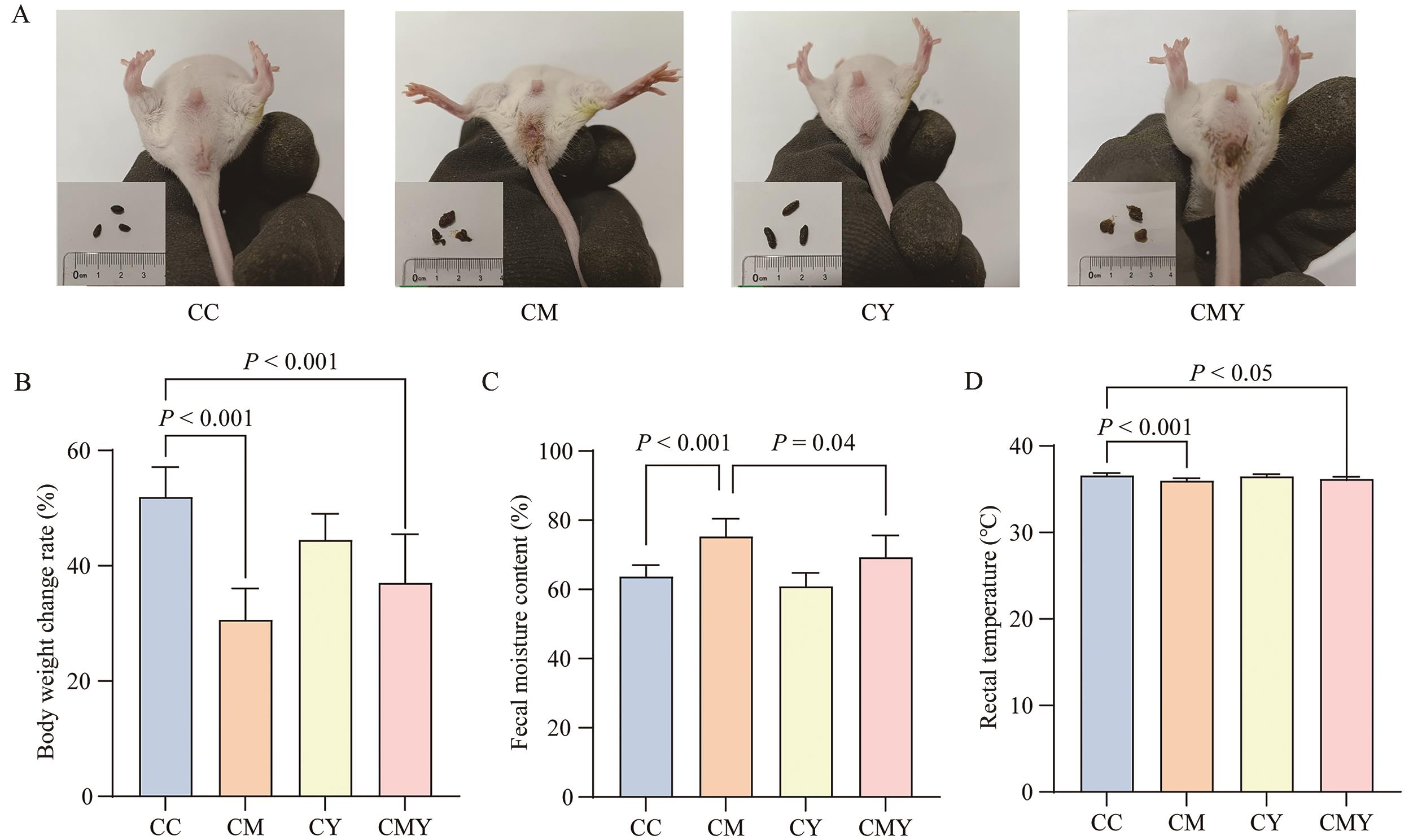
图1 各组小鼠的一般特征A:粪便形态及肛周情况;B:体质量变化率;C:粪便含水率;D:肛温。数据采用平均值±标准差表示。CC:正常组,CM:模型组,CY:TMAO抑制剂组,CMY:TMAO抑制剂+模型组,下同
Fig. 1 General characteristics of mice in each groupA: Fecal morphology and perianal condition. B: Body weight change rate. C: Fecal moisture content. D: Rectal temperature. Data are presented as mean ± standard deviation. CC: Control group; CM: Model group; CY: TMAO inhibitor group; CMY: TMAO inhibitor + model group, the same below
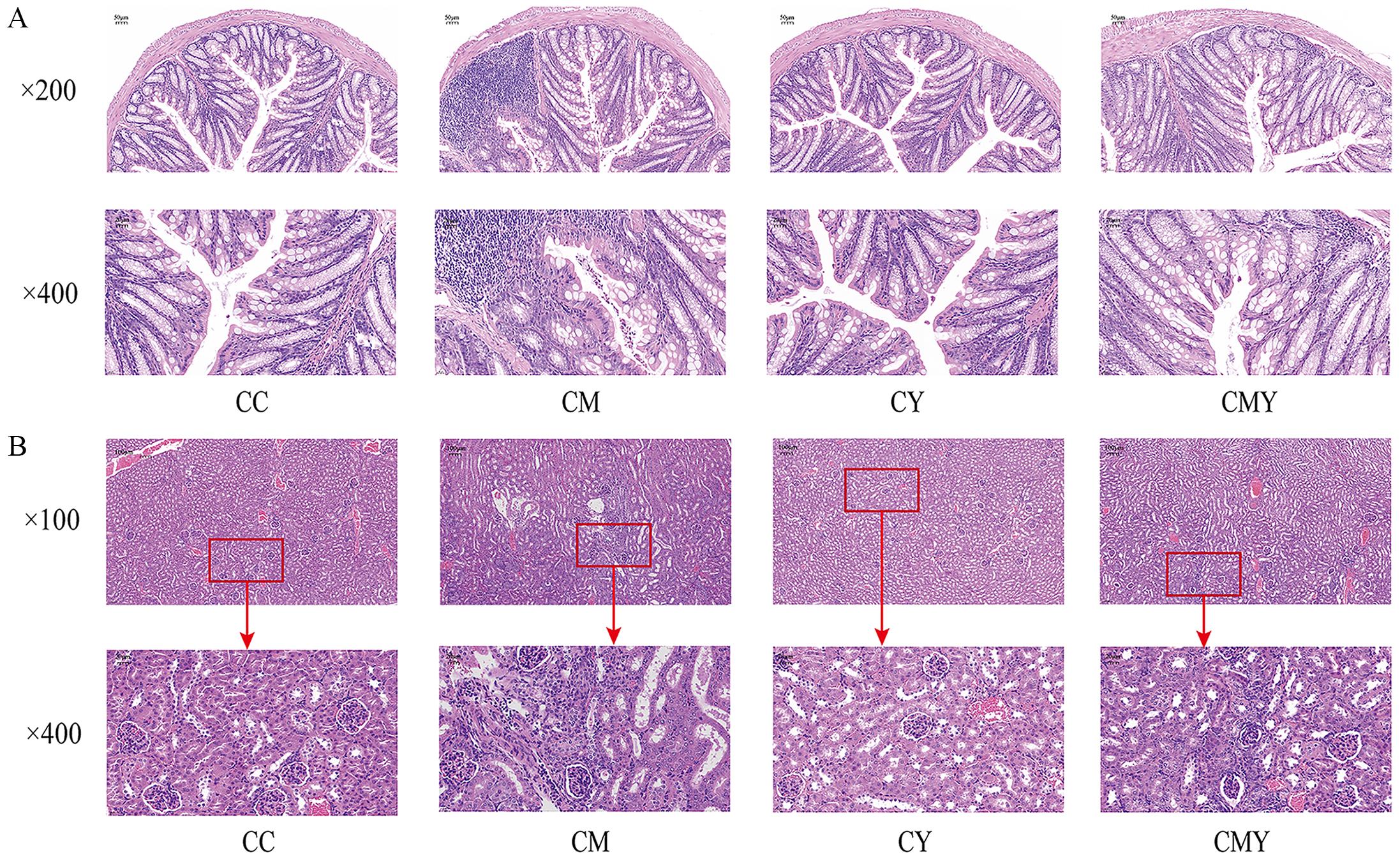
图2 结肠及肾脏组织病理切片A:HE染色的结肠切片代表性图片(×200,×400);B:HE染色的肾脏切片代表性图片(×100,×400)
Fig. 2 Hematoxylin and eosin staining of colon and kidney tissuesA: Representative images of HE-stained colon sections (×200, ×400). B: Representative images of HE-stained kidney sections (×100, ×400)
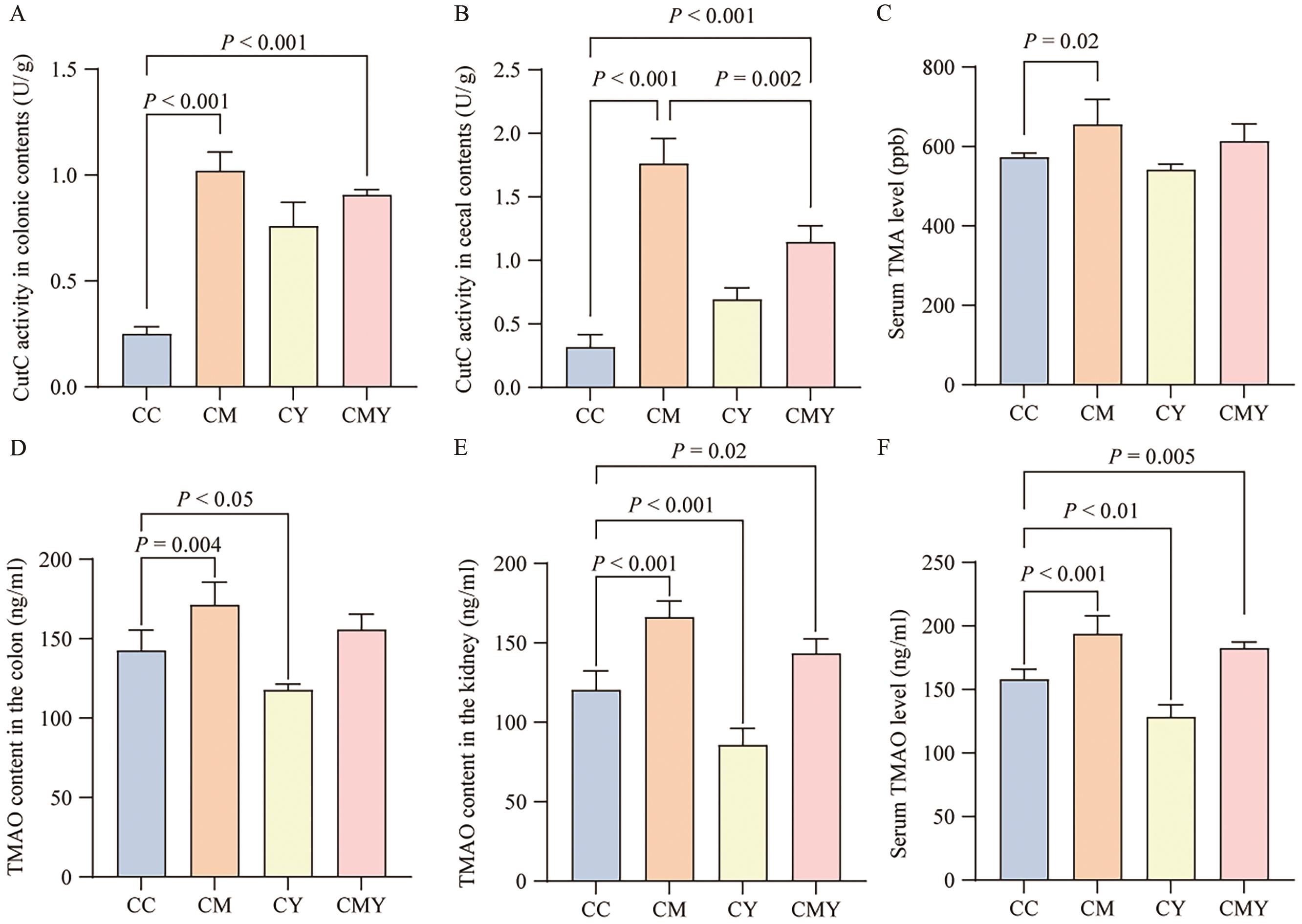
图3 各组小鼠TMAO相关指标变化A:结肠内容物CutC;B:盲肠内容物CutC;C:血清TMA;D:结肠TMAO;E:肾脏TMAO;F:血清TMAO
Fig. 3 Changes in TMAO-related parameters in mice from different groupsA: CutC activity in colonic contents. B: CutC activity in cecal contents. C: Serum TMA level. D: TMAO content in the colon. E: TMAO content in the kidney. F: Serum TMAO level
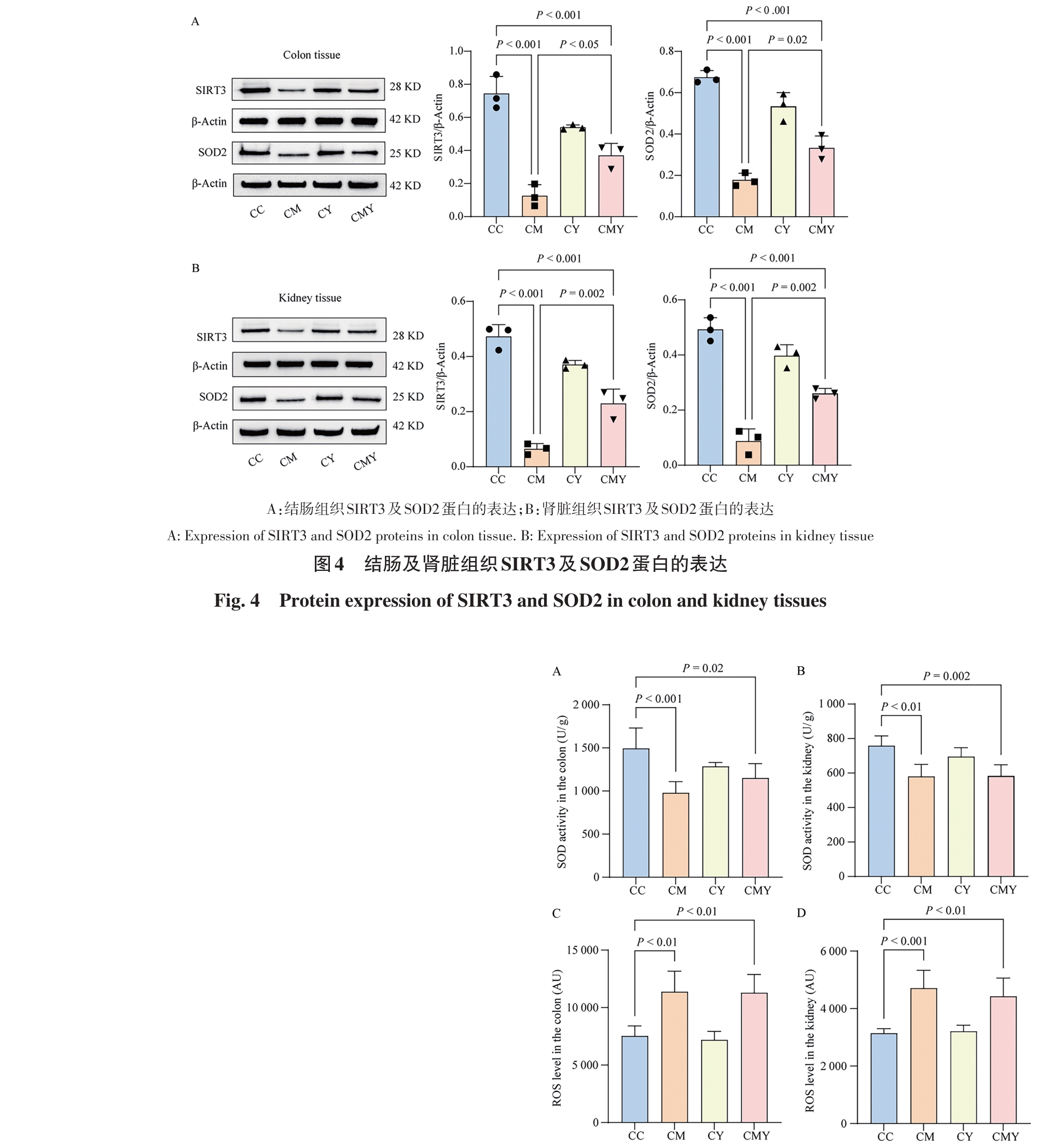
图5 各组小鼠结肠及肾脏SOD及ROS变化A:结肠SOD活性;B:肾脏SOD活性;C:结肠ROS水平;D:肾脏ROS水平
Fig. 5 Changes in SOD activity and ROS levels in colon and kidney tissuesA: SOD activity in the colon. B: SOD activity in the kidney. C: ROS level in the colon. D: ROS level in the kidney
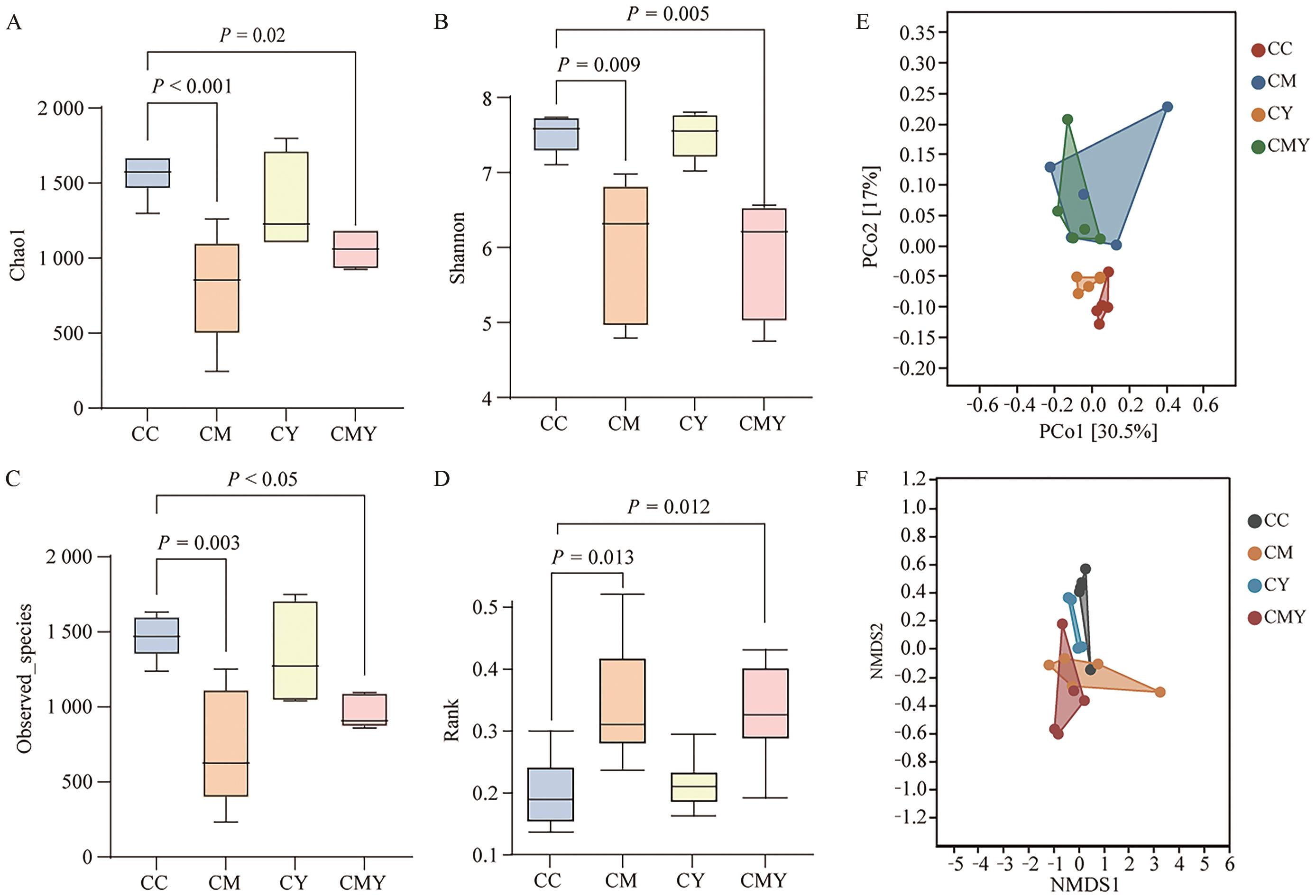
图6 小鼠肠道菌群多样性分析A:Chao1;B:Shannon;C:Observed species;D:Anosim分析;E:PCoA分析;F:NMDS分析
Fig. 6 Analysis of gut microbiota diversity in miceA: Chao1. B: Shannon. C: Observed species. D: Anosim analysis. E: PCoA analysis. F: NMDS analysis
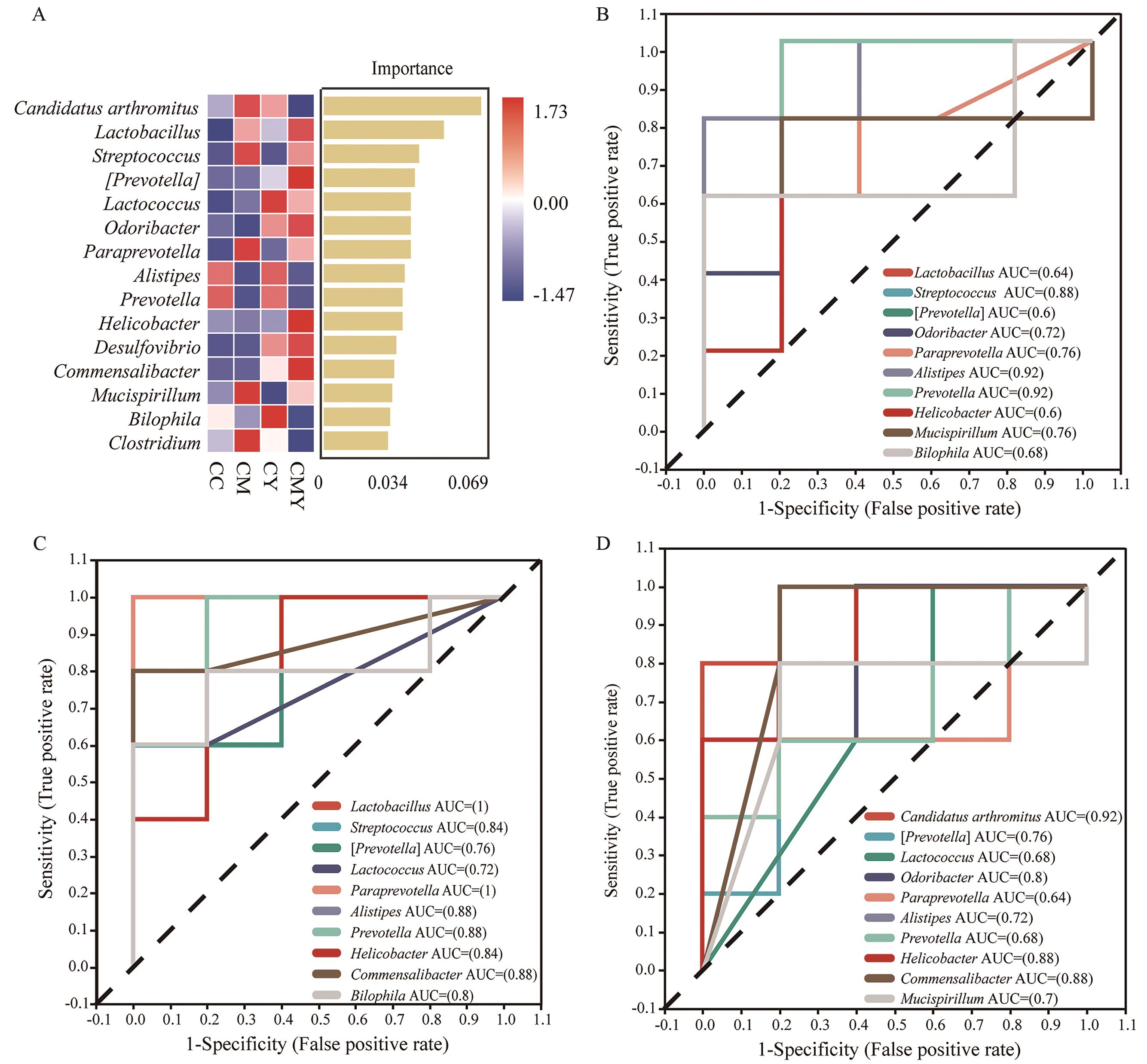
图7 随机森林及ROC分析A:属水平随机森林图;B:ROC曲线(CC vs CM);C:ROC曲线(CC vs CMY);D:ROC曲线(CM vs CMY)
Fig. 7 Random forest and receiver operating characteristic analysesA: Random forest plot at the genus level. B: ROC curve (CC vs CM). C: ROC curve (CC vs CMY). D: ROC curve (CM vs CMY)
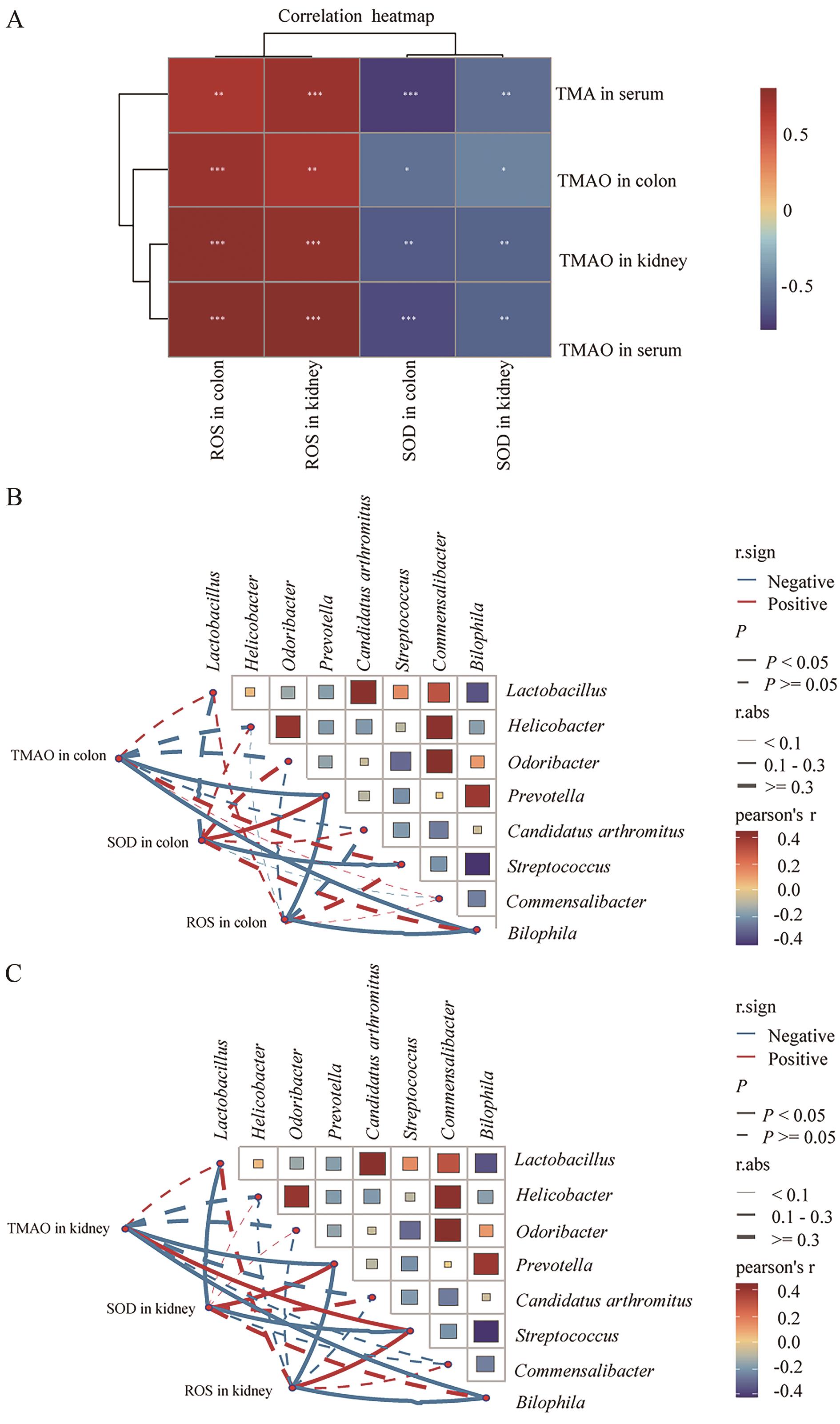
图8 TMAO与氧化应激指标、特征菌属的相关性分析A:TMAO与氧化应激指标的相关性热图;B:结肠TMAO与氧化应激指标及特征菌属的相关性热图;C:肾脏TMAO与氧化应激指标及特征菌属的相关性热图;红色表示正相关性,蓝色表示负相关性,颜色的梯度表示相关性的强度;*P<0.05,**P<0.01,***P<0.001;实线表示相关性显著(P<0.05),虚线表示相关性不显著(P>0.05);线条的粗细表示相关性的强度
Fig. 8 Correlation analysis between TMAO, oxidative stress-related indicators, and characteristic bacterial generaA: Heatmap of correlations between TMAO and oxidative stress indicators. B: Heatmap of correlations between colonic TMAO and oxidative stress indicators as well as characteristic bacterial genera. C: Heatmap of correlations between renal TMAO and oxidative stress indicators as well as characteristic bacterial genera. Red indicates positive correlation, blue indicates negative correlation, and the color gradient represents the strength of the correlation. *P<0.05, **P<0.01, ***P<0.001. Solid lines indicate significant correlation (P<0.05), dashed lines indicate non-significant correlation (P>0.05). The thickness of the lines represents the strength of the correlation
| [1] | Guggeis MA, Harris DM, Welz L, et al. Microbiota-derived metabolites in inflammatory bowel disease [J]. Semin Immunopathol, 2025, 47: 19. |
| [2] | Li XY, Peng XX, Qiao B, et al. Gut-kidney impairment process of adenine combined with folium sennae-Induced diarrhea: association with interactions between Lactobacillus intestinalis, Bacteroides acidifaciens and acetic acid, inflammation, and kidney function [J]. Cells, 2022, 11(20): 3261. |
| [3] | Zhu T, Hu BY, Zhang YQ, et al. The role of microbial metabolites in diabetic kidney disease [J]. Heliyon, 2023, 9(7): e17844. |
| [4] | Tsuji K, Uchida N, Nakanoh H, et al. The gut-kidney axis in chronic kidney diseases [J]. Diagnostics, 2025, 15(1): 21. |
| [5] | Wang CC, Duan XF, Li XY, et al. Trimethylamine N-oxide generation process was influenced by the proportion and source of macronutrients in the diet [J]. Food Sci Hum Wellness, 2024, 13(2): 649-658. |
| [6] | Paulina G, Joanna K. Trimethylamine N-oxide (TMAO) in human health [J]. EXCLI J, 2021, 20: 301-319. |
| [7] | Pahl MV, Vaziri ND. The chronic kidney disease—colonic axis [J]. Semin Dial, 2015, 28(5): 459-463. |
| [8] | 彭印, 徐雪君, 李建萍, 等. 靶向肠道菌群调控肠源尿毒素代谢通路干预慢性肾病进展的治疗策略分析 [J]. 药学学报, 2021, 56(1): 37-49. |
| Peng Y, Xu XJ, Li JP, et al. Strategy to delay the progression of chronic kidney disease by targeting gut microbiota and uremic toxins metabolism pathway [J]. Acta Pharm Sin, 2021, 56(1): 37-49. | |
| [9] | Fang LY, Shen JX, Xiao NQ, et al. TMAO activates the NLRP3 inflammasome, disrupts gut-kidney interaction, and promotes intestinal inflammation [J]. Int J Mol Sci, 2025, 26(15): 7441. |
| [10] | Liu LW, Xie Y, Li GQ, et al. Gut microbiota-derived nicotinamide mononucleotide alleviates acute pancreatitis by activating pancreatic SIRT3 signalling [J]. British J Pharmacology, 2023, 180(5): 647-666. |
| [11] | Nakano H, Setoguchi S, Kawano K, et al. Effects of amazake produced with different Aspergillus on gut barrier and microbiota [J]. Foods, 2023, 12(13): 2568. |
| [12] | Peng YQ, Li YS, Pi YZ, et al. Effects of almond (Armeniaca Sibirica L. Lam) polysaccharides on gut microbiota and anti-inflammatory effects on LPS-induced RAW264.7 cells [J]. Int J Biol Macromol, 2024, 263: 130098. |
| [13] | Saaoud F, Liu L, Xu KM, et al. Aorta- and liver-generated TMAO enhances trained immunity for increased inflammation via ER stress/mitochondrial ROS/glycolysis pathways [J]. JCI Insight, 2023, 8: e158183. |
| [14] | Dong F, Jiang S, Tang C, et al. Trimethylamine N-oxide promotes hyperoxaluria-induced calcium oxalate deposition and kidney injury by activating autophagy [J]. Free Radic Biol Med, 2022, 179: 288-300. |
| [15] | Chen ML, Zhu XH, Ran L, et al. Trimethylamine-N-oxide induces vascular inflammation by activating the NLRP3 inflammasome through the SIRT3-SOD2-mtROS signaling pathway [J]. J Am Heart Assoc, 2017, 6(9): e006347. |
| [16] | Zhang Y, Bai XZ, Shen K, et al. Exosomes derived from adipose mesenchymal stem cells promote diabetic chronic wound healing through SIRT3/SOD2 [J]. Cells, 2022, 11(16): 2568. |
| [17] | Xie SY, Zou W, Liu SR, et al. Site 1 protease aggravates acute kidney injury by promoting tubular epithelial cell ferroptosis through SIRT3-SOD2-mtROS signaling [J]. FEBS J, 2024, 291(7): 1575-1592. |
| [18] | Guan S, Wang ZY, Zhang RR, et al. 3-MCPD induced mitochondrial damage of renal cells via the rhythmic protein BMAL1 targeting SIRT3/SOD2 [J]. J Agric Food Chem, 2023, 71(39): 14351-14364. |
| [19] | Wu Y, Peng XX, Li XY, et al. Sex hormones influence the intestinal microbiota composition in mice [J]. Front Microbiol, 2022, 13: 964847. |
| [20] | Fang LY, Shen JX, Wu Y, et al. Involvement of intestinal mucosal microbiota in adenine-induced liver function injury [J]. 3 Biotech, 2025, 15: 6. |
| [21] | Guo MM, Fang LY, Chen ML, et al. Dysfunction of cecal microbiota and CutC activity in mice mediating diarrhea with kidney-Yang deficiency syndrome [J]. Front Microbiol, 2024, 15: 1354823. |
| [22] | Heng X, Liu WG, Chu WH. Identification of choline-degrading bacteria from healthy human feces and used for screening of trimethylamine (TMA)-lyase inhibitors [J]. Microb Pathog, 2021, 152: 104658. |
| [23] | Ferrell M, Bazeley P, Wang ZN, et al. Fecal microbiome composition does not predict diet-induced TMAO production in healthy adults [J]. J Am Heart Assoc, 2021, 10(21): e021934. |
| [24] | Koeth RA, Levison BS, Culley MK, et al. γ-butyrobetaine is a proatherogenic intermediate in gut microbial metabolism of L-carnitine to TMAO [J]. Cell Metab, 2014, 20(5): 799-812. |
| [25] | He L, Long CX, Liu YJ, et al. Effects of Debaryomyces hansenii treatment on intestinal microorganisms in mice with antibiotics-induced diarrhea [J]. 3 Biotech, 2017, 7(5): 347. |
| [26] | Long CX, Liu YW, He L, et al. Bacterial lactase genes diversity in intestinal mucosa of dysbacterial diarrhea mice treated with Qiweibaizhu powder [J]. 3 Biotech, 2018, 8(10): 423. |
| [27] | Nian FL, Chen YY, Xia QY, et al. Gut microbiota metabolite trimethylamine N-oxide promoted NAFLD progression by exacerbating intestinal barrier disruption and intrahepatic cellular imbalance [J]. Int Immunopharmacol, 2024, 142: 113173. |
| [28] | Cai YY, Huang FQ, Lao XZ, et al. Integrated metagenomics identifies a crucial role for trimethylamine-producing Lachnoclostridium in promoting atherosclerosis [J]. npj Biofilms Microbiomes, 2022, 8: 11. |
| [29] | Lu Y, Cui AX, Zhang XB. Commensal microbiota-derived metabolite agmatine triggers inflammation to promote colorectal tumorigenesis [J]. Gut Microbes, 2024, 16: 2348441. |
| [30] | Caruso R, Mathes T, Martens EC, et al. A specific gene-microbe interaction drives the development of Crohn’s disease-like colitis in mice [J]. Sci Immunol, 2019, 4(34): eaaw4341. |
| [31] | Wu ZL, Li XY, Wang Y, et al. Microbiome analysis reveals gut bacterial alterations in adult Tibetan pigs with diarrhea [J]. Front Microbiol, 2025, 16: 1524727. |
| [32] | Liu PY, Xia D, McGonigle K, et al. Immune-mediated hematological disease in dogs is associated with alterations of the fecal microbiota: a pilot study [J]. Anim Microbiome, 2023, 5: 46. |
| [33] | Hiippala K, Barreto G, Burrello C, et al. Novel Odoribacter splanchnicus strain and its outer membrane vesicles exert immunoregulatory effects in vitro [J]. Front Microbiol, 2020, 11: 575455. |
| [34] | Kivenson V, Giovannoni SJ. An expanded genetic code enables trimethylamine metabolism in human gut bacteria [J]. mSystems, 2020, 5(5): e00413-e00420. |
| [35] | Juszczak F, Arnould T, Declèves AE. The role of mitochondrial sirtuins (SIRT3, SIRT4 and SIRT5) in renal cell metabolism: implication for kidney diseases [J]. Int J Mol Sci, 2024, 25(13): 6936. |
| [36] | Dai M, Wang YM, Dong HK, et al. Urolithin A alleviates vascular remodeling through mitochondrial SIRT3-mediated SOD2 deacetylation and antioxidation in hypertensive rats [J]. Redox Rep, 2026, 31: 2622255. |
| [37] | Shanmugham M, Bellanger S, Leo CH. Gut-derived metabolite, trimethylamine-N-oxide (TMAO) in cardio-metabolic diseases: detection, mechanism, and potential therapeutics [J]. Pharmaceuticals, 2023, 16(4): 504. |
| [38] | Azzouz RS, Yan LJ. The role of Sirt3 in kidney health and disease [J]. Pharmaceuticals, 2025, 18(11): 1668. |
| [39] | Acar C, Celik SK, Ozdemirel HO, et al. Composition of the colon microbiota in the individuals with inflammatory bowel disease and colon cancer [J]. Folia Microbiol, 2024, 69(2): 333-345. |
| [40] | Zhang R, Tang YY, Lu XX, et al. Targeted modulation of intestinal barrier and mucosal immune-related microbiota attenuates IgA nephropathy progression [J]. Gut Microbes, 2025, 17: 2458184. |
| [1] | 孙贤庆, 肖嫩群, 谭周进. 黄精茯苓联用预防脾虚便秘的肠道微生态机理研究[J]. 生物技术通报, 2026, 42(7): 328-340. |
| [2] | 康恺, 杨微, 李迎春, 谢为天, 吴海燕, 尤育品, 陈志宝. 桦褐孔菌醇通过激活Nrf2/PGC-1α/线粒体自噬防治AFB1诱导的小鼠肝损伤[J]. 生物技术通报, 2026, 42(1): 338-351. |
| [3] | 高峥, 尹柳祎, 孟令品, 王晓慧, 孙佳欣, 宋扬, 温树波. 植物提取物抗牛病毒性腹泻病毒的研究进展[J]. 生物技术通报, 2026, 42(1): 31-41. |
| [4] | 杨微, 关海峰, 任欣慧, 彭金菊, 陈志宝. 虾青素对黄曲霉毒素B1诱导肝损伤的缓解作用及机制[J]. 生物技术通报, 2025, 41(10): 334-342. |
| [5] | 雷棋怡, 徐杨, 李鹏飞. 脆弱拟杆菌六型分泌系统对肠道屏障的影响及机制[J]. 生物技术通报, 2024, 40(3): 286-295. |
| [6] | 康凌云, 韩露露, 韩德平, 陈建胜, 甘瀚凌, 邢凯, 马友记, 崔凯. 褪黑素缓解空肠黏膜上皮细胞氧化损伤的效果研究[J]. 生物技术通报, 2023, 39(9): 291-299. |
| [7] | 沙珊珊, 董世荣, 杨玉菊. 肠道菌群及代谢物调控宿主肠道免疫的研究进展[J]. 生物技术通报, 2023, 39(8): 126-136. |
| [8] | 熊淑琪. 胆汁酸生理功能及其与肠道微生物互作研究进展[J]. 生物技术通报, 2023, 39(4): 187-200. |
| [9] | 朱业胜, 伍国强, 魏明. 质膜Na+/H+逆向转运蛋白SOS1在植物离子稳态平衡中的作用[J]. 生物技术通报, 2023, 39(12): 16-32. |
| [10] | 高晓蓉, 丁尧, 吕军. 芘降解菌Pseudomonas sp. PR3的植物促生特性及其对芘胁迫下水稻生长的影响[J]. 生物技术通报, 2022, 38(9): 226-236. |
| [11] | 王松, 简晓平, 潘婉舒, 张永光, 王涛, 游玲. 玉米小曲酒糟发酵饲料对育肥猪肠道菌群的影响[J]. 生物技术通报, 2022, 38(9): 248-257. |
| [12] | 陈天赐, 武少兰, 杨国辉, 江丹霞, 江玉姬, 陈炳智. 无柄灵芝醇提物对小鼠睡眠及肠道菌群的影响[J]. 生物技术通报, 2022, 38(8): 225-232. |
| [13] | 王万顺, 付强, 魏玉荣, 胡新艳, 陈俊贞, 李泽宇, 史慧君. 慢病毒介导Occludin过表达影响BVDV感染BALB/c小鼠的研究[J]. 生物技术通报, 2022, 38(6): 291-298. |
| [14] | 何亚伦, 曾丽荣, 刘雄, 张铃, 王琼. 高剂量单宁酸对小鼠肠道屏障和肠道菌群的影响[J]. 生物技术通报, 2022, 38(4): 278-287. |
| [15] | 钟明月, 刘春妍, 颜妍, 张晓慧, 原海升, 徐国全, 张和平, 王玉珍. 乳双歧杆菌V9对高脂饮食诱导的NAFLD大鼠的改善作用[J]. 生物技术通报, 2022, 38(3): 181-187. |
| 阅读次数 | ||||||
|
全文 |
|
|||||
|
摘要 |
|
|||||
