







Biotechnology Bulletin ›› 2025, Vol. 41 ›› Issue (2): 1-17.doi: 10.13560/j.cnki.biotech.bull.1985.2024-0795
WANG Bin1,2( ), LIN Wei1, XIAO Yan-hui1,2(), YUAN Xiao1,2()
Received:2024-08-17
Online:2025-02-26
Published:2025-02-28
Contact:
XIAO Yan-hui, YUAN Xiao
E-mail:b_wang@sgu.edu.cn;yhxiao@sgu.edu.cn;yxiao@sgu.edu.cn
WANG Bin, LIN Wei, XIAO Yan-hui, YUAN Xiao. Research Progress in the Roles of Plant Glycine-rich Protein Family[J]. Biotechnology Bulletin, 2025, 41(2): 1-17.
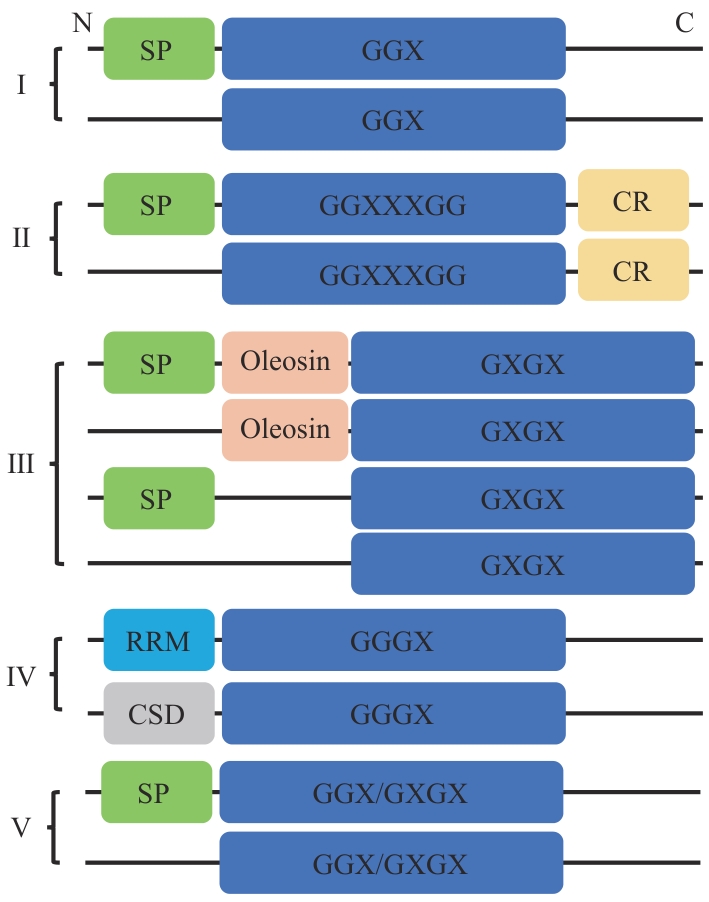
Fig. 1 Protein structure and classification of plant GRPsSP: Signal peptide. CR: Cysteine-rich domain. Oleosin: Oleosin-conserved domain. RRM: RNA-recognition motif. CSD: Cold-shock domain. CCHC: Zinc-finger domain. G: Glycine. X: Any amino acid
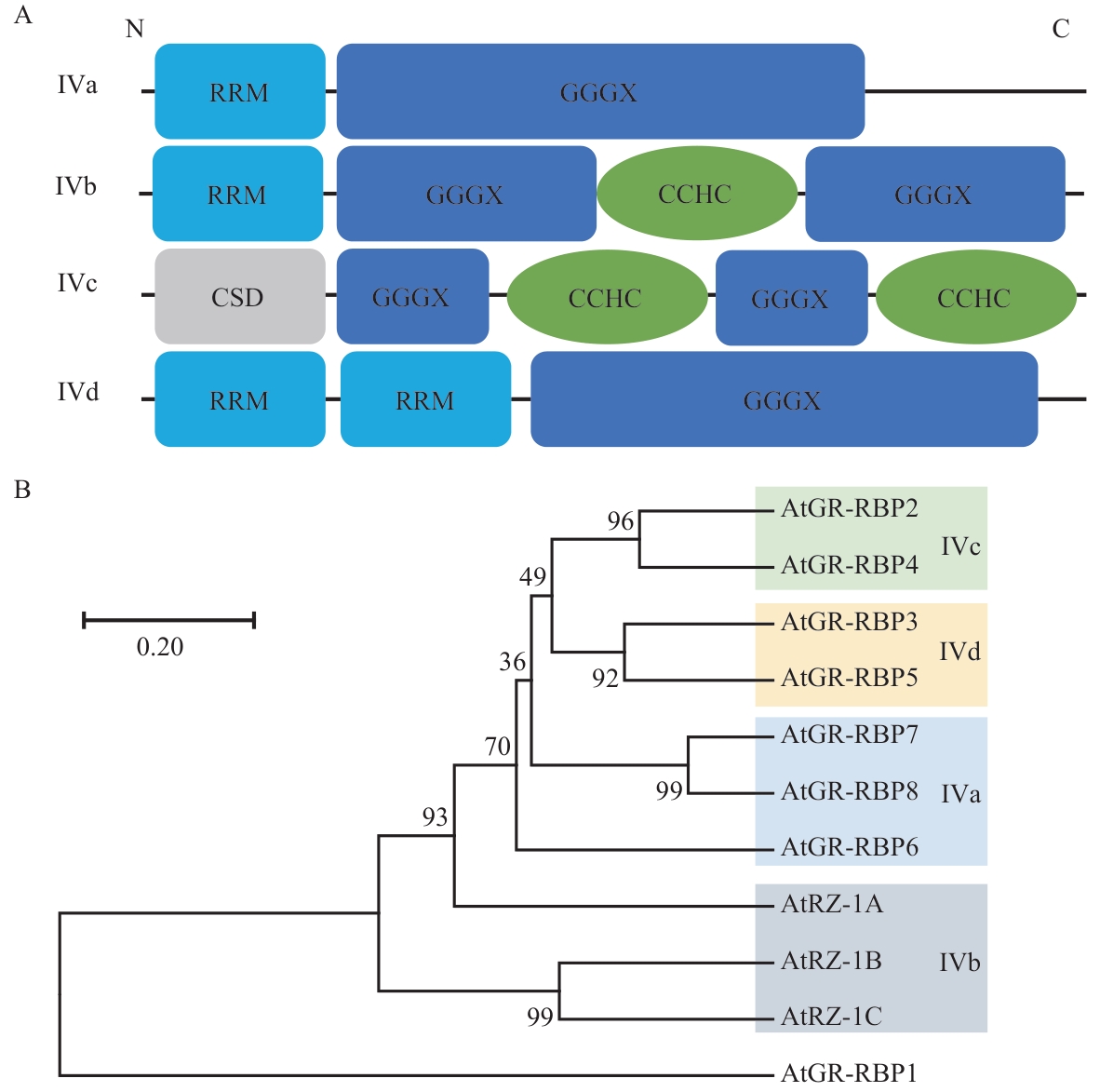
Fig. 2 Protein structure and classification of plant GR-RBPs subfamilyA: Classification of GR-RBPs subfamily. B: Systematic classification of AtGR-RBPs subfamily in Arabidopsis thaliana. RRM: RNA-recognition motif. CSD: Cold-shock domain. CCHC: Zinc-finger domain. G: Glycine. X: Any amino acid; At: Arabidopsis thaliana. The same below
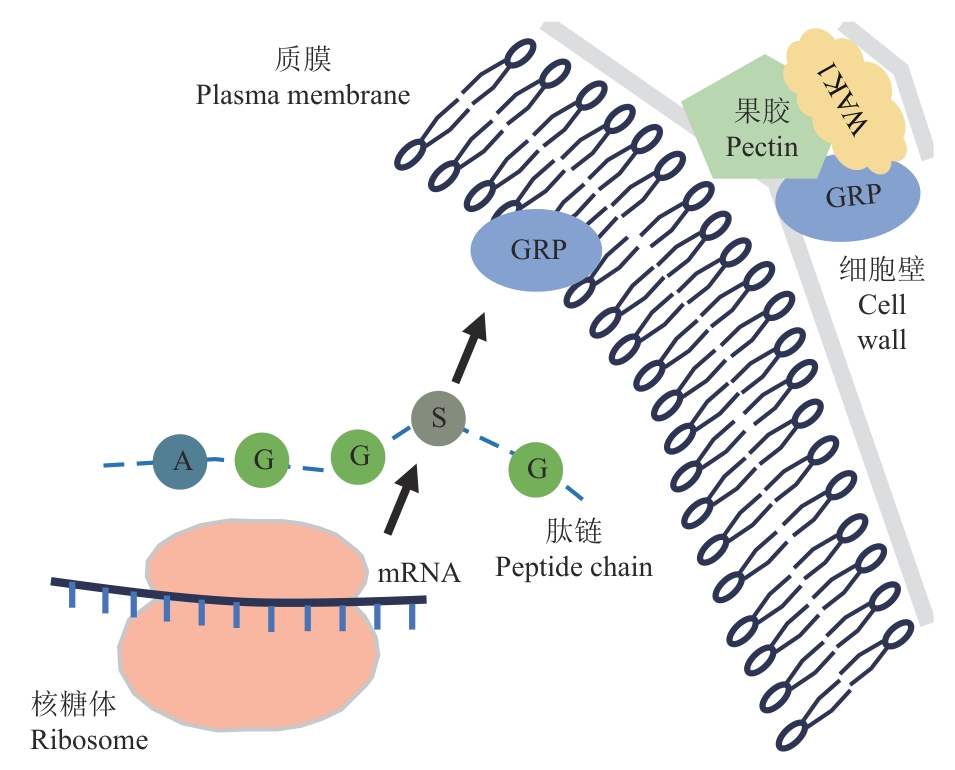
Fig. 3 Action mechanisms of plant GRPs in cell membrane and cell wall
植物种类 Plant species | 基因名称 Gene name | 亚细胞定位 Subcellular localization | 功能描述 Function | 参考文献 Reference |
|---|---|---|---|---|
| 拟南芥 | AtGRP2 | 细胞质和细胞核 | 盐胁迫诱导其表达,与转录后调控相关蛋白互作,参与转录后调控 | [ |
| AtGPRP3 | 细胞核 | 与CAT2和CAT3在细胞核中互作,可能参与细胞ROS代谢调节 | [ | |
| AtGRP5 | 液泡 | 与植物细胞伸长有关 | [ | |
| AtGRP9 | 细胞质和细胞壁 | 被盐胁迫诱导,参与根维管组织木质素合成调控 | [ | |
| AtGR-RBP2 | 线粒体、细胞质和细胞核 | 受低温胁迫诱导,通过影响线粒体相关基因表达,促进低温胁迫下植物生长;可能抑制植物开花 | [ | |
| AtGR-RBP7 | 细胞核和细胞质 | 调控昼夜节律和开花时间 | [ | |
| AtGR-RBP8 | 细胞核和细胞质 | RNA拼接 | [ | |
| AtPSS1 | 质膜 | 镰刀菌(Fusarium virguliforme)诱导其表达,具有增强镰刀菌引起的猝死综合征(sudden death syndrome)的抗性 | [ | |
| 水稻 | OsGRP3 | 细胞核和细胞质 | 受干旱和ABA处理所诱导,通过调控ROS代谢酶相关基因mRNA的稳定性,正向调控水稻耐旱性 | [ |
| OsGR-RBP4 | 细胞核和细胞质 | 高温胁迫诱导其表达,高温处理后从细胞核转移至细胞质,能增强水稻的耐热性 | [ | |
| 番茄 | SlRZ1AL | 细胞核 | 促进果实发育和成熟,提高番茄红素含量 | [ |
| SlGRP1 | 细胞核和细胞质 | 具有RNA溶解能力,参与昼夜节律调节 | [ | |
| 玉米 | ZmGR-RBP2,ZmGR-RBP3 | 叶绿体 | 未知 | [ |
| 百合 | LsGRP1 | 质膜和细胞壁 | 表达能被水杨酸(salicylic acid, SA)和椭圆形灰霉菌(Botrytis elliptica)诱导 | [ |
| 黄瓜 | CsGR-RBP3 | 线粒体 | 受低温诱导,能通过调控ROS代谢酶活性提高黄瓜果实耐冷性,其表达同时还受MYB62转录因子的调控 | [ |
| 菜薹 | BcGRP23 | 叶绿体 | 多种植物激素处理可上调其表达,能与BRI1-EMS-SUPPRESSOR 1(BES1)互作,并直接激活其表达,参与生长发育调控 | [ |
| 甘蔗 | Sc-GRP | 细胞质 | 参与细胞渗透调节 | [ |
| 中国樱桃 | PpcGRP4 | 细胞核 | 提高抗氧化活性 | [ |
| PpcGRP6 | 线粒体 | 促进低温条件下的种子萌发,提高抗氧化活性 | ||
| PpcGRP7 | 细胞质、细胞核和线粒体 | 促进低温条件下的种子萌发,提高抗氧化活性 | ||
| 辣椒 | CaGR-RBP1 | 细胞核 | 在细胞核与CaPIK1互作,抑制细胞死亡和防御反应 | [ |
| 高粱 | SbGR-RBP | 细胞核和细胞质 | 响应热胁迫,在Ca2+存在下能与钙调素CaM互作 | [ |
Table 1 Subcellular localization and primary roles of several plant GRPs
植物种类 Plant species | 基因名称 Gene name | 亚细胞定位 Subcellular localization | 功能描述 Function | 参考文献 Reference |
|---|---|---|---|---|
| 拟南芥 | AtGRP2 | 细胞质和细胞核 | 盐胁迫诱导其表达,与转录后调控相关蛋白互作,参与转录后调控 | [ |
| AtGPRP3 | 细胞核 | 与CAT2和CAT3在细胞核中互作,可能参与细胞ROS代谢调节 | [ | |
| AtGRP5 | 液泡 | 与植物细胞伸长有关 | [ | |
| AtGRP9 | 细胞质和细胞壁 | 被盐胁迫诱导,参与根维管组织木质素合成调控 | [ | |
| AtGR-RBP2 | 线粒体、细胞质和细胞核 | 受低温胁迫诱导,通过影响线粒体相关基因表达,促进低温胁迫下植物生长;可能抑制植物开花 | [ | |
| AtGR-RBP7 | 细胞核和细胞质 | 调控昼夜节律和开花时间 | [ | |
| AtGR-RBP8 | 细胞核和细胞质 | RNA拼接 | [ | |
| AtPSS1 | 质膜 | 镰刀菌(Fusarium virguliforme)诱导其表达,具有增强镰刀菌引起的猝死综合征(sudden death syndrome)的抗性 | [ | |
| 水稻 | OsGRP3 | 细胞核和细胞质 | 受干旱和ABA处理所诱导,通过调控ROS代谢酶相关基因mRNA的稳定性,正向调控水稻耐旱性 | [ |
| OsGR-RBP4 | 细胞核和细胞质 | 高温胁迫诱导其表达,高温处理后从细胞核转移至细胞质,能增强水稻的耐热性 | [ | |
| 番茄 | SlRZ1AL | 细胞核 | 促进果实发育和成熟,提高番茄红素含量 | [ |
| SlGRP1 | 细胞核和细胞质 | 具有RNA溶解能力,参与昼夜节律调节 | [ | |
| 玉米 | ZmGR-RBP2,ZmGR-RBP3 | 叶绿体 | 未知 | [ |
| 百合 | LsGRP1 | 质膜和细胞壁 | 表达能被水杨酸(salicylic acid, SA)和椭圆形灰霉菌(Botrytis elliptica)诱导 | [ |
| 黄瓜 | CsGR-RBP3 | 线粒体 | 受低温诱导,能通过调控ROS代谢酶活性提高黄瓜果实耐冷性,其表达同时还受MYB62转录因子的调控 | [ |
| 菜薹 | BcGRP23 | 叶绿体 | 多种植物激素处理可上调其表达,能与BRI1-EMS-SUPPRESSOR 1(BES1)互作,并直接激活其表达,参与生长发育调控 | [ |
| 甘蔗 | Sc-GRP | 细胞质 | 参与细胞渗透调节 | [ |
| 中国樱桃 | PpcGRP4 | 细胞核 | 提高抗氧化活性 | [ |
| PpcGRP6 | 线粒体 | 促进低温条件下的种子萌发,提高抗氧化活性 | ||
| PpcGRP7 | 细胞质、细胞核和线粒体 | 促进低温条件下的种子萌发,提高抗氧化活性 | ||
| 辣椒 | CaGR-RBP1 | 细胞核 | 在细胞核与CaPIK1互作,抑制细胞死亡和防御反应 | [ |
| 高粱 | SbGR-RBP | 细胞核和细胞质 | 响应热胁迫,在Ca2+存在下能与钙调素CaM互作 | [ |

Fig. 4 Plant GRPs involving in normal biological process
| 1 | Mangeon A, Junqueira RM, Sachetto-Martins G. Functional diversity of the plant glycine-rich proteins superfamily [J]. Plant Signal Behav, 2010, 5(2): 99-104. |
| 2 | Condit CM, Meagher RB. A gene encoding a novel glycine-rich structural protein of petunia [J]. Nature, 1986, 323: 178-181. |
| 3 | Lu XN, Cheng YX, Gao M, et al. Molecular characterization, expression pattern and function analysis of glycine-rich protein genes under stresses in Chinese cabbage (Brassica rapa L. ssp. pekinensis) [J]. Front Genet, 2020, 11: 774. |
| 4 | 黄嘉发, 赵靖童, 黄金泉, 等. 富含甘氨酸RNA结合蛋白的起源及其在植物抗病抗逆反应中的角色 [J]. 植物生理学报, 2022, 58(11): 2045-2056. |
| Huang JF, Zhao JT, Huang JQ, et al. Plant glycine-rich RNA-binding proteins: origin and roles in stress responses [J]. Plant Physiol J, 2022, 58(11): 2045-2056. | |
| 5 | Ma LQ, Cheng K, Li JY, et al. Roles of plant glycine-rich RNA-binding proteins in development and stress responses [J]. Int J Mol Sci, 2021, 22(11): 5849. |
| 6 | Cheng K, Zhang CJ, Lu Y, et al. The glycine-rich RNA-binding protein is a vital post-transcriptional regulator in crops [J]. Plants (Basel), 2023, 12(19): 3504. |
| 7 | Slaby P, Körner M, Albert M. A cell wall-localized gycine-rich protein of dodder acts as pathogen-associated molecular pattern [J]. Commun Integr Biol, 2021, 14(1): 111-114. |
| 8 | Park AR, Cho SK, Yun UJ, et al. Interaction of the Arabidopsis receptor protein kinase Wak1 with a glycine-rich protein, AtGRP-3 [J]. J Biol Chem, 2001, 276(28): 26688-26693. |
| 9 | Gramegna G, Modesti V, Savatin DV, et al. GRP-3 and KAPP, encoding interactors of WAK1, negatively affect defense responses induced by oligogalacturonides and local response to wounding [J]. J Exp Bot, 2016, 67(6): 1715-1729. |
| 10 | Ciuzan O, Hancock J, Pamfil D, et al. The evolutionarily conserved multifunctional glycine-rich RNA-binding proteins play key roles in development and stress adaptation [J]. Physiol Plant, 2015, 153(1): 1-11. |
| 11 | Duan MM, Zong M, Guo N, et al. Comprehensive genome-wide identification of the RNA-binding glycine-rich gene family and expression profiling under abiotic stress in Brassica oleracea [J]. Plants (Basel), 2023, 12(21): 3706. |
| 12 | Zhang JH, Zhao YX, Xiao HL, et al. Genome-wide identification, evolution, and expression analysis of RNA-binding glycine-rich protein family in maize [J]. J Integr Plant Biol, 2014, 56(10): 1020-1031. |
| 13 | Ciuzan O, Lazar SL, Lung ML, et al. Involvement of the glycine-rich RNA-binding proteins (GRP) in plant abiotic stress response: a comparison between GRP2 and GRP7 [J]. Bull Univ Agric Sci Vet Med Cluj Napoca Hortic, 2015, 72(1). DOI: 10.15835/buasvmcn-hort:10912 . |
| 14 | Steffen A, Elgner M, Staiger D. Regulation of flowering time by the RNA-binding proteins AtGRP7 and AtGRP8 [J]. Plant Cell Physiol, 2019, 60(9): 2040-2050. |
| 15 | Zhang YJ, Mo YJ, Li JY, et al. Divergence in regulatory mechanisms of GR-RBP genes in different plants under abiotic stress [J]. Sci Rep, 2024, 14(1): 8743. |
| 16 | Shi XW, Hanson MR, Bentolila S. Functional diversity of Arabidopsis organelle-localized RNA-recognition motif-containing proteins [J]. Wiley Interdiscip Rev RNA, 2017, 8(5). DOI: 10.1002/wrna.1420 . |
| 17 | Corley M, Burns MC, Yeo GW. How RNA-binding proteins interact with RNA: molecules and mechanisms [J]. Mol Cell, 2020, 78(1): 9-29. |
| 18 | Tian L, Doroshenk KA, Zhang LN, et al. Zipcode RNA-binding proteins and membrane trafficking proteins cooperate to transport glutelin mRNAs in rice endosperm [J]. Plant Cell, 2020, 32(8): 2566-2581. |
| 19 | Woodson SA, Panja S, Santiago-Frangos A. Proteins that chaperone RNA regulation [J]. Microbiol Spectr, 2018, 6(4). DOI: 10.1128/microbiolspec.RWR-0026-2018 . |
| 20 | Budkina KS, Zlobin NE, Kononova SV, et al. Cold shock domain proteins: structure and interaction with nucleic acids [J]. Biochemistry, 2020, 85(): S1-S19. |
| 21 | Zlobin N, Evlakov K, Alekseev Y, et al. High DNA melting activity of extremophyte Eutrema salsugineum cold shock domain proteins EsCSDP1 and EsCSDP3 [J]. Biochem Biophys Rep, 2016, 5: 502-508. |
| 22 | Zlobin N, Evlakov K, Tikhonova O, et al. RNA melting and RNA chaperone activities of plant cold shock domain proteins are not correlated [J]. RNA Biol, 2018, 15(8): 1040-1046. |
| 23 | 段敏杰, 李怡斐, 杨小苗, 等. 辣椒锌指蛋白DnaJ-Like基因家族鉴定及对高温胁迫的表达响应 [J]. 生物技术通报, 2023, 39(1): 187-198. |
| Duan MJ, Li YF, Yang XM, et al. Identification of zinc finger protein DnaJ-like gene family in Capsicum annuum and its expression analysis responses to high temperature stress [J]. Biotechnol Bull, 2023, 39(1): 187-198. | |
| 24 | Han GL, Qiao ZQ, Li YX, et al. The roles of CCCH zinc-finger proteins in plant abiotic stress tolerance [J]. Int J Mol Sci, 2021, 22(15): 8327. |
| 25 | Wang B, Sumit R, Sahu BB, et al. Arabidopsis novel glycine-rich plasma membrane PSS1 protein enhances disease resistance in transgenic soybean plants [J]. Plant Physiol, 2018, 176(1): 865-878. |
| 26 | Liu H, Wang CP, Chen F, et al. Proteomic analysis of oil bodies in mature Jatropha curcas seeds with different lipid content [J]. J Proteomics, 2015, 113: 403-414. |
| 27 | Roy S, Agarwal T, Das A, et al. The C-terminal stretch of glycine-rich proline-rich protein (SbGPRP1) from Sorghum bicolor serves as an antimicrobial peptide by targeting the bacterial outer membrane protein [J]. Plant Mol Biol, 2023, 111(1): 131-151. |
| 28 | Maurer S, Waschatko G, Schach D, et al. The role of intact oleosin for stabilization and function of oleosomes [J]. J Phys Chem B, 2013, 117(44): 13872-13883. |
| 29 | Ringli C, Keller B, Ryser U. Glycine-rich proteins as structural components of plant cell walls [J]. Cell Mol Life Sci, 2001, 58(10): 1430-1441. |
| 30 | Ryser U, Schorderet M, Zhao GF, et al. Structural cell-wall proteins in protoxylem development: evidence for a repair process mediated by a glycine-rich protein [J]. Plant J, 1997, 12(1): 97-111. |
| 31 | Jung NU, Giarola V, Chen PL, et al. Craterostigma plantagineum cell wall composition is remodelled during desiccation and the glycine-rich protein CpGRP1 interacts with pectins through clustered arginines [J]. Plant J, 2019, 100(4): 661-676. |
| 32 | Giarola V, Krey S, von den Driesch B, et al. The Craterostigma plantagineum glycine-rich protein CpGRP1 interacts with a cell wall-associated protein kinase 1 (CpWAK1) and accumulates in leaf cell walls during dehydration [J]. New Phytol, 2016, 210(2): 535-550. |
| 33 | Chen PL, Giarola V, Bartels D. The Craterostigma plantagineum protein kinase CpWAK1 interacts with pectin and integrates different environmental signals in the cell wall [J]. Planta, 2021, 253(5): 92. |
| 34 | Maron L. Water status signaling in resurrection plants: a possible role for cell wall glycine-rich proteins [J]. Plant J, 2019, 100(4): 659-660. |
| 35 | Yang EJ, Oh YA, Lee ES, et al. Oxygen-evolving enhancer protein 2 is phosphorylated by glycine-rich protein 3/wall-associated kinase 1 in Arabidopsis [J]. Biochem Biophys Res Commun, 2003, 305(4): 862-868. |
| 36 | Lin CH, Chen CY. Characterization of the dual subcellular localization of Lilium LsGRP1, a plant class II glycine-rich protein [J]. Phytopathology, 2014, 104(10): 1012-1020. |
| 37 | Chen AP, Zhong NQ, Qu ZL, et al. Root and vascular tissue-specific expression of glycine-rich protein AtGRP9 and its interaction with AtCAD5, a cinnamyl alcohol dehydrogenase, in Arabidopsis thaliana [J]. J Plant Res, 2007, 120(2): 337-343. |
| 38 | Ortega-Amaro MA, Rodríguez-Hernández AA, Rodríguez-Kessler M, et al. Overexpression of AtGRDP2, a novel glycine-rich domain protein, accelerates plant growth and improves stress tolerance [J]. Front Plant Sci, 2015, 5: 782. |
| 39 | Liu XJ, Wang X, Yan X, et al. The glycine- and proline-rich protein AtGPRP3 negatively regulates plant growth in Arabidopsis [J]. Int J Mol Sci, 2020, 21(17): 6168. |
| 40 | Lu Y, Sun J, Yang ZM, et al. Genome-wide identification and expression analysis of glycine-rich RNA-binding protein family in sweet potato wild relative Ipomoea trifida [J]. Gene, 2019, 686: 177-186. |
| 41 | Li XD, Yang YF, Zeng N, et al. Glycine-rich RNA-binding cofactor RZ1AL is associated with tomato ripening and development [J]. Hortic Res, 2022, 9: uhac134. |
| 42 | Castro-Bustos S, Maruri-López I, Ortega-Amaro MA, et al. An interactome analysis reveals that Arabidopsis thaliana GRDP2 interacts with proteins involved in post-transcriptional processes [J]. Cell Stress Chaperones, 2021, 27(2): 165-176. |
| 43 | Mangeon A, Magioli C, Menezes-Salgueiro AD, et al. AtGRP5, a vacuole-located glycine-rich protein involved in cell elongation [J]. Planta, 2009, 230(2): 253-265. |
| 44 | Wang B, Wang G, Shen F, et al. A glycine-rich RNA-binding protein, CsGR-RBP3, is involved in defense responses against cold stress in harvested cucumber (Cucumis sativus L.) fruit [J]. Front Plant Sci, 2018, 9: 540. |
| 45 | Sahi C, Agarwal M, Singh A, et al. Molecular characterization of a novel isoform of rice (Oryza sativa L.) glycine rich-RNA binding protein and evidence for its involvement in high temperature stress response [J]. Plant Sci, 2007, 173(2): 144-155. |
| 46 | Shim JS, Park SH, Lee DK, et al. The rice GLYCINE-RICH PROTEIN 3 confers drought tolerance by regulating mRNA stability of ROS scavenging-related genes [J]. Rice (N Y), 2021, 14(1): 31. |
| 47 | Fusaro AF, Bocca SN, Ramos RLB, et al. AtGRP2, a cold-induced nucleo-cytoplasmic RNA-binding protein, has a role in flower and seed development [J]. Planta, 2007, 225(6): 1339-1351. |
| 48 | Kim JY, Park SJ, Jang B, et al. Functional characterization of a glycine-rich RNA-binding protein 2 in Arabidopsis thaliana under abiotic stress conditions [J]. Plant J, 2007, 50(3): 439-451. |
| 49 | Streitner C, Danisman S, Wehrle F, et al. The small glycine-rich RNA binding protein AtGRP7 promotes floral transition in Arabidopsis thaliana [J]. Plant J, 2008, 56(2): 239-250. |
| 50 | Schöning JC, Streitner C, Meyer IM, et al. Reciprocal regulation of glycine-rich RNA-binding proteins via an interlocked feedback loop coupling alternative splicing to nonsense-mediated decay in Arabidopsis [J]. Nucleic Acids Res, 2008, 36(22): 6977-6987. |
| 51 | Ller GL M, Triassi A, Alvarez CE, et al. Circadian oscillation and development-dependent expression of glycine-rich RNA binding proteins in tomato fruits [J]. Funct Plant Biol, 2014, 41(4): 411-423. |
| 52 | 王斌, 武春爽, 汤冰琳, 等. 黄瓜果实CsMYB62克隆及其对CsGR-RBP3表达的调控 [J]. 核农学报, 2022, 36(5): 907-917. |
| Wang B, Wu CS, Tang BL, et al. Cloning of CsMYB62 and its regulations on CsGR-RBP3 expression in cucumber fruit [J]. J Nucl Agric Sci, 2022, 36(5): 907-917. | |
| 53 | 王斌, 黄泳谚, 易景怡, 等. 黄瓜GR-RBP3启动子克隆及低温对其活性的诱导 [J]. 山东农业科学, 2022, 54(7): 15-23. |
| Wang B, Huang YY, Yi JY, et al. Molecular cloning of cucumber GR-RBP3 promoter and induction of low temperature on its activity [J]. Shandong Agric Sci, 2022, 54(7): 15-23. | |
| 54 | Zhang SW, Chen KM, Anwar A, et al. BcGRP23: a novel gene involved in the chlorophyll metabolic pathway that is activated by BES1 in flowering Chinese cabbage [J]. Front Plant Sci, 2022, 13: 1010470. |
| 55 | 徐景升, 阙友雄, 颜克伟, 等. 甘蔗富含甘氨酸蛋白基因(Sc-GRP)的克隆及其表达分析 [J]. 农业生物技术学报, 2011, 19(4): 654-661. |
| Xu JS, Que YX, Yan KW, et al. Cloning and characterization of a glycine rich protein gene (Sc-GRP) from sugarcane [J]. J Agric Biotechnol, 2011, 19(4): 654-661. | |
| 56 | 徐瑞. 中国樱桃富含甘氨酸RNA结合蛋白基因克隆与功能初鉴 [D]. 金华: 浙江师范大学, 2018. |
| Xu R. Cloning and functional identification of glycine-rich RNA binding protein gene from China cherry [D]. Jinhua: Zhejiang Normal University, 2018. | |
| 57 | Kim DS, Kim NH, Hwang BK. G LYCINE-RICH RNA-BINDING PROTEIN1 interacts with RECEPTOR-LIKE CYTOPLASMIC PROTEIN KINASE1 and suppresses cell death and defense responses in pepper (Capsicum annuum) [J]. New Phytol, 2015, 205(2): 786-800. |
| 58 | Singh S, Virdi AS, Jaswal R, et al. A temperature-responsive gene in sorghum encodes a glycine-rich protein that interacts with calmodulin [J]. Biochimie, 2017, 137: 115-123. |
| 59 | Wang LL, Liu YH, Aslam M, et al. The glycine-rich domain protein GRDP2 regulates ovule development via the auxin pathway in Arabidopsis [J]. Front Plant Sci, 2021, 12: 698487. |
| 60 | Wang X, Yan X, Tian XX, et al. Glycine- and proline-rich protein OsGPRP3 regulates grain size and quality in rice [J]. J Agric Food Chem, 2020, 68(29): 7581-7590. |
| 61 | Schöning JC, Streitner C, Page DR, et al. Auto-regulation of the circadian slave oscillator component AtGRP7 and regulation of its targets is impaired by a single RNA recognition motif point mutation [J]. Plant J, 2007, 52(6): 1119-1130. |
| 62 | Lewinski M, Steffen A, Kachariya N, et al. Arabidopsis thaliana GLYCINE RICH RNA-BINDING PROTEIN 7 interaction with its iCLIP target LHCB1.1 correlates with changes in RNA stability and circadian oscillation [J]. Plant J, 2024, 118(1): 203-224. |
| 63 | Takebe N, Nakamura A, Watanabe T, et al. Cell wall glycine-rich protein2 is involved in tapetal differentiation and pollen maturation [J]. J Plant Res, 2020, 133(6): 883-895. |
| 64 | McNeil KJ, Smith AG. A glycine-rich protein that facilitates exine formation during tomato pollen development [J]. Planta, 2010, 231(4): 793-808. |
| 65 | Wang J, Ma XW, Hu Y, et al. Regulation of micro- and small-exon retention and other splicing processes by GRP20 for flower development [J]. Nat Plants, 2024, 10(1): 66-85. |
| 66 | Nicolás C, Rodríguez D, Poulsen F, et al. The expression of an abscisic acid-responsive glycine-rich protein coincides with the level of seed dormancy in Fagus sylvatica [J]. Plant Cell Physiol, 1997, 38(12): 1303-1310. |
| 67 | Kim S, Huh SM, Han HJ, et al. A rice seed-specific glycine-rich protein OsDOR1 interacts with GID1 to repress GA signaling and regulates seed dormancy [J]. Plant Mol Biol, 2023, 111(6): 523-539. |
| 68 | Ruggieri GM, Triassi A, Alvarez CE, et al. Overexpression of glycine-rich RNA-binding protein in tomato renders fruits with higher protein content after cold storage [J]. Biol Plant, 2018, 62(3): 501-510. |
| 69 | Lin CH, Pan YC, Ye NH, et al. LsGRP1, a class II glycine-rich protein of Lilium, confers plant resistance via mediating innate immune activation and inducing fungal programmed cell death [J]. Mol Plant Pathol, 2020, 21(9): 1149-1166. |
| 70 | Halder T, Upadhyaya G, Roy S, et al. Glycine rich proline rich protein from Sorghum bicolor serves as an antimicrobial protein implicated in plant defense response [J]. Plant Mol Biol, 2019, 101(1/2): 95-112. |
| 71 | Luo YP, Wang C, Yang RJ, et al. GRP genes in potato genome and their expression response to phytohormone and Ralstonia solanacearum [J]. J Phytopathol, 2022, 170(10): 724-737. |
| 72 | Sukarta OCA, Zheng Q, Slootweg EJ, et al. GLYCINE-RICH RNA-BINDING PROTEIN 7 potentiates effector-triggered immunity through an RNA recognition motif [J]. Plant Physiol, 2022, 189(2): 972-987. |
| 73 | Singh U, Deb D, Singh A, et al. Glycine-rich RNA binding protein of Oryza sativa inhibits growth of M15 E. coli cells [J]. BMC Res Notes, 2011, 4: 18. |
| 74 | Gao M, Zhang C, Angel W, et al. Circadian regulation of the GLYCINE-RICH RNA-BINDING PROTEIN gene by the master clock protein CIRCADIAN CLOCK-ASSOCIATED 1 is important for plant innate immunity [J]. J Exp Bot, 2023, 74(3): 991-1003. |
| 75 | Kapoor K, Kumar S, Kumari R, et al. Cucumis sativus glycine rich protein interacts with cucumber mosaic virus 2b protein [J]. S Afr N J Bot, 2024, 171: 67-76. |
| 76 | Hu YW, Gong H, Lu ZY, et al. Variable tandem glycine-rich repeats contribute to cell death-inducing activity of a glycosylphosphatidylinositol-anchored cell wall protein that is associated with the pathogenicity of Sclerotinia sclerotiorum [J]. Microbiol Spectr, 2023, 11(3): e0098623. |
| 77 | Yair Y, Michaux C, Biran D, et al. Cellular RNA targets of cold shock proteins CspC and CspE and their importance for serum resistance in septicemic Escherichia coli [J]. mSystems, 2022, 7(4): e0008622. |
| 78 | Kim MK, Jung HJ, Kim DH, et al. Characterization of glycine-rich RNA-binding proteins in Brassica napus under stress conditions [J]. Physiol Plant, 2012, 146(3): 297-307. |
| 79 | Kim YO, Kang H. The role of a zinc finger-containing glycine-rich RNA-binding protein during the cold adaptation process in Arabidopsis thaliana [J]. Plant Cell Physiol, 2006, 47(6): 793-798. |
| 80 | Kim JS, Jung HJ, Lee HJ, et al. Glycine-rich RNA-binding protein 7 affects abiotic stress responses by regulating stomata opening and closing in Arabidopsis thaliana [J]. Plant J, 2008, 55(3): 455-466. |
| 81 | Song H, Kim H, Hwang BH, et al. Natural variation in glycine-rich region of Brassica oleracea cold shock domain protein 5 (BoCSDP5) is associated with low temperature tolerance [J]. Genes Genom, 2020, 42(12): 1407-1417. |
| 82 | 胡华冉, 杜磊, 张芮豪, 等. 辣椒适应非生物胁迫的研究进展 [J]. 生物技术通报, 2022, 38(12): 58-72. |
| Hu HR, Du L, Zhang RH, et al. Research progress in the adaptation of hot pepper (Capsicum annuum L.) to abiotic stress [J]. Biotechnol Bull, 2022, 38(12): 58-72. | |
| 83 | Zhu YH, Zhu GS, Guo QS, et al. A comparative proteomic analysis of Pinellia ternata leaves exposed to heat stress [J]. Int J Mol Sci, 2013, 14(10): 20614-20634. |
| 84 | Wang C, Zhang DW, Wang YC, et al. A glycine-rich RNA-binding protein can mediate physiological responses in transgenic plants under salt stress [J]. Mol Biol Rep, 2012, 39(2): 1047-1053. |
| 85 | Long RC, Yang QC, Kang JM, et al. Overexpression of a novel salt stress-induced glycine-rich protein gene from alfalfa causes salt and ABA sensitivity in Arabidopsis [J]. Plant Cell Rep, 2013, 32(8): 1289-1298. |
| 86 | Teng K, Tan PH, Xiao GZ, et al. Heterologous expression of a novel Zoysia japonica salt-induced glycine-rich RNA-binding protein gene, ZjGRP, caused salt sensitivity in Arabidopsis [J]. Plant Cell Rep, 2017, 36(1): 179-191. |
| 87 | González EM. Drought stress tolerance in plants [J]. Int J Mol Sci, 2023, 24(7): 6562. |
| 88 | Czolpinska M, Rurek M. Plant glycine-rich proteins in stress response: an emerging, still prospective story [J]. Front Plant Sci, 2018, 9: 302. |
| 89 | Yang DH, Kwak KJ, Kim MK, et al. Expression of Arabidopsis glycine-rich RNA-binding protein AtGRP2 or AtGRP7 improves grain yield of rice (Oryza sativa) under drought stress conditions [J]. Plant Sci, 2014, 214: 106-112. |
| 90 | Chen X, Zeng QC, Lu XP, et al. Characterization and expression analysis of four glycine-rich RNA-binding proteins involved in osmotic response in tobacco (Nicotiana tabacum cv. Xanthi) [J]. Agric Sci China, 2010, 9(11): 1577-1587. |
| 91 | Xu WW, Dou YF, Geng H, et al. OsGRP3 enhances drought resistance by altering phenylpropanoid biosynthesis pathway in rice (Oryza sativa L.) [J]. Int J Mol Sci, 2022, 23(13): 7045. |
| 92 | de Oliveira DE, Seurinck J, Inzé D, et al. Differential expression of five Arabidopsis genes encoding glycine-rich proteins [J]. Plant Cell, 1990, 2(5): 427-436. |
| 93 | Gómez J, Sánchez-Martínez D, Stiefel V, et al. A gene induced by the plant hormone abscisic acid in response to water stress encodes a glycine-rich protein [J]. Nature, 1988, 334(6179): 262-264. |
| 94 | Yu LX, Chamberland H, Lafontaine JG, et al. Negative regulation of gene expression of a novel proline-, threonine-, and glycine-rich protein by water stress in Lycopersicon chilense [J]. Genome, 1996, 39(6): 1185-1193. |
| 95 | Lee MO, Kim KP, Kim BG, et al. Flooding stress-induced glycine-rich RNA-binding protein from Nicotiana tabacum [J]. Mol Cells, 2009, 27(1): 47-54. |
| 96 | Khan F, Sultana T, Deeba F, et al. Dynamics of mRNA of glycine-rich RNA-binding protein during wounding, cold and salt stresses in Nicotiana tabacum [J]. Pak J Bot, 2013, 45(S1):297-300. |
| 97 | Parsons BL, Mattoo AK. A wound-repressible glycine-rich protein transcript is enriched in vascular bundles of tomato fruit and stem [J]. Plant Cell Physiol, 1994, 35(1): 27-35. |
| 98 | Kim YO, Safdar M, Kang H, et al. Glycine-rich RNA-binding protein AtGRP7 functions in nickel and lead tolerance in Arabidopsis [J]. Plants (Basel), 2024, 13(2): 187. |
| 99 | Mangeon A, Pardal R, Menezes-Salgueiro AD, et al. AtGRP3 is implicated in root size and aluminum response pathways in Arabidopsis [J]. PLoS One, 2016, 11(3): e0150583. |
| 100 | Kamiya M, Kumaki Y, Nitta K, et al. The binding of copper ions to glycine-rich proteins (GRPs) from Cicer arietinum [J]. Biochim Biophys Acta BBA Gen Subj, 2005, 1722(1): 69-76. |
| 101 | Schmidt F, Marnef A, Cheung MK, et al. A proteomic analysis of oligo(dT)-bound mRNP containing oxidative stress-induced Arabidopsis thaliana RNA-binding proteins ATGRP7 and ATGRP8 [J]. Mol Biol Rep, 2010, 37(2): 839-845. |
| 102 | Wang B, Wang G, Wang YK, et al. A cold-inducible MYB like transcription factor, CsHHO2, positively regulates chilling tolerance of cucumber fruit by enhancing CsGR-RBP3 expression [J]. Postharvest Biol Technol, 2024, 218: 113172. |
| [1] | WU Ding-jie, CHEN Ying-ying, XU Jing, LIU Yuan, ZHANG Hang, LI Rui-li. Research Progress in Plant Gibberellin Oxidase and Its Functions [J]. Biotechnology Bulletin, 2024, 40(7): 43-54. |
| [2] | CHEN Ying-ying, WU Ding-jie, LIU Yuan, ZHANG Hang, LIU Yan-jiao, WANG Jing-yu, LI Rui-li. Recent Advances in 14-3-3 Proteins and Their Functions in Plant [J]. Biotechnology Bulletin, 2024, 40(4): 12-22. |
| [3] | LI Hao, WU Guo-qiang, WEI Ming, HAN Yue-xin. Genome-wide Identification of the BvBADH Gene Family in Sugar Beet(Beta vulgaris)and Their Expression Analysis Under High Salt Stress [J]. Biotechnology Bulletin, 2024, 40(2): 233-244. |
| [4] | FU Wei, WEI Su-yun, CHEN Ying-nan. Research Progress in the Dynamic QTL Analysis of Plant Growth and Development [J]. Biotechnology Bulletin, 2024, 40(2): 9-19. |
| [5] | HOU Ying-xiang, FEI Si-tian, SONG Song-quan, LUO Yong, ZHANG Chao. Research Progress in MADS-box Family in Rice [J]. Biotechnology Bulletin, 2024, 40(11): 103-112. |
| [6] | GENG Ruo-han, WANG Bing-he, XU Chang-wen, QIAN Hong-ping, LIN Jin-xing, CUI Ya-ning. Research Progress in the Regulation of Protein Post-translational Modification in Plant Vesicle Transport [J]. Biotechnology Bulletin, 2024, 40(10): 139-148. |
| [7] | CHEN Meng-jiao, LI Yang-yang, WU Qian. Research Advances in Plant Growth and Stress Response Regulation Mediated by Glutamate Receptor-like Proteins [J]. Biotechnology Bulletin, 2024, 40(10): 62-75. |
| [8] | BI Fang-ling, ZHAO Shuang, LI Bin, LI Ai-qin, ZHANG Jian-heng, HE Pei-min. Research Progresses and Application in the Growth-promoting Effect of Symbiotic and Epiphytic Bacteria on Green Tide-causing Ulva prolifera [J]. Biotechnology Bulletin, 2024, 40(1): 32-44. |
| [9] | HU Hai-lin, XU Li, LI Xiao-xu, WANG Chen-can, MEI Man, DING Wen-jing, ZHAO Yuan-yuan. Advances in the Regulation of Plant Growth, Development and Stress Physiology by Small Peptide Hormones [J]. Biotechnology Bulletin, 2023, 39(7): 13-25. |
| [10] | FENG Shan-shan, WANG Lu, ZHOU Yi, WANG You-ping, FANG Yu-jie. Research Progresses on WOX Family Genes in Regulating Plant Development and Abiotic Stress Response [J]. Biotechnology Bulletin, 2023, 39(5): 1-13. |
| [11] | XUE Jiao ZHU Qing-feng FENG Yan-zhao CHEN Pei LIU Wen-hua ZHANG Ai-xia LIU Qin-jian ZHANG Qi YU Yang. Advances in Upstream Open Reading Frame in Plant Genes [J]. Biotechnology Bulletin, 2023, 39(4): 157-165. |
| [12] | WEI Ming WANG Xin-yu WU Guo-qiang ZHAO Meng. The Role of NAD-dependent Deacetylase SRT in Plant Epigenetic Inheritance Regulation [J]. Biotechnology Bulletin, 2023, 39(4): 59-70. |
| [13] | SANG Tian, WANG Peng-cheng. Research Progress in Plant SUMOylation [J]. Biotechnology Bulletin, 2023, 39(3): 1-12. |
| [14] | YAN Xiong-ying, WANG Zhen, WANG Xia, YANG Shi-hui. Microbial Sulfur Metabolism and Stress Resistance [J]. Biotechnology Bulletin, 2023, 39(11): 150-167. |
| [15] | SUN Yu-tong, LIU De-shuai, QI Xun, FENG Mei, HUANG Xu-zheng, YAO Wen-kong. Advances in Jasmonic Acid Regulating Plant Growth and Development as Well as Stress [J]. Biotechnology Bulletin, 2023, 39(11): 99-109. |
| Viewed | ||||||
|
Full text |
|
|||||
|
Abstract |
|
|||||
