







Biotechnology Bulletin ›› 2025, Vol. 41 ›› Issue (4): 33-46.doi: 10.13560/j.cnki.biotech.bull.1985.2024-0902
Previous Articles Next Articles
WANG Zheng-yan1( ), FAN Fang-lei1, YE Tian-wei1, LUO Qiong1, ZHAO Ya-ru2
Received:2024-09-17
Online:2025-04-26
Published:2025-04-25
Contact:
WANG Zheng-yan
E-mail:zywang@haut.edu.cn
WANG Zheng-yan, FAN Fang-lei, YE Tian-wei, LUO Qiong, ZHAO Ya-ru. Applied Research of Insect Symbiotic Bacteria in Biodegradation of Plastics and Pesticides[J]. Biotechnology Bulletin, 2025, 41(4): 33-46.
| 昆虫宿主 Insect host | 肠道菌 Gut bacteria | 参考文献Reference | ||||
|---|---|---|---|---|---|---|
| 种类 Species | 虫期 Stage | 菌株 Strain | 活性 Activity | |||
小蜡螟 Achroia grisella | 幼虫 | Bacillus sp.、Citrobacter freundii | 在低密度聚乙烯表面定殖形成生物膜,改变其疏水性,水解肽键,将其氧化形成羰基,再进一步分解成CO2 | [ | ||
黑菌虫 Alphitobius diaperinus | 幼虫 | Kocuria、Trichoderma、Pseudomonas | 降解聚苯乙烯 | [ | ||
摇蚊 Chironomus sancticaroli | 幼虫 | Aeromonadaceae | 参与塑料中阻燃剂(多溴二苯醚)的降解 | [ | ||
米蛾 Corcyra cephalonica | 幼虫 | Unidentified | 降解低密度聚乙烯 | [ | ||
大蜡螟 Galleria mellonella | 幼虫 | Aspergillus flavus PEDX3 | 产生多铜氧化酶,将高密度聚乙烯降解为微塑料 | [ | ||
| Acinetobacter | 降解低密度聚乙烯 | [ | ||||
| Enterobacter sp. D1 | 产生氧化还原酶,将邻苯二甲酸丁基苄酯(增塑剂)氧化为邻苯二甲酸单苄酯 | [ | ||||
| Massilia sp. FS 1903 | 产生氧化酶,将聚苯乙烯中的C-C键氧化,生成醇类和 羧酸类化合物 | [ | ||||
广斧螳 Hierodula patellifera | 成虫 | Serratia sp. | 产生酯酶水解聚氨酯 | [ | ||
| 大卫邻烁甲Plesiophthalmus davidis | 幼虫 | Serratia sp. WSW | 在聚苯乙烯表面形成生物膜,产生氧化酶将C-C键氧化为C=O和C-O | [ | ||
印度谷螟 Plodia interpunctella | 幼虫 | Bacillus subtilis subsp. NBRC 101239、Enterobacter tabacum YIM Hb-3 | 在聚乙烯膜表面形成孔洞和凹陷,且在膜表面产生了醇、醚、酚、烷、芳烃、羧酸、醛和酮等物质 | [ | ||
| Bacillus sp. YP1、Enterobacter asburiae YT1 | 降解聚乙烯 | [ | ||||
草地贪夜蛾 Spodoptera frugiperda | 幼虫 | Klebsiella sp. EMBL-1 | 降解聚氯乙烯 | [ | ||
黄粉虫 Tenebrio molitor | 幼虫 | Acinetobacter sp. NyZ450、Bacillus sp. NyZ451 | 降解聚乙烯 | [ | ||
| Citrobacter freundii、Serratia marcescens、Klebsiella aerogenes | 分泌乳化因子,增强聚苯乙烯亲水性,降解聚苯乙烯 | [ | ||||
| Kluyvera spp. | 降解聚丙烯泡沫 | [ | ||||
| Exiguobacterium sp. YT2 | 通过形成孔洞和凹坑破坏聚苯乙烯膜,氧化聚合物的C-C骨架,生成小分子产物 | [ | ||||
| Hafnia、Morganella | 裂解对聚氯乙烯长链,经氧化水解后产生小分子物质 | [ | ||||
| Dysgonomonas sp.、Klebsiella sp. LZ-M1、LZ-M2、LZ-M3、LZ-M4、Xenorhabdus sp. | 降解聚苯乙烯 | [ | ||||
| Kluyvera sp. | 产生氧化酶,降解聚丙烯 | [ | ||||
| Clostridiaceae、Enterobacteriaceae、Streptococcaceae、Spiroplasmataceae | 降解聚氯乙烯 | [ | ||||
黑粉虫 Tenebrio obscurus | 幼虫 | Enterobacteriaceae、Spiroplasmataceae、Enterococcaceae | 产生胞外酶裂解聚苯乙烯长链,产生低分子量产物,最终将其矿化 | [ | ||
赤拟谷盗 Tribolium castaneum | 幼虫 | Acinetobacter spp. | 降解聚苯乙烯 | [ | ||
九龙虫 Ulomoides dermestoides | 幼虫 | Enterococcus durans、Enterococcus faecalis、Pantoea vagans | 参与聚乳酸的降解 | [ | ||
黄胸木蜂 Xylocopa appendiculata | 成虫 | Bacillus sp. HY-75、Xanthomonas sp. HY-74 | 产生蛋白酶和脂肪酶将聚对苯二甲酸乙二醇酯水解为对苯二甲酸、2-羟乙基甲基对苯二甲酸酯和对苯二甲酸双羟乙酯 | [ | ||
大麦虫 Zophobas atratus | 幼虫 | Citrobacter sp. | 产生芳基酯酶和丝氨酸水解酶,降解聚苯乙烯和低密度聚乙烯,生成微塑料 | [ | ||
| Citrobacter spp.、Enterobacter spp. | 降解聚丙烯,产生羰基、羟基和烯烃 | [ | ||||
| Pseudomonas aeruginosa DSM 50071 | 产生氧化酶,通过在聚苯乙烯的亚甲基中C-H键间插入氧原子形成醇,随后进一步氧化成羰基,然后通过S-甲酰谷胱甘肽水解酶和丝氨酸水解酶将其裂解成小分子 | [ | ||||
Table 1 Insect gut bacteria degrading plastics
| 昆虫宿主 Insect host | 肠道菌 Gut bacteria | 参考文献Reference | ||||
|---|---|---|---|---|---|---|
| 种类 Species | 虫期 Stage | 菌株 Strain | 活性 Activity | |||
小蜡螟 Achroia grisella | 幼虫 | Bacillus sp.、Citrobacter freundii | 在低密度聚乙烯表面定殖形成生物膜,改变其疏水性,水解肽键,将其氧化形成羰基,再进一步分解成CO2 | [ | ||
黑菌虫 Alphitobius diaperinus | 幼虫 | Kocuria、Trichoderma、Pseudomonas | 降解聚苯乙烯 | [ | ||
摇蚊 Chironomus sancticaroli | 幼虫 | Aeromonadaceae | 参与塑料中阻燃剂(多溴二苯醚)的降解 | [ | ||
米蛾 Corcyra cephalonica | 幼虫 | Unidentified | 降解低密度聚乙烯 | [ | ||
大蜡螟 Galleria mellonella | 幼虫 | Aspergillus flavus PEDX3 | 产生多铜氧化酶,将高密度聚乙烯降解为微塑料 | [ | ||
| Acinetobacter | 降解低密度聚乙烯 | [ | ||||
| Enterobacter sp. D1 | 产生氧化还原酶,将邻苯二甲酸丁基苄酯(增塑剂)氧化为邻苯二甲酸单苄酯 | [ | ||||
| Massilia sp. FS 1903 | 产生氧化酶,将聚苯乙烯中的C-C键氧化,生成醇类和 羧酸类化合物 | [ | ||||
广斧螳 Hierodula patellifera | 成虫 | Serratia sp. | 产生酯酶水解聚氨酯 | [ | ||
| 大卫邻烁甲Plesiophthalmus davidis | 幼虫 | Serratia sp. WSW | 在聚苯乙烯表面形成生物膜,产生氧化酶将C-C键氧化为C=O和C-O | [ | ||
印度谷螟 Plodia interpunctella | 幼虫 | Bacillus subtilis subsp. NBRC 101239、Enterobacter tabacum YIM Hb-3 | 在聚乙烯膜表面形成孔洞和凹陷,且在膜表面产生了醇、醚、酚、烷、芳烃、羧酸、醛和酮等物质 | [ | ||
| Bacillus sp. YP1、Enterobacter asburiae YT1 | 降解聚乙烯 | [ | ||||
草地贪夜蛾 Spodoptera frugiperda | 幼虫 | Klebsiella sp. EMBL-1 | 降解聚氯乙烯 | [ | ||
黄粉虫 Tenebrio molitor | 幼虫 | Acinetobacter sp. NyZ450、Bacillus sp. NyZ451 | 降解聚乙烯 | [ | ||
| Citrobacter freundii、Serratia marcescens、Klebsiella aerogenes | 分泌乳化因子,增强聚苯乙烯亲水性,降解聚苯乙烯 | [ | ||||
| Kluyvera spp. | 降解聚丙烯泡沫 | [ | ||||
| Exiguobacterium sp. YT2 | 通过形成孔洞和凹坑破坏聚苯乙烯膜,氧化聚合物的C-C骨架,生成小分子产物 | [ | ||||
| Hafnia、Morganella | 裂解对聚氯乙烯长链,经氧化水解后产生小分子物质 | [ | ||||
| Dysgonomonas sp.、Klebsiella sp. LZ-M1、LZ-M2、LZ-M3、LZ-M4、Xenorhabdus sp. | 降解聚苯乙烯 | [ | ||||
| Kluyvera sp. | 产生氧化酶,降解聚丙烯 | [ | ||||
| Clostridiaceae、Enterobacteriaceae、Streptococcaceae、Spiroplasmataceae | 降解聚氯乙烯 | [ | ||||
黑粉虫 Tenebrio obscurus | 幼虫 | Enterobacteriaceae、Spiroplasmataceae、Enterococcaceae | 产生胞外酶裂解聚苯乙烯长链,产生低分子量产物,最终将其矿化 | [ | ||
赤拟谷盗 Tribolium castaneum | 幼虫 | Acinetobacter spp. | 降解聚苯乙烯 | [ | ||
九龙虫 Ulomoides dermestoides | 幼虫 | Enterococcus durans、Enterococcus faecalis、Pantoea vagans | 参与聚乳酸的降解 | [ | ||
黄胸木蜂 Xylocopa appendiculata | 成虫 | Bacillus sp. HY-75、Xanthomonas sp. HY-74 | 产生蛋白酶和脂肪酶将聚对苯二甲酸乙二醇酯水解为对苯二甲酸、2-羟乙基甲基对苯二甲酸酯和对苯二甲酸双羟乙酯 | [ | ||
大麦虫 Zophobas atratus | 幼虫 | Citrobacter sp. | 产生芳基酯酶和丝氨酸水解酶,降解聚苯乙烯和低密度聚乙烯,生成微塑料 | [ | ||
| Citrobacter spp.、Enterobacter spp. | 降解聚丙烯,产生羰基、羟基和烯烃 | [ | ||||
| Pseudomonas aeruginosa DSM 50071 | 产生氧化酶,通过在聚苯乙烯的亚甲基中C-H键间插入氧原子形成醇,随后进一步氧化成羰基,然后通过S-甲酰谷胱甘肽水解酶和丝氨酸水解酶将其裂解成小分子 | [ | ||||
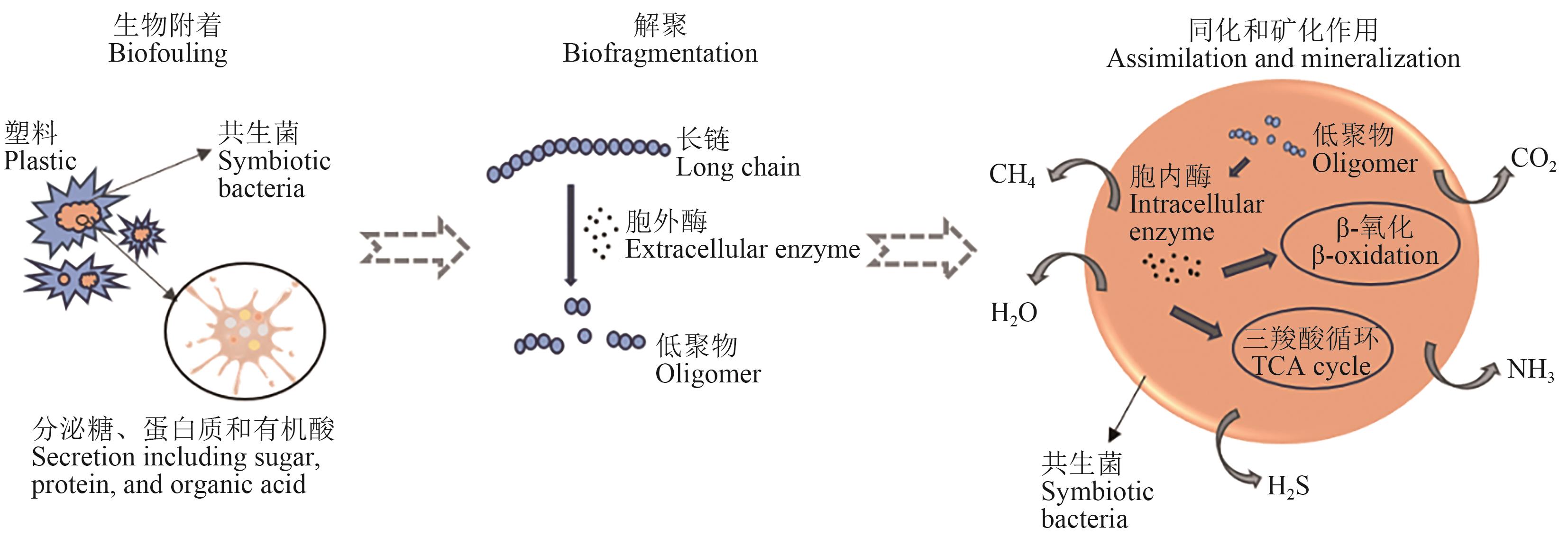
Fig. 1 Biodegradation process of plastics by insect symbiotic bacteria
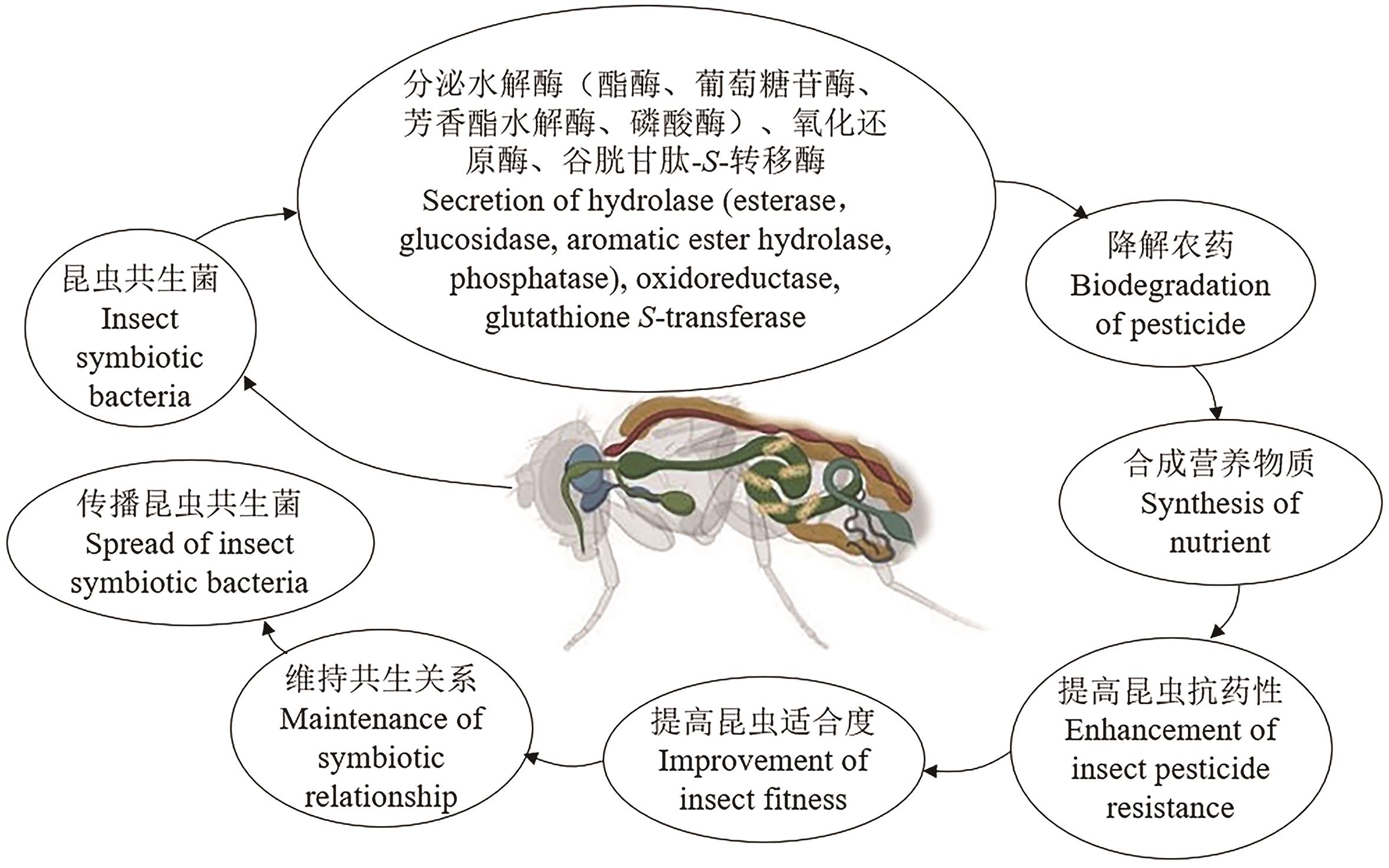
Fig. 2 Roles of pesticide-degrading symbiotic bacteria in the development of insect pesticide resistance
| 昆虫宿主 Insect host | 共生菌Gut bacteria | 参考文献Reference | ||||
|---|---|---|---|---|---|---|
| 种类 Species | 虫期 Stage | 菌株 Strain | 活性 Activity | |||
白纹伊蚊 Aedes albopictus | 幼虫 | Acinetobacter junii | 降解溴氰菊酯 | [ | ||
白纹按蚊 Anopheles albimanus | 成虫 | Klebsiella | 产生羧酸酯酶和磷酸单酯酶, 降解杀螟硫磷 | [ | ||
斯氏按蚊 Anopheles stephensi | 幼虫 | Aeromonas、Exiguobacterium、Microbacterium、Pseudomonas | 产生α-酯酶,谷胱甘肽-S-转移酶和乙酰胆碱酯酶,降解双硫磷 | [ | ||
桔小实蝇 Bactrocera dorsalis | 成虫 | Citrobacter sp. | 将敌百虫降解为水合氯醛和 亚磷酸二甲酯 | [ | ||
东方蜚蠊 Blatta orientalis | 成虫 | Acinetobacter lwoffii G5、Bacillus atrophaeus G3、Citrobacter amalonaticus G4、Pseudomonas aeruginosa G1、Stenotrophomonas maltophilia G2 | 降解α-硫丹 | [ | ||
家蚕 Bombyx mori | 幼虫 | Stenotrophomonas maltophilia | 降解毒死蜱 | [ | ||
稻棘缘蝽 Cletus punctiger | 幼虫 | Burkholderia | 将杀螟硫磷水解为3-甲基-4-硝基苯酚 | [ | ||
锈赤扁谷盗 Cryptolestes ferrugineus | 成虫 | Enterococcus faecalis | 降解马拉硫磷、甲基嘧啶磷和 溴氰菊酯 | [ | ||
丽蚜小蜂 Encarsia formosa | 成虫 | Arthrobacter uratoxydans | 产生酯酶,降解阿维菌素 | [ | ||
浆角蚜小蜂 Eretmocerus eremicus | 成虫 | Arthrobacter nicotinovorans | 产生酯酶,降解阿维菌素 | |||
| 蒙氏桨角蚜小蜂Eretmocerus mundus | 成虫 | Arthrobacter aurescens | 产生酯酶,降解阿维菌素 | |||
| 亮斑扁角水虻Hermetia illucens | 幼虫 | Cryptococcus sp.、Papiliotrema aurea | 降解地克珠利 | [ | ||
| Cryptococcus aureus、Metschnikowia sp.、Papiliotrema aurea | 降解盐酸氨丙啉 | |||||
烟草甲 Lasioderma serricorne | 成虫 | Symbiotaphrina kochii | 产生芳香酯水解酶、葡萄糖苷酶、磷酸酶和谷胱甘肽-S-转移酶, 降解对硫磷 | [ | ||
小菜蛾 Plutella xylostella | 幼虫 | Bacillus cereus KC985225 | 产生羧酸酯酶,降解茚虫威 | [ | ||
| Erwinia sp.、Pantoea sp. | 降解氯虫苯甲酰胺 | [ | ||||
| Bacillus pumilus、Carnobacterium maltaromaticum、Enterobacter xiangfangensis、Serratia liquefaciens、Serratia marcescens NH6-2 | 降解氟苯虫酰胺 | [ | ||||
| Poecilimon tauricola | 成虫 | Acinetobacter schindleri B7 | 降解α-硫丹和α-氯氰菊酯 | [ | ||
苹果实蝇 Rhagoletis pomonella | 幼虫 | Pseudomonas sp. | 将敌敌畏、二嗪农、对硫磷和 狄氏剂降解为水溶性小分子物质 | [ | ||
谷蠹 Rhyzopertha dominica | 成虫 | Bacillus licheniformis | 降解马拉硫磷、甲基嘧啶磷和 溴氰菊酯 | [ | ||
点蜂缘蝽 Riptortus pedestris | 成虫 | Burkholderia sp. SFA1 | 产生对硝基苯酚-还原酶,将杀螟硫磷降解为3-甲基-4-硝基苯酚 | [ | ||
米象 Sitophilus oryzae | 成虫 | Bacillus flexus、Bacillus subtilis、Enterobacter sp. | 降解马拉硫磷、甲基嘧啶磷和 溴氰菊酯 | [ | ||
草地贪夜蛾 Spodoptera frugiperda | 幼虫 | Arthrobacter nicotinovorans | 降解溴氰菊酯 | [ | ||
| Pseudomonas stutzeri | 降解氯氟氰菊酯 | |||||
赤拟谷盗 Tribolium castaneum | 幼虫 | Bacillus cereus、 Achromobacter xylosoxidans | 降解马拉硫磷、甲基嘧啶磷和 溴氰菊酯 | [ | ||
Table 2 Insect gut bacteria degrading pesticides
| 昆虫宿主 Insect host | 共生菌Gut bacteria | 参考文献Reference | ||||
|---|---|---|---|---|---|---|
| 种类 Species | 虫期 Stage | 菌株 Strain | 活性 Activity | |||
白纹伊蚊 Aedes albopictus | 幼虫 | Acinetobacter junii | 降解溴氰菊酯 | [ | ||
白纹按蚊 Anopheles albimanus | 成虫 | Klebsiella | 产生羧酸酯酶和磷酸单酯酶, 降解杀螟硫磷 | [ | ||
斯氏按蚊 Anopheles stephensi | 幼虫 | Aeromonas、Exiguobacterium、Microbacterium、Pseudomonas | 产生α-酯酶,谷胱甘肽-S-转移酶和乙酰胆碱酯酶,降解双硫磷 | [ | ||
桔小实蝇 Bactrocera dorsalis | 成虫 | Citrobacter sp. | 将敌百虫降解为水合氯醛和 亚磷酸二甲酯 | [ | ||
东方蜚蠊 Blatta orientalis | 成虫 | Acinetobacter lwoffii G5、Bacillus atrophaeus G3、Citrobacter amalonaticus G4、Pseudomonas aeruginosa G1、Stenotrophomonas maltophilia G2 | 降解α-硫丹 | [ | ||
家蚕 Bombyx mori | 幼虫 | Stenotrophomonas maltophilia | 降解毒死蜱 | [ | ||
稻棘缘蝽 Cletus punctiger | 幼虫 | Burkholderia | 将杀螟硫磷水解为3-甲基-4-硝基苯酚 | [ | ||
锈赤扁谷盗 Cryptolestes ferrugineus | 成虫 | Enterococcus faecalis | 降解马拉硫磷、甲基嘧啶磷和 溴氰菊酯 | [ | ||
丽蚜小蜂 Encarsia formosa | 成虫 | Arthrobacter uratoxydans | 产生酯酶,降解阿维菌素 | [ | ||
浆角蚜小蜂 Eretmocerus eremicus | 成虫 | Arthrobacter nicotinovorans | 产生酯酶,降解阿维菌素 | |||
| 蒙氏桨角蚜小蜂Eretmocerus mundus | 成虫 | Arthrobacter aurescens | 产生酯酶,降解阿维菌素 | |||
| 亮斑扁角水虻Hermetia illucens | 幼虫 | Cryptococcus sp.、Papiliotrema aurea | 降解地克珠利 | [ | ||
| Cryptococcus aureus、Metschnikowia sp.、Papiliotrema aurea | 降解盐酸氨丙啉 | |||||
烟草甲 Lasioderma serricorne | 成虫 | Symbiotaphrina kochii | 产生芳香酯水解酶、葡萄糖苷酶、磷酸酶和谷胱甘肽-S-转移酶, 降解对硫磷 | [ | ||
小菜蛾 Plutella xylostella | 幼虫 | Bacillus cereus KC985225 | 产生羧酸酯酶,降解茚虫威 | [ | ||
| Erwinia sp.、Pantoea sp. | 降解氯虫苯甲酰胺 | [ | ||||
| Bacillus pumilus、Carnobacterium maltaromaticum、Enterobacter xiangfangensis、Serratia liquefaciens、Serratia marcescens NH6-2 | 降解氟苯虫酰胺 | [ | ||||
| Poecilimon tauricola | 成虫 | Acinetobacter schindleri B7 | 降解α-硫丹和α-氯氰菊酯 | [ | ||
苹果实蝇 Rhagoletis pomonella | 幼虫 | Pseudomonas sp. | 将敌敌畏、二嗪农、对硫磷和 狄氏剂降解为水溶性小分子物质 | [ | ||
谷蠹 Rhyzopertha dominica | 成虫 | Bacillus licheniformis | 降解马拉硫磷、甲基嘧啶磷和 溴氰菊酯 | [ | ||
点蜂缘蝽 Riptortus pedestris | 成虫 | Burkholderia sp. SFA1 | 产生对硝基苯酚-还原酶,将杀螟硫磷降解为3-甲基-4-硝基苯酚 | [ | ||
米象 Sitophilus oryzae | 成虫 | Bacillus flexus、Bacillus subtilis、Enterobacter sp. | 降解马拉硫磷、甲基嘧啶磷和 溴氰菊酯 | [ | ||
草地贪夜蛾 Spodoptera frugiperda | 幼虫 | Arthrobacter nicotinovorans | 降解溴氰菊酯 | [ | ||
| Pseudomonas stutzeri | 降解氯氟氰菊酯 | |||||
赤拟谷盗 Tribolium castaneum | 幼虫 | Bacillus cereus、 Achromobacter xylosoxidans | 降解马拉硫磷、甲基嘧啶磷和 溴氰菊酯 | [ | ||
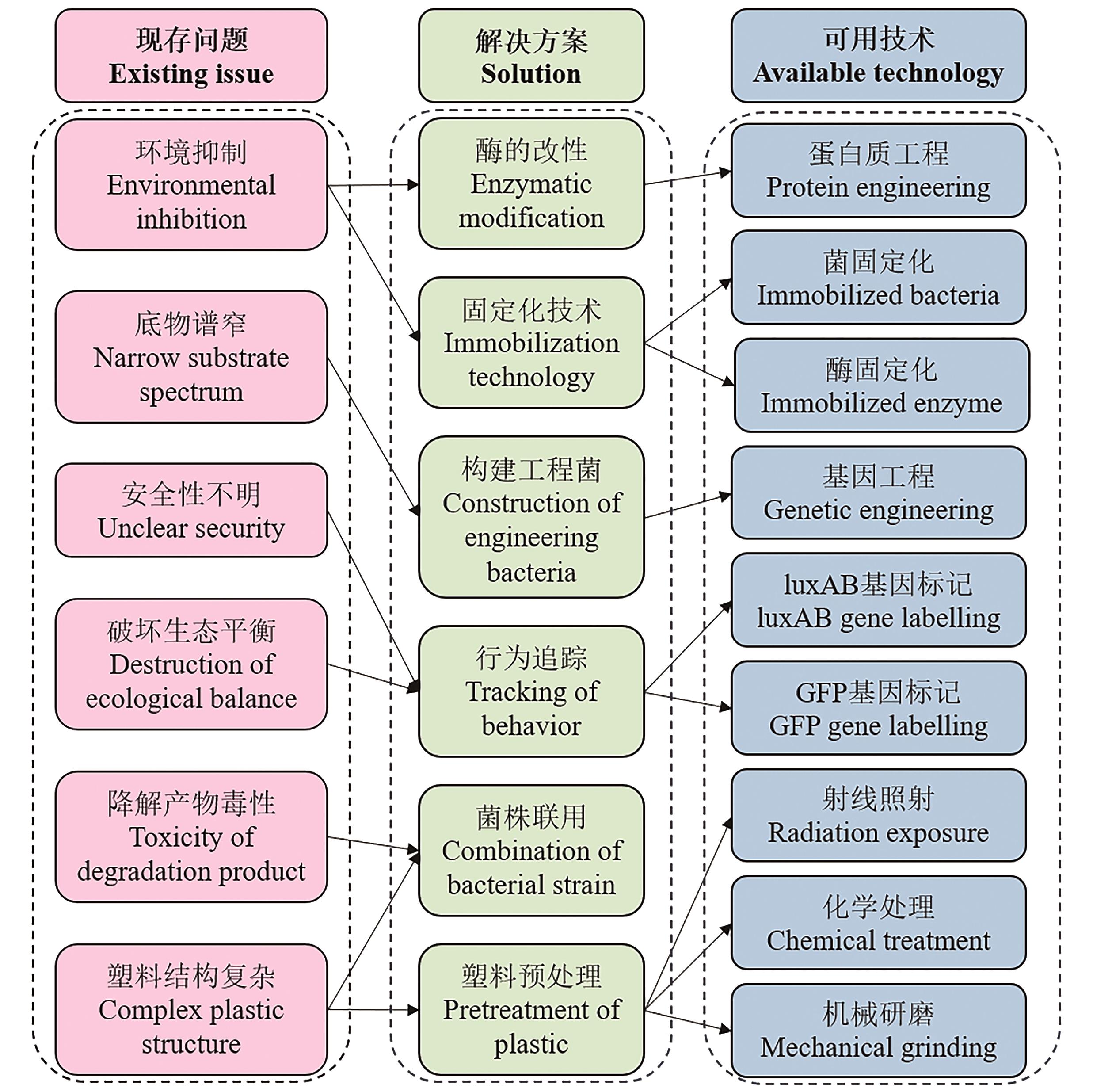
Fig. 3 Issues and solutions of insect symbiotic bacteria in environmental bioremediation
| 1 | 李昕玥, 刘卓苗, 薛润泽, 等. 典型塑料的生物降解及其降解机理[J]. 科学通报, 2021, 66(20): 2573-2589. |
| Li XY, Liu ZM, Xue RZ, et al. Biodegradation of typical plastics and its mechanisms[J]. Chin Sci Bull, 2021, 66(20): 2573-2589. | |
| 2 | 李清筱. 昆虫及肠道微生物降解塑料的研究现状及机制分析[J]. 现代食品科技, 2024, 40(7): 353-362. |
| LI QX. Research status and mechanism analysis of plastic degradation by insects and intestinal microorganisms[J]. Mod Food Sci Technol, 2024, 40(7): 353-362. | |
| 3 | 王俊峰. 小菜蛾肠道粘质沙雷氏菌介导的氟苯虫酰胺抗药性产生的研究[D]. 泰安: 山东农业大学, 2020. |
| Wang JF. Study on the production of flubendiamide resistance mediated by Serratia marcescens in the intestine of Plutella xylostella [D]. Tai'an: Shandong Agricultural University, 2020. | |
| 4 | Yoshida S, Hiraga K, Takehana T, et al. A bacterium that degrades and assimilates poly(ethylene terephthalate)[J]. Science, 2016, 351(6278): 1196-1199. |
| 5 | Paul S, Paul B, Khan MA, et al. Effects of lindane on lindane-degrading Azotobacter chroococcum; evaluation of toxicity of possible degradation product(s) on plant and insect[J]. Bull Environ Contam Toxicol, 2013, 90(3): 351-356. |
| 6 | Hao XX, Zhang XQ, Duan BH, et al. Screening and genome sequencing of deltamethrin-degrading bacterium ZJ6[J]. Curr Microbiol, 2018, 75(11): 1468-1476. |
| 7 | Liu LC, Xu MJ, Ye YH, et al. On the degradation of (micro) plastics: Degradation methods, influencing factors, environmental impacts[J]. Sci Total Environ, 2022, 806: 151312. |
| 8 | 王争艳, 何梦婷, 鲁玉杰. 共生微生物对昆虫化学通讯的影响[J]. 应用昆虫学报, 2020, 57(6): 1240-1248. |
| Wang ZY, He MT, Lu YJ. Influence of microbial symbionts on chemical communication in insects[J]. Chin J Appl Entomol, 2020, 57(6): 1240-1248. | |
| 9 | Zhang JQ, Gao DL, Li QH, et al. Biodegradation of polyethylene microplastic particles by the fungus Aspergillus flavus from the guts of wax moth Galleria mellonella [J]. Sci Total Environ, 2020, 704: 135931. |
| 10 | Gomes AFF, Omoto C, Cônsoli FL. Gut bacteria of field-collected larvae of Spodoptera frugiperda undergo selection and are more diverse and active in metabolizing multiple insecticides than laboratory-selected resistant strains[J]. J Pest Sci, 2020, 93(2): 833-851. |
| 11 | Ali SS, Elsamahy T, Zhu DC, et al. Biodegradability of polyethylene by efficient bacteria from the guts of plastic-eating waxworms and investigation of its degradation mechanism[J]. J Hazard Mater, 2023, 443: 130287. |
| 12 | Cucini C, Leo C, Vitale M, et al. Bacterial and fungal diversity in the gut of polystyrene-fed Alphitobius diaperinus (Insecta: Coleoptera)[J]. Anim Gene, 2020, 17-18: 200109. |
| 13 | Palacio-Cortés AM, Horton AA, Newbold L, et al. Accumulation of nylon microplastics and polybrominated diphenyl ethers and effects on gut microbial community of Chironomus sancticaroli [J]. Sci Total Environ, 2022, 832: 155089. |
| 14 | Kesti SS, Thimmappa SC. First report on biodegradation of low density polyethylene by rice moth larvae, Corcyra cephalonica (Stainton)[J]. Holist Approach Environ, 2019, 9(4): 79-83. |
| 15 | Cassone BJ, Grove HC, Elebute O, et al. Role of the intestinal microbiome in low-density polyethylene degradation by caterpillar larvae of the greater wax moth, Galleria mellonella [J]. Proc R Soc B, 2020, 287(1922): 20200112. |
| 16 | Ren L, Men LN, Zhang ZW, et al. Biodegradation of polyethylene by Enterobacter sp. D1 from the guts of wax moth Galleria mellonella [J]. Int J Environ Res Public Health, 2019, 16(11): 1941. |
| 17 | Jiang S, Su TT, Zhao JJ, et al. Isolation, identification, and characterization of polystyrene-degrading bacteria from the gut of Galleria mellonella (Lepidoptera: Pyralidae) larvae[J]. Front Bioeng Biotechnol, 2021, 9: 736062. |
| 18 | Kim JH, Choi SH, Park MG, et al. Polyurethane biodegradation by Serratia sp. HY-72 isolated from the intestine of the Asian mantis Hierodula patellifera [J]. Front Microbiol, 2022, 13: 1005415. |
| 19 | Woo S, Song I, Cha HJ. Fast and facile biodegradation of polystyrene by the gut microbial flora of Plesiophthalmus davidis larvae[J]. Appl Environ Microbiol, 2020, 86(18): e01361-20. |
| 20 | Mahmoud E, Al-Hagar OEA, El-Aziz MFA. Gamma radiation effect on the midgut bacteria of Plodia interpunctella and its role in organic wastes biodegradation[J]. Int J Trop Insect Sci, 2021, 41(1): 261-272. |
| 21 | Yang J, Yang Y, Wu WM, et al. Evidence of polyethylene biodegradation by bacterial strains from the guts of plastic-eating waxworms[J]. Environ Sci Ecotechnol, 2014, 48(23): 13776-13784. |
| 22 | Zhang Z, Peng HR, Yang DC, et al. Polyvinyl chloride degradation by a bacterium isolated from the gut of insect larvae[J]. Nat Commun, 2022, 13: 5360. |
| 23 | Yin CF, Xu Y, Zhou NY. Biodegradation of polyethylene mulching films by a co-culture of Acinetobacter sp. strain NyZ450 and Bacillus sp. strain NyZ451 isolated from Tenebrio molitor larvae[J]. Int Biodeterior Biodegrad, 2020, 155: 105089. |
| 24 | Brandon AM, Garcia AM, Khlystov NA, et al. Enhanced bioavailability and microbial biodegradation of polystyrene in an enrichment derived from the gut microbiome of Tenebrio molitor (mealworm larvae)[J]. Environ Sci Technol, 2021, 55(3): 2027-2036. |
| 25 | Yang SS, Ding MQ, He L, et al. Biodegradation of polypropylene by yellow mealworms (Tenebrio molitor) and superworms (Zophobas atratus) via gut-microbe-dependent depolymerization[J]. Sci Total Environ, 2021, 756: 144087. |
| 26 | Yang Y, Yang J, Wu WM, et al. Biodegradation and mineralization of polystyrene by plastic-eating mealworms: Part 2. Role of gut microorganisms[J]. Environ Sci Technol, 2015, 49(20): 12087-12093. |
| 27 | 曹沁, 林毅博, 陈军, 等. 黄粉虫及其肠道微生物对聚氯乙烯的生物降解作用[J]. 微生物学通报, 2020, 47(2): 390-400. |
| Cao Q, Lin YB, Chen J, et al. Biodegradation of poly-vinyl chloride by Tenebrio molitor and its intestinal microorganisms[J]. Microbiol China, 2022, 47(2): 390-400. | |
| 28 | 马小彪. 黄粉虫幼虫肠道微生物对塑料的降解研究[D]. 兰州: 兰州大学, 2023. |
| Ma XB. Plastic degradation by the gut microorganism of yellow mealmorm (Tenebrio molitor Linna.) larvae[D]. Lanzhou: Lanzhou University, 2023. | |
| 29 | Yang SS, Ding MQ, He L, et al. Biodegradation of polypropylene by yellow mealworms (Tenebrio molitor) and superworms (Zophobas atratus) via gut-microbe-dependent depolymerization[J]. Sci Total Environ, 2021, 756: 144087. |
| 30 | Peng BY, Chen Z, Chen J, et al. Biodegradation of polyvinyl chloride (PVC) in Tenebrio molitor (Coleoptera: Tenebrionidae) larvae[J]. Environ Int, 2020, 145: 106106. |
| 31 | Peng BY, Su YM, Chen ZB, et al. Biodegradation of polystyrene by dark (Tenebrio obscurus) and yellow (Tenebrio molitor) mealworms (Coleoptera: Tenebrionidae)[J]. Environ Sci Technol, 2019, 53(9): 5256-5265. |
| 32 | Wang Z, Xin X, Shi XF, et al. A polystyrene-degrading Acinetobacter bacterium isolated from the larvae of Tribolium castaneum [J]. Sci Total Environ, 2020, 726: 138564. |
| 33 | Salazar-Sánchez MR, Rodríguez-Herrera R, Flores-Gallegos AC, et al. Intestinal microbiome changes of Ulomoides dermestoides (Chevrolat, 1878) fed with a film based on thermoplastic cassava starch and polylactic acid[J]. Environ Qual Manag, 2022, 32(1): 413-424. |
| 34 | Kim JH, Lee SH, Lee BM, et al. Biodegradation potential of polyethylene terephthalate by the two insect gut symbionts Xanthomonas sp. HY-74 and Bacillus sp. HY-75[J]. Polymers (Basel), 2023, 15(17): 3546. |
| 35 | Peng BY, Sun Y, Wu ZY, et al. Biodegradation of polystyrene and low-density polyethylene by Zophobas atratus larvae: Fragmentation into microplastics, gut microbiota shift, and microbial functional enzymes[J]. J Cleaner Prod, 2022, 367: 132987. |
| 36 | Kim HR, Lee HM, Yu HC, et al. Biodegradation of polystyrene by Pseudomonas sp. isolated from the gut of superworms (larvae of Zophobas atratus)[J]. Environ Sci Technol, 2020, 54(11): 6987-6996. |
| 37 | Brandon AM, Gao SH, Tian R, et al. Biodegradation of polyethylene and plastic mixtures in mealworms (larvae of Tenebrio molitor) and effects on the gut microbiome[J]. Environ Sci Technol, 2018, 52(11): 6526-6533. |
| 38 | Yang Y, Wang JL, Xia ML. Biodegradation and mineralization of polystyrene by plastic-eating superworms Zophobas atratus [J]. Sci Total Environ, 2020, 708: 135233. |
| 39 | Mitra B, Das A. Microbes and environment sustainability: An in-depth review on the role of insect gut microbiota in plastic biodegradation[M]//Kapoor RT, Shah MP. Synergistic approaches for bioremediation of environmental pollutants: recent advances and challenges, Netherlands: Elsevier, 2022: 1-25. |
| 40 | 王争艳, 王文芳, 鲁玉杰. 共生菌与昆虫抗药性[J]. 应用昆虫学报, 2021, 58(2): 265-276. |
| Wang ZY, Wang WF, Lu YJ. Symbiotic microbiota and insecticide resistance in insects[J]. Chin J Appl Entomol, 2021, 58(2): 265-276. | |
| 41 | Wang HY, Zhang CX, Cheng P, et al. Differences in the intestinal microbiota between insecticide-resistant and-sensitive Aedes albopictus based on full-length 16S rRNA sequencing[J]. MicrobiologyOpen, 2021, 10(2): e1177. |
| 42 | Dada N, Sheth M, Liebman K, et al. Whole metagenome sequencing reveals links between mosquito microbiota and insecticide resistance in malaria vectors[J]. Sci Rep, 2018, 8: 2084. |
| 43 | Soltani A, Vatandoost H, Oshaghi MA, et al. The role of midgut symbiotic bacteria in resistance of Anopheles stephensi (Diptera: Culicidae) to organophosphate insecticides[J]. Pathog Global Health, 2017, 111(6): 289-296. |
| 44 | Cheng DF, Guo ZJ, Riegler M, et al. Gut symbiont enhances insecticide resistance in a significant pest, the oriental fruit fly Bactrocera dorsalis (Hendel)[J]. Microbiome, 2017, 5: e13. |
| 45 | Ozdal M, Ozdal OG, Algur OF. Isolation and characterization of α- endosulfan degrading bacteria from the microflora of cockroaches[J]. Pol J Microbiol, 2016, 65(1): 63-68. |
| 46 | Chen BS, Zhang N, Xie S, et al. Gut bacteria of the silkworm Bombyx mori facilitate host resistance against the toxic effects of organophosphate insecticides[J]. Environ Int, 2020, 143: 105886. |
| 47 | Ishigami I, Jang S, Itoh H, et al. Insecticide resistance governed by gut symbiosis in a rice pest, Cletus punctiger, under laboratory conditions[J]. Biol Lett, 2021, 17(3): 20200780. |
| 48 | Wang ZY, Wang WF, Lu YJ. Biodegradation of insecticides by gut bacteria isolated from stored grain beetles and its implication in host insecticide resistance[J]. J Stored Prod Res, 2022, 96: e101943. |
| 49 | Fernández MDM, Meeus I, Billiet A, et al. Influence of microbiota in the susceptibility of parasitic wasps to abamectin insecticide: Deep sequencing, esterase and toxicity tests[J]. Pest Manage Sci, 2019, 75(1): 79-86. |
| 50 | 王之诚. 水虻幼虫及其肠道微生物对两种抗球虫剂的降解作用及微生态影响[D]. 武汉: 湖北大学, 2023. |
| Wang ZC. Characteristics of two anticoccidians bio-degradation by black soldier fly (Hermetia illucens L.) larvae and microecological impact[D]. Wuhan: Hubei University, 2023. | |
| 51 | Shen SK, Dowd PF. Detoxification spectrum of the cigarette beetle symbiont Symbiotaphrina kochii in culture[J]. Entomol Exp Appl, 1991, 60(1): 51-59. |
| 52 | Ramya SL, Venkatesan T, Murthy KS, et al. Detection of carboxylesterase and esterase activity in culturable gut bacterial flora isolated from diamondback moth, Plutella xylostella (Linnaeus), from India and its possible role in indoxacarb degradation[J]. Braz J Microbiol, 2016, 47(2): 327-336. |
| 53 | Jahro F, Zhang F, Verma JP. Exploration of symbiotic bacteria in the digestive tract of Plutella xylostella L and their ability to degrade insecticides with the active chlorantraniliprole[J]. Front Adv Appl Sci Eng, 2023, 1(1): 47-59. |
| 54 | 张家昊. 两种双酰胺农药抗性品系小菜蛾肠道细菌的研究及氟苯虫酰胺降解菌的筛选[D]. 泰安: 山东农业大学, 2019. |
| Zhang JH. Studies on Intestinal Bacteria in two diamide insecticide-resistant Plutella xylostella strains and screening of bacteria degrading flubendiamide[D]. Tai'an: Shandong Agricultural University, 2019. | |
| 55 | Ozdal OG, Algur OF. Biodegradation α-endosulfan and α-cypermethrin by Acinetobacter schindleri B7 isolated from the microflora of grasshopper (Poecilimon tauricola)[J]. Arch Microbiol, 2022, 204(3): 159. |
| 56 | Boush MG, Matsumura F. Insecticidal degradation by Pseudomonas melophthora, the bacterial symbiote of the apple maggot[J]. J Econ Entomol, 1967, 60(4): 918-920. |
| 57 | Sato Y, Jang S, Takeshita K, et al. Insecticide resistance by a host-symbiont reciprocal detoxification[J]. Nat Commun, 2021, 12: 6432. |
| 58 | de Almeida LG, Moraes LAB, Trigo JR, et al. The gut microbiota of insecticide-resistant insects houses insecticide-degrading bacteria: A potential source for biotechnological exploitation[J]. PLoS ONE, 2017, 12(3): e0174754. |
| 59 | Wang ZY, Zhao YR, Yong HZ, et al. The contribution of gut bacteria to pesticide resistance of Tribolium castaneum (Herbst)[J]. J Stored Prod Res, 2023, 103: e102160. |
| 60 | He LL, Liu B, Tian JW, et al. Culturable epiphytic bacteria isolated from Teleogryllus occipitalis crickets metabolize insecticides[J]. Arch Insect Biochem Physiol, 2018, 99(2): e21501. |
| 61 | Yang XG, Wen PP, Yang YF, et al. Plastic biodegradation by in vitro environmental microorganisms and in vivo gut microorganisms of insects[J]. Front Microbiol, 2023, 13: 1001750. |
| 62 | Pham TQ, Longing S, Siebecker MG. Consumption and degradation of different consumer plastics by mealworms (Tenebrio molitor): Effects of plastic type, time, and mealworm origin[J]. J Cleaner Prod, 2023, 403: 136842. |
| 63 | Kikuchi Y, Hayatsu M, Hosokawa T, et al. Symbiont-mediated insecticide resistance[J]. Proc Natl Acad Sci USA, 2012, 109(22): 8618-8622. |
| 64 | Kim JH, Choi SH, Park MG, et al. Biodegradation of polyurethane by Japanese carpenter bee gut-associated symbionts Xanthomonas sp. HY-71, and its potential application on bioconversion[J]. Environ Technol Innovation, 2022, 28: 102822. |
| 65 | Xia XF, Sun BT, Gurr GM, et al. Gut microbiota mediate insecticide resistance in the diamondback moth, Plutella xylostella (L.)[J]. Front Microbiol, 2018, 9: 25. |
| 66 | Xu G, Zheng W, Li Y. Biodegradation of chlorpyrifos and 3,5,6-trichloro-2-pyridinol by a newly isolated Paracoccus sp. strain TRP. International[J]. Int Biodeterior Biodegrad, 2008, 62(1): 51-56. |
| 67 | 余利, 段海明. Bacillus cereus HY-4对有机磷农药毒死蜱的降解特性[J]. 安徽科技学院学报, 2017, 31(5): 81-87. |
| Yu L, Duan HM. Degradation characteristics of Bacillus cereus HY-4 to organic phosphorus pesticide chlorpyrifos[J]. J Anhui Sci Technol Univ, 2017, 31(5): 81-87. | |
| 68 | Banerjee S, Maiti TK, Roy RN. Enzyme producing insect gut microbes: An unexplored biotechnological aspect[J]. Crit Rev Biotechnol, 2022, 42(3): 384-402. |
| 69 | Bhardwaj H, Gupta R, Tiwari A. Communities of microbial enzymes associated with biodegradation of plastics[J]. J Polym Environ, 2013, 21(2): 575-579. |
| 70 | Fecker T, Galaz-Davison P, Engelberger F, et al. Active site flexibility as a hallmark for efficient PET degradation by I. sakaiensis PETase[J]. Biophys J, 2018, 114(6): 1302-1312. |
| 71 | Ma Y, Yao MD, Li BZ, et al. Enhanced poly(ethylene terephthalate) hydrolase activity by protein engineering[J]. Eng J, 2018, 4(6): 888-893. |
| 72 | Tournier V, Topham CM, Gilles A, et al. An engineered PET depolymerase to break down and recycle plastic bottles[J]. Nature, 2020, 580(7802): 216-219. |
| 73 | Wilkes RA, Aristilde L. Degradation and metabolism of synthetic plastics and associated products by Pseudomonas sp.: Capabilities and challenges[J]. J Appl Microbiol, 2017, 123(3): 582-593. |
| 74 | Alariqi SAS, Kumar AP, Rao BSM, et al. Biodegradation of γ- sterilised biomedical polyolefins under composting and fungal culture environments[J]. Polym Degrad Stab, 2006, 91(5): 1105-1116. |
| 75 | 刘强. 物化预处理耦合生物处理降解塑料[D]. 哈尔滨: 哈尔滨工业大学, 2021. |
| Liu Q. Degradation of plastic by physicochemical pretreatment coupled with biological treatment[D]. Harbin: Harbin Institute of Technology, 2021. | |
| 76 | Motta O, Proto A, De Carlo F, et al. Utilization of chemically oxidized polystyrene as co-substrate by filamentous fungi[J]. Int J Hyg Environ Health, 2009, 212(1): 61-66. |
| 77 | Yuan JH, Ma J, Sun YR, et al. Microbial degradation and other environmental aspects of microplastics/plastics[J]. Sci Total Environ, 2020, 715: 136968. |
| 78 | Said SB, Dani Or. Synthetic microbial ecology: Engineering habitats for modular consortia[J]. Front Microbiol, 2017, 8: 1125. |
| 79 | 葛玲, 王新, 张亚楠. 农药污染土壤修复的研究进展[J]. 化工环保, 2022, 42(3): 255-261. |
| Ge L, Wang X, Zhang YN. Research progress on remediation of pesticide contaminated soil[J]. Environ Prot Chem Ind, 2022, 42(3): 255-261. | |
| 80 | 郑金来, 李君文, 晁福寰. 常见农药降解微生物研究进展及展望[J]. 环境科学研究, 2001, 14(2): 62-64. |
| Zheng JL, Li JW, Chao FH. Advance and prospect of microorganism degrading common pesticide[J]. Res Environ Sci, 2001, 14(2): 62-64. | |
| 81 | Ye XL, Dong F, Lei XY. Microbial resources and ecology-microbial degradation of pesticides[J]. Nat Resour Conserv, 2018, 1(1): 22-28. |
| 82 | 崔中利, 崔利霞, 黄彦, 等. 农药污染微生物降解研究及应用进展[J]. 南京农业大学学报, 2012, 35(5): 93-102. |
| Cui ZL, Cui LX, Huang Y, et al. Advances and application of microbial degradation in pesticides pollution remediation[J]. J Nanjing Agric Univ, 2012, 35(5): 93-102. | |
| 83 | 易忠权, 王睿, 周潮洋, 等. 以菌株Pseudomonas putida KT2440为宿主构建多功能农药降解菌[J]. 应用与环境生物学报, 2016, 22(6): 1145-1149. |
| Yi ZQ, Wang R, Zhou CY, et al. Construction of a multifunctional pesticide-degrading strain using Pseudomonas putida KT2440 as the host[J]. Chin J Appl Environ Biol, 2016, 22(6): 1145-1149. | |
| 84 | Randika JLPC, PKGSS Bandara, Soysa HSM, et al. Bioremediation of pesticide-contaminated soil: A review on indispensable role of soil bacteria[J]. J Agric Sci Sri Lanka, 2022, 17(1): 19-43. |
| 85 | 周启星. 污染土壤修复的技术再造与展望[J]. 环境污染治理技术与设备, 2002, 3(8): 36-40. |
| Zhou QX. Technological reforger and prospect of contaminated soil remediation[J]. Chin J Environ Eng, 2002, 3(8): 36-40. | |
| 86 | 商文贤, 徐宏英, 王俊伟, 等. 有机氯农药的微生物降解[J]. 化学与生物工程, 2022, 39(3): 12-18. |
| Shang WX, Xu HY, Wang JW, et al. Microbial degradation of organochlorine pesticides[J]. Chem Bioeng, 2022, 39(3): 12-18. | |
| 87 | 段海明. 两株降解菌混合对毒死蜱的降解特性研究[J]. 华北农学报, 2013, 28(2): 219-224. |
| Duan HM. Biodegradation characteristics of chlorpyrifos by mixed culture of Bacillus cereus strains[J]. Acta Agric Boreali-Sin, 2013, 28(2): 219-224. | |
| 88 | 郑柳柳, 袁博, 朱希坤, 等. 阿特拉津降解菌株的分离、鉴定和工业废水生物处理试验[J]. 微生物学通报, 2009, 36(7): 1099-1104. |
| Zheng L, Yuan B, Zhu XK, et al. Isolation and characterization of atrazine-degrading strains and biotreatment experiment of industrial wastewater[J]. Microbiol China, 2009, 36(7): 1099-1104. | |
| 89 | Ha J, Engler CR, Wild JR. Biodegradation of coumaphos, chlorferon, and diethylthiophosphate using bacteria immobilized in Ca-alginate gel beads[J]. Bioresour Technol, 2009, 100(3): 1138-1142. |
| 90 | Timmis KN. Pseudomonas putida: A cosmopolitan opportunist par excellence[J]. Environ Microbiol, 2002, 4(12): 779-781. |
| 91 | Kim TS, Ahn JH, Choi MK, et al. Cloning and expression of a parathion hydrolase gene from a soil bacterium Burkholderia sp. JBA3[J]. J Microbiol Biotechnol, 2007, 17(11): 1890-1893. |
| 92 | 孙洁梅, 崔中利, 邱珊莲, 等. luxAB基因标记甲基对硫磷降解菌DLL-1在土壤和植株根部的生态行为研究[J]. 农村生态环境, 2003, 19(1): 43-46. |
| Sun JM, Cui ZL, Qiu SL, et al. Ecological behaviors of luxAB-labeled parathion-methyl-degrading strain DLL-1 in rhizosphere of plant[J]. J Ecol Rural Environ, 2003, 19(1): 43-46. | |
| 93 | 邱珊莲, 崔中利, 王英, 等.甲基对硫磷降解菌DLLBR在青菜及根际土壤中的定殖研究[J]. 土壤, 2005, 37(1): 100-104. |
| Qiu SL, Cui ZL, Wang Y, et al. Colonization of methylparathion-degrading bacterium Pseudomonas putida DLLBR in soil and inside vegetable[J]. Soils, 2005, 37(1): 100-104. | |
| 94 | Kurenbach B, Marjoshi D, Amabile-Cuevas CF, et al. Sublethal exposure to commercial formulations of the herbicides dicamba, 2,4-dichlorophenoxyacetic acid, and glyphosate cause changes in antibiotic susceptibility in Escherichia coli and Salmonella enterica serovar Typhimurium[J]. MBio, 2015, 6(2): e00009-15. |
| 95 | Lau CHF, van Engelen K, Gordon S, et al. Novel antibiotic resistance determinants from agricultural soil exposed to antibiotics widely used in human medicine and animal farming[J]. Appl Environ Microbiol, 2017, 83(16): e00989-17. |
| 96 | Behera L, Datta D, Kumar S, et al. Role of microbial consortia in remediation of soil, water and environmental pollution caused by indiscriminate use of chemicals in agriculture: Opportunities and challenges[M]//Singh HB, Vaishnav A. New and Future Developments in microbial biotechnology and bioengineering, Netherlands: Elsevier, 2022: 399-418. |
| 97 | Velázquez-Fernández JB, Martínez-Rizo AB, Ramírez-Sandoval M, et al. Biodegradation and bioremediation of organic pesticides[M]//Soundararajan RP. Pesticides-recent trends in pesticide residue assay, England: IntechOpen, 2012: 253-272. |
| 98 | Salam JA, Das N. Degradation of lindane by a novel embedded bio-nano hybrid system in aqueous environment[J]. Appl Microbiol Biotechnol, 2015, 99(5): 2351-2360. |
| 99 | Singh T, Singh DK. Rhizospheric microbacterium sp. P27 showing potential of lindane degradation and plant growth promoting traits[J]. Curr Microbiol, 2019, 76(7): 888-895. |
| [1] | LI Wen-lan, HOU Xin-wei, LI Yan, ZHAO Rui-jun, MENG Zhao-dong, YUE Run-qing. Identification and Resistance Detection of Homozygous and Heterozygous Plants of Transgenic Maize LD05 with Resistances to Insect and Herbicide [J]. Biotechnology Bulletin, 2025, 41(4): 123-133. |
| [2] | ZHANG Jing-an, HU Xiao-long, CAO Bei-bei, LIAO Min, SHU Chang-long, ZHANG Jie, WANG Kui, CAO Hai-qun. Construction and Characterization of Rapid Visual Expression Vector for Bacillus thuringiensis [J]. Biotechnology Bulletin, 2025, 41(1): 95-102. |
| [3] | WANG Ke-ran, YAN Jun-jie, LIU Jian-feng, GAO Yu-lin. Application and Risk of RNAi Technology in Potato Insect Pest Management [J]. Biotechnology Bulletin, 2024, 40(9): 4-10. |
| [4] | PENG Yu-jia, LI Wen-cui, LIU Yong-bo. Research Progress in the Evolution Mechanisms for Insect Resistance to Insecticides and Bt-transgenic Plants [J]. Biotechnology Bulletin, 2024, 40(4): 40-51. |
| [5] | ZHAO Zheng-yang, XIE Bing-yan, CHENG Xin-yue, LI Hui-xia. Progress in the Mining and Utilization of Insect-associated Actinomycete Resources [J]. Biotechnology Bulletin, 2024, 40(11): 113-124. |
| [6] | LI Chong, YANG Ya-nan, WANG Cui-xia, ZHENG Hai-xin. Synergistic Remediation of Multiple Pollutants in Agricultural Environment by Microorganisms and Biochar [J]. Biotechnology Bulletin, 2024, 40(10): 86-97. |
| [7] | ZHANG Hua-xiang, XU Xiao-ting, ZHENG Yun-ting, XIAO Chun-qiao. Roles of Phosphate-solubilizing Microorganisms in the Passivation and Phytoremediation of Heavy Metal Contaminated Soil [J]. Biotechnology Bulletin, 2023, 39(3): 52-58. |
| [8] | MA Sai-mai, LI Tong-yuan, MA Yan-jun, HAN Fu-jun, PENG Hai, KONG Wei-bao. Research Progress in Chitinase Involving in the Biocontrol of Crop Diseases and Pests [J]. Biotechnology Bulletin, 2023, 39(10): 29-40. |
| [9] | YU Hui-lin, WU Kong-ming. Commercialization Strategy of Transgenic Soybean in China [J]. Biotechnology Bulletin, 2023, 39(1): 1-15. |
| [10] | LI Sheng-yan, LI Xiang-yin, LI Peng-cheng, ZHANG Ming-jun, ZHANG Jie, LANG Zhi-hong. Identification of Target Traits and Genetic Stability of Transgenic Maize 2HVB5 [J]. Biotechnology Bulletin, 2023, 39(1): 21-30. |
| [11] | LI Dong-yang, XIAO Bing, WANG Chen-yao, YANG Xian-ming, LIANG Jin-gang, WU Kong-ming. Spatio-temporal Expression of Cry1Ab/Cry2Aj Insecticidal Protein in Genetically Modified Maize Ruifeng 125 with Stacked Insect and Herbicide Resistance Traits [J]. Biotechnology Bulletin, 2023, 39(1): 31-39. |
| [12] | LI Peng-cheng, ZHANG Ming-jun, WANG Yin-xiao, LI Xiang-yin, LI Sheng-yan, LANG Zhi-hong. Insect Resistance Identification and Agronomy Traits Analysis of Transgenic Maize HGK60 with Different Genetic Backgrounds [J]. Biotechnology Bulletin, 2023, 39(1): 40-47. |
| [13] | LI Jia-le, LIN Sheng-hao, XU Wen-tao. Construction of an Ultra-sensitive Colorimetric Biosensor for Insect Resistance Genes Based on Loop-mediated Isothermal Amplification [J]. Biotechnology Bulletin, 2022, 38(8): 69-76. |
| [14] | WANG Zheng-yan, HU Hai-sheng, YONG Han-zi, LU Yu-jie. Nutritional Interactions Between Symbiotic Microbiota and Insect Hosts [J]. Biotechnology Bulletin, 2022, 38(7): 99-108. |
| [15] | PIAO Jun, ZHANG Lu-Jie, PIAO Jing-Ai, ZHOU Yi-Jun, LI Shuo. Discovery of Viruses from Small Brown Planthopper by Small RNA Deep Sequencing [J]. Biotechnology Bulletin, 2022, 38(2): 281-288. |
| Viewed | ||||||
|
Full text |
|
|||||
|
Abstract |
|
|||||
