







Biotechnology Bulletin ›› 2025, Vol. 41 ›› Issue (11): 89-99.doi: 10.13560/j.cnki.biotech.bull.1985.2025-0146
Previous Articles Next Articles
LIU Zi-qi( ), ZHONG Pei, LI Qin, GUO Cheng, ZHANG Yan-mei, ZHANG Nai-feng, TU Yan, DIAO Qi-yu, BI Yan-liang()
Received:2025-02-13
Online:2025-11-26
Published:2025-12-09
Contact:
BI Yan-liang
E-mail:821012430409@caas.cn;biyanliang@caas.cn
LIU Zi-qi, ZHONG Pei, LI Qin, GUO Cheng, ZHANG Yan-mei, ZHANG Nai-feng, TU Yan, DIAO Qi-yu, BI Yan-liang. Application and Progress of CRISPR/Cas9 Technology in Probiotic Editing[J]. Biotechnology Bulletin, 2025, 41(11): 89-99.
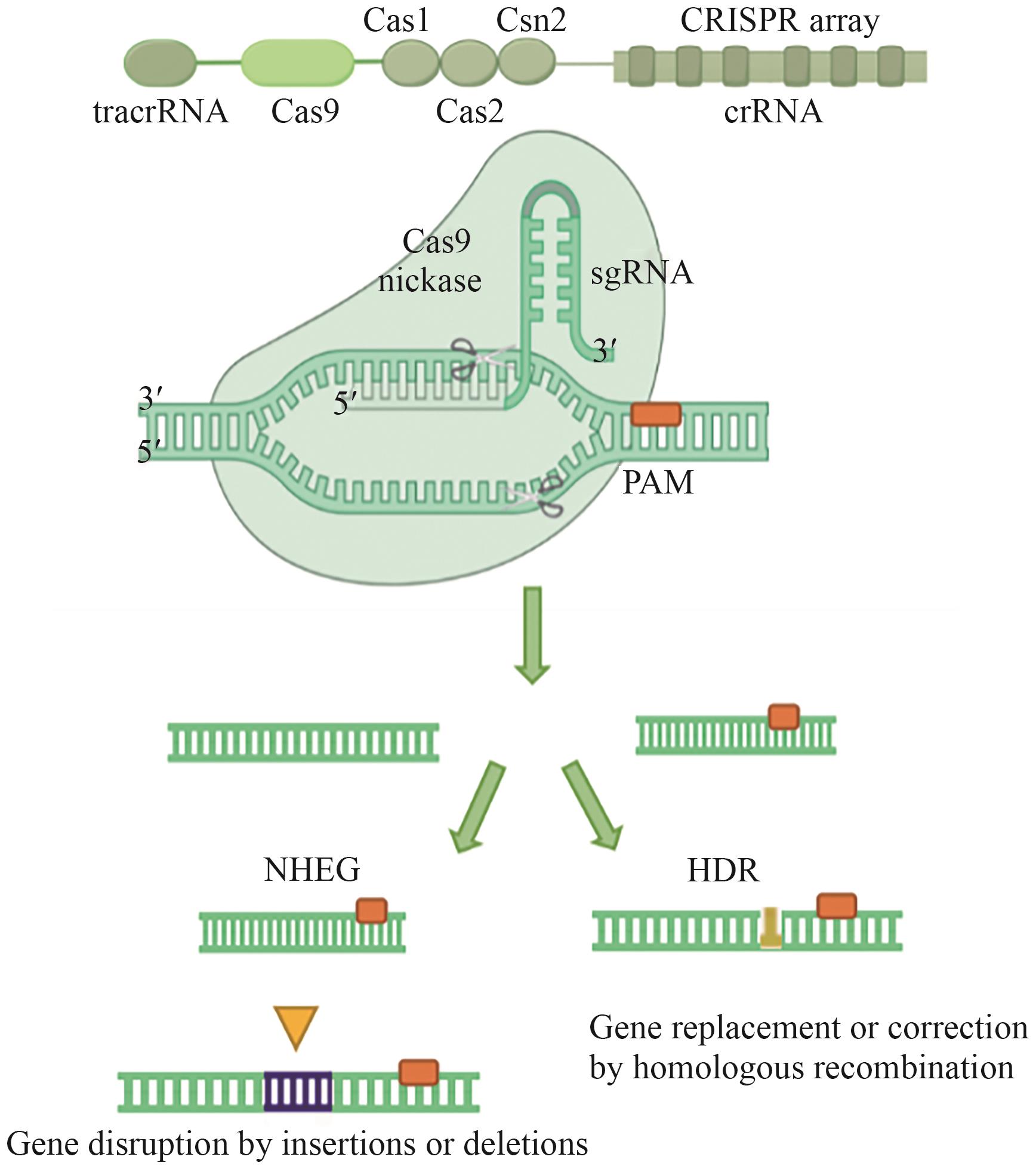
Fig. 1 Schematic diagram of the CRISPR/Cas9 system
菌株 Strain | 改造后效果 Effect after transformation | 参考文献 Reference |
|---|---|---|
| 酿酒酵母 | 建立了莽草酸合成途径 | [ |
| 多种梭菌属微生物 | 引入特定代谢路径,使菌株能够利用CO、CO2及废弃甘油等生产生物燃料 | [ |
| 保加利亚乳酸乳杆菌 | 编辑了保加利亚乳杆菌的ldh基因,并观察到其对酸奶特性的显著影响 | [ |
| 双歧杆菌 | 编辑abfa基因簇,探索其影响宿主利用阿拉伯糖及肠道运动的机制 | [ |
| 酵母菌 | 进行基因突变,成功构建乙醇耐受型酵母菌株 | [ |
| 枯草芽胞杆菌 | 利用多轮基因编辑并结合发酵条件优化,赋予菌株利用木糖新功能并实现丰原素产量提高 | [ |
| 副干酪乳杆菌 | 建立了高效编辑工具,验证尿嘧啶磷酸核糖基转移酶相关基因的功能 | [ |
| 解淀粉芽胞杆菌 | 过表达bac基因簇,增强其对大肠杆菌和二叶乳杆菌的抗菌活性 | [ |
| 共轭益生菌 | 构建COP系统高效消除小鼠肠道微生物群中>99.9%的靶向抗生素耐药大肠杆菌 | [ |
Table 1 Application of CRISPR/Cas9 in the field of strain functional customization
菌株 Strain | 改造后效果 Effect after transformation | 参考文献 Reference |
|---|---|---|
| 酿酒酵母 | 建立了莽草酸合成途径 | [ |
| 多种梭菌属微生物 | 引入特定代谢路径,使菌株能够利用CO、CO2及废弃甘油等生产生物燃料 | [ |
| 保加利亚乳酸乳杆菌 | 编辑了保加利亚乳杆菌的ldh基因,并观察到其对酸奶特性的显著影响 | [ |
| 双歧杆菌 | 编辑abfa基因簇,探索其影响宿主利用阿拉伯糖及肠道运动的机制 | [ |
| 酵母菌 | 进行基因突变,成功构建乙醇耐受型酵母菌株 | [ |
| 枯草芽胞杆菌 | 利用多轮基因编辑并结合发酵条件优化,赋予菌株利用木糖新功能并实现丰原素产量提高 | [ |
| 副干酪乳杆菌 | 建立了高效编辑工具,验证尿嘧啶磷酸核糖基转移酶相关基因的功能 | [ |
| 解淀粉芽胞杆菌 | 过表达bac基因簇,增强其对大肠杆菌和二叶乳杆菌的抗菌活性 | [ |
| 共轭益生菌 | 构建COP系统高效消除小鼠肠道微生物群中>99.9%的靶向抗生素耐药大肠杆菌 | [ |
菌株 Strain | 改造后效果 Effect after transformation | 参考文献 Reference |
|---|---|---|
| 双歧杆菌 | 恢复菌株对四环素的敏感性 | [ |
| 乳酸乳球菌 | 探究噬菌体侵染与细菌蛋白质组分间的关联 | [ |
| 干酪乳杆菌 | 探究干酪乳杆菌中PyrR基因对嘧啶生物合成的调控作用及其对菌株抗菌能力等特性的影响 | [ |
| 乳酸乳球菌 | 开发了双质粒转录抑制系统,鉴定llnz_07335基因编码的胆盐水解酶为乳酸乳球菌胆盐耐受的关键因子 | [ |
| 鼠李糖乳杆菌 | Muc2基因沉默可降低益生菌抑制大肠杆菌黏附和侵袭的能力 | [ |
| 鼠李糖乳杆菌 | 丰富了基因表达工具 | [ |
| 谷氨酸棒杆菌 | 证明柠檬酸合成酶基因glt A与L-赖氨酸产量提升有关 | [ |
| 解脂耶氏酵母菌 | 激活β-葡萄糖苷酶基因表达 | [ |
| 副干酪乳杆菌 | 利用内源性CRISPR-Cas9编辑技术研究发酵方式改变副干酪乳杆菌氧化应激耐受性的机制 | [ |
Table 2 Application of CRISPR/Cas9 in the study of gene function
菌株 Strain | 改造后效果 Effect after transformation | 参考文献 Reference |
|---|---|---|
| 双歧杆菌 | 恢复菌株对四环素的敏感性 | [ |
| 乳酸乳球菌 | 探究噬菌体侵染与细菌蛋白质组分间的关联 | [ |
| 干酪乳杆菌 | 探究干酪乳杆菌中PyrR基因对嘧啶生物合成的调控作用及其对菌株抗菌能力等特性的影响 | [ |
| 乳酸乳球菌 | 开发了双质粒转录抑制系统,鉴定llnz_07335基因编码的胆盐水解酶为乳酸乳球菌胆盐耐受的关键因子 | [ |
| 鼠李糖乳杆菌 | Muc2基因沉默可降低益生菌抑制大肠杆菌黏附和侵袭的能力 | [ |
| 鼠李糖乳杆菌 | 丰富了基因表达工具 | [ |
| 谷氨酸棒杆菌 | 证明柠檬酸合成酶基因glt A与L-赖氨酸产量提升有关 | [ |
| 解脂耶氏酵母菌 | 激活β-葡萄糖苷酶基因表达 | [ |
| 副干酪乳杆菌 | 利用内源性CRISPR-Cas9编辑技术研究发酵方式改变副干酪乳杆菌氧化应激耐受性的机制 | [ |
菌株 Strain | 改造后效果 Effect after transformation | 参考文献 Reference |
|---|---|---|
| 鼠李糖乳杆菌 | 利用益生菌作为载体,利用CRISPR/Cas9编辑工具在超声激活下实现对肿瘤免疫抑制相关基因的精确编辑 | [ |
| 干酪乳杆菌 | 构建了重组干酪乳杆菌作为抗CRC疫苗 | [ |
| 共轭益生菌 | 通过CRISPR/Cas9靶向切割耐药菌的耐药基因 | [ |
| 干酪乳杆菌 | 成功表达猪IFN-λ,发挥抗病毒感染的作用 | [ |
| 干酪乳杆菌 | 表达红色荧光蛋白 | [ |
| 乳酸乳球菌 | 表达绿色荧光蛋白 | [ |
| 产马乳酒乳杆菌 | 表达绿色荧光蛋白 | [ |
Table 3 Application of CRISPR/Cas9 in probiotics disease treatment and fluorescence localization
菌株 Strain | 改造后效果 Effect after transformation | 参考文献 Reference |
|---|---|---|
| 鼠李糖乳杆菌 | 利用益生菌作为载体,利用CRISPR/Cas9编辑工具在超声激活下实现对肿瘤免疫抑制相关基因的精确编辑 | [ |
| 干酪乳杆菌 | 构建了重组干酪乳杆菌作为抗CRC疫苗 | [ |
| 共轭益生菌 | 通过CRISPR/Cas9靶向切割耐药菌的耐药基因 | [ |
| 干酪乳杆菌 | 成功表达猪IFN-λ,发挥抗病毒感染的作用 | [ |
| 干酪乳杆菌 | 表达红色荧光蛋白 | [ |
| 乳酸乳球菌 | 表达绿色荧光蛋白 | [ |
| 产马乳酒乳杆菌 | 表达绿色荧光蛋白 | [ |
| [1] | Gupta RM, Musunuru K. Expanding the genetic editing tool kit: ZFNs, TALENs, and CRISPR-Cas9 [J]. J Clin Invest, 2014, 124(10): 4154-4161. |
| [2] | Liu Y, Xiong YZ, Cai ZZ, et al. Development and challenges of gene editing technology [J]. Chin J Biotechnol, 2019, 35(8): 1401-1410. |
| [3] | Klug A. The discovery of zinc fingers and their development for practical applications in gene regulation and genome manipulation [J]. Q Rev Biophys, 2010, 43(1): 1-21. |
| [4] | Zhang Y, Massel K, Godwin ID, et al. Correction to: Applications and potential of genome editing in crop improvement [J]. Genome Biol, 2019, 20(1): 13. |
| [5] | 潘东霞, 王辉, 熊本海, 等. CRISPR-Cas基因编辑技术在羊生产应用中研究进展 [J]. 遗传, 2024, 46(9): 690-700. |
| Pan DX, Wang H, Xiong BH, et al. Progress on CRISPR-Cas gene editing technology in sheep production [J]. Hereditas: Beijing, 2024, 46(9): 690-700. | |
| [6] | 张文哲. 一种基于CRISPR/Cas9系统的更通用细菌基因编辑方法的构建 [D]. 济南:山东大学,2023. |
| Zhang WZ. Construction of a more versatile bacterial gene editing method based on the CRISPR/Cas9 system [D]. Jinan: Shandong University, 2023. | |
| [7] | Deltcheva E, Chylinski K, Sharma CM, et al. CRISPR RNA maturation by trans-encoded small RNA and host factor RNase III [J]. Nature, 2011, 471(7340): 602-607. |
| [8] | Bolotin A, Quinquis B, Sorokin A, et al. Clustered regularly interspaced short palindrome repeats (CRISPRs) have spacers of extrachromosomal origin [J]. Microbiology, 2005, 151(Pt 8): 2551-2561. |
| [9] | Grissa I, Vergnaud G, Pourcel C. The CRISPRdb database and tools to display CRISPRs and to generate dictionaries of spacers and repeats [J]. BMC Bioinformatics, 2007, 8: 172. |
| [10] | Makarova KS, Grishin NV, Shabalina SA, et al. A putative RNA-interference-based immune system in prokaryotes: computational analysis of the predicted enzymatic machinery, functional analogies with eukaryotic RNAi, and hypothetical mechanisms of action [J]. Biol Direct, 2006, 1: 7. |
| [11] | Wiedenheft B, Sternberg SH, Doudna JA. RNA-guided genetic silencing systems in bacteria and Archaea [J]. Nature, 2012, 482(7385): 331-338. |
| [12] | 李君, 张毅, 陈坤玲, 等. CRISPR/Cas系统: RNA靶向的基因组定向编辑新技术 [J]. 遗传, 2013, 35(11): 1265-1273. |
| Li J, Zhang Y, Chen KL, et al. CRISPR/Cas: a novel way of RNA-guided genome editing [J]. Hereditas, 2013, 35(11): 1265-1273. | |
| [13] | Babu K, Kathiresan V, Kumari P, et al. Coordinated actions of Cas9 HNH and RuvC nuclease domains are regulated by the bridge helix and the target DNA sequence [J]. Biochemistry, 2021, 60(49): 3783-3800. |
| [14] | Mali P, Yang LH, Esvelt KM, et al. RNA-guided human genome engineering via Cas9 [J]. Science, 2013, 339(6121): 823-826. |
| [15] | Pinilla-Redondo R, Mayo-Muñoz D, Russel J, et al. Type IV CRISPR-Cas systems are highly diverse and involved in competition between plasmids [J]. Nucleic Acids Res, 2020, 48(4): 2000-2012. |
| [16] | Horvath P, Barrangou R. CRISPR/Cas, the immune system of bacteria and Archaea [J]. Science, 2010, 327(5962): 167-170. |
| [17] | Richardson C, Kelsh RN, Richardson RJ. New advances in CRISPR/Cas-mediated precise gene-editing techniques [J]. Dis Model Mech, 2023, 16(2): dmm049874. |
| [18] | Wyman C, Kanaar R. DNA double-strand break repair: all’s well that ends well [J]. Annu Rev Genet, 2006, 40: 363-383. |
| [19] | Harrington LB, Burstein D, Chen JS, et al. Programmed DNA destruction by miniature CRISPR-Cas14 enzymes [J]. Science, 2018, 362(6416): 839-842. |
| [20] | Gao CX. Genome engineering for crop improvement and future agriculture [J]. Cell, 2021, 184(6): 1621-1635. |
| [21] | 滕小龙, 史硕博. CRISPR/Cas9系统在基因组编辑中的优化与发展 [J]. 合成生物学, 2023, 4(1): 67-85. |
| Teng XL, Shi SB. Optimization and development of CRISPR/Cas9 system in genome editing [J]. Synthetic Biology, 2023, 4(1): 67-85. | |
| [22] | Chang HHY, Pannunzio NR, Adachi N, et al. Non-homologous DNA end joining and alternative pathways to double-strand break repair [J]. Nat Rev Mol Cell Biol, 2017, 18(8): 495-506. |
| [23] | Paquet D, Kwart D, Chen A, et al. Efficient introduction of specific homozygous and heterozygous mutations using CRISPR/Cas9 [J]. Nature, 2016, 533(7601): 125-129. |
| [24] | Ababor S, Tamiru M, Alkhtib A, et al. The use of biologically converted agricultural byproducts in chicken nutrition [J]. Sustainability, 2023, 15(19): 14562. |
| [25] | Zhou SW, Kalds P, Luo Q, et al. Optimized Cas9: sgRNA delivery efficiently generates biallelic MSTN knockout sheep without affecting meat quality [J]. BMC Genomics, 2022, 23(1): 348. |
| [26] | 俞文靓, 庞天德, 易显凤, 等. 全混合发酵饲料对肉用水牛生长、消化及血清生化指标的影响 [J]. 饲料工业, 2020, 41(3): 45-48. |
| Yu WJ, Pang TD, Yi XF, et al. Effects of fully mixed fermented feed on growth, digestion and serum biochemical indexes of meat buffalo [J]. Feed Ind, 2020, 41(3): 45-48. | |
| [27] | 丁健, 程坤, 胡广东, 等. 欧盟微生物饲料添加剂及发酵制品生产菌株安全性评价概况 [J]. 中国饲料, 2023, (13): 113-118. |
| Ding J, Cheng K, Hu GD, et al. Overview of the safety assessment of microbial feed additives and fermentation product production strains in European Union [J]. Chinese Feed, 2023, (13): 113-118. | |
| [28] | 沙见宇, 裴欢, 刘曦, 等. 高产Monacolin K红曲霉的诱变选育及其与酿酒酵母共酵培养 [J]. 中国酿造, 2023, 42(2): 189-192. |
| Sha JY, Pei H, Liu X, et al. Mutagenesis of high-yield monacolin K Monascus strains and co-fermentation culture with Saccharomyces cerevisiae [J]. China Brew, 2023, 42(2): 189-192. | |
| [29] | Gangaiah D, Ryan V, Van Hoesel D, et al. Recombinant Limosilactobacillus (Lactobacillus) delivering nanobodies against Clostridium perfringens NetB and alpha toxin confers potential protection from necrotic enteritis [J]. Microbiologyopen, 2022, 11(2): e1270. |
| [30] | 宋悦辰, 周婕妤, 倪晔. 基于CRISPR/Cas9和紫外诱变构建高产小牛胰凝乳酶的多拷贝乳酸克鲁维酵母 [J]. 生物工程学报, 2024, 40(9): 2983-2997. |
| Song YC, Zhou JY, Ni Y. Construction of a Kluyveromyces lactis strain with multi-copy integration for enhanced bovine chymosin production by CRISPR/Cas9 and UV mutagenesis [J]. Chin J Biotechnol, 2024, 40(9): 2983-2997. | |
| [31] | 邱嘉文, 何肖龙, 张宝, 等. Muc2基因沉默可降低益生菌抑制大肠杆菌黏附和侵袭的能力 [J]. 南方医科大学学报, 2016, 36(6): 819-823. |
| Qiu JW, He XL, Zhang B, et al. Effect on Muc2 gene knockdown in Ht29 cells by CRISPR/Cas9 on probiotics-mediated inhibition of E.coli K1 adhesion and invasion [J]. J South Med Univ, 2016, 36(6): 819-823. | |
| [32] | Zhu HD, Wang H, Wang L, et al. CRISPR/Cas9-based genome engineering in the filamentous fungus Rhizopus oryzae and its application to L-lactic acid production [J]. Biotechnol J, 2024, 19(9): e2400309. |
| [33] | Horwitz AA, Walter JM, Schubert MG, et al. Efficient multiplexed integration of synergistic alleles and metabolic pathways in yeasts via CRISPR-cas [J]. Cell Syst, 2015, 1(1): 88-96. |
| [34] | Donohoue PD, Barrangou R, May AP. Advances in industrial biotechnology using CRISPR-cas systems [J]. Trends Biotechnol, 2018, 36(2): 134-146. |
| [35] | Hasan GMMA, Das AK, Satter MA. CRISPR/Cas9-mediated gene editing of L. bulgaricus d-lactate dehydrogenase (ldh) gene to monitor yogurt characteristics [J]. Food Chem Adv, 2024, 5: 100772. |
| [36] | Zhang CC, Yu LL, Ma CC, et al. A key genetic factor governing Arabinan utilization in the gut microbiome alleviates constipation [J]. Cell Host Microbe, 2023, 31(12): 1989-2006.e8. |
| [37] | Xu K, Ren CH, Liu ZT, et al. Efficient genome engineering in eukaryotes using Cas9 from Streptococcus thermophilus [J]. Cell Mol Life Sci, 2015, 72(2): 383-399. |
| [38] | Yin Y, Wang P, Wang X, et al. Construction of Bacillus subtilis for efficient production of fengycin from xylose through CRISPR-Cas9 [J]. Front Microbiol, 2024, 14: 1342199. |
| [39] | Fang SC, Song X, Cui LR, et al. Application of the Streptococcus pyogenes CRISPR/Cas9 system in Lacticaseibacillus paracasei CGMCC4691 [J]. J Future Foods, 2025, 5(5): 520-527. |
| [40] | Guo N, Wang SJ, Whitfield CT, et al. High-efficiency CRISPR-Cas9 genome editing unveils biofilm insights and enhances antimicrobial activity in Bacillus velezensis FZB42 [J]. Biotechnol Bioeng, 2025, 122(4): 983-994. |
| [41] | Neil K, Allard N, Roy P, et al. High-efficiency delivery of CRISPR-Cas9 by engineered probiotics enables precise microbiome editing [J]. Mol Syst Biol, 2021, 17(10): e10335. |
| [42] | Pan MC, Morovic W, Hidalgo-Cantabrana C, et al. Genomic and epigenetic landscapes drive CRISPR-based genome editing inBifidobacterium [J]. Proc Natl Acad Sci U S A, 2022, 119(30): e2205068119. |
| [43] | Lemay ML, Otto A, Maaß S, et al. Investigating Lactococcus lactis MG1363 response to phage p2 infection at the proteome level [J]. Mol Cell Proteomics, 2019, 18(4): 704-714. |
| [44] | 祁敏. 应用CRISPR/Cas9技术在植物乳杆菌中进行基因编辑的研究 [D]. 南京: 南京师范大学, 2019. |
| Qi M. Study of a gene editing technique—CRISPR/Cas9 in Lactobacillus plantarum [D]. Nanjing: Nanjing Normal University, 2019. | |
| [45] | Chen SJ, He XM, Qin ZL, et al. Loss in the antibacterial ability of a PyrR gene regulating pyrimidine biosynthesis after using CRISPR/Cas9-mediated knockout for metabolic engineering in Lactobacillus casei [J]. Microorganisms, 2023, 11(10): 2371. |
| [46] | Xiong ZQ, Wei YY, Kong LH, et al. Short communication: an inducible CRISPR/dCas9 gene repression system in Lactococcus lactis [J]. J Dairy Sci, 2020, 103(1): 161-165. |
| [47] | Zhong ZH, Liu GQ, Tang ZJ, et al. Efficient plant genome engineering using a probiotic sourced CRISPR-Cas9 system [J]. Nat Commun, 2023, 14(1): 6102. |
| [48] | Park J, Shin H, Lee SM, et al. RNA-guided single/double gene repressions in Corynebacterium glutamicum using an efficient CRISPR interference and its application to industrial strain [J]. Microb Cell Fact, 2018, 17(1): 4. |
| [49] | Schwartz C, Curtis N, Löbs AK, et al. Multiplexed CRISPR activation of cryptic sugar metabolism enables Yarrowia lipolytica growth on cellobiose [J]. Biotechnol J, 2018, 13(9): e1700584. |
| [50] | Wu PY, Zhang YT, Shan QT, et al. The investigation of the mechanism underlying variations in oxidative stress tolerance of Lacticaseibacillus paracasei resulting from fermentation methods through endogenous CRISPR-Cas9 editing methodology [J]. Food Microbiol, 2025, 127: 104697. |
| [51] | Yu JF, Zhou BG, Zhang S, et al. Design of a self-driven probiotic-CRISPR/Cas9 nanosystem for sono-immunometabolic cancer therapy [J]. Nat Commun, 2022, 13(1): 7903. |
| [52] | Khosravi AD, Teimoori A, Seyed-Mohammadi S. Construction of a recombinant Lactobacillus casei expressing fliC gene fused with guanylyl cyclase C and dendritic cell-binding peptide using CRISPR-Cas9 system: a first step towards design of vaccine against colorectal cancer [J]. Rev Med Microbiol, 2021, 32(2): 114-123. |
| [53] | 李刚. 基因编辑干酪乳酸杆菌表达猪IFN-λ的构建及其调节黏膜免疫作用研究 [D]. 哈尔滨: 东北农业大学, 2022. |
| Li G. Construction of gene-edited Lactobacillus casei producting porcine IFN-λ and its regulation on mucosal immunity [D]. Harbin: Northeast Agricultural University, 2022. | |
| [54] | 张莹, 宋馨, 夏永军, 等. 基于CRISPR/Cas9系统对干酪乳杆菌进行红色荧光蛋白标记 [J]. 工业微生物, 2019, 49(1): 14-20. |
| Zhang Y, Song X, Xia YJ, et al. Red fluorescent protein labeling of Lactobacillus casei based on CRISPR/Cas9 system [J]. Ind Microbiol, 2019, 49(1): 14-20. | |
| [55] | 宋馨, 王慧, 袁世豪, 等. 基于CRISPR/Cas9系统对乳酸乳球菌进行绿色荧光蛋白标记 [J]. 食品与发酵工业, 2022, 48(2): 163-167. |
| Song X, Wang H, Yuan SH, et al. Green fluorescent protein labeling of Lactococcus lactis based on CRISPR/Cas9 system [J]. Food Ferment Ind, 2022, 48(2): 163-167. | |
| [56] | 司静. 基于CRISPR-Cas9系统的产马乳酒乳杆菌荧光标记研究 [D]. 天津:天津科技大学, 2023. |
| Si J. Research on fluorescent marking of Lactobacillus delbrueckii ssp. lactis based on CRIS-Cas9 system [D]. Tianjin: Tianjin University of Science and Technology, 2023. | |
| [57] | Slaymaker IM, Gao LY, Zetsche B, et al. Rationally engineered Cas9 nucleases with improved specificity [J]. Science, 2016, 351(6268): 84-88. |
| [58] | Manghwar H, Li B, Ding X, et al. CRISPR/cas systems in genome editing: methodologies and tools for sgRNA design, off-target evaluation, and strategies to mitigate off-target effects [J]. Adv Sci, 2020, 7(6): 1902312. |
| [59] | 陈凯. CRISPR技术的优化及Cas9酶PAM识别位点的改造 [D]. 北京: 中国农业科学院, 2017. |
| Chen K. Optimization of CRISPR technology and modification of PAM recognition sites of Cas9 enzyme [D]. Beijing: Chinese Academy of Agricultural Sciences, 2017. | |
| [60] | 焦丹荣, 马梦雪, 何柏水, 等. 高保真CRISPR/Cas9系统在家禽细胞中的编辑特性研究 [J]. 生物技术通报, 2024, 40(10): 191-197. |
| Jiao DR, Ma MX, He BS, et al. Editing features of high-fidelity CRISPR/Cas9 system in poultry cells [J]. Biotechnol Bull, 2024, 40(10): 191-197. | |
| [61] | Cullot G, Boutin J, Toutain J, et al. CRISPR-Cas9 genome editing induces megabase-scale chromosomal truncations [J]. Nat Commun, 2019, 10(1): 1136. |
| [62] | Newton MD, Losito M, Smith QM, et al. Negative DNA supercoiling induces genome-wide Cas9 off-target activity [J]. Mol Cell, 2023, 83(19): 3533-3545.e5. |
| [63] | Tamaki M, Chiku T, Suzuki S, et al. Application of the SpCas9 inhibitor BRD0539 for CRISPR/Cas9-based genetic tools in Lacticaseibacillus paracasei [J]. Biosci Microbiota Food Health, 2025, 44(1): 70-79. |
| [64] | Álvarez MM, Biayna J, Supek F. TP53-dependent toxicity of CRISPR/Cas9 cuts is differential across genomic loci and can confound genetic screening [J]. Nat Commun, 2022, 13(1): 4520. |
| [65] | Gaudelli NM, Komor AC, Rees HA, et al. Programmable base editing of A·T to G·C in genomic DNA without DNA cleavage [J]. Nature, 2017, 551(7681): 464-471. |
| [66] | Li YH, Du MX, Jin ZB. Generation of ID1/3 knockout human embryonic stem cell lines (WAe009-A-2A and WAe009-A-2B) derived from H9 using CRISPR/Cas9 [J]. Stem Cell Res, 2024, 81: 103569. |
| [67] | Zheng YN, Chen MJ, Xiong DP, et al. Generation of OsGRF4 and OsSNAC1 alleles for improving rice agronomic traits by CRISPR/Cas9-mediated manipulation of transposable elements [J]. Plant Biotechnol J, 2024, 22(12): 3453-3455. |
| [68] | Cong L, Ran FA, Cox D, et al. Multiplex genome engineering using CRISPR/Cas systems [J]. Science, 2013, 339(6121): 819-823. |
| [1] | DIAO Chen-yang, CUI You-zhi, LI Bing-zhi. Research Advances in Targeted Mutagenesis-mediated Microbial Evolutionary Engineering [J]. Biotechnology Bulletin, 2025, 41(8): 11-21. |
| [2] | YU Yong-xia, DU Zai-hui, ZHU Long-jiao, XU Wen-tao. Application and Research Progress of Gene Editing Technology in Bovine [J]. Biotechnology Bulletin, 2025, 41(8): 34-41. |
| [3] | DENG Mei-bi, YAN Lang, ZHAN Zhi-tian, ZHU Min, HE Yu-bing. Efficient CRISPR Gene Editing in Rice Assisted by RUBY [J]. Biotechnology Bulletin, 2025, 41(8): 65-73. |
| [4] | ZHOU Qian, TANG Meng-jun, ZHANG Xiao-yan, LU Jun-xian, TANG Xiu-jun, YANG Xing-xing, GAO Yu-shi. Research Progress in the Control of Multidrug Resistant Bacteria Based on in CRISPR-Cas System [J]. Biotechnology Bulletin, 2025, 41(5): 42-51. |
| [5] | CHEN Xiao-jun, HUI Jian, MA Hong-wen, BAI Hai-Bo, ZHONG Nan, LI Jia-run, FAN Yun-fang. Creating Rice Gerplasm Resources OsALS Rsistant to Herbicide through Single Base Gene Editing Technology [J]. Biotechnology Bulletin, 2025, 41(4): 106-114. |
| [6] | LU Yong-jie, XIA Hai-qian, LI Yong-ling, ZHANG Wen-jian, YU Jing, ZHAO Hui-na, WANG Bing, XU Ben-bo, LEI Bo. Cloning and Expression Analysis of AP2/ERF Transcription Factor NtESR2 in Nicotiana tabacum [J]. Biotechnology Bulletin, 2025, 41(4): 266-277. |
| [7] | WEN Bo-lin, WAN Min, HU Jian-jun, WANG Ke-xiu, JING Sheng-lin, WANG Xin-yue, ZHU Bo, TANG Ming-xia, LI Bing, HE Wei, ZENG Zi-xian. Establishment of Genetic Transformation and Gene Editing System for a Potato Cultivar Chuanyu 50 [J]. Biotechnology Bulletin, 2025, 41(4): 88-97. |
| [8] | LIANG Li-cun, WANG Ke-fen, SONG Zu-huan, LIU Meng-ting, LI Jia-yu, LUO Hui-ying, YAO Bin, YANG Hao-meng. Improving the Efficiency of Gene Editing by Optimizing sgRNA in Aspergillus tubingensis [J]. Biotechnology Bulletin, 2025, 41(3): 62-70. |
| [9] | XUE Rui-ying, LIU Yong-ju, JIANG Yan-yan, PENG Xin-ya, CAO Dong, LI Yun, LIU Bao-long, BAO Xue-mei. Reducing the Expression of GBSSI Gene in Barley via the Editing in the 5′UTR Region [J]. Biotechnology Bulletin, 2025, 41(3): 83-89. |
| [10] | ZHOU Si-yan, DING Wei-quan, DONG Ping, WENG Han-zhi, XU Rui-rui, KANG Zhen. Advances in Synthetic Biology Platform Development and Application for Escherichiacoli Nissle 1917 [J]. Biotechnology Bulletin, 2025, 41(11): 47-61. |
| [11] | MENG Ya-qi, WANG Song, YANG Peng, YU Hang, YAO Xu-dong, GUO Yan-hua, TANG Hong, ZHANG Yi-yuan, WANG Li-min, ZHOU Ping. Precise Editing of the FGF18 Gene in Sheep Fibroblasts Using the AncBE4max System [J]. Biotechnology Bulletin, 2025, 41(10): 313-320. |
| [12] | SUN Jing, YANG Yun-long, LIU Rong-zhi, YU Hong, LU Tie-gang. Strengthening Fundamental Research on Photosynthesis to Support Crop Breeding for High Yield [J]. Biotechnology Bulletin, 2025, 41(10): 1-5. |
| [13] | TONG Wei-jing, LUO Shu, LU Xin-lu, SHEN Jian-fu, LU Bai-yi, LI Kai-mian, MA Qiu-xiang, ZHANG Peng. CRISPR/Cas9 Editing MeHNL Gene to Generate Cassava Plants with Low Cyanogenic Glycoside [J]. Biotechnology Bulletin, 2024, 40(9): 11-19. |
| [14] | CUI Hai-yang, TAN Miao, QUAN Zhuang, CHEN Hong-li, DONG Yan-min, TANG Li-chun. Generation of Virus-free TRAC-knocked-in T Cells Using Cas9TX [J]. Biotechnology Bulletin, 2024, 40(9): 190-197. |
| [15] | HOU Wen-ting, SUN Lin, ZHANG Yan-jun, DONG He-zhong. Application of Gene-editing Technology for Germplasm Innovation and Genetic Improvement in Cotton [J]. Biotechnology Bulletin, 2024, 40(7): 68-77. |
| Viewed | ||||||
|
Full text |
|
|||||
|
Abstract |
|
|||||
