







Biotechnology Bulletin ›› 2026, Vol. 42 ›› Issue (9): 93-106.doi: 10.13560/j.cnki.biotech.bull.1985.2026-0023
Previous Articles Next Articles
REN Qiong, ZHONG Jiao, DUAN Yu, QIN Tong( ), KANG Zhen-hui()
Received:2026-01-08
Online:2026-09-26
Published:2026-09-16
Contact:
QIN Tong, KANG Zhen-hui
E-mail:qintong_7@163.com;zhKang85@126.com
REN Qiong, ZHONG Jiao, DUAN Yu, QIN Tong, KANG Zhen-hui. DnaJ-type Zinc Finger Protein OsDJA10 Positively Regulates Chloroplast Development in Rice[J]. Biotechnology Bulletin, 2026, 42(9): 93-106.
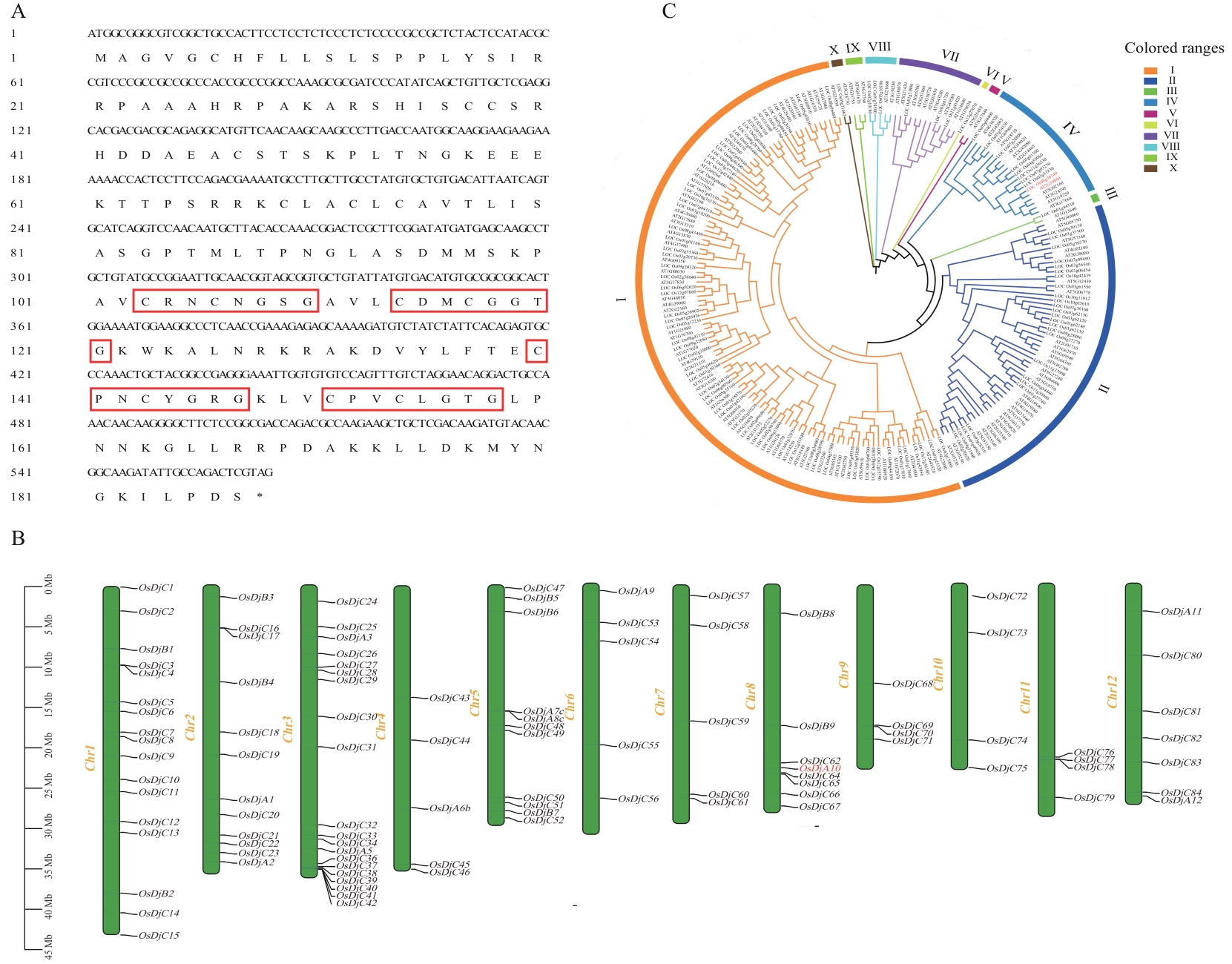
Fig. 1 Identification of OsDJA10A: The coding sequence and amino acid sequence of LOC_Os08g36140. The red box indicates the conserved motif of the DnaJ-type “CxxCxGxG” zinc finger domain. B: Chromosomal localization of the rice DnaJ gene. The red letters denote the chromosomal position of OsDJA10. C: Phylogenetic tree of the DnaJ family in rice and Arabidopsis
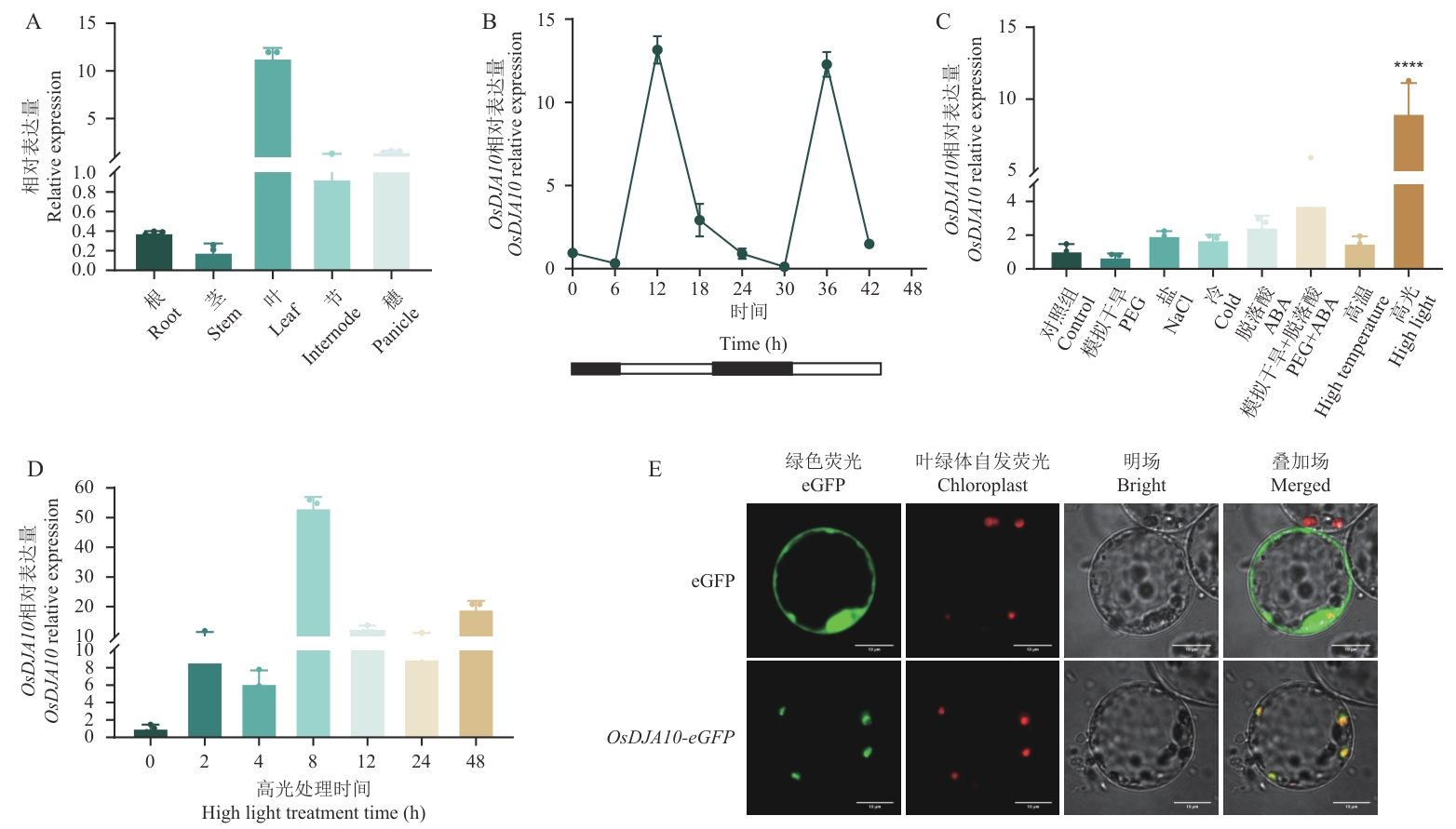
Fig. 2 Expression pattern and subcellular localization of OsDJA10A: Expression of OsDJA10 in different tissues of rice. B: Circadian expression of OsDJA10. C: Expression analysis of OsDJA10 under different stress conditions. Cold stress: 4 ℃; high temperature: 42 ℃. D: Expression of OsDJA10 at different time points under high light stress. E: Subcellular localization of OsDJA10 in rice protoplasts. Green fluorescence indicates GFP signal, red fluorescence indicates chloroplast autofluorescence. Bright: Bright field. Data are presented as mean ± SD. n=3. Scale bar = 10 μm. Data were analyzed using t-tests. **** P < 0.000 1. The same below
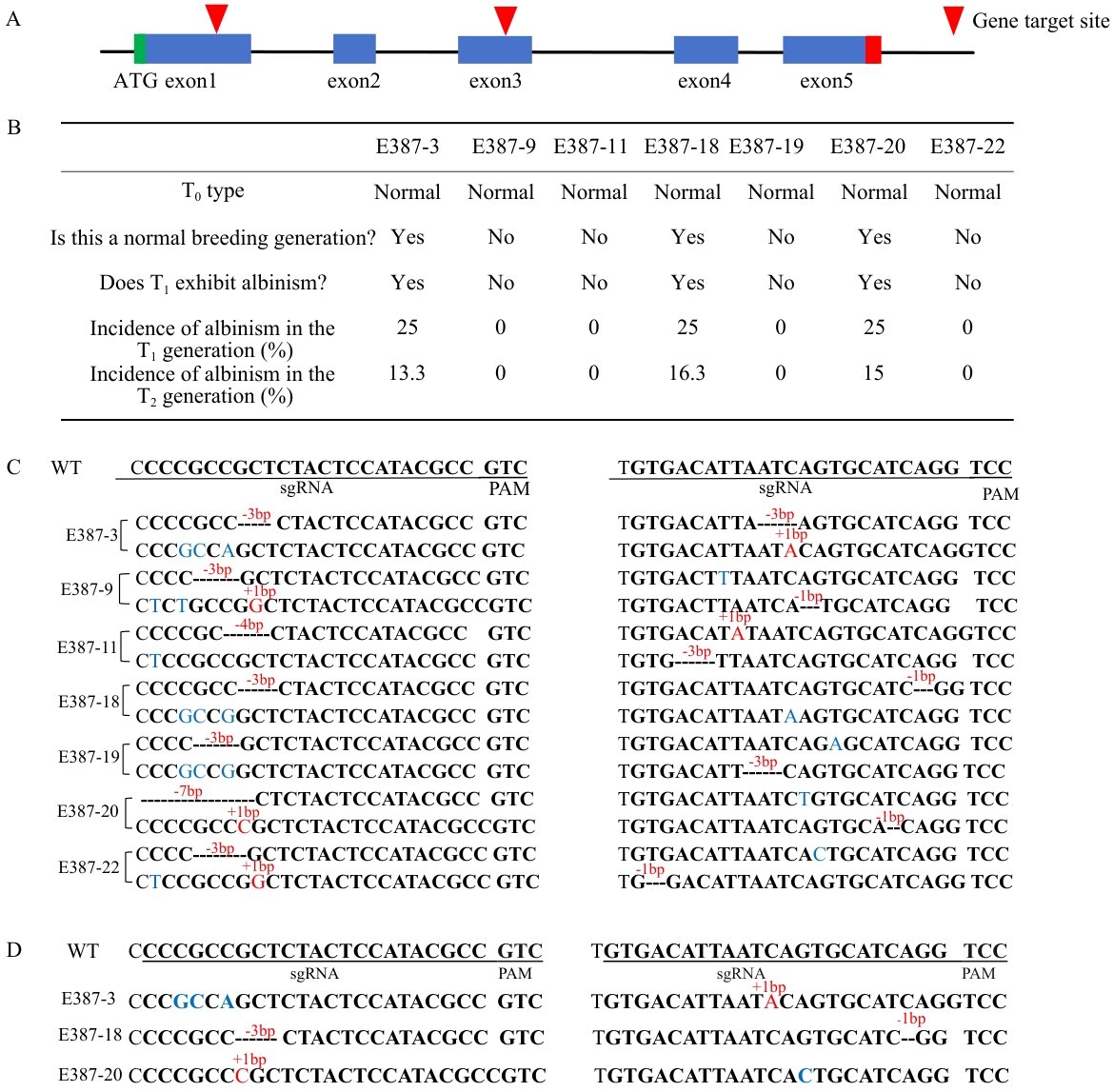
Fig. 3 Analysis and identification of OsDJA10 knockout mutantsA: sgRNA target site location for OsDJA10. The blue boxes represent exons, the green boxes represent start codons, and the red boxes represent stop codons. B: Summary of CRISPR/Cas9 genome editing frequencies across strains. C: Sequence alignment of CRISPR/Cas9-edited T0 generation. D: Sequence alignment of CRISPR/Cas9-edited T1 generation. Underlined sequences denote sgRNA and PAM sequences; blue letters indicate base substitutions, dashed lines represent deleted bases, and red letters indicate inserted nucleotide sequences
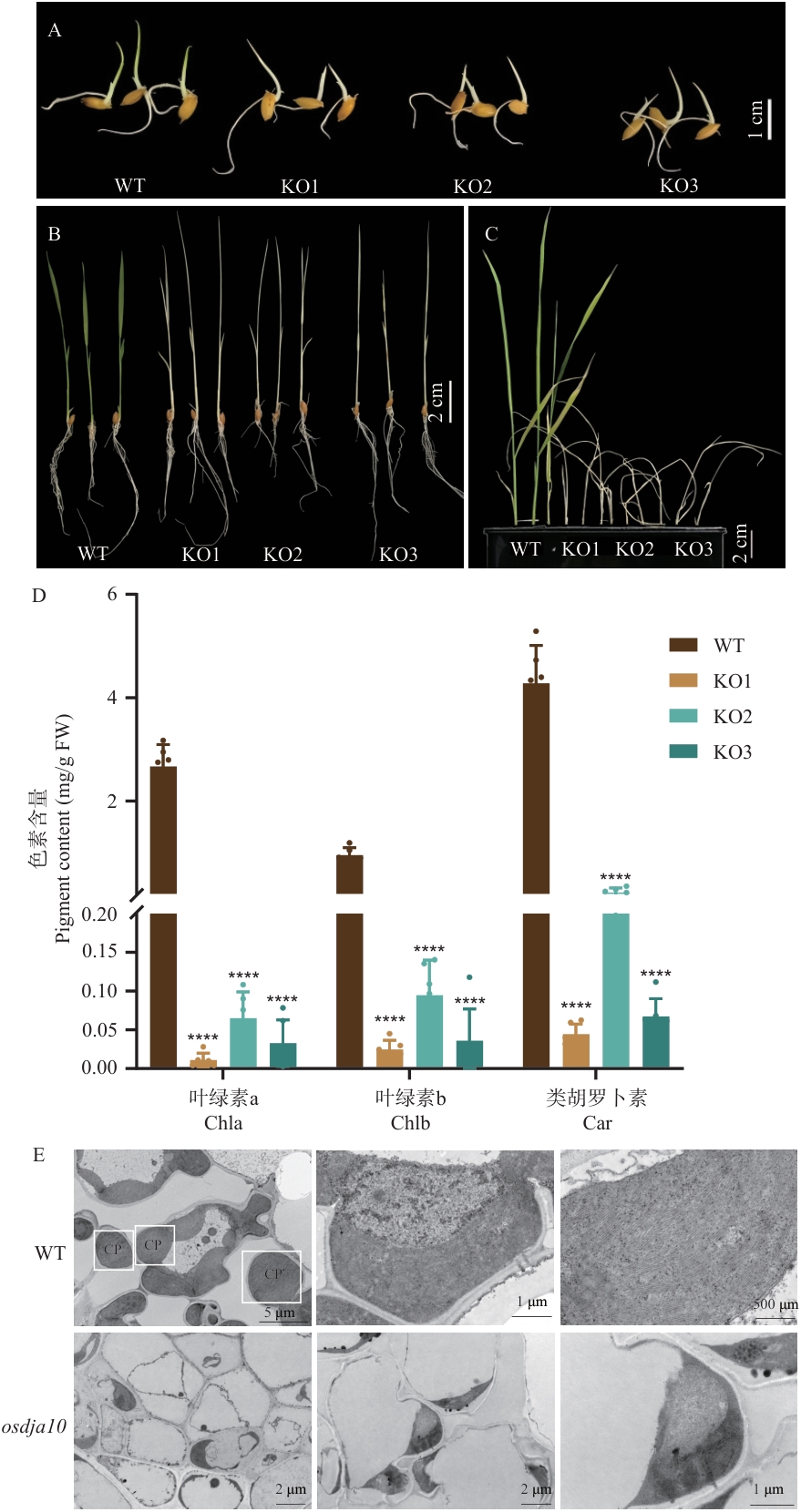
Fig. 4 Homozygous mutant of OsDJA10 displays an albino phenotypeA: Phenotype of rice seeds 3 days after germination, scale bar = 1 cm; KO1, KO2, and KO3 represent positive edit lines E387-3, E387-18, and E387-20, respectively. B: Phenotype of rice seeds 9 days after germination, scale bar = 2 cm. C: Growth cycle at 21 days post-germination, scale bar = 2 cm. D: Chl a, Chl b, and Car content measurements. E: Chloroplast ultrastructure. CP: Chloroplast. Data represent the mean ± SD of six biological replicates. All data were analyzed using Student’s t-test
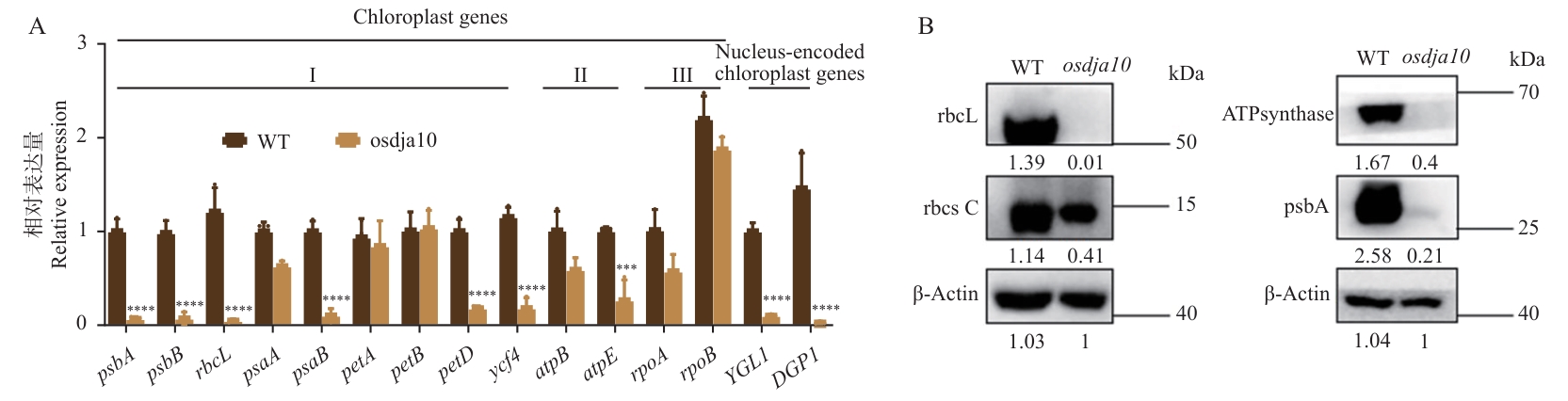
Fig. 5 Analysis of chloroplast-associated gene expression and protein levelsA: RT-qPCR analysis of chloroplast-encoded genes and nucleus-encoded chloroplast genes in WT and OsDJA10. Class I: PEP-dependent genes; Class II: PEP- and NEP-dependent genes; Class III: NEP-dependent genes. B: Western blot analysis of chloroplast-encoded proteins in WT and osdja10 seedlings, with β-actin as the internal control protein. Data represent the mean ± SD of three biological replicates. All data were analyzed using Student’s t-test. ***P < 0.001. The same below
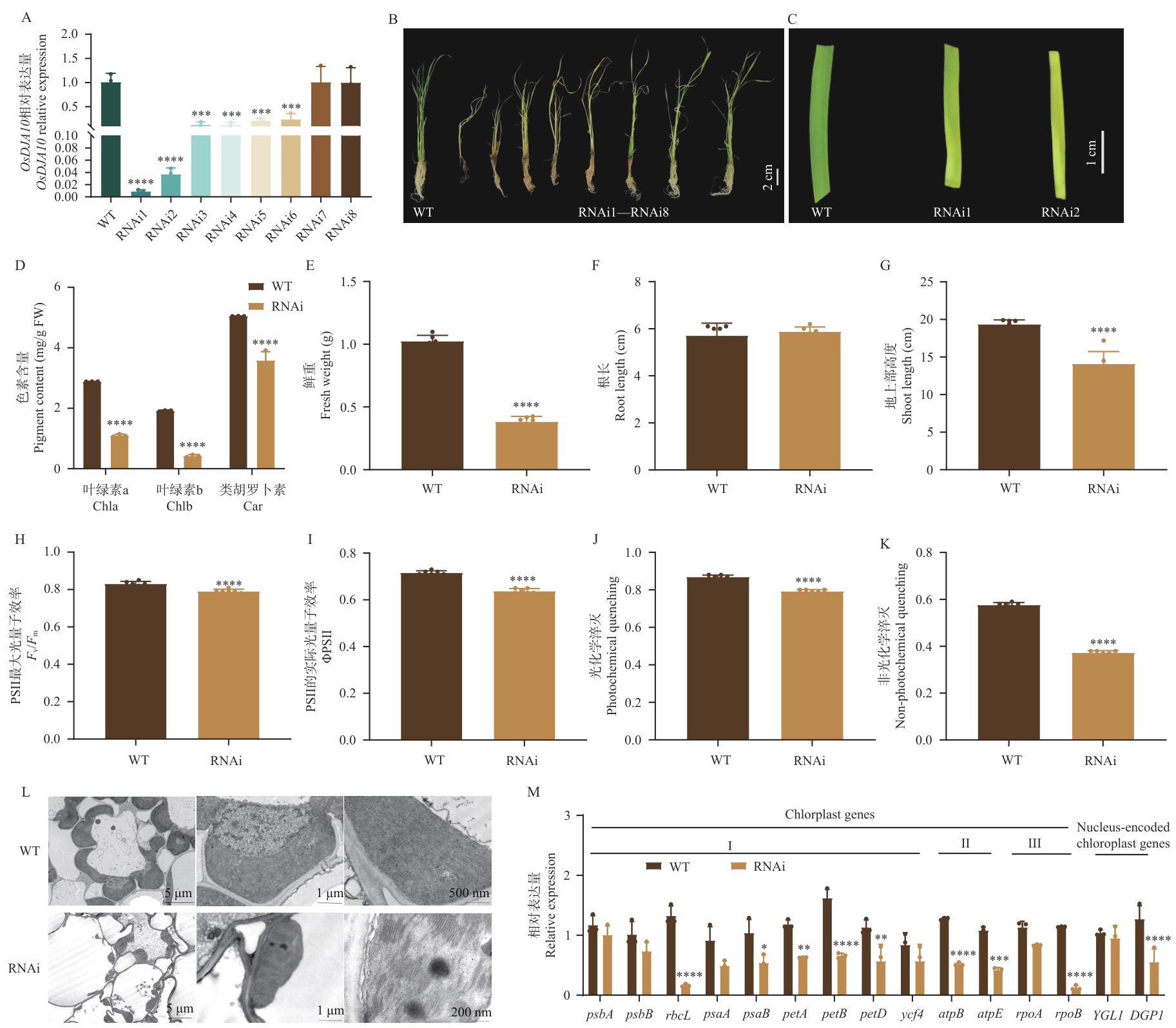
Fig. 6 Knockdown of OsDJA10 confers a yellowish-green phenotype in riceA: RT-qPCR analysis of siRNAi1-i8 interference levels. Data represent the mean ± SD of three biological replicates analyzed by one-way ANOVA. B: Phenotype of WTand RNAi lines. Bar = 2 cm. C: Comparison of leaf phenotypes between WT and RNAi lines. Bar = 1 cm. D: Chla, Chlb, and Car content. E: Fresh weight. F: Root length. G: Above-ground height. H: Maximum quantum efficiency of PSII. I: Actual quantum efficiency of PSII. J: Photochemical quenching. K: Non-photochemical quenching. Data represent the mean ± SD of six biological replicates, analyzed by one-way ANOVA. L: Chloroplast ultrastructure. M: RT-qPCR analysis of chloroplast genes and nucleus-encoded chloroplast genes; class I represents PEP-dependent genes; class II represents PEP- and NEP-dependent genes; class III represents NEP-dependent genes. Data represent the mean ± SD from six biological replicates. All data were analyzed using Student’s t-test, *P <0.05,**P < 0.01. The same below
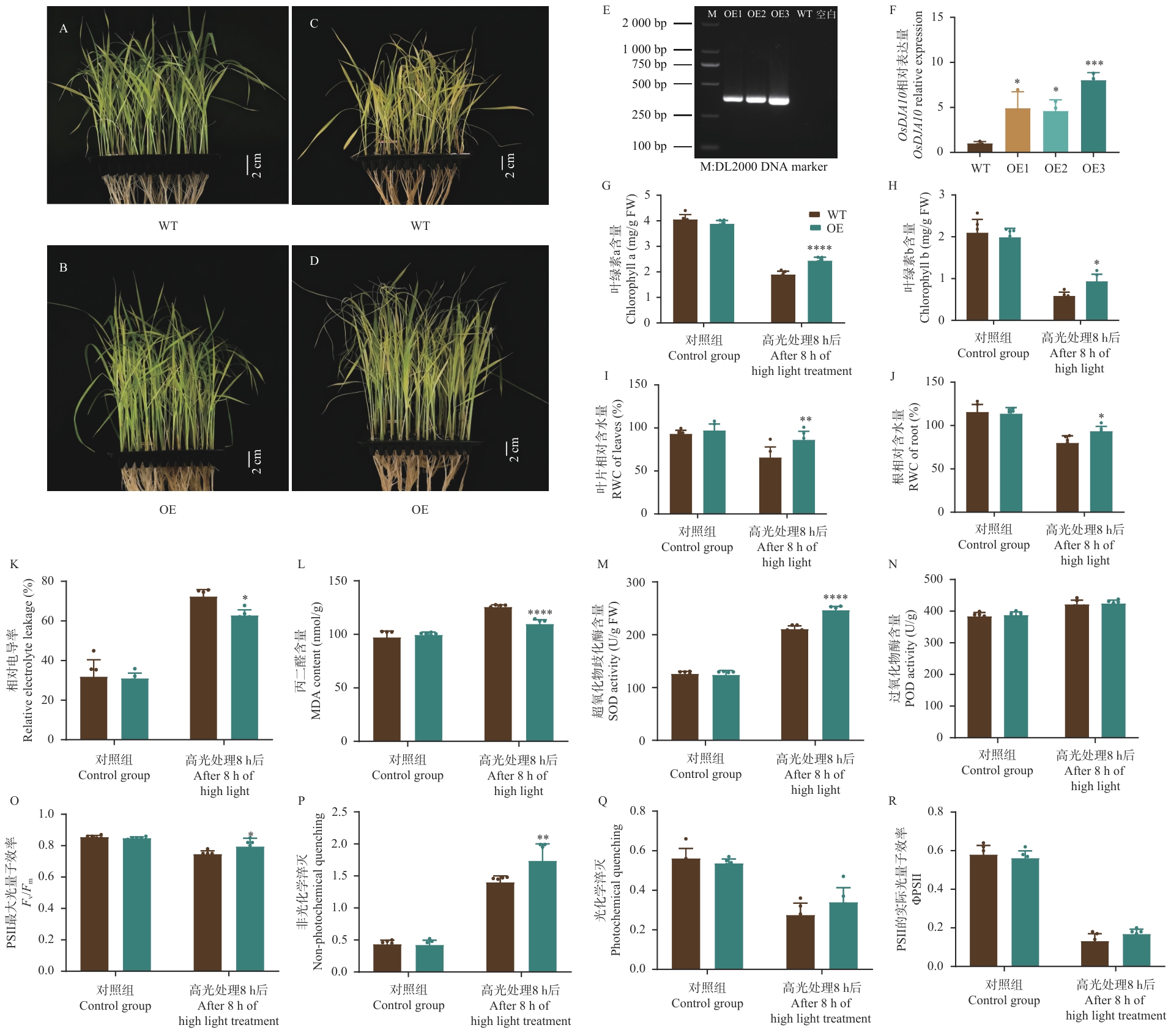
Fig. 7 Phenotypic and physiological and biochemical indicators of OsDJA10 overexpression lines under high light stressA-D: Phenotype under normal conditions (A, B) and 2 d high light treatment (C, D). Scale bar = 2 cm. E: Genomic-level molecular characterization of the OsDJA10 overexpressing line. F: Transcriptional-level molecular characterization of the OsDJA10 overexpressing line. G-R: Physiological and biochemical indicators of WT and OE lines after 8 h high light treatment. Data are presented as mean ± standard error (SE). Statistical analysis was performed using two-way ANOVA
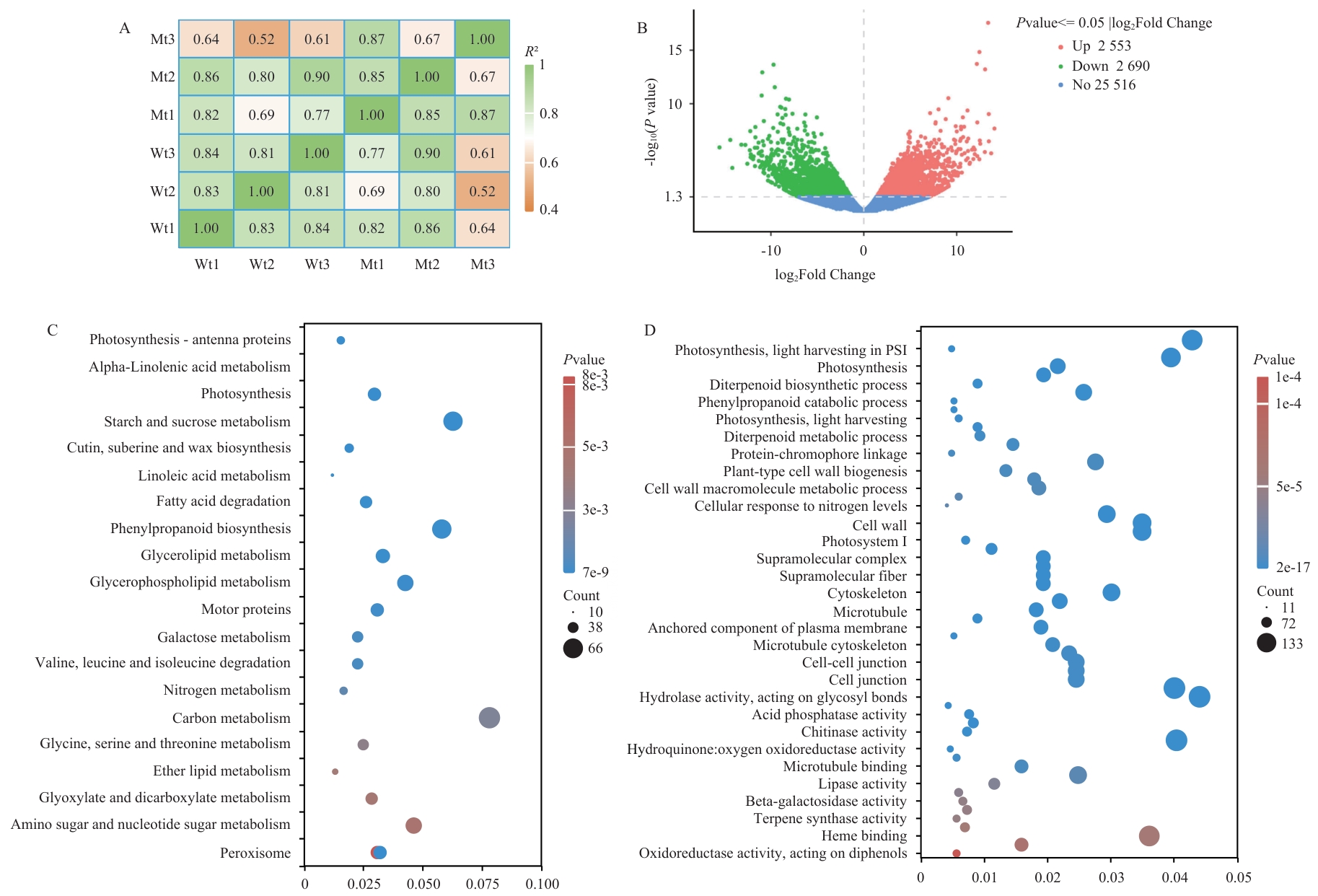
Fig. 8 Transcriptome analysis of WT and KO plantsA: Correlation analysis of gene expression levels between WT and KO, Wt1, Wt2, and Wt3 represent three independent wild-type ZH11 lines, while Mt1, Mt2, and Mt3 represent the albino mutants KO1, KO2, and KO3 respectively. B: Statistical analysis of differentially expressed genes (DEGs) between WT and KO. C: KEGG pathway enrichment analysis. D: GO pathway enrichment analysis
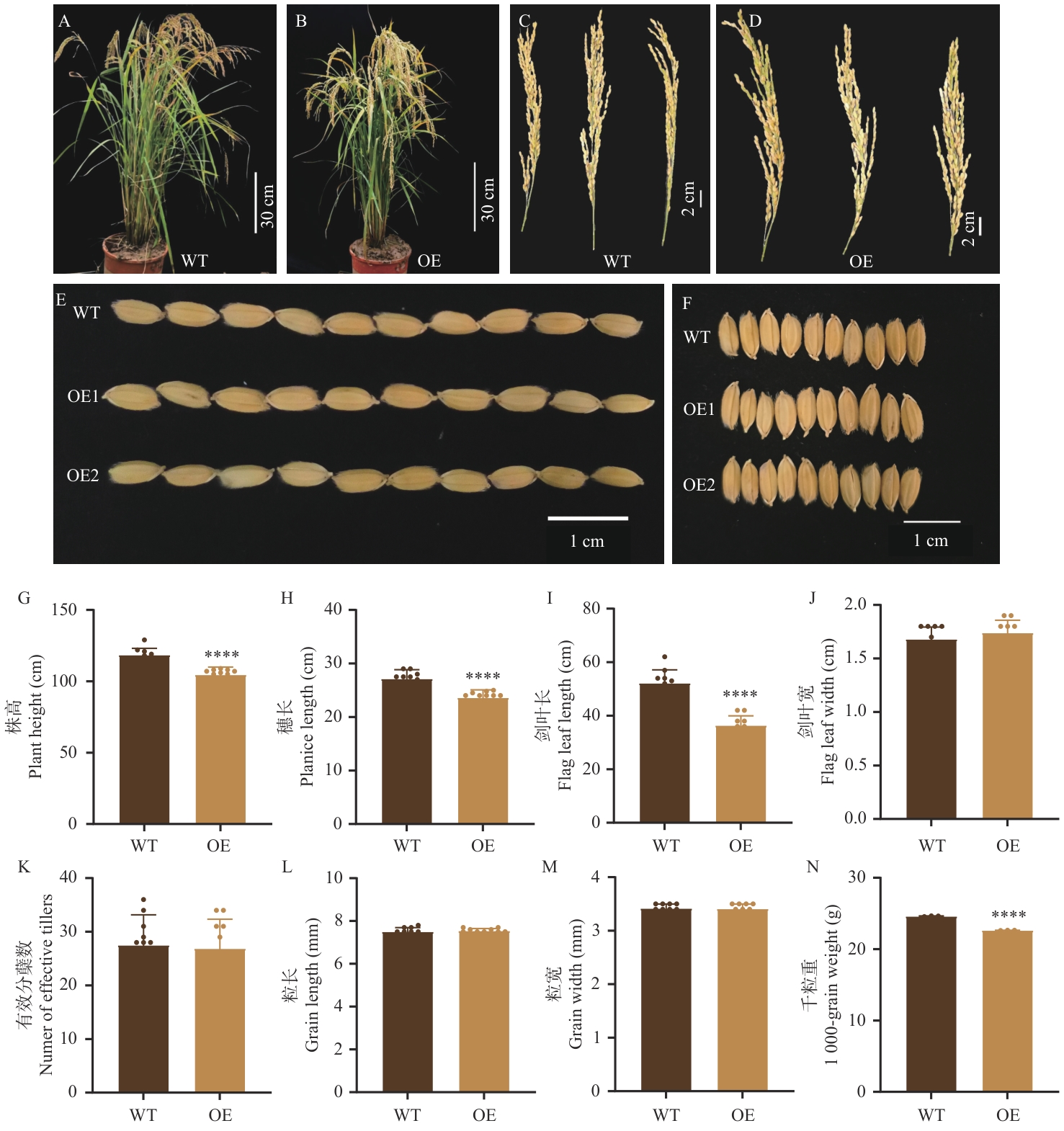
Fig. 9 Agronomic traits of OsDJA10 OE linesA‒B: Maturity-stage phenotypes of WT and OE lines, bar=30 cm. C‒D: Mature spike length phenotypes of WT and OE lines, bar=2 cm. E: Grain length phenotypes of WT and OE, bar=1 cm. F: Grain width phenotypes of WT and OE, bar=1 cm. G: Plant height. H: Spike length. I: Flag leaf length. J: Flag leaf width. K: Tillering number. L: Grain length. M: Grain width. N: Thousand-grain weight. Data are presented as mean ± standard deviation; ten biological replicates. Experimental data were analyzed using Student’s t-test
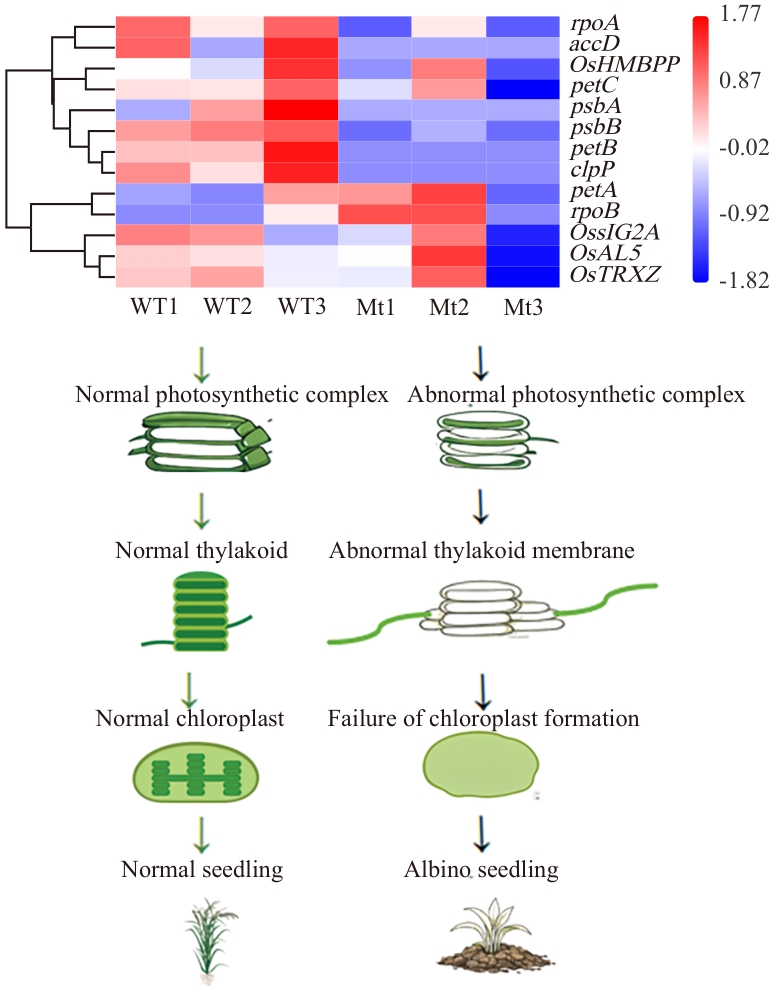
Fig. 10 Model of OsDJA10 involvement in chloroplast development and albino formation
| [1] | Dubreuil C, Jin X, de Dios Barajas-López J, et al. Establishment of photosynthesis through chloroplast development is controlled by two distinct regulatory phases [J]. Plant Physiol, 2018, 176(2): 1199-1214. |
| [2] | Yang ZP, Liu MX, Ding SH, et al. Plastid deficient 1 is essential for the accumulation of plastid-encoded RNA polymerase core subunit β and chloroplast development in Arabidopsis [J]. Int J Mol Sci, 2021, 22(24): 13648. |
| [3] | Lv YS, Shao GN, Qiu JH, et al. White Leaf and Panicle 2, encoding a PEP-associated protein, is required for chloroplast biogenesis under heat stress in rice [J]. J Exp Bot, 2017, 68(18): 5147-5160. |
| [4] | Flannery SE, Hepworth C, Wood WHJ, et al. Developmental acclimation of the thylakoid proteome to light intensity in Arabidopsis [J]. Plant J, 2021, 105(1): 223-244. |
| [5] | Li Y, Gong K, Wang XY, et al. Heat shock transcription factors as central integrators of plant stress responses: from thermotolerance to multi-stress resilience [J]. Biology, 2025, 14(12): 1800. |
| [6] | Chiosis G, Digwal CS, Trepel JB, et al. Structural and functional complexity of HSP90 in cellular homeostasis and disease [J]. Nat Rev Mol Cell Biol, 2023, 24(11): 797-815. |
| [7] | Zheng SZ, Zhao WS, Liu ZM, et al. Establishment and maintenance of heat-stress memory in plants [J]. Int J Mol Sci, 2024, 25(16): 8976. |
| [8] | Wang GY, Wang XL, Li DL, et al. Comparative proteomics in tall fescue to reveal underlying mechanisms for improving Photosystem II thermotolerance during heat stress memory [J]. BMC Genom, 2024, 25: 683. |
| [9] | Daniell H, Jin SX, Zhu XG, et al. Green giant—a tiny chloroplast genome with mighty power to produce high-value proteins: history and phylogeny [J]. Plant Biotechnol J, 2021, 19(3): 430-447. |
| [10] | Stan G, Lorimer GH, Thirumalai D. Friends in need: How chaperonins recognize and remodel proteins that require folding assistance [J]. Front Mol Biosci, 2022, 9: 1071168. |
| [11] | Kampinga HH, Andreasson C, Barducci A, et al. Function, evolution, and structure of J-domain proteins [J]. Cell Stress Chaperones, 2019, 24(1): 7-15. |
| [12] | Qiu ZN, Chen DD, Teng LH, et al. OsWHY1 interacts with OsTRX z and is essential for early chloroplast development in rice [J]. Rice, 2022, 15: 50. |
| [13] | Zhang C, Wang LJ, Wang ZR, et al. OsPRDA1 interacts with OsFSD2 to promote chloroplast development by regulating chloroplast gene expression in rice [J]. Rice, 2025, 18: 14. |
| [14] | Ye SX, Tang YZ. TaZFP 23, a new Cys2/His2-type zinc-finger protein, is a regulator of wheat (Triticum aestivum L.) growth and abiotic stresses [J]. PeerJ, 2025, 13: e18956. |
| [15] | Sun T, Shi XW, Friso G, et al. A zinc finger motif-containing protein is essential for chloroplast RNA editing [J]. PLoS Genet, 2015, 11(3): e1005028. |
| [16] | Lin DZ, Pan QW, Wang XM, et al. Mutation of the rice AN1-type zinc-finger protein gene ASL4 causes chloroplast development defects and seedling lethality [J]. Plant Biol J, 2022, 24(1): 95-103. |
| [17] | Wang ZW, Zhu ZC, Li MH, et al. OsOZ1, a zinc finger motif-containing protein, is essential for chloroplast development through RNA editing and intron splicing in rice [J]. Plant Growth Regul, 2025, 105(2): 449-461. |
| [18] | Foyer CH, Hanke G. ROS production and signalling in chloroplasts: cornerstones and evolving concepts [J]. Plant J, 2022, 111(3): 642-661. |
| [19] | Ruban AV. Nonphotochemical chlorophyll fluorescence quenching: mechanism and effectiveness in protecting plants from photodamage [J]. Plant Physiol, 2016, 170(4): 1903-1916. |
| [20] | Liu JG, Chen YY, Zhu L, et al. OsFT coordinates photosynthetic stability and carotenoid metabolism to regulate tillering in rice [J]. J Adv Res, 2026, 82: 45-57. |
| [21] | Riaz M, Ali Q, Yan L. Calcium‒L-aspartate nanoparticles mitigate Boron toxicity in rice seedlings by modulating physiological, antioxidant, and cell wall mechanisms [J]. Sci Rep, 2025, 15: 42439. |
| [22] | Sarkar NK, Thapar U, Kundnani P, et al. Functional relevance of J-protein family of rice (Oryza sativa) [J]. Cell Stress Chaperones, 2013, 18(3): 321-331. |
| [23] | Liu X, Cao PH, Huang QQ, et al. Disruption of a rice chloroplast-targeted gene OsHMBPP causes a seedling-lethal albino phenotype [J]. Rice, 2020, 13: 51. |
| [24] | Das KR, Zaman F, Islam MM, et al. Physiological responses and yield performance of selected rice (Oryza sativa L.) genotypes under deficit moisture stress [J]. Saudi J Biol Sci, 2024, 31(4): 103961. |
| [25] | Zhu XJ, Mou CL, Zhang FL, et al. WSL9 encodes an HNH endonuclease domain-containing protein that is essential for early chloroplast development in rice [J]. Rice, 2020, 13: 45. |
| [26] | Gupta P, Hirschberg J. The genetic components of a natural color palette: a comprehensive list of carotenoid pathway mutations in plants [J]. Front Plant Sci, 2022, 12: 806184. |
| [27] | Zhang JJ, Chen T, Huang YC, et al. The pentatricopeptide repeat protein AL5 modulates early chloroplast development in rice [J]. Crop J, 2025, 13(5): 1386-1396. |
| [28] | Qiu ZN, Wen SY, Sun PN, et al. RAS a pentatricopeptide repeat protein, interacts with OsTRX z to regulate chloroplast gene transcription and RNA processing [J]. Plants, 2025, 14(2): 247. |
| [29] | Zhang JJ, Chen GK, Guan GH, et al. Chloroplast-localized protein, OsAL7, with two elongation factor thermostable domains is essential for normal chloroplast development and seedling longevity in Oryza sativa [J]. Plants, 2025, 14(11): 1634. |
| [30] | Yu Y, Zhou ZL, Pu HC, et al. OsSIG2A is required for chloroplast development in rice (Oryza sativa L.) at low temperature by regulating plastid genes expression [J]. Funct Plant Biol, 2019, 46(8): 766-776. |
| [31] | Wang YL, Wang YH, Ren YL, et al. white panicle2 encoding thioredoxin z, regulates plastid RNA editing by interacting with multiple organellar RNA editing factors in rice [J]. New Phytol, 2021, 229(5): 2693-2706. |
| [32] | Zhang M, Zeng YP, Peng R, et al. N6-methyladenosine RNA modification regulates photosynthesis during photodamage in plants [J]. Nat Commun, 2022, 13: 7441. |
| [33] | Duan FY, Li X, Wei Z, et al. Multi-omics analysis reveals distinct responses to light stress in photosynthesis and primary metabolism between maize and rice [J]. Plant Commun, 2025, 6(10): 101488. |
| [34] | Cui LL, Qiu JY, Li GT, et al. Overexpression of OsPLGG1b enhances rice tolerance to high-light and high-temperature stress through modulating photorespiration [J]. BMC Plant Biol, 2026, 26: 145. |
| [35] | Seo DH, Jang J, Park D, et al. PEP-ASSOCIATED PROTEIN 3 regulates rice tiller formation and grain yield by controlling chloroplast biogenesis [J]. Plant Physiol, 2024, 194(2): 805-818. |
| [36] | Yu XQ, Xie W, Ma L, et al. Kunpeng, birth of giant-grain rice germplasm [J]. Sci Bull, 2025, 70(19): 3125-3128. |
| [1] | SONG Wen-qing, CHEN Zhi-xiang, LI Yu-qian, WANG Hai-long, XING Guo-fang, ZHANG Jie-wei. Roles of TIFY Transcription Factors in Plant Growth, Development and Stress Adaptation [J]. Biotechnology Bulletin, 2026, 42(9): 70-81. |
| [2] | ZHENG Shu-ya, SU Yu-ting, HE Yu-mei, ZHAO Pan, ZHOU Xin-yi, LIU Ran, LIU Ping-li, GUO Hui-hong. Cloning and Functional Analysis of Gene PagRAX2_16G and Its Promoter from Poplar [J]. Biotechnology Bulletin, 2026, 42(9): 186-195. |
| [3] | CHEN Ning-yi, WU Wen-tong, ZHAO Guo-chun, JIA Li-ming, CHEN Zhong. Functional Study of SmHD-ZIP25 and SmHD-ZIP29 Genes in Flower Development of Sapindus mukorossi [J]. Biotechnology Bulletin, 2026, 42(9): 210-220. |
| [4] | REN Wen-bin, CHEN Deng-ke, WU Cui-cui. Bioinformatics Analysis and Salt Tolerance Study of the Peanut Transcription Factor AhZHD9 [J]. Biotechnology Bulletin, 2026, 42(9): 297-305. |
| [5] | LIU Yang, Xu Zuo-peng, ZHANG Hong-gen, Liu Qiao-quan, Tang Shu-zhu. Research Progress on Cytoplasmic Male Sterility and Fertility Restoration in Rice [J]. Biotechnology Bulletin, 2026, 42(9): 29-41. |
| [6] | QIN Zi-lu, SUN Hai-yan, CHEN Ying-nan. Research Progress in the Molecular Regulatory Mechanism of Plant Trichome Development [J]. Biotechnology Bulletin, 2026, 42(9): 57-69. |
| [7] | SONG Zi-hui, XUE Li, WANG Sen, SUN Jian-chang, HAN Bing, CUI Di, HAN Long-zhi, ZHAO Zheng-wu, MA Xiao-ding. Mining of Drought-resistance Related Genes in Rice Based on Genome-wide Association Study [J]. Biotechnology Bulletin, 2026, 42(8): 97-105. |
| [8] | JIN Man, GONG Yi-hang, PAN Wen-bo, LUO Pei-run, GAO Wei, LI Ping-dong, TANG Xiao-yan. Research Progress in Herbicide-resistant Rice Created by Gene Editing [J]. Biotechnology Bulletin, 2026, 42(8): 8-21. |
| [9] | LIU Rou-zhi, WU Jia-qi, WU Hui-ye, YUAN Jing-yi, CHENG Tang-ren, ZHANG Qi-xiang, YUAN Cun-quan. Comparative Analysis of Chloroplast Genome Characteristics among Three Cultivated Types of Chrysanthemum Varieties [J]. Biotechnology Bulletin, 2026, 42(8): 239-250. |
| [10] | WANG Zhi, HU Guang-ming, LUO Xuan, GAO Lei, YE Li-xia, HUANG Qiong, XIAO Tao, ZHANG Lei. Chloroplast Genome Characteristics and Phylogenetic Analysis of Actinidia rubricaulis var. coriacea [J]. Biotechnology Bulletin, 2026, 42(8): 173-187. |
| [11] | GAO Guo-liang, ZHANG Qiao-ling, FENG Wen-jie, GAO Fa-rui, GAO Bo, ZONG Ke-dong, GE Lin, LI Shang-xian, WANG Qiu-yun, HUANG Xin-cheng. Whole-genome Analysis and Precision Breeding Strategies for a Novel Japonica Rice Variety Jiru Dao 1 [J]. Biotechnology Bulletin, 2026, 42(8): 106-112. |
| [12] | YANG Qun, LI Jing, FU De-bao, XU Ting-ting. OsbHLH069 Negatively Regulates Rice Panicle Development by Competitively Interfering with the LAX1-LAX2 Complex [J]. Biotechnology Bulletin, 2026, 42(8): 113-122. |
| [13] | PENG Yan, AN Chen, SHAO Ye, MAO Bi-gang, ZHANG Xue-wen, ZHAO Bing-ran. Construction and Validation of a Visualization System for Plants Heavy Metal Response [J]. Biotechnology Bulletin, 2026, 42(7): 105-115. |
| [14] | XIN Qing, ZHENG Yong-jie, LI Yu-hua, TU Bai-lian, LIU Xin-liang, ZHANG Yue-ting, WU Yan-fang. Genome-wide Identification and Expression Analysis of MYC Transcription Factors in Cinnamomum camphora [J]. Biotechnology Bulletin, 2026, 42(7): 214-225. |
| [15] | CHEN Yi-yan, ZHANG Dong-er, ZHANG Tao, LIU Yu-hao, TANG Jie, SHENG Xia-bing, HU Yuan-yi, AI Zhi-yong, LI Ying-jiang, LIU Xiao-lin. Analysis on Function of Rice OsSULTR2;2 and Regulation of Seedling Tolerance to Salt [J]. Biotechnology Bulletin, 2026, 42(7): 116-125. |
| Viewed | ||||||
|
Full text |
|
|||||
|
Abstract |
|
|||||
