







Biotechnology Bulletin ›› 2026, Vol. 42 ›› Issue (4): 263-271.doi: 10.13560/j.cnki.biotech.bull.1985.2025-0832
Previous Articles Next Articles
WANG Zhen-quan1( ), ZHONG Yi1, MA Bo1,2, WU Jing1,2(), HU Zeng-hui1,2()
Received:2025-08-02
Online:2026-04-26
Published:2026-04-30
Contact:
WU Jing, HU Zeng-hui
E-mail:wang17667846990@163.com;wjmxy1988@126.com;buahuzenghui@163.com
WANG Zhen-quan, ZHONG Yi, MA Bo, WU Jing, HU Zeng-hui. Functional Analysis of PsMYB43 Regulating Linalool Synthesis in Tree Peony[J]. Biotechnology Bulletin, 2026, 42(4): 263-271.
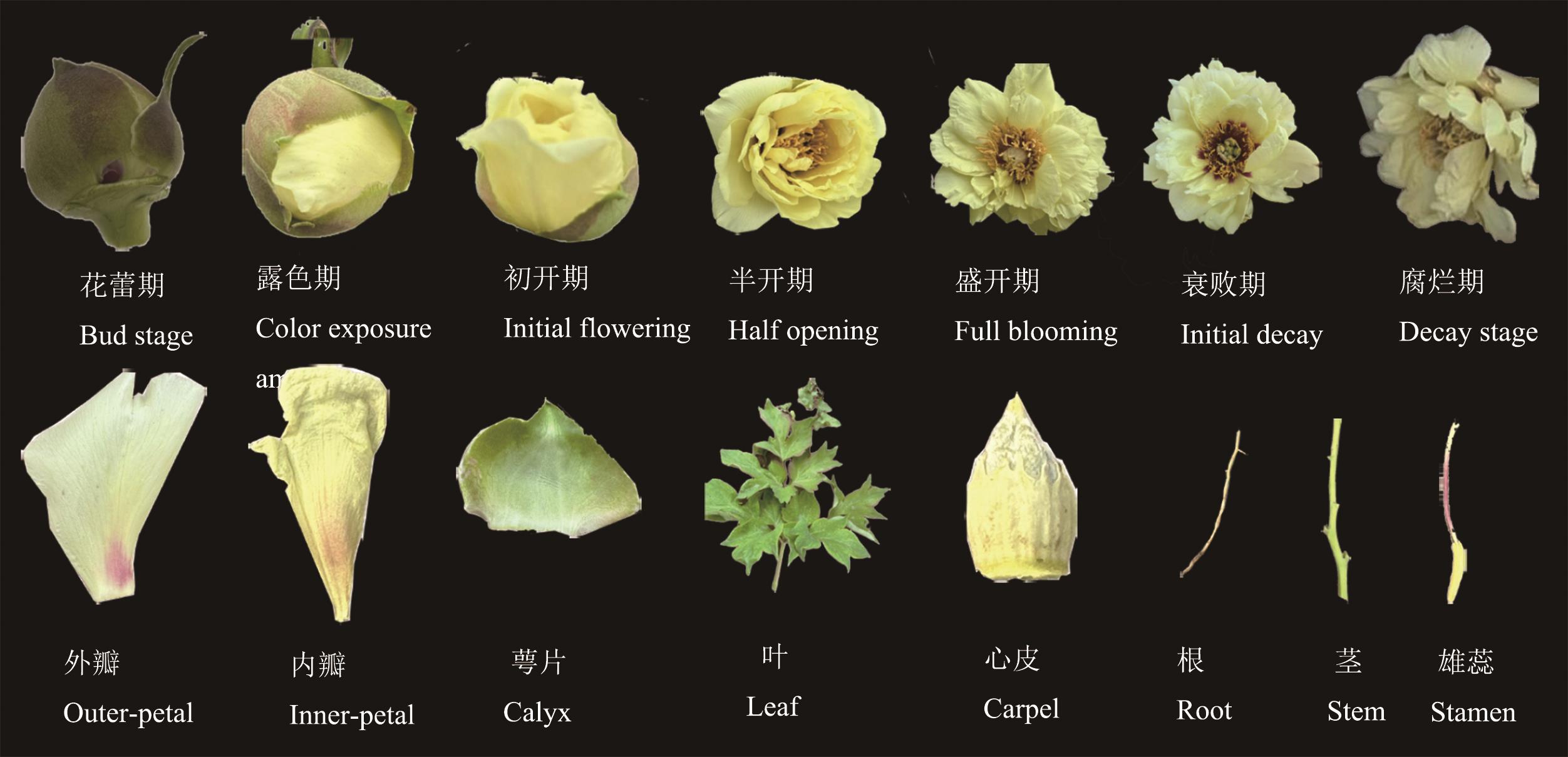
Fig. 1 Seven different flower developmental stages and different organ tissues at full blooming in P. suffruticosa 'QuKan'
引物名称 Primer name | 引物序列 Primer sequence (5′‒3′) | 作用 Function |
|---|---|---|
| PsMYB43-F | ATGGACTCTGTTCCGTCCAAG | 基因克隆 Gene clone |
| PsMYB43-R | TCAAGAAAGAAGCCAAGCAAC | |
| qPsMYB43-F | TTGACGGTGACTGGTAATG | 实时荧光定量 RT-qPCR |
| qPsMYB43-R | CCAATCAATCCTTCCATCATC | |
| yPsMYB43-F | ACCTCGACTCTAGAAATGGACTCTGTTCCGTCCAAGA | 亚细胞定位 Subcellular localization |
| yPsMYB43-R | TTTTTCTACCGGTACAGAAAGAAGCCAAGCAACCATAG | |
| gPsMYB43-F | ATGCCCGTCGACCCCATGGACTCTGTTCCGTCCAAGA | 瞬时过表达 Transient overexpression |
| gPsMYB43-R | CCATGGATCCGGTACAGAAAGAAGCCAAGCAACCATAG | |
| vPsMYB43-F | TGAGTAAGGTTACCGGAAGAGCTGGAAAATGGGATGTTAT | 瞬时沉默 Transient silencing |
| vPsMYB43-R | GTGAGCTCGGTACCGCTTCCAAATCCCAATCAATCCTTC | |
| PsACTIN-F | GCGTTGACGACTTTCTCATCCT | 牡丹荧光定量内参 Internal reference gene of tree peony |
| PsACTIN-R | CGCACATCCTTGACAAACCCTA | |
| AmUBI-F | GACCTATACCAAGCCGAAG | 金鱼草荧光定量内参 Internal reference gene of snapdragon |
| AmUBI-R | CGTTCCAGCACCACAATC |
Table 1 Sequences of primers used in this study
引物名称 Primer name | 引物序列 Primer sequence (5′‒3′) | 作用 Function |
|---|---|---|
| PsMYB43-F | ATGGACTCTGTTCCGTCCAAG | 基因克隆 Gene clone |
| PsMYB43-R | TCAAGAAAGAAGCCAAGCAAC | |
| qPsMYB43-F | TTGACGGTGACTGGTAATG | 实时荧光定量 RT-qPCR |
| qPsMYB43-R | CCAATCAATCCTTCCATCATC | |
| yPsMYB43-F | ACCTCGACTCTAGAAATGGACTCTGTTCCGTCCAAGA | 亚细胞定位 Subcellular localization |
| yPsMYB43-R | TTTTTCTACCGGTACAGAAAGAAGCCAAGCAACCATAG | |
| gPsMYB43-F | ATGCCCGTCGACCCCATGGACTCTGTTCCGTCCAAGA | 瞬时过表达 Transient overexpression |
| gPsMYB43-R | CCATGGATCCGGTACAGAAAGAAGCCAAGCAACCATAG | |
| vPsMYB43-F | TGAGTAAGGTTACCGGAAGAGCTGGAAAATGGGATGTTAT | 瞬时沉默 Transient silencing |
| vPsMYB43-R | GTGAGCTCGGTACCGCTTCCAAATCCCAATCAATCCTTC | |
| PsACTIN-F | GCGTTGACGACTTTCTCATCCT | 牡丹荧光定量内参 Internal reference gene of tree peony |
| PsACTIN-R | CGCACATCCTTGACAAACCCTA | |
| AmUBI-F | GACCTATACCAAGCCGAAG | 金鱼草荧光定量内参 Internal reference gene of snapdragon |
| AmUBI-R | CGTTCCAGCACCACAATC |
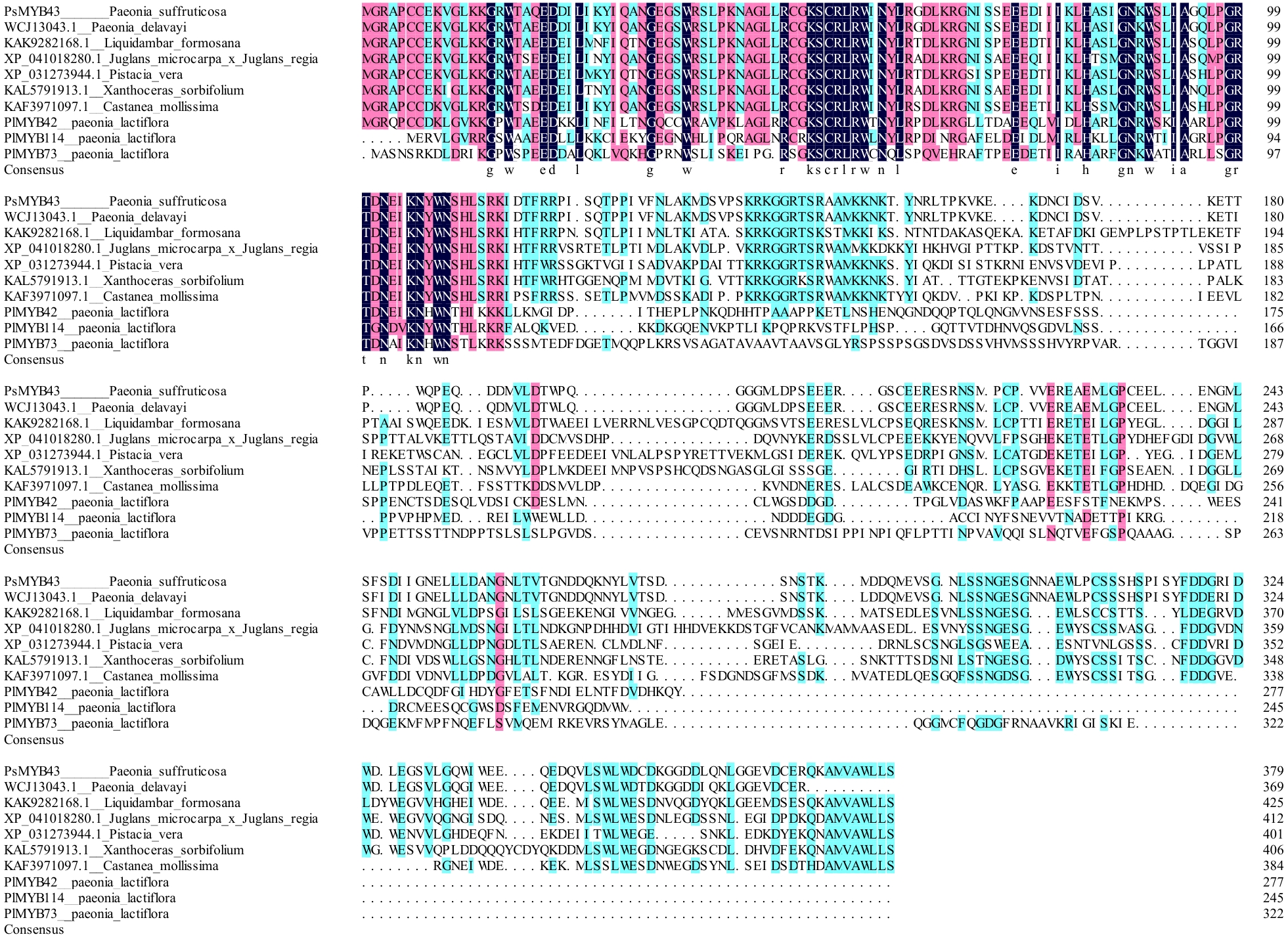
Fig. 2 Sequence alignment analysis of PsMYB43 with homologous proteinsDark blue: Homology 100%. Red: Homology≥75%. Blue: Homology≥50%
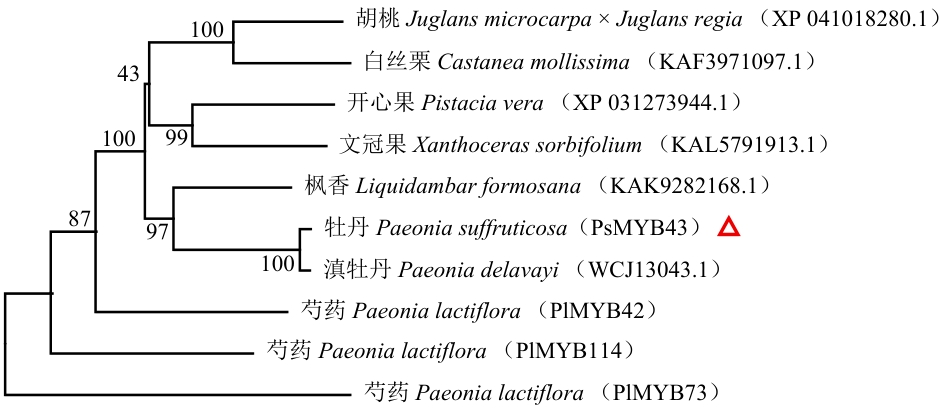
Fig. 3 Phylogenetic analysis of PsMYB43The number on the branch are the bootstrap value (%)
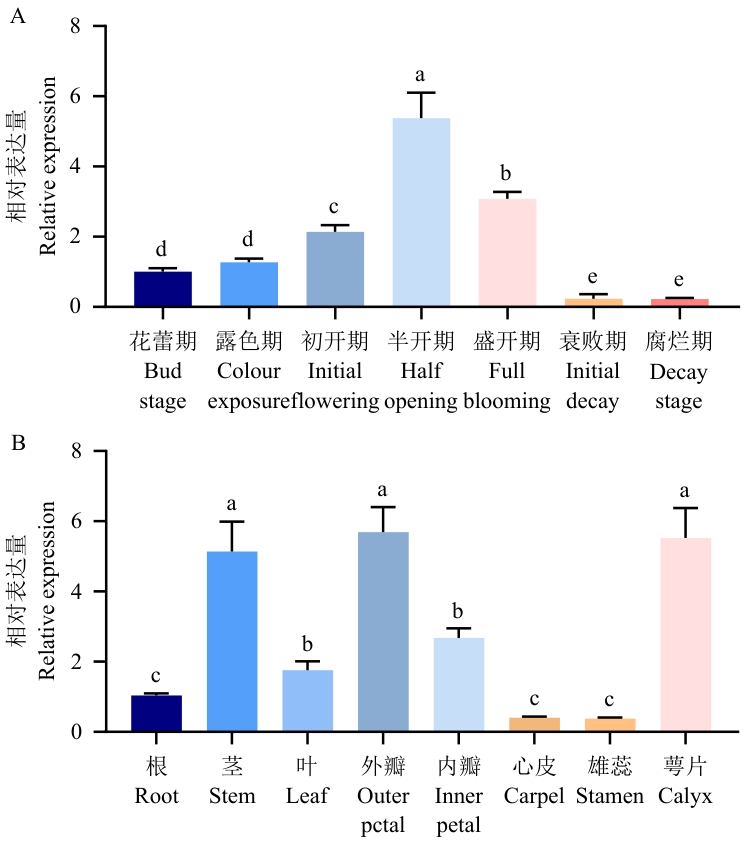
Fig. 4 Expression patterns of PsMYB43 geneA: Relative expressions of PsMYB43 during seven flower development stages. B: Relative expressions of PsMYB43 in eight different organs and tissues during full blooming stage. Different lowercase letters indicate significant differences at P<0.05 level
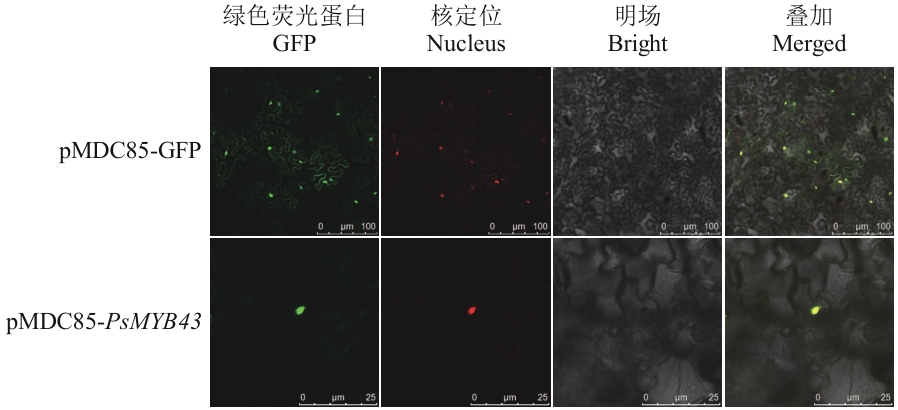
Fig. 5 Subcellular localization of PsMYB43 in P. suffruticosa
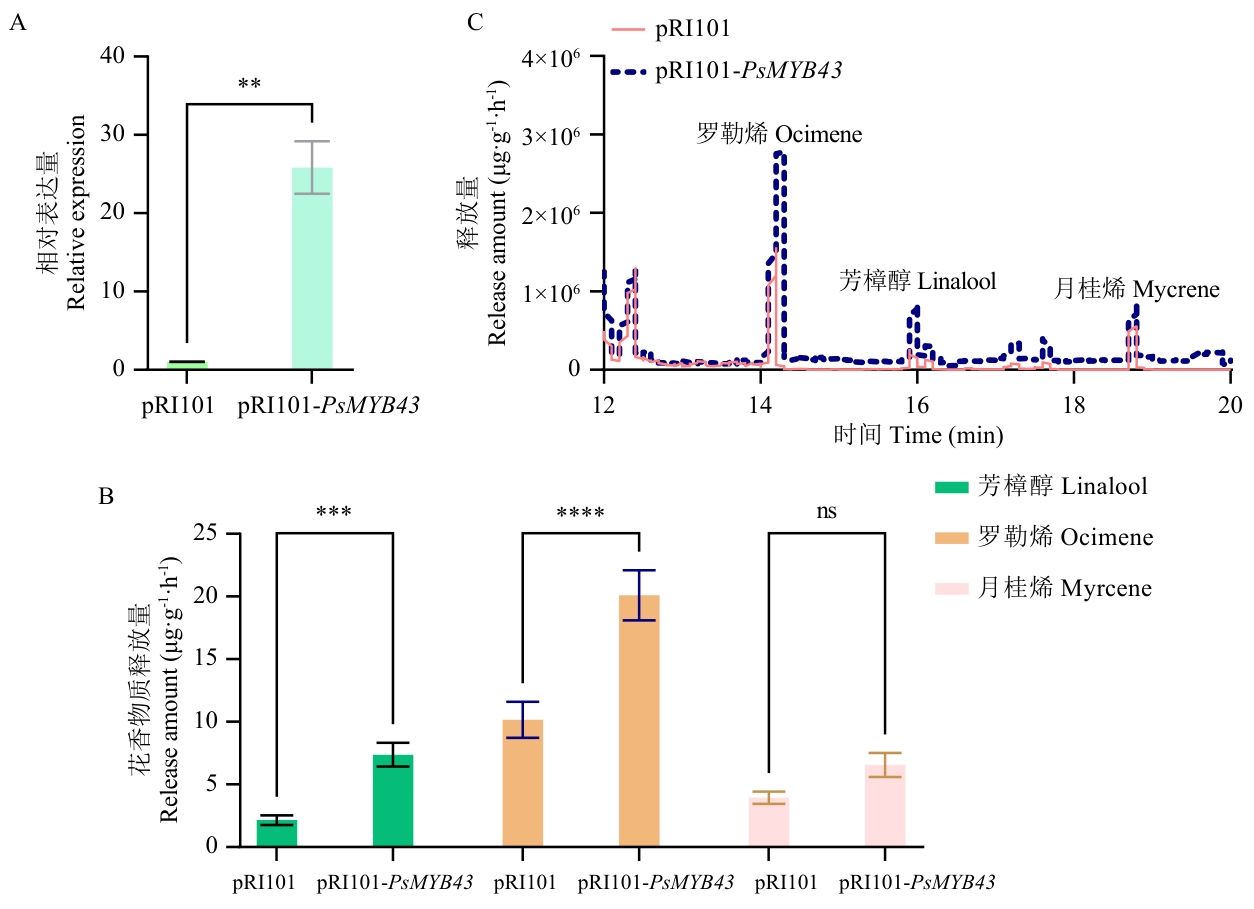
Fig. 6 Detection of the expression of overexpressed PsMYB43, its effect on different monoterpene substances, and GC-MS analysisA: PsMYB43 gene expression. B: Release of monoterpenoid substances. C: GC-MS analysis of VOCS. ns P>0.5, ** P<0.01, *** P<0.001, and **** P<0.000 1, the same below
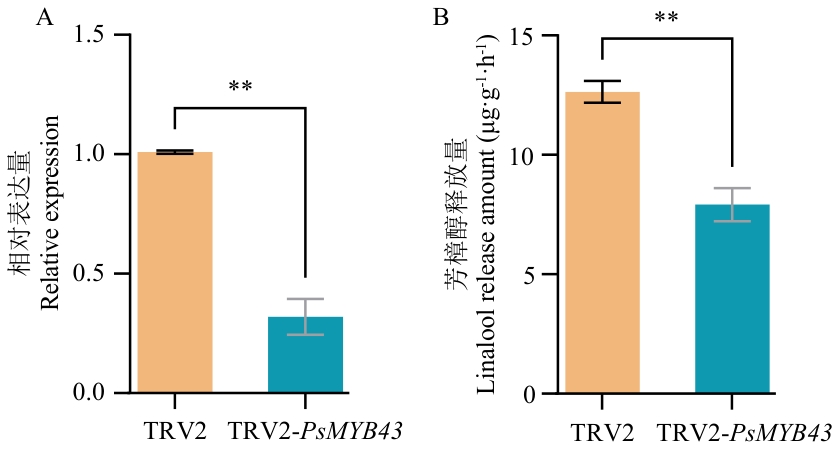
Fig. 7 Detection of silencing PsMYB43 expression (A) and its effect on linalool (B)
| [1] | 李海梅, 范燕萍. 花朵萜类花香主要成分、代谢通路和关键功能基因 [J].分子植物育种, 2023. . |
| Li HM, Fan YP. Research progress on the main components, metabolic pathways and key functional genes of floral terpenes [J]. Mol Plant Breed, 2023. . | |
| [2] | El Hadi MAM, Zhang FJ, Wu FF, et al. Advances in fruit aroma volatile research [J]. Molecules, 2013, 18(7): 8200-8229. |
| [3] | Muhlemann JK, Klempien A, Dudareva N. Floral volatiles: from biosynthesis to function [J]. Plant Cell Environ, 2014, 37(8): 1936-1949. |
| [4] | Yang YY, Ma B, Li YY, et al. Transcriptome analysis identifies key gene LiMYB305 involved in monoterpene biosynthesis in Lilium ‘Siberia’ [J]. Front Plant Sci, 2022, 13: 1021576. |
| [5] | Kong Y, Bai JR, Lang LX, et al. Variation in floral scent compositions of different lily hybrid groups [J]. J Amer Soc Hort Sci, 2017, 142(3): 175-183. |
| [6] | 欧文, 张海燕, 汪镇朝, 等. 薰衣草挥发油的化学成分及药理作用研究进展 [J]. 中成药, 2022, 44(1): 170-176. |
| Ou W, Zhang HY, Wang ZZ, et al. Research progress on chemical constituents and pharmacological effects of volatile oil from lavender [J]. Chin Tradit Pat Med, 2022, 44(1): 170-176. | |
| [7] | Guo XY, Wang P. Aroma characteristics of lavender extract and essential oil from Lavandula angustifolia Mill [J]. Molecules, 2020, 25(23): 5541. |
| [8] | Zhou YW, Abbas F, Wang ZD, et al. HS-SPME-GC-MS and electronic nose reveal differences in the volatile profiles of Hedychium flowers [J]. Molecules, 2021, 26(17): 5425. |
| [9] | Ding WJ, Ouyang QX, Li YL, et al. Genome-wide investigation of WRKY transcription factors in sweet osmanthus and their potential regulation of aroma synthesis [J]. Tree Physiol, 2020, 40(4): 557-572. |
| [10] | Li SS, Zhang L, Sun M, et al. Biogenesis of flavor-related linalool is diverged and genetically conserved in tree peony (Paeonia × suffruticosa) [J]. Hortic Res, 2023, 10(2): uhac253. |
| [11] | Picazo-Aragonés J, Terrab A, Balao F. Plant volatile organic compounds evolution: transcriptional regulation, epigenetics and polyploidy [J]. Int J Mol Sci, 2020, 21(23): 8956. |
| [12] | Ramya M, Kwon OK, An HR, et al. Floral scent: Regulation and role of MYB transcription factors [J]. Phytochem Lett, 2017, 19: 114-120. |
| [13] | Lan YG, Zhang KM, Wang LN, et al. The R2R3-MYB transcription factor OfMYB21 positively regulates linalool biosynthesis in Osmanthus fragrans flowers [J]. Int J Biol Macromol, 2023, 249: 126099. |
| [14] | Guo YH, Guo ZY, Zhong J, et al. Positive regulatory role of R2R3 MYBs in terpene biosynthesis in Lilium ‘Siberia’ [J]. Hortic Plant J, 2023, 9(5): 1024-1038. |
| [15] | Zhao YX, Chen YC, Gao M, et al. LcMYB106 suppresses monoterpene biosynthesis by negatively regulating LcTPS32 expression in Litsea cubeba [J]. Tree Physiol, 2023, 43(12): 2150-2161. |
| [16] | Ni FF, Zhao YX, Gao M, et al. LcMYB43 enhances monoterpene biosynthesis by activating 1-deoxy-D-xylulose-5-phosphate synthase gene expression in Litsea cubeba [J]. Int J Biol Macromol, 2025, 304(Pt 1): 140860. |
| [17] | Zhao Q, Li YQ, Gu LN, et al. The PlMYB73-PlMYB70-PlMYB108 complex regulates PlTPS1 to promote geraniol biosynthesis in Paeonia lactiflora [J]. Hortic Res, 2025, 12(8): uhaf141. |
| [18] | 高亚辉, 张少文, 张淑霞, 等. 牡丹花的成分及应用研究进展 [J]. 河南工业大学学报: 自然科学版, 2011, 32(6): 93-96, 75. |
| Gao YH, Zhang SW, Zhang SX, et al. Research progress on composition and application of peony [J]. J Henan Univ Technol Nat Sci Ed, 2011, 32(6): 93-96, 75. | |
| [19] | 周畅, 李玉红, 姚雷. 不同条件下提取牡丹花的成分及分析 [J]. 上海交通大学学报: 农业科学版, 2015, 33(5): 28-33. |
| Zhou C, Li YH, Yao L. Analysis of the peony flower’s volatile component in different extraction conditions [J]. J Shanghai Jiao Tong Univ Agric Sci, 2015, 33(5): 28-33. | |
| [20] | 徐慧, 姚霞珍, 佟珂珂, 等. 3种牡丹花器官不同部位挥发性成分分析 [J]. 南京林业大学学报: 自然科学版, 2023, 47(3): 63-69. |
| Xu H, Yao XZ, Tong KK, et al. Analysis of volatile components in different parts of flower organs of three species of tree peony [J]. J Nanjing For Univ Nat Sci Ed, 2023, 47(3): 63-69. | |
| [21] | 李瑞雅, 宋程威, 牛童非, 等. ‘海黄’牡丹花挥发性物质释放规律及PsGDS的克隆与表达分析 [J]. 园艺学报, 2023, 50(2): 331-344. |
| Li RY, Song CW, Niu TF, et al. The emitted pattern analysis of flower volatiles and cloning of PsGDS gene in tree peony cultivar ‘high noon’ [J]. Acta Hortic Sin, 2023, 50(2): 331-344. | |
| [22] | 王佩云, 李子昂, 白杨, 等. ‘海黄’牡丹芳樟醇合酶基因PsTPS14的克隆及功能验证 [J]. 园艺学报, 2024, 51(6): 1273-1283. |
| Wang PY, Li ZA, Bai Y, et al. Cloning and functional verification of linalool synthase gene PsTPS14 in tree peony ‘High Noon’ [J]. Acta Hortic Sin, 2024, 51(6): 1273-1283. | |
| [23] | Niu TF, Chen LF, Wang EQ, et al. HMGR regulates floral fragrance through terpene synthesis pathway in Paeonia suffruticosa [J]. Ind Crops Prod, 2025, 224: 120418. |
| [24] | Ma HL, Zhang CJ, Niu TF, et al. Identification of floral volatile components and expression analysis of controlling gene in Paeonia ostii ‘Fengdan’ under different cultivation conditions [J]. Plants, 2023, 12(13): 2453. |
| [25] | Li J, Han JG, Hu YH, et al. Selection of reference genes for quantitative real-time PCR during flower development in tree peony (Paeonia suffruticosa Andr.) [J]. Front Plant Sci, 2016, 7: 516. |
| [26] | 李彤, 邵慧慧, 韩嘉宁, 等. 金鱼草AmPIF4基因克隆及调控花香物质合成释放功能分析 [J]. 西北植物学报, 2021, 41(12): 1994-2001. |
| Li T, Shao HH, Han JN, et al. Isolation and characterization of AmPIF4 gene in the regulating floral scent synthesis and release in snapdragon [J]. Acta Bot Boreali Occidentalia Sin, 2021, 41(12): 1994-2001. | |
| [27] | Ma B, Li ZY, Li RC, et al. Functional analysis of PsHMGR1 and PsTPS1 related to floral terpenoids biosynthesis in tree peony [J]. Int J Mol Sci, 2024, 25(22): 12247. |
| [28] | Han JN, Li T, Wang XL, et al. AmMYB24 regulates floral terpenoid biosynthesis induced by blue light in snapdragon flowers [J]. Front Plant Sci, 2022, 13: 885168. |
| [29] | Li HY, Yue YZ, Ding WJ, et al. Genome-wide identification, classification, and expression profiling reveals R2R3-MYB transcription factors related to monoterpenoid biosynthesis in Osmanthus fragrans [J]. Genes, 2020, 11(4): 353. |
| [30] | Reddy VA, Wang Q, Dhar N, et al. Spearmint R2R3-MYB transcription factor MsMYB negatively regulates monoterpene production and suppresses the expression of geranyl diphosphate synthase large subunit (MsGPPS.LSU) [J]. Plant Biotechnol J, 2017, 15(9): 1105-1119. |
| [31] | Song CW, Ma HL, Li RY, et al. Analysis of the emitted pattern of floral volatiles and cloning and functional analysis of the PsuLIS gene in tree peony cultivar ‘High Noon’ [J]. Sci Hortic, 2024, 326: 112750. |
| [32] | Geng P, Zhang S, Liu JY, et al. MYB20, MYB42, MYB43, and MYB85 regulate phenylalanine and lignin biosynthesis during secondary cell wall formation [J]. Plant Physiol, 2020, 182(3): 1272-1283. |
| [33] | An X, Liao YZ, Yu YF, et al. Effects of MhMYB1 and MhMYB2 transcription factors on the monoterpenoid biosynthesis pathway in l-menthol chemotype of Mentha haplocalyx Briq [J]. Planta, 2024, 260(1): 3. |
| [34] | Yang ZZ, Jin W, Luo Q, et al. FhMYB108 regulates the expression of linalool synthase gene in Freesia hybrida and Arabidopsis [J]. Biology, 2024, 13(8): 556. |
| [1] | LI Rui, HU Ting, CHEN Shu-wei, WANG Yao, WANG Ji-ping. Positive Regulation of Anthocyanin Biosynthesis by PfMYB80 Transcription Factor in Perilla frutescens [J]. Biotechnology Bulletin, 2025, 41(6): 243-255. |
| [2] | CHENG Shan, WANG Hui-wei, CHEN Chen, ZHU Ya-jing, LI Chun-xin, BIE Hai, WANG Shu-feng, CHEN Xian-gong, ZHANG Xiang-ge. Cloning of MYB Transcription Factor Gene CeMYB154 and Analysis of Salt Tolerance Function in Cyperus esculentus [J]. Biotechnology Bulletin, 2025, 41(6): 218-228. |
| [3] | YANG Chen-xin, LI Meng-xiu, JIANG Tang, ZHANG Wen-e, PAN Xue-jun. Identification and Expression Analysis of Anthocyanin-associated R2R3-MYB Genes in Canna indica [J]. Biotechnology Bulletin, 2025, 41(12): 201-213. |
| [4] | HU Ya-dan, WU Guo-qiang, LIU Chen, WEI Ming. Roles of MYB Transcription Factor in Regulating the Responses of Plants to Stress [J]. Biotechnology Bulletin, 2024, 40(6): 5-22. |
| [5] | TIAN Shan-shan, HUANG Shi-yu, YANG Tian-wei, GAO Man-rong, ZHANG Shang-wen, HE Long-fei, ZHANG Xiang-jun, LI Ting, SHI Qian. Identification and Expression Analysis of MYB Gene Family in Dendrobium catenatum Under the Combined Stress of High Temperature and Drought [J]. Biotechnology Bulletin, 2024, 40(12): 145-159. |
| [6] | ZHOU Hui-wen, WU Lan-hua, HAN De-peng, ZHENG Wei, YU Pao-lan, WU Yang, XIAO Xiao-jun. Genome-wide Association Study of Seed Glucosinolate Content in Brassica napus [J]. Biotechnology Bulletin, 2024, 40(1): 222-230. |
| [7] | CAO Ying-hui, HU Mei-juan, TONG Yan, ZHANG Yan-ping, ZHAO Kai, PENG Dong-hui, ZHOU Yu-zhen. Identification of the ABC Gene Family and Expression Pattern Analysis During Flower Development in Cymbidium ensifolium [J]. Biotechnology Bulletin, 2022, 38(11): 162-174. |
| [8] | LI Qi, WANG Yi-chao, LIU Chang, TAN He-xin. Genome-wide Identification and Bioinformatics Analysis of R2R3-MYB Transcription Factors in Artemisia annua [J]. Biotechnology Bulletin, 2021, 37(8): 65-74. |
| [9] | SUN Xiao-qian, WANG Jia-rui, CHEN Qing-fu, LI Hong-you. Gene Cloning,Subcellular Localization and Expression Analyses of FtMYBF Transcription Factor in Fagopyrum tataricum [J]. Biotechnology Bulletin, 2021, 37(3): 10-17. |
| Viewed | ||||||
|
Full text |
|
|||||
|
Abstract |
|
|||||
