







Biotechnology Bulletin ›› 2026, Vol. 42 ›› Issue (4): 53-64.doi: 10.13560/j.cnki.biotech.bull.1985.2025-1032
Previous Articles Next Articles
WANG Yu( ), HE Yun-jia, YIN Hai-xin, MA Yue, GUO Hai-yong()
Received:2025-09-26
Online:2026-04-26
Published:2026-04-30
Contact:
WANG Yu, GUO Hai-yong
E-mail:kyslns@163.com;guohaiyong78@jlnu.edu.cn
WANG Yu, HE Yun-jia, YIN Hai-xin, MA Yue, GUO Hai-yong. Research Progress in Drug Resistance Mechanisms and Novel Therapeutic Strategies of Staphylococcus aureus[J]. Biotechnology Bulletin, 2026, 42(4): 53-64.
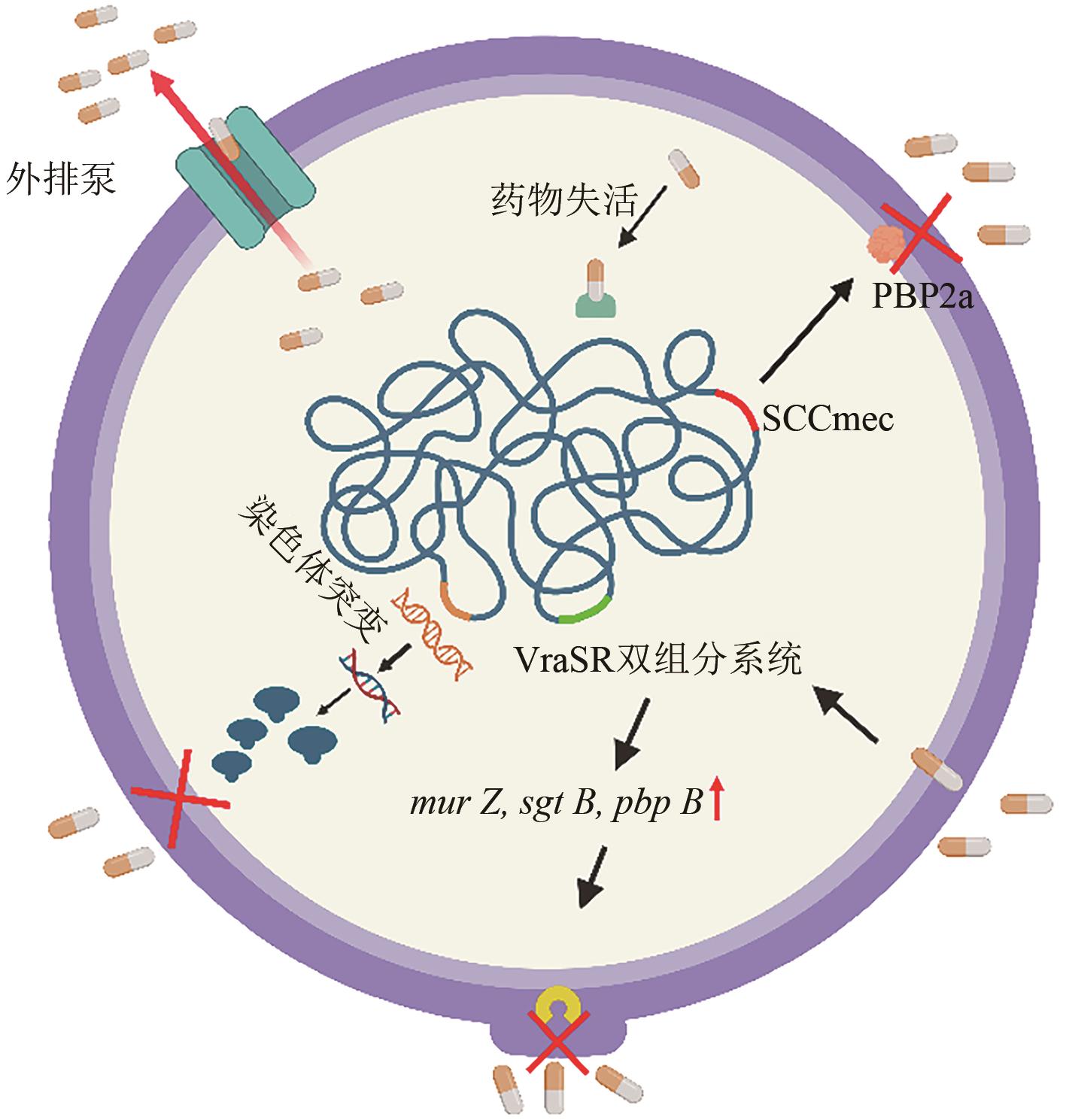
Fig. 1 Main drug resistance mechanisms of S. aureus (created by Biorender:JF28YTYA8N)
治疗策略 Therapeutic strategy | 疗效 Efficacy | 安全性 Safety | 耐药风险 Drug resistance risk | 临床可行性 Clinical feasibility |
|---|---|---|---|---|
纳米药物 Nanodrugs | 通过靶向递送、增强穿透及多靶机制可显著提高抗菌活性并改善局部暴露[ | 金属NPs可导致氧化应激与组织累积,而脂质体或聚合物载体毒性较低但需评估其体内清除途径与潜在免疫反应[ | 相对较低,但长期低剂量暴露和亚抑制浓度可能诱导细菌耐受性或交叉抗性[ | 工艺放大、批次一致性、长期安全性与监管审批是主要障碍[ |
AMPs及其模拟物 AMPs and their mimetics | 环化或脂肪化修饰的肽以及具有β-发夹结构的肽在体外对S. aureus和MRSA表现出显著抗菌活性[ | 天然肽常表现出溶血和细胞毒性,化学修饰可降低毒性和延长半衰期,需系统评价免疫原性与代谢产物安全性[ | 一般较低,但特异性选择压力及膜成分改变可能驱动耐受性,需要长期和体内进化实验验证[ | 局部适应症优先,全身应用面临给药、稳定性和成本挑战,部分肽类已进入临床试验阶段[ |
噬菌体疗法 Phage therapy | 对特定菌株有高效裂解能力,可清除宿主细胞内或生物膜内相关菌株,但需针对性筛选噬菌体[ | 总体良好,但噬菌体裂解可释放内毒素,且宿主免疫反应可能影响疗效与重复给药效果[ | 细菌可通过受体变异等获得抗噬菌体性,但可通过噬菌体鸡尾酒或与抗生素联用来延缓抗性发展[ | 在同情用药/个案治疗中已有成功记录,规模化推广需解决标准化与生产问题[ |
噬菌体裂解酶 Phage lysin | 能迅速裂解革兰阳性菌细胞壁,体外及动物模型显示显著杀菌效果[ | 总体良好,但可能诱导宿主产生中和抗体,影响后续给药疗效,需评估其免疫原性[ | 表现出较低的耐药倾向[ | 在多种动物感染模型中展现出良好的抗菌疗效,并显示出在皮肤和消化道等特定部位局部应用的潜力[ |
抗毒力疗法 Anti-virulence therapy | 不直接杀菌,可抑制关键毒力因子的功能,减轻组织损伤和炎症,有助于降低致死风险[ | 理论上选择压力低且可降低致病性,但需关注脱靶效应与免疫相关并发症[ | 相对较低,但关键毒力位点突变仍可导致疗效下降[ | 单药替代治疗证据不足,适合与抗菌药物联合使用,临床开发存在适应症界定与终点设计难题[ |
靶向宿主免疫系统的疗法 Host immune system-targeted therapy | 通过增强宿主清除能力或恢复免疫稳态,可促进病原体清除并降低复发风险[ | 存在免疫相关不良反应,需谨慎评估给药窗口与患者适应症[ | 不直接施加抗菌选择压力,理论上可降低耐药产生风险[ | 疫苗与免疫调节剂在特定适应证中具有前景;开发中面临免疫异质性、长期安全性评估与终点确定挑战[ |
Table 1 Comparative analysis of different novel anti-S. aureus treatment strategies
治疗策略 Therapeutic strategy | 疗效 Efficacy | 安全性 Safety | 耐药风险 Drug resistance risk | 临床可行性 Clinical feasibility |
|---|---|---|---|---|
纳米药物 Nanodrugs | 通过靶向递送、增强穿透及多靶机制可显著提高抗菌活性并改善局部暴露[ | 金属NPs可导致氧化应激与组织累积,而脂质体或聚合物载体毒性较低但需评估其体内清除途径与潜在免疫反应[ | 相对较低,但长期低剂量暴露和亚抑制浓度可能诱导细菌耐受性或交叉抗性[ | 工艺放大、批次一致性、长期安全性与监管审批是主要障碍[ |
AMPs及其模拟物 AMPs and their mimetics | 环化或脂肪化修饰的肽以及具有β-发夹结构的肽在体外对S. aureus和MRSA表现出显著抗菌活性[ | 天然肽常表现出溶血和细胞毒性,化学修饰可降低毒性和延长半衰期,需系统评价免疫原性与代谢产物安全性[ | 一般较低,但特异性选择压力及膜成分改变可能驱动耐受性,需要长期和体内进化实验验证[ | 局部适应症优先,全身应用面临给药、稳定性和成本挑战,部分肽类已进入临床试验阶段[ |
噬菌体疗法 Phage therapy | 对特定菌株有高效裂解能力,可清除宿主细胞内或生物膜内相关菌株,但需针对性筛选噬菌体[ | 总体良好,但噬菌体裂解可释放内毒素,且宿主免疫反应可能影响疗效与重复给药效果[ | 细菌可通过受体变异等获得抗噬菌体性,但可通过噬菌体鸡尾酒或与抗生素联用来延缓抗性发展[ | 在同情用药/个案治疗中已有成功记录,规模化推广需解决标准化与生产问题[ |
噬菌体裂解酶 Phage lysin | 能迅速裂解革兰阳性菌细胞壁,体外及动物模型显示显著杀菌效果[ | 总体良好,但可能诱导宿主产生中和抗体,影响后续给药疗效,需评估其免疫原性[ | 表现出较低的耐药倾向[ | 在多种动物感染模型中展现出良好的抗菌疗效,并显示出在皮肤和消化道等特定部位局部应用的潜力[ |
抗毒力疗法 Anti-virulence therapy | 不直接杀菌,可抑制关键毒力因子的功能,减轻组织损伤和炎症,有助于降低致死风险[ | 理论上选择压力低且可降低致病性,但需关注脱靶效应与免疫相关并发症[ | 相对较低,但关键毒力位点突变仍可导致疗效下降[ | 单药替代治疗证据不足,适合与抗菌药物联合使用,临床开发存在适应症界定与终点设计难题[ |
靶向宿主免疫系统的疗法 Host immune system-targeted therapy | 通过增强宿主清除能力或恢复免疫稳态,可促进病原体清除并降低复发风险[ | 存在免疫相关不良反应,需谨慎评估给药窗口与患者适应症[ | 不直接施加抗菌选择压力,理论上可降低耐药产生风险[ | 疫苗与免疫调节剂在特定适应证中具有前景;开发中面临免疫异质性、长期安全性评估与终点确定挑战[ |
| [1] | Barber M. Methicillin-resistant staphylococci [J]. J Clin Pathol, 1961, 14(4): 385-393. |
| [2] | Gao W, Chua K, Davies JK, et al. Two novel point mutations in clinical Staphylococcus aureus reduce linezolid susceptibility and switch on the stringent response to promote persistent infection [J]. PLoS Pathog, 2010, 6(6): e1000944. |
| [3] | Bæk KT, Thøgersen L, Mogenssen RG, et al. Stepwise decrease in daptomycin susceptibility in clinical Staphylococcus aureus isolates associated with an initial mutation in rpoB and a compensatory inactivation of the clpX gene [J]. Antimicrob Agents Chemother, 2015, 59(11): 6983-6991. |
| [4] | Tan QQ, Chen ZX, Liu L, et al. Functionalized rhodium nanoparticles as antimicrobial agents for treatment of drug-resistant skin and soft tissue infections [J]. Adv Healthc Mater, 2023, 12(19): 2203200. |
| [5] | Pan YX, Zheng HZ, Li GN, et al. Antibiotic-like activity of atomic layer boron nitride for combating resistant bacteria [J]. ACS Nano, 2022, 16(5): 7674-7688. |
| [6] | Xie MM, Gao M, Yun Y, et al. Antibacterial nanomaterials: mechanisms, impacts on antimicrobial resistance and design principles [J]. Angew Chem Int Ed, 2023, 62(17): e202217345. |
| [7] | Li TT, Ren XB, Luo XL, et al. A foundation model identifies broad-spectrum antimicrobial peptides against drug-resistant bacterial infection [J]. Nat Commun, 2024, 15(1): 7538. |
| [8] | Yu Y, Huang HL, Ye XQ, et al. Synergistic potential of antimicrobial combinations against methicillin-resistant Staphylococcus aureus [J]. Front Microbiol, 2020, 11: 1919. |
| [9] | Peez C, Chen BX, Henssler L, et al. Evaluating the safety, pharmacokinetics and efficacy of phage therapy in treating fracture-related infections with multidrug-resistant Staphylococcus aureus: intravenous versus local application in sheep [J]. Front Cell Infect Microbiol, 2025, 15: 1547250. |
| [10] | Jayakumar J, Kumar VA, Biswas L, et al. Therapeutic applications of lysostaphin against Staphylococcus aureus [J]. J Appl Microbiol, 2021, 131(3): 1072-1082. |
| [11] | Shekhar A, Di Lucrezia R, Jerye K, et al. Highly potent quinoxalinediones inhibit α-hemolysin and ameliorate Staphylococcus aureus lung infections [J]. Cell Host Microbe, 2025, 33(4): 560-572.e521. |
| [12] | Zhang WY, Liu L, Zhang QY, et al. Inducing bacterial calcification for systematic treatment and immunomodulation against methicillin-resistant Staphylococcus aureus [J]. Nat Biotechnol, 2025: 1-13. |
| [13] | Foster TJ, Geoghegan JA, Ganesh VK, et al. Adhesion, invasion and evasion: the many functions of the surface proteins of Staphylococcus aureus [J]. Nat Rev Microbiol, 2014, 12(1): 49-62. |
| [14] | Schilcher K, Horswill AR. Staphylococcal biofilm development: structure, regulation, and treatment strategies [J]. Microbiol Mol Biol Rev, 2020, 84(3): e00026-19 |
| [15] | Cruz AR, Bentlage AEH, Blonk R, et al. Toward understanding how staphylococcal protein a inhibits IgG-mediated phagocytosis [J]. J Immunol, 2022, 209(6): 1146-1155. |
| [16] | McCarthy AJ, Lindsay JA. Staphylococcus aureus innate immune evasion is lineage-specific: a bioinfomatics study [J]. Infect Genet Evol, 2013, 19: 7-14. |
| [17] | Dai M, Ouyang W, Yu YL, et al. IFP35 aggravates Staphylococcus aureus infection by promoting Nrf2-regulated ferroptosis [J]. J Adv Res, 2024, 62: 143-154. |
| [18] | Lade H, Kim JS. Molecular determinants of β-lactam resistance in methicillin-resistant Staphylococcus aureus (MRSA): an updated review [J]. Antibiotics, 2023, 12(9): 1362 |
| [19] | Aubry-Damon H, Soussy CJ, Courvalin P. Characterization of mutations in the rpoB gene that confer rifampin resistance in Staphylococcus aureus [J]. Antimicrob Agents Chemother, 1998, 42(10): 2590-2594. |
| [20] | 雷延昌, 桂希恩, 冯国琴. 金黄色葡萄球菌的耐药性及其耐氟喹诺酮机制的研究 [J]. 中华内科杂志, 2001, 40(3): 176-179. |
| Lei YC, Gui XE, Feng GQ. A study on the resistance of Staphylococcus aureus and the mechanisms of its resistance to fluoroquinolone [J]. Chin J Intern Med, 2001, 40(3): 176-179. | |
| [21] | Deng X, Sun F, Ji QJ, et al. Expression of multidrug resistance efflux pump gene norA is iron responsive in Staphylococcus aureus [J]. J Bacteriol, 2012, 194(7): 1753-1762. |
| [22] | Cattoir V. Efflux-mediated antibiotics resistance in bacteria [J]. Pathol Biol: Paris, 2004, 52(10): 607-616. |
| [23] | Sieradzki K, Tomasz A. Alterations of cell wall structure and MetabolismAccompany reduced susceptibility to vancomycin in an IsogenicSeries of clinical isolates of Staphylococcu saureus [J]. J Bacteriol, 2003, 185(24): 7103-7110. |
| [24] | Stogios PJ, Savchenko A. Molecular mechanisms of vancomycin resistance [J]. Protein Sci, 2020, 29(3): 654-669. |
| [25] | Idrees M, Sawant S, Karodia N, et al. Staphylococcus aureus biofilm: morphology, genetics, pathogenesis and treatment strategies [J]. Int J Environ Res Public Health, 2021, 18(14): 7602. |
| [26] | Thurlow LR, Hanke ML, Fritz T, et al. Staphylococcus aureus biofilms prevent macrophage phagocytosis and attenuate inflammation in vivo [J]. J Immunol, 2011, 186(11): 6585-6596. |
| [27] | Theis TJ, Daubert TA, Kluthe KE, et al. Staphylococcus aureus persisters are associated with reduced clearance in a catheter-associated biofilm infection [J]. Front Cell Infect Microbiol, 2023, 13: 1178526. |
| [28] | Lu YF, Chen FF, Zhao QM, et al. Modulation of MRSA virulence gene expression by the wall teichoic acid enzyme TarO [J]. Nat Commun, 2023, 14: 1594. |
| [29] | Sinha S, Aggarwal S, Singh DV. Efflux pumps: gatekeepers of antibiotic resistance in Staphylococcus aureus biofilms [J]. Microb Cell, 2024, 11: 368-377. |
| [30] | Rybak MJ, Le J, Lodise TP, et al. Therapeutic monitoring of vancomycin for serious methicillin-resistant Staphylococcus aureus infections: a revised consensus guideline and review by the American Society of Health-System Pharmacists, the Infectious Diseases Society of America, the Pediatric Infectious Diseases Society, and the Society of Infectious Diseases Pharmacists [J]. Am J Health Syst Pharm, 2020, 77(11): 835-864. |
| [31] | 郑旭婷, 陈佰义. 万古霉素敏感性下降的金黄色葡萄球菌的临床意义及对策 [J]. 实用临床医药杂志, 2019, 23(9): 119-123. |
| Zheng XT, Chen BY. Clinical significance of Staphylococcus aureus with decreased vancomycin sensitivity and countermeasures [J]. J Clin Med Pract, 2019, 23(9): 119-123. | |
| [32] | Linda M Weigel DBC. Genetic analysis of a high-level vancomycin-resistant isolate of Staphylococcus aureus [J]. Science, 2003, 302(5650): 1569-1571. |
| [33] | Daptomycin and incidence of elevated creatinine phosphokinase (CPK) levels: a case report and case series review [J]. Hawaii J Med Public Health, 2013, 72(8 ): 42. |
| [34] | Ma Z, Lasek-Nesselquist E, Lu J, et al. Characterization of genetic changes associated with daptomycin nonsusceptibility in Staphylococcus aureus [J]. PLoS One, 2018, 13(6): e0198366. |
| [35] | 窦林杰, 韩欣妍, 董海燕. 利奈唑胺致血小板减少症研究进展 [J]. 中国感染与化疗杂志, 2019,19(1): 96-100. |
| Dou LJ, Han XY, Dong HY. Research progress of linezolid-induced thrombocytopenia [J]. Chin J Infect Chemother, 2019, 19(1): 96-100. | |
| [36] | 邹永红, 钟洪兰, 苏铎华, 等. 基于美国 FAERS 数据库的利奈唑胺抗结核治疗不良事件分析 [J]. 现代医院, 2024, 24(10): 1554-1556, 1559. |
| Zou YH, Zhong HL, Su DH, et al. Analysis of adverse events related to linezolid in tuberculosis treatment based on the US FAERS database [J]. Mod Hosp, 2024, 24(10): 1554-1556, 1559. | |
| [37] | Shen JZ, Wang Y, Schwarz S. Presence and dissemination of the multiresistance gene cfr in Gram-positive and Gram-negative bacteria [J]. J Antimicrob Chemother, 2013, 68(8): 1697-1706. |
| [38] | Long KS, Poehlsgaard J, Kehrenberg C, et al. The cfr rRNA methyltransferase confers resistance to phenicols, lincosamides, oxazolidinones, pleuromutilins, and streptogramin a antibiotics [J]. Antimicrob Agents Chemother, 2006, 50(7): 2500-2505. |
| [39] | Jiao FF, Bao YQ, Li MR, et al. Unraveling the mechanism of ceftaroline-induced allosteric regulation in penicillin-binding protein 2a: insights for novel antibiotic development against methicillin-resistant Staphylococcus aureus [J]. Antimicrob Agents Chemother, 2023, 67(12): e00895-23. |
| [40] | Gimza BD, Cassat JE. Mechanisms of antibiotic failure during Staphylococcus aureus osteomyelitis [J]. Front Immunol, 2021, 12: 638085. |
| [41] | Liu HY, Prentice EL, Webber MA. Mechanisms of antimicrobial resistance in biofilms [J]. NPJ Antimicrob Resist, 2024, 2: 27. |
| [42] | Maier L, Goemans CV, Wirbel J, et al. Unravelling the collateral damage of antibiotics on gut bacteria [J]. Nature, 2021, 599(7883): 120-124. |
| [43] | Drummond RA, Desai JV, Ricotta EE, et al. Long-term antibiotic exposure promotes mortality after systemic fungal infection by driving lymphocyte dysfunction and systemic escape of commensal bacteria [J]. Cell Host Microbe, 2022, 30(7): 1020-1033. e6. |
| [44] | You YL, Yu X, Jiang JJ, et al. Bacterial cell wall-specific nanomedicine for the elimination of Staphylococcus aureus and Pseudomonas aeruginosa through electron-mechanical intervention [J]. Nat Commun, 2025, 16(1): 2836. |
| [45] | Xie JY, Zhou M, Qian YX, et al. Addressing MRSA infection and antibacterial resistance with peptoid polymers [J]. Nat Commun, 2021, 12: 5898. |
| [46] | Yang H, Xu JJ, Li WY, et al. Staphylococcus aureus virulence attenuation and immune clearance mediated by a phage lysin‐derived protein [J]. EMBO J, 2018, 37(17): EMBJ201798045. |
| [47] | 徐连春, 尚剑, 孙晔, 等. 银纳米颗粒及载银抗菌涂层的研究与进展 [J]. 中国组织工程研究, 2016, 20(25): 3793-3800. |
| Xu LC, Shang J, Sun Y, et al. Silver nanoparticles and anti-bacterial silver coating: research and development [J]. Chin J Tissue Eng Res, 2016, 20(25): 3793-3800. | |
| [48] | Tao Y, Aparicio T, Li MQ, et al. Inhibition of DNA replication initiation by silver nanoclusters [J]. Nucleic Acids Res, 2021, 49(9): 5074-5083. |
| [49] | Kessler A, Huang P, Blomberg E, et al. Unravelling the mechanistic understanding of metal nanoparticle-induced reactive oxygen species formation: insights from a Cu nanoparticle study [J]. Chem Res Toxicol, 2023, 36(12): 1891-1900. |
| [50] | Khajuria AK, Kandwal A, Sharma RK, et al. In vitro antioxidant and antibacterial activities of biogenic synthesized zinc oxide nanoparticles using leaf extract of Mallotus philippinensis Mull. Arg [J]. Sci Rep, 2025, 15: 6541. |
| [51] | 郑有坤, 唐明秀, 刘淑云, 等. 小分子功能化的金纳米粒子对革兰氏阴性多药耐药细菌的抗菌特性 [J]. 微生物学报, 2021, 61(2): 406-416. |
| Zheng YK, Tang MX, Liu SY, et al. Antibacterial properties of small molecule-functionalized gold nanoparticles bacteria [J]. Acta Microbiol Sin, 2021, 61(2): 406-416. | |
| [52] | 周宇峰, 高馨, 戴文青,等. 纳米药物递送系统在耐药病原菌防控中的研究进展 [J]. 华南农业大学学报, 2025, 46(3): 287-300. |
| Zhou YF, Gao X, Dai WQ, et al. Advances of nano-drug delivery systems in the prevention and control of drug-resistant pathogenic bacteria [J]. J South China Agric Univ, 2025, 46(3): 287-300. | |
| [53] | Wang Y, Wu Y, Long LY, et al. Inflammation-responsive drug-loaded hydrogels with sequential hemostasis, antibacterial, and anti-inflammatory behavior for chronically infected diabetic wound treatment [J]. ACS Appl Mater Interfaces, 2021, 13(28): 33584-33599. |
| [54] | Kowalski RP, Romanowski EG, Yates KA, et al. An independent evaluation of a novel peptide mimetic, brilacidin (PMX30063), for ocular anti-infective [J]. J Ocul Pharmacol Ther, 2016, 32(1): 23-27. |
| [55] | Ng SMS, Teo SW, Yong YE, et al. Preliminary investigations into developing all-D omiganan for treating mupirocin-resistant MRSA skin infections [J]. Chem Biol Drug Des, 2017, 90(6): 1155-1160. |
| [56] | Wang YH, Zhao LL, Li ZY, et al. A generative artificial intelligence approach for the discovery of antimicrobial peptides against multidrug-resistant bacteria [J]. Nat Microbiol, 2025, 10(11): 2997-3012. |
| [57] | Guo Mt, Zhang YM, Wu LF, et al. Development and mouse model evaluation of a new phage cocktail intended as an alternative to antibiotics for treatment of Staphylococcus aureus-induced bovine mastitis [J]. J Dairy Sci, 2024, 107(8): 5974-5987. |
| [58] | Van Nieuwenhuyse B, Balcaen M, Chatzis O, et al. Case report: Personalized triple phage-antibiotic combination therapy to rescue necrotizing fasciitis caused by Panton-Valentine leukocidin-producing MRSA in a 12-year-old boy [J]. Front Cell Infect Microbiol, 2024, 14: 1354681. |
| [59] | Fischetti VA. Bacteriophage lysins as effective antibacterials [J]. Curr Opin Microbiol, 2008, 11(5): 393-400. |
| [60] | Gilmer DB, Schmitz JE, Euler CW, et al. Novel bacteriophage lysin with broad lytic activity protects against mixed infection by Streptococcus pyogenes and methicillin-resistant Staphylococcus aureus [J]. Antimicrob Agents Chemother, 2013, 57(6): 2743-2750. |
| [61] | Eichenseher F, Herpers BL, Badoux P, et al. Linker-improved chimeric endolysin selectively kills Staphylococcus aureus in vitro, on reconstituted human epidermis, and in a murine model of skin infection [J]. Antimicrob Agents Chemother, 2022, 66(5): e0227321. |
| [62] | Ford CA, Hurford IM, Cassat JE. Antivirulence strategies for the treatment of Staphylococcus aureus infections: a mini review [J]. Front Microbiol, 2021, 11: 632706. |
| [63] | Dong J, Qiu JZ, Zhang Y, et al. Oroxylin A inhibits hemolysis via hindering the self-assembly of α-hemolysin heptameric transmembrane pore [J]. PLoS Comput Biol, 2013, 9(1): e1002869. |
| [64] | Mansson M, Nielsen A, Kjærulff L, et al. Inhibition of virulence gene expression in Staphylococcus aureus by novel depsipeptides from a marine photobacterium [J]. Mar Drugs, 2011, 9(12): 2537-2552. |
| [65] | Joyner JA, Daly SM, Peabody J, et al. Vaccination with VLPs presenting a linear neutralizing domain of S. aureus Hla elicits protective immunity [J]. Toxins, 2020, 12(7): 450. |
| [66] | Shi MM, Chen XH, Sun Y, et al. A protein A based Staphylococcus aureus vaccine with improved safety [J]. Vaccine, 2021, 39(29): 3907-3915. |
| [67] | Wang JH, Roderiquez G, Norcross MA. Control of adaptive immune responses by Staphylococcus aureus through IL-10, PD-L1 and TLR2 [J]. Sci Rep, 2012, 2(1): 606. |
| [68] | Greenlee-Wacker MC, Nauseef WM. IFN-γ targets macrophage-mediated immune responses toward Staphylococcus aureus [J]. J Leukoc Biol, 2017, 101(3): 751-758. |
| [69] | 康延申, 王华菁, 杨海鸥, 等. 抗金黄色葡萄球菌肠毒素B保护性中和单克隆抗体的筛选及鉴定 [J]. 现代免疫学, 2010, 30(4): 298-302. |
| Kang YS, Wang HJ, Yang HO, et al. Sereening and characterization of neutralizing monoclonal antibodies against Staphylococcal enterotoxin B [J]. Curr Immunol, 2010, 30(4): 298-302 | |
| [70] | Zhang ND, Xiong GY, Liu ZJ. Toxicity of metal-based nanoparticles: Challenges in the nano era [J]. Front Bioeng Biotechnol, 2022, 10: 1001572. |
| [71] | La-Beck NM, Gabizon AA. Nanoparticle interactions with the immune system: clinical implications for liposome-based cancer chemotherapy [J]. Front X, 2017, 8: 416. |
| [72] | Shao KY, Yang YX, Gong XK, et al. Staphylococcal drug resistance: mechanisms, therapies, and nanoparticle interventions [J]. Infect Drug Resist, 2025, 18: 1007-1033. |
| [73] | Fang QK, Pan XL. A systematic review of antibiotic resistance driven by metal-based nanoparticles: Mechanisms and a call for risk mitigation [J]. Sci Total Environ, 2024, 916: 170080. |
| [74] | Paliwal R, Babu RJ, Palakurthi S. Nanomedicine scale-up technologies: feasibilities and challenges [J]. AAPS PharmSciTech, 2014, 15(6): 1527-1534. |
| [75] | Desai N. Challenges in development of nanoparticle-based therapeutics [J]. AAPS J, 2012, 14(2): 282-295. |
| [76] | Moretta A, Scieuzo C, Petrone AM, et al. Antimicrobial peptides: a new hope in biomedical and pharmaceutical fields [J]. Front Cell Infect Microbiol, 2021, 11: 668632. |
| [77] | Mwangi J, Kamau P, Thuku R, et al. Design methods for antimicrobial peptides with improved performance [J]. Zool Res, 2023, 44(6): 1095-1114. |
| [78] | Mojsoska B, Jenssen H. Peptides and peptidomimetics for antimicrobial drug design [J]. Pharmaceuticals, 2015, 8(3): 366-415. |
| [79] | Blomstrand E, Posch E, Stepulane A, et al. Antibacterial and hemolytic activity of antimicrobial hydrogels utilizing immobilized antimicrobial peptides [J]. Int J Mol Sci, 2024, 25(8): 4200. |
| [80] | Ma X, Wang Q, Ren KX, et al. A review of antimicrobial peptides: structure, mechanism of action, and molecular optimization strategies [J]. Fermentation, 2024, 10(11): 540. |
| [81] | El Shazely B, Yu GZ, Johnston PR, et al. Resistance evolution against antimicrobial peptides in Staphylococcus aureus alters pharmacodynamics beyond the MIC [J]. Front Microbiol, 2020, 11: 103. |
| [82] | Lee TH, Hofferek V, Separovic F, et al. The role of bacterial lipid diversity and membrane properties in modulating antimicrobial peptide activity and drug resistance [J]. Curr Opin Chem Biol, 2019,52: 85-92. |
| [83] | Zheng SN, Tu YH, Li B, et al. Antimicrobial peptide biological activity, delivery systems and clinical translation status and challenges [J]. J Transl Med, 2025, 23(1): 292. |
| [84] | Rousel J, Saghari M, Pagan LS, et al. Treatment with the topical antimicrobial peptide omiganan in mild-to-moderate facial seborrheic dermatitis versus ketoconazole and placebo: results of a randomized controlled proof-of-concept trial [J]. Int J Mol Sci, 2023, 24(18): 14315. |
| [85] | Xu C, Wang A, Honnen W, et al. Brilacidin, a non-peptide defensin-mimetic molecule, inhibits SARS-CoV-2 infection by blocking viral entry [J]. EC Microbiol, 2022, 18(4): 1-12. |
| [86] | Cui LZ, Watanabe S, Miyanaga K, et al. A comprehensive review on phage therapy and phage-based drug development [J]. Antibiotics, 2024, 13(9): 870. |
| [87] | Liu H, Hu Z, Li MY, et al. Therapeutic potential of bacteriophage endolysins for infections caused by Gram-positive bacteria [J]. J Biomed Sci, 2023, 30(1): 29. |
| [88] | Cui XG, Chai LW, Zhang YK, et al. Next-generation antimicrobials: a review of phage lysins as precision weapons against drug-resistant pathogens [J]. Virulence, 2025, 16(1): 2562634. |
| [89] | Fowler VG, Das AF, Lipka-Diamond J, et al. Exebacase for patients with Staphylococcus aureus bloodstream infection and endocarditis [J]. J Clin Investig, 2020, 130(7): 3750-3760. |
| [90] | Watson A, Oh JT, Sauve K, et al. Antimicrobial activity of exebacase (lysin CF-301) against the most common causes of infective endocarditis [J]. Antimicrob Agents Chemother, 2019, 63(10): e01078-19. |
| [91] | Hotinger JA, Morris ST, May AE. The case against antibiotics and for anti-virulence therapeutics [J]. Microorganisms, 2021, 9(10): 2049. |
| [92] | Rasko DA, Sperandio V. Anti-virulence strategies to combat bacteria-mediated disease [J]. Nat Rev Drug Discov, 2010, 9(2): 117-128. |
| [93] | Hsieh RC, Liu R, Burgin DJ, et al. Understanding mechanisms of virulence in MRSA: implications for antivirulence treatment strategies [J]. Expert Rev Anti Infect Ther, 2023, 21(9): 911-928. |
| [94] | Ghazaei C. Anti-virulence therapy against bacterial infections: mechanisms of action and challenges [J]. J Kermanshah Univ Med Sci, 2021, 25(3): e111808. |
| [95] | Zumla A, Rao M, Wallis RS, et al. Host-directed therapies for infectious diseases: current status, recent progress, and future prospects [J]. Lancet Infect Dis, 2016, 16(4): e47-e63. |
| [96] | Jenum S, Tonby K, Rueegg CS, et al. A Phase I/II randomized trial of H56: IC31 vaccination and adjunctive cyclooxygenase-2-inhibitor treatment in tuberculosis patients [J]. Nat Commun, 2021, 12(1): 6774. |
| [97] | Nash A, Aghlara-Fotovat S, Hernandez A, et al. Clinical translation of immunomodulatory therapeutics [J]. Adv Drug Deliv Rev, 2021, 176: 113896. |
| [98] | Vandenesch F, Naimi T, Enright MC, et al. Community-acquired methicillin-resistant Staphylococcus aureus carrying Panton-Valentine leukocidin genes: worldwide emergence [J]. Emerg Infect Dis, 2003, 9(8): 978-984. |
| [99] | 韦中, 王孝芳, 马迎飞, 等. 噬菌体微生态疗法与一体化健康:现状、挑战与机遇 [J]. 中国科学: 生命科学, 2023, 53(5): 698-710. |
| Wei Z, Wang XF, Ma YF, et al. Phage therapy for One Health approach: current status, challenges and opportunities [J]. Sci Sin Vitae, 2023, 53(5): 698-710. | |
| [100] | 广承灵, 张笑恺, 王于, 等. 金黄色葡萄球菌感染非抗生素治疗手段研究进展 [J]. 中国抗生素杂志, 2025, 50(1): 15-21. |
| Guang CL, Zhang XK, Wang Y, et al. Research progress on non-antibiotic therapy for Staphylococcus aureus infection [J]. Chin J Antibiot, 2025, 50(1): 15-21. | |
| [101] | Cui KY, Yang WF, Liu ZY, et al. Chenodeoxycholic acid-amikacin combination enhances eradication of Staphylococcus aureus [J]. Microbiol Spectr, 2023, 11: e02430-22. |
| [102] | 潘抒凡, 杨栋磊, 王鹏飞. 基于纳米孔 Cas9 靶向测序的金黄色葡萄球菌快速检测与分型 [J]. 上海交通大学学报: 医学版, 2025, 45(6): 774-783. |
| Pan SF, Yang DL, Wang PF. Rapid detection and typing of Staphylococcus aureus based on nanopore Cas9-targeted sequencing [J]. J Shanghai Jiao Tong Univ Med Sci, 2025, 45(6): 774-783. | |
| [103] | Jia XF, Xiong YF, Xu YP, et al. Machine learning-selected minimal features drive high-accuracy rule-based antibiotic susceptibility predictions for Staphylococcus aureus via metagenomic sequencing [J]. Microbiol Spectr, 2025, 13(8): e00556-25. |
| [104] | Wang SY, Zhao CJ, Yin YY, et al. A practical approach for predicting antimicrobial phenotype resistance in Staphylococcus aureus through machine learning analysis of genome data [J]. Front Microbiol, 2022, 13: 841289. |
| [105] | Wang XL, Dou Y, Hu JC, et al. Conserved moonlighting protein pyruvate dehydrogenase induces robust protection against Staphylococcus aureus infection [J]. Proc Natl Acad Sci U S A, 2024, 121(36): e2321939121. |
| [1] | WEN Jing, LI Qian-qian, ZHANG Ming-da, TAN Ming-yue, JIN Bo-yang, SHEN XIU-li, DU Zhi-qiang. Molecular Mechanism of Duox 2 Regulating Innate Immunity against Bacteria in Procambarus clarkii Intestine [J]. Biotechnology Bulletin, 2025, 41(1): 324-332. |
| [2] | ZHOU Ran, WANG Xing-ping, LI Yan-xia, LUORENG Zhuo-ma. Analysis of LncRNA Differential Expression in Mammary Tissue of Cows with Staphylococcus aureus Mastitis [J]. Biotechnology Bulletin, 2024, 40(8): 320-328. |
| [3] | JIN Bo-yang, QIN Shi-yu, ZHANG Ming-da, LI Qian-qian, WEN Jing, SHEN Xiu-li, DU Zhi-qiang. Research on the Molecular Mechanism of Crayfish prx 6 in the Process of Defending against Staphylococcus aureus Infection [J]. Biotechnology Bulletin, 2024, 40(7): 314-322. |
| [4] | CHEN Xiao-meng, ZHANG Xue-jing, ZHANG Huan, ZHANG Bao-jiang, SU Yan. Prokaryotic Expression of Recombinant Bovine Mastitis Staphylococcus aureus GapC Protein and Identification of Its B-cell Epitopes [J]. Biotechnology Bulletin, 2023, 39(5): 306-313. |
| [5] | CHENG Shen-wei, ZHANG Ke-qiang, LIANG Jun-feng, LIU Fu-yuan, GAO Xing-liang, DU Lian-zhu. Establishment of a Triple Droplet Digital PCR Quantitative Detection Method for Typical Pathogenic Bacteria in Livestock and Poultry Manure [J]. Biotechnology Bulletin, 2022, 38(9): 271-280. |
| [6] | PAN Jie-ming ,ZHANG Rong-yi ,DENG Jia-ai ,TAN Zhi-qiong. Isolation and Screening of Anti-MRSA Actinomycetes in the Soil from the Primitive Tropical Rainforest Yingge Ridge [J]. Biotechnology Bulletin, 2018, 34(6): 128-133. |
| [7] | YANG Yan-hong,YU Ying HU,Yong-qiang,YU Xi,LI Qing-qing. Antimicrobial Activity and Anti-MRSA Mechanism of the Fermentation Broth of Bacillus amyloliquefaciens AF1 [J]. Biotechnology Bulletin, 2017, 33(9): 223-230. |
| Viewed | ||||||
|
Full text |
|
|||||
|
Abstract |
|
|||||
