







Biotechnology Bulletin ›› 2026, Vol. 42 ›› Issue (6): 98-106.doi: 10.13560/j.cnki.biotech.bull.1985.2025-1343
Previous Articles Next Articles
SHEN Chen1,2( ), CHE Yan-nian1,3, DING Zhong-ping1,3, WANG Xiang-wen1,3, GE Yu-jian1, FU Dong-qing1, ZHOU Ya-xing-qiao1,4, LI Rui-mei1()
Received:2025-12-10
Online:2026-06-26
Published:2026-07-11
Contact:
CHE Yan-nian, LI Rui-mei
E-mail:19850590632@163.com;liruimei@catasitbb.cn
SHEN Chen, CHE Yan-nian, DING Zhong-ping, WANG Xiang-wen, GE Yu-jian, FU Dong-qing, ZHOU Ya-xing-qiao, LI Rui-mei. Screening of Upstream Transcription Factors of MeGLYI-13 Gene Related to Postharvest Physiological Deterioration of Cassava[J]. Biotechnology Bulletin, 2026, 42(6): 98-106.
名称 Name | 在启动子序列中 起始位置 The start positions in the promoter sequence (bp) | 在启动子序列中 终止位置 The end positions in the promoter sequence (bp) | 片段长度 Fragment length (bp) | 顺式作用元件 Cis-acting elements |
|---|---|---|---|---|
| Seg1 | -2 124 | -1 324 | 800 | ARE, TCCC-motif, MBS, LTR, P-box, Box 4, CAT-box |
| Seg2 | -1 324 | -724 | 600 | LTR, MRE, GA-motif, CAT-box, TGA-element |
| Seg3 | -724 | -124 | 600 | TCT-motif, GT1-motif, TC-rich repeats, Sp1, GATA-motif |
Table 1 Related information of the truncated fragment of MeGLYI-13 promoter
名称 Name | 在启动子序列中 起始位置 The start positions in the promoter sequence (bp) | 在启动子序列中 终止位置 The end positions in the promoter sequence (bp) | 片段长度 Fragment length (bp) | 顺式作用元件 Cis-acting elements |
|---|---|---|---|---|
| Seg1 | -2 124 | -1 324 | 800 | ARE, TCCC-motif, MBS, LTR, P-box, Box 4, CAT-box |
| Seg2 | -1 324 | -724 | 600 | LTR, MRE, GA-motif, CAT-box, TGA-element |
| Seg3 | -724 | -124 | 600 | TCT-motif, GT1-motif, TC-rich repeats, Sp1, GATA-motif |
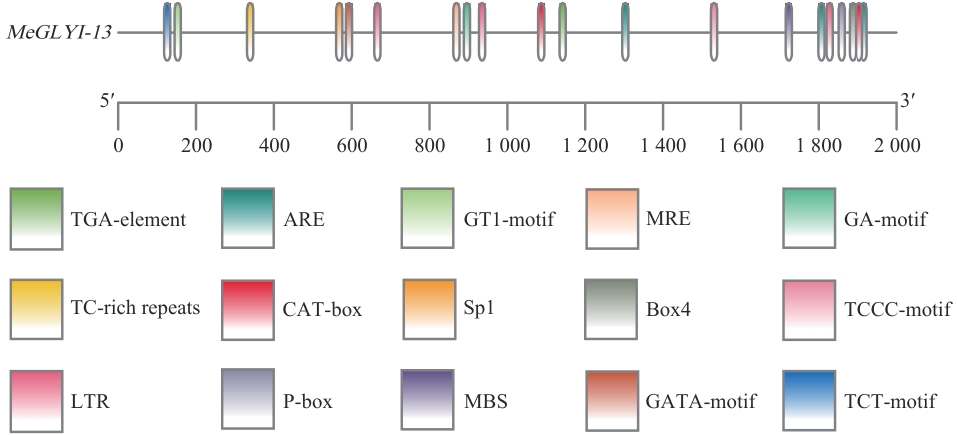
Fig. 1 Partial cis-acting elements of MeGLYI-13 gene promoter
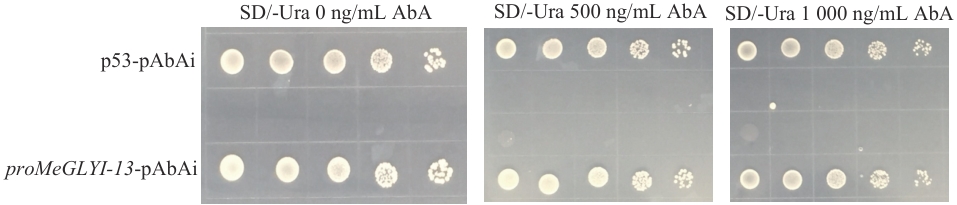
Fig. 2 Screening of AbA inhibitory concentration of bait strainp53-pAbAi: Positive control. proMeGLYI-13-pAbAi: Bait strain
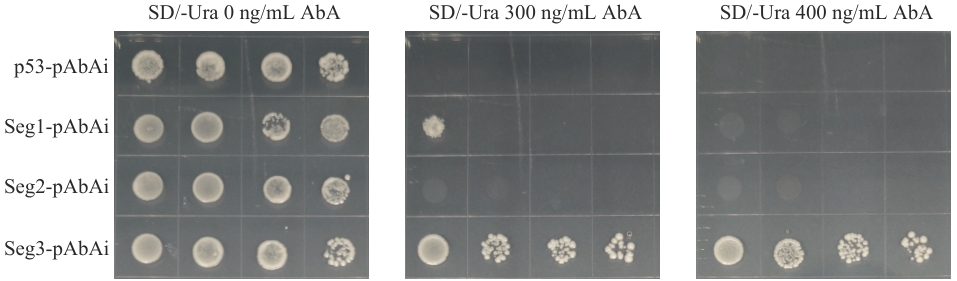
Fig. 3 The second screening of AbA concentration of bait yeast strain
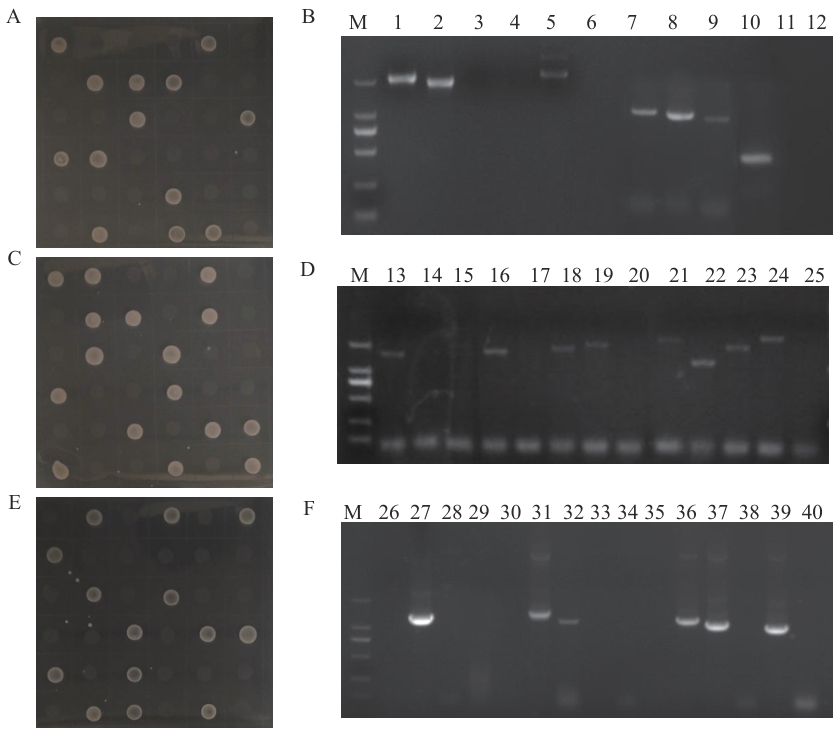
Fig. 4 Candidate positive plaque screening and plaque PCR verificationM: 2 000 marker. A-B: Seg1 screening of transcription factors. C-F: Seg2 screening of transcription factors
序号 Number | 登录号 Gene ID | 名称 Name | 功能注释 Functional annotation |
|---|---|---|---|
| 1 | Manes.02G145600 | AHL17 | AT-hook motif nuclear-localized protein 17 |
| 2 | Manes.09G149500 | AHL29 | AT-hook motif nuclear-localized protein 29 |
| 3 | Manes.15G039700 | ERF1 | Ethylene-responsive transcription factor 1 |
| 4 | Manes.10G027000 | AHL31 | AT-hook motif nuclear-localized protein 31 |
Table 2 Information of candidate transcription factors screened by proMeGLY13 promoter
序号 Number | 登录号 Gene ID | 名称 Name | 功能注释 Functional annotation |
|---|---|---|---|
| 1 | Manes.02G145600 | AHL17 | AT-hook motif nuclear-localized protein 17 |
| 2 | Manes.09G149500 | AHL29 | AT-hook motif nuclear-localized protein 29 |
| 3 | Manes.15G039700 | ERF1 | Ethylene-responsive transcription factor 1 |
| 4 | Manes.10G027000 | AHL31 | AT-hook motif nuclear-localized protein 31 |
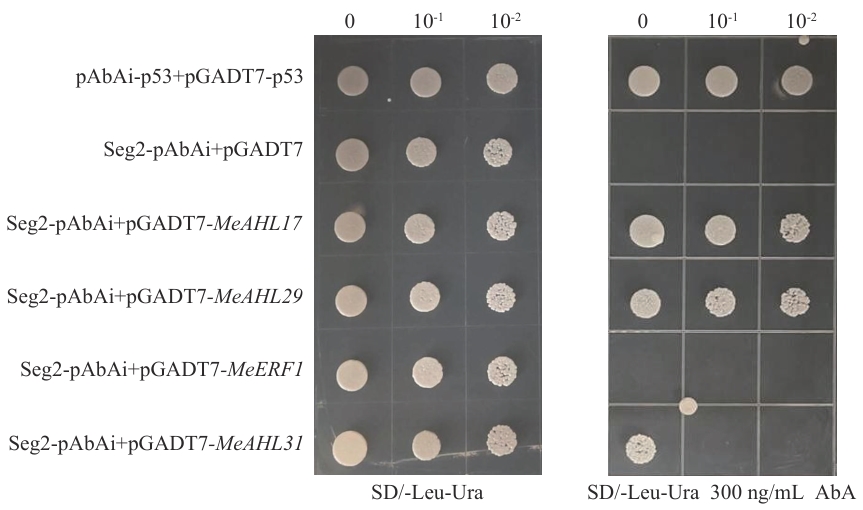
Fig. 5 Rotational verification of MeGLYI-13 promoter and candidate transcription factors
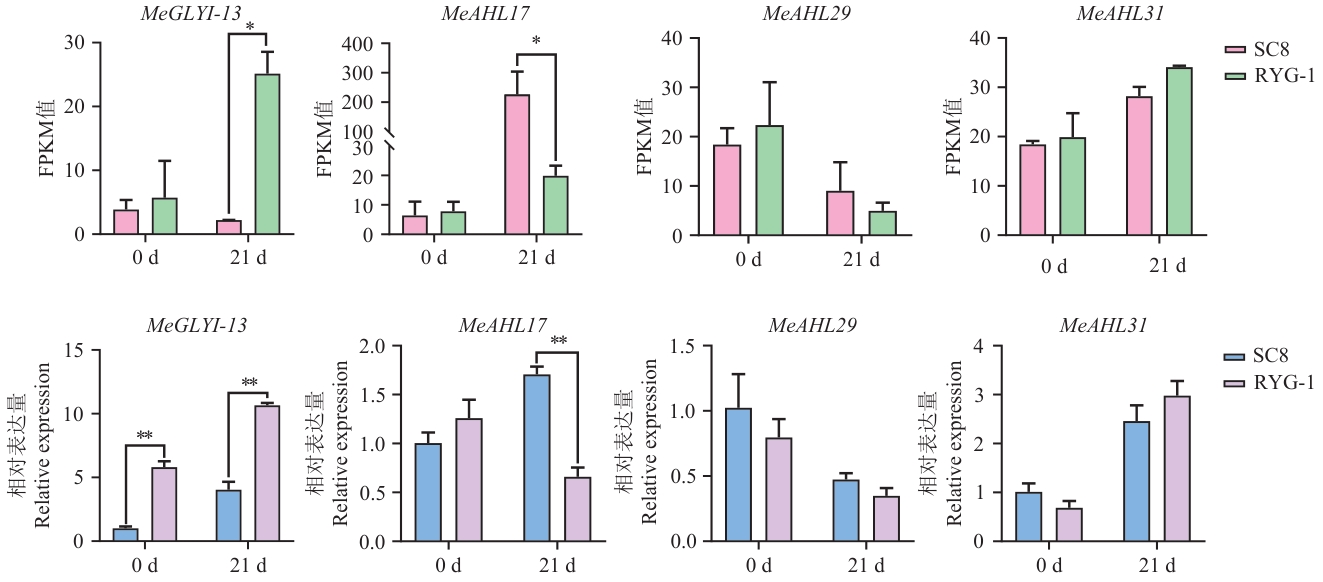
Fig. 6 Transcriptome expression analysis and verification of MeGLYI-13, MeAHL17, MeAHL29 and MeAHL31 in theroots after harvest
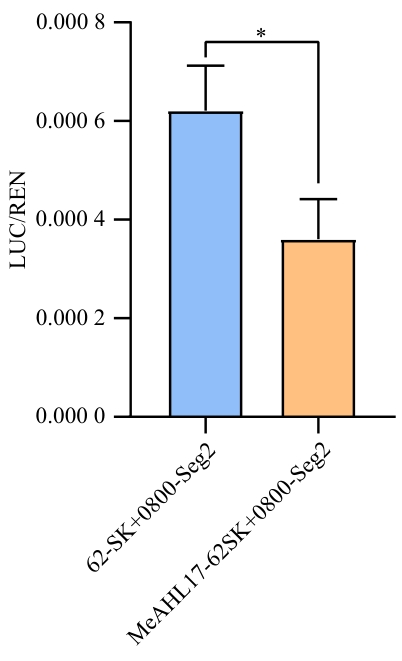
Fig. 7 Dual-luciferase assay to verify the relationship between MeAHL17and the promoter of MeGLYI-13
| [1] | Falade KO, Akingbala JO. Utilization of cassava for food [J]. Food Rev Int, 2010, 27(1): 51-83. |
| [2] | An D, Yang J, Zhang P. Transcriptome profiling of low temperature-treated cassava apical shoots showed dynamic responses of tropical plant to cold stress [J]. BMC Genom, 2012, 13: 64. |
| [3] | Iyer S, Mattinson DS, Fellman JK. Study of the early events leading to cassava root postharvest deterioration [J]. Trop Plant Biol, 2010, 3(3): 151-165. |
| [4] | Ephraim N, Patrick RR, Ssetumba M, et al. Biochemical and secondary metabolites changes under moisture and temperature stress in cassava (Manihot esculenta Crantz) [J]. Afr J Biotechnol, 2014, 13(31): 3173-3186. |
| [5] | Raza H, Khan MR, Zafar SA, et al. Aldehyde dehydrogenase 3I1 gene is recruited in conferring multiple abiotic stress tolerance in plants [J]. Plant Biol J, 2022, 24(1): 85-94. |
| [6] | Sunkar R, Bartels D, Kirch HH. Overexpression of a stress-inducible aldehyde dehydrogenase gene from Arabidopsis thaliana in transgenic plants improves stress tolerance [J]. Plant J, 2003, 35(4): 452-464. |
| [7] | Hoque TS, Hossain MA, Mostofa MG, et al. Methylglyoxal: an emerging signaling molecule in plant abiotic stress responses and tolerance [J]. Front Plant Sci, 2016, 7: 1341. |
| [8] | Sankaranarayanan S, Jamshed M, Samuel MA. Degradation of glyoxalase I in Brassica napus stigma leads to self-incompatibility response [J]. Nat Plants, 2015, 1(12): 15185. |
| [9] | Ye XY, Qiu XM, Sun YY, et al. Interplay between hydrogen sulfide and methylglyoxal initiates thermotolerance in maize seedlings by modulating reactive oxidative species and osmolyte metabolism [J]. Protoplasma, 2020, 257(5): 1415-1432. |
| [10] | Liu SJ, Liu WH, Lai JY, et al. OsGLYI3, a glyoxalase gene expressed in rice seed, contributes to seed longevity and salt stress tolerance [J]. Plant Physiol Biochem, 2022, 183: 85-95. |
| [11] | Gambhir P, Raghuvanshi U, Parida AP, et al. Elevated methylglyoxal levels inhibit tomato fruit ripening by preventing ethylene biosynthesis [J]. Plant Physiol, 2023, 192(3): 2161-2184. |
| [12] | Mostofa MG, Ghosh A, Li ZG, et al. Methylglyoxal-a signaling molecule in plant abiotic stress responses [J]. Free Radic Biol Med, 2018, 122: 96-109. |
| [13] | Engqvist M, Drincovich MF, Flügge UI, et al. Two D-2-hydroxy-acid dehydrogenases in Arabidopsis thaliana with catalytic capacities to participate in the last reactions of the methylglyoxal and β-oxidation pathways [J]. J Biol Chem, 2009, 284(37): 25026-25037. |
| [14] | Ali S, Rizwan M, Arif MS, et al. Approaches in enhancing thermotolerance in plants: an updated review [J]. J Plant Growth Regul, 2020, 39(1): 456-480. |
| [15] | Wienstroer J, Engqvist MKM, Kunz HH, et al. D-Lactate dehydrogenase as a marker gene allows positive selection of transgenic plants [J]. FEBS Lett, 2012, 586(1): 36-40. |
| [16] | Jin SH, Li XQ, Wang GG, et al. Brassinosteroids alleviate high-temperature injury in Ficus concinna seedlings via maintaining higher antioxidant defence and glyoxalase systems [J]. Aob PLANTS, 2015, 7: plv009. |
| [17] | Nahar K, Hasanuzzaman M, Alam MM, et al. Insights into spermine-induced combined high temperature and drought tolerance in mung bean: osmoregulation and roles of antioxidant and glyoxalase system [J]. Protoplasma, 2017, 254(1): 445-460. |
| [18] | Zhang YM, Yang CY, Liu SX, et al. Alleviation of salt toxicity by melatonin supplementation in eggplant involves the up-regulation of ascorbate-glutathione and glyoxalase system [J]. Sci Hortic, 2024, 326: 112720. |
| [19] | Li TM, Cheng X, Wang XW, et al. Glyoxalase I-4 functions downstream of NAC72 to modulate downy mildew resistance in grapevine [J]. Plant J, 2021, 108(2): 394-410. |
| [20] | Duan M, Zhang RX, Zhu FG, et al. A lipid-anchored NAC transcription factor is translocated into the nucleus and activates Glyoxalase I expression during drought stress [J]. Plant Cell, 2017, 29(7): 1748-1772. |
| [21] | Hasanuzzaman M, Alam MM, Nahar K, et al. Silicon-induced antioxidant defense and methylglyoxal detoxification works coordinately in alleviating nickel toxicity in Oryza sativa L [J]. Ecotoxicology, 2019, 28(3): 261-276. |
| [22] | Li RM, Tang FL, Che YN, et al. MeGLYI-13, a glyoxalase I gene in cassava, enhances the tolerance of yeast and Arabidopsis to Zinc and copper stresses [J]. Plants, 2023, 12(19): 3375. |
| [23] | Tang FL, Li RM, Zhou YJ, et al. Genome-wide identification of cassava glyoxalase I genes and the potential function of MeGLYⅠ-13 in iron toxicity tolerance [J]. Int J Mol Sci, 2022, 23(9): 5212. |
| [24] | 唐芬莲. 木薯乙二醛酶基因MeGLYI-13的克隆及功能分析 [D]. 海口: 海南大学, 2022. |
| Tang FL. Cloning and functional analysis of cassava glyoxalase gene MeGLYI-13 [D]. Haikou: Hainan University, 2022. | |
| [25] | 胡文斌. 木薯可溶性淀粉合成酶基因IV启动子的功能鉴定及其调控因子的筛选 [D]. 海口: 海南大学, 2013. |
| Hu WB. Functional identification of cassava soluble starch synthase gene IV promoter and screening of its regulatory factors [D]. Haikou: Hainan University, 2013. | |
| [26] | Li RM, Yuan S, Zhou YJ, et al. Comparative transcriptome profiling of cassava tuberous roots in response to postharvest physiological deterioration [J]. Int J Mol Sci, 2022, 24(1): 246. |
| [27] | Smits MM, Johnson MA. Methylglyoxal: Enzyme distributions relative to its presence in douglas-fir needles and absence in douglas-fir needle callus [J]. Arch Biochem Biophys, 1981, 208(2): 431-439. |
| [28] | Kaur C, Ghosh A, Pareek A, et al. Glyoxalases and stress tolerance in plants [J]. Biochem Soc Trans, 2014, 42(2): 485-490. |
| [29] | Sankaranarayanan S, Jamshed M, Kumar A, et al. Glyoxalase goes green: the expanding roles of glyoxalase in plants [J]. Int J Mol Sci, 2017, 18(4): 898. |
| [30] | Zhao JF, Favero DS, Qiu JW, et al. Insights into the evolution and diversification of the AT-hook Motif Nuclear Localized gene family in land plants [J]. BMC Plant Biol, 2014, 14: 266. |
| [31] | Wang M, Chen BW, Zhou W, et al. Genome-wide identification and expression analysis of the AT-hook Motif Nuclear Localized gene family in soybean [J]. BMC Genom, 2021, 22: 361. |
| [32] | Grasser M, Christensen JM, Peterhänsel C, et al. Basic and acidic regions flanking the HMG-box domain of maize HMGB1 and HMGB5 modulate the stimulatory effect on the DNA binding of transcription factor Dof2 [J]. Biochemistry, 2007, 46(21): 6375-6382. |
| [33] | Xiao CW, Chen FL, Yu XH, et al. Over-expression of an AT-hook gene, AHL22 delays flowering and inhibits the elongation of the hypocotyl in Arabidopsis thaliana [J]. Plant Mol Biol, 2009, 71(1/2): 39-50. |
| [34] | Ambadas DA, Singh A, Jha RK, et al. Genome-wide dissection of AT-hook motif nuclear-localized gene family and their expression profiling for drought and salt stress in rice (Oryza sativa) [J]. Front Plant Sci, 2023, 14: 1283555. |
| [35] | Dong JH, Xu LB, Zeng HY, et al. Genome-wide identification and analyses of the AHL gene family in banana (Musa acuminata) and the functional analysis of MaAHL43 in fruit ripening [J]. Sci Hortic, 2025, 341: 113948. |
| [36] | Favero DS, Kawamura A, Shibata M, et al. AT-hook transcription factors restrict petiole growth by antagonizing PIFs [J]. Curr Biol, 2020, 30(8): 1454-1466. |
| [37] | Zhou LG, Liu ZC, Liu YH, et al. A novel gene OsAHL1 improves both drought avoidance and drought tolerance in rice [J]. Sci Rep, 2016, 6: 30264. |
| [38] | Yadeta KA, Hanemian M, Smit P, et al. The Arabidopsis thaliana DNA-binding protein AHL19 mediates Verticillium wilt resistance [J]. Mol Plant Microbe Interact, 2011, 24(12): 1582-1591. |
| [39] | Wang LY, Li TT, Liu N, et al. Identification of tomato AHL gene families and functional analysis their roles in fruit development and abiotic stress response [J]. Plant Physiol Biochem, 2023, 202: 107931. |
| [40] | Shi XW, Yang T, Ren MF, et al. AT-hook motif nuclear localized transcription factors function redundantly in promoting root growth through modulation of redox homeostasis [J]. Plant J, 2024, 120(1): 199-217. |
| [41] | 张亚文, 王晓彤, 张兴龙, 等. 木薯MeAHL17基因的克隆及表达分析 [J]. 热带作物学报, 2024, 45(7): 1303-1313. |
| Zhang YW, Wang XT, Zhang XL, et al. Cloning and expression analysis of MeAHL17 gene in cassava [J]. Chin J Trop Crops, 2024, 45(7): 1303-1313. | |
| [42] | Bai RY, Zhou MM, Zheng Y, et al. Transcription factor AHL17 fine-tunes reactive oxygen species accumulation and cassava disease resistance [J]. Plant Physiol, 2024, 195(2): 1148-1151. |
| [1] | AN Fei-fei, LUO Xiu-qin, CAI Jie, XUE Jing-jing, ZHU Wen-li. Cloning of MeMYB106 in Cassava and Its Function in Anthocyanin Biosynthesis of Leaves [J]. Biotechnology Bulletin, 2026, 42(6): 13-21. |
| [2] | GUO Wei, GENG Yue, LIANG Xiao, LIU Ying, WU Chun-ling, CHEN Qing. Effects of Insect-resistant and Insect-susceptible Cassava Varieties on the Expression of Wax Biosynthesis Genes in Phenacoccus manihoti [J]. Biotechnology Bulletin, 2026, 42(6): 128-138. |
| [3] | XUE Jing-jing, AN Fei-fei, LUO Xiu-qin, CAI Jie. Cloning of Sugar Transporter MeSWEET2b in Cassava and Its Function Analysis Under Low Temperature Stress [J]. Biotechnology Bulletin, 2026, 42(6): 31-39. |
| [4] | ZHANG Shan, SUN Zhi-peng, ZHAO De-gang, ZHAO Yi-chen. Developing Highly Efficient Grafting Rootstocks Based on Eucommia ulmoides BGL Gene [J]. Biotechnology Bulletin, 2026, 42(5): 292-301. |
| [5] | NI Fei-fei, CHEN Yi-cun, GAO Ming, ZHANG Sheng-jiao, PENG Fang-you, CHEN Tao-mei, ZHAO Yun-xiao, WANG Yang-dong. Identification of Litsea cubebaTCP Genes and Their Roles in the Regulation of Terpenoid Biosynthesis [J]. Biotechnology Bulletin, 2026, 42(4): 227-238. |
| [6] | LIU Qing-yuan, WU Hong-qi, CHEN Xiu-e, CHEN Jian, JIANG Yuan-ze, HE Yan-zi, YU Qi-wei, LIU Ren-xiang. Function of Transcription Factor NtMYB96a in Regulating the Tolerance of Tobacco to Drought [J]. Biotechnology Bulletin, 2026, 42(4): 239-250. |
| [7] | GUO Dao-xiang, SU Quan, LI Ao-ting, WANG Yan, CHEN Qing, WANG Xiao-rong, HE Wen. Identification of the MYB Gene Family in Pomelo (Citrus grandis) and Functional Analysis in Chlorosis of Graft Incompatibility [J]. Biotechnology Bulletin, 2026, 42(4): 170-181. |
| [8] | WANG He-yao, SUN Hong-mei. Research Progress in the Function and Formation Mechanism of Trichomes in Horticultural Plants [J]. Biotechnology Bulletin, 2026, 42(3): 242-254. |
| [9] | MA Shi-jie, LI Zheng, LI Wei, GUO Yang-dong, ZHANG Na. Research Progress in Light Signaling Regulation of Fruit Development in Horticultural Crops [J]. Biotechnology Bulletin, 2026, 42(3): 5-18. |
| [10] | LI Ying-hui, WANG Yang-bo-han, ZHOU Hao-bo, LU Xin-ru, ZHANG Ke-xin, YU Yang, LI Chuan-you, SUN Chuan-long. Identification of VPE Gene Family and Their Functional Analysis under Abiotic Stress in Tomato [J]. Biotechnology Bulletin, 2026, 42(3): 263-274. |
| [11] | LI Zheng, QIU Wei-yue, SUN Rui-xue, ZHAO Xiao. Overexpression of the xylR Gene Driven by Different Promoters Enhances Glucose-xylose Co-utilization Capability in Escherichia coli [J]. Biotechnology Bulletin, 2026, 42(1): 329-337. |
| [12] | ZHANG Chi-hao, LIU Jin-nan, CHAO Yue-hui. Cloning and Functional Analysis of a bZIP Transcription Factor MtbZIP29 from Medicago truncatula [J]. Biotechnology Bulletin, 2026, 42(1): 241-250. |
| [13] | FU Bo-han, MAO Hua, ZHAO Xin-cheng, LU Hong, OU Yong-bin, YAO Yin-an. Cloning of SOS1 Gene Promoters from Poplar and Analysis of Its Response to Salt Stress [J]. Biotechnology Bulletin, 2025, 41(7): 205-213. |
| [14] | LI Xia, ZHANG Ze-wei, LIU Ze-jun, WANG Nan, GUO Jiang-bo, XIN Cui-hua, ZHANG Tong, JIAN Lei. Cloning and Functional Study of Transcription Factor StMYB96 in Potato [J]. Biotechnology Bulletin, 2025, 41(7): 181-192. |
| [15] | ZHANG Ze, YANG Xiu-li, NING Dong-xian. Identification of 4CL Gene Family in Arachis hypogaea L. and Expression Analysis in Response to Drought and Salt Stress [J]. Biotechnology Bulletin, 2025, 41(7): 117-127. |
| Viewed | ||||||
|
Full text |
|
|||||
|
Abstract |
|
|||||
