







Biotechnology Bulletin ›› 2026, Vol. 42 ›› Issue (9): 210-220.doi: 10.13560/j.cnki.biotech.bull.1985.2026-0174
CHEN Ning-yi, WU Wen-tong, ZHAO Guo-chun, JIA Li-ming, CHEN Zhong( )
)
Received:2026-02-04
Online:2026-09-26
Published:2026-09-16
Contact:
CHEN Zhong
E-mail:zhongchen@bjfu.edu.cn
CHEN Ning-yi, WU Wen-tong, ZHAO Guo-chun, JIA Li-ming, CHEN Zhong. Functional Study of SmHD-ZIP25 and SmHD-ZIP29 Genes in Flower Development of Sapindus mukorossi[J]. Biotechnology Bulletin, 2026, 42(9): 210-220.
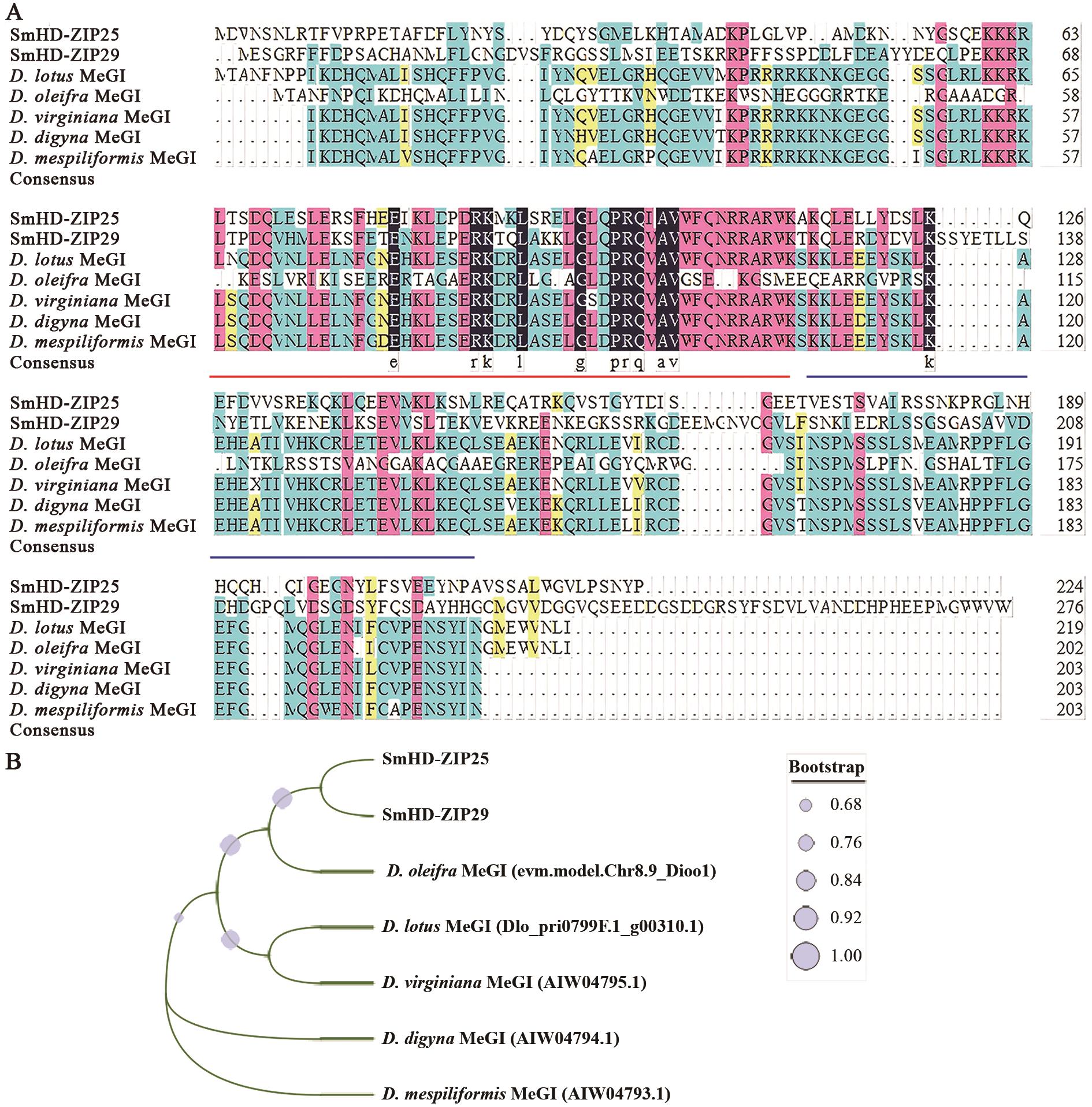
Fig. 1 Sequence alignment (A) and phylogenetic analysis (B) of SmHD-ZIP25, SmHD-ZIP29 and their homologs from Diospyros speciesIn Fig. A, the red and blue lines indicate the conserved Homeodomain (HD) and Leucine Zipper (LZ) domains, respectively
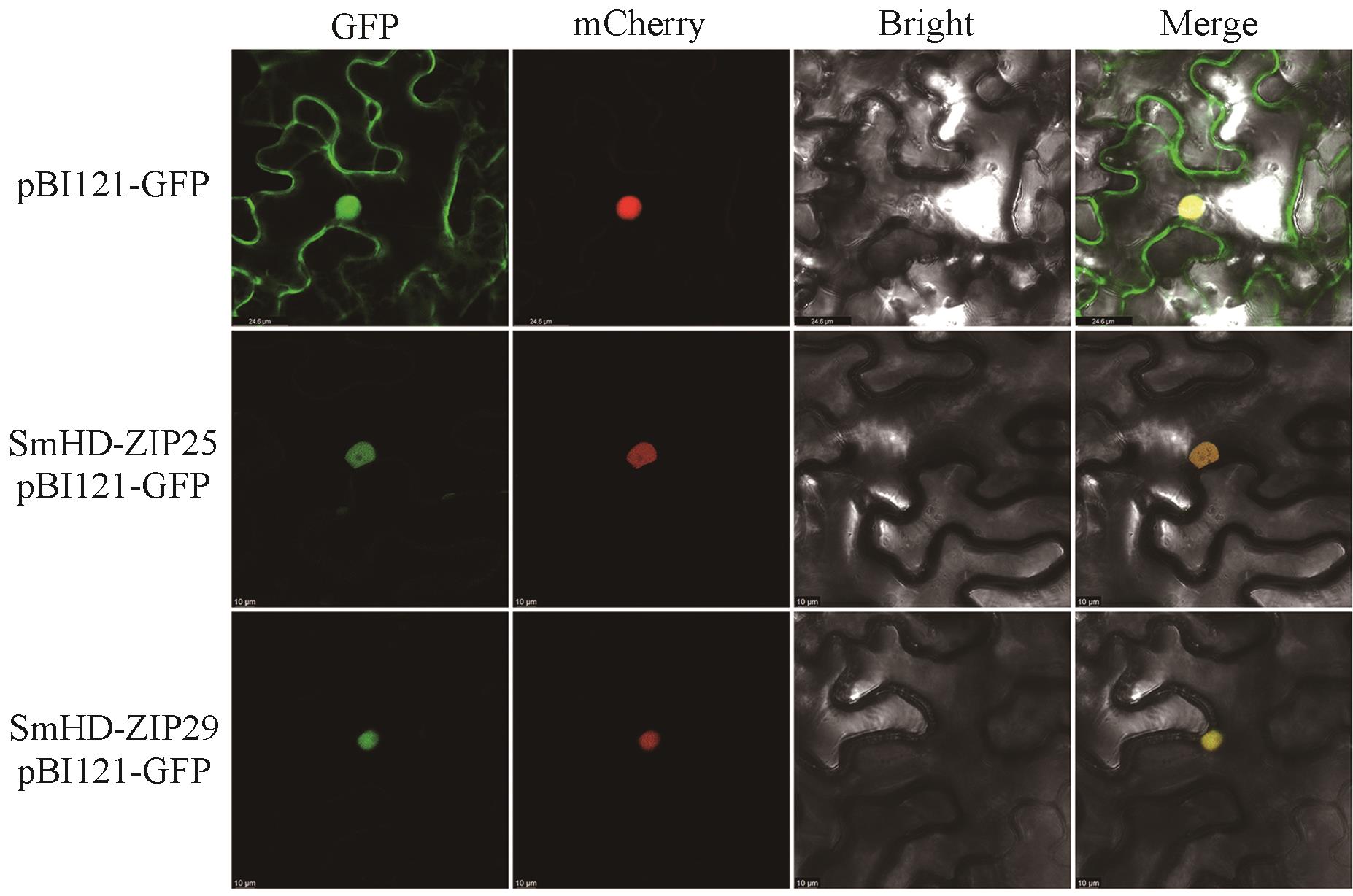
Fig. 2 Subcellular localization of SmHD-ZIP25 and SmHD-ZIP29
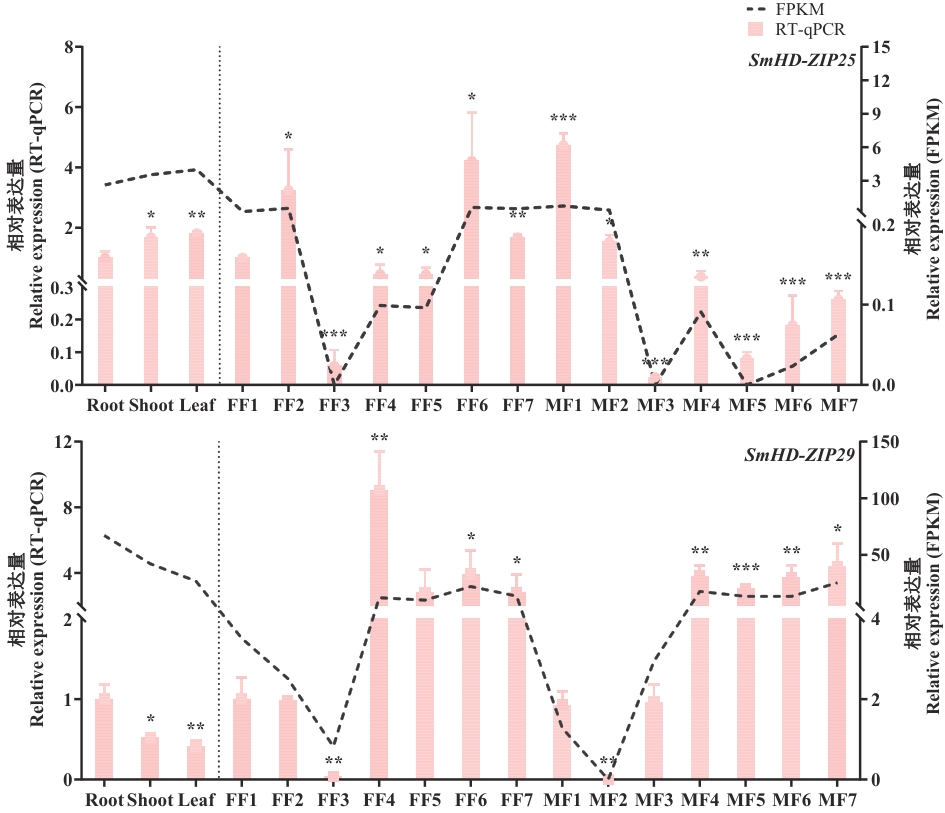
Fig. 3 Expression of SmHD-ZIP25 and SmHD-ZIP29 in different organs of S. mukorossiFF1-FF7 represent seven developmental stages of female flowers, and MF1-MF7 represent seven developmental stages of male flowers. * P < 0.05, ** P < 0.01, *** P < 0.001, the same below
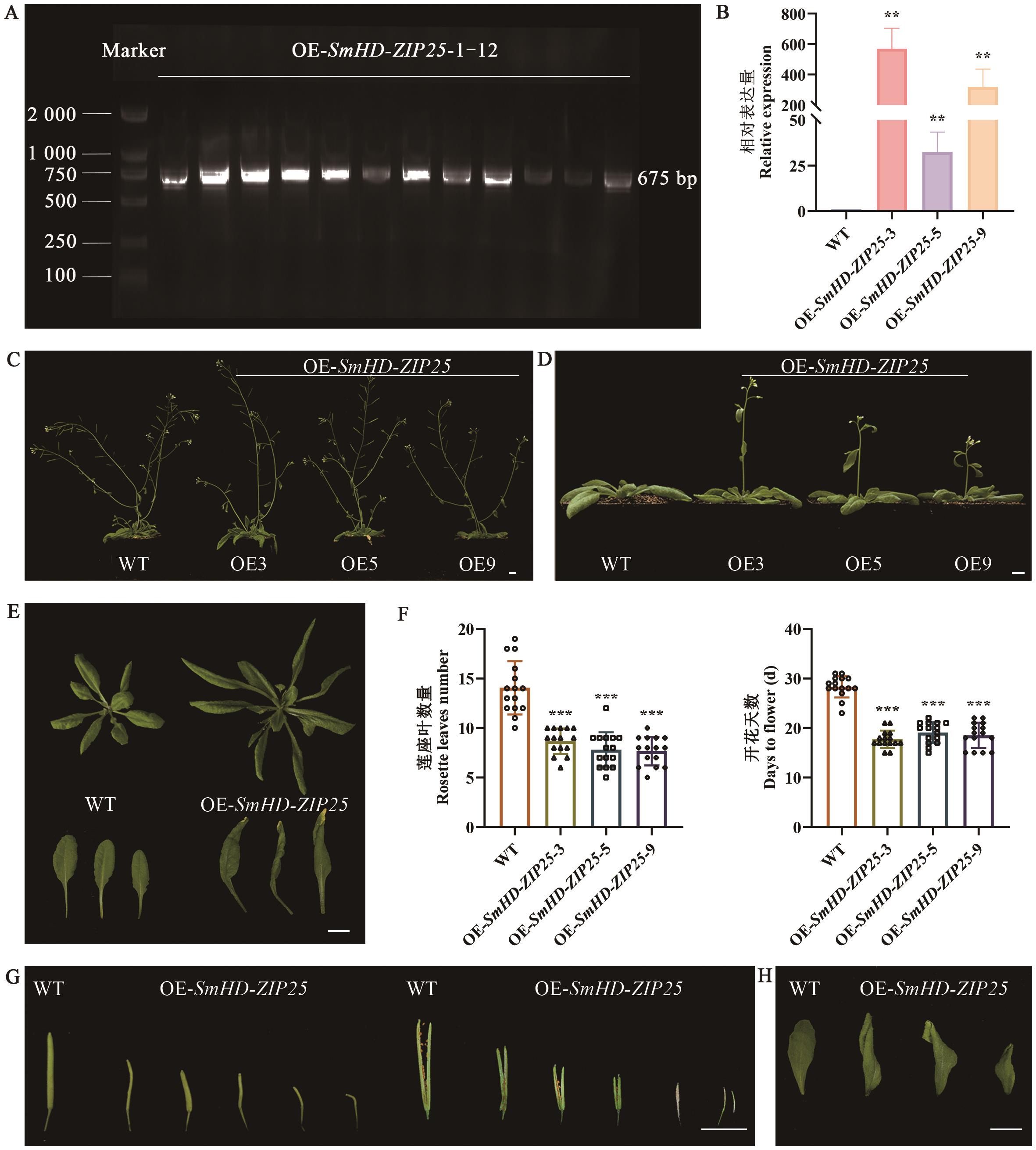
Fig. 4 Molecular characterization and phenotypic analysis of Arabidopsis plants overexpressing SmHD-ZIP25A: PCR identification of transgenic plants. B: Relative expression of SmHD-ZIP25 in wild-type and transgenic plants. C: Overall phenotype comparison between wild-type and overexpressing plants at the flowering stage. D: Vegetative growth morphology of 20-day-old seedlings. E: Morphology of rosette leaves. F: Statistical analysis of rosette leaf number and flowering time. G: Silique morphology (intact and dissected). H: Curling phenotype of cauline leaves. Scale bar: 1 cm. The same for Fig. 5
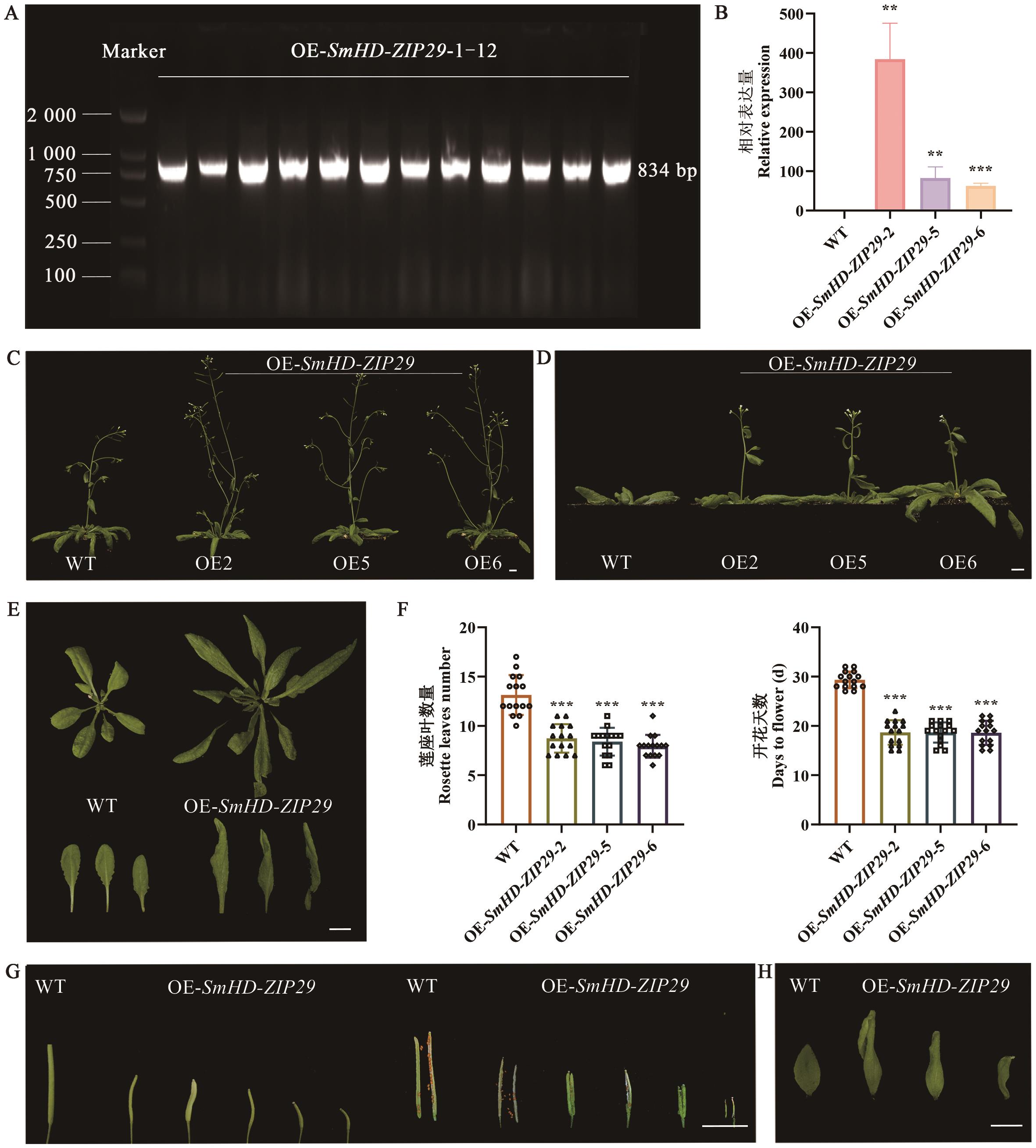
Fig. 5 Molecular characterization and phenotypic analysis of Arabidopsis plants overexpressing SmHD-ZIP29
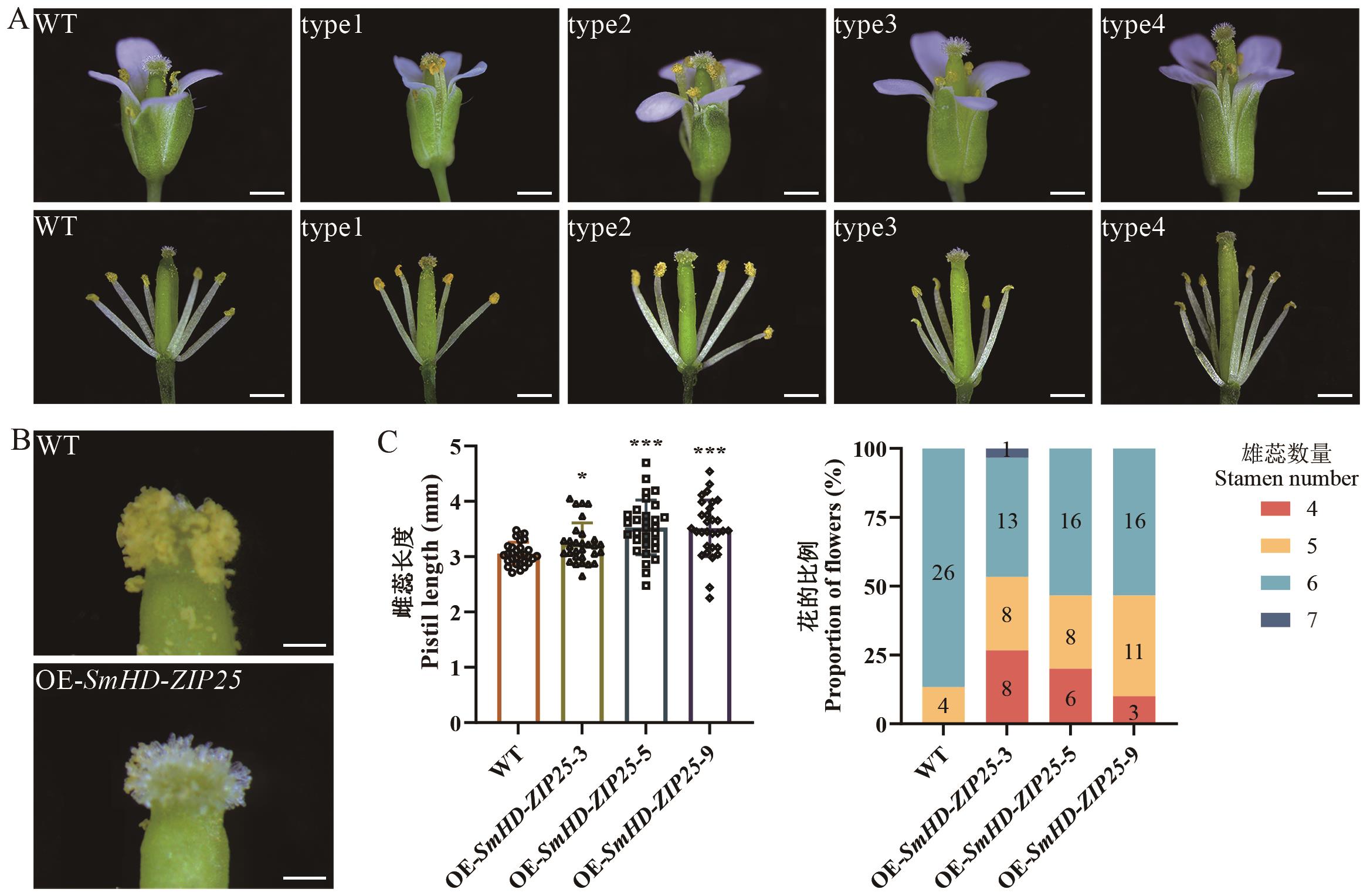
Fig. 6 Overexpression of SmHD-ZIP25 leads to stamen development inhibition and floral organ morphological changesA: Comparative phenotypes of the whole flower, pistil, and stamens. B: Pollen load on the stigma. C: Statistical analysis of pistil length and stamen number. Scale bars: 250 µm (A), 50 µm (B). The same for Fig. 7
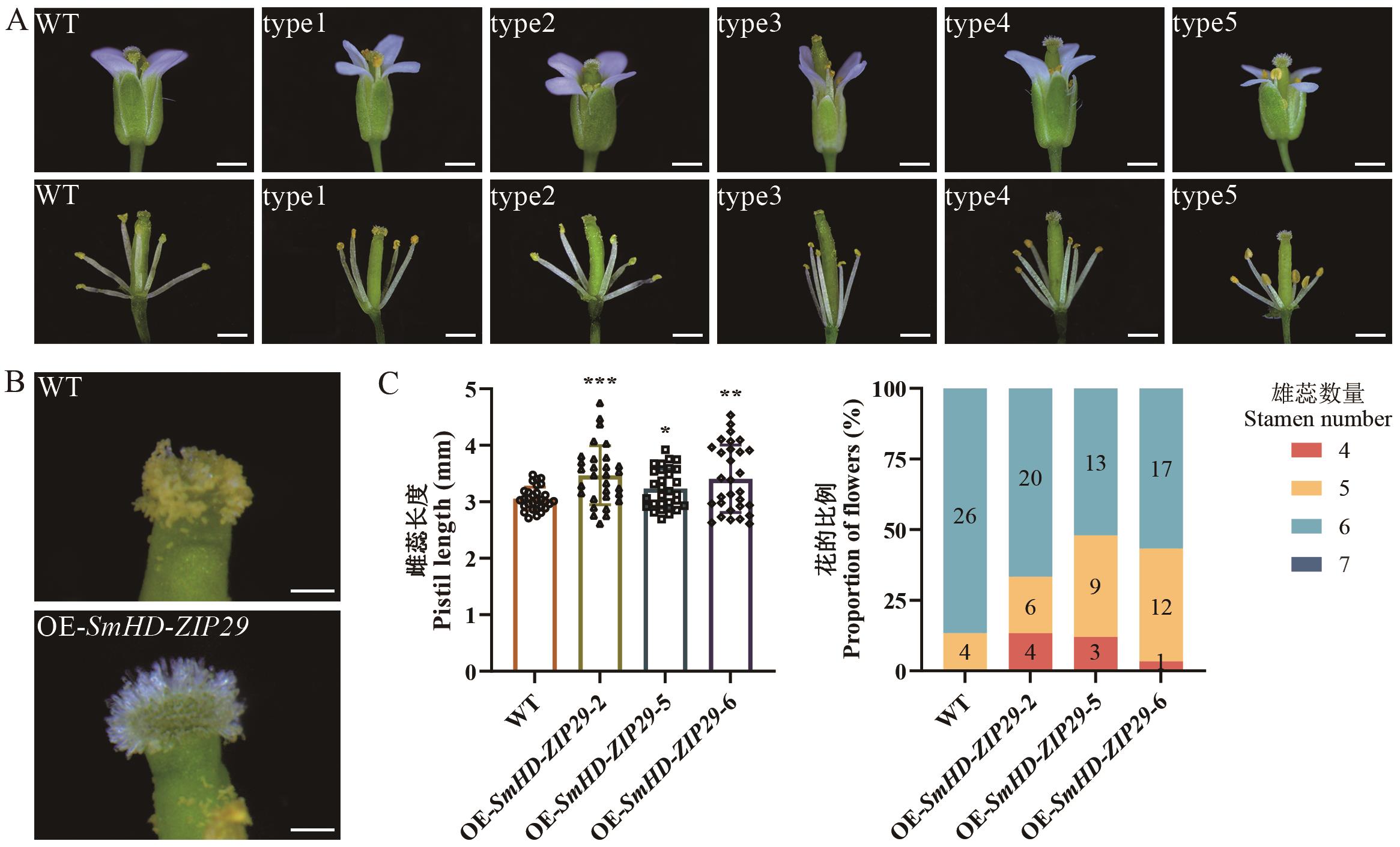
Fig. 7 Overexpression of SmHD-ZIP29 leads to stamen development inhibition and floral organ morphological changes
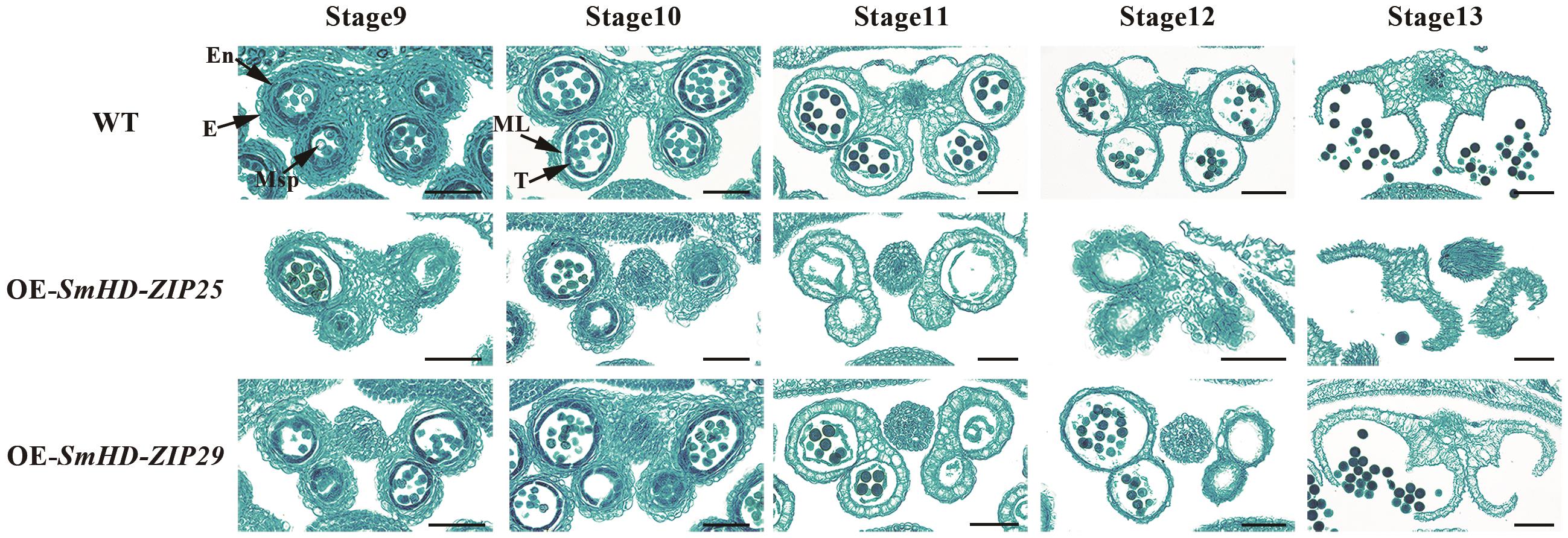
Fig. 8 Paraffin sections of anther cross-sections from SmHD-ZIP25 and SmHD-ZIP29 overexpressing plantsStage 9: Uninucleate microspore vacuolation stage. Stage 10: Late uninucleate microspore stage. Stage 11: Tapetum degradation initiation stage. Stage 12: Pollen maturation stage. Stage 13: Anther dehiscence stage. E: Epidermis. En: Endothecium. ML: Middle layer. T: Tapetum. Msp: Microspore. Scale bars: 50 μm
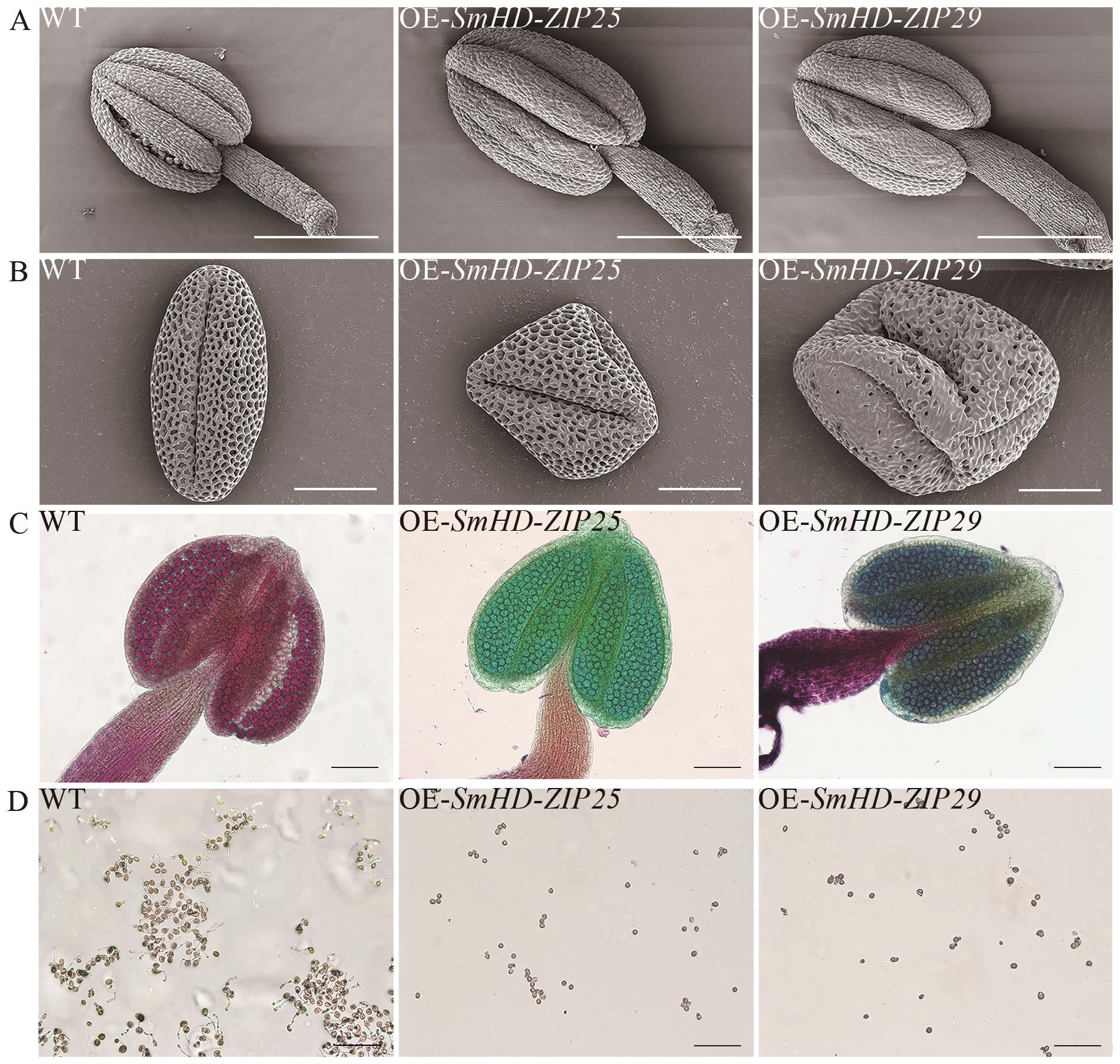
Fig. 9 Microstructural and fertility analysis of anthers and pollen in SmHD-ZIP25 and SmHD-ZIP29 overexpressing plantsA: Scanning electron micrograph of anthers. B: Scanning electron micrograph of pollen grain surface morphology. C: Alexander staining of anthers. D: Pollen germination in vitro. Scale bars: 300 μm (A), 10 μm (B), 50 μm (C), 100 μm (D)
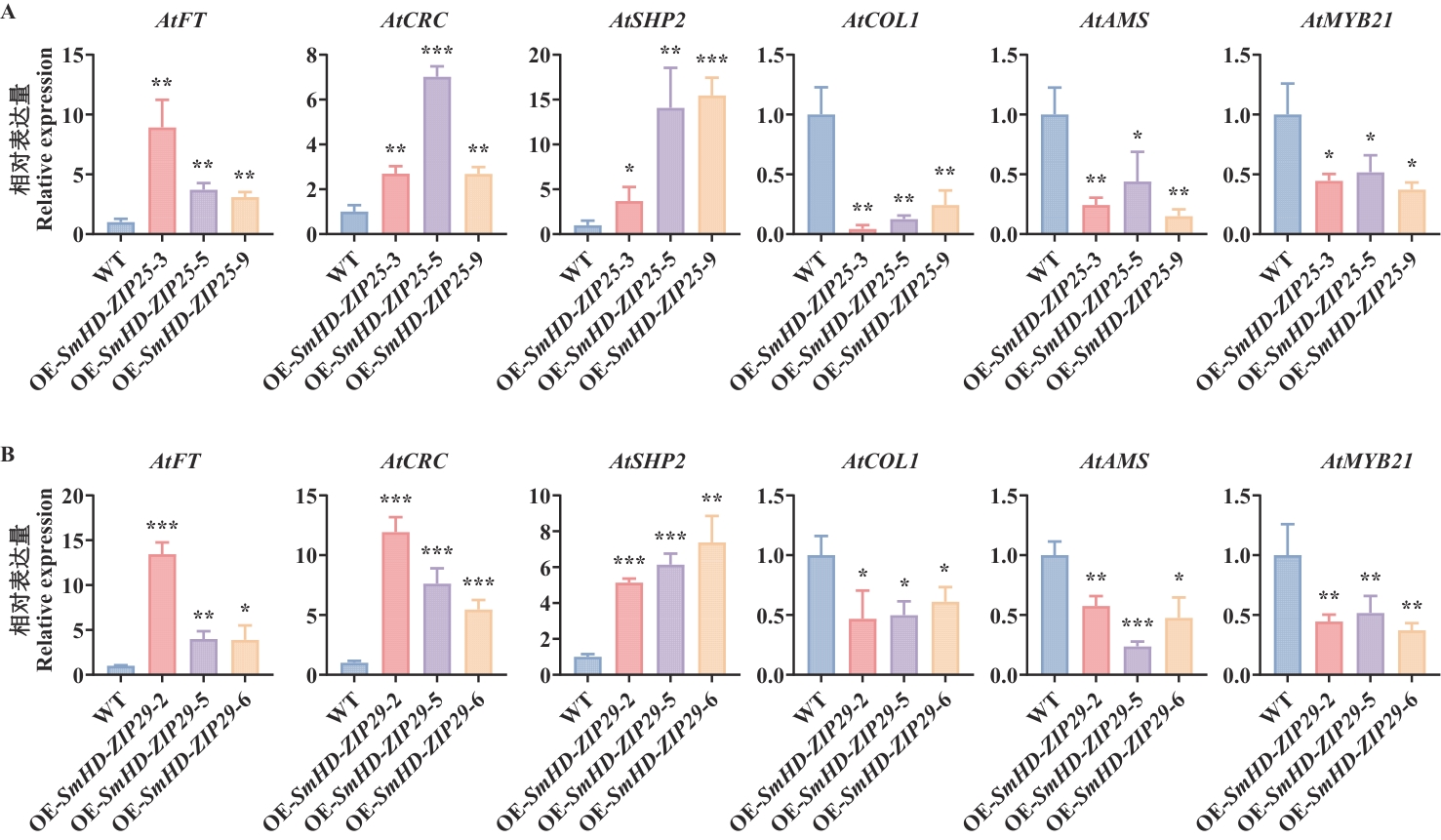
Fig. 10 Changes in endogenous gene expression during flower development in SmHD-ZIP25 (A) and SmHD-ZIP29 (B) transgenic lines
| [1] | Yao L, Lu J, Wang J, et al. Advances in biosynthesis of triterpenoid saponins in medicinal plants [J]. Chin J Nat Med, 2020, 18(6): 417-424. |
| [2] | Liu JM, Zhao GC, Zheng YL, et al. Genetic diversity and adaptive evolutionary history of Sapindus in China: insights from whole-genome resequencing of 100 representative individuals [J]. Plant Biotechnol J, 2025, 23(7): 2485-2500. |
| [3] | Li JR, Wang HX, Wang LX, et al. Comprehensive analysis of the complete chloroplast genome of the cultivated soapberry and phylogenetic relationships of Sapindaceae [J]. Ind Crops Prod, 2025, 228: 120952. |
| [4] | Wang X, Zhang RG, Yun QZ, et al. Comprehensive analysis of complete mitochondrial genome of Sapindus mukorossi Gaertn.: an important industrial oil tree species in China [J]. Ind Crops Prod, 2021, 174: 114210. |
| [5] | Zhao GC, Xu YY, Gao YH, et al. Morphological dynamics of flower development and sex differentiation in monoecious soapberry (Sapindus mukorossi Gaertn.) [J]. Ind Crops Prod, 2025, 235: 121724. |
| [6] | 吴翠翠, 肖水平. 陆地棉HD-Zip家族全基因组鉴定及响应非生物胁迫的表达分析 [J]. 生物技术通报, 2024, 40(2): 130-145. |
| Wu CC, Xiao SP. Genome-wide identification of HD-zip gene family in Gossypium hirsutum L. and expression analysis in response to abiotic stress [J]. Biotechnol Bull, 2024, 40(2): 130-145. | |
| [7] | 黄丹, 彭兵阳, 张盼盼, 等. 油茶HD-Zip基因家族鉴定及其在非生物胁迫下的表达分析 [J]. 生物技术通报, 2025, 41(6): 191-207. |
| Huang D, Peng BY, Zhang PP, et al. Identification of HD-zip gene family in Camellia oleifera and analysis of its expression under abiotic stress [J]. Biotechnol Bull, 2025, 41(6): 191-207. | |
| [8] | Acosta IF, Przybyl M. Jasmonate signaling during Arabidopsis stamen maturation [J]. Plant Cell Physiol, 2019, 60(12): 2648-2659. |
| [9] | Moore MJ, Soltis PS, Bell CD, et al. Phylogenetic analysis of 83 plastid genes further resolves the early diversification of eudicots [J]. Proc Natl Acad Sci U S A, 2010, 107(10): 4623-4628. |
| [10] | Akagi T, Henry IM, Tao R, et al. A Y-chromosome-encoded small RNA acts as a sex determinant in persimmons [J]. Science, 2014, 346(6209): 646-650. |
| [11] | Akagi T, Henry IM, Kawai T, et al. Epigenetic regulation of the sex determination gene MeGI in polyploid persimmon [J]. Plant Cell, 2016, 28(12): 2905-2915. |
| [12] | Akagi T, Shirasawa K, Nagasaki H, et al. Correction: The persimmon genome reveals clues to the evolution of a lineage-specific sex determination system in plants [J]. PLoS Genet, 2020, 16(5): e1008845. |
| [13] | Rashid D, Devani RS, Rodriguez-Granados NY, et al. Ethylene produced in carpel primordia controls CmHB40 expression to inhibit stamen development [J]. Nat Plants, 2023, 9(10): 1675-1687. |
| [14] | Zhao GC, Gao YH, Gao SL, et al. The phenological growth stages of Sapindus mukorossi according to BBCH scale [J]. Forests, 2019, 10(6): 462. |
| [15] | Piepers M, Erbstein K, Reyes-Hernandez J, et al. GreenGate 2.0: Backwards compatible addons for assembly of complex transcriptional units and their stacking with GreenGate [J]. PLoS One, 2023, 18(9): e0290097. |
| [16] | Yang HW, Akagi T, Kawakatsu T, et al. Gene networks orchestrated by MeGI: a single-factor mechanism underlying sex determination in persimmon [J]. Plant J, 2019, 98(1): 97-111. |
| [17] | 高亚娇, 赵国春, 贾黎明, 等. 无患子SmCYCD3;2基因的克隆与功能研究 [J]. 北京林业大学学报, 2025, 47(12): 87-96. |
| Gao YJ, Zhao GC, Jia LM, et al. Cloning and functional studies on SmCYCD3;2 gene in Sapindus mukorossi [J]. J Beijing For Univ, 2025, 47(12): 87-96. | |
| [18] | Xu YY, Zhao GC, Ji XQ, et al. Metabolome and transcriptome analysis reveals the transcriptional regulatory mechanism of triterpenoid saponin biosynthesis in soapberry (Sapindus mukorossi Gaertn.) [J]. J Agric Food Chem, 2022, 70(23): 7095-7109. |
| [19] | Czechowski T, Stitt M, Altmann T, et al. Genome-wide identification and testing of superior reference genes for transcript normalization in Arabidopsis [J]. Plant Physiol, 2005, 139(1): 5-17. |
| [20] | Sanders PM, Bui AQ, Weterings K, et al. Anther developmental defects in Arabidopsis thaliana male-sterile mutants [J]. Sex Plant Reprod, 1999, 11(6): 297-322. |
| [21] | Lian H, Li XR, Liu ZY, et al. HYL1 is required for establishment of stamen architecture with four microsporangia in Arabidopsis [J]. J Exp Bot, 2013, 64(11): 3397-3410. |
| [22] | Kardailsky I, Shukla VK, Ahn JH, et al. Activation tagging of the floral inducer FT [J]. Science, 1999, 286(5446): 1962-1965. |
| [23] | Zhu J, Chen H, Li H, et al. Defective in Tapetal Development and Function 1 is essential for anther development and tapetal function for microspore maturation in Arabidopsis [J]. Plant J, 2008, 55(2): 266-277. |
| [24] | Pinyopich A, Ditta GS, Savidge B, et al. Assessing the redundancy of MADS-box genes during carpel and ovule development [J]. Nature, 2003, 424(6944): 85-88. |
| [25] | Song SS, Qi TC, Huang H, et al. The jasmonate-ZIM domain proteins interact with the R2R3-MYB transcription factors MYB21 and MYB24 to affect jasmonate-regulated stamen development in Arabidopsis [J]. Plant Cell, 2011, 23(3): 1000-1013. |
| [26] | Han KY, Lai M, Zhao TY, et al. Plant YABBY transcription factors: a review of gene expression, biological functions, and prospects [J]. Crit Rev Biotechnol, 2025, 45(1): 214-235. |
| [27] | Mai YN, Sun P, Suo YJ, et al. Regulatory mechanism of MeGI on sexuality in Diospyros oleifera [J]. Front Plant Sci, 2023, 14: 1046235. |
| [28] | Carabelli M, Turchi L, Morelli G, et al. Coordination of biradial-to-radial symmetry and tissue polarity by HD-ZIP II proteins [J]. Nat Commun, 2021, 12: 4321. |
| [29] | Zhang T, You J, Zhang Y, et al. LF1 regulates the lateral organs polarity development in rice [J]. New Phytol, 2021, 231(3): 1265-1277. |
| [30] | Wu ML, Bian XX, Huang BB, et al. HD-Zip proteins modify floral structures for self-pollination in tomato [J]. Science, 2024, 384(6691): 124-130. |
| [1] | NIE Jia, LIN Hui-zi, TANG Zhe-yuan, CHEN Li-yu. Advances in Regulation of Anther Tapetum Development under Temperature Stress [J]. Biotechnology Bulletin, 2026, 42(9): 14-28. |
| [2] | LONG Lin-xi, ZENG Yin-ping, WANG Qian, DENG Yu-ping, GE Min-qian, CHEN Yan-zhuo, LI Xin-juan, YANG Jun, ZOU Jian. Identification of Sunflower GH3 Gene Family and Analysis of Their Function in Flower Development [J]. Biotechnology Bulletin, 2026, 42(1): 125-138. |
| [3] | LI Yun-bin, LI Yu-ping, CHENG Qin, LIN Chun, MAO Zi-chao, LIU Zheng-jie. Identification and Expression Analysis of the Members of the Asparagus officinalis DUF247 Gene Family [J]. Biotechnology Bulletin, 2025, 41(1): 198-209. |
| [4] | WANG Qian, ZHOU Jia-yan, WANG Qian, DENG Yu-ping, ZHANG Min-hui, CHEN Jing, YANG Jun, ZOU Jian. Identification and Expression Analysis of the YABBY Gene Family in Sunflower [J]. Biotechnology Bulletin, 2024, 40(8): 199-211. |
| [5] | LIAO Yang-mei, ZHAO Guo-chun, WENG Xue-huang, JIA Li-ming, CHEN Zhong. Transcriptome Sequencing of Male Sterile Buds at Different Developmental Stages in Sapindus mukorossi ‘Qirui’ [J]. Biotechnology Bulletin, 2024, 40(7): 197-206. |
| [6] | ZHAO Yan-xia, ZHANG Jing-ying, SUN Jun-fei, WANG Jiang-hui, SUN Jia-bo, LV Xiao-hui. Analyses of Transcription and Metabolic Differential in the Flower Development Processes of ‘Rose rugosa cv. Plena’ [J]. Biotechnology Bulletin, 2023, 39(3): 184-195. |
| [7] | CAO Ying-hui, HU Mei-juan, TONG Yan, ZHANG Yan-ping, ZHAO Kai, PENG Dong-hui, ZHOU Yu-zhen. Identification of the ABC Gene Family and Expression Pattern Analysis During Flower Development in Cymbidium ensifolium [J]. Biotechnology Bulletin, 2022, 38(11): 162-174. |
| [8] | GAO Li-li, DIAO Xiao-ming, LI Yun, ZHAI Xu-liang, ZHOU Chun-long. Advances and Reflect on Dominant Factors Determining the Sex of Pelodiscus sinensis [J]. Biotechnology Bulletin, 2018, 34(12): 41-49. |
| [9] | TAN Yu-rong, WANG Dan, GAO Xuan, LIU Jin-ping. Research Advance on Plant Long Noncoding RNAs [J]. Biotechnology Bulletin, 2018, 34(10): 1-10. |
| [10] | Dong Tian, Liu Fengjiao, Hu Hongxia, Zhu Hua. Research Progress on Sex Differentiation Related Genes on Sturgeon [J]. Biotechnology Bulletin, 2015, 31(10): 62-70. |
| [11] | Jiang Wei, Gu Huiying, Wang Zhimin, Song Ming, Tang Qinglin. The Flower Development of Arabidopsis thaliana Affected by Floral Meristem Identity Gene AGL24 [J]. Biotechnology Bulletin, 2014, 30(4): 6-13. |
| [12] | Li Jing, Gu Huiying, Wang Zhimin, Tang Qinglin, Song Ming. Research Progress of Flowering Gene Regulatory Networks in Arabidopsis thaliana [J]. Biotechnology Bulletin, 2014, 30(12): 1-8. |
| [13] | Yu Xiaoling, Ruan Mengbin, Wang Shuchang, Peng Ming. Cloning and Functional Analysis of MeHDS1 from Cassava Responsing Drought [J]. Biotechnology Bulletin, 2014, 30(10): 76-81. |
| [14] | Wang Risheng, Zhang Man, Huang Rukui, Liu Wenjun, Dong Wenbin, Che Jianglü, Fang Fengxue, Li Yangrui. Cloning and Sequence Analysis of 1-aminocyclopropane-1-carboxylate (ACC)Oxidase Gene cDNA from Gynoecious Momordica charantia [J]. Biotechnology Bulletin, 2013, 29(10): 76-80. |
| Viewed | ||||||
|
Full text |
|
|||||
|
Abstract |
|
|||||
