






生物技术通报 ›› 2026, Vol. 42 ›› Issue (10): 160-168.doi: 10.13560/j.cnki.biotech.bull.1985.2025-1288
• 研究报告 • 上一篇
黄姗, 陈言, 李桐, 林邦语, 梁玉梦, 苟倩, 林源秀, 汤浩茹, 张云婷( )
收稿日期:2025-11-26
出版日期:2026-10-26
发布日期:2026-10-15
通讯作者:
张云婷asyunting@sicau.edu.cn基金资助:
HUANG Shan, CHEN Yan, LI Tong, LIN Bang-yu, LIANG Yu-meng, GOU Qian, LIN Yuan-xiu, TANG Hao-ru, ZHANG Yun-ting()
Received:2025-11-26
Published:2026-10-26
Online:2026-10-15
摘要:
目的 鉴定‘红颜’草莓(Fragaria × ananassa Duch. ‘Benihoppe’)TIFY超家族成员FaJAZ5基因及其表达特性,揭示该基因在植物盐胁迫响应过程中的功能,为培育耐盐草莓新品种提供理论依据与基因资源。 方法 采用同源克隆法获得FaJAZ5基因序列,通过生物信息学分析其序列特征;利用RT-qPCR技术检测该基因在草莓不同组织中和盐胁迫下的表达模式;通过农杆菌介导的遗传转化法在烟草中异源表达FaJAZ5;对盐胁迫下的转基因烟草进行表型观测与相关生理指标测定。 结果 序列分析显示,FaJAZ5基因编码区全长543 bp,编码180个氨基酸,具有TIFY家族标志性基序;RT-qPCR分析表明,FaJAZ5基因表达具有组织特异性,在茎中表达量最高,盐胁迫能显著诱导FaJAZ5在根和叶中的表达;正常生长条件下,FaJAZ5过表达烟草的冠幅和叶绿素含量显著高于野生型,而株高和叶型与野生型无显著性差异。盐胁迫处理后,FaJAZ5过表达烟草出现迅速萎蔫现象,其丙二醛(MDA)和活性氧(ROS)含量显著高于野生型,同时渗透调节物质含量及抗氧化酶活性也显著高于野生型。 结论 盐胁迫下,FaJAZ5过表达烟草渗透调节物质含量和抗氧化酶活性提高,但盐胁迫造成的损伤程度已超过其抵御能力阈值,整体表现为对盐敏感性增加,表明FaJAZ5基因对植株的盐胁迫响应具有负调控作用。
黄姗, 陈言, 李桐, 林邦语, 梁玉梦, 苟倩, 林源秀, 汤浩茹, 张云婷. 草莓FaJAZ5基因的克隆及其对盐胁迫的响应[J]. 生物技术通报, 2026, 42(10): 160-168.
HUANG Shan, CHEN Yan, LI Tong, LIN Bang-yu, LIANG Yu-meng, GOU Qian, LIN Yuan-xiu, TANG Hao-ru, ZHANG Yun-ting. Cloning of Strawberry FaJAZ5 Gene and Its Response to Salt Stress[J]. Biotechnology Bulletin, 2026, 42(10): 160-168.
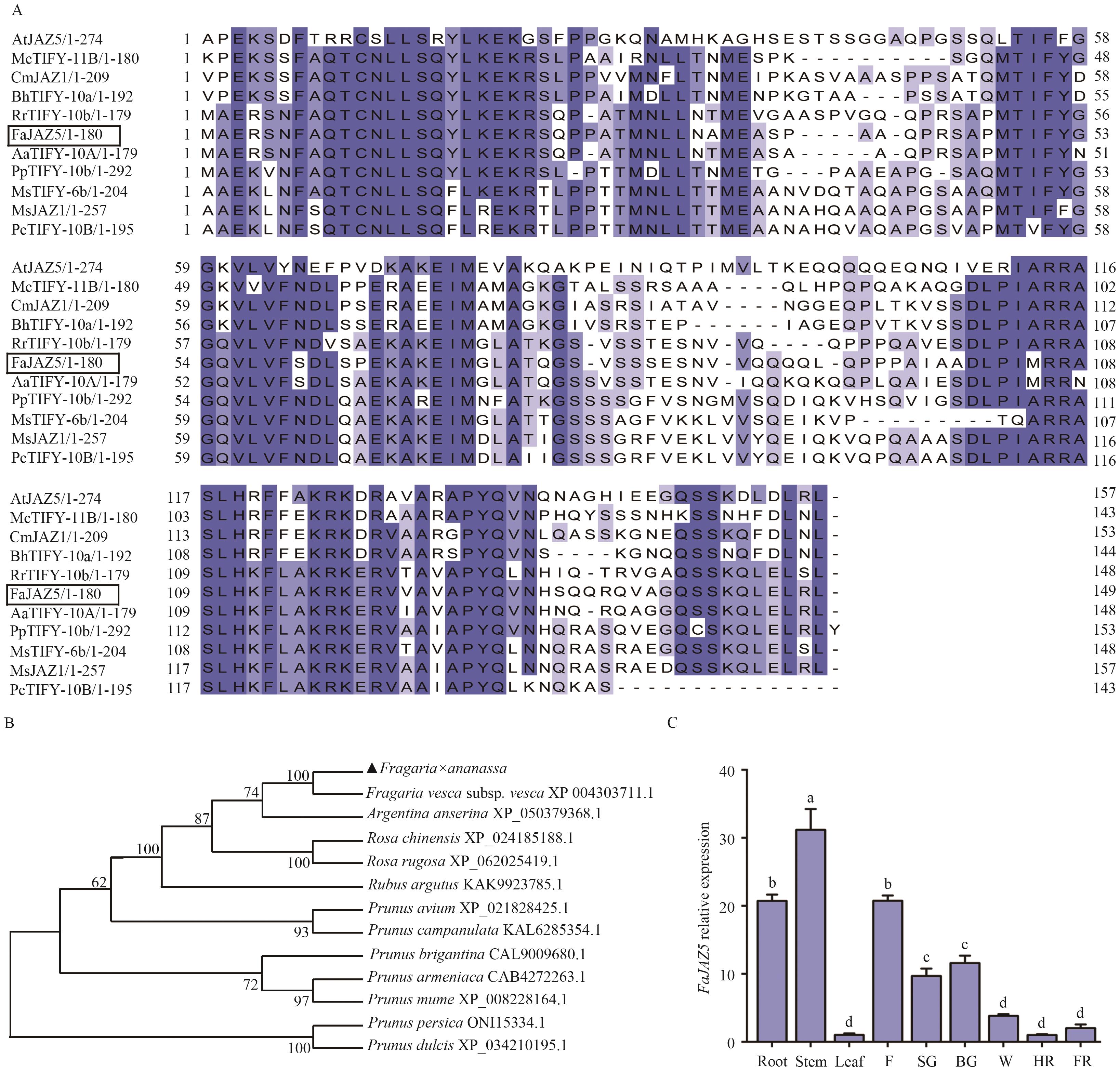
图1 FaJAZ5蛋白序列多重比对(A)、系统发育树(B)和FaJAZ5基因在草莓不同组织和不同发育时期果实中的表达量(C)At:拟南芥;Mc:苦瓜;Cm:甜瓜;Bh:冬瓜;Rr:玫瑰;Fa:草莓;Aa:蕨麻;Pp:桃;Ms:欧洲野苹果;F:花;SG:小绿果;BG:大绿果;W:白果;HR:半红果;FR:全红果。柱状图上标的不同小写字母表示各实验处理间存在统计学显著差异(P<0.05)。下同
Fig. 1 Multiple alignment of FaJAZ5 protein sequences (A), phylogenetic tree (B), and expression analysis of the FaJAZ5 gene in different tissues of strawberry and fruits at different developmental stages (C)At: Arabidopsis thaliana; Mc: Momordica charantia; Cm: Cucumis melo; Bh: Benincasa hispida; Rr: Rosa rugosa; Fa: Fragaria × ananassa; Aa: Argentina anserina; Pp: Prunus persica; Ms: Malus sylvestris. F: Flower; SG: small green fruit; BG: big green fruit; W: white fruit; HR: half-red fruit; FR: full-red fruit. Bars with different lowercase letters indicate significant differences at P<0.05. The same below
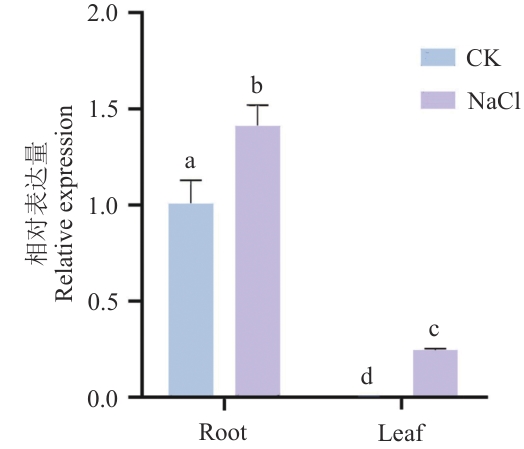
图2 FaJAZ5基因在草莓盐胁迫下的表达模式
Fig. 2 Expression pattern of the FaJAZ5 gene in strawberry under salt stress
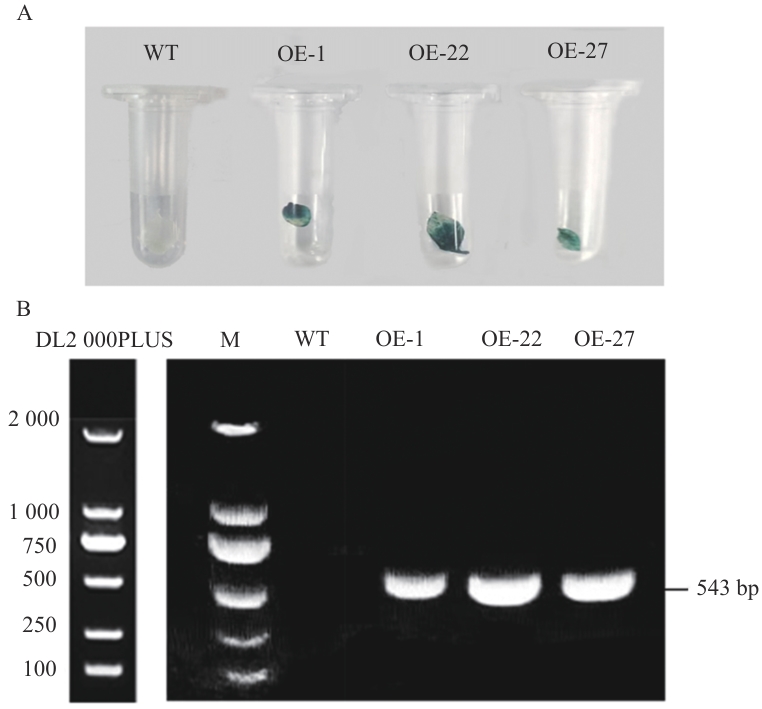
图3 FaJAZ5过表达烟草的GUS(A)和PCR(B)检测WT:野生型;OE-1、OE-22、OE-27:3个FaJAZ5过表达株系。下同
Fig. 3 GUS (A) detection and PCR (B) of FaJAZ5-overexpressing tobaccoWT: Wild type; OE-1, OE-22, OE-27: three FaJAZ5 overexpression lines. The same below
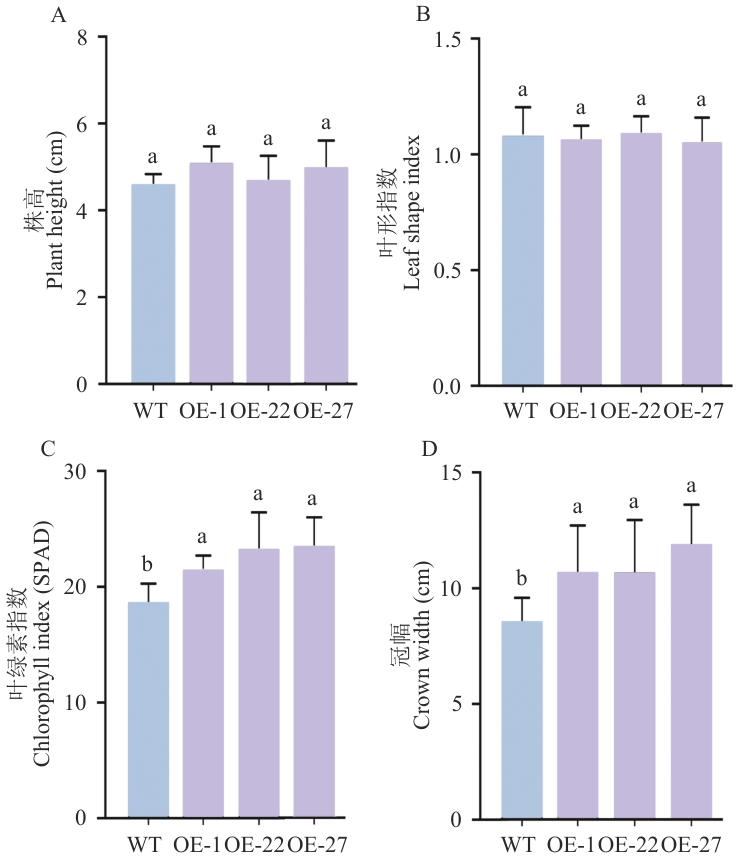
图4 正常生长条件下过表达FaJAZ5对植株形态指标的影响
Fig. 4 Effects of FaJAZ5 overexpression on plant morphological indicators under normal growth conditions
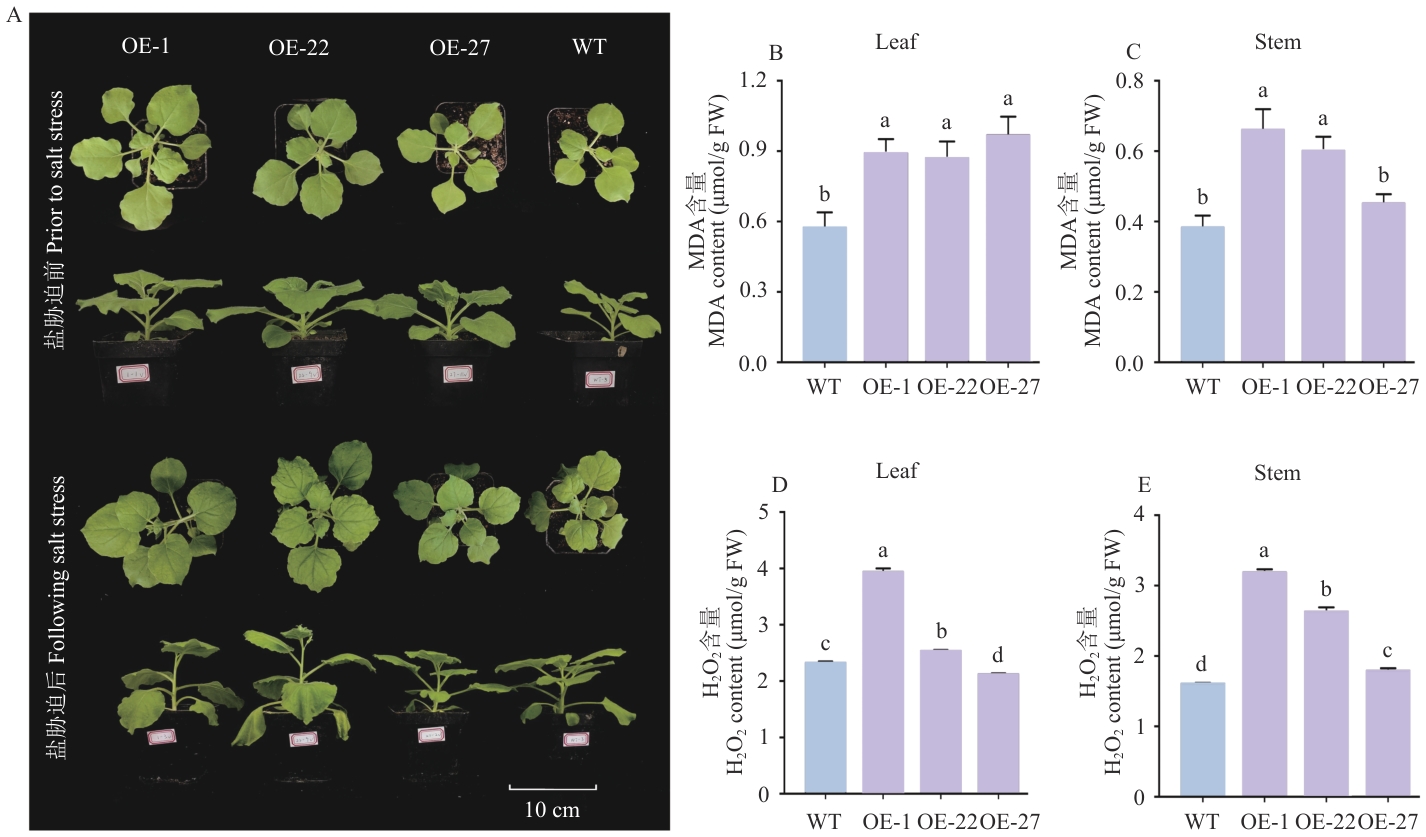
图5 过表达FaJAZ5对盐胁迫下植株表型(A)及膜脂过氧化指标(B‒E)的影响
Fig. 5 Effects of FaJAZ5 overexpression on plant phenotype (A) and membrane lipid peroxidation indices (B‒E) under salt stress
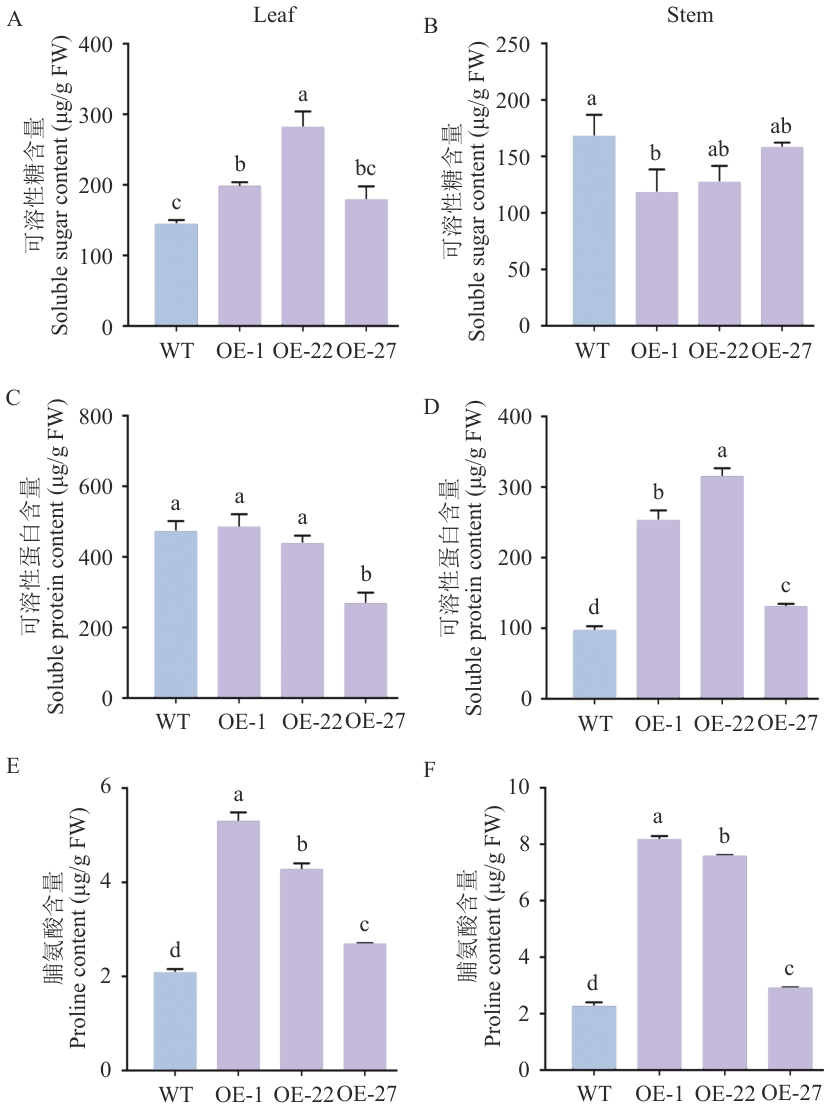
图6 过表达FaJAZ5对植株渗透调节物质的影响
Fig. 6 Effects of FaJAZ5 overexpression on osmotic adjustment substances in plants
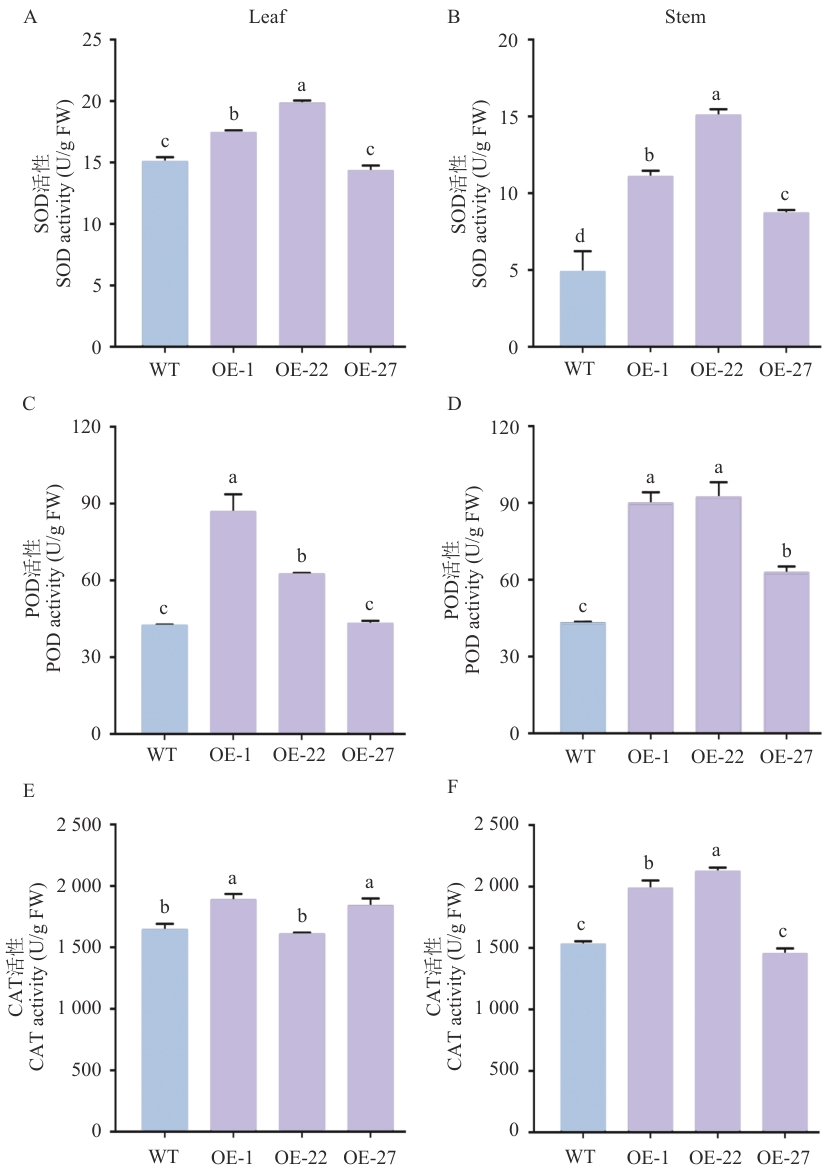
图7 过表达FaJAZ5对植株抗氧化酶活性的影响
Fig. 7 Effects of FaJAZ5 overexpression on plant antioxidant enzyme activities
| [1] | Zhang YT, Deng MY, Lin BY, et al. Physiological and transcriptomic evidence revealed the role of exogenous GABA in enhancing salt tolerance in strawberry seedlings [J]. BMC Genom, 2025, 26: 196. |
| [2] | Niu TH, Zhang J, Li J, et al. Effects of exogenous Glycine betaine and cycloleucine on photosynthetic capacity, amino acid composition, and hormone metabolism in Solanum melongena L [J]. Sci Rep, 2023, 13: 7626. |
| [3] | Zhong Y, Liu CZ, Wei B, et al. Exogenous 5-aminolevulinic acid promotes osmotic stress tolerance of walnuts by modulating photosynthesis, osmotic adjustment and antioxidant systems [J]. Forests, 2023, 14(9): 1789. |
| [4] | Zheng C, Chen JP, Wang XW, et al. Reactive oxygen species in plants: metabolism, signaling, and oxidative modifications [J]. Antioxidants, 2025, 14(6): 617. |
| [5] | Rajput VD, Harish, Singh RK, et al. Recent developments in enzymatic antioxidant defence mechanism in plants with special reference to abiotic stress [J]. Biology, 2021, 10(4): 267. |
| [6] | Chen HY, Liu XN, Li SC, et al. The class B heat shock factor HSFB1 regulates heat tolerance in grapevine [J]. Hortic Res, 2023, 10(3): uhad001. |
| [7] | Gupta A, Bhardwaj M, Tran LP. JASMONATE ZIM-DOMAIN family proteins: important nodes in jasmonic acid-abscisic acid crosstalk for regulating plant response to drought [J]. Curr Protein Pept Sci, 2021, 22(11): 759-766. |
| [8] | 曹晓蔓. 茉莉酸信号转录抑制关键组分JAZ与NINJA互作机制研究 [D]. 南京: 南京农业大学, 2021. |
| Cao XM. The interaction mechanism of transcription repressor JAZ and NINJA in jasmonate signaling [D]. Nanjing: Nanjing Agricultural University, 2021. | |
| [9] | Sen S, DasGupta M. Involvement of Arachis hypogaea jasmonate ZIM domain/TIFY proteins in root nodule symbiosis [J]. J Plant Res, 2021, 134(2): 307-326. |
| [10] | Li WL, Yu SM, Zhang KM, et al. Characterization of the JAZ family in Osmanthus fragrans and the role of OfLJAZ2 in flavonoid synthesis mediated regulation of salt and drought stress tolerance [J]. Plant Physiol Biochem, 2025, 228: 110235. |
| [11] | Wang XY, Zhu NN, Yang JS, et al. CwJAZ4/9 negatively regulates jasmonate-mediated biosynthesis of terpenoids through interacting with CwMYC2 and confers salt tolerance in Curcuma wenyujin [J]. Plant Cell Environ, 2024, 47(8): 3090-3110. |
| [12] | Zhao J, Zhang S, Yu Z, et al. The transcription factor MdWRKY9 is involved in jasmonic acid-mediated salt stress tolerance in apple [J]. Hortic Res, 2025, 12(6): uhaf068. |
| [13] | Chen Q, Long Y, Yang M, et al. FaPKc2.2 negatively modulates strawberry fruit ripening by reprograming the carbon metabolic pathway [J]. Sci Hortic, 2022, 301: 111114. |
| [14] | 孙崇皓, 张磊, 彭福田. 亚硒酸钠对盐胁迫环境下草莓生长发育的影响 [J]. 中国果树, 2023(10): 52-57, 141. |
| Sun CH, Zhang L, Peng FT. Effect of sodium selenite on the growth and development of strawberries under salt stress [J]. China Fruits, 2023(10): 52-57, 141. | |
| [15] | 叶宇芸. 隐花色素CRY1和CRY2在草莓生长发育中的功能鉴定 [D]. 雅安: 四川农业大学, 2022. |
| Ye YY. Functional identification of cryptochromes CRY1 and CRY2 in strawberry growth and development [D]. Ya’an: Sichuan Agricultural University, 2022. | |
| [16] | Wang W, Ouyang JY, Li YT, et al. A signaling cascade mediating fruit trait development via phosphorylation-modulated nuclear accumulation of JAZ repressor [J]. J Integr Plant Biol, 2024, 66(6): 1106-1125. |
| [17] | 蒲文超. 草莓隐花色素基因FaCRY1的功能鉴定 [D]. 雅安: 四川农业大学, 2022. |
| Pu WC. Functional identification of strawberry cryptochrome gene FaCRY1 [D]. Ya’an: Sichuan Agricultural University, 2022. | |
| [18] | 肖家昶, 雷凤芸, 肖龙仲, 等. 邻苯二甲酸对不同砧木西瓜嫁接苗根系生理特性及矿物质含量的影响 [J]. 西北农业学报, 2023, 32(3): 368-376. |
| Xiao JC, Lei FY, Xiao LZ, et al. Effect of phthalic acid on root physiological characteristics and mineral content of grafted watermelon seedlings with different rootstocks [J]. Acta Agric Boreali Occidentalis Sin, 2023, 32(3): 368-376. | |
| [19] | 雷娟利, 赵彦婷, 岳智臣, 等. 甘蓝品种间可溶性糖含量分析 [J]. 浙江农业科学, 2023, 64(2): 463-465. |
| Lei JL, Zhao YT, Yue ZC, et al. Analysis of soluble sugar content among cabbage varieties [J]. J Zhejiang Agric Sci, 2023, 64(2): 463-465. | |
| [20] | 杨正宇, 周佳君, 胡恒康, 等. 香榧胚性愈伤组织的悬浮培养动力学及对赤霉素的响应 [J]. 浙江农林大学学报, 2025, 42(1): 103-111. |
| Yang ZY, Zhou JJ, Hu HK, et al. Suspension culture dynamics of embryogenic callus from Torreya grandis ‘Merrillii’ and its response to gibberellin [J]. J Zhejiang A&F Univ, 2025, 42(1): 103-111. | |
| [21] | Zhao X, Jiang XM, Li ZY, et al. Jasmonic acid regulates lignin deposition in poplar through JAZ5-MYB/NAC interaction [J]. Front Plant Sci, 2023, 14: 1232880. |
| [22] | 林晨俞, 郭鑫, 王文娟, 等. 番茄SlJAZ7的抗病功能及与SlTGA7的互作 [J]. 华南农业大学学报, 2024, 45(4): 525-534. |
| Lin CY, Guo X, Wang WJ, et al. Disease resistance of SlJAZ7 and its interaction with SlTGA7 in tomato [J]. J South China Agric Univ, 2024, 45(4): 525-534. | |
| [23] | 张欣欣, 陶涛, 李杭春, 等. JAZ在园艺植物生长发育中的调控作用 [J]. 生物工程学报, 2025, 41(2): 530-545. |
| Zhang XX, Tao T, Li HC, et al. Regulatory roles of JAZ in the growth and development of horticultural plants [J]. Chin J Biotechnol, 2025, 41(2): 530-545. | |
| [24] | Shen JZ, Zou ZW, Xing HQ, et al. Genome-wide analysis reveals stress and hormone responsive patterns of JAZ family genes in Camellia sinensis [J]. Int J Mol Sci, 2020, 21(7): 2433. |
| [25] | Wang W, Dai ZR, Wang P, et al. Jasmonate ZIM-domain proteins regulate fruit ripening and quality traits: mechanisms and advances [J]. Food Qual Saf, 2025, 9: fyaf022. |
| [26] | Pei D, Ren YH, Yu WB, et al. The roles of brassinosteroids and methyl jasmonate on postharvest grape by regulating the interaction between VvDWF4 and VvTIFY 5A [J]. Plant Sci, 2023, 336: 111830. |
| [27] | Hu YN, Sun HL, Han ZY, et al. ERF4 affects fruit ripening by acting as a JAZ interactor between ethylene and jasmonic acid hormone signaling pathways [J]. Hortic Plant J, 2022, 8(6): 689-699. |
| [28] | Li X, Li CJ, Shi L, et al. Jasmonate signaling pathway confers salt tolerance through a NUCLEAR FACTOR-Y trimeric transcription factor complex in Arabidopsis [J]. Cell Rep, 2024, 43(3): 113825. |
| [29] | Liu B, Seong K, Pang SH, et al. Functional specificity, diversity, and redundancy of Arabidopsis JAZ family repressors in jasmonate and COI1-regulated growth, development, and defense [J]. New Phytol, 2021, 231(4): 1525-1545. |
| [30] | Huai JL, Gao N, Yao YY, et al. JASMONATE ZIM-domain protein 3 regulates photomorphogenesis and thermomorphogenesis through inhibiting PIF4 in Arabidopsis [J]. Plant Physiol, 2024, 195(3): 2274-2288. |
| [31] | Chen Q, Zhang Y, Tian Y, et al. MsTIFY10a gene from alfalfa negatively regulates drought and salt tolerance in transgenic tobacco [J]. J Plant Physiol, 2026, 317: 154684. |
| [32] | Song HF, Fu XX, Li J, et al. Phylogenetic analysis and expression profiles of jasmonate ZIM-domain gene family provide insight into abiotic stress resistance in sunflower [J]. Front Plant Sci, 2022, 13: 1010404. |
| [1] | 郑淑雅, 苏玉婷, 何玉美, 赵盼, 周心怡, 刘冉, 刘平丽, 郭惠红. 杨树PagRAX2_16G及其启动子的克隆与功能分析[J]. 生物技术通报, 2026, 42(9): 186-195. |
| [2] | 任文斌, 陈登科, 吴翠翠. 花生转录因子AhZHD9的生物信息学分析及耐盐性研究[J]. 生物技术通报, 2026, 42(9): 297-305. |
| [3] | 张静, 李圆圆, 王燕, 江雅洁, 杨寒冰, 柴文臣, 霍辰思, 罗丹, 阎世江. 青花菜BoFLC3的克隆与开花调控机制研究[J]. 生物技术通报, 2026, 42(9): 169-177. |
| [4] | 董向向, 侯威威, 缪百灵, 陈娟娟, 李亮杰, 翟敏, 朱庆松, 刘松虎. 过表达森林草莓FvBBX22促进拟南芥花青素合成和延迟开花时间[J]. 生物技术通报, 2026, 42(9): 231-237. |
| [5] | 刘柔知, 吴嘉琦, 吴辉烨, 袁婧怡, 程堂仁, 张启翔, 袁存权. 三种不同栽培类型菊花品种的叶绿体基因组特征对比分析[J]. 生物技术通报, 2026, 42(8): 239-250. |
| [6] | 王鸿睿, 赵怡如, 饶书培, 陈金焕. 黑果枸杞 LrCYP78A5 基因在干旱与盐胁迫响应中的功能研究[J]. 生物技术通报, 2026, 42(7): 182-192. |
| [7] | 冉丹丹, 邰森林, 欧小宏, 周涛, 徐娇. 天麻尿苷二磷酸糖基转移酶基因家族鉴定与分析[J]. 生物技术通报, 2026, 42(7): 163-172. |
| [8] | 董亚茹, 修妤, 赵东晓, 朱红, 朱琳, 刘惠芬. 基于转录组的桑树GRAS基因家族鉴定及MnGRAS22盐胁迫响应分析[J]. 生物技术通报, 2026, 42(7): 193-203. |
| [9] | 彭海燕, 刘佳鑫, 史禹涵, 李宪臻, 郭小宇, 袁悦. 持续性内切纤维素酶BvCel5的异源表达及酶学性质研究[J]. 生物技术通报, 2026, 42(7): 351-360. |
| [10] | 李万, 武亚倩, 吴芳, 赵永平. 马铃薯StDREB4基因响应盐和干旱胁迫的功能研究[J]. 生物技术通报, 2026, 42(6): 53-63. |
| [11] | 张艾岑, 闫会, 马居奎, 张允刚, 李强. 甘薯DNA甲基转移酶和去甲基化酶基因家族的全基因组鉴定与表达分析[J]. 生物技术通报, 2026, 42(6): 1-12. |
| [12] | 孟洪玉, 刘亚楠, 武峻新, 申琼. 南瓜NAC转录因子基因家族鉴定及生物信息学分析[J]. 生物技术通报, 2026, 42(6): 237-249. |
| [13] | 张雅宁, 毛春力, 胡志勇, 杨丹, 吴佳海, 王碧娴, 黄琳凯. 象草Dof转录因子的全基因组分析及其对低温胁迫的响应[J]. 生物技术通报, 2026, 42(6): 267-278. |
| [14] | 熊仕发, 陈益存, 吴立文, 施翔, 张盛剿, 彭方有, 陈涛梅, 汪阳东. 白栎TCP基因家族的鉴定及功能分析[J]. 生物技术通报, 2026, 42(6): 258-266. |
| [15] | 李旭龙, 徐世强, 张龙, 李静宇, 何伟贤, 陈立凯, 王继华. 巴戟天萜烯合成酶基因家族鉴定、进化及表达模式分析[J]. 生物技术通报, 2026, 42(6): 314-325. |
| 阅读次数 | ||||||
|
全文 |
|
|||||
|
摘要 |
|
|||||
